
Florida has long been a traditional getaway for Canadians seeking warmth, but travel patterns are shifting this year. Rising costs, crowded destinations, and changing preferences are encouraging people to explore alternatives. Many travelers now want unique experiences along with comfortable weather. Improved flight options and flexible booking policies have expanded choices worldwide. Domestic destinations are also gaining attention for convenience and familiarity. From tropical islands to scenic Canadian regions, options vary widely in distance and style. Here are 15 places Canadians are visiting instead of Florida this year.
Cancún and the Riviera Maya, Mexico
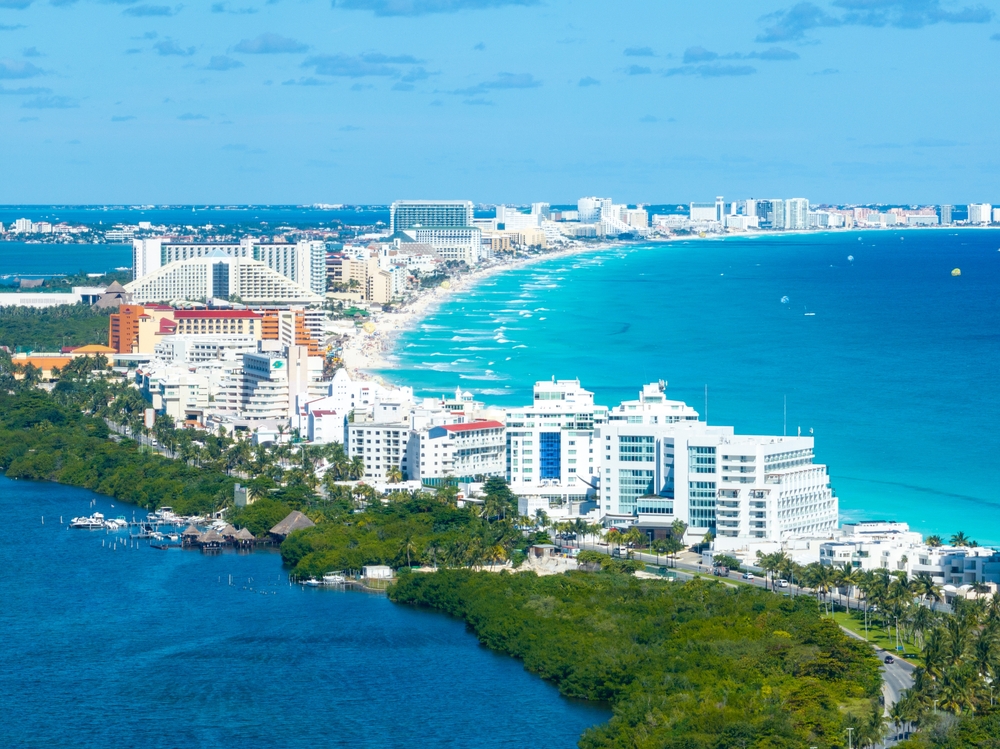
Cancún and nearby Riviera Maya remain top alternatives to Florida for Canadians. Direct flights operate from many major Canadian cities. All-inclusive resorts offer predictable pricing and convenience. Beaches feature warm water and white sand year-round. Excursions include Mayan ruins, cenotes, and eco parks. Spring weather is typically hot and dry. Travel time is manageable compared to long-haul destinations. Passport validity rules should be checked before departure. Tourism infrastructure is well developed for international visitors. Booking early secures better resort choices. This region combines relaxation with optional cultural activities.
Punta Cana, Dominican Republic
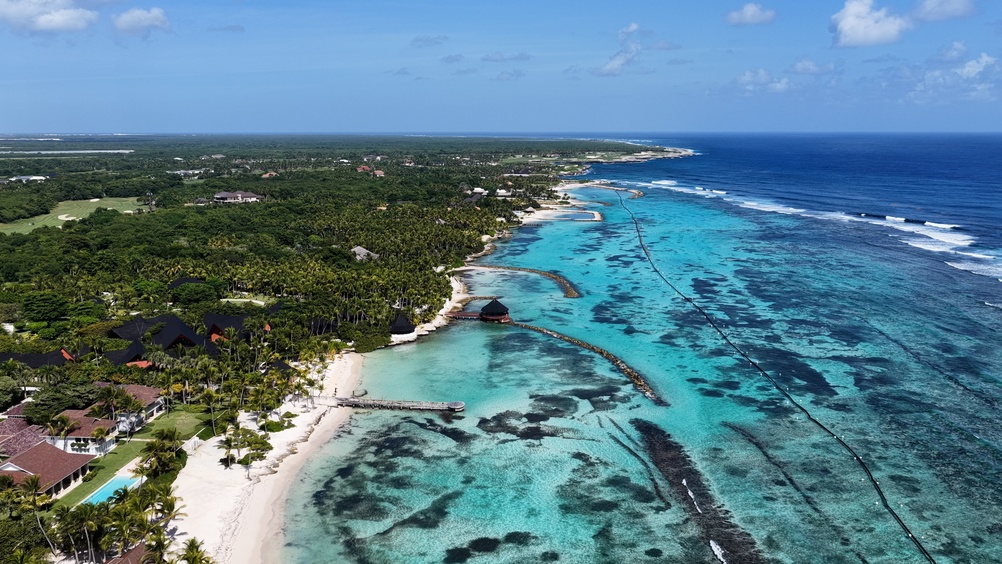
Punta Cana attracts Canadians seeking affordable tropical vacations. Resort packages often include meals, drinks, and entertainment. Wide beaches and calm waters suit families and couples alike. Direct charter flights reduce travel complexity. Spring temperatures remain consistently warm. Many resorts offer organized activities and excursions. English-speaking staff are common in tourist areas. Passport and entry requirements should be reviewed beforehand. Medical insurance is recommended for international travel. Booking before peak periods helps control costs. This destination offers value compared to many Caribbean alternatives.
Montego Bay, Jamaica
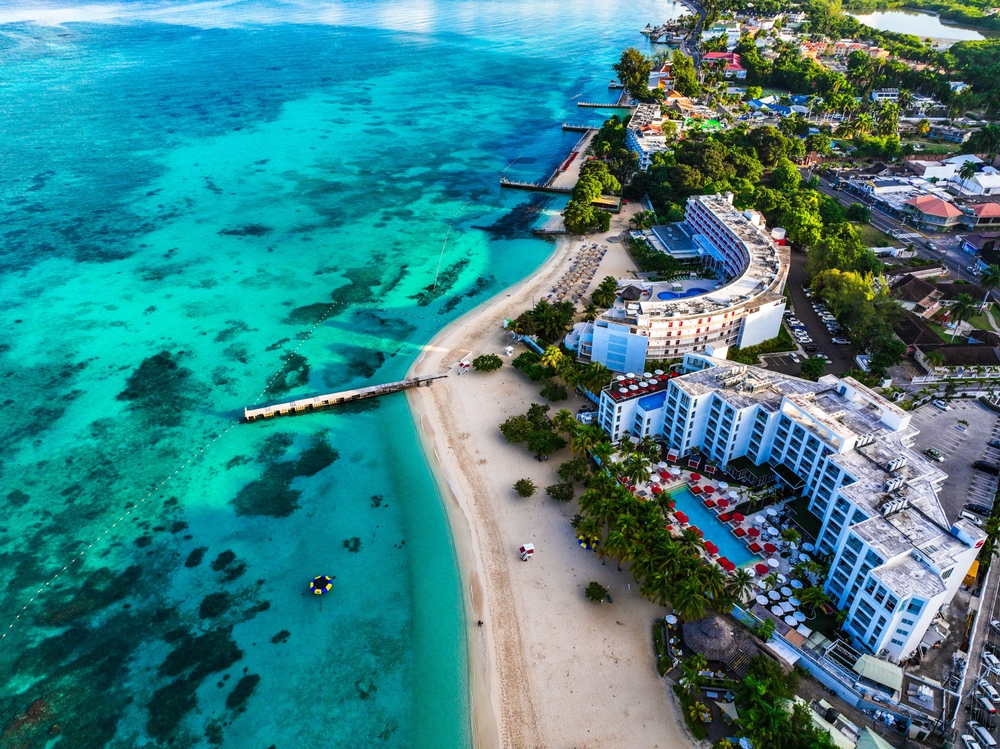
Montego Bay provides a mix of beaches, culture, and nightlife. Direct flights and resort options draw Canadians. All-inclusive properties simplify budgeting for travelers. Local excursions include waterfalls, rafting, and historical tours. Music and cuisine add distinctive cultural appeal. Spring weather is warm with occasional showers. Security guidance should be followed outside resort areas. Transportation arrangements can be organized through hotels. Passport requirements apply for entry. Early booking improves availability during busy seasons. This destination balances relaxation with vibrant local experiences.
Costa Rica’s Pacific Coast
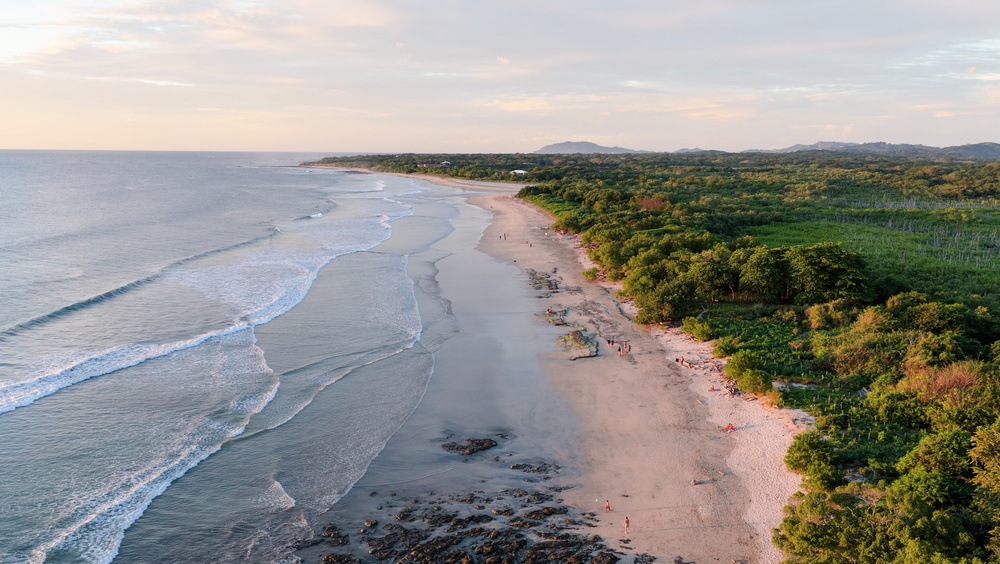
Costa Rica’s Pacific coast appeals to travelers seeking nature and adventure. Canadians visit for beaches, wildlife, and rainforests. Activities include surfing, zip lining, and national park tours. Dry season conditions often extend into early spring. Resorts range from luxury properties to eco lodges. Travel times may be longer than to Caribbean destinations. Environmental conservation is a major focus nationwide. Guided tours help navigate protected areas safely. Passport and health requirements should be confirmed. Costs can vary widely depending on accommodation type. This region suits travelers prioritizing outdoor experiences over nightlife.
Barbados
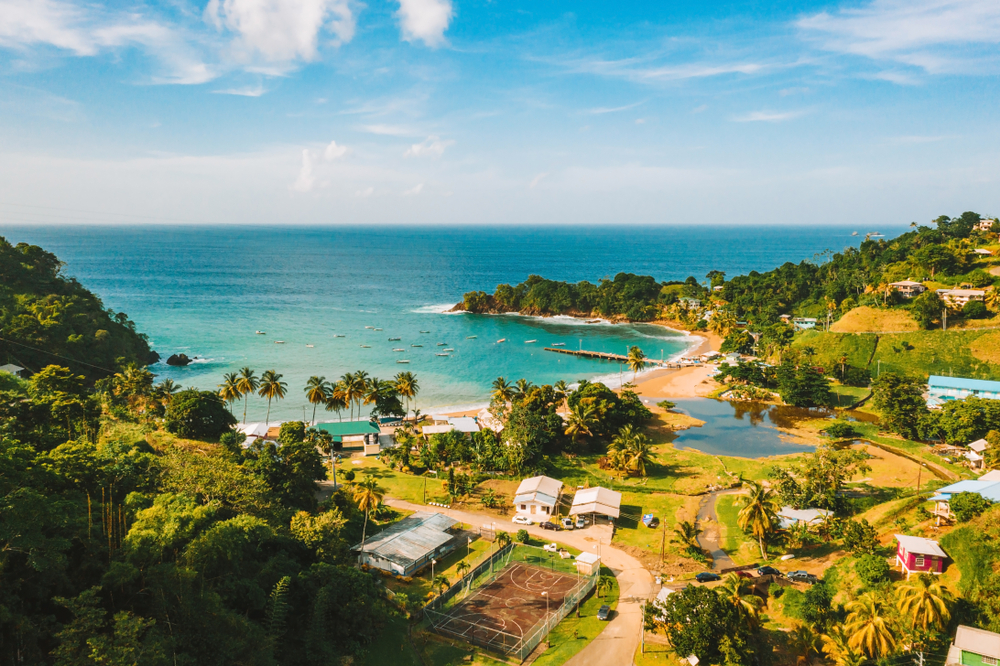
Barbados attracts Canadians seeking a stable and well-developed island destination. Direct flights operate from several major Canadian cities. English is widely spoken, simplifying communication. Beaches range from calm west coast waters to surf areas on the east side. Resorts and vacation rentals offer varied accommodation options. Spring weather remains warm with lower hurricane risk. Local attractions include historic sites and rum distilleries. Public transportation is available but limited in some areas. Passport requirements apply for entry. Early booking helps secure beachfront properties. This island combines relaxation with cultural experiences.
Saint Lucia

Saint Lucia appeals to travelers looking for dramatic scenery and quieter resorts. The island is known for the Piton mountains and lush landscapes. Canadians often choose it for romantic or upscale vacations. Beaches are smaller but scenic compared to larger islands. Activities include snorkeling, hiking, and boat tours. Travel times may be slightly longer than to nearby destinations. English is the official language. Transportation across mountainous terrain can be slow. Passport validity rules must be checked before departure. Booking in advance secures limited resort capacity. This destination emphasizes natural beauty over large-scale tourism.
Portugal’s Algarve Region

The Algarve offers European coastal travel at relatively moderate prices. Canadians visit for mild spring temperatures and scenic beaches. Historic towns provide cultural attractions beyond seaside resorts. Golf courses attract many visitors during this season. Flights usually require connections from Canada. Public transport links major towns along the coast. Accommodation ranges from hotels to private apartments. Rainfall is possible but generally limited. Passport requirements apply for entry into Portugal. Travel insurance is recommended for overseas trips. This region combines relaxation with European heritage experiences.
Southern Spain (Costa del Sol)
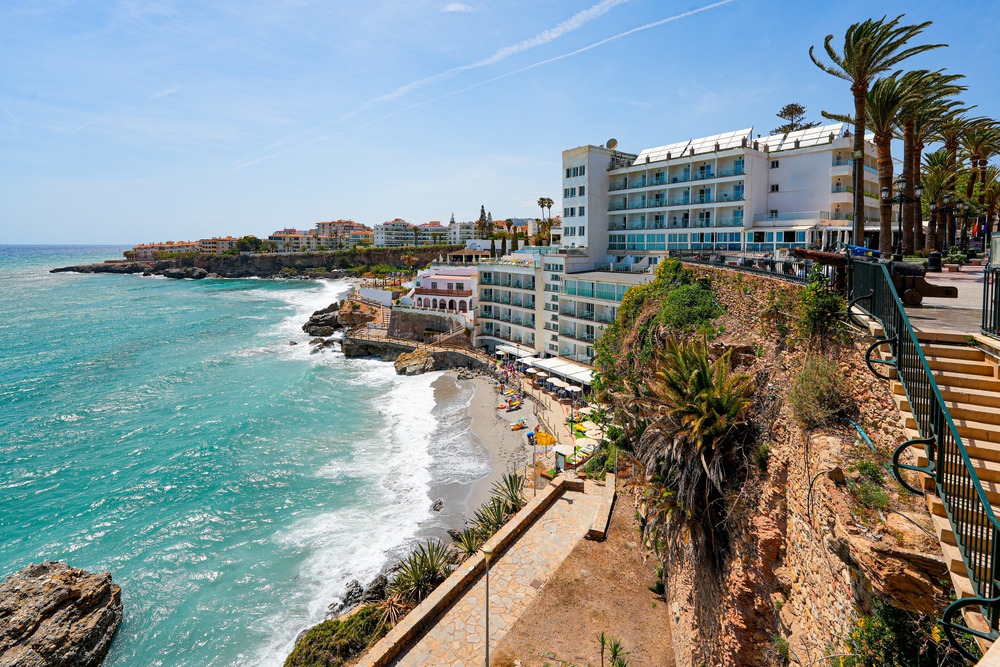
Costa del Sol remains popular for sunny weather and extensive resort infrastructure. Cities such as Málaga and Marbella host international visitors year-round. Canadians appreciate the balance of beaches and urban amenities. Spring temperatures are comfortable for sightseeing. Direct flights are less common, but connections are available. Spanish cuisine and cultural sites add variety to the trip. Public transport and car rentals provide mobility. Tourist areas offer English language services. Passport and entry rules must be reviewed beforehand. Early reservations secure desirable coastal accommodations. This destination blends leisure travel with cultural exploration.
Hawaii

Hawaii remains a popular long-haul alternative for Canadians avoiding Florida. Direct flights operate from major western Canadian cities. Warm temperatures and volcanic landscapes offer a distinct setting. Islands such as Oahu and Maui provide varied experiences. Activities include beaches, hiking, and cultural attractions. Travel time is longer than to Caribbean destinations. Accommodation costs can be high during peak periods. U.S. entry requirements apply to Canadian visitors. Car rentals are often recommended for exploring. Booking early secures better flight prices. This destination combines tropical weather with a strong tourism infrastructure.
Vancouver Island, British Columbia
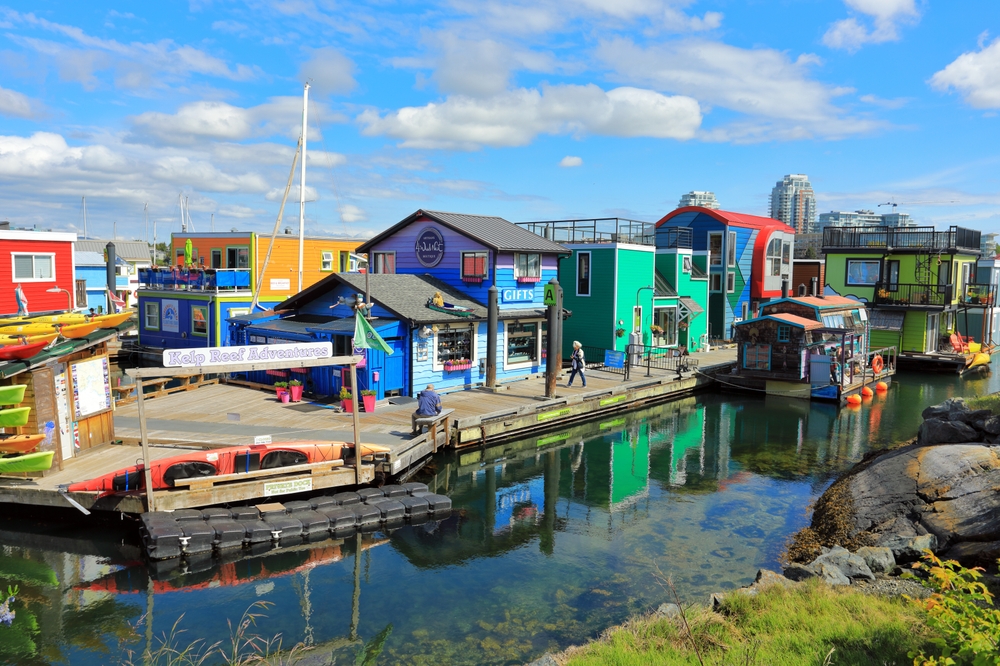
Vancouver Island offers a domestic option with milder coastal weather. Cities like Victoria attract visitors with historic architecture and gardens. Whale watching tours operate during the spring months. Ferry travel connects the island to mainland British Columbia. Rainfall is common, so waterproof clothing is advisable. Accommodation ranges from hotels to remote lodges. Domestic travel eliminates passport concerns. Outdoor activities include hiking and kayaking. Local seafood is a culinary highlight. Booking early is recommended for popular towns. This destination appeals to travelers seeking nature without leaving Canada.
Banff and Lake Louise, Alberta

Banff National Park remains one of Canada’s most iconic destinations. Spring visitors experience a mix of snow and emerging greenery. Skiing may still be available at higher elevations. Wildlife sightings increase as animals become more active. Scenic drives provide access to lakes and mountain viewpoints. Accommodation demand remains high year-round. The weather can change quickly in the mountains. Park entry fees apply to visitors. Layered clothing is essential for comfort. Reservations secure limited lodging. This region attracts travelers seeking dramatic alpine scenery.
Prince Edward Island Beaches
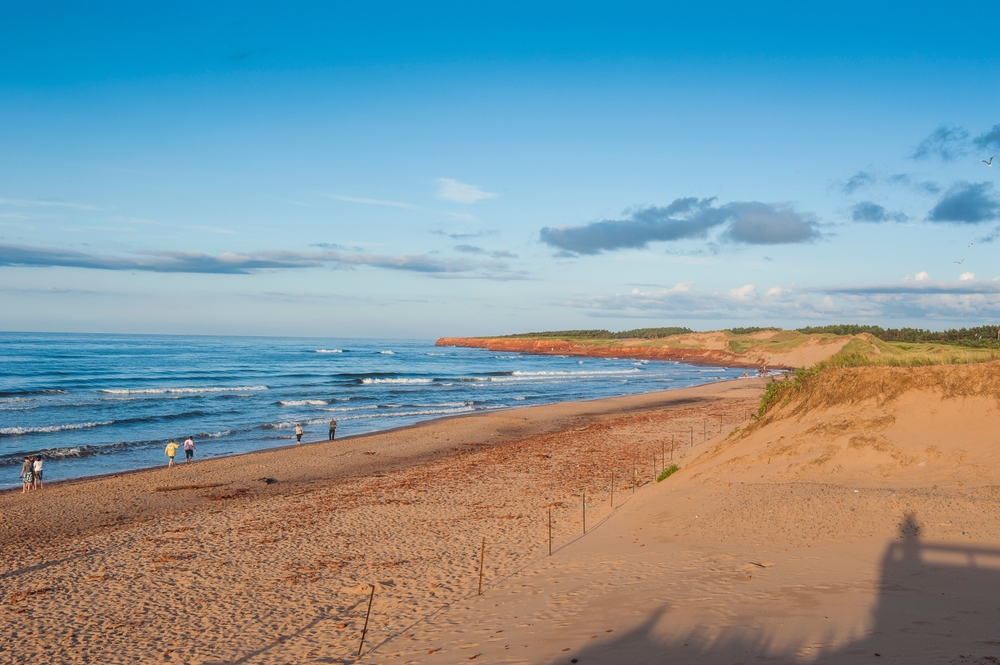
Prince Edward Island offers quieter coastal experiences compared to Florida. Red sand beaches and rolling dunes define the landscape. Spring weather is cooler than in southern destinations. Crowds are minimal before summer tourism begins. Seafood, especially lobster, is a major draw. Driving is the primary way to explore the island. The Confederation Bridge provides road access from the mainland. Accommodation availability improves outside peak season. Coastal winds can be strong in spring. Packing warm layers is important. This destination suits travelers seeking peaceful seaside scenery.
Nova Scotia’s Cabot Trail
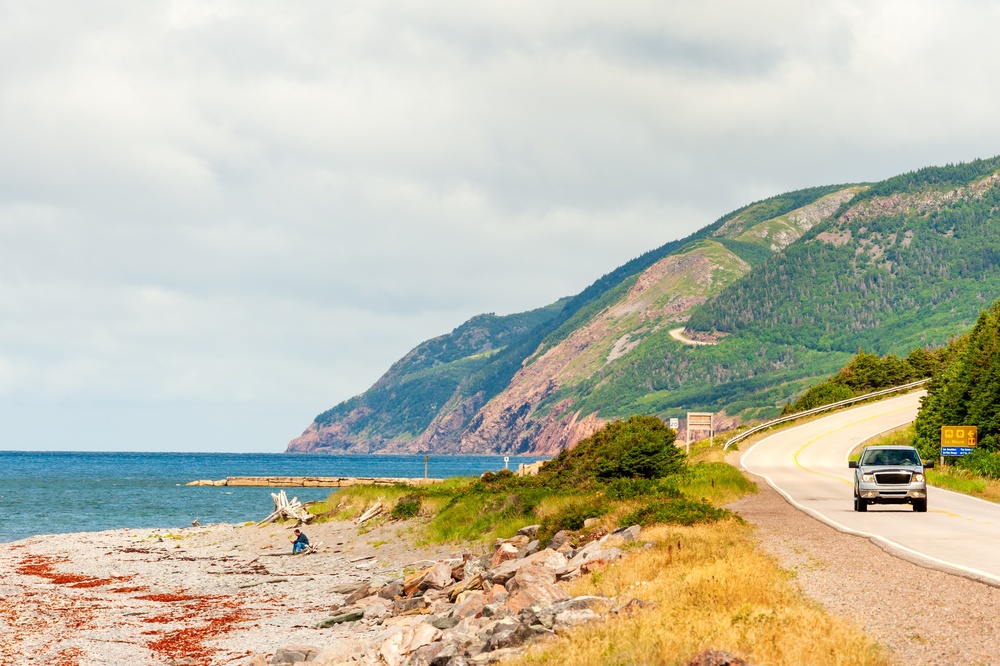
The Cabot Trail offers one of Canada’s most scenic coastal drives. Spring visitors encounter fewer crowds than summer tourists. Ocean views combine with forested highlands along the route. The weather can be cool and windy near the coast. Some seasonal businesses may open gradually during spring. Wildlife sightings are possible in quieter areas. Driving conditions are generally good but require caution on curves. Accommodation options include inns and cabins. Booking helps in popular sections. Local seafood restaurants begin reopening for the season. This destination appeals to travelers seeking dramatic scenery and road travel.
Kelowna and the Okanagan Valley

Kelowna and the Okanagan Valley attract Canadians with mild spring weather. Vineyards begin reopening for tastings as temperatures rise. Lakeside scenery supports outdoor activities like walking and cycling. Fruit orchards may bloom during this period. Accommodation ranges from resorts to vacation rentals. Domestic flights and road access make travel convenient. Spring crowds are smaller than the peak summer season. The weather can vary between warm days and cool evenings. Transportation is recommended for exploring the surrounding towns. Booking early secures desirable lakefront properties. This region combines relaxation with wine tourism.
Quebec City and Charlevoix Region
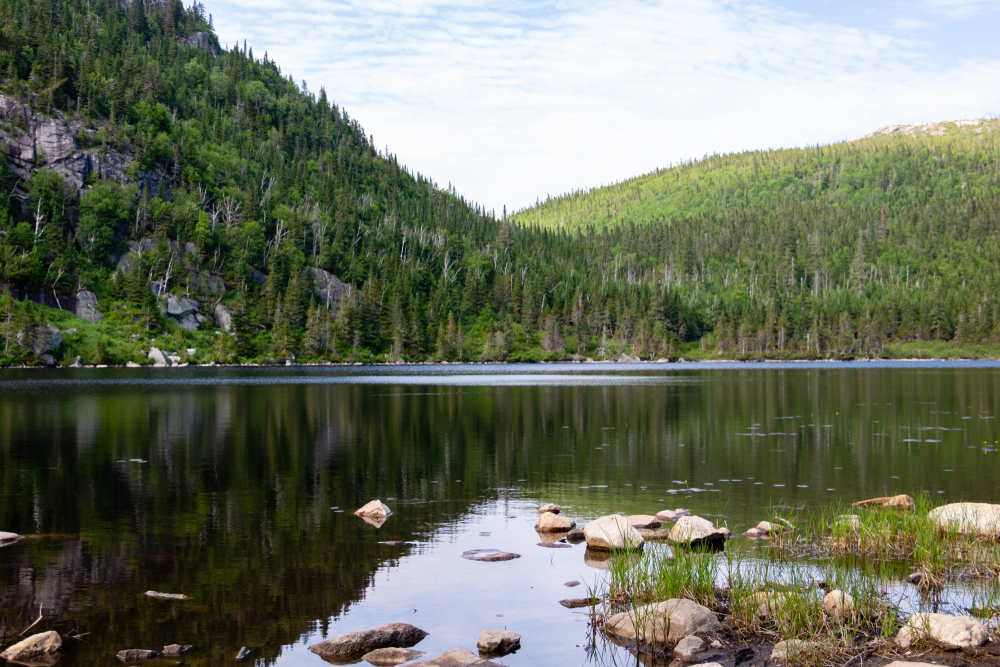
Quebec City offers European-style architecture without overseas travel. Historic districts attract visitors interested in culture and history. Spring temperatures gradually rise after winter. Charlevoix nearby provides rural landscapes and river views. Whale watching tours begin later in the season. French language signage is common, but tourism services assist visitors. Rail and road links connect the region to major cities. Accommodation demand increases around holidays. Packing layers is advisable for changing conditions. Local cuisine emphasizes regional specialties. This destination blends urban heritage with scenic countryside experiences.
22 Groceries to Grab Now—Before another Price Shock Hits Canada

Food prices in Canada have been steadily climbing, and another spike could make your grocery bill feel like a mortgage payment. According to Statistics Canada, food inflation remains about 3.7% higher than last year, with essentials like bread, dairy, and fresh produce leading the surge. Some items are expected to rise even further due to transportation costs, droughts, and import tariffs. Here are 22 groceries to grab now before another price shock hits Canada.
22 Groceries to Grab Now—Before another Price Shock Hits Canada
