
Canada offers numerous destinations that feel luxurious without requiring international travel. Social media has highlighted scenic locations that look exclusive and high-end in photos. Many of these places remain less crowded than famous tourist hotspots. Travelers are discovering that dramatic landscapes, historic towns, and coastal views exist across the country. Spring and summer conditions make these locations especially photogenic. Domestic trips also reduce travel complexity and currency concerns. Here are 23 underrated Canadian getaways that look expensive on Instagram.
Tofino, British Columbia
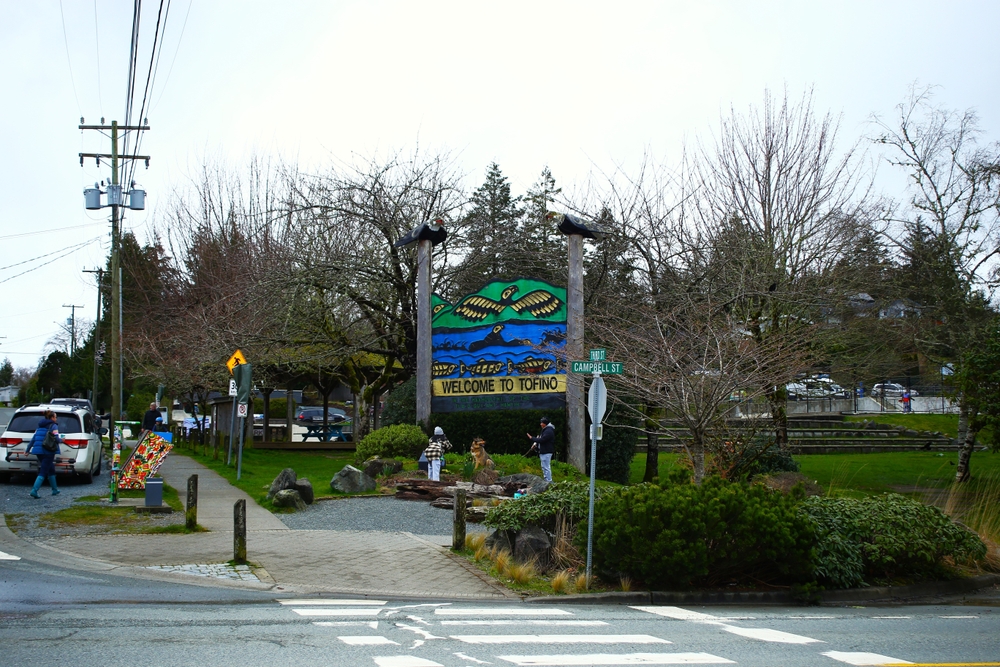
Tofino offers dramatic coastal scenery that photographs exceptionally well. Luxury style resorts overlook the Pacific Ocean and long sandy beaches. Storm watching season attracts visitors seeking powerful ocean views. Surfing is popular even in cooler months with wetsuits. Whale watching tours operate during migration periods. Local restaurants emphasize seafood and regional ingredients. Travel requires ferry or flight connections from the mainland. Accommodation prices can be high during peak periods. Fog and rain are common weather features. Early booking is recommended due to limited capacity. The remote setting creates an upscale appearance in photos.
Ucluelet, British Columbia
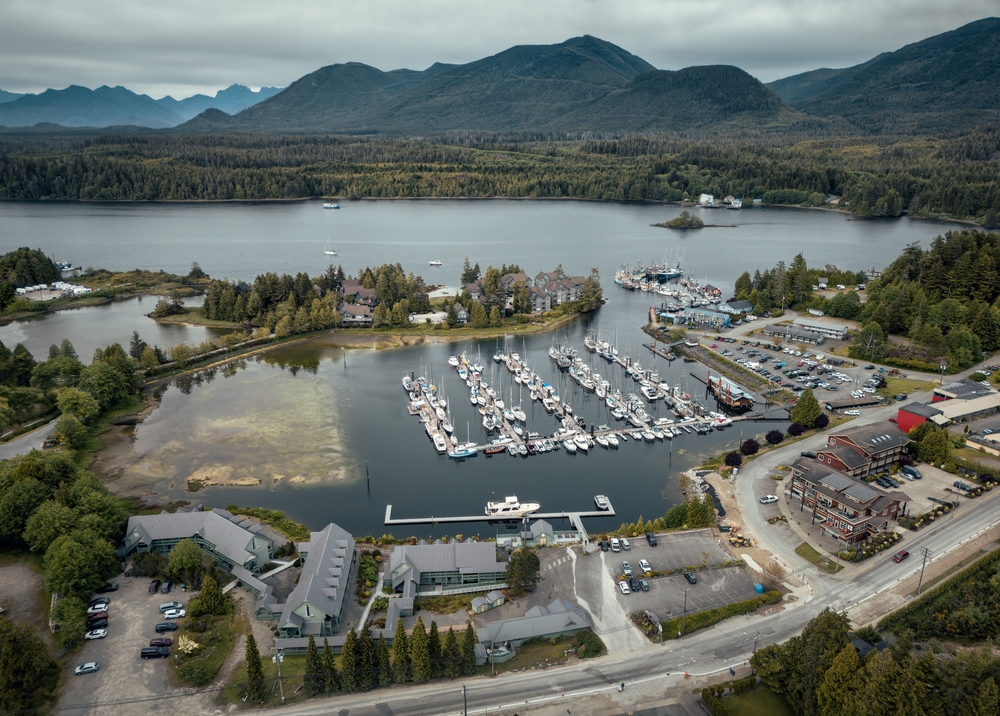
Ucluelet provides similar scenery to Tofino with fewer crowds. Coastal cliffs and rugged shorelines dominate the landscape. The Wild Pacific Trail offers scenic walking routes. Boutique lodges overlook the ocean with panoramic views. Wildlife sightings include seals, birds, and occasionally whales. Weather conditions can change rapidly along the coast. Dining options are smaller but high-quality. Travel logistics mirror those of nearby Tofino. Accommodation availability may be better outside peak season. Quiet surroundings appeal to travelers seeking privacy. Photos often highlight dramatic waves and rocky formations.
Haida Gwaii, British Columbia
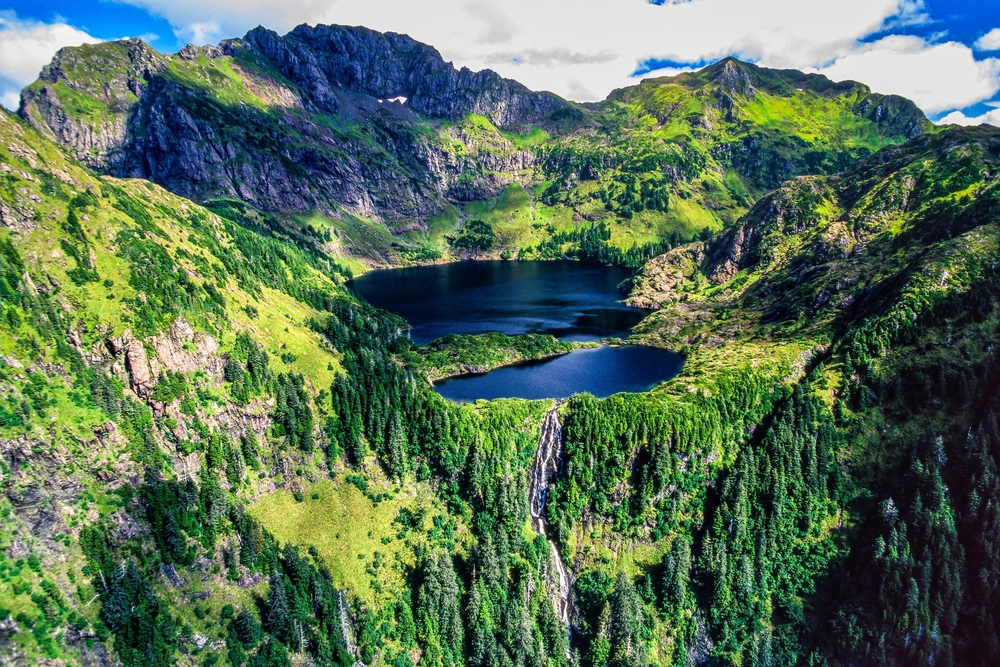
Haida Gwaii is one of Canada’s most remote island destinations. Visitors are drawn by untouched landscapes and cultural heritage. Ancient Haida sites provide historical significance. Dense forests and wild coastlines dominate the scenery. Travel typically involves flights from Vancouver or Prince Rupert. The weather is frequently rainy and cool. Limited accommodations create an exclusive feel. Guided tours help access protected areas responsibly. Wildlife includes seabirds and marine species. Logistics require careful planning due to isolation. Images from the region often appear dramatic and expensive.
Whistler’s Hidden Lakes, British Columbia
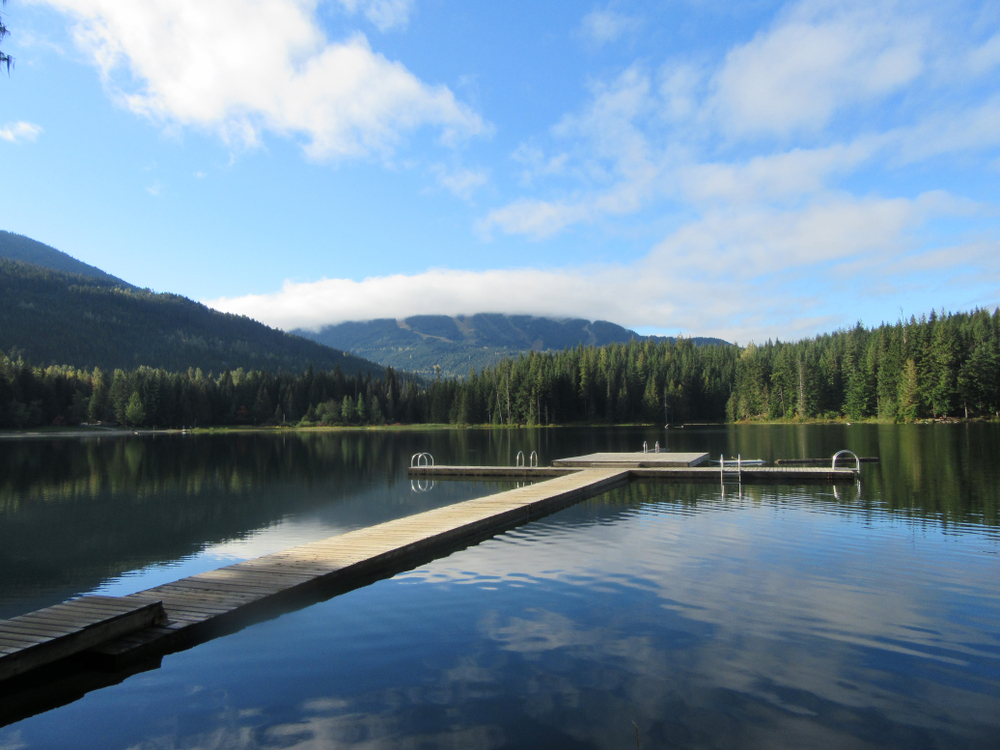
Beyond the ski village, Whistler hosts numerous lesser-known lakes. Locations such as Joffre Lakes attract photographers with vivid colors. Alpine surroundings create striking natural backdrops. Access may involve hiking on maintained trails. Snow can linger into late spring at higher elevations. Parking capacity is limited at popular trailheads. Clear weather produces reflections ideal for photos. Facilities vary depending on the site. Visitors should prepare for changing mountain conditions. Weekdays tend to be quieter than weekends. These lakes offer luxury-looking scenery without resort prices.
Banff’s Less-Crowded Viewpoints, Alberta
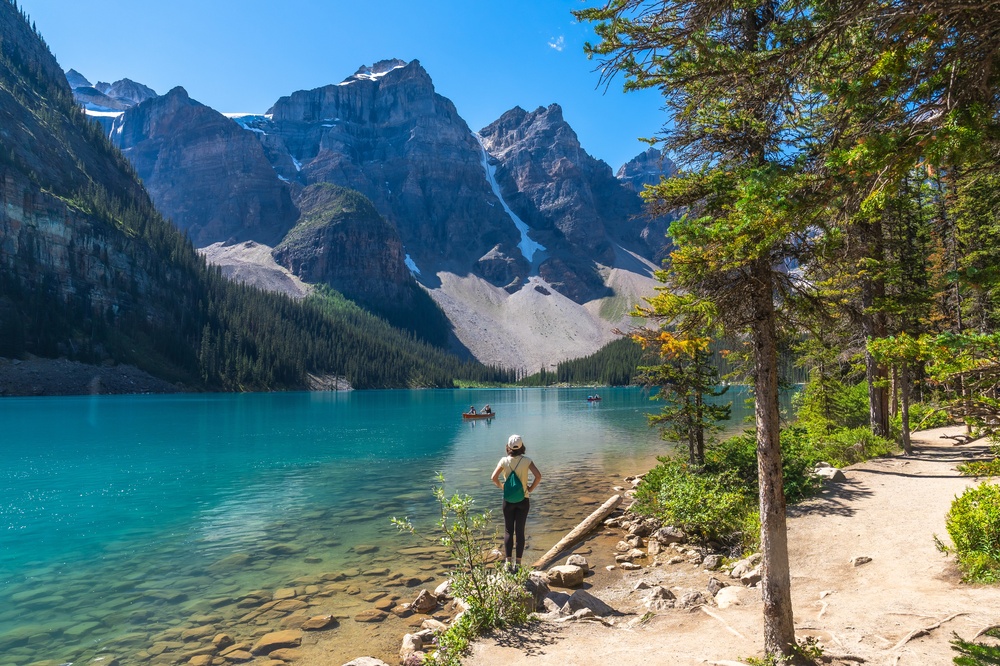
Banff attracts heavy tourism, but quieter viewpoints still exist. Locations outside the main lakes reduce congestion significantly. Scenic pullouts along the Bow Valley Parkway offer mountain vistas. Sunrise visits provide softer light and fewer visitors. Wildlife sightings are more likely in quieter areas. Parking is limited at smaller stops. The weather can change rapidly in alpine environments. Facilities may be minimal compared to major attractions. Photography conditions vary by season. Early planning helps identify accessible viewpoints. These spots deliver iconic scenery without dense crowds.
Waterton Lakes National Park, Alberta
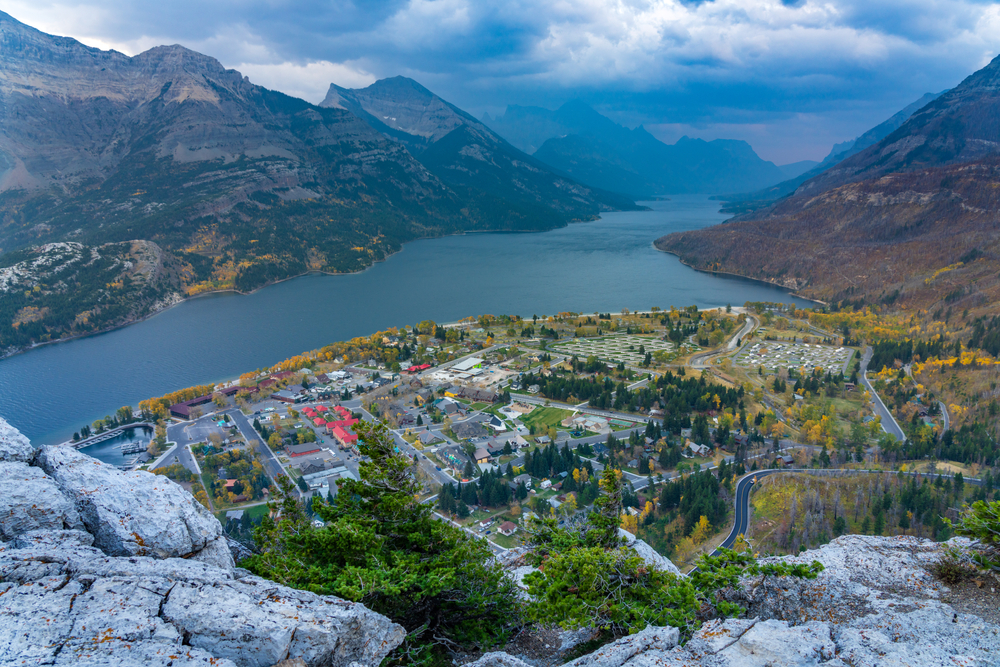
Waterton Lakes offers dramatic mountain scenery with fewer visitors than Banff. The park borders the United States, creating a unique landscape. Lakes, prairies, and peaks meet in one location. Spring brings wildflowers across open areas. Wind conditions can be strong near the water. Wildlife sightings include deer and bighorn sheep. Accommodation options are limited within the park. Driving access is straightforward from southern Alberta. Hiking trails range from easy to challenging. The weather varies quickly due to elevation changes. Photos often resemble more famous alpine destinations.
Grasslands National Park, Saskatchewan
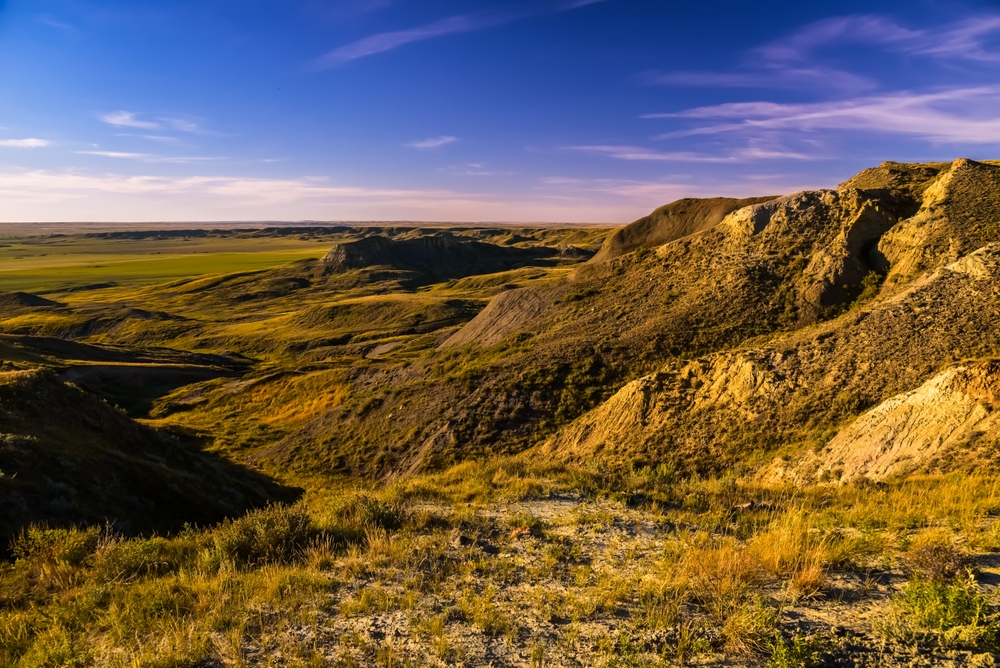
Grasslands National Park showcases wide-open prairie landscapes. Rolling hills and expansive skies create a striking visual contrast. Light pollution is minimal, making stargazing exceptional. Spring temperatures can fluctuate widely. Facilities are limited compared to larger parks. Wildlife includes bison and prairie species. Road access may involve gravel sections. Visitors should carry supplies due to remote conditions. Quiet surroundings appeal to those seeking solitude. Photography emphasizes scale and horizon lines. The scenery appears dramatic despite its simplicity.
Riding Mountain National Park, Manitoba
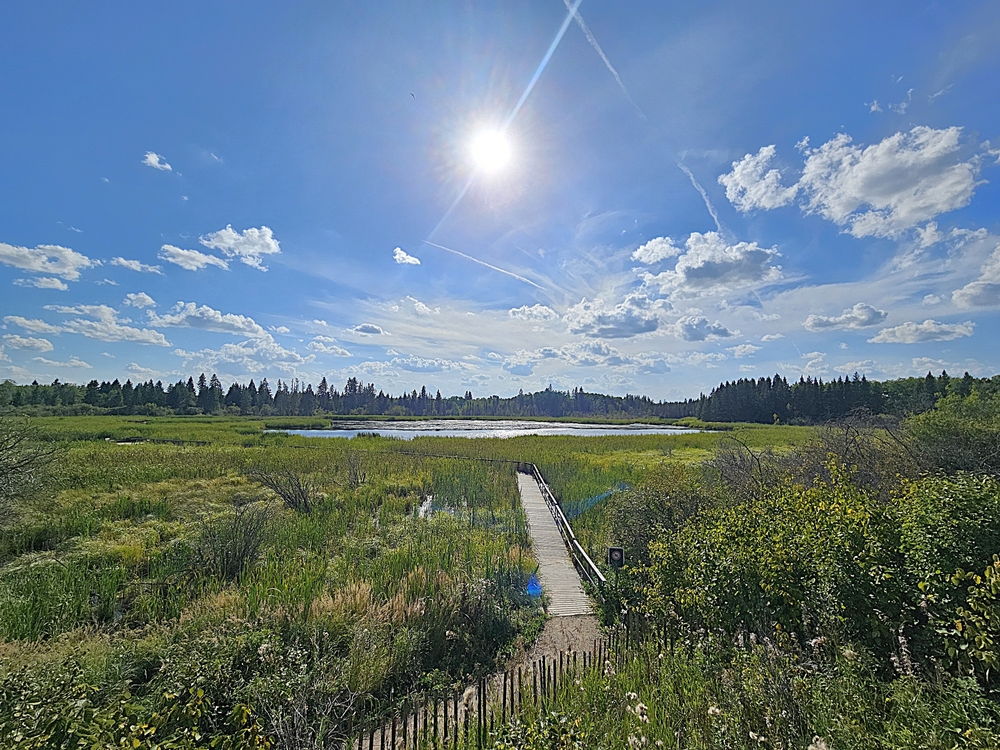
Riding Mountain combines forests, lakes, and prairie environments. Clear Lake serves as the central attraction. The town of Wasagaming provides accommodations and services. Spring visitors encounter fewer crowds than summer tourists. Wildlife sightings include elk and black bears. Hiking and cycling trails surround the lake area. Weather conditions can still be cool early in the season. Facilities reopen gradually after winter closures. Scenic drives offer varied viewpoints. Booking ahead helps secure limited lodging. The diverse landscape produces impressive images with minimal effort.
Prince Edward County, Ontario
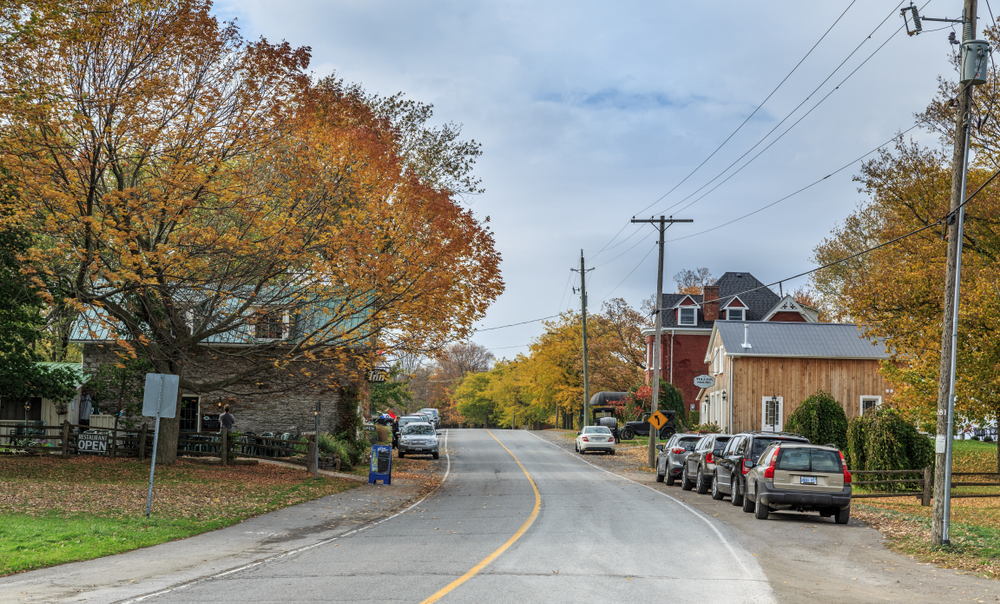
Prince Edward County blends rural charm with upscale experiences. Vineyards, boutique hotels, and art galleries attract visitors year-round. Sandbanks Provincial Park features long sandy beaches and dunes. Spring brings fewer crowds than the summer months. Farm-to-table dining is a major highlight. Driving is the easiest way to explore scattered attractions. Accommodation includes inns, cottages, and luxury rentals. The weather can be cool near Lake Ontario. Reservations are recommended for popular wineries. Scenic backdrops make photos appear high-end. The region offers a refined atmosphere without international travel.
Tobermory and Flowerpot Island, Ontario
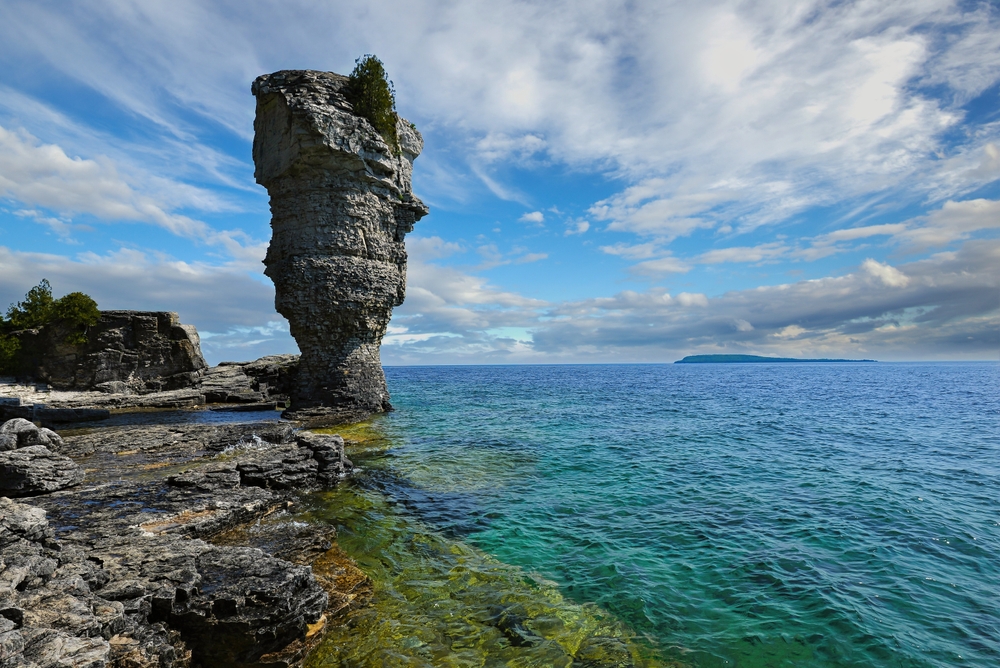
Tobermory sits at the northern tip of the Bruce Peninsula. Clear turquoise water gives the area a tropical appearance. Boat tours transport visitors to Flowerpot Island. Unique rock formations create dramatic photo opportunities. Hiking trails provide elevated views of Georgian Bay. Spring conditions can be windy and cool. Ferry schedules operate seasonally depending on the weather. Accommodation options are limited in peak periods. Snorkeling and diving reveal shipwrecks in clear water. Booking is essential for tours. Images often resemble coastal destinations abroad.
Thousand Islands Region, Ontario
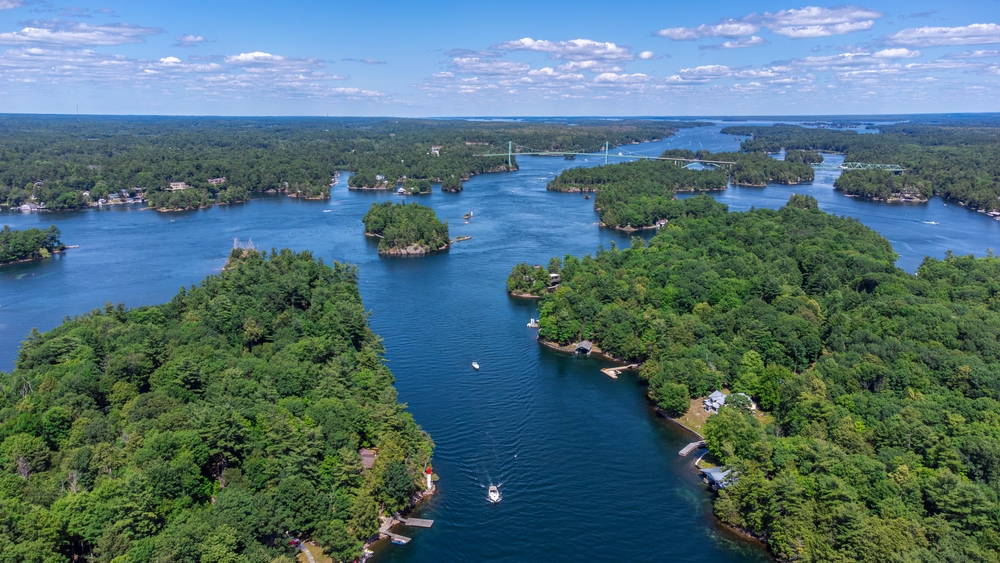
The Thousand Islands region stretches along the St. Lawrence River. Numerous small islands host cottages and historic castles. Boat cruises offer the best way to view the area. Spring travel avoids heavy summer traffic. Waterfront resorts provide scenic accommodations. Fishing and kayaking are popular activities. Border proximity means some islands lie within U.S. territory. Passport requirements apply for cross-border stops. The weather can vary due to river breezes. Photography highlights water, greenery, and architecture together. The setting appears luxurious despite moderate travel costs.
Mont-Tremblant Village, Quebec
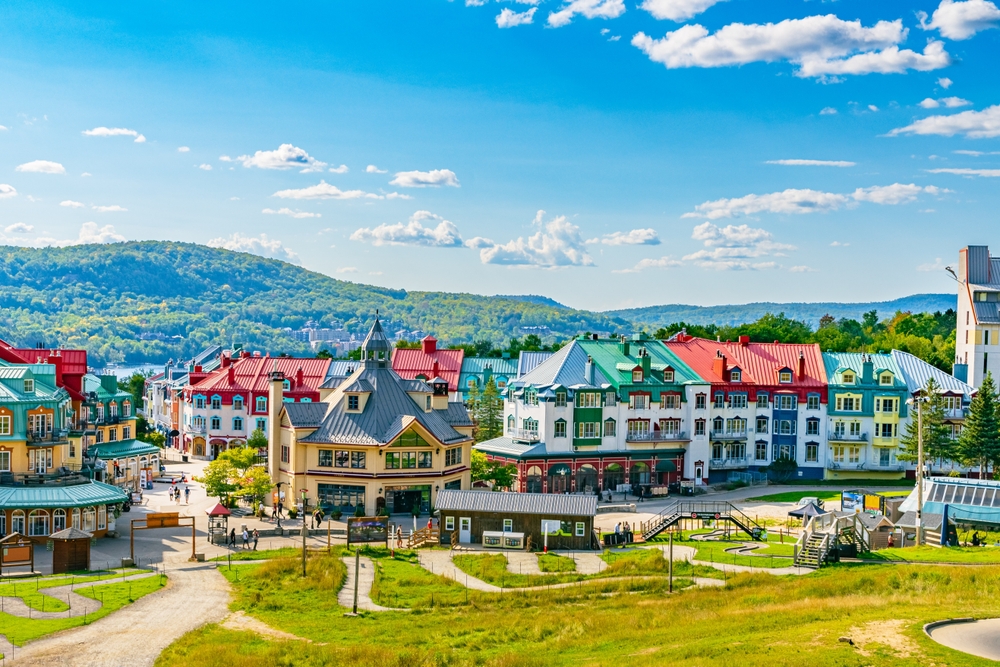
Mont Tremblant is known for its colorful pedestrian village. European-style architecture attracts photographers year-round. Ski slopes dominate winter tourism, but spring remains active. Hiking and gondola rides offer panoramic views. Restaurants and shops line the central square. Accommodation ranges from hotels to vacation condos. Travel from Montreal is straightforward by car. Snow may linger at higher elevations in spring. Outdoor activities depend on seasonal conditions. Reservations help secure preferred lodging. The village’s design creates an upscale atmosphere in photos.
Charlevoix Region, Quebec
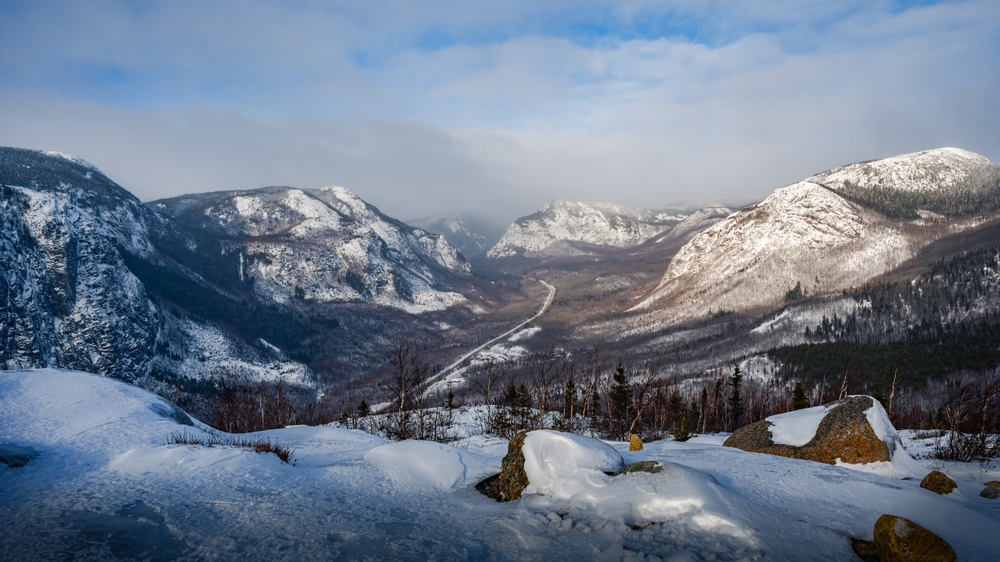
Charlevoix combines mountains, river views, and rural villages. The St. Lawrence River provides a dramatic backdrop. Scenic drives connect small towns with cultural attractions. Local farms and markets highlight regional cuisine. Whale watching tours operate from nearby coastal areas. Spring brings quieter conditions than summer. Accommodation ranges from inns to luxury resorts. French language signage is common throughout the region. The weather can shift quickly due to elevation changes. Booking is recommended for popular viewpoints. Photos often resemble European countryside settings.
Gaspé Peninsula, Quebec
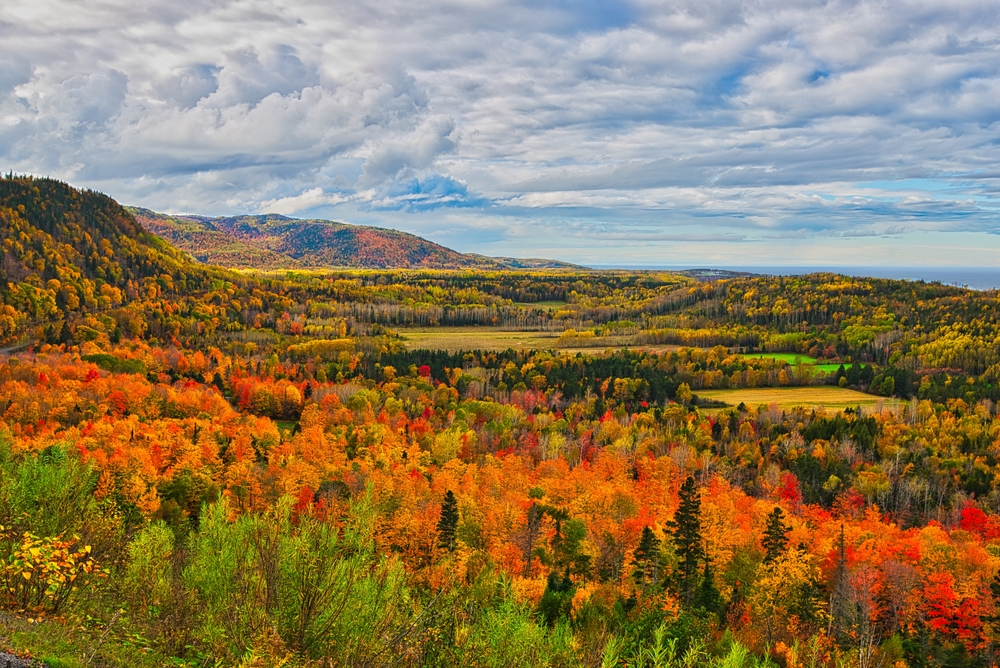
The Gaspé Peninsula offers rugged coastal landscapes and historic sites. Percé Rock stands as the region’s most recognizable landmark. Scenic highways trace cliffs overlooking the Gulf of St. Lawrence. Spring travel avoids heavy tourist crowds. Wildlife sightings include seabirds and marine animals. Travel distances between towns can be long. Accommodation options vary by community size. Weather remains cool and windy near the coast. Gas stations may be limited in remote stretches. Careful planning improves comfort during the trip. Images often capture dramatic ocean scenery.
Forillon National Park, Quebec
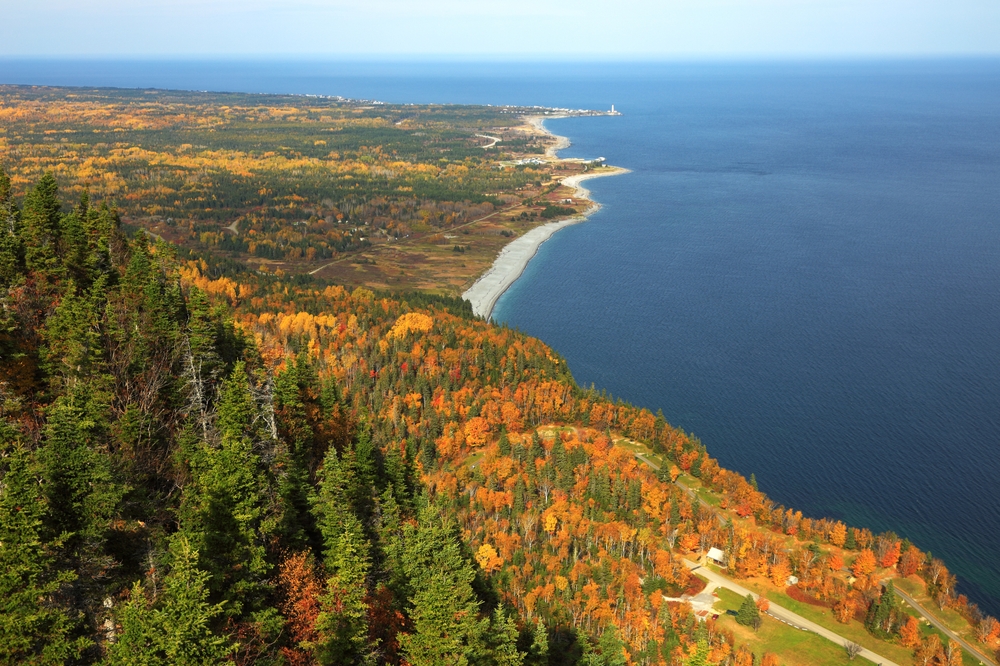
Forillon National Park sits at the eastern tip of the peninsula. Cliffs, forests, and shoreline meet in one protected area. Hiking trails provide access to panoramic viewpoints. Whale sightings are possible during migration seasons. Spring conditions can be unpredictable with fog or rain. Camping facilities reopen gradually after winter. Wildlife includes moose and seabirds. Visitor services may operate on limited schedules early in the season. Driving access is straightforward from nearby towns. Preparation for remote conditions is advisable. The scenery appears pristine and untouched.
Kouchibouguac National Park, New Brunswick
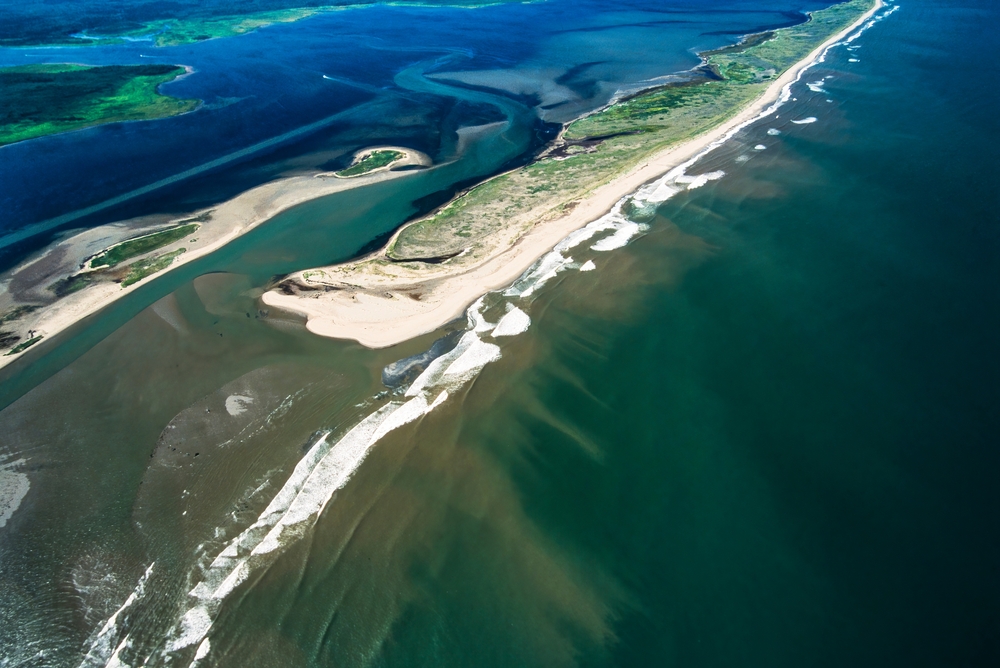
Kouchibouguac features sandy beaches, lagoons, and forest trails. The park is less crowded than many coastal destinations. Spring visitors experience peaceful surroundings before summer tourism. Cycling routes and boardwalks provide easy exploration. Wildlife sightings include birds and marine species. Mosquitoes may appear as temperatures rise. Facilities reopen gradually during the season. Accommodation includes campgrounds and nearby lodges. The weather can remain cool near the water. Planning ensures access to open services. Photos emphasize natural beauty and open space.
Bay of Fundy Coast, New Brunswick
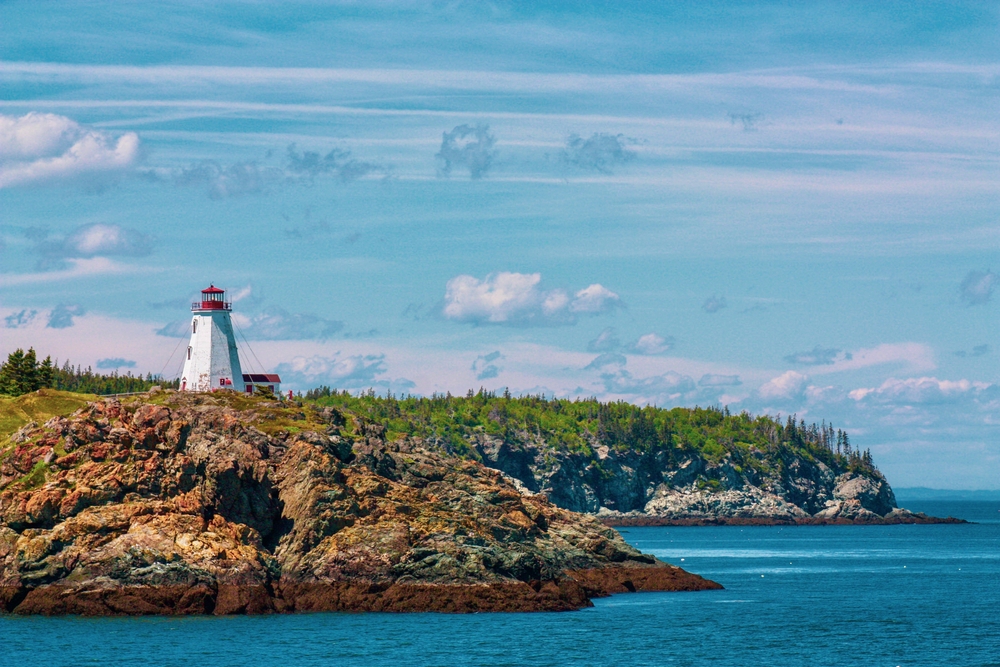
The Bay of Fundy is known for the world’s highest tides. Rock formations such as the Hopewell Rocks attract photographers. Visitors can walk on the ocean floor at low tide. Timing is essential to experience tidal changes safely. Spring conditions may include fog and rain. Coastal trails offer elevated viewpoints. Accommodation ranges from inns to small hotels. Seafood restaurants highlight regional specialties. Driving is necessary to reach most attractions. Booking early helps secure lodging in peak periods. The dramatic landscape creates striking images.
Cape Breton Highlands, Nova Scotia
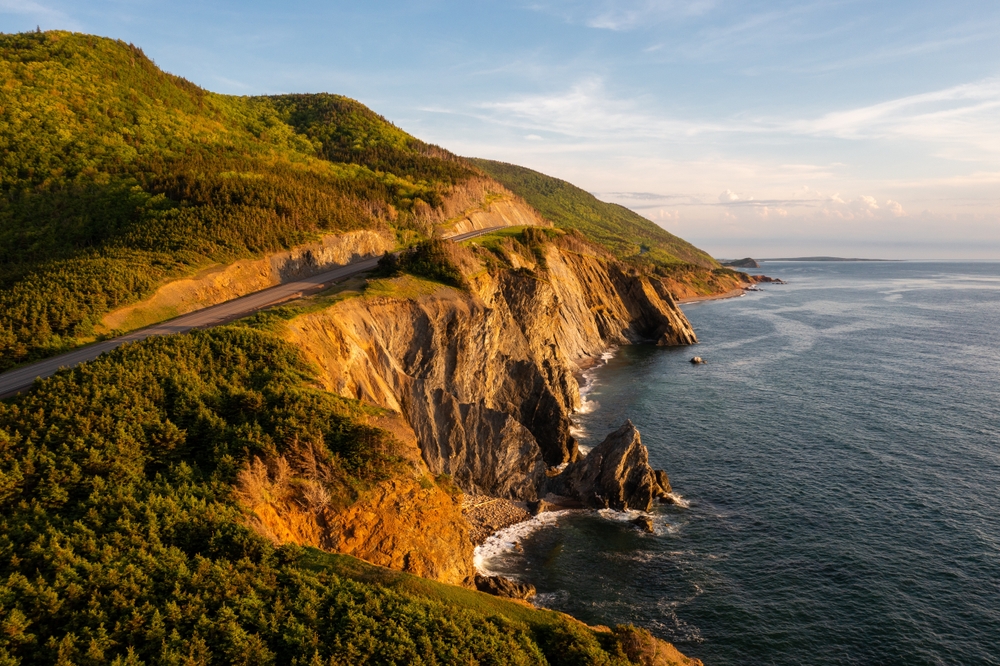
Cape Breton Highlands feature dramatic cliffs and coastal drives. The Cabot Trail passes through the park’s most scenic areas. Spring visitors encounter fewer vehicles than in the peak summer months. Hiking trails provide views of the ocean and forest landscapes. The weather can be cool and foggy near the coast. Wildlife sightings may include moose or seabirds. Services reopen gradually after winter closures. Driving requires attention on winding roads. Accommodation options include inns and campgrounds. Early reservations help secure limited rooms. Photos often capture sweeping views that appear very high-end.
Lunenburg, Nova Scotia
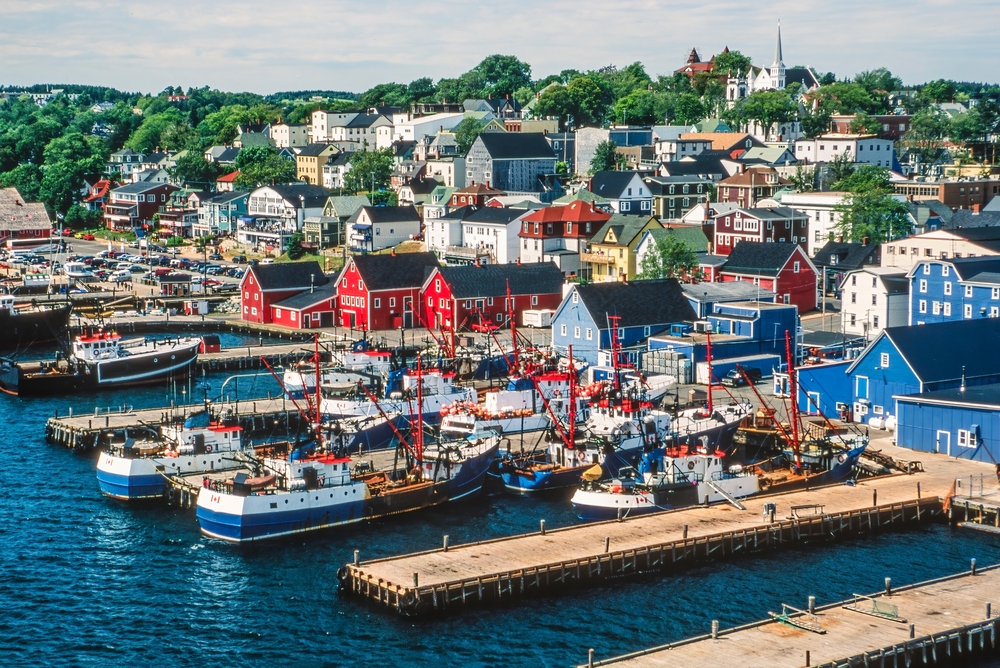
Lunenburg is a UNESCO World Heritage town known for its colorful buildings. Historic architecture reflects its maritime past. Waterfront streets provide picturesque views for photography. Local museums highlight shipbuilding traditions. Seafood restaurants are a major attraction. Spring travel offers quieter streets than summer. Walking is the easiest way to explore the town. Accommodation includes inns and small hotels. The weather may remain cool near the ocean. Parking can be limited in historic areas. Images often resemble European coastal villages.
Fogo Island, Newfoundland and Labrador
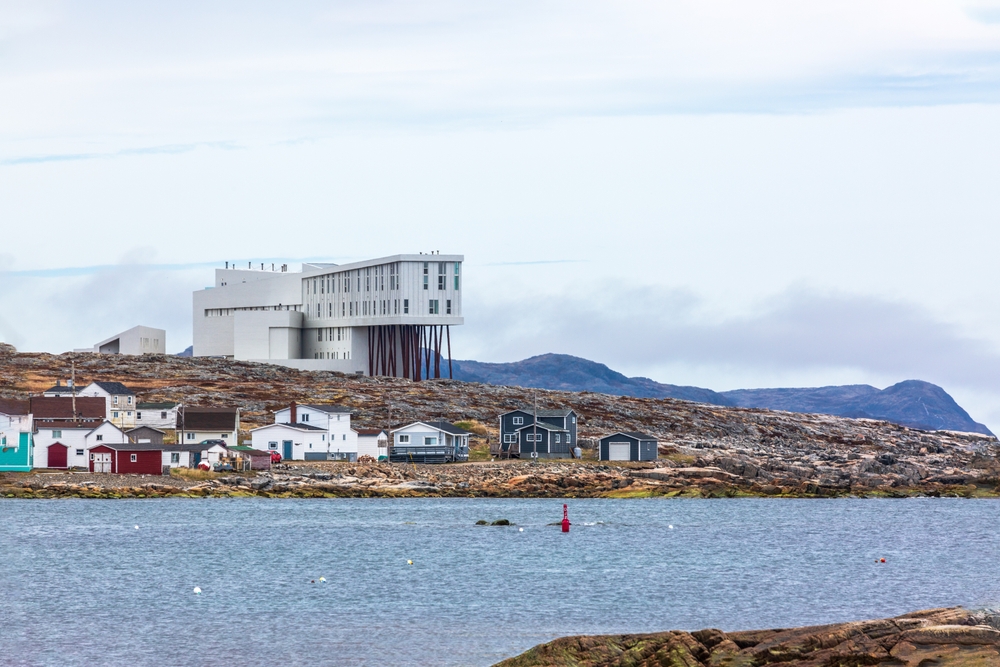
Fogo Island is one of Canada’s most remote destinations. Rugged coastlines and traditional fishing villages define the scenery. Modern architecture at select inns contrasts with the natural surroundings. Travel involves flights and ferry connections. The weather is often windy and cool. Wildlife sightings include seabirds and marine species. Limited services create an exclusive atmosphere. Booking is essential due to low capacity. Cultural experiences highlight local traditions. Preparation for isolation improves comfort. Photos from the island often appear luxurious and unique.
Gros Morne National Park, Newfoundland and Labrador
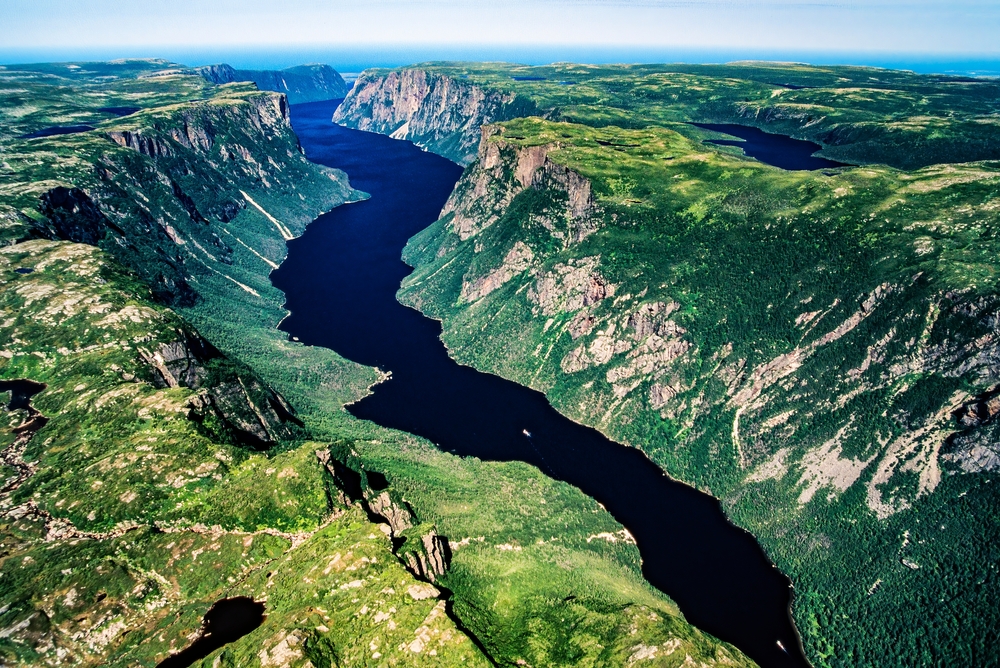
Gros Morne showcases mountains, fjords, and coastal plains. The landscape reflects ancient geological formations. Hiking trails range from easy walks to demanding climbs. Spring conditions vary from snow patches to blooming vegetation. Boat tours explore fjord areas when available. Wildlife includes moose and bird species. Accommodation is limited in nearby communities. The weather can shift quickly across elevations. Planning ahead helps access open facilities. Driving distances between sites can be significant. The dramatic terrain photographs exceptionally well.
Dawson City, Yukon
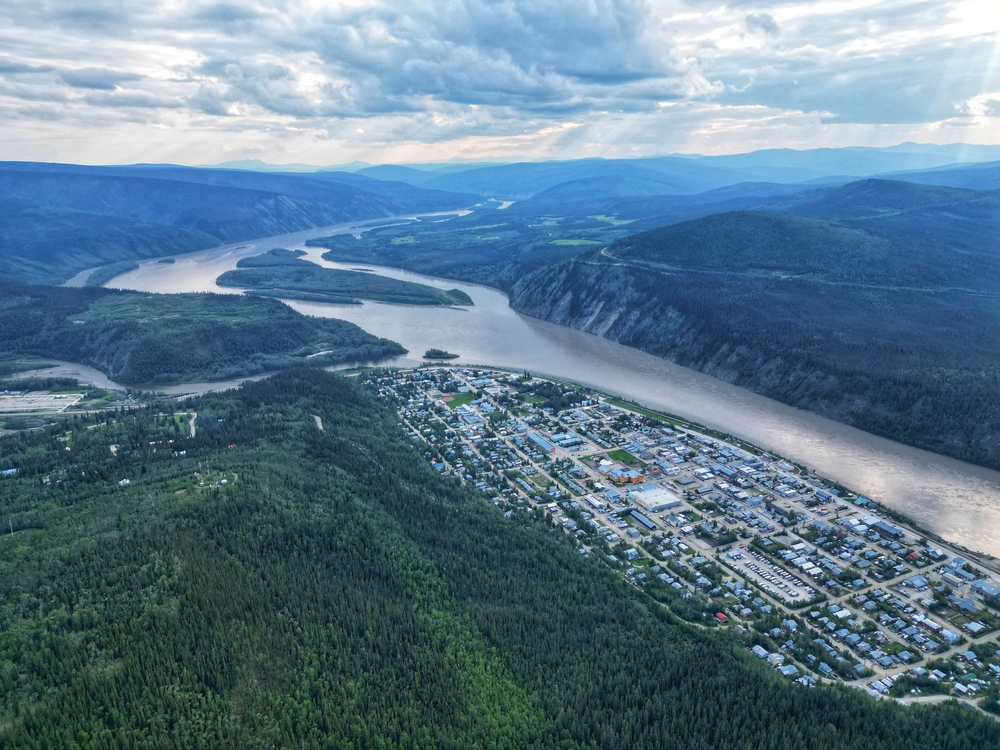
Dawson City preserves architecture from the Klondike Gold Rush era. Wooden buildings and boardwalks create a historic atmosphere. Spring travel avoids peak summer crowds. Cultural sites include museums and heritage locations. Travel often involves flights with connections. Weather remains cool with lingering snow possible. Accommodation options are limited but distinctive. Local events highlight northern traditions. Services may operate on reduced schedules early in the season. Preparation for remote conditions is important. Images capture a unique frontier aesthetic.
Churchill, Manitoba
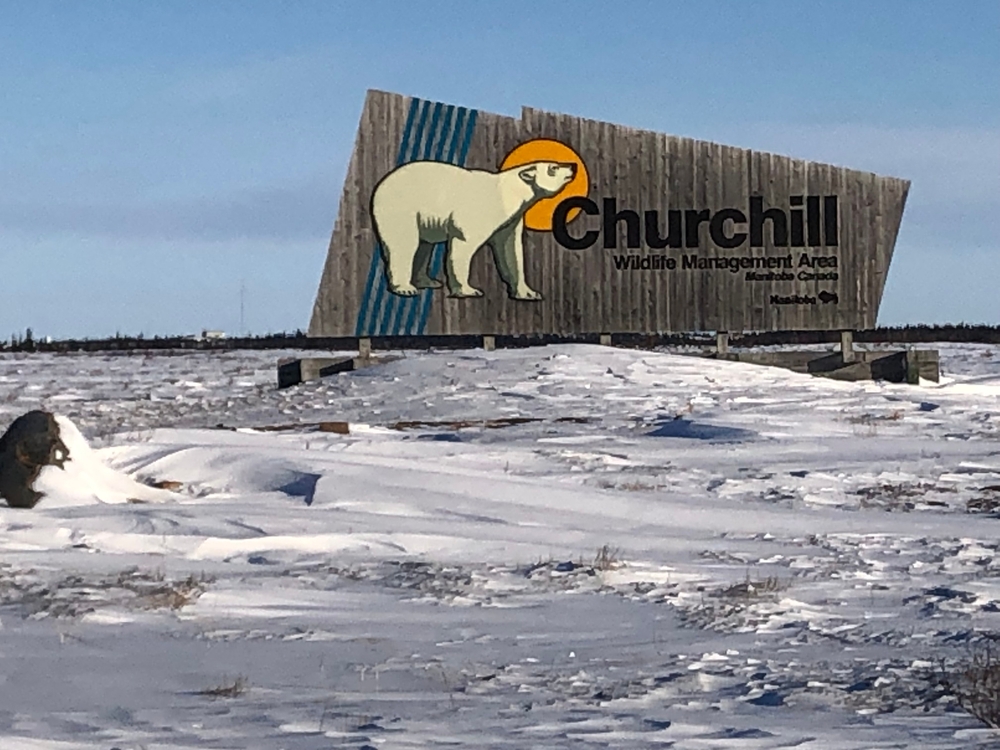
Churchill is known for wildlife experiences in a remote northern setting. Polar bear viewing occurs mainly in autumn, but other seasons attract visitors. Spring brings migrating birds and tundra scenery. Access is primarily by air or rail. Accommodation capacity is limited. The weather can remain cold well into the season. Guided tours provide safety and interpretation. Supplies are more expensive due to isolation. Planning is essential for travel logistics. Northern lights may still be visible in darker periods. Photos from Churchill often appear dramatic and exclusive.
22 Groceries to Grab Now—Before another Price Shock Hits Canada

Food prices in Canada have been steadily climbing, and another spike could make your grocery bill feel like a mortgage payment. According to Statistics Canada, food inflation remains about 3.7% higher than last year, with essentials like bread, dairy, and fresh produce leading the surge. Some items are expected to rise even further due to transportation costs, droughts, and import tariffs. Here are 22 groceries to grab now before another price shock hits Canada.
22 Groceries to Grab Now—Before another Price Shock Hits Canada
