Summer in Canada centers on festivals that draw large crowds and major performers. Music, culture, and entertainment events shape travel plans for months. Lineup announcements often trigger immediate ticket purchases and accommodation bookings. Canadians are willing to cross provinces to attend their favorite shows. Outdoor venues, camping experiences, and citywide celebrations add to the appeal. Social media amplifies excitement as artists confirm appearances. Weather-friendly months make these gatherings especially popular. For many people, summer schedules depend on these dates. Here are 18 festival lineups Canadians are already planning their summer around.
Osheaga Music and Arts Festival — Montreal, Quebec
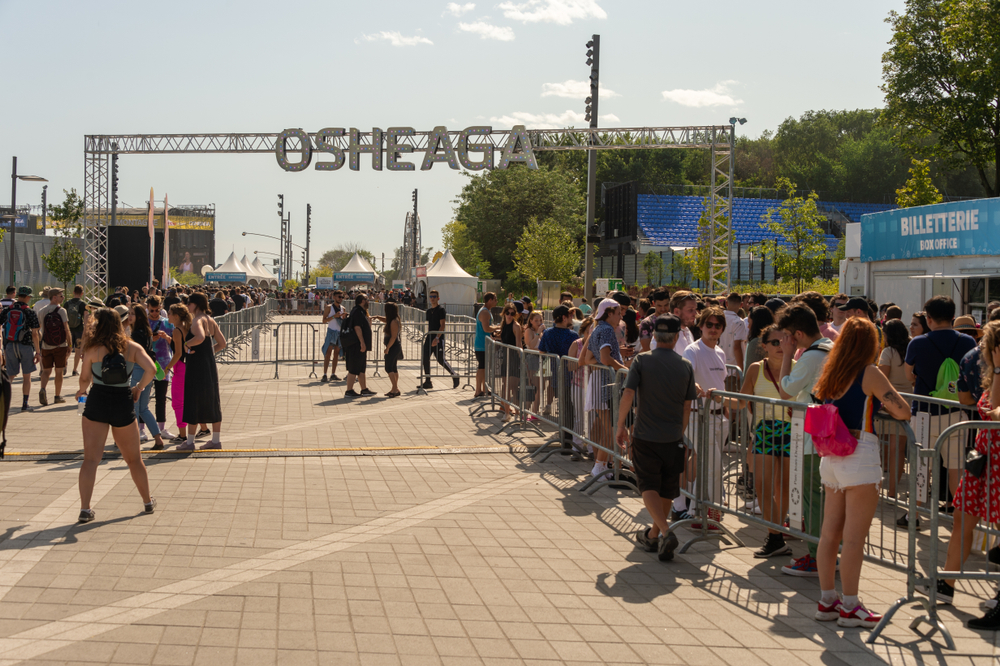
Osheaga attracts major international and Canadian artists each summer. The lineup spans pop, indie, hip hop, and electronic music. Canadians often plan travel months for tickets. Social media announcements generate immediate excitement. The festival also features art installations and food vendors. Weekend passes typically sell quickly after release. Montreal’s park setting adds to the experience. Fans value the mix of mainstream and emerging performers. Travel accommodations in the city fill rapidly. Media coverage highlights headline acts and crowd size. The event remains one of Canada’s most influential music festivals.
Veld Music Festival — Toronto, Ontario
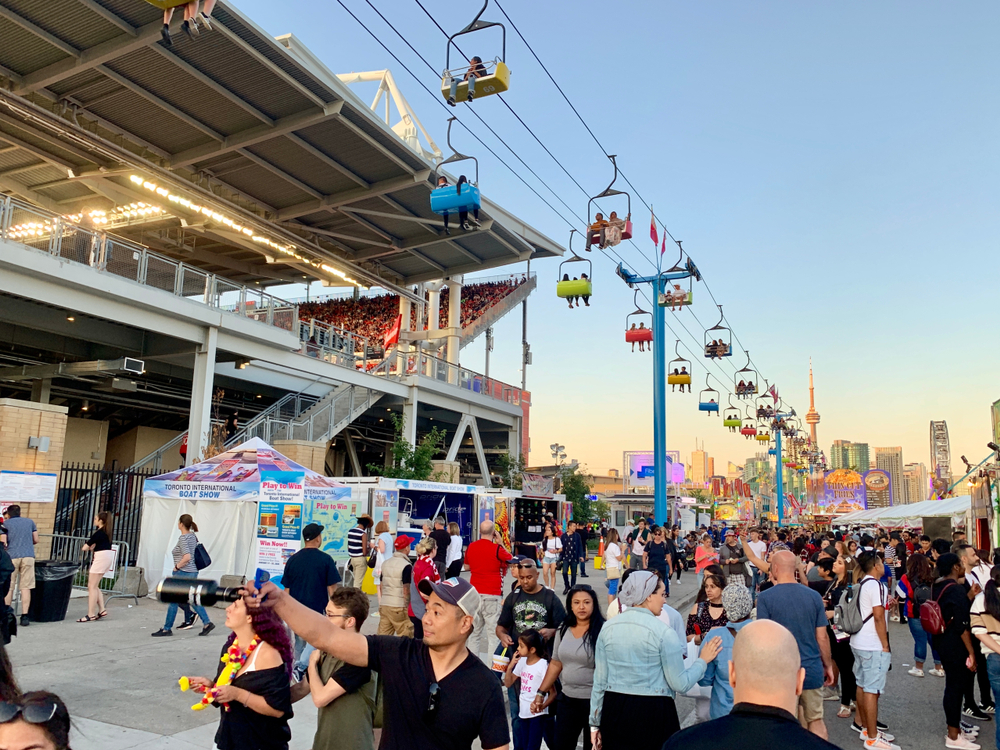
Veld focuses primarily on electronic dance music and hip hop acts. Large stage productions create a high-energy atmosphere. Canadians interested in EDM prioritize this festival each year. Lineup announcements often include internationally known DJs. Tickets frequently sell out shortly after release. The event takes place at a major outdoor venue. Visual effects and light shows define the experience. Younger audiences form a significant portion of attendees. Travel from nearby provinces is common. Merchandise and brand activations add to the scale. Veld remains a centerpiece of Toronto’s summer music scene.
Calgary Stampede — Calgary, Alberta

The Calgary Stampede combines rodeo events with major concerts. Music lineups feature country stars and popular acts. Canadians treat it as both a festival and a cultural celebration. Attendance spans multiple generations each year. Ticket demand increases when headline performers are announced. Outdoor stages operate alongside traditional Stampede attractions. Western-themed attire is widely worn by attendees. The event lasts longer than most music festivals. Tourism surges across the city during the period. Media coverage emphasizes its national significance. The Stampede remains one of Canada’s largest annual gatherings.
Festival d’été de Québec — Québec City, Québec
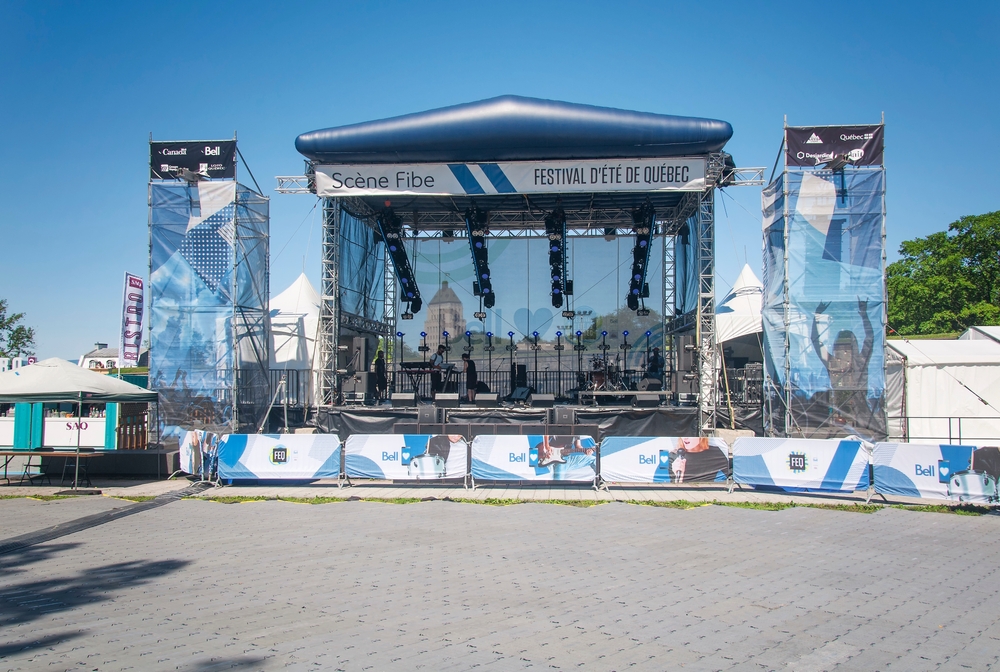
This festival features a diverse lineup across many genres. International superstars perform alongside Canadian artists. Outdoor stages are spread throughout historic Quebec City. Canadians appreciate the affordable ticket structure. Passes provide access to numerous concerts over several days. The setting attracts both locals and tourists. French and English language acts broaden appeal. Large crowds gather for headline performances. Accommodation demand rises during the festival period. Media coverage highlights attendance figures and major acts. The event remains a cornerstone of Quebec’s summer calendar.
Ottawa Bluesfest — Ottawa, Ontario
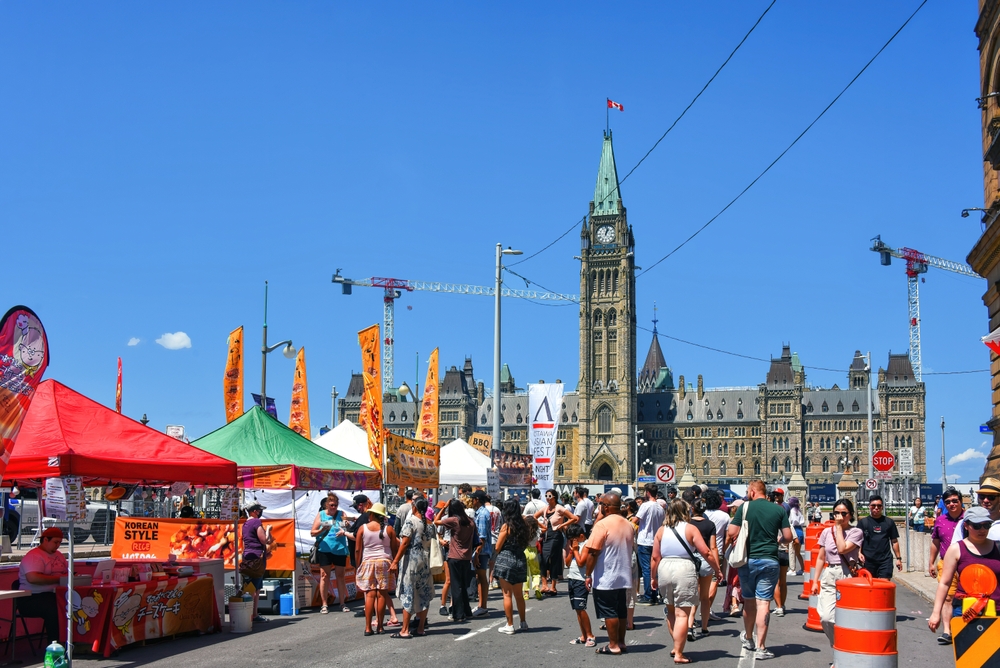
Ottawa Bluesfest has expanded beyond its original genre focus. Lineups now include rock, pop, hip hop, and country performers. Canadians travel to the capital specifically for this event. Multiple stages allow simultaneous performances each day. Ticket packages offer flexibility for different schedules. Riverside location adds scenic appeal for attendees. Headliner announcements drive early purchasing decisions. Food vendors and merchandise booths enhance the experience. Families and younger fans attend in large numbers. Media coverage emphasizes the festival’s scale and variety. Bluesfest remains one of Canada’s most attended music events.
Shambhala Music Festival — Salmo, British Columbia
Shambhala is known for electronic music and immersive stage design. The festival takes place on a rural property in British Columbia. Canadians value its independent and community-focused atmosphere. Camping is a central part of the experience. Lineups feature DJs across multiple electronic subgenres. Tickets often sell out months in advance. Attendees prepare extensively for remote conditions. Visual art and themed environments enhance the setting. The event operates without corporate sponsorships. Travel logistics require careful planning due to the location. Shambhala maintains a strong reputation among electronic music fans.
Boots and Hearts Music Festival — Oro-Medonte, Ontario

Boots and Hearts is one of Canada’s largest country music festivals. Major country stars headline the lineup each year. Canadians travel from across provinces to attend. Camping options create a multi-day community atmosphere. Ticket demand increases immediately after artist announcements. Western-themed attire is common among fans. Additional activities include parties and fan events. Merchandise sales reflect strong loyalty to performers. The rural venue accommodates large crowds comfortably. Media coverage highlights attendance numbers and headliners. The festival remains central to Canada’s country music scene.
Montreal International Jazz Festival — Montreal, Quebec
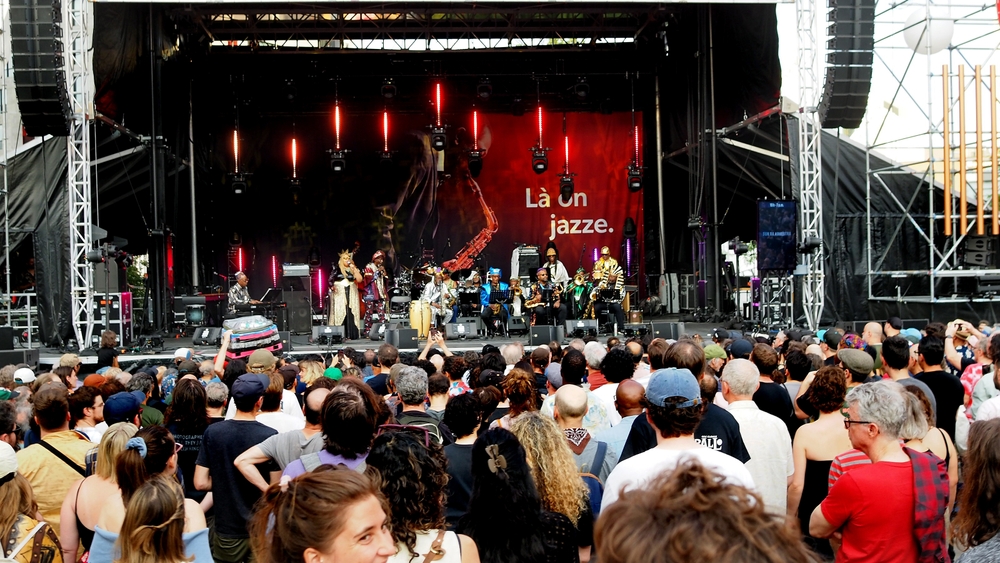
This festival is recognized as one of the world’s largest jazz events. Lineups include jazz legends and contemporary artists. Canadians appreciate the mix of ticketed and free performances. Outdoor concerts attract large public crowds nightly. Multiple venues host shows across the city. Genres extend beyond jazz to include blues and soul. The downtown setting increases accessibility for visitors. Tourism peaks during the festival period. Media coverage emphasizes cultural significance. Families and music enthusiasts attend in large numbers. The event remains a highlight of Montreal’s summer calendar.
Country Thunder Alberta — Calgary Region, Alberta
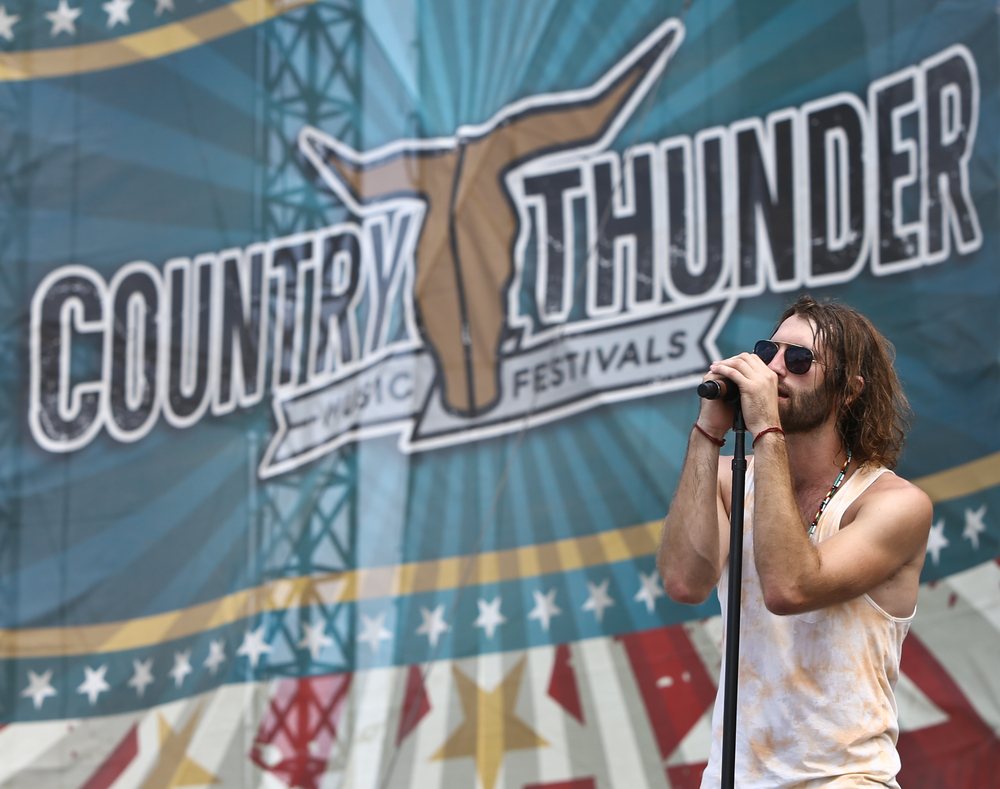
Country Thunder Alberta focuses on mainstream country acts. The festival takes place in an outdoor rural setting. Canadians plan trips around the lineup announcements. Camping areas accommodate thousands of attendees. Ticket packages often sell out quickly. Tailgating and social gatherings form part of the experience. Western clothing is widely worn throughout the event. Travel from neighboring provinces is common. Food vendors and merchandise booths operate onsite. Media coverage highlights the strong fan community. The festival remains a major destination for country music lovers.
NXNE (North by Northeast) — Toronto, Ontario

NXNE showcases emerging artists alongside established performers. The event spans multiple venues across Toronto. Canadians are keen to discover new music trends early. Industry professionals also participate in conferences and panels. Ticket options range from individual shows to full passes. Genres vary widely depending on yearly programming. Urban settings allow easy transit access between venues. Nighttime performances dominate the schedule. Media coverage emphasizes its role in talent discovery. Networking opportunities attract musicians and producers. NXNE continues to influence Canada’s music landscape significantly.
Toronto Caribbean Carnival — Toronto, Ontario
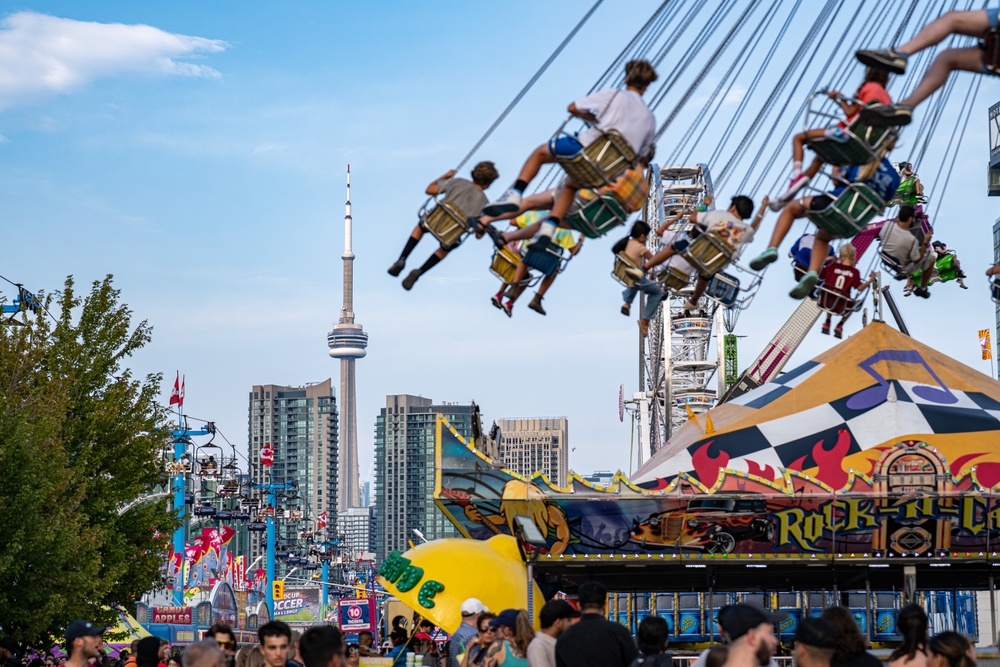
Toronto Caribbean Carnival is one of the largest cultural festivals in Canada. The event features parades, music, and Caribbean cuisine. Soca, reggae, and dancehall dominate the musical lineup. Elaborate costumes create a vibrant visual spectacle. Canadians attend in large numbers each year. Parade day draws especially high crowds. Events take place over several weeks leading to the finale. Tourism increases significantly across the city. Media coverage highlights cultural heritage and community participation. Security and logistics planning are extensive due to scale. The carnival remains a major summer attraction in Toronto.
Winnipeg Folk Festival — Winnipeg, Manitoba
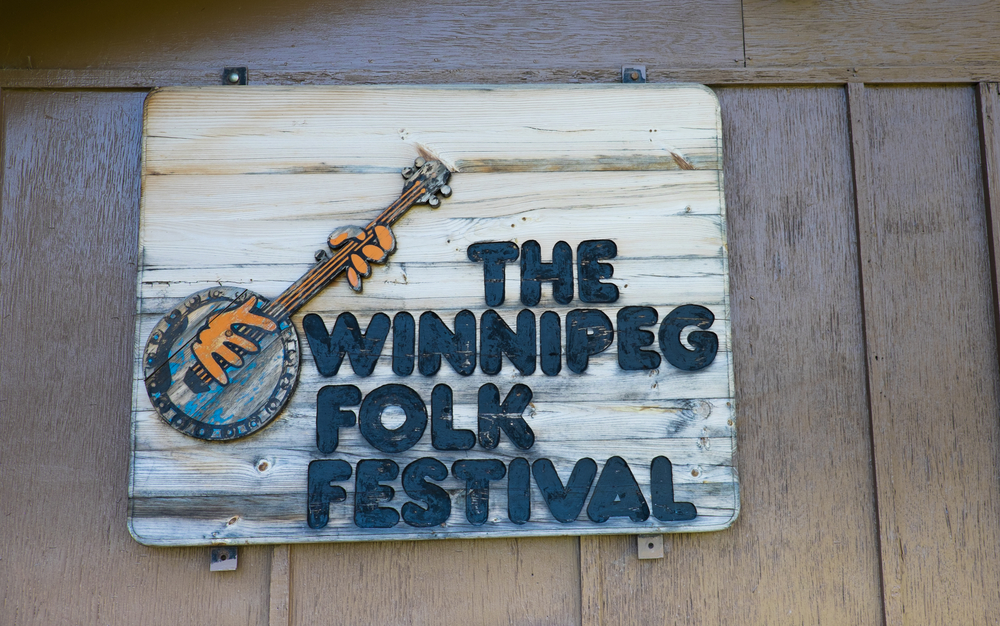
Winnipeg Folk Festival focuses on folk, roots, and acoustic music. The event takes place in a natural park setting. Canadians appreciate its relaxed and family-friendly atmosphere. Workshops allow interaction between artists and audiences. Camping options support multi-day attendance. Lineups include both established and emerging performers. Volunteers play a major role in operations. Food vendors emphasize local and sustainable options. Tickets often sell out despite the modest scale. Media coverage highlights community spirit. The festival remains a cornerstone of Manitoba’s cultural calendar.
Vancouver Folk Music Festival — Vancouver, British Columbia
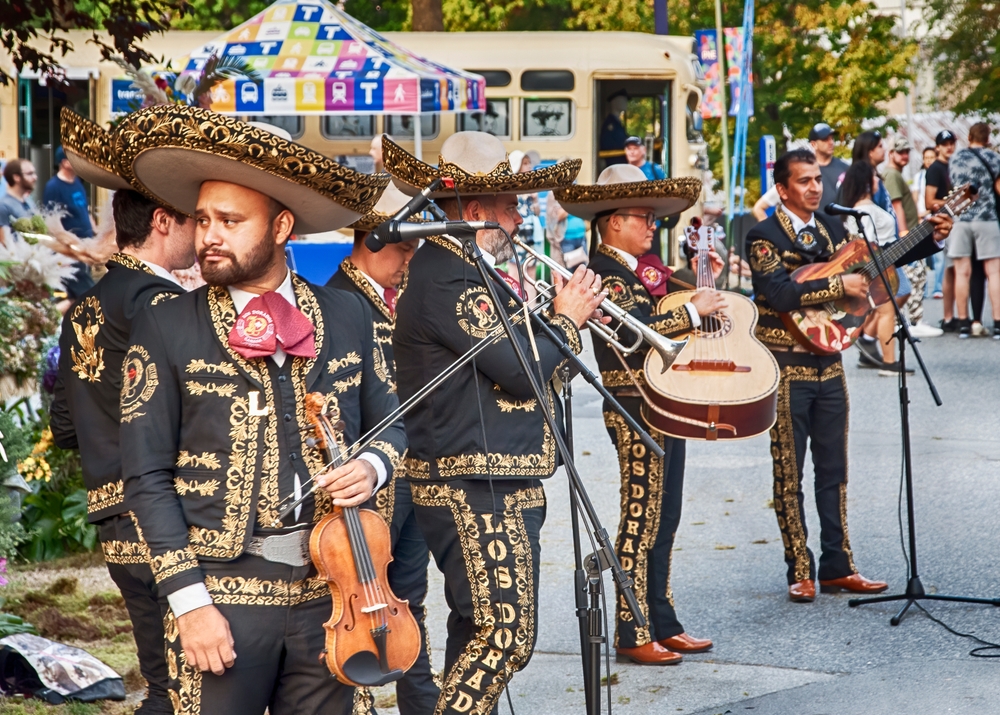
This festival features folk, world, and acoustic performers. The waterfront location provides scenic views for attendees. Canadians value its peaceful and inclusive atmosphere. Daytime shows appeal to families and older audiences. Environmental initiatives are emphasized during planning. Workshops and collaborative sessions are common. Food vendors offer diverse international cuisine. Public transit access simplifies travel to the site. Attendance remains steady year after year. Media coverage focuses on cultural diversity in programming. The event continues to support traditional and contemporary folk music.
Just For Laughs Festival — Montreal, Quebec

Just For Laughs is primarily a comedy festival with global recognition. Stand-up shows feature well-known comedians and newcomers. Canadians plan trips specifically for headline performers. Multiple venues host events across the city. English and French programs broaden audience reach. Ticket demand varies depending on star appearances. Outdoor events attract casual visitors as well. Media coverage highlights major comedic acts. Industry professionals attend for networking opportunities. The festival has launched numerous careers. It remains one of Montreal’s most prominent summer events.
Sled Island Music & Arts Festival — Calgary, Alberta
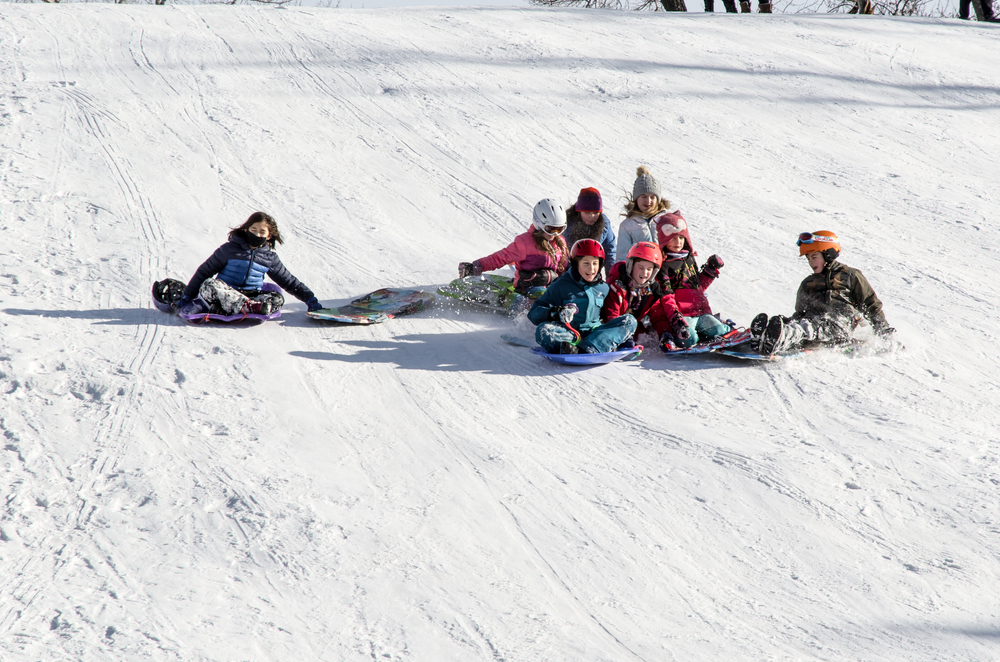
Sled Island combines music, film, and visual art programming. Independent and alternative artists dominate the lineup. Events occur across multiple venues in Calgary. Canadians attend to discover emerging talent. Curators change yearly, shaping the festival’s direction. Ticket options include full passes or individual shows. Urban settings allow easy movement between events. Audience sizes vary by venue capacity. Media coverage emphasizes artistic diversity. The festival attracts creative communities nationwide. Sled Island remains a distinctive platform for experimental culture.
Hillside Festival — Guelph, Ontario
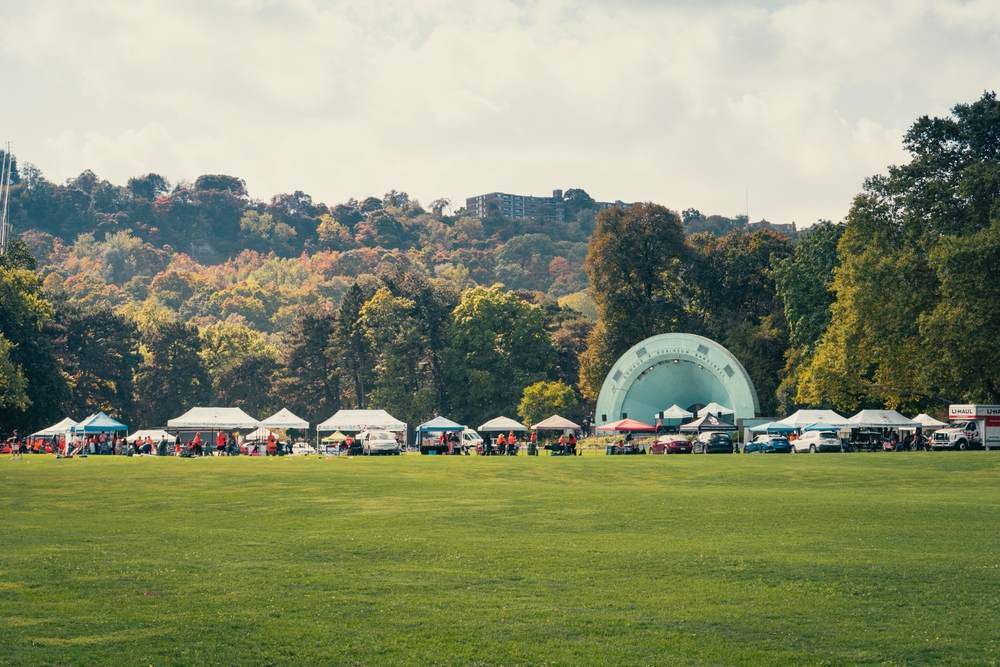
Hillside Festival emphasizes folk, indie, and world music artists. The event takes place in an island park near Guelph. Canadians appreciate its environmentally conscious approach. Workshops and collaborative sessions complement performances. Attendance remains moderate compared to larger festivals. Families and dedicated music fans form the core audience. Camping options are limited due to location constraints. Food vendors highlight sustainable practices. Public transit links help manage visitor flow. Media coverage focuses on the community atmosphere. Hillside maintains a reputation for thoughtful programming and relaxed pacing.
Rock the Shores — Colwood, British Columbia
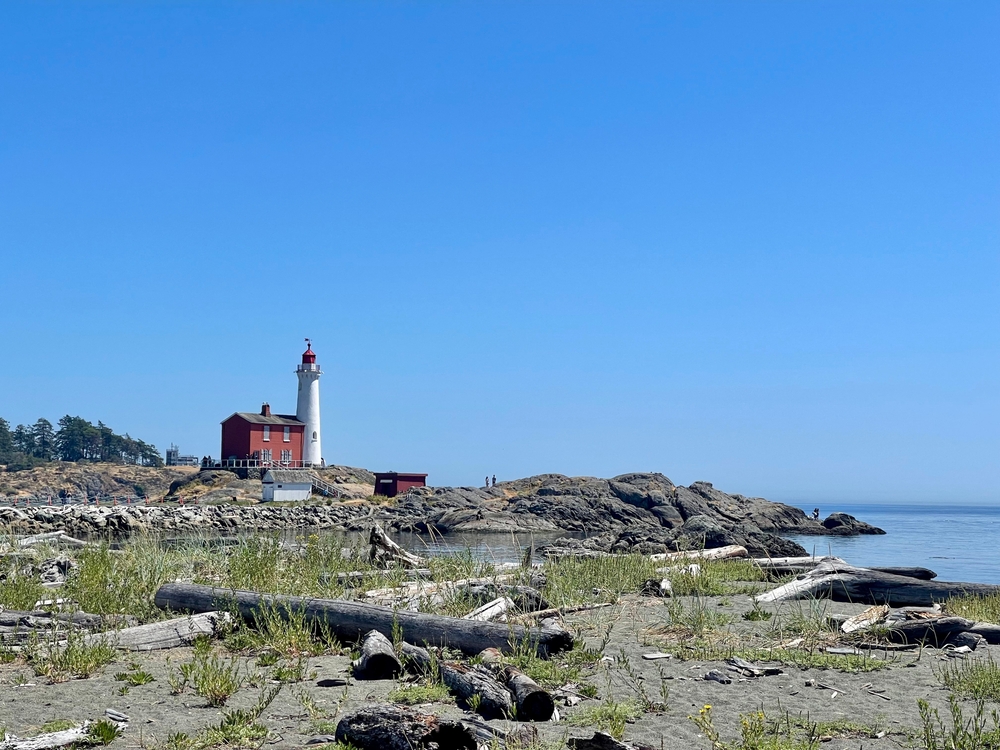
Rock the Shores features mainstream rock and alternative acts. The waterfront venue provides scenic ocean views. Canadians travel from across British Columbia to attend. Lineups emphasize popular touring bands. Ticket demand rises quickly after announcements. Outdoor stages accommodate large standing crowds. Weather conditions can influence scheduling decisions. Food and merchandise areas support festival operations. Accessibility improvements have expanded audience reach. Media coverage highlights major headliners each year. The event remains a significant rock festival on the West Coast.
Cavendish Beach Music Festival — Cavendish, Prince Edward Island
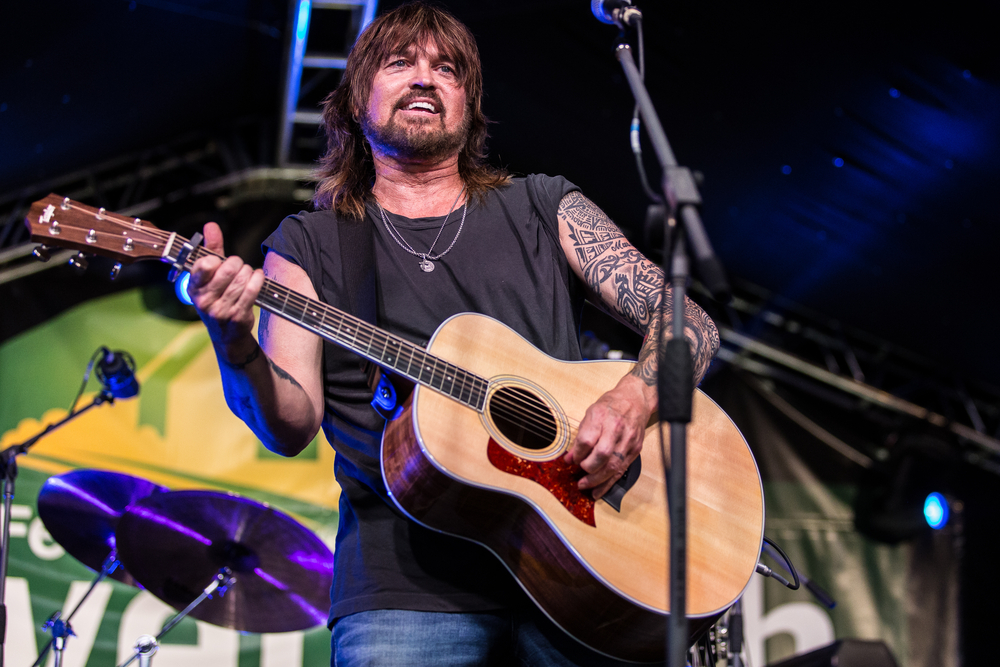
Cavendish Beach Music Festival focuses on country music performers. The coastal setting adds tourism appeal to the event. Canadians often combine attendance with vacation plans. Major country stars headline the main stage. Camping facilities accommodate thousands of visitors. Ticket sales surge following lineup announcements. Western-themed clothing is common among attendees. Local businesses benefit from increased tourism. Weather preparedness is important due to coastal conditions. Media coverage highlights crowd size and economic impact. The festival remains Atlantic Canada’s largest country music gathering.
22 Groceries to Grab Now—Before another Price Shock Hits Canada

Food prices in Canada have been steadily climbing, and another spike could make your grocery bill feel like a mortgage payment. According to Statistics Canada, food inflation remains about 3.7% higher than last year, with essentials like bread, dairy, and fresh produce leading the surge. Some items are expected to rise even further due to transportation costs, droughts, and import tariffs. Here are 22 groceries to grab now before another price shock hits Canada.
22 Groceries to Grab Now—Before another Price Shock Hits Canada
