Social media fame moves fast in Canada. One year, an influencer feels untouchable. The next comment sections look very different. Audiences in 2026 are quicker to call out tone deaf posts, endless sponsorships, and recycled content. Platforms have changed. Expectations have shifted. Followers want transparency and consistency, not perfectly filtered lives. Some Canadian creators who once felt universally loved are now facing louder criticism. Here are 12 influencers Canadians used to love who are getting dragged in 2026.
Lilly Singh
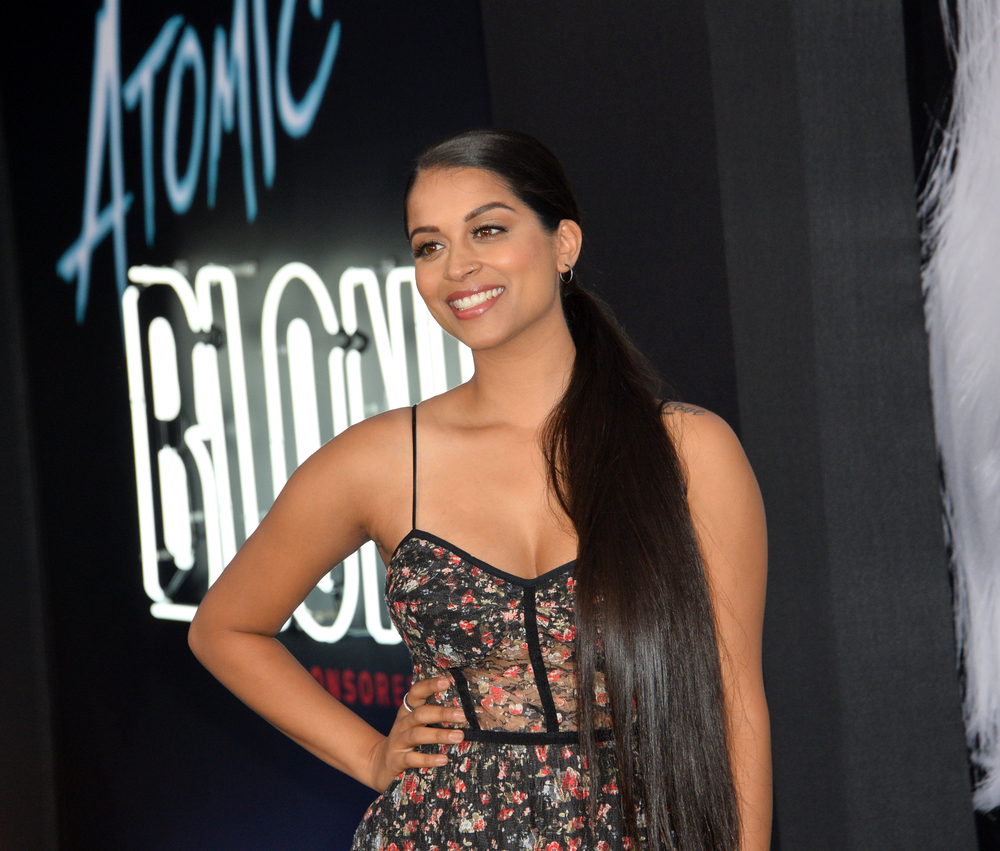
Lilly Singh built a massive following through relatable comedy and sharp sketches. Canadians once saw her as a global success story. In recent years, however, some fans say her content feels distant from her original voice. Critics argue that her humor no longer feels grounded in everyday experiences. Others point to brand-heavy collaborations that seem overly polished. Online discussions question whether her platform still connects with younger audiences. Supporters defend her evolution, noting that career growth changes priorities. Still, comment sections show more skepticism than before. The shift highlights how quickly internet loyalty can cool over time.
LaurDIY

Lauren Riihimaki, known as LaurDIY, became famous for creative, accessible DIY projects. Her early videos felt practical and personal. Over time, her content leaned more into lifestyle branding and sponsored posts. Some followers now say the channel lacks the charm that built its audience. Others argue the heavy focus on product partnerships feels repetitive. Critics also question whether the DIY element still drives her platform. Loyal fans remain supportive and enjoy her updates. Yet online chatter shows frustration from longtime viewers. Many say they miss the scrappy, hands-on creator who once defined her channel.
Gigi Gorgeous
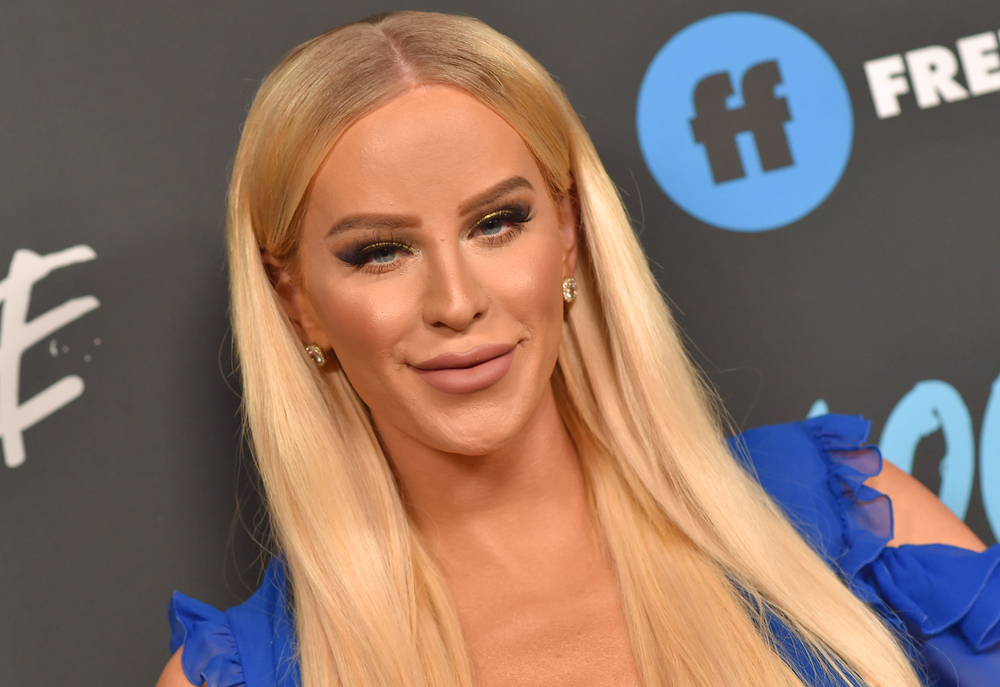
Gigi Gorgeous has long been a visible Canadian voice in beauty and LGBTQ+ spaces. Her openness earned admiration and respect. Recently, however, critics have questioned her luxury-focused content. Some viewers feel her posts highlight excess during tight economic times. Others argue her platform feels more curated than candid. Online threads debate whether her influence now centers more on image than advocacy. Supporters point out that creators can grow and change. Even so, public commentary suggests a shift in tone. Audiences increasingly expect vulnerability, not just glamour, from established internet personalities.
The Birds Papaya
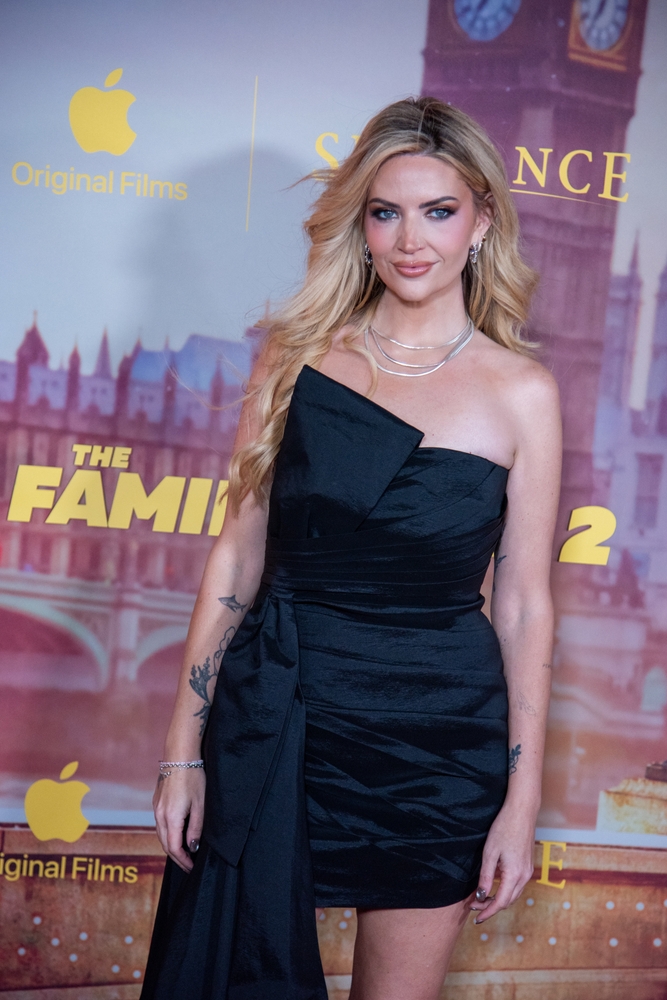
Sarah Nicole Landry, known as The Birds Papaya, built a following around body positivity. Many Canadians praised her honesty about motherhood and self-image. In 2026, some critics argue that her message feels commercialized. They say empowerment posts often lead to sponsored campaigns. Others question whether constant vulnerability still feels authentic. Supporters defend her transparency and consistent messaging. Yet online discussions show fatigue from audiences who feel overwhelmed by branded inspiration. The criticism reflects a broader shift in influencer culture. Followers increasingly scrutinize how empowerment narratives connect to monetization and product promotion.
Simply Nailogical

Cristine Rotenberg, known as Simply Nailogical, gained popularity through humor and nail art experiments. Her straightforward personality set her apart from polished beauty influencers. Recently, some fans have said her uploads feel less frequent and less spontaneous. Others point to brand promotion through her nail polish company as a conflict of interest. Critics argue that the independent tone that defined her channel has softened. Loyal viewers appreciate her business growth and transparency. Still, comment sections reveal impatience from those craving earlier chaos and creativity. The tension shows how audiences resist change, even when creators evolve naturally.
Cody Ko

Cody Ko, born in Calgary, built a large audience through commentary and comedy. His sarcastic style once felt sharp and refreshing. In recent years, some viewers claim his reactions feel repetitive. Others argue certain jokes land poorly in a more sensitive online climate. Discussions on social platforms suggest fatigue with similar commentary formats. Supporters note he still draws strong engagement and live audiences. However, online criticism highlights shifting humor standards. What once felt edgy now feels predictable to some viewers. The backlash underscores how comedy online ages quickly under constant scrutiny.
Kristen Hancher
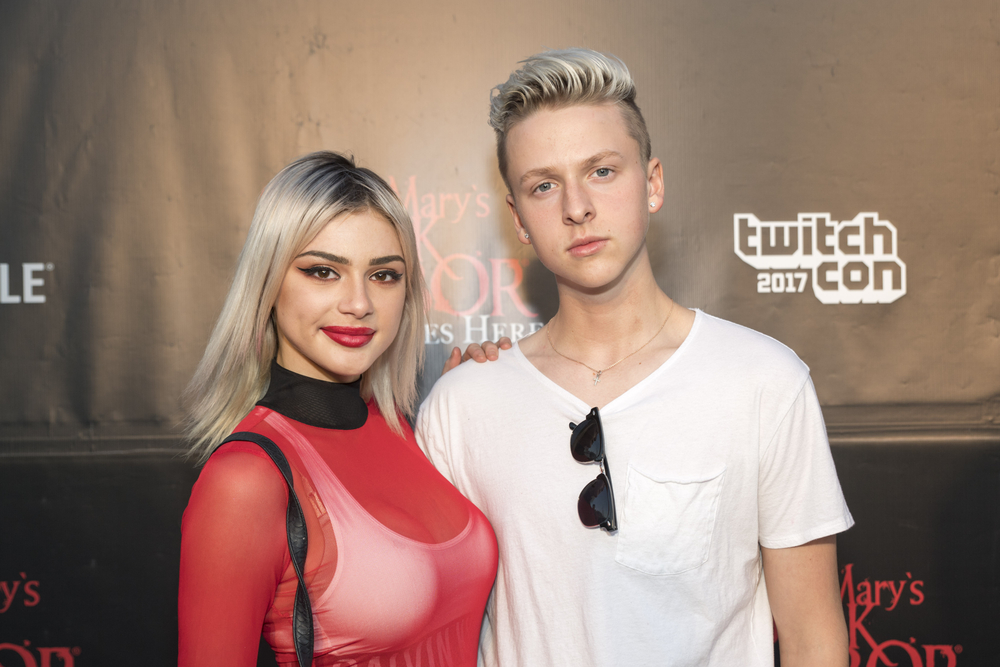
Kristen Hancher rose to fame during the Musical.ly era. Her early lip sync videos earned millions of followers. As platforms evolved, critics questioned whether her content evolved alongside them. Some say her posts rely heavily on appearance rather than creativity. Others argue influencer culture has changed faster than her brand. Online commentary often references nostalgia for earlier social media days. Supporters still engage with her content and defend her consistency. Yet public sentiment suggests fading excitement. The reaction reflects how quickly early internet fame can feel dated in a competitive creator economy.
Winnie Harlow
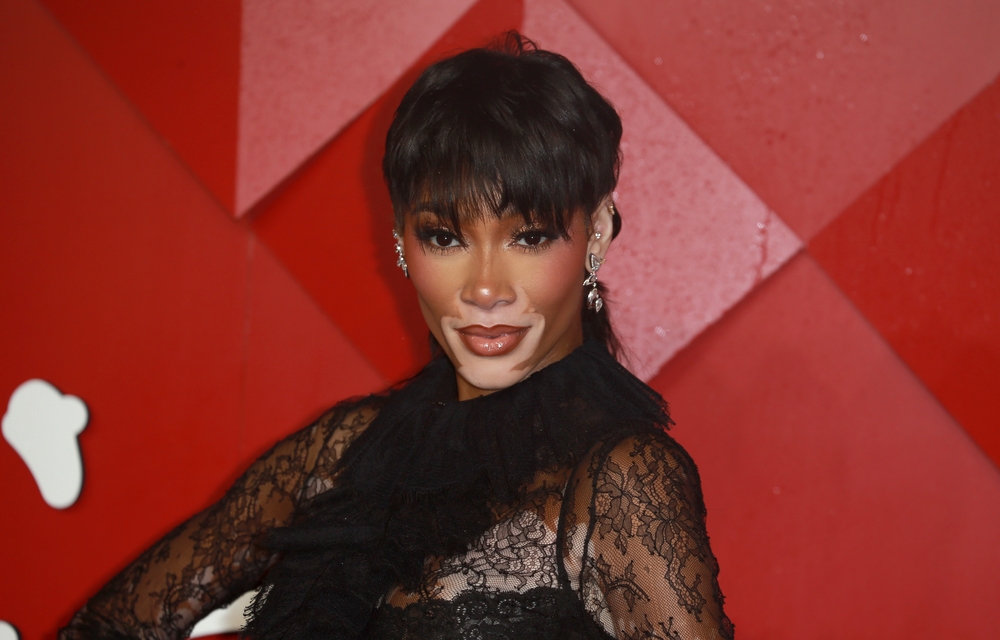
Model Winnie Harlow became a global figure beyond influencer spaces. Canadians once celebrated her as a groundbreaking presence in fashion. Recently, some critics argue that her influencer partnerships feel overly commercial. Others debate whether her advocacy messaging receives enough focus. Social media threads sometimes question the balance between activism and luxury branding. Supporters highlight her continued visibility for vitiligo representation. Even so, online conversations show divided opinions. The scrutiny demonstrates how high-profile creators face constant evaluation. Public expectations shift, especially when personal branding intersects with social issues and fashion campaigns.
Kaitlyn Bristowe
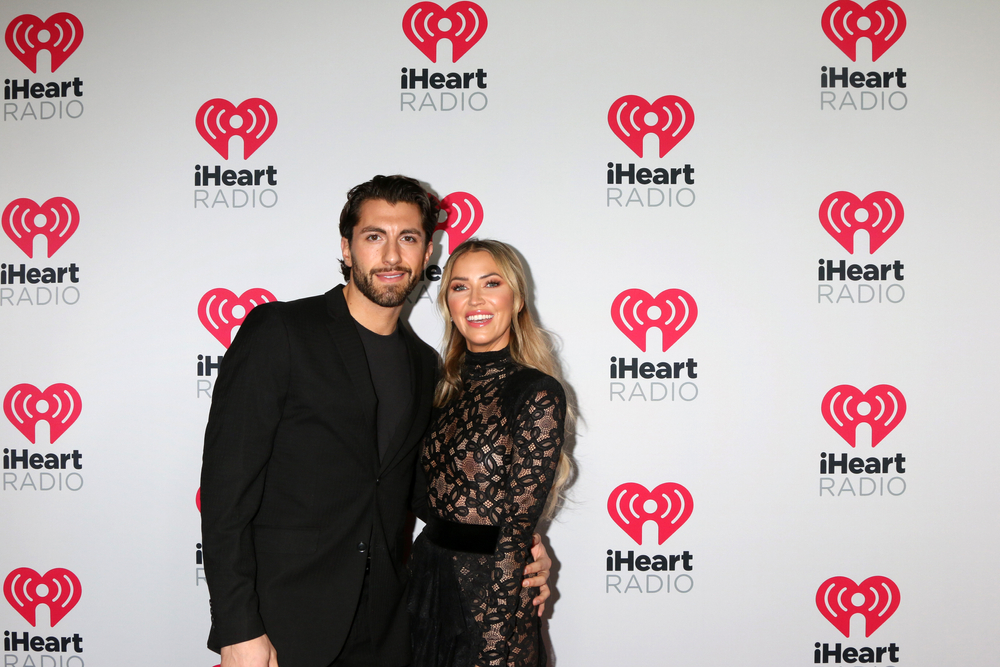
Kaitlyn Bristowe transitioned from reality television to influencer and podcast host. Many Canadians appreciated her candid personality. Recently, critics say her sponsored content feels excessive. Others argue that podcast controversies attract more attention than her positive messaging. Online debates question whether reality fame translates smoothly into long-term influence. Supporters defend her openness and business expansion. Still, comment sections show sharper tones than in earlier years. Audience patience appears thinner in 2026. The change reflects a culture that quickly reevaluates public figures when transparency and authenticity feel inconsistent.
Jus Reign
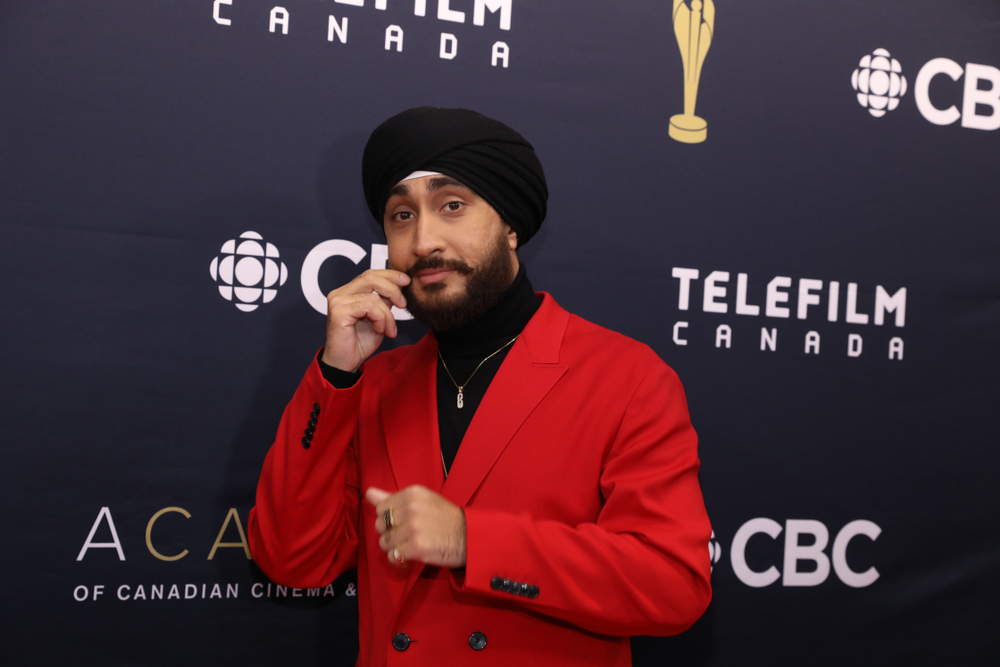
Jus Reign earned recognition for comedy rooted in Punjabi Canadian identity. His sketches once felt fresh and culturally sharp. After stepping back and returning, some fans expected the same energy. Critics argue the landscape shifted while he was away. Others feel his newer content struggles to match earlier viral success. Supporters welcome his presence and value his cultural perspective. Yet online comparisons to his older videos remain common. The mixed reaction highlights how internet audiences rarely freeze in time. Expectations grow even when creators evolve at their own pace.
Natasha Aughey
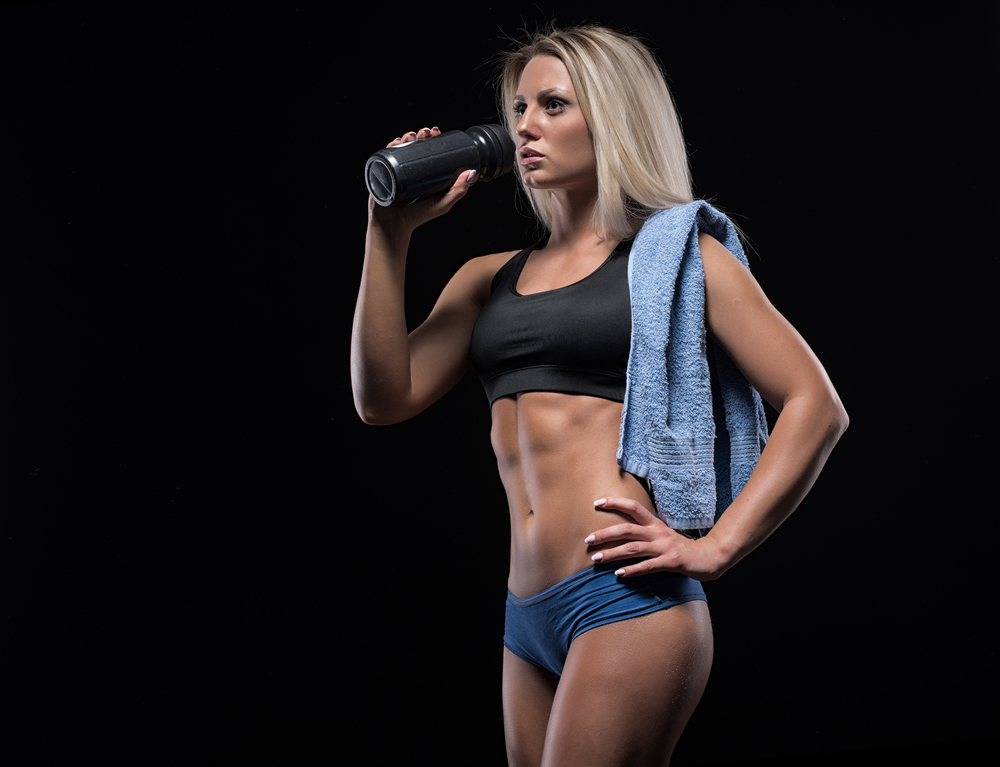
Natasha Aughey built a following around fitness and bodybuilding. Her disciplined image attracted brand partnerships and loyal fans. Recently, critics argue that fitness influencing feels oversaturated. Some question the realism of certain body standards promoted online. Others suggest workout content repeats similar themes. Supporters say she maintains consistency and professionalism. Still, public discussion reflects broader skepticism toward influencer fitness culture. Audiences now demand transparency about editing, lighting, and supplementation. The conversation shows changing expectations around authenticity in health-related spaces. Scrutiny grows as viewers demand clearer boundaries between inspiration and marketing.
Lauren Bullen in Canada Collaborations
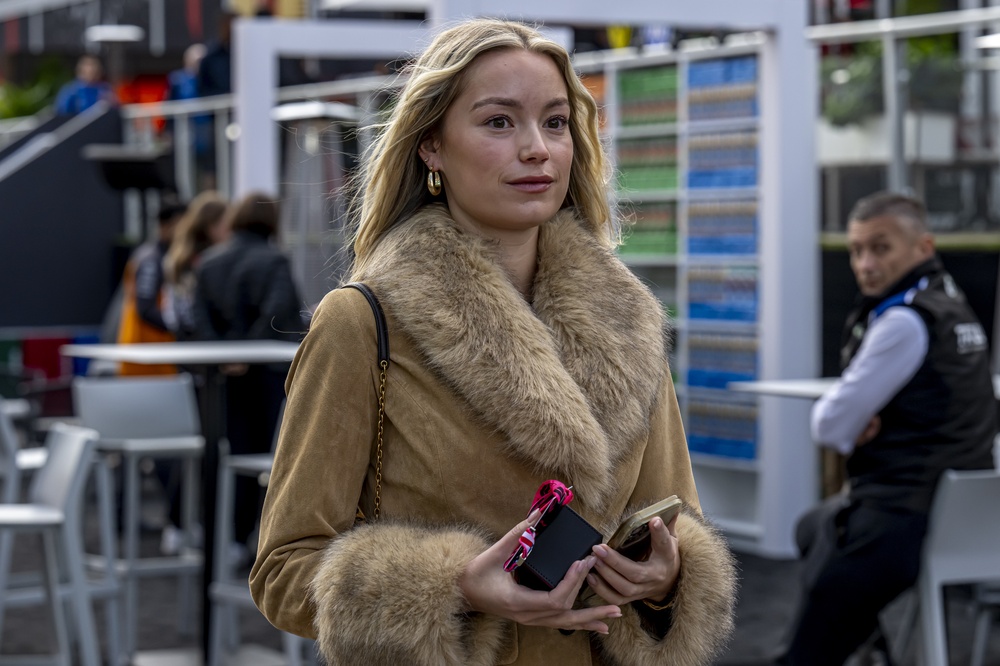
Although Australian, Lauren Bullen’s Canadian brand collaborations increased her visibility here. Canadian audiences once embraced her travel content. Recently, critics have questioned luxury travel posts during economic strain. Some argue influencer travel culture feels disconnected from everyday realities. Others feel destination promotions blur into repetitive aesthetics. Supporters defend aspirational content as part of social media’s appeal. Yet online reactions suggest frustration with constant sponsored getaways. The backlash mirrors wider conversations about privilege and visibility. Even admired travel creators face sharper judgment in a climate focused on financial awareness.
22 Groceries to Grab Now—Before another Price Shock Hits Canada

Food prices in Canada have been steadily climbing, and another spike could make your grocery bill feel like a mortgage payment. According to Statistics Canada, food inflation remains about 3.7% higher than last year, with essentials like bread, dairy, and fresh produce leading the surge. Some items are expected to rise even further due to transportation costs, droughts, and import tariffs. Here are 22 groceries to grab now before another price shock hits Canada.
22 Groceries to Grab Now—Before another Price Shock Hits Canada
