
Spring in Canada rarely arrives all at once. One week may feel mild, while the next still brings cold wind or rain. Because of this unpredictable weather, wardrobes shift gradually rather than overnight. Canadians are packing away heavy winter gear and replacing it with lighter pieces that still offer protection. The focus is on flexibility, comfort, and layering that can adapt throughout the day. Breathable fabrics, waterproof options, and lighter colors become more practical as daylight increases. Small swaps make a big difference without requiring a completely new wardrobe. Here are 24 spring wardrobe swaps Canadians are making (and what they’re ditching).
Heavy Parkas → Lightweight Trench Coats

As temperatures rise above freezing, heavy parkas quickly become uncomfortable for daily wear. Canadians are switching to trench coats that provide coverage without trapping excess heat. These coats block wind and light rain, which are common during early spring. Their lighter weight makes commuting and walking easier. Neutral colors also match a wide range of outfits, reducing the need for multiple jackets. Many styles include belts that adjust warmth and fit. Trench coats fold more easily for storage or travel. This swap maintains protection from unpredictable weather while signaling the end of winter dressing. It offers a balance between practicality and a polished appearance suitable for work or casual outings.
Bulky Wool Sweaters → Breathable Knit Layers
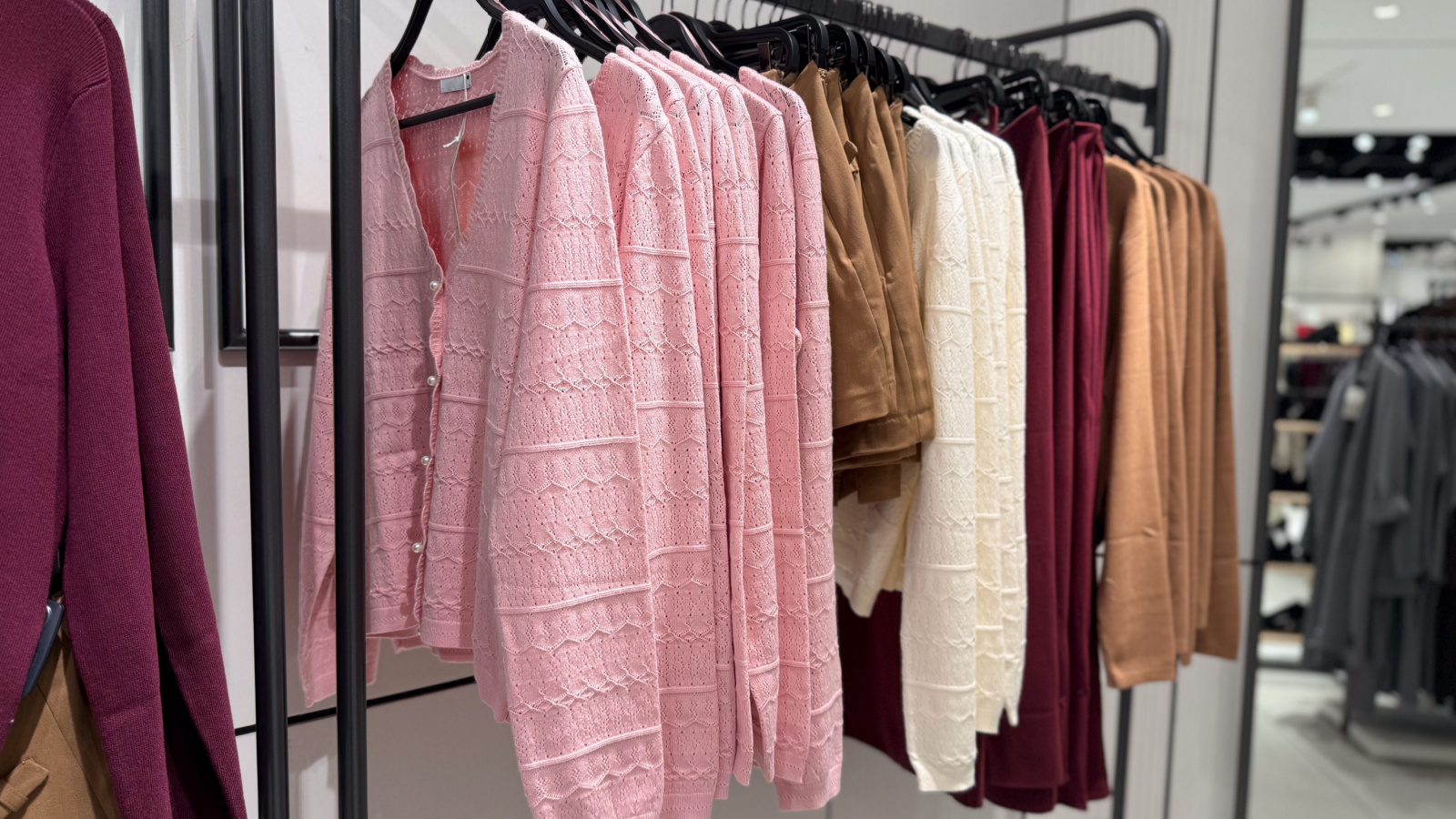
Thick wool sweaters feel too warm once indoor heating decreases and outdoor temperatures climb. Canadians are replacing them with lighter knit tops that still provide comfort without overheating. Breathable materials such as cotton blends allow air circulation while maintaining warmth during cool mornings. These layers can be worn alone or combined with light jackets. Slimmer designs also fit better under outerwear without adding bulk. Washing and drying are usually easier compared to heavy wool garments. The change supports flexible dressing as conditions shift throughout the day. Lightweight knits maintain the cozy feel of winter clothing while adapting to the milder climate of spring.
Thermal Leggings → Regular Leggings or Tights

Thermal leggings are essential during freezing weather, but quickly become too warm as temperatures rise. Canadians are switching to standard leggings or tights that provide comfort without insulation. These lighter options allow better movement and breathability. They pair easily with dresses, skirts, or longer tops for everyday wear. Regular leggings also dry faster after rain or snowmelt exposure. The reduced thickness prevents overheating indoors, especially in offices or public transit. Neutral colors remain versatile across different outfits. This swap reflects the gradual shift toward lighter clothing while still acknowledging that spring weather can be unpredictable. It balances comfort with practicality for transitional conditions.
Snow Boots → Waterproof Ankle Boots
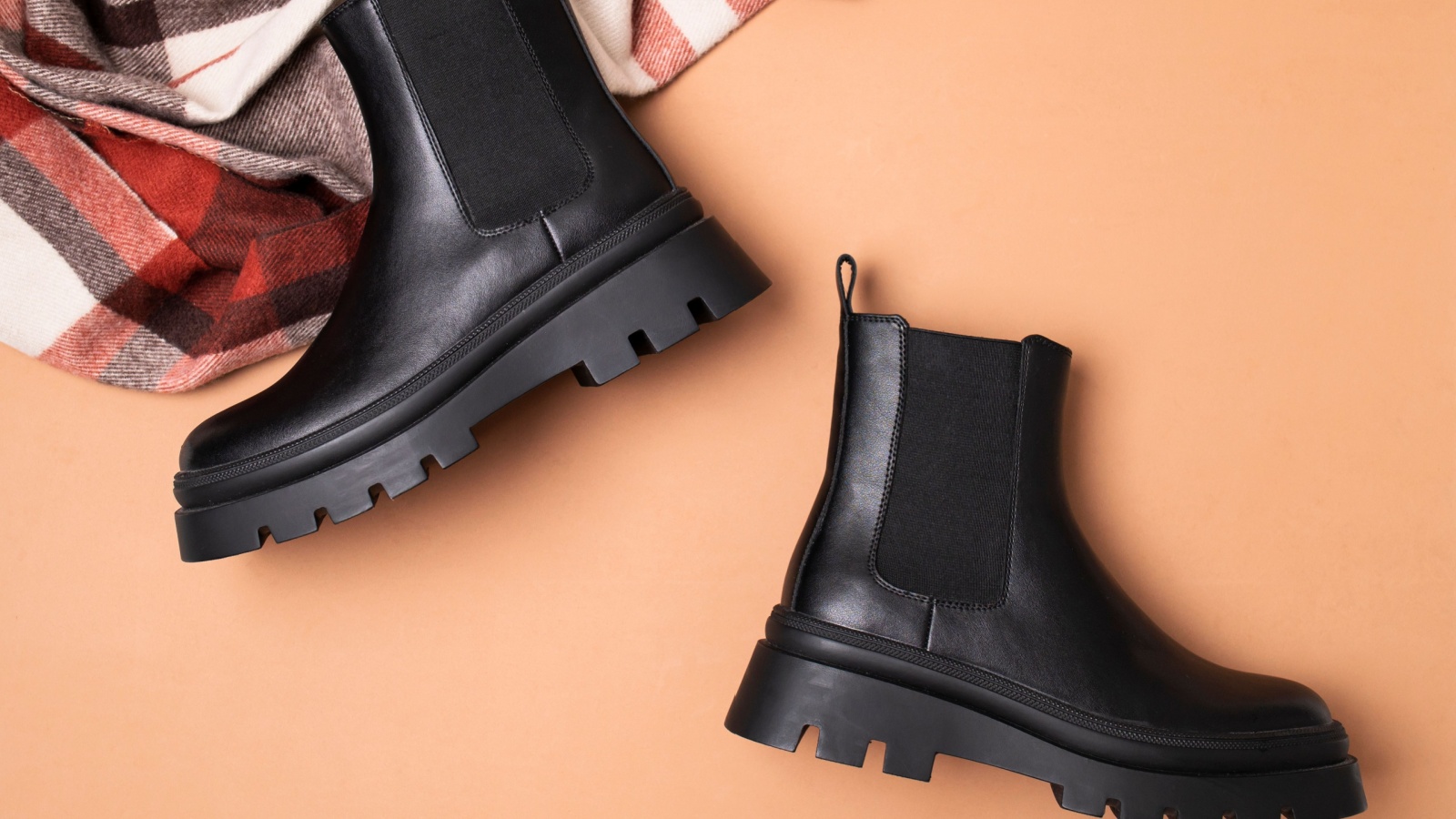
Snow boots are designed for deep snow and extreme cold, making them excessive for milder conditions. Canadians are choosing waterproof ankle boots that handle puddles and slush without heavy insulation. These boots are lighter and easier to walk in for long periods. They also pair better with everyday outfits, including workwear. Slip-resistant soles remain important because sidewalks can still be wet. Ankle height provides protection without overheating. Many styles are easy to clean after exposure to mud. This transition maintains functionality while improving comfort and appearance. Waterproof boots support mobility during the thaw while signaling that winter extremes are ending.
Thick Scarves → Light Cotton Scarves

Heavy scarves that protect against freezing winds feel unnecessary once temperatures moderate. Canadians are replacing them with lightweight cotton or linen versions. These lighter scarves still provide comfort during cool mornings but can be removed easily later in the day. Breathable fabrics prevent overheating indoors. They also pack neatly into bags when not needed. Soft colors complement spring wardrobes and add subtle style. Unlike bulky winter scarves, lighter options do not overwhelm outfits. This swap maintains warmth where needed while reflecting seasonal change. A simple accessory update can refresh an entire look without requiring major wardrobe replacements.
Fur-Lined Hats → Caps and Lightweight Beanies

Fur-lined hats trap heat effectively but become uncomfortable as the weather improves. Canadians are moving to caps or thin beanies that provide minimal insulation. These alternatives protect against wind without causing overheating. Caps also shield eyes from brighter spring sunlight. Lightweight materials are easier to store in pockets or bags. Casual designs suit both outdoor activities and daily errands. The switch reflects reduced need for extreme protection while still acknowledging cool mornings. Breathable headwear allows comfort throughout changing temperatures. This adjustment supports practicality while transitioning toward warmer-season accessories that feel less bulky and restrictive.
Heavy Gloves → Thin Touchscreen Gloves
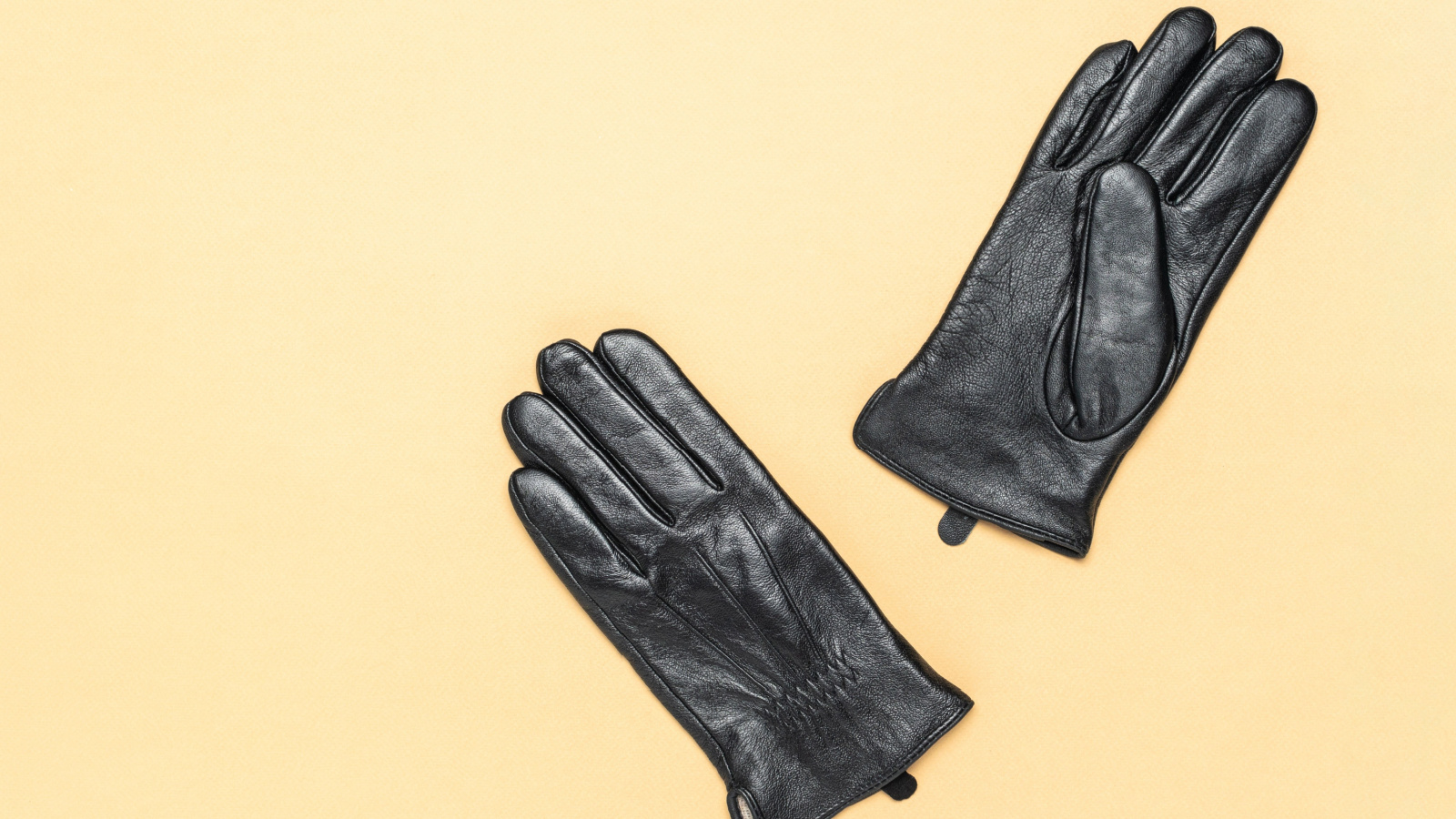
Insulated winter gloves are often too warm once the extreme cold subsides. Canadians are opting for thin gloves that provide light protection without sacrificing dexterity. Touchscreen compatibility is especially useful for commuting or outdoor tasks. Lightweight materials allow hands to move freely while still blocking wind. These gloves fit easily into pockets when removed. They are ideal for early morning or late evening when temperatures remain cool. Thinner designs also dry faster if exposed to rain. This swap ensures hands stay comfortable without overheating. It reflects the need for moderate protection rather than full winter insulation during transitional weather.
Dark Winter Colors → Soft Neutrals and Pastels

Winter wardrobes often feature dark shades that absorb heat and hide stains. As spring arrives, Canadians shift toward lighter colors that reflect sunlight and feel more seasonal. Soft neutrals and pastels create a brighter overall appearance. These tones pair easily with existing clothing, allowing gradual transitions rather than complete replacements. Lighter colors also enhance visibility in cloudy conditions. The change influences mood by making outfits feel fresher and less heavy. Accessories in similar shades complete the look. This color shift signals seasonal renewal and aligns with increasing daylight. Updating color palettes can transform a wardrobe without changing garment types.
Thick Denim → Lighter Wash Jeans
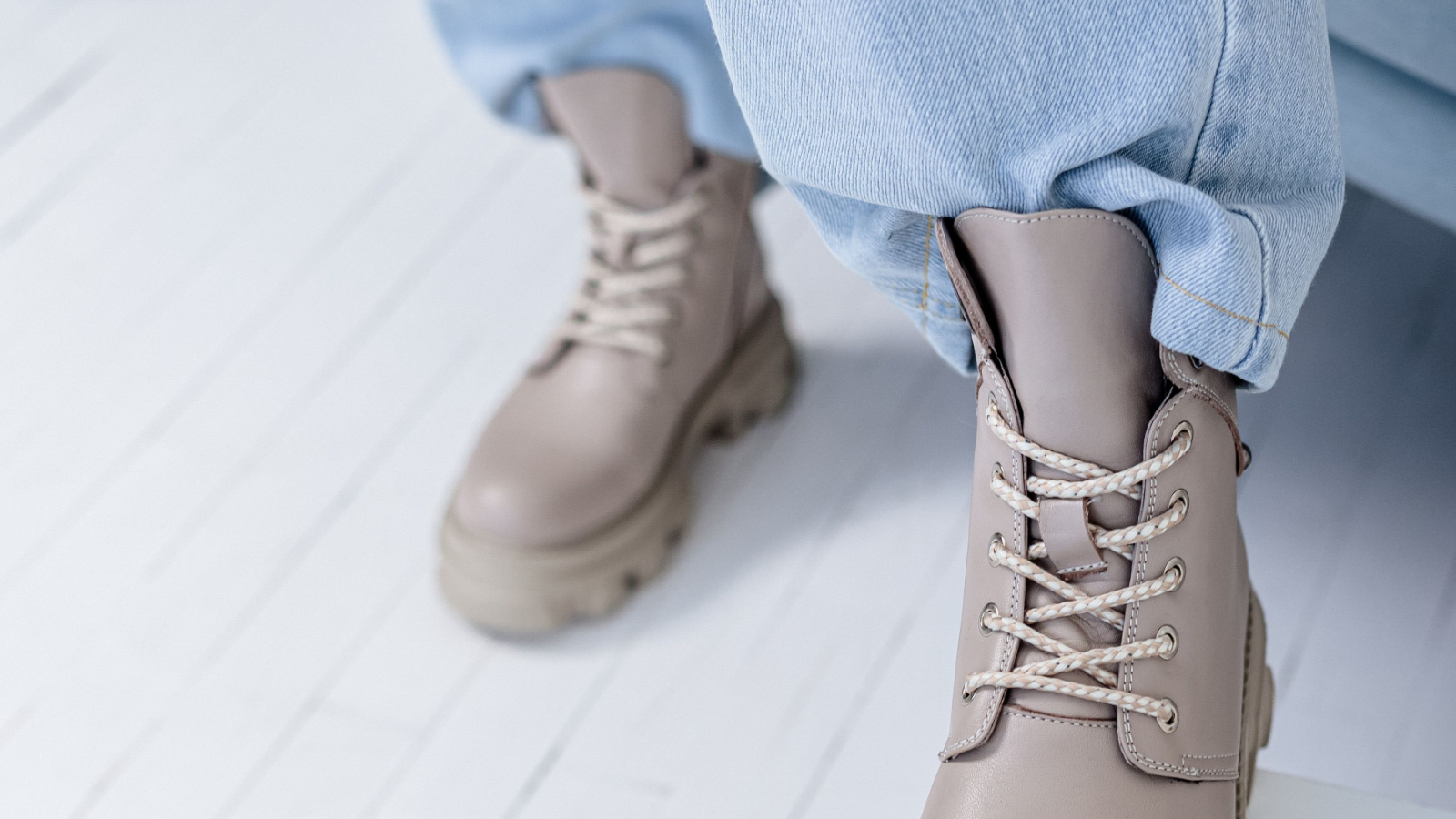
Heavy denim feels restrictive and warm during milder weather. Canadians are switching to lighter-weight jeans that offer similar durability with improved comfort. Lighter washes reflect sunlight and suit spring styling better than dark tones. Softer fabrics allow easier movement for daily activities. These jeans pair well with both casual and semi-formal tops. Breathability prevents discomfort indoors or on public transit. Washing is also easier due to reduced dye intensity. This swap maintains the practicality of denim while adapting to changing conditions. Lighter jeans provide familiarity without the heaviness associated with winter clothing.
Fleece-Lined Pants → Standard Trousers

Fleece-lined pants provide warmth during freezing temperatures, but quickly become excessive in spring. Canadians are returning to regular trousers that allow airflow while still offering coverage. Standard fabrics feel lighter and more flexible throughout the day. They work well in professional settings where bulky clothing appears out of place. Breathable materials prevent overheating indoors. Neutral styles coordinate with a variety of tops and jackets. This change improves comfort during commuting and walking. Removing insulation reflects the reduced need for thermal protection. Regular trousers support mobility and maintain a polished appearance suitable for both work and leisure activities.
Heavy Hoodies → Lightweight Zip-Ups
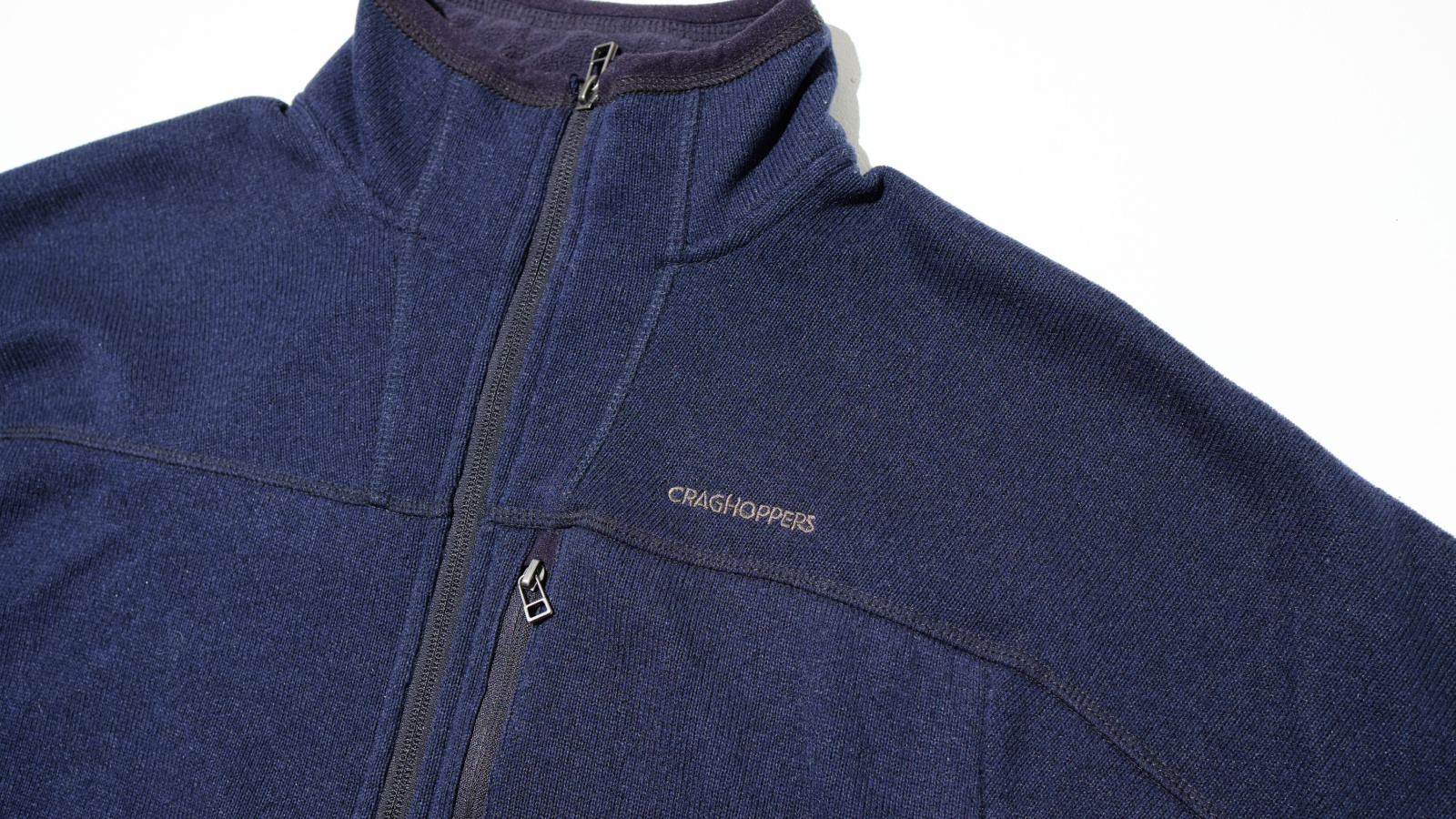
Thick hoodies trap heat effectively but can feel cumbersome as temperatures rise. Canadians are switching to lightweight zip-up jackets that offer adjustable warmth. The zipper allows quick ventilation when moving between indoors and outdoors. Lighter fabrics reduce bulk and improve comfort under coats. These garments fold easily for storage in bags. Casual styles suit everyday wear without appearing overly heavy. Breathable materials prevent sweating during mild afternoons. This swap provides flexibility without abandoning familiar comfort. Lightweight layers adapt better to fluctuating spring conditions than thick pullover hoodies designed for winter.
Snow Pants → Casual Spring Bottoms

Snow pants are essential for extreme weather, but unnecessary once snow begins melting. Canadians are returning to jeans, chinos, or lightweight athletic pants for daily activities. These options allow greater mobility and comfort. They also suit indoor environments where insulated clothing becomes too warm. Casual bottoms pair easily with transitional footwear and jackets. Breathable fabrics reduce moisture buildup during outdoor movement. The shift reflects improved conditions on sidewalks and roads. Removing heavy outer layers simplifies dressing routines. This change signals a move toward normal seasonal clothing after months of protective winter gear.
Chunky Knit Dresses → Flowing Midi Dresses

Chunky knit dresses provide warmth but can feel heavy in spring. Canadians are choosing flowing midi dresses made from lighter fabrics that allow air circulation. These styles remain comfortable during cool mornings when paired with light jackets. Movement becomes easier because the material is less restrictive. Neutral or soft patterns suit seasonal trends. Midi lengths provide coverage without excessive warmth. Dresses can transition from casual daytime wear to evening outings with minimal changes. This swap maintains practicality while introducing a softer silhouette. Lightweight designs reflect the shift toward comfort and flexibility as temperatures stabilize.
Layered Basewear → Single Light Layers

Winter outfits often require multiple base layers for insulation. Canadians are simplifying by wearing single lightweight pieces as conditions improve. Reducing layers prevents overheating indoors and simplifies dressing routines. Breathable fabrics provide enough warmth without bulk. This change also improves mobility and comfort during daily activities. Single layers are easier to wash and store. The approach reflects confidence that extreme cold is no longer a constant concern. It also makes outfit coordination simpler. Removing unnecessary layers marks a clear transition from survival dressing to practical everyday wear suited to moderate temperatures.
Wool Socks → Breathable Cotton Socks

Thick wool socks are ideal for insulation, but can feel too warm in spring. Canadians are switching to cotton or moisture-wicking blends that keep feet comfortable without overheating. Lighter socks dry faster after exposure to rain or damp conditions. They also fit better inside transitional footwear such as sneakers or ankle boots. Breathable materials reduce odor and improve overall hygiene. Neutral colors remain versatile for different outfits. This small change significantly improves daily comfort. Replacing winter socks reflects reduced need for extreme warmth while maintaining practicality for variable weather conditions.
Oversized Winter Coats → Cropped or Mid-Length Jackets

Large insulated coats become unnecessary once temperatures moderate. Canadians are choosing shorter jackets that provide coverage without excessive weight. Cropped and mid-length styles allow easier movement and suit a wider range of activities. Lighter materials prevent overheating during indoor transitions. These jackets often include water-resistant features for spring showers. Compact designs are easier to carry when not needed. Neutral colors ensure compatibility with multiple outfits. This swap maintains protection from wind while improving comfort and style. Shorter outerwear reflects a shift toward mobility and practicality as winter conditions fade.
Heavy Cardigans → Light Cardigans

Thick cardigans designed for winter warmth can feel restrictive in spring. Canadians are replacing them with lighter versions that provide gentle insulation. Breathable fabrics allow layering without trapping excess heat. These garments work well in offices where temperatures vary throughout the day. Lightweight cardigans are easy to remove and carry. They also complement dresses and casual outfits. Neutral tones maximize versatility. This change supports flexible dressing as the weather fluctuates. Lighter knitwear maintains comfort while acknowledging that extreme cold is no longer the primary concern.
Insulated Vests → Lightweight Quilted Vests
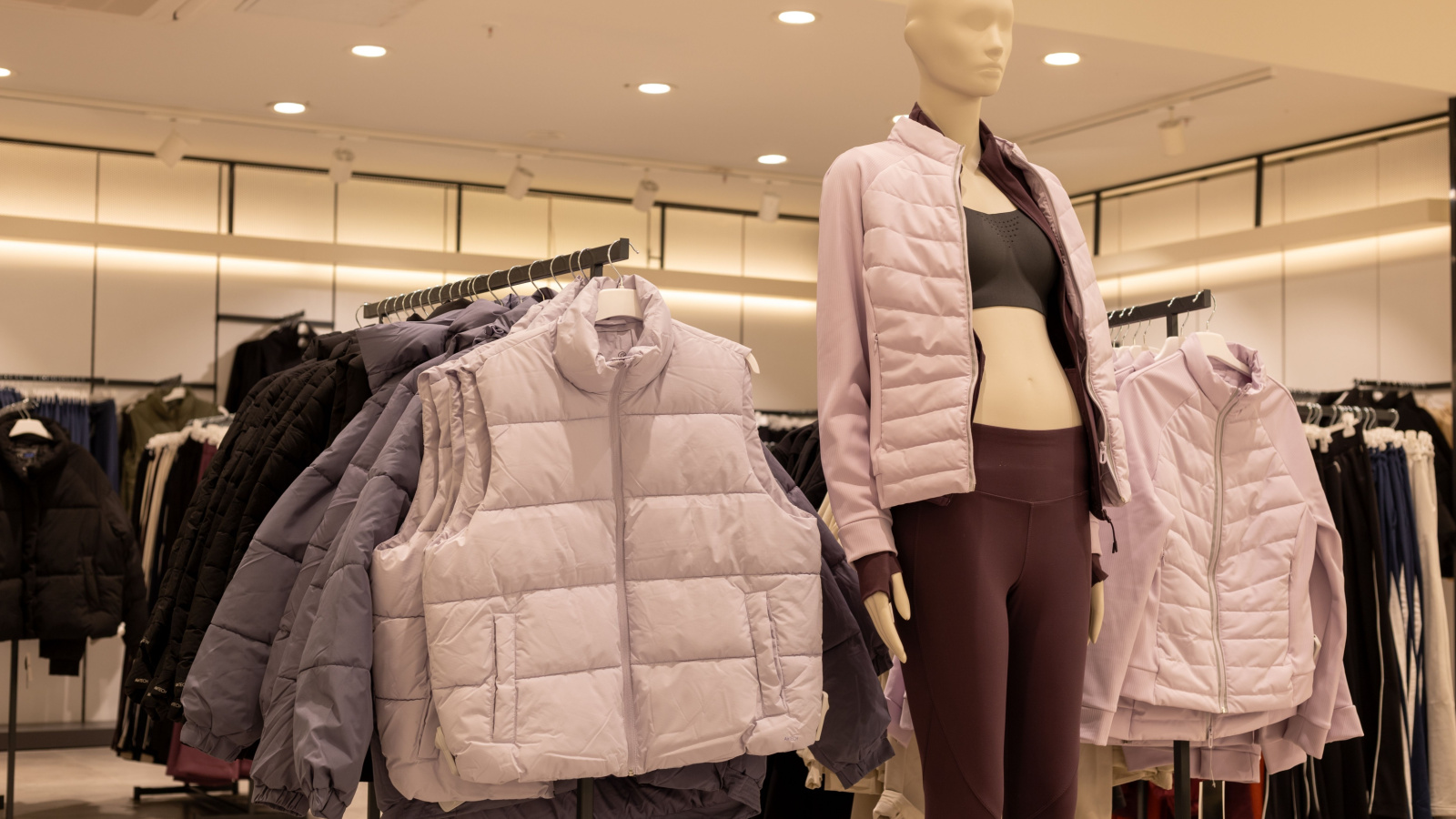
Insulated vests remain useful, but heavy winter versions become unnecessary. Canadians are choosing thinner quilted designs that provide moderate warmth without bulk. These vests layer easily over shirts or light sweaters. They offer core protection while allowing arms full mobility. Water-resistant materials handle light rain effectively. Compact construction makes them convenient for travel or commuting. The reduced insulation suits variable temperatures typical of spring. This swap preserves practicality while improving comfort. Quilted vests bridge the gap between heavy winter outerwear and summer clothing.
Dark Accessories → Lighter Bags and Belts
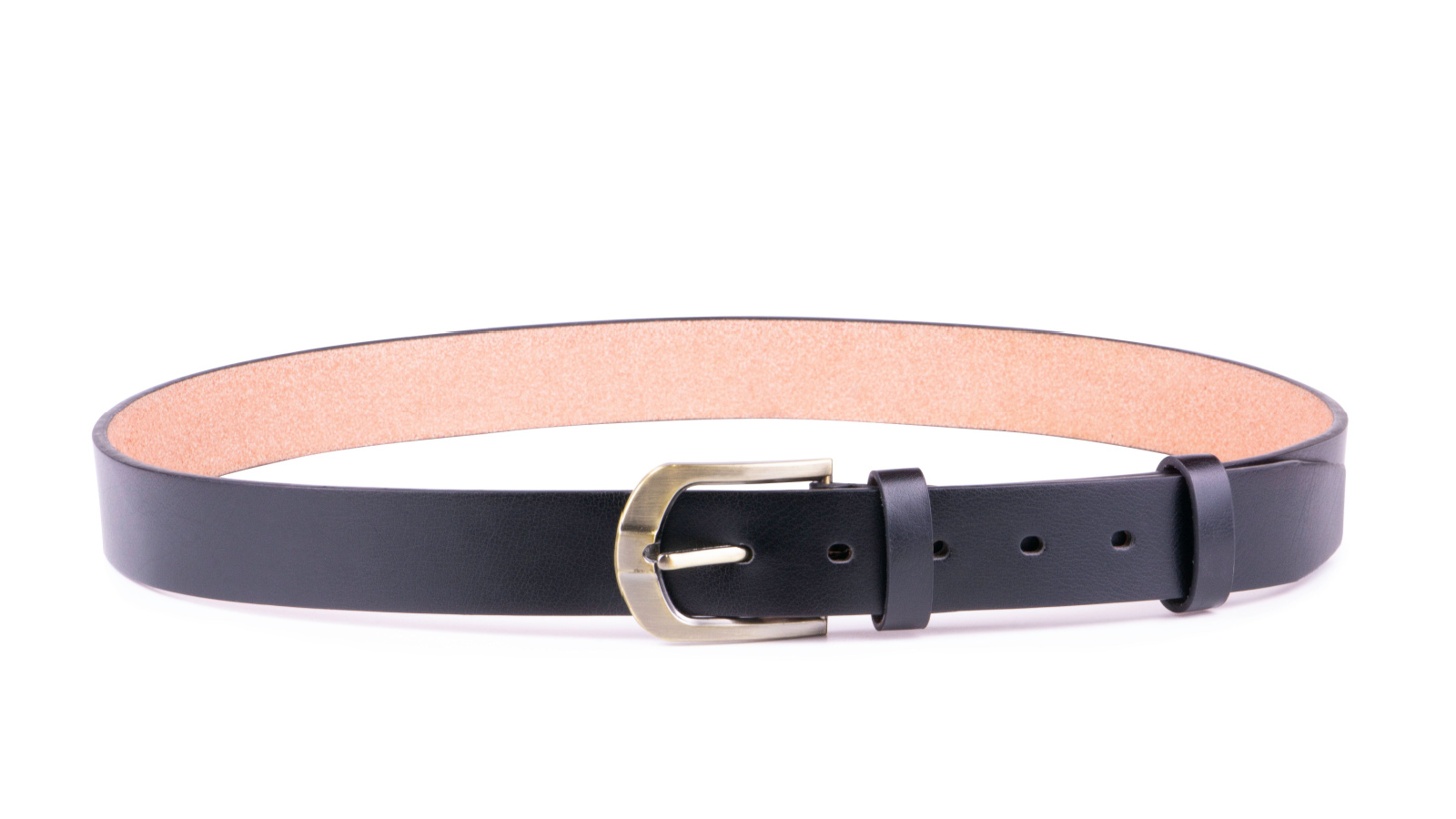
Accessories in deep winter tones can feel visually heavy as seasons change. Canadians are introducing lighter shades that complement spring outfits. Neutral bags and belts reflect more light and appear less formal. Smaller items in fresh colors can update existing wardrobes without major purchases. Lighter materials also feel more comfortable to carry. This change enhances overall brightness and cohesion. Coordinating accessories with clothing creates a polished look. Swapping dark pieces for lighter alternatives signals a seasonal transition in a subtle but effective way.
Winter Pajamas → Lightweight Sleepwear

Thick sleepwear becomes uncomfortable once indoor temperatures rise. Canadians are replacing fleece or flannel pajamas with lighter fabrics such as cotton. Breathable materials improve sleep quality by preventing overheating. Lightweight sets also dry quickly after washing. Comfort becomes especially important as blankets become lighter, too. Simple designs allow easy movement during sleep. This swap reflects the broader shift toward warmer indoor environments. Changing sleepwear is often one of the first seasonal adjustments people make. Improved comfort at night supports better rest and daytime energy.
Thick Flannel Shirts → Cotton or Linen Shirts

Flannel shirts provide warmth but can feel heavy in spring conditions. Canadians are switching to cotton or linen options that offer breathability. These fabrics allow air circulation while still providing coverage. Lighter shirts pair well with both jeans and dressier trousers. Rolling sleeves adds flexibility as temperatures change. Washing and drying are easier compared to thick flannel. Neutral colors remain versatile across different outfits. This swap maintains casual comfort while adapting to milder weather. Cotton and linen shirts feel lighter and more appropriate for the season.
Heavy Blazers → Unstructured Spring Blazers

Traditional blazers made from thick fabrics can feel restrictive in warmer weather. Canadians are choosing unstructured versions with lighter materials and softer shoulders. These designs maintain a professional appearance without excess weight. Breathable fabrics improve comfort during long workdays. Unlined construction allows better airflow. Spring blazers often feature lighter colors that coordinate with seasonal clothing. They can be worn casually or formally, depending on the styling. This swap balances professionalism with practicality. Lighter tailoring reflects changing conditions while preserving a polished look suitable for offices and events.
Bulky Handbags → Compact Everyday Bags

Large handbags designed to carry winter essentials become unnecessary in spring. Canadians are switching to smaller bags that hold only daily items. Compact designs reduce shoulder strain and improve mobility. Lighter materials feel more comfortable during longer outings. Smaller bags also complement lighter clothing styles. Organized compartments maintain functionality despite reduced size. This change reflects fewer bulky accessories, such as gloves or scarves. Downsizing simplifies daily routines and encourages carrying only essentials. Compact bags support a streamlined look that aligns with the lighter feel of spring wardrobes.
Dark Leather Footwear → Lighter-Toned Shoes
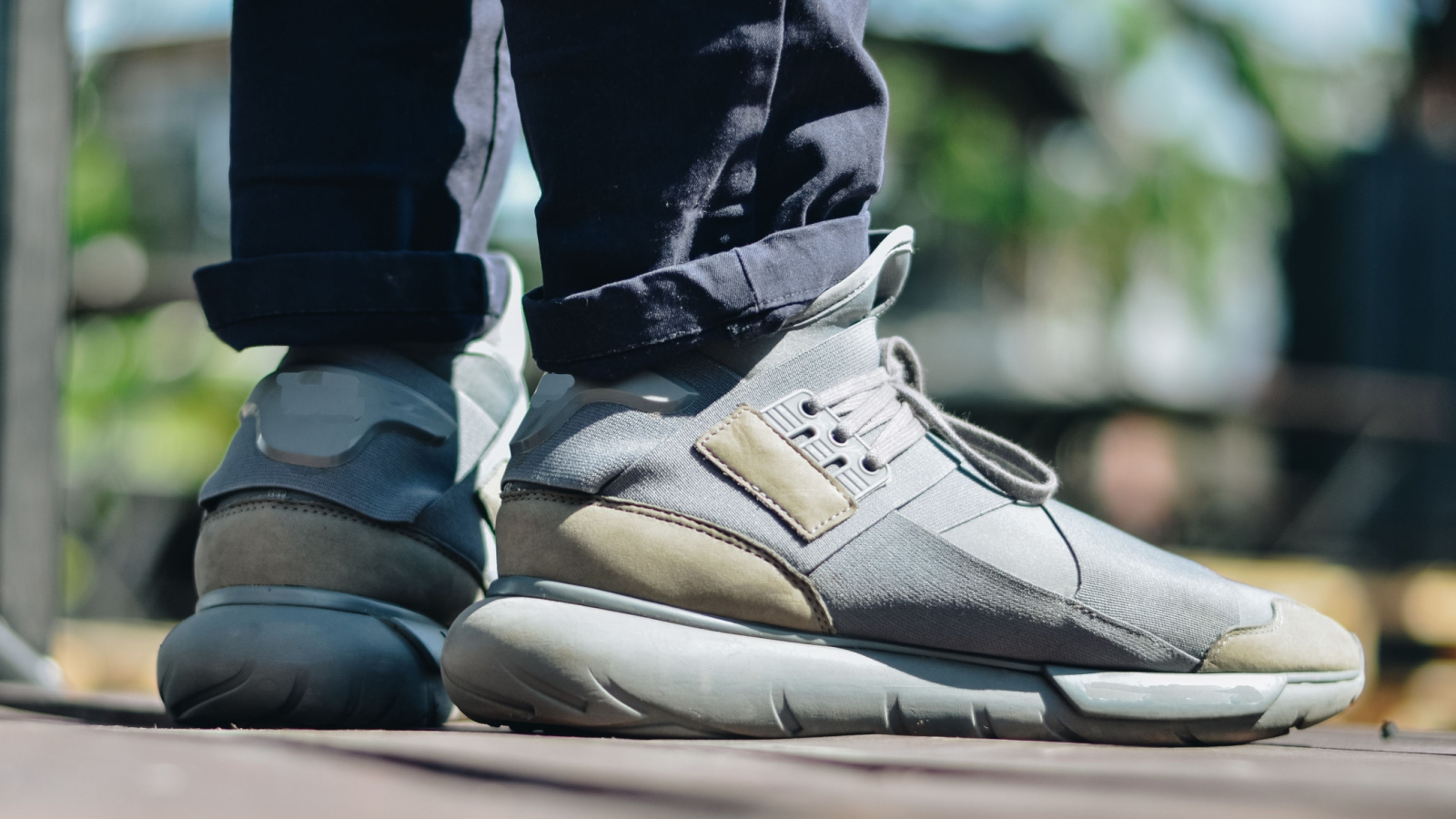
Dark winter shoes absorb heat and appear heavy with spring outfits. Canadians are choosing lighter-toned footwear that reflects sunlight and feels seasonally appropriate. Materials such as suede or canvas provide comfort without excessive insulation. Lighter colors coordinate with pastel or neutral clothing. Breathable designs prevent overheating during mild days. Cleaning may require more attention, but the visual impact is significant. This swap signals the end of winter dressing more than any other change. Footwear in softer shades completes the transition to spring while maintaining practicality for everyday use.
22 Groceries to Grab Now—Before another Price Shock Hits Canada

Food prices in Canada have been steadily climbing, and another spike could make your grocery bill feel like a mortgage payment. According to Statistics Canada, food inflation remains about 3.7% higher than last year, with essentials like bread, dairy, and fresh produce leading the surge. Some items are expected to rise even further due to transportation costs, droughts, and import tariffs. Here are 22 groceries to grab now before another price shock hits Canada.
22 Groceries to Grab Now—Before another Price Shock Hits Canada
