
Tax season rarely goes sideways because of one dramatic blunder. More often, trouble starts with ordinary decisions made in a rush: filing before every slip shows up, assuming an extension means extra time to pay, or letting small deductions disappear because no one circled back. With the April 30, 2026 deadline approaching for most Canadians, the cost of those errors can linger well past spring in the form of penalties, delayed refunds, missed credits, and avoidable stress.
In a system that handled more than 33 million individual returns in the last reported year, the most painful mistakes are often the ones that look harmless in the moment. These 14 tax mistakes are the ones Canadians are most likely to regret all summer if they are left unchecked.
Waiting to file because the money is not there

One of the most common tax-season missteps is treating filing and paying as the same decision. They are related, but they are not identical. A taxpayer who owes money may freeze, hoping a few extra weeks will make the bill easier to handle. In practice, that hesitation often makes the problem worse. Filing on time at least stops a late-filing penalty from landing on top of an already unwelcome balance, which is why tax professionals often call timely filing the first damage-control move.
That matters because summer has a way of making spring mistakes feel more expensive. Interest keeps building, the balance does not get friendlier, and the mental drag of an unresolved tax bill tends to linger. A cleaner approach is to file by the deadline, know the exact amount owing, and then deal with payment options from a position of clarity instead of avoidance. Even when cash flow is tight, uncertainty is often the costliest part of the delay.
Believing the self-employed deadline also gives extra time to pay

Self-employed Canadians often hear that they have until mid-June to file and stop listening after that. The detail that causes regret is the other half of the rule: the filing extension is not a payment extension. Someone who freelanced, drove for a platform, rented out a property, or ran a small side business may think June buys breathing room on the whole tax picture, only to discover that interest started much earlier than expected.
That surprise can be especially frustrating because the mistake feels technical rather than reckless. A consultant may have perfectly organized books by May, file well before the June deadline, and still get hit with charges because the amount owing was supposed to be paid by April 30. For households that rely on seasonal cash flow, that misunderstanding can turn a manageable tax bill into a summer annoyance. The safer mindset is simple: if self-employment income exists, treat April 30 as the money deadline and June 15 as the paperwork deadline.
Filing before every slip and receipt has actually arrived

The urge to file early is understandable, especially when a refund is expected. But speed can backfire when key slips are still missing. Investment-related forms often trail regular employment slips, and early-year RRSP receipts can arrive later than many people assume. The result is a return that looks finished in March but quietly leaves out taxable income, a deduction, or both. That kind of partial filing creates work twice: first on the original return, then again on the correction.
This is where rushed confidence becomes expensive. A taxpayer who files off a T4 and a few bank documents might forget a trust slip, a partnership slip, or a contribution receipt from the first 60 days of the year. Those are not exotic edge cases; they are normal timing issues in the Canadian system. A better habit is to pause long enough to confirm that the file is actually complete. Filing early is helpful only when it is also accurate, and accuracy usually saves more time than speed ever does.
Trusting auto-fill as if it were a finished return

CRA auto-fill is useful, but useful is not the same as perfect. The tool pulls in information the agency already has, which can save time and reduce data-entry mistakes. What it cannot do is guarantee completeness, context, or judgment. A missing slip may simply not have been processed yet. A shared investment slip may still need allocation. A taxpayer can end up with a tidy-looking return that is incomplete because the software populated what was available, not necessarily what was final.
That distinction matters because convenience can create false confidence. A return that imports smoothly feels verified, even when it still needs a real review against bank records, employer documents, and personal receipts. The best way to use auto-fill is as a starting point, not a verdict. It is especially risky to assume that imported investment information, mixed-name slips, or late-issued forms have all been handled properly. The software can speed up the work, but it cannot replace the final responsibility to make sure the story of the year is actually correct.
Treating side-hustle income like it is too small to matter

A few thousand dollars from delivery work, design gigs, tutoring, reselling, content creation, or short-term rentals can feel informal enough to ignore. Tax law does not see it that way. Once money is earned through self-employment activity, it becomes part of the tax picture. The summer regret usually arrives when a taxpayer realizes the side income was never as invisible as it felt. Platform records, bank deposits, payment-app histories, and slips do a good job of turning “just extra cash” into a paper trail.
The emotional trap is that small businesses often begin casually. A person tests a skill, picks up weekend work, or earns from an app without mentally crossing into “business owner” territory. But the return still expects that income to be reported properly, along with reasonable related expenses. Ignoring it can lead to reassessments, interest, and a more stressful relationship with the CRA than the amount ever justified. The cleaner path is to treat side income seriously from the start, even when it still feels more like a hustle than a business.
Claiming work-from-home expenses by old pandemic habits

Many Canadians still carry around tax assumptions from the temporary work-from-home era, when claiming home office costs felt simpler and broader. That is where trouble starts. The easy flat-rate method is no longer available for recent tax years, and employment-expense claims now depend on meeting current rules and using the proper forms. Employees also sometimes overreach by trying to deduct expenses that are not allowed under their category, particularly when a home office has become part of normal life.
That makes this mistake deceptively common among remote and hybrid workers who are not trying to game the system at all. They are often relying on memory. Someone who claimed a home workspace a few years ago may assume the same shortcut still exists, or may not realize employer documentation is required. Others blur the line between employee rules and self-employed rules. By summer, that kind of misunderstanding can turn into a review request or a disappointing reassessment. Home-office claims can still be legitimate, but they need to be built on today’s rules, not yesterday’s habits.
Claiming child care under the wrong spouse or the wrong limits

Child care deductions often look straightforward until a household actually sits down to divide them. In many cases, the lower-income spouse has to claim the expenses, and the annual limits vary depending on the child’s age and circumstances. That means the mistake is not usually forgetting the deduction exists. It is misplacing it on the wrong return, claiming too much for one child, or assuming any out-of-pocket child care bill automatically fits the rules.
This is the kind of error that frustrates families because the spending was absolutely real. Daycare, camps, after-school care, and other child supervision costs can be among the most painful household expenses of the year. But tax relief only works when the claim is structured correctly. A family that rushes the return may leave money behind or trigger questions later, especially if reimbursements or special circumstances muddy the totals. Child care claims reward careful reading far more than speed, and a little attention here can prevent a surprisingly expensive correction later.
Using the wrong 12-month window for medical expenses

Medical-expense claims are often lost not because Canadians forget the receipts, but because they choose the wrong period. The rules allow a 12-month window ending in the tax year, which can be more valuable than simply adding up everything paid from January to December. That flexibility matters when large dental work, fertility treatment, therapy bills, mobility devices, or prescription costs spill across calendar years. A poorly chosen window can shrink the claim even when the spending itself was substantial.
This is one of those tax rules that rewards patience and a bit of math. A family that paid for orthodontics in one spring and specialist care later in the year may get a better result by grouping the strongest 12-month stretch rather than defaulting to the calendar year. Because the expenses also cannot have been claimed already for an earlier year, sloppy recordkeeping makes the decision harder. The regret shows up when people discover in June that the receipts were valid, the spending was real, and the only mistake was choosing the wrong frame around them.
Stretching a moving-expense claim beyond what the rules allow
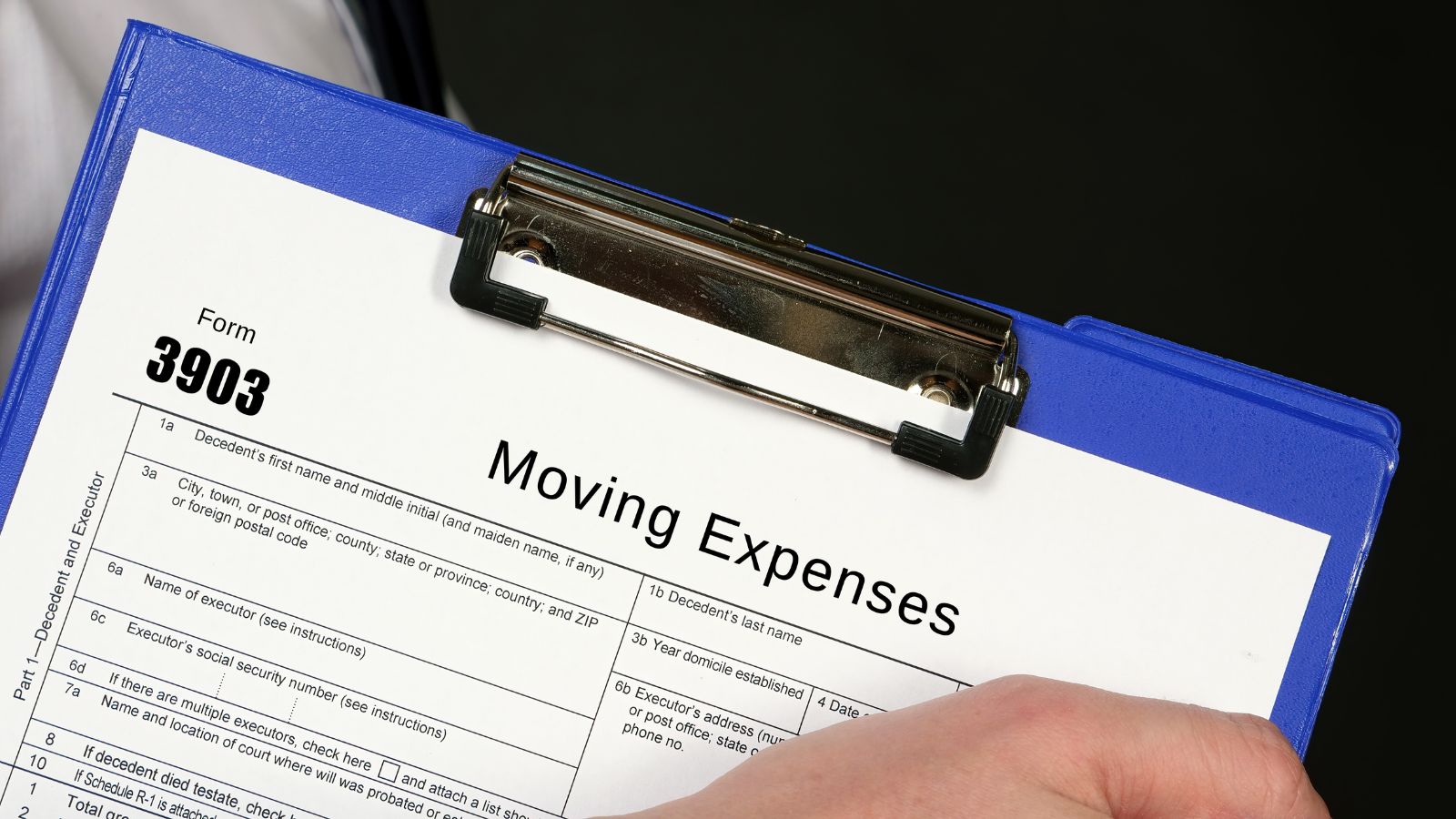
Moving is expensive enough that many Canadians naturally hope the tax return will soften the blow. Sometimes it can. Sometimes it cannot. Problems usually start when people assume any move connected to a better job, a new contract, or school should qualify. The rules are narrower than that. Distance matters, the new home has to be significantly closer to the new work or school, and the deduction is tied to income earned at the new location rather than functioning like a broad reimbursement for relocation stress.
That gap between expectation and reality is where summer regret sets in. A taxpayer may have saved every truck rental, storage, hotel, and travel receipt, only to learn the relocation does not meet the threshold. Another may qualify in principle but try to deduct more than the income earned from the new place can support. Because moving creates a mountain of paperwork, people often feel especially irritated when the tax answer is “not so fast.” It is far better to confirm eligibility before building the return around a deduction that may not survive review.
Overcontributing to RRSPs or FHSAs because the room was guessed

Registered accounts can be powerful tax tools, but they become costly when contribution room is treated like an estimate. RRSPs and FHSAs both have rules that sound simple from a distance and become unforgiving once real dollars are involved. Someone may deposit first and verify later, assume last year’s room still applies, or forget that claiming a deduction and making a contribution are separate decisions. The result can be a return that looks tax-smart in March and feels careless by July.
This mistake is especially common among people trying to do the right thing quickly near a deadline. RRSP contributions for the 2025 return had a March 2, 2026 cutoff, and FHSA room has its own annual and lifetime structure. Overcontributions can trigger monthly tax, which is a painful penalty on what was supposed to be disciplined saving. The safer habit is almost boring: confirm the room on the latest CRA documents, then contribute. Registered accounts reward precision, and a rushed contribution strategy can undo part of the benefit they were meant to create.
Reporting investment sales straight from the T5008

Investors often assume the tax slip from a brokerage is the finished answer for capital gains and losses. That is one of the more expensive assumptions in the filing season. The T5008 can be useful, but it is not a substitute for tracking adjusted cost base properly. Transfers between accounts, reinvested distributions, commissions, partial sales, and prior transactions can all affect the real math. A return that copies the slip too literally may still be wrong.
This gets even messier when people harvest losses or trade around a position quickly. A taxpayer might sell at a loss, buy back too soon, and then discover the loss does not work the way it was expected to. Others understate or overstate gains because the cost base on the slip was incomplete. None of this is rare among active investors; it is just easy to underestimate. The summer regret comes when a seemingly clean brokerage summary turns into a reassessment or a headache at adjustment time. Investing records need more attention than one slip can usually provide.
Ignoring instalment reminders after a better-than-usual year

A profitable year can create a tax problem that does not show up until the next one. Canadians with self-employment income, rental income, investment income, or not enough tax withheld at source may be pushed into instalment territory. That is often the moment people tune out. A reminder from the CRA can feel optional, especially after a large tax payment has already stung once. By the time summer arrives, missed instalments may already be quietly generating charges.
This mistake is less about confusion than timing fatigue. After tax season, many households want to stop thinking about taxes altogether. But instalments are how the system keeps some taxpayers from falling too far behind again. A person with strong freelance income in one year may need quarterly payments in the next, even if cash flow later becomes uneven. Ignoring that shift can create the frustrating sensation of being penalized for success. The better approach is to treat instalment notices as part of the same tax story, not as unrelated mail that can wait until autumn.
Letting tuition and donation claims sit unused when they could still help

Some tax mistakes are dramatic, but others are quieter: a credit not used, a receipt stuffed in a folder, a carryforward forgotten because nobody revisited it. Tuition and charitable donations are classic examples. Students can carry forward unused tuition or transfer part of it in the right situation, while donations can sometimes be saved for a later year if that produces a better result. What people regret is not always claiming too much. Often, it is claiming too little or not planning the claim at all.
This tends to happen in households where taxes are handled quickly and strategically only in obvious places. A parent may miss a tuition transfer that would have reduced a family bill. A donor may claim a small gift immediately without realizing bunching donations into a better year could have been more effective. These are not flashy errors, but they can leave real money on the table. When budgets are tight, forgotten credits feel especially annoying because the opportunity was already earned; it was simply never used carefully enough.
Not filing at all because income was low or zero

There is a persistent myth that no income means no reason to file. That can be a costly assumption. For many Canadians, the return is not just about tax owing; it is also the gateway to benefits, credits, and refunds. Someone with little or no income may still need the return to keep child and family payments flowing or to unlock money that would never arrive automatically otherwise. In other words, “nothing happened this year” can still be a filing year.
This mistake often hits students, seniors, parents at home, newcomers, and people between jobs especially hard. They may not owe tax, so filing drops down the priority list. Then a benefit is interrupted, delayed, or recalculated later than expected. That is the kind of administrative problem that can ripple across an entire summer budget. In lean periods, small government payments can matter a great deal, and losing them because no return was filed feels unnecessarily painful. Filing is sometimes less about settling a tax bill than about keeping the rest of the financial system open.
Filing once and then disappearing from the CRA

A submitted return is not the end of the process. It is the start of the response. Canadians who file and then ignore their notice of assessment, CRA messages, direct deposit setup, or recordkeeping often create problems that do not show up until weeks later. A changed amount, a request for documents, an updated contribution limit, or a refund delay can all sit quietly in the background while the taxpayer assumes everything is done. That false finish line is one of the more avoidable post-filing errors.
The aftercare matters because the notice of assessment is where the CRA tells its version of the story back to the filer. It is also where future planning often starts, especially for items like RRSP room. If correspondence preferences are electronic, missing an email alert can mean missing the message entirely in practice. Add weak recordkeeping, and even a minor review becomes far more stressful than it needs to be. Filing is important, but so is staying reachable, checking the result, and keeping the paper trail intact long enough to defend what was claimed.
19 Things Canadians Don’t Realize the CRA Can See About Their Online Income

Earning money online feels simple and informal for many Canadians. Freelancing, selling products, and digital services often start as side projects. The problem appears at tax time. Many people underestimate how much information the CRA can access. Online platforms, banks, and payment processors create detailed records automatically. These records do not disappear once money hits an account. Small gaps in reporting add up quickly.
Here are 19 things Canadians don’t realize the CRA can see about their online income.
