
Modern cars are packed with features that promise comfort, convenience, and advanced technology, but not all of them deliver real value. In Canada, where driving conditions vary widely, and costs are already high, many buyers end up paying extra for features they rarely use or do not actually need. Automakers often bundle these additions into higher trims, making them seem essential when they are not. Over time, these unnecessary features increase both upfront costs and maintenance expenses. Understanding which features truly matter and which ones are just marketing can help Canadians make smarter purchasing decisions. Here are 15 car features Canadians are paying for that don’t really matter.
Built-In Navigation Systems
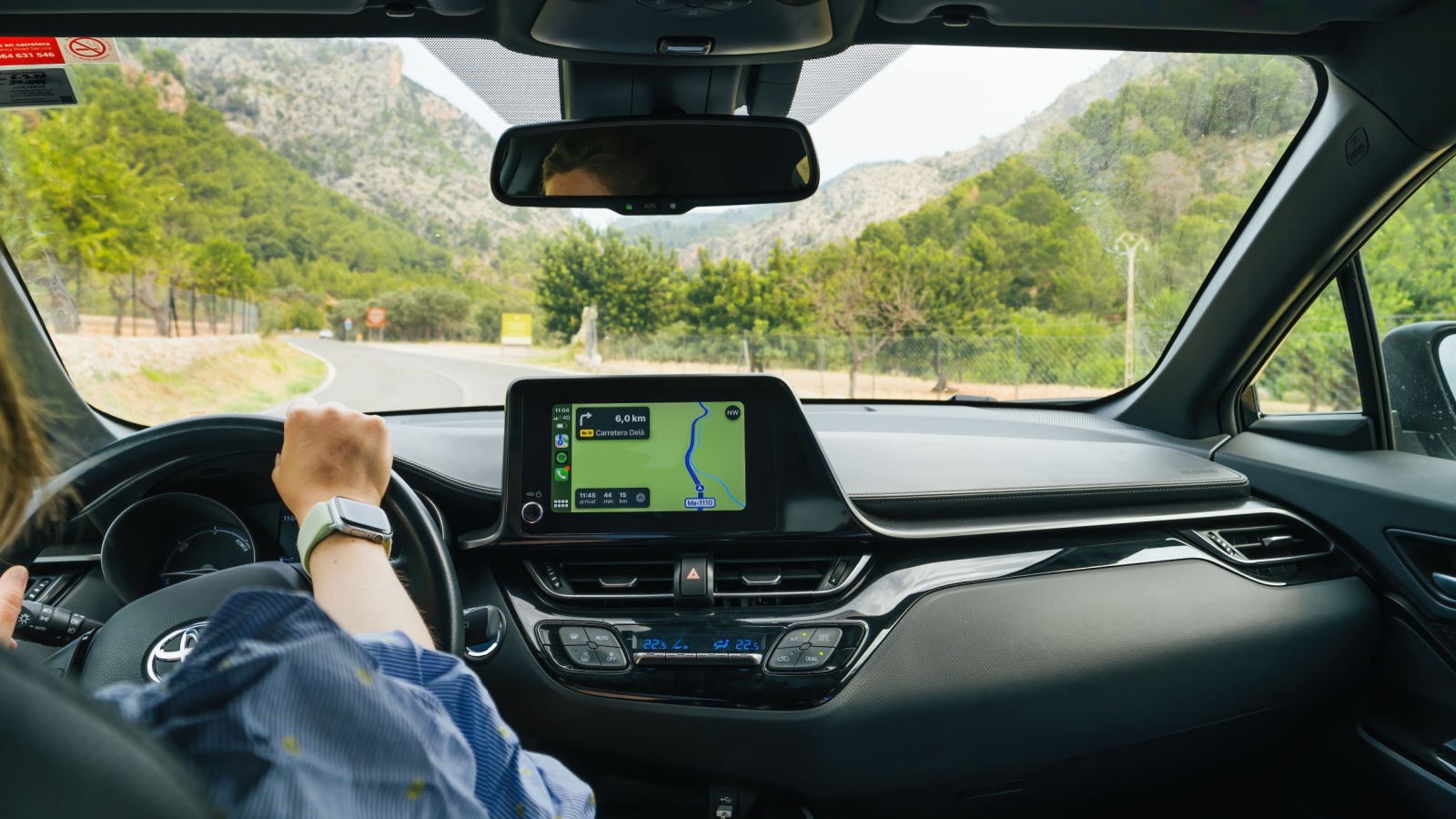
Built-in navigation systems are often marketed as a premium feature, but for most Canadians, they offer little real advantage over smartphone-based alternatives. Modern apps such as Google Maps and Apple Maps provide real-time traffic updates, route changes, and accurate arrival estimates that are frequently more reliable than factory-installed systems. In contrast, built-in navigation often requires manual updates or paid subscriptions to stay current, which adds ongoing costs. Many drivers also find the interface slower and less intuitive compared to mobile apps. In Canada, where road conditions and traffic patterns can change quickly due to weather, having access to real-time updates is essential. Smartphone navigation adapts instantly, while built-in systems may lag behind. Additionally, most vehicles now support Apple CarPlay or Android Auto, which makes in-car navigation systems largely redundant.
Panoramic Sunroofs
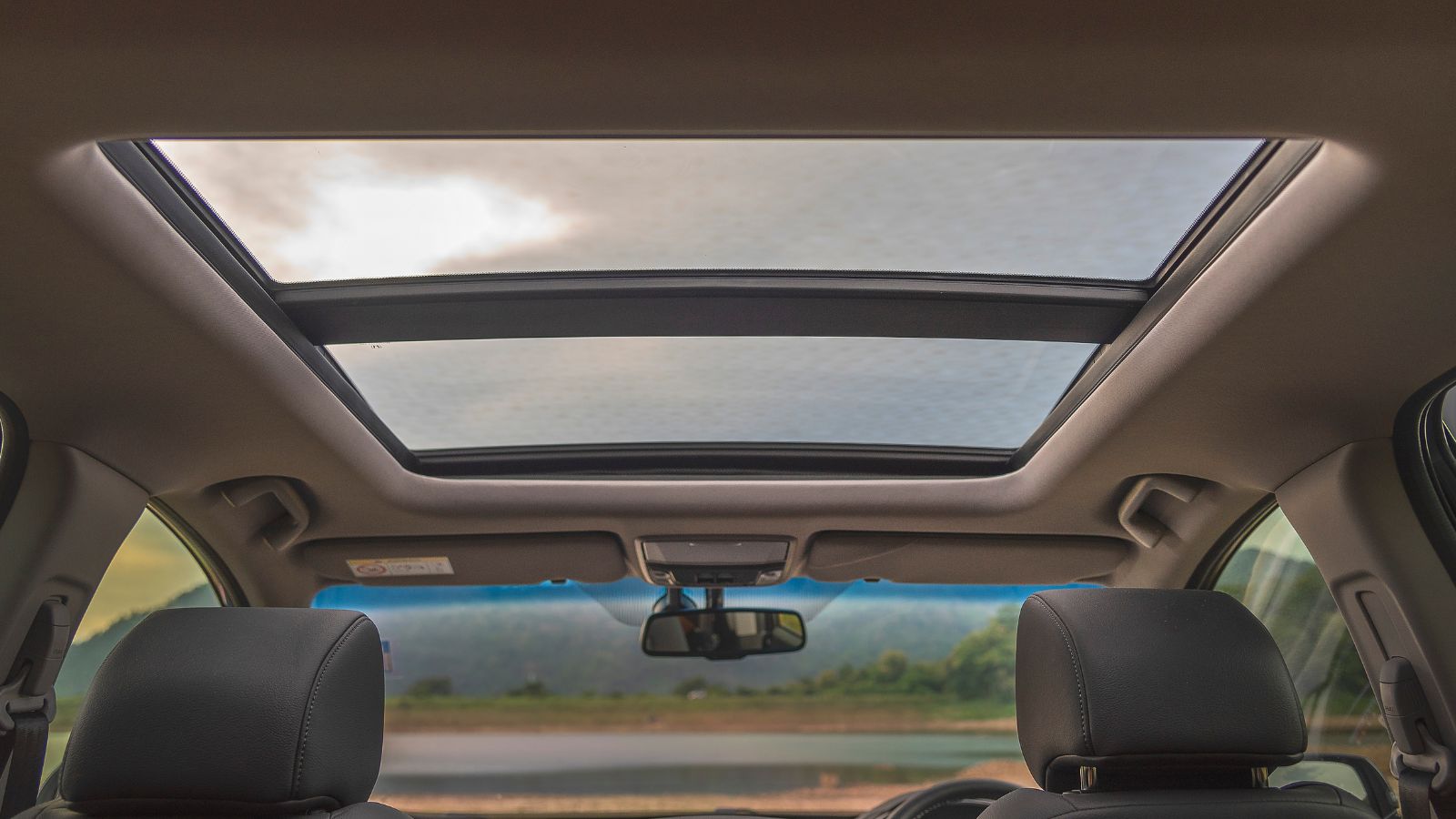
Panoramic sunroofs have become a popular feature in modern vehicles, often associated with luxury and openness. However, in Canada’s climate, their practical value is limited. Long winters, frequent rain, and cold temperatures mean that sunroofs are used far less often than buyers expect. Many drivers find that the feature is only enjoyable for a few months of the year, making it difficult to justify the added cost. Panoramic sunroofs also introduce potential long-term issues such as leaks, mechanical failures, and increased maintenance costs. Repairs can be expensive, especially if the motor or sealing components fail. Additionally, larger glass surfaces can affect cabin insulation, making vehicles hotter in summer and colder in winter. This can lead to increased reliance on heating and cooling systems. Despite these drawbacks, sunroofs are often bundled into higher trim levels, forcing buyers to pay for them even if they are rarely used.
Gesture Controls

Gesture control systems, which allow drivers to adjust settings with hand movements, are often marketed as innovative technology. However, their practical usefulness is limited, and many Canadians find them unnecessary. These systems can be inconsistent, sometimes misinterpreting gestures or failing to respond as expected. This can lead to frustration, especially when trying to make quick adjustments while driving. In many cases, traditional controls such as buttons or touchscreens are faster and more reliable. Gesture controls also add complexity to the vehicle’s interface, which can make it harder for drivers to learn and use effectively. In Canadian driving conditions, where attention to the road is critical due to weather and traffic, simplicity is often more valuable than novelty. Despite this, gesture control features are often included in higher trim packages, increasing the overall cost of the vehicle.
Built-In Wi-Fi Hotspots
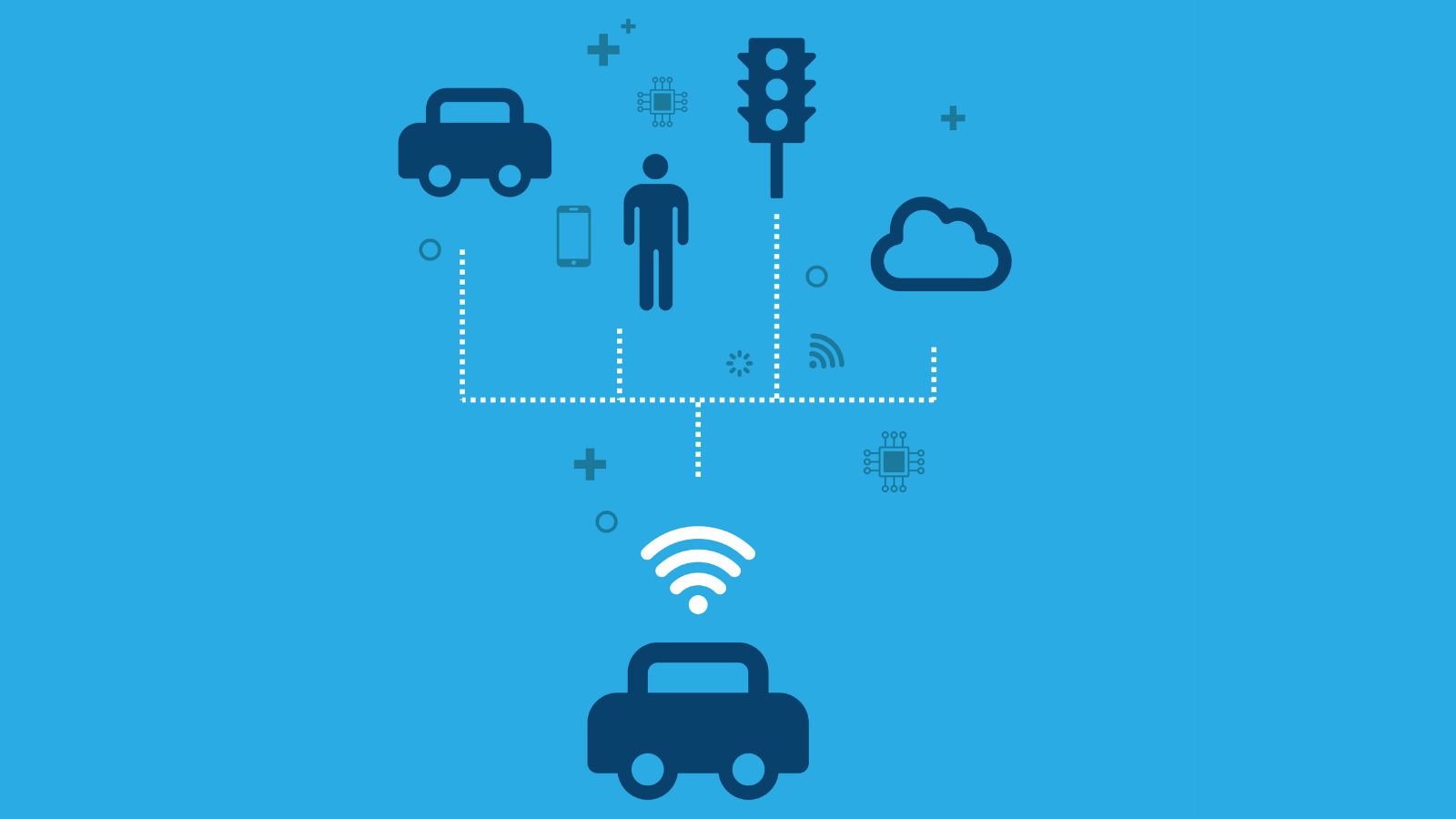
Built-in Wi-Fi hotspots are often presented as a convenience feature, but many Canadians find them unnecessary given existing alternatives. Most drivers already have smartphones with data plans that can be used as mobile hotspots. These provide similar functionality without requiring an additional subscription. Built-in systems often involve monthly fees, which add to the overall cost of vehicle ownership. In areas with strong cellular coverage, smartphone hotspots are typically just as effective. In rural parts of Canada, where coverage may be limited, built-in hotspots do not necessarily perform better. This reduces their practical advantage. Additionally, managing multiple data plans can be inconvenient for users. Despite this, the feature is often marketed as essential for connected driving.
Premium Branded Sound Systems

Premium-branded sound systems are commonly used as a selling point in higher-trim vehicles, but their value depends heavily on how the vehicle is used. For many Canadians, especially those who commute in heavy traffic or drive short distances, the difference between standard and premium audio systems is minimal. Road noise, weather conditions, and everyday distractions often limit the ability to fully appreciate enhanced sound quality. While audiophiles may value these systems, the average driver may not notice a significant improvement. These systems also increase the vehicle’s price and can be costly to repair if components fail. In many cases, aftermarket upgrades can provide similar or better performance at a lower cost.
Automatic Parking Systems
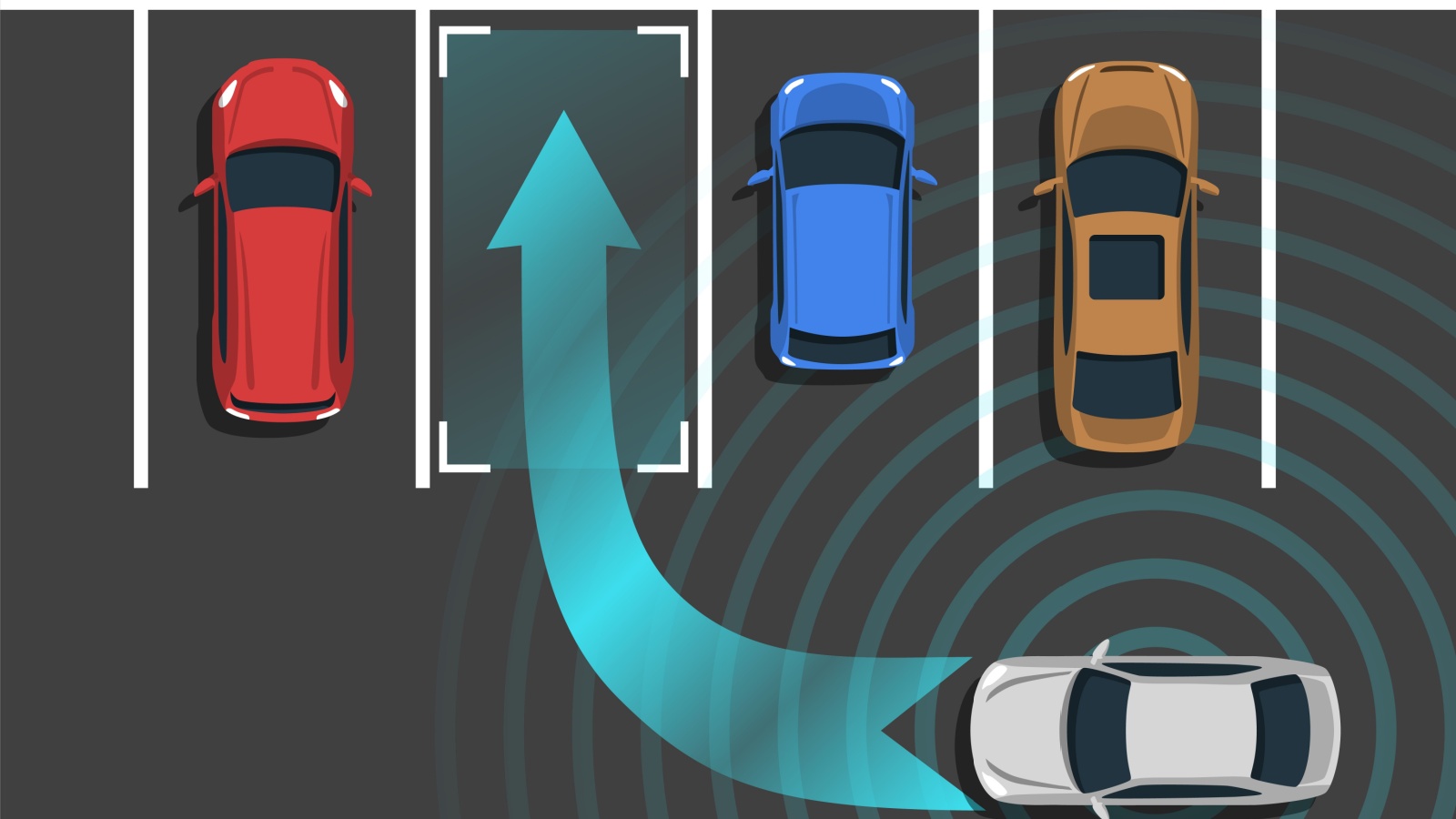
Automatic parking systems are designed to assist drivers in parking their vehicles, but many Canadians find them unnecessary in everyday use. These systems can take longer to operate than manual parking, especially in simple situations. Drivers often find it quicker and more reliable to park themselves rather than relying on automated assistance. In Canadian cities where parking spaces vary widely, these systems may not always perform accurately. Snow, ice, and unclear markings can also affect their effectiveness. Additionally, the feature adds complexity to the vehicle, potentially leading to higher maintenance costs over time. While it may be helpful for new drivers, experienced drivers often do not use it regularly. Despite this, automatic parking is frequently included on higher trim levels, increasing the vehicle’s cost.
Rear Seat Entertainment Screens
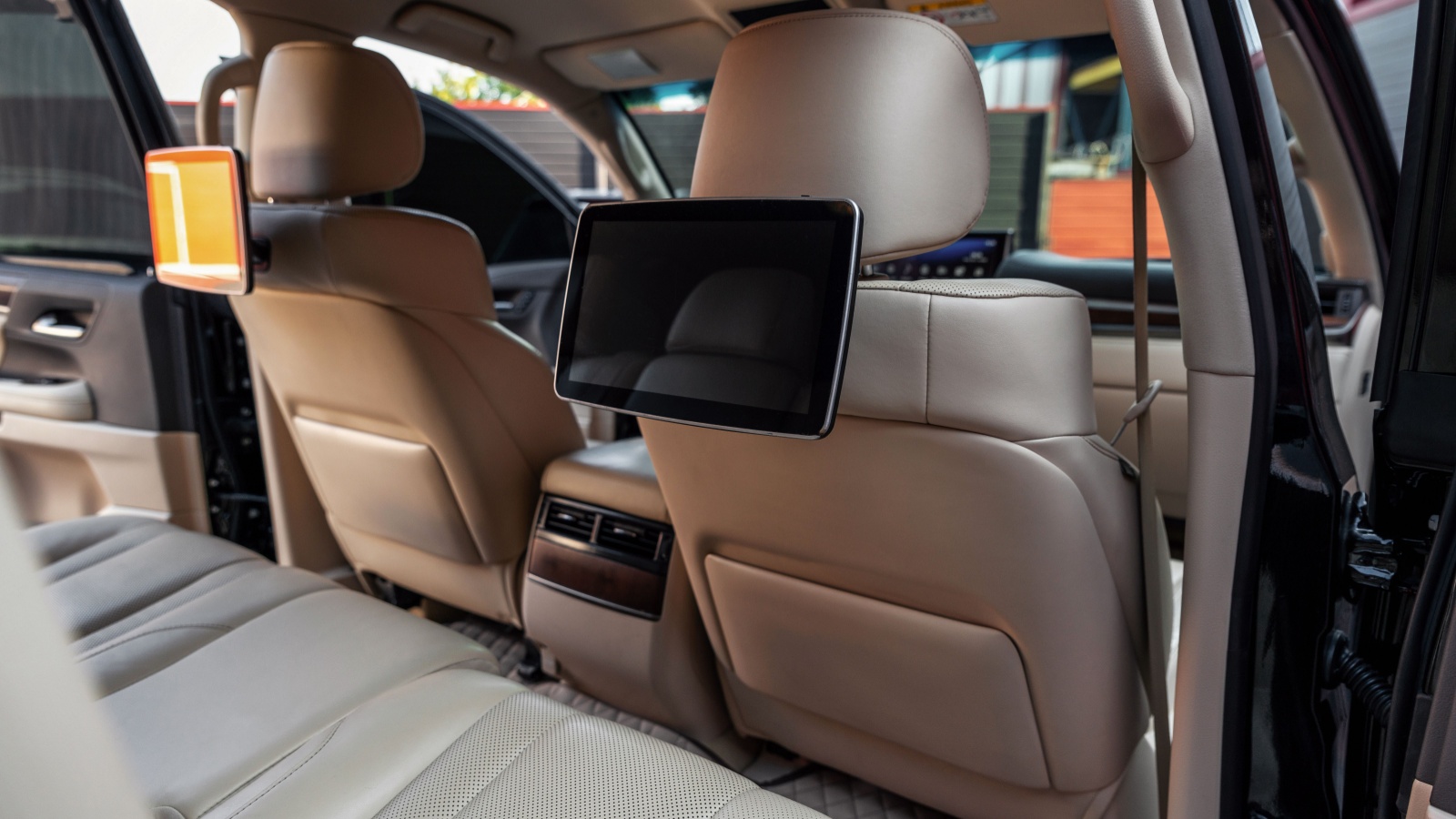
Rear seat entertainment systems are often marketed as a family-friendly feature, but their relevance has declined significantly. With the widespread use of tablets and smartphones, passengers already have access to personalized entertainment options. Built-in screens often require specific media formats or subscriptions, which limit their flexibility. They can also become outdated quickly as technology evolves. In many cases, children prefer using their own devices rather than relying on fixed screens. These systems also add to the vehicle’s cost and can be expensive to repair or replace. For Canadians who do not frequently travel long distances, the feature may be used very rarely.
Heads-Up Display
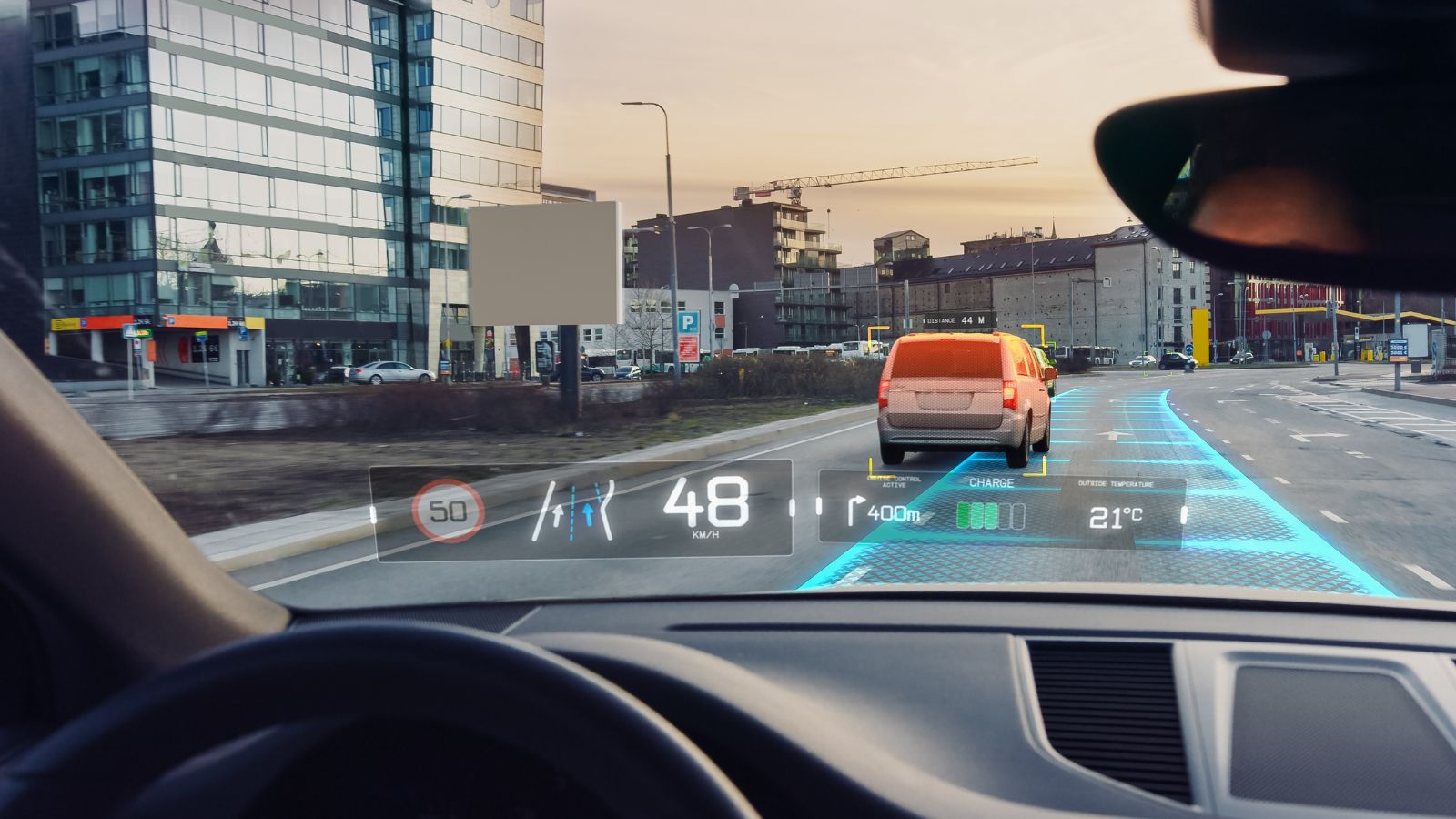
Heads-up displays project information onto the windshield, allowing drivers to view speed and navigation details without looking down. While this sounds useful, many Canadians find that the feature does not significantly improve their driving experience. The information displayed is often limited and can be distracting for some drivers. Adjusting to the display can take time, and not all users find it comfortable to use. In some lighting conditions, visibility may also be reduced. Most drivers are already accustomed to checking the dashboard quickly, which remains a simple and effective method. Despite this, heads-up displays are often included in higher trim levels, increasing the cost of the vehicle. For many Canadians, the feature becomes something they rarely rely on after initial use.
Adaptive Ambient Lighting Systems
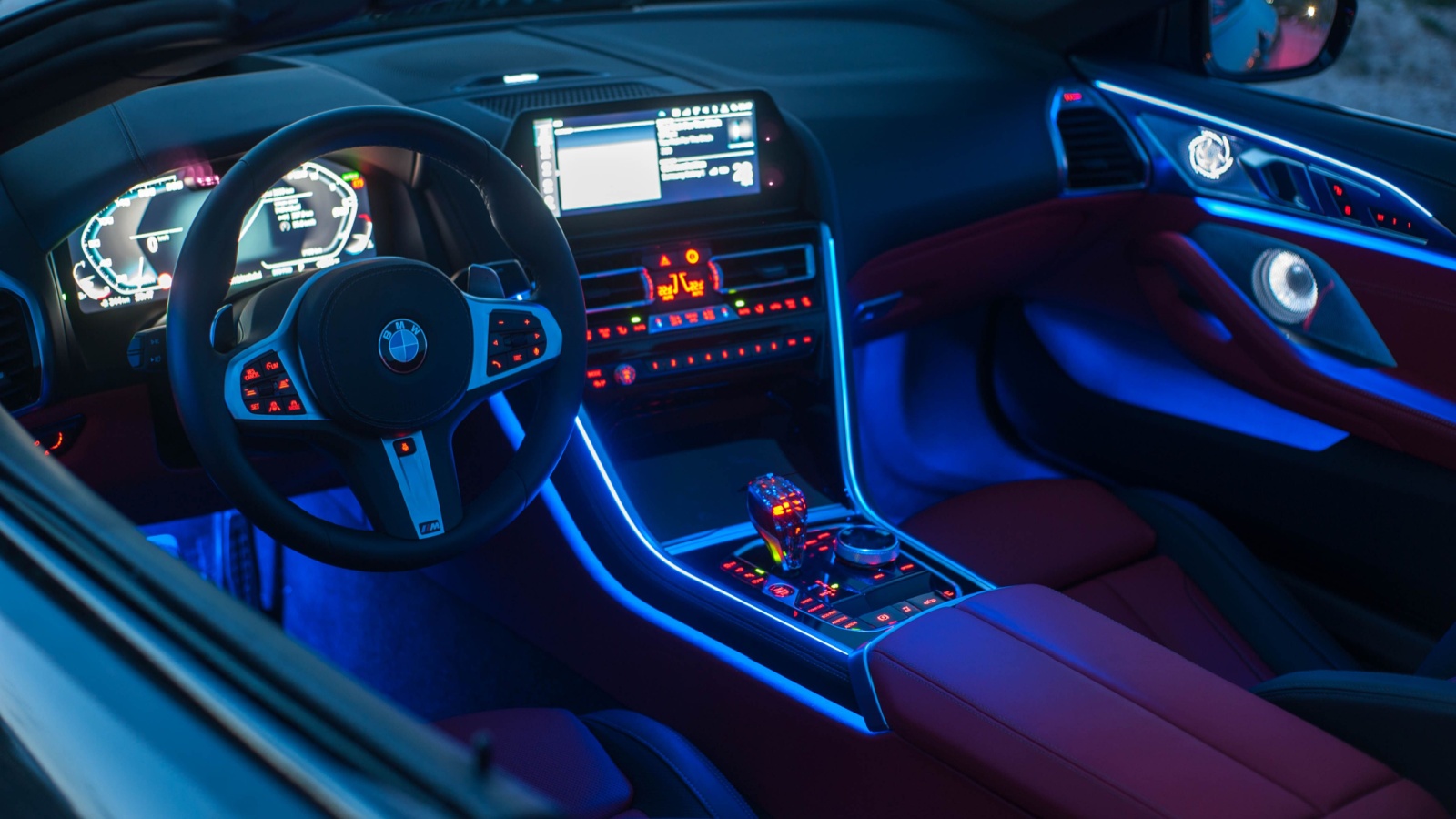
Adaptive ambient lighting systems are designed to enhance a vehicle’s interior atmosphere by allowing drivers to customize colors and brightness levels. While this feature may feel modern and visually appealing during initial use, its long-term practicality is limited for most Canadians. In everyday driving conditions, especially during daytime, the lighting effect is barely noticeable. Even at night, many drivers prefer minimal interior distractions, particularly during long drives or in poor weather conditions where visibility is critical. These systems also add to the vehicle’s complexity and are often bundled into higher trim levels, increasing the overall purchase price. Over time, most users select one setting and rarely adjust it again, which reduces the feature’s relevance.
Digital Key and Smartphone Unlock Systems

Digital key systems allow drivers to unlock and start their vehicles using a smartphone instead of a traditional key fob. While this technology is positioned as convenient, its real-world usefulness in Canada is limited. Most drivers already carry their phones, but they also carry keys, making the feature somewhat redundant. In colder climates, smartphone performance can be affected by low temperatures, which may cause connectivity issues or delays when unlocking the vehicle. This can become frustrating during the winter months when reliability is essential. Additionally, digital key systems rely on software integration, which introduces potential security risks and requires updates. Traditional key fobs, on the other hand, are simple, reliable, and widely trusted. Despite this, digital key features are often included in premium packages, increasing vehicle cost.
Hands-Free Tailgates
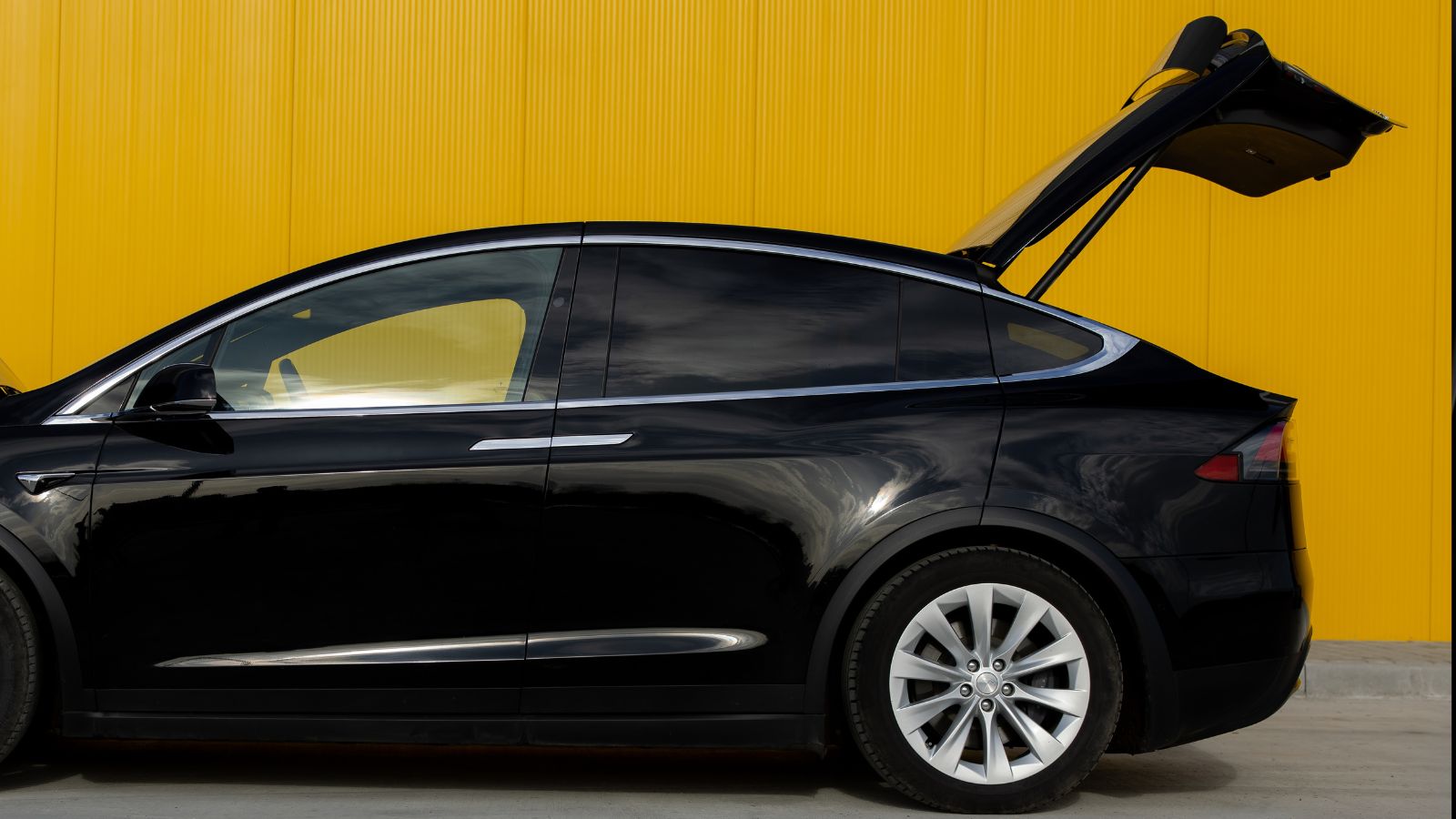
Hands-free tailgates, which open with a foot motion under the rear bumper, are often marketed as a convenience feature for loading groceries or luggage. While the concept sounds useful, its reliability can be inconsistent. Many Canadians report that the sensor does not always respond as expected, especially in winter conditions where snow, ice, or dirt can interfere with detection. This can lead to repeated attempts to trigger the system, which becomes frustrating over time. In addition, manually opening a tailgate is a simple task that requires little effort. The feature also adds mechanical complexity, which can increase maintenance or repair costs if the system fails. Despite being positioned as a premium convenience, it does not significantly improve daily usability for most drivers. In many cases, Canadians end up using the manual function more often than the automated one.
Multi-Zone Climate Control
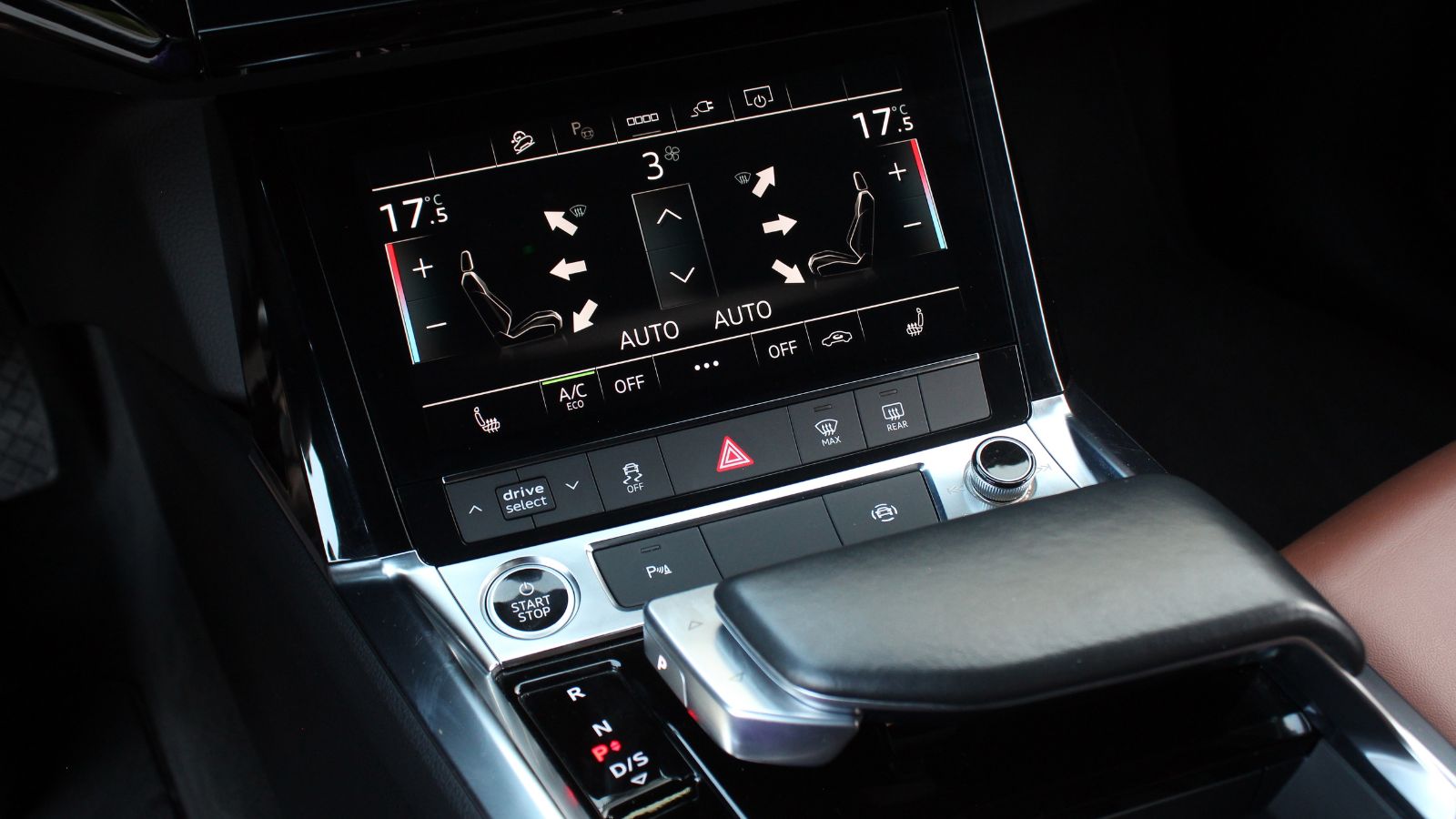
Multi-zone climate control systems allow different temperature settings for various areas of the vehicle, often marketed as a comfort-enhancing feature. While this may be useful in large vehicles with multiple passengers, its practical value is limited for many Canadians who drive alone or with one passenger most of the time. In smaller vehicles, the cabin space is not large enough for temperature differences to have a meaningful impact. Additionally, Canadian weather conditions often require consistent heating or cooling throughout the vehicle, especially during extreme winters or hot summers. This reduces the need for separate climate zones. The system also adds complexity and can increase repair costs if components fail. Despite this, multi-zone climate control is often included in higher-trim packages, thereby increasing the vehicle’s overall cost.
Wireless Charging Pads
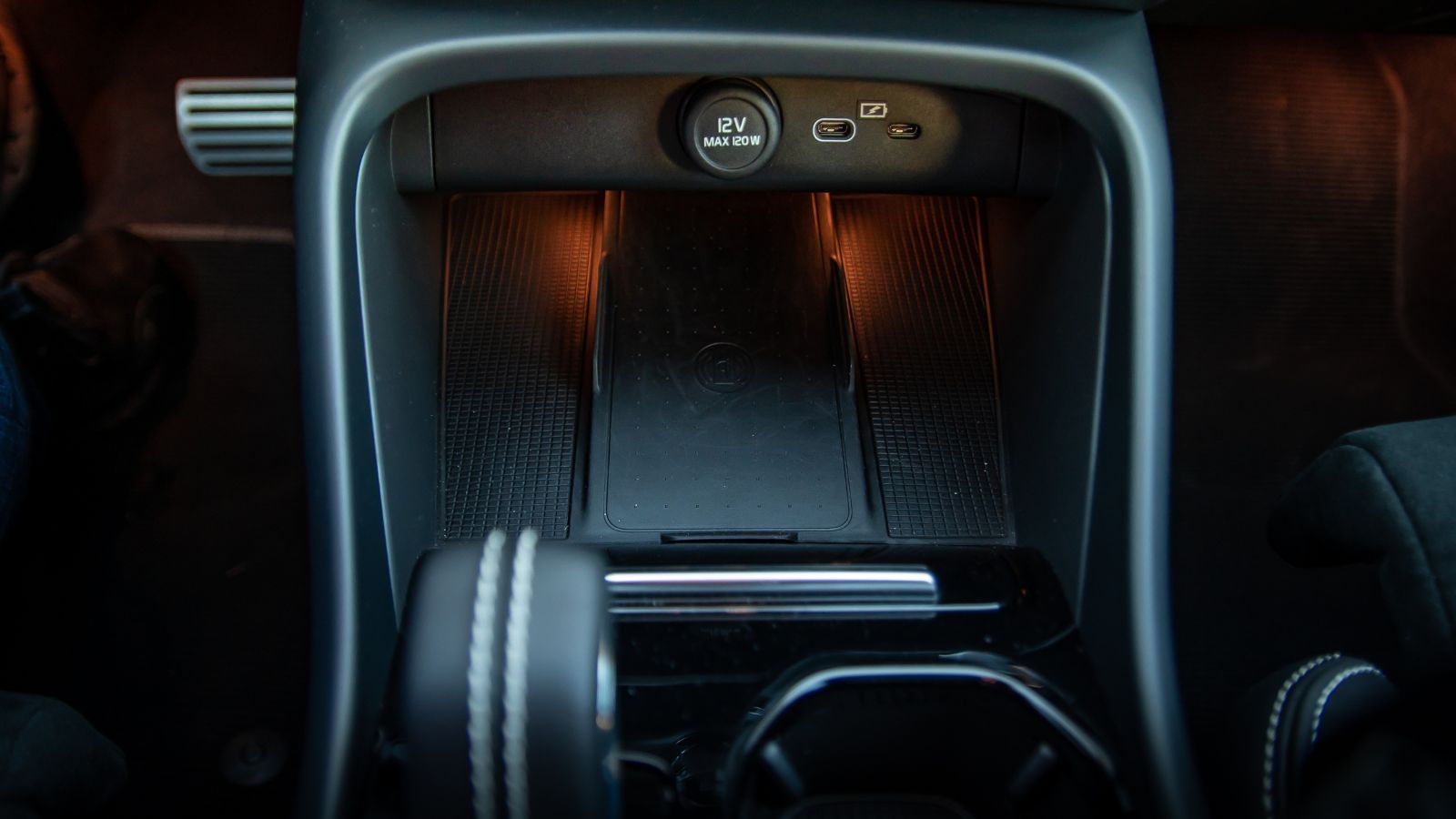
Wireless charging pads are marketed as a convenient way to charge smartphones without cables, but their practicality is often limited. Charging speeds are typically slower than traditional wired connections, which can be inconvenient for drivers who need quick battery top-ups. In addition, proper alignment is required for the device to charge effectively, and slight movement during driving can interrupt the connection. In colder Canadian climates, phone batteries already perform less efficiently, making slow charging even more noticeable. Many drivers also continue to use cables for faster, more reliable charging. Despite this, wireless charging pads are often included in premium packages, thereby increasing the vehicle’s cost.
Drive Mode Customization

Drive mode customization allows drivers to switch between settings such as sport, eco, and comfort, adjusting vehicle performance characteristics. While this sounds useful, many Canadians rarely change these modes after initial experimentation. For everyday driving, especially in urban environments or during winter conditions, a standard driving mode is sufficient. Sport modes may increase responsiveness but also reduce fuel efficiency, while eco modes may not provide noticeable benefits in regular use. The feature adds complexity without significantly improving the driving experience for most users. Additionally, Canadian road conditions, including snow and ice, often limit the practical use of performance-oriented settings. Despite being marketed as enhancing control and versatility, drive modes are often underutilized.
Remote Start via Subscription
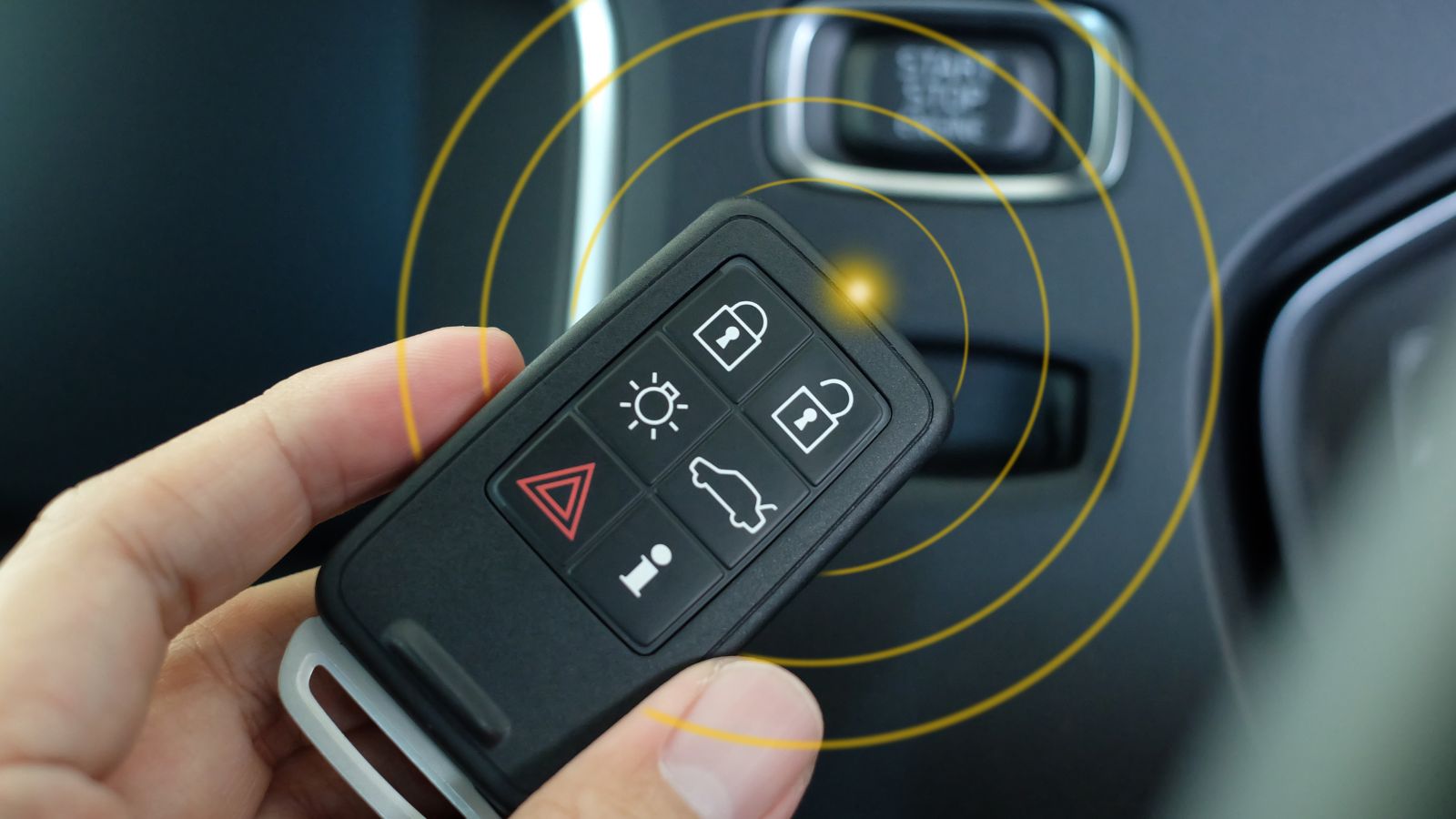
Remote start is a highly valued feature in Canada due to cold winters, but subscription-based remote start services reduce its overall value. While traditional remote start systems are included as one-time features, newer vehicles often require ongoing payments to access remote start through smartphone apps. This creates a recurring cost for something that was previously included at no additional fee. Canadians may find this frustrating, especially when the feature is essential during the winter months. Connectivity issues or app reliability can also affect performance, making the system less dependable than traditional key-based remote start. Over time, the subscription model increases the total cost of ownership without improving functionality.
19 Things Canadians Don’t Realize the CRA Can See About Their Online Income

Earning money online feels simple and informal for many Canadians. Freelancing, selling products, and digital services often start as side projects. The problem appears at tax time. Many people underestimate how much information the CRA can access. Online platforms, banks, and payment processors create detailed records automatically. These records do not disappear once money hits an account. Small gaps in reporting add up quickly.
Here are 19 things Canadians don’t realize the CRA can see about their online income.
