Grocery shopping in Canada has become increasingly frustrating, especially when it comes to so-called “healthy” foods. Many items marketed as nutritious or premium are noticeably more expensive in Canada than in the United States, even when they are identical products. Factors such as import dependence, supply chain costs, currency differences, and smaller market competition all contribute to this pricing gap. However, for everyday consumers, the result is simple: paying more for foods often positioned as essential to a balanced lifestyle. Here are 23 healthy foods Canadians frequently notice are overpriced compared to their U.S. counterparts.
Avocados
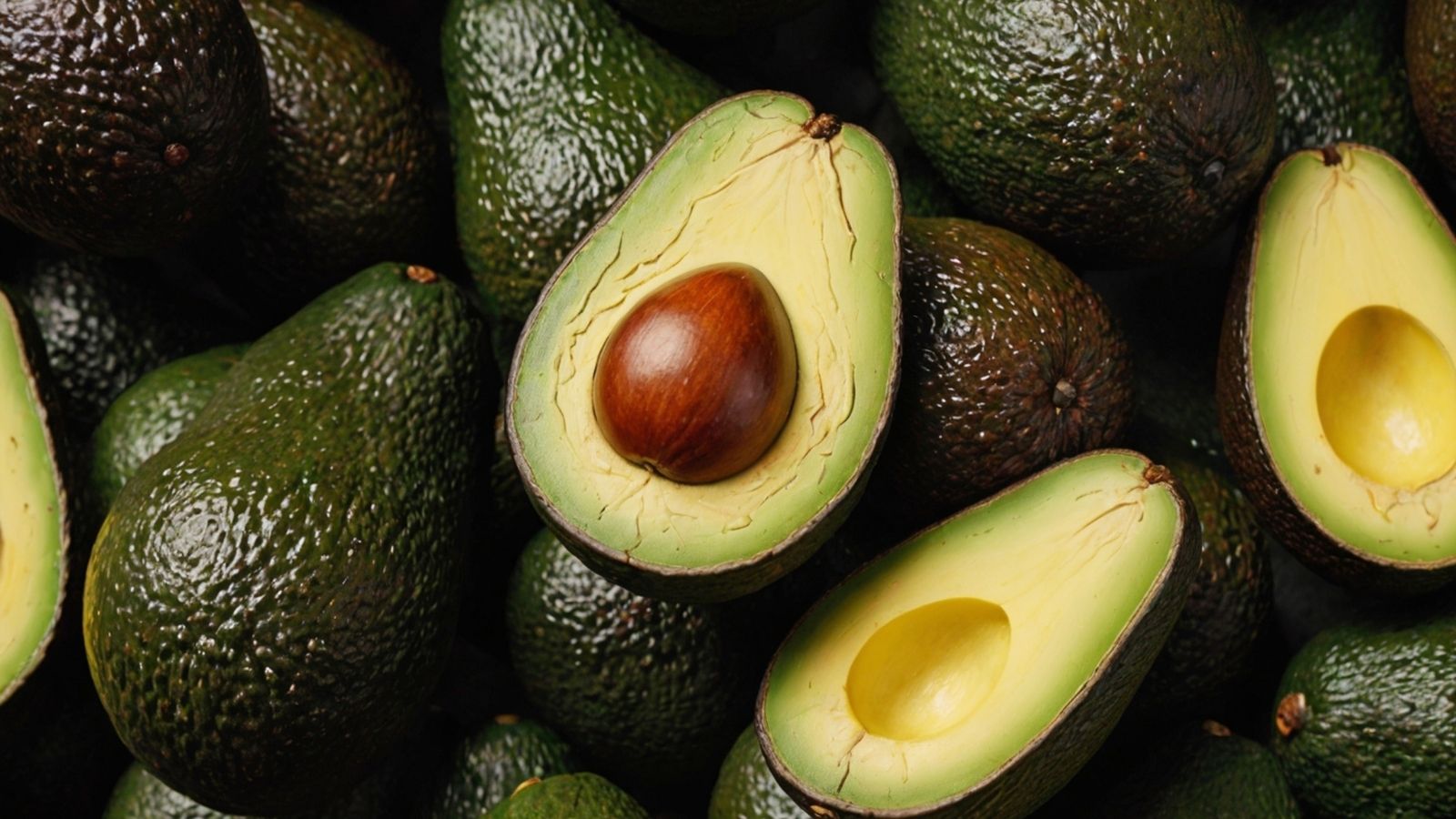
Avocados are often seen as a staple of healthy eating, but in Canada, they are consistently priced higher than in the United States. Since Canada does not produce avocados domestically in large quantities, nearly all supply is imported, primarily from Mexico. While U.S. markets benefit from closer proximity and larger-scale distribution, Canadian supply chains involve additional transportation and logistical costs. This results in noticeable price differences, especially during off-peak seasons. Canadians often find themselves paying significantly more per avocado, even when quality and size remain similar.
Fresh Berries
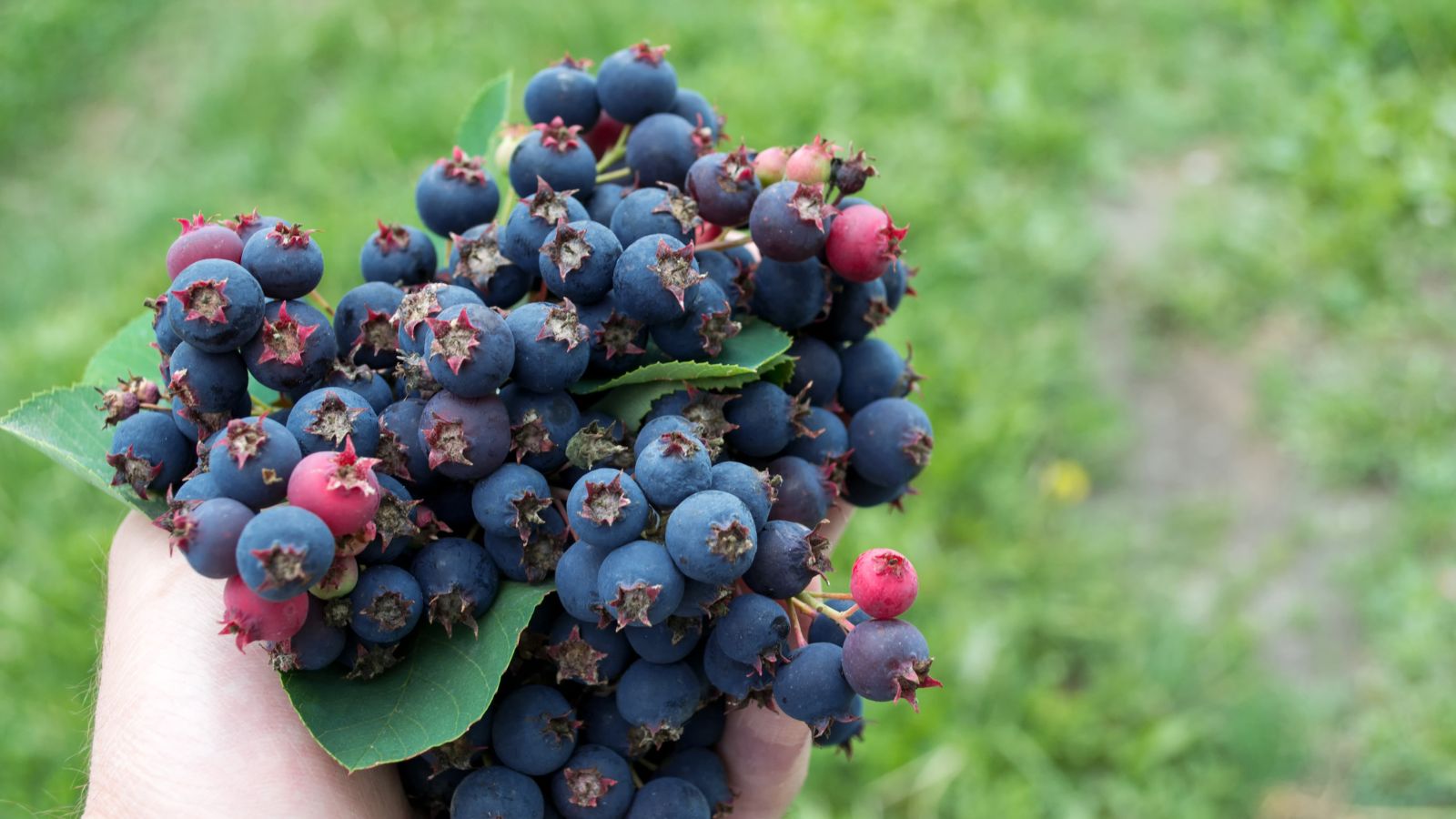
Fresh berries such as strawberries, blueberries, and raspberries are another category in which Canadians often pay more than U.S. shoppers. These fruits are highly perishable and rely heavily on imports outside of local growing seasons. While the United States benefits from large-scale domestic production in states like California and Florida, Canada depends more on imported supplies for much of the year. This increases transportation costs and reduces pricing flexibility. Canadians frequently notice that berry prices spike significantly during winter months, making them feel like luxury items rather than everyday groceries.
Organic Eggs
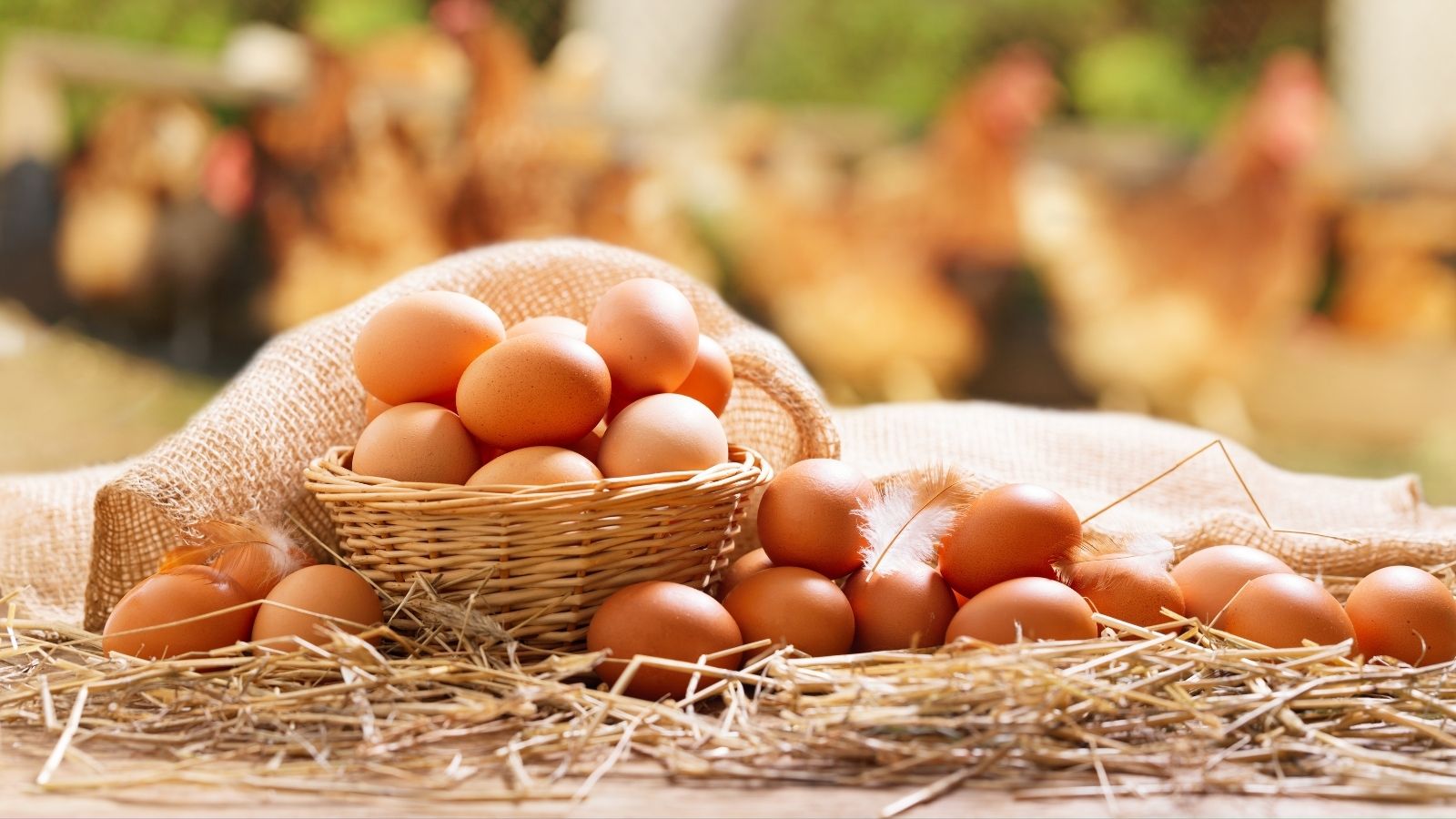
Organic eggs are marketed as a healthier alternative, but in Canada, they often cost noticeably more than in the United States. Differences in farming regulations, certification standards, and supply scale contribute to this gap. Canadian organic farming tends to operate on a smaller scale, which increases production costs and limits supply. Additionally, feed requirements and certification processes can be more expensive, which is reflected in retail pricing. Canadians often pay a premium for organic eggs even when the perceived quality difference is minimal for everyday use. In contrast, the U.S. market benefits from larger-scale production and more competition, which helps moderate prices.
Almond Milk

Almond milk has become a popular dairy alternative, but Canadians often pay more for it compared to U.S. consumers. One reason is that almonds are primarily grown in the United States, particularly in California, which gives American producers a cost advantage. Canadian retailers must import both raw materials and finished products, adding transportation and distribution expenses. Packaging and processing costs also contribute to higher retail prices. Canadians may notice that even store-brand almond milk options remain relatively expensive compared to similar products in the U.S.
Greek Yogurt

Greek yogurt is widely recognized for its high protein content and nutritional value, but it is often priced higher in Canada than in the United States. Dairy supply management systems in Canada play a significant role in this difference by regulating production and pricing. While this system supports domestic farmers, it can also lead to higher retail prices for consumers. In the United States, larger-scale production and different regulatory structures allow for more competitive pricing. Canadians may find that Greek yogurt, especially branded or organic varieties, costs noticeably more per serving.
Quinoa

Quinoa is often promoted as a superfood due to its high protein and nutrient content, but it is typically more expensive in Canada than in the United States. Since quinoa is primarily imported from South America, Canadian supply chains involve longer transportation routes and additional costs. U.S. markets benefit from higher import volumes and more competitive distribution networks, which help keep prices lower. Canadians may notice that even bulk quinoa options remain relatively costly compared to other grains. This makes it a less affordable alternative despite its nutritional benefits.
Fresh Salmon

Fresh salmon is often associated with healthy eating due to its omega-3 content, but Canadians frequently pay more for it than U.S. consumers do. While Canada does produce salmon, much of the supply is exported, and domestic pricing is influenced by global demand. Additionally, distribution costs within Canada can be higher due to geography and transportation logistics. Canadians may find that fresh salmon prices fluctuate significantly depending on region and season. In contrast, U.S. markets often benefit from more centralized distribution and competitive pricing.
Spinach and Leafy Greens

Leafy greens such as spinach and kale are essential components of a healthy diet, but they are often priced higher in Canada than in the United States. These products are highly perishable and rely heavily on imports during colder months. Canadian winters limit domestic production, which increases dependence on U.S. supply chains. Transportation costs and storage requirements contribute to higher prices, especially outside local growing seasons. Canadians may notice that prices for leafy greens rise sharply during winter, making them less affordable for regular consumption. In contrast, U.S. consumers benefit from year-round domestic production in warmer regions.
Protein Bars
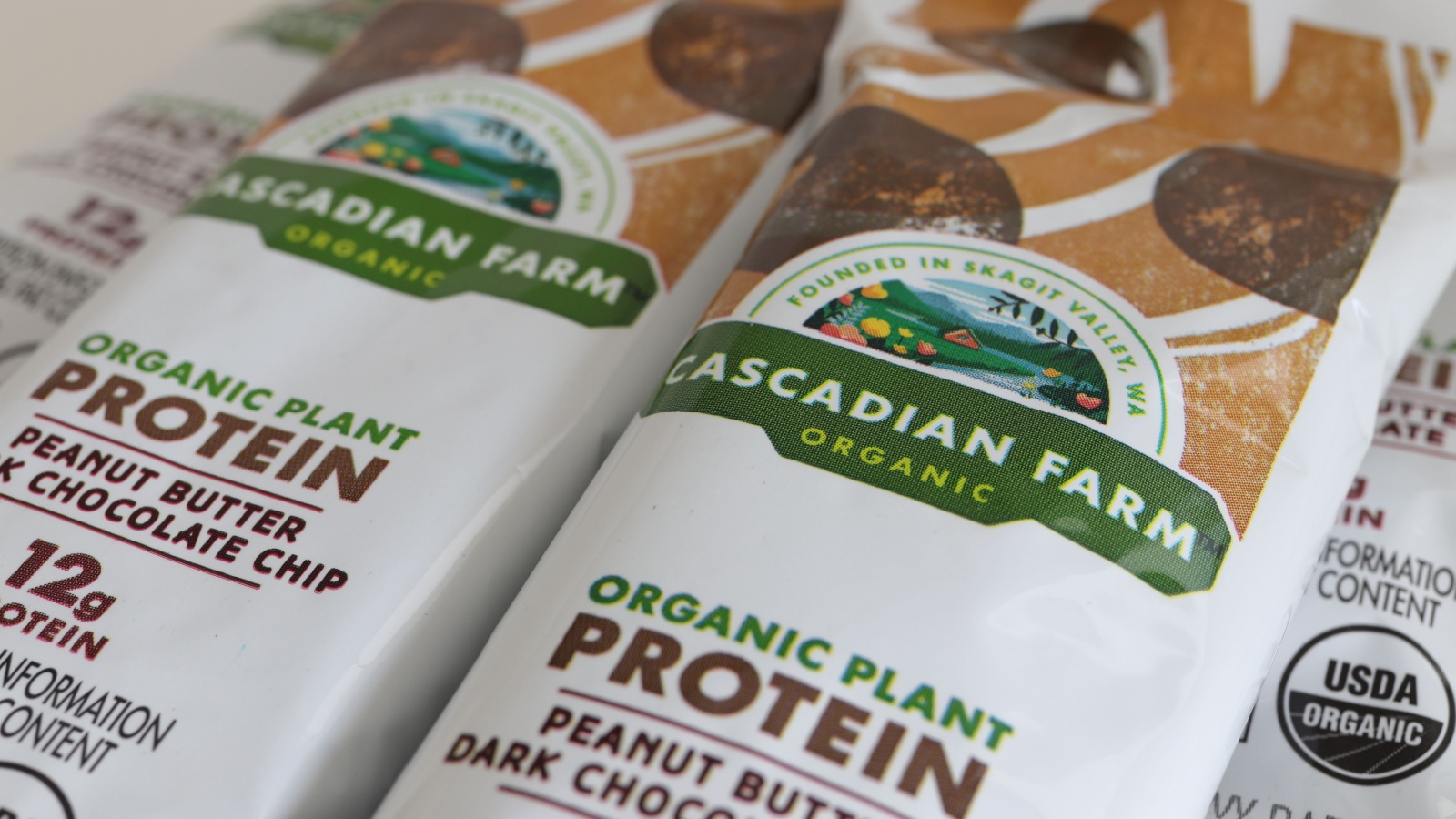
Protein bars are marketed as convenient health snacks, but Canadians often pay more for them than U.S. shoppers do. Many popular brands are produced in the United States and imported into Canada, which adds distribution and retail markup costs. Even locally available brands tend to price at a premium due to smaller market competition. Canadians may find that buying protein bars in bulk still results in higher per-unit costs than in the U.S.
Chia Seeds

Chia seeds are widely promoted as a nutrient-dense superfood, but Canadians often pay noticeably more for them compared to U.S. consumers. Since chia seeds are primarily grown in regions such as South America, Canada relies heavily on imports to meet demand. This introduces additional shipping, storage, and distribution costs, which increase retail prices. In the United States, higher import volumes and stronger distribution networks help keep prices more competitive. Canadians may find that even bulk packaging does not significantly reduce the cost per serving.
Kale
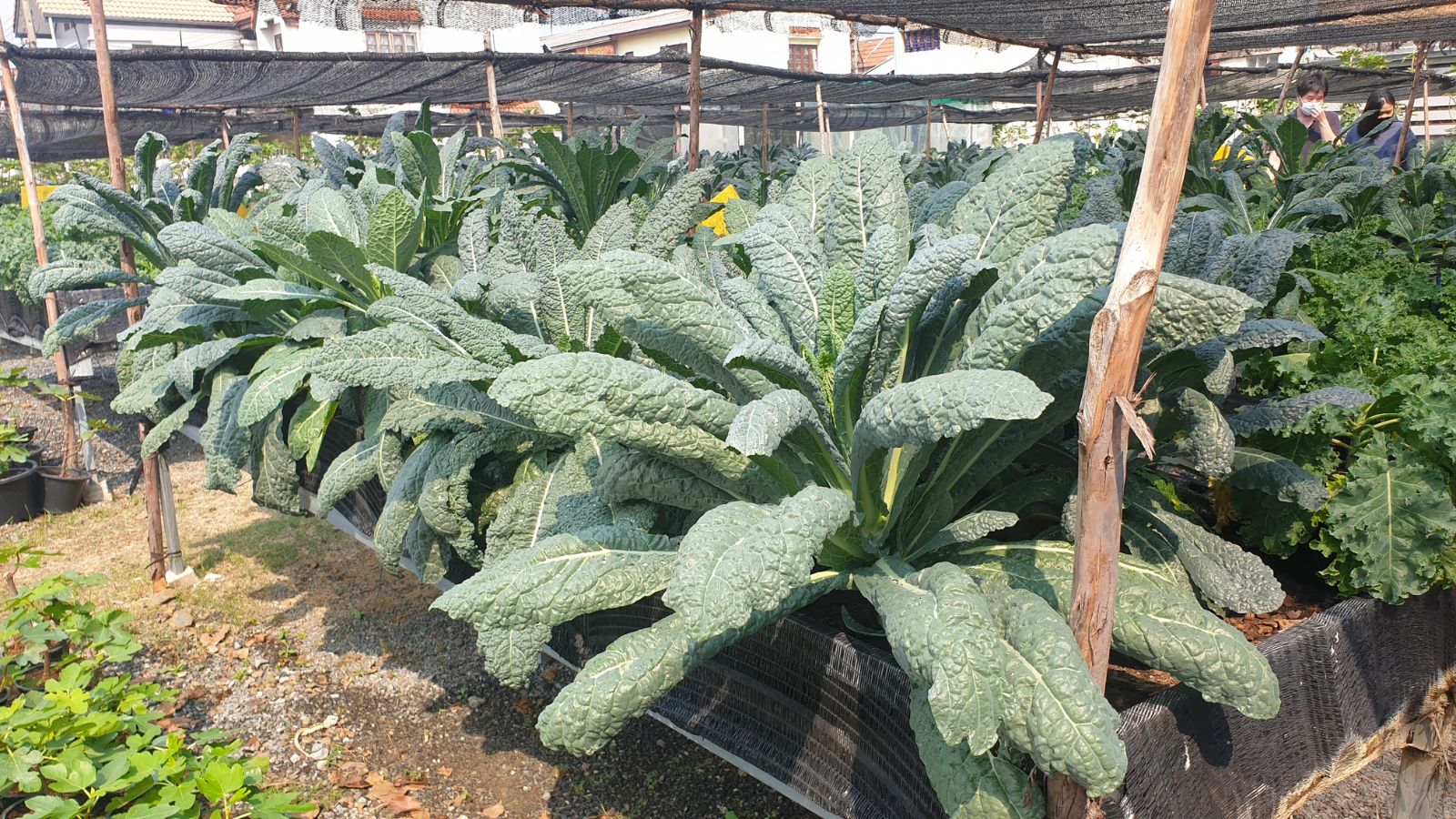
Kale has become a staple in health-focused diets, but it is often more expensive in Canada than in the United States, especially outside local growing seasons. Canadian production is limited during colder months, which increases reliance on imports from the U.S. Transportation and storage costs add to the final retail price. While kale is relatively inexpensive in the U.S. due to widespread domestic production, Canadians may experience price fluctuations throughout the year. Even when available locally, prices do not always drop significantly due to distribution costs and retailer margins. This makes a simple leafy green feel like a premium item during certain seasons. Over time, this pricing pattern highlights how climate and supply chain differences impact affordability in Canada.
Almonds
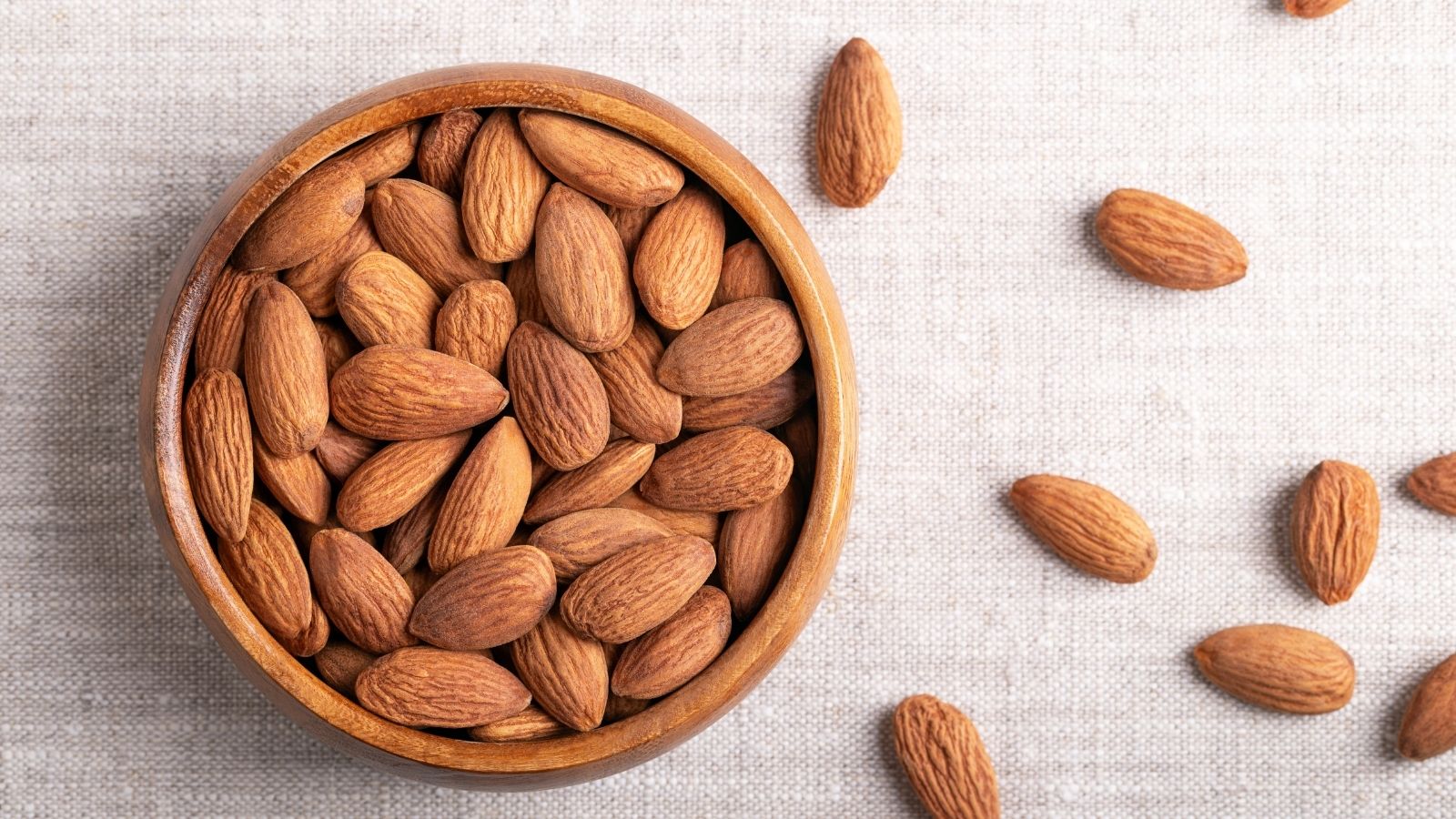
Almonds are commonly consumed as a healthy snack, but they are consistently priced higher in Canada compared to the United States. Since most almonds are produced in California, U.S. markets benefit from direct access and lower transportation costs. Canadian retailers must import almonds, which adds logistical expenses and import-related markups. Packaging and storage costs further increase the final price. Canadians may notice that even large bags of almonds remain relatively expensive compared to similar products in U.S. stores. As demand for plant-based snacks continues to grow, almonds remain popular but less affordable in Canada. The pricing difference reflects how proximity to production sources influences cost, even for widely available products.
Coconut Water
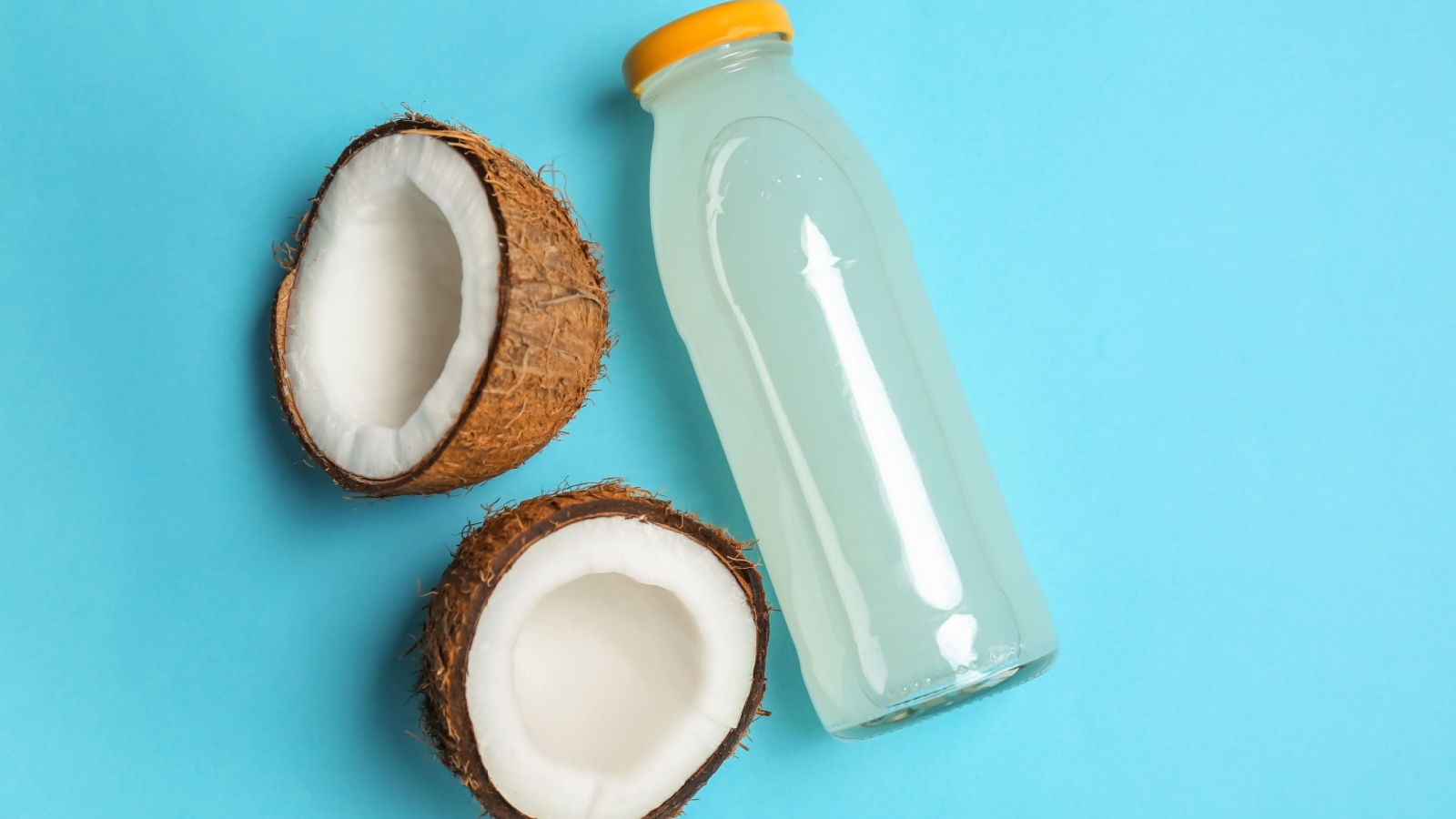
Coconut water is marketed as a natural hydration option, but Canadians often pay significantly more for it than U.S. consumers. Since coconuts are not produced domestically, Canada relies entirely on imports from tropical regions. This involves longer supply chains and higher transportation costs. In the U.S., larger-scale imports and higher demand volumes help keep prices lower. Canadians may find that individual bottles of coconut water are priced at a premium, especially for branded products. Even multi-pack options do not always provide meaningful savings. This makes a basic hydration alternative feel like a luxury purchase.
Sweet Potatoes
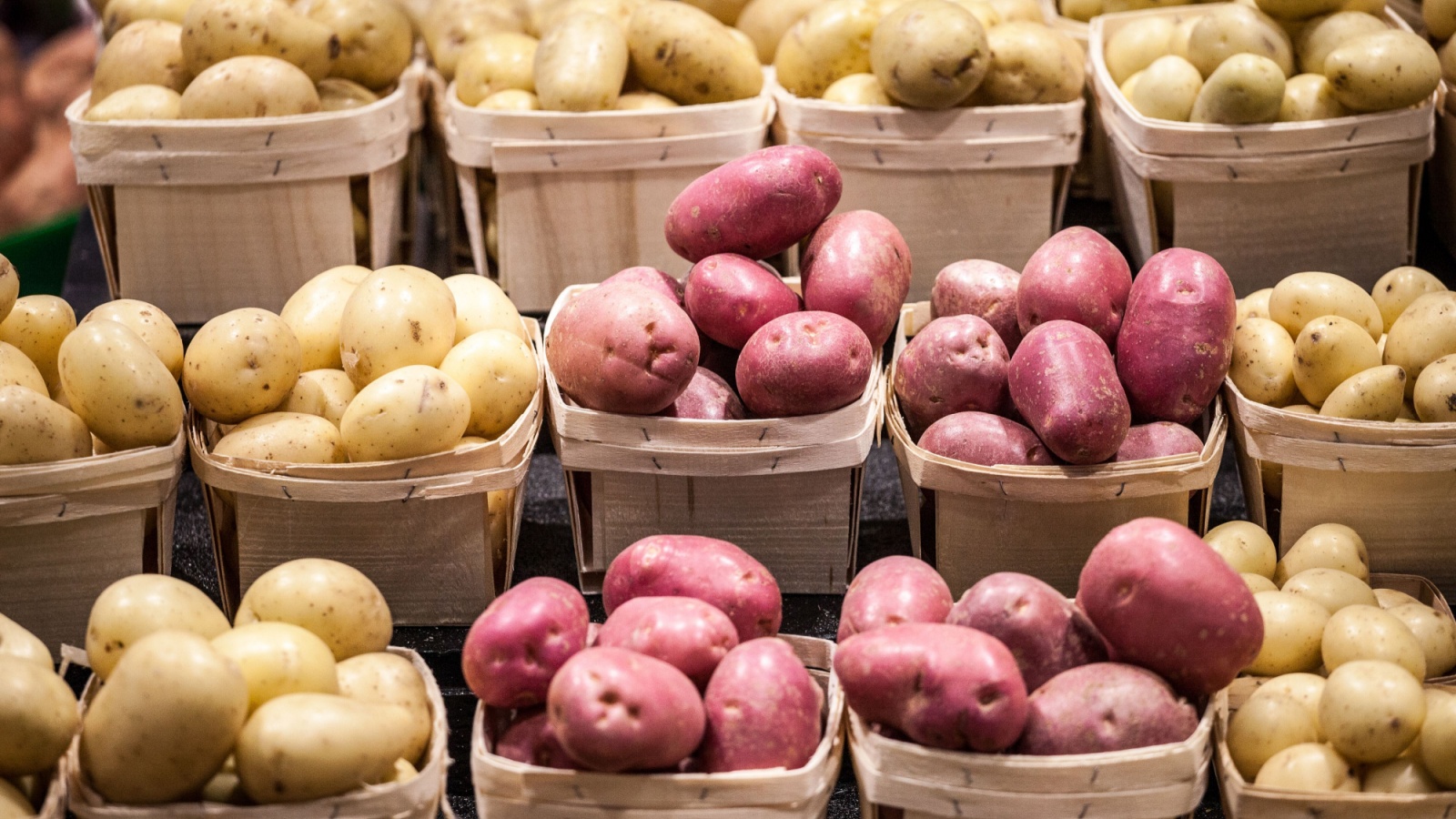
Sweet potatoes are often considered an affordable, healthy food, but they can still be priced higher in Canada compared to the United States. While some domestic production exists, Canada relies on imports during certain periods, particularly from the U.S. Seasonal availability and transportation costs influence pricing throughout the year. Canadians may notice that prices for basic staples fluctuate more frequently than expected. In contrast, U.S. consumers benefit from larger-scale production and more stable supply chains. This results in more consistent pricing. Although sweet potatoes remain relatively accessible, the price difference becomes noticeable when compared directly with U.S. markets. This reflects broader patterns in agricultural supply and distribution.
Oat Milk

Oat milk has become increasingly popular as a dairy alternative, but it is often more expensive in Canada than in the United States. While oats are widely produced in Canada, processing and branding oat milk incur additional costs. Many leading brands are imported or rely on specialized production facilities, which drives up prices. Canadians may find that even store brand options are priced higher than expected. In the U.S., greater competition and larger production volumes help moderate prices. The demand for plant-based beverages continues to grow, but Canadian prices remain elevated due to production and distribution constraints. This makes oat milk a consistent example of a health-trend product that commands a premium price.
Blueberries (Out of Season)

Blueberries are relatively affordable during Canadian harvest seasons, but prices rise sharply outside those periods. During the winter months, Canada relies on imports from the U.S. and South America, which increases costs. Transportation, storage, and supply limitations all contribute to higher pricing. Canadians may notice that off-season blueberries are significantly more expensive than in the U.S., where domestic production continues in warmer regions. This creates a clear seasonal pricing gap. While blueberries remain a popular health food, their affordability varies greatly depending on the time of year. This makes them less consistent as an everyday purchase for many households.
Whole Grain Bread

Whole-grain bread is widely promoted as a healthier alternative, but it is often priced higher in Canada than in the United States. Differences in production scale, ingredient sourcing, and market competition contribute to this gap. Canadian consumers may find that even basic whole-grain options cost more than similar products in U.S. stores. Specialty or organic varieties further increase the price difference. While bread remains a staple, healthier versions are often positioned at a premium. This makes it more expensive for Canadians to maintain a balanced diet using whole-grain options. The pricing reflects broader differences in food production and retail competition.
Honey

Honey is another product where Canadians often pay more despite domestic production. While Canada produces honey, the supply is influenced by seasonal factors and export demand. Imported honey adds additional costs, especially for specialty or organic varieties. Canadians may notice that high-quality honey is priced significantly higher than in the U.S., where larger-scale production and competition help stabilize prices. Even basic options can feel expensive depending on the region. This creates a situation where a natural sweetener becomes a premium product. The pricing difference reflects both domestic supply limitations and international market factors.
Natural Peanut Butter
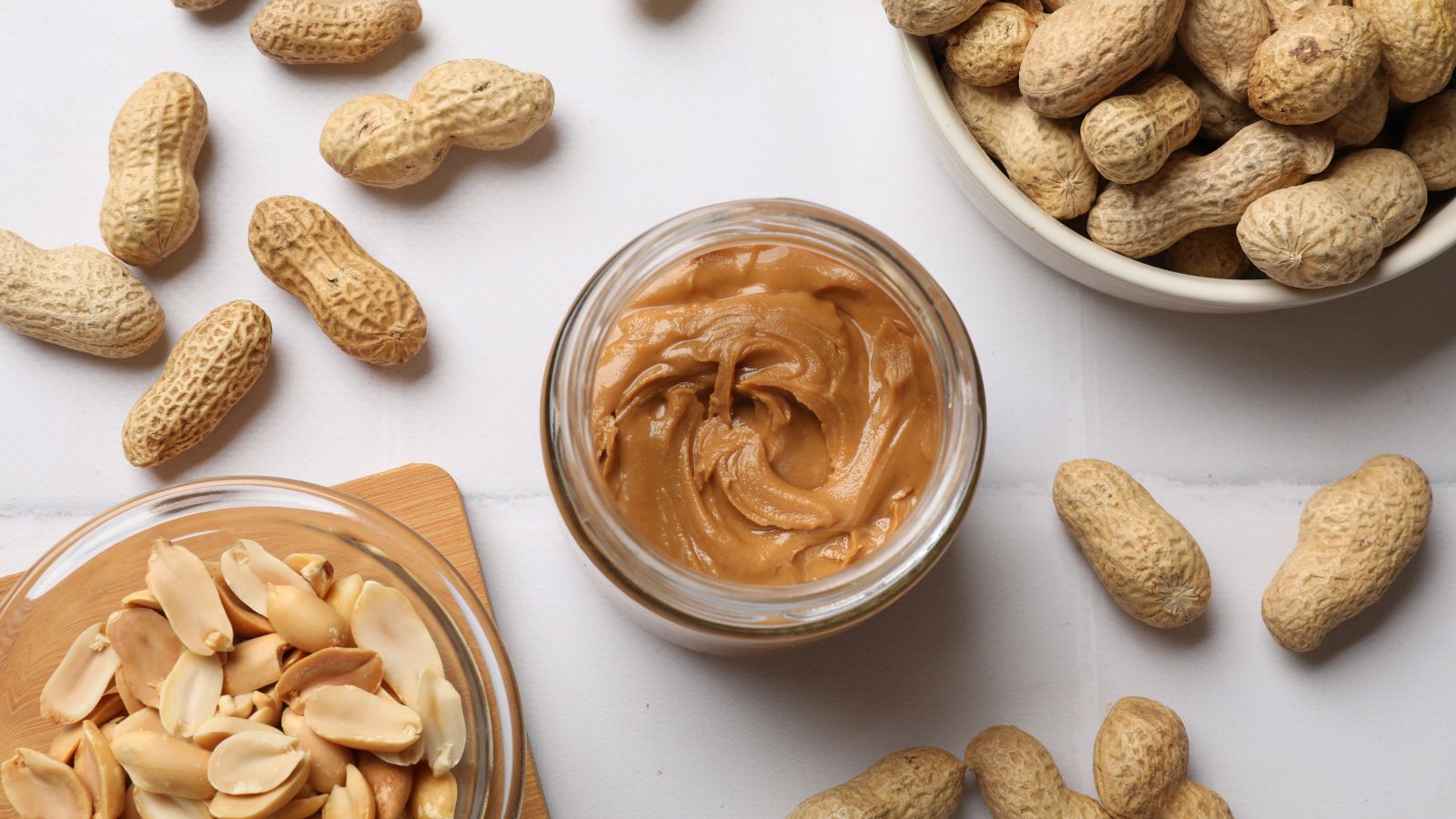
Natural peanut butter is often marketed as a healthier alternative due to fewer additives, but it tends to be more expensive in Canada than in the United States. Peanuts are primarily grown in the U.S., which gives American producers a cost advantage. Canadian retailers must import raw materials or finished products, increasing costs. Even store-brand natural peanut butter options are often priced higher than expected. Canadians may find that switching to healthier versions comes with a noticeable price increase. This highlights how ingredient sourcing and processing impact affordability in Canada.
Tofu
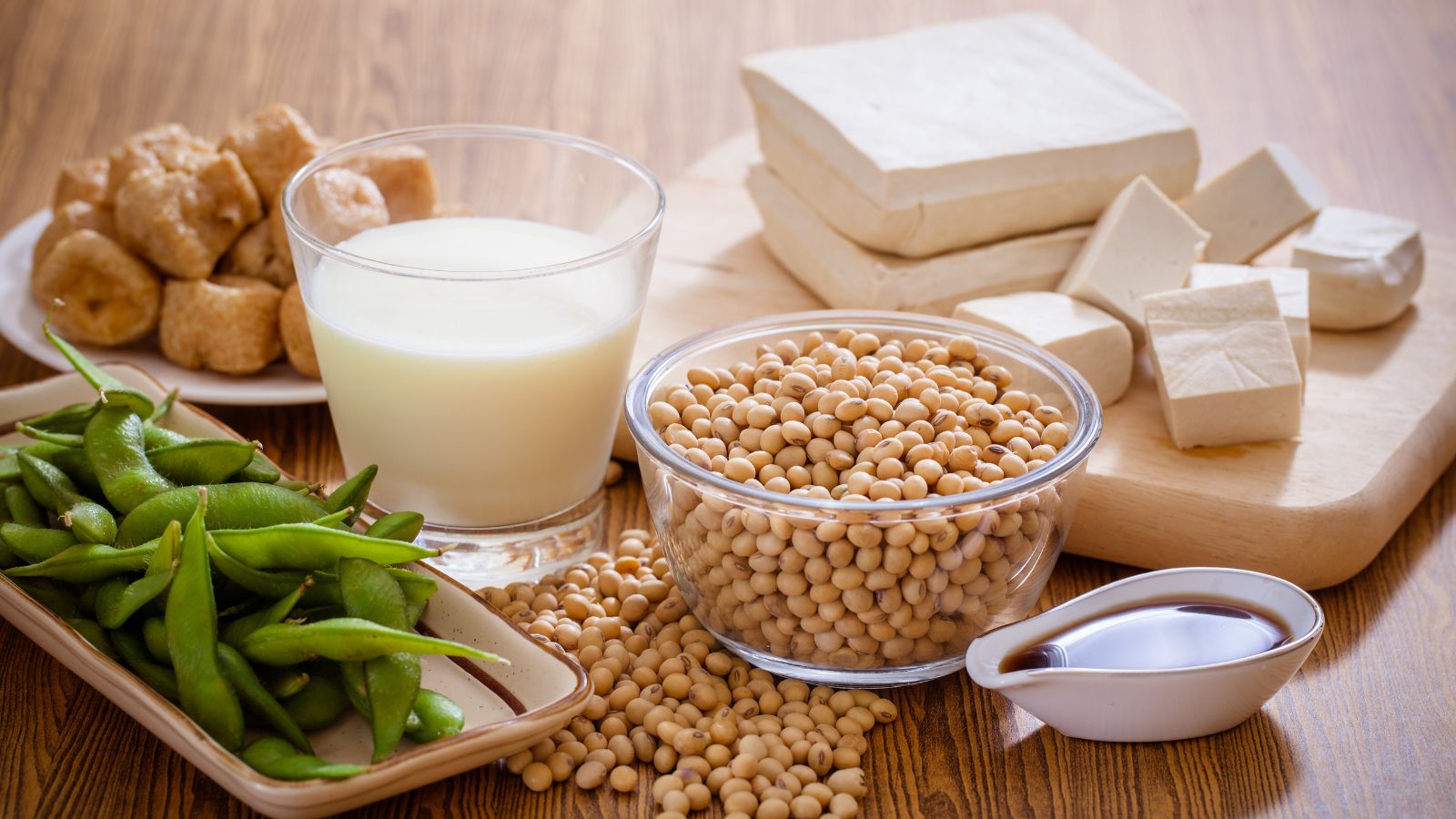
Tofu is a common plant-based protein source, but it is often priced higher in Canada than in the United States. While tofu production exists in Canada, supply chains are smaller and less competitive. This leads to higher retail prices, particularly for organic or specialty varieties. In the U.S., larger-scale production and demand help reduce costs. Canadians may notice that tofu is not as inexpensive as expected for a plant-based protein. This pricing difference makes it less accessible for some households despite its popularity in vegetarian diets.
Green Tea

Green tea is widely consumed for its health benefits, but Canadians often pay more for it than U.S. consumers. Most green tea is imported from countries such as China and Japan, which adds transportation and import costs. In the U.S., higher demand and distribution scale help lower prices. Canadians may find that even basic green tea options are priced higher than expected. Premium varieties further increase the gap. This makes a simple beverage feel more expensive than necessary, especially for regular consumption.
Cottage Cheese

Cottage cheese is a high-protein food that is often more expensive in Canada due to dairy supply management systems. These regulations control production and pricing, which can lead to higher costs for consumers. In the U.S., larger-scale production and different policies result in lower prices. Canadians may notice that cottage cheese is priced higher per serving compared to similar U.S. products. This makes it less accessible as a regular dietary staple despite its nutritional benefits.
Mixed Nuts
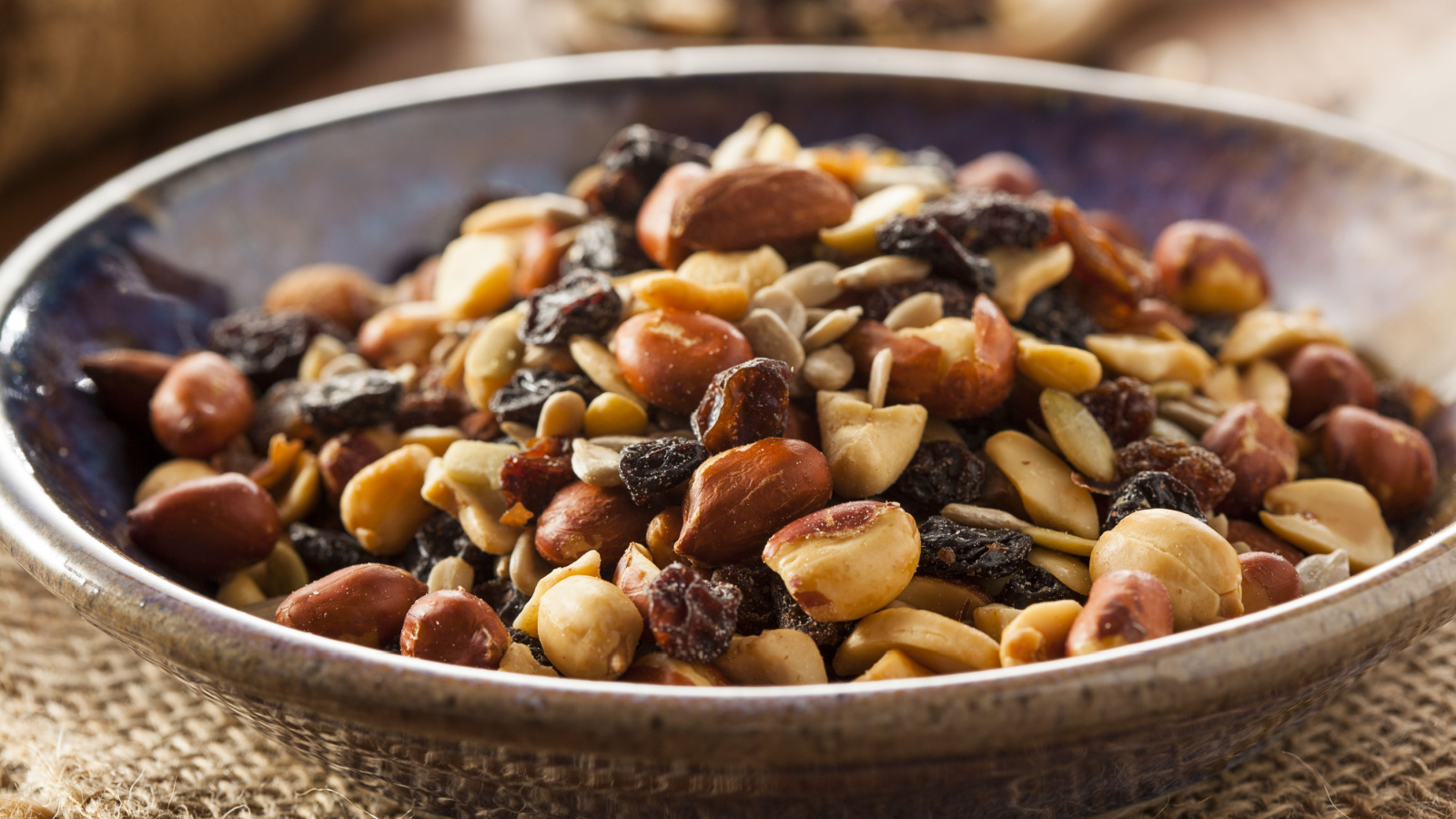
Mixed nuts are a convenient, healthy snack, but they are often priced higher in Canada due to import dependence. Many nuts, such as cashews and almonds, are sourced internationally, which increases costs. Packaging and distribution expenses further contribute to higher prices. Canadians may find that even bulk purchases do not significantly reduce the cost per serving. In contrast, U.S. markets benefit from larger-scale imports and more competitive pricing. This makes mixed nuts another example of a healthy snack that feels disproportionately expensive in Canada.
19 Things Canadians Don’t Realize the CRA Can See About Their Online Income

Earning money online feels simple and informal for many Canadians. Freelancing, selling products, and digital services often start as side projects. The problem appears at tax time. Many people underestimate how much information the CRA can access. Online platforms, banks, and payment processors create detailed records automatically. These records do not disappear once money hits an account. Small gaps in reporting add up quickly.
Here are 19 things Canadians don’t realize the CRA can see about their online income.
