
Tourism in Canada is entering a more controlled phase in 2026 as authorities respond to rising visitor numbers, environmental stress, and safety concerns. Many destinations that once allowed open access are now implementing structured systems such as timed entry, restricted zones, permits, and stricter enforcement. These changes are not random but driven by long-term sustainability goals and the need to protect both natural and cultural landmarks. For Canadians used to flexible travel, this shift can feel restrictive. However, understanding these updated rules before visiting can prevent fines, delays, and disappointment. Here are 12 Canadian tourist spots with strict new rules for 2026 visitors.
Banff National Park
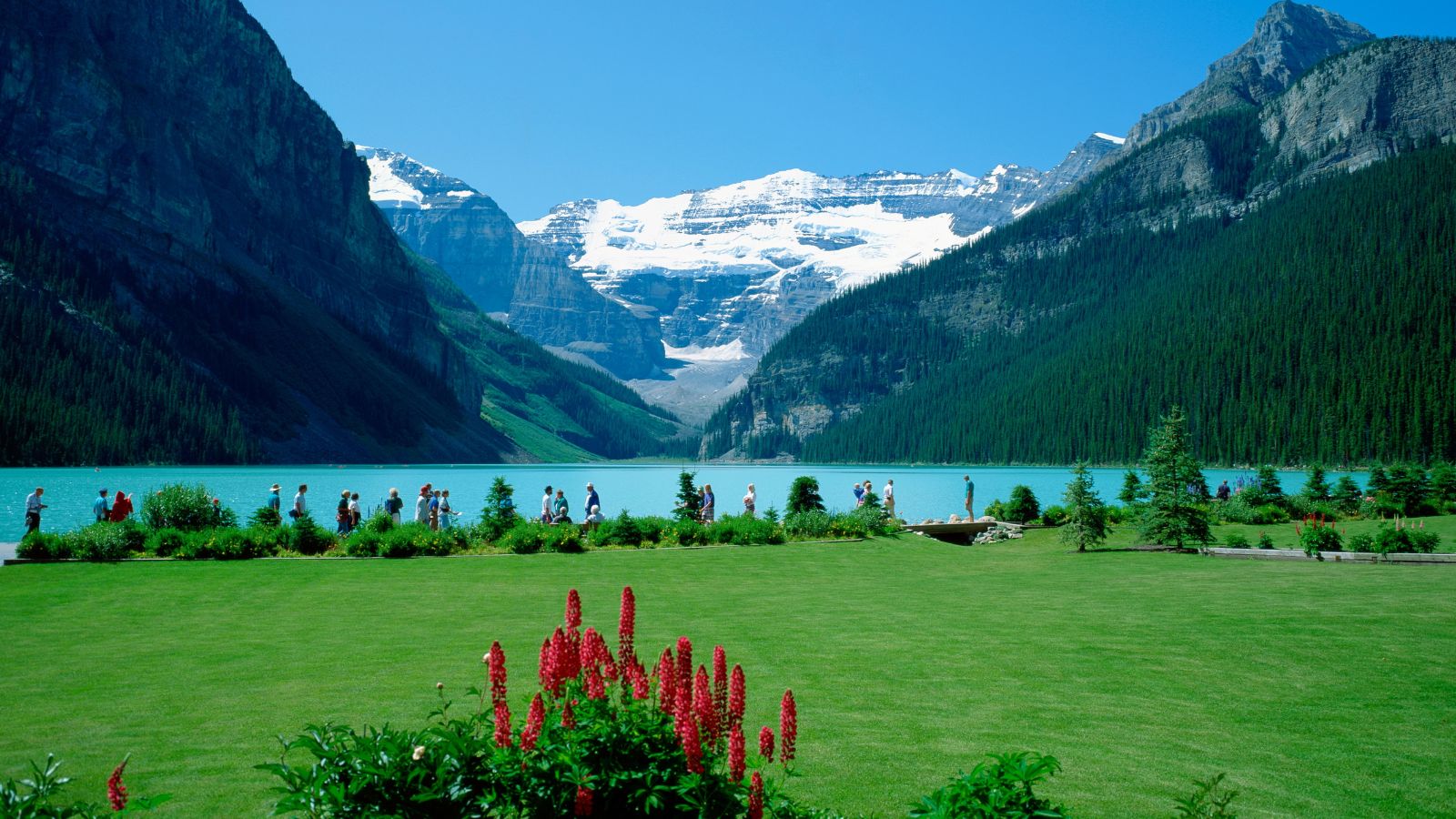
Banff National Park has moved toward one of the most regulated visitor systems in Canada due to overwhelming tourism pressure over the past few years. Areas such as Lake Louise and Moraine Lake now operate under strict access controls, particularly during peak seasons. Personal vehicles are no longer freely allowed in many high-traffic zones, requiring visitors to rely on shuttle services or pre-booked transport. This change reduces congestion, improves safety, and limits environmental damage caused by excessive traffic. In addition to transport restrictions, timed-entry systems are expanding, meaning visitors must reserve specific time slots in advance rather than arriving spontaneously. Parking enforcement has also become stricter, with fines issued for violations such as unauthorized stopping or parking outside designated areas. Canadians who previously depended on early arrival to secure access are now required to plan their visits more carefully.
Niagara Falls
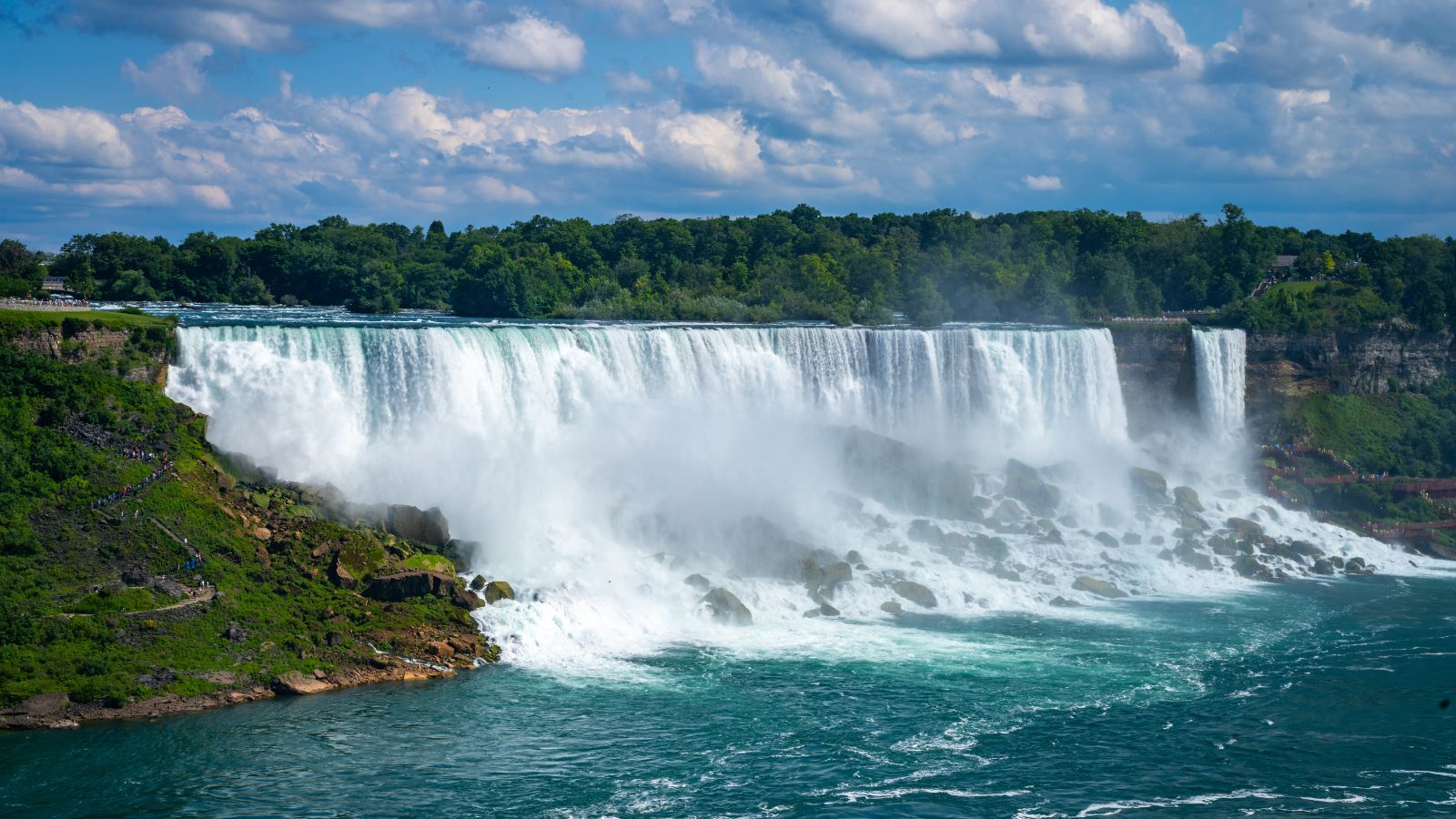
Niagara Falls has introduced tighter visitor management rules to handle increasing tourist volume while improving safety around high-traffic areas. Designated viewing zones now operate with more structured crowd control, particularly during peak hours and evening attractions. In some sections, informal time limits are being enforced to encourage movement and prevent overcrowding at popular photo locations. Drone usage has also been heavily restricted, with strict penalties for unauthorized operation due to safety risks and privacy concerns. Authorities have introduced guided pedestrian pathways and barriers to better control movement, especially along the busiest sections near the falls. Canadians visiting Niagara Falls may notice that the experience feels more regulated than before, with less flexibility to linger in certain areas. These changes aim to reduce congestion, improve safety, and create a smoother visitor flow.
Whistler Blackcomb
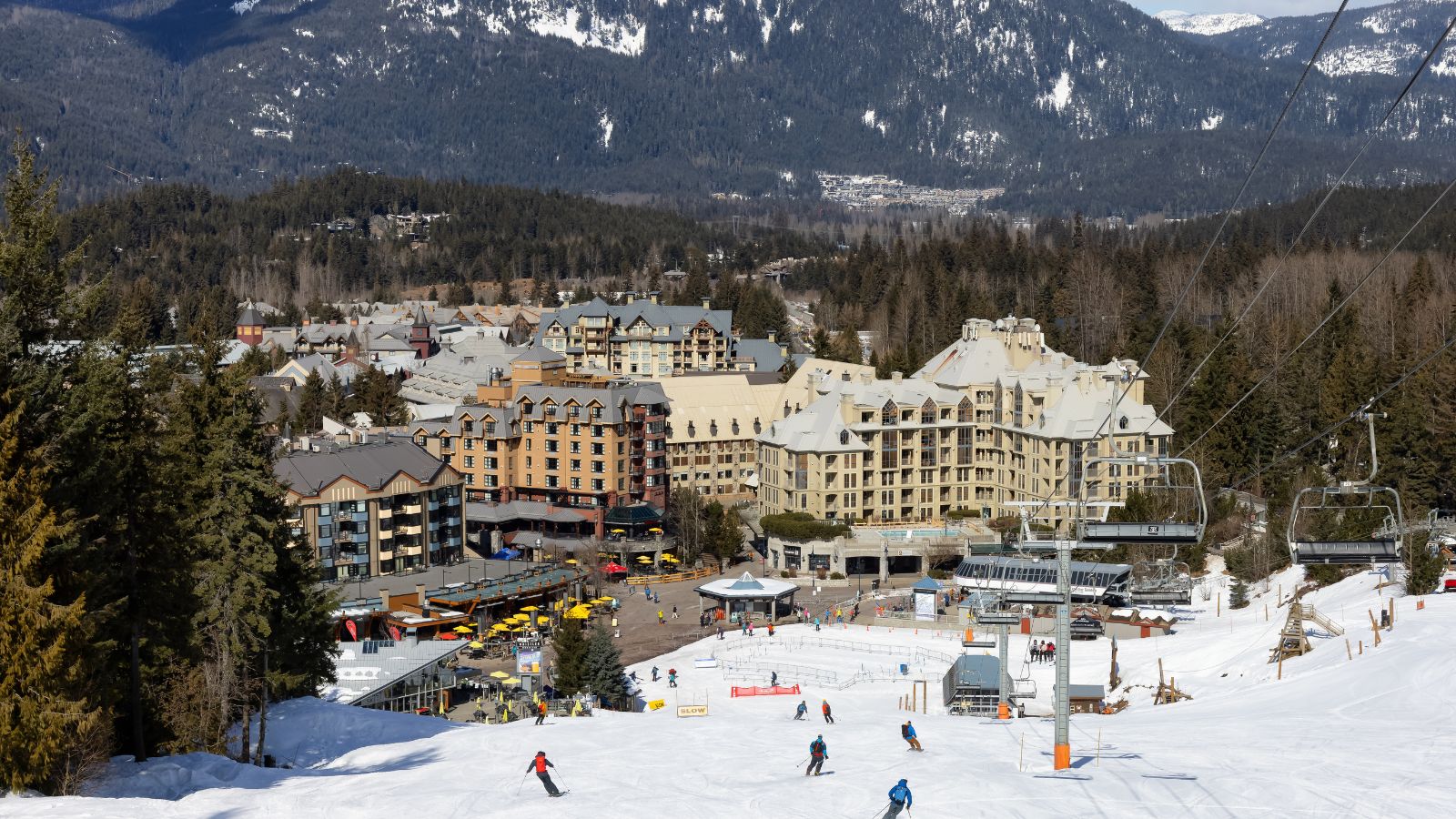
Whistler Blackcomb has implemented stricter visitor controls to manage demand across both winter and summer seasons. During winter, ski lift access is increasingly tied to reservation systems during peak periods, reducing overcrowding and improving slope safety. Visitors are encouraged to book in advance rather than relying on same-day availability. In summer, hiking trails and outdoor activities are also being regulated more closely. Certain high-traffic trails now operate under capacity limits, and some require permits or advance booking to control environmental impact. Authorities have also strengthened enforcement around wildlife protection and trail usage, with penalties for leaving designated paths or disturbing natural habitats. Canadians who previously visited Whistler spontaneously may now find that advance planning is necessary for many activities.
Old Quebec City

Old Quebec City has introduced stricter rules to preserve its historic character while managing heavy tourist traffic. Many streets within the historic district now operate as pedestrian-only zones during peak hours, reducing congestion and improving safety. Vehicle access is limited, particularly in narrow areas where traffic previously caused delays and overcrowding. Group tours are also more tightly regulated, with limits placed on the size of guided groups moving through confined spaces. This helps maintain smoother pedestrian flow and prevents bottlenecks. Street performances and commercial activities now require permits and are restricted to designated zones to reduce noise and protect the area’s cultural atmosphere. Canadians visiting Old Quebec may notice more visible enforcement of these rules, especially during peak seasons and festivals.
Peggy’s Cove

Peggy’s Cove has strengthened safety regulations due to ongoing risks associated with strong ocean waves and slippery rock formations. Visitors are now required to remain within clearly marked safe zones, particularly around the well-known black rocks area. Enforcement has increased significantly, with staff actively monitoring visitor behaviour and issuing fines for those who ignore safety boundaries. Additional warning signs have been installed to highlight the danger of rogue waves, which can occur suddenly and have caused serious incidents in the past. Canadians who previously explored the area freely may now find movement more restricted than before. While the lighthouse and surrounding views remain accessible, certain areas are now strictly off limits. These changes are designed to prevent accidents while still allowing visitors to experience the location safely.
CN Tower

The CN Tower has introduced stricter visitor management measures to handle increasing tourist demand more efficiently. Timed entry tickets are now widely enforced, requiring visitors to select specific time slots before arrival. This system helps reduce overcrowding and improve movement through observation decks. Security procedures have also become more thorough, with restrictions on certain items allowed inside the tower. Popular attractions such as the EdgeWalk require advance booking and stricter compliance with safety protocols. Canadians visiting the CN Tower may find that spontaneous visits are less practical than before, especially during peak hours. These changes are intended to improve safety, reduce wait times, and enhance the overall visitor experience. While access remains open, the process now requires more planning and awareness of scheduling requirements.
Jasper National Park

Jasper National Park has introduced stricter visitor management policies aimed at preserving its quieter and more ecologically sensitive environment compared to other major parks. While it has traditionally been less crowded than Banff, rising tourism has led to the implementation of controlled access in key areas. Campgrounds and backcountry sites now require advance reservations, with significantly fewer walk-in options available. Wildlife protection rules are also more strictly enforced, with increased penalties for approaching animals or feeding them. Authorities are actively monitoring visitor behaviour to reduce human impact on fragile habitats. Certain trails may also experience temporary restrictions to prevent overuse and allow for ecological recovery. Canadians visiting Jasper may find that flexibility is reduced, especially during peak travel periods. Planning accommodations and activities in advance has become essential.
Stanley Park (Vancouver)

Stanley Park has introduced new regulations focused on balancing tourism with local use and environmental preservation. Several roads within the park now prioritize pedestrians and cyclists, with reduced access for personal vehicles in certain areas. This shift is intended to improve safety and reduce congestion, particularly during busy periods. Parking availability has also been limited in high-demand zones, encouraging visitors to use public transportation or other modes of travel. Authorities have increased enforcement of environmental rules, including fines for littering, damaging vegetation, or disturbing wildlife. Large gatherings and organized events now require permits and must be held within designated areas within the park. These changes are designed to protect the park’s ecosystem while ensuring it remains accessible and enjoyable.
Prince Edward Island National Park

Prince Edward Island National Park has introduced stricter coastal protection measures in response to environmental concerns such as erosion and habitat disruption. Certain beach areas now have restricted access, particularly during nesting seasons for local wildlife. Visitors are required to stay on designated pathways and boardwalks, with penalties for entering protected dune areas. Parking near popular beaches has also been limited to reduce congestion and environmental strain. Camping and recreational activities are more regulated, with advance booking required for many facilities. Canadians visiting the park may notice increased signage and active enforcement compared to previous years. These measures are intended to preserve the park’s delicate coastal ecosystem while maintaining visitor access. The emphasis is on long-term sustainability rather than short-term convenience.
Toronto Islands
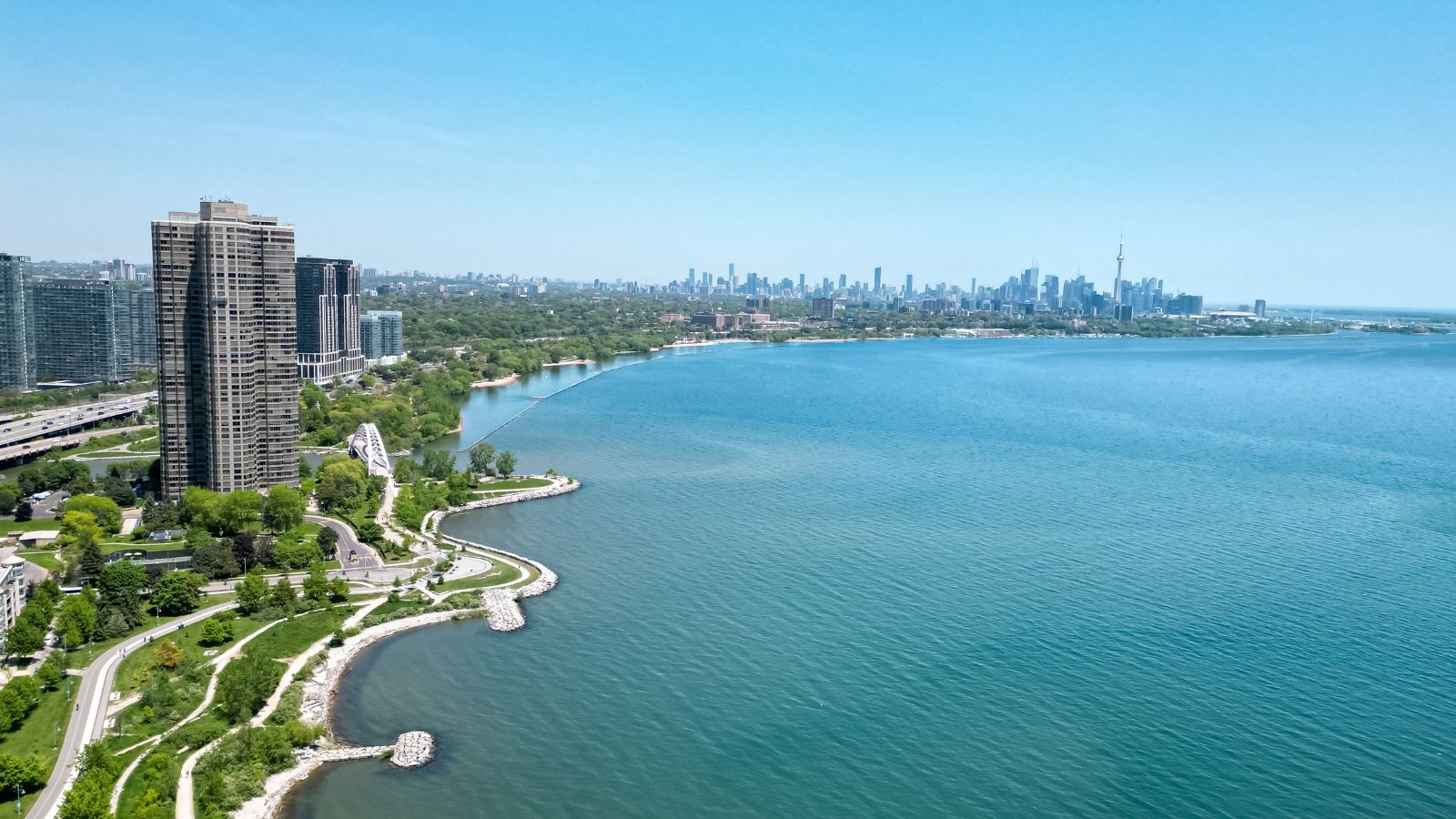
The Toronto Islands have introduced new visitor management systems to address growing tourism demand and infrastructure pressure. Ferry services now operate with more structured booking systems, particularly during weekends and peak seasons, to reduce overcrowding at terminals. Visitors are encouraged to secure tickets in advance rather than relying on walk-up availability. Certain areas of the islands now have capacity limits to prevent congestion, especially in popular recreational zones. Waste management enforcement has also increased, with fines for littering or improper disposal becoming more common. Recreational activities such as cycling and picnicking remain permitted but are more closely monitored to maintain balance across visitor groups. The shift reflects a move toward controlled access in response to sustained increases in visitor numbers.
Gros Morne National Park
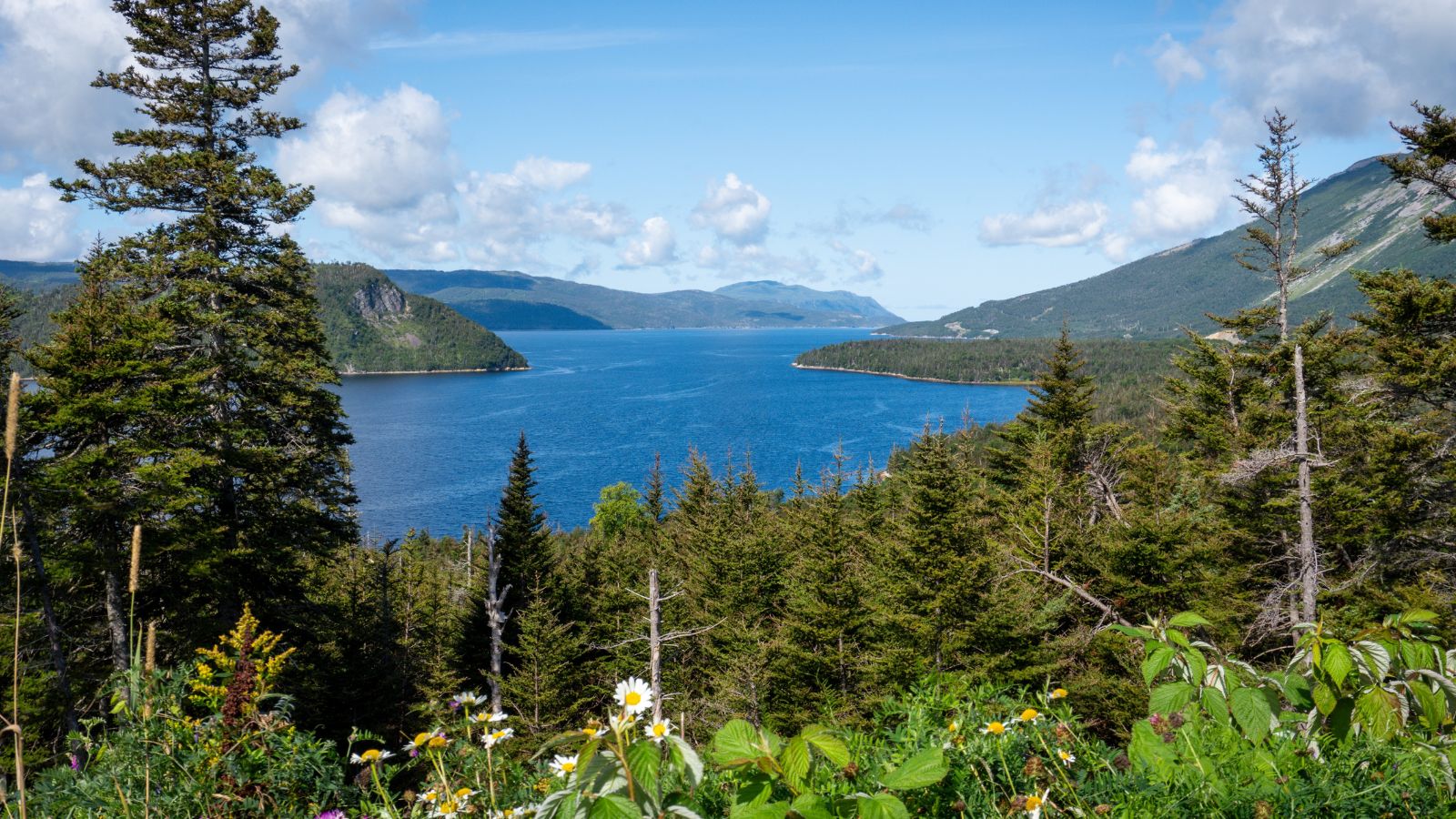
Gros Morne National Park has introduced stricter access controls to protect its unique geological features and sensitive ecosystems. Certain trails, particularly those leading to fragile or high-traffic areas, now require permits or guided access. This helps limit visitor numbers and reduce environmental impact on delicate landscapes. Authorities have also increased enforcement of trail regulations, with fines for leaving designated paths or damaging natural features. Camping rules have been tightened, with stricter booking requirements and designated zones to control usage. Canadians visiting Gros Morne may notice that while access remains available, it requires more planning than before. These measures are designed to preserve the park’s UNESCO-recognized environment while still allowing visitors to explore responsibly.
Capilano Suspension Bridge Park
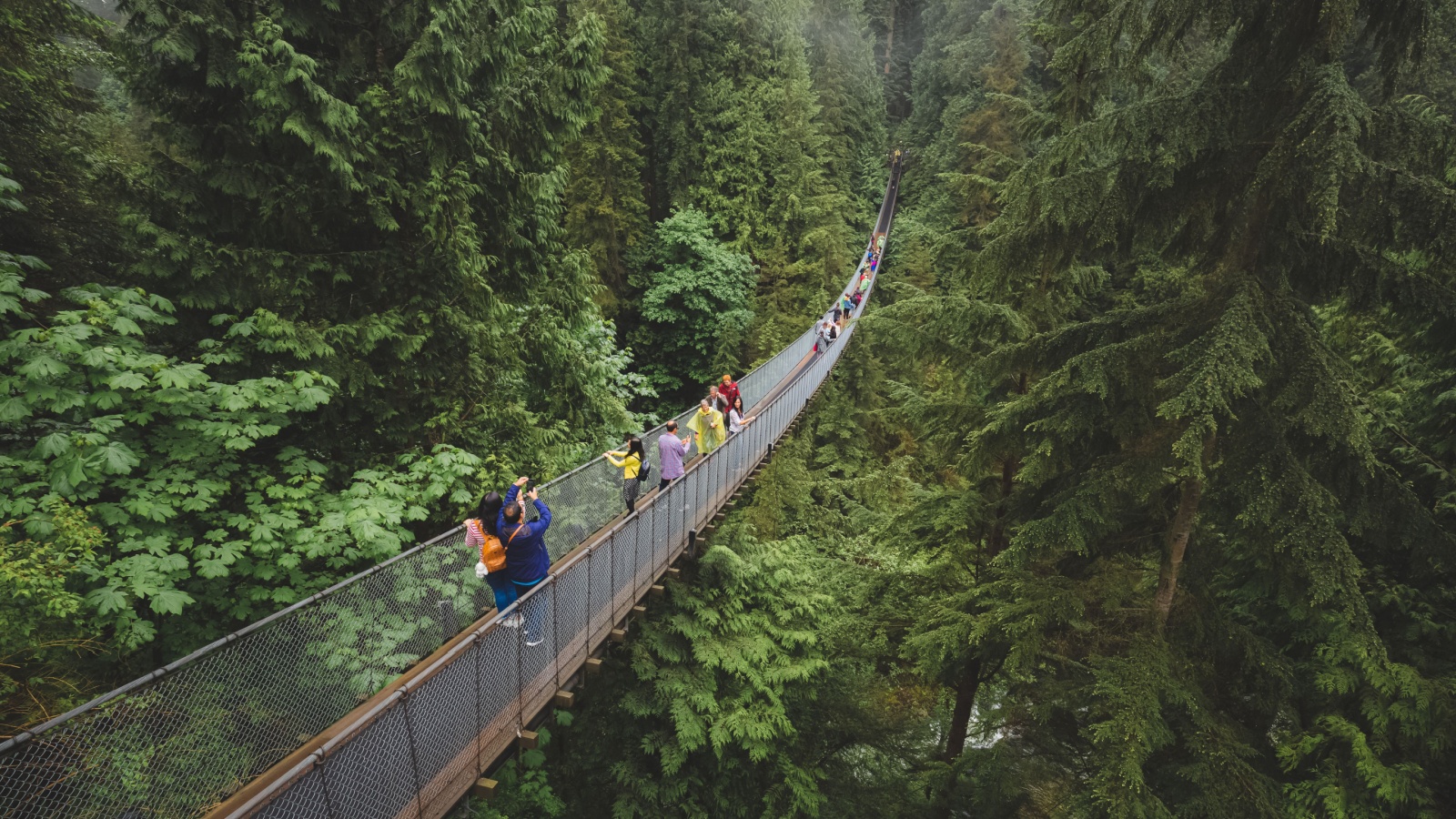
Capilano Suspension Bridge Park has implemented stricter visitor flow management to handle increasing tourism demand safely. Timed entry systems are now more widely enforced, requiring visitors to book specific time slots before arrival. This helps reduce overcrowding on the bridge and surrounding walkways. Safety regulations have also been updated, with stricter guidelines on movement and behaviour while crossing the bridge. Staff presence has increased to monitor compliance and assist visitors when needed. Group sizes may be limited during peak periods to maintain safety and comfort. Canadians visiting the park may find that the experience feels more organized but less flexible than in the past.
19 Things Canadians Don’t Realize the CRA Can See About Their Online Income

Earning money online feels simple and informal for many Canadians. Freelancing, selling products, and digital services often start as side projects. The problem appears at tax time. Many people underestimate how much information the CRA can access. Online platforms, banks, and payment processors create detailed records automatically. These records do not disappear once money hits an account. Small gaps in reporting add up quickly.
Here are 19 things Canadians don’t realize the CRA can see about their online income.
