
Canada is often seen as relaxed and easygoing, but many cities and public spaces have strict local bylaws that can surprise both residents and visitors. Activities that feel completely normal, such as feeding birds, idling your car, or walking in certain areas, can actually result in fines if done in the wrong place. These rules are usually introduced for safety, environmental protection, or crowd management, but they are not always obvious. As enforcement becomes stricter in many regions, Canadians are becoming more aware that everyday behaviour can carry unexpected penalties depending on location. Here are 11 places in Canada where you can be ticketed for doing something totally normal.
Toronto – Idling Your Car Too Long

In Toronto, leaving your car idling for longer than a short period can result in a fine, even though it feels like a harmless everyday habit. Many drivers idle their vehicles to warm up the engine during winter or to stay comfortable while waiting. However, the city enforces anti-idling bylaws that limit how long a vehicle can remain running while stationary. The goal is to reduce emissions and improve air quality, particularly in densely populated areas. While exceptions exist during extreme weather conditions, enforcement officers can still issue tickets if the situation does not meet specific criteria. Canadians often assume that idling is acceptable during cold months, but the rules are more nuanced than expected. This becomes especially relevant in urban areas where enforcement is more active. Over time, repeated violations can lead to multiple fines, making what seems like a small habit more costly. The bylaw reflects a broader effort to encourage environmentally responsible behaviour, but it can catch drivers off guard if they are unfamiliar with its details. Understanding the limits and exceptions is essential for avoiding unnecessary penalties.
Vancouver – Feeding Wildlife in Public Areas
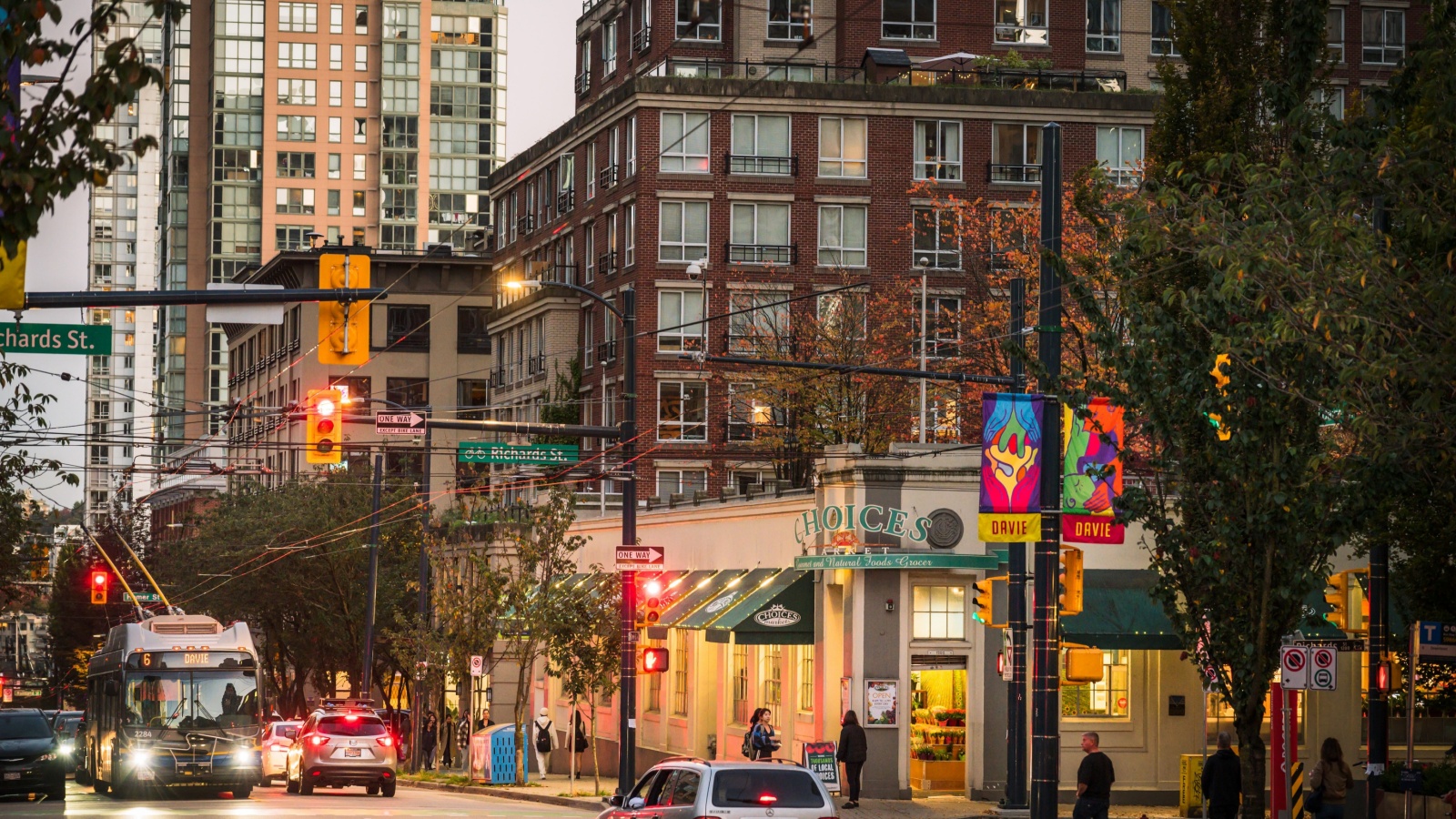
In Vancouver, feeding wildlife such as pigeons, raccoons, or even squirrels can lead to fines, despite feeling like a harmless or even kind gesture. Many people feed animals in parks or public spaces without realizing that it is against local bylaws. The city enforces these rules to prevent wildlife from becoming dependent on human food, which can disrupt natural behaviour and increase the risk of aggressive encounters. Feeding animals can also contribute to overpopulation and create sanitation issues in public areas. Canadians often assume that feeding birds or small animals is acceptable, especially in urban parks, but enforcement has become stricter in recent years. Officers may issue tickets to individuals who ignore posted warnings or repeat the behaviour. The rule is not only about protecting animals but also about maintaining public safety and cleanliness. Over time, this has changed how people interact with wildlife in cities. What once felt like a simple, friendly act is now considered a regulated activity with clear consequences.
Montreal – Jaywalking on Certain Streets

Jaywalking may seem like a normal part of city life, but in Montreal, it can result in fines depending on where and how it is done. While pedestrians often cross streets outside designated crosswalks, enforcement in certain busy areas has increased significantly. The city focuses on high-traffic zones where pedestrian safety is a concern, and officers may issue tickets to pedestrians crossing against signals or outside permitted areas. Canadians often assume jaywalking is loosely enforced, but Montreal has taken a stricter approach in recent years. This is particularly noticeable in downtown areas where traffic flow is closely monitored. The goal is to reduce accidents and improve overall safety, but it can come as a surprise to those used to more relaxed enforcement in other cities. Even short or seemingly safe crossings can result in penalties if they violate local rules. This highlights how everyday habits can carry different consequences depending on location. Being aware of pedestrian laws is essential for avoiding fines in busy urban environments.
Calgary – Not Clearing Snow from Sidewalks

In Calgary, failing to clear snow and ice from sidewalks adjacent to your property can result in fines, even though it may seem like a minor oversight during heavy snowfall. Property owners are responsible for maintaining safe walkways within a specified timeframe after snowfall ends. This rule is enforced to prevent accidents such as slips and falls, which are common during the winter months. Canadians often underestimate how quickly snow must be cleared, assuming they have more time than the bylaw allows. However, enforcement can be strict, especially after major snowstorms. If sidewalks are not cleared promptly, the city may issue a fine or arrange for removal at the owner’s expense. This can significantly increase the cost beyond the initial penalty. The rule underscores the importance of public safety in winter conditions, but it can catch residents off guard if they are unaware of the timeline. Staying proactive with snow removal is essential to avoid unnecessary fines and ensure safe conditions for pedestrians.
Ottawa – Using a Mobile Phone While Cycling

In Ottawa, using a mobile phone while cycling can result in fines, even though many cyclists consider it a normal behaviour. The law treats cyclists similarly to drivers when it comes to distracted operation, which means handheld device use is restricted. This includes texting, calling, or interacting with a phone while riding. Canadians often associate distracted driving laws with motor vehicles, but they also apply to bicycles in certain jurisdictions. Enforcement has increased in recent years, particularly in busy urban areas where safety risks are higher. Cyclists who violate the rule may receive tickets, even if they are moving slowly or briefly checking directions. The intention is to reduce accidents and improve safety for both cyclists and pedestrians. However, the rule may come as a surprise to those who view cycling as a more casual activity. Understanding these regulations is important, especially as cycling continues to grow in popularity across Canadian cities.
Halifax – Sitting on Certain Historic Structures

In Halifax, sitting or climbing on certain historic monuments and structures can result in fines, even though it may seem like a harmless activity. Many visitors treat these structures as casual resting spots or photo opportunities, but local regulations are in place to protect heritage sites from damage. Over time, repeated contact can cause wear and deterioration, which is why enforcement has become stricter. Canadians and tourists alike may not realize that these rules apply unless signage is clearly visible. However, lack of awareness does not prevent penalties. Officers may issue tickets to individuals who disregard restrictions, especially in high-traffic tourist areas. The rule underscores the importance of preserving historical landmarks, but it may come as a surprise to those unfamiliar with local bylaws. Respecting designated boundaries is essential to avoid fines and help maintain these sites for future generations.
Quebec City – Drinking Alcohol in Public Without Food

In Quebec City, drinking alcohol outdoors can lead to fines if it is not accompanied by food, even though having a casual drink in a park may seem completely normal. Local bylaws allow alcohol consumption in certain public spaces, but only under specific conditions, including the requirement that it be part of a meal. This means simply sitting with a drink is not permitted unless food is also present. Canadians often assume that relaxed European-style outdoor drinking applies here, especially given the city’s cultural atmosphere, but enforcement remains structured. Officers may issue tickets to individuals who ignore these conditions, particularly in popular parks and tourist areas. The rule is designed to promote responsible consumption and reduce public disturbances, but it can catch visitors off guard. Even carrying food without actively eating it may not always meet enforcement standards, depending on interpretation. This creates a situation where something that feels socially acceptable still falls under regulation. Understanding the specific food-related requirements is essential to avoid fines while enjoying outdoor spaces in Quebec City.
Edmonton – Spitting in Public Places

In Edmonton, spitting in public areas can result in fines, even though it may seem like a minor or instinctive action. The city enforces bylaws that classify spitting as a public health and sanitation issue. This rule is intended to maintain cleanliness and reduce the spread of illness, particularly in shared spaces such as sidewalks, transit areas, and parks. Canadians may not always be aware of this regulation, as spitting is often seen as a casual or unregulated behaviour. However, enforcement has become more visible in recent years, especially in high-traffic areas. Officers may issue tickets if the behaviour is observed, particularly when it is repeated or considered disruptive. The rule reflects a broader effort to promote hygiene and maintain public standards. While it may seem strict, it aligns with increasing attention to public health practices. For many people, this is an example of how everyday habits can carry unexpected consequences depending on location.
Winnipeg – Walking on Frozen Rivers

In Winnipeg, walking on frozen rivers can result in fines in certain areas, even though it is a common winter activity. While many Canadians are accustomed to using frozen waterways for recreation, local authorities have introduced restrictions to address safety concerns. Ice conditions can vary significantly, and what appears stable may not be safe. As a result, designated areas are often monitored, and access may be restricted depending on weather conditions. Canadians may assume that personal judgment is sufficient, but enforcement officers can issue tickets for entering restricted zones. The rule is intended to prevent accidents and reduce the risk of emergency situations. In some cases, fines may also be issued to discourage risky behaviour during unstable conditions. While walking on frozen rivers feels like a normal part of winter life, it is now more regulated in certain parts of Winnipeg. Checking local guidelines before stepping onto the ice is essential to avoid both safety risks and penalties.
Mississauga – Washing Your Car in the Driveway

In Mississauga, washing your car in your driveway can lead to fines under certain conditions, even though it feels like a routine household activity. The city has bylaws related to water use and runoff that aim to prevent pollutants such as soap, oil, and dirt from entering stormwater systems. When cars are washed in driveways, the runoff often flows directly into drains without proper treatment, which can impact local waterways. Canadians may not realize that this everyday activity falls under environmental regulations. Enforcement may not be constant, but complaints or repeated violations can result in penalties. Some residents choose to use commercial car washes, which are designed to manage wastewater more effectively. The rule reflects a broader focus on environmental protection, but it may come as a surprise to those unaware of the impact of runoff. Being mindful of how and where vehicles are cleaned can help avoid fines while supporting local environmental standards.
Victoria – Playing Loud Music in Parks

In Victoria, playing loud music in public parks can result in fines, even though it is often considered a normal part of social gatherings. The city enforces noise bylaws that limit sound levels in shared spaces to maintain a peaceful environment for all visitors. Canadians may assume that music is acceptable as long as it is not excessive, but the definition of “loud” can vary depending on enforcement. Officers may issue warnings or fines if the noise disrupts others, particularly in popular or densely used parks. This is especially relevant during evenings or busy weekends when parks are shared by many groups. The rule is intended to balance enjoyment with consideration for others, but it can catch people off guard if they are unaware of its limits. Portable speakers, which are widely used, have led to more enforcement in recent years. While music is still allowed, keeping volume at a reasonable level is essential to avoid penalties and maintain a respectful environment.
19 Things Canadians Don’t Realize the CRA Can See About Their Online Income

Earning money online feels simple and informal for many Canadians. Freelancing, selling products, and digital services often start as side projects. The problem appears at tax time. Many people underestimate how much information the CRA can access. Online platforms, banks, and payment processors create detailed records automatically. These records do not disappear once money hits an account. Small gaps in reporting add up quickly.
Here are 19 things Canadians don’t realize the CRA can see about their online income.
