It used to feel like convenience was part of the deal. A little extra storage, fewer ads, easier delivery, smarter home alerts, and simpler software were once sold as upgrades worth making once. Now many of those same comforts have been split into recurring charges that quietly stack up month after month.
That shift is what makes these 19 examples feel so familiar. They are not flashy luxuries in the traditional sense. They are the small features that remove friction, save time, and smooth out daily routines. Taken one at a time, each fee can seem manageable. Taken together, they help explain why modern life can feel more expensive even when the purchase itself already seemed complete.
Cloud Storage That Starts Small and Grows Into a Bill
Cloud storage is one of the clearest examples of how a simple convenience becomes a recurring obligation. Most people do not wake up wanting another subscription, but photos, backups, school files, and work documents have a way of accumulating quietly in the background. Apple’s free iCloud tier remains small, and Google’s free storage pool has to cover Gmail, Drive, and Photos all at once. That means the moment a phone backup fails or a full inbox interrupts everyday life, the upgrade button suddenly feels less optional than it did before.
What makes this fee especially sticky is that it attaches itself to memory and routine. A parent with years of family photos or a freelancer with client files is not really paying for storage alone. The payment is for continuity, device syncing, and the comfort of not having to manually manage digital clutter every week. Services like Google One, iCloud+, and Dropbox all package that relief into monthly plans, which is why a feature that once felt like helpful digital overflow now behaves more like a standing utility bill.
Ad-Free Video Streaming
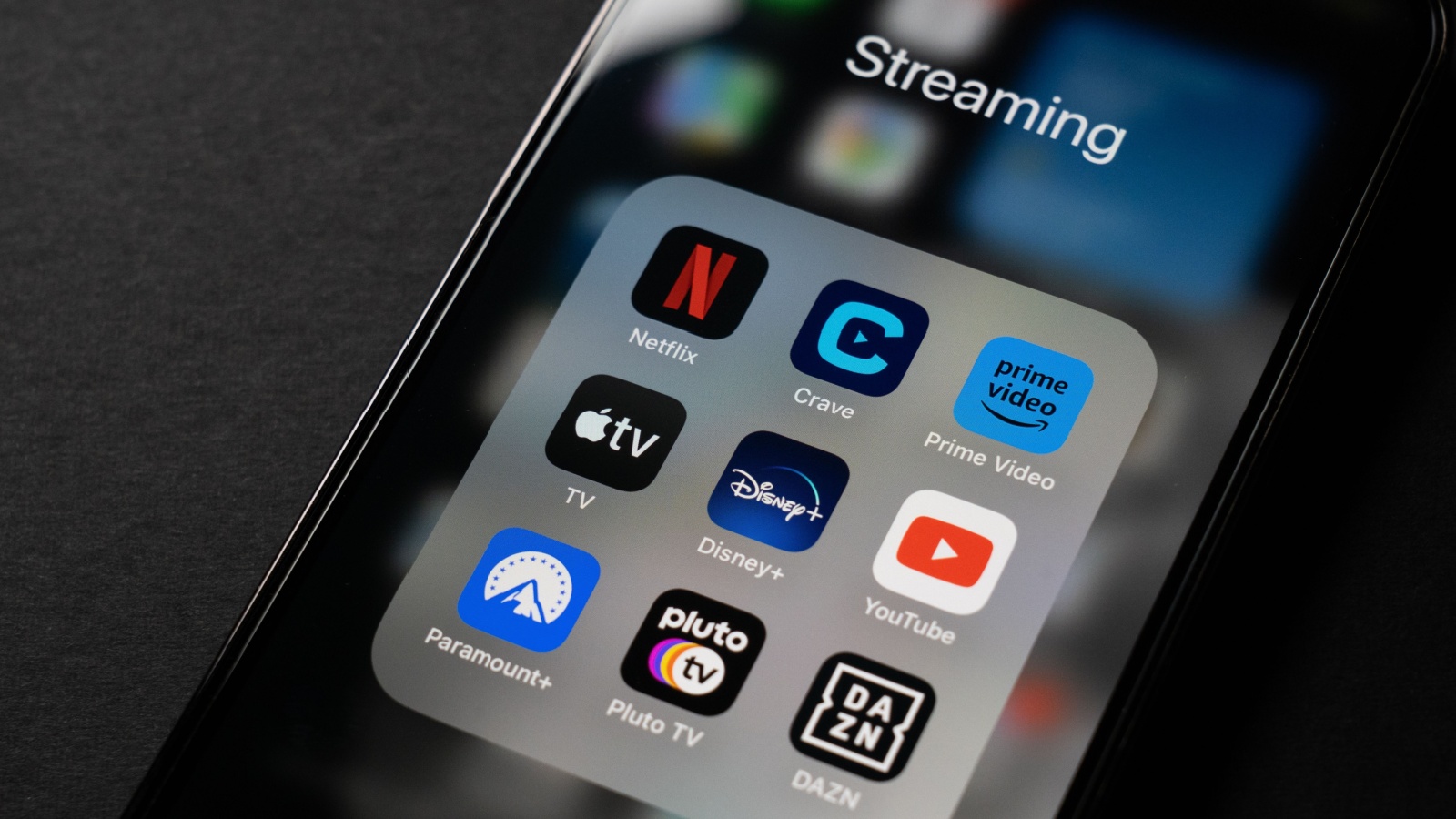
Streaming once sold itself as the clean alternative to cable: watch what matters, when it matters, without the ad breaks and bloated bundles. That promise has changed. Many platforms now reserve the smoothest experience for a more expensive tier, while the cheaper plans restore interruptions that streaming was supposed to eliminate in the first place. In practical terms, convenience now means paying extra to keep a movie night from feeling like old television with a shinier interface.
The layered pricing is what makes the shift feel so noticeable. Netflix’s ad-free plans remain distinctly more expensive than its ad-supported option, and Amazon went even further by turning ad-free Prime Video into a separate add-on called Prime Video Ultra. That means people can already be paying for a broader membership and still face another recurring charge if they want uninterrupted viewing, more downloads, or better streaming perks. What used to feel like the basic point of streaming has become its own monetized comfort tier.
Ad-Free Music and Background Listening
Music subscriptions are another case where convenience moved from bonus to baseline expense. Listening without ads, downloading albums for flights, skipping freely, and keeping music running in the background all sound like modest quality-of-life features. Yet those are exactly the details that push many listeners toward paid plans. Free music still exists, of course, but it is often built to feel just inconvenient enough that paying begins to seem like the normal version of the product.
That is why the category keeps holding onto customers even as prices rise. Spotify Premium in the U.S. now sits at a level that would once have felt steep for something many people use casually throughout the day, and YouTube Premium has become a similar example for users who want music, background play, and fewer interruptions in one place. The convenience is real. So is the pattern. A few minutes saved during commuting, exercise, or work can be enough to justify the charge, which is how small listening comforts turn into permanent monthly spending.
Video Doorbell History

A smart doorbell can be sold like a one-time hardware purchase, but its most practical features often live behind a subscription. The live view is useful, yet what many households actually want is a searchable record: package footage, visitor history, missed motion clips, and alerts detailed enough to matter when no one is home. Without that ongoing storage, the device can feel less like a reliable security tool and more like a glorified peephole with notifications.
That is where the monthly fee stops feeling optional. Ring’s plan structure makes the point clearly, with recurring tiers tied to video playback history, smarter alerts, and richer review features. The emotional hook is easy to understand. A delivered laptop, a late-night porch visitor, or a missing parcel makes stored footage feel valuable immediately. Once a home has adjusted to checking that timeline for reassurance, canceling the plan can feel like giving up part of the product’s purpose. The convenience is not just seeing who came by. It is being able to go back and know for sure.
Home Camera Recordings

Security cameras have followed a similar path, but often with even more aggressive upselling. A camera may function without a plan, yet the paid layer is usually where real usefulness begins: longer video history, activity zones, intelligent alerts, emergency tools, or searchable clips that spare people from scrubbing through raw footage. In theory, the camera is the purchase. In practice, the subscription is what unlocks the polished version of ownership.
Google’s current smart-home subscription model makes that especially clear by tying event history and more advanced camera intelligence to Google Home Premium. Arlo does something similar by positioning its paid service as the way to keep 60-day video history and premium response features after a trial ends. What turns this into a recurring household expense is the blend of security and convenience. People are not paying just for cloud storage. They are paying to avoid uncertainty: whether the dog walker arrived, whether the garage was left open, or whether an alert was a person instead of a tree branch. That reassurance is exactly what gets monetized.
Professional Home Security Monitoring
Home security once meant a one-time installation and a visible sign in the yard. Now the ongoing bill is often the real business model. Professional monitoring is marketed as the difference between a system that simply makes noise and one that actually contacts authorities or trained agents when something goes wrong. That promise can be compelling, particularly for families, older homeowners, frequent travelers, or anyone living alone.
The catch is that the peace of mind arrives as a permanent line item. SimpliSafe, for example, separates self-monitoring from more advanced tiers that add emergency dispatch and higher-touch protection. That distinction changes the psychology of the purchase. The equipment gets people in the door, but the recurring plan becomes the part that feels irresponsible to drop once it is active. If a break-in, fire, or false alarm ever happens, the household does not want to wonder whether canceling the service was a mistake. Convenience, in this case, means handing responsibility to a system that never sleeps, and companies know that is the kind of comfort many customers will keep paying for.
Password Managers With Seamless Autofill

Password managers solve a genuinely modern problem: too many logins, too many devices, and too much risk in reusing weak passwords. On paper, they save time by filling forms instantly and storing everything in one place. In practice, they also monetize the most polished parts of that experience. The vault may be free, but the smoother cross-device life often lives in the premium tier, along with extras like encrypted file attachments, emergency access, dark-web monitoring, or health reports on weak and reused passwords.
That matters because convenience is the whole point of the category. Bitwarden’s free tier remains unusually generous, which is part of why it stands out, but its paid level still packages the features that make digital housekeeping easier. Other password managers go further by limiting devices, nudging families into shared plans, or pricing the safest and simplest setup as a subscription rather than a basic utility. Over time, the fee becomes less about storing passwords and more about preserving frictionless access to daily life: banking, streaming, work tools, deliveries, school portals, and every other login that quietly runs the day.
VPNs for Public Wi-Fi Peace of Mind

VPNs used to sound like specialist tools for travelers, remote workers, or privacy obsessives. Now they are sold as everyday digital hygiene: protection on airport Wi-Fi, easier streaming access abroad, more secure browsing, and fewer worries about data exposure on public networks. That mainstreaming has turned what was once a niche safeguard into another subscription category built around “just in case” reassurance.
The structure of VPN pricing reinforces that feeling. NordVPN’s own pricing guide shows how steep month-to-month convenience can be compared with longer commitments, creating the classic subscription dilemma: pay more for flexibility or prepay to get the “smart” rate. Either way, the recurring charge becomes the price of feeling covered. Most households will never verify a VPN’s technical value every single month, but that is not really the product being sold. The product is the feeling that hotel Wi-Fi, café browsing, or a quick log-in from a train station is less of a gamble than it used to be.
Printer Ink That Arrives Before Anyone Thinks About It

Printer subscriptions are one of the strangest examples of convenience becoming a bill because printing itself is already intermittent for many households. Yet that is exactly why the model works. Ink tends to run out at the worst possible moment: school forms, return labels, tax documents, or a rushed contract that suddenly needs a signature. Companies stepped into that panic with auto-refill services that promise cartridges will appear before the warning light becomes a crisis.
HP Instant Ink demonstrates how neatly the model turns uncertainty into recurring revenue. The plans are priced by pages rather than ink volume, which reframes printing as a monthly allowance instead of an occasional supply purchase. For some households, that predictability is genuinely helpful. For others, it means paying to avoid the inconvenience of a problem that used to be solved by buying ink only when necessary. The subscription turns printer readiness into a managed service, and that feels emblematic of the broader pattern: less mental effort in exchange for one more automatic charge.
Grocery Delivery Memberships

Grocery delivery memberships thrive on the modern shortage of time. They are sold as rescue tools for working parents, caretakers, people without easy transportation, and anyone trying to avoid the drain of crowded stores and long checkout lines. Instacart+, Walmart+, and similar programs do not just promise delivery. They promise reclaimed hours, lighter weekends, and fewer frantic last-minute store runs.
The reason these memberships can still feel expensive is that the fee rarely tells the whole story. Instacart+ advertises zero delivery fees on qualifying orders, but service fees still apply, and regulators have scrutinized how clearly some of those charges were disclosed. That gap between headline convenience and final cost is where frustration enters. A service can absolutely save time while still making a household feel nickeled-and-dimed. That tension is part of why grocery subscriptions have become so common: they solve a real scheduling problem, yet they also show how convenience now arrives wrapped in layered pricing, fine print, and the steady normalization of paying monthly just to shop more efficiently.
Restaurant Delivery Memberships
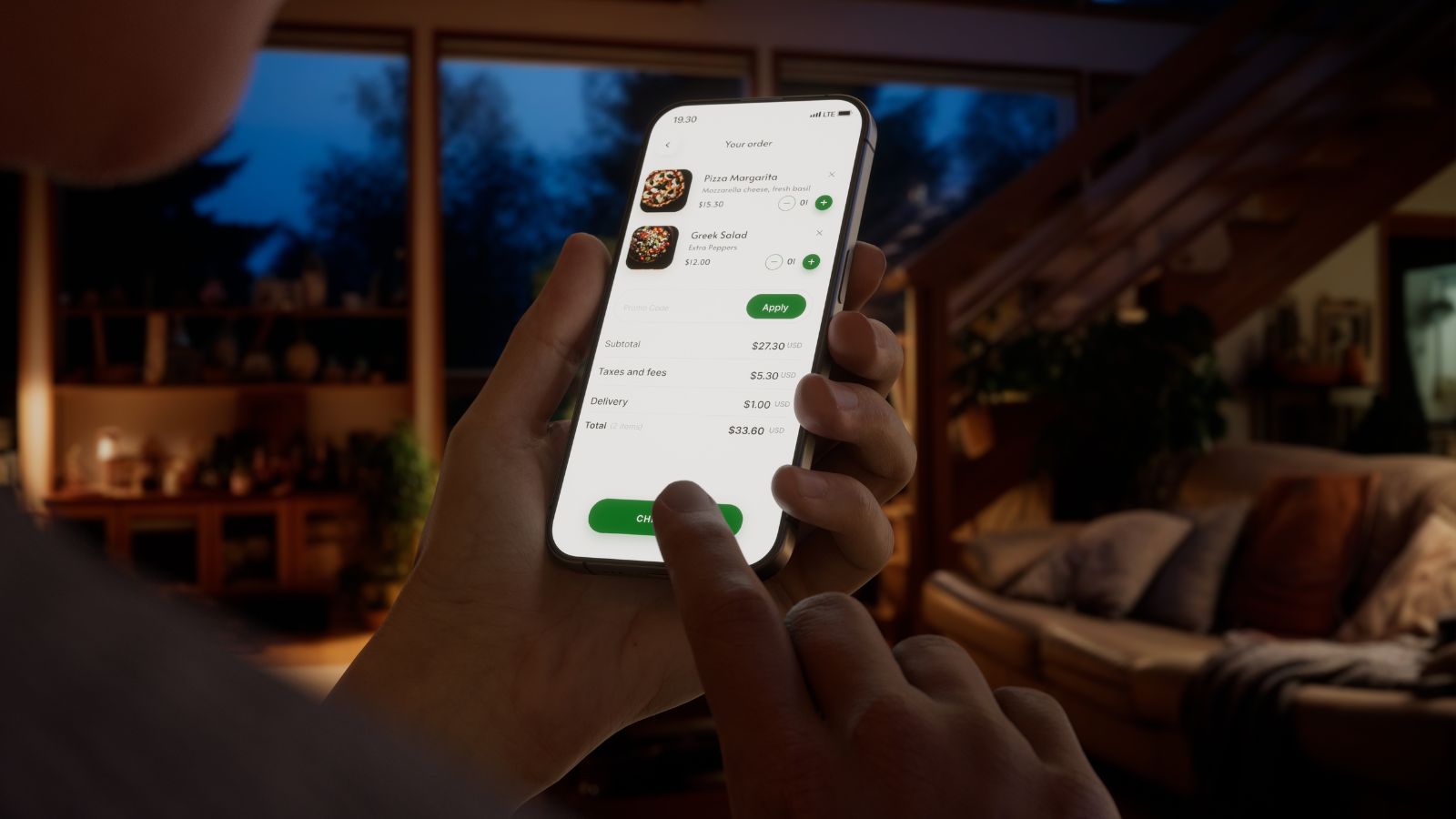
Restaurant delivery memberships are the fast-food version of the same logic, only more immediate. The promise is not merely access to takeout. It is reduced friction at the exact moment a person is tired, overbooked, or unwilling to cook. Services like Uber One and DashPass know that the monthly fee becomes easiest to justify on stressful days when the alternative is time, dishes, planning, and another trip out.
What makes these memberships so sticky is that they lower some costs while normalizing the whole behavior. Uber One markets savings across both rides and delivery, while DoorDash’s membership programs have grown to tens of millions of accounts globally. Those numbers say something important: what began as a fee-reduction perk is now part of the delivery ecosystem itself. Once people start viewing restaurant orders as a routine time-management tool rather than an occasional treat, the membership stops feeling indulgent and starts feeling infrastructural. That is the real shift. Convenience is no longer only paying for the meal to arrive. It is paying monthly to make the app feel usable often enough to keep using it.
Fast Shipping Memberships
Fast shipping memberships may be the most normalized convenience fee of all because they have been woven into everyday shopping habits so completely. Prime did not just sell delivery speed. It sold the idea that errands, restocks, and impulse needs could be compressed into a few clicks. That changes behavior. The more a household counts on next-day or same-day arrival, the less the membership feels like a perk and the more it feels like background infrastructure.
Amazon’s own recent delivery figures show how central that expectation has become. Billions of items are now moving at same-day or next-day speed, and the company frames Prime as a money-saving, time-saving routine rather than an occasional splurge. That language matters. Once fast shipping becomes the expected baseline, paying for it each month feels easier to rationalize than going back to slower, less predictable delivery. The convenience fee survives because it hides inside habit. Most people are not consciously buying speed over and over again. They are paying to preserve a version of daily life where household goods, groceries, and minor emergencies all seem one quick order away.
Remote-Start and Car-App Controls

Connected cars have turned familiar vehicle conveniences into subscription territory. Remote start, remote lock and unlock, location services, and app-based vehicle status checks feel like natural extensions of owning a modern car. In colder climates or busy family routines, those features can quickly start to feel less like luxuries and more like small pieces of sanity: warming a cabin before school drop-off, checking whether the doors are locked, or finding a parked car without wandering a garage level by level.
That is what makes the recurring fee so controversial. It is not just that drivers are asked to pay again after buying the vehicle. It is that some of the most practical ownership comforts are being framed as ongoing services rather than built-in capabilities. GM’s OnStar plans and other connected-car systems have shown how automakers now package remote controls into monthly access. Once a driver gets used to starting the car from a phone or checking fuel and lock status from the couch, removing the service feels like a downgrade to everyday ownership. The product has already been purchased, but convenience remains rented.
In-Car Wi-Fi Hotspots

In-car Wi-Fi sounds like a narrow upgrade until a family takes a road trip, a commuter needs a backup connection, or children in the back seat expect a stable signal for schoolwork or entertainment. Then it starts to resemble a rolling utility. Carmakers and wireless providers understand that shift very well, which is why vehicle connectivity is increasingly treated not as a one-off add-on but as a subscription service with its own data terms, limitations, and billing cycle.
AT&T’s connected-car plan shows how the model works in plain terms: a recurring monthly charge per vehicle, a data threshold, and the ability to connect multiple devices. For households that travel often, it can feel practical. But it also illustrates the broader subscription creep. A car used to be transportation first, with occasional tech layered on top. Now even basic digital continuity between home, office, and road can come with its own recurring charge. The fee is not only for internet access. It is for preserving the modern expectation that there should never be a dead zone between leaving the driveway and arriving at the destination.
Built-In Navigation and Entertainment Bundles

Navigation used to be a hardware purchase. Then it became a free phone app. Now, in many vehicles, premium connected navigation and entertainment are being bundled back into paid packages as if the industry has circled around to a new version of the old model. Voice assistance, music integration, on-screen apps, podcasts, navigation, and smarter route tools can all sit behind a branded subscription tier that treats dashboard convenience like an ongoing service relationship.
OnStar’s current plan structure captures that neatly. One level offers navigation and remote commands, while the higher tier adds Wi-Fi, streaming, games, and browser access. That is more than map guidance. It is an attempt to make the vehicle a self-contained digital environment, one that mirrors the subscription logic people already accept on their phones. The result is subtle but important. A driver who already has a smartphone, music apps, and navigation in their pocket may still end up paying another recurring fee for the cleaner, more integrated version inside the car. Convenience wins again because it promises fewer workarounds, fewer cables, and less friction at the wheel.
Premium Fitness Insights From Wearables

Fitness trackers once gained fans by turning steps, heart rate, sleep, and workouts into simple personal data. Over time, the hardware stopped being the whole value proposition. The real sell became interpretation: readiness scores, personalized recommendations, deeper sleep analysis, advanced trends, and guided coaching. That is where the monthly fee moved in. The device remains on the wrist, but some of the more compelling explanations of what the data means now live behind a subscription.
That matters because raw health data is less emotionally satisfying than advice. Most people do not just want charts. They want a nudge that says their sleep is slipping, their recovery is low, or their training should change. Fitbit Premium has long occupied that paid layer, and recent reporting suggests Google is still treating that tier as a recurring business even as branding around it evolves. In other words, the wearable itself may count steps for free, but the interpretation that makes the tracker feel smart is where the bill often appears. Convenience here is not collecting information. It is having the platform translate that information into a life that feels more manageable.
Productivity Suites That Replaced One-Time Software

Office software used to be the textbook example of a product bought once and used for years. That model is no longer dominant. Microsoft’s subscription plans now frame Word, Excel, PowerPoint, storage, and AI features as an ongoing service rather than a purchased toolset. For many households and freelancers, that makes sense on a practical level. Files sync better, updates arrive automatically, and storage is folded into the plan. Still, the change is significant because it turned routine document work into one more permanent budget item.
The contrast is easiest to see when one-time purchase options still exist beside the subscription. In the Philippines, for example, Microsoft sells both Microsoft 365 plans and a separate perpetual Office Home license. That side-by-side comparison makes the tradeoff obvious: buy once and accept fewer extras, or subscribe for smoother cross-device convenience. Most people drift toward the subscription because shared files, cloud storage, and frequent updates feel useful. But that does not change the emotional math. Something as ordinary as opening a spreadsheet or editing a school presentation now often sits inside the same recurring-fee ecosystem as streaming, storage, and delivery.
PDF Editing and E-Signature Tools
There was a time when PDF work meant opening a file, printing it if necessary, and moving on. Today, a surprising amount of routine bureaucracy depends on paid document tools: editing text, combining files, collecting signatures, converting formats, compressing attachments, or pulling a quick summary from a long contract. These are not dramatic needs, but they show up often enough in work and personal admin that many people end up subscribing simply to prevent paperwork from becoming a multi-hour detour.
Adobe Acrobat is a good example because it packages exactly that sort of relief. The paid plan is not just about professional publishing anymore. It is about fixing a lease, signing a form, reorganizing insurance documents, or making a government PDF behave before a deadline. In many households, those needs are sporadic but urgent, which makes the subscription easy to rationalize and hard to evaluate honestly. A single annoying file can make the monthly price feel worth it. Then the subscription lingers for months because no one knows when the next impossible form will arrive. Convenience wins by arriving precisely when patience runs out.
AI Assistant Upgrades

AI assistants are the newest and perhaps most revealing example of convenience becoming a recurring fee. The basic version is usually free enough to demonstrate the appeal, but the versions built for real productivity are where the money starts. Longer context windows, higher usage limits, research tools, model upgrades, editing help across email and documents, and integrated media features increasingly sit inside paid plans designed to feel like personal operating systems rather than mere chatbots.
Google’s current AI lineup shows how quickly that logic has matured. Its paid tiers do not just offer “more AI.” They fold in cloud storage, Gmail and Docs integration, research help, and access to more advanced generation tools. That creates a powerful subscription story because the fee is framed as paying for smoother thinking, faster writing, quicker planning, and fewer digital bottlenecks. In other words, the product is not only artificial intelligence. It is everyday momentum. And that may be why this category feels so emblematic of the moment: even the promise of getting through ordinary tasks more easily is now something platforms are training users to rent by the month.
19 Things Canadians Don’t Realize the CRA Can See About Their Online Income

Earning money online feels simple and informal for many Canadians. Freelancing, selling products, and digital services often start as side projects. The problem appears at tax time. Many people underestimate how much information the CRA can access. Online platforms, banks, and payment processors create detailed records automatically. These records do not disappear once money hits an account. Small gaps in reporting add up quickly.
Here are 19 things Canadians don’t realize the CRA can see about their online income.
