
Work has always changed when new technology arrives, but generative AI has made that process feel unusually immediate. A tool launches, a demo goes viral, and suddenly entire categories of routine work look cheaper, faster, and easier to automate than they did a month earlier. That does not mean every vulnerable role is about to vanish. It does mean employers are rethinking what they hire for, what they outsource, and what they now expect one person to do with software assistance. These 18 jobs sit in that uneasy middle ground: still necessary in many places, still filled by real people every day, yet increasingly pressured each time a new AI product promises better drafting, sorting, coding, editing, or decision support.
Copywriters and Content Writers

Copywriting is one of the clearest examples of a job becoming less predictable without becoming irrelevant. Businesses still need landing pages, email campaigns, product descriptions, ad scripts, and brand messaging, but the first draft is no longer the expensive part. A marketing manager can now generate dozens of headlines, rewrite the same message in multiple tones, and localize a campaign in minutes. That changes the economics quickly, especially in freelance markets where clients once paid for volume, speed, and basic variation.
The more stable end of the field is shifting toward work AI still struggles to own outright: voice, reporting, interviews, strategy, compliance, and judgment. A polished brand story still needs a human who understands audience, timing, risk, and what should not be said. But for writers whose income depends on producing fast, interchangeable copy, every new model release moves the market again. The uncertainty is not only about replacement. It is about fewer entry-level assignments, lower rates for routine work, and higher expectations for what a single writer is supposed to deliver.
Graphic Designers

Graphic design still needs human taste, but the floor of the profession is moving. The simplest assignments once given to junior designers, quick social graphics, mockups, background treatments, resized ad sets, and basic concept exploration, are now exactly the sort of work image generators handle surprisingly well. That does not remove the need for design; it compresses the amount of paid time attached to repetitive production. A client who once requested five rough directions may now arrive with fifty AI-generated references and expect the designer to refine them for far less.
That creates a split inside the field. Designers who manage systems, brand logic, packaging, print standards, accessibility, and client communication still hold strong ground. But designers who mainly sell execution speed face a market that keeps getting faster without hiring more people. Each new design tool also changes expectations. What used to count as a full day of exploration can now be treated as an hour of prompting and cleanup. The job feels uncertain not because visual communication is fading, but because the software is learning the parts of the workflow that once protected junior and mid-tier creative work.
Customer Service Representatives

Customer service is becoming a smaller human job and a bigger exception-handling job. Many companies now use AI to answer common questions, suggest replies, summarize past interactions, and route customers before a person ever joins the conversation. That sounds efficient because it is. The pressure appears when routine contacts, password resets, order tracking, simple refunds, account lookups, and basic troubleshooting, stop being training-ground work for entry-level agents and become software features instead.
The remaining human work is often harder, not easier. Customers who reach a live representative are more likely to be frustrated, confused, or dealing with a messy case the bot could not solve. That raises performance expectations while narrowing the ladder into the profession. In practice, one agent may now be expected to handle more contacts with AI assistance, produce cleaner notes, and switch between channels faster than before. For workers, that creates a strange kind of insecurity: the role still exists, but its volume, skill mix, and emotional burden change every time a better support tool arrives.
Data Entry Keyers

Data entry may be one of the most obvious cases of AI and automation striking at the center of a job rather than just its edges. The core duty, taking information from one place and putting it cleanly into another, is increasingly handled by OCR, document extraction systems, workflow automation, and AI-powered forms processing. In earlier eras, companies still needed large numbers of people to clean invoices, update records, and transfer fields across systems. Now software is being built specifically to remove those steps.
That leaves workers in a fragile position. The job has not disappeared everywhere, because messy documents, legacy databases, and unusual formats still create exceptions. But the direction is hard to miss. When the main value of a role is speed and accuracy in repetitive transcription, better software steadily chips away at demand. It also changes hiring logic. Employers may need fewer dedicated data-entry staff and more people who can audit, validate, or resolve edge cases. For anyone in this occupation, uncertainty is not theoretical. It is built into the very function new enterprise AI tools are designed to absorb.
Bookkeeping, Accounting, and Auditing Clerks

Bookkeeping work often feels stable from the outside because every business still has bills, reconciliations, payroll records, receipts, and accounts to monitor. Yet much of that workload is exactly what software vendors are trying to automate. Modern accounting tools can classify transactions, flag anomalies, match invoices, draft reports, and push records through approval workflows with far less manual handling than before. That does not make financial accuracy unimportant. It changes which parts of the process remain worth paying humans to do.
The most exposed work is the highly repetitive middle: entering standard transactions, reconciling clean accounts, and producing predictable monthly outputs. The safer territory is increasingly analytical and relationship-driven, advising clients, investigating irregularities, understanding context behind the numbers, and spotting what the software missed. That shift can be uncomfortable because it effectively raises the bar for the same job title. A clerk who once built a career on reliability and process discipline may now be told that automation will handle the routine portion, while the human is expected to deliver insight. The profession is not ending, but the old version is under obvious strain.
Translators and Interpreters
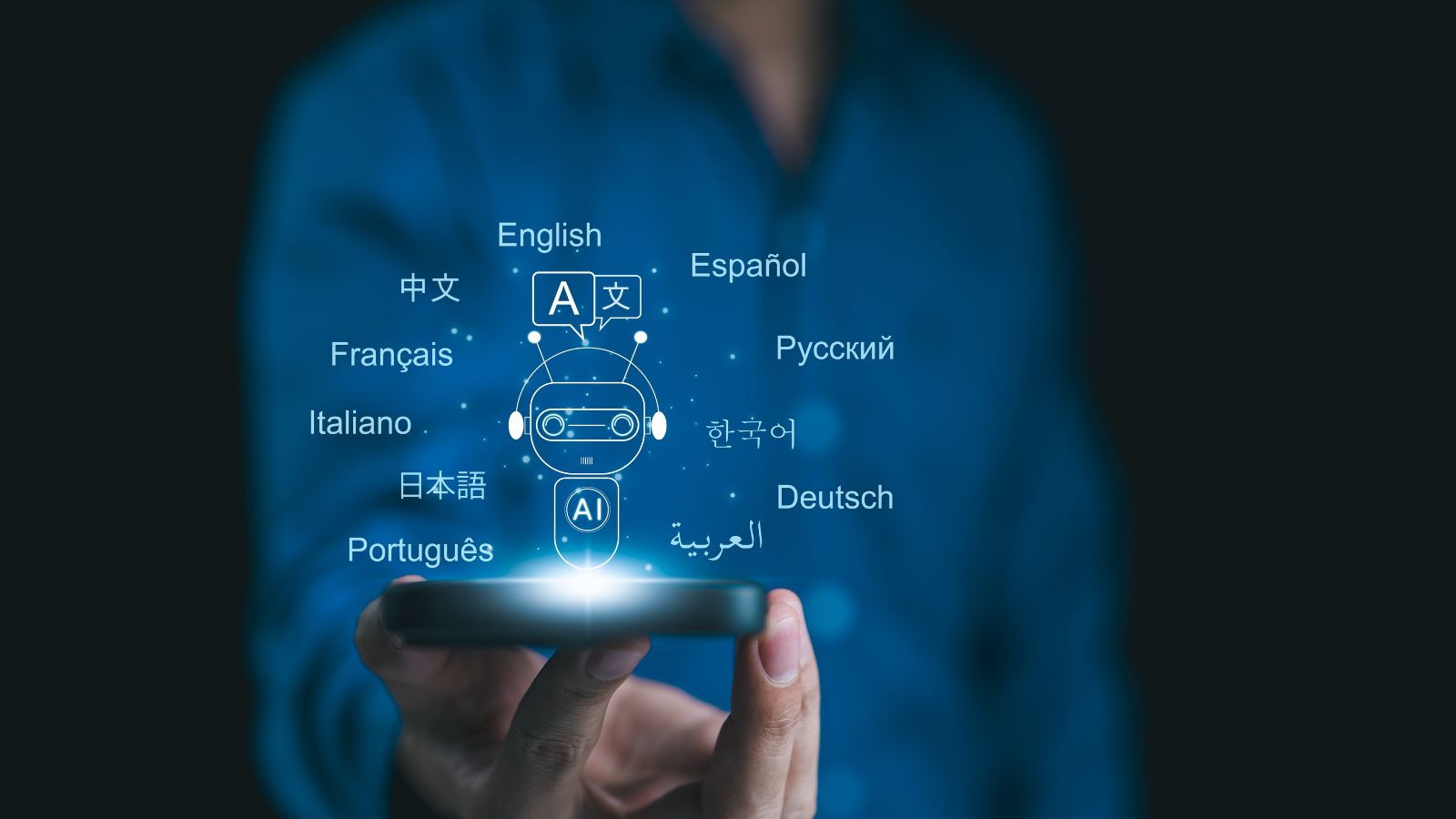
Translation remains indispensable in law, medicine, diplomacy, business, and public services, but the economic pressure on routine language work is intensifying. Machine translation has been improving for years, and generative AI has made it sound more fluent and more adaptable to tone. That matters because many buyers of translation were never paying for literary nuance in the first place. They wanted speed, reasonable clarity, and low cost. As AI gets better at those baseline needs, straightforward commercial translation becomes harder to price as premium human work.
The more protected areas depend on what language actually does in the real world. Courtrooms, hospitals, negotiations, and culturally sensitive material still require judgment, confidentiality, and the ability to catch meaning that is implied rather than stated. Interpreting also depends on timing, trust, and interpersonal awareness in ways text tools do not fully replicate. Still, every improvement in real-time translation, localization, and AI dubbing puts more pressure on the routine side of the profession. The result is a field where top-level expertise remains valuable, while lower-margin assignments grow shakier every year.
Paralegals and Legal Assistants

Legal work is full of structured reading, document comparison, citation hunting, summarization, and first-pass drafting, which is exactly why paralegal work feels newly exposed. AI tools can already review contracts for patterns, summarize discovery material, surface clauses, and produce draft language that once took hours to assemble. Law firms and legal departments are not blind to that efficiency. When a tool promises to reduce the time spent on routine prep, management inevitably starts reconsidering how much junior support staffing is really needed.
At the same time, law remains a field where errors carry consequences. Courts do not accept hallucinated citations simply because a model sounded confident, and firms still need people who understand procedure, recordkeeping, deadlines, and the meaning of a bad document. That is why the uncertainty here feels more like compression than disappearance. Some traditional tasks will shrink, while the people who remain are asked to supervise outputs, verify sources, organize complex matters, and manage workflows around the software. For many legal assistants, the worry is not that AI can practice law. It is that it can take enough of the preparatory work to narrow the path in.
Computer Programmers
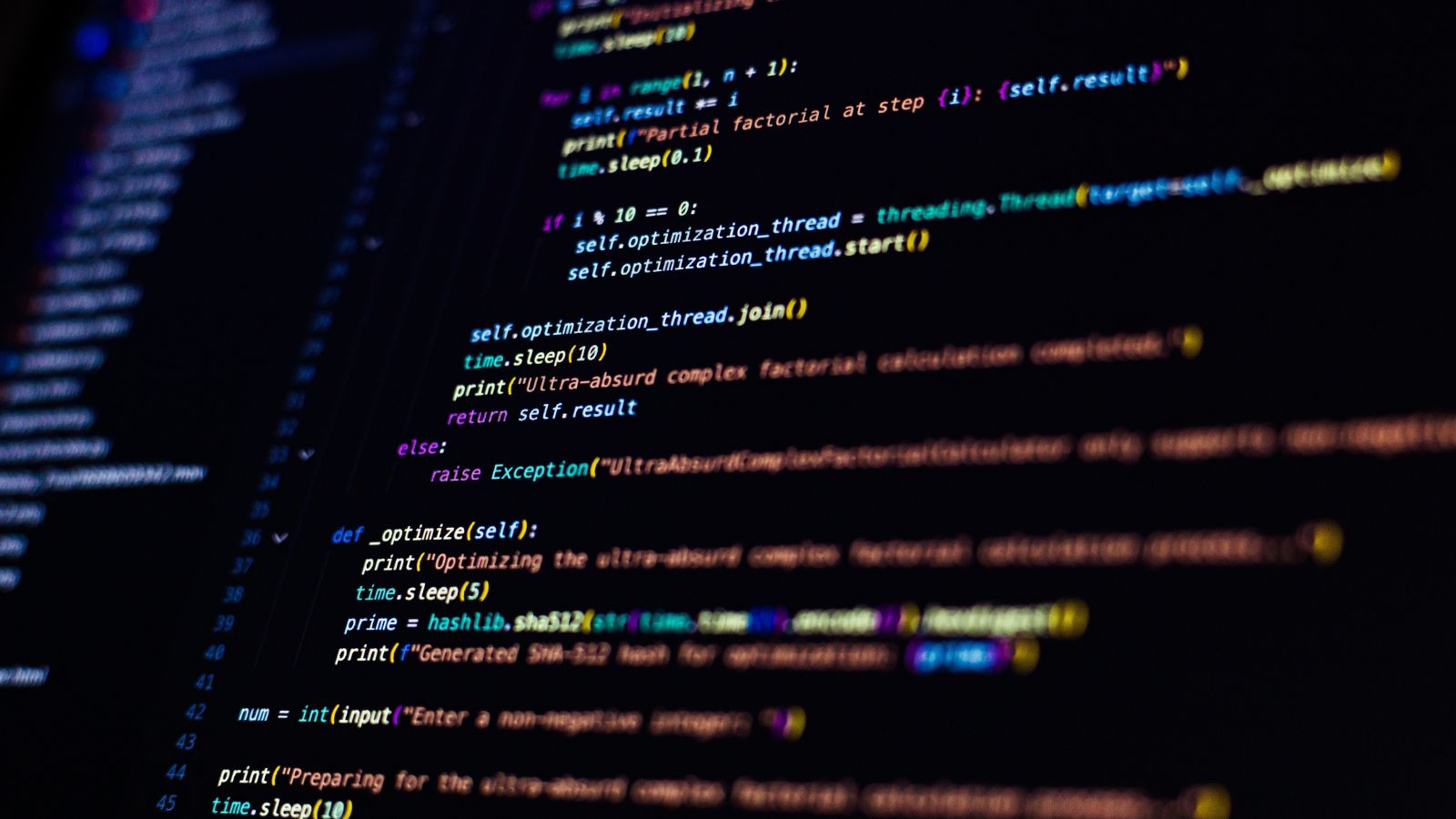
Programming remains one of the most paradoxical jobs in the AI era. Software is everywhere, demand for digital systems keeps rising, and yet routine coding tasks are increasingly being handed to AI assistants and autonomous coding agents. Boilerplate, simple functions, test generation, UI scaffolding, debugging suggestions, and documentation are all becoming faster to produce with machine help. That makes experienced developers more productive, but it can also reduce the amount of basic work once used to train junior programmers on the job.
This is where the uncertainty becomes structural. Employers may still want engineering talent, but they can become pickier about what counts as talent worth hiring. A junior candidate who once stood out for being able to write serviceable code may now be competing against a workflow where code appears instantly and the valuable skill is reviewing, integrating, securing, and architecting it. People who can define systems, evaluate tradeoffs, and catch subtle failures remain essential. Even so, each new coding tool raises the same uncomfortable question: if machines can handle more of the obvious implementation work, which rung of the career ladder starts disappearing first?
Recruiters and Human Resources Specialists

Recruiting has always mixed judgment with repetition. Sourcing candidates, screening resumes, scheduling interviews, writing outreach, summarizing conversations, and tracking applicants involve a large amount of coordination work that AI can now accelerate. That matters most in high-volume hiring, where software can rank profiles, generate recruiter notes, suggest interview questions, and keep candidates moving through the funnel with minimal human touch. For employers, that can look like efficiency. For workers in talent acquisition, it can look like a smaller need for the most routine parts of the role.
Human resources specialists are not likely to vanish because hiring still depends on trust, fit, ethics, internal politics, and the ability to read situations no model fully understands. But the job may become narrower at the bottom and more demanding at the top. Recruiters may be expected to manage larger pipelines, move faster, and justify their human involvement in a process increasingly shaped by software. That creates uncertainty even in organizations that continue hiring. The work remains, but more of it is shifting from coordination to exception handling, persuasion, and relationship management.
Administrative Assistants

Administrative work sits directly in the path of AI because so much of it involves exactly the tasks digital systems are getting better at: scheduling, inbox triage, note-taking, meeting summaries, travel planning, document formatting, file retrieval, and routine follow-up. None of that means a strong assistant lacks value. In many organizations, the best assistants function as institutional memory, social intelligence, and operational glue. The problem is that the visible, repetitive portion of the role is becoming easier for software to imitate.
That changes how organizations define the job. Instead of hiring for broad administrative coverage, employers may start expecting fewer people to support more teams with AI tools handling the repetitive load. The remaining human contribution becomes more strategic, protecting an executive’s time, coordinating sensitive communication, keeping projects moving, and anticipating problems before they surface. For workers, that can feel destabilizing. A role once praised for precision, responsiveness, and organization is now being measured against tools that promise all three at machine speed. The occupation still matters, but the threshold for proving irreplaceable keeps rising.
Travel Agents

Travel agents have survived multiple waves of disruption, from online booking sites to mobile apps, which is why this latest wave feels more subtle than final. The new pressure comes from AI trip planners that can build itineraries, compare options, rewrite routes, and answer destination questions conversationally. A traveler who once relied on an agent for basic hotel, flight, and activity planning can now get a workable first pass from a chatbot in seconds. That lowers the value of simple planning even when the human result is still better.
Where agents still shine is where travel becomes complicated, high-stakes, or deeply customized. Multi-city trips, premium travel, disruptions, group coordination, visa issues, and special requests still reward human expertise. But those strengths do not erase the squeeze on the middle of the market. If AI handles research and rough planning, agents may spend less time being paid for curation and more time being asked to troubleshoot or refine. The job becomes less about booking and more about judgment under messy conditions. That is still valuable work, but it is a narrower and more pressured version of the profession.
Market Research Analysts

Market research looks safer than some other knowledge jobs because businesses will always need to understand customers, competitors, demand, and pricing. The uncertainty appears in how much of the production process can now be automated. AI can summarize interviews, cluster themes, scan reviews, generate competitor snapshots, draft survey questions, and turn large piles of information into polished briefings much faster than an analyst working manually. For managers under cost pressure, that creates a tempting question: how many people are needed for work the tools can pre-assemble?
The answer is usually not zero, because good research is less about producing slides than knowing what question is worth asking, what evidence is trustworthy, and what a client should actually do next. That is where analysts remain valuable. Even so, each improvement in synthesis tools reduces the premium on the mechanical side of the job. Junior analysts may feel the shift most sharply because they often build experience through the very tasks AI now speeds up: summarizing inputs, preparing decks, cleaning qualitative data, and generating first-pass insights. The field is still growing, but its entry points are becoming less secure.
Journalists and Reporters

Journalism has been under financial pressure for years, and AI adds a new layer to an already fragile business model. Newsrooms are experimenting with tools that summarize documents, transcribe interviews, suggest headlines, reorganize copy, and speed up research. On one level, that can help overstretched reporters. On another, it encourages publishers to ask whether fewer people can now produce more output, especially for explainers, commodity news, and quick-turn aggregation that once supported early-career jobs.
Yet journalism is also a profession where the highest-value work remains stubbornly human. Original reporting, source development, legal risk assessment, field observation, and editorial judgment cannot be reduced to autocomplete without damaging the product. That is why uncertainty in this field feels uneven. Investigative and beat reporting still matter enormously, but routine content production is becoming cheaper and more automated at the same time search and audience behavior are shifting. For many reporters, the fear is not that AI can uncover a story better than a skilled journalist. It is that the business may decide it needs fewer humans to publish enough content to survive.
Medical Records Specialists

Healthcare administration is full of documentation, coding, verification, and record management, which makes medical records work highly relevant to the AI conversation. Hospitals and health systems are actively exploring tools that extract information from charts, assist with coding, automate verification steps, and reduce the clerical burden that slows clinical operations. That is attractive in a field where time is expensive and paperwork is everywhere. It also means some of the repetitive tasks long attached to records management are becoming targets for automation rather than stable employment.
The continued need for people is real. Medical records involve privacy law, billing rules, clinical nuance, and the consequences of error in a way that general office work does not. A missed code or incorrect entry can ripple outward into reimbursement issues, compliance problems, or patient care confusion. Still, uncertainty grows when the systems improve. Workers may find the role shifting away from straightforward processing and toward auditing, exception handling, and oversight of AI-assisted workflows. That is not the same as disappearance, but it is a meaningful change in what employers will pay humans to do.
Medical Transcriptionists

Few occupations feel as directly threatened by AI as medical transcription. The central task, turning spoken clinical language into usable records, is precisely what speech recognition and ambient documentation systems are built to streamline. As those tools improve, the old model of listening, transcribing, and formatting by hand becomes harder to justify at scale. Healthcare organizations are adopting systems that can capture conversations, draft notes, and move documentation closer to real time, which goes right to the heart of the job.
That does not mean humans are unnecessary. Medical language is full of ambiguity, accents, shorthand, and high-stakes details, so review and correction still matter. But the occupation increasingly looks less like original transcription and more like editing machine output. That is an important distinction because editing usually requires fewer people than creating every line from scratch. It also changes how employers think about staffing. The role may survive inside larger documentation teams, but as a standalone occupation it feels more exposed each time a new healthcare AI tool promises faster, cheaper, and more accurate note generation.
Film and Video Editors

Video editing still demands pacing, judgment, taste, and an instinct for story, but software is taking over more of the groundwork. Auto-captioning, transcript-based editing, rough-cut assembly, shot tagging, highlight generation, background cleanup, and versioning for different platforms are all becoming easier with AI support. That changes both client expectations and studio workflows. A task that once justified hours of manual labor can now be treated as something the software should handle before the editor really begins.
For experienced editors, that can be a productivity win. For the broader labor market, it can be unsettling. Many editors build careers on precisely those repetitive steps, logging footage, creating selects, assembling first passes, and delivering multiple cutdowns for social platforms. If AI reduces the time attached to those duties, the job does not disappear, but parts of the ladder get thinner. The human edge remains in narrative rhythm, emotional timing, performance selection, and collaboration with directors or clients. Even so, every new editing feature raises the same question: how much of the craft is still paid work, and how much has become invisible setup done by software?
Special Effects Artists and Animators

Animation and visual effects are creative fields, but they also contain extensive technical labor that AI is beginning to compress. Concept generation, background creation, texture ideas, previs, cleanup, and variations that once required long production cycles can now be explored much faster. Studios and freelancers alike notice that speed immediately. When a producer can generate early visual directions in minutes, the timeline for paid experimentation shrinks, and the people who once handled that phase first may feel the pressure.
At the same time, high-quality animation and effects still require control, continuity, taste, and teamwork across pipelines that AI alone does not manage well. A beautiful single image is not the same thing as production-ready motion work that matches a director’s intent. That protects skilled artists more than online chatter sometimes suggests. But the uncertainty is still real because the tools keep improving at the edges that matter economically. Even partial automation can reshape budgets, staffing plans, and deadlines. In creative industries, that is often enough to make workers feel exposed long before full replacement is technically possible.
Voice Actors and Dubbing Performers

Voice work used to feel protected by its human distinctiveness. A real performance carries emotion, timing, breath, and character in ways audiences instinctively notice. AI has not erased that truth, but it has complicated the market around it. Synthetic voices, automated translation, and improved dubbing tools are starting to handle the kinds of work that once provided steady income: routine localization, background voice tasks, low-budget narration, and fast-turn commercial material where buyers prioritize speed and cost over artistry.
That matters because many creative careers are built on the middle of the market, not just prestige roles. A performer may never lose demand for a signature role, but still watch ordinary paid assignments get cheaper, fewer, or more contested by synthetic alternatives. Contract language, consent, and payment for digital voice use are becoming central questions for the profession. The uncertainty is not just technological; it is contractual and cultural. Every new tool forces the same debate again: what counts as a performance, who controls a voiceprint, and how much of the work can be replicated without hiring the person audiences assume is still there?
19 Things Canadians Don’t Realize the CRA Can See About Their Online Income

Earning money online feels simple and informal for many Canadians. Freelancing, selling products, and digital services often start as side projects. The problem appears at tax time. Many people underestimate how much information the CRA can access. Online platforms, banks, and payment processors create detailed records automatically. These records do not disappear once money hits an account. Small gaps in reporting add up quickly.
Here are 19 things Canadians don’t realize the CRA can see about their online income.
