
There was a time when buying a new gadget felt like a clear upgrade. Lately, the math looks different. Prices have climbed, improvements are often incremental, and many categories now compete with cheaper products that do nearly enough.
That is what makes these 17 devices stand out. They are not useless, and in the right home or workflow some still make perfect sense. But for mainstream buyers, each one now demands a longer pause at checkout because the value case is far less obvious than it used to be.
Flagship Smartphones

Top-end phones still do impressive things, but their pricing has drifted into territory that once belonged to full computers. When a current premium iPhone starts above the standard model and Samsung’s Ultra line sits in similarly lofty territory, the old “buy the best and keep it for a while” logic feels shakier. That is especially true because everyday tasks—messaging, streaming, banking, maps, and social media—run perfectly well on midrange phones that cost far less. The gap between “excellent” and “luxury” performance has become much more expensive than the gap between “usable” and “excellent.”
The bigger issue is timing. Industry replacement-cycle research now shows many consumers are holding phones for longer than before, which is a quiet admission that annual upgrades no longer feel transformative. A device that costs this much should feel dramatically different every year or two, yet most people get a slightly better camera, somewhat better battery life, and a new AI feature set that may or may not become part of daily life. For professionals who truly lean on mobile photography, high-end video, or heavy multitasking, the premium still has a case. For almost everyone else, the smartest phone purchase increasingly lives one tier below the flagship.
Foldable Phones
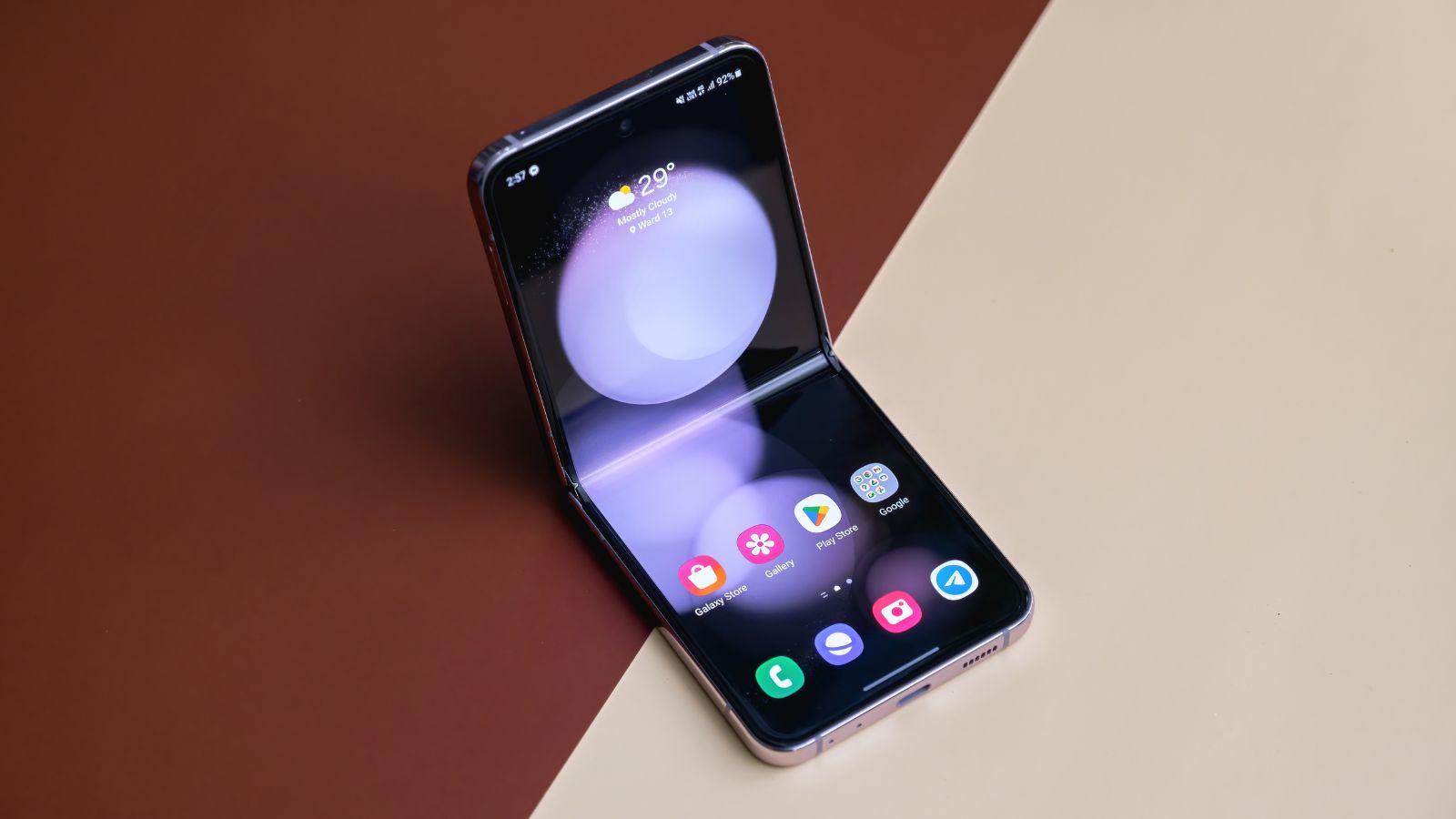
Foldables remain some of the most exciting hardware in consumer tech, but excitement is not the same thing as value. The category still lives in a premium bracket that puts it closer to the price of a phone and a tablet combined than to an ordinary smartphone upgrade. That would be easier to defend if foldables had clearly become the default shape of mobile computing, yet they still feel like an enthusiast product. They are admired in stores, demoed at coffee tables, and praised in reviews, but many buyers stop short once the price tag appears.
That hesitation makes sense because the pitch is still situational. A foldable can be brilliant for travel, reading, multitasking, or watching video without carrying a second device. But if the owner mostly texts, browses, takes photos, and opens the occasional document, the practical benefit often fades after the novelty wears off. Motorola’s newer foldables and Samsung’s book-style models show that prices remain firmly premium even as the category matures. In other words, buyers are still paying an “early future” tax for hardware that feels more refined than before, but not yet common enough to feel financially comfortable. The technology is better. The emotional justification is harder.
Premium Smartwatches
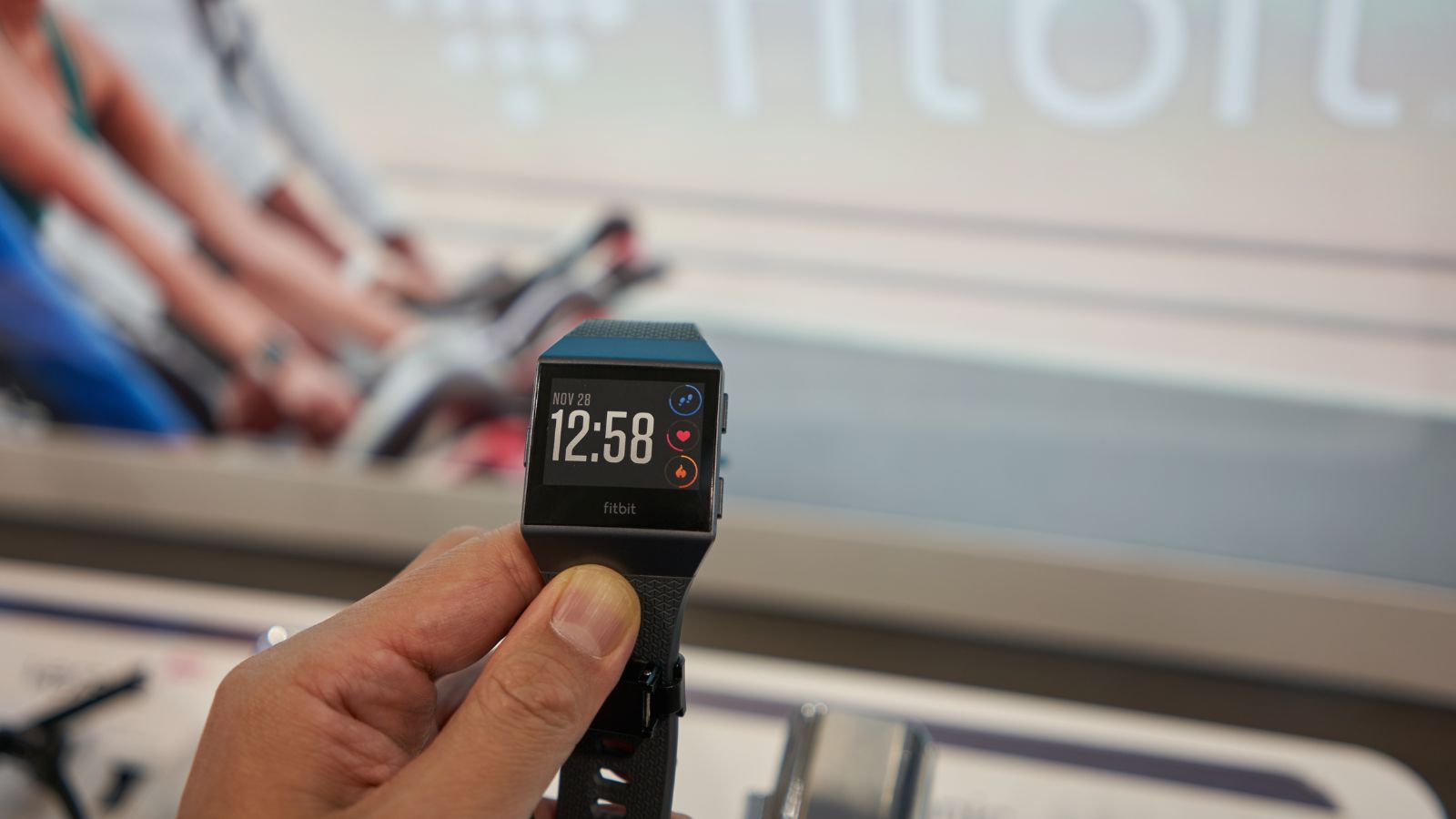
A premium smartwatch can be genuinely useful, but its price is harder to defend now that even lower-cost models cover the basics so well. Daily activity tracking, notifications, timers, calls, sleep monitoring, and workout logging are no longer rare features. They are standard expectations. Once that happens, the question changes from “What can this watch do?” to “How much more should anyone pay for doing it slightly better?” That is where higher-end models start to look vulnerable.
The contrast inside the same brand lineup makes the issue clearer. Entry models already handle the core conveniences most owners use every day, while the pricier version adds more sensors, better materials, and some extra polish. Those are real upgrades, but not always life-changing ones. A runner training seriously or someone who values deeper health insights may still see good value. A typical office worker who mainly wants step counts and a glanceable notification screen often will not. The category is also being squeezed from below by capable budget wearables and from the side by people who simply rely on their phones more often. Smartwatches are still good products; they just no longer feel automatically worth their premium trims.
High-End Tablets
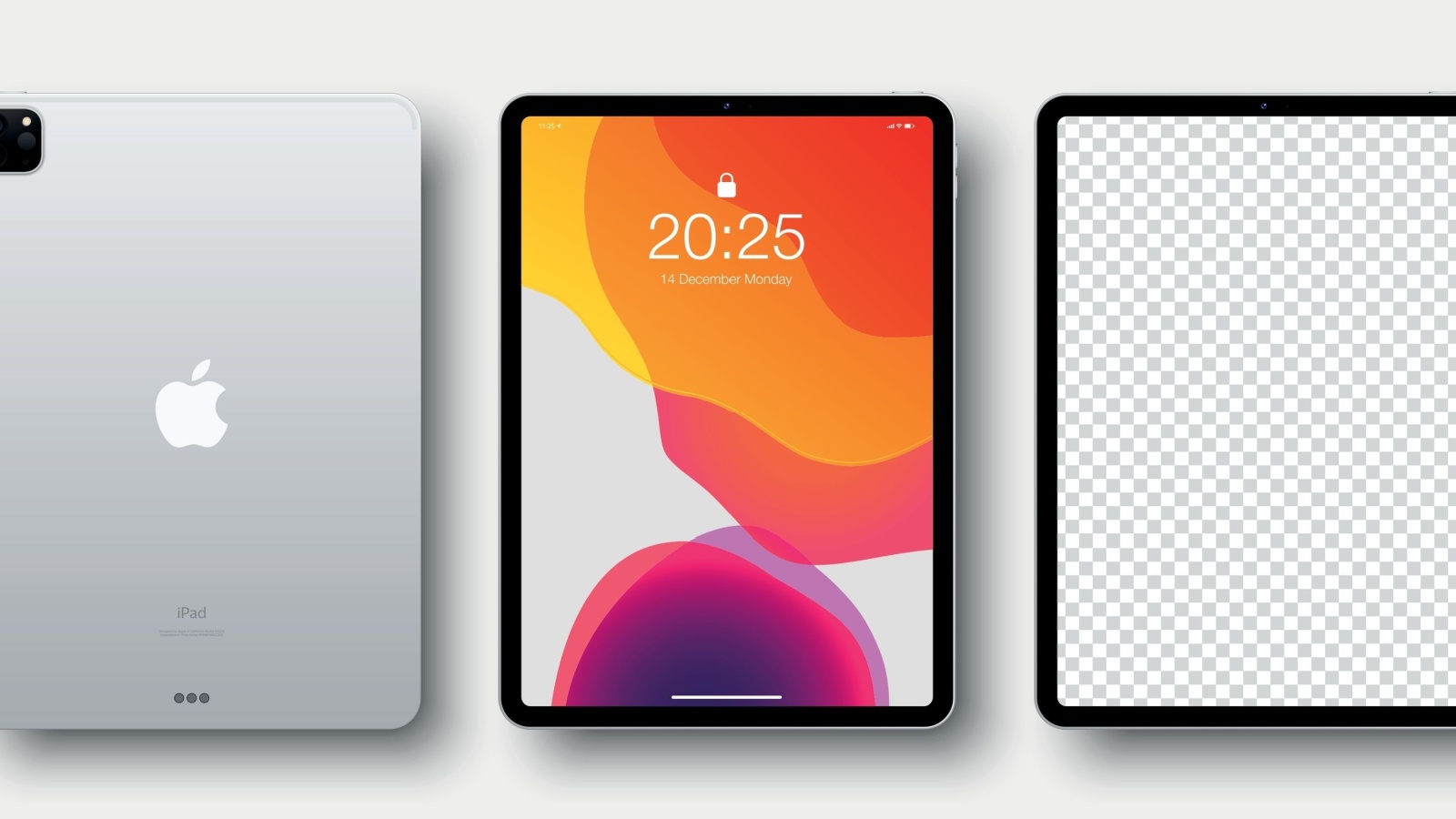
Premium tablets look gorgeous, feel fast, and are often astonishingly thin. The problem is that their pricing has crept close to laptops while their role remains fuzzy for many households. A top tablet can be a sketchbook, a travel screen, a lightweight editing station, and a couch device all at once. Yet for many buyers it ends up as a very expensive streaming machine that occasionally opens email. When the base price rises and accessories push the total higher, the decision gets much harder.
Recent shipment data shows tablets still sell in huge numbers, but even the research firms tracking the market have noted that replacement-driven growth cooled as 2025 progressed. That matters because it suggests many people who refreshed during earlier cycles are now content to hold on. It is easy to understand why. A two- or three-year-old tablet is still good at reading, video, browsing, and video calls. The latest premium model may be vastly more powerful, but most owners do not need desktop-class silicon to watch a recipe video in the kitchen. Artists, pilots, students with heavy note workflows, and mobile professionals can absolutely justify the spend. Everyone else has to work much harder to explain why the expensive tablet is not just a beautiful luxury.
Handheld Gaming PCs

Handheld gaming PCs are fun in the purest possible way. They deliver the old dream of carrying serious games anywhere, and for the right player they are marvelous. The trouble is that the category has moved from novelty bargain to serious financial decision. Once buyers start comparing a premium handheld to a discounted console, a desktop upgrade, or even a modest laptop, the romantic “gaming on the go” idea stops feeling cheap and carefree.
This is where value gets slippery. A Steam Deck OLED has a relatively strong argument because it pairs portability with a well-defined ecosystem and improved battery life, but Windows-based handhelds can climb much closer to laptop territory. That matters because a person tempted by one of these machines may already own a console, a gaming PC, or both. In those cases, the handheld becomes a third screen for the same hobby rather than a necessary entry point. It is a wonderful luxury device, but often still a luxury device. For frequent travelers, apartment dwellers, or people reclaiming small pockets of playtime around family life, the category can feel worth it. For everyone else, it is easy to admire these machines more than it is to justify buying one.
VR Headsets

VR hardware has improved significantly, yet the value story remains fragile. The latest headsets are more capable, more polished, and often easier to set up than earlier generations, but price increases hit the category at exactly the wrong moment. When a device is still trying to prove it belongs in everyday life, higher pricing makes it feel less like a mainstream purchase and more like an expensive hobby kit. That becomes a difficult sell in homes where the headset may impress guests for a week and then spend long stretches on a shelf.
The wider market context is telling. Recent industry data showed broader XR shipments rebounding, but that growth was driven more by smart glasses than by traditional VR and mixed-reality headsets, which continued to struggle. That split explains the discomfort around current headset prices. The hardware is not bad; the question is simply how often it becomes essential after the honeymoon period. Fitness users, sim racers, and devoted VR gamers can still make a strong case. Casual buyers often cannot. When a company raises prices because component costs have gone up, it may be economically reasonable. To consumers, though, it reinforces the feeling that they are being asked to pay more for a category that still has not earned routine, everyday use.
Premium Wireless Earbuds

Premium earbuds succeed because they solve real problems: commuting noise, call quality, gym portability, and all-day convenience. But their top end has become harder to defend because the market beneath them has improved so quickly. The category is crowded with competent alternatives, and buyers no longer need to spend at the very top to get good sound, decent cancellation, and reliable battery life. Once that reality sets in, premium earbuds start feeling less like a must-have and more like a taste-based splurge.
That is especially true now that the overall true-wireless market has grown again, with strong volume across many price bands. In a healthier, more competitive market, premium brands must do more than simply sound excellent. They must also make buyers feel that the extra money changes everyday life. Sometimes it does. Heavy travelers, frequent callers, and people embedded in one ecosystem may appreciate seamless pairing and stronger noise cancellation. But for many owners, the practical difference between “very good” earbuds and “best-in-class” earbuds appears mainly in side-by-side tests, not in ordinary errands. Paying a premium for better ANC, tighter ecosystem integration, or a new health feature can still make sense. It just no longer feels like the obvious choice it once did.
Noise-Canceling Headphones
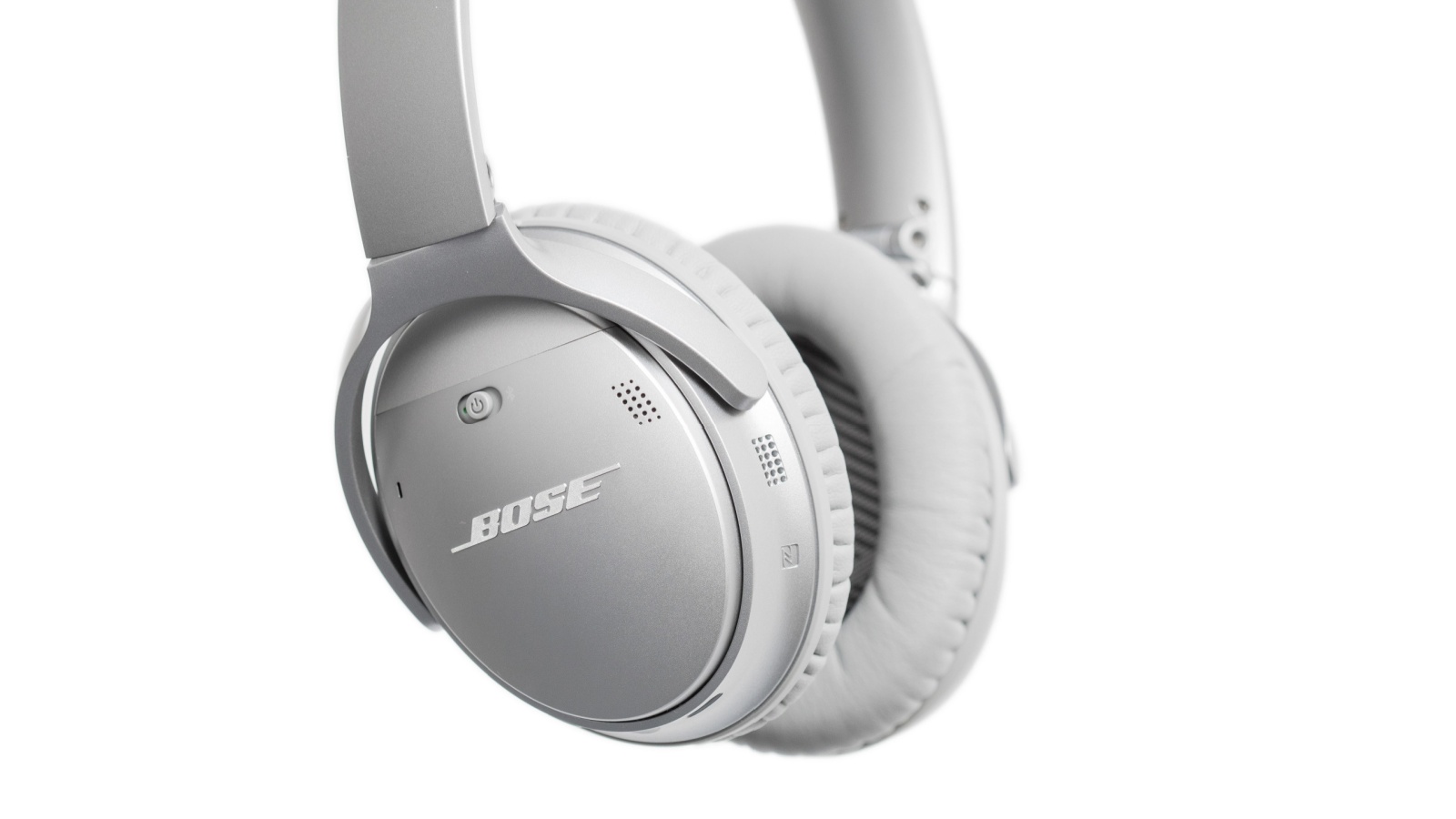
Premium over-ear headphones have become a classic example of diminishing returns. They are usually superb products: comfortable, polished, and engineered to make flights, offices, and public transit much more bearable. The problem is not quality. It is that the best-known models now sit in a price zone where buyers naturally start asking whether the improvement over a cheaper pair really deserves the gap. That answer is increasingly “only sometimes.”
This category also suffers from its own success. Noise cancellation has improved across the board, and even midrange models now do a respectable job muting the outside world. Once the baseline gets that good, the most expensive pairs are selling refinement more than transformation. Better materials, slightly richer sound, improved app features, smarter transparency, and more elegant controls all matter—but they matter most to people who notice those differences every day. The average commuter may love them for a month and then simply use them as ordinary headphones. When flagship over-ears cost what a decent tablet or a discounted console might cost, the emotional equation changes. They remain excellent gifts, frequent-traveler tools, and long-term office companions. They just no longer feel like an easy yes.
Color E-Readers
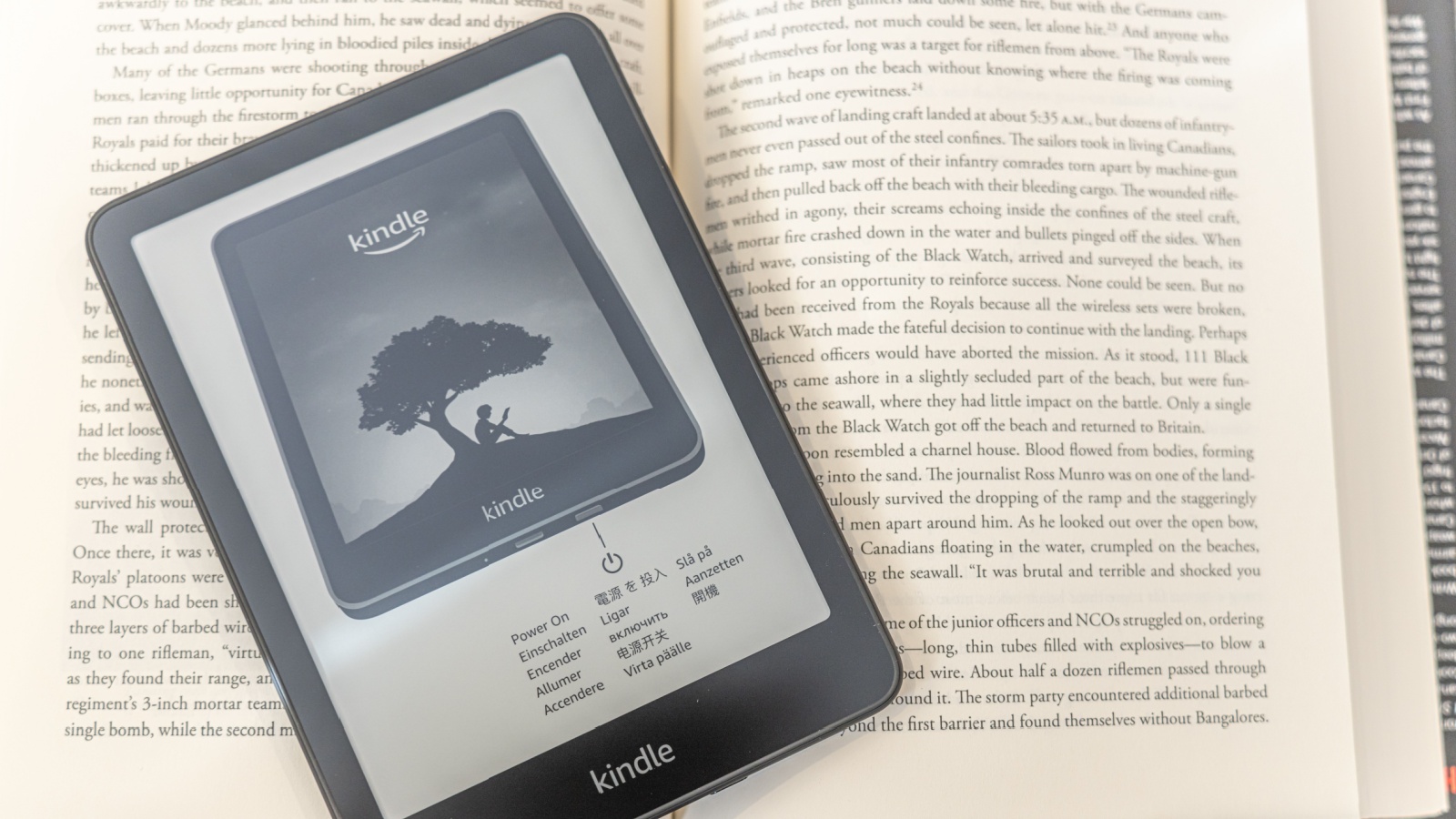
Color e-readers are clever and appealing, particularly for comics, cookbooks, travel guides, and heavily illustrated titles. Yet they also capture a new kind of gadget tension: a feature that sounds exciting, works well enough, and still feels hard to rationalize for most reading habits. The reason is simple. Black-and-white e-readers already solved the main problem brilliantly years ago. They are easy on the eyes, light, waterproof in many cases, and built for marathon battery life. Color adds charm, but not always necessity.
That makes current pricing especially sensitive. The newest color devices remain meaningfully more expensive than traditional reading-first models, and some buyers will also notice compromises in contrast or the simple fact that a tablet still handles magazines and comics more vividly. Kobo’s color readers have kept the category competitive, while Amazon’s Colorsoft line widened attention, but neither development erases the core question: how often does color materially improve reading enough to justify the premium? For some people, very often. For others, almost never. Avid graphic-novel readers may genuinely benefit. Most novel readers will not. That is why color e-readers feel like a category admired more for what it represents than for what most readers actually need.
Smart Rings

Smart rings are one of the most interesting new wearable categories because they promise insight without the visual baggage of a watch. That idea is powerful. A ring can track sleep, readiness, heart-rate trends, and other metrics while staying discreet and comfortable. But the cost structure is where enthusiasm starts to wobble. Buyers are not just paying for the hardware. In many cases, they are also stepping into a subscription relationship, which makes the total commitment feel larger over time than the sleek form factor suggests.
That would be easier to accept if the ring replaced something else entirely. Often it does not. Many potential buyers already own a smartwatch, a fitness band, or both. So the ring becomes an additional health device rather than a primary one, and the value calculation tightens. The category is growing quickly, which shows there is real interest, but growth does not automatically equal clarity for consumers. What many people are really buying is a more elegant way to collect personal data, not a dramatically new outcome. For data-driven athletes and people who dislike wearing watches to bed, that can be compelling. For everyone else, a smart ring often feels like a premium wellness accessory whose biggest trick is making a subscription-backed device look almost invisible.
Video Doorbells and App-Tied Security Cameras
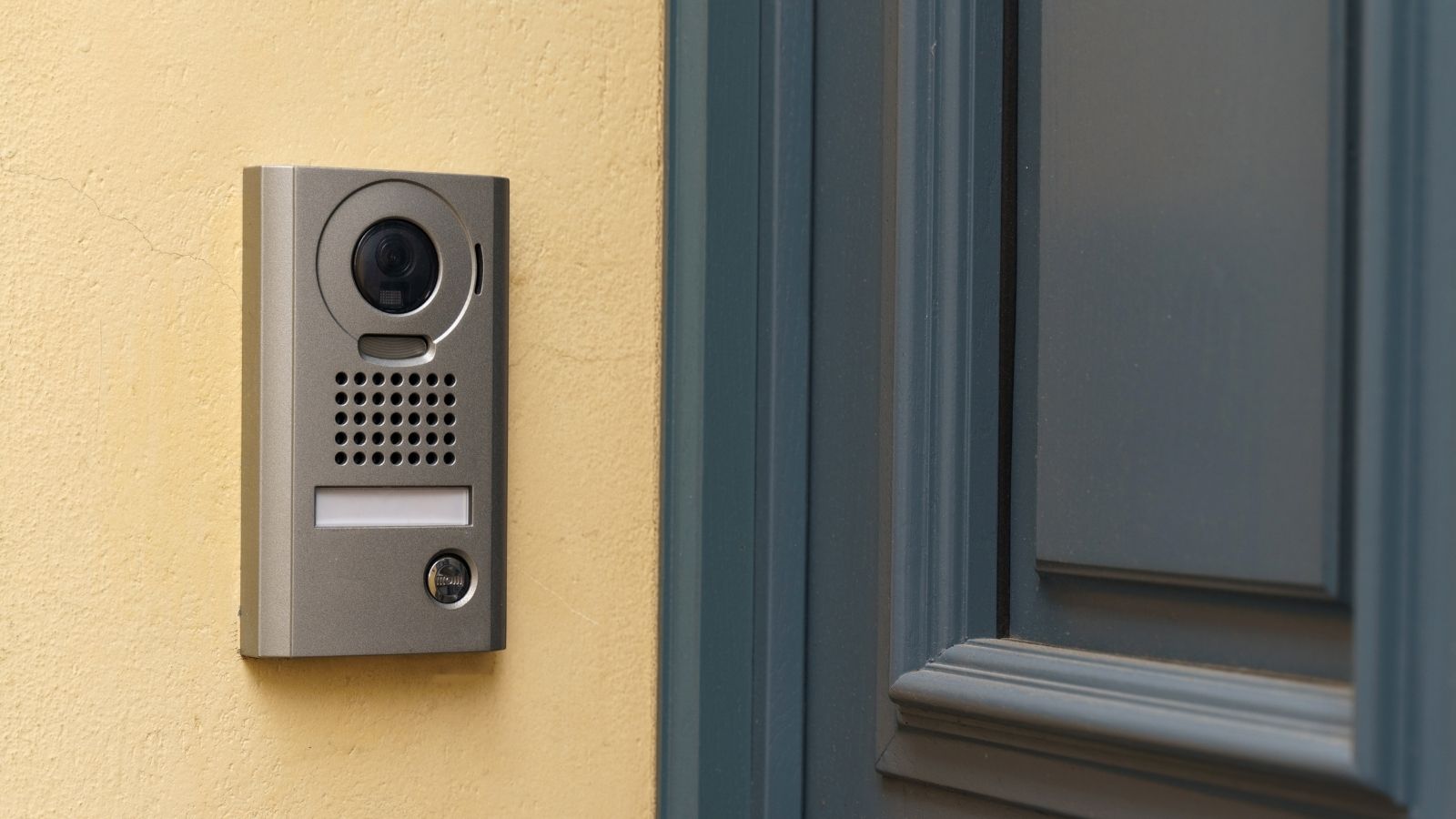
Video doorbells and connected home cameras once felt like simple safety upgrades. Now they often feel like the start of an ecosystem bill. The hardware can be expensive on its own, and the most attractive features—video history, advanced alerts, richer AI tools, or easier search—can be limited or improved by a recurring plan. That is when the category stops feeling like a one-time purchase and starts feeling like a small service contract attached to the front door.
The shift is noticeable because alternatives have become clearer. Some competitors now emphasize local storage and no monthly fees, which makes premium subscription-linked systems look less automatic than they once did. Ring’s newer hardware is capable, polished, and easy to recommend to people who want convenience, but convenience now comes with a sharper value question. How much should a household spend just to know who walked up the porch three hours ago? For families handling frequent deliveries or keeping an eye on a vulnerable entryway, the answer may still be “quite a bit.” For others, especially apartment renters or people in low-traffic homes, the cost feels harder to defend when cheaper wired solutions, local-storage alternatives, or even ordinary peepholes and better outdoor lighting still solve much of the same problem.
Mesh Wi-Fi Systems
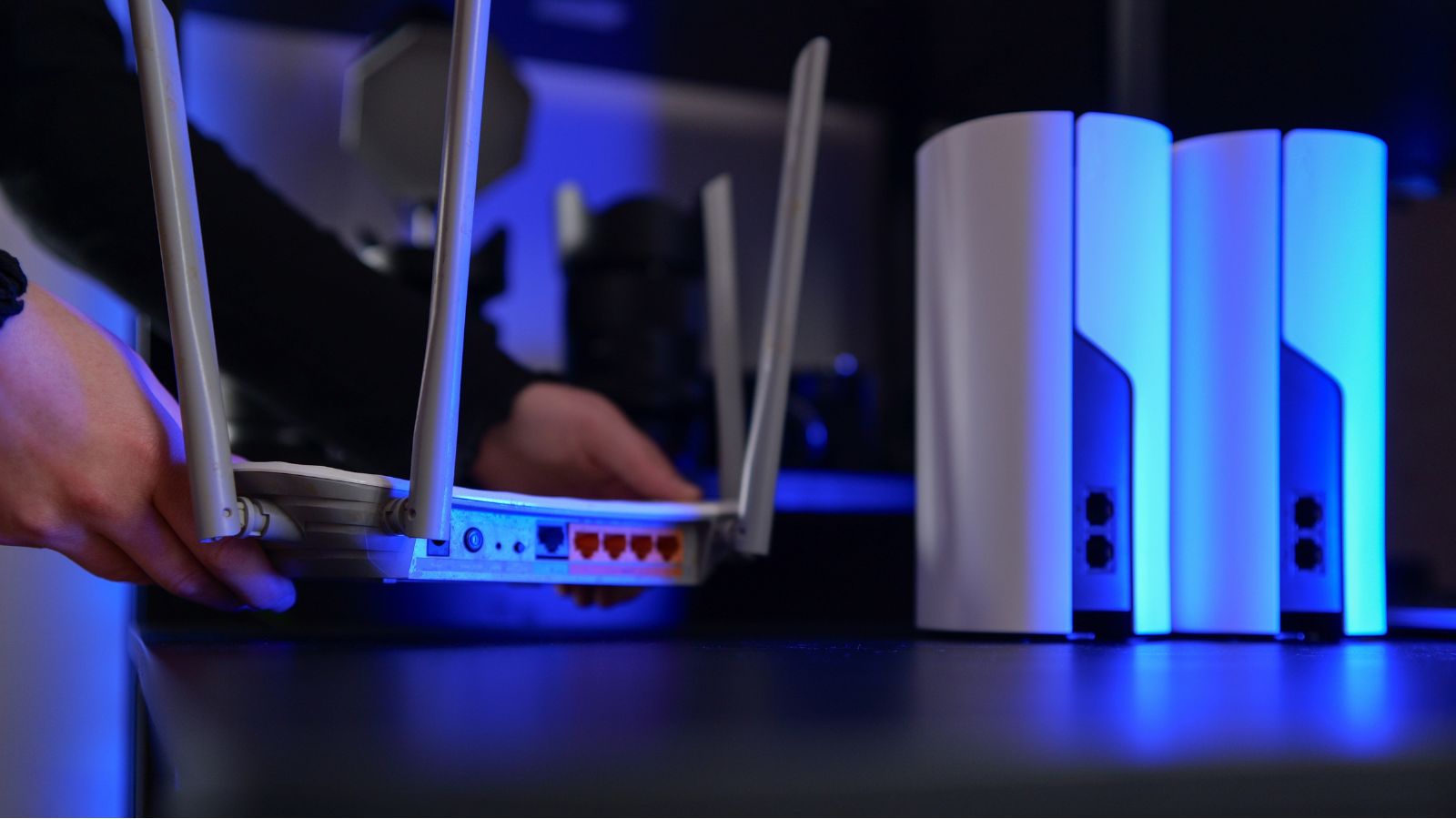
Mesh Wi-Fi systems became popular by promising to eliminate dead zones and finally make the entire home feel connected. In large or awkwardly built homes, they still do that very well. The problem is that the category has crept upward in both complexity and cost. Premium mesh kits now sell not just coverage, but speed tiers, extra security tools, parental controls, identity features, and subscription add-ons. For buyers with genuine networking problems, that package can be helpful. For everyone else, it often feels like paying enterprise-style money to fix a problem they may not actually have.
This matters because many households do not need top-tier mesh. They need decent router placement, maybe one extra node, and a realistic understanding of how much internet they actually use. A premium three-pack can look sensible on a product page and excessive once installed in a modest apartment or average suburban home. The optional subscription layer makes the price conversation even more sensitive, because buyers can feel nudged into ongoing spending after already paying a premium upfront. Mesh is still the right answer for multi-floor homes, thick walls, or families with many simultaneous users. But in smaller spaces, its high-end versions increasingly feel like a sophisticated solution in search of a severe problem.
Portable Projectors
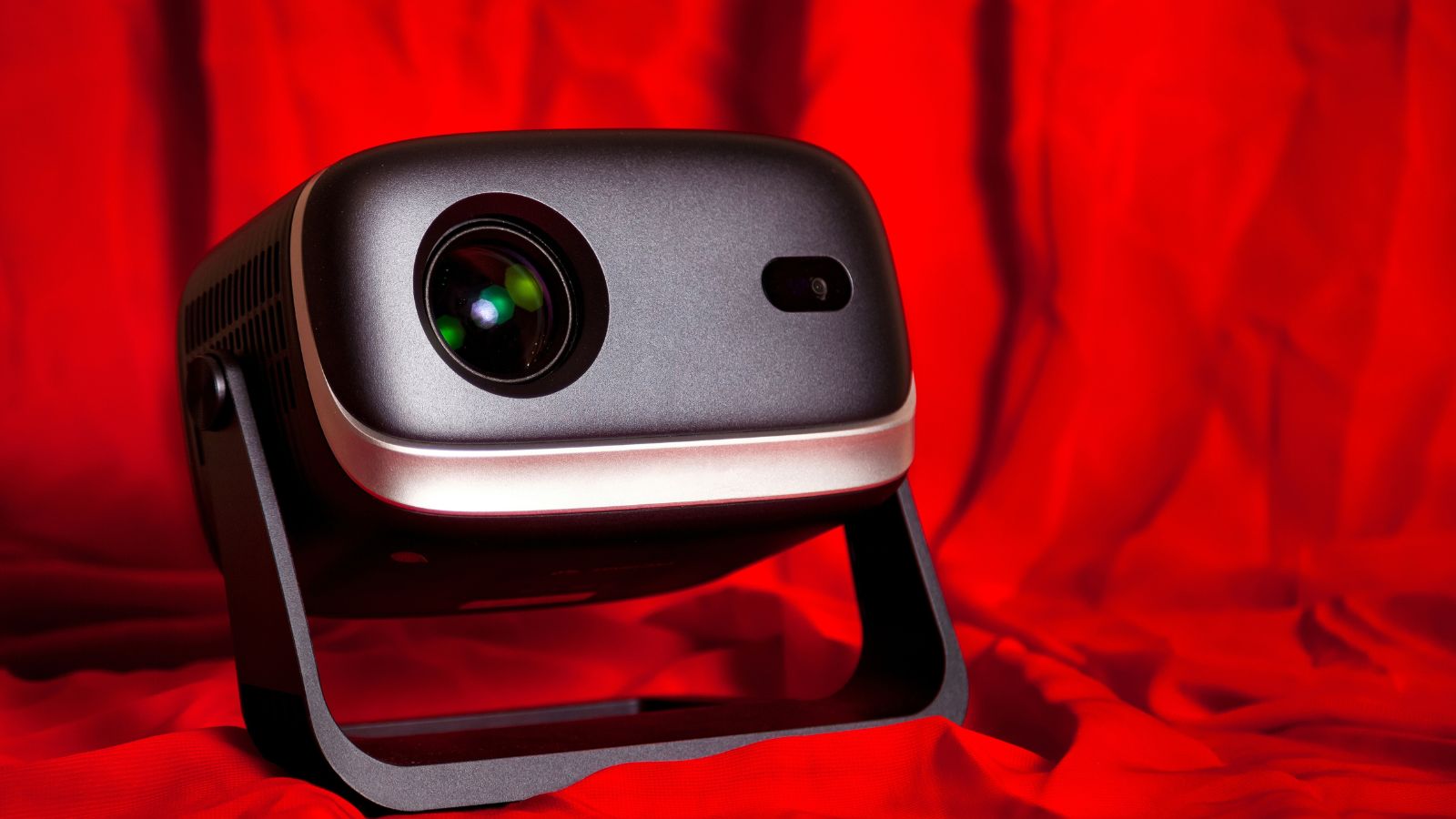
Portable projectors sell a dream far bigger than their footprint: a backyard movie, a spontaneous bedroom cinema, a vacation wall turned into a screen. That dream still works, but the value proposition has become more complicated. Once prices move high enough, buyers begin comparing a portable projector not with other tiny projectors, but with large televisions that are brighter, simpler, and easier to use. That comparison is brutal for the projector, because portability only matters if the owner truly moves it often.
Brightness is the quiet deal-breaker in this category. Many portable models are clever, compact, and beautifully designed, yet they still work best in controlled lighting. That means the fantasy of “watch anywhere” often becomes “watch mostly in the dark.” Battery life and streaming limitations can create more friction, too. The devices are not bad; in fact, some are surprisingly impressive for their size. But they can feel like expensive compromise machines when a budget TV delivers a brighter, cleaner, lower-effort experience in the same home. Portable projectors still make sense for campers, frequent renters, and people who genuinely value flexible screen size over plug-and-play simplicity. For ordinary living rooms, though, their charm is easier to admire than justify.
Dedicated Car GPS Units

Dedicated car GPS units now occupy a strange place in consumer tech because they still work very well while feeling almost unnecessary. Modern units from Garmin remain feature-rich and easy to read, and there are still drivers who prefer a dedicated screen on the dash. But smartphones and navigation apps have become brutally competent. Turn-by-turn directions, live traffic, rerouting, lane guidance, hazard alerts, and business listings all live in tools people already carry in their pockets. That makes a separate navigation purchase much harder to defend than it was a decade ago.
The case for buying one now is usually practical rather than mainstream. Some drivers want a larger display, dislike relying on mobile signal plans, or spend enough time on the road to appreciate a dedicated device that is always there and always charged in the car. Fleet users, older drivers, and road-trippers can still make a solid argument. But for the average person, a dedicated GPS often feels like paying extra for a function the phone already handles very well. It is not that the product category became poor. It is that the smartphone swallowed its core value proposition. Once that happened, these devices stopped being obvious essentials and became specialized tools, which naturally makes their price much harder to justify for general consumers.
Action Cameras

Action cameras remain terrific at what they do, but what they do is no longer universally necessary. That is the heart of the problem. If someone surfs, bikes aggressively, dives, skis, mounts cameras to helmets, or shoots stabilized travel footage in rough conditions, a GoPro-style device still makes obvious sense. Outside those use cases, though, modern smartphones have eaten away at the category’s urgency. Many people already carry a camera that is good enough for casual outdoor video and much better for everything else.
That leaves action cameras relying on durability, mounting flexibility, ultra-wide capture, and creator-specific features to justify their cost. Those are real advantages, yet they become expensive once accessories and optional subscriptions enter the picture. A person buying the camera often ends up buying batteries, mounts, cases, replacement parts, or cloud services too. The total spend can drift far past the price printed on the box. For dedicated creators and sports enthusiasts, that is still normal. For a vacationer who wants a few beach clips each year, it is much harder to defend. The device can be excellent and still feel nonessential. In today’s pricing environment, that distinction matters more than ever.
Digital Photo Frames

Digital photo frames have become much nicer than their clunky earlier versions. Good ones now look elegant, sync easily from phones, and can serve as warm, constantly updating family displays rather than techy novelties. Even so, they remain hard to justify at premium prices because they solve a sentimental problem, not a functional one. That is not nothing, but it does put a ceiling on how much most households want to spend.
The category also runs into competition from devices people already own. Old tablets, small monitors, shared albums on TVs, and even rotating smart-display screens can cover similar emotional ground. Premium photo frames respond by emphasizing setup simplicity, better displays, cloud sharing, and no-subscription storage. Those strengths are meaningful, especially for gifting grandparents or connecting far-flung families. Yet the purchase still feels discretionary in the purest sense. It is lovely, not urgent. That makes the price feel heavier than it would for a device tied to work, security, or communication. In a stronger economy, many buyers might not think twice. At current prices, a digital frame often lands in the “wonderful present, difficult self-justification” category.
Robot Vacuums With Full-Service Docks

Robot vacuums have matured into genuinely useful appliances, and the best ones are far more capable than their reputation from a few years ago. The difficulty is that the top of the market now asks for a startling amount of money. Once a vacuuming robot approaches the price of a major appliance—or several very good ordinary vacuums—the emotional threshold changes. Consumers stop asking whether it is convenient and start asking whether it is rational.
That question is sharper because the broader category has become crowded. There are now strong midrange and budget robots that handle daily debris well enough for many homes. The most expensive models justify themselves with self-emptying docks, mop washing, object recognition, better edge cleaning, and smarter automation. Those upgrades are valuable, especially in busy homes with pets, kids, or mobility constraints. But they are also the sort of conveniences whose worth varies wildly by household. One family may see life-changing relief. Another may still need to vacuum manually often enough that the premium feels excessive. Robot vacuums are no longer frivolous toys. The most expensive robot vacuums, however, can still feel like the point where convenience starts charging luxury prices.
19 Things Canadians Don’t Realize the CRA Can See About Their Online Income

Earning money online feels simple and informal for many Canadians. Freelancing, selling products, and digital services often start as side projects. The problem appears at tax time. Many people underestimate how much information the CRA can access. Online platforms, banks, and payment processors create detailed records automatically. These records do not disappear once money hits an account. Small gaps in reporting add up quickly.
Here are 19 things Canadians don’t realize the CRA can see about their online income.
