Not long ago, everyday technology felt expensive mainly at checkout. Now the more frustrating pattern is what happens after the purchase: the upgrades, add-ons, service tiers, storage limits, repair fees, and recurring subscriptions that turn ordinary devices into long-term budget items. What once looked like a simple phone, printer, camera, or software purchase increasingly comes with a second price tag attached to convenience.
These 15 costs capture how modern tech became harder to own cheaply even when the hardware itself still looks familiar. Some increases are obvious, like pricier phones and streaming plans. Others are quieter, hiding in accessory purchases, device protection, cloud storage, and the monthly charges attached to features that used to feel included by default.
Smartphones That No Longer Feel Like Routine Replacements

The smartphone market has shifted in a way that makes everyday upgrades feel less casual. Counterpoint reported that the global smartphone average selling price moved above $400 in a quarter for the first time in late 2025, a sign that premium pricing is no longer confined to only the top-end niche. Even when buyers avoid flagship extremes, current retail examples still land high enough to sting. Apple’s current iPhone pricing in the Philippines places mainstream models well above impulse-buy territory, while Samsung’s latest Galaxy S25 line starts in the same expensive neighborhood.
That matters because phones are no longer occasional luxuries; they are the default camera, wallet, travel pass, work terminal, and family computer for millions of people. A decade ago, many households could treat a phone replacement as a manageable expense every few years. Now even staying in the middle of the market can mean spending an amount that feels more like buying an appliance than replacing a pocket tool. The emotional shift is part of why the cost feels so out of hand: people are paying premium money for something that has become basic infrastructure.
Built-In Storage That Turns a Small Upgrade Into a Big Bill

One of the quietest price jumps in consumer tech is the storage step-up. On paper, moving from a lower-capacity phone to the next tier sounds modest. In practice, the gap can be large enough to change the entire buying decision. Apple’s current iPhone store listings in the Philippines show a substantial jump between 128GB and 256GB configurations, and Samsung’s Galaxy S25 pricing also shows a noticeable premium for moving from 256GB to 512GB.
That upgrade feels increasingly unavoidable because modern phones carry more weight than they used to. High-resolution photos, 4K video, downloaded playlists, offline maps, games, and messaging apps all compete for the same storage. Many people discover the real cost only when the lower-capacity model starts feeling cramped far sooner than expected. What makes the charge especially frustrating is that storage upgrades are often among the least visible prices during marketing campaigns, yet they are the ones that can add thousands in local currency or well over $100 elsewhere without changing the phone’s everyday look or feel.
Chargers and Basic Accessories That Became Separate Purchases
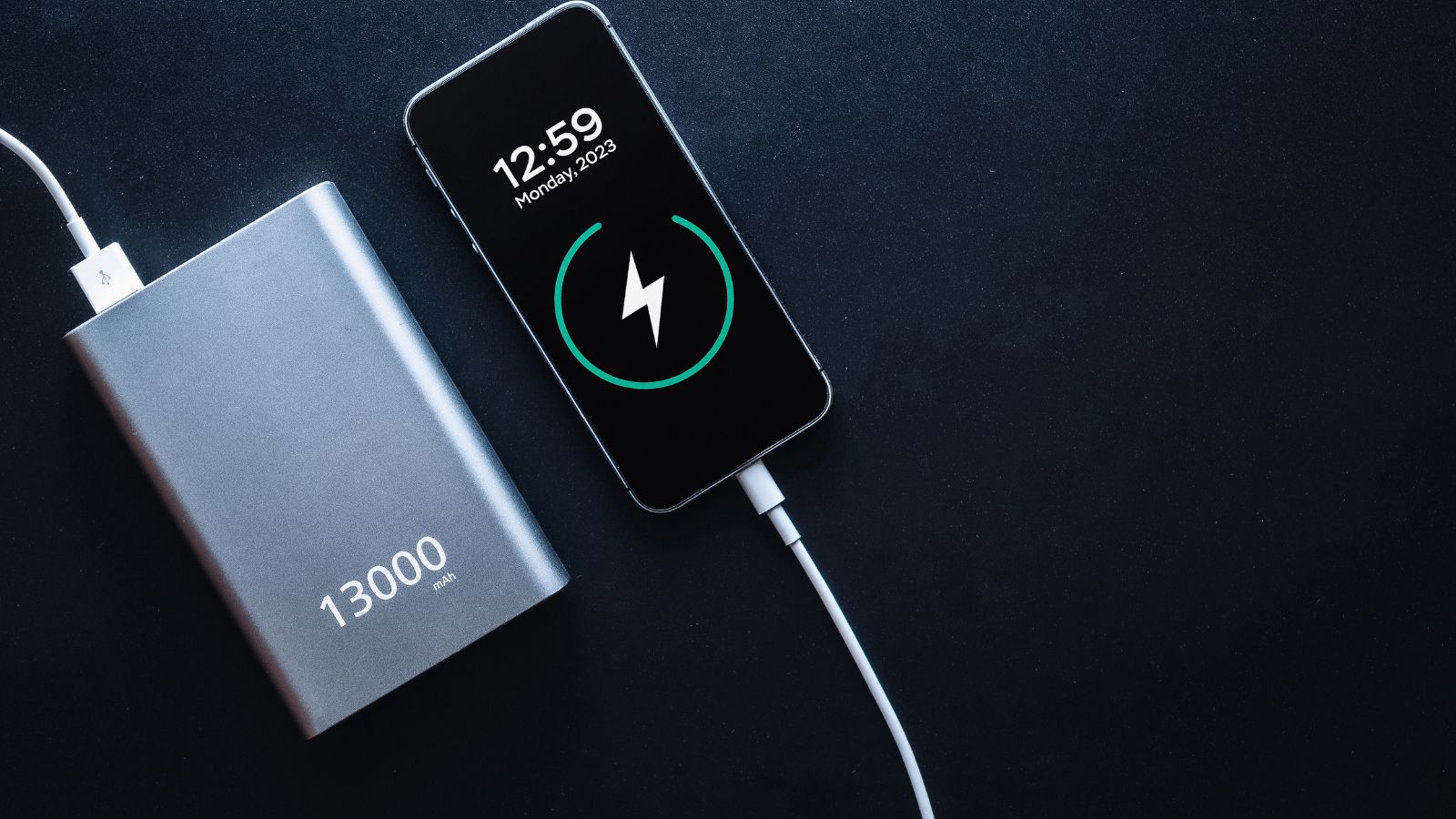
Buying a new phone used to mean getting most of what was needed in the box. That is no longer a safe assumption. Apple’s current iPhone 16e technical specifications state that the device ships without a power adapter, and Apple separately sells a 20W USB-C power adapter in the Philippines for ₱1,190. That may not sound enormous next to a phone’s full retail price, but it changes the psychology of the purchase. A device that already costs a lot still asks for more to deliver the charging experience many buyers expect on day one.
The same pattern shows up across the accessory ecosystem. A shopper trying to match a new device with fast charging, wireless charging, replacement cables, earbuds, or a more travel-friendly setup can end up adding several line items after already paying flagship-level money. None of these costs feel dramatic in isolation, which is exactly why they slip through so easily. The problem is cumulative: when the essentials are no longer treated as essentials, the “real” entry price of a new phone starts drifting well above the headline number that drew attention in the first place.
Device Protection Plans That Turn Peace of Mind Into Another Subscription
Extended coverage used to feel like an optional retail upsell. It now looks more like a standard layer in the modern device budget. Apple’s current AppleCare One offering starts at $19.99 a month for up to three Apple devices, with another $5.99 a month for each added product. Apple also lists service fees and deductibles on covered repairs and theft-and-loss claims, meaning protection does not eliminate out-of-pocket costs so much as change their shape.
That structure reflects a larger shift in tech spending. Consumers are not only paying more for the devices themselves; they are also nudged toward paying continuously to reduce the risk of what would happen if those expensive devices break, get stolen, or need support. For households with multiple phones, tablets, watches, and laptops, protection can start resembling another utility bill. The irony is hard to miss: the more costly and essential devices become, the more reasonable insurance feels, which in turn makes it easier for the total cost of ownership to rise without much resistance.
Smartwatch Connectivity That Adds a Monthly Fee to a Wrist Gadget

Smartwatches are often sold as companions to healthier, more convenient lives, but their most independent features usually cost extra. Verizon’s smartwatch plan information says connected devices sharing monthly data can incur a $10 monthly line access fee. That means the appeal of leaving the phone at home for a run, taking calls from the wrist, or using always-on cellular tracking often comes with a recurring charge on top of the cost of the watch itself.
What makes this feel outsized is the mismatch between the product’s size and its long-term expense. A watch looks like a modest add-on beside a phone, but cellular capability can quietly add $120 a year before taxes and fees. On top of that, smartwatch buyers are often already paying for a high-end phone plan. So the “small” convenience of independent connectivity becomes an extra subscription layered onto an existing subscription. It is a perfect example of how modern tech pricing works: the hardware gets the spotlight, but the service fee is where the cost begins to linger.
Home Internet Bills Filled With Charges Beyond the Advertised Price
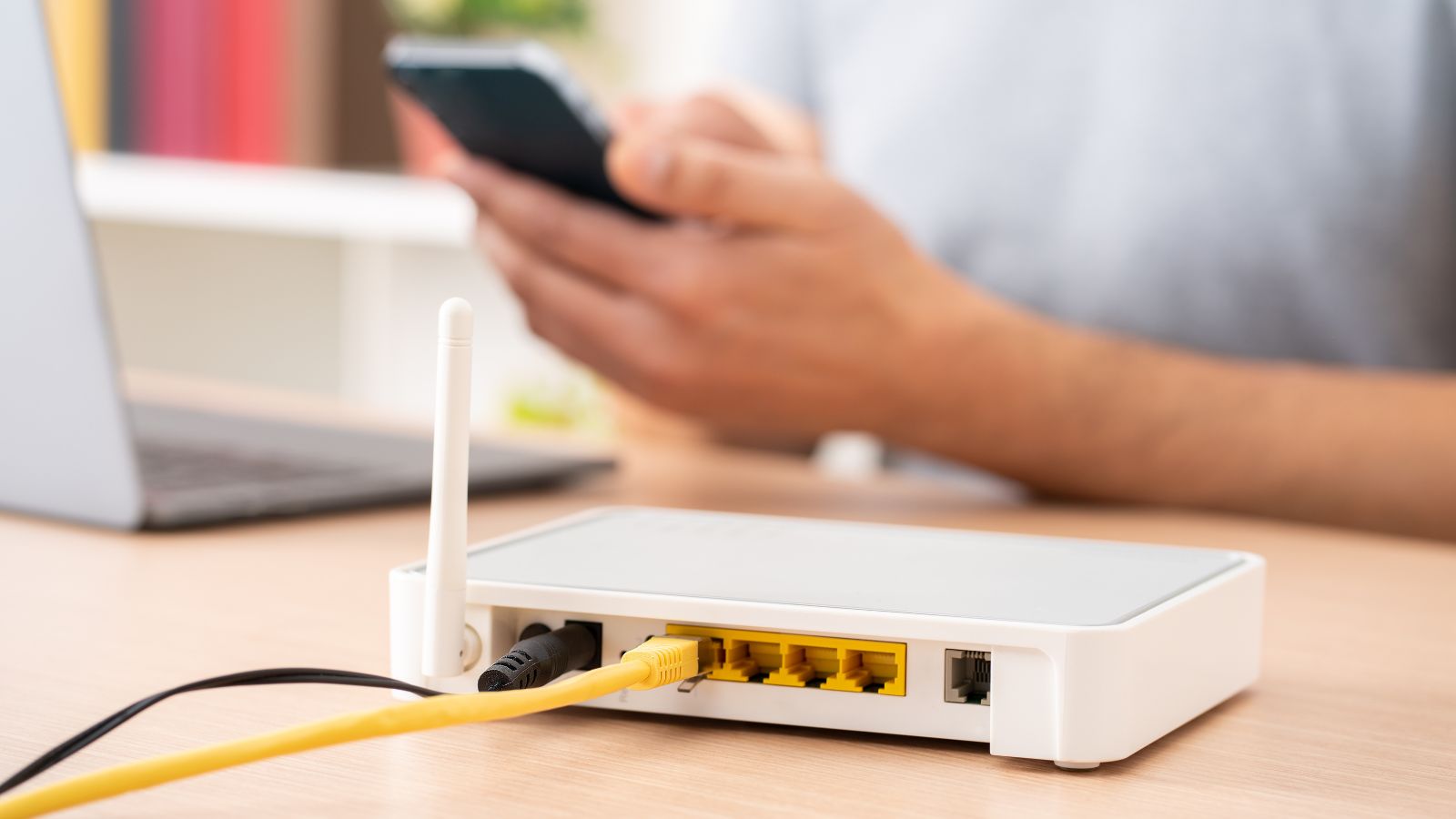
Home internet pricing has become a lesson in reading the fine print. The FCC’s broadband label system was designed specifically to make monthly prices, additional charges, and terms easier to compare, which says something by itself about how cluttered internet billing had become. AT&T’s support materials explain that these labels include additional charges based on location, while Xfinity’s own broadband facts guidance says the section can include installation, equipment rental, activation, and mobile line fees.
For households, that means the advertised monthly price may be only the starting point of the conversation. Equipment costs, one-time setup fees, and other service-related charges can make internet feel less like a stable utility and more like an airline fare that expands at checkout. The frustration is magnified because broadband is no longer optional for work, school, entertainment, banking, or basic communication. When the service is indispensable, consumers have less room to walk away. That is why even relatively ordinary internet charges can feel excessive: they are recurring, hard to avoid, and too often disconnected from the price people thought they were signing up for.
Cloud Storage That Starts Cheap and Slowly Becomes Permanent
Cloud storage is one of the most effective small-charge businesses in tech because it usually begins just after a person has run out of room. Apple’s iCloud+ pricing shows the classic ladder: a free tier, then paid steps upward as photos, backups, and files multiply. Google One does much the same, with official pricing that puts 100GB at $1.99 a month and 2TB at $9.99. Microsoft 365 Personal also builds 1TB of cloud storage into a $9.99 monthly or $99.99 yearly subscription.
The problem is not that any single plan is outrageous on its own. It is that cloud storage rarely behaves like a temporary purchase. Once years of photos, device backups, family files, and shared folders depend on it, canceling becomes genuinely inconvenient. That turns a manageable monthly fee into a permanent household cost. In many homes, one person pays for iCloud, another for Google storage, and another through Microsoft 365, often without treating the total as one combined number. Quietly, a few dollars here and there become a standing bill that follows the family from device to device with no obvious end date.
Streaming Entertainment That Keeps Repricing Familiar Habits
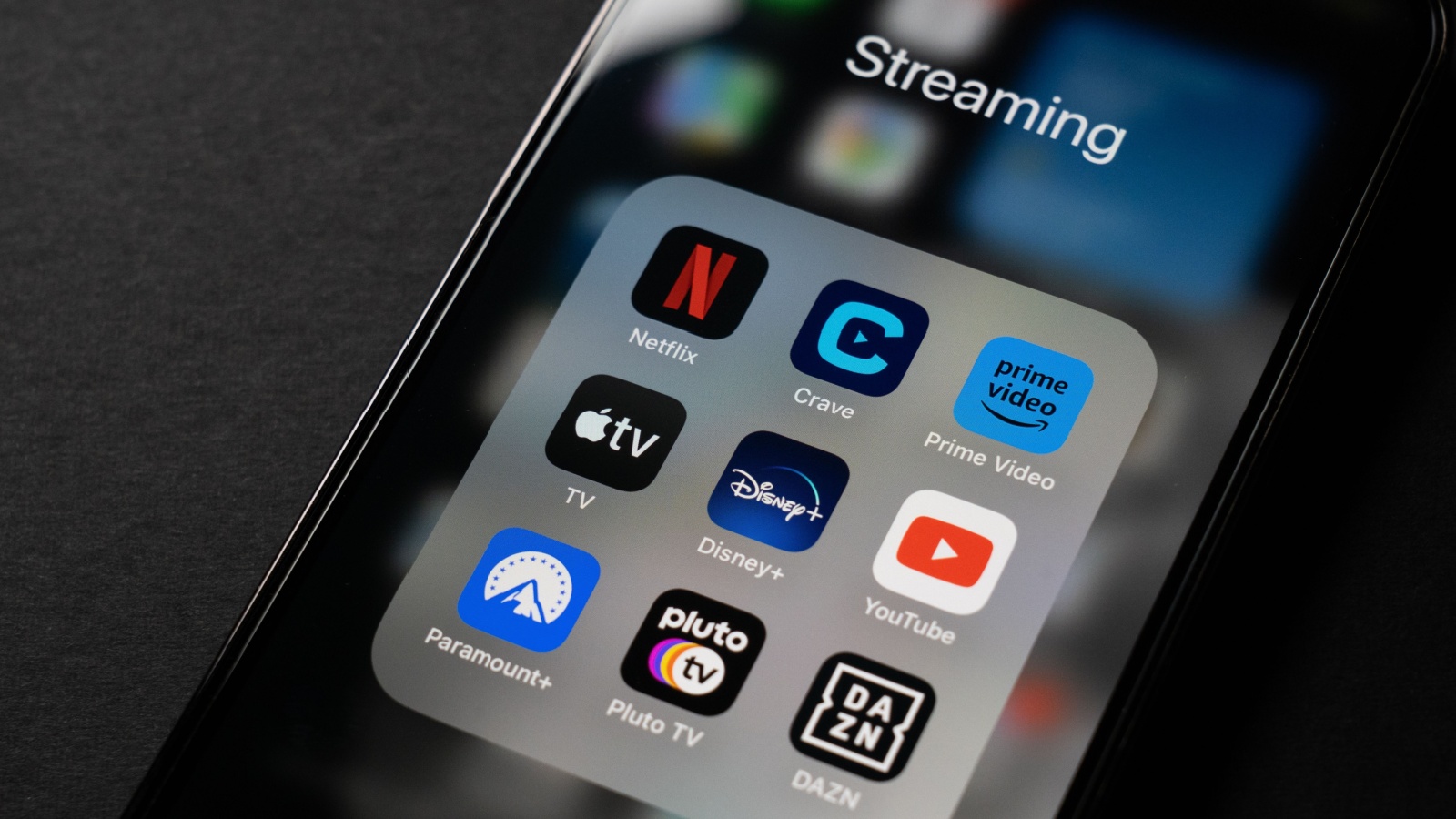
Streaming was once marketed as the cheaper, cleaner alternative to bloated cable bundles. The current landscape is much more layered. Netflix now lists U.S. plans ranging from $8.99 a month with ads to $26.99 for Premium, after another round of price increases. HBO Max lists separate Basic with Ads, Standard, and Premium plans, and Disney+ continues to segment its offering by plan level and region. What looked like one simple subscription model has become a menu of tiers, bundles, add-on members, and ad-free premiums.
That shift matters because streaming is no longer a novelty purchase. It is where a huge share of everyday entertainment lives. Families do not usually subscribe to one service and stop there, either. They rotate, stack, forget to cancel, and keep a few “must-have” platforms year-round. The old promise was predictable value; the new reality is careful subscription management. Once a household wants major originals, sports access, children’s programming, and ad-free viewing, the monthly total can start resembling the kind of media bill streaming was supposed to simplify away.
Utility Apps That Switched From One-Time Tools to Recurring Charges

The app economy has normalized recurring billing so thoroughly that even small utility apps now often behave like mini subscription businesses. Apple’s own developer documentation describes auto-renewable subscriptions as ongoing access to premium content or features that continue until canceled. Google Play’s subscription guidance mirrors that structure, framing recurring fees as a standard way for apps to charge for digital services. Apple has even introduced monthly subscriptions with a 12-month commitment, which shows how deeply this model is now built into platform strategy rather than treated as a niche option.
That broader shift shows up in consumer spending. Sensor Tower reported that global spending across iOS and Google Play reached $150 billion in 2024, including subscriptions, in-app purchases, and paid apps. That number helps explain why people increasingly run into paywalls for note-taking tools, scanners, fitness trackers, weather features, photo cleanup, and productivity extras. A few dollars a month sounds manageable until half a dozen “small” utilities renew in the same period. At that point, the question is no longer whether any one app is worth it; it is whether the stack of them still feels remotely proportional to what they do.
Productivity and Creative Software That Never Really Becomes Fully Owned

Office software and creative tools used to be easier to budget because the spending cycle was slower and more discrete. Now the default assumption is ongoing rent. Microsoft lists Microsoft 365 Personal at $9.99 a month or $99.99 a year, while higher-tier personal plans climb further. Adobe’s photography plans and wider Creative Cloud offerings continue the same logic, with monthly billing attached to tools that many people use for school, freelancing, family photos, side businesses, or office work.
The pain point is not just price; it is dependency. These are not whimsical entertainment purchases for many users. They are the tools that open documents, manage spreadsheets, edit images, send invoices, build presentations, and keep work moving. That makes them harder to cancel even when the value calculation starts to feel strained. A household or solo professional can accept the charge because it is “necessary,” then stop noticing how much necessity costs over a full year. In that sense, productivity software has become one of the clearest examples of modern tech inflation: everyday capability now arrives as a perpetual meter rather than a product that feels fully paid for.
Gaming Memberships That Gate Online Play and Pile On Extras

Game consoles once had a straightforward math problem: buy the machine, buy the game, start playing. Today, the subscription layer is hard to ignore. Sony’s PlayStation Store lists PlayStation Plus Essential at $79.99 for 12 months, while Sony’s own support pages cite Premium at $159.99 a year in upgrade examples. Xbox promotes Game Pass plans starting at $9.99 a month, and Nintendo’s membership system charges recurring fees even for basic online participation. The result is a gaming market where access itself is increasingly tiered.
That would be easier to accept if subscriptions only unlocked extras. But in many cases, online multiplayer for paid games still depends on having one. Families that own multiple consoles or want broader libraries can end up carrying several separate memberships at once. The pitch is generous on paper: catalogs, discounts, cloud saves, trials, classic titles. Yet the emotional reality is different. What feels expensive is the sense that ownership no longer guarantees full use. The console is bought, the game is bought, and then the customer is still nudged toward another annual fee just to make the experience feel complete.
Smart-Home Cameras That Keep Charging After the Hardware Is Installed
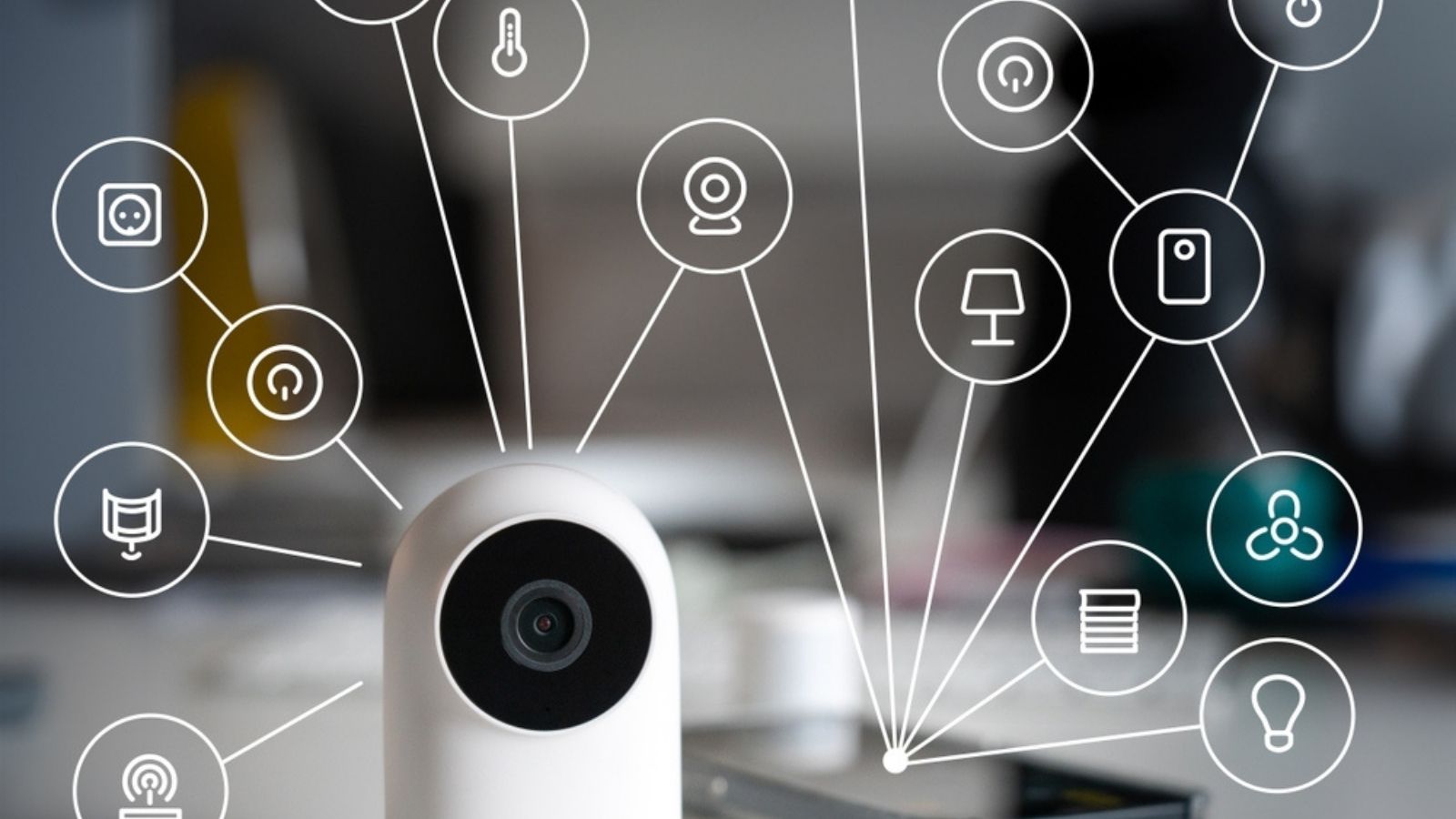
Home security tech has become a textbook example of the modern subscription trap. The camera or doorbell gets purchased once, but the most useful features often live behind an ongoing plan. Ring’s current plan structure in Australia ranges from a lower-cost single-device option to more expensive whole-home and premium tiers. Google’s reworked Home Premium offering similarly places recorded video history and newer AI-powered capabilities behind subscriptions, with official materials listing Standard and Advanced pricing levels.
This changes how consumers experience smart-home purchases. The hardware may still work without a plan, but many of the reasons people bought it in the first place, such as extended video history, intelligent alerts, searchable events, and richer notifications, are weaker or absent without recurring payment. That makes the camera feel less like a durable product and more like an entry ticket into a service ecosystem. Over time, households discover that the sticker price on the device was only the opening number. The real cost is the continuing fee required to make the system feel fully useful and reassuring.
Printer Ink That Makes Cheap Printers Feel Like a Financial Trick
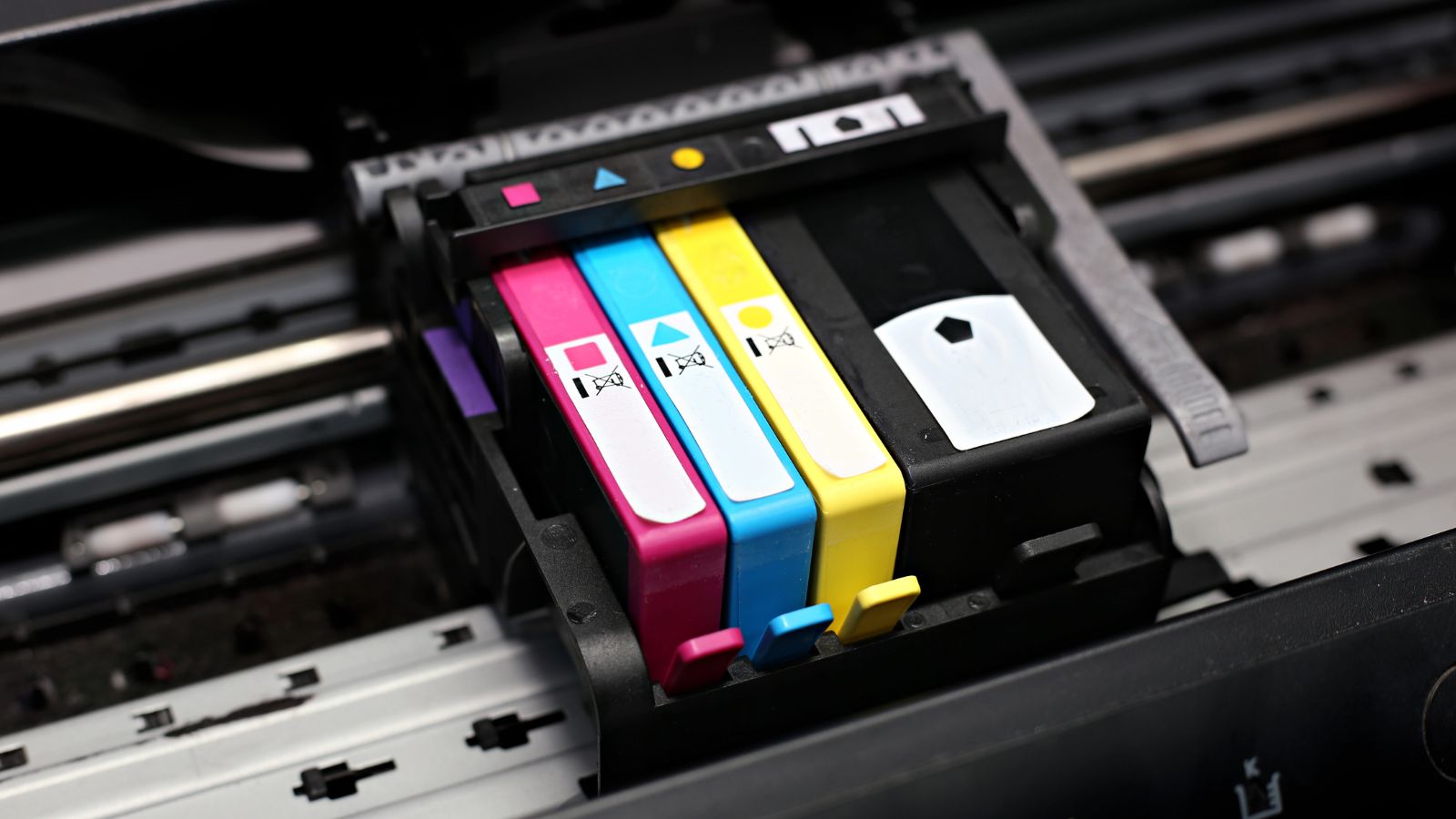
Printer pricing still catches people because the hardware often looks affordable right up until the ink bill arrives. Consumer Reports notes that a typical black-and-white laser printer may cost about $15 a year to run in toner, while an inkjet can cost five times as much. HP continues to market Instant Ink as a subscription service, with official plans starting at $1.79 a month, while Epson pushes tank-based systems partly on the promise that replacement ink can save users up to $1,000 versus cartridges.
That says everything about the business model. The cheap printer is frequently not the cheap choice over time. Households buy one for school forms, shipping labels, photos, or occasional work documents, then discover that light use can still become costly because cartridges dry out, run low quickly, or need replacement at awkward times. Even people who print only once in a while can end up feeling punished by the economics. Few tech purchases create this much resentment per page, which is why printer ink remains one of the clearest examples of a familiar everyday cost that somehow never stopped getting worse.
Repairs That Cost More Because Devices Remain Hard to Fix
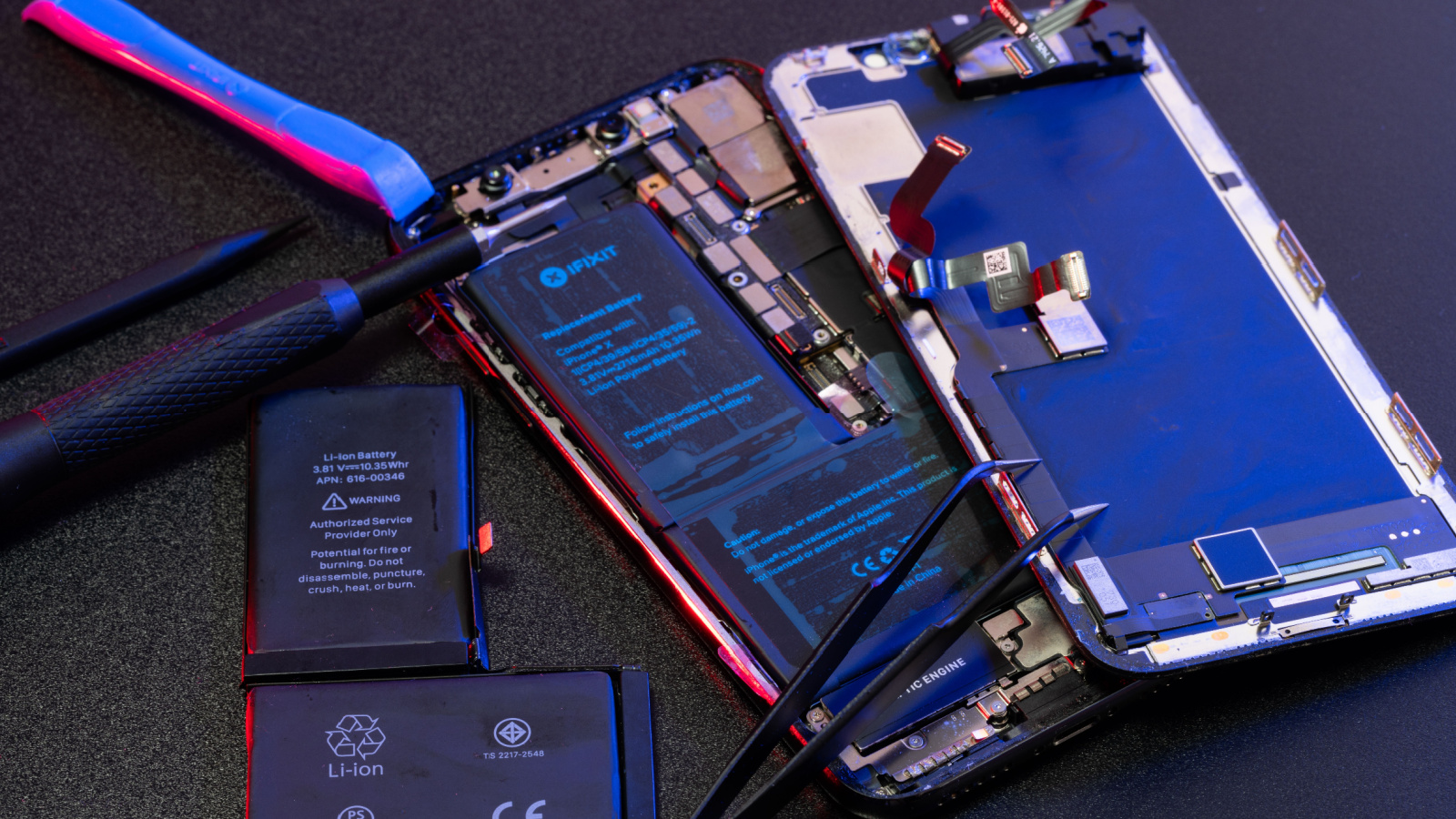
Repair has become expensive not only because parts and labor cost money, but because many devices are still designed in ways that make straightforward fixes harder than they should be. U.S. PIRG’s 2026 “Failing the Fix” report continues to track repairability across major phone and laptop brands, and iFixit maintains repairability scores specifically to show how difficult current devices can be to open, service, and restore. The FTC has also acknowledged the broader problem of repair restrictions limiting consumer choice.
For buyers, the result is a familiar cycle: a cracked screen, battery issue, hinge problem, or camera failure can trigger a repair bill large enough to make replacement feel tempting. That is the part that makes repair costs feel out of hand. Consumers are not just paying for the fix; they are paying for a system in which durability, spare parts access, tool requirements, and service options remain uneven. When repairability is poor, every accident carries more financial weight. And when people know that in advance, they are more likely to buy protection plans too, which turns expensive repair into yet another force pushing overall tech ownership costs upward.
AI Premium Tiers That Add a New Charge on Top of Existing Services

The newest quiet cost in consumer tech is the AI upgrade layer. Google’s official AI plans page lists Google AI Pro at $19.99 a month and AI Ultra at $249.99 a month. Microsoft has long positioned Copilot Pro at $20 per month for individual users, while its broader personal Microsoft 365 lineup also now leans heavily on AI features to justify higher-value plans. The message is becoming familiar: the base service still exists, but the smarter version lives one tier above it.
What makes this category notable is how quickly it has spread into products people already pay for. AI is not arriving as an entirely separate gadget; it is being folded into storage plans, office suites, creative tools, search, and smart-home products. That means consumers can end up paying twice over: once for the original service and again for the “enhanced” version that now includes generative features, higher usage limits, or deeper integration. The price may look optional today, but it is easy to imagine tomorrow’s standard software experience being defined by whether someone is willing to pay the AI surcharge.
19 Things Canadians Don’t Realize the CRA Can See About Their Online Income

Earning money online feels simple and informal for many Canadians. Freelancing, selling products, and digital services often start as side projects. The problem appears at tax time. Many people underestimate how much information the CRA can access. Online platforms, banks, and payment processors create detailed records automatically. These records do not disappear once money hits an account. Small gaps in reporting add up quickly.
Here are 19 things Canadians don’t realize the CRA can see about their online income.
