
Most people picture online targeting as something highly technical, built around hidden trackers, data brokers, and criminal tools most ordinary users never see. In practice, it often begins with ordinary behavior: a reused password, a public profile, a quick reply to the wrong message, or a habit of clicking first and checking later.
The real danger is not that every routine action is reckless. It is that small, familiar choices can stack into a detailed profile of someone’s routines, contacts, weak points, and likely reactions. These 17 habits show how that process happens, and why seemingly minor online behavior can make people much easier to single out.
Reusing the Same Passwords

Password reuse remains one of the simplest ways to turn one mistake into a chain reaction. When a login is exposed in one breach, attackers do not stop there. They test the same email-and-password combination across shopping sites, streaming accounts, financial tools, and social platforms. What looks like a harmless convenience habit becomes a shortcut for criminals who rely on automation and scale rather than ingenuity.
That is why this habit keeps showing up in breach analysis and consumer warnings. A stolen credential is valuable precisely because so many people still repeat themselves across services. Once one account opens, the rest can follow quickly, especially when saved payment methods, order histories, and personal messages are sitting behind the login. A single weak point can become the beginning of identity theft, account takeover, or a convincing impersonation campaign aimed at family members and coworkers.
Leaving MFA Turned Off
A password by itself no longer counts as much of a barrier. Phishing pages can capture it, malware can steal it, and old breach databases can recycle it. Multifactor authentication adds a second checkpoint, which is why criminals prefer accounts that still rely on only one factor. When MFA is missing, the attacker’s job gets easier in a very literal way: one successful guess or one convincing fake login page may be enough.
This habit often survives because MFA feels slightly inconvenient until the day it matters. People postpone it on email accounts, social media, and shopping platforms because those logins do not seem “important enough.” But attackers often start with the easier account and work outward from there. A compromised retail login might reveal an address; a compromised social profile might reveal contacts; a compromised email account can become the reset hub for everything else. Leaving MFA off does not create risk from nothing, but it strips away one of the most effective buffers people have.
Treating Email Like Just Another Account

Email is still the command center of modern online life, yet many people protect it no better than a low-stakes forum account. That is a dangerous mismatch. If someone gets into an inbox, they can search receipts, intercept security alerts, request password resets, and often lock the real owner out before the damage is even obvious. An email account is not simply another login; it is often the key ring.
That is what makes weak email hygiene such a costly habit. A person might be careful with banking apps and still leave the inbox tied to them underprotected, old, or cluttered with years of sensitive records. Once attackers are inside, they do not need to guess much. They can read travel confirmations, subscription notices, shipping emails, and password-reset links that point directly to other valuable accounts. Many victims discover the seriousness of email compromise only after multiple services begin falling in sequence, which is why security experts consistently treat inbox protection as foundational rather than optional.
Letting Old Accounts Pile Up

Dormant accounts rarely feel urgent. They belong to stores no longer used, apps downloaded once, newsletters never opened, and platforms that faded from daily life years ago. But forgotten accounts do not become harmless just because they are forgotten. In many cases, they become less watched, less updated, and less likely to have strong security turned on, which makes them easier to compromise and easier to exploit quietly.
There is also a practical reason criminals like neglected accounts: they often contain the same personal details people would hesitate to post publicly today. Old addresses, phone numbers, payment fragments, and reused passwords tend to linger in places no one thinks to revisit. Even when the account itself does not seem valuable, it can still provide intelligence for impersonation, credential stuffing, or account recovery attacks elsewhere. Digital clutter has a security cost, and the longer it sits unattended, the more useful it can become to someone looking for an easy foothold.
Keeping Social Profiles Wide Open
Many people still treat public-facing social profiles as harmless introductions rather than searchable dossiers. A visible friends list, public posts, tagged family members, and open comment history can reveal far more than intended. It gives scammers a working map of relationships, interests, routines, and emotional entry points. The profile stops being a snapshot and starts becoming targeting material.
This is part of why open profiles are so attractive to fraudsters and impersonators. They do not need to invent believable details when a target has already published them. A scammer can mention a hometown, a recent event, a hobby, or a child’s name and instantly sound more real. Social platforms also make it cheap and easy to distribute targeted messages or ads at scale. The more a profile reveals, the less guesswork is required. In that sense, public visibility is not merely a privacy choice; it is often a targeting aid handed over in advance.
Posting Too Many Personal Clues
Not every risky post looks risky. A birthday tribute, a pet photo with a caption, a school celebration, or a nostalgic “first car” post may feel warm and ordinary. But attackers do not read personal details the way friends do. They read them as clues. Pieces of trivia that seem scattered and harmless can overlap with security questions, password habits, or social-engineering scripts in ways that make a target easier to approach convincingly.
That is what makes oversharing so deceptive. The problem is usually not one dramatic disclosure, but a steady trail of usable context. A criminal who learns a person’s pet name, family structure, job title, and weekend patterns may not need much more to craft a believable message or guess an account recovery answer. Public information does not stay neatly separated by platform, either. Once details are available online, they can be collected, cross-referenced, and reused far beyond the audience they were originally meant for.
Sharing Location in Real Time
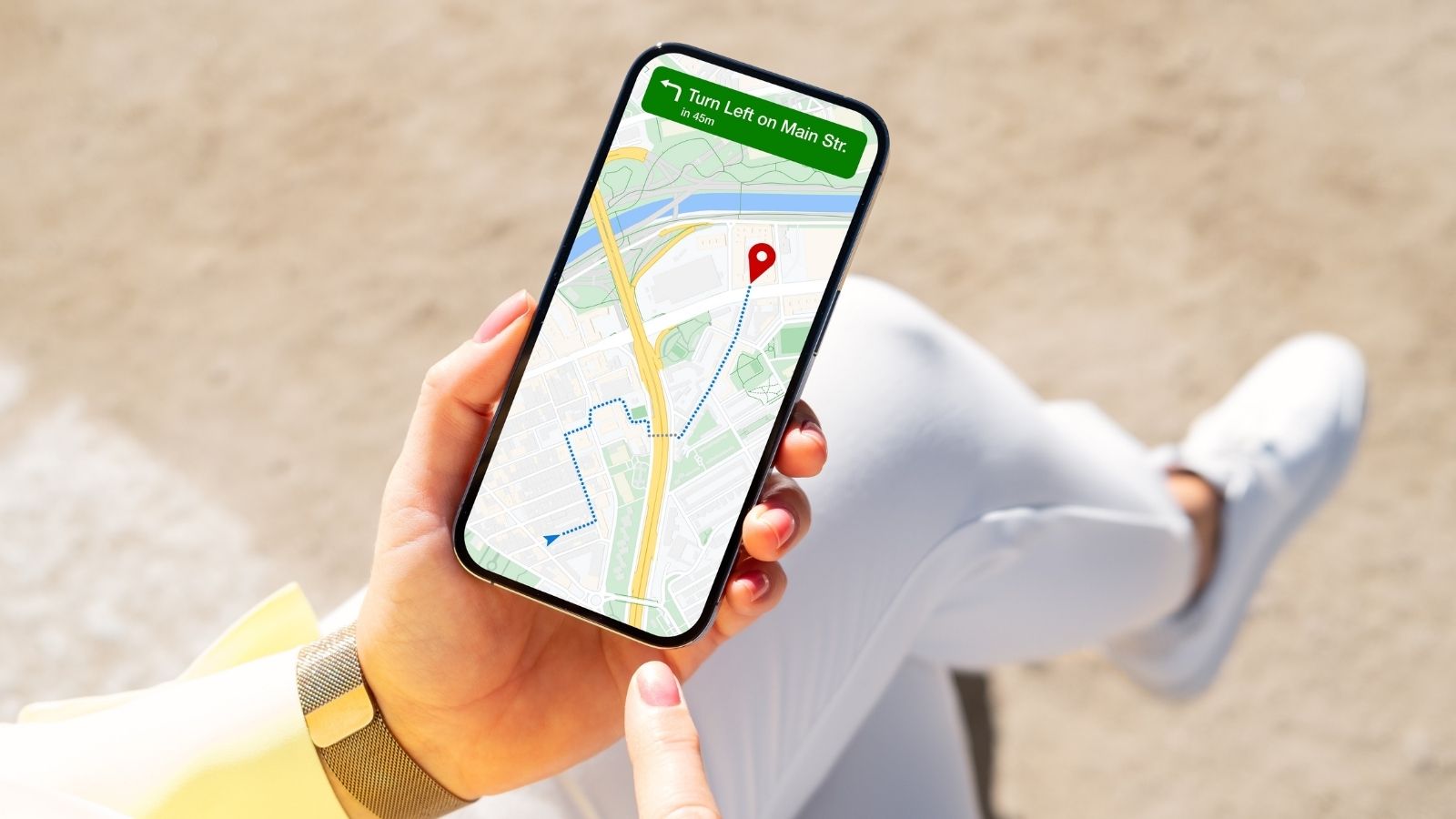
Real-time location sharing has become normalized by convenience. It helps coordinate meetups, track deliveries, and announce vacations or nights out. But precise location data is among the most revealing categories of personal information online. It can expose where someone lives, where they work, what they regularly visit, and when they are likely to be away from home. In the wrong hands, location does not just personalize ads; it sharpens surveillance and targeting.
This habit becomes especially risky when people share movement patterns casually and repeatedly. A public post from the airport, a gym check-in, a geotagged café habit, and a weekend routine can paint a highly detailed picture over time. Even when the person posting thinks only friends are paying attention, location data often flows through apps, ad systems, or data intermediaries in ways ordinary users never see. That makes real-time sharing one of the clearest examples of a convenient habit creating a durable vulnerability long after the post itself feels forgotten.
Clicking Routine-Looking Links Without Slowing Down
Most successful phishing attempts do not look outrageous. They look familiar. A delivery issue, a fraud alert, a toll notice, a job inquiry, or a request to verify an account blends into the ordinary background noise of digital life. That is why rushing through routine-looking messages is such an effective habit for attackers to exploit. They do not need perfect deception; they only need someone to respond before skepticism catches up.
This pattern shows up constantly in official fraud reporting. Fake package problems, fake account alerts, and fake job messages keep working because they borrow the tone of errands people already expect to manage online. A small fee, a quick confirmation, or a tap to “resolve” something feels easier than pausing to verify it independently. That moment of speed is what scammers buy with urgency. Once a person clicks, the next step may be stolen card details, harvested logins, or malware that quietly turns a passing mistake into a much larger problem.
Replying to Suspicious Texts and DMs

Many people know not to click a bad link but still think a short reply is harmless. It often is not. Responding to an unexpected text, direct message, or chat can confirm that an account or phone number is active and monitored by a real person. That alone has value. It tells scammers they have reached someone worth trying again, and it can move a random message into a more personalized conversation.
This is why “just answering once” can become its own trap. Some scams start with intentionally bland messages because the goal is not immediate theft; it is engagement. Once the target replies, the scammer adapts. The conversation can shift into fake friendship, bogus investment advice, romance manipulation, or a manufactured problem that demands money or information. The opening message may look clumsy, but the strategy behind it is patient. What feels like a polite correction or quick response can become the start of a much more deliberate targeting effort.
Trusting the First Search Result or Paid Ad

Search engines feel neutral because they are so familiar, but the top result is not always the safest one. Paid ads can appear above organic results, and scammers know that many people click the first thing they see without checking whether it is a genuine support page, retailer, login portal, or customer-service number. That habit is especially risky during moments of stress, when someone is trying to solve a billing problem, track a package, or reach tech support quickly.
The danger is not limited to obviously fake websites. Some scams imitate real brands closely enough to catch people who are moving fast and reading shallowly. A small difference in domain spelling, a copied logo, or a phone number placed inside a misleading ad can be enough. Once the victim lands there, the rest of the scam can unfold smoothly: fake agents, fake forms, fake refund processes, or stolen card details. Search has become a battlefield of convenience, and blind trust in ranking order gives impostors exactly the edge they want.
Handing Too Much Access to Third-Party Apps

“Continue with Google” or linking an account to a third-party app often feels frictionless, which is exactly why people do it without much scrutiny. The problem is not that every third-party connection is malicious. It is that permissions accumulate quietly. Calendar access here, contacts there, account details somewhere else — and before long, a person may have granted broad visibility to services they barely remember authorizing.
This habit matters because data-sharing relationships are easy to create and easy to forget. Many people review passwords far more often than they review connected apps, even though those connections can expose valuable information or widen the impact of one compromised service. The risk also extends beyond one platform. Third-party access can help stitch together behavior across products, which makes profiling and targeting more precise over time. Convenience is real, but so is sprawl. Each unnecessary connection is another place where personal data can travel farther than expected.
Installing Browser Extensions on Impulse

Browser extensions often market themselves as small upgrades: coupon finders, grammar helpers, AI sidekicks, screenshot tools, ad blockers, and tab organizers. Many are useful. The problem is that extensions can also request unusually broad access, including permission to read and change data on websites a person visits. Installed casually, they can become invisible intermediaries sitting between the user and almost everything done in the browser.
That is why extension habits deserve more caution than they usually get. Unlike a single website visit, an extension can persist for months, watching page content, interacting with forms, or collecting browsing information in the background. Even a legitimate tool can become risky after a bad update, a policy change, or a developer compromise. The danger is not merely malware in the dramatic sense; it is the normalization of handing powerful browser privileges to software people barely evaluate. Convenience features feel minor, but the permissions behind them often are not.
Ignoring Software and Browser Updates

Delaying updates is one of the most common ways people turn known problems into open doors. Security patches exist because someone has already found a weakness, and sometimes because attackers are already using it. When updates are ignored, devices and browsers stay exposed to issues that are no longer theoretical. In practice, that means criminals may not need to outsmart a target at all; they may just need the target to stay behind.
This habit persists because updates feel annoying, abstract, and easy to postpone. Yet the browser, phone, and operating system are the front lines of everyday online activity. People use them for email, banking, messaging, shopping, and account recovery. When those layers are outdated, every other careful habit has to work harder. Security agencies and major platforms keep repeating the same advice for a reason: timely updates close holes that attackers actively look for. Ignoring them is less a technical oversight than a routine gift to anyone scanning for outdated systems.
Accepting Strangers Into Digital Circles
Friend requests, follows, group invites, and casual messages from unfamiliar people often arrive dressed as ordinary networking. That appearance lowers defenses. People assume the sender may be a distant acquaintance, someone from work, or a friend of a friend. But once accepted, the stranger often gets a clearer view of posts, contacts, routines, and mutual connections. That is valuable intelligence before a scam even begins.
This is one reason fake and cloned profiles remain effective. The attacker does not always need immediate money or credentials. Sometimes the first goal is simple access: becoming visible enough to observe, imitate, or build trust. A scammer who can watch interactions, note family names, and learn what kind of language a target responds to has already improved the odds of future deception. Social media fraud has grown costly precisely because platforms are built for connection, while scammers are built to exploit it. Accepting unfamiliar people into private online spaces can turn social openness into operational advantage for someone else.
Answering Security Questions With Publicly Knowable Facts

Security questions still carry an aura of backup protection, but many of them were outdated the day they became popular. A first pet, first school, mother’s maiden name, favorite teacher, or birthplace may sound private in theory while being guessable, searchable, or already exposed in old posts and public records. In other words, the answer may be memorable to the user but discoverable to the attacker.
That mismatch is exactly why security experts moved away from treating knowledge-based questions as a strong safeguard. Public life and digital life now overlap too much for old trivia to function as reliable proof of identity. People routinely publish the details those questions rely on, sometimes in affectionate or nostalgic posts that seem unrelated to security. The result is a false sense of backup protection. An attacker does not need extraordinary access to exploit it — only patience, search skills, and enough publicly available clues. A recovery method that can be researched is not much of a recovery method at all.
Logging Into Sensitive Accounts on Public Wi-Fi Without Care

Public Wi-Fi is not automatically dangerous in the way it once was, especially now that many websites use encryption by default. But that nuance can create a different problem: people swing from fear to overconfidence. They assume the network itself is irrelevant and forget that fake logins, unsafe sites, malicious prompts, and non-secure pages can still do damage when someone is checking email, bank balances, or shopping accounts in a hurry.
The more realistic risk is careless use, not mere presence. Public networks create an environment where verification tends to drop and convenience tends to rise. People log in quickly, ignore connection warnings, or use apps without thinking about whether the traffic is protected. Even when a session is encrypted, public browsing often happens in distracting places where mistakes become more likely. That is why cautious guidance still matters. The risk is not that every café connection is a trap. It is that sensitive logins done casually in public settings can combine weak judgment with exposed moments.
Never Revisiting Privacy and Ad Settings
Many people change settings once — or never — and assume the defaults remain stable and sensible. They often do not. Browsers, apps, and platforms continue evolving how they personalize ads, suggest content, store interests, and share limited data across sites or apps. When those settings go untouched, a person can wind up participating in a much more detailed tracking and targeting system than they realize.
The striking part is that many users already understand this in principle. Large shares of social media users say they have changed privacy settings or turned off some tracking features, which suggests the awareness is there. The problem is inconsistency. Settings menus are fragmented, defaults shift, and most people rarely make privacy review a regular habit. That leaves a wide gap between concern and action. In a digital environment built to profile behavior, not revisiting privacy controls is not neutral. It often means letting old assumptions govern new systems that keep learning more every day.
19 Things Canadians Don’t Realize the CRA Can See About Their Online Income

Earning money online feels simple and informal for many Canadians. Freelancing, selling products, and digital services often start as side projects. The problem appears at tax time. Many people underestimate how much information the CRA can access. Online platforms, banks, and payment processors create detailed records automatically. These records do not disappear once money hits an account. Small gaps in reporting add up quickly.
Here are 19 things Canadians don’t realize the CRA can see about their online income.
