Fraud used to rely on obvious mistakes: clumsy grammar, strange requests, and stories that fell apart under a second look. That era is fading. Cheap AI tools, spoofed phone systems, stolen personal data, and polished scam operations now let criminals imitate the signals people were taught to trust: a familiar voice, a package alert, a bank message, even a face in a live video meeting. Investigators and consumer agencies are warning that modern deception is becoming faster, more scalable, and far more convincing in the moment. These 17 examples show just how much can now be faked—and why ordinary skepticism no longer works as well on its own.
Voices That Sound Like Family

A phone call used to carry a kind of built-in authenticity. Hearing a sibling’s panic, a grandparent’s voice, or a manager’s clipped urgency was often enough to push people into action before they had time to think. That is exactly why cloned voice scams are so unsettling. The deception is not just in the words; it is in the tone, rhythm, and emotional familiarity that make a request feel real before the brain starts evaluating it. A fake emergency can sound personal in seconds, and a made-up work request can feel routine enough to slip past the usual defenses.
What makes this especially worrying is that voice itself used to function as proof. Now it can be staged. A fraudster does not need a perfect imitation to succeed—only one that works long enough to trigger fear, obedience, or urgency. That changes the psychology of phone scams. The danger is no longer limited to anonymous robocalls or obviously suspicious accents. It now includes voices that sound close enough to home, office, or family life to lower skepticism at exactly the wrong moment.
Faces in the Meeting Window

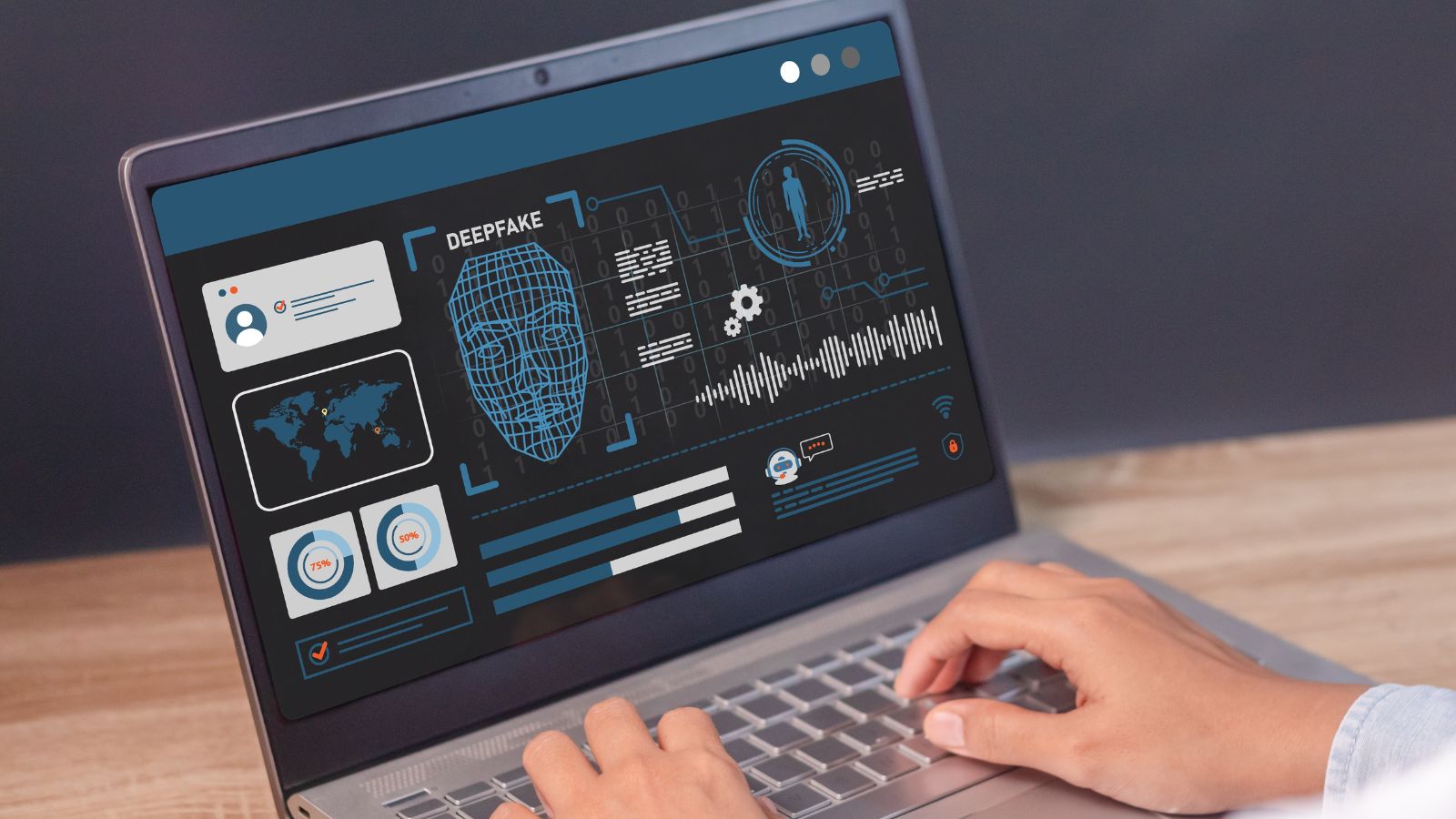
Video calls once felt like a step above email because they seemed to add visual confirmation. Seeing a familiar face on screen created the impression that identity had been settled. That assumption has become much riskier. Deepfake fraud has moved beyond novelty clips and into real financial crime, including cases where employees were tricked during what appeared to be internal company meetings. When a fake face is paired with a plausible agenda and the right corporate language, the call can feel legitimate long before anyone notices something is off.
One of the clearest warnings came from Hong Kong, where authorities described a case in which an employee was drawn into a fabricated video conference and ultimately authorized transfers totaling about HK$200 million. Financial regulators have also warned that deepfake media is increasingly being used to defeat identity checks and authentication processes. That matters because the deception is no longer confined to public misinformation. It is now reaching payroll desks, treasury teams, onboarding systems, and customer verification channels—the places where a convincing face can unlock real money.
Phone Numbers That Look Familiar
For years, people were told to be careful with unknown numbers. That advice is no longer enough when a scam call can arrive under a number that appears local, recognizable, or even identical to a trusted institution’s caller ID. Caller ID spoofing works because it hijacks one of the simplest shortcuts people use to judge legitimacy. A bank name on the screen, a nearby area code, or a number that resembles a company line can create instant trust before the conversation even begins.
The real problem is that a spoofed number gives a scam a head start. It makes the first few seconds feel ordinary instead of suspicious. By the time the caller claims there is fraud on an account, a package problem, or an urgent security issue, the emotional framing is already in place. That is why spoofing remains such a durable scam tactic: it does not need a complicated story at the outset. It only needs the screen to say the right thing long enough for the victim to supply the rest of the confidence.
Official IDs, Badges, and “Case” Details
Fraudsters have learned that authority is often visual. A fake badge number, an ID card image, a copied seal, or a neat-looking case reference can make an invented story feel procedural rather than criminal. Instead of sounding like obvious extortionists, modern impersonators often try to look like someone from a compliance office, bank fraud team, regulator, or government bureau. The goal is to move the interaction out of the realm of common sense and into the realm of bureaucracy, where people tend to comply first and question later.
That tactic matters because impersonation scams are not fringe crimes. They remain one of the biggest fraud categories reported by consumers, and agencies have warned that scammers are now using fake credentials to make their stories more persuasive. An invented identity backed by phony badge numbers or image files can create exactly the kind of official atmosphere that shuts down resistance. Once that tone is set, demands for payment, transfers, passwords, or “verification” details can start to sound like standard procedure instead of what they really are.
Emails from the Boss or the Vendor
Email remains one of the most dangerous places to confuse familiarity with authenticity. A message that appears to come from a supervisor, finance lead, supplier, or long-standing business contact can look mundane enough to bypass caution. This is the engine behind business email compromise: criminals study how real organizations communicate, then drop into those patterns with requests that feel ordinary. They do not always need malware or elaborate hacking to succeed. Sometimes a believable subject line, familiar signature block, and realistic payment excuse are enough.
What makes these scams especially effective is that they piggyback on workplace habits. Employees are trained to move quickly, clear invoices, answer executives, and avoid delaying transactions. Fraudsters exploit those instincts. The fake request often arrives wrapped in the language of deadlines, confidentiality, or routine vendor maintenance. By the time anyone thinks to verify the change, the transfer may already be gone. The danger is not just forged email addresses; it is the growing ability to imitate tone, timing, and organizational behavior well enough to make the fraud feel like normal business.
Fraud Alerts from “Your Bank”
Few texts trigger faster concern than one that appears to warn about suspicious bank activity. That is why bogus fraud alerts have become such a reliable scam format. A short message about a large purchase, a locked account, or a security problem can jolt someone into immediate response, especially when the notice looks like a routine warning from a recognizable financial institution. The emotional structure is simple and effective: alarm first, verification later.
These scams work because they imitate a service people expect to receive. A real bank might text about unusual activity, so the fake version does not feel unusual at all. Once a person responds, the scam can move quickly toward passwords, card data, account numbers, or a callback to a fake representative. Agencies have found that bank impersonation texts became one of the most commonly reported text scams, and that growth reflects how well the format fits modern life. A message arriving on the lock screen looks small and ordinary, but the fraud hiding behind it can be serious and immediate.
Delivery Notices That Feel Routine

Package scams thrive because delivery messages now blend into daily life. A notice about unpaid postage, a missed drop-off, or an address issue rarely feels dramatic; it feels familiar. That makes it the perfect disguise. The scammer is not asking for an unusual favor, only a quick click to “fix” a common shipping problem. In a world where purchases, gifts, returns, and subscription orders flow constantly, that small prompt can seem too ordinary to question.
The danger grows when the fake message leads to a look-alike site that asks for contact details, card information, or a small redelivery fee. The loss is often larger than the immediate payment. Once a victim hands over a name, address, credit card number, or other details, the scam expands into a broader identity and payment risk. What makes this category especially troubling is its banality. It does not need a dramatic lie. It only needs to resemble the kind of harmless logistics message that millions of people receive every week.
QR Codes That Send You Somewhere Else
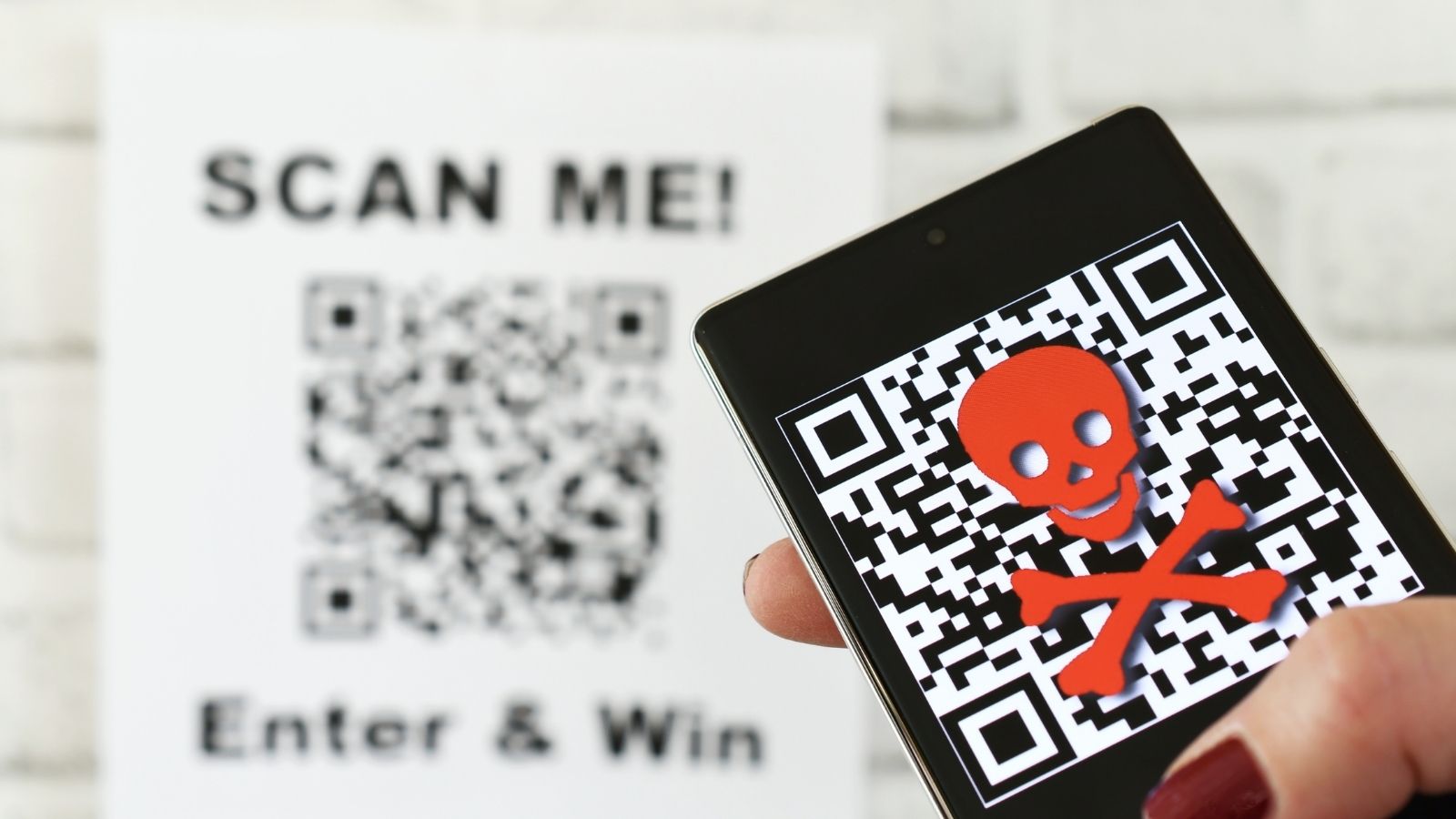
QR codes benefit from a quiet assumption: if a square code is printed on a label, poster, card, or note, it must have been placed there for a practical reason. That assumption is increasingly dangerous. Fraudsters can hide malicious destinations inside something that looks modern, simple, and frictionless. The code itself reveals almost nothing to the eye, which means trust is often transferred blindly from the format to the destination.
That makes QR-based scams unusually effective. A code on an unexpected package, a flyer, or a message can pull someone toward a phishing site without the usual warning signs of a suspicious link. In some cases, the destination is designed to steal credentials; in others, it may try to install malware or gather payment details. The worry is not just technical. It is behavioral. QR codes were embraced because they reduce effort, and scammers are taking advantage of that convenience by turning a quick scan into a fast handoff of trust.
Login Pages That Look Perfectly Legitimate
Phishing pages have grown more polished because people have grown more visually literate. Criminals know that sloppy copies no longer work as well, so many fraudulent login sites now mimic real brands with striking precision. The colors match, the layout feels familiar, and the web address may differ by only a character or two. In the moment, especially on a phone, that tiny difference can disappear under the weight of urgency and habit.
What makes this problem broader than classic phishing is that even trusted public-facing sites can be imitated. The FBI has warned about spoofed versions of its own reporting portal, a reminder that the target is not just banks or retailers. If a government complaint site can be copied, almost anything can. These pages succeed because people are often primed to log in, verify, reset, or update. Once that routine is activated, a perfect-looking fake site can turn the ordinary act of signing in into a direct transfer of passwords, banking data, and personal identifiers.
Tech Support Warnings and Help Lines
Fake tech support scams exploit a particular kind of fear: the fear of losing control of a device that holds work, photos, passwords, and financial access. The classic setup is still effective—a pop-up, text, or web page claims there is a virus, a breach, or some urgent account problem, then pushes the victim to call a number immediately. The fake warning often borrows the branding of a major company because the goal is not to prove anything in detail; it is to trigger panic fast enough to prevent calm thinking.
Once the call starts, the scam can become invasive very quickly. The victim may be told to install remote access software, reveal account details, or pay for bogus services using hard-to-reverse methods like gift cards, wire transfers, crypto, or payment apps. That is why this category remains so dangerous. It does not just steal money; it can hand over the device itself. In practical terms, that means a fake support request can become a gateway to passwords, banking sessions, personal files, and long-term compromise.
Invoices, Renewal Notices, and E-Sign Requests

A fake invoice can be frighteningly effective because it feels like an administrative problem, not a crime scene. A renewal notice for software, a payment reminder for a service never ordered, or an electronic signature request that seems to come from a known platform can all create the same reflex: fix this quickly before it becomes expensive. That urgency is the weapon. The scammer counts on the target wanting the problem to go away more than wanting to investigate it carefully.
Modern versions of this fraud are often dressed in the language and design of well-known companies. Some warn that a charge has already been made. Others invite the target to call a number to dispute the payment. Some even claim a document has already been signed, adding a layer of pressure and confusion. That combination—brand familiarity, a realistic document format, and time pressure—makes fake invoice scams especially potent. They weaponize paperwork itself, turning the look of ordinary business into a path toward payment details, bank information, or remote access.
Recruiters and Remote Job Offers

Job scams are more persuasive when they mirror the tone of modern hiring: quick outreach, remote flexibility, attractive pay, and casual messaging. A text from a “recruiter” no longer feels inherently odd in a labor market shaped by platforms, staffing tools, and digital applications. Fraudsters understand that. They approach with polished graphics, familiar company names, and job titles vague enough to sound plausible but attractive enough to invite interest.
The scam often gets stronger after the initial contact. The target may be asked to reply with a simple word, join a chat on WhatsApp or Telegram, deposit a check, rate products, or complete repetitive online tasks for commissions that never materialize. Consumer agencies have warned that reported job scam losses surged sharply, with game-like task scams driving a large share of that increase. What makes these offers especially dangerous is how little they ask for at the beginning. They do not open with a demand for money. They open with the promise of opportunity.
Reviews and Testimonials That Were Never Real
Online reviews were supposed to reduce uncertainty. Instead, they have become another surface that fraudsters and dishonest operators can manipulate. A cluster of glowing testimonials, a sudden flood of praise, or a polished endorsement can now be manufactured rather than earned. That distorts one of the most common shortcuts consumers use when deciding where to shop, whom to trust, or which service is safest to choose.
The worry is bigger than inflated star ratings. Fake reviews can create entire false reputations, making weak products look reliable, sketchy sellers look established, and dubious services look battle-tested. Regulators have moved against this practice because it poisons the marketplace at scale, but the underlying problem remains cultural as much as legal: people have been trained to trust social proof. When that proof can be bought, mass-produced, or fabricated outright, the damage extends beyond one bad purchase. It weakens confidence in the crowd itself, which used to be one of the internet’s most useful filtering tools.
Social Profiles, Groups, and “Friendly” Advisers
A fake social media profile no longer has to be crude. It can look active, personable, and highly specific. It may feature believable posts, curated photos, modest engagement, and just enough personal detail to appear lived-in. That makes scam profiles especially effective in spaces where people expect informality. On social platforms, trust often builds sideways through shared interests, mutual groups, direct messages, and repeated exposure rather than through formal credentials.
That environment is fertile ground for fraud. Scammers can hijack real accounts, build fake investor communities, pose as advisers, or run ads that lead to bogus storefronts and cloned sites. Consumer data now show just how costly that ecosystem has become, with social media generating enormous scam losses across investment, shopping, and romance schemes. The especially troubling part is that the fraud often begins long before money is requested. It starts with relationship-building, targeted visibility, and believable digital identity—the slow construction of trust in a place designed to reward appearances.
Identity Documents

Identity documents used to feel like the hard edge of trust. A passport card, driver’s license, or other government-issued credential carried the assumption that someone, somewhere, had already done the verifying. That is why counterfeit document fraud is so serious. When criminals can produce or manipulate IDs convincingly enough to pass parts of a financial institution’s screening process, the damage extends beyond one account opening. It affects lending, onboarding, benefits, travel, and every system that treats documents as foundational proof.
The fear is not theoretical. Financial crime authorities have warned specifically about counterfeit passport card schemes used in identity theft and fraud at banks. Once a fake document is good enough to slip through an intake step, it can become the anchor for account takeover, money movement, or broader impersonation. The real worry is cumulative: document fraud does not usually stand alone. It is often combined with stolen personal data, deepfake media, and synthetic identity tactics, turning one fake credential into the first brick in a much larger deception.
Proof-of-Life Photos and Videos

Few scam tactics are more psychologically brutal than virtual kidnapping. The fraud works by collapsing time for the victim: a loved one appears to be in danger, the evidence looks immediate, and the demand comes with emotional shock built in. What makes the newer version more disturbing is that criminals can now alter existing photos and videos to create fake “proof of life” media that feels horribly real in the moment.
The FBI has warned that scammers are pulling publicly available images from social media and turning them into ransom bait. That means ordinary family photos can be repurposed into coercive material without the original poster ever imagining that use. The scam succeeds because people do not analyze imagery carefully when they are frightened; they react. A shaky image, a brief clip, or a manipulated photo does not need to withstand expert scrutiny. It only needs to survive the first minute of panic, when a family member is deciding whether the impossible thing on the screen might be true.
Entire Synthetic People
Perhaps the most unsettling development is not a fake message or a fake face, but a fake person assembled from fragments of real life. Synthetic identity fraud creates an individual who does not truly exist by combining authentic and fabricated data into a new persona. That can include pieces like account numbers, license details, or a child’s Social Security number blended with invented names, addresses, and backstories. The result is not just a stolen identity. It is a manufactured one.
This matters because synthetic identities can be cultivated over time. They can open accounts, build transaction histories, pass screening checks, and become financially credible before the fraud fully surfaces. Experts at the Federal Reserve have described generative AI as an accelerant for this kind of crime because it helps bad actors assemble and refine those invented personas faster and with greater realism. In other words, the scam is no longer just about pretending to be someone real. It is increasingly about creating someone believable enough to enter the system as if they belonged there.
19 Things Canadians Don’t Realize the CRA Can See About Their Online Income

Earning money online feels simple and informal for many Canadians. Freelancing, selling products, and digital services often start as side projects. The problem appears at tax time. Many people underestimate how much information the CRA can access. Online platforms, banks, and payment processors create detailed records automatically. These records do not disappear once money hits an account. Small gaps in reporting add up quickly.
Here are 19 things Canadians don’t realize the CRA can see about their online income.
