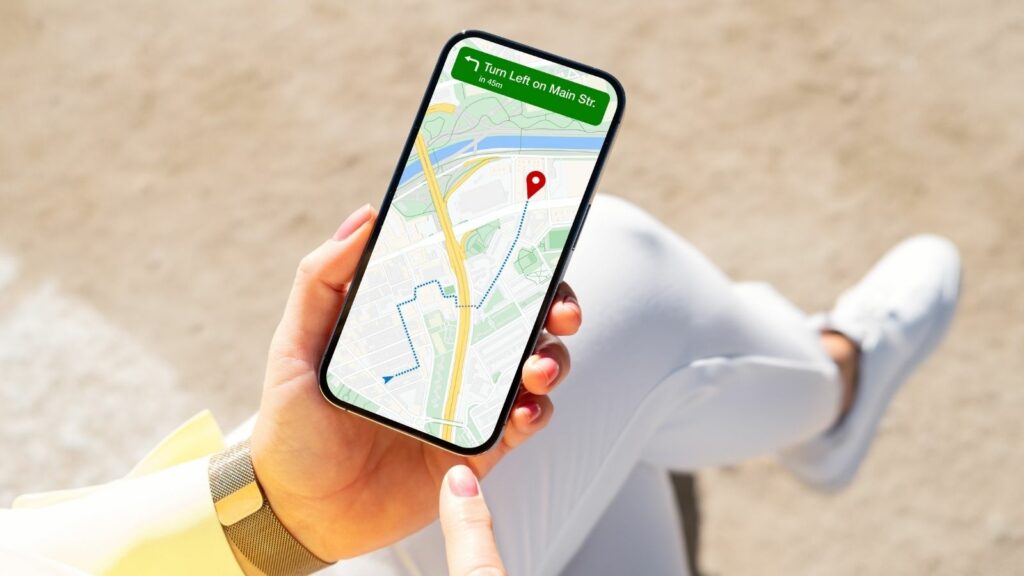
Modern apps rarely stop at the information people knowingly type in. Many also log movement, timing, clicks, purchases, contacts, and small behavioral signals that can be combined into intimate portraits of daily life. Privacy disclosures from Apple and Google now make those categories far more visible, while regulators have spent the past few years pursuing companies accused of turning them into targeting tools or marketable data products.
What emerges is a picture of 18 kinds of information apps can know—or infer—that often feel more personal than most people expect. Some are obvious, like location. Others are subtler, such as sleep patterns, financial strain, or whether someone may be entering a major life stage. Taken together, they show how ordinary app use can create a revealing trail.
Exact Location
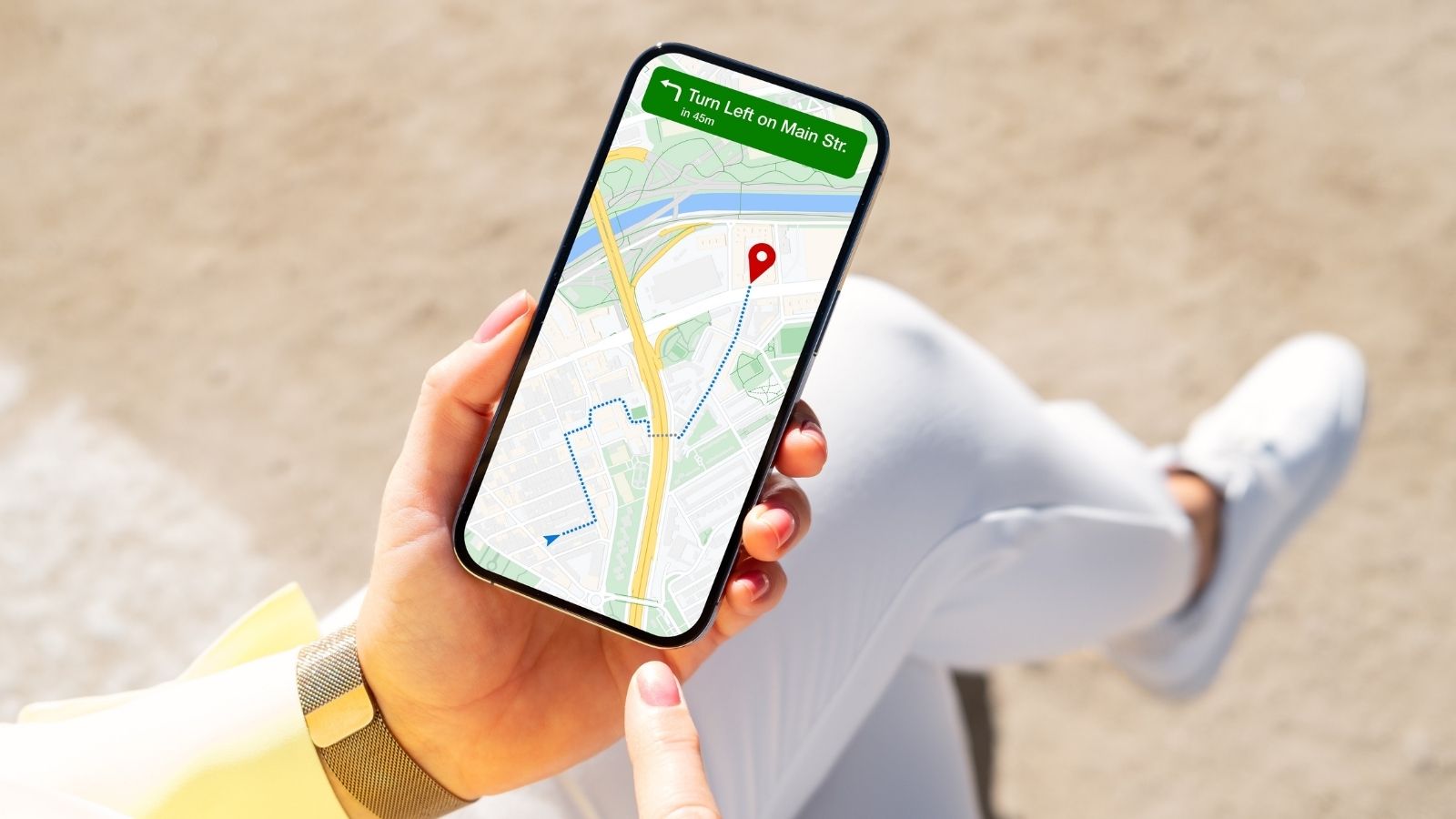
A phone does not need to be a spy movie prop to become unusually revealing. When an app collects precise location, it can build a near-minute-by-minute record of where a person goes, how long they stay, and which places seem meaningful. That can start innocently with navigation, weather, delivery tracking, or local recommendations. But location points add up quickly. A few pings can show the coffee shop visited every morning, the gym used three times a week, or the pharmacy stop that becomes part of a monthly pattern.
What makes this feel so personal is that location is rarely just about place. It can hint at habits, priorities, worries, and private routines. Regulators have repeatedly treated precise location as sensitive for that reason, especially when it can reveal visits to medical offices, houses of worship, shelters, or political events. Even when users never hand over a diary, an app with location access can end up reconstructing one.
Home and Work
Many apps never ask a person to type “home” or “office,” yet those details can still emerge from repetition. Overnight stays tend to cluster around one place, weekday daytime hours around another. Researchers have shown that home and workplace pairs can be startlingly identifying, because they narrow the field far more than most people assume. In practice, repeated location traces can make an address feel less like a secret and more like a pattern waiting to be recognized.
That is what gives this category its uneasy edge. Home and work are not just map pins; they are the two anchors around which much of daily life is organized. Knowing them can reveal commute length, neighborhood, likely schedule, income clues, and even vulnerable windows when a person is usually away. It can also expose more than one residence or workplace over time, quietly documenting life changes that many people would consider deeply private.
Daily Routines

Apps do not need access to someone’s calendar to learn the rough shape of a day. Repeated check-ins, passive location collection, purchase timing, and app activity can show who leaves early, who runs errands late, who spends Tuesday evenings in one neighborhood, and who never seems home on weekends. In enforcement cases and data broker records, regulators have described audience segments built from routine-like patterns, including labels as simple and eerie as “Early Risers.”
That matters because routines often say more than isolated facts. A daily pattern can suggest caregiving responsibilities, shift work, gym habits, long commutes, social life, or religious practice without any of those categories being directly volunteered. It also makes people more predictable. When an app ecosystem can infer when someone is usually commuting, resting, or away from home, it turns ordinary rhythm into something that can be categorized, marketed, and, in the wrong hands, exploited.
Sleep Schedule
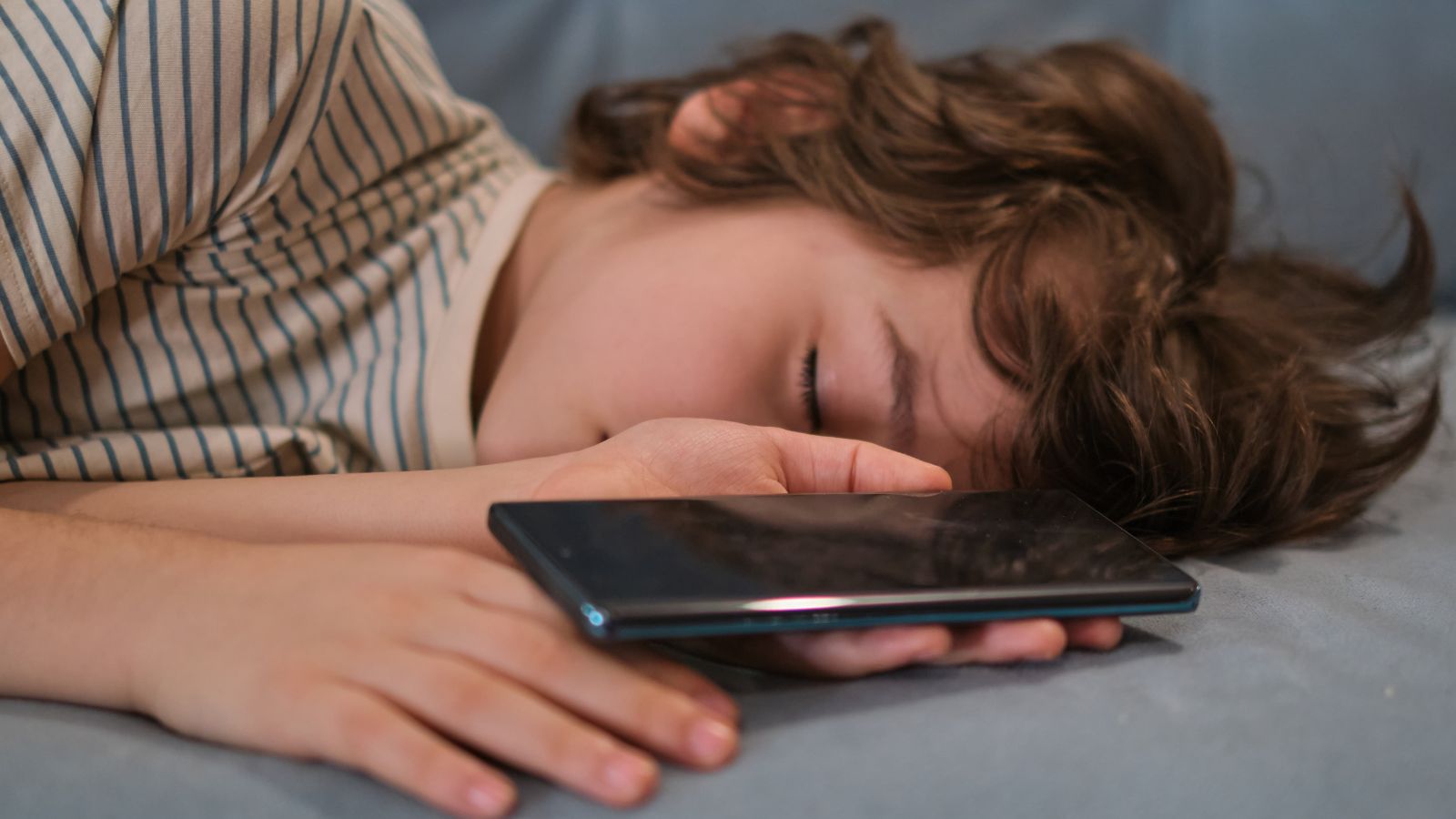
A phone left quiet for hours can look like a person sleeping. A burst of screen activity after midnight can suggest restless sleep, late work, or anxiety. Researchers have shown that smartphone interaction patterns can be used to estimate sleep timing, duration, and fragmentation, even without a dedicated sleep app running all night. In other words, apps and sensors do not always need a bedside wearable to glimpse when someone likely went to bed, woke up, or had their sleep interrupted.
That feels personal because sleep is one of the few parts of life people still tend to imagine as private and unobserved. Yet digital habits can make it visible indirectly. A pattern of late-night scrolling, overnight notifications, and early morning check-ins can reveal exhaustion before a person ever says they are tired. It can also expose life phases—new parenthood, shift work, exam season, grief, burnout—that many people would rather not have translated into data points.
Fitness and Health Signals
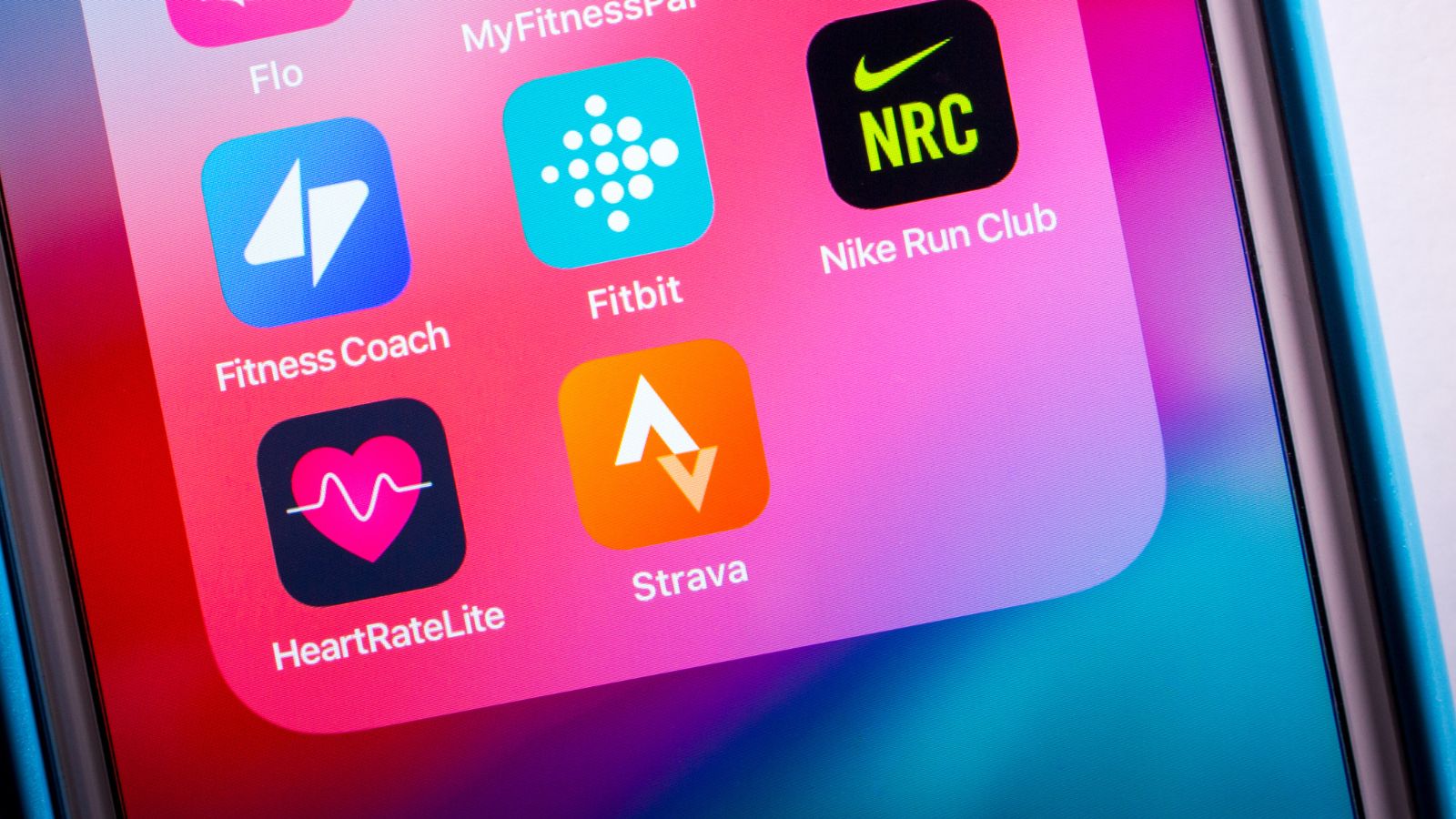
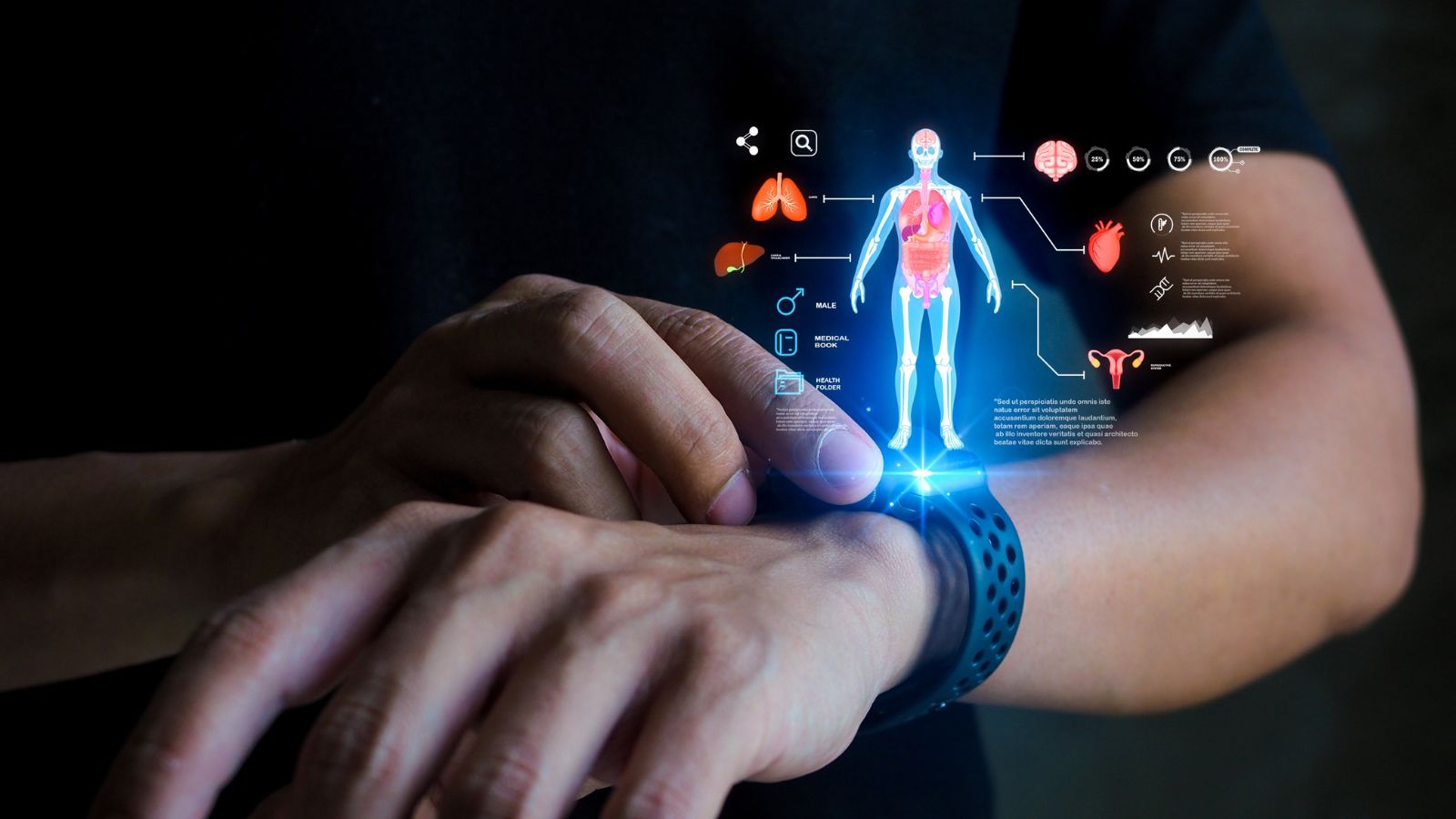
Health and fitness apps are the obvious examples, but the picture is broader than step counts and workout summaries. App disclosures now openly list health and fitness information as data categories, which can include activity levels, exercise routines, body-related metrics, and other wellness signals. A phone or wearable can show whether someone runs every morning, stopped training abruptly, started walking far less, or suddenly became intensely focused on recovery, diet, or heart-rate trends.
The reason this feels intimate is that health is rarely just clinical. It is emotional, aspirational, and often bound up with moments of struggle. A streak of marathon training may signal ambition; a long disappearance from movement data may hint at injury, illness, depression, or caregiving stress. Even when the information is framed as “wellness,” it can reveal vulnerabilities people do not usually broadcast. The line between a helpful app and an unusually observant one can become very thin once bodily patterns become part of a profile.
Fertility and Reproductive Status
Few data categories feel more personal than information tied to menstruation, fertility, pregnancy, or sexual activity. Yet reproductive-health apps often operate by collecting exactly those details, because that is how they generate predictions and reminders. Regulators have intervened when such data was shared without the level of consent users expected, underscoring how sensitive the category is. What sounds like a simple cycle tracker can hold information about trying to conceive, missed periods, pregnancy milestones, symptoms, and intimate timing.
The emotional weight here is different from many other privacy concerns. Reproductive data can reflect hope, heartbreak, medical anxiety, major family decisions, or highly private health circumstances. It may also reveal things before friends, employers, or relatives know them. That is why the discomfort is not abstract. An app that seems helpful during a vulnerable moment can end up knowing whether someone is planning for a child, fearing bad news, recovering from pregnancy, or managing a condition they have not discussed with anyone else.
Spending Habits
Purchase history has a way of sounding boring until it is placed in sequence. One order rarely means much. A chain of them can say a great deal. App ecosystems can learn what a person buys, when they buy it, whether they comparison-shop, how often they abandon carts, and which categories keep returning. That can reveal more than taste. Spending patterns can hint at stress, hobbies, diet changes, health concerns, home repairs, travel plans, or sudden life transitions that do not appear anywhere on a profile page.
It feels especially personal because shopping is often practical and emotional at the same time. Someone buying children’s items, sleep aids, moving supplies, formal clothes, or dietary supplements may be answering a private need, not making a public statement. Yet to a data system, those choices can become signals. Over time, an app may not just know what a person bought. It may know which brands feel aspirational, which purchases are impulsive, which expenses are recurring, and when money seems to be flowing differently than usual.
Income and Financial Stress
Some apps collect formal financial information directly, especially banking, lending, tax, gig-work, or marketplace services. Others do not need exact numbers to make educated guesses. Researchers and regulators have documented data ecosystems that sort people by income, socioeconomic status, and related traits. Spending cadence, device type, neighborhood, commute, subscription behavior, and response to promotions can all contribute to a picture of who seems comfortable, who looks cautious, and who appears financially stretched.
That is what makes this category so unnerving. Money is not just a number; it shapes freedom, stress, dignity, and decision-making. An app does not have to know a paycheck down to the dollar to infer that someone is price-sensitive, debt-conscious, or under pressure. Those signals can affect which offers are shown, which ads follow them, and how a person is categorized behind the scenes. Financial privacy has long felt personal because it speaks to stability and vulnerability at the same time.
Contact Lists and Social Graphs
Granting access to contacts can seem harmless, especially when an app promises to help people “find friends” or sync a network more quickly. But a contact list is not just a phone book. Modern disclosures describe related data that can include contact recency, frequency of interaction, duration, and other social-graph details. That means the value is not merely in knowing who exists in the list. It is in understanding which relationships appear active, central, or fading.
The uncomfortable part is that social life becomes visible even when conversations remain unread. An app may not need message content to learn who matters most. Repeated contact with a doctor, lawyer, school, former partner, recruiter, or parent can reveal the outline of a life in progress. It can suggest support networks, crises, professional circles, and family structure. People usually think of relationships as something they explain on their own terms. Social-graph data can explain them first.
Who Is Nearby
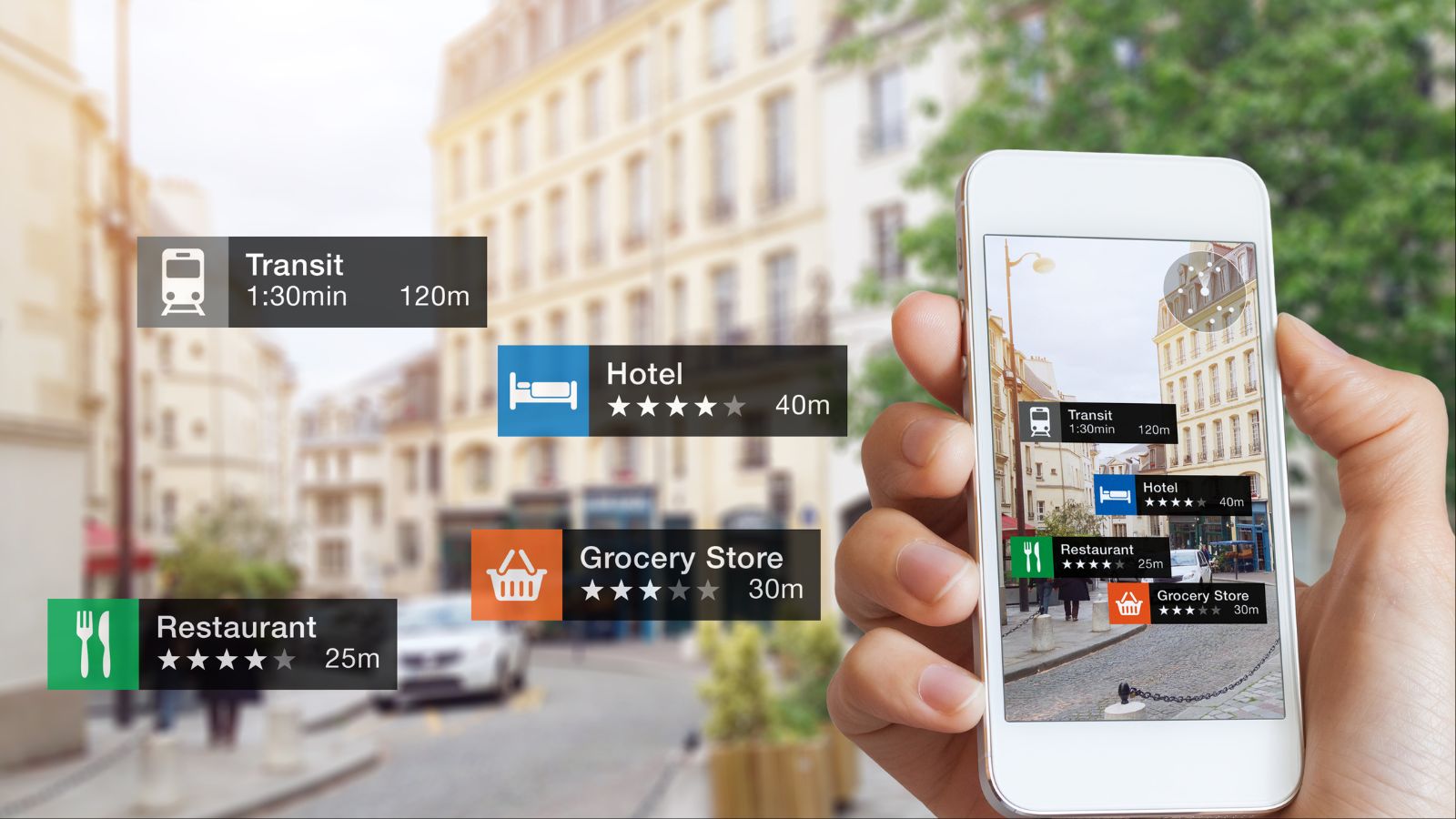
Phones are full of sensors that reveal more than location alone. Bluetooth and other proximity signals can help systems infer which devices tend to be near one another, how often those encounters happen, and whether a person moves through crowded or quiet environments. Researchers have used such data to study social environments and encounter networks, showing how much can be inferred from mere co-presence. In plain terms, apps may learn not only where someone goes, but what kind of company tends to surround them.
That can feel more invasive than basic location because proximity is relational. It hints at who shares commutes, who is often nearby at lunch, who appears during weekends, and whether someone’s routine is solitary or socially dense. It may also expose patterns no one meant to announce: repeated visits with one household, time near a school, regular contact with a clinic, or attendance at the same events as a particular group. Even without names attached, repeated nearness can become a portrait of belonging.
Searches, Clicks, and Browsing Trails
Search and browsing history often reveal the questions people are not ready to say out loud. App disclosures explicitly recognize categories such as in-app search history and web browsing history, and regulators have treated browsing data as sensitive when it was sold or repurposed. That makes sense. Search terms are often the raw materials of private thought: worries about symptoms, career exits, relationship doubts, debt solutions, parenting fears, relocation plans, or the kind of purchase research that appears only when life is changing.
The intimacy comes from intent. A location trace can show where someone went, but a search query can show what they were trying to solve. A quiet string of late-night searches about insomnia, legal rights, fertility, layoffs, or rehab is not random web traffic. It is often a window into a private decision-making process. When apps or related services hold that trail, they can end up knowing the shape of a person’s uncertainties long before the rest of the world sees the outcome.
Every Tap, Pause, and Scroll
Sometimes the most revealing information is not what someone says, but how they behave on a screen. App-interaction data can include what was clicked, which screens were viewed, how long a person lingered, what was typed and erased, where a form was abandoned, and which offers drew hesitation. In digital services more broadly, session-replay style tools have been used to capture extremely granular behavior, turning ordinary browsing into a step-by-step playback of attention and indecision.
That level of detail feels personal because it catches people mid-thought. A completed purchase says one thing. A long pause over a therapy page, a half-filled job application, or repeated revisits to a pricing screen says something more vulnerable. It shows temptation, uncertainty, embarrassment, caution, or urgency. Most users assume their choices are being counted. Far fewer expect their hesitation to be measured too. Yet in many systems, the pause can be as valuable as the click.
The Other Apps on the Phone
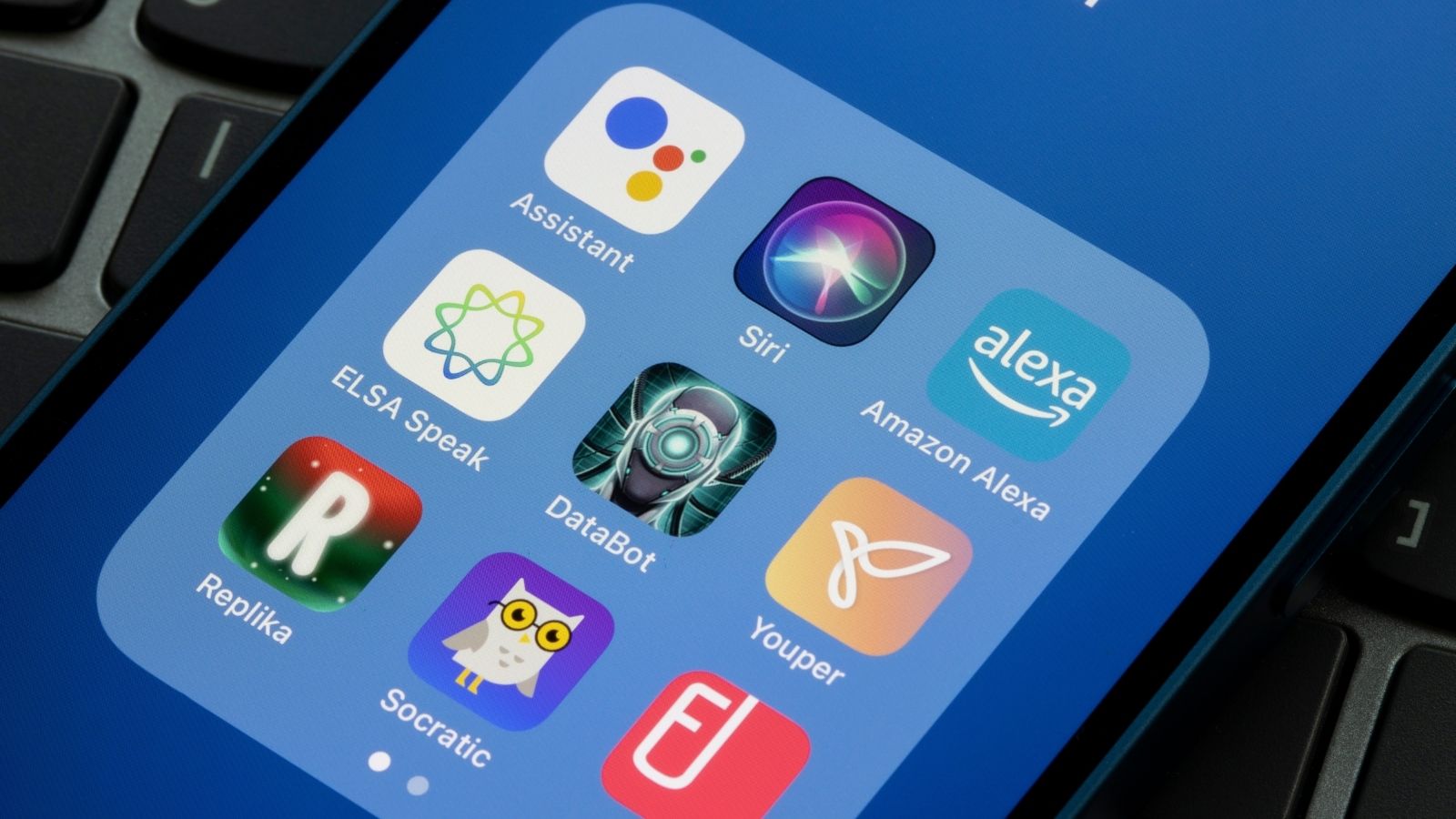
Even the collection of installed apps can be surprisingly revealing. Privacy disclosures now list installed apps as a recognizable data category, and platform rules around tracking make clear that information can be linked across apps and services for advertising or measurement. A device’s app mix can quietly signal far more than entertainment preferences. It may point to dating activity, a new baby, sports betting, language study, trading, religious practice, meditation, chronic-condition management, or an active job search.
What makes this uncomfortable is how indirect it feels. A person may never tell an app they are newly single, spiritually curious, or training for a race. But an ecosystem that sees the surrounding app landscape can infer life context anyway. Installed-app data can act like a shorthand biography: what someone values, what they worry about, what communities they move through, and which identities feel current enough to keep on the home screen. It is a private shelf of tools that can read like a set of confessions.
Voice Recordings and Voiceprints
A voice assistant request, a saved audio note, or a recorded support call may sound like isolated interactions, but voice data can become something more durable. Regulators treat voice as biometric information in many contexts, because a voice is not just content; it can also function as an identifier. Enforcement actions around voice recordings have shown how sensitive this can become when audio is kept too long or handled more loosely than users expected. What seems ephemeral can end up quite persistent.
There are two layers of discomfort here. The first is obvious: recordings may capture private speech, background conversations, children, homes, and stressful moments. The second is subtler: a voice can become a signature. Once systems begin identifying or authenticating by speech patterns, the difference between “what was said” and “who said it” starts to collapse. That is why voice data feels so personal. It contains both a message and a piece of the person delivering it.
Faceprints From Photos and Video
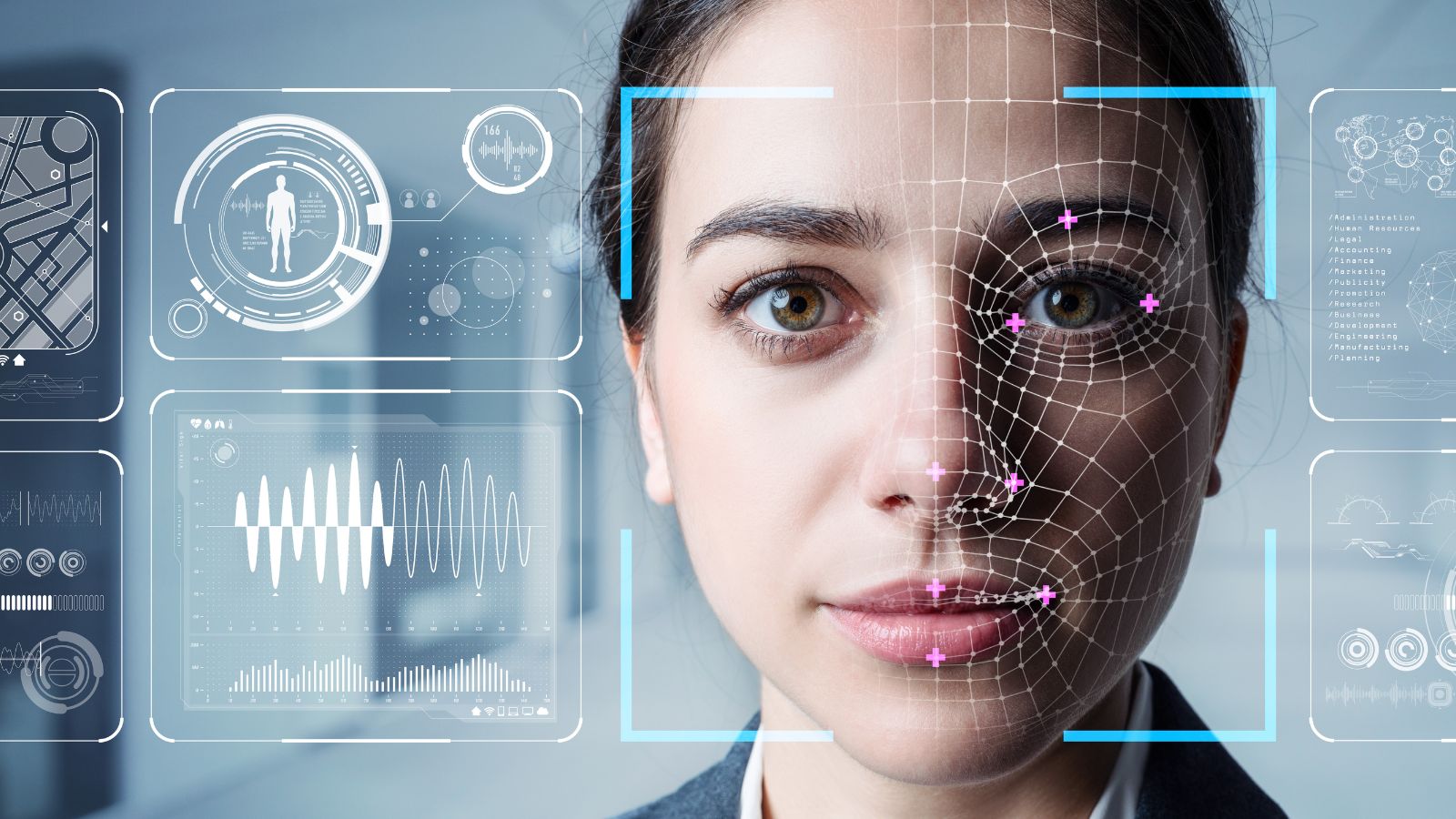
Photo apps often market themselves as convenient memory tools, but images are also raw material for biometric systems. Facial recognition can transform ordinary photos and video into reusable identifiers, sometimes called faceprints or facial templates. Regulators have challenged companies that enabled face-related features in ways users did not clearly understand, especially when images were retained and used to build algorithms. A smiling snapshot at a birthday party can become more than a memory once software starts reducing faces to matchable patterns.
That shift changes the meaning of a photo. A picture no longer just shows what happened; it can help determine who was there, whether the same face appears elsewhere, and how easily an identity can be recognized later. For many people, that feels different from ordinary image storage. It turns a familiar, emotional archive into something closer to an access key. Photos are personal already. Converting them into biometric infrastructure makes them feel personal in a far more permanent way.
Mood, Stress, and Mental Health Signals
Researchers increasingly describe smartphones as tools that can pick up behavioral patterns associated with stress, anxiety, depressed mood, and related states. The key word is associated. These systems are not mind readers, and they do not replace a clinician. But passive signals—mobility changes, reduced social contact, disrupted sleep, altered phone use, and irregular routines—can correlate with emotional strain. That means apps or studies using app-like data can sometimes infer when something seems off before a person ever names it.
This category feels intensely personal because mental state is usually disclosed carefully, if at all. Someone may tell coworkers they are busy while their digital pattern suggests isolation, insomnia, and heavy nighttime phone use. Another person may look socially active online while their movement and communication patterns show withdrawal. Even when the inference is imperfect, the idea that a device can detect emotional turbulence from daily behavior unsettles people for a reason. It shifts privacy from facts about life to clues about inner life.
Beliefs, Leanings, and Sensitive Interests

Not every app knows a person’s religion or politics directly, but the broader data economy has shown how those traits can be inferred or categorized. Regulators have described cases involving segments tied to religious beliefs, political leanings, activist behavior, and other sensitive interests. Sometimes the clues are obvious, such as repeated attendance at a campaign event or regular visits to a house of worship. Sometimes they are cumulative, emerging from location, browsing, purchases, and surrounding behavioral data.
This feels invasive because beliefs are not just preferences. They touch conscience, identity, community, and risk. People may choose to share those parts of themselves in some settings and conceal them in others. When apps or connected data brokers sort users into sensitive categories anyway, it can feel like private conviction has been turned into a targeting label. Even when the inference is not perfectly accurate, the act of assigning it can still be chilling, because the category itself carries weight.
Family Status and Life Changes
Some of the eeriest inferences are the ones tied to milestones: expecting a child, raising young kids, planning a wedding, caring for a family member, or entering a new household pattern. Regulators have described audience segments built around labels such as “New Parents/Expecting” and other family-related categories. Those labels do not appear out of thin air. They can emerge from shopping, event attendance, repeated store visits, support-group patterns, app use, and the broader context surrounding a device.
What makes this especially personal is the timing. Life changes are often fragile before they become public. A person may be newly pregnant, quietly planning a marriage, coping with fertility treatment, preparing a nursery, or adjusting to school schedules long before they announce anything. When an app ecosystem detects those transitions early, it can feel like a private threshold has been crossed without permission. The data may look commercial on paper, but in practice it can read like an unwanted preview of someone’s life.
19 Things Canadians Don’t Realize the CRA Can See About Their Online Income

Earning money online feels simple and informal for many Canadians. Freelancing, selling products, and digital services often start as side projects. The problem appears at tax time. Many people underestimate how much information the CRA can access. Online platforms, banks, and payment processors create detailed records automatically. These records do not disappear once money hits an account. Small gaps in reporting add up quickly.
Here are 19 things Canadians don’t realize the CRA can see about their online income.
