Social media still commands enormous attention, but the mood around it has changed. What once felt like a loose, lively mix of updates, jokes, photos, and conversation now often feels curated to the point of exhaustion. Beauty is filtered, outrage is optimized, and even ordinary recommendations can arrive wrapped in sponsorship language or synthetic polish. The result is not one single problem but a stack of small distortions that add up over time.
These 18 shifts help explain why social platforms can feel less like places people visit to connect and more like environments built to perform, persuade, and provoke. The fun has not vanished completely, but it increasingly has to compete with a growing sense that much of what appears spontaneous is anything but.
Filtered Until Reality Feels Underwhelming
One of the clearest reasons social media feels less real is that ordinary faces and bodies rarely appear in truly ordinary form anymore. A casual selfie can be softened, reshaped, brightened, sharpened, and color-graded in seconds. The most polished version of a person often arrives before the actual person does. That changes the emotional baseline of the feed. Instead of seeing friends, creators, or strangers as they are, users increasingly see faces that have already been negotiated with software.
The effect is bigger than vanity. Once a filtered look becomes common, unfiltered life can start to feel strangely unfinished, as though real skin, uneven lighting, and imperfect angles need correction. That is part of why the issue has drawn attention from researchers and child-safety groups alike. A beauty routine clip, a school photo, or a “no-makeup” post may still carry invisible smoothing and reshaping. What looks candid often turns out to be highly managed, and that makes the whole environment feel less playful and more like a permanent audition.
Synthetic People Are Starting to Look Ordinary
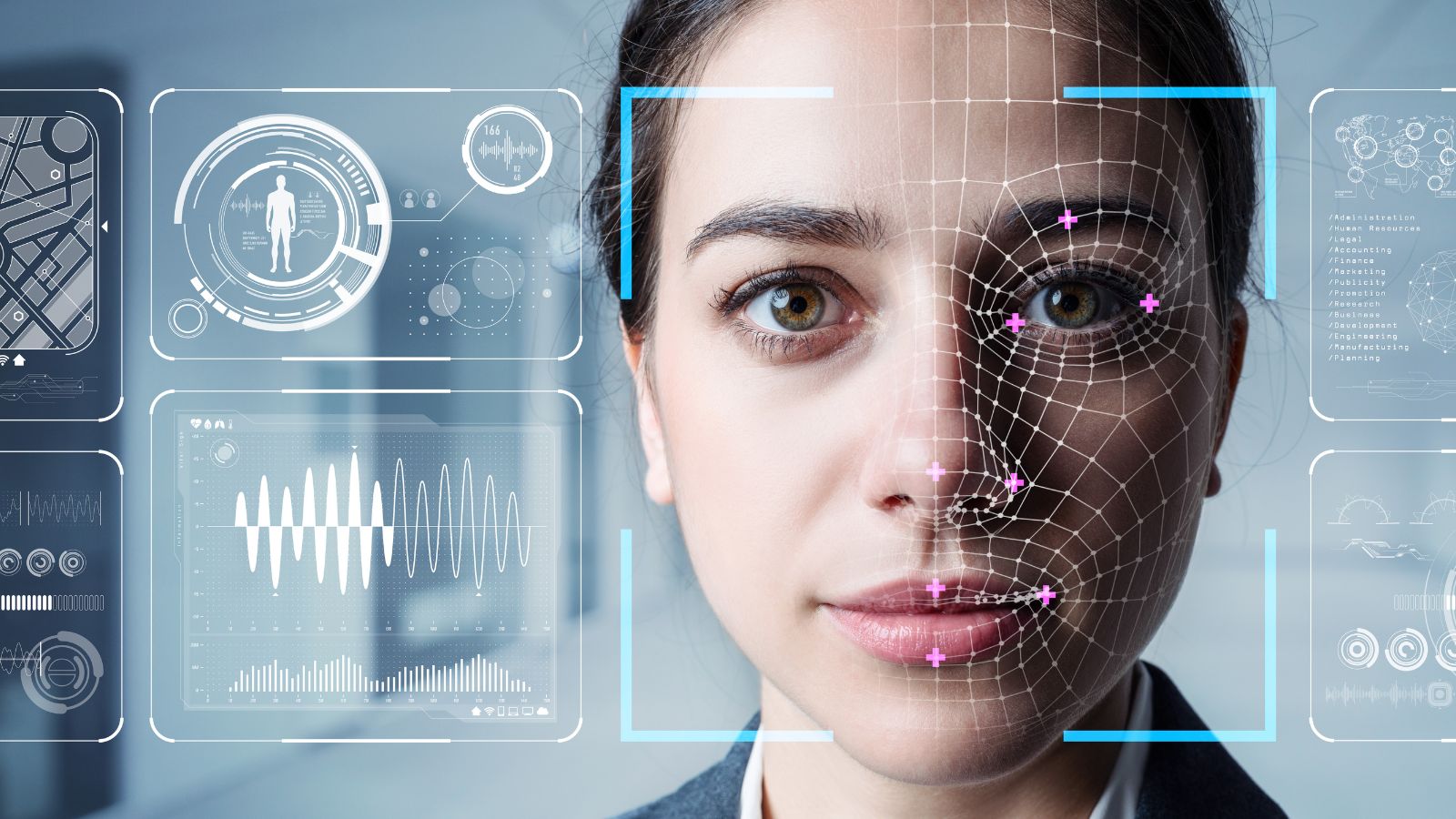
Not long ago, the idea of an AI-generated influencer felt futuristic and niche. Now synthetic personalities are part of mainstream platform culture, even when they are not openly advertised as such. Some are clearly virtual; others are designed to look almost human, right down to facial texture, outfit styling, and casual-seeming captions. That makes social media feel stranger than it used to, because a feed built around human expression now increasingly includes personas that never get tired, never age, never post impulsively, and never have a genuinely off day.
This matters because the emotional contract of social media has always depended on some assumption of human messiness. Audiences do not just consume content; they read tone, mood, vulnerability, and effort. When a digital persona imitates all of that, the line between performance and person becomes harder to see. Even when users know a virtual creator is not real, the platform still trains the eye to accept simulation as a normal part of everyday browsing. Once that happens, authenticity stops being a default expectation and becomes something that must be proven.
The Feed Feels Like One Long Ad Break

A major reason the experience feels less fun is simple saturation. Brand content is no longer confined to obvious commercials. It sits between memes, appears inside tutorials, hides in “favorites” lists, and piggybacks on trends that were supposed to feel communal. The feed can still look bright and entertaining, but much of that energy is carrying a sales motive. Even posts that are not directly selling something often feel built in the style of an ad: polished hook, emotional angle, clean payoff, call to action.
That changes how people read everything else. Once a platform is crowded with branded voices, self-promotion, affiliate links, and campaign-ready storytelling, the average post is no longer judged just on whether it is interesting. It is judged on whether it is secretly trying to convert attention into money. A hairstyle reel, coffee review, or room makeover can still be enjoyable, but it lands in an environment where audiences have learned to expect persuasion. The result is not always anger. Often it is fatigue, which can be even more corrosive because it turns curiosity into skepticism by default.
Sponsored Posts Blend Into Everyday Life
Social media used to make a sharper distinction between personal posting and advertising. That boundary has weakened. Today, an endorsement can arrive as a “morning routine,” a travel diary, a life update, or a recommendation slipped into a comments section. In many cases, disclosure exists, but it competes with fast scrolling, crowded visuals, and platform habits that train people to absorb tone before they absorb labels. A partnership tag may technically be present while functionally disappearing into the speed of the feed.
That blurring matters because the most persuasive ads often do not feel like ads at all. They feel like access: access to a creator’s taste, bedroom, kitchen, stress, or private opinion. The marketing value lies in that familiarity. When sponsorship becomes stylistically identical to ordinary posting, the user is left doing more interpretive work than before. Was that skincare praise genuine enthusiasm, strategic diplomacy, or a contracted obligation? Once those questions hover over enough posts, the platform starts to feel less like a place where people share what they like and more like a stage where every preference might be billable.
Popularity Can Be Manufactured
Social media trained users to read numbers as proof. High views suggested interest. Large follower counts suggested influence. Dense comment sections suggested excitement. That logic has always been shaky, but it feels especially fragile now because artificial popularity is easier to buy, fake, and stage than many people assume. Inflated metrics do not need to fool everyone to work. They only need to create the impression that a person, product, or opinion already has momentum.
That is what makes manufactured popularity so corrosive. It contaminates the most basic social cues on which platforms depend. A creator with a padded audience can look more trusted than a better one with fewer numbers. A scam offer can seem respectable if it arrives under a polished account with heavy activity. Even coordinated boosts that are technically visible as suspicious still create a first impression. Social media becomes less fun when users can no longer treat visible popularity as a rough shortcut to relevance. Once the scoreboard itself is suspect, every like count starts to look less like community approval and more like something that might have been arranged offstage.
Bots and Fake Profiles Distort the Crowd
Comment sections and trending conversations are supposed to create the feeling of being around other people. That feeling weakens when too much of the surrounding noise is automated, fraudulent, or strategically inauthentic. Bots do not just spread spam. They can mimic enthusiasm, echo slogans, repeat praise, manufacture conflict, and make a niche opinion look more widely shared than it really is. Fake profiles do something similar from another angle: they borrow the visual language of ordinary accounts while serving manipulation, scams, or coordinated messaging.
This changes the emotional texture of the platform. A lively thread can start to feel strangely hollow when the replies look generic, repetitive, or surgically opportunistic. The old pleasure of logging on to see what people are saying becomes mixed with the suspicion that not all of those “people” are people. That suspicion is exhausting because it forces users into constant micro-forensics. Is the account real? Is the praise real? Is the disagreement real? Social media loses part of its social core when basic crowd signals no longer feel trustworthy, and the room starts to sound like it may be partly artificial.
Outrage Travels Better Than Sincerity

There is a reason so many feeds feel angrier than they used to. Content that sparks outrage, tribal conflict, or moral disgust tends to draw fast reactions, and fast reactions are valuable on platforms built around engagement. Anger produces comments, shares, quote-posts, duets, stitches, and rebuttals. Sincere, measured, context-heavy posting rarely generates the same immediate intensity. That does not mean every platform is intentionally trying to make people mad, but it does mean their incentive systems often reward the emotional conditions that make people easiest to activate.
The result is a feed that can feel emotionally synthetic even when the feelings inside it are real. A creator may be furious, but the platform also knows fury performs. A hot take may begin as genuine frustration, yet it is quickly folded into a system that elevates conflict because conflict is sticky. Over time, users start to feel that they are not simply witnessing reactions; they are watching reactions tuned for maximum circulation. That makes social media less like conversation and more like a contest for the sharpest emotional trigger.
The Algorithm Often Chooses What Gets a Reaction, Not What Feels Good
Part of the fake feeling comes from a subtler mismatch: the feed often behaves as though attention and satisfaction are the same thing. They are not. A post can be magnetic and unpleasant at once. It can pull a user in through shock, irritation, envy, or suspicion while leaving behind no real sense of value. That pattern is familiar to anyone who has closed an app after twenty minutes of scrolling and felt oddly depleted rather than entertained.
Research increasingly points toward that gap. Engagement-focused ranking can favor the content most likely to provoke an immediate response, even when users say that what they want is something calmer, more useful, or less hostile. In practice, that means feeds may be filled with the kind of material that compels interaction rather than the kind people would choose after a moment’s reflection. Social media starts to feel fake in a structural sense when the platform acts as though the most clickable version of a person’s interests is the truest version. Often it is just the most exploitable one.
Authenticity Now Has a Public Version and a Private One

One of the quietest signs that public social media feels less real is the rise of the backup self. Many younger users maintain more than one account on the same platform, often keeping one polished version for wider visibility and another for a smaller circle. That split says a great deal. It suggests that “being oneself” online is no longer a single activity. It is managed by audience, context, and reputational risk. Public posting becomes performance; private posting becomes the place where something closer to spontaneity survives.
There is a certain ingenuity in that. People adapt when platforms stop feeling safe or comfortable. Yet the very need for the split reveals what has changed. A public feed that once held everyday personality now often feels too exposed, too searchable, too commercial, or too emotionally expensive for unguarded sharing. So users create side doors: alternate accounts, close-friends circles, dump pages, private stories. The more authenticity retreats into smaller enclosures, the more the main stage starts to look like exactly that—a stage, brightly lit and carefully blocked, but no longer mistaken for ordinary life.
Feeds Are Increasingly Filled by Performers, Not People Known Offline
Social media originally sold itself as a way to keep up with people already in one’s life. That function still exists, but it now competes with a much broader entertainment ecology. Many users spend more time with performers, meme accounts, commentators, creators, and internet personalities than with family, classmates, coworkers, or neighbors. In other words, the feed often feels less like a social map and more like a personalized broadcast network.
That shift changes the mood of the experience. When everyday relationships stop being the center of the feed, the platform becomes more polished but also more distant. It is easier to be impressed, but harder to feel grounded. There is less small-scale social texture: fewer awkward updates, fewer mundane photos, fewer reminders that online space once revolved around ordinary people telling each other what they were up to. In its place comes a more professionalized stream of attention-optimized personalities. Even when those personalities are talented and enjoyable, the experience can feel less like hanging out and more like browsing an endless talent marketplace.
News on Social Is Becoming a Creator Business
For many younger users, social media is no longer just where commentary about the news happens. It is where news itself is encountered, interpreted, packaged, and emotionally framed. That alone changes the feel of the platforms. A casual scroll can shift from recipes and outfit clips to war footage, election claims, market predictions, or legal analysis in seconds. The news is no longer arriving only through institutions with recognizable editorial structures. It is also arriving through personalities whose authority depends on style, intimacy, speed, and repeat viewership.
That creator-led news environment can be energetic and accessible, but it also makes the feed feel more unstable. A person delivering breaking updates from a bedroom can look as authoritative as a correspondent, especially on a small screen. Audiences may form habits of trust around tone and consistency rather than verification standards. And because many influential accounts operate independently of news organizations, the norms that traditionally separated reporting, commentary, activism, and monetization can blur. Social media becomes less fun when even a recreational scroll carries the sense that serious claims are being made in formats built for personality first and context second.
Many Information-Sharing Creators Still Skip Basic Verification

The growth of creator-led information would be less worrying if verification habits had grown at the same pace. Often they have not. Many digital creators clearly care about what they make and the communities they serve, but care is not the same as fact-checking. In fast-moving platform culture, confidence, relatability, speed, and aesthetic fluency can be mistaken for credibility. A creator who sounds informed may simply be repeating what seems plausible, popular, or emotionally satisfying.
That gap matters because the platform environment rewards momentum more than caution. A creator deciding whether to spend an hour checking a claim or to post immediately knows which option is usually better for reach. And once a half-checked claim is wrapped in a polished voice, it can travel far before anyone pauses to challenge it. This is one reason social media feels more performative than dependable. The viewer is not always encountering verified information dressed in casual language; often the viewer is encountering casual certainty wearing the costume of expertise.
Everything Starts to Look Like the Same Post in Different Apps
Another reason the feeds feel less alive is repetition across platforms. The same clip appears on TikTok, then on Reels, then on Shorts, then recirculates through meme pages or commentary accounts. The same talking point gets repackaged with slightly different subtitles. The same facial expression, hook phrase, and list format reappear until the experience starts to flatten. What looks like abundance can actually be duplication wearing different logos.
That sameness is not accidental. Creators increasingly work across multiple platforms because that is where attention, revenue, and resilience lie. A single idea is no longer just a single idea; it is raw material for cross-posting, clipping, and reformatting. The business logic makes sense, but the user experience can feel oddly drained. Discovery becomes less thrilling when every scroll brings a variation of something already seen elsewhere. Social media begins to feel fake not because every post is dishonest, but because so much of it feels pre-tested, modular, and endlessly transferable—as though originality matters less than portability.
AI Makes Content Production Cheap Enough to Flood the Zone
Generative AI does not need to replace all human creativity to alter how social media feels. It only needs to make average content dramatically easier to produce. That shift is already enough to matter. Scripts can be drafted faster, thumbnails improved, captions generated, images fabricated, voices cloned, and personas simulated at a speed that changes the economics of posting. What used to require effort, time, or a certain level of craft can now be assembled at volume.
Volume is the crucial part. When low-cost production rises, the feed fills more quickly with material that is technically competent but emotionally thin. Social media stops feeling handmade and starts feeling overstocked. Even human creators who use AI lightly may end up contributing to a broader atmosphere in which polish is abundant and originality harder to detect. The effect is not merely aesthetic. Research suggests AI-assisted systems can increase output and engagement while reducing perceived authenticity and discussion quality. In other words, the content machine gets stronger even as the social texture gets weaker.
Fact-Checking Works, but Often Arrives Late
One of the most frustrating features of the current environment is that corrections can be effective without being timely enough. Community fact-checking systems and added context can reduce the spread of misleading posts, but social media rarely runs on the timeline of careful evaluation. False or distorted content can gather momentum quickly because novelty, emotion, and certainty travel well. By the time warnings, notes, or context boxes appear, the post may already have shaped impressions, fed arguments, or traveled into screenshots and reposts beyond the original thread.
That creates a peculiar kind of unreality. A user may know that the platform has mechanisms for correction and still feel that the fake material had the first, louder, and more emotionally decisive word. In practical terms, a correction often reaches a narrower, more patient audience than the original claim did. So even when the truth eventually catches up, the platform can still feel rigged in favor of the dramatic counterfeit. That is not just a moderation problem. It is a tempo problem, and tempo is one of social media’s deepest structural biases.
Labels Help, Yet They Still Leave Plenty of Ambiguity

Platforms increasingly recognize that AI-generated or manipulated media needs labeling. That is progress, but labeling is not a magic cure. Some disclosures appear only after upload steps that creators may skip, misunderstand, or interpret narrowly. Some labels are visible but vague. Others are buried in descriptions, not overlaid in the part of the experience where attention is highest. And there are still formats—especially realistic audio and video—where detection and consistent labeling remain incomplete.
The deeper issue is that labels answer only one question: was AI involved? They do not automatically tell users how much AI was used, whether the content is deceptive, whether the subject is fictional, or whether the emotional impression being created is trustworthy. A polished label can even create a false sense that the problem has been solved. Social media feels less fun when every new transparency tool also highlights how much hidden mediation is happening behind the scenes. The label is useful, but it is also a reminder that what appears effortless on screen may be technologically far stranger than it looks.
Casual Browsing Now Comes With Constant Persuasion
Social platforms are no longer just places where people encounter products incidentally. They are environments where browsing, recommendation, branding, and persuasion are tightly woven together. Following a favorite creator can mean following their affiliate links, storefront picks, discount codes, product roundups, or brand-safe opinions. Following a company can mean consuming a steady stream of entertainment designed to feel like culture rather than marketing. Even when the material is enjoyable, it still nudges the audience toward a consumer relationship.
That matters because it changes the posture of the user. Leisure starts to resemble exposure. A person logging on for conversation can end up moving through a space where tastes are constantly being shaped, monetized, and mirrored back. The old division between “seeing what people are up to” and “being sold to” becomes harder to maintain. This is not always sinister; often it is simply well-executed digital commerce. But the cumulative effect can still make social media feel less like a commons and more like a retail district disguised as one.
The Fun Is Being Replaced by Fatigue
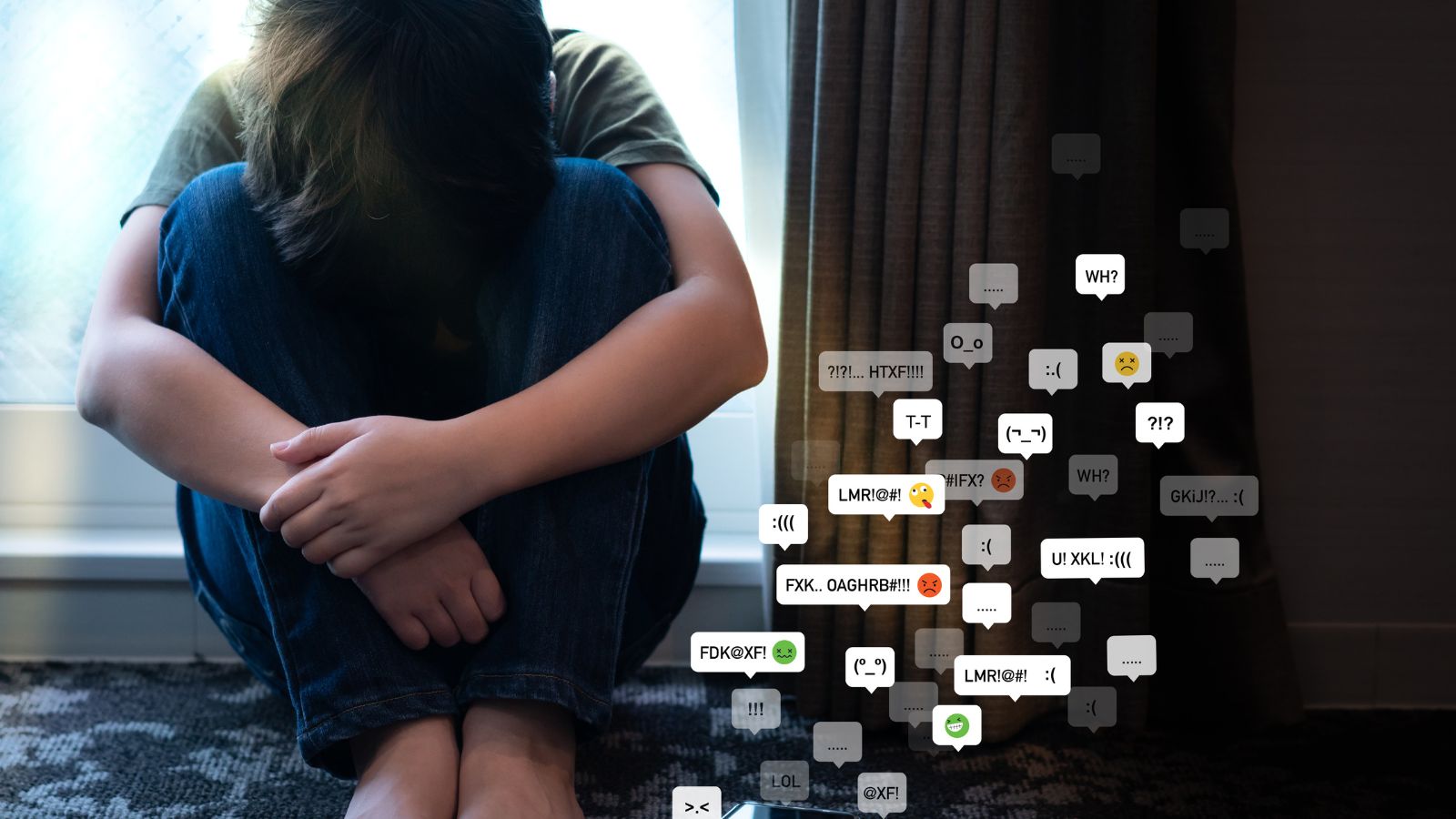
Perhaps the biggest sign that social media feels more fake than fun is not any single scandal or technology. It is the mood of overexposure. Too many ads, too much performance, too much incentive to look polished, too much reason to doubt what seems popular, spontaneous, or heartfelt. Users may still laugh, learn, and connect online, but those pleasures now compete with a background sense of strain. The feed can feel crowded before it feels interesting.
That fatigue shows up in small ways: reduced scrolling on some platforms, more private sharing, faster suspicion, weaker delight. It also shows up in the strange emotional mix many users describe after long sessions—stimulated, informed, entertained, and somehow vaguely cheated at the same time. Social media has not become fully fake, and it has not stopped being useful. But it is increasingly built around signals that can be manufactured, feelings that can be optimized, and relationships that can be monetized. When too many parts of the experience start to feel engineered, fun becomes harder to trust.
19 Things Canadians Don’t Realize the CRA Can See About Their Online Income

Earning money online feels simple and informal for many Canadians. Freelancing, selling products, and digital services often start as side projects. The problem appears at tax time. Many people underestimate how much information the CRA can access. Online platforms, banks, and payment processors create detailed records automatically. These records do not disappear once money hits an account. Small gaps in reporting add up quickly.
Here are 19 things Canadians don’t realize the CRA can see about their online income.
