Modern products rarely ask for a dramatic sacrifice up front. They promise convenience, speed, safety, personalization, or peace of mind, and that is why so many of their most popular features feel harmless at first. The real cost usually appears later, after habits form and the tradeoff becomes harder to reverse.
These 17 features all offer something genuinely useful. That is what makes them persuasive. But each one can quietly chip away at something people tend to value more than they expected: attention, privacy, autonomy, ownership, trust, or the simple ability to step back and choose deliberately.
Infinite Scroll

Infinite scroll feels like a courtesy feature because it removes friction. There is no clumsy next-page button, no interruption, and no need to decide whether a person wants to keep going. Content simply arrives. In a busy world, that can seem efficient. But the same seamlessness that makes scrolling feel smooth also strips away a natural stopping cue. What used to be a series of choices becomes a stream, and the stream is designed to keep moving whether someone intended to spend five minutes or fifty.
That tradeoff matters because stopping points are part of self-control. When platforms erase them, people often give up more time than they realize. A short check-in during lunch can turn into a half-hour drift through videos, posts, and comments with no moment that clearly says enough. The feature feels like convenience, but what it often takes is the boundary between intentional use and passive consumption. By the time that becomes obvious, the habit is usually already built into daily life.
Push Notifications

Push notifications are sold as helpful signals. They can warn someone that a package has arrived, a meeting has changed, or a family member is trying to reach them. In the right context, they are genuinely useful. The problem is that once every app can buzz, flash, and badge its way into view, the phone stops acting like a tool and starts behaving like an agenda set by other people and other companies. Urgency becomes something the device manufactures, not something life always requires.
The cost is not just annoyance. It is concentration. A single alert can fracture a train of thought, and repeated interruptions train people to live in a state of partial attention. Over time, even silence starts to feel temporary, as if another interruption is always seconds away. That is why notification-heavy devices can make free time feel strangely restless. The feature appears to offer awareness, but what it often takes away is sustained focus and the ability to decide when something deserves attention instead of reacting on cue.
Algorithmic Recommendations

Recommendation systems promise relief from overload. Instead of searching through everything, people get suggestions tailored to their tastes, habits, and past behavior. That can feel smart and efficient, especially when there is too much content and too little time. Yet personalization has a hidden logic: it often favors what is most likely to hold attention, not what is most balanced, surprising, or broadening. The feed may feel custom-made, but it can slowly become a corridor built from earlier clicks.
That matters most when people use platforms to keep up with culture, news, or public debate. A recommendation engine can quietly narrow what feels normal, interesting, or worth noticing. It does not need to ban alternative views to make them less visible; it only has to keep serving more of what already worked. The feature feels like relevance, but the tradeoff can be intellectual range. People may save time on discovery while giving up serendipity, context, and the healthy friction of encountering something they did not already seem primed to like.
One-Click Checkout and Stored Cards

One-click checkout feels like progress because it removes hassle from buying something that already seems decided. No wallet hunt, no repeated form fields, no delay between wanting and having. That is convenient when the purchase is necessary and the buyer is calm. But reducing checkout to a tap also removes one of the last built-in pauses in online shopping. There is less time to compare, reconsider, or ask whether the purchase still makes sense once the initial rush fades.
That lost pause matters more than it seems. In ordinary life, friction sometimes protects people from themselves. Entering card details, reviewing a total, or getting up to fetch a wallet can create a small moment of reflection. When that disappears, impulse buying becomes easier to confuse with efficient buying. The feature feels like streamlined commerce, but what it often takes away is deliberation. People are not just saving time; they are giving up the split second that separates a considered purchase from a reflexive one.
Buy Now, Pay Later

Buy now, pay later tools feel helpful because they turn an immediate cost into a series of smaller, manageable payments. That can genuinely help with cash flow, especially when budgets are tight and an expense cannot wait. The danger is that splitting the price can also shrink its psychological weight. A purchase that might have felt too expensive at once can start to feel harmless when framed as four smaller payments, even if the total obligation is unchanged and several other installments are already coming due.
That is where convenience becomes a risk. Once multiple purchases are broken into separate payment streams, the consumer is not comparing prices anymore; the consumer is juggling timelines. The feature feels like flexibility, but it can make true affordability harder to judge. It also shifts attention away from what something costs overall toward what it costs right now. For many households, that tradeoff means giving up clarity. The purchase seems easier in the moment, while the financial burden becomes easier to underestimate until several “small” commitments start landing at once.
Auto-Renewing Subscriptions and Free Trials
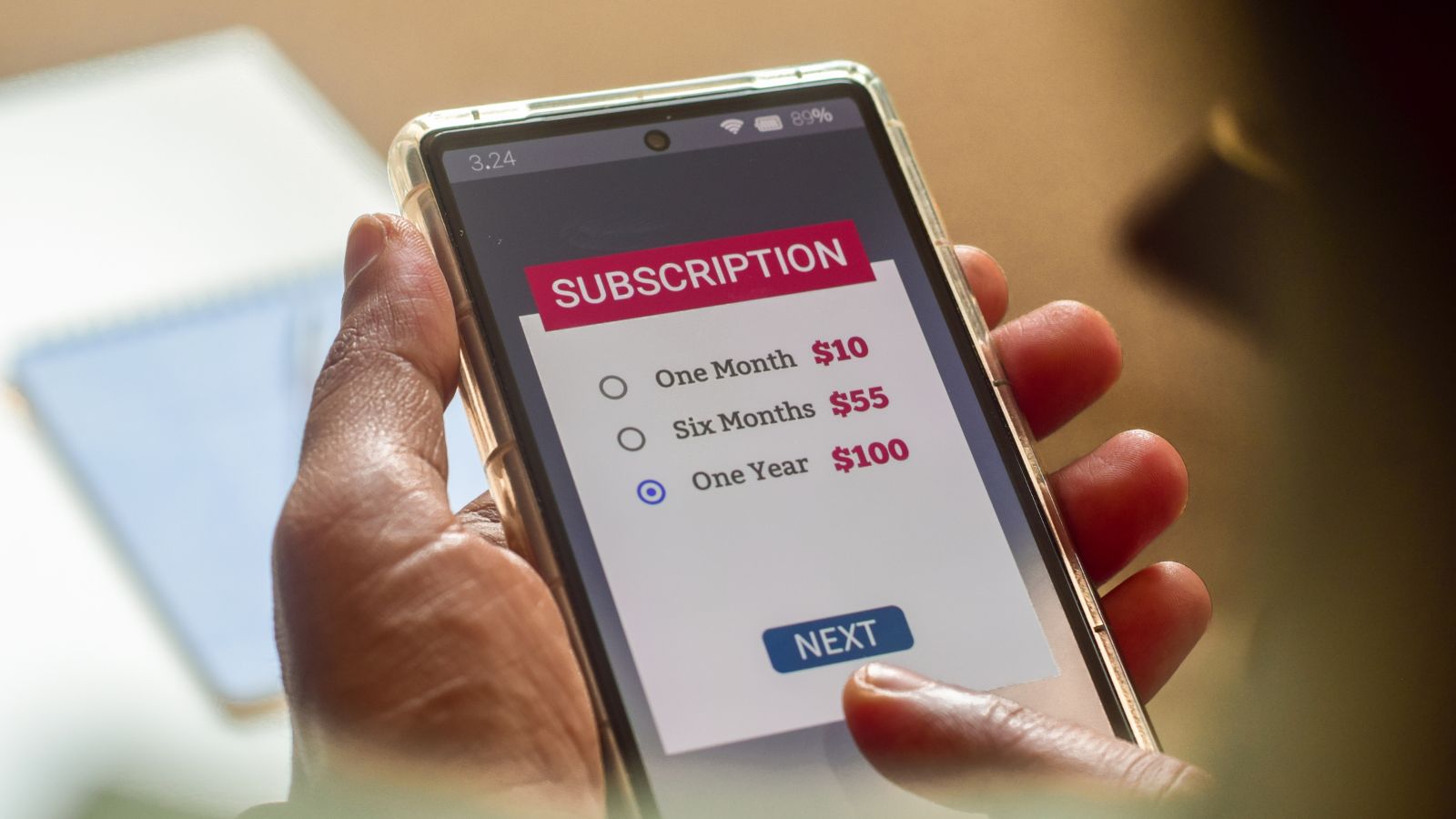
Auto-renewal feels helpful because it removes maintenance. No one has to remember billing dates, re-enter payment details, or risk losing access to a service they use often. Free trials are especially persuasive because they let people test something with little apparent downside. But that same convenience can become a trap once the business model depends on inertia. A person who joined in seconds may discover later that leaving takes far more effort, more screens, or more persistence than expected.
The real cost is not always the money alone. It is the transfer of control from the user’s calendar to the company’s billing cycle. When subscriptions renew quietly in the background, forgetting becomes profitable for someone else. Even careful consumers can end up paying for services they meant to cancel, barely use, or no longer value. The feature feels like continuity, but what it can take away is active consent. Instead of choosing each month to keep paying, people often find themselves paying by default and deciding only after the charge appears.
Precise Location Sharing
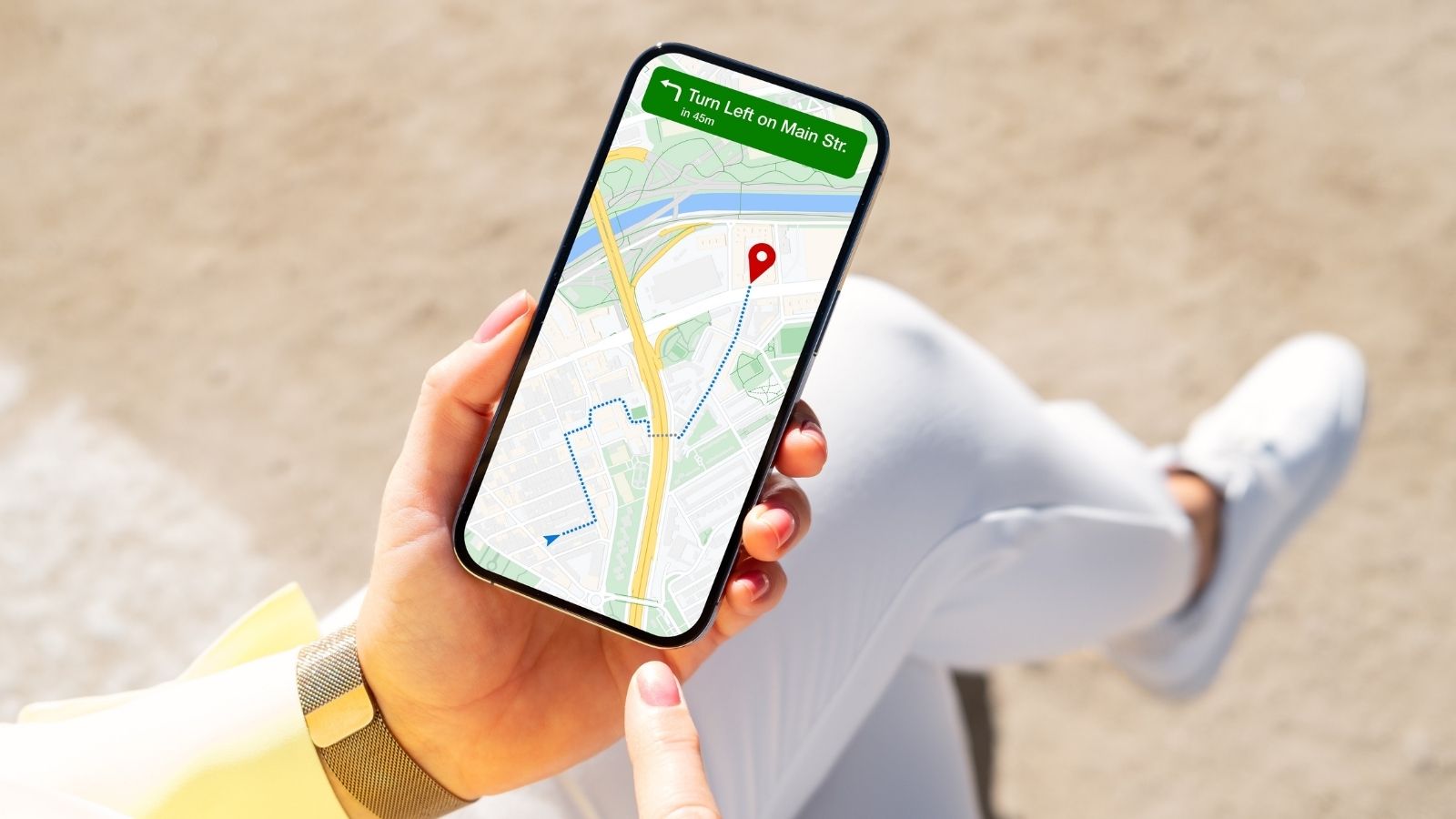
Precise location features can be genuinely useful. They make navigation easier, improve delivery accuracy, help locate a lost phone, and let friends or family coordinate quickly. In emergencies, real-time location sharing can be a safeguard. Yet the same precision that makes the feature helpful also makes it intimate. A detailed location trail can reveal far more than where someone is standing. Over time, it can show routines, relationships, workplace patterns, medical visits, places of worship, and the habits that shape a private life.
That is why location data carries a different kind of sensitivity. People often think they are sharing convenience, when they may actually be giving up obscurity. Moving through the world without leaving a commercial record used to be ordinary. Now it often depends on which permissions were granted, which apps were trusted, and what happened to the resulting data downstream. The feature feels like coordination and safety, but the tradeoff can be freedom from being continuously legible to companies, brokers, and systems that know far more than a map needs to know.
Smart Speakers and Voice Assistants
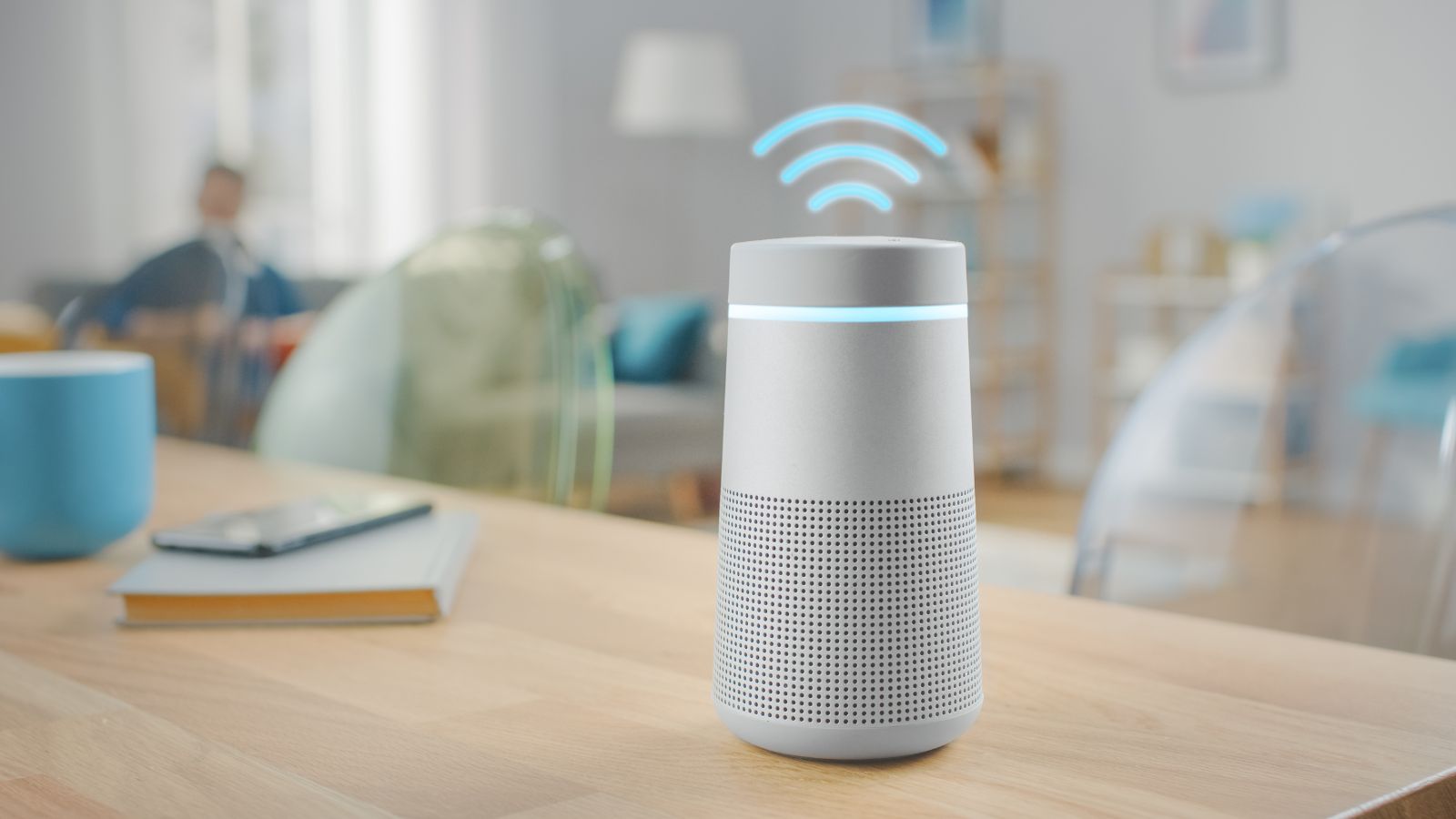
Voice assistants feel almost magical at their best. They let people set timers with full hands, control lights from across the room, call up music instantly, and make technology more accessible for children, older adults, and people with disabilities. That ease is exactly why smart speakers spread so quickly. But the convenience rests on placing microphones inside the home and trusting a distant system to capture, process, store, and sometimes retain parts of what is said around it.
The home has long been understood as a place where life is less curated and less observed. Smart speakers complicate that assumption. Even when companies insist devices are listening only for wake words, users are still being asked to accept an infrastructure of ambient capture, cloud processing, retention policies, and deletion promises they do not fully control. The feature feels like hands-free help, but the tradeoff is domestic privacy. People gain responsiveness while giving up a little of the old expectation that ordinary household life fades once a sentence is spoken.
Cloud Photo Backup and Face Grouping

Automatic photo backup is one of the most comforting features in modern tech. It rescues memories from broken phones, lost devices, and accidental deletions. Face grouping and smart search make huge libraries manageable, turning chaos into order with a few taps. For parents, travelers, and anyone who documents life heavily, that can feel invaluable. But the same system that protects memories can also transform them into a searchable biometric archive, where faces, relationships, places, and timelines become machine-readable.
That changes the nature of a photo collection. What once sat in albums or on hard drives as personal history can become a structured data asset shaped by recognition tools, retention policies, and cloud storage practices beyond the user’s full view. The feature feels like organization, but the tradeoff is that intimate family life becomes easier to analyze, tag, and reuse. When convenience turns a picture library into a recognition system, people may discover they were not only storing memories. They were also helping create a database of themselves and the people around them.
Video Doorbells

Video doorbells feel like a practical upgrade to home security. They help screen visitors, deter porch theft, document deliveries, and give residents a sense of control when they are away. In neighborhoods where package theft or trespassing is a real concern, that reassurance matters. But a doorbell camera rarely sees only the doorstep. It can also capture sidewalks, neighboring homes, passersby, and workers who never meaningfully agreed to become part of someone else’s footage archive.
That wider field of view creates a social tradeoff. Security for one household can become surveillance for everyone nearby. The feature feels private because it sits on a private home, yet its lens often reaches into shared space. That matters even more when footage is stored in the cloud, reviewed later, or accessed beyond the household. What began as a simple answer to “Who’s there?” can become a system that records ordinary neighborhood life by default. The gain is visibility, but the thing given up is the old assumption that walking down a street did not automatically place someone in a searchable home video system.
Loyalty Apps and Personalized Coupons

Loyalty programs feel generous. Scan the app, collect points, unlock deals, and get discounts that seem tailored to actual shopping habits. For households watching grocery bills, fuel costs, or pharmacy prices, those savings can feel too practical to ignore. But the modern loyalty model is not only about rewarding repeat customers. It is also about building increasingly detailed profiles of what people buy, when they buy it, where they shop, and what patterns can be inferred from the mix.
That is where the deal starts to change shape. The feature feels like savings, but it may also be training consumers to pay with data as often as they pay with cash. Once shopping histories become rich enough, discounts can stop being broad promotions and start acting like individualized nudges. Some shoppers may get a better offer, others a different price path, and many may never know how the system judged them. The convenience is real, but the tradeoff can be equal treatment and a measure of anonymity in everyday shopping that used to come standard.
Continuous Health Tracking
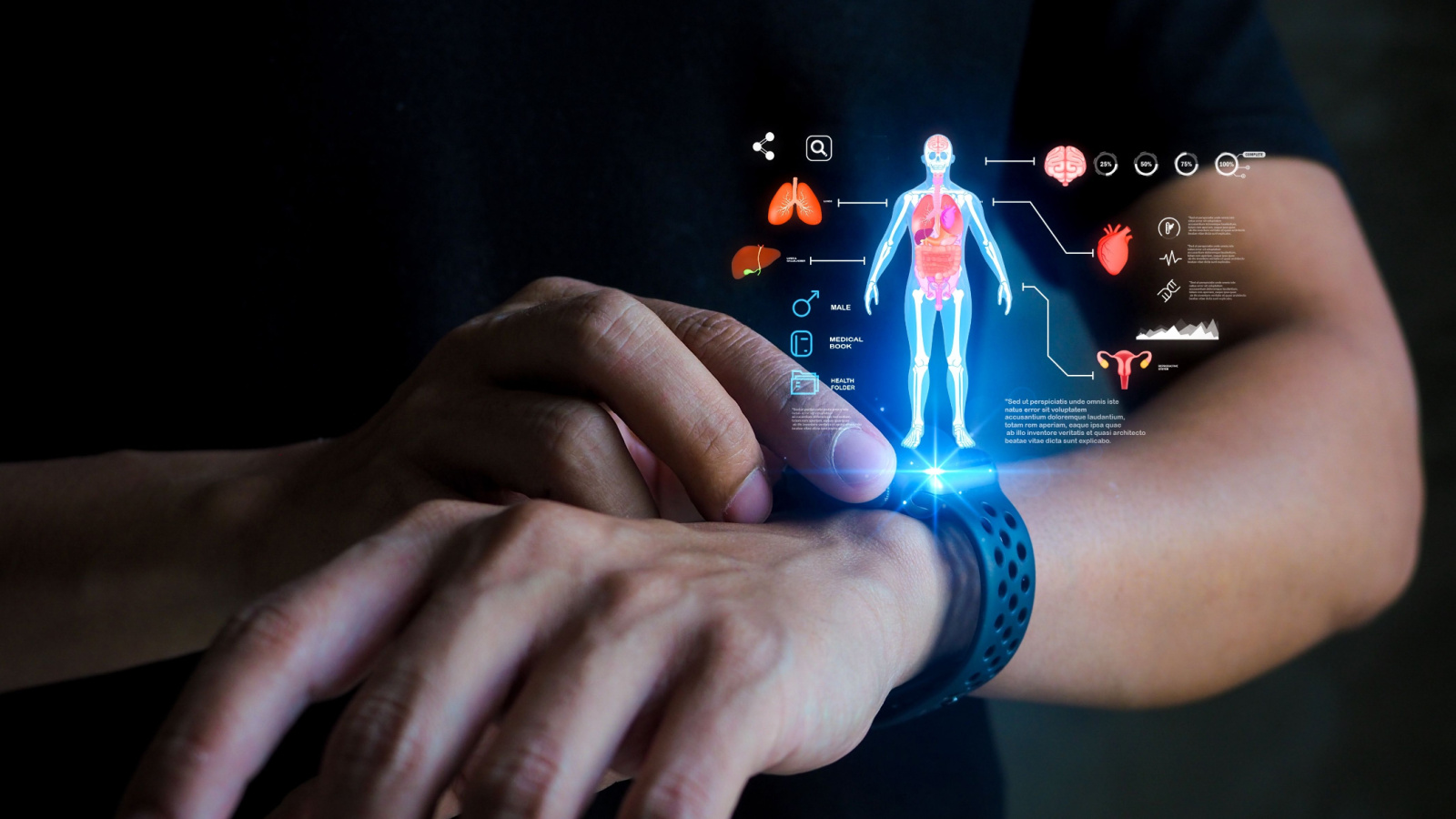
Health tracking features can be genuinely motivating. They remind people to move, log sleep, detect irregular patterns, and create a sense of accountability that many find useful. For some users, a wearable can become a nudge toward exercise or an early signal that something physical deserves attention. That is the promise: more data, more awareness, better habits. But once the body becomes a constant stream of metrics, people can begin to treat ordinary fluctuations as performance failures or data problems that need correction.
There is also a privacy cost that is easy to miss because the data feels personal rather than medical. Steps, heart rate, sleep quality, cycle tracking, and mood patterns can reveal intensely sensitive information, yet the protections around consumer health tech are not always the same as the protections people assume exist in clinical settings. The feature feels like self-knowledge, but the tradeoff can be twofold: less privacy over bodily data and less peace with the fact that health is not always neatly measurable. Some things that make people healthier are habits, not dashboards.
Biometric Login
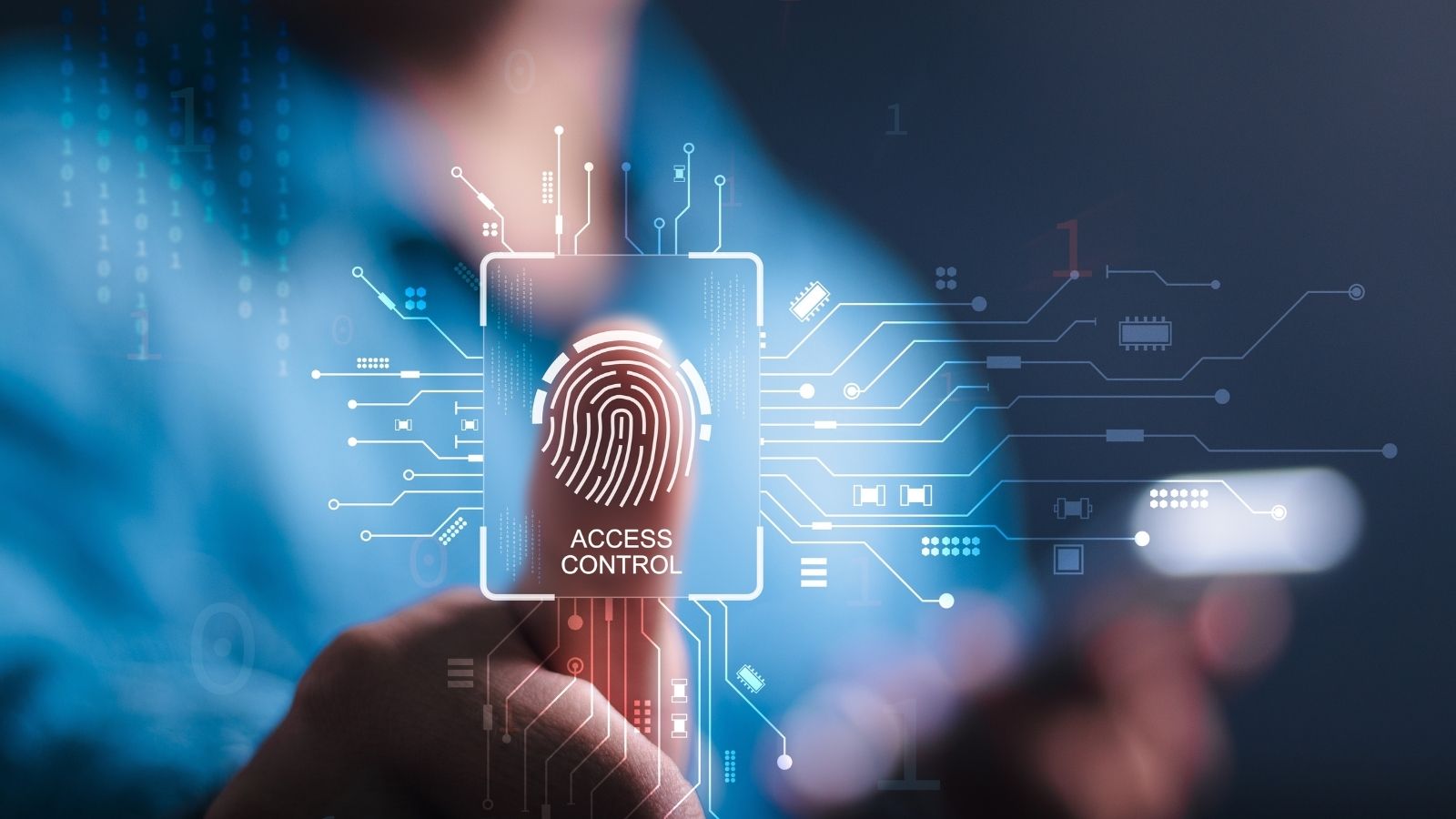
Biometric login feels like one of the cleanest victories in consumer tech. A face or fingerprint is faster than a password, easier than remembering codes, and often more secure than the weak credentials people tend to reuse. It is easy to see why the feature became normal so quickly. Yet biometrics differ from passwords in one crucial way: they are part of the body. A leaked password can be changed. A compromised fingerprint or face template raises a more unsettling problem, because the credential is not something a person can simply rotate and replace.
That makes the convenience more complicated than it looks. Biometric systems may be excellent for reducing friction, but they also ask people to make peace with the idea that access can depend on immutable personal traits. In addition, face and fingerprint systems are still technical systems, which means they can misread, fail, or behave unevenly across contexts and populations. The feature feels effortless, but what it can take away is revocability. People gain speed while accepting a form of authentication whose raw material is much harder to recover once trust in the surrounding system breaks.
AI Meeting Transcripts and Summaries

AI note-taking tools feel like relief for knowledge workers. They promise better follow-up, fewer missed decisions, and less frantic typing during calls. In theory, that frees participants to listen more closely instead of scribbling. For busy teams, searchable transcripts and instant summaries can genuinely reduce friction after meetings. But the same feature also changes what a meeting is. A discussion that once faded into partial memory becomes a durable record, searchable by others and potentially retained far longer than the speakers imagined.
That permanence carries a subtle cost. Meetings often include tentative ideas, incomplete reactions, blunt phrasing, and sensitive details that people would express differently if they were writing a formal document. AI transcription can collapse the difference between conversation and record. The feature feels like clarity, but the tradeoff is often context. Offhand remarks can harden into searchable text, and a brainstorming session can start to feel less like exploration and more like deposition. What gets lost is not just privacy. It is the freedom to think aloud without assuming every unfinished thought now belongs to a permanent system.
Employee Monitoring Dashboards
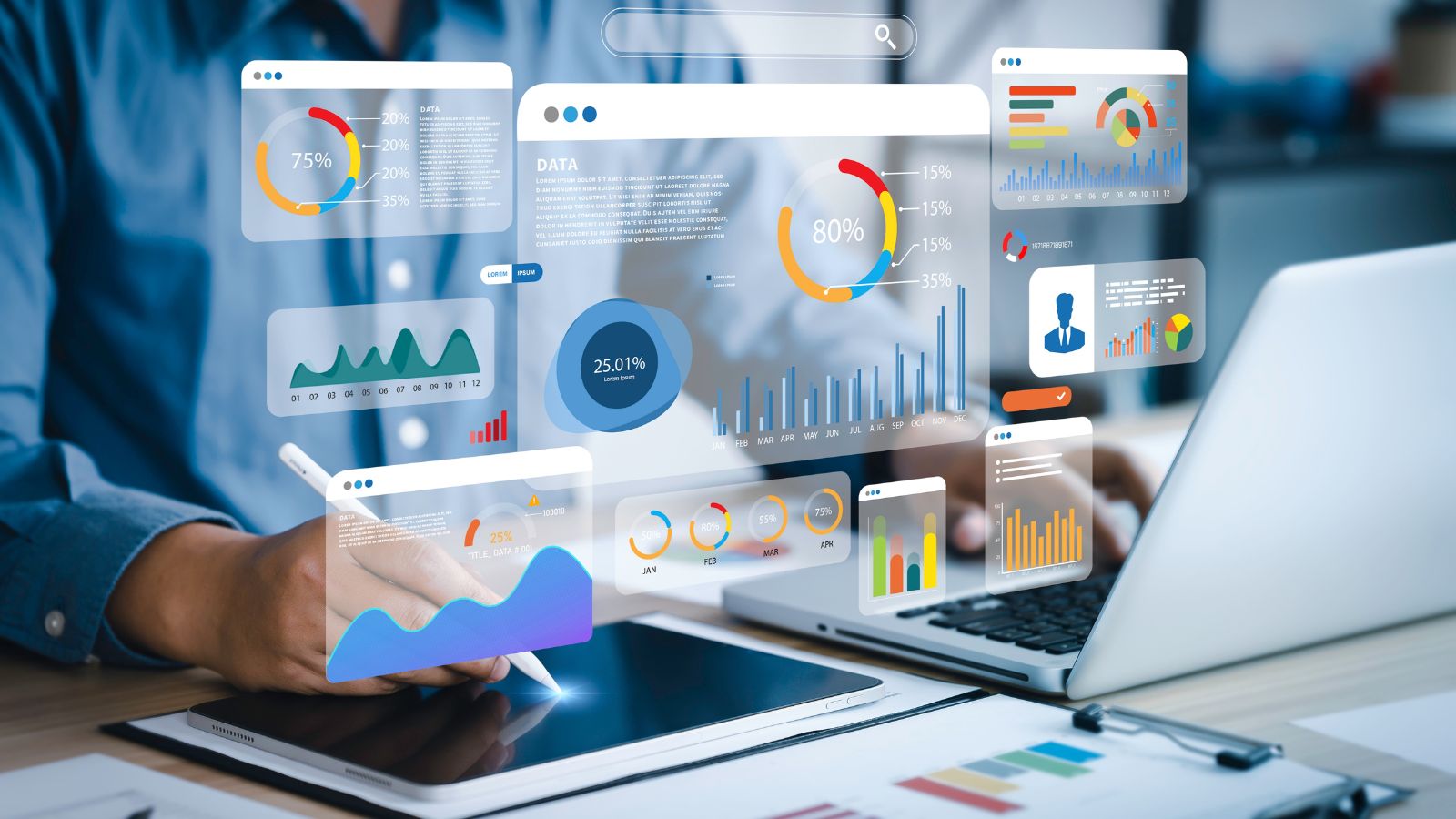
Workplace monitoring features are usually introduced with a practical argument: better productivity, stronger security, cleaner compliance, clearer accountability. In high-risk settings, some oversight is reasonable. Dashboards that track logins, time on task, messages, location, or output can look objective and efficient, especially to managers under pressure to prove performance. But what feels like visibility from above can feel very different from below. Workers do not experience constant measurement as neutral. They experience it as atmosphere.
That atmosphere can change behavior in ways that are hard to measure neatly. People may optimize for what is countable instead of what is valuable, avoid thoughtful pauses because they look inactive, and lose trust in leaders who say they value judgment while tracking keystrokes or screen time. The feature feels like management support, but the tradeoff is often autonomy. A healthy workplace depends on more than evidence of activity. When surveillance becomes the default language of supervision, employees may give up candor, initiative, and calm long before the dashboard proves anything useful.
Family Locator Apps
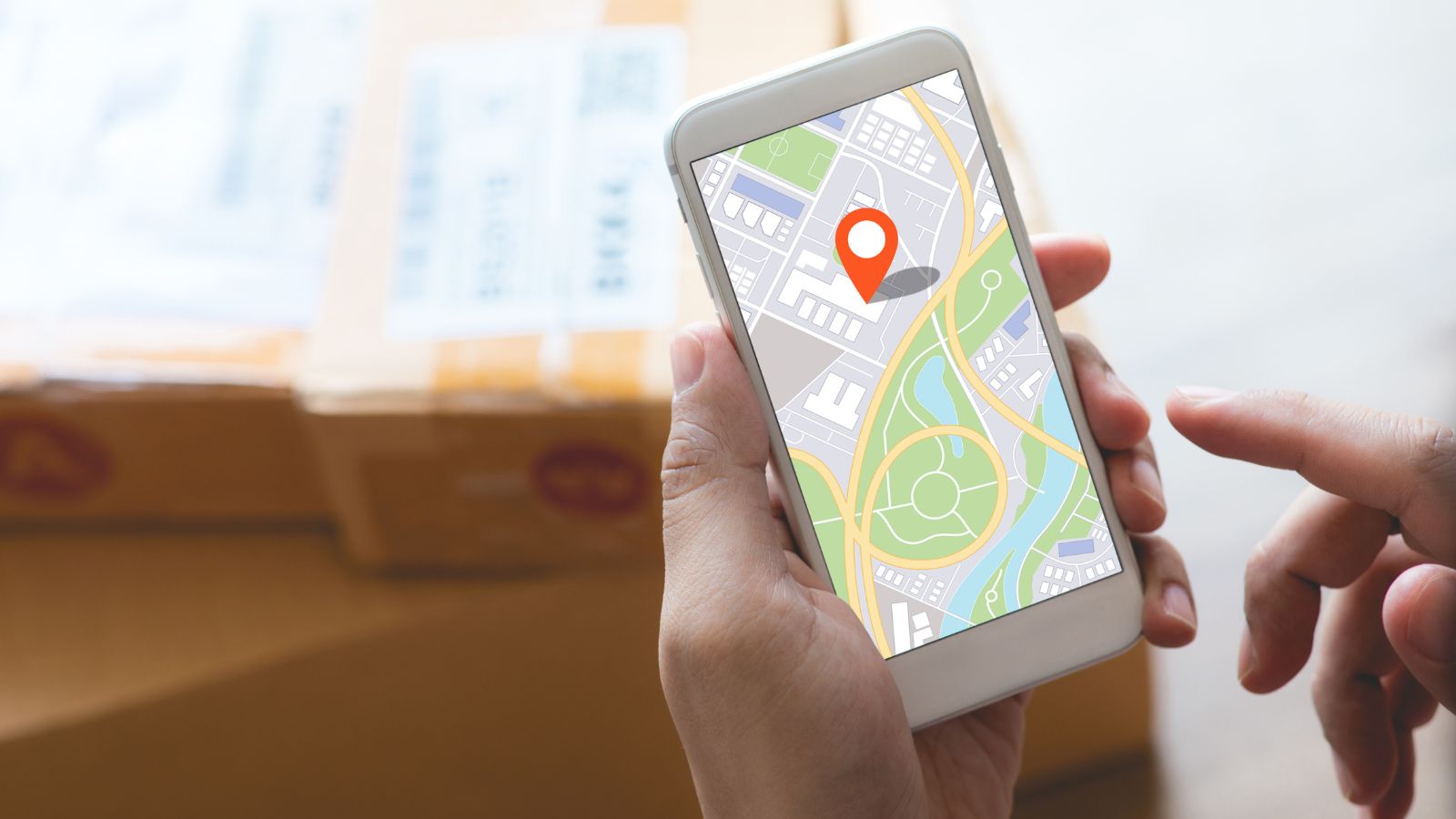
Family locator apps speak directly to a real and powerful concern: safety. Parents want to know children got to school, teens want easier pickup coordination, and relatives want reassurance when someone is traveling alone. In that sense, these tools answer a genuine need. But once location checking becomes routine, the emotional meaning of the feature can shift. What started as emergency reassurance can become casual surveillance, then expectation, then conflict when someone wants an ordinary measure of space.
That shift matters because trust and autonomy develop through practice, not just rules. Children and teenagers do need supervision, but they also need room to make age-appropriate choices without treating every movement as reportable data. Adults in couples or families can feel the same tension. The feature feels like care, yet it can quietly redefine care as continuous access. Over time, people may stop asking, “Are you okay?” and start asking, “Why were you there?” That is the point where a safety tool begins taking something relational in return: the assumption that love does not require constant proof of location.
Connected-Car Driver Scoring
Connected-car features often arrive wrapped in reassuring language. They promise safer driving, maintenance alerts, convenience services, roadside help, and even feedback that could help lower insurance costs. On paper, that sounds like technology aligning with common sense: drive better, know more, save money. But once cars become dense sensors on wheels, the line between assistance and extraction gets blurry. A system that records speed, braking, routes, and time of day is not just helping the driver. It is also producing a detailed behavioral record.
That record can travel farther than many drivers expect. The feature feels like coaching, but the tradeoff can be control over how driving behavior is interpreted, sold, or used against someone in pricing decisions they never clearly agreed to invite. A person may opt in for safety feedback and later discover the data had a second life. Cars once represented a particular form of freedom: movement with relative obscurity. As vehicles become connected platforms, that old bargain changes. The convenience is real, but the road is no longer just being driven. It is being logged.
19 Things Canadians Don’t Realize the CRA Can See About Their Online Income

Earning money online feels simple and informal for many Canadians. Freelancing, selling products, and digital services often start as side projects. The problem appears at tax time. Many people underestimate how much information the CRA can access. Online platforms, banks, and payment processors create detailed records automatically. These records do not disappear once money hits an account. Small gaps in reporting add up quickly.
Here are 19 things Canadians don’t realize the CRA can see about their online income.
