Technology rarely changes life all at once. It usually arrives as a series of small adjustments: a faster checkout, a smarter camera, a login without a password, a car that needs less fuel, a work tool that quietly drafts the first version. Together, those small shifts can redraw daily routines before the wider public has fully named what is happening.
These 16 tech changes are moving quickly because they are being built into ordinary devices, workplaces, homes, cars, payment systems, and public infrastructure. Some feel convenient, some feel unsettling, and some are nearly invisible until they become the default. The speed of change matters because many of these technologies are no longer experimental; they are already shaping how people work, communicate, travel, shop, secure accounts, and make decisions.
AI Is Becoming a Normal Office Tool, Not a Special Project
Artificial intelligence has moved from novelty to background infrastructure inside many organizations. What once felt like a tool for tech teams is now appearing in customer service dashboards, marketing workflows, legal review, software development, meeting summaries, and finance operations. Stanford’s 2025 AI Index reported that organizational AI use jumped sharply in 2024, showing how quickly businesses began treating AI as a standard productivity layer rather than a future experiment.
The more subtle change is not that AI can write or summarize, but that work processes are being redesigned around it. Companies are appointing AI governance leaders, tracking return on AI investments, and rebuilding workflows to capture value. That creates a strange transition period: many employees may feel as if they are using ordinary software, while the software is quietly changing expectations around speed, documentation, research, and decision-making.
Generative AI Is Being Built Into Search, Email, and Everyday Apps

Generative AI is no longer limited to standalone chatbots. It is being folded into search engines, email platforms, office suites, design tools, phones, customer service portals, and shopping experiences. A person may not “open an AI tool” at all, yet still encounter AI-generated summaries, suggested replies, image edits, writing assistance, or automated recommendations during routine tasks.
This matters because the interface of the internet is changing. Instead of users clicking through ten links, apps increasingly offer a synthesized answer, a drafted response, or a completed action. That can save time, but it also shifts trust toward systems that summarize information on the user’s behalf. The change is fast because companies are racing to make AI feel invisible: not a separate destination, but a feature inside everything already being used.
Passwords Are Quietly Being Replaced by Passkeys
For decades, online security was built around passwords that people forgot, reused, wrote down, or leaked in breaches. Passkeys are changing that model by using cryptographic credentials tied to devices, biometrics, or secure hardware. Instead of typing a password, users approve a login with a fingerprint, face scan, PIN, or device prompt, while the service verifies a secure key in the background.
The shift is happening faster than many people realize because major platforms, payment companies, retailers, and device makers are pushing passkeys together. FIDO Alliance research has tracked rising consumer awareness and adoption, while large providers have reported billions of passkeys securing accounts. The everyday effect is simple: more logins will feel like unlocking a phone, and fewer will involve memorizing a string of characters that criminals can steal.
Deepfakes Are Turning Trust Into a Security Problem

Deepfakes used to be discussed mostly as a political or entertainment risk. Now they are becoming a workplace and financial security problem. AI-generated voices, video calls, cloned executives, synthetic documents, and realistic phishing messages are making it harder to know whether a request is authentic. A well-known case involving engineering firm Arup showed how criminals used deepfake techniques in a fraud that reportedly cost millions.
The deeper shift is that verification is becoming part of everyday operations. A finance employee may need a second channel to confirm a payment request. A newsroom may need forensic tools to verify media. Families may need code words for emergency calls. The technology is moving so quickly that old instincts—recognizing a voice, seeing a face, trusting a familiar writing style—are no longer enough.
AI Is Moving Onto Devices Instead of Staying in the Cloud
A major change is happening inside phones, laptops, cameras, cars, and appliances: more AI is being processed locally on the device. This is often called edge AI. Instead of sending every request to a distant data center, devices can run smaller models on built-in chips, enabling faster responses, offline features, and better privacy for certain tasks.
AI PCs are a visible example of this shift. Gartner has forecast that AI-capable PCs will represent a growing share of the global PC market, with AI hardware becoming normal over the next few years. The change may feel subtle to users: better background blur, smarter search across files, live translation, image editing, and personal assistants that respond faster. Underneath, the computer is becoming less like a passive machine and more like a local decision engine.
Data Centers Are Becoming an Energy Issue Everyone Will Feel
The rise of AI has made data centers a mainstream energy topic. Training and running advanced models requires large amounts of electricity, and the International Energy Agency has reported rapid growth in data center power demand. AI-focused data centers are growing especially quickly, creating pressure on grids, power contracts, cooling systems, land use, and energy planning.
Most people will not see these buildings, but they may feel the effects indirectly. Local utilities may face new demand spikes. Governments may debate whether data centers deserve grid priority. Tech companies may sign huge renewable, gas, or nuclear energy deals. The invisible cloud is becoming physically visible through transmission lines, substations, water use, and power markets. The internet now depends not only on code, but on energy infrastructure expanding fast enough to keep up.
Electric Vehicles Are Rewriting the Auto Market Faster Than Expected

Electric vehicles have shifted from a niche category to a major force in global auto sales. The International Energy Agency reported that electric car sales exceeded 17 million globally in 2024, representing more than one in five cars sold worldwide. China has moved especially quickly, with electric cars reaching almost half of new car sales in 2024.
This change is not just about replacing gasoline with batteries. It affects repair shops, charging networks, apartment buildings, used-car pricing, battery supply chains, road-trip planning, and electricity demand. Drivers may notice new public chargers before they notice the larger transformation. Automakers are also learning that software, charging speed, battery chemistry, and over-the-air updates can matter as much as horsepower once did.
Public Charging Is Becoming Part of Everyday Infrastructure
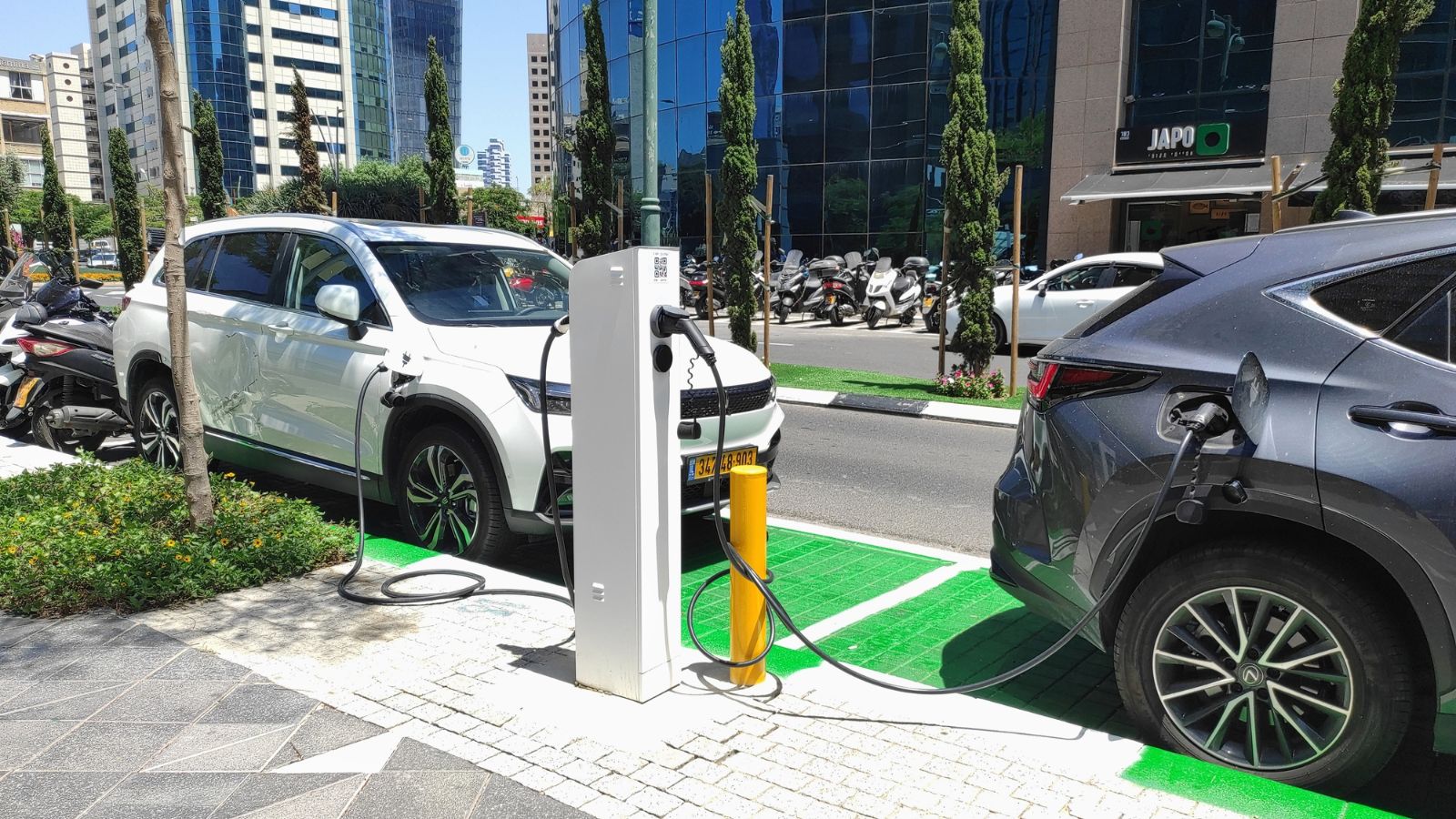
Charging stations are becoming a new layer of public infrastructure, like gas stations, parking meters, or cell towers. The IEA reported that more than 1.3 million public charging points were added globally in 2024, a rise of more than 30% from the previous year. That scale shows how quickly the physical world is adapting to electric mobility.
The practical effect is visible in places that were never designed around vehicle charging: grocery stores, office garages, highway rest stops, hotels, and apartment complexes. Charging is also changing behavior. Some drivers plug in while shopping rather than making a special fuel stop. Businesses use chargers to attract customers. Cities must think about curb space, grid capacity, and payment access. The charger is becoming a normal piece of urban furniture.
Robots Are Spreading Beyond the Factory Floor
Industrial robots are no longer limited to a few heavily automated car plants. The International Federation of Robotics reported that global factory robot installations have more than doubled over the past decade, with installations expected to keep rising. Warehouses, electronics plants, food production lines, and logistics centers are all becoming more automated.
What most people notice first is not a humanoid robot, but a faster package, a more consistent product, or fewer workers doing repetitive lifting. Robots are also moving into service roles through delivery systems, hospital logistics, cleaning machines, agricultural tools, and mobile warehouse units. The change is less dramatic than science fiction promised, but more economically important. Automation is entering the repetitive, tiring, and time-sensitive corners of daily commerce.
Chips Have Become the New Strategic Resource

Semiconductors sit inside nearly every modern technology: phones, cars, medical devices, appliances, cloud servers, satellites, and factory equipment. The Semiconductor Industry Association reported record global chip sales in 2025, with the market projected to keep expanding in 2026. AI demand has made advanced logic chips, memory, packaging, and data center hardware especially important.
The speed of change is turning chips into a geopolitical and industrial priority. Governments are investing in domestic manufacturing, companies are securing supply chains, and shortages in specialized components can ripple across entire industries. To consumers, a chip shortage may look like a delayed car repair or a higher electronics price. To countries, chip capacity now looks like energy security, military readiness, and economic competitiveness rolled into one.
Wi-Fi 7 Is Arriving Before Many Homes Used Wi-Fi 6 Fully
Many households only recently upgraded to Wi-Fi 6 or Wi-Fi 6E, yet Wi-Fi 7 is already entering routers, phones, laptops, access points, and enterprise networks. The Wireless Broadband Alliance has reported rapid adoption momentum, including a major increase in Wi-Fi 7 access point shipments from 2024 to 2025. The new standard can support higher throughput, lower latency, and better performance in crowded environments.
For most people, the change will not arrive as a technical specification. It will show up as smoother video calls, better gaming, faster local transfers, and fewer connection problems in homes full of devices. The catch is that benefits depend on compatible routers, devices, and available spectrum. Wi-Fi is becoming less like a household utility and more like a performance system that needs modern hardware on both ends.
Messaging Is Moving Toward Richer Cross-Platform Standards

Text messaging is undergoing a quiet modernization. Rich Communication Services, or RCS, brings features such as higher-quality media, typing indicators, read receipts, better group chats, and business messaging capabilities to standard phone-number-based messaging. Apple’s support for RCS in iOS 18 marked a major shift because it helped bridge long-standing differences between iPhone and Android messaging.
The change matters because messaging is infrastructure, not just a social habit. Banks, airlines, retailers, clinics, schools, and governments all use messages to reach people. RCS can make those interactions richer, but it also raises questions about encryption, spam control, identity verification, and platform power. A simple text thread is becoming a more capable communication channel, and many users may not realize the plumbing underneath has changed.
Smart Home Devices Are Becoming More Interoperable
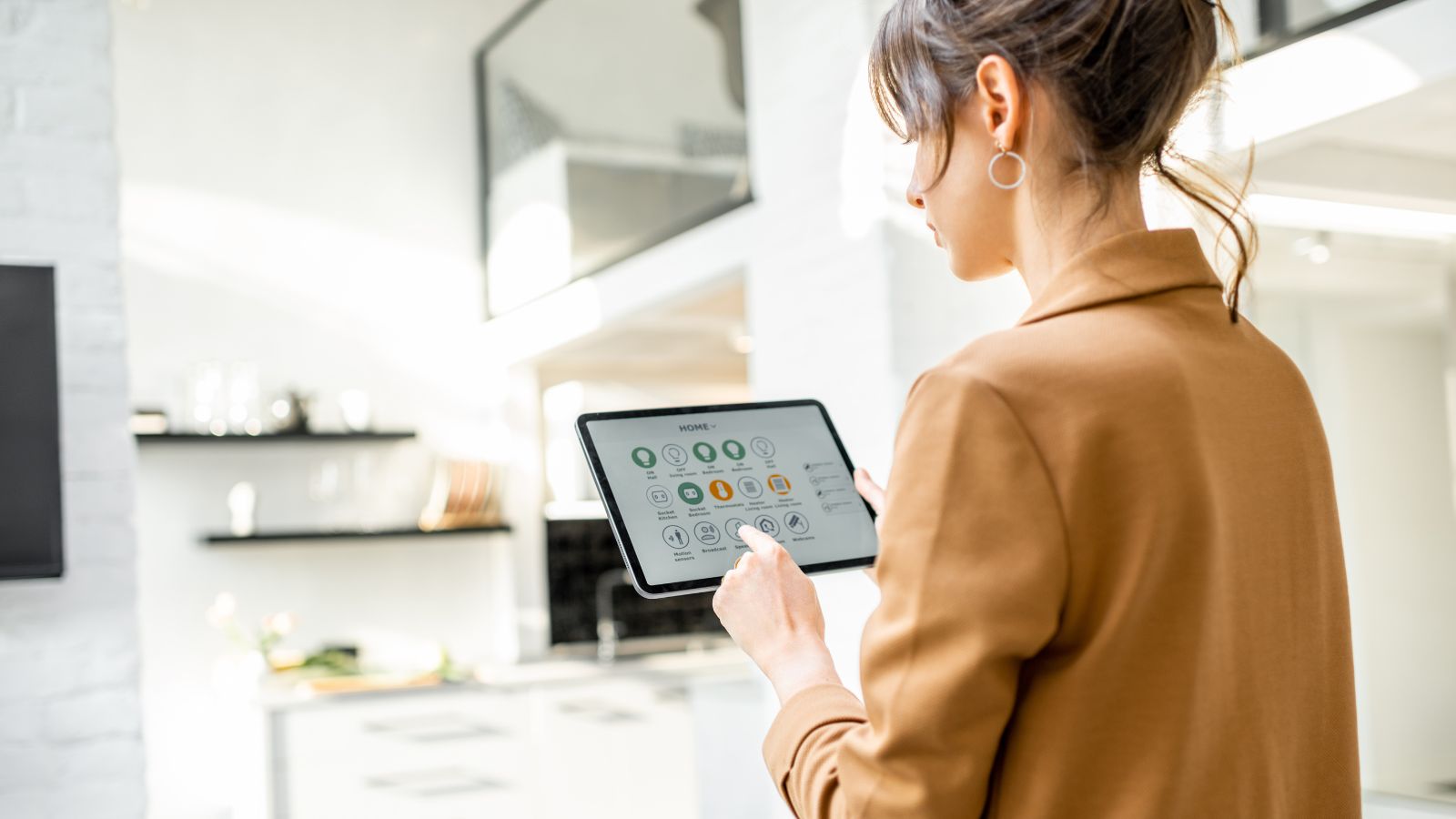
The smart home has long been fragmented. A bulb might work with one platform, a lock with another, and a sensor only through a proprietary app. Matter, a connectivity standard backed by major smart home companies, is trying to make devices easier to set up and control across ecosystems. The Connectivity Standards Alliance describes Matter as an IP-based standard designed for reliable and secure IoT interoperability.
The progress is meaningful, even if the experience is still uneven. Apple, Google, and Samsung agreeing to accept Matter certification for certain smart home products reduced duplication for manufacturers. New Matter updates have expanded device categories and features. For households, the change may feel like fewer abandoned apps, fewer compatibility guesses, and more devices that can be controlled from the preferred platform. The smart home is slowly becoming less tribal.
Wearables Are Moving From Fitness Gadgets to Health Signals

Wearables are changing from step counters into continuous health signal collectors. Smartwatches, rings, patches, earbuds, and connected medical devices can track sleep, heart rate, oxygen levels, temperature trends, movement, stress indicators, and irregular rhythms. WHO’s digital health strategy has emphasized remote monitoring, virtual care, and connected tools as part of broader health system transformation.
The most important change is not the gadget itself, but the data pattern it creates. A single reading may mean little, while months of changes can reveal trends worth discussing with a clinician. That can help earlier intervention, but it also raises privacy and interpretation concerns. Many users may not notice when wellness tracking becomes a form of long-term health monitoring that influences insurance, workplace wellness, and medical conversations.
Smart Glasses Are Replacing Some Headset Dreams

The future of augmented reality was once imagined as bulky headsets and immersive virtual worlds. The faster-growing path may be simpler: lightweight smart glasses that take photos, play audio, answer questions, translate, navigate, or identify objects without covering the entire face. IDC has forecast growth in XR devices, with smart glasses becoming an important part of the category.
This shift is easy to miss because it looks less futuristic than a full headset. A pair of glasses that records a short clip or answers a voice prompt may seem ordinary compared with a virtual reality demo. But that ordinariness is exactly the point. If smart glasses become socially acceptable and affordable, computing could move from pockets and desks to a person’s field of view, changing privacy, accessibility, and real-world search.
Software Updates Are Changing Products After People Buy Them

Products increasingly change after purchase through software updates. Cars gain or lose features, phones receive AI tools, smart TVs add interfaces, security cameras improve detection, and appliances connect to apps. This makes ownership feel less fixed. A device bought in January may behave differently by December, sometimes better and sometimes more complicated.
The benefit is obvious: security patches, new features, and performance improvements can extend product life. The downside is that buyers may not fully control the experience. A company can redesign menus, move features behind subscriptions, alter privacy settings, or end support. This turns ordinary products into ongoing service relationships. The fastest tech change may be philosophical: people no longer buy only hardware; they buy a moving software contract wrapped in hardware.
19 Things Canadians Don’t Realize the CRA Can See About Their Online Income

Earning money online feels simple and informal for many Canadians. Freelancing, selling products, and digital services often start as side projects. The problem appears at tax time. Many people underestimate how much information the CRA can access. Online platforms, banks, and payment processors create detailed records automatically. These records do not disappear once money hits an account. Small gaps in reporting add up quickly.
Here are 19 things Canadians don’t realize the CRA can see about their online income.
