
Warm weather has a way of making small charges feel louder. As Canadians start booking trips, renewing documents, planning weekends away, managing home bills, and checking summer budgets, a growing list of add-ons is becoming harder to ignore. Some are new, some are rising, and others have simply become more visible because households are paying closer attention to every line on a bill.
Here are 19 new or newly noticeable charges Canadians are spotting before summer starts, from travel extras and subscription add-ons to banking, utility, ticketing, and local service fees.
Checked Bag Fees on Short Flights

A weekend flight that once seemed simple can become noticeably more expensive once bags are added. Canadian travellers are seeing checked-bag charges show up more often on domestic, transborder, Mexico, Caribbean, and Central America routes, especially when booking lower economy fare classes. Air Canada updated its checked baggage policy in April 2026, listing first-bag fees of CA/US$45 and second-bag fees of CA/US$60 for many Economy Basic and Standard customers.
The timing makes the fee more visible. Before summer, families are packing for weddings, cottage trips, cruises, graduations, and international connections. A family of four checking one bag each can add $180 before tax or exchange-rate complications. Air Transat also announced baggage price increases effective June 1, 2026, especially for bags purchased within 24 hours of departure. The lesson is not that flying is impossible; it is that the lowest fare is rarely the final fare.
Carry-On Charges on Basic Fares

Carry-on bags used to feel like part of the flight. Now, on some basic fares, the overhead-bin bag can act more like a paid upgrade. Air Canada’s basic fare rules for certain North American and sun-destination travel began charging for larger carry-on items, while still allowing a small personal item. Reuters reported that the first larger carry-on fee was set at C$35, with a second at C$50, for affected basic-fare passengers.
This has changed how Canadians compare tickets. A $40 fare gap between two airlines may disappear once a roller bag is included. The fee also creates a practical problem at the airport: travellers who miss the fine print may face higher costs at check-in or the gate. Before summer travel begins, the carry-on question has become almost as important as the departure time, especially for short trips where no one planned to check luggage.
Paid Seat Selection

Seat selection fees are another charge Canadians are noticing earlier in the booking process. Families, couples, and nervous flyers often want to sit together, but basic and lower economy fares increasingly treat seat choice as optional. Air Canada’s fare changes included paid changes to assigned seats for some basic fare customers, while WestJet’s UltraBasic fare structure limits seat selection and other extras unless travellers pay more.
The fee feels small until the trip involves children, mobility needs, tight connections, or a long flight. A family trying to avoid being scattered across the cabin may pay extra each way. For solo travellers, the charge can still sting when the alternative is a middle seat near the back. Airlines often advertise the base fare first, but the emotional price of not choosing a seat becomes clearer as summer crowds build and flights fill up.
Air Travel Security Charges

Some travel charges do not come from the airline at all. The Air Travellers Security Charge is a federal charge paid by air passengers for security screening. The Canada Revenue Agency explains that it applies to air transportation services within and outside the continental zone. Parliamentary Budget Officer figures showed the charge rising to $9.94 for a one-way domestic flight, $19.87 for a domestic round trip, $16.89 for a transborder flight, and $34.42 for an international flight.
Because it is built into the ticket total, many travellers only notice it when they expand the fare breakdown. It can feel surprising when a cheap base fare becomes much higher after charges, taxes, and fees. For Canadians comparing flights before summer, this is one reason a $99 advertised fare rarely stays close to $99 at checkout.
Airport Improvement and Facility Fees

Airport-related fees are another line item hiding inside many summer travel plans. These charges help airports fund terminal operations, infrastructure, and passenger services, but they can be easy to overlook because they are often bundled into the final ticket price. Calgary International Airport’s 2026 aviation tariff, for example, includes passenger-related charges and common-use terminal system fees charged to carriers.
Travellers may not see every airport charge as a separate consumer-facing fee, but they still shape the cost of flying. The impact becomes more noticeable during summer, when travellers compare airports, nearby cities, and connecting routes. A cheaper flight from one airport may not be as cheap after improvement fees, security charges, baggage fees, seat fees, and ground transportation are added. The airport listed on the ticket can quietly influence the total cost of the trip.
Passport Fee Increases

Canadians renewing passports before summer are seeing higher fees. Immigration, Refugees and Citizenship Canada increased passport and travel document fees on March 31, 2026. A 10-year adult passport for Canadians applying in Canada rose from $160 to $163.50, while a 5-year adult passport rose from $120 to $122.50. Child passport fees and documents for Canadians outside Canada also increased.
The dollar increase may look modest, but passport timing often creates added costs. Families rushing before a summer trip may need express or urgent pickup, which carries additional fees. People who discover an expiring passport too late may also pay more for courier services, replacement documents, or changed travel plans. The passport itself is not just a document cost; it can become the first unexpected expense in a larger summer travel budget.
Parks Canada Reservation Fees

Parks Canada is offering free admission and discounted overnight stays during the Canada Strong Pass period from June 19 to September 7, 2026, but that does not mean every outdoor trip is fee-free. Reservation charges still matter. Parks Canada lists online reservation fees of $11.50 and phone reservation fees of $13.50 for certain camping and accommodation bookings, depending on the stay type.
That distinction catches people off guard. Admission may be free, but a campsite, shuttle, roofed accommodation, or backcountry booking can still involve fees. Banff National Park also lists non-refundable reservation fees for certain shuttle bookings, including $3.50 online and $5.50 by phone. For families trying to replace expensive hotels with camping, the savings are real, but the checkout page may still include small mandatory charges that did not appear in the original vacation idea.
Hotel Resort and Destination Fees

Hotel stays are another place where Canadians are paying closer attention to the final number. In tourist-heavy areas, some hotels add resort, destination, amenity, or local marketing fees on top of the room rate. Niagara Falls Tourism notes that some hotels may charge additional hotel or resort fees and that the amount can vary by business.
These charges can feel especially frustrating because they are often attached to services guests may not use, such as Wi-Fi, bottled water, gym access, local calls, or destination marketing. Alberta also moved in 2026 to regulate destination marketing fees through its Traveller Protection and Destination Marketing Fee Act, showing how common and controversial the practice has become. Before summer, the smartest hotel comparison is no longer the nightly rate; it is the full stay total after taxes and mandatory fees.
Rental Car Airport Surcharges

Rental cars can look affordable until the location-based charges appear. Canadian rental companies often apply concession recovery fees or premium location surcharges at airports. Avis Canada explains that airports impose concession fees on rental companies and that the company may charge a fee to recover those costs from renters.
The Competition Bureau has also taken past enforcement action against car rental companies over drip pricing, finding that mandatory fees made advertised rental prices unattainable. For summer travellers, the issue becomes practical. Picking up a car at the airport may be convenient after a long flight, but it can cost more than renting from a nearby city location. Add fuel options, insurance waivers, extra drivers, child seats, and toll devices, and the daily rate can become only the opening number.
Credit Card Surcharges

Credit card surcharges are becoming more noticeable at small businesses, clinics, trades, restaurants, and service counters. The Financial Consumer Agency of Canada explains that some payment card network rules allow eligible merchants to charge service or convenience fees for certain transactions, while other surcharge rules apply depending on payment type and jurisdiction. Industry guidance commonly notes a Canadian surcharge cap of up to 2.4% in many cases, with Quebec treated differently.
For consumers, the fee can feel like a penalty for using the card that earns points or provides purchase protection. A 2% surcharge on a $1,200 repair bill adds $24. On a family vacation deposit, it can be higher. Businesses argue that card processing costs are real; consumers argue that the final price should be clear. Either way, more Canadians are reading the payment screen before tapping.
Monthly Bank Account Fees

Banking fees often fade into the background until household budgets tighten. The Financial Consumer Agency of Canada notes that some chequing accounts waive monthly fees only when a minimum balance is maintained. Its example shows that a $12 monthly fee adds up to $144 a year if the waiver requirement is not met.
This charge is becoming more noticeable as Canadians move money between accounts, use cash for travel, or dip below minimum balances during high-spending months. A premium account may be free in theory but expensive in practice if the balance threshold is $4,000, $5,000, or $6,000. The federal government’s modernized low-cost and no-cost account commitment means many Canadians can access accounts costing no more than $4 per month, but many people remain in higher-fee packages by habit.
NSF Fees That Still Hurt

Non-sufficient funds fees became a major banking story in 2026 because the federal government capped them at $10 for federally regulated banks. The change took effect March 12, 2026. Before the cap, some major-bank NSF fees were much higher; CIBC, for example, said its Canadian personal deposit account NSF fee fell from $45 to $10.
Even with the cap, the charge still matters. An NSF fee usually arrives when someone is already short on cash, often because of an automatic payment, subscription renewal, insurance withdrawal, or rent-related timing issue. The new rules also limit repeated charges in certain cases, but the existence of the fee keeps it on household radar. Before summer, when travel deposits and seasonal bills collide, a missed account balance can still create an avoidable cost.
Telecom Switching and Cancellation Fees

Cellphone and internet customers are watching telecom fees closely because major rule changes are arriving in 2026. The CRTC announced that it is removing fees that make it harder for Canadians to change or cancel internet and cellphone plans. Its March 2026 policy targets barriers such as certain activation, modification, and early cancellation fees, with consumer protections tied to changes in the Telecommunications Act.
That makes the months before summer feel awkward for many households. Some people are reviewing plans before moving, travelling, adding data, or setting up student housing. A household may find a better deal but hesitate if a cancellation or change fee appears. The CRTC’s move confirms that these charges were significant enough to require regulatory attention. For consumers, the key is knowing whether a fee is still allowed, when the new protection applies, and whether switching now or later changes the cost.
Streaming Extra-Member Charges

Streaming used to feel like the cheaper, simpler alternative to cable. Now, account-sharing limits and extra-member fees are making monthly bills more complicated. Disney+ Canada lists extra-member options for people outside the account holder’s household, while Netflix continues to offer extra-member eligibility depending on plan and region. Business Insider’s 2026 streaming price guide reported that Netflix extra-member slots can cost about $8 to $10 monthly, depending on whether the added member has ads.
The charge is especially visible before summer because students move home, cottages reopen, relatives visit, and families try to share entertainment across locations. What once felt like one household account can suddenly require a second subscription or paid add-on. The extra-member fee is not huge by itself, but combined across multiple platforms, it turns streaming from a casual monthly expense into another household bill requiring active management.
Food Delivery Service Fees

Food delivery fees are becoming harder to ignore because the advertised meal price is only one part of the order. Delivery platforms commonly add delivery fees, service fees, small-order fees, priority fees, and sometimes higher menu prices than in-store. Canadian restaurant technology sources note that customers may pay delivery fees of around $2 to $5 plus service fees, while restaurants often face platform commissions that can influence menu pricing.
The charge stands out in warm weather because more people order after late workdays, sports practices, patio nights, or travel delays. A $42 takeout order can become $58 after delivery, service fees, tax, and tip. The convenience is real, especially for busy households, but the cost difference between pickup and delivery is now large enough that Canadians are noticing it before pressing “place order.”
Online Booking Fees for Movies and Events

Entertainment fees have become a major Canadian drip-pricing issue. The Competition Tribunal found that Cineplex engaged in drip pricing through a mandatory $1.50 online booking fee, and the company was ordered to pay a penalty of more than $38.9 million. The Competition Bureau has also reached agreements in the ticket resale market, including a TicketNetwork settlement over misleading advertising concerns.
For consumers, the frustration is familiar. A movie, concert, sports event, or theatre ticket may look affordable until service fees, facility fees, processing fees, and delivery charges appear. Summer makes this more visible because festivals, outdoor concerts, amusement parks, and family outings fill the calendar. The concern is not only the size of the charge; it is the timing. A fee revealed late in checkout makes comparison shopping harder and can turn a fun night out into a budgeting irritation.
Electricity Delivery and Fixed Charges
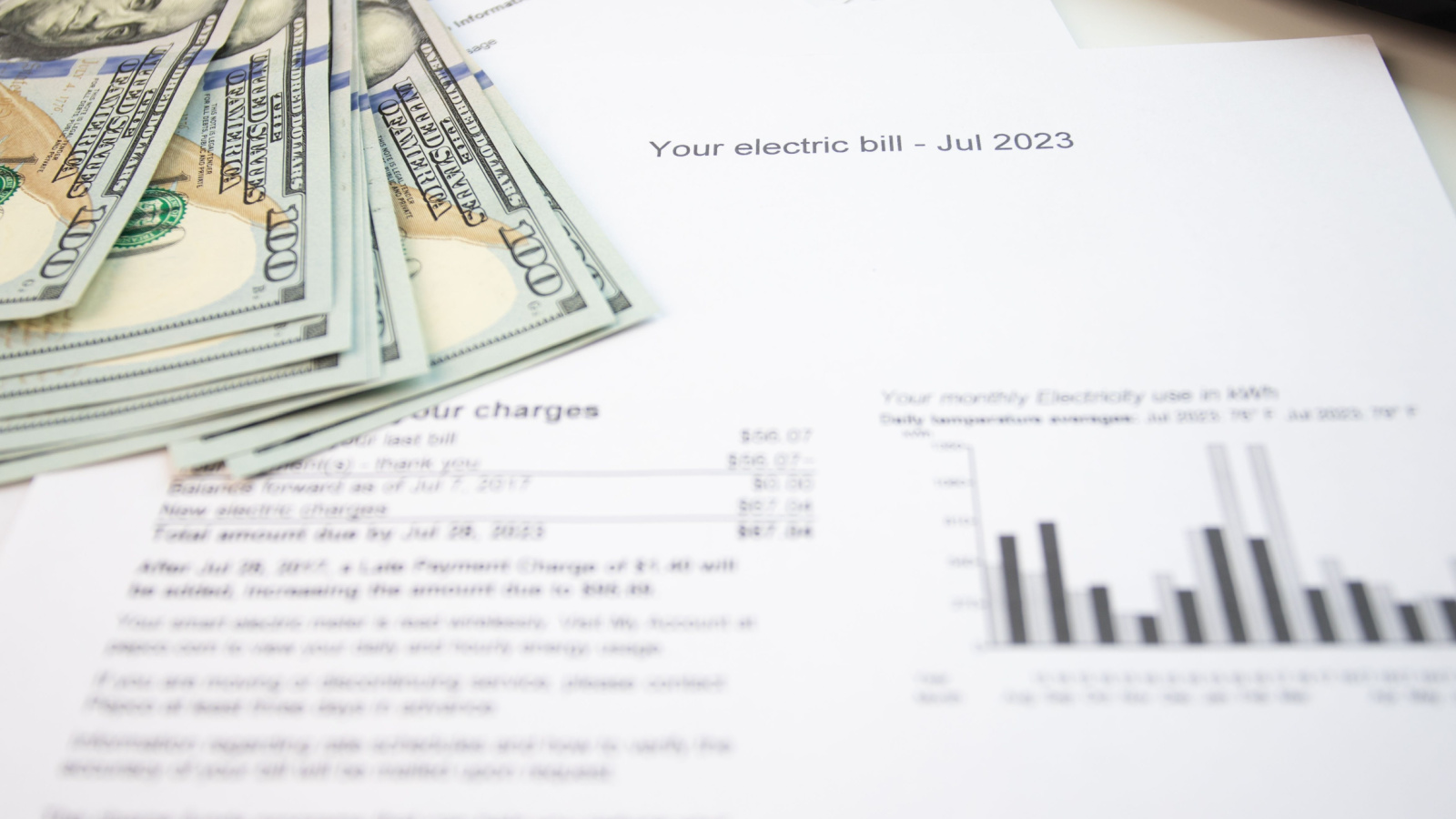
Electricity bills are full of line items many households only skim until costs rise. The Canada Energy Regulator explains that residential customers generally pay both a fixed monthly service charge and a variable energy charge based on usage. In Ontario, utilities such as Toronto Hydro received approval for delivery-charge changes effective January 1, 2026, and Hydro One explains that bills include delivery, electricity, regulatory charges, and HST.
The fixed portion is what surprises people before summer. Turning off lights or reducing air conditioning may lower usage, but it does not erase delivery and customer charges. As fans, dehumidifiers, pool pumps, and air conditioners start running, households may notice that conservation helps but does not control the whole bill. The electricity bill has become less of a simple usage meter and more of a layered service invoice.
Natural Gas Customer and Delivery Charges

Natural gas bills can still include customer and delivery charges even when seasonal usage drops. Enbridge Gas said new Ontario rates took effect April 1, 2026, with residential customers seeing annual decreases depending on location. Still, its rate materials include customer charges, delivery charges, transportation charges, gas supply charges, and temporary adjustments or credits.
That structure is why some Canadians are surprised by spring and early-summer gas bills. The furnace may barely run, yet the bill does not fall to zero. Water heating, fixed charges, rate riders, and delivery components remain. For households trying to forecast summer savings after a costly winter, the gas bill can feel stubborn. The good news is that some 2026 rate changes lowered annual costs, but the bill format still makes clear that using less gas is only part of the equation.
Water, Wastewater, and Stormwater Fees

Municipal utility bills are another place where Canadians are finding charges that do not move neatly with usage. Cities often bill for water, wastewater, stormwater, fire protection, or fixed infrastructure costs. Ottawa’s 2026 water bill insert listed fixed annual charges for water, wastewater, fire supply, and stormwater, while Hamilton’s stormwater fee model uses billing units tied to property type and hard-surface runoff.
These charges become more visible before summer because water use rises for gardens, pools, car washing, and outdoor cleaning. A household may expect only the metered water portion to increase, then notice fixed or property-based charges that remain regardless of usage. Stormwater fees can be especially confusing because they are tied to runoff management rather than water coming from the tap. The charge reflects municipal infrastructure, but it still lands on the household bill.
Transit Fare Increases

Transit fares are also entering the summer budget conversation. In Greater Montreal, public transit fares are set to rise by an average of 3% beginning July 1, 2026, according to CityNews Montreal. In Metro Vancouver, regional reporting has noted planned fare increases, including a 5% increase in 2026 and changes to airport-related add-fares.
For commuters, students, and occasional riders, fare increases can feel small per trip but meaningful over a season. A family using transit for festivals, downtown events, airport connections, or summer jobs may notice the difference quickly. Transit remains cheaper than driving in many cases, especially once parking and fuel are included, but fare hikes still change the mental math. Before summer starts, Canadians are not only comparing gas prices; they are also recalculating the cost of getting around without a car.
19 Things Canadians Don’t Realize the CRA Can See About Their Online Income

Earning money online feels simple and informal for many Canadians. Freelancing, selling products, and digital services often start as side projects. The problem appears at tax time. Many people underestimate how much information the CRA can access. Online platforms, banks, and payment processors create detailed records automatically. These records do not disappear once money hits an account. Small gaps in reporting add up quickly.
Here are 19 things Canadians don’t realize the CRA can see about their online income.
