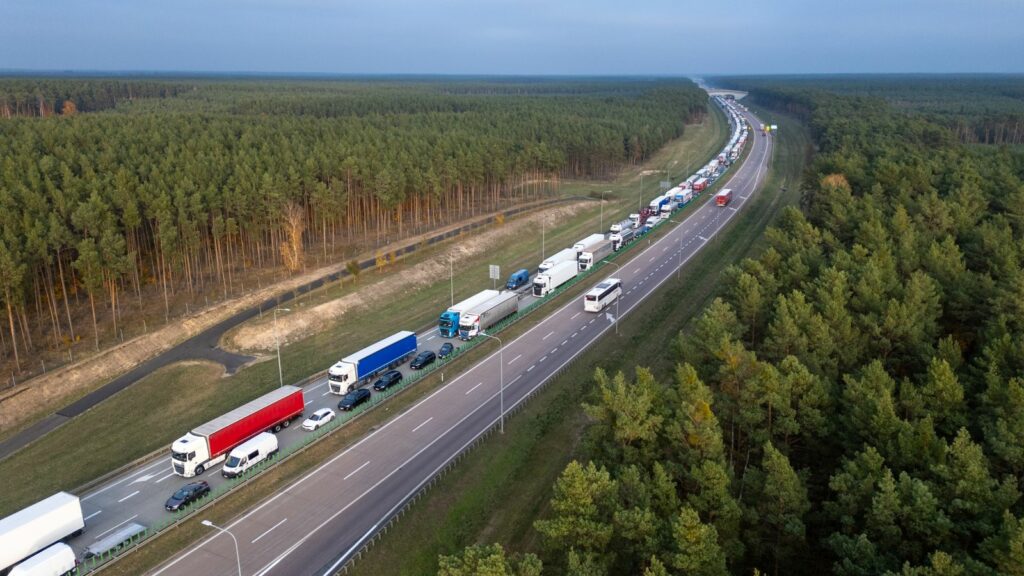
Long weekends can turn a simple cross-border getaway into an expensive exercise in patience. A missing receipt, a forgotten snack, the wrong lane, or a casual “nothing to declare” can create delays just when highways, airports, and inspection booths are already under pressure. For Canadians heading to the United States or returning home after a short escape, small assumptions often carry real costs. These 15 border mistakes show how time, money, and momentum can disappear quickly when travellers treat a holiday-weekend crossing like an ordinary errand.
Leaving at the Same Time as Everyone Else
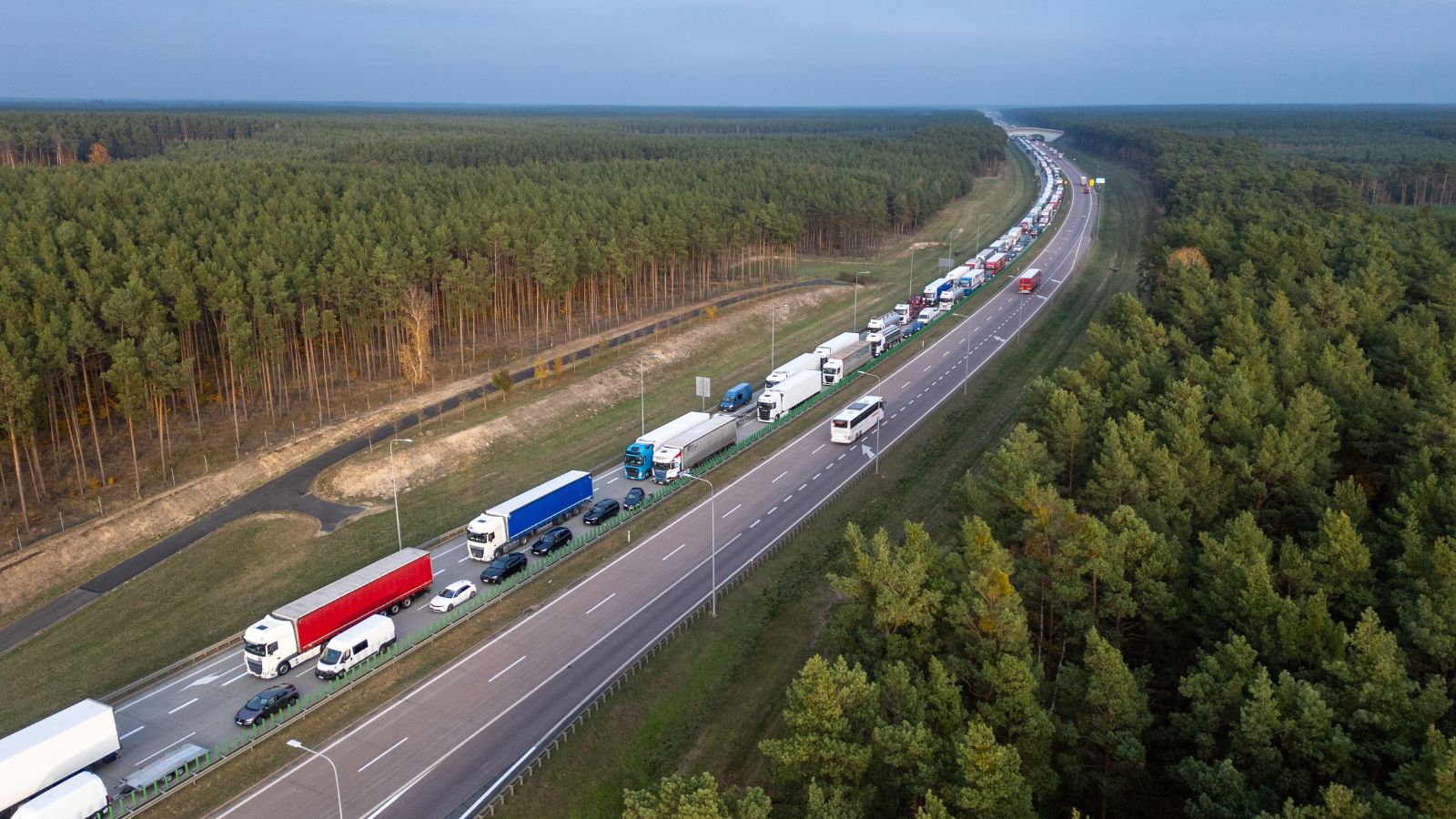
Long-weekend border traffic has its own rhythm, and ignoring it is one of the easiest ways to lose hours before the trip has properly begun. Many Canadians aim to leave after work, after breakfast, or late on the Monday return, only to meet the same idea repeated across thousands of cars. Holiday Mondays are especially notorious because families, shoppers, and short-trip travellers all converge on the same return window. What feels like a relaxed final morning can become a slow crawl toward the inspection booth.
The costly part is not just waiting. Extra fuel, missed reservations, late hotel check-ins, overtime parking, and hungry passengers all add friction to the day. Early mornings often move better, and alternate ports can make a meaningful difference when major crossings are backed up. A family returning from a quick Buffalo shopping trip, for example, may save more by shifting the crossing time than by chasing one more outlet deal.
Not Checking the Border Wait Times Before Choosing a Crossing
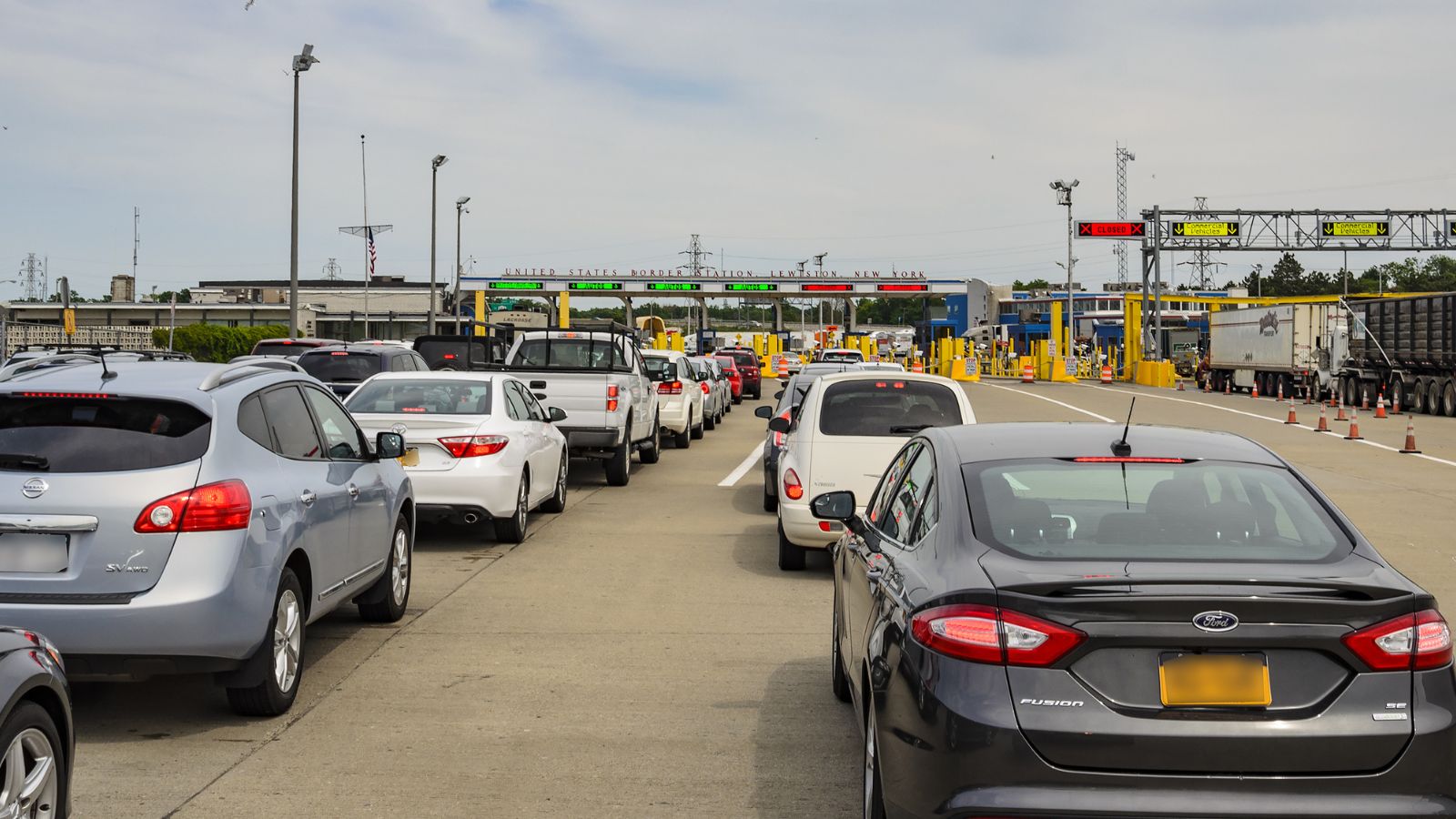
Some travellers head automatically to the crossing they know best, even when another port is moving faster. That habit can be expensive during holiday peaks, when a familiar bridge or highway crossing may be dealing with construction, lane reductions, bus traffic, commercial backups, or a wave of returning shoppers. Canada and the United States both publish border wait-time information, yet many people only check traffic apps that may not show inspection delays clearly.
The mistake is assuming the shortest driving route is always the fastest total route. A crossing that adds 20 minutes of driving may still save an hour if its inspection line is lighter. The same logic applies to smaller ports with limited hours; arriving after closing can force a long detour. Smart planning means checking the official wait-time tools before leaving, again before the last major highway decision, and once more before committing to the final approach.
Relying on Weak or Incomplete Travel Documents
A Canadian passport remains the strongest travel document for international trips, including visits to the United States. Problems start when travellers assume that a driver’s licence, an expired passport, a photo of a document, or a birth certificate alone will be treated the same in every situation. Requirements vary depending on age, citizenship, route, and whether the crossing is by air, land, or water. Air travel is especially strict for Canadian citizens entering the United States.
Document mistakes are often discovered at the worst possible moment: at the airport counter, the inspection booth, or a hotel check-in after a delayed crossing. Even when a traveller is eventually allowed through, extra questioning can slow the whole vehicle. For families, every child’s documents matter too. A missing child’s passport or citizenship proof can turn a quick weekend run into a stressful delay, especially when border officers need to confirm identity and authority to travel.
Travelling With Children Without the Right Consent Letter

Long weekends often involve grandparents, separated parents, sports teams, school friends, and blended-family trips. That makes child travel documentation one of the most common areas where good intentions meet border friction. When a child crosses an international border without both parents or legal guardians, a consent letter can help show that the trip is authorized. Without it, officers may ask more questions, especially if surnames differ or the itinerary seems unclear.
This is not just paperwork for dramatic custody situations. A parent taking a child to a tournament in Michigan, an aunt bringing nieces to a theme park, or a grandparent handling a quick U.S. visit may all face extra scrutiny without written permission. The delay can be awkward and emotional because officers are trained to watch for missing children and custody concerns. A signed consent letter, contact details, and supporting custody documents can prevent a preventable stop from becoming the story of the weekend.
Misunderstanding Same-Day Shopping Rules

Many Canadians still talk about “duty-free” shopping as if every cross-border purchase gets a small free pass. Same-day shoppers returning to Canada do not receive a personal exemption, which surprises people who drive across for groceries, gas, outlet sales, or parcel pickups. The 24-hour exemption and 48-hour exemption only apply after the required absence period, and the amounts are not interchangeable with a quick afternoon trip.
This mistake can erase the savings that made the trip tempting in the first place. A same-day haul of shoes, cosmetics, tires, electronics, or household goods may be subject to duties and taxes on return. Travellers who assume a receipt-free verbal estimate will be enough can also face longer questioning. The better approach is simple: know the absence time, understand the exemption level, and keep receipts easy to reach. The border is not the place to reconstruct a shopping day from memory.
Thinking Alcohol and Tobacco Limits Can Be Pooled

Groups often treat border allowances like a shared family budget, but alcohol and tobacco rules are more precise than that. Returning residents who qualify for the 48-hour exemption may include certain alcohol and tobacco amounts, but those limits apply to eligible individuals and cannot be casually combined to cover a single oversized purchase. Someone who does not drink or smoke cannot automatically become extra allowance space for another person’s bottles or cartons.
The mistake can become costly because duties, taxes, provincial charges, and delays can pile up quickly. A group returning from a long-weekend wedding, cottage trip, or U.S. warehouse run may think a trunk of discounted beer, wine, or cigarettes is harmless because “there are four adults in the car.” Border officers will look at who owns the goods, who qualifies, and whether the amounts fit the rules. Clear declarations help avoid the bigger problem: appearing evasive over a purchase that was never worth the trouble.
Hiding or Guessing the Value of Purchases

Few border mistakes age worse than a casual underestimate. A traveller may forget the exchange rate, round down a shopping total, leave receipts buried in bags, or omit an online order picked up across the border. Officers can ask for receipts, inspect goods, and compare declared values with visible items. When a long weekend includes outlets, sports gear, car parts, electronics, and gifts, the total can climb faster than expected.
The money problem is only part of it. A poor declaration can send travellers to secondary inspection, where bags may be opened and the schedule falls apart. In more serious cases, goods can be seized and penalties can apply. A practical example is a family that declares “about $300” after buying shoes, jackets, groceries, and a tablet, only to find the actual total is much higher once receipts are added. Accuracy protects both the wallet and the clock.
Bringing Food, Plants, or Agricultural Items Without Checking

Road trips invite snacks, picnic coolers, fruit bags, leftovers, flowers, firewood, plants, seeds, and specialty groceries. Unfortunately, food and agricultural items are exactly the kind of everyday goods that can trigger inspection problems. The United States requires travellers to declare agricultural and wildlife products, and officers decide whether items can enter after checking the rules and condition. Some products from Canada may be allowed, while others are restricted or prohibited.
The most frustrating part is how ordinary the items can seem. A homemade sandwich with meat, a bag of apples, a plant from a nursery, or a cooler packed after a cottage weekend may look harmless to the traveller but still matter to agricultural inspectors. The safest habit is not guessing. Keep food in original packaging when possible, keep receipts, declare it, and accept that some items may be refused. Losing a snack is better than losing an hour and risking a penalty.
Forgetting That Cannabis and CBD Cannot Cross the Border

Cannabis legalization in Canada has created one of the most persistent border misconceptions. Legal at home does not mean legal to carry across an international border. Cannabis, edible cannabis, extracts, topicals, and many CBD products can create serious problems when crossing into or out of Canada without proper authorization. A doctor’s note or provincial retail receipt does not make the item safe to pack for a weekend away.
This mistake often starts innocently. Someone leaves a vape cartridge in a jacket pocket, packs gummies for sleep, or keeps CBD oil in a toiletry bag. At the border, however, that forgotten item can become a criminal-law issue rather than a simple customs correction. The financial cost may include lost travel plans, legal advice, cancelled bookings, and future travel complications. Before any long-weekend crossing, bags, purses, glove compartments, and toiletry kits deserve a deliberate check.
Assuming the Dog Can Cross With No Extra Steps
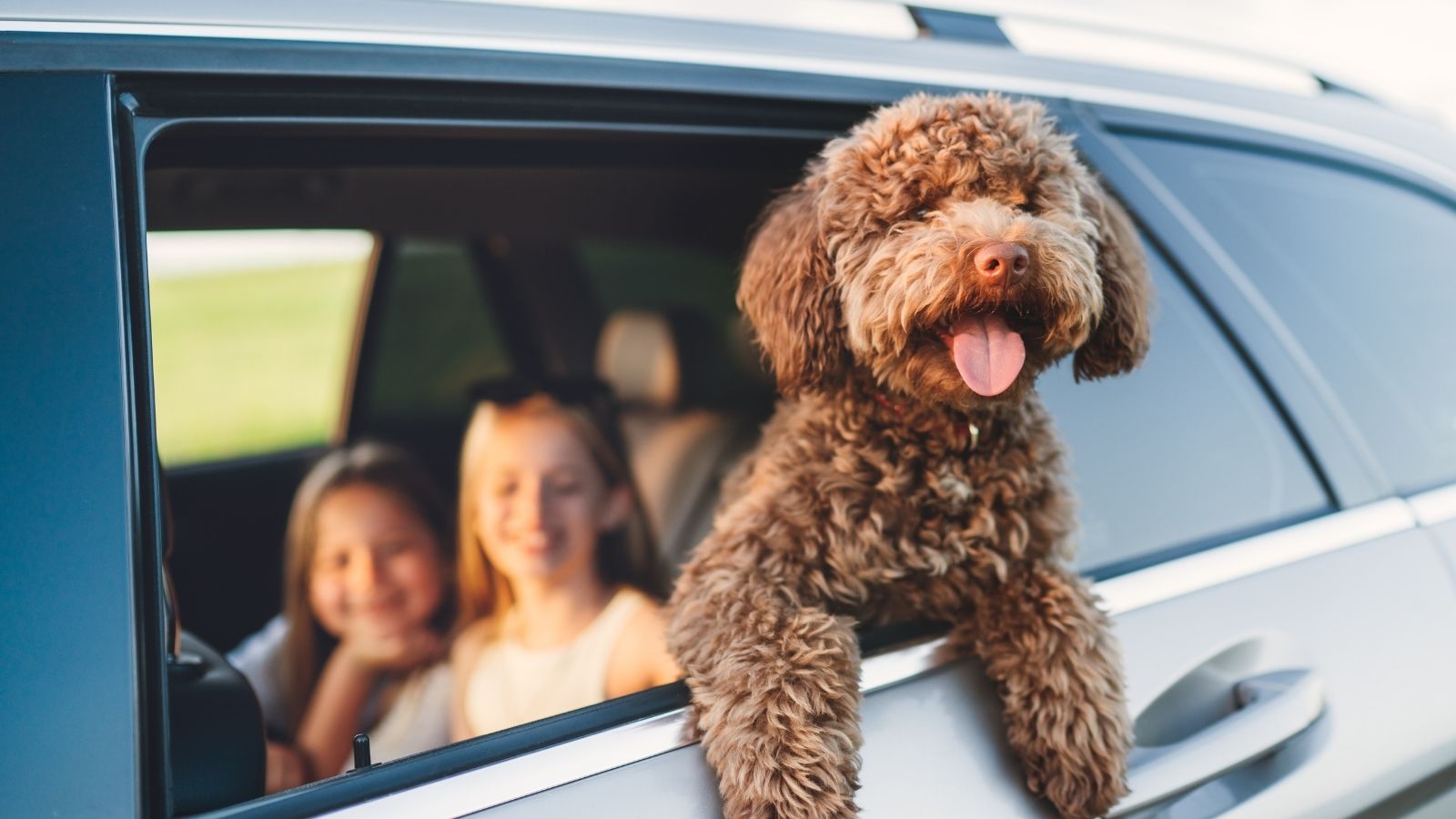
Pets are part of many Canadian long weekends, especially for cottage trips, camping, and family visits. Dogs entering the United States must meet current import requirements, and owners may need a CDC Dog Import Form receipt depending on the dog’s travel history. The rules introduced in 2024 made pet paperwork more visible, even for low-risk countries such as Canada. Dogs must also meet baseline conditions, including appearing healthy.
The border delay usually begins when the pet was an afterthought. A family may pack food, leashes, and vaccination records but forget the required form or assume a familiar crossing officer will wave them through. If the dog has travelled outside Canada or the United States recently, the requirements can become more complicated. The result can be a refused entry, a postponed trip, or a scramble in the parking lot. Pet-friendly travel still needs border-ready paperwork.
Using the NEXUS Lane With the Wrong Passengers
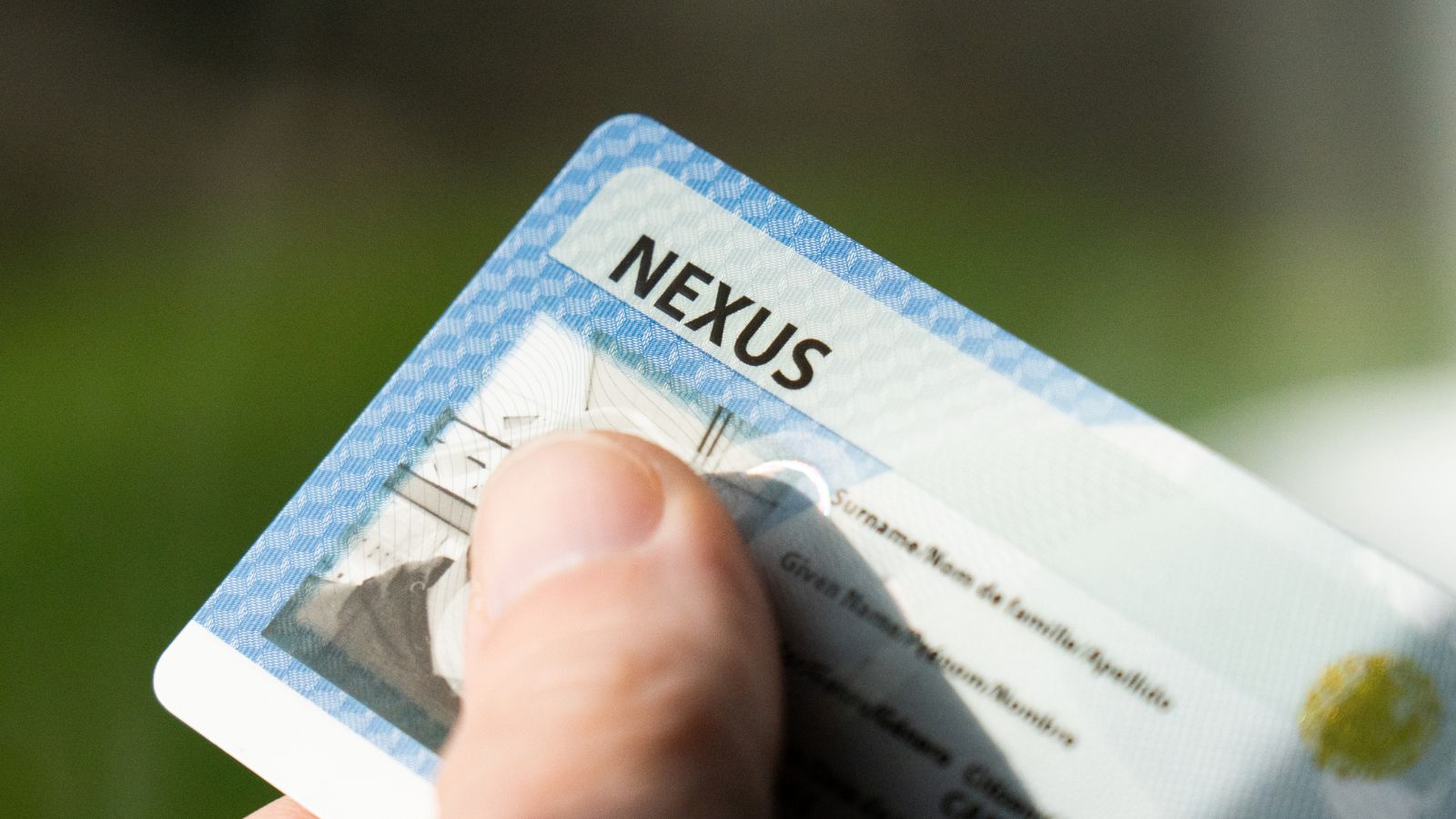
NEXUS is valuable on busy weekends, but it is not a shortcut for an entire car just because the driver has a card. Everyone in the vehicle must be eligible to use the NEXUS lane when crossing by land. That includes children. Bringing a non-member friend, relative, visiting cousin, or last-minute passenger into the NEXUS lane can create delays and may put the member’s trusted-traveller privileges at risk.
This mistake often happens socially. A NEXUS holder offers to drive because their card “will make it faster,” forgetting that the program depends on every person in the vehicle meeting the requirements. During long-weekend backups, the temptation to use the shorter lane can be strong, but the consequences can be worse than waiting in the regular line. Losing NEXUS privileges can cost time on future trips for years, not just on one crowded Monday.
Carrying Large Amounts of Cash Without Reporting It
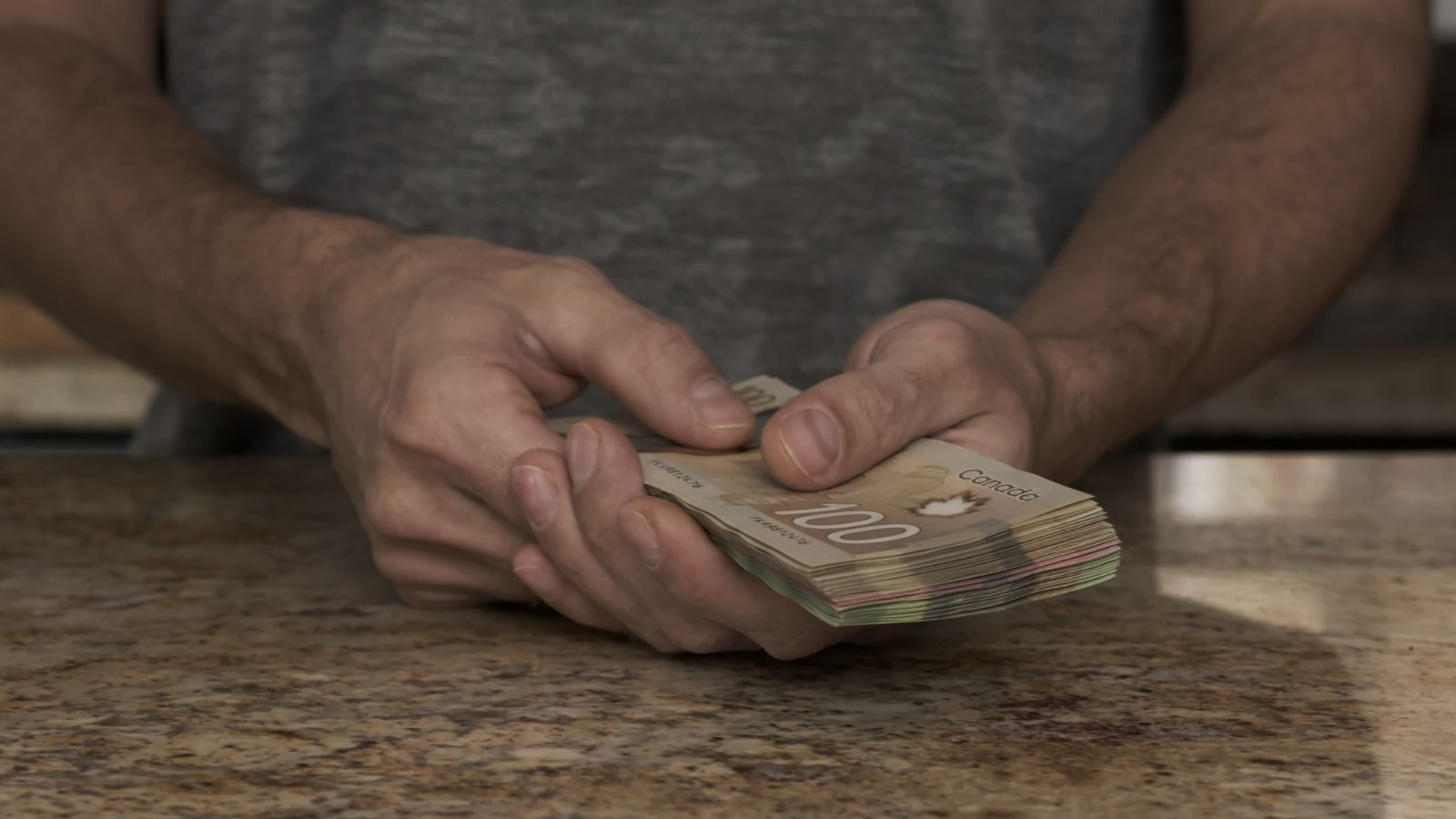
Some travellers still treat cash as a private matter until the amount crosses a reporting threshold. When entering or leaving Canada, travellers must report currency or monetary instruments totaling CAN$10,000 or more. The rule can apply to cash, bank drafts, cheques, money orders, and similar instruments. It does not make the money illegal by itself, but failing to report it can create serious problems.
Long weekends can produce legitimate reasons for carrying money: buying a used vehicle, paying for a cottage rental, attending a wedding, gambling, helping relatives, or making a business-related purchase. The mistake is assuming that “it is my money” ends the conversation. Border officers are concerned with reporting, source, and purpose. A traveller who declares properly may move through after questions. A traveller who does not can face seizure, penalties, and a much longer stop than the trip budget allowed.
Packing Firearms, Weapons, or Restricted Gear Too Casually
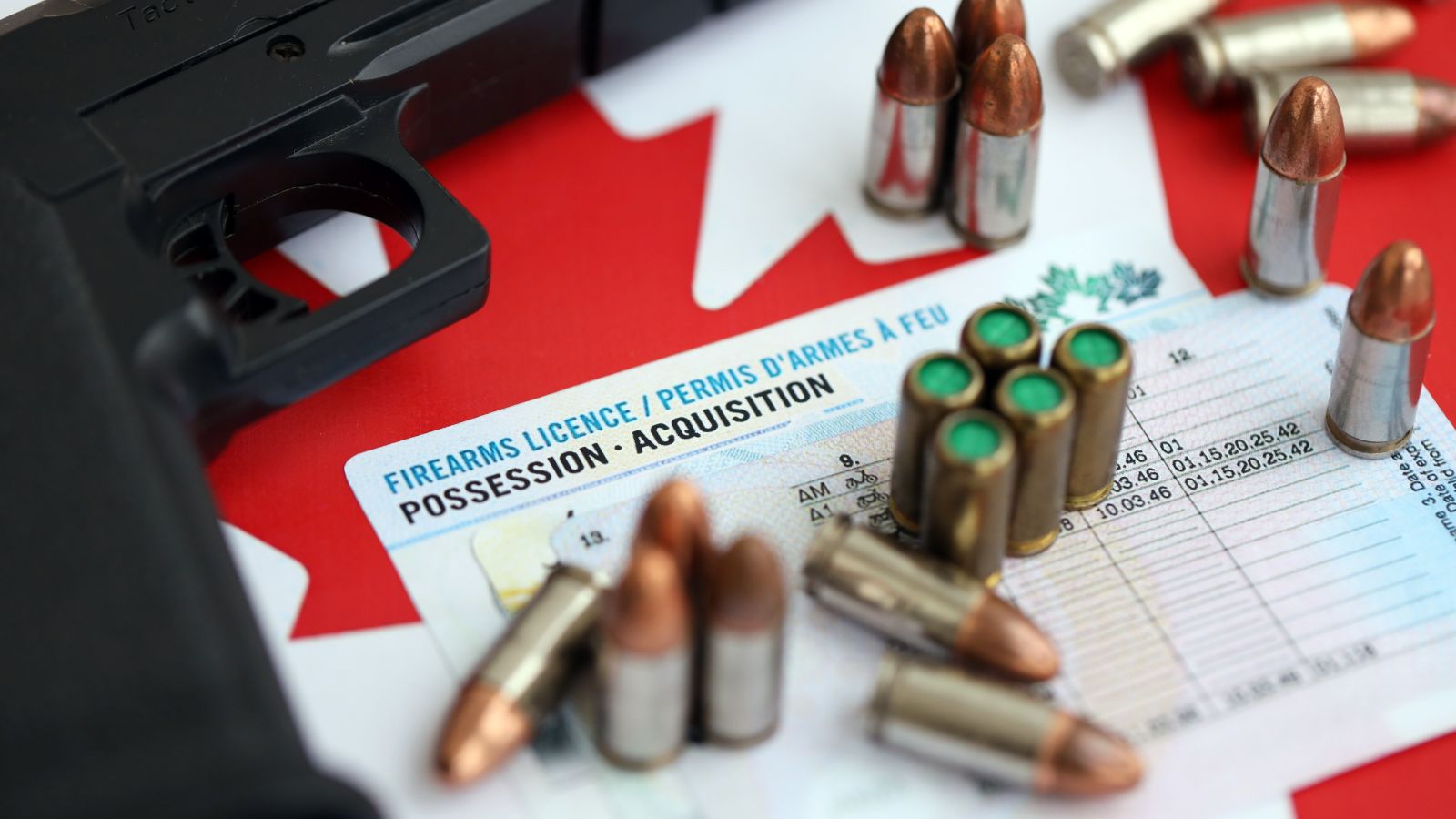
Canadian and U.S. rules around firearms and weapons are not interchangeable, and casual packing can become a major border incident. Firearms must be declared when entering Canada, and specific licensing, permits, and forms may be required. Other items that seem routine to outdoor travellers—certain knives, pepper spray, bear spray, ammunition, or self-defence tools—can also create issues depending on the product and destination.
The long-weekend version often involves camping, hunting, target shooting, or a vehicle that doubles as a gear locker. Someone forgets what is in the trunk, leaves ammunition in a range bag, or assumes a tool bought legally in one country can ride across without discussion. Border officers do not treat undeclared weapons as minor clutter. The time and money costs can include seizure, fines, prosecution risk, missed bookings, and a permanent reminder that “forgot it was there” is a poor border strategy.
Skipping Advance Declaration When Flying Back to Canada
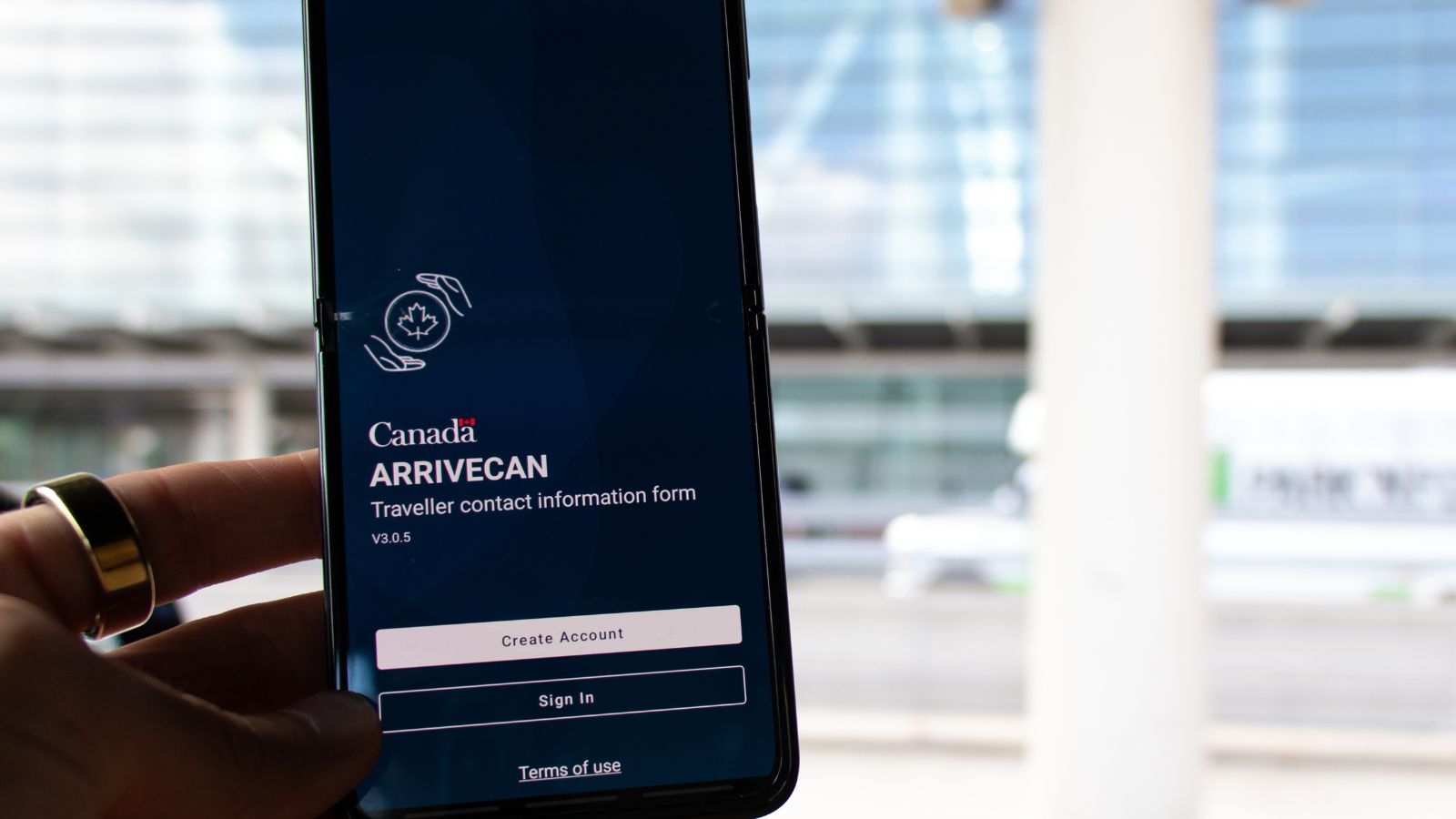
Not every long-weekend border mistake happens in a car. Canadians flying home can lose time by ignoring Advance Declaration through ArriveCAN at participating airports. The feature allows customs and immigration information to be submitted before arrival, up to 72 hours in advance. It does not eliminate the need to be truthful or to speak with officers when required, but it can reduce time spent at primary inspection kiosks or eGates.
This matters most when flights land in waves after holiday weekends. A traveller who waits until landing to sort out declarations may be doing it while tired, surrounded by other passengers, and anxious about baggage, rides, or connections. A completed declaration can make the arrivals process feel less chaotic. The mistake is treating ArriveCAN as an old pandemic-era obligation rather than recognizing its current use as a time-saving customs tool for air travellers.
Forgetting That Short Trips Can Still Create Long Paper Trails
A long weekend feels temporary, but border systems are formal. Officers may ask where travellers are going, how long they will stay, what they are bringing, what they bought, who is in the vehicle, whether they are carrying goods for someone else, and whether anything was left abroad or shipped home. Goods for commercial use or for another person may not qualify for personal exemptions in the same way as personal purchases.
This mistake shows up when travellers mix errands with leisure. Someone picks up parts for a friend, brings inventory for a small business, carries gifts without knowing their value, or ships purchases separately after a weekend sale. The trip may feel casual, but the goods may not be treated casually. Keeping names, receipts, order confirmations, and explanations organized can prevent secondary inspection from turning into a paperwork puzzle. Border crossings reward clarity far more than improvisation.
Treating the Return Trip as an Afterthought
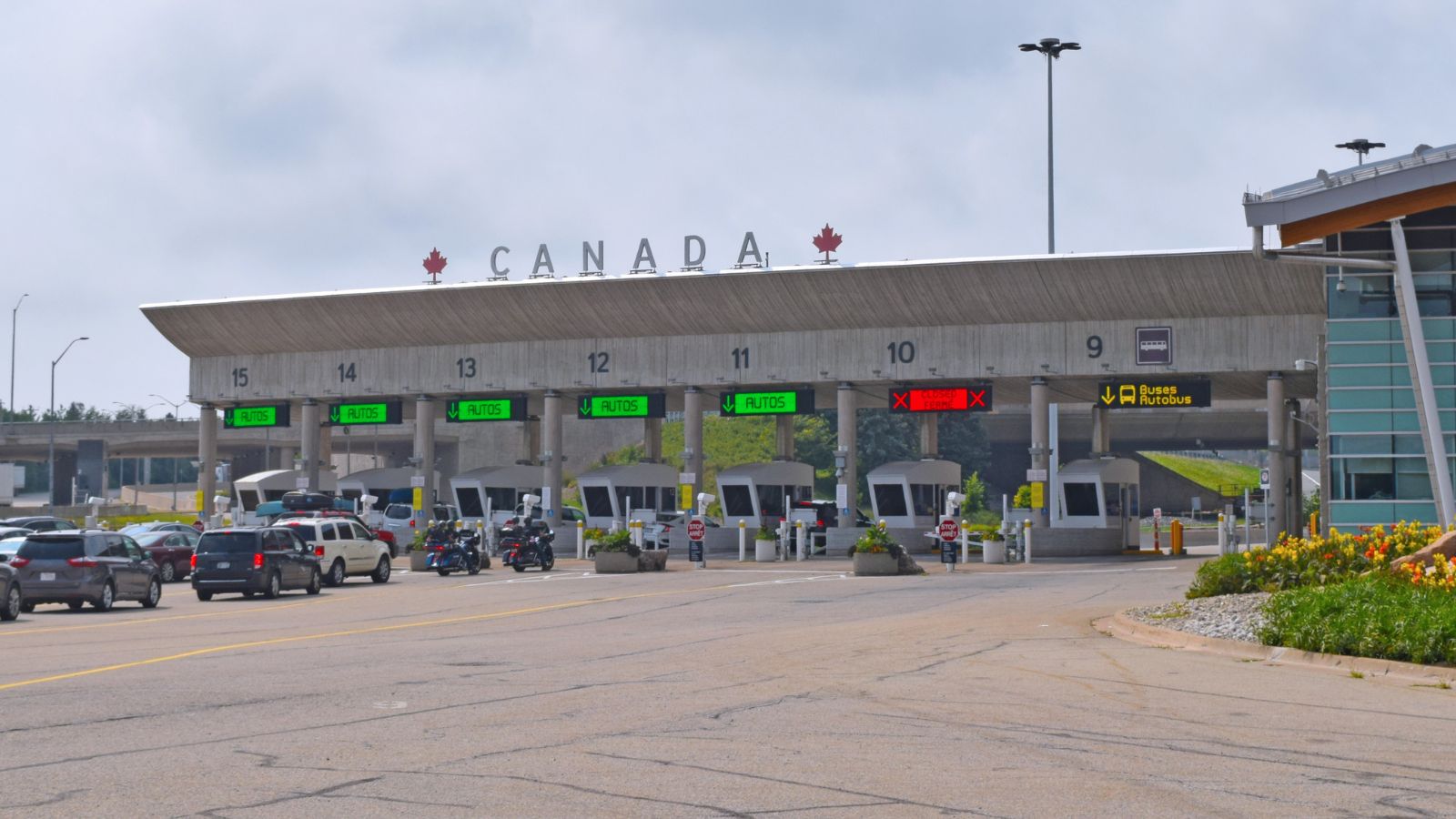
Many Canadians plan the outbound crossing carefully and then drift into the return with a messy car, dead phones, buried passports, half-eaten groceries, unclear receipts, and tired passengers. That is exactly when long-weekend traffic tends to peak. The return to Canada also includes the customs declaration moment, so the traveller who was organized on Friday may still lose time on Monday if purchases, food, pet documents, and travel documents are scattered.
A smoother return starts before leaving the hotel, campsite, or relative’s driveway. Receipts should be grouped, passports should be reachable, food should be reviewed, cannabis products should be absent, and the declaration total should be known before the booth. The human side matters too: a tired driver dealing with impatient kids and a long line is more likely to answer vaguely. Preparedness can make the final border stop feel like the end of the trip rather than the most expensive part of it.
19 Things Canadians Don’t Realize the CRA Can See About Their Online Income

Earning money online feels simple and informal for many Canadians. Freelancing, selling products, and digital services often start as side projects. The problem appears at tax time. Many people underestimate how much information the CRA can access. Online platforms, banks, and payment processors create detailed records automatically. These records do not disappear once money hits an account. Small gaps in reporting add up quickly.
Here are 19 things Canadians don’t realize the CRA can see about their online income.
