Canadians are used to seasonal price swings, but spring has brought a different frustration: familiar products still exist, yet the exact brand, size, flavour, or Canadian-labelled version is harder to spot. Weather disruptions, disease pressure, shipping delays, high input costs, and demand shifts are all showing up in everyday aisles. Some gaps are regional, some are temporary, and some look more like reduced variety than empty shelves. Together, they point to a spring shopping pattern that feels less predictable than usual. Here are 18 everyday Canadian products becoming more difficult to find in the form shoppers actually want.
Eggs
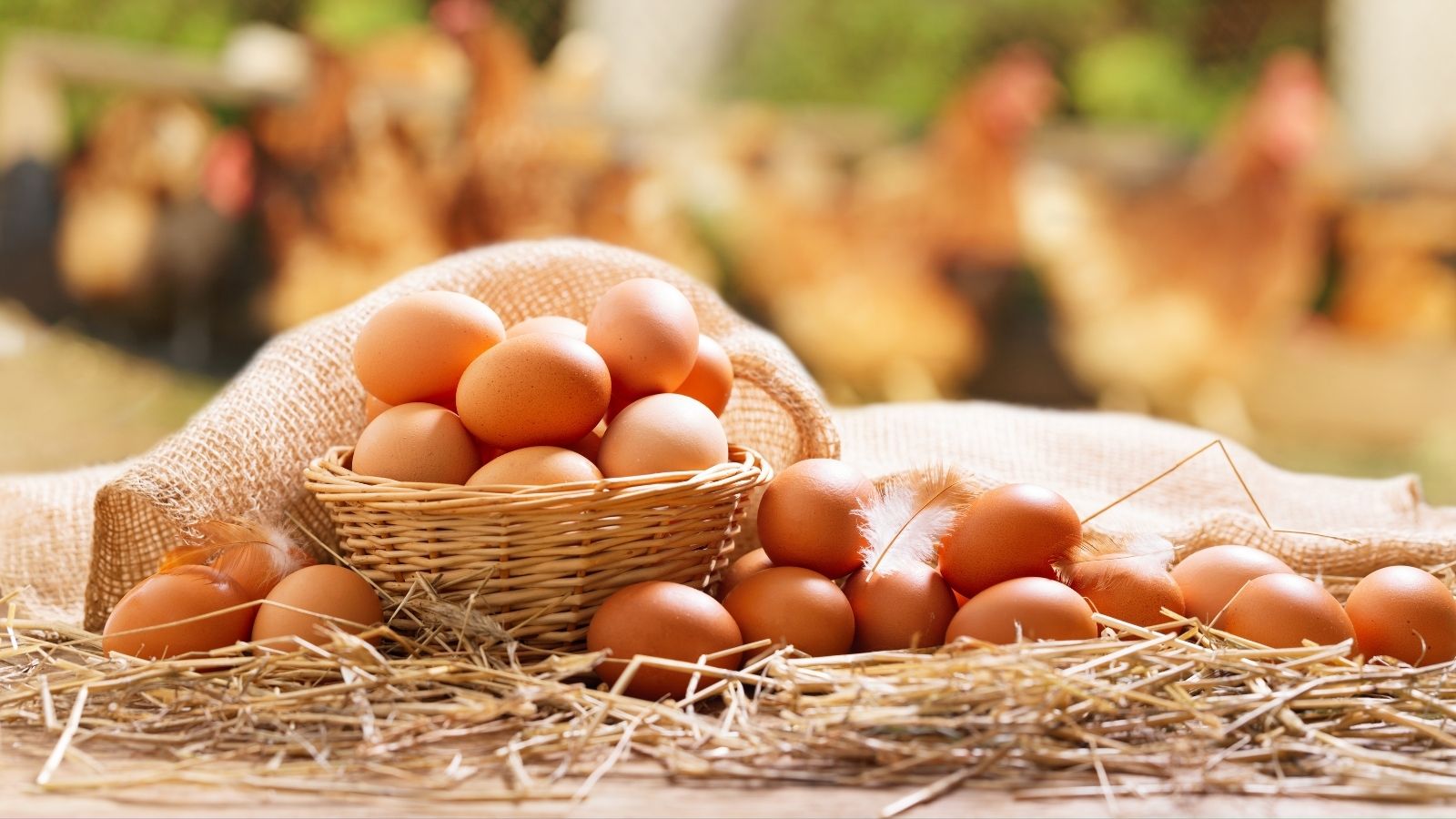
Eggs remain one of the most closely watched grocery staples this spring because poultry supply is still exposed to avian influenza. Canadian shoppers may not see empty coolers everywhere, but tighter supply can show up in subtler ways: fewer large cartons, fewer specialty eggs, or sudden limits during high-demand weeks. Bakeries, brunch restaurants, and home cooks all compete for the same basic ingredient, which makes even small disruptions noticeable.
The issue is not only domestic. Avian flu has affected poultry systems internationally, and egg-based production is connected to everything from foodservice to vaccine manufacturing. For households, the most common experience is less choice rather than total absence. A preferred free-run dozen may be missing while a store brand remains, or prices may make shoppers switch sizes or formats sooner than planned.
Cottage Cheese

Cottage cheese has become a surprise pressure point because of the high-protein eating trend. Once treated as an old-fashioned dairy item, it has been pulled into smoothies, breakfast bowls, dips, pancakes, and social media recipes. That demand shift matters because dairy processors cannot instantly redirect milk, packaging, cultures, and plant capacity toward one suddenly popular tub.
The result is uneven availability. One store may have low-fat versions but no full-fat, another may have large tubs but not single-serve packs. Canadian dairy supply management supports stability, but it does not make every processed dairy item endlessly flexible. When demand spikes quickly, processors and retailers often prioritize faster-moving sizes, leaving shoppers to notice that the familiar container is no longer where it used to be.
Specialty Infant Formula

Infant formula is one of the most sensitive products on any shortage list because substitutions are not simple. For many babies, especially those with allergies, metabolic needs, or medical conditions, a specific formula type matters. Canada has kept special shortage tools in place, including exceptional importation measures, because some formulas and human milk fortifiers remain vulnerable to supply interruptions.
Parents may see standard formula on shelves while still struggling to find a specialized product. That creates a frustrating mismatch between what appears available and what a child can safely use. Pharmacies, pediatric clinics, and public health resources often become part of the search. In spring, the issue is less about panic buying and more about the fragility of a highly regulated, medically important supply chain.
Cucumbers

Cucumbers have become more noticeable in the produce aisle because fresh vegetable prices and supplies are sensitive to weather in key growing regions. In Canada, spring produce often depends on a mix of domestic greenhouse output and imports from warmer climates. When adverse growing conditions affect supply, the change can appear quickly in price tags, package sizes, or the number of varieties displayed.
For shoppers, cucumbers are an everyday item that does not feel like it should be complicated. They go into lunches, salads, sandwiches, and school snacks. Yet a temporary supply squeeze can push stores to feature English cucumbers over mini cucumbers, or conventional over organic. Restaurants and meal-prep services also add steady demand, making the humble cucumber one of those small products whose absence feels surprisingly disruptive.
Bell Peppers
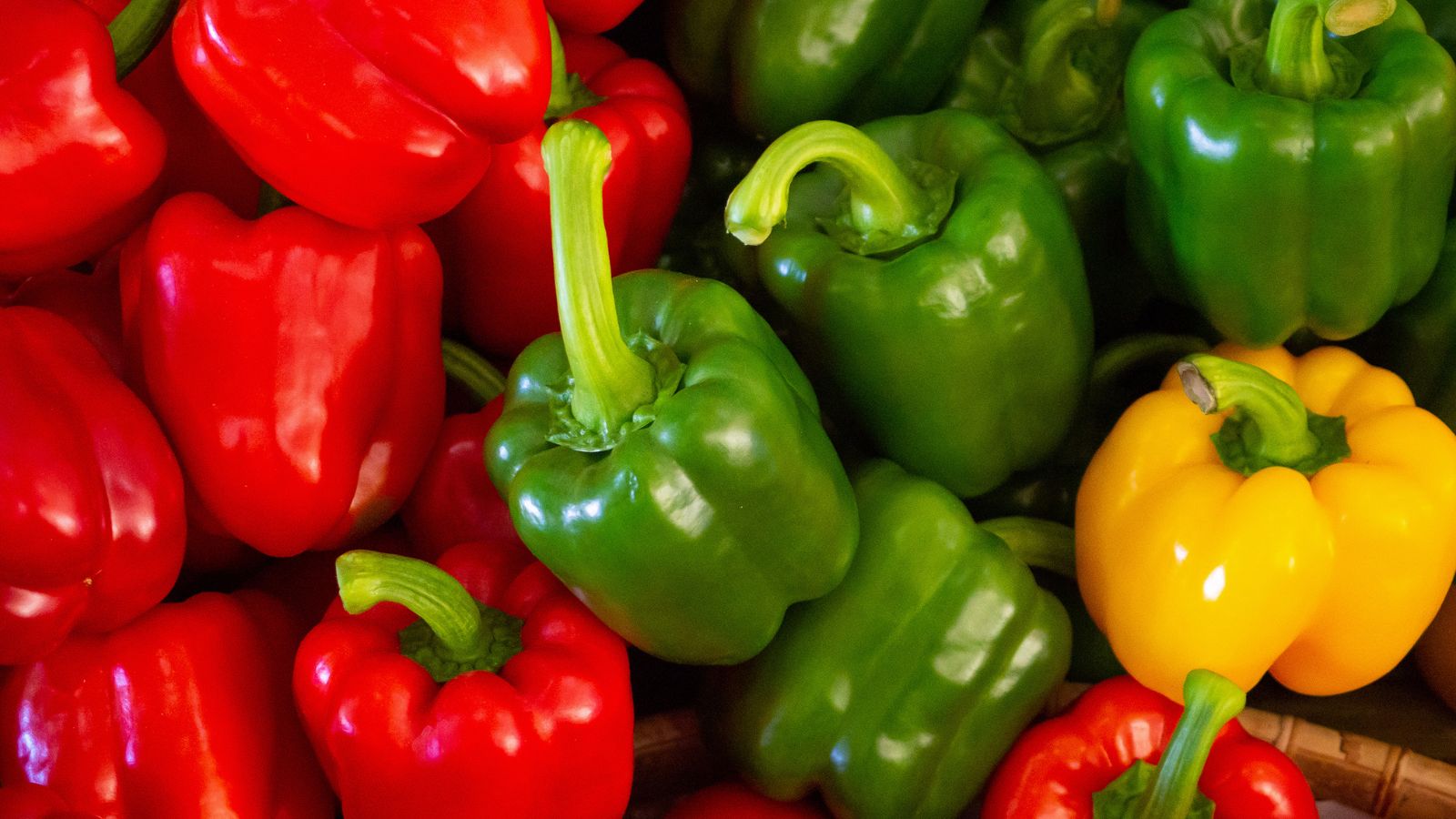
Bell peppers are another spring produce item where tighter supply can show up as reduced colour choice. A shopper may still find green peppers, while red, yellow, or orange peppers are pricier or missing. Because peppers are widely used in stir-fries, fajitas, salads, lunch boxes, and prepared foods, retail demand is broad and constant.
Weather conditions in producing countries can affect Canadian supply, especially before local field crops are in season. Greenhouse production helps, but it does not fully erase import dependence or cost pressure. When supply tightens, stores may shift toward value bags, imperfect produce, or fewer organic options. That makes peppers feel less dependable even if the aisle is not technically bare.
Celery

Celery rarely gets attention until it is missing or expensive. It is a backbone ingredient in soups, stews, stuffing, tuna salad, snack trays, and restaurant prep. Statistics Canada specifically identified celery among fresh vegetables showing notable price growth linked partly to tighter supplies and adverse growing conditions in producing countries, which helps explain why it feels less routine this spring.
Because celery is bulky, perishable, and heavily dependent on consistent growing conditions, small disruptions can make it less attractive for retailers to stock deeply. Shoppers may notice smaller bunches, limp-looking inventory, or fewer pre-cut snack packs. For families trying to stretch groceries, celery’s shift from cheap filler to watched purchase is a quiet but telling sign of produce pressure.
Greenhouse Tomatoes
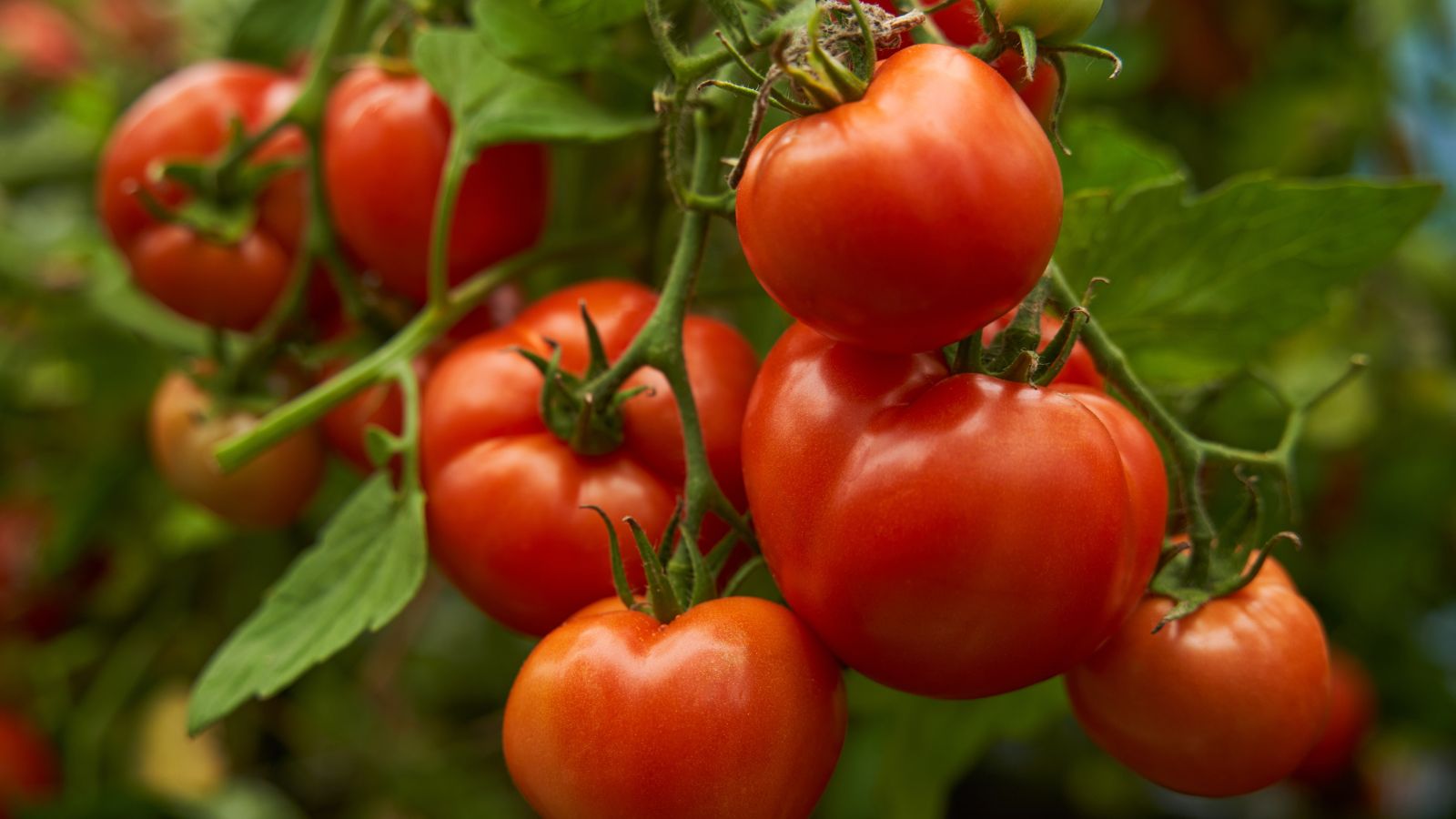
Tomatoes sit at the intersection of local pride, greenhouse production, and import pressure. In spring, Canadian greenhouse tomatoes are highly valued because they offer a domestic alternative before outdoor crops arrive. But that popularity can also create competition for Canadian-labelled produce, especially as more shoppers try to avoid imported options when prices and origin labels become part of the buying decision.
The problem is often selection rather than complete disappearance. Roma tomatoes may be available while cherry tomatoes are thin, or local greenhouse packs may sell through faster than imported clamshells. Restaurants, meal kits, and grocery promotions all draw from the same supply base. When shoppers are actively looking for Canadian-grown labels, the preferred pack can vanish before the produce section looks empty.
Beef Cuts
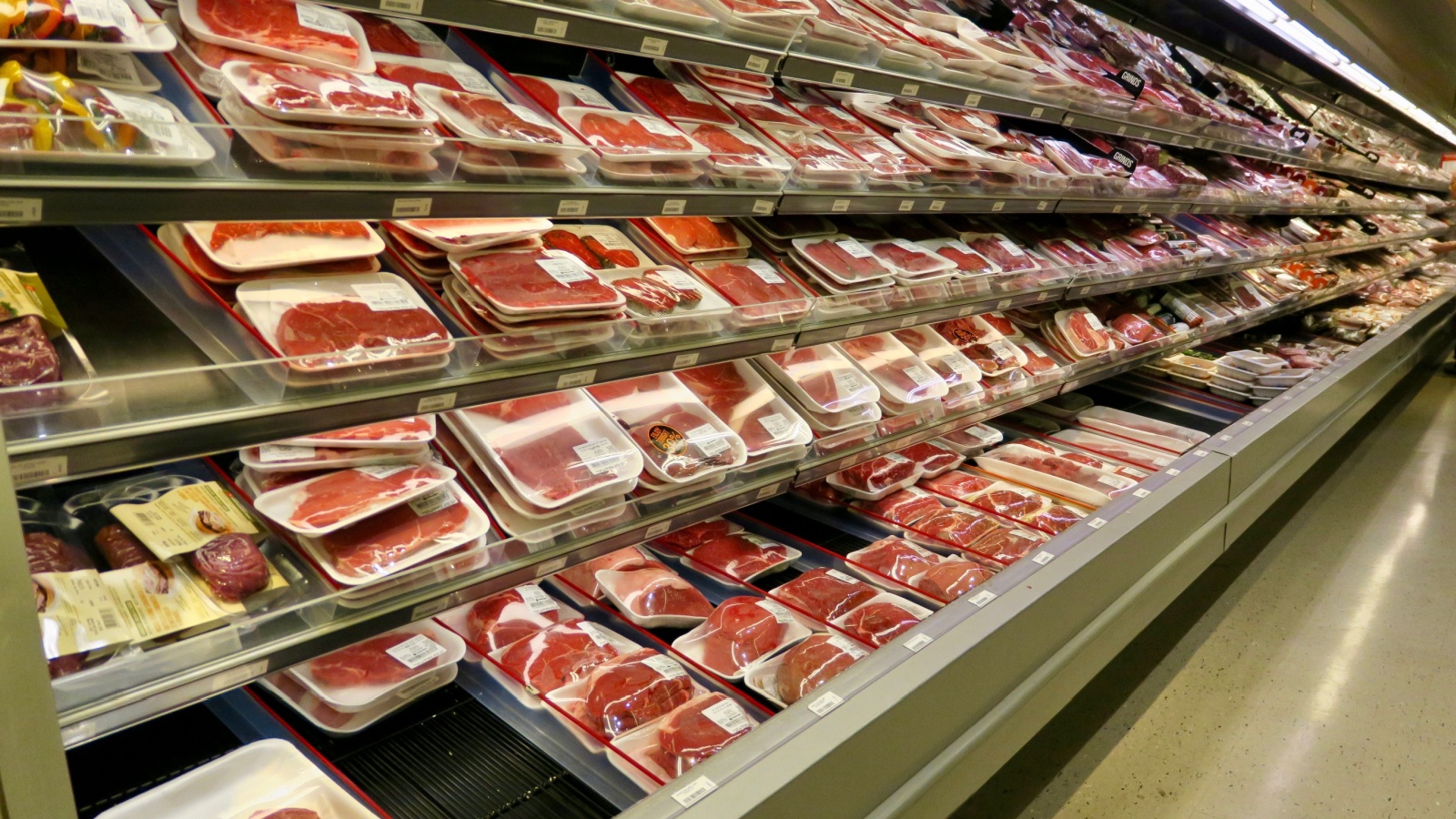
Beef is not hard to find in the broad sense, but specific affordable cuts are becoming harder to buy at comfortable prices. Ground beef, stewing beef, roasts, and family-pack formats are the items many households watch first. Canada’s food price outlook flagged meat as one of the categories expected to rise faster than many others, and price pressure can change what retailers feature.
When beef gets expensive, shoppers trade down, stock up during flyers, or switch to smaller packages. That behaviour can make sale-priced beef disappear quickly, especially at discount grocers. The “harder to find” part is often the deal: the same cut may be present, but not at the size or price that makes it feel like an everyday staple. For many families, that is the shortage that counts.
Coffee
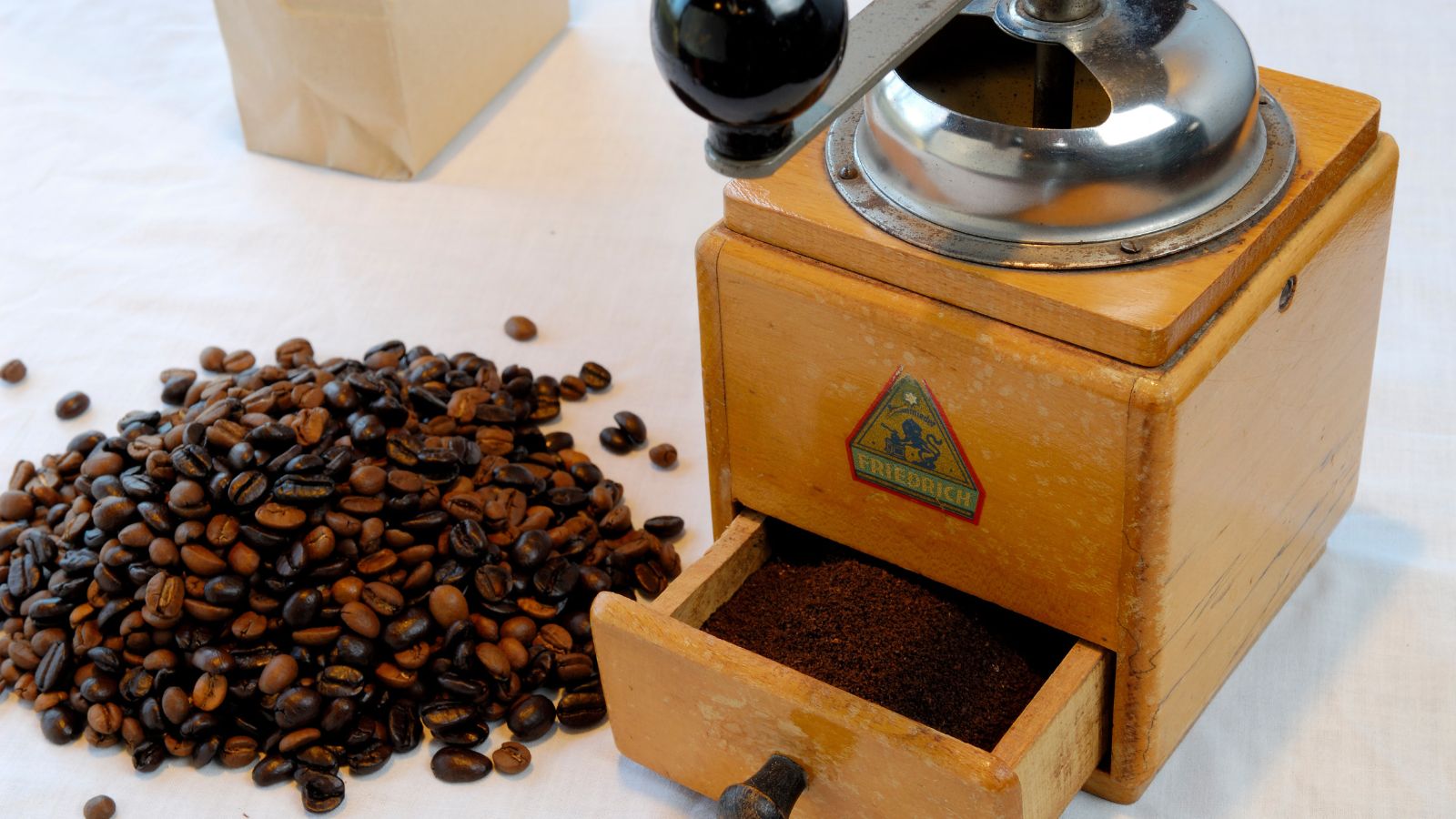
Coffee remains available, but preferred roasts and value sizes are becoming more vulnerable to global supply swings. Coffee depends heavily on weather in producing countries such as Brazil and Vietnam, and recent years have brought drought, heat, and inventory concerns. Even when forecasts improve, retail prices and contracts can lag behind commodity changes, keeping pressure on shelves.
Canadian shoppers may notice fewer deep discounts, smaller bags, or more private-label switching. Cafés and offices also compete for beans, creating steady commercial demand. A favourite dark roast may vanish temporarily while a higher-priced format remains. Coffee is an emotional staple as much as a grocery item, so even modest changes in availability feel larger than the shelf space suggests.
Chocolate Bars and Cocoa Products

Chocolate is facing a complicated spring because cocoa markets remain volatile after extreme price shocks. Even when futures prices cool, manufacturers may still be working through expensive inventories, reformulation decisions, and packaging changes. That can mean fewer promotions, smaller bars, limited seasonal varieties, or a stronger push toward candy that uses less cocoa.
For Canadian shoppers, the Easter-to-summer transition is when chocolate displays usually feel abundant. This year, the assortment may feel narrower in some stores. Premium chocolate, baking cocoa, and familiar multipacks are especially sensitive because cocoa content matters more. The product is not disappearing, but the version people remember at a familiar price is increasingly difficult to find.
Orange Juice

Orange juice has been under pressure from citrus greening disease, weather problems, and poor harvests in major producing regions. Canada relies heavily on imported citrus and juice inputs, so disruptions in Brazil and the United States can eventually affect retail cartons and frozen concentrate. Even when global prices ease, the underlying crop damage has not disappeared.
In stores, that may look like fewer premium not-from-concentrate options, higher prices on large cartons, or more shelf space for blends. Families that used to grab orange juice without thinking may now compare labels more carefully. Restaurants and hotels also buy large volumes, so retail supply is only one part of demand. The breakfast staple remains common, but choice is thinner.
Olive Oil

Olive oil is easier to find than during the worst price spikes, but the market remains vulnerable because supply is concentrated around Mediterranean harvests. Drought, heat, pests, and lower global stocks have made retailers cautious. Canada is also not a major olive oil producer, so shelves depend on imported supply chains and exchange-rate-sensitive costs.
This spring, shoppers may notice fewer large tins, fewer regional specialty oils, or higher prices for extra-virgin bottles from preferred origins. Some stores respond by expanding blends or smaller bottles, which keeps the shelf looking full while reducing true variety. Olive oil has moved from pantry background item to watched purchase, especially for households that cook frequently.
Rice
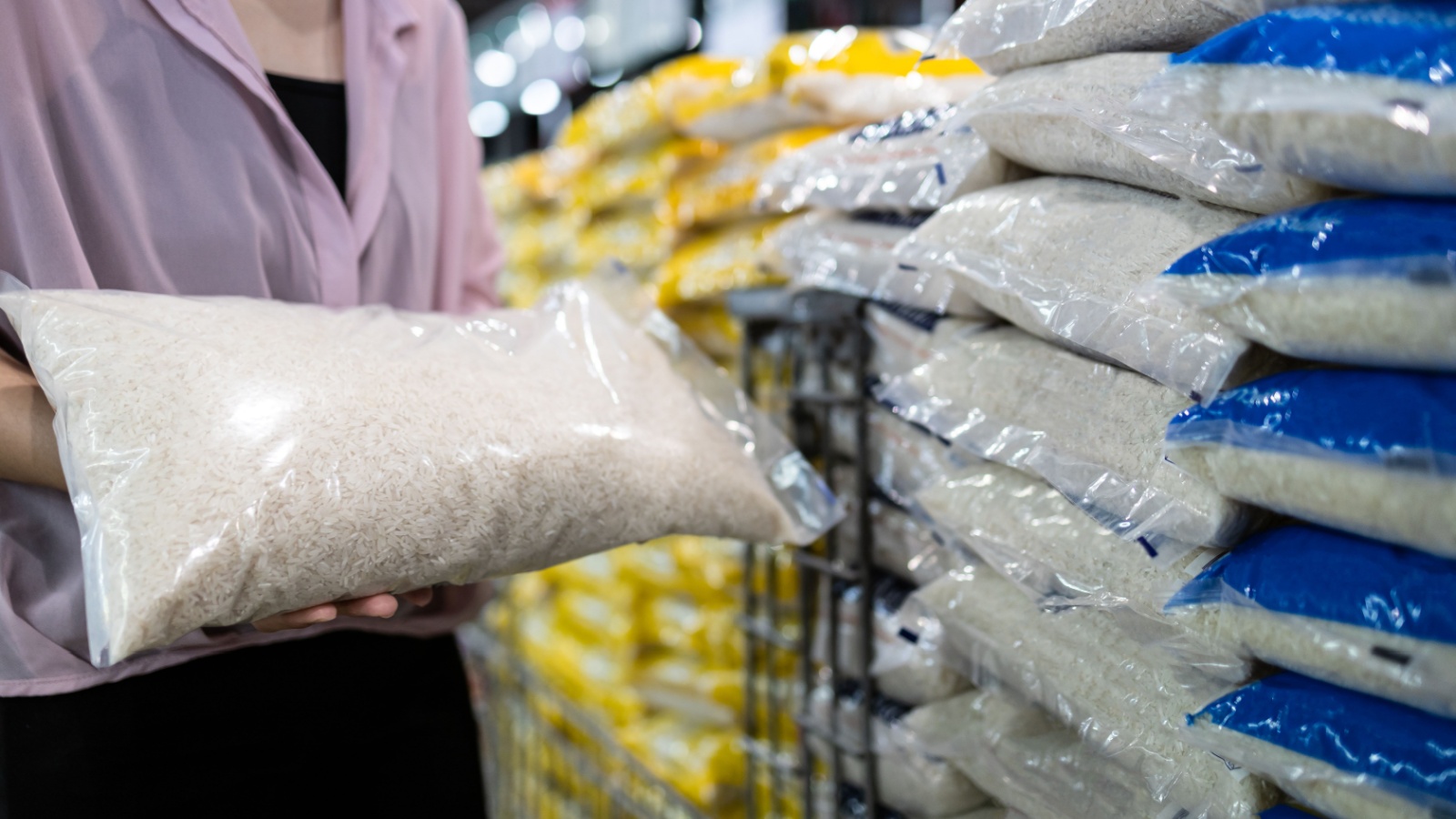
Rice is a basic pantry product, but imported varieties can be more exposed to global policy and logistics than shoppers realize. Basmati, jasmine, parboiled, and specialty long-grain rice all depend on international growing regions, export rules, freight costs, and currency movements. Even when global supply is adequate, route disruptions and policy changes can affect which bags arrive on time.
The Canadian shelf impact is usually selective. A generic white rice bag may be easy to find while a preferred basmati brand or large ethnic-grocery format is temporarily missing. Restaurants, wholesalers, and households often draw from overlapping import channels. For many communities, rice is not an optional side dish; it is a daily staple, so gaps in familiar brands are felt quickly.
Sugar and Baking Sweeteners

Sugar looks simple, but it is tied to global cane crops, beet processing, refinery capacity, labour stability, and export policy. India’s decision to restrict sugar exports in 2026 is a reminder that large producing countries can change global supply expectations quickly. Canada has domestic refining and beet sugar capacity, yet specialty cane sugars and some baking sweeteners remain connected to international markets.
For everyday shoppers, the effect may appear in brown sugar, icing sugar, large baking bags, or specialty formats rather than standard granulated sugar. Small bakeries can feel these changes first because they buy in volume and need consistent product. Home bakers notice later, often when a familiar bag is replaced by a smaller or more expensive option.
Frozen Seafood

Frozen seafood is a quiet pressure point because it depends on fishing conditions, processing capacity, tariffs, cold storage, and freight costs. Canadian companies operate in global seafood markets, meaning domestic brands can still rely on imported species or international processing routes. Recent industry reporting has pointed to supply shortages and elevated costs affecting frozen seafood profitability.
Consumers may see fewer promotions on fillets, smaller bags of shrimp, or less variety in battered fish and value packs. This matters because frozen seafood is one of the ways households add protein without buying fresh fish at premium prices. When the freezer section narrows, the change can push shoppers toward chicken, canned tuna, or plant-based alternatives.
Certain Pharmacy Pain Medicines

Canada’s medication supply system continues to monitor shortages, and some pain-relief products have faced constraints in recent months. Health Canada reported improvement in acetaminophen-with-codeine and acetaminophen-with-oxycodone supply, but also noted that limited constraints may remain for some acetaminophen-with-oxycodone products. That makes pharmacy availability uneven by location and formulation.
For shoppers, the challenge is that medication shortages are more serious than ordinary retail gaps. Pharmacists may need to suggest alternatives, contact prescribers, or advise on timing. Even when over-the-counter options remain available, a household used to a particular prescribed product can experience delays. The larger lesson is that pharmacy shelves can look normal while specific medicines remain difficult to access.
Small Electronics and Accessories

Phone chargers, earbuds, replacement cables, power banks, and small electronics accessories are everyday products that rely heavily on Asian manufacturing and global shipping. Retail supply experts have warned that technology and electronics are among the categories to watch when shipping routes, fuel costs, and sourcing patterns are disrupted. The issue often appears as fewer low-cost options rather than empty pegs.
A shopper may still find a charger, but not the affordable brand, colour, wattage, or cable length wanted. Retailers can also reduce slower-moving SKUs to protect inventory dollars. That means the shelf looks organized while choice has quietly shrunk. For students, commuters, and remote workers, these small missing accessories can become surprisingly inconvenient.
Basic Apparel and Socks

Textiles and apparel are another category where “harder to find” often means reduced assortment. Plain socks, basic T-shirts, underwear multipacks, children’s leggings, and affordable seasonal basics depend on large global production networks. When retailers face freight volatility, tariff uncertainty, or inventory risk, they may narrow colours, sizes, and brands to keep the highest-volume items moving.
The impact is easy to miss until a common size is gone. Spring is also a wardrobe transition season, so demand rises for lighter basics, school replacements, sports socks, and travel clothing. A store may have plenty of apparel overall while missing the exact practical item families came to buy. That kind of shortage is less dramatic, but more common.
Canadian-Labelled Produce and Local Grocery Items

Canadian-labelled produce and local grocery items are becoming harder to secure in some stores because demand has shifted. More shoppers are checking origin labels and looking for domestic alternatives, while retailers are highlighting maple-leaf signage and local sourcing. That attention can push Canadian-grown or Canadian-made products to sell through faster than imported substitutes.
The pressure is especially visible in produce, dairy alternatives, pantry staples, sauces, snacks, and small-batch grocery brands. Local products often have smaller production runs and less warehouse depth than multinational brands. When shoppers collectively decide to buy Canadian first, the preferred item may disappear even while a similar imported option remains. The shelf is not empty, but the choice people want is gone.
19 Things Canadians Don’t Realize the CRA Can See About Their Online Income

Earning money online feels simple and informal for many Canadians. Freelancing, selling products, and digital services often start as side projects. The problem appears at tax time. Many people underestimate how much information the CRA can access. Online platforms, banks, and payment processors create detailed records automatically. These records do not disappear once money hits an account. Small gaps in reporting add up quickly.
Here are 19 things Canadians don’t realize the CRA can see about their online income.
