Airport stress often starts long before the metal detector. A misplaced bottle, a mismatched name, an expired ID, or a forgotten child travel document can turn an ordinary departure into a scramble at the counter. Canadian travellers face a mix of CATSA screening rules, airline deadlines, passport requirements, and destination-specific entry rules that are easy to blur together when packing in a hurry.
These 13 travel rules Canadians keep getting wrong before they reach security focus on the mistakes that happen earliest: at home, during online check-in, at the airline counter, or while preparing carry-on bags. The small details matter because airport systems are built around timing, identity, baggage screening, and documentation. When one piece is off, the problem often shows up before the trip has properly begun.
Treating “Travel Size” as the Same as Security-Approved
The most familiar airport rule still catches people because “travel size” is not the same as “allowed through security.” In Canadian carry-on bags, liquids, aerosols, gels, creams, pastes, and many non-solid foods must be in containers of 100 millilitres or 100 grams or less. The containers also have to fit into one clear, resealable plastic bag no larger than one litre. A half-empty 150 mL shampoo bottle is still a 150 mL container, even if only a few uses remain.
This rule creates awkward moments because the mistake often feels minor. A traveller may have a nearly empty sunscreen, a prestige moisturizer, or a jar of maple spread bought as a gift and assume common sense will prevail. At screening, the container size matters. The rule also covers items people forget are gels or pastes, including lip gloss, peanut butter, jam, yogurt, shaving gel, and gel deodorant. The better habit is simple: check the label before packing, not while standing beside the bins.
Forgetting That Food Can Become a Liquid Rule Problem

Many Canadians know sandwiches and granola bars can go in carry-on bags, but food becomes confusing when it is mashed, spreadable, mixed in sauce, or liquid at room temperature. Solid food such as apples, crackers, muffins, vegetables, cheese cubes, chips, and sandwiches is generally permitted in carry-on baggage for travel within Canada. The problem is the “almost solid” category: yogurt, pudding, peanut butter, jam, smoothies, stews, and similar items are treated under liquid or gel-style restrictions.
This creates a very human kind of airport frustration. Someone packs breakfast to save money, then learns a family-sized yogurt or homemade chili will not pass as a normal snack. Frozen food is not a loophole either if it is normally a liquid or gel at room temperature. For international trips, food also has a second layer of rules because the destination country may restrict what can be brought in. A harmless-looking snack can therefore become both a security issue and a customs issue later.
Packing Power Banks in Checked Luggage

Portable chargers feel like everyday travel tools, which is exactly why people put them wherever space is available. That can be a mistake. Lithium battery-powered items such as power banks should be kept in carry-on baggage, not checked baggage. Transport Canada warns travellers to keep lithium batteries with them in the cabin and avoid damaged or recalled batteries. CATSA’s battery guidance also points travellers toward carry-on packing for power banks and similar devices.
The reason is not paperwork; it is fire risk. Lithium batteries can overheat, and cabin crews are better positioned to respond when a problem happens in the cabin rather than in the cargo hold. This rule matters even more when passengers are asked to gate-check a bag at the last minute. A small power bank tucked into a side pocket can suddenly end up in checked storage unless it is removed. The safest routine is to pack chargers, loose batteries, e-cigarettes, and battery-heavy gadgets in a small pouch that never leaves the personal item.
Assuming a Boarding Pass Fixes an ID Problem

Online check-in can create a false sense of security. A boarding pass confirms a reservation step, not that every identity requirement has been satisfied. For air travel in Canada, the name on identification must match the name on the airline ticket and boarding pass. The issue can be as simple as a missing middle name, a nickname used on a booking, a married name on one document and a previous name on another, or an expired piece of identification.
The delay usually happens before security, at check-in, bag drop, or boarding document verification. Staff are not just being difficult; identity matching is part of the process that allows passengers to move through the airport system. Domestic trips still require acceptable identification, while international trips require a passport and any destination-required documents. The best practice is to book flights using the name as it appears on the travel document, then check every confirmation email immediately. Fixing a name error at home is usually calmer than trying to fix it beside a closing baggage belt.
Misjudging Airline Check-In and Bag-Drop Deadlines

Many travellers think arriving at the airport is the same as being on time. Airlines usually measure timeliness by completed check-in, bag drop, document verification, security, and gate arrival. Missing a cut-off can mean the airline refuses transport even when the passenger has a valid ticket. The Canadian Transportation Agency notes that passenger-protection rules generally do not help when a passenger is refused because they lacked proper documents or missed carrier deadlines.
This is where “I was in the building” becomes a painful argument. Air Canada, for example, lists different deadlines by route type, including shorter cut-offs for flights within Canada and longer check-in and bag-drop deadlines for U.S. flights. Other airlines publish their own rules, and airports can add complications through construction, winter weather, peak travel, or U.S. pre-clearance. The practical mistake is planning around flight departure time instead of the earliest deadline. A traveller with checked baggage should treat bag drop as the first real gate to the journey.
Believing Passport Expiry Only Matters on the Return Date

A Canadian passport can be valid on the date of travel and still fail a destination’s entry requirement. Some countries require a passport to remain valid for a period after the planned departure from that country, sometimes three or six months. Government of Canada travel advice tells travellers to check the entry and exit requirements for each destination because passport validity rules can be longer than the trip itself.
This is one of the most expensive pre-security mistakes because it may surface at airline check-in. Airlines can deny boarding when documents do not meet destination rules, since carrying an inadmissible passenger can create costs and complications. The traveller may have booked hotels, tours, and transfers, but the passport date can stop the trip before baggage is accepted. The safer approach is to check passport validity before buying tickets, especially for multi-country itineraries, cruises, and trips involving connections. A passport that looks “not expired yet” may still be too close to expiry for the country being visited.
Forgetting Consent Letters When Travelling With Children

Travelling with a child can involve more than passports and boarding passes. The Government of Canada recommends that children travelling outside Canada without one or both parents or legal guardians carry a signed consent letter. This can apply when a child travels with one parent, grandparents, relatives, a school group, or another accompanying adult. Airlines may ask to see the letter, and border officials abroad may also have questions.
The mistake often happens in ordinary family situations. A parent takes a child on a spring-break trip while the other parent stays home for work, or a grandparent escorts a child to visit relatives overseas. Nothing about the trip feels unusual to the family, but it may look incomplete to officials who cannot know the custody or consent situation. Separated or divorced parents may also need supporting custody documents. A consent letter is not a glamorous travel item, but it can prevent a deeply stressful conversation before departure.
Mixing Up Baby and Medical Liquid Exemptions

The 100 mL rule has important exemptions, but travellers can still get tripped up when they pack exempt items as if no inspection will happen. Baby food, milk, liquid formula, water, and juice may be allowed in quantities greater than 100 mL when travelling with an infant under two. Breast milk can also be permitted in quantities greater than 100 mL, including when the passenger is flying without the child, provided it is presented for inspection. Prescription medicines are also treated differently from ordinary toiletries.
The common error is not bringing the item; it is burying it. A parent who packs formula at the bottom of a carry-on may have to unpack everything at the checkpoint. A traveller carrying medication without labels or easy access may slow the process. The rule is more manageable when exempt liquids are grouped together, clearly identified, and presented to the screening officer before screening begins. These exemptions exist because real travel involves infants, health needs, and medical routines, but they still require preparation.
Leaving Sharp or Tool-Like Items in the Carry-On

Small sharp objects are easy to forget because they live in everyday bags: pocket knives, multitools, scissors, corkscrews with blades, razor blades, utility knives, craft tools, and sports gear. Transport Canada lists categories of items banned from carry-on baggage, including weapons, replica weapons, and devices that could injure someone. CATSA also warns that non-permitted items include things such as knives and sports bats, along with items that may appear harmless but pose a security concern.
The most frustrating version is the sentimental or useful item: a Swiss-style tool from a camping trip, sewing scissors packed for a wedding emergency, or a small knife forgotten in a backpack side pocket. At the checkpoint, travellers may have limited options: surrender it, return it to someone not travelling, ship it, or try to check it if time and airline rules allow. The cleanest solution is a dedicated airport carry-on, emptied and repacked before each trip, rather than using a daily backpack full of surprises.
Assuming Every Airport Screens Bags the Same Way

Canadian travellers increasingly encounter newer screening technology, different lane designs, and airport-specific instructions. CATSA has been deploying CT X-ray technology at selected pre-board screening checkpoints, and its general advice still tells travellers to follow local directions about what goes in bins. In some lanes, laptops and liquids may be handled differently than in older systems. In others, coats, belts, laptops, and the clear one-litre liquids bag may still need to be placed in bins.
The mistake is arriving with a rigid routine learned from another airport. A traveller who confidently unpacks everything may slow one lane, while someone who leaves everything packed may slow another. CATSA screened tens of millions of passengers in 2024/25, so even small hesitations scale into noticeable queues. The best approach is to prepare items so they are easy to remove, then follow the signs and screening officer instructions at that specific checkpoint. Airport security is standardized in purpose, but the physical process can vary.
Not Checking Wait Times or Peak Travel Pressure

A common pre-security mistake is assuming security will take the same amount of time every trip. CATSA publishes airport wait-time information and updates it frequently, while its annual reporting shows that most passengers at major airports waited less than 15 minutes in 2024/25. That sounds reassuring, but averages do not protect a traveller who arrives during a surge, after a weather disruption, during a holiday weekend, or at an airport with construction or staffing pressure.
The human tendency is to remember the fastest past experience. Someone who once cleared security in eight minutes may cut arrival time too close on a busy morning. Another traveller may underestimate the extra time needed for checked bags, mobility support, pets, children, or U.S. pre-clearance. Wait-time tools are not guarantees, but they provide a reality check before leaving home. Planning with a buffer is less exciting than maximizing time at home, yet it often determines whether the airport feels manageable or chaotic.
Thinking ArriveCAN Is Still the Same Rule It Was During the Pandemic
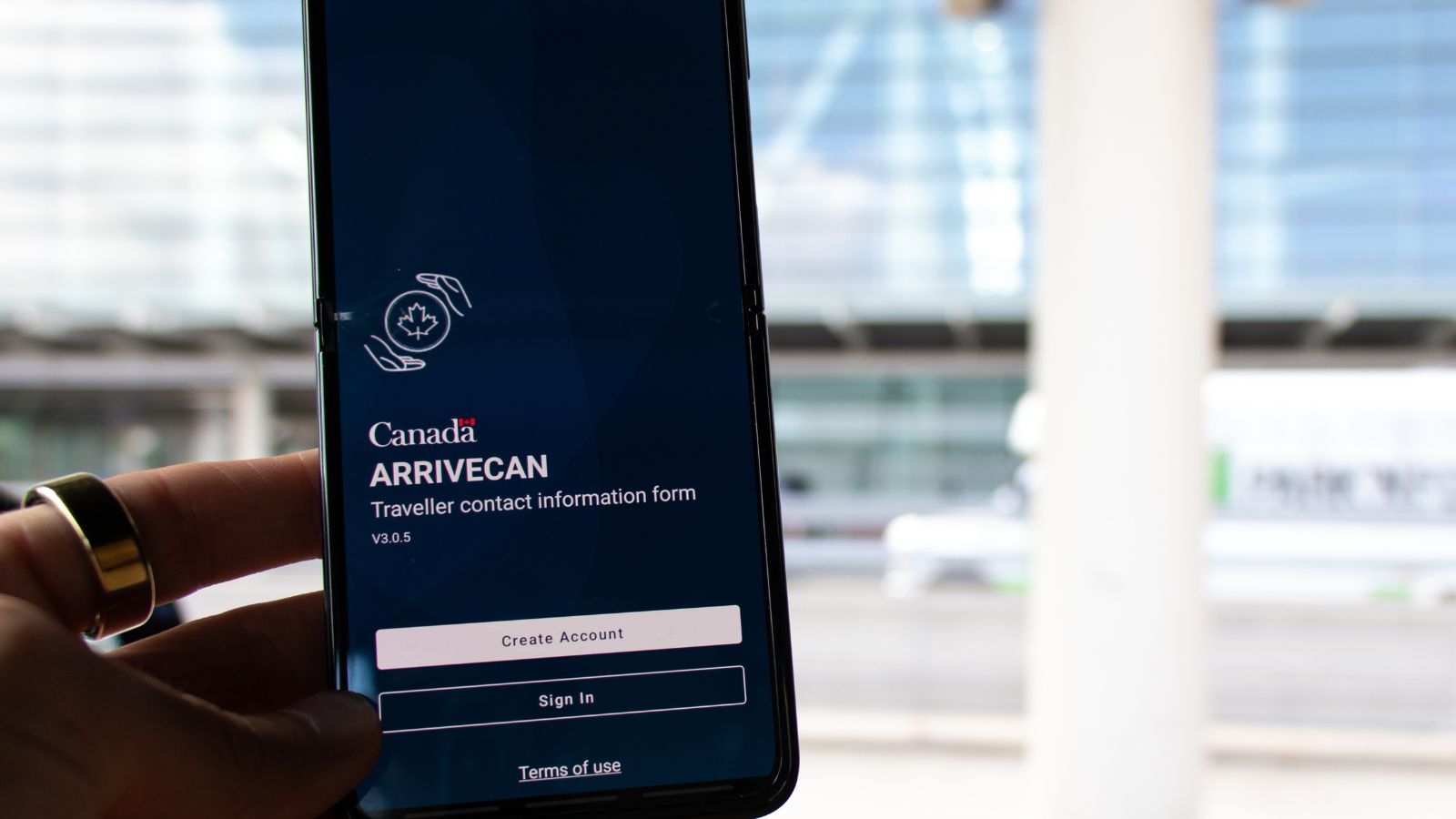
ArriveCAN remains a source of confusion because many Canadians remember when pandemic-era travel processes were different. For most travellers, ArriveCAN is not a general pre-entry pandemic requirement now. Its continuing role includes Advance Declaration, which allows eligible travellers flying into participating Canadian airports to submit customs and immigration information in advance. Government of Canada information also notes that Advance Declaration submissions expire if not confirmed at a kiosk or eGate within 72 hours.
The mistake is two-sided. Some travellers think ArriveCAN is still mandatory for every return to Canada and panic unnecessarily. Others ignore it completely, missing a tool that may save time at arrivals when it applies. This does not usually stop someone before outbound security, but it matters during trip preparation and return planning. The most accurate habit is to treat ArriveCAN as a current customs convenience for certain arrivals, not as a universal travel permission app. Rules changed, but old memories linger.
Ignoring Destination Entry Rules Until the Airline Counter

Security rules are only one part of getting on a plane. Before a passenger reaches screening, airline staff may need to confirm that the traveller appears eligible to enter the destination or transit point. Government of Canada Travel Advice and Advisories provide destination-specific entry and exit requirements, including passport validity, visas, tourist cards, vaccination or health documentation where applicable, and other local rules. These requirements can change, so relying on a friend’s trip from last year is risky.
This mistake often affects confident travellers. A person may have flown to Europe many times and miss a new authorization requirement, or book a connection through a country with transit rules that differ from the final destination. Families may focus on resort bookings and forget that each traveller, including children, needs valid documents. Airlines can stop the journey before security if documents are incomplete. The practical rule is to check official destination advice before booking, again before online check-in, and once more before leaving for the airport.
19 Things Canadians Don’t Realize the CRA Can See About Their Online Income

Earning money online feels simple and informal for many Canadians. Freelancing, selling products, and digital services often start as side projects. The problem appears at tax time. Many people underestimate how much information the CRA can access. Online platforms, banks, and payment processors create detailed records automatically. These records do not disappear once money hits an account. Small gaps in reporting add up quickly.
Here are 19 things Canadians don’t realize the CRA can see about their online income.
