
Canadian retail used to feel predictable: the same aisles, the same checkout rhythm, the same weekend stops for groceries, books, tools, clothes, electronics, and last-minute household fixes. That familiar routine is changing. Stores that once felt almost automatic now come with app-only pricing, locked cases, self-checkout debates, loyalty prompts, health clinics, shrinking department-store footprints, and online marketplaces folded into the in-store experience.
These 22 once-normal Canadian stores are not all disappearing, and many remain highly successful. What makes them feel unfamiliar is the speed of reinvention. The changes reflect inflation pressure, e-commerce growth, labour challenges, theft concerns, loyalty-data strategies, and shoppers who now compare every purchase across phones, flyers, apps, and warehouse aisles.
Canadian Tire

Canadian Tire still carries the emotional weight of a Saturday errand in Canada: windshield washer fluid, hockey tape, garden soil, cookware, tools, camping gear, and the odd emergency part for a car that chose the worst possible moment to complain. The familiar triangle logo is still there, but the store increasingly feels like a data-driven retail network rather than a simple hardware-and-auto stop.
The shift shows up in Triangle Rewards, app-based offers, personalized promotions, financial services, and expanded partnerships. Canadian Tire has described Triangle as a central part of its retail strategy, with millions of active members and growing links to other programs. For shoppers, that can make a once-straightforward trip feel more like navigating an ecosystem: scan the app, check bonus offers, compare member pricing, and decide whether the old paper-money feeling has fully become digital.
Shoppers Drug Mart
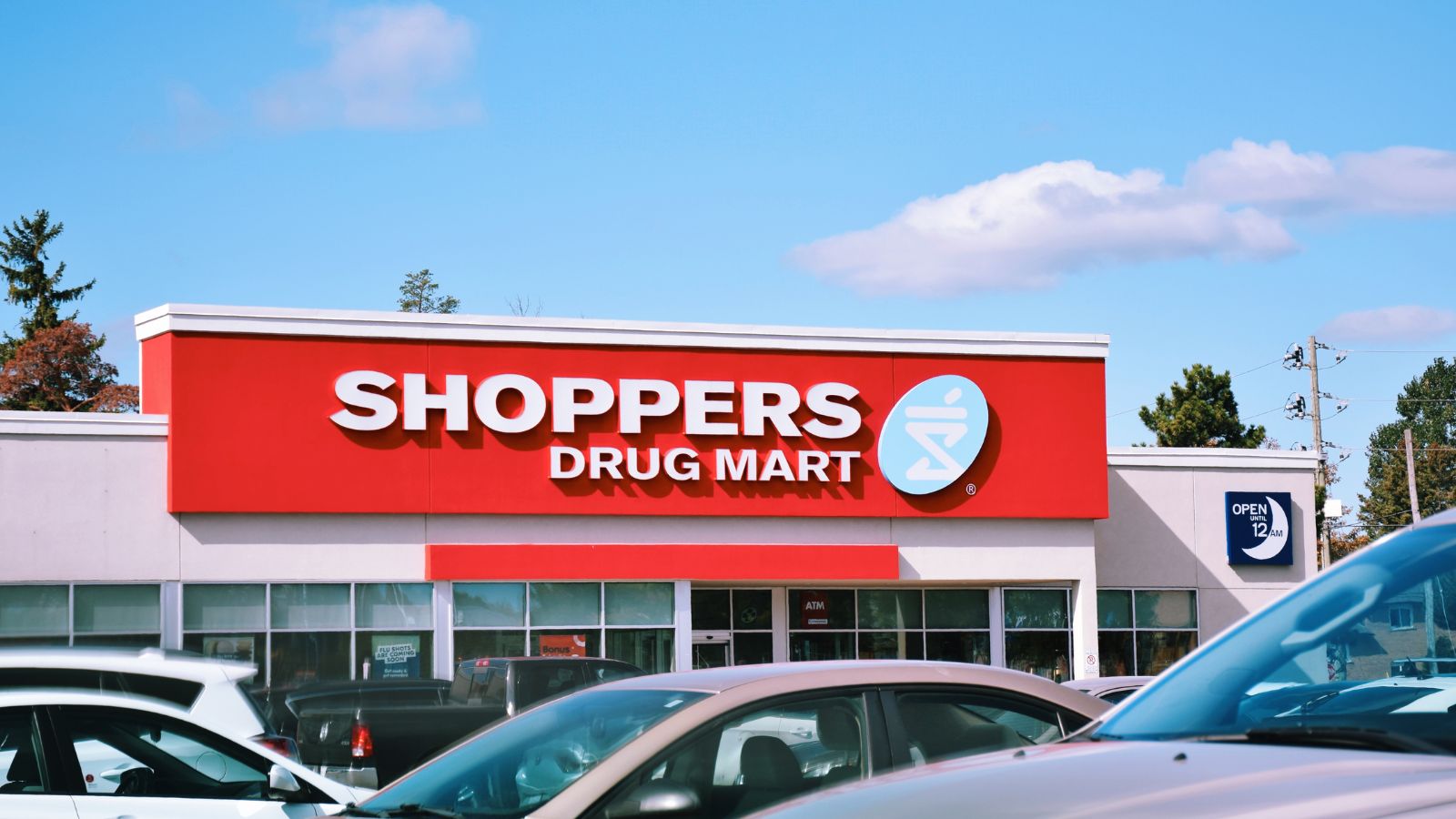
Shoppers Drug Mart used to be the place for prescriptions, shampoo, cough drops, cosmetics, milk, greeting cards, and late-night convenience. It still plays that role, but many locations now feel closer to a hybrid of pharmacy, beauty counter, clinic, grocery aisle, and loyalty platform. The store that once felt like a quiet neighbourhood fallback has become a front line in Canada’s shifting healthcare and retail landscape.
Pharmacy care clinics are a major reason. Shoppers has expanded pharmacist-led services in several provinces, while parent company Loblaw continues to emphasize healthcare as part of its broader growth strategy. That makes the stores more useful for some customers, especially where access to primary care is strained, but it also changes the atmosphere. The visit may now involve appointment systems, consultation rooms, vaccination services, PC Optimum prompts, and a stronger sense that healthcare and retail are merging under one roof.
Loblaws
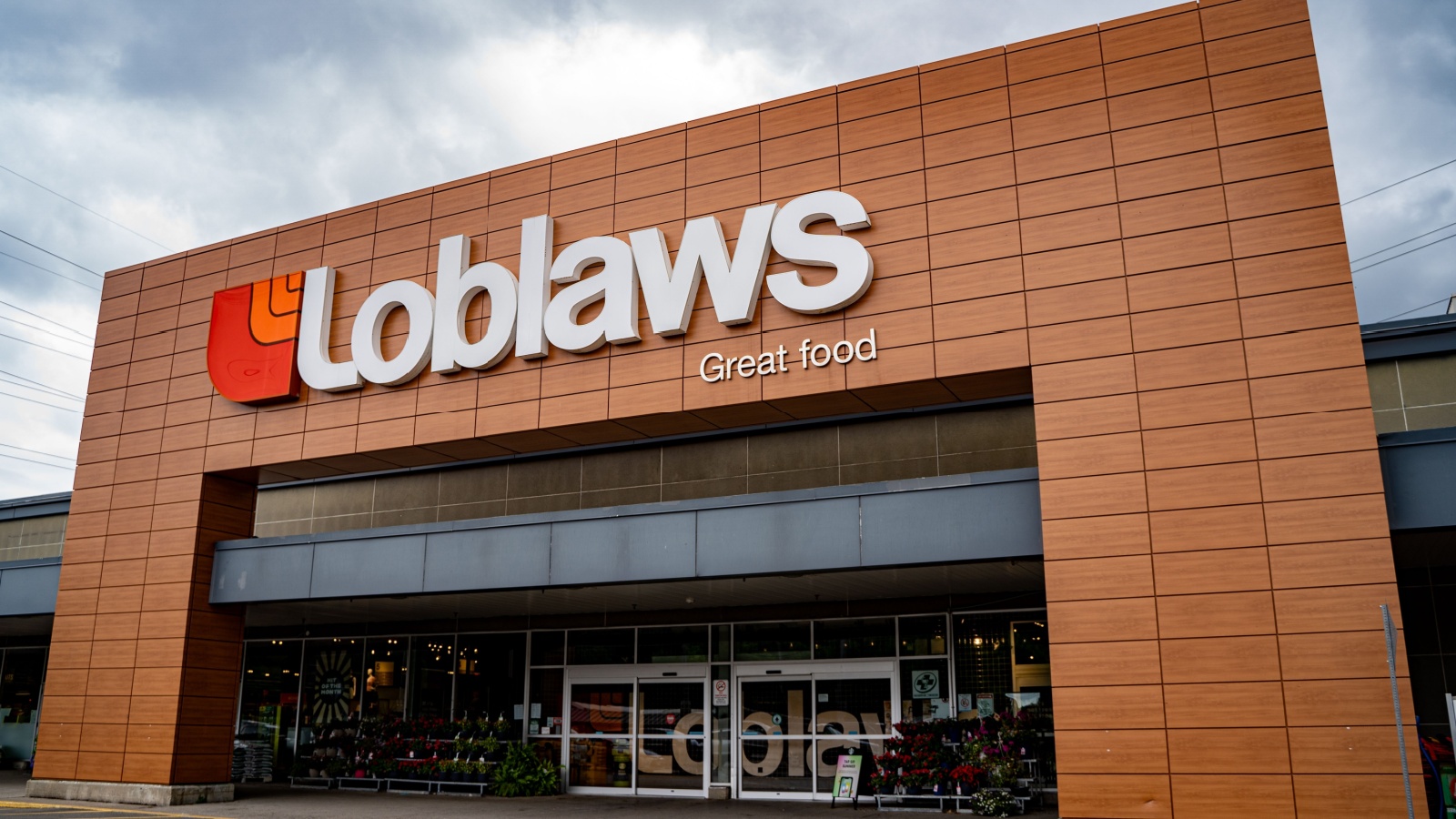
Loblaws has long occupied a more polished place in Canadian grocery: brighter stores, larger prepared-food sections, premium private labels, and higher-end layouts than many discount banners. What feels different now is how much the grocery trip has become wrapped in inflation anxiety, loyalty points, private-label comparisons, and public scrutiny over food prices.
The shelves still look familiar, but the shopping behaviour around them has changed. Many Canadians now scan unit prices more carefully, compare PC Optimum offers, watch for “member-only” discounts, and shift between banners depending on the week’s budget. Loblaw has invested heavily in store expansion, pharmacy clinics, e-commerce, and private-label value, while Statistics Canada has documented how grocery inflation altered household habits. A store that once felt aspirational can now feel like a pricing puzzle.
No Frills

No Frills built its identity on blunt value: yellow signage, simple displays, no-nonsense pricing, and a sense that shoppers were choosing savings over polish. That formula still works, but the stores feel less like a quiet budget alternative and more like a central battleground in Canadian grocery. Discount grocery has become mainstream, not fringe.
Loblaw has continued expanding hard-discount banners such as No Frills and Maxi, reflecting how many households are trading down or spreading grocery trips across multiple chains. The result is a busier, more competitive feeling in stores that once seemed intentionally plain. Shoppers arrive with apps, price-match expectations, reusable bags, loyalty offers, and a sharper eye for private-label products. The old “won’t be beat” spirit remains, but the stakes feel higher because grocery savings have become a household strategy rather than a preference.
Real Canadian Superstore
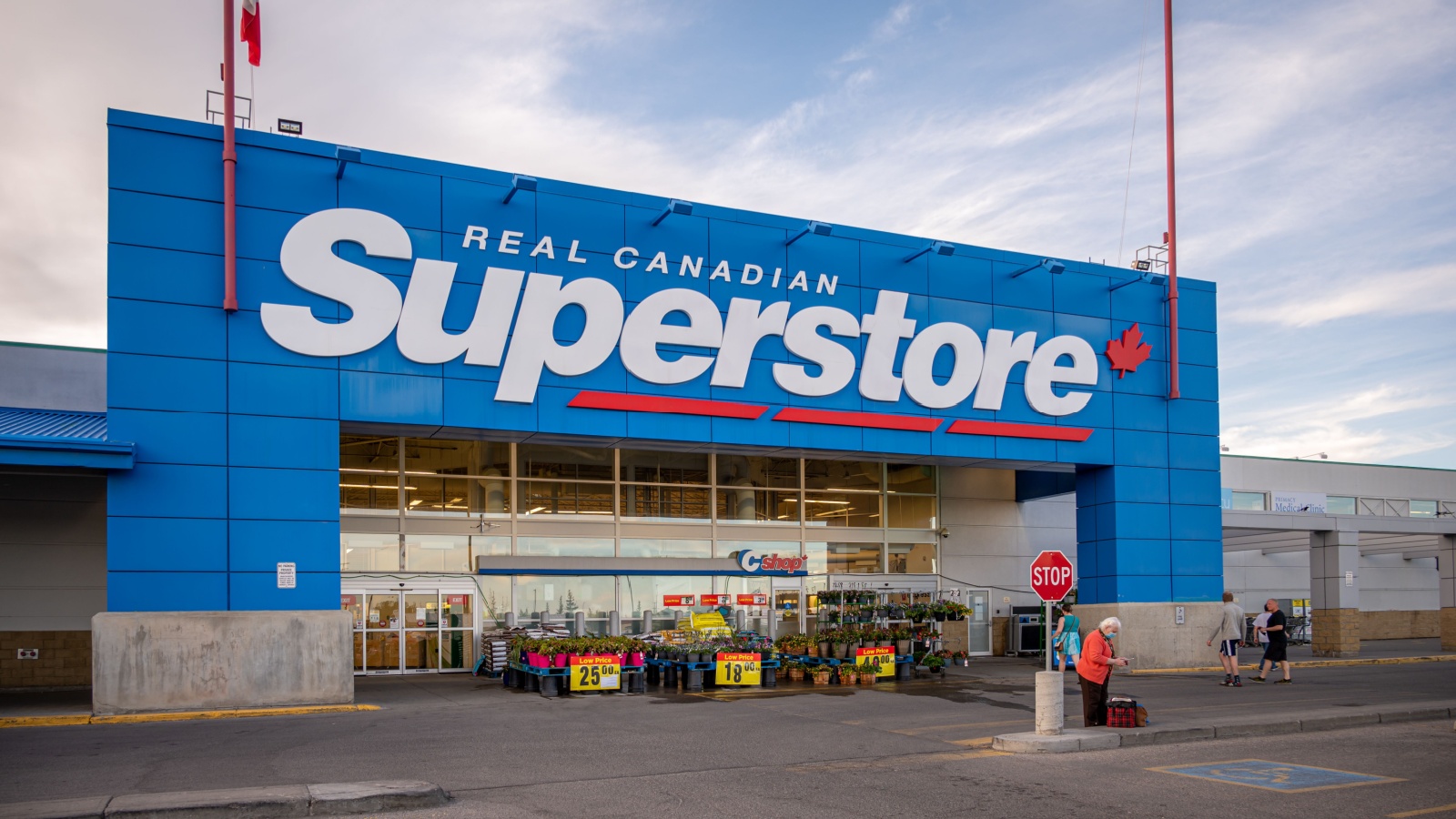
Real Canadian Superstore used to feel like a Canadian answer to the one-stop mega-store: groceries, clothing, pharmacy, housewares, seasonal goods, Joe Fresh, and bulk-ish pantry runs under one roof. The scale remains, but the experience increasingly feels shaped by digital ordering, checkout redesigns, loyalty targeting, and the search for value across a sprawling store.
Superstore’s size can now feel both convenient and exhausting. A shopper might compare No Name products against national brands, redeem PC Optimum points, pick up an online grocery order, pass through self-checkout lanes, and still leave wondering whether the best price was hidden in the app. Loblaw’s e-commerce growth and discount focus have changed the way these large-format stores function. They are not just stores anymore; they are fulfilment hubs, pharmacy access points, loyalty engines, and price-comparison arenas.
Sobeys

Sobeys has traditionally leaned into the language of fresh food, family meals, deli counters, bakery cases, and neighbourhood grocery familiarity. The newer version can feel more layered. Scene+ offers, Voilà online grocery, FreshCo expansion, private labels, and store renovations have turned the Sobeys ecosystem into a more segmented retail machine.
Empire, Sobeys’ parent company, has emphasized digital, data, e-commerce, loyalty, and discount growth through banners such as FreshCo. That creates a different feeling for shoppers who remember Sobeys mainly as a conventional full-service grocer. The store still offers the comfort of prepared foods and familiar departments, but the surrounding strategy feels more complex. A customer may now move between Sobeys for convenience, FreshCo for price, Farm Boy for specialty items, and Voilà for delivery, all under the same corporate umbrella.
Metro
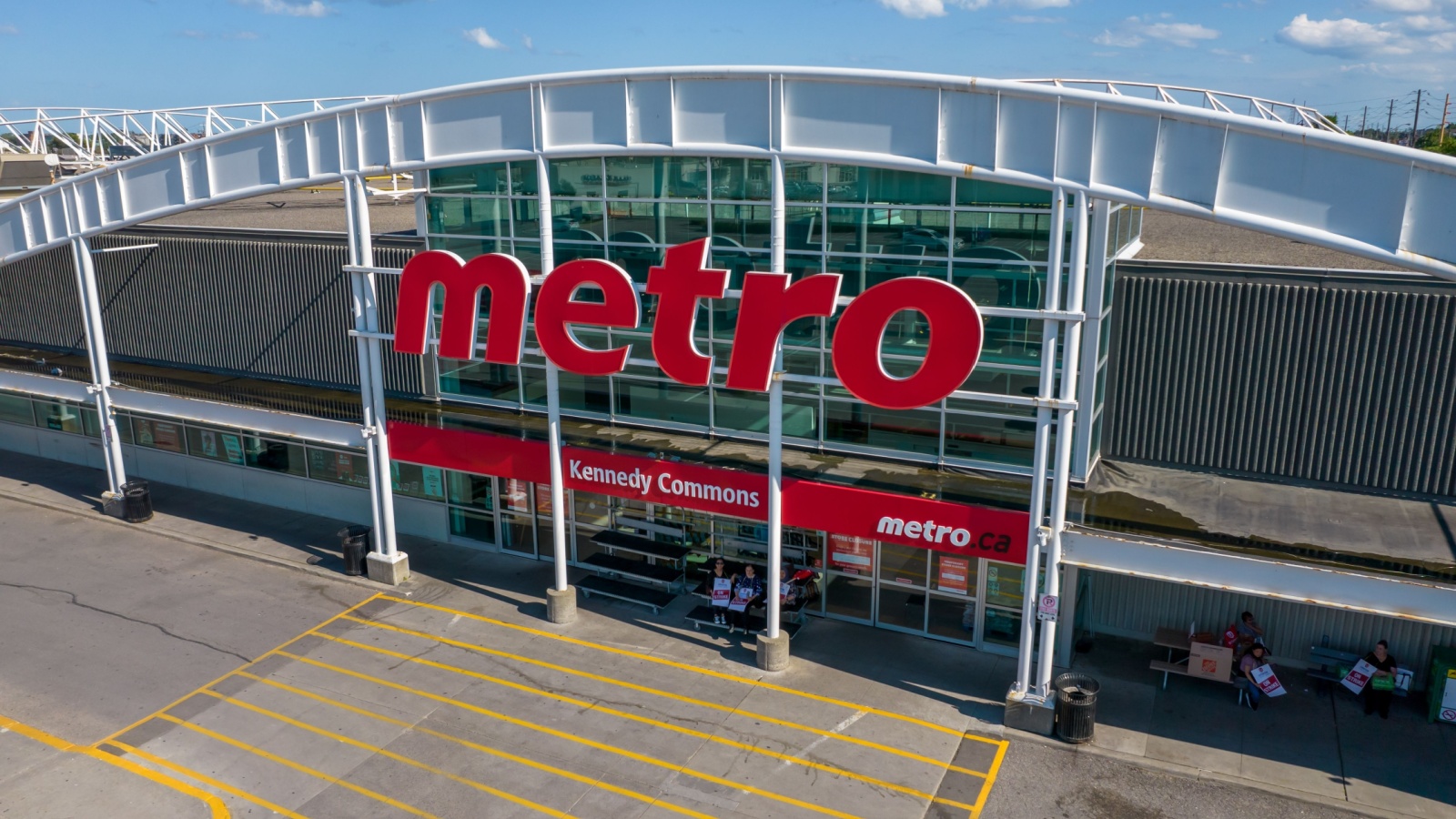
Metro stores once felt especially familiar in Ontario and Quebec: compact, practical, neighbourhood-oriented, and less theatrical than some competitors. That quieter identity is shifting as Metro expands discount banner Food Basics, modernizes its network, and competes in a grocery market where every chain is being judged on price, convenience, and transparency.
The unfamiliar feeling is subtle. It is not that Metro has become unrecognizable overnight; it is that the grocery aisle now carries more pressure. Food Basics expansion signals the growing importance of discount formats, while Metro’s broader network includes food stores, pharmacies, and e-commerce services. Customers who once chose a nearby Metro for routine convenience may now be weighing whether the same basket costs less at Food Basics, Costco, Walmart, or No Frills. The normal grocery stop has become a calculation.
Walmart Canada

Walmart Canada has always been big, but its current direction makes it feel even more like infrastructure than a store. The company announced a major multi-year Canadian investment, including new stores and supply-chain improvements, while continuing to position itself as a destination for groceries, general merchandise, online pickup, and delivery.
That changes the mood of a Walmart trip. What once felt like a discount department-store run now feels like a logistics system built around speed, scale, and constant inventory movement. Grocery aisles compete with pharmacy, apparel, electronics, seasonal goods, and online pickup zones. Self-checkout, app-based shopping, curbside orders, and remodels add to the sense of motion. For many Canadians, Walmart remains practical and familiar, but it no longer feels like just a store. It feels like a platform with aisles.
Dollarama

Dollarama used to be the place for cheap party supplies, kitchen odds and ends, school items, candy, cards, and quick impulse buys. It still is, but its role in Canadian life has expanded as household budgets have tightened. The store now feels less like a novelty stop and more like part of the weekly affordability plan.
The company has continued adding stores in Canada and has laid out long-term expansion targets. Its sales growth has been supported by demand for consumables and household basics, which says a lot about how shoppers are using it. The unfamiliar part is not the shelves; it is the seriousness of the visit. Canadians may still go in for one birthday candle and leave with ten items, but more households now treat Dollarama as a place to manage inflation one small purchase at a time.
Costco Canada
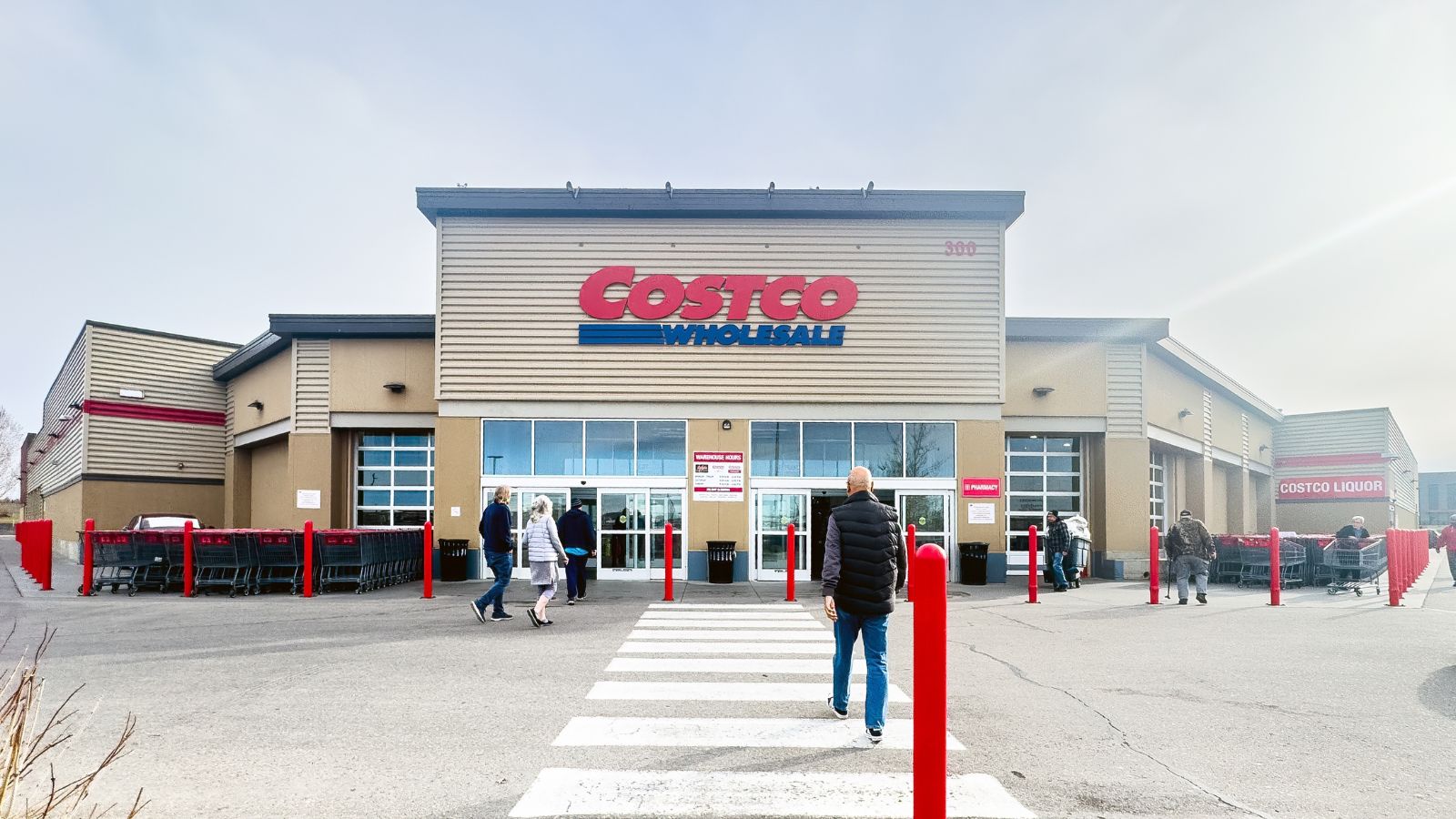
Costco has always felt different from ordinary retail: membership cards, giant carts, bulk packaging, receipt checks, food-court routines, and treasure-hunt aisles. What feels more unfamiliar now is the growing sense that membership itself is becoming a more managed, tiered, closely monitored experience.
The company increased membership fees in 2024, including in Canada, and raised the maximum annual Executive reward. At the same time, warehouse clubs have become more important to inflation-conscious shoppers looking for value on food, household goods, pharmacy items, and fuel. The result is a store that can feel both beloved and more guarded. A Costco trip now involves sharper calculations: whether the membership pays off, whether bulk sizes still make sense, and whether the Executive tier is worth the upgrade.
Hudson’s Bay

Hudson’s Bay may be the clearest example of a once-normal Canadian retail experience becoming unfamiliar in the most dramatic way. For generations, The Bay meant downtown department-store windows, bedding sales, fragrance counters, coats, kitchenware, holiday displays, and the symbolic weight of Canada’s oldest company.
The recent collapse and liquidation of Hudson’s Bay stores changed that familiarity into something closer to retail grief. Reports in 2025 described widespread store closures, employee terminations, and the end of the chain’s physical presence after restructuring efforts failed. Even where the name or intellectual property survives, the old experience is gone. That makes former Bay locations feel like reminders of a department-store era that could not survive changing traffic patterns, online competition, debt pressure, and softer discretionary spending.
Indigo

Indigo used to feel like a calm refuge: books, journals, candles, toys, gifts, music, coffee, and plenty of browsing time. It still carries that cultural role, but the chain has had to navigate a tougher world for bookselling, discretionary spending, cyber risk, and omnichannel retail.
The unfamiliar feeling comes from how much the bookstore has had to become a lifestyle retailer and digital operation. Indigo’s 2023 cyberattack also reminded shoppers that even a soft, literary brand operates inside modern retail’s harsher technological risks. Meanwhile, the product mix has long stretched beyond books into home goods, wellness items, toys, and gifts. For some customers, that makes Indigo more useful. For others, it can feel like the bookstore is fighting to remain a bookstore while also becoming a curated gift shop.
Best Buy Canada

Best Buy Canada once felt like the obvious stop for laptops, TVs, headphones, printers, games, cables, and appliance questions. The aisles were physical proof of the latest tech cycle. Now the store can feel less like a warehouse of gadgets and more like a showroom attached to a much larger online catalogue.
Best Buy’s marketplace expansion, including a wider online assortment, reflects how electronics retail has changed. Shoppers often research products before arriving, compare prices on their phones in the aisle, and expect pickup, delivery, installation, protection plans, and financing to be part of the conversation. The unfamiliar part is that fewer purchases feel spontaneous. Even a simple charger or laptop visit can involve online reviews, third-party sellers, app inventory, warranty decisions, and staff acting more like tech advisors than clerks.
Staples Canada
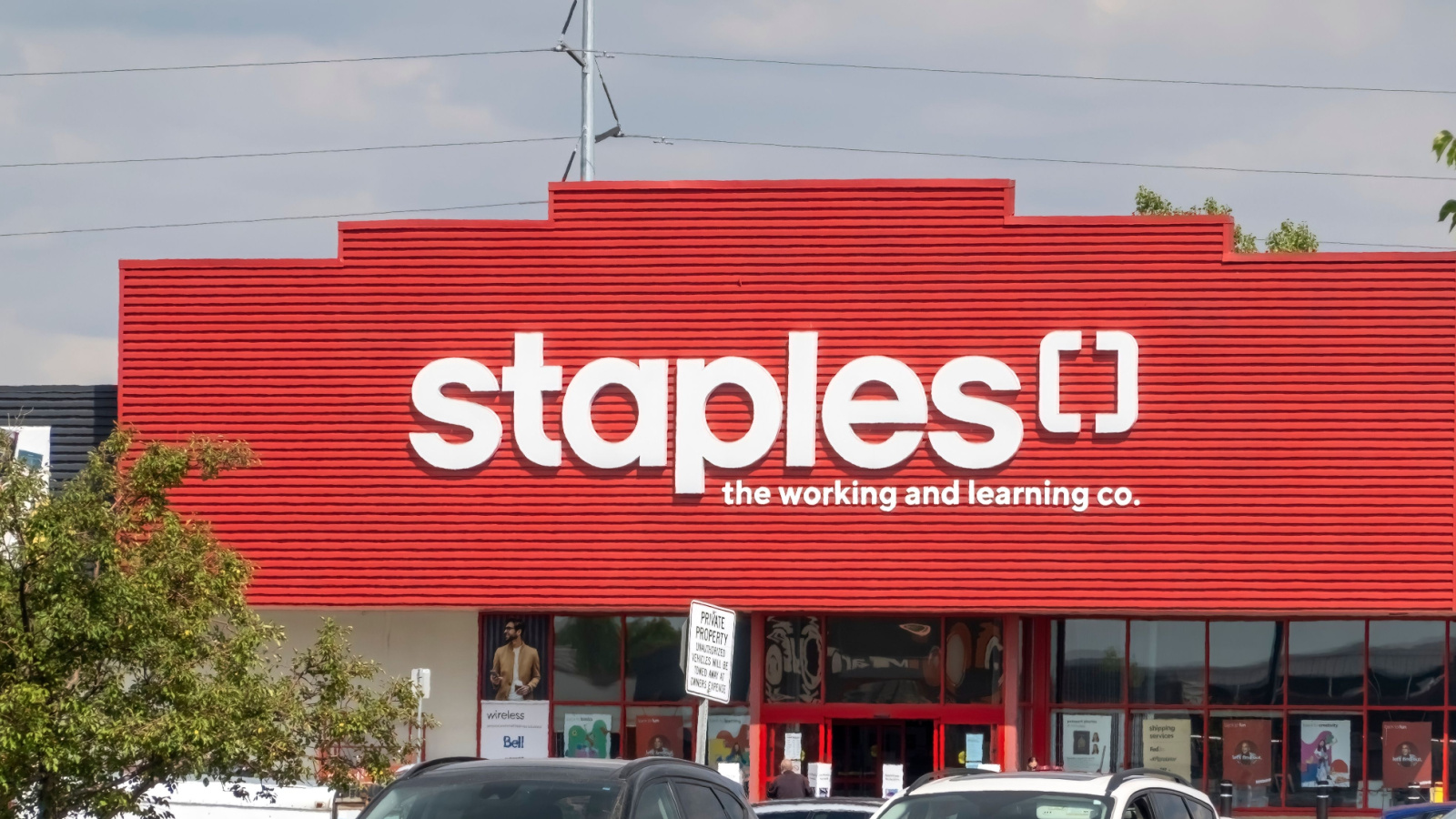
Staples used to be easy to define: office supplies, binders, printer ink, copy paper, folders, pens, and back-to-school panic. That world has changed. Remote work, hybrid offices, small-business services, tech accessories, shipping, printing, ergonomic furniture, and learning products have pushed Staples into a broader identity.
The company describes itself as “The Working and Learning Company,” which captures the shift. A modern Staples may still sell pens and paper clips, but it increasingly serves people setting up home offices, shipping packages, printing marketing materials, replacing laptop accessories, or buying classroom supplies. The unfamiliar feeling is tied to work itself becoming less predictable. The old office-supply store was built for cubicles and school lockers; the new version is trying to serve kitchen-table workers, entrepreneurs, students, teachers, and hybrid teams at the same time.
Winners
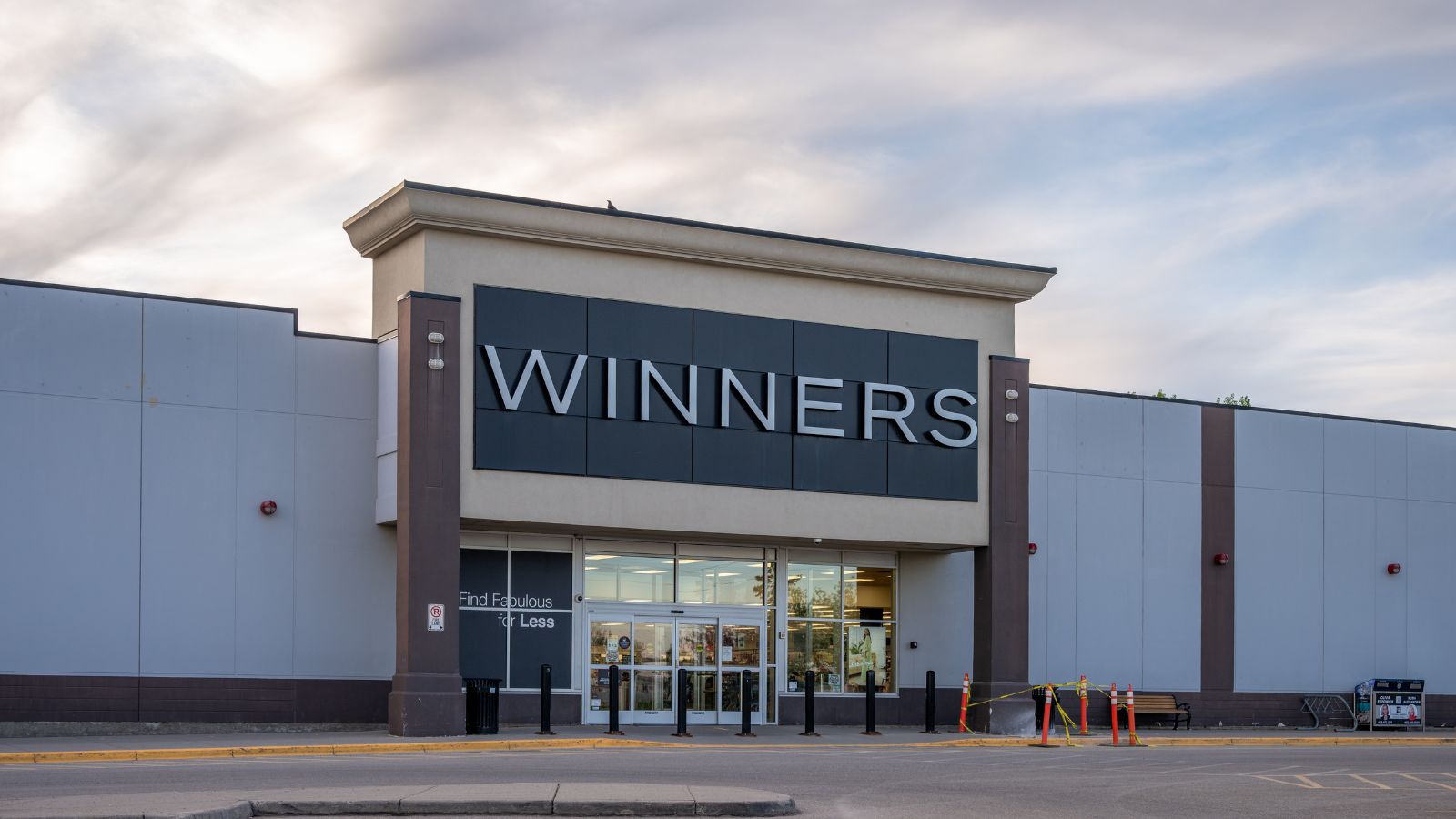
Winners used to feel like a hunt in the best way: racks of surprise clothing, discounted handbags, shoes, cookware, bedding, and seasonal finds that might not be there tomorrow. That treasure-hunt model remains, but the store now feels more crowded, more central, and more competitive as off-price shopping becomes a bigger part of mainstream retail.
Parent company TJX operates Winners, Marshalls, and HomeSense in Canada, and its off-price model has performed strongly in a value-conscious environment. The result is that Winners no longer feels like a secret bargain stop. It can feel like a crowded marketplace where shoppers know exactly what they are doing: scanning labels, comparing brands, checking return policies, and moving quickly through racks. The surprise is still there, but the old leisurely browse can feel more like a sport.
Marshalls
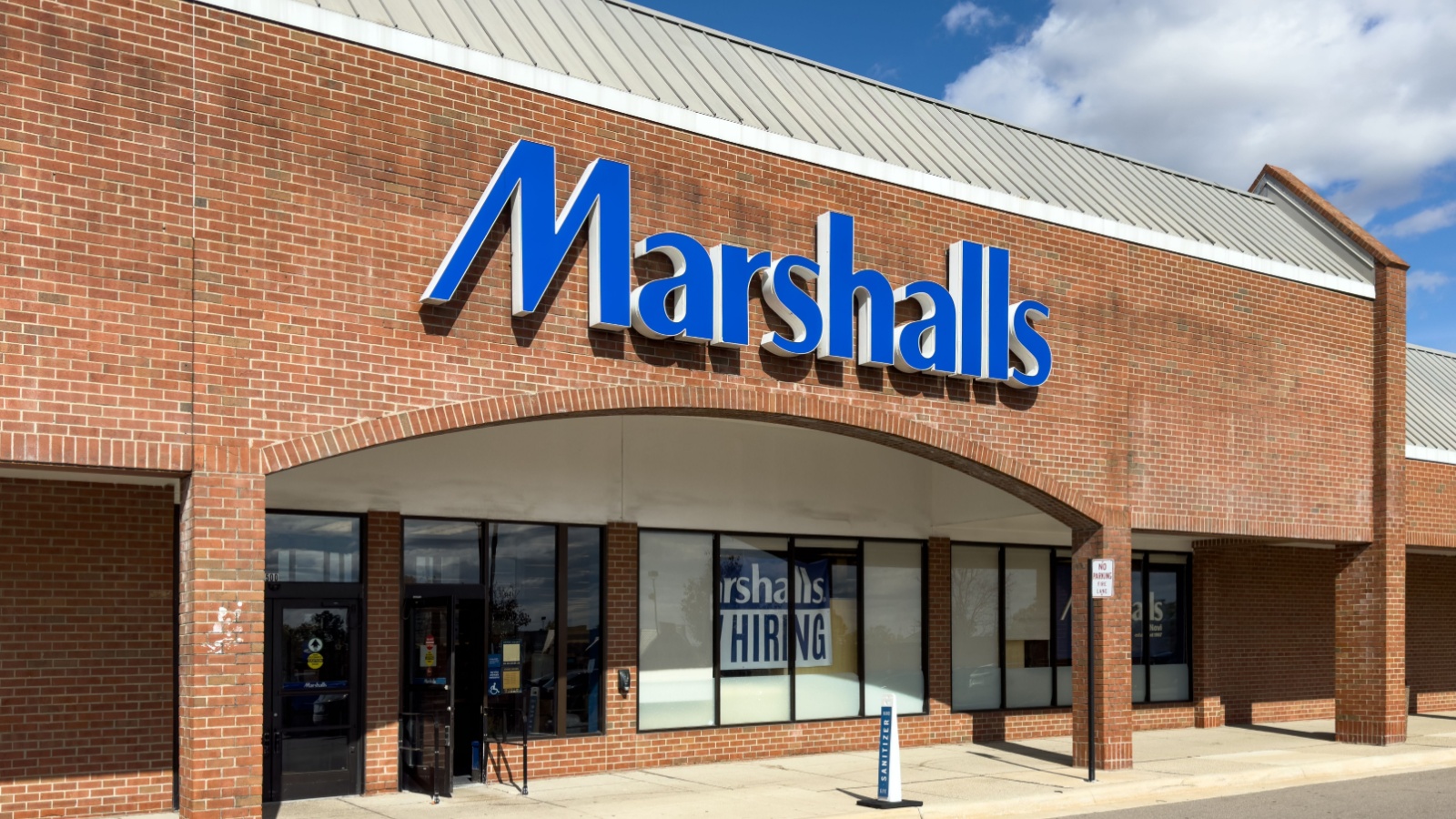
Marshalls entered Canada as a familiar name to some cross-border shoppers, but it has become part of the everyday off-price landscape alongside Winners and HomeSense. The store feels familiar because the formula is recognizable: apparel, shoes, accessories, beauty, and home goods in rotating assortments. It feels unfamiliar because the off-price channel has become more polished and more strategic.
Shoppers who once treated Marshalls as an occasional bargain stop may now include it in regular shopping routines, especially when mall-based fashion feels expensive or repetitive. The racks can seem more curated than chaotic, and the mix of brand names, beauty products, athletic wear, and seasonal displays gives the store a faster rhythm. It is still a treasure hunt, but it increasingly feels like a carefully engineered one.
IKEA Canada

IKEA Canada used to be synonymous with maze-like showrooms, flat-pack furniture, meatballs, pencils, measuring tapes, and the emotional test of assembling a bed frame at home. Much of that remains, but IKEA now feels shaped by sustainability goals, smaller-format planning concepts, online tools, delivery expectations, and circular-economy messaging.
The unfamiliar feeling is strongest when the visit becomes less about wandering and more about planning. Customers may design kitchens online, check inventory before leaving home, book delivery, explore buy-back or sustainability options, and compare whether flat-pack savings still offset transport and assembly effort. IKEA’s global and Canadian reporting emphasizes climate, affordability, home-life research, and business transformation. The store is still playful, but it is also asking shoppers to think harder about space, waste, energy, and the lifecycle of furniture.
RONA
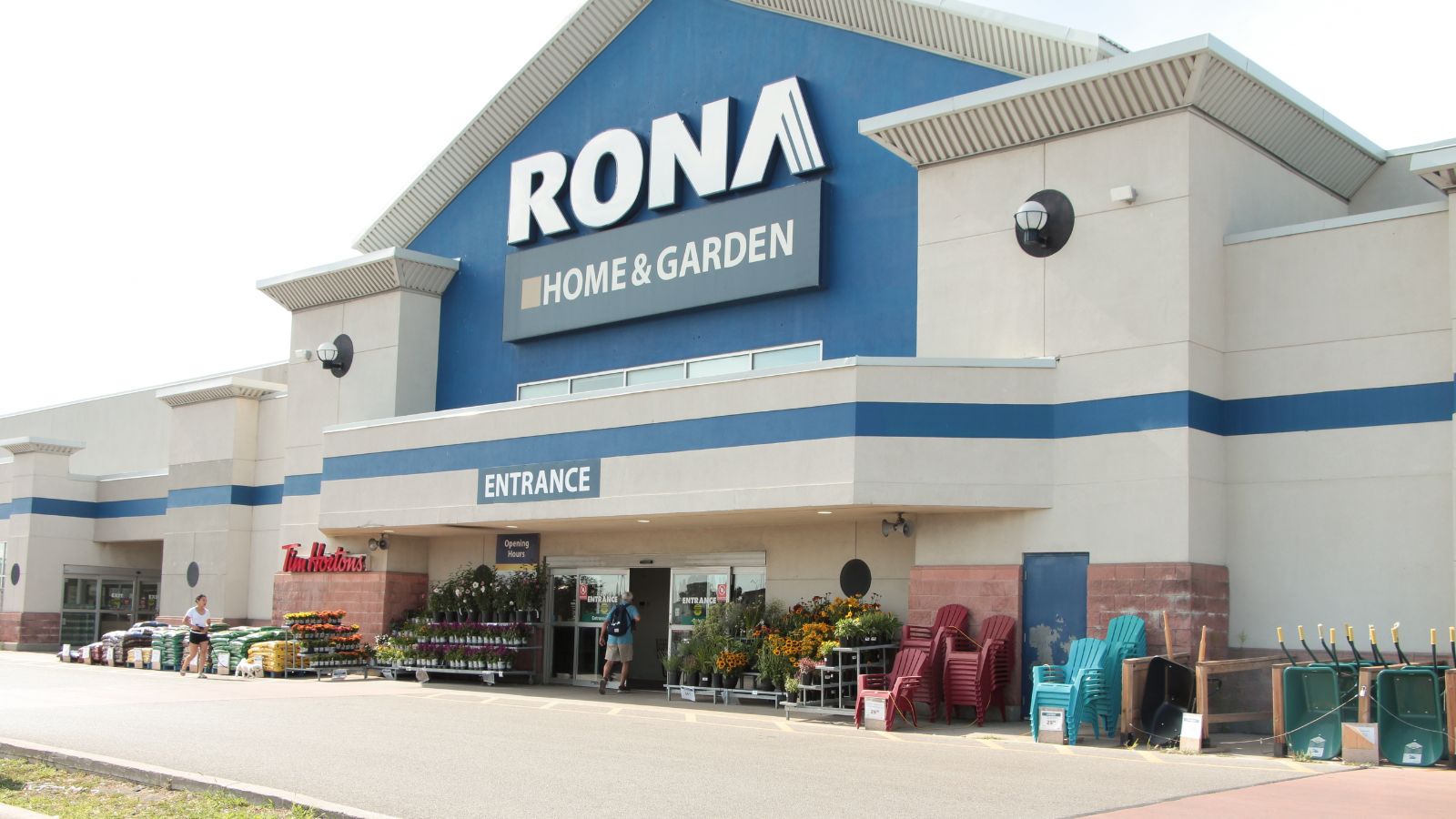
RONA is familiar to many Canadians as a home-improvement name with deep roots, but the banner has gone through a major identity reset. The conversion of former Lowe’s Canada stores into RONA+ locations changed signs, layouts, expectations, and the emotional feel of the chain.
That transition can make a normal hardware run feel slightly disorienting. Customers who got used to Lowe’s branding may now walk into RONA+ and find a Canadian banner trying to reclaim the home-improvement space. The broader shift reflects how competitive the sector has become, with Home Depot, Canadian Tire, local hardware stores, contractors, and online options all fighting for renovation spending. RONA’s challenge is to feel both familiar and newly relevant, which is exactly why some stores now feel recognizable and strange at the same time.
SportChek

SportChek once felt like the standard Canadian stop for running shoes, hockey gear, winter jackets, fitness equipment, backpacks, and team-sport needs. It still fills that role, but the retail experience has become more tied to loyalty, personalization, seasonal performance categories, and Canadian Tire’s broader ecosystem.
SportChek’s connection to Triangle Rewards makes it feel less like a standalone sports store and more like one part of a larger consumer network. Promotions, app offers, member pricing, and cross-banner rewards can shape when and how people shop. At the same time, sporting goods retail has become more trend-driven, with outdoor gear, athleisure, fitness technology, and youth sports all competing for space. A parent shopping for skates or cleats may now be navigating loyalty offers and product drops as much as sizes and brands.
Giant Tiger
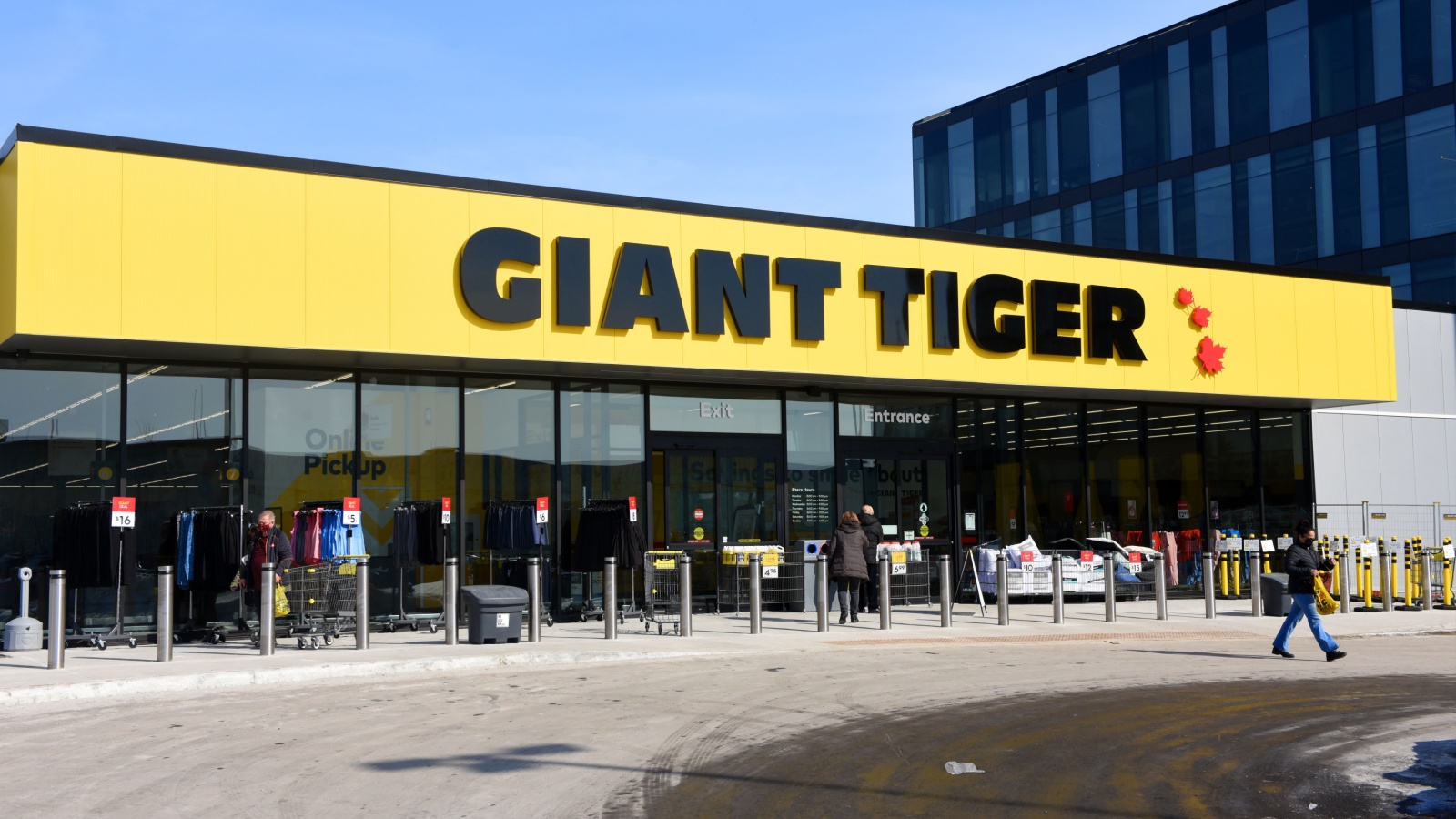
Giant Tiger has long been a familiar discount stop in many Canadian communities, especially outside the biggest downtown shopping districts. It carries groceries, clothing, household basics, seasonal goods, and weekly flyer deals in a format that feels practical rather than flashy.
What feels different now is how much value retail has moved from the margins to the centre of household planning. Giant Tiger’s loyalty program and digital flyer ecosystem add a more modern layer to a store that many people associate with straightforward bargains. The chain still has a community-oriented feel, but shoppers increasingly arrive with inflation in mind, looking for pantry savings, kids’ clothes, cleaning supplies, or seasonal basics. The store’s normalcy remains, yet the reason people rely on it feels more urgent.
Aritzia

Aritzia began as a Canadian fashion success story with boutique energy, careful merchandising, and a strong following among shoppers who wanted polished everyday clothing. It still feels Canadian to many customers, but its rapid growth and U.S. expansion have changed the atmosphere around the brand.
The stores now feel more like brand theatres than simple boutiques. Larger flagships, repositioned locations, e-commerce growth, viral products, and a carefully controlled aesthetic have made Aritzia feel global in a way that can surprise longtime shoppers. Its annual reporting shows rising boutique counts and strong e-commerce momentum, while public attention has grown around the company’s expansion strategy. The unfamiliar part is success itself: a once-local-feeling store now carries the pressure and polish of a major North American fashion player.
Sephora Canada

Sephora in Canada once felt like a dazzling but simple beauty playground: testers, mirrors, fragrance walls, makeup launches, birthday gifts, and Beauty Insider points. It still has that energy, but beauty retail has become more digital, more appointment-based, more influencer-driven, and more service-oriented.
The store can now feel like a live version of social media. Customers arrive after watching tutorials, checking product reviews, comparing shade ranges online, and tracking points or app offers. Sephora’s services, digital events, same-day options, and Beauty Insider ecosystem make the visit more layered than a traditional cosmetics counter. The unfamiliar feeling comes from the speed of trend turnover. A product can move from obscure to sold out because of TikTok, while shoppers expect advisors to understand skincare science, viral makeup, fragrance layering, and loyalty perks all at once.
Apple Store Canada

The Apple Store has always felt different from a normal electronics shop: open tables, no traditional checkout counter, product demos, technical support, and staff who circulate with handheld devices. What feels more unfamiliar now is how completely the store has become a service hub rather than just a place to buy devices.
For many Canadians, a visit is now about repairs, subscriptions, trade-ins, financing, data transfers, AppleCare, workshops, or help connecting devices across a personal ecosystem. The physical store is clean and minimal, but the decisions around it are more complex. A phone purchase can involve storage plans, cloud services, privacy settings, accessories, carrier choices, and environmental trade-in messaging. The store still looks simple, yet the experience behind that simplicity has become much more layered.
19 Things Canadians Don’t Realize the CRA Can See About Their Online Income

Earning money online feels simple and informal for many Canadians. Freelancing, selling products, and digital services often start as side projects. The problem appears at tax time. Many people underestimate how much information the CRA can access. Online platforms, banks, and payment processors create detailed records automatically. These records do not disappear once money hits an account. Small gaps in reporting add up quickly.
Here are 19 things Canadians don’t realize the CRA can see about their online income.
