Long weekends can make a simple border crossing feel more complicated than expected. A quick shopping trip, family visit, concert run, or mini vacation can turn into a stressful delay when small details are missed before departure or return. Canadian travellers often know the basics, but peak travel periods expose the habits that create lineups, secondary inspections, extra duties, and avoidable frustration.
These 13 border slip-ups focus on common mistakes Canadians make around long weekends, especially when crossing by land or returning by air. The issues range from forgotten documents and misunderstood exemptions to food, cannabis, pets, children’s paperwork, and NEXUS lane assumptions. None of them are rare, and most are preventable with a little preparation.
Leaving Travel Documents Buried in the Car
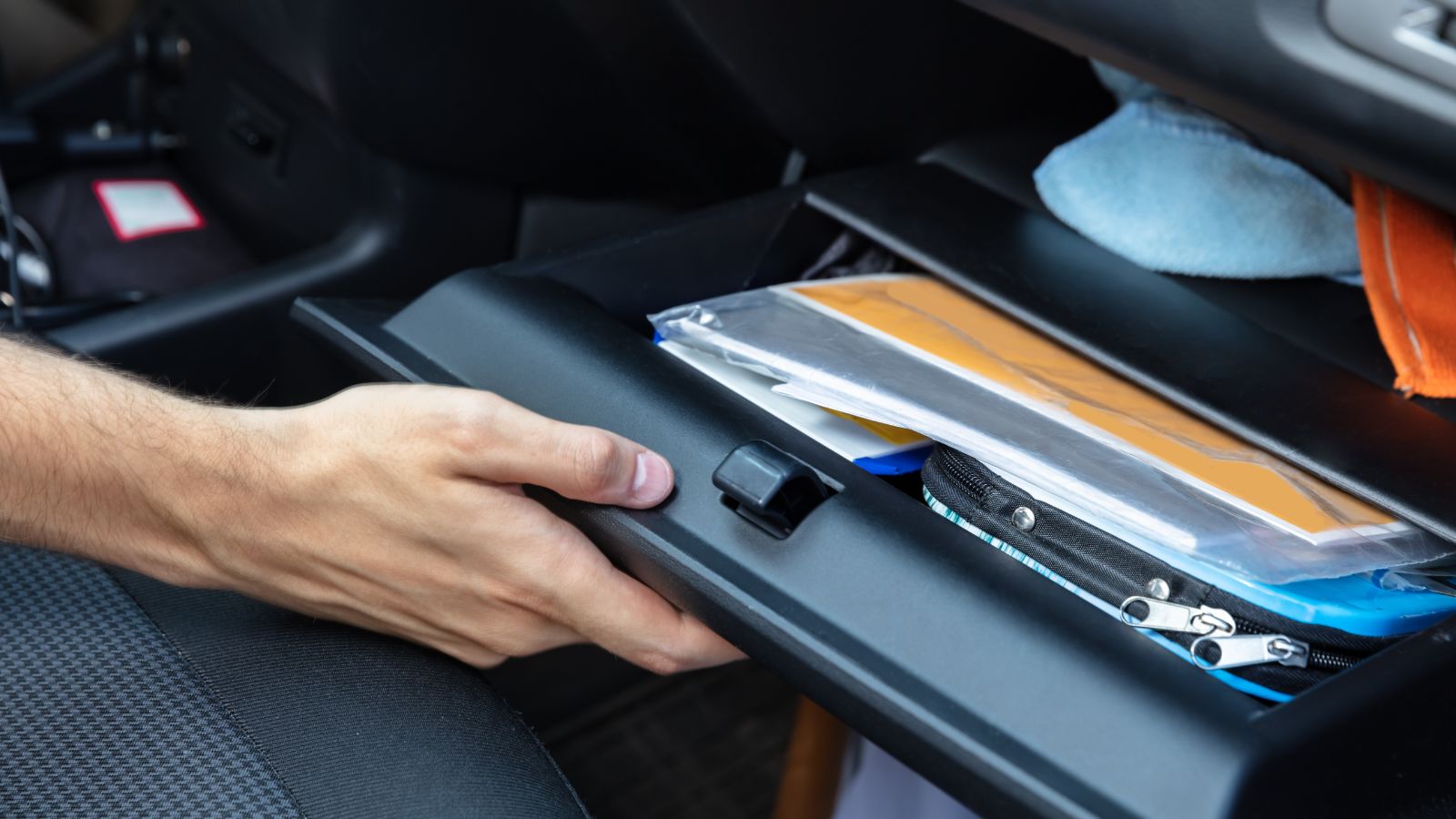
One of the easiest border mistakes is also one of the most irritating: reaching the inspection booth with passports, NEXUS cards, or permanent resident cards packed in a trunk, backpack, or suitcase. During long weekends, when officers are processing heavy volumes of travellers, a vehicle that has to pull apart luggage just to produce identification can slow itself and everyone behind it. CBSA specifically advises travellers to have travel documents ready before reaching the officer.
The problem is not only convenience. A Canadian passport is widely treated as the strongest proof of identity and right to return to Canada, while U.S. entry rules require proper documents for Canadian citizens depending on the mode of travel. A family that assumes a driver’s licence is “good enough” may discover too late that document expectations are stricter than memory suggests. A five-minute document check before leaving home can prevent a long delay at the booth.
Assuming the Long Weekend Lineup Will Be Normal

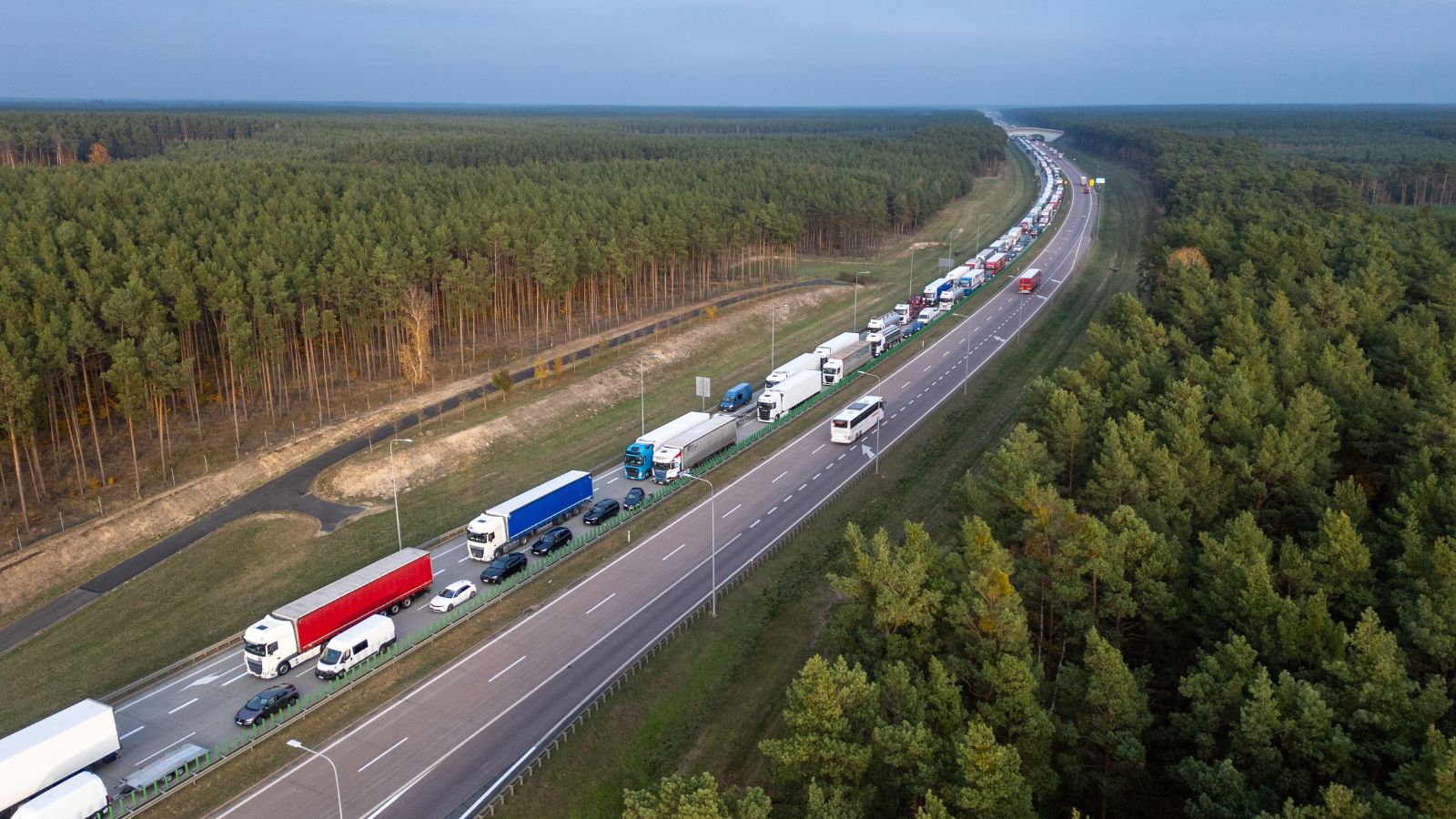
Long weekends create travel patterns that are different from ordinary Fridays and Sundays. Many Canadians leave after work, return on the holiday Monday, and crowd the same popular crossings at nearly the same time. CBSA has warned that Mondays of holiday long weekends tend to be busiest and has advised travellers to consider early mornings, alternate ports of entry, and official wait-time tools when driving back into Canada.
The slip-up is treating the border like a regular errand. A Windsor-to-Detroit shopping run, a Buffalo airport pickup, or a quick Vermont getaway can stretch when everyone else has the same idea. Some ports also have construction or reduced operating hours, which can make the “usual crossing” a poor choice. Checking wait times and port hours before leaving is not overplanning; it is basic long-weekend risk control.
Forgetting That Advance Declaration Only Works in Specific Situations
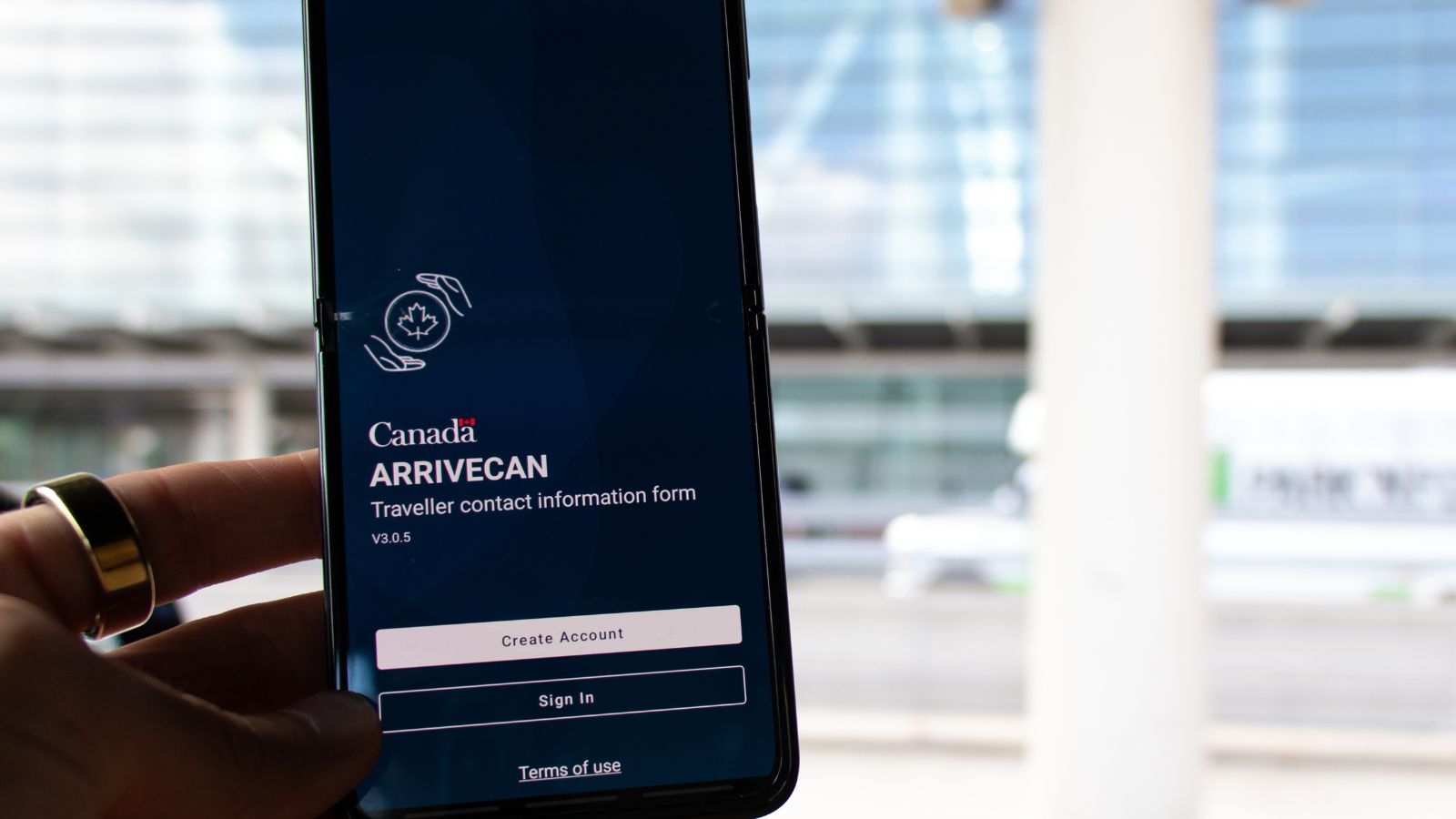
ArriveCAN is no longer the pandemic-era travel hurdle many Canadians remember, but it still has a useful role through Advance Declaration. Travellers flying into participating Canadian airports can submit customs and immigration information up to 72 hours before arrival. That can reduce time spent at kiosks or eGates, especially when arrival halls are full after a long weekend.
The mistake is assuming Advance Declaration applies to every border crossing. It is not a shortcut for every land trip, every airport, or every travel document situation. Some travellers also wait until landing, then try to complete forms while juggling luggage, tired children, and weak airport Wi-Fi. The better move is to confirm whether the arrival airport participates and complete the declaration before departure. It turns an administrative task into something finished before the homebound rush begins.
Misreading the 24-Hour and 48-Hour Exemptions

Personal exemptions are a classic source of confusion. Canadians returning after at least 24 hours away may qualify for a CAN$200 exemption, while those away 48 hours or more may qualify for CAN$800. Alcohol and tobacco rules are narrower and do not work the same way at every trip length. Goods must also generally be with the traveller when entering Canada for the shorter exemptions.
The slip-up usually starts with casual math. Someone spends one night in the United States, buys clothes, snacks, gifts, and outlet-store deals, then assumes “a couple hundred dollars each” can be pooled loosely across the car. Another traveller buys alcohol after a short trip and expects it to fit under the same allowance. Border officers hear these stories constantly. Keeping receipts, knowing the absence length, and separating each traveller’s purchases can make the declaration faster and cleaner.
Underdeclaring Small Purchases Because They Feel Harmless

Many travellers do not think of a few grocery items, cosmetics, car parts, or online pickup orders as something worth mentioning. That is where trouble starts. Canadian residents returning home are expected to declare goods acquired abroad, even when the total feels minor. Items bought for someone else or for commercial use also do not qualify for personal exemptions in the same way personal goods do.
A common long-weekend example is the cross-border parcel run. A traveller picks up shoes, electronics accessories, and a gift for a relative, then gives only a vague estimate at the booth. If receipts are missing or values appear understated, the trip can shift from routine processing to more questions. Declaring clearly does not automatically mean a painful bill. Failing to declare, however, can cost time, trust, and sometimes penalties far beyond the tax that would have been owed.
Bringing Food Without Checking the Rules

Food seems harmless until it reaches the border. Meat, fruit, plants, seeds, dairy, homemade dishes, pet food, and other agricultural products can be restricted because they may carry pests or animal diseases. Canadian rules require travellers to declare food, plant, animal, and related products. The key word is “declare,” even when the item seems ordinary or was bought at a mainstream U.S. grocery store.
Long weekends make this mistake more likely because coolers are everywhere. A family may return from a cabin with leftovers, a barbecue pack, or fresh produce from a roadside stand. Another traveller may bring specialty foods as gifts. Some items are allowed, some require conditions, and some are refused. The safest approach is to declare everything and check official import tools when planning to bring anything more complicated than packaged snacks.
Forgetting That Cannabis Cannot Cross the Border

Cannabis legalization in Canada has created one of the most persistent border misunderstandings. Legal at home does not mean legal to transport internationally. It is illegal to take cannabis across the Canadian border, whether entering or leaving Canada, including edibles, extracts, topicals, and CBD products. U.S. federal law also continues to treat marijuana differently from many state laws.
The long-weekend version is often accidental. A traveller leaves gummies in a toiletry bag, CBD cream in a purse, or a vape cartridge in the glove compartment before heading to a concert, cottage, or outlet mall. The amount may be small, but the border is not treated like a provincial checkpoint. Before departure, bags and vehicles should be checked as carefully as passports. Cannabis products are best left entirely out of cross-border travel.
Using the NEXUS Lane With the Wrong Passengers or Goods
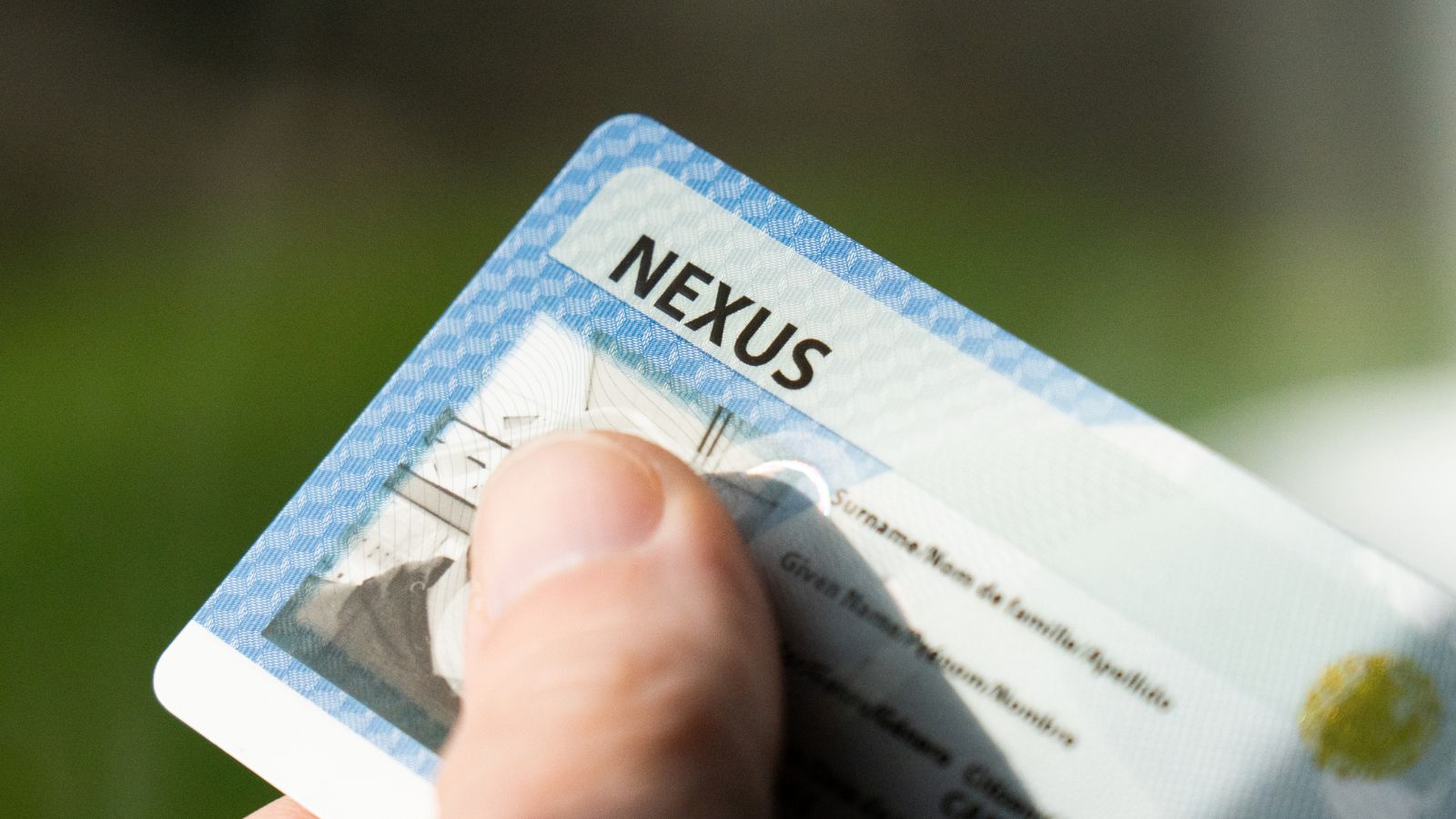
NEXUS can make cross-border travel much smoother, but it is not a magic pass for the whole vehicle. The program is designed for pre-approved, low-risk travellers, and dedicated lanes have specific rules. A major slip-up is using a NEXUS lane when someone in the vehicle is not eligible, does not have their card, or when the vehicle is carrying goods that should not be processed through that lane.
This mistake often happens during family trips. One parent has NEXUS, another adult forgot the card, and the children are assumed to be covered because they are minors. That assumption can create problems because NEXUS privileges are individual, not general household privileges. Travellers also need to be careful with restricted or controlled goods. The faster lane only works when the trip actually fits the program’s conditions.
Travelling With Children Without the Right Consent Paperwork

Border officers are trained to watch for missing children and custody concerns, which means family travel can involve questions beyond passports. The Government of Canada recommends a consent letter when a child travels outside Canada alone, with only one parent or guardian, with relatives, or with another adult. The letter should include clear contact and authorization details, and notarization can help support authenticity.
Long weekends are full of informal child travel arrangements. Grandparents take children to a U.S. amusement park, one parent drives to visit relatives, or a coach brings minors to a tournament. Everyone may know the trip is innocent, but the officer at the border does not know the family history. A consent letter is not a guarantee of instant processing, but it gives officers something concrete to assess and can prevent uncomfortable delays.
Assuming Pets Can Cross With No Paper Trail

Pets add another layer of border preparation. Dogs and cats may need documentation related to rabies vaccination, age, country of origin, and purpose of travel. Canadian authorities direct travellers to check import requirements before arrival, and pet rules can differ depending on whether the animal is personal, commercial, or travelling for another purpose.
The mistake is thinking a pet is simply another passenger. A spontaneous long-weekend trip with a dog can become complicated if vaccination papers are outdated, stored at home, or missing key details. Even assistance dogs can have category-specific considerations depending on the situation. Travellers should also remember that destination rules matter before leaving Canada, not only re-entry rules. A pet-friendly hotel reservation is not the same as border-ready documentation.
Packing Firearms, Ammunition, or Prohibited Items Casually
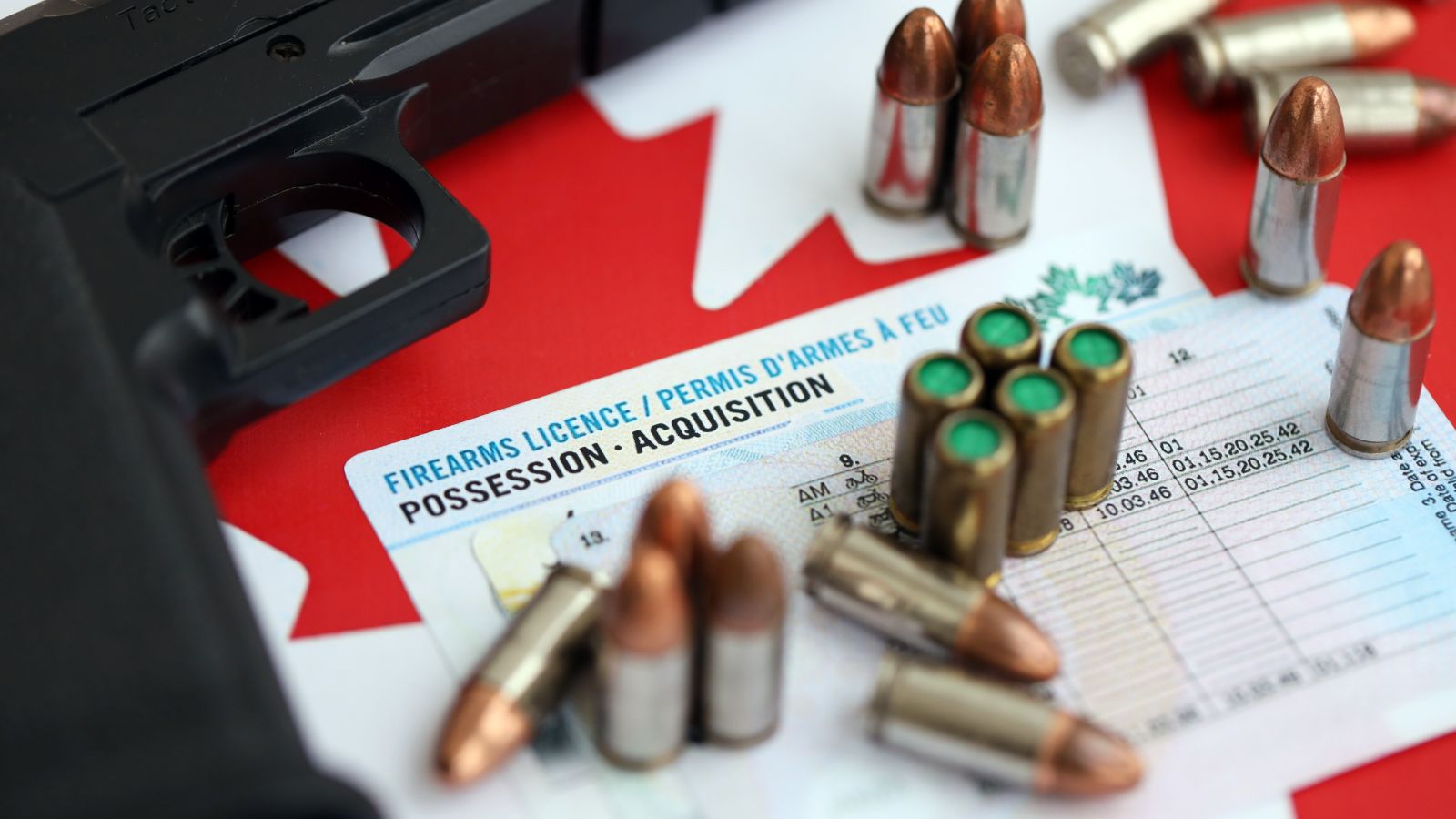
Some Canadians travel for hunting, sport shooting, camping, or rural weekends, and equipment can remain in vehicles longer than intended. Firearms, weapons, ammunition, explosives, fireworks, and certain prohibited items are not casual border goods. CBSA requires firearms and weapons to be declared, and officers may verify documentation, storage, and the reason for bringing them into Canada.
This slip-up is serious because intent may matter less than possession at the border. A forgotten firearm case, ammunition box, knife, or pepper-spray-style product can turn a routine crossing into a legal problem. The same applies to travellers transiting through Canada or returning from outdoor trips. Before any cross-border drive, vehicles should be checked deliberately, especially glove compartments, consoles, trailers, and storage bins used for recreational gear.
Carrying Medication Without Labels or Destination Awareness

Medication is easy to overlook because it feels personal and routine. Travel guidance recommends keeping medication in original packaging or having clear label information, and controlled prescription drugs can have specific declaration requirements. Some medications available in Canada may also be illegal or restricted in other countries, which matters before departure as much as on return.
The long-weekend risk is improvisation. A traveller tosses pills into a weekly organizer, shares a family member’s prescription, or packs a larger quantity than needed “just in case.” At a border, unlabeled medication can invite questions about what it is, whose it is, and whether it is allowed. Keeping prescriptions labelled, carrying reasonable quantities, and reviewing rules for controlled substances can prevent health needs from becoming inspection problems.
Forgetting Receipts, Repairs, and Vehicle-Related Declarations

Receipts matter because officers need values, not guesses. Long weekends often involve shopping, vehicle repairs, tire purchases, electronics, sporting goods, or parts picked up across the border. Repairs and alterations to vehicles or goods outside Canada may also need to be declared when returning, because they can affect duty and tax calculations.
A common example is a traveller who gets cheaper tires installed in the United States, then declares only the groceries in the back seat. Another returns with a repaired laptop, a bike tune-up, or a car part installed before crossing. These details can be easy to forget because nothing is sitting in a shopping bag. Keeping invoices and being ready to explain what was bought, repaired, or installed helps avoid the appearance of hiding value.
Waiting Until the Booth to Sort Out the Story
Border crossings go better when everyone in the vehicle knows the same basic facts: where the group went, how long they were away, what was bought, whether food or alcohol is present, and who packed what. Long weekends encourage group travel, and group travel creates mismatched answers. One passenger remembers the outlet receipt, another forgot the cooler, and someone else does not know who owns the luggage.
The mistake is treating the inspection booth like the first planning conversation. Officers expect direct, truthful answers, and uncertainty can trigger more questions even when nothing is wrong. Before reaching the crossing, travellers should gather receipts, confirm declarations, remove sunglasses, turn down music, and make documents easy to hand over. It is a small ritual, but it can turn a crowded long-weekend return into an ordinary border stop.
19 Things Canadians Don’t Realize the CRA Can See About Their Online Income

Earning money online feels simple and informal for many Canadians. Freelancing, selling products, and digital services often start as side projects. The problem appears at tax time. Many people underestimate how much information the CRA can access. Online platforms, banks, and payment processors create detailed records automatically. These records do not disappear once money hits an account. Small gaps in reporting add up quickly.
Here are 19 things Canadians don’t realize the CRA can see about their online income.
