
Grocery bills have become one of the clearest signs of household pressure in Canada. Items that once felt routine — bread, eggs, milk, chicken, fruit, coffee, and cooking oil — now force more careful choices at checkout. The issue is not only that one or two luxury products cost more; it is that everyday staples across the cart have climbed together, leaving families to trade down, buy smaller packages, wait for sales, or skip certain foods altogether.
This look at 20 grocery staples highlights the foods Canadians are increasingly being priced out of, from fresh produce and proteins to pantry basics that used to anchor affordable meals.
Ground Beef
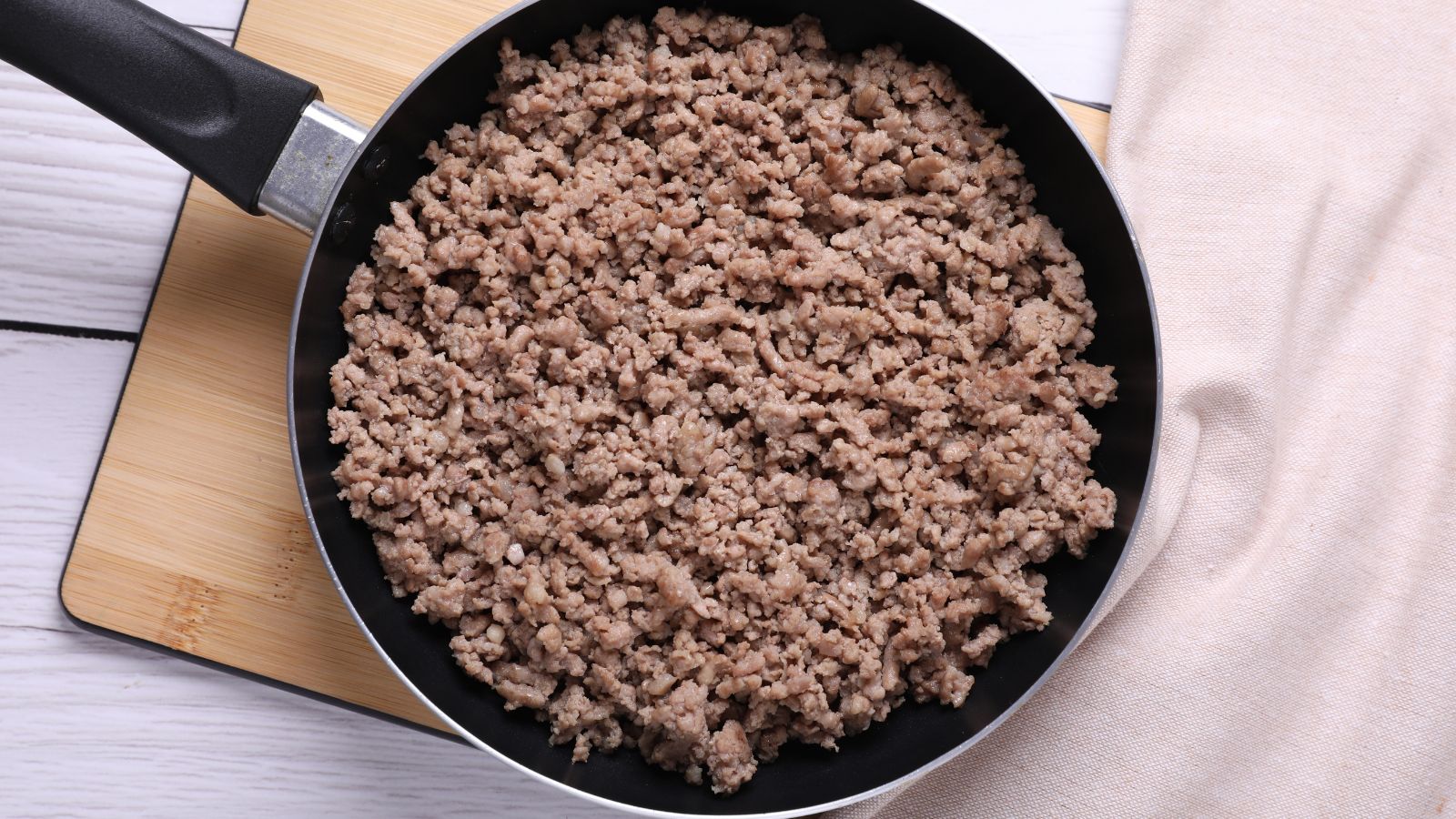
Ground beef has long been the practical protein in Canadian kitchens, the base for tacos, pasta sauce, meatloaf, burgers, shepherd’s pie, and quick weeknight skillets. Its appeal came from flexibility: a single package could stretch across several meals when mixed with beans, rice, potatoes, or vegetables. That value perception has weakened as beef prices have climbed, making even basic ground beef feel less like a budget helper and more like a planned purchase.
By March 2026, Statistics Canada’s national average retail price for ground beef was $15.57 per kilogram. That number changes the math for families who once treated beef as a dependable staple. A parent making chili may now cut the beef in half and add lentils. A student may swap it for canned beans. The shift is not about rejecting beef; it is about making one package do the work of two.
Chicken Breasts

Chicken breasts used to occupy the middle ground between affordability and convenience. They were lean, easy to cook, widely available, and adaptable enough for sandwiches, stir-fries, salads, curries, and sheet-pan meals. For many households trying to avoid restaurant spending, chicken breasts became the “safe” protein to keep in the fridge. But as prices rise, that safe choice is starting to feel less automatic.
Statistics Canada listed chicken breasts at a national average of $14.96 per kilogram in March 2026. That price pushes many shoppers toward thighs, drumsticks, frozen bulk packs, or smaller portions. The frustration is especially sharp because chicken is often viewed as the practical alternative when beef gets expensive. When both beef and chicken feel costly, the protein aisle becomes a place of compromise rather than routine planning.
Eggs
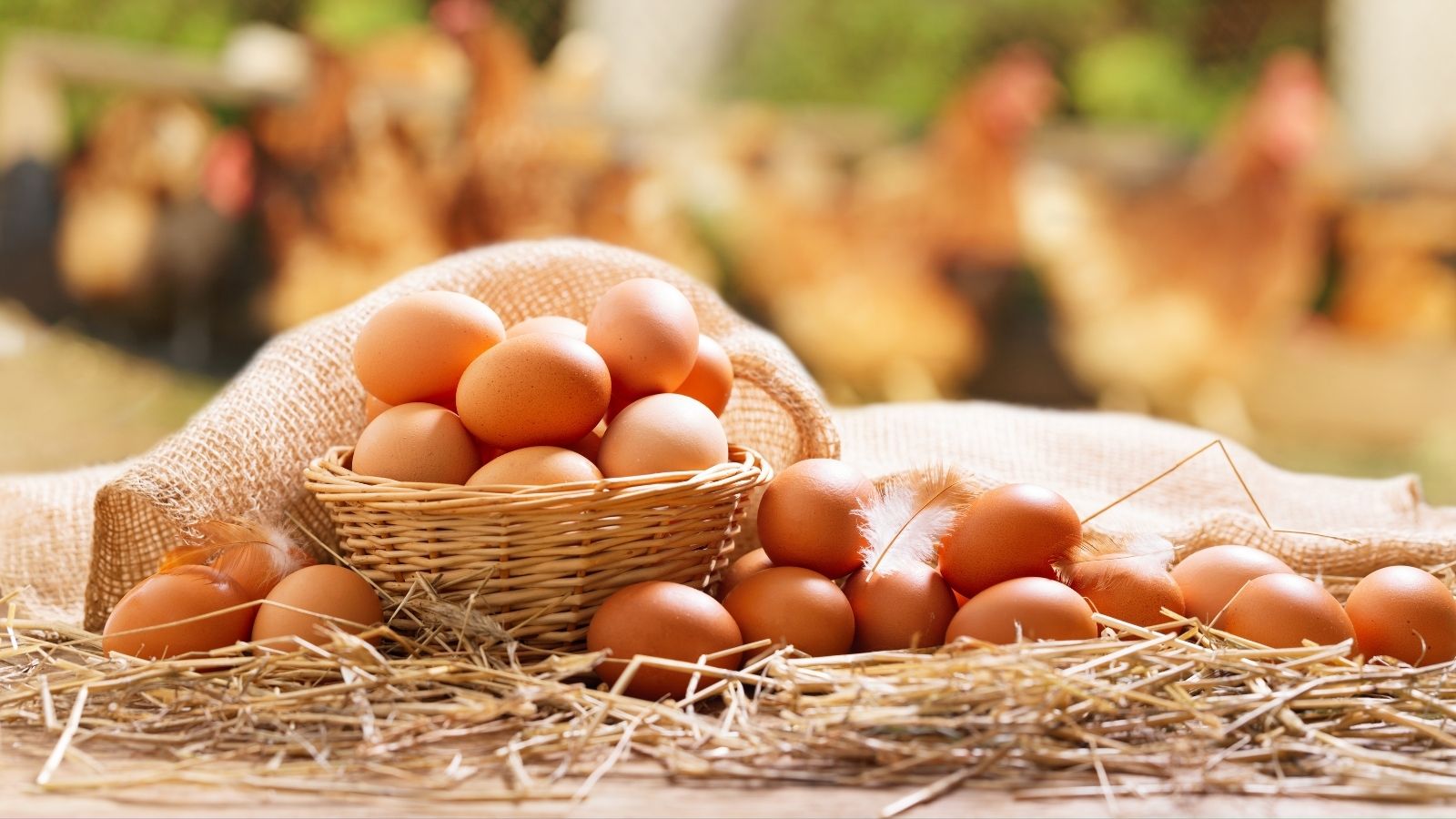
Eggs remain one of the most important grocery staples because they serve so many roles at once. They can be breakfast, a baking ingredient, a salad topping, a fried-rice booster, or a quick dinner when there is little time to cook. Their reputation as an affordable protein made them a fallback for households trying to keep meals simple and nutritious. That reputation has been tested as egg prices have become more noticeable.
A dozen eggs averaged $4.77 nationally in March 2026, according to Statistics Canada. The price may still look small compared with meat, but the impact shows up through repetition. Families that buy eggs weekly feel every increase over a month. Bakers notice it when muffins, pancakes, and cookies all pull from the same carton. For many Canadians, eggs have not disappeared from the cart, but they are being used more deliberately.
Milk
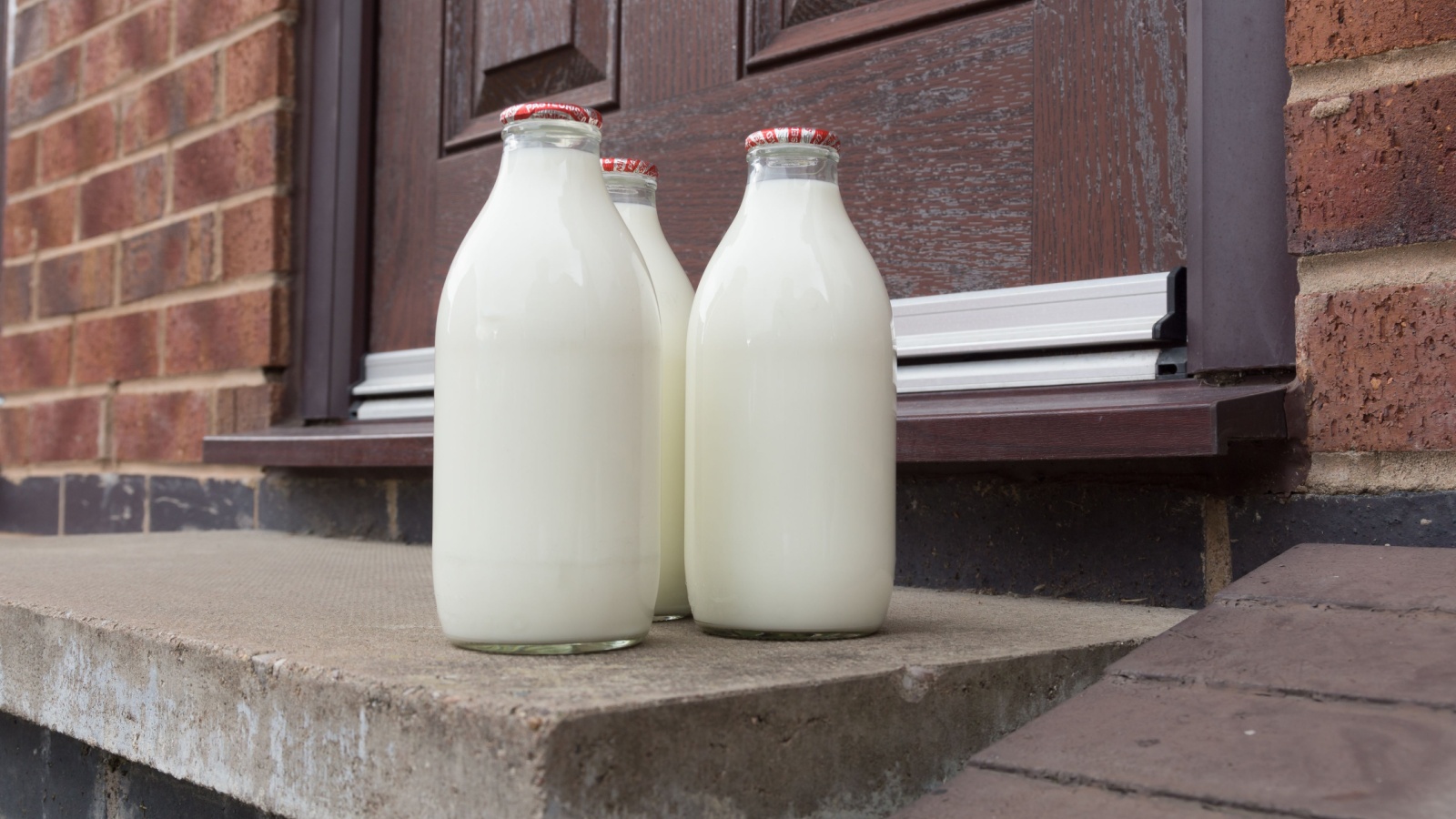
Milk is one of those items that often lands in the cart without much discussion. It supports breakfast cereal, coffee, baking, children’s snacks, smoothies, and simple meals. Because it is so tied to daily routines, even modest price increases can feel larger than they look on paper. A household may not buy steak every week, but milk can disappear from the fridge in days.
Statistics Canada’s Food Price Data Hub showed a national average price of $5.51 for two litres of milk in March 2026. For families buying multiple cartons per week, that becomes a meaningful line in the grocery budget. Some households stretch milk by shifting to water with meals, reducing cereal purchases, or saving it mainly for children. The pressure is quiet, but it is steady because milk is not an occasional indulgence.
Butter

Butter has become a small symbol of grocery sticker shock. It is not usually eaten by the spoonful, yet it appears everywhere: toast, baking, sauces, mashed potatoes, corn, pancakes, and holiday cooking. When butter gets expensive, it affects both everyday meals and comfort foods. Many Canadians have become familiar with waiting for sales before buying extra blocks for the freezer.
In March 2026, Statistics Canada listed butter at an average of $5.50 for 454 grams. That price makes baking feel more expensive before flour, sugar, chocolate, or eggs are even counted. A batch of cookies or banana bread can suddenly look less economical than expected. Some shoppers turn to margarine or store-brand options, while others reserve butter for specific recipes. A once-basic fridge staple is increasingly treated like something to manage carefully.
Cheese
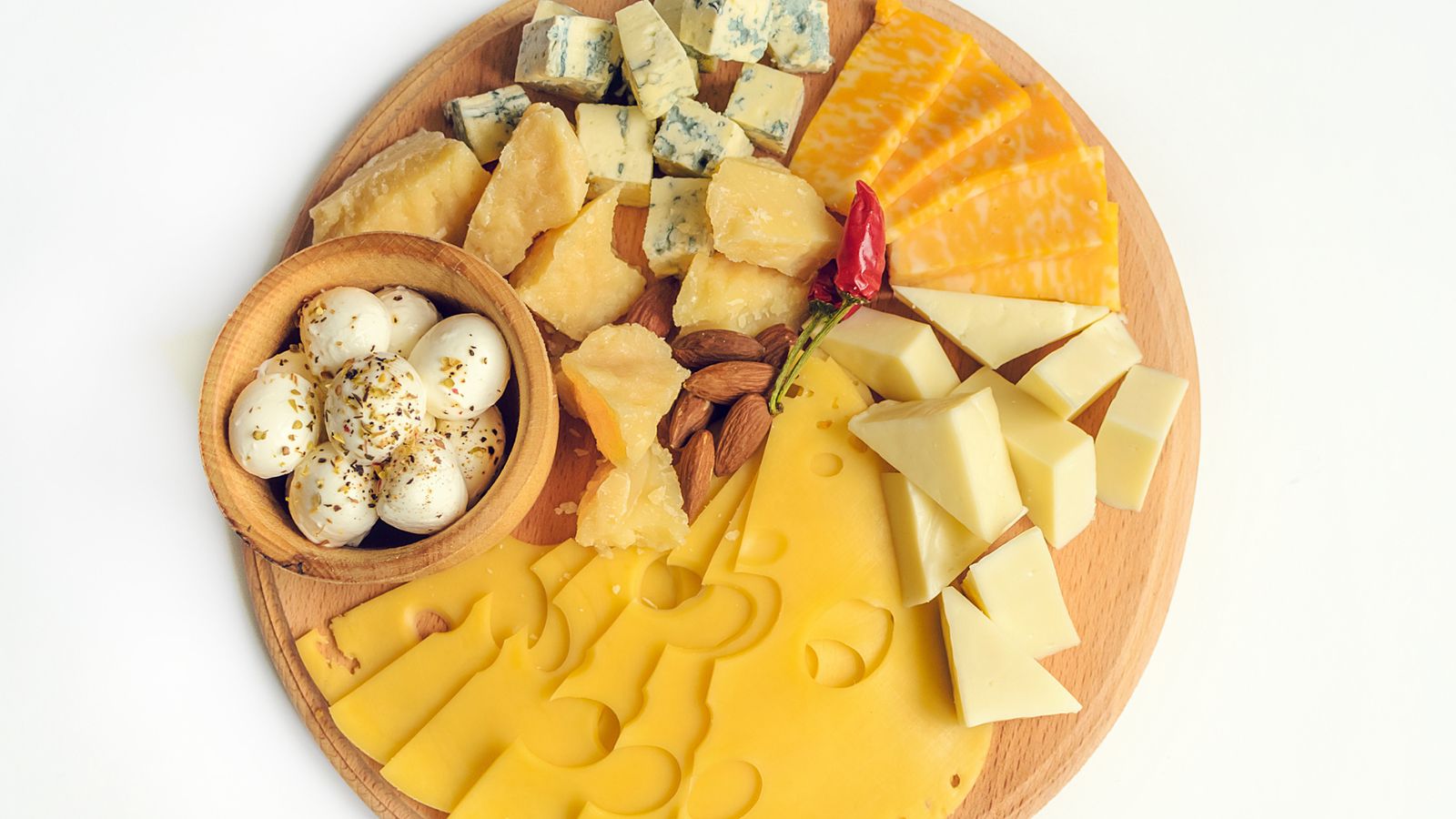
Cheese has a way of making basic meals feel complete. It turns pasta into comfort food, adds protein to sandwiches, helps stretch leftovers, and makes school lunches more appealing. But cheese is also one of the first items shoppers notice when package sizes shrink or sale prices become less generous. A block that once lasted through several meals can now feel expensive enough to ration.
Dairy prices are part of the wider grocery pressure facing Canadians, and the 2026 food price outlook expected dairy and egg categories to continue rising. Cheese is particularly vulnerable in household budgets because it is both staple and add-on. It may not be essential to every meal, but it often improves the meals people rely on when money is tight. That makes cutting back feel practical and disappointing at the same time.
White Bread

Bread is one of the clearest examples of a food that feels too basic to become expensive. It anchors toast, sandwiches, grilled cheese, breadcrumbs, breakfast, packed lunches, and emergency dinners. When bread prices rise, the effect is immediate because the item turns over quickly in many households. A loaf can vanish in a couple of days when children, lunches, and snacks are involved.
Statistics Canada reported an average national price of $3.63 for a 675-gram loaf of white bread in March 2026. That figure may not sound dramatic in isolation, but the cumulative cost is harder to ignore when households buy several loaves a week. Some shoppers switch to discount bread, freeze sale loaves, or bake occasionally at home. Others simply make fewer sandwiches and rely more on rice, pasta, or leftovers.
Rice
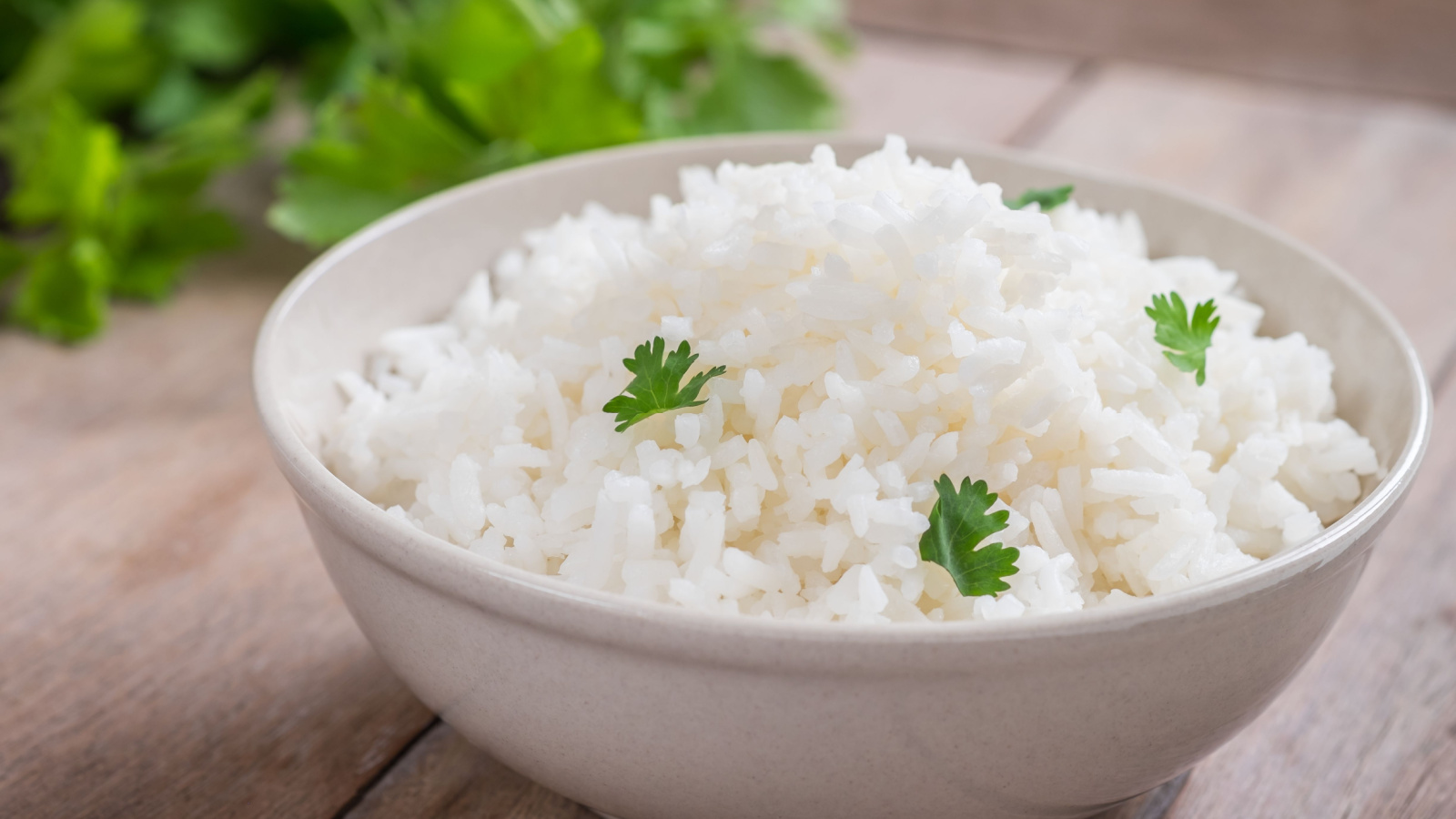
Rice has traditionally been one of the strongest budget foods in Canadian pantries. It is shelf-stable, filling, and useful across many cuisines, from stir-fries and curries to soups and casseroles. For newcomers, students, large families, and anyone trying to stretch leftovers, rice often serves as the affordable base that makes a meal feel complete. That is why rising rice prices feel especially unfair.
Statistics Canada listed white rice at a national average of $9.26 for two kilograms in March 2026. That price challenges the old assumption that pantry staples are always cheap. For households that cook rice several times a week, a higher shelf price turns into a repeated expense. Some shoppers respond by buying larger bags when possible, choosing store brands, or swapping between rice, pasta, oats, and potatoes depending on weekly promotions.
Pasta
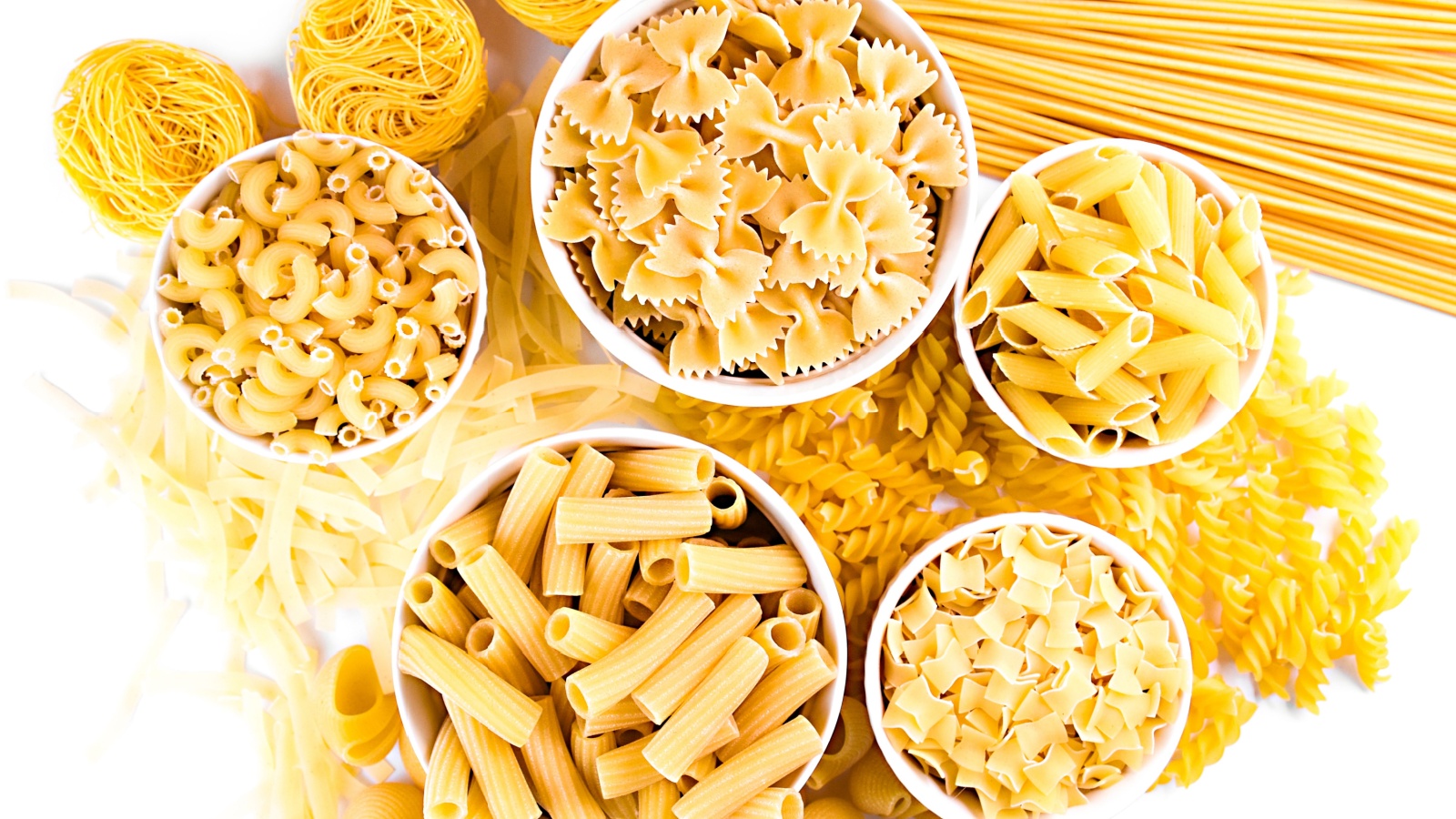
Pasta still carries a reputation as a low-cost dinner solution, but shoppers have noticed that the full meal is no longer as cheap as it sounds. The noodles are only one part of the equation. Sauce, cheese, meat, vegetables, and oil can turn a simple pasta night into a more expensive basket than expected. When every supporting ingredient rises, pasta loses some of its budget magic.
The pressure also comes from frequency. Pasta is the type of staple households turn to when they are tired, busy, or trying not to order takeout. That means even small increases in dry pasta, sauce, or add-ins can accumulate quickly. Many Canadians are adapting by buying larger packs, using less meat, adding canned beans, or stretching sauce with tomatoes and vegetables. Pasta remains affordable compared with many meals, but it no longer feels immune.
Potatoes
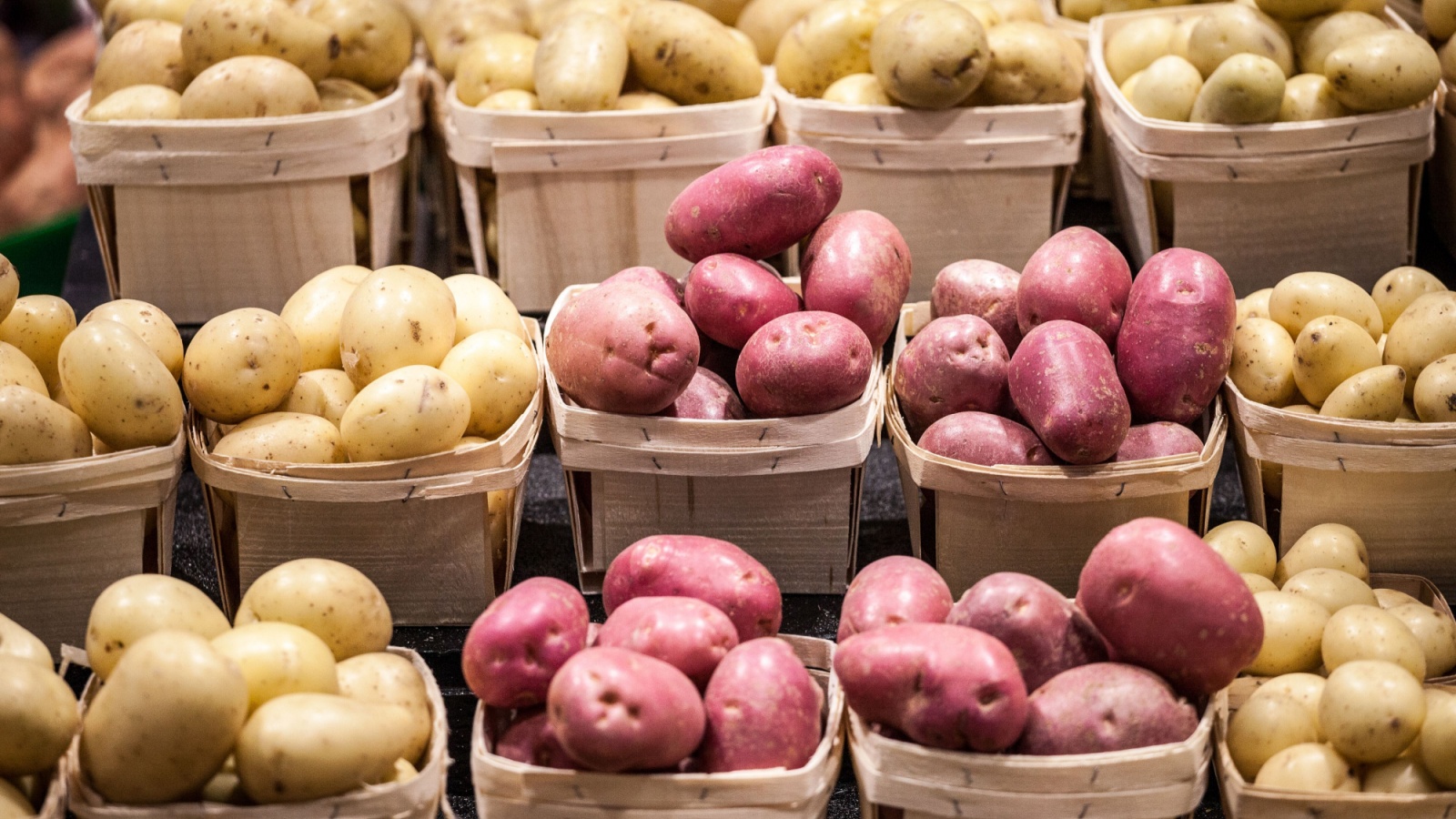
Potatoes are one of Canada’s classic filling foods: baked, mashed, roasted, fried, boiled, or added to soups and stews. They are comforting, familiar, and versatile enough to carry a meal when meat portions shrink. Because potatoes are often thought of as humble and economical, price increases can feel jarring. A heavy bag used to represent security in the pantry; now it can require more comparison shopping.
Statistics Canada’s March 2026 average retail price for potatoes was $5.06 per kilogram. That figure can surprise shoppers who remember potatoes as one of the cheapest ways to feed a table. The impact is particularly strong for families that use potatoes to stretch dinners. When potatoes rise alongside meat, butter, and vegetables, even a basic meal of mashed potatoes and protein becomes more expensive than it once was.
Tomatoes
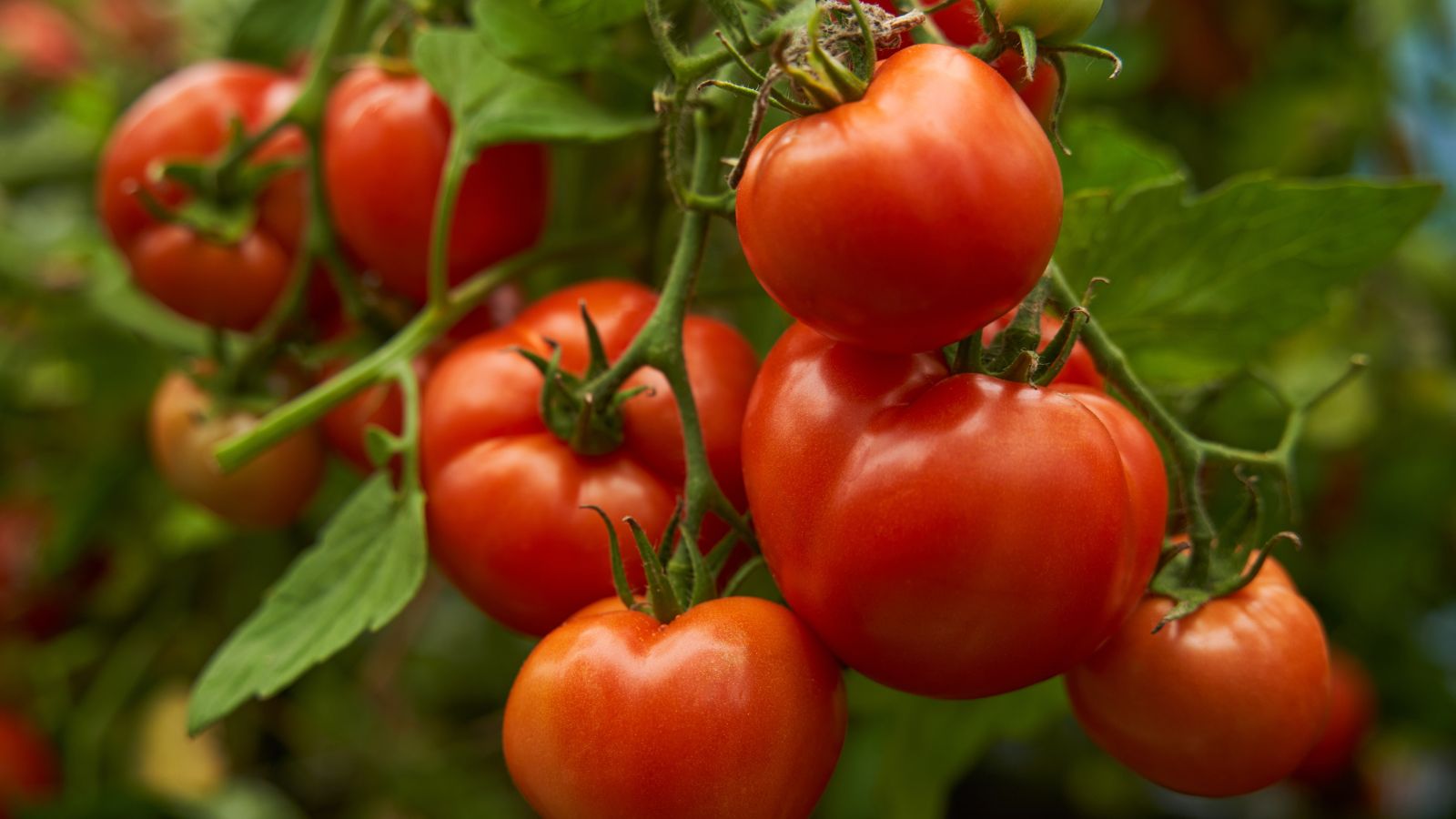
Tomatoes are a staple that blur the line between fresh produce and meal foundation. They appear in salads, sandwiches, pasta sauces, soups, salsa, omelettes, and quick lunches. Fresh tomatoes also play an important role in making budget meals feel brighter and less repetitive. When they get expensive, the loss is not only nutritional but culinary; food feels plainer without them.
Statistics Canada showed tomatoes averaging $6.10 per kilogram in March 2026. Fresh vegetable prices were also up sharply year over year that month, with cucumbers, peppers, and celery among the items showing notable growth because of tighter supplies and adverse growing conditions in producing countries. For shoppers, that translates into more reliance on canned tomatoes, frozen vegetables, or smaller portions of fresh produce. The produce aisle has become one of the hardest places to avoid compromise.
Cucumbers

Cucumbers once seemed like one of the easiest fresh additions to a grocery cart. They required no cooking, worked in lunches, salads, wraps, and snack plates, and helped make meals feel fresher. Their price swings have become more noticeable, especially during periods of tight supply. For households trying to keep healthy snacks available, cucumbers can now feel surprisingly optional.
Statistics Canada highlighted cucumbers as one of the fresh vegetables with notable price growth in March 2026, tied in part to tighter supplies and adverse growing conditions in producing countries. This kind of supply pressure matters because Canada relies heavily on seasonal and imported produce at different points in the year. When cucumbers jump, shoppers may replace them with carrots, cabbage, frozen vegetables, or whatever is on sale. The substitution is practical, but it narrows variety.
Bell Peppers
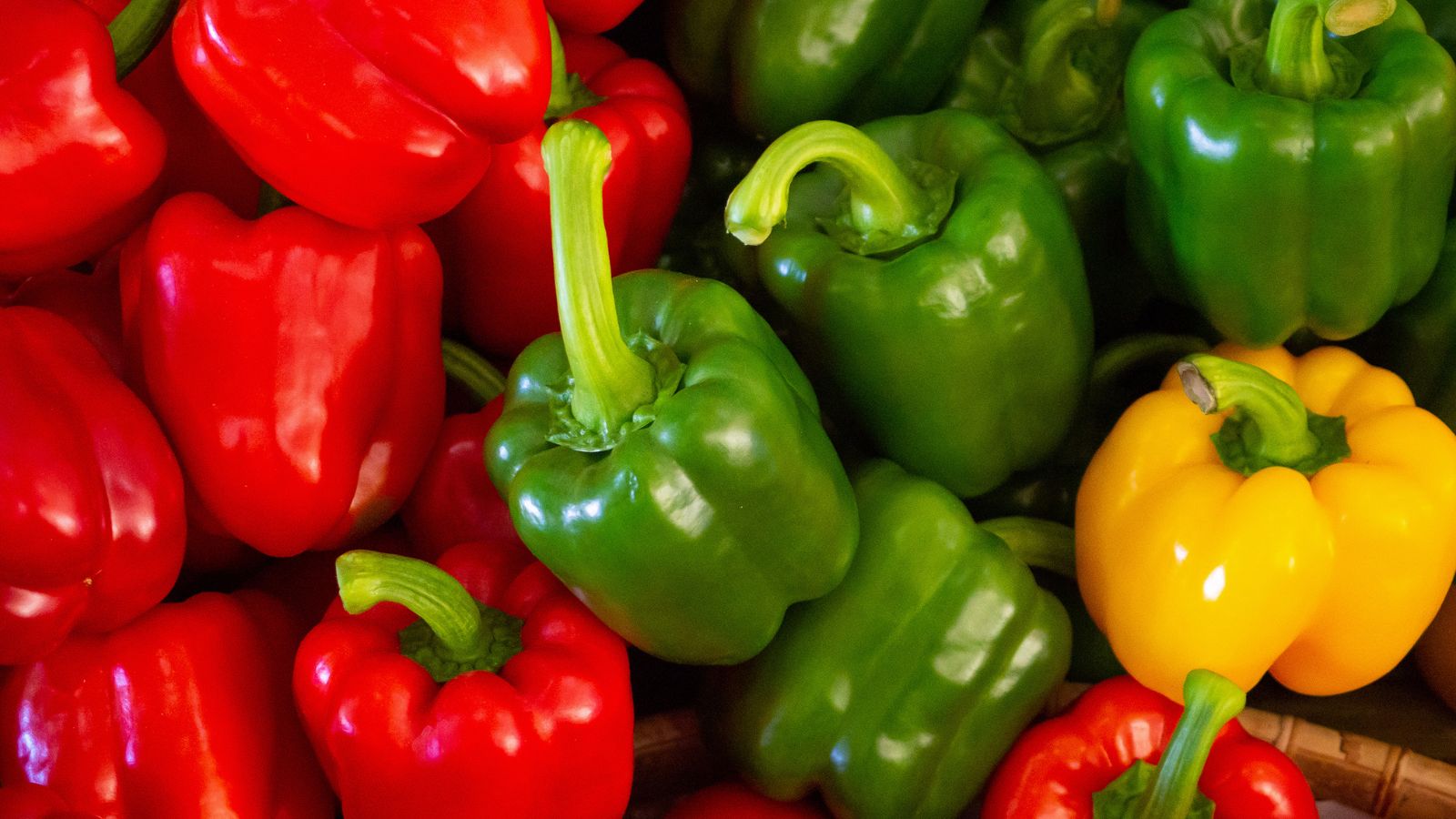
Bell peppers are a small luxury disguised as a staple. They add colour, crunch, and sweetness to stir-fries, fajitas, omelettes, pasta, salads, and lunch containers. They are also one of the first vegetables families cut back on when produce prices rise because the cost per usable serving can feel high. A three-pack that once looked convenient can quickly become a “maybe next week” purchase.
Fresh vegetables rose sharply year over year in March 2026, and Statistics Canada specifically named peppers among items with notable price growth. That matters because peppers often sit at the centre of healthy, quick cooking. Without them, meals can become cheaper but less varied. Shoppers may buy a single pepper instead of a pack, choose frozen strips, or wait for discount bins. The change shows how produce inflation affects not just spending, but the texture of everyday meals.
Apples

Apples have long been one of the most dependable fruits in Canadian homes. They travel well, last longer than berries, work in school lunches, and can be eaten without preparation. That practicality made them a reliable snack for families trying to avoid more expensive packaged foods. But fruit prices have put even familiar choices under more scrutiny.
Statistics Canada reported apples at an average of $5.62 per kilogram in March 2026. For a family buying enough fruit for several people, that can add up quickly, especially when apples are purchased alongside bananas, oranges, berries, or grapes. Shoppers may choose smaller bags, switch varieties, buy imperfect produce, or save apples for lunches rather than casual snacking. The result is subtle: fruit stays in the cart, but the quantity and variety shrink.
Bananas
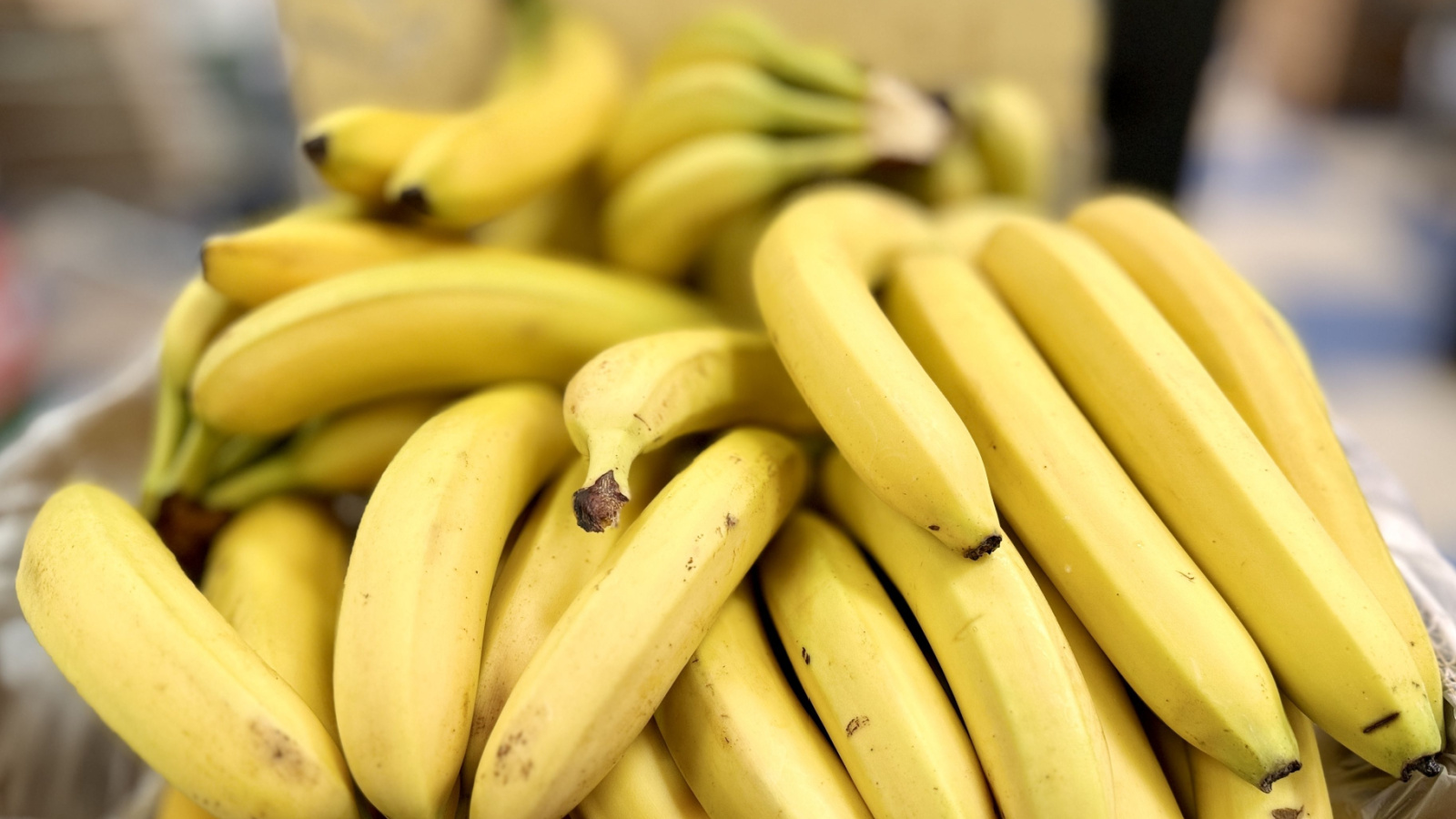
Bananas remain one of the more affordable fruits, yet they still belong in the pricing conversation because they have become a fallback for shoppers priced out of other produce. They are portable, kid-friendly, useful in smoothies and baking, and filling enough to replace pricier snacks. When grocery budgets tighten, bananas often carry more of the household fruit burden than before.
Statistics Canada listed bananas at an average of $1.86 per kilogram in March 2026, far below many other fresh fruits. But affordability is relative. If families increasingly rely on bananas because apples, berries, oranges, and grapes feel costly, the grocery basket becomes less varied. Bananas may not be the item that breaks the budget, but they reveal the trade-down pattern clearly. Canadians are not simply buying what they prefer; they are buying what still fits.
Lettuce and Salad Greens
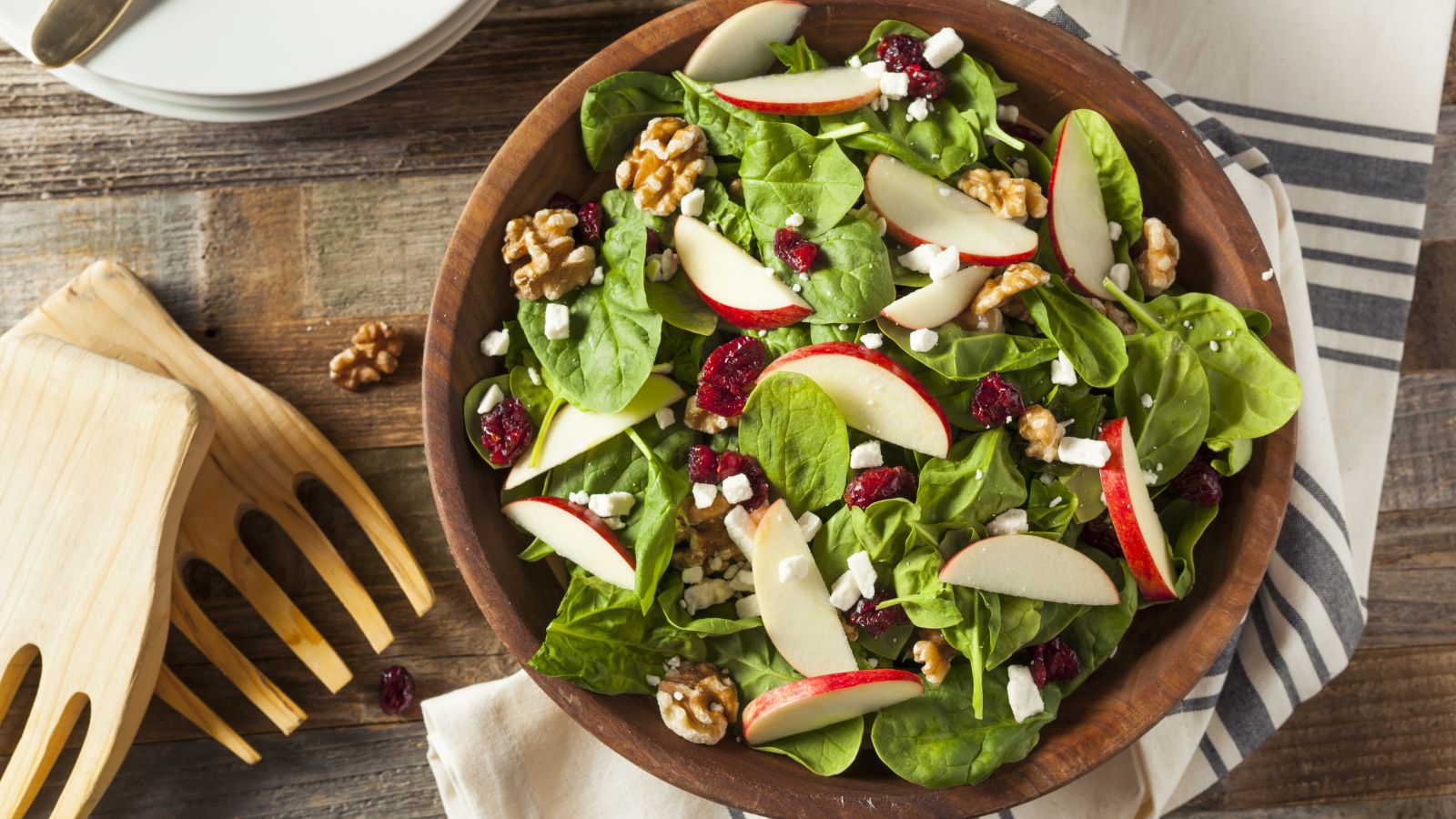
Lettuce and packaged greens have become a difficult category for budget-conscious shoppers. They are strongly associated with healthy eating, but they can be fragile, seasonal, and prone to waste if not used quickly. A bag of greens that spoils before the week is over feels like money thrown away. As fresh vegetable prices rise, shoppers become more cautious about buying items with a short fridge life.
The broader fresh vegetable category rose 7.8% year over year in March 2026, according to Statistics Canada. That increase helps explain why salad ingredients feel more expensive even when individual prices vary by store and region. Many households now lean on cabbage, carrots, frozen vegetables, or cooked sides instead of delicate greens. The shift is not just about cost; it reflects a growing fear of paying premium prices for food that may not last.
Coffee

Coffee has moved from morning routine to budget headache for many Canadians. It is not always considered a grocery essential in the same way as milk or bread, but for millions of households it functions like one. Brewing at home used to be the thrifty alternative to café spending. When grocery-store coffee climbs sharply, even that cheaper habit starts to feel squeezed.
The Bank of Canada noted that coffee prices were 31% higher in December 2025 than a year earlier, with supply shortages, extreme weather, tariffs, and a weaker Canadian dollar contributing to imported food pressures. That kind of jump changes buying behaviour. Shoppers wait for sales, switch brands, buy larger tins, or reduce café visits even further. Coffee remains in many carts, but the familiar bag or can is increasingly judged by price first.
Breakfast Cereal
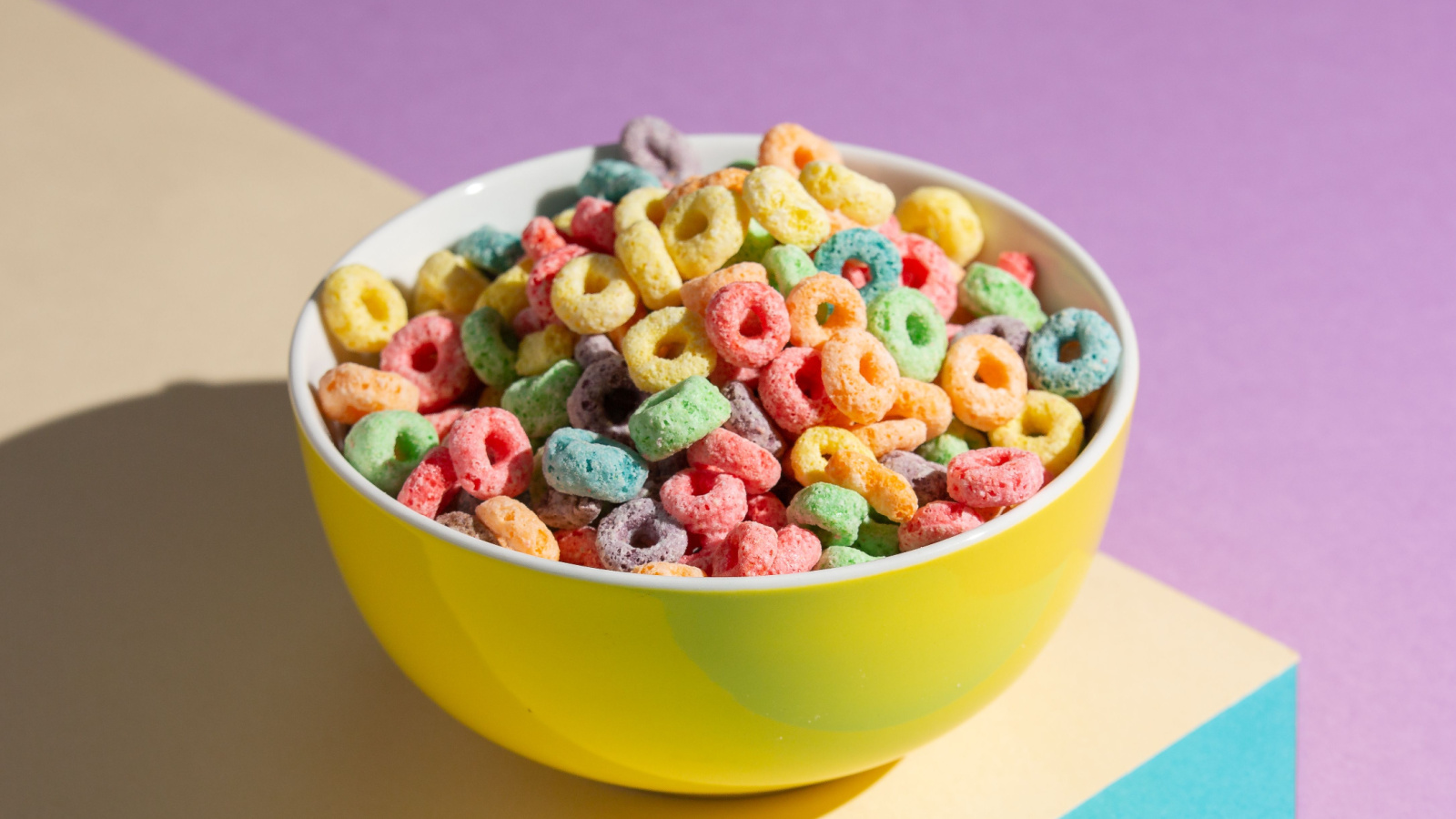
Breakfast cereal is convenient, familiar, and deeply embedded in Canadian routines, especially for families with children. It saves time on school mornings and doubles as a snack when the day gets busy. But cereal has also become a category where shoppers notice smaller boxes, higher shelf prices, and fewer satisfying sale deals. The cost is felt even more when milk is rising too.
Cereal and bakery items are part of the broader grain-based grocery basket affected by transportation, processing, packaging, and ingredient costs. The Canada Food Price Report projected continued price increases across major food categories in 2026, while Statistics Canada showed store-bought food rising faster than headline inflation in March. For households, cereal becomes a double expense: the box and the milk. That makes oatmeal, toast, eggs, or homemade muffins more attractive when budgets tighten.
Cooking Oil

Cooking oil is easy to overlook until the bottle runs out. It is used in frying, roasting, baking, salad dressings, marinades, and everyday meal preparation. Unlike a snack that can be skipped, oil supports the cooking of other staples. When it becomes expensive, the impact spreads across the kitchen, making even low-cost meals slightly more costly to prepare.
Statistics Canada listed vegetable oil at an average price of $9.70 for three litres in March 2026. For families that cook at home to avoid restaurant spending, that price matters. A bottle may last a while, but replacing it can still feel like a hit during an already expensive grocery trip. Some households use less oil, switch types, buy larger containers, or reserve olive oil for specific dishes. The adjustment is small but constant.
Canned Tuna and Shelf-Stable Protein
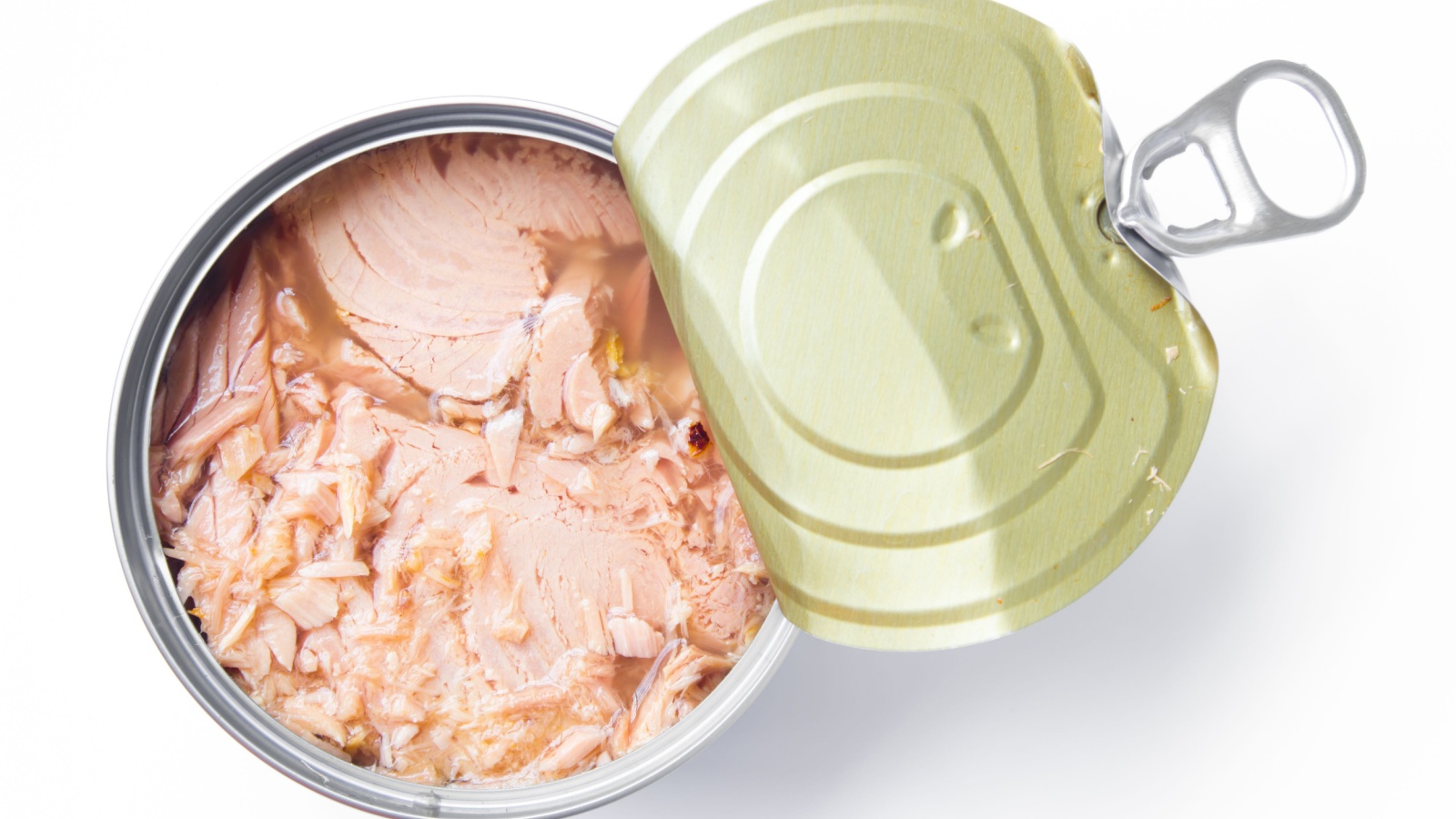
Canned tuna and other shelf-stable proteins used to be reliable emergency foods. They were compact, long-lasting, and useful for sandwiches, pasta, salads, rice bowls, and quick lunches. Their value came from convenience as much as price: no thawing, no cooking, and little waste. As meat and fresh fish become harder to fit into weekly budgets, canned proteins have become more important — and more closely watched.
The pressure on canned protein sits inside a wider pattern of rising grocery costs, including higher store-bought food inflation and supply-chain pressures that affect processed and imported foods. When shoppers see canned tuna, salmon, beans, and lentils all playing a bigger role in meal planning, it often means fresh proteins have become harder to justify. The pantry is becoming a financial buffer, but even pantry protein is no longer taken for granted.
Orange Juice

Orange juice has become one of the clearest examples of how climate, disease, imports, and currency can hit a familiar breakfast item. For many Canadians, juice was once a routine add-on beside cereal, toast, or eggs. Now it is often treated as a sale-only purchase or occasional treat. The shift is especially noticeable because juice feels ordinary, not extravagant.
Imported food pressures have been an important part of Canada’s recent grocery inflation, and weather-related supply problems have affected several global crops. Orange juice is particularly exposed because Canada depends on imported citrus products. When crop disease or poor harvests reduce supply abroad, Canadian shoppers feel it at the refrigerated case. Families may dilute juice, buy frozen concentrate, switch to whole fruit, or skip it altogether. Breakfast may look the same, but one familiar carton is missing.
19 Things Canadians Don’t Realize the CRA Can See About Their Online Income

Earning money online feels simple and informal for many Canadians. Freelancing, selling products, and digital services often start as side projects. The problem appears at tax time. Many people underestimate how much information the CRA can access. Online platforms, banks, and payment processors create detailed records automatically. These records do not disappear once money hits an account. Small gaps in reporting add up quickly.
Here are 19 things Canadians don’t realize the CRA can see about their online income.
