Border crossings often feel routine until a simple question exposes a missing receipt, an unclear itinerary, a forgotten snack, or a document that should have been packed. Officers are not only checking passports; they are assessing declarations, admissibility, safety risks, and whether a traveller’s story matches the paperwork. For most people, the exchange lasts only minutes. For others, one answer can lead to secondary inspection, delayed travel plans, seized goods, or a much longer conversation than expected. These 15 border questions are common enough to sound ordinary, yet each one can turn stressful fast when the details are incomplete, inconsistent, or misunderstood.
Where Are You Going and Why?
This question sounds harmless, but it can become tense when the answer is vague. “Just visiting” may be fine for a weekend getaway, but border officers often expect a clearer purpose: tourism, family visit, business meeting, school event, medical appointment, or transit. A traveller heading to a conference with no invitation email, hotel booking, or return plan may look less prepared than someone with a simple itinerary ready.
The stress comes from the fact that border entry is not automatic for many travellers, even with valid documents. Officers may ask follow-up questions to determine whether the stated purpose matches the visa category, length of stay, or traveller profile. A person saying they are “meeting clients” while entering as a tourist can quickly trigger more scrutiny. The safest answer is usually direct, specific, and consistent with the documents in hand.
How Long Are You Staying?
Length of stay matters because it helps officers decide whether the trip fits the stated purpose. A three-day shopping trip, a two-week family visit, or a six-month stay with relatives all raise different questions. Trouble begins when the traveller gives an uncertain answer, changes the date, or cannot explain why the visit is unusually long. “Maybe a few months” can sound risky if there is no evidence of funds, lodging, or obligations back home.
This question can also reveal whether a traveller understands entry rules. Visitors may be admitted for a limited period, and overstaying can affect future travel. Even when no one is doing anything wrong, unclear travel dates can create doubt. A return ticket, work schedule, school calendar, or written invitation can make the answer feel grounded rather than improvised.
Where Will You Be Staying?
Accommodation details are often treated as basic travel information, but they can become a problem when the traveller has no address, no hotel booking, or only a first name for the host. Saying “with a friend” may invite follow-up questions about the friend’s full name, phone number, relationship, and exact address. A traveller who cannot provide those details may appear unprepared or evasive.
Border officers ask because lodging helps establish whether the trip is genuine and practical. It also matters in emergencies, immigration screening, and public safety checks. A realistic answer does not need to be complicated: hotel confirmation, rental address, family home address, or a printed invitation can be enough. The stressful version happens when the plan exists only in text messages buried in a dead phone or when the traveller’s answer conflicts with the declaration or visa application.
Who Packed Your Bags?
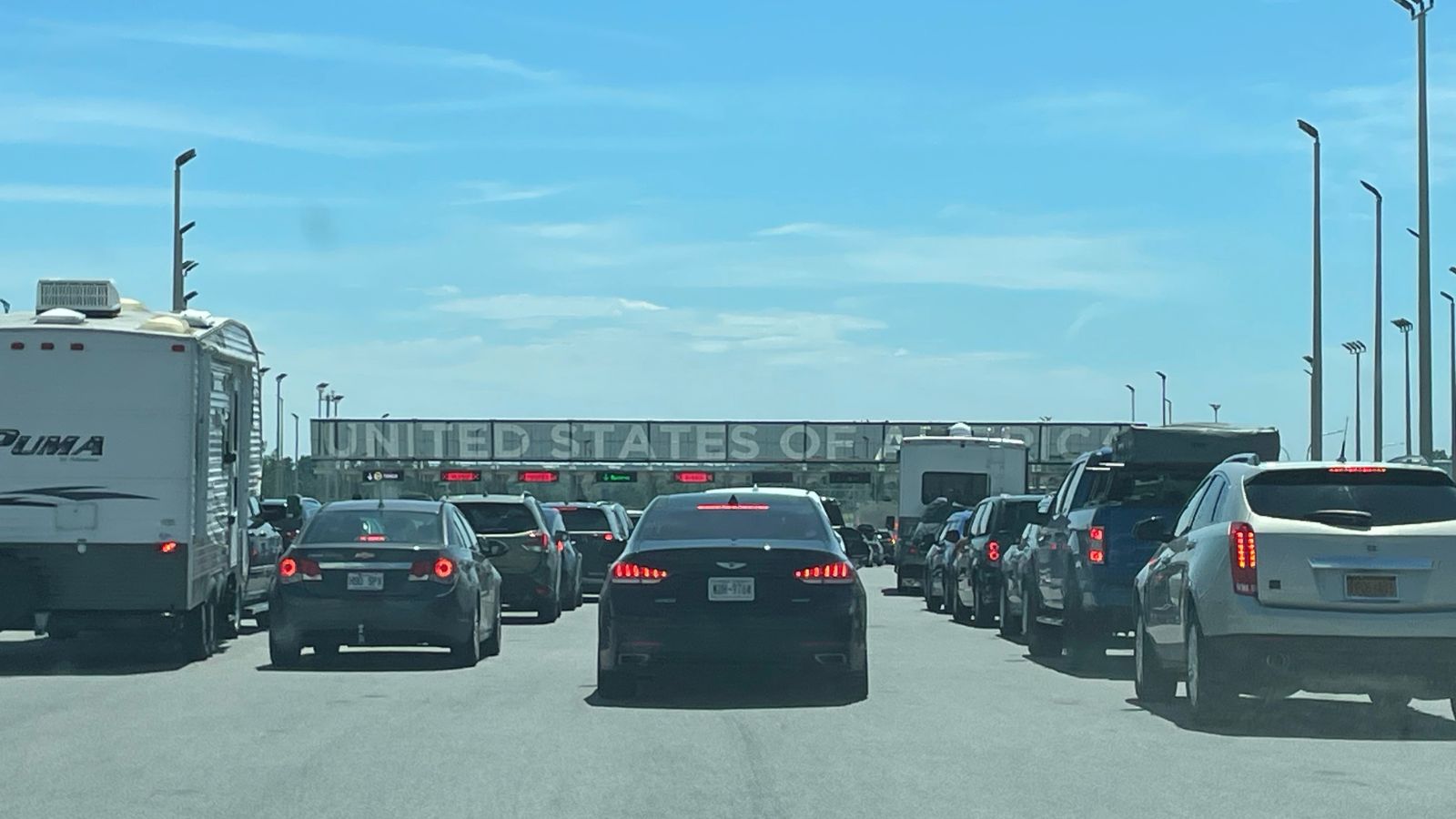
This question can make even seasoned travellers uneasy because it shifts attention from plans to control. Officers want to know whether the traveller personally packed the luggage and knows what is inside. A casual “my cousin added a few things” can create immediate concern, especially if the traveller cannot describe the items. That uncertainty may lead to a bag search.
The question is especially important when people carry gifts, sealed packages, food, medication, or items for someone else. Even innocent favours can become complicated if the contents are restricted, undeclared, mislabeled, or commercial in nature. A traveller bringing a box for a relative may think they are being helpful, but officers are trained to treat unknown contents seriously. The best answer is truthful and calm, supported by the ability to open bags and identify every item.
Are You Carrying Any Food, Plants, or Animal Products?
Food is one of the most common sources of border stress because travellers often underestimate it. A banana from an airport lounge, homemade meat snacks, seeds, plants, flowers, or specialty groceries can all raise questions. Many people think packaged food is automatically acceptable, but agriculture rules depend on product type, origin, disease risk, and destination country.
The problem usually is not that someone packed a snack; it is failing to declare it. Agricultural controls exist to prevent pests, diseases, and invasive species from entering a country’s food system or environment. Officers may inspect the item, allow it, confiscate it, or issue penalties depending on the rules and the circumstances. A traveller who declares food upfront often has a simpler interaction than someone who says “nothing” and then has fruit, meat, or plant material found during inspection.
Did You Buy Anything While Away?
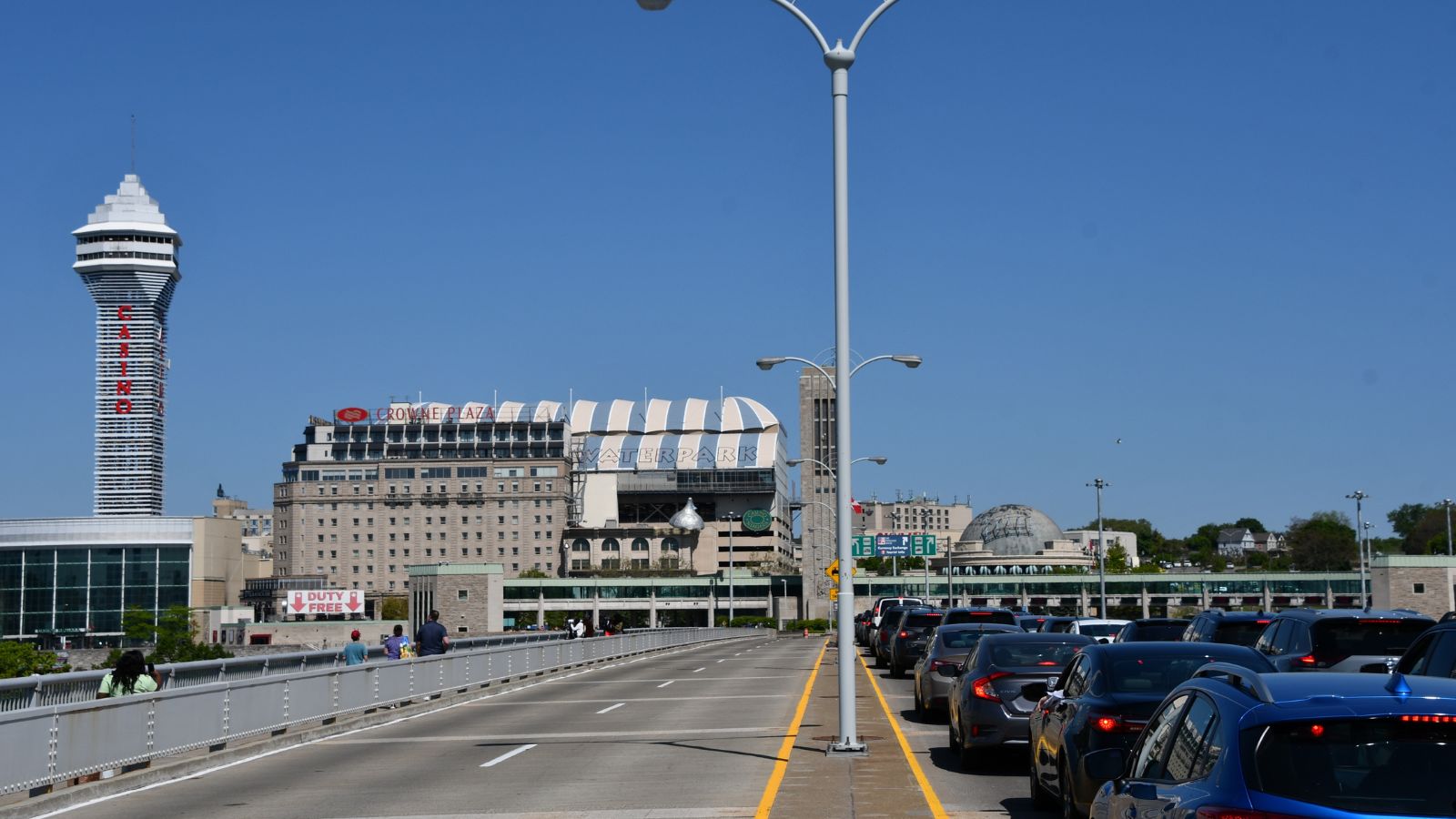
This is where small purchases can become big stress. Travellers may forget duty-free alcohol, online pickup orders, souvenirs, clothing, electronics, repairs, or gifts bought abroad. Border officers are not only asking about shopping bags; they are asking about goods acquired outside the country and brought back. A watch worn on the wrist or a laptop still in its box may count just as much as a receipt in a suitcase.
The stressful part is that people often confuse “for personal use” with “not declarable.” Personal goods may still need to be declared, and duty or taxes may apply depending on value, exemption limits, and length of absence. Missing receipts can make valuation harder. A neat list of purchases, screenshots of invoices, and honest declarations usually reduce friction. Guessing low or hiding purchases can make a normal return trip feel adversarial.
How Much Alcohol or Tobacco Are You Bringing?
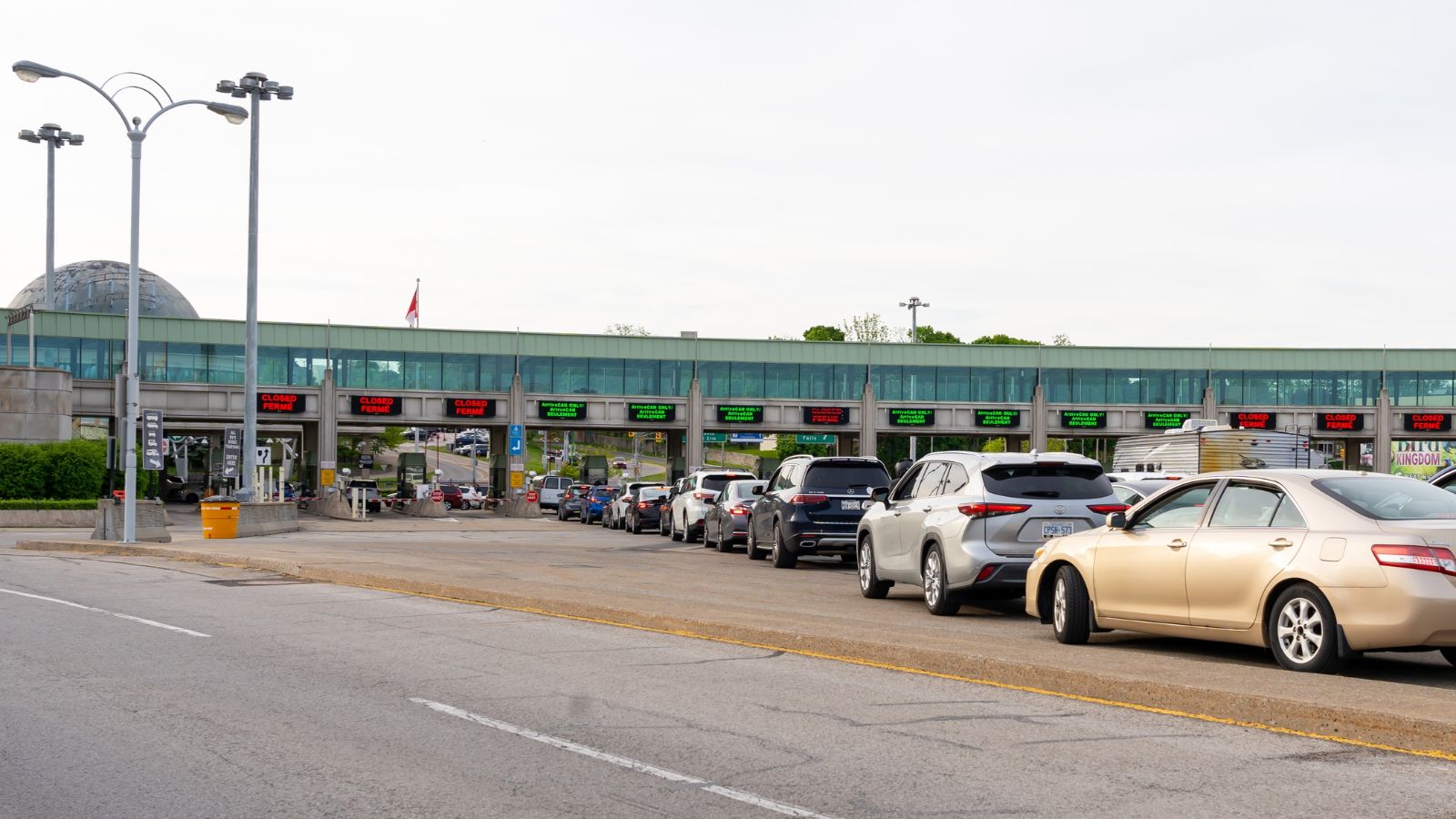
Alcohol and tobacco questions often start casually, but limits matter. A traveller may assume duty-free purchases are automatically permitted because they were sold after security or near the border. In reality, duty-free does not mean rule-free. Allowances vary by country, length of absence, age, product type, and quantity, and amounts above the personal exemption may lead to duties, taxes, or seizure.
Stress rises when people split purchases across a group, forget an extra bottle, or misunderstand volume limits. A couple returning from a weekend trip with several bottles of spirits and cartons of cigarettes may be asked to explain who owns what and whether all items were declared. Clear answers, receipts, and awareness of personal exemption rules help. The awkward moment usually arrives when the officer counts more than the traveller expected.
Are You Carrying Cannabis, CBD, or Other Controlled Substances?
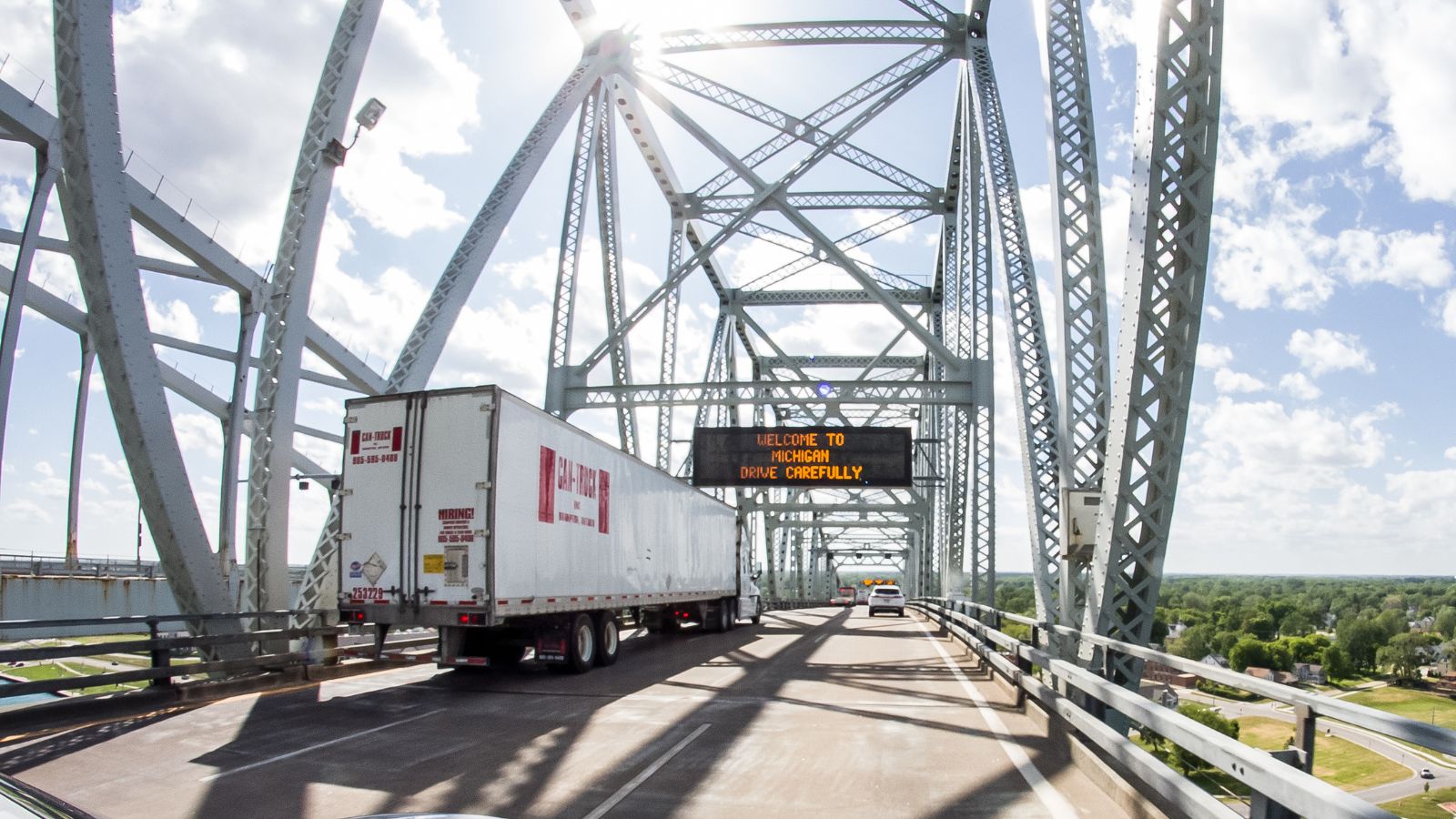
This question can surprise travellers from places where cannabis is legal. In Canada, cannabis may be legal domestically, and in some U.S. states it may be legal locally, but crossing an international border with cannabis remains illegal without proper authorization. That includes edibles, oils, vapes, extracts, topicals, and CBD products. A forgotten gummy in a backpack can create a serious problem.
The stress comes from the gap between local legality and border law. Travellers may think a small amount is harmless or that medical use changes everything automatically. Border officers treat controlled substances differently from ordinary consumer goods because import and export laws apply. Prescription medication can also raise questions if it is not in original packaging or appears inconsistent with personal use. The simplest rule for cannabis at the border is blunt: do not bring it across.
Are You Carrying More Than $10,000 in Cash or Monetary Instruments?
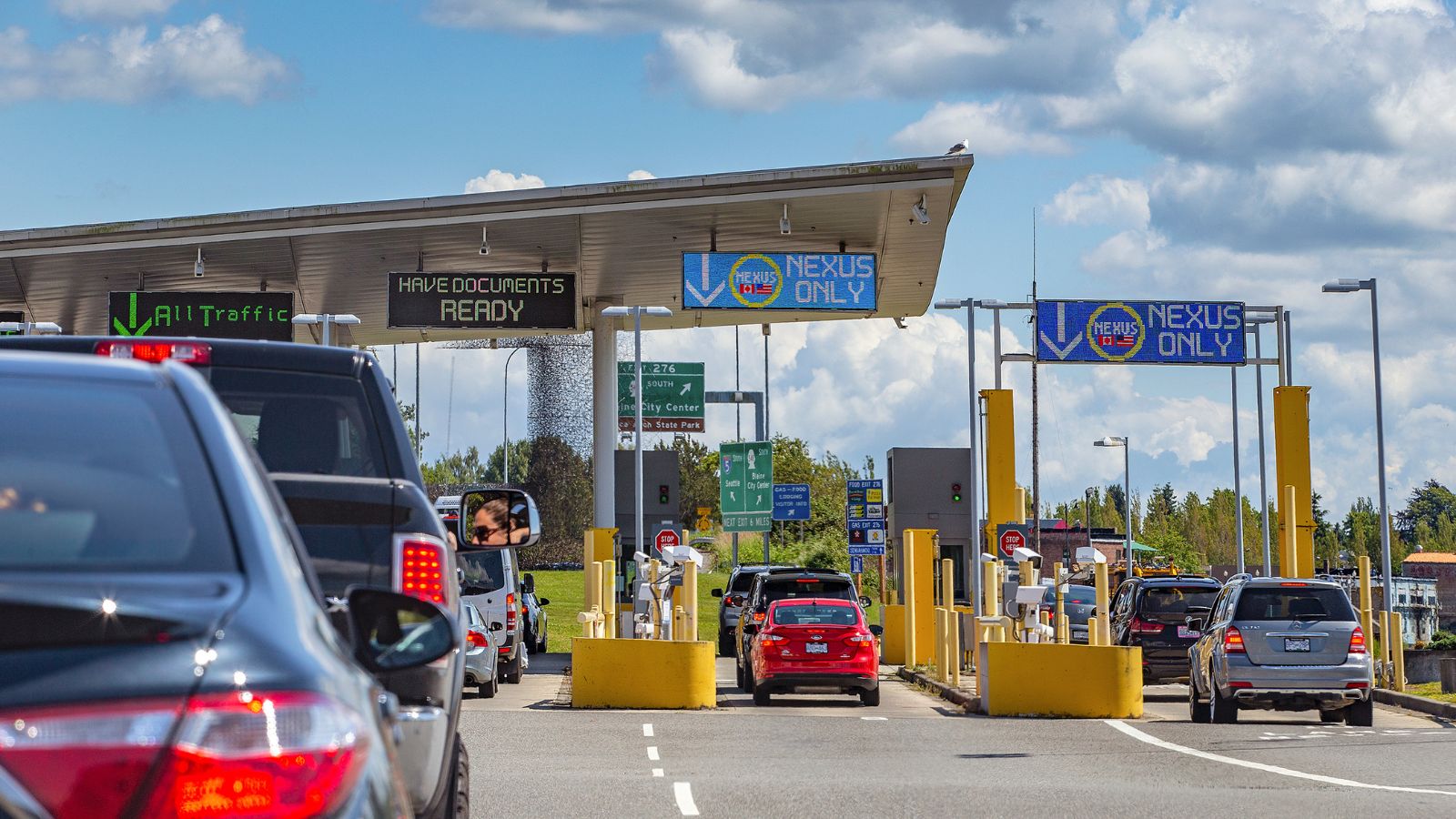
Money questions can feel accusatory, even when the traveller is doing nothing wrong. In Canada, carrying CAN$10,000 or more, or the equivalent in foreign currency and monetary instruments, is not illegal, but it must be declared when entering or leaving. Similar reporting rules apply in the United States for amounts over US$10,000. The amount can include cash, bank drafts, money orders, cheques, and combinations of currencies.
Problems arise when travellers think the rule applies only to cash in one envelope or only to one person. Families, business travellers, students, and newcomers may carry large amounts for legitimate reasons, but failure to report can lead to seizure and penalties. A calm explanation, documentation, and a completed declaration can prevent unnecessary suspicion. The stressful version happens when money is discovered after the traveller already said no.
Are You Travelling With Any Weapons or Firearms?
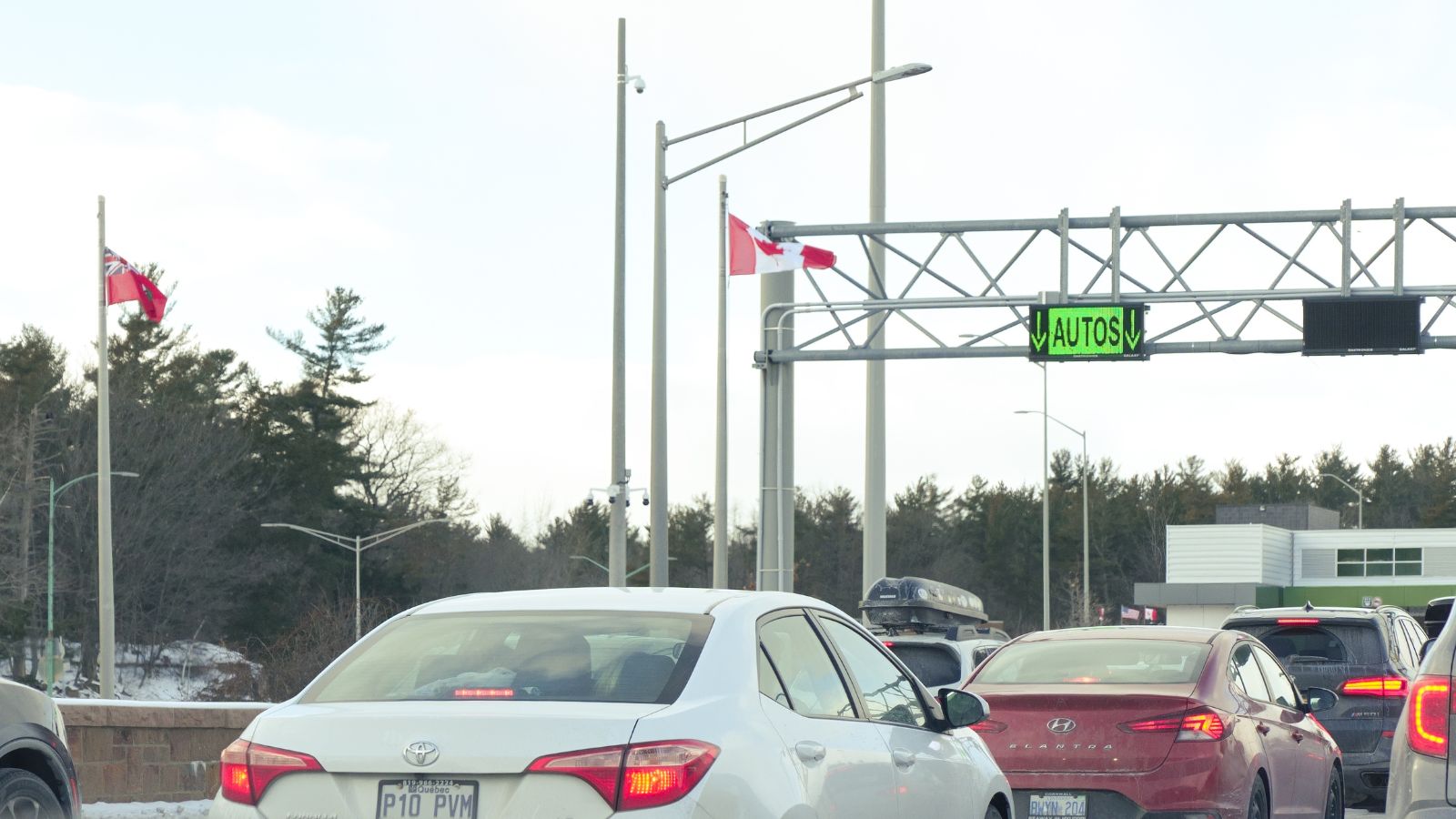
This question covers more than obvious firearms. Border officers may ask about knives, pepper spray, stun devices, ammunition, replica weapons, hunting equipment, or tools that could be treated as weapons under local law. A traveller may not think of a camping knife, bear spray, or self-defence item as a border issue, but the classification can change depending on the jurisdiction.
The stress often comes from intent versus law. Someone may carry an item for hiking, farm work, or personal safety and still face questions about import rules, permits, storage, or prohibited status. Firearms and weapons typically require advance planning and accurate paperwork, and undeclared items can create serious consequences. The best approach is never to assume that legality at home means admissibility across the border. When in doubt, checking official rules before travel matters more than explaining later.
Are You Bringing Goods for Someone Else?
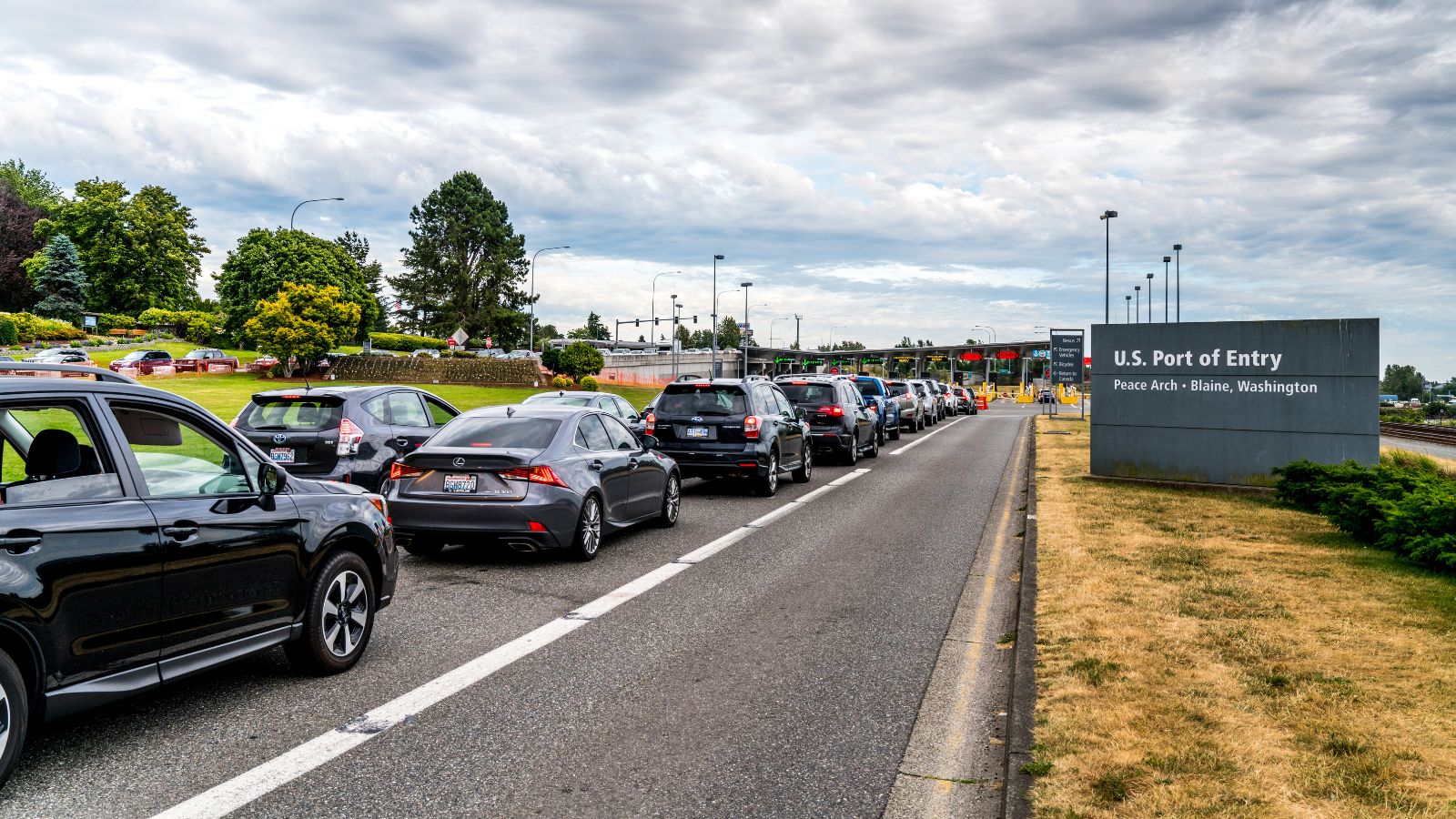
This question often catches helpful travellers off guard. Carrying gifts for relatives, documents for a friend, samples for a business contact, or packages for someone met online can all create complications. Officers may want to know what the goods are, who owns them, their value, and whether they are commercial, restricted, or properly declared. “I do not know, I was just asked to bring it” is one of the least reassuring answers.
The issue is control and accountability. At the border, the person carrying the goods is usually responsible for declaring them accurately. Even a sealed package can be opened. A traveller bringing multiple identical items, branded merchandise, or inventory-like goods may be asked whether they are importing for sale. Receipts, descriptions, and the recipient’s details help, but unknown contents are risky. Good intentions do not erase customs obligations.
Are You Planning to Work While You Are Here?

Few questions create more tension than this one because “work” can mean different things to travellers and officers. A person attending meetings, checking email, helping a relative’s business, performing remotely, volunteering, or taking paid assignments may think the visit is casual. Border officers may see possible work activity that requires specific authorization.
The stressful part is that business travel and employment are not the same, but the line can be misunderstood. A traveller entering for tourism who mentions “helping out at my friend’s shop” may trigger concerns about unauthorized work. Remote work can also invite questions if the stay is long or the traveller lacks a clear home base. Honest, precise language matters. Saying “attending a conference” is different from saying “working there,” and documents should support the stated purpose.
Do You Have Enough Money for Your Stay?
This question can feel personal, but it is a standard way to assess whether a visitor can support themselves without working illegally or overstaying. Officers may ask about funds, credit cards, prepaid bookings, host support, travel insurance, or return arrangements. A traveller staying several weeks with little money and no clear sponsor may face more questions.
The amount needed depends on the destination, length of stay, accommodation, and purpose of travel. There is not always a simple universal number. A student, tourist, family visitor, and business traveller may have different proof. Bank statements, credit cards, invitation letters, hotel reservations, and employer letters can all help show that the trip is financially realistic. Stress builds when the traveller’s budget does not match the itinerary, such as planning a month-long visit with no lodging plan and minimal funds.
Who Is the Child Travelling With?
When children cross borders, officers may ask questions that feel uncomfortable but serve a protective purpose. A child travelling with one parent, relatives, a school group, or another adult may be asked about parental consent, custody arrangements, passports, and the relationship to the accompanying adult. The questions can feel intense because officers are trained to watch for missing children and possible abduction risks.
A consent letter is often recommended when a child travels without one or both parents or legal guardians. The letter may include contact information, travel dates, destination, and permission from the non-travelling parent or guardian. Without it, even a routine family trip can slow down. A grandparent taking a child across the border for a weekend visit may have no problem at all, but paperwork can prevent a protective question from becoming a stressful delay.
Can We Look at Your Phone or Laptop?
Electronic device questions are increasingly stressful because phones contain private messages, work files, photos, banking apps, and social media. U.S. Customs and Border Protection says electronic device searches happen on rare occasions, but they can occur during inspection. Officers may conduct a basic manual review or, under policy conditions, a more advanced search using external equipment.
The anxiety is understandable. A traveller may worry about confidential business material, personal privacy, or messages being misread without context. Recent reporting has also highlighted rising concern over device searches at U.S. borders, even though they still affect a very small share of travellers overall. Preparing devices before travel, limiting unnecessary sensitive data, knowing workplace policies, and keeping answers calm can reduce risk. The worst moment is being surprised by a device request with no plan at all.
Have You Ever Been Denied Entry, Overstayed, or Had Immigration Trouble?
This question can turn stressful because it reaches into travel history. Prior refusals, overstays, visa cancellations, criminal issues, or immigration violations may affect admissibility. Some travellers hope old problems will not appear, but border systems and shared information can make omissions risky. A mismatch between records and answers can create more trouble than the original incident.
The best approach is accuracy, not over-explanation. A traveller who was once refused entry for missing documents should say so if asked and be prepared to explain what changed. Someone with a past overstay may need legal advice before travelling, depending on the country and circumstances. Border officers are assessing credibility as much as history. A truthful answer supported by documents may still lead to questions, but an untruthful answer can turn a manageable issue into a serious one.
19 Things Canadians Don’t Realize the CRA Can See About Their Online Income

Earning money online feels simple and informal for many Canadians. Freelancing, selling products, and digital services often start as side projects. The problem appears at tax time. Many people underestimate how much information the CRA can access. Online platforms, banks, and payment processors create detailed records automatically. These records do not disappear once money hits an account. Small gaps in reporting add up quickly.
Here are 19 things Canadians don’t realize the CRA can see about their online income.
