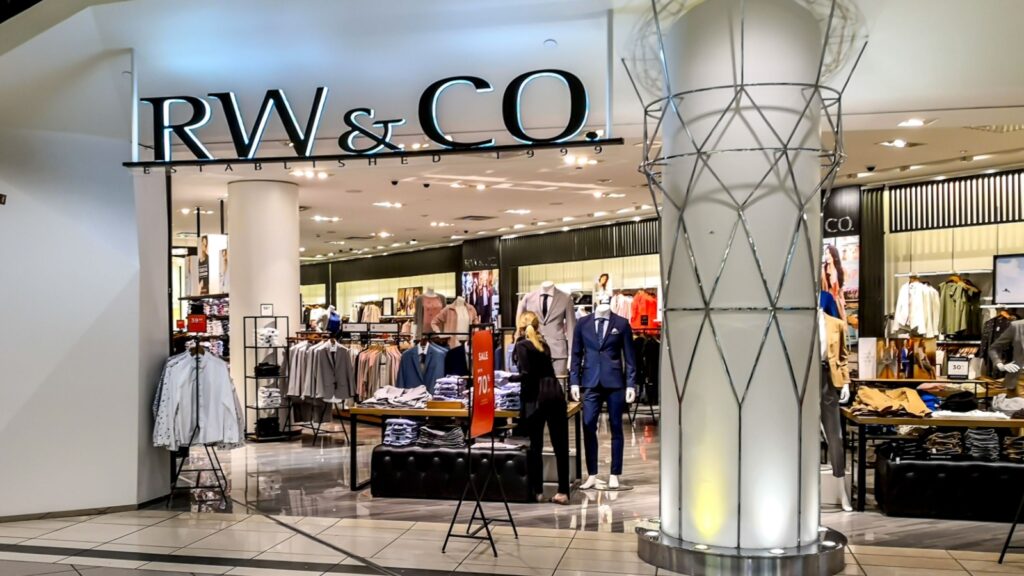
Canadian retail used to feel almost permanent: the same anchors, the same mall corridors, the same familiar storefronts marking birthdays, school years, holiday shopping, and weekend errands. That confidence has been shaken by creditor protection filings, shrinking footprints, online competition, higher rents, cautious consumers, and a wave of once-unthinkable closures.
These 22 Canadian stores and retail banners show how quickly the idea of “always being there” has changed. Some have already disappeared from malls and power centres, while others remain open but feel more vulnerable, more reinvented, or less guaranteed than they once did.
Hudson’s Bay

Few Canadian stores ever felt as immovable as Hudson’s Bay. For generations, it was not just a department store but a landmark: the place for coats, cookware, cosmetics, wedding registries, and Boxing Day browsing. Its 1670 origins gave it a permanence almost no retailer could match, and many downtown locations doubled as civic architecture rather than ordinary shops.
That is why its 2025 collapse was so jarring. After filing for creditor protection, Hudson’s Bay moved through liquidation, layoffs, and the shutdown of its national store network. The end did not simply remove another department-store option; it rewrote a piece of Canadian retail memory. A store that once seemed too historic to vanish became the clearest proof that heritage alone cannot protect a chain from debt, changing shopping habits, weak mall traffic, and the brutal economics of large-format retail.
Saks Fifth Avenue Canada
Saks Fifth Avenue arrived in Canada with the promise of imported luxury, polished service, and a more glamorous alternative to the usual department-store floor. Its Canadian presence was closely tied to Hudson’s Bay, giving some shoppers the sense that luxury retail had found a long-term home in Toronto, Calgary, and other major markets.
That confidence faded quickly when the Hudson’s Bay restructuring pulled Saks Canada into the same uncertainty. Canadian Saks locations became part of the liquidation process, showing how even upscale banners can struggle when their parent company, lease structure, and market positioning are under pressure. Luxury retail often depends on dense downtown traffic, strong tourism, and wealthy local shoppers. When those conditions weaken, expensive stores can become difficult to justify. Saks Canada’s brief and turbulent run made high-end mall retail feel much less permanent than the glossy storefronts suggested.
Saks OFF 5TH Canada
Saks OFF 5TH seemed better suited to the post-pandemic shopper than its full-price sibling. Outlet-style luxury, designer labels at lower prices, and treasure-hunt merchandising fit the mood of consumers looking for value without giving up brand names. In theory, that should have made it more resilient.
In practice, its Canadian stores were still tied to the broader Hudson’s Bay system. When Hudson’s Bay entered creditor protection and liquidation plans expanded, Saks OFF 5TH locations were included in the closures affecting the company’s Canadian footprint. The lesson was sharp: discount positioning does not guarantee survival if the parent company’s finances, leases, logistics, and strategic options are deteriorating. For shoppers who once treated outlet malls as reliable bargain territory, the disappearance of Saks OFF 5TH locations made the whole category feel less secure.
Peavey Mart
Peavey Mart had a special kind of permanence in smaller cities, farm communities, and rural corridors. It sold practical goods: hardware, workwear, animal feed, tools, fencing, and seasonal supplies. Unlike trend-driven fashion chains, it seemed rooted in everyday utility, especially in parts of Canada where a farm-and-ranch retailer serves as more than a simple store.
That made its 2025 shutdown especially surprising. Peavey Mart moved from announcing selected store closures to confirming the closure of its remaining Canadian locations, including Peavey Mart stores and MainStreet Hardware sites. The brand’s decline showed that rural relevance does not automatically offset operating costs, supplier pressures, debt, and changing consumer behaviour. For many communities, the loss was not about nostalgia alone. It meant one fewer practical stop for livestock supplies, hardware runs, work boots, and the kind of errands that rarely migrate neatly online.
MainStreet Hardware
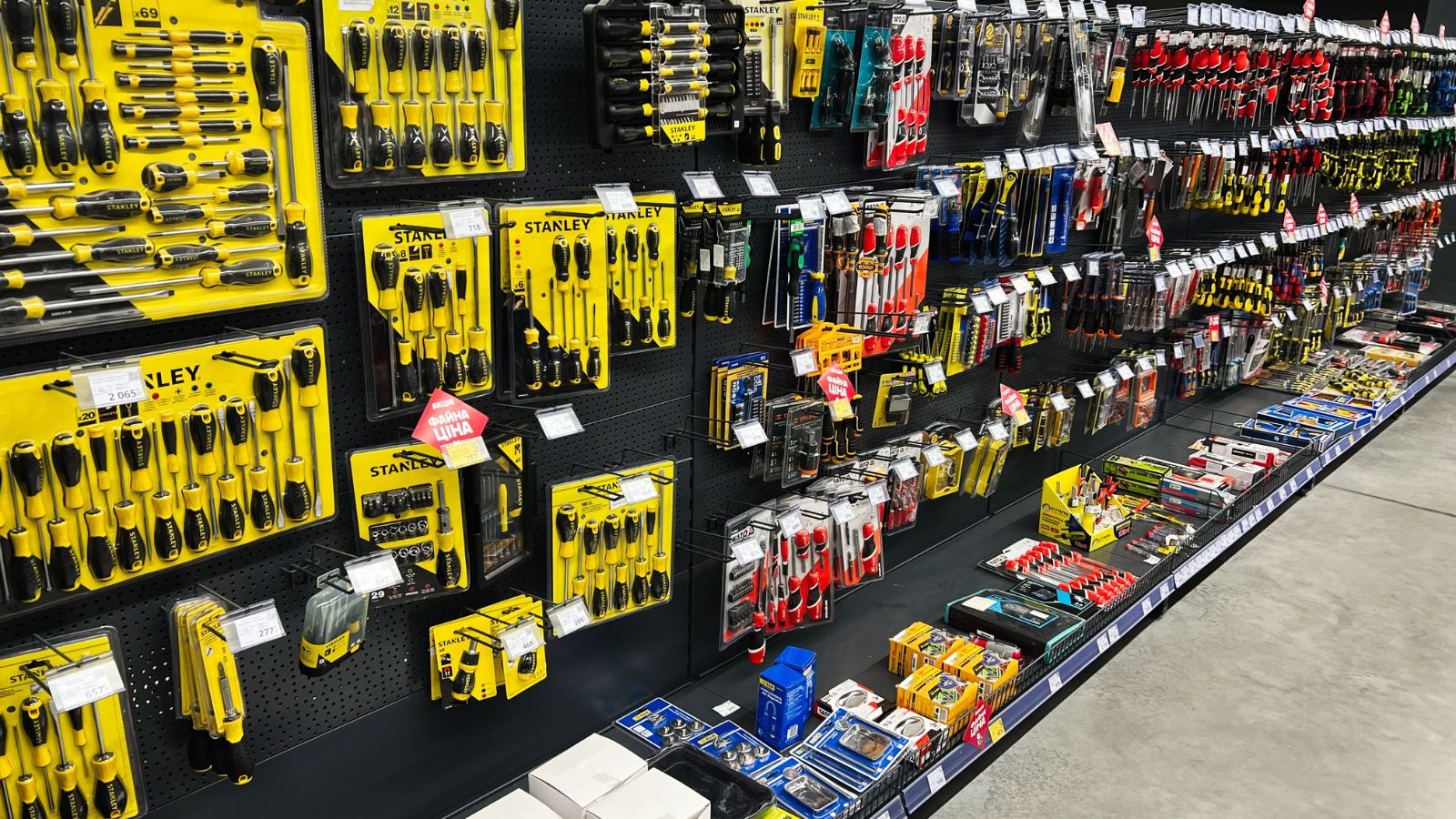
MainStreet Hardware did not have the same national recognition as Peavey Mart, but its connection to Peavey Industries made it part of the same retail story. These stores occupied a familiar space in local shopping routines: smaller-format hardware, practical goods, and community-based convenience rather than flashy mall traffic.
When Peavey Industries confirmed Canada-wide closures, MainStreet Hardware locations were included in the wind-down. That mattered because local hardware stores often feel more insulated than discretionary retailers. People still need screws, paint, tools, batteries, and seasonal fixes, even when fashion or furniture spending slows. But small-format retail can still be vulnerable when the owner’s broader business becomes financially strained. MainStreet Hardware’s fate underlined a hard truth: a useful store can still disappear if the larger balance sheet behind it cannot hold.
Warehouse One
Warehouse One built its identity around denim, casual basics, and approachable prices, especially in Western Canada and smaller markets. For shoppers who did not want trend-heavy fashion or luxury mall pricing, it offered a familiar, practical alternative. Denim chains once felt dependable because jeans are not a fad; they are a wardrobe staple.
In May 2026, Warehouse One Clothing Ltd. entered Companies’ Creditors Arrangement Act proceedings and announced an orderly wind-down that included Warehouse One and Bootlegger retail locations. Store closing sales followed across the combined network. That turned a seemingly sturdy basics business into another example of how apparel retail can unravel under cost pressure, changing mall traffic, and competition from online sellers and fast-fashion platforms. Warehouse One’s weakness was not that jeans stopped mattering. It was that selling them profitably through a large store network became harder.
Bootlegger

Bootlegger carried a long Canadian mall memory. For many shoppers, it was the jeans store beside the food court, the place for casual tops, denim fittings, and back-to-school purchases. Its name had survived multiple eras of fashion retail, which made it feel more durable than newer digital-first brands.
Its recent path has been anything but stable. Bootlegger was first affected by Comark’s 2025 creditor-protection process, which aimed to downsize the banner while winding down Ricki’s and Cleo. Then, after becoming part of Warehouse One’s combined business, Bootlegger was included in the 2026 CCAA wind-down of all Warehouse One and Bootlegger locations. That sequence made the banner feel especially fragile: first downsized, then swept into a broader liquidation. It became a case study in how mall apparel chains can run out of room to reinvent themselves.
Ricki’s
Ricki’s occupied a practical corner of Canadian women’s apparel: office-friendly clothing, everyday separates, and approachable mall fashion. It served shoppers who needed a blouse for work, a pair of trousers, or something polished without boutique prices. For years, that role made Ricki’s feel like a reliable part of regional malls.
The workwear market changed underneath it. Remote and hybrid work reduced demand for traditional office wardrobes, while online competitors and discount chains made the middle of the apparel market more crowded. In 2025, Comark’s CCAA filing came with a decision to close all Ricki’s locations. Court documents described a network that included dozens of Ricki’s stores and joint locations with related banners. The closure made visible a wider shift: stores built around office dressing can struggle when the office itself becomes less central to daily life.
Cleo
Cleo had a similar place in Canadian malls, serving women looking for workwear, occasion pieces, and classic wardrobe staples. It was not designed to be flashy. Its strength was consistency: a dependable stop for shoppers who wanted professional clothing without entering luxury territory.
That consistency became harder to sustain as the apparel market split between low-price online competition, fast fashion, resale, and premium niche brands. In 2025, Comark’s creditor-protection filing included the decision to shut down Cleo along with Ricki’s. The move reflected more than a single company’s financial strain. It showed how vulnerable mid-market fashion had become, especially when the core customer was buying fewer office outfits or stretching existing wardrobes longer. Cleo’s disappearance from malls felt like another sign that the old Canadian fashion corridor was thinning out.
Frank And Oak
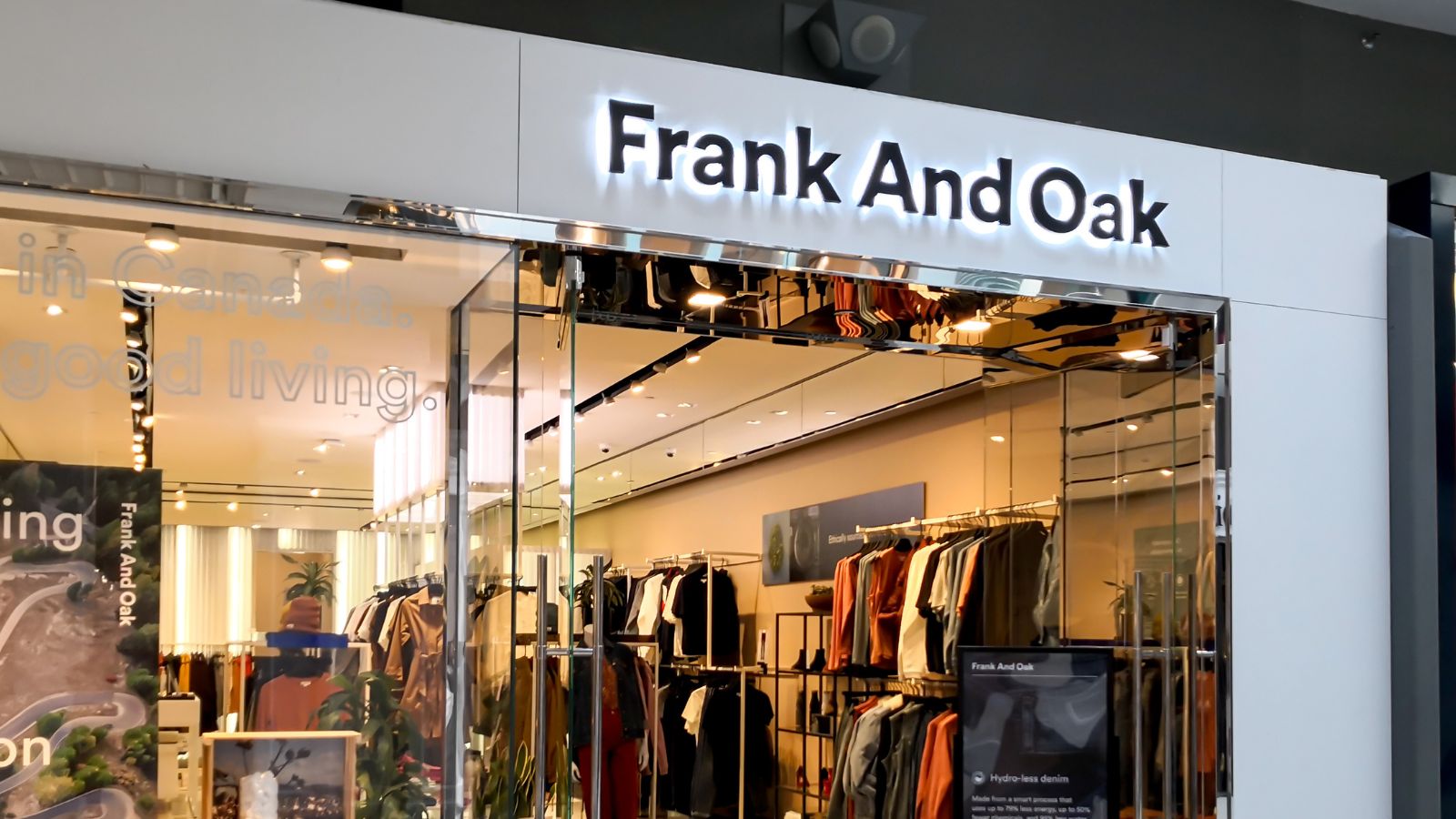
Frank And Oak once represented the future rather than the past. It began as a modern, digital-savvy Montreal fashion brand and built a reputation around cleaner design, sustainability messaging, and a younger urban customer. Its expansion into physical stores seemed like proof that online-born brands could become permanent fixtures.
Instead, the brand became a reminder that digital cool does not make retail easy. Frank And Oak filed for creditor protection for a second time, sought a buyer, and moved to close its remaining stores in 2025 while the brand itself continued under new ownership. That distinction matters: the name may live on, but the store network lost the permanence shoppers once assumed. For customers who discovered it through minimalist shirts, recycled fabrics, or downtown boutiques, the closures showed that even well-liked modern brands can struggle with rent, inventory, debt, and scale.
The Body Shop Canada
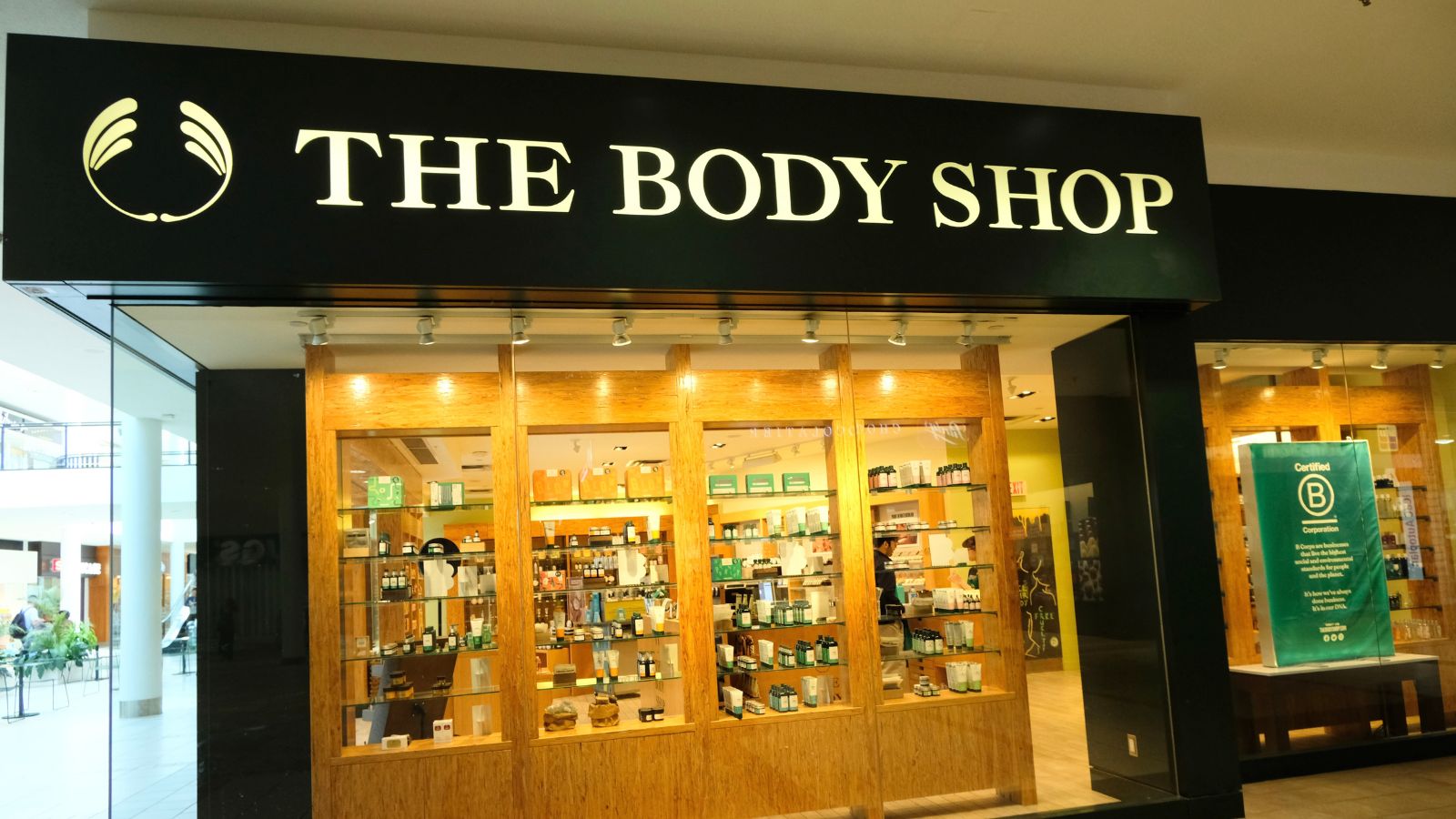
The Body Shop once felt like a mall essential. Its scented body butters, activism-themed branding, gift baskets, and ethical-beauty image gave it a strong identity long before “clean beauty” became a crowded category. Many Canadian shoppers can still remember the smell of a Body Shop entrance before seeing the sign.
Its Canadian business lost that sense of certainty in 2024 when The Body Shop Canada filed for creditor protection, announced 33 store closures, and paused e-commerce while restructuring. The chain remained recognizable, but the filing showed how difficult the beauty market had become. Specialty stores now compete with Sephora, drugstores, direct-to-consumer brands, Amazon, and social-media-driven beauty labels. A company that once stood apart for values and scent-led gifting suddenly looked exposed in a market where every shelf had learned to speak the same language.
Claire’s Canada
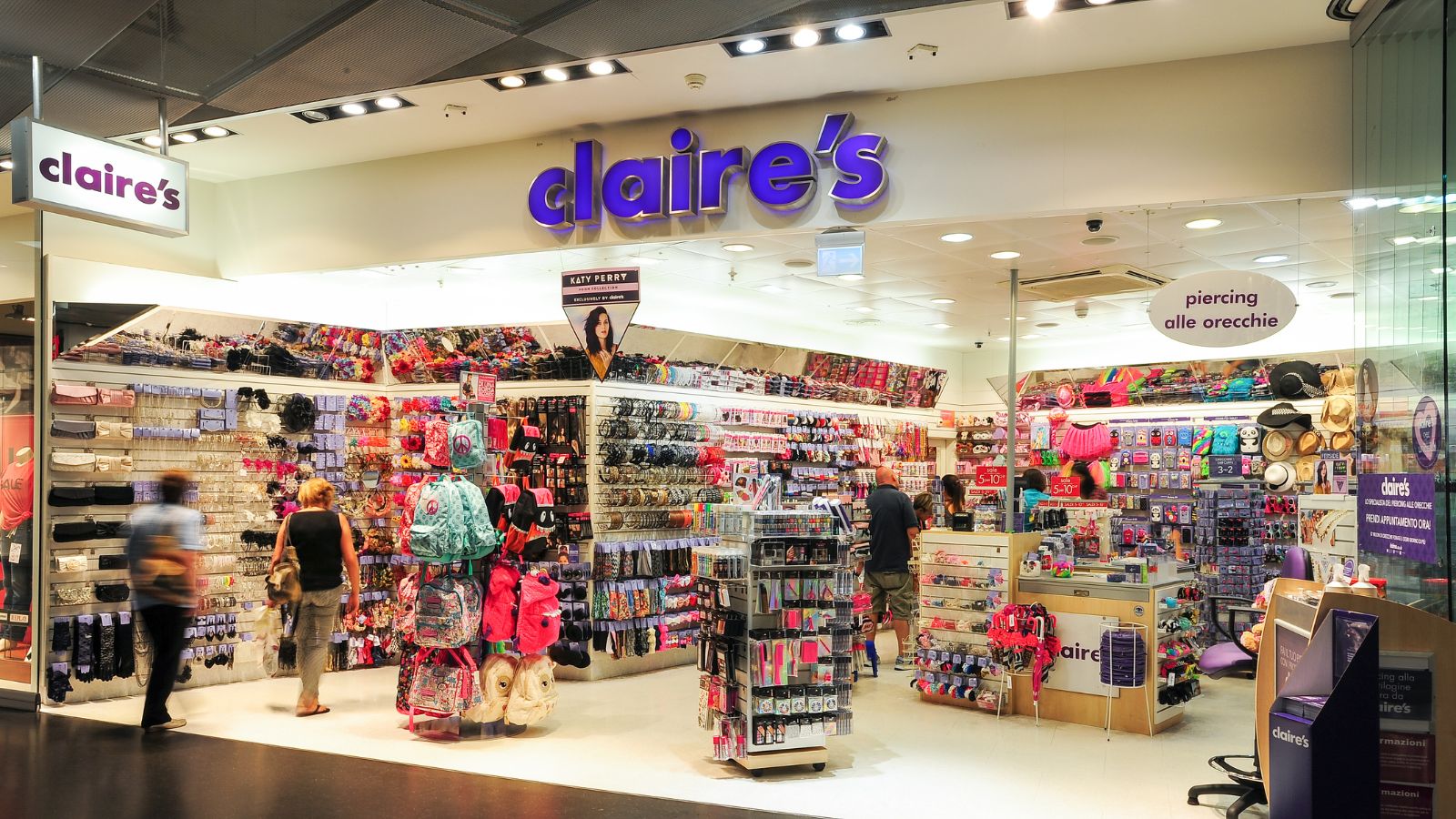
Claire’s was once one of the most predictable stops in a mall visit: ear piercing, friendship necklaces, sparkly clips, birthday gifts, and accessories aimed at tweens. Its stores were small, bright, and familiar, often surviving in malls where larger anchors changed around them.
That familiarity weakened when Claire’s entered bankruptcy proceedings in the United States and sought creditor protection in Canada in 2025. Stores initially remained open as the company explored strategic options, and a sale later preserved much of the North American business while still leaving closures on the table. The Canadian effect was psychological as much as practical. If even a small accessories chain with decades of mall habits behind it could enter court-supervised restructuring, then no corner of the mall felt entirely safe. Claire’s became a symbol of how teen retail now competes with online trends moving at impossible speed.
GameStop Canada
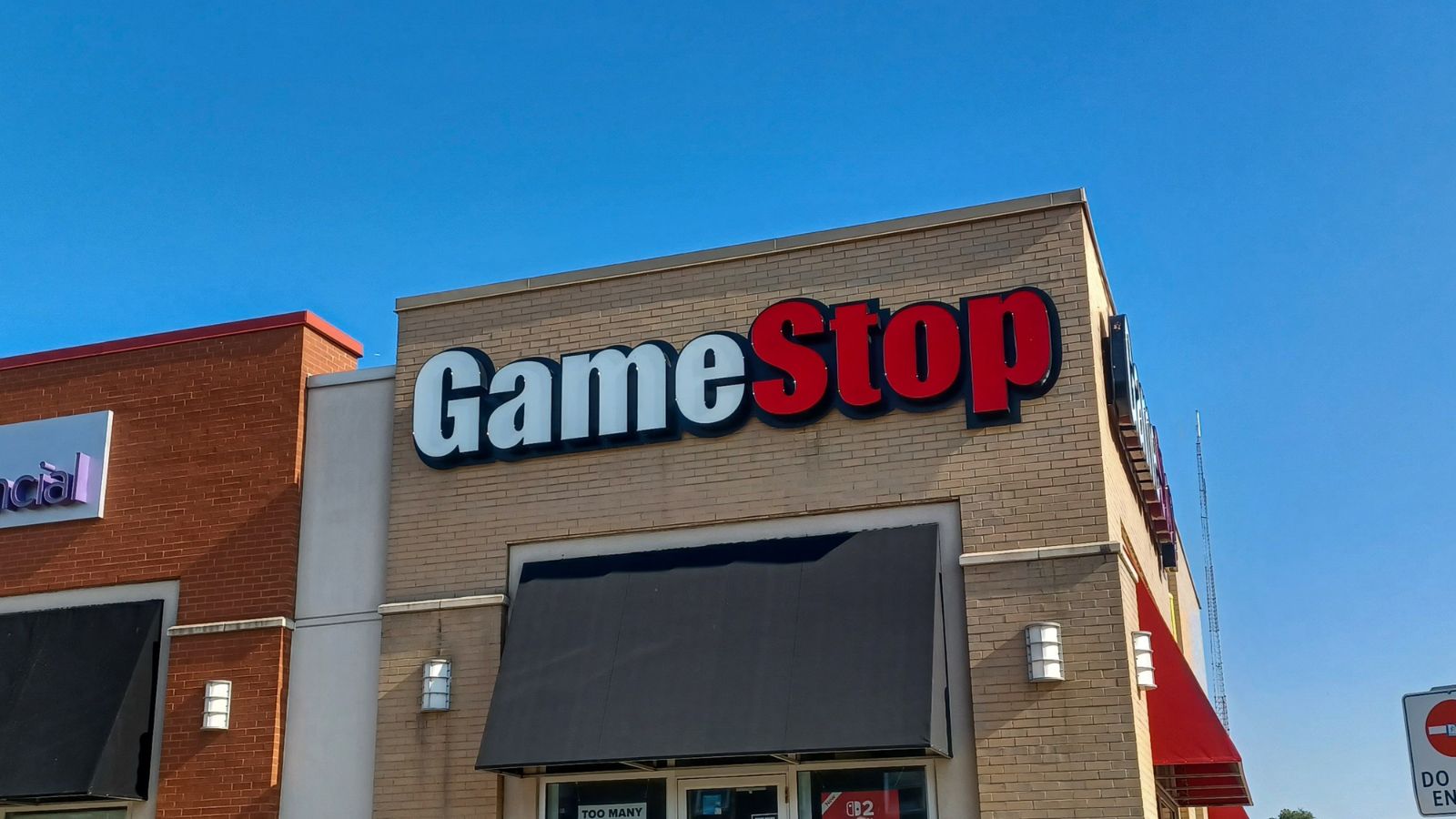
GameStop Canada inherited the old EB Games habit: midnight launches, trade-ins, used cartridges, strategy guides, and shelves of physical releases. For a generation of players, visiting the store was part of gaming culture itself. The business depended on a world where discs, cartridges, and console accessories drove repeat visits.
That world has changed. Game downloads, subscription libraries, mobile gaming, and direct console marketplaces have weakened the need for a physical game store. GameStop reported declining revenue, sold its Canadian subsidiary, and continued cutting physical stores in other markets. Canada was not simply another region on a map; it was part of a broader strategic retreat from traditional retail. The brand still has recognition, but the old mall model feels less permanent every year. When games no longer require a trip to the store, the store has to justify itself in new ways.
The Source
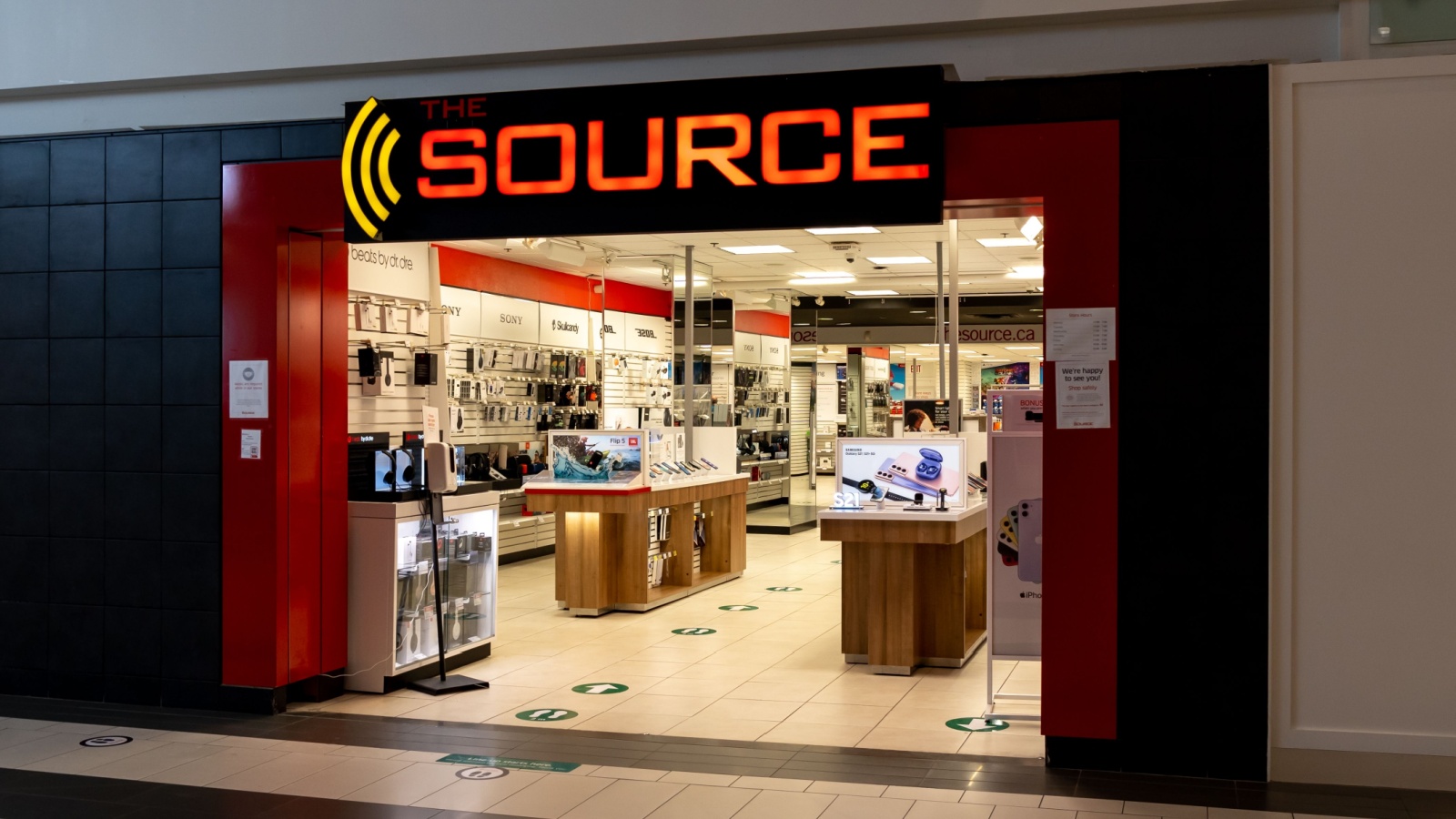
The Source had a long Canadian life after RadioShack, serving as a small electronics stop in malls and neighbourhood plazas. It was where shoppers went for cables, batteries, headphones, chargers, phone accessories, and quick tech purchases without navigating a warehouse-sized store.
Its permanence changed when Bell and Best Buy Canada moved to convert The Source locations into Best Buy Express stores. The plan involved a large-scale rebranding of small-format electronics locations, blending Best Buy’s product assortment with Bell-operated telecom services. The stores did not vanish in the same way as a liquidation, but the familiar banner effectively ended. For customers who remembered RadioShack drawers, gadget walls, and last-minute charger runs, the change showed that even surviving stores may only survive by becoming something else. Permanence now often means rebranding, resizing, and sharing someone else’s strategy.
Nordstrom Canada
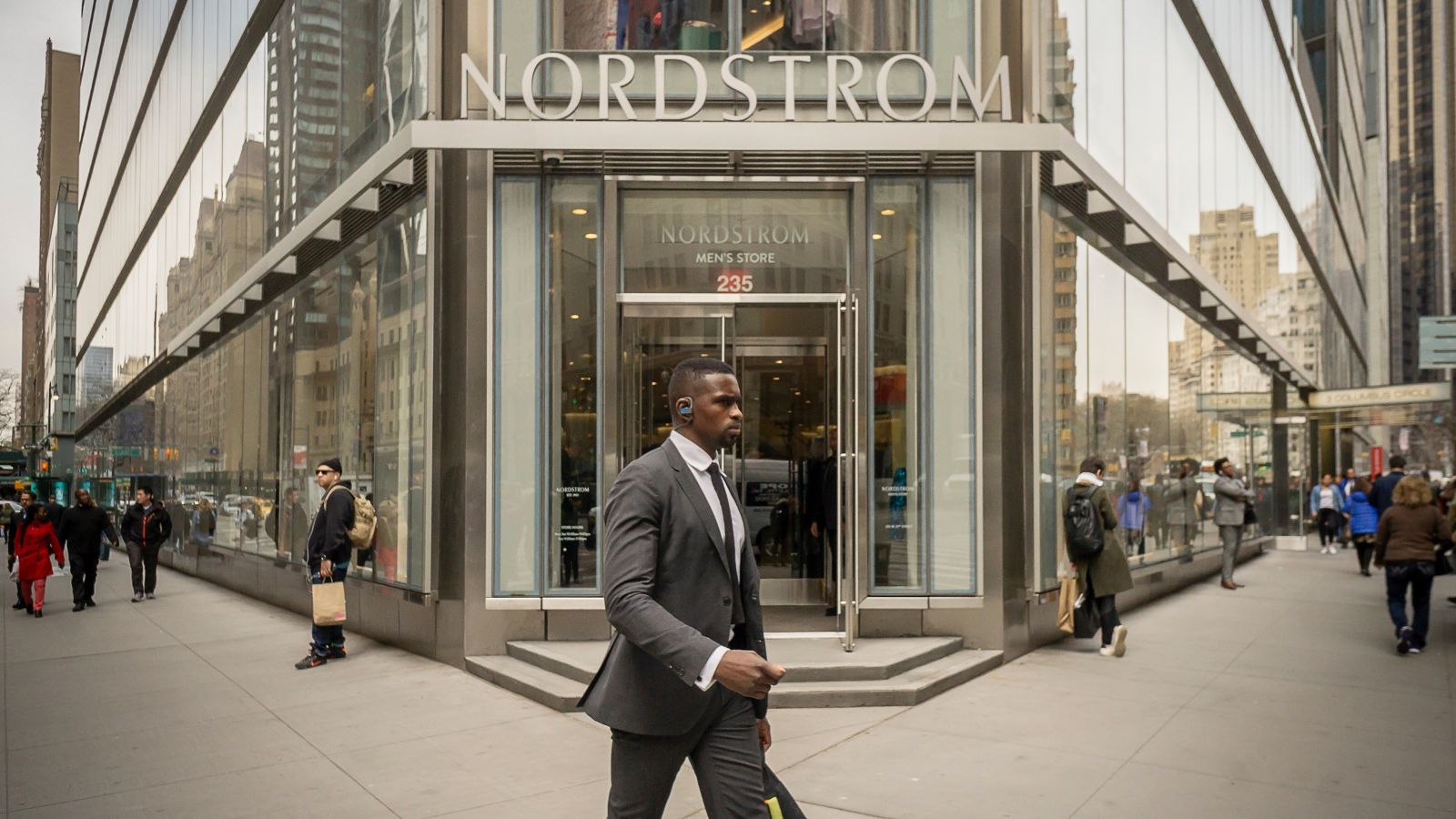
Nordstrom’s Canadian launch carried the confidence of a major U.S. luxury retailer entering a promising market. Its stores were polished, service-oriented, and positioned as upscale alternatives in major malls. Nordstrom Rack added a discount arm, giving the company a wider Canadian footprint.
The experiment ended in 2023, when Nordstrom announced it would exit Canada, close all 13 stores, shut its Canadian e-commerce operations, and lay off about 2,500 workers. The company said it did not see a realistic path to profitability in the Canadian market. That exit still hangs over Canadian retail because Nordstrom was not a weak or unknown brand. It was a respected retailer with deep experience, yet it could not make the economics work. Its departure made international expansion into Canada look less automatic and made premium mall retail feel more uncertain.
DAVIDsTEA
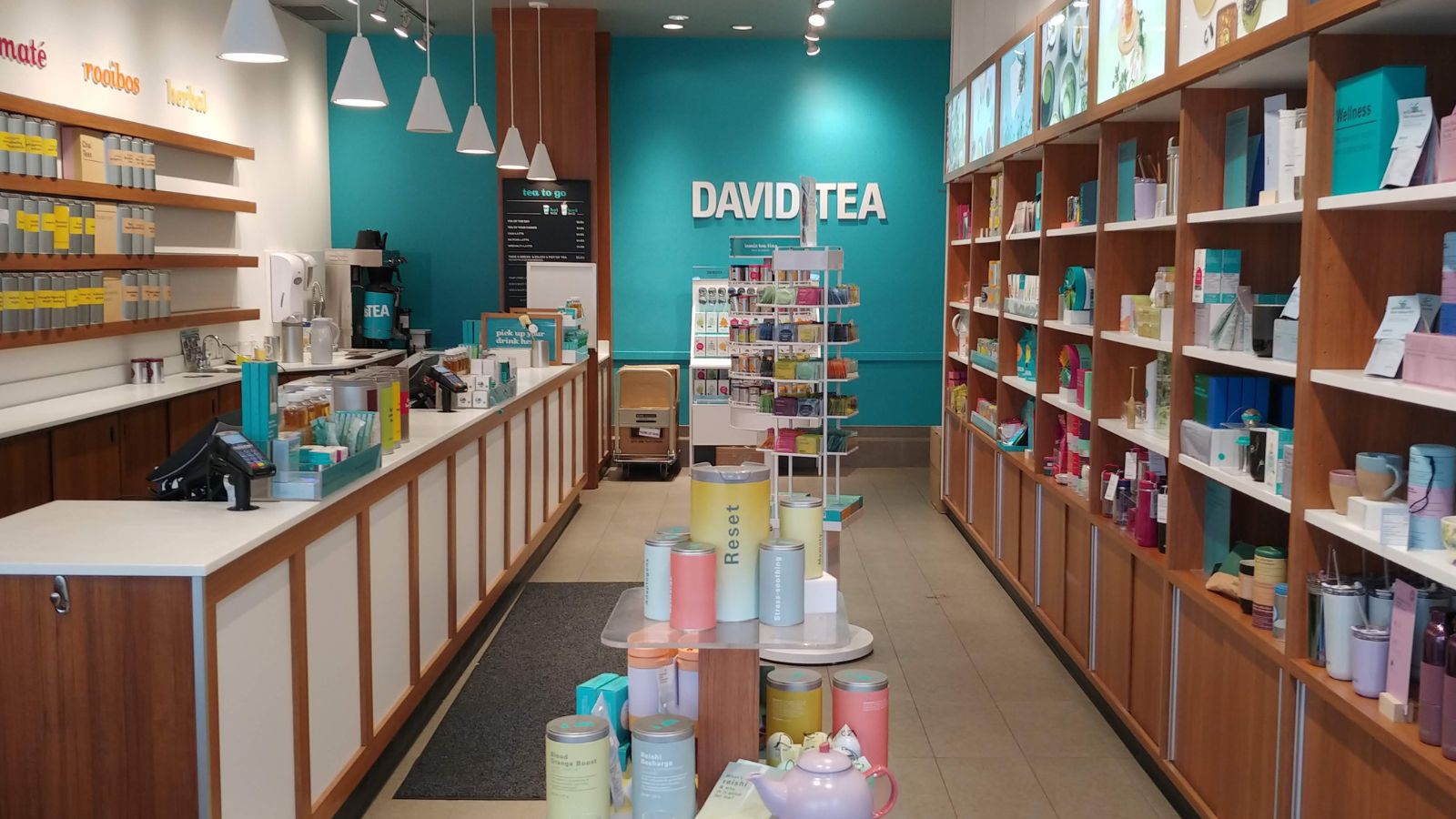
DAVIDsTEA once seemed like one of Canada’s liveliest specialty retail success stories. Colourful tins, seasonal blends, free samples, and enthusiastic staff turned loose-leaf tea into an accessible gift and mall impulse purchase. At its peak, the brand’s physical footprint made it feel like a national specialty chain with room to grow.
The store network shrank dramatically after the company entered restructuring in 2020, closed all U.S. stores, and terminated leases for many Canadian locations while focusing more on e-commerce, wholesale, and a much smaller physical presence. The brand survived, but the old mall-based version did not. That distinction is important. DAVIDsTEA still exists, yet the casual habit of finding one in almost every major mall has faded. It shows how a brand can endure while its storefront permanence disappears.
MEC

MEC once felt protected by something deeper than retail math: membership, community, outdoor expertise, and a co-operative identity. It was a store where people planned canoe trips, bought climbing gear, compared rain shells, and trusted staff who seemed to use the equipment themselves. The co-op model made it feel unusually rooted.
That changed when MEC filed for creditor protection in 2020 and was sold to a private investment firm, ending its co-operative structure. Later ownership changes and renewed expansion efforts helped stabilize the name, but the emotional contract had already shifted for many longtime members. MEC is not simply fragile in the same way as a mall apparel chain; it feels less permanent because its identity proved changeable. The store can remain open, add locations, and still feel different from the institution Canadians thought they knew.
Indigo
Indigo remains one of Canada’s most important book retailers, but it no longer feels untouched by retail disruption. Its stores still offer books, toys, gifts, stationery, and lifestyle goods, creating a browsing experience that online shopping struggles to fully replace. For many communities, Indigo or Chapters remains the last large bookstore.
Even so, the company has faced pressure. Its 2023 ransomware attack disrupted operations, and later financial reporting described weaker revenue periods and digital challenges. Book retail also operates in a difficult market where online giants, e-books, audiobooks, used marketplaces, and changing discretionary spending all pull at the same customer. Indigo’s strength is that bookstores still have emotional value. Its vulnerability is that emotional value must be converted into profitable store traffic. The chain still matters, but it no longer feels guaranteed simply because readers love books.
Best Buy Canada

Best Buy Canada looks more secure than many names on this list, but even it does not feel as fixed as big-box electronics once did. The category has changed dramatically: phones are sold through carriers, software is downloaded, TVs face thin margins, and shoppers often research prices online before walking into a store.
Best Buy’s Canadian strategy now includes smaller Best Buy Express locations developed with Bell, alongside its larger stores and online operations. That suggests adaptation rather than collapse, but it also shows that the old electronics warehouse model is being reworked. The company’s U.S. operations have also been reviewing leases and closing selected stores, which adds to the sense that no electronics footprint is sacred. Best Buy Canada may remain a key player, yet the version shoppers knew a decade ago is clearly evolving into a more flexible, service-driven network.
Staples Canada
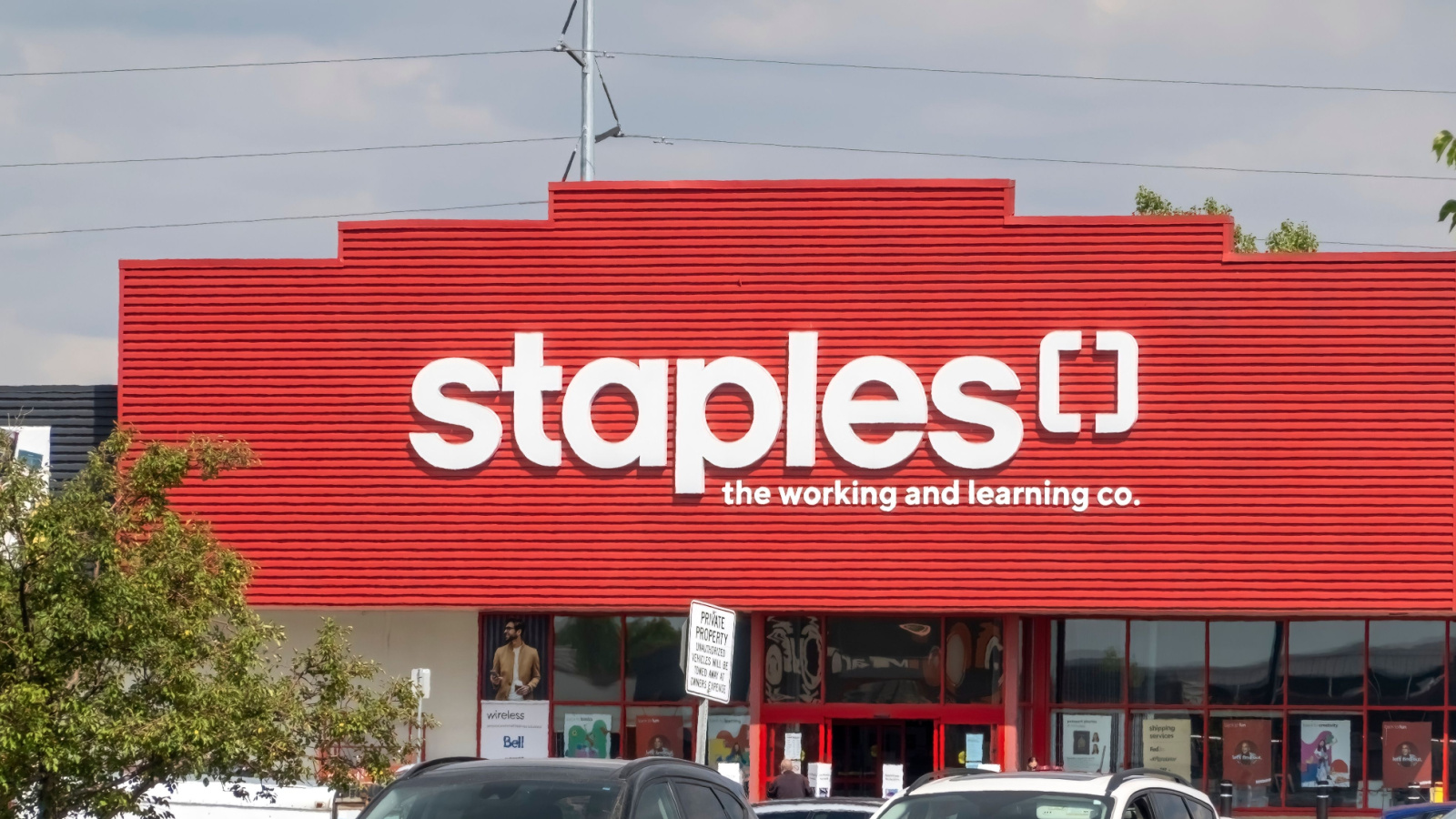
Staples Canada has survived by refusing to remain only an office-supply warehouse. That is wise, but it also reveals why the old model feels less permanent. Traditional office retail was built around printer paper, binders, ink, pens, folders, and small-business supplies. Hybrid work, digital documents, online procurement, and direct delivery changed that demand.
The chain has responded with newer store concepts, services, technology products, print offerings, coworking-style ideas, and small-business support. Its press materials show ongoing reinvention rather than retreat. Still, a store that must continually redefine the meaning of “office” naturally feels less permanent than it once did. The aisles of school supplies and toner remain familiar, but the business behind them has had to stretch into services and experiences. Staples Canada is still present, yet its future depends on being more than the store people visited when the printer ran out.
Laura

Laura and Melanie Lyne have long served a customer looking for occasionwear, polished separates, and women’s fashion outside the trend-heavy teen corridor. In many malls, Laura felt like a steady, grown-up presence: dresses for weddings, office staples, coats, and formalwear that did not chase every microtrend.
But Laura’s history includes creditor-protection proceedings and restructuring, including a 2015 filing and another restructuring process during the pandemic period. The company continued operating, but those episodes changed how secure the banner felt. Occasionwear can be cyclical, mall traffic can be uneven, and mid-market fashion has been squeezed by both low-cost online sellers and premium boutiques. Laura’s survival shows resilience, but its past restructuring also makes it hard to view the chain as untouchable. It feels less like a permanent mall fixture and more like a retailer that has had to fight repeatedly to remain relevant.
Reitmans

Reitmans has one of the strongest legacy names in Canadian women’s apparel. Founded in Montreal and known for accessible fashion, it has served generations of shoppers through Reitmans, RW&CO., and Penningtons. Its scale once made it feel like part of the basic infrastructure of Canadian malls and power centres.
Yet the company’s recent history shows how even large domestic apparel chains can be reshaped. Reitmans Canada Limited filed for creditor protection in 2020, later had a plan approved, and emerged with a streamlined business. Its current public positioning focuses on three core banners, while earlier brands such as Addition Elle and Thyme Maternity were closed during the restructuring era. The business has continued, but it is leaner and more focused. That makes Reitmans a survivor, not a relic. Still, survival through restructuring naturally makes the old sense of permanence feel weaker.
Penningtons
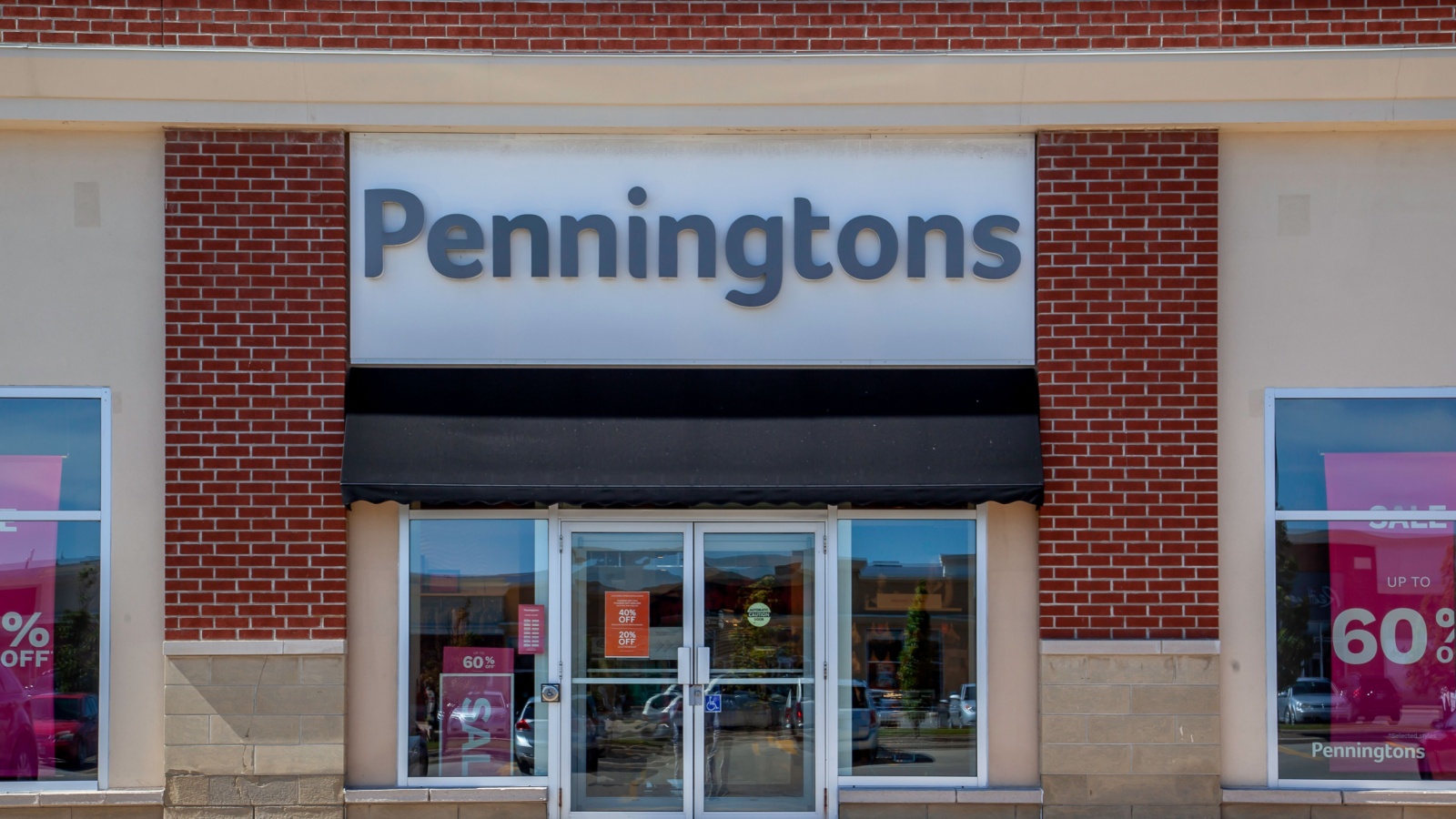
Penningtons remains an important name because plus-size fashion has often been underserved in Canadian retail. For many shoppers, it has offered fit, availability, and in-store confidence that generic apparel chains did not consistently provide. That role gives the banner real customer loyalty.
Its permanence, however, is tied to the broader Reitmans Canada Limited story. Penningtons survived the restructuring that closed other banners, and the parent company now presents it as one of its three core brands. That is encouraging, but it also places the chain inside a more disciplined, streamlined retail strategy. The store feels less like one part of a sprawling empire and more like a carefully protected asset that must prove its strength. Penningtons may be more necessary than many fashion chains, but the broader mall-apparel environment means even necessary stores cannot be taken for granted.
RW&CO.
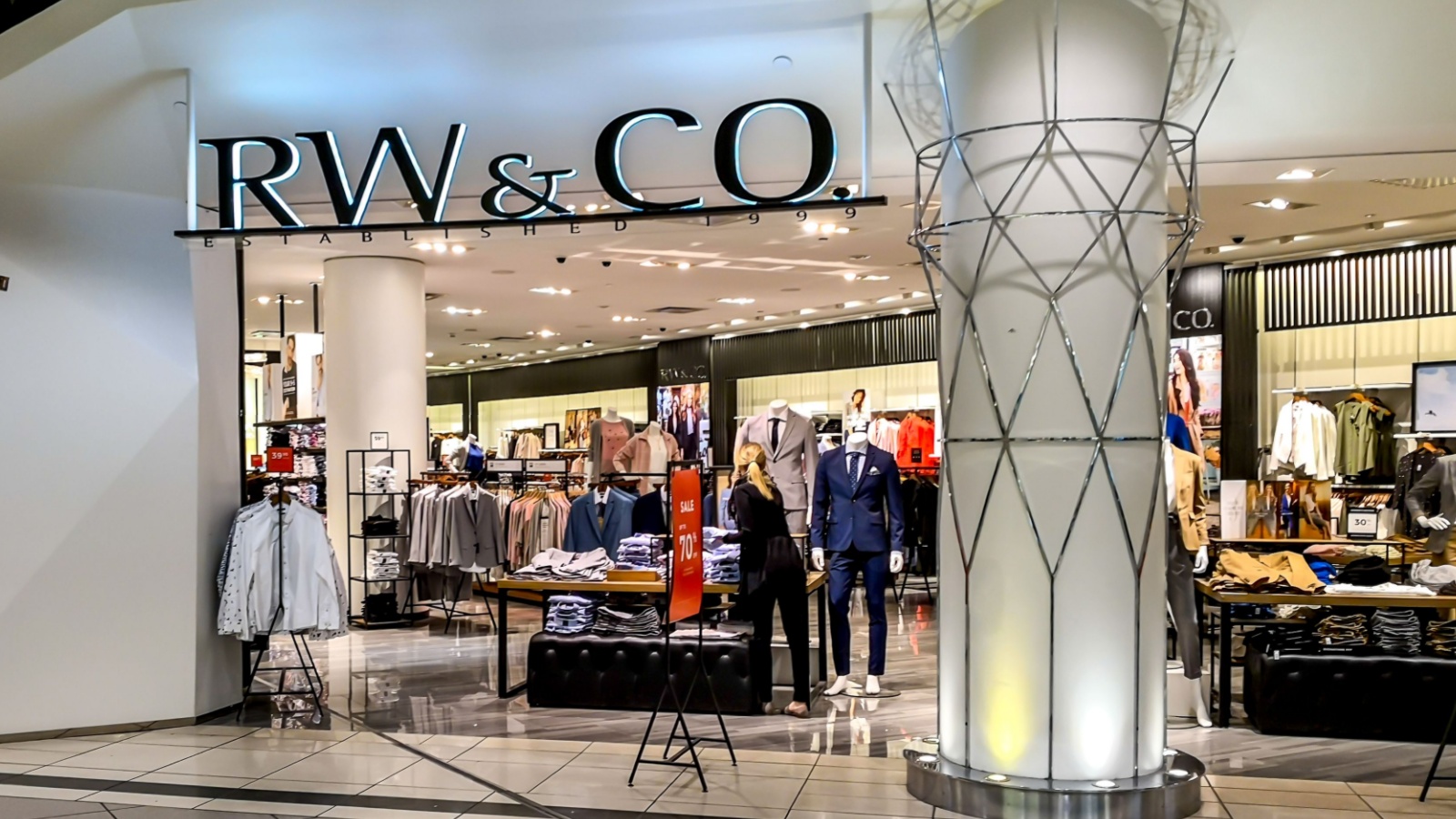
RW&CO. once benefited from a clear identity: polished, urban workwear for men and women, often aimed at young professionals. Its stores fit naturally into malls serving office workers, downtown commuters, and shoppers building wardrobes for interviews, meetings, and events.
The workwear category has become more complicated. Hybrid schedules, casualized offices, and tighter discretionary budgets all affect how often shoppers buy formal or semi-formal clothing. RW&CO. survived under Reitmans Canada Limited’s streamlined post-restructuring portfolio and remains one of the company’s three core banners. That survival is meaningful, but it also highlights the pressure on the category. A modern workwear chain now has to sell versatility, comfort, and occasion dressing rather than relying on the old five-day office rhythm. RW&CO. is still recognizable, but the world that made it feel permanent has changed around it.
19 Things Canadians Don’t Realize the CRA Can See About Their Online Income

Earning money online feels simple and informal for many Canadians. Freelancing, selling products, and digital services often start as side projects. The problem appears at tax time. Many people underestimate how much information the CRA can access. Online platforms, banks, and payment processors create detailed records automatically. These records do not disappear once money hits an account. Small gaps in reporting add up quickly.
Here are 19 things Canadians don’t realize the CRA can see about their online income.
