
Canadian household budgets can look stable on paper until the monthly withdrawals start stacking up. A bill that rose by $8, a renewal that added $120, a subscription that quietly changed tiers, or a grocery run that no longer matches last year’s receipt can all feel manageable in isolation. Together, they have become harder to ignore.
These 20 monthly costs show why many Canadians who thought their regular expenses were under control are discovering fresh pressure in 2026. The problem is not always one dramatic increase. More often, it is the slow creep of essentials, services, insurance, borrowing costs, and “small” recurring payments that no longer feel small.
Rent Payments That Still Eat Into Paycheques
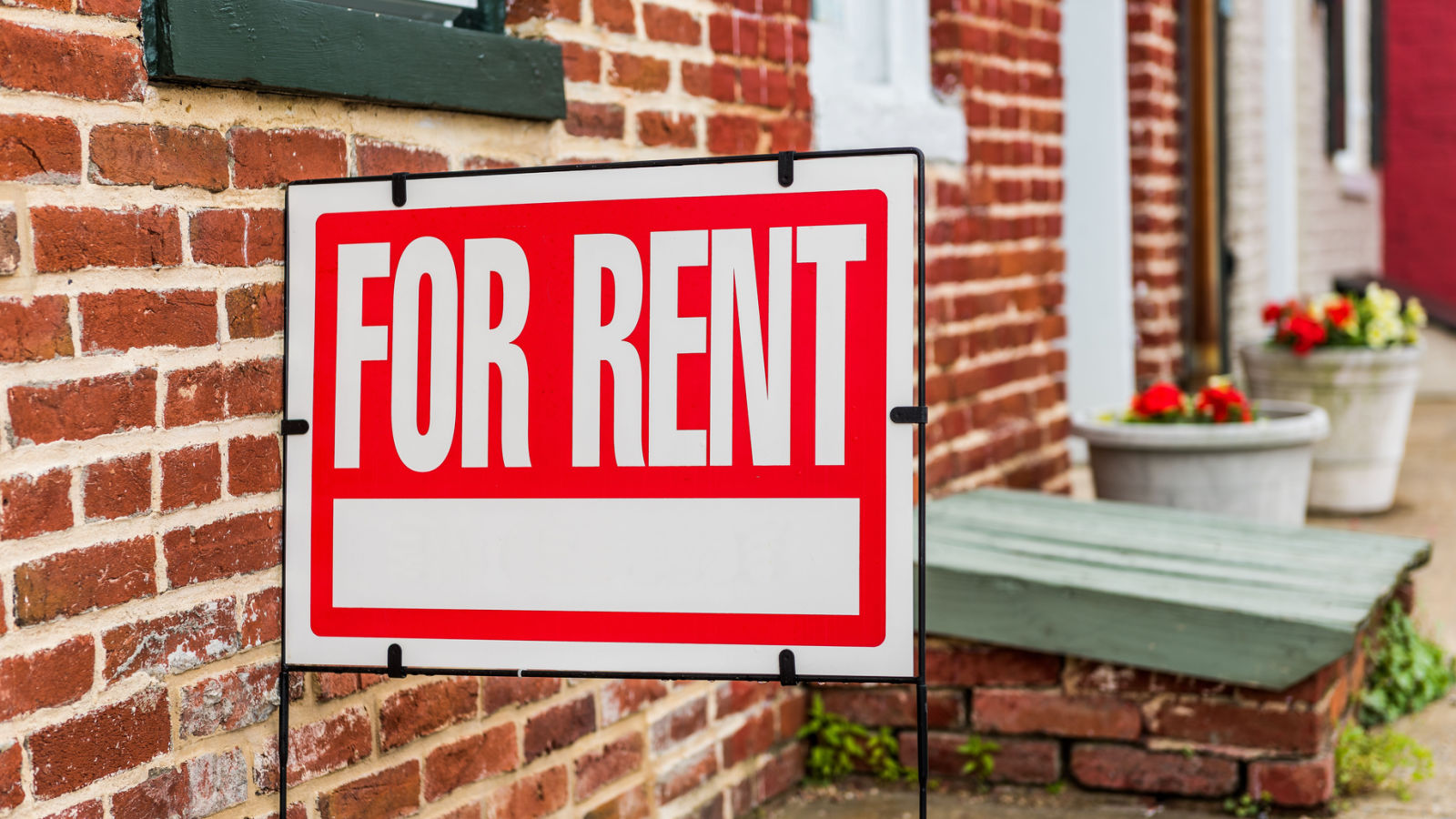
Rent has stopped shocking people in quite the same way it did during the sharpest post-pandemic increases, but that does not mean it feels under control. Many renters are still paying from a much higher starting point than they were five years ago. Even when rent growth cools, a lease that already jumped by hundreds of dollars can leave little room for groceries, transit, insurance, or savings.
The pressure is especially frustrating because Canada’s rental market is sending mixed signals. Vacancy rates have improved in some major centres, yet many renters do not experience relief unless they move, negotiate, or find a rare below-market unit. A tenant staying put may avoid moving costs but still face annual increases, utility add-ons, parking charges, or higher tenant insurance. Rent is no longer just a housing payment; it has become the anchor around which many monthly budgets are forced to bend.
Mortgage Renewals That Reset the Household Budget

Many homeowners once treated their mortgage as predictable, especially those who locked into low fixed rates during the pandemic years. That sense of control has weakened as renewals arrive at higher rates. A household that planned around one monthly payment may suddenly need to absorb a new amount that competes directly with groceries, child care, car costs, and retirement contributions.
The most difficult part is that the increase can arrive even when nothing about the home changes. No renovation, no larger property, no lifestyle upgrade — just a new rate environment. For some borrowers, extending amortization or cutting discretionary spending becomes the only practical way to keep the payment manageable. Others discover that a mortgage renewal can turn a comfortable budget into a tight one almost overnight, especially when property taxes, insurance, utilities, and maintenance are rising at the same time.
Condo and Strata Fees That Keep Climbing

Condo fees often begin as a predictable line item, but owners know how quickly that can change. Elevators, roofs, windows, boilers, insurance, security, cleaning, reserve funds, and professional management all feed into the monthly fee. When these costs rise, boards have limited room to absorb them without increasing contributions from owners.
Older buildings can be particularly vulnerable because maintenance needs tend to grow with age. A buyer who focused mainly on the mortgage payment may later discover that condo fees behave more like a second housing bill. Special assessments add another layer of risk, turning a supposedly manageable monthly cost into a warning sign. Even newer buildings are not immune if amenities are expensive to operate or reserve funds are not strong enough. For many Canadians, condo living still offers convenience, but the monthly fee is no longer easy to treat as background noise.
Property Taxes That Rise Even After the Mortgage Is Set

Property tax is one of the costs homeowners often underestimate because it does not always feel monthly. It may be paid through a lender, a municipal installment plan, or a separate bill, which makes it easier to forget until the amount changes. But when cities face higher infrastructure, policing, transit, waste, and water costs, homeowners often see the pressure passed through.
The sting is sharper for households that already stretched to buy. A mortgage payment may be fixed for a term, but property taxes can rise every year. Municipal increases of even a few percentage points can add up, especially in high-value markets where assessments and local rates interact in complicated ways. Retirees on fixed incomes and younger buyers with thin cash flow can feel the same squeeze for different reasons. The home may not look different, but the monthly cost of keeping it can quietly keep growing.
Home and Tenant Insurance That No Longer Feels Optional or Cheap

Insurance used to be one of those costs many people renewed without much thought. That habit has become riskier. Severe weather, rebuilding costs, labour shortages, higher materials prices, and changing risk models have all put pressure on home insurance premiums. In some regions, flooding, wildfire, hail, or wind exposure can make coverage more expensive or harder to understand.
Renters are also feeling the shift. Tenant insurance is still cheaper than homeowner coverage, but landlords increasingly expect proof of it, and higher replacement values can push premiums up. A household may not have filed a claim, changed address, or added valuables, yet the renewal can still arrive higher. The emotional frustration comes from paying more for protection that most people hope never to use. Still, skipping coverage can expose households to losses that are far larger than the monthly premium.
Electricity, Heating, and Energy Bills That Swing With the Season
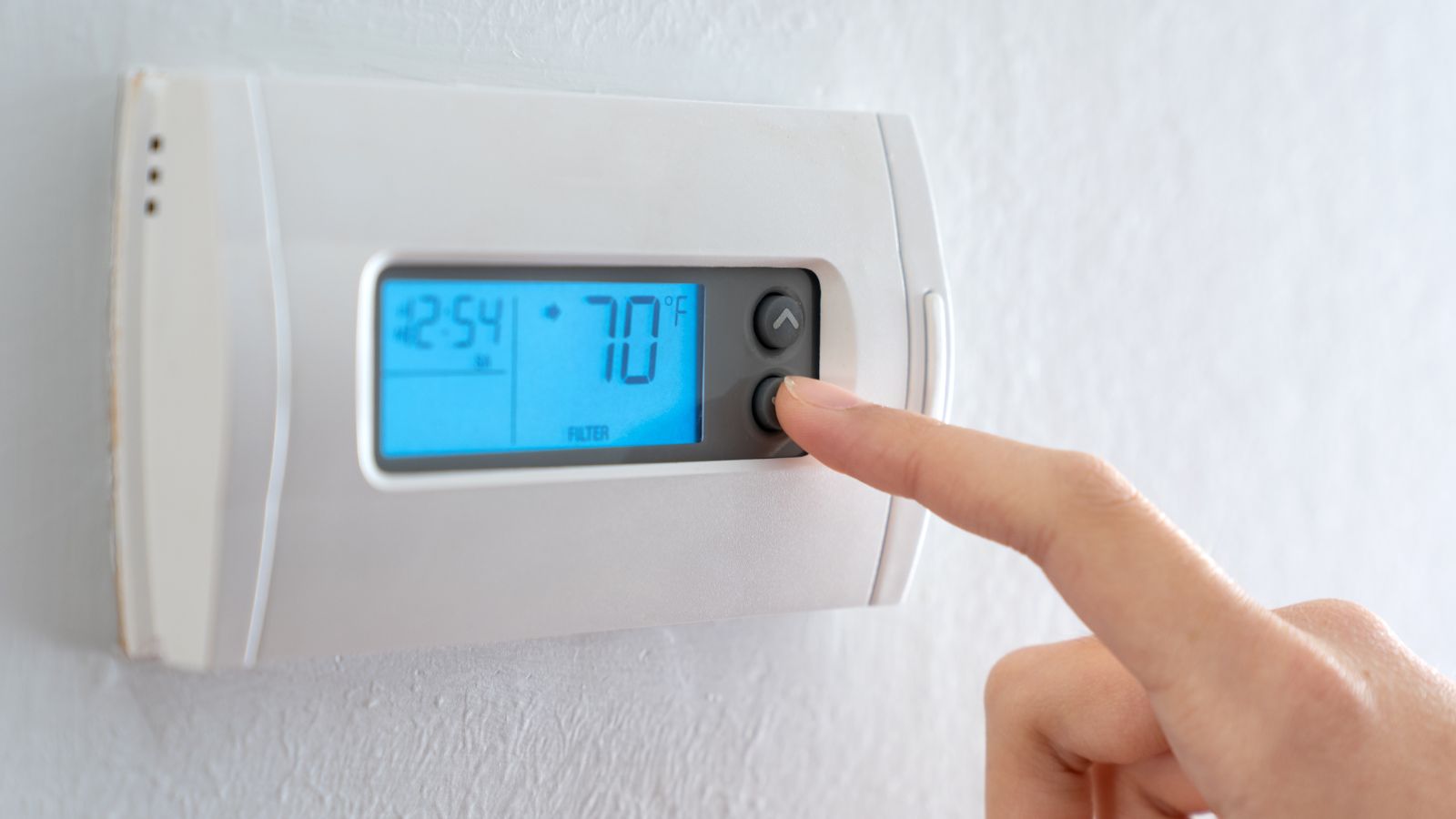
Utilities can look controlled in mild months and then surge when winter or summer arrives. Heating, electricity, natural gas, delivery charges, fixed account fees, and time-of-use pricing can make the bill harder to predict. A family may reduce usage and still see less savings than expected because part of the bill is not tied directly to consumption.
Energy costs also affect households unevenly. Older homes, poor insulation, electric baseboard heating, heat pumps used in extreme cold, and large rental units can all change the monthly picture. In apartments, utilities may be included, separately metered, or passed through indirectly in rent. In houses, small changes in energy prices or weather can create noticeable jumps. Canadians who thought they had utilities under control often discover that efficiency habits help, but they do not fully protect against rate structures, climate swings, or broader energy market pressure.
Water, Sewer, Garbage, and Local Utility Charges

Local utility charges rarely attract the same attention as rent or groceries, but they can be persistent budget creepers. Water, wastewater, stormwater, garbage collection, recycling, and infrastructure levies are often tied to municipal systems that need expensive upgrades. When pipes, treatment plants, landfill contracts, and waste programs cost more, those increases can show up in household bills.
The challenge is that these charges can feel invisible until they are separated out. Homeowners may see them as part of a tax or utility package, while renters may face them indirectly through rent increases or new lease terms. A monthly increase of $10 or $20 may not sound dramatic, but it becomes meaningful when layered on top of insurance, food, fuel, and mortgage pressure. These services are essential, so households cannot simply cancel them the way they might cancel a subscription.
Groceries That Keep Breaking the Old Mental Math

Many Canadians still shop with old price expectations in mind: what milk, bread, eggs, meat, produce, or pantry staples “should” cost. That mental math is increasingly unreliable. Even when food inflation slows, prices do not necessarily return to earlier levels. A basket that rose sharply over several years can remain expensive, leaving families feeling as if every normal grocery run has become a budget event.
The pressure is not just about luxury items. Meat, fresh vegetables, dairy, snacks for children, school lunches, and basic household staples all influence the weekly total. Shrinkflation adds another irritation when packages get smaller without feeling cheaper. More households respond by switching stores, buying private labels, watching flyers, or reducing waste. But grocery shopping has become more tactical than casual, and that alone shows how far this monthly cost has drifted from feeling controlled.
Restaurant, Takeout, and Delivery Habits That Add Up Fast

Dining out was once the easiest category to cut, at least in theory. In practice, takeout and delivery often fill gaps created by long commutes, late shifts, children’s activities, or exhaustion after work. A $17 lunch, a delivery fee, a tip, and a service charge can turn convenience into a recurring monthly cost that surprises people when they check statements.
Restaurants also face their own cost pressures, including wages, rent, ingredients, packaging, and payment processing. Those pressures can show up in menu prices, smaller portions, delivery markups, or added fees. Many households do not feel they are splurging; they feel they are buying time. That is why this category can be emotionally tricky. It is discretionary on paper, but in real life it often functions as backup infrastructure for busy families. Once it becomes routine, the monthly total can be much harder to unwind.
Car Payments That Stretch Longer Than Expected

Car payments have become one of the clearest examples of a “controlled” cost that may not be controlled at all. Longer loan terms can make a vehicle look affordable month to month, but they may keep borrowers paying for years while maintenance, insurance, fuel, tires, and repairs rise around the loan. A lower monthly payment can disguise a higher total cost.
Vehicle prices have also changed the way Canadians buy. Some households that once purchased modest used cars now face higher used prices, tighter financing decisions, or more expensive replacement vehicles. Add-ons, extended warranties, negative equity from a trade-in, and higher interest rates can all inflate the payment. The vehicle may be necessary for commuting or family life, but the loan can quietly crowd out savings. A car that seemed manageable at signing can feel much heavier once the full ownership cost becomes visible.
Auto Insurance Premiums That Keep Moving Up

Auto insurance is difficult to control because it depends on more than personal driving history. Vehicle theft, repair costs, parts availability, injury claims, location, weather losses, fraud, regulation, and the rising cost of newer vehicle technology all influence premiums. A driver with no accidents may still receive a higher renewal because the broader risk pool has changed.
This is especially frustrating in provinces where insurance is already expensive. Modern vehicles can be costly to repair because sensors, cameras, bumpers, windshields, and electronics are tied into safety systems. Theft trends have also affected certain models and regions. Canadians can shop around, raise deductibles, bundle policies, or adjust coverage, but those moves do not always offset the increase. For many households, auto insurance has become another monthly bill that feels mandatory, unpredictable, and increasingly detached from individual behaviour.
Gasoline and Fuel Costs That Can Reprice a Commute
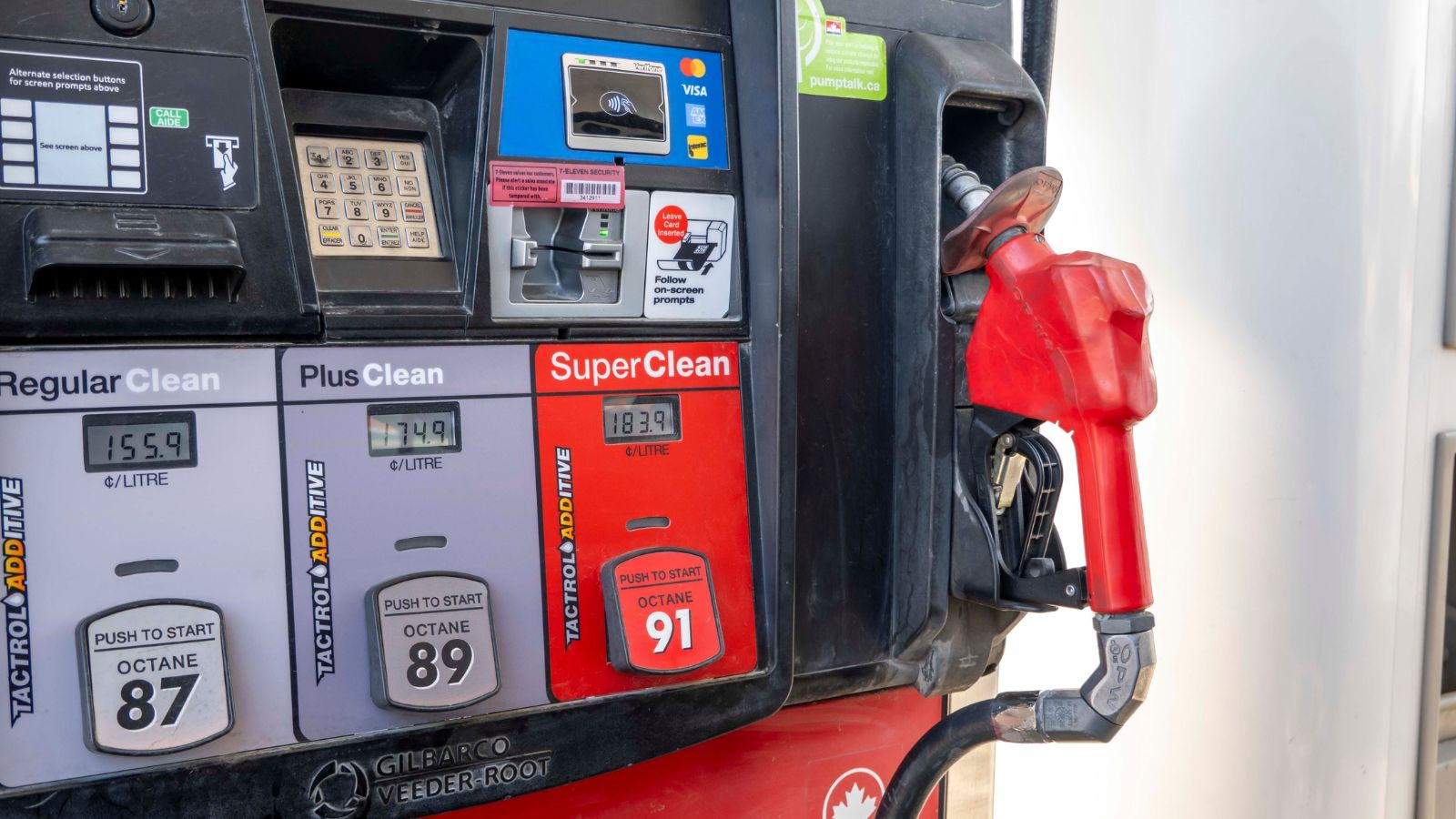
Fuel is one of the most visible monthly costs because prices are posted on giant signs. That visibility does not make it easier to control. A household with a long commute, two vehicles, or limited transit access can see the monthly fuel budget change quickly when prices rise. Even small per-litre increases matter when multiplied across several fill-ups.
The burden is not evenly shared. Urban residents may have transit or cycling options, while rural and suburban households often have fewer alternatives. Tradespeople, shift workers, caregivers, and parents driving to multiple activities may not be able to reduce kilometres easily. Fuel prices also influence delivery, travel, and business costs, which can feed into other bills. For drivers who thought they had adjusted to higher vehicle costs, gasoline remains the monthly wildcard that can undo a carefully planned budget.
Transit Passes and Commuting Costs
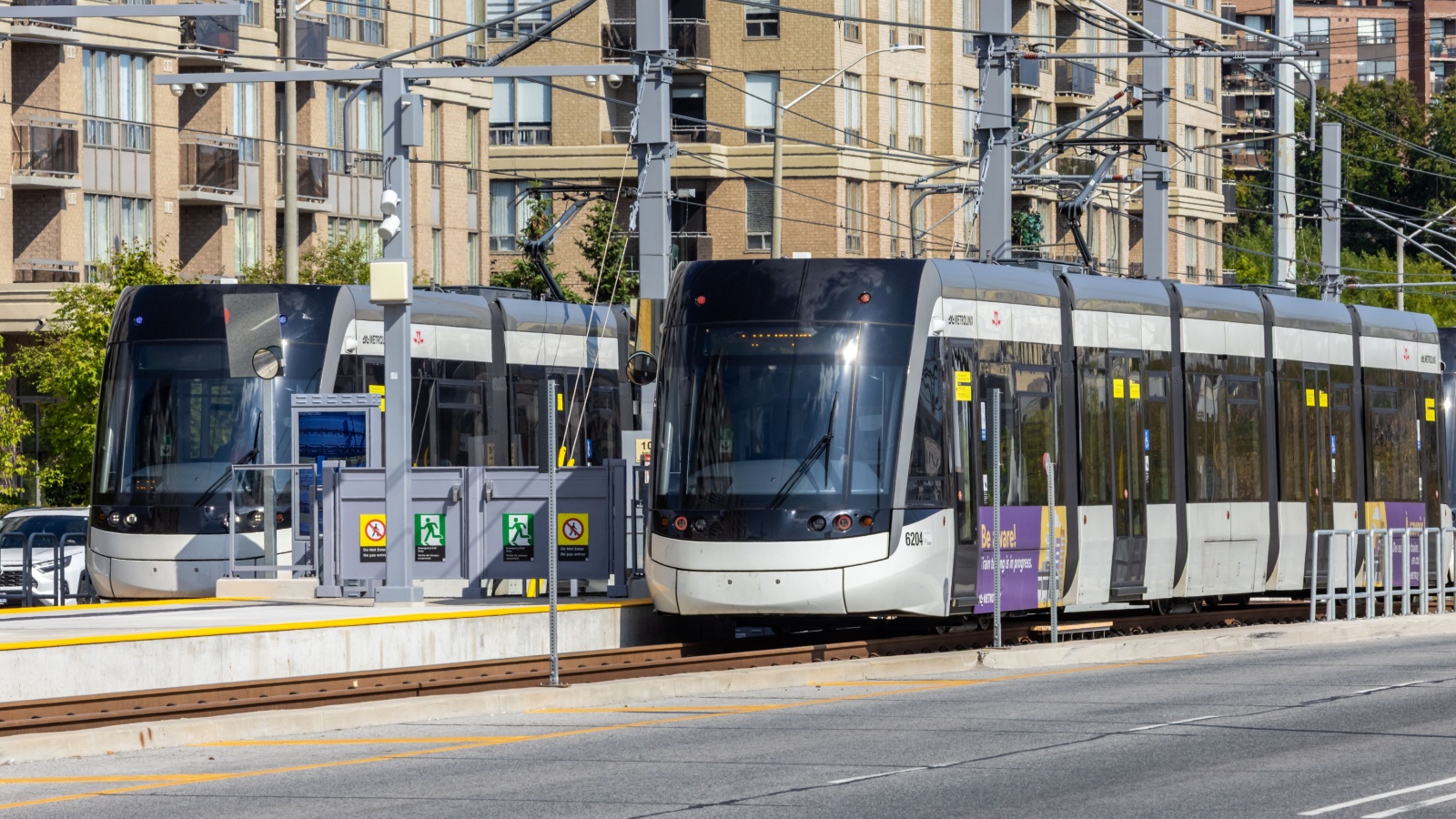
Transit is often cheaper than owning a car, but that does not mean it feels inexpensive. Monthly passes, occasional ride fares, regional connections, parking near stations, and ride-hailing used to cover service gaps can add up. When fares rise while service feels less reliable, commuters can feel they are paying more without getting more.
Hybrid work has also changed the calculation. A monthly pass may no longer make sense for someone commuting two or three days a week, yet single fares can still become costly. Some households now juggle a mix of transit, car sharing, taxis, and occasional parking, creating a more fragmented commuting budget. Transit agencies face their own pressures from ridership shifts and operating costs, but riders experience the result as another recurring expense that is harder to plan than it used to be.
Cellphone Plans That Look Cheaper but Still Drain Accounts

Canada’s wireless market has seen price improvements in many plan categories, especially when measured by data allowance. But households do not always experience that as a lower bill. A family plan with several lines, device financing, roaming add-ons, insurance, activation fees, or premium data can still be expensive. More data for the same price is useful, but it does not necessarily free up cash.
The phone itself has become part of the monthly cost. Many Canadians no longer separate the service bill from the device payment, which makes upgrades feel smaller than they are. A new phone spread over 24 months can quietly extend the total obligation. Parents adding lines for teenagers, workers needing reliable data, and newcomers setting up multiple services may find that “just a phone bill” has become a major household category. Lower headline prices do not always translate into lower monthly withdrawals.
Home Internet That Feels Essential and Hard to Negotiate

Home internet is no longer a convenience. It supports work, school, banking, streaming, telehealth, government services, smart-home devices, and family communication. That makes it difficult to cut, even when prices rise or promotional discounts expire. Many households only notice the true cost after a one-year or two-year deal ends.
Speed upgrades can also be misleading. A provider may offer faster service for a modest increase, but households may not need the extra speed as much as they need a lower bill. Equipment rental, installation charges, mesh Wi-Fi systems, and bundled TV or security products can complicate comparisons. Rural and remote Canadians may face even fewer affordable choices, especially where infrastructure is limited. Because internet access now feels as necessary as electricity, many households keep paying rather than risk disruption, even when the monthly charge no longer feels reasonable.
Streaming Services That Became the New Cable Bundle

Streaming was supposed to simplify entertainment spending. Instead, many households now carry several subscriptions at once: video platforms, music, sports, cloud storage, gaming, audiobooks, fitness apps, and children’s content. Each one may feel small, but together they can resemble the cable bill many people tried to escape.
The cost problem grows when platforms raise prices, introduce ad-supported tiers, restrict password sharing, or move popular content behind separate services. Families may keep a subscription because one person watches a single show, another wants live sports, and children use a different platform entirely. Annual billing can also disguise the monthly impact until renewal season. Streaming still offers flexibility, but it requires more active management than many households expected. Without regular cancellations, “just a few subscriptions” can become a permanent drain.
Bank Account, NSF, and Transaction Fees

Bank fees are easy to overlook because they often appear in small amounts. Monthly account charges, extra transactions, ATM fees, e-transfer limits, overdraft interest, and non-sufficient funds fees can all chip away at a budget. A household may not notice them until several charges land in the same month.
There are lower-cost account options in Canada, but many people stay with familiar accounts because switching feels inconvenient or because bundled products appear to offer value. The real trouble starts when cash flow is tight. A missed timing issue between payroll and bills can create overdraft or NSF costs that make the next month harder. These fees are not the largest expense for most households, but they can feel especially punishing because they often hit when money is already short. Control requires attention, not just income.
Credit Card Interest That Turns Purchases Into Monthly Debt

Credit cards can make monthly costs look manageable until balances stop being paid in full. A grocery run, car repair, child’s winter gear, or holiday expense may feel temporary, but high interest can keep it alive for months. Once interest becomes part of the monthly budget, it competes with the very essentials that caused the borrowing in the first place.
The risk is not limited to reckless spending. Many Canadians use credit cards as a bridge when paycheques do not line up with bills. Carrying a balance for even a few months can create stress, especially if minimum payments become the default. Rewards points rarely offset interest charges. The monthly payment may look small, but it often represents delayed pressure rather than progress. This is one of the clearest places where a budget can appear stable while the underlying financial position weakens.
Child Care Costs That Remain Uneven

Lower regulated child care fees have helped many families, but child care is still not uniformly cheap or easy to access. Some parents face wait-lists, limited spaces, part-time availability issues, before- and after-school care costs, summer camp gaps, deposits, late pickup fees, or reliance on providers outside subsidized systems. A lower headline fee does not solve every monthly pressure.
The cost also changes as children age. Infant care, preschool care, school-age programs, and summer arrangements can all affect the budget differently. Parents may save money in one category only to spend more on transportation, camps, activities, or backup care. For working families, child care is not merely a discretionary expense; it is often what makes employment possible. That is why even modest monthly increases or availability problems can disrupt household finances quickly. The bill may be smaller than it once was for some, but it is far from simple.
Pet Food, Vet Care, and Pet Insurance

Pets are family members, but their monthly costs can surprise even careful owners. Food, litter, grooming, flea and tick prevention, medication, boarding, walking services, and insurance all add up. Premium food or breed-specific needs can make the monthly total much higher than expected, especially for larger dogs or aging pets.
Veterinary care is the real wildcard. Routine exams, vaccines, dental cleaning, bloodwork, imaging, emergency visits, and chronic medications can quickly exceed what owners set aside. Pet insurance can help smooth risk, but premiums, deductibles, exclusions, and reimbursement limits vary. Many households discover the cost pressure only when a pet becomes older or develops a condition. Unlike a streaming service or dining habit, pet care is emotionally hard to cut. That emotional commitment makes the monthly cost both understandable and difficult to control.
Subscriptions, Memberships, and Auto-Renewals

The modern budget is full of small automatic charges. Cloud storage, apps, software, gyms, warehouse clubs, meal kits, newsletters, security monitoring, meditation apps, delivery memberships, and professional tools may each seem harmless. The problem is that many renew quietly and rarely get reviewed together.
Auto-renewal turns intention into inertia. A person may sign up for a free trial, a discounted first year, or a temporary service, then forget about it until the charge appears again. Businesses understand this behaviour and often design billing around convenience. For households trying to regain control, these small costs are tempting targets because cancellation is possible. But finding them takes work: checking statements, app stores, PayPal, credit cards, bank withdrawals, and family accounts. The monthly total can be surprisingly large, not because any one subscription is outrageous, but because nobody is actively watching the pile.
19 Things Canadians Don’t Realize the CRA Can See About Their Online Income

Earning money online feels simple and informal for many Canadians. Freelancing, selling products, and digital services often start as side projects. The problem appears at tax time. Many people underestimate how much information the CRA can access. Online platforms, banks, and payment processors create detailed records automatically. These records do not disappear once money hits an account. Small gaps in reporting add up quickly.
Here are 19 things Canadians don’t realize the CRA can see about their online income.
