Canadian retail is changing in ways that feel small at the checkout but significant over time. A mall visit, a pharmacy pickup, or a Saturday run to a big box store may now include more security gates, fewer traditional department-store anchors, expanded pharmacy services, tighter loyalty offers, and a stronger push toward value labels.
These 19 retail changes reflect how Canadian stores are responding to cautious shoppers, rising operating costs, online competition, retail crime, health-care access gaps, and shifting expectations around convenience. The result is a shopping experience that can feel more efficient in some places, more controlled in others, and noticeably different from the retail routines many Canadians grew up with.
Smaller Department-Store Anchors in Malls
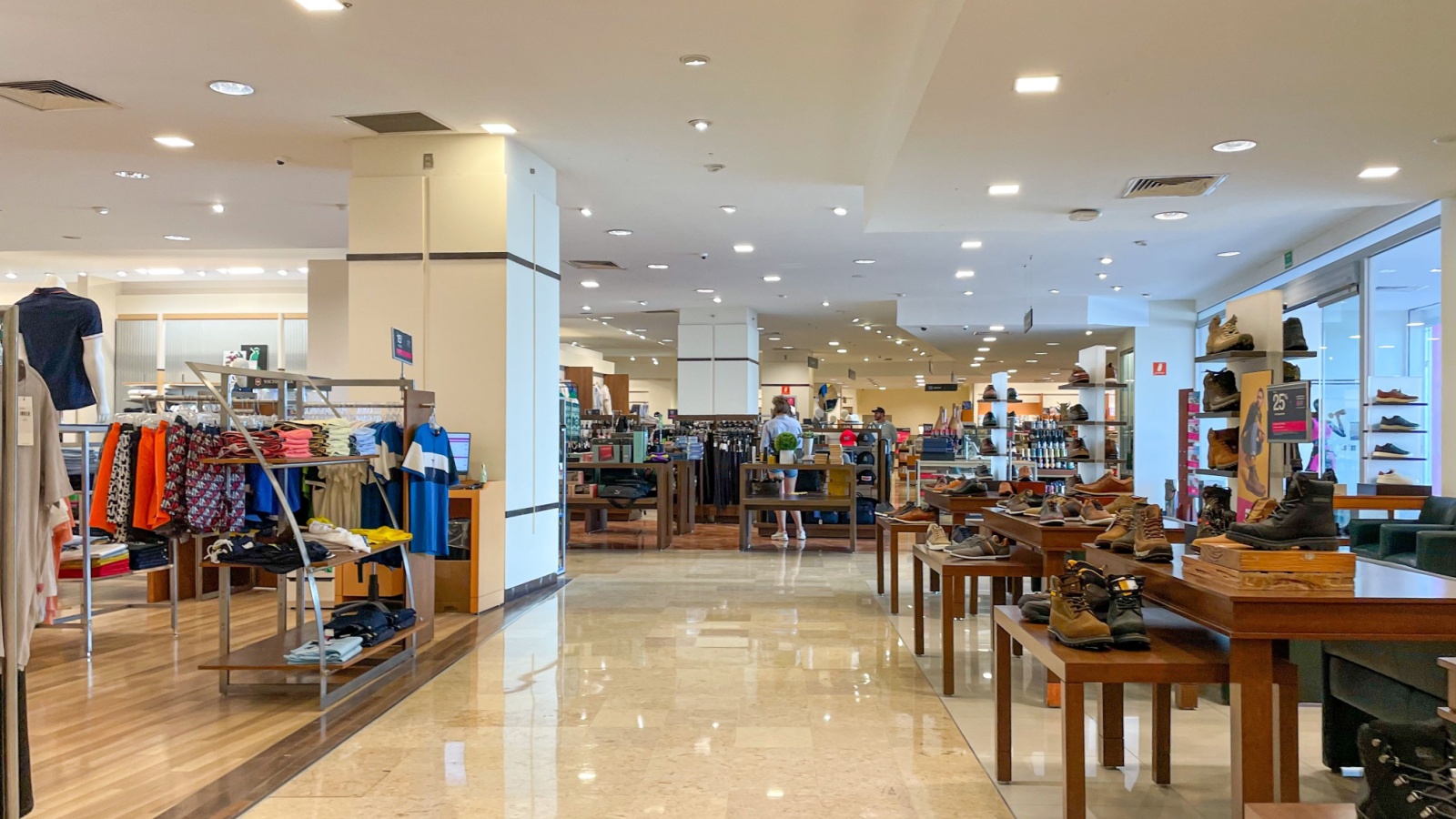
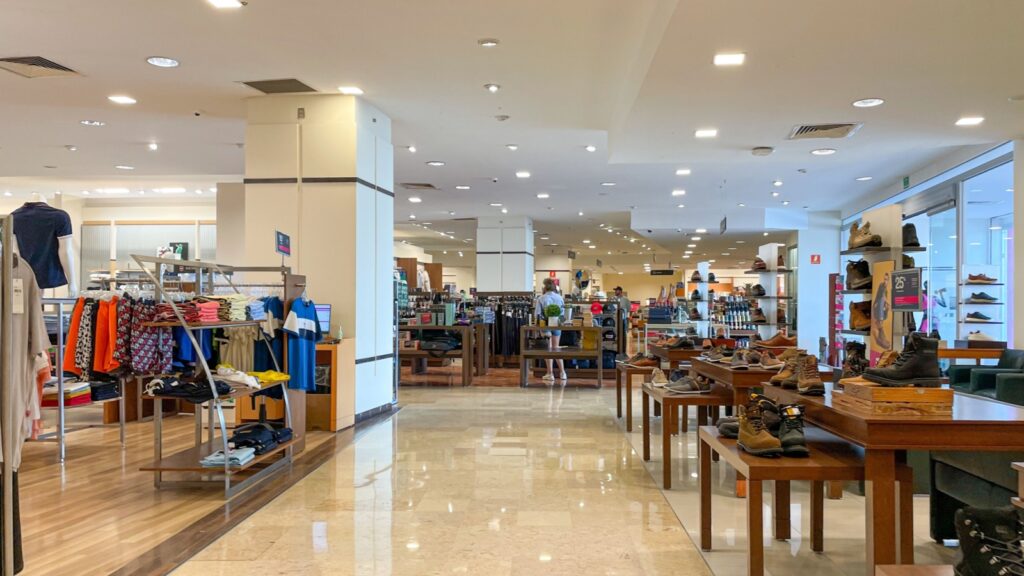
For decades, the department store acted as the emotional centre of many Canadian malls. Families entered through a familiar anchor, browsed cosmetics or linens, then drifted toward the food court or smaller shops. That model has weakened as major legacy chains have struggled with debt, online competition, and changing shopping habits. The closure of Hudson’s Bay locations has left landlords with large spaces that are difficult to replace quickly.
Instead of one giant anchor, more malls are likely to carve former department-store space into smaller uses. Some areas may become sporting goods stores, discount retailers, entertainment venues, medical services, restaurants, or mixed-use concepts. This can make malls feel less uniform and more practical. A shopper may still visit for clothing, but the same trip might also include a dental appointment, a pharmacy clinic, a gym stop, or a specialty grocery run.
More Big Box Stores Filling Former Mall Space
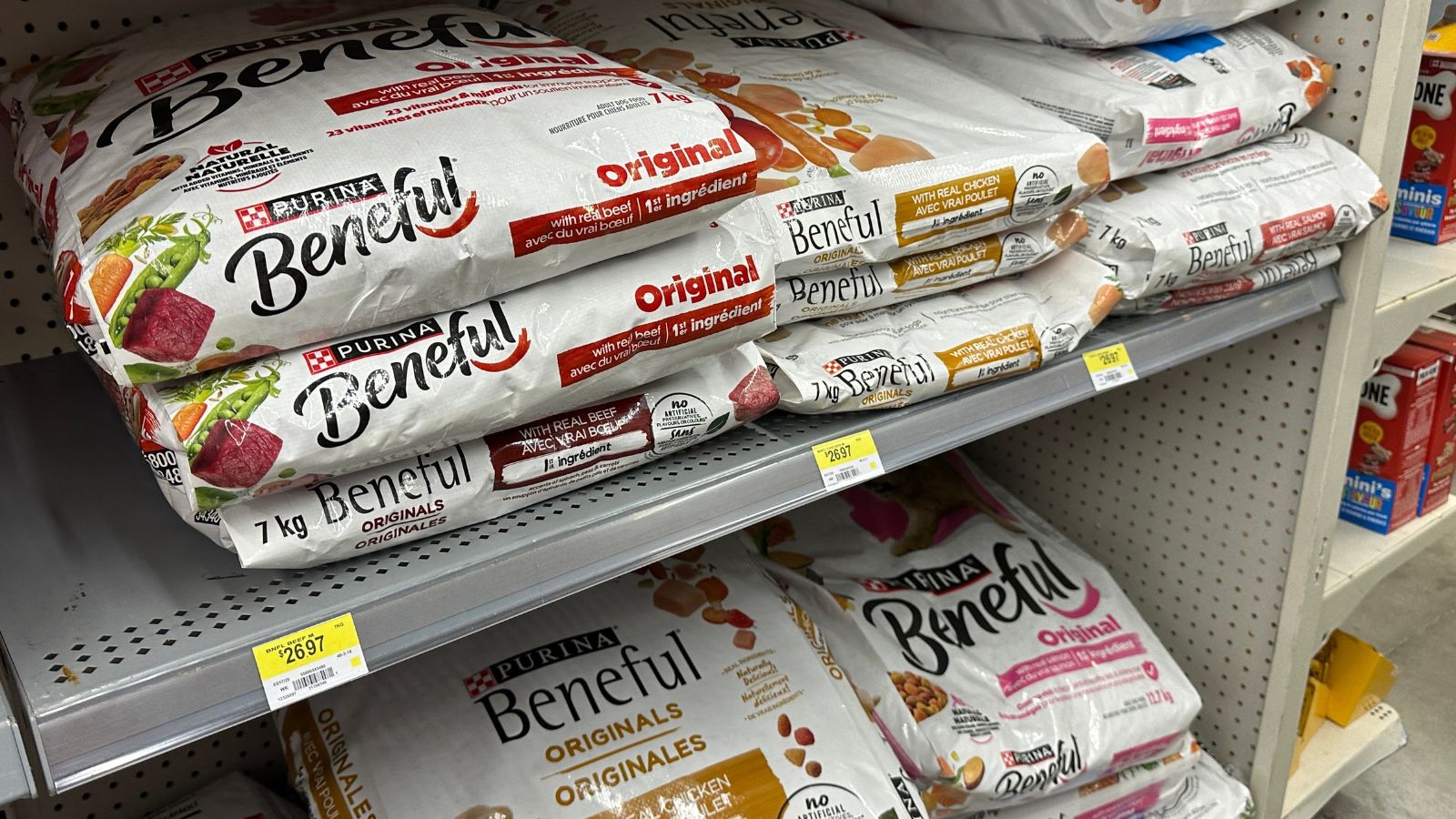
Large-format retailers are becoming more important to Canadian shopping centres because they can pull regular traffic in a way traditional fashion anchors often cannot. Stores that sell home goods, off-price clothing, sporting equipment, groceries, pet supplies, and household basics tend to attract repeat visits. For landlords, these tenants can help replace the foot traffic lost when older department stores disappear.
This shift may change the feel of malls. Instead of wandering through a polished department-store entrance, shoppers may see loading doors, exterior entrances, wider aisles, and more practical merchandise mixes. In some centres, the new anchor might not feel glamorous, but it can be useful. A mall that once depended on fashion browsing may increasingly survive on errands: buying school supplies, replacing a coffee maker, picking up prescriptions, and grabbing discounted clothing in one trip.
A Stronger Push Toward Discount Formats
Canadians may notice that discount banners and value sections are becoming more prominent. Inflation fatigue has made many households more deliberate about where they shop, and retailers have responded by emphasizing low-price zones, flyer deals, multi-buy offers, and entry-level store brands. Even higher-income shoppers have become more willing to compare prices when grocery, rent, insurance, and borrowing costs remain heavy.
This does not always mean stores look cheaper. Many retailers are trying to make value feel organized rather than bargain-bin chaotic. Big box aisles may highlight “rollback” pricing, pharmacies may promote loyalty discounts on essentials, and mall retailers may use permanent sale racks instead of occasional clearance corners. The message is clear: shoppers are still spending, but many want proof that the store understands the pressure on household budgets.
More Store Brands on Shelves
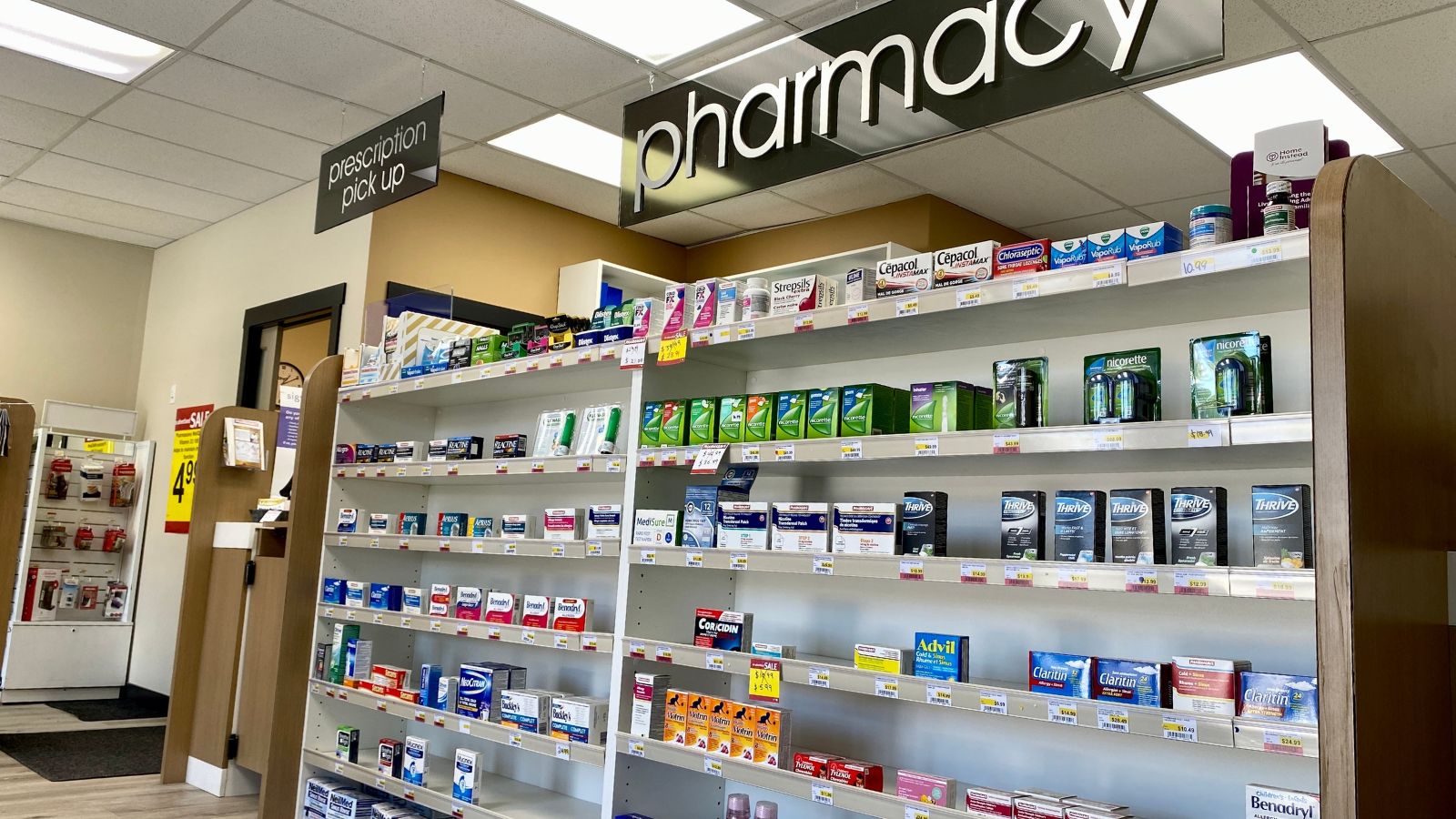
Private-label products are no longer limited to plain packaging and basic staples. Across grocery, pharmacy, home goods, and big box retail, store brands are being expanded into premium snacks, beauty products, cleaning supplies, health items, prepared foods, and household basics. Retailers like these lines because they can control pricing, margins, packaging, and shelf placement more directly than with national brands.
For shoppers, the change can be subtle. A familiar national brand may still be there, but it might sit beside two or three store-brand alternatives at different price points. A pharmacy shelf may offer house-brand pain relief, vitamins, and skincare beside higher-priced labels. A big box store may promote its own bedding, cookware, or pantry line. The growing message is that “store brand” can mean value, but also style, convenience, and loyalty to the retailer itself.
More “Buy Canadian” Signage and Product Labels
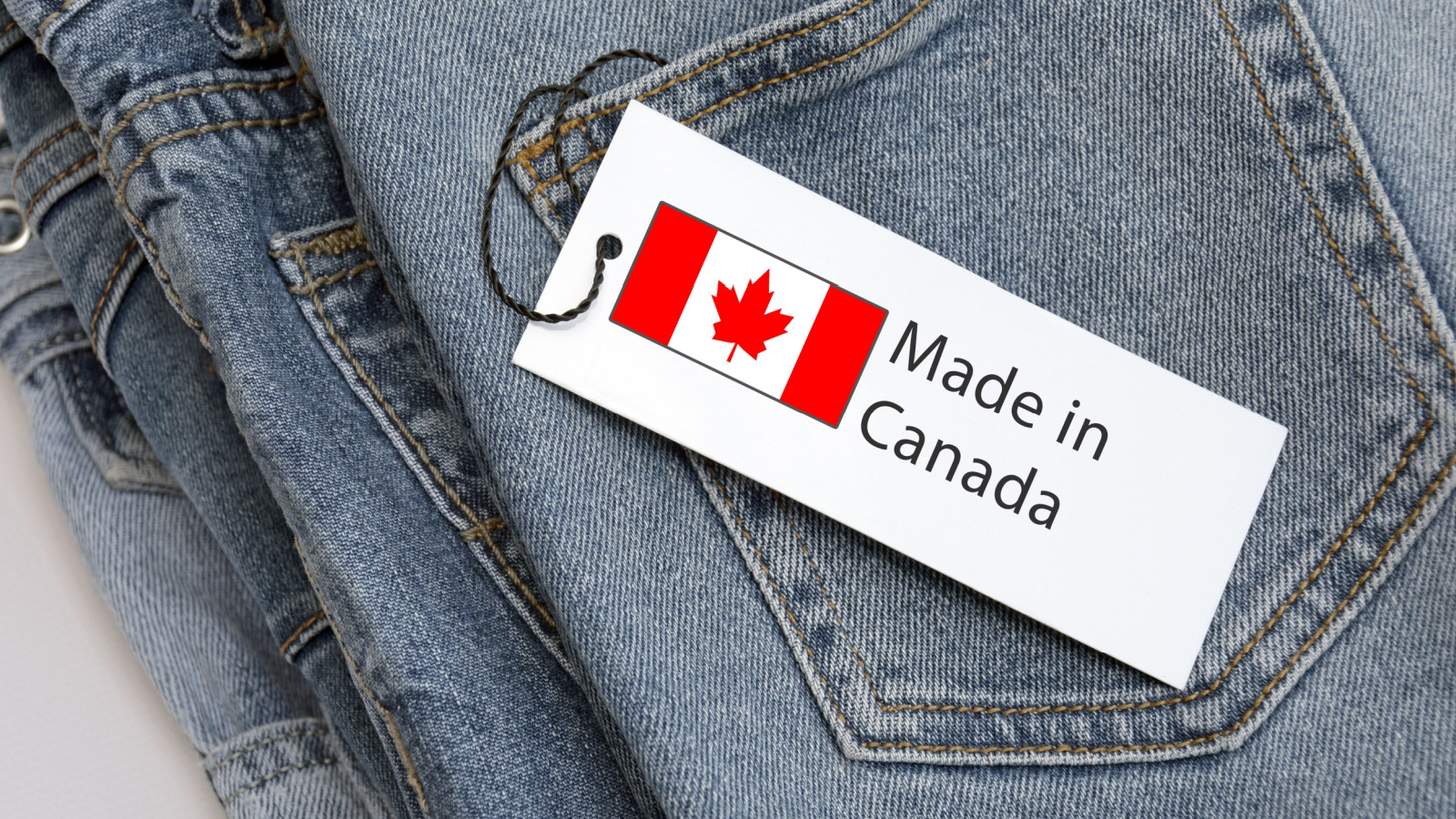
Canadian-made and Canadian-sourced labels are becoming more visible, especially during periods of trade tension or concern about imported goods. Stores may use shelf tags, maple leaf symbols, local supplier displays, or dedicated sections to highlight domestic options. This can be especially noticeable in grocery-adjacent big box departments, pharmacies selling personal care products, and mall shops featuring local makers.
The change can be helpful, but it also creates a need for more careful label reading. “Made in Canada,” “Product of Canada,” “prepared in Canada,” and “designed in Canada” do not always mean the same thing. Shoppers may increasingly pause in front of shelves to compare origin claims, especially when a Canadian-looking package competes with an imported product. Retailers that make the distinction clear may earn more trust than those using vague patriotic branding.
Pharmacy Counters Acting More Like Health Hubs
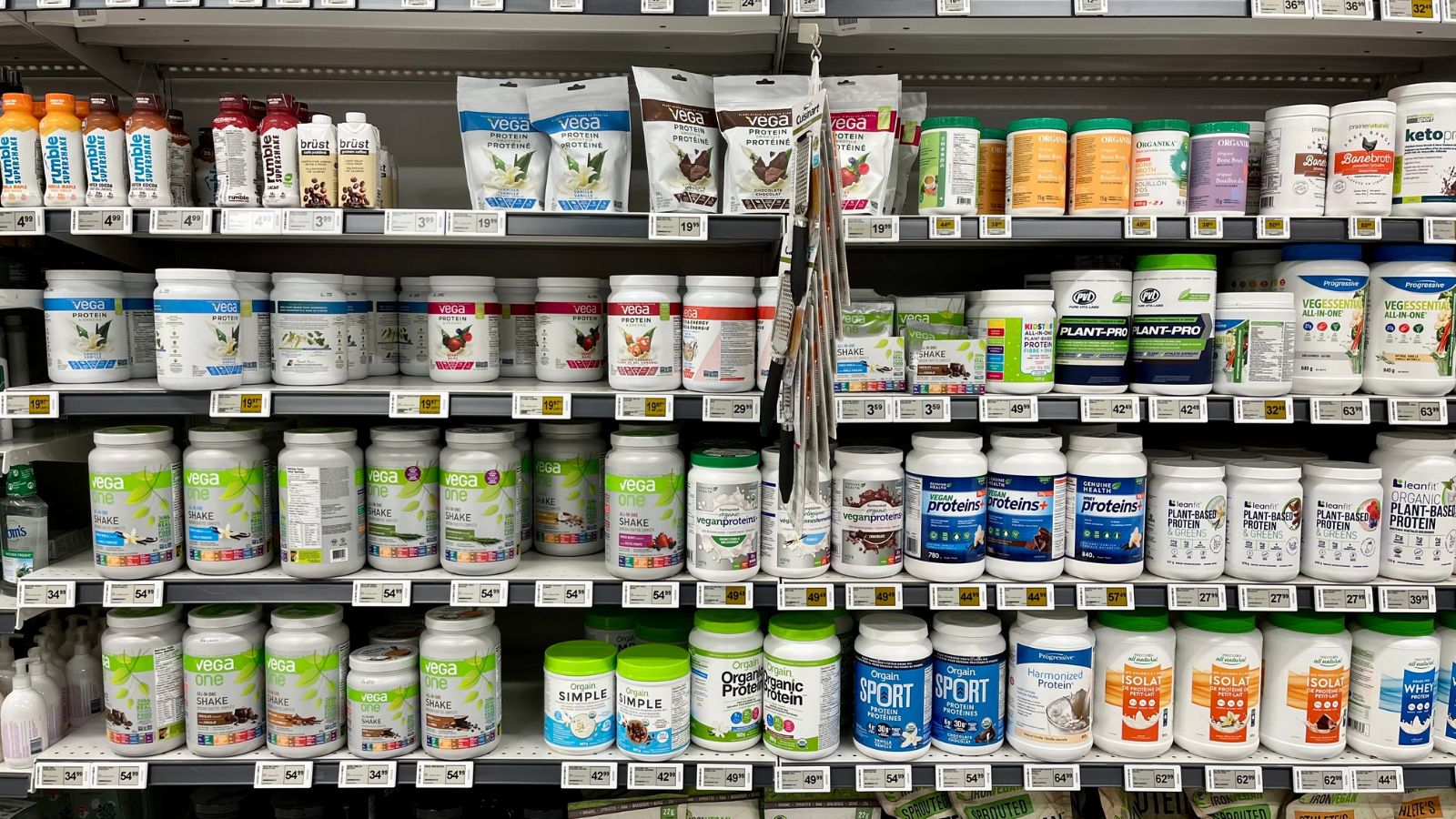
Pharmacies are becoming more than places to pick up prescriptions and shampoo. Across Canada, pharmacists have gained expanded authority in many jurisdictions, including the ability to assess and prescribe for certain minor ailments. This means a shopper may visit a pharmacy for pink eye, cold sores, allergies, contraception, vaccines, or medication management instead of booking a traditional clinic appointment.
Inside stores, this can change layouts and staffing. Some pharmacies now promote consultation rooms, appointment booking, injection services, and pharmacy-led clinics. The retail experience becomes partly health-care navigation: a person might buy cough drops, speak to a pharmacist, receive a prescription, and pick up household essentials in the same visit. The convenience is real, but so is the need for clear privacy, good workflow, and enough staff to prevent long waits at the counter.
More Appointment-Based Services Inside Stores

Walk-in shopping still matters, but appointment-based retail is growing. Pharmacies may schedule vaccinations, medication reviews, or minor ailment assessments. Beauty retailers may offer booked consultations. Big box stores may steer customers toward scheduled installations, tire services, optical appointments, or tech support. The old model of simply showing up and waiting in line is being replaced by a more managed system.
This can make errands smoother for people who plan ahead, but it can also frustrate shoppers expecting spontaneous service. A customer who once asked for help on the spot may now be told to scan a QR code, book online, or return later. Retailers like appointments because they help manage labour and reduce crowding. Customers may appreciate the certainty, though only if the booking process is easy and staff are ready when the appointment time arrives.
Self-Checkout Being Reworked, Not Just Expanded
Self-checkout is no longer moving in only one direction. After years of adding kiosks, some retailers are reassessing how many machines they want, where they belong, and how closely they should be supervised. Theft, scanning mistakes, customer frustration, and staff workload have made the technology more complicated than it first appeared. In some stores, self-checkout may be limited to smaller baskets or paired with more employee oversight.
Canadians may notice more hybrid checkout models. A store might keep self-checkout for quick trips while reopening staffed lanes during busy periods. Some locations may add gates, receipt prompts, cameras, or attendants who monitor multiple stations. The result can feel less like “do it yourself” and more like “do it under supervision.” For shoppers, the biggest change may be that speed now depends on store design, staffing, and rules—not just the number of machines.
More Locked Cases and Assisted Access

Locked cases are becoming more common for products that are small, expensive, easy to resell, or frequently stolen. In pharmacies, this may include razors, fragrances, baby formula, allergy medicine, cosmetics, and certain over-the-counter items. In big box stores, shoppers may see locked electronics, tools, gaming accessories, and high-demand household goods. The practice can reduce losses, but it also adds friction.
The human side of this change is easy to spot. A shopper may press a button, wait for staff, then feel rushed while choosing a product. Employees may have to leave other tasks to unlock cases, which can slow service elsewhere. Retailers face a difficult balance: protecting inventory without making honest customers feel treated with suspicion. Stores that handle assisted access politely and quickly will likely stand out from those where a locked case turns a simple errand into a delay.
Receipt Checks Becoming More Normal
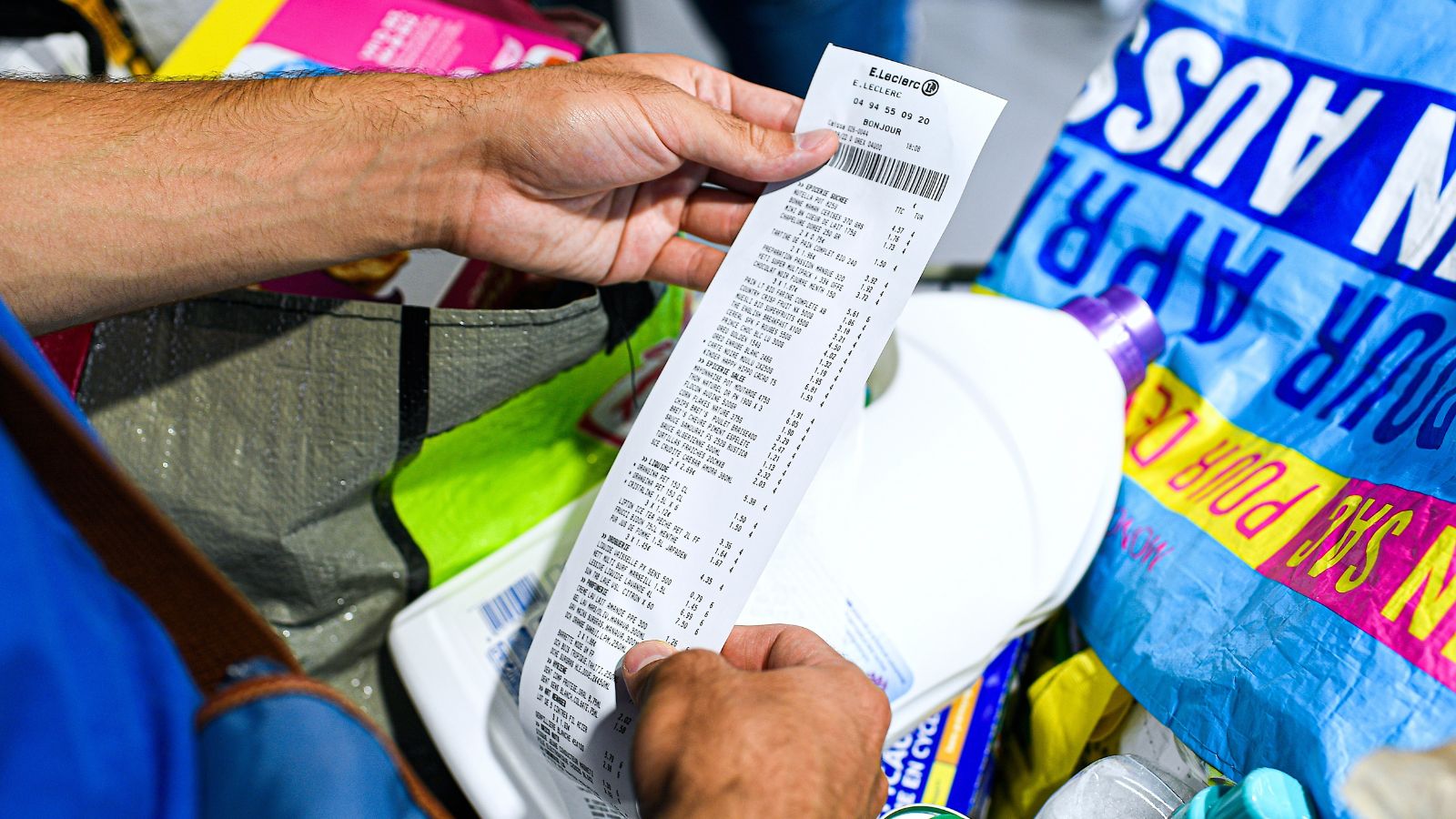
Receipt checks have long been part of warehouse-club shopping, but more retailers are experimenting with tighter exit controls, especially where self-checkout and high-value merchandise are involved. Customers may see staff near exits, electronic gates, greeters who monitor bags, or prompts to keep receipts ready. In some stores, the practice is framed as inventory protection; in others, it is presented as a customer-service checkpoint.
This can change the tone of leaving a store. A shopper who paid normally may still be asked to show proof, which can feel awkward if the process is slow or inconsistent. At the same time, retailers dealing with organized theft and repeated losses are under pressure to protect margins. The best-run stores make the process predictable, brief, and respectful. The worst make customers feel randomly singled out after already navigating checkout delays.
More Security Staff and Visible Deterrents

Security is becoming more visible in many retail environments. Mall entrances, pharmacy aisles, and big box exits may now include guards, cameras, anti-theft gates, mirrors, locked cabinets, and staff trained to observe suspicious behaviour. Retail crime has become a safety issue, not just a shrinkage problem, especially when theft incidents involve threats or violence toward workers.
The change affects atmosphere. A store may feel more orderly, but also less relaxed. Employees who once focused mostly on stocking shelves or answering product questions may now have to manage difficult interactions, call security, or follow stricter procedures. Customers may notice fewer open displays for expensive goods and more reminders that theft affects prices. Retailers are trying to reassure shoppers and protect staff, but visible security can also signal that the retail environment has become more strained.
Faster Growth of Click-and-Collect
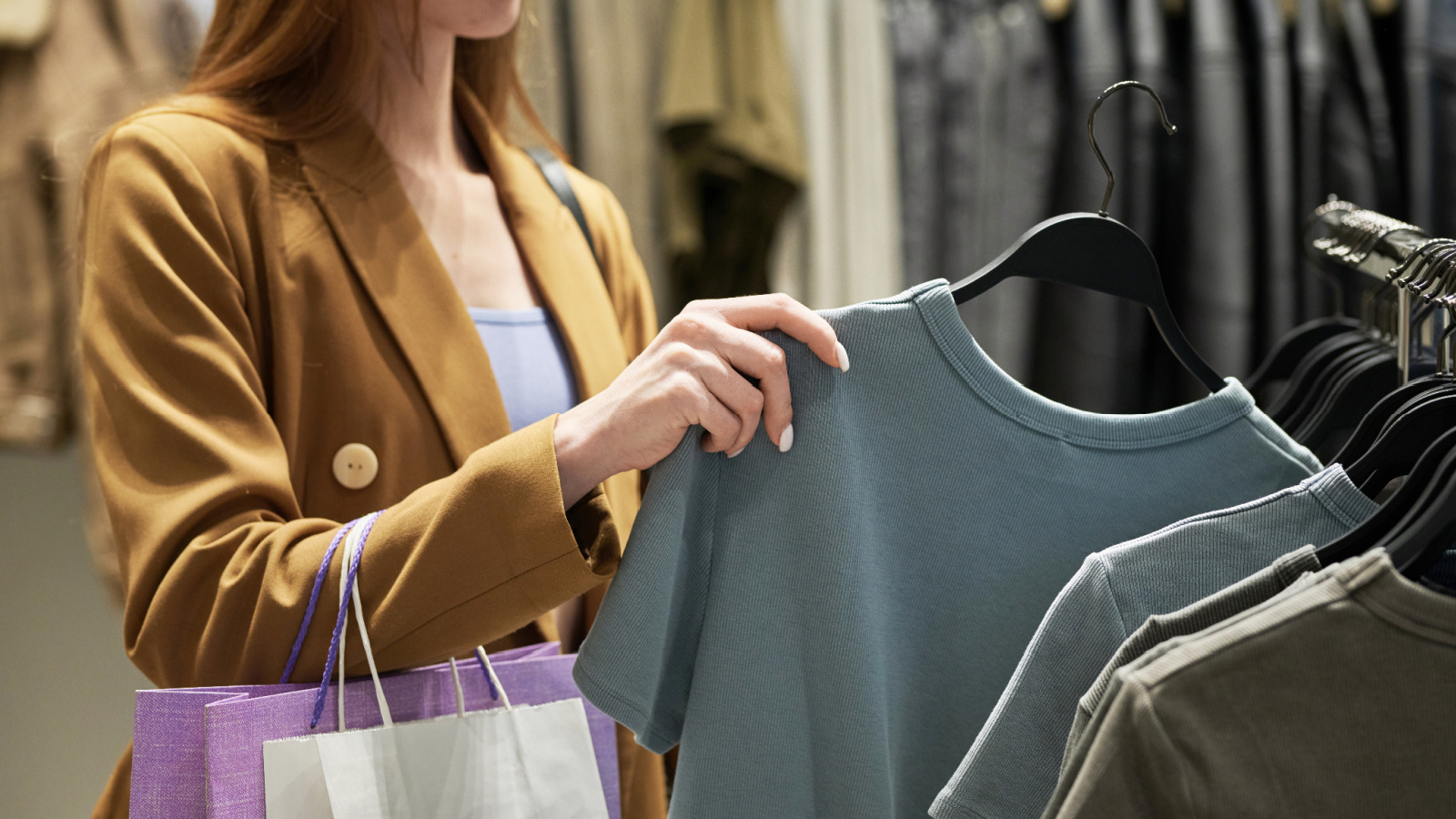
Click-and-collect has moved from a pandemic-era convenience to a permanent part of Canadian retail. Shoppers order online, then pick up at a store counter, locker, curbside zone, or dedicated pickup area. For big box stores and pharmacies, this helps combine digital browsing with local inventory. It also lets customers avoid wandering aisles when they only need a few specific items.
The store layout often reveals the change. Front entrances may include pickup shelves, barcode scanners, storage rooms, or parking spaces marked for online orders. Staff may spend more time assembling baskets than helping browsers. For shoppers, the benefit is speed when inventory data is accurate. The downside comes when an item listed as available is missing, substituted, or delayed. Retailers that get pickup right can turn a store into a convenient mini-warehouse.
More Digital Price Tags and Real-Time Pricing

Electronic shelf labels are spreading because they let retailers update prices quickly without printing and replacing paper tags. This is useful when costs change often, promotions rotate frequently, or stores want consistency between online and in-store pricing. Shoppers may notice small digital screens on shelves showing prices, unit costs, sale dates, and sometimes QR codes.
The technology can improve accuracy, but it can also raise concerns. Customers may wonder whether prices are changing too often or whether a deal seen online will match the shelf. Retailers need clear rules and reliable systems to avoid checkout disputes. A well-designed digital label can make pricing easier to read; a poorly managed one can make shoppers feel like prices are moving targets. In a cautious spending environment, trust in shelf prices matters more than ever.
Loyalty Offers Getting More Personalized
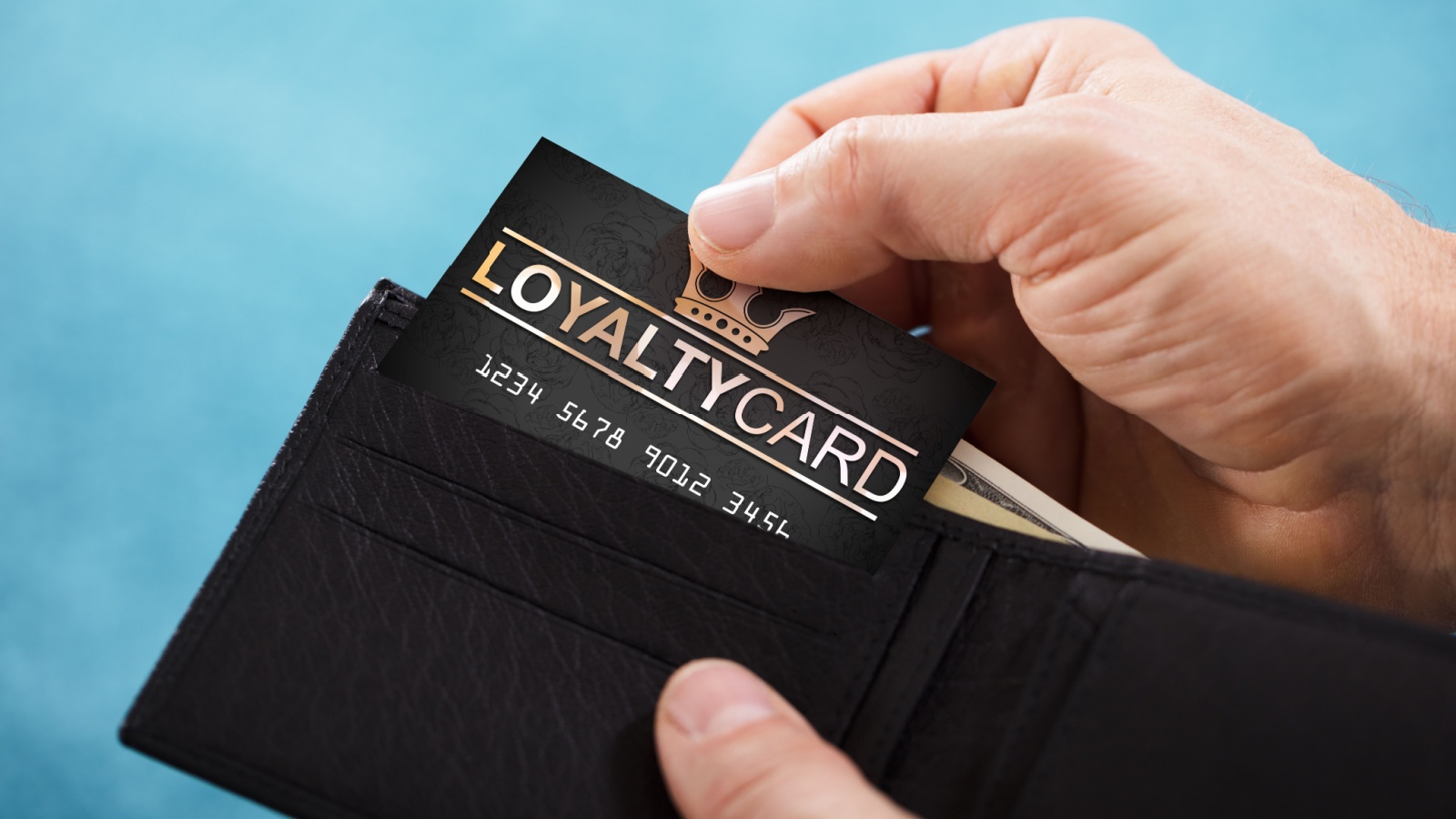
Loyalty programs are becoming less about one-size-fits-all points and more about targeted offers. A pharmacy app might promote vitamins after a previous purchase. A big box retailer may send discounts on pet food, cleaning supplies, or baby products. Mall retailers may use email, app alerts, or birthday offers to bring shoppers back during slower periods. The goal is to make promotions feel relevant.
This personalization can save money, but it can also make deals harder to compare. Two shoppers may walk into the same store and receive different offers based on purchase history, app use, or membership status. Some customers like the tailored savings; others feel that regular shelf prices are less meaningful if the best value sits behind a login. Retailers will need to balance useful personalization with transparency, especially as shoppers become more aware of how their data is used.
More App-Only Deals and Digital Coupons
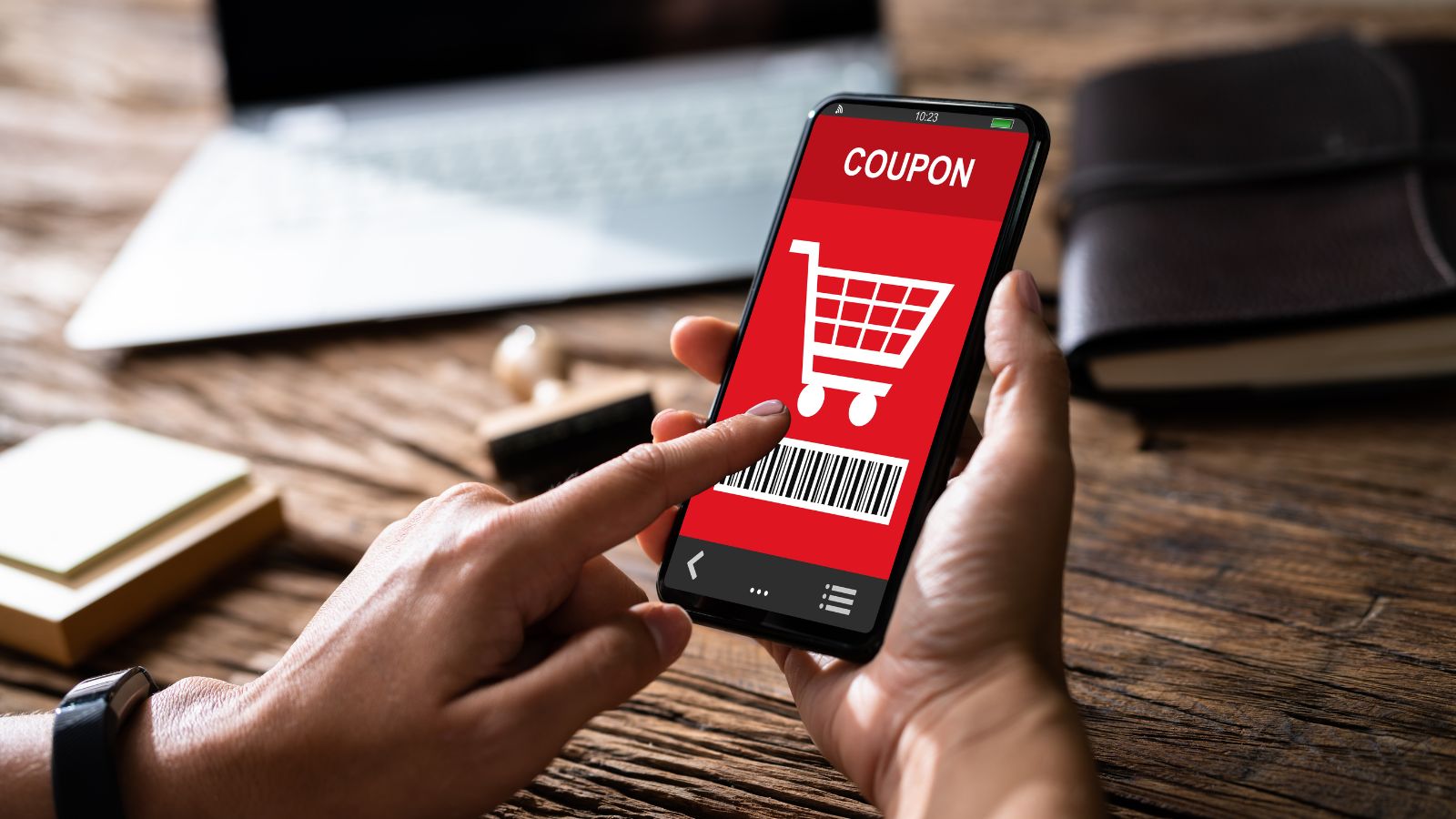
Paper flyers still exist, but digital coupons and app-only offers are becoming more central. Retailers want customers inside their apps because apps can promote weekly deals, track loyalty points, push notifications, and guide shoppers toward online ordering. Pharmacies and big box stores may offer extra points, limited-time discounts, or exclusive bundles only to logged-in members.
The shift can divide shoppers. People comfortable with apps may save money with a few taps. Others may miss deals because they do not want another account, forgot a password, have limited data, or prefer not to share purchase information. In practice, the checkout price may depend on whether a customer clipped a digital coupon before reaching the cashier. Stores that want broad trust may need to keep strong visible pricing alongside app-based rewards.
Smaller, More Curated Store Layouts
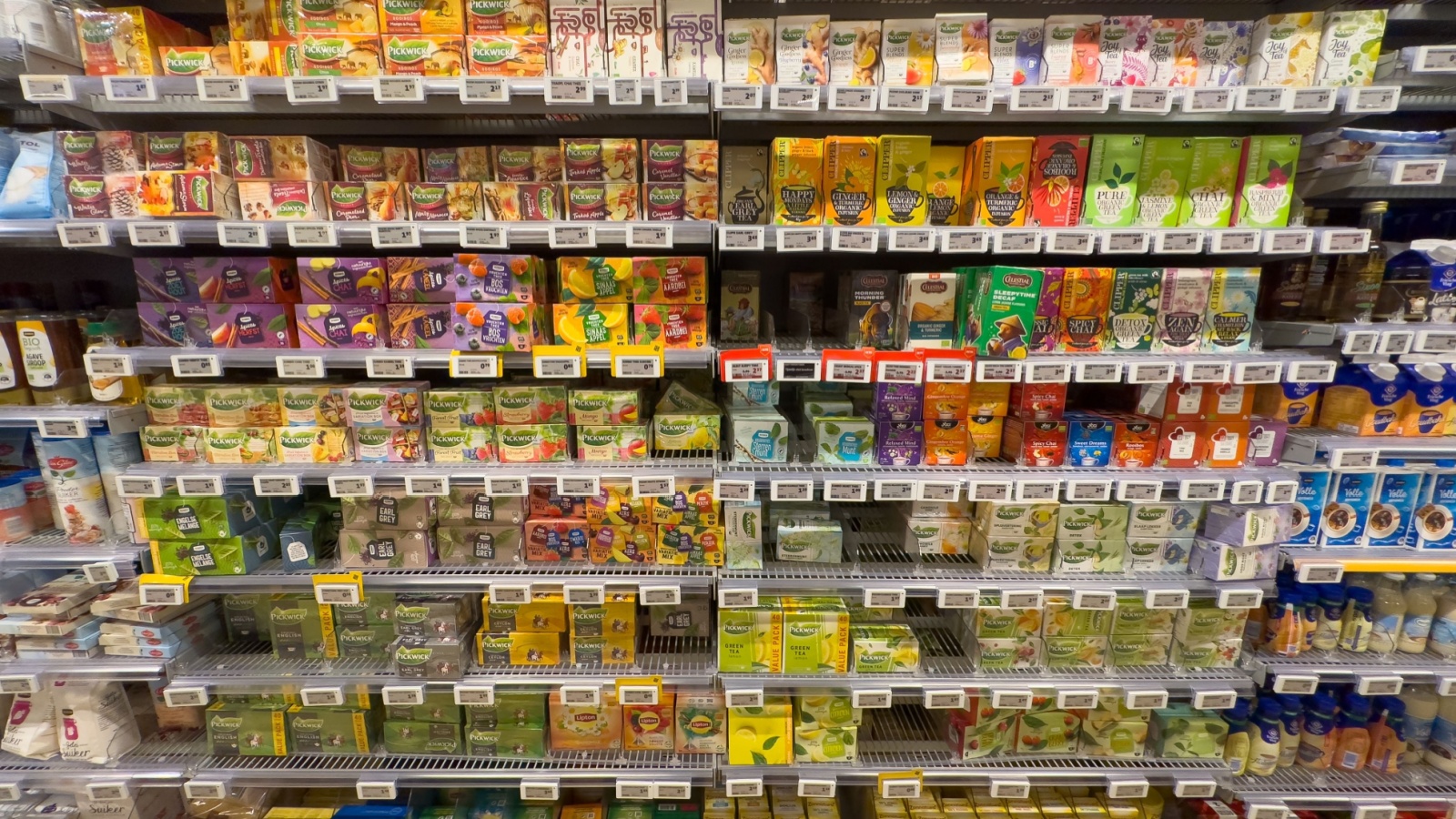
Some retailers are reducing clutter and focusing on faster navigation. Instead of endless aisles with every possible variation, stores may carry fewer sizes, fewer duplicate brands, or more curated seasonal displays. This is especially noticeable in mall chains and pharmacies where floor space is expensive and inventory discipline matters. Retailers want shelves that turn over faster and displays that tell shoppers what matters now.
For customers, curated layouts can feel cleaner and easier to shop. A person looking for sunscreen, school supplies, or holiday décor may find a focused display near the entrance. The trade-off is that niche items may disappear from physical shelves and shift online. Staff may encourage shoppers to order unavailable colours, sizes, or specialty products through the website. The store becomes less of a complete warehouse and more of a showroom, pickup point, and essentials hub.
More Retail Media Screens and In-Store Advertising
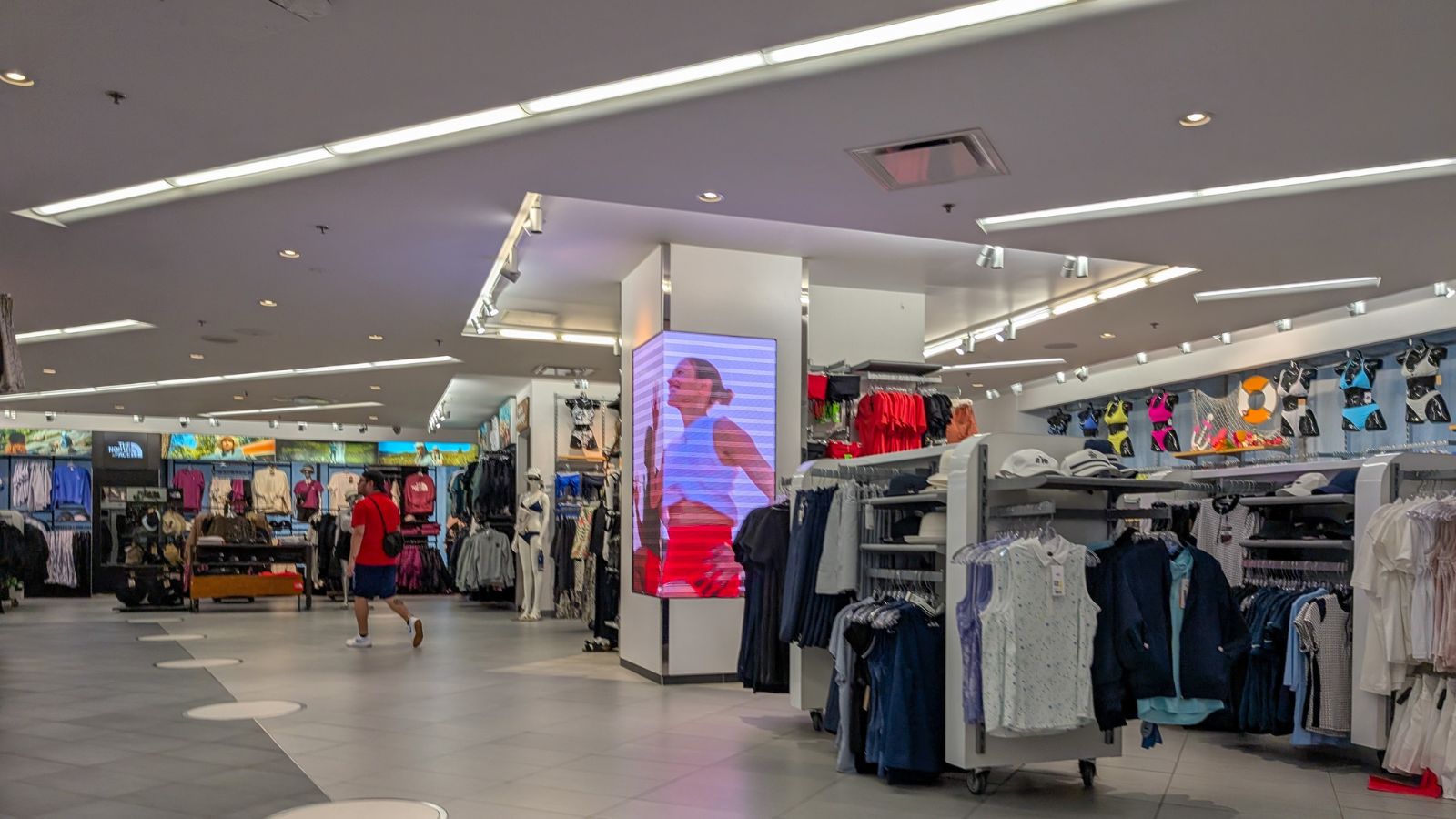
Retailers are turning stores into advertising platforms. Digital screens at entrances, checkout areas, pharmacy counters, and endcaps can promote brands, loyalty offers, seasonal campaigns, and sponsored products. This trend is especially powerful because stores know what customers buy and can connect advertising to shopping behaviour. A pharmacy screen promoting cold remedies in flu season or a big box display advertising patio furniture in May is not accidental.
The experience can feel helpful or overwhelming depending on execution. Clear screens can point shoppers toward relevant deals, while too many flashing promotions can make a store feel noisy. Retailers like retail media because it creates a new revenue stream beyond selling products. Customers may simply notice that aisles look more digital, endcaps feel more branded, and checkout lanes increasingly resemble small advertising channels.
More Experiential Uses for Mall Space
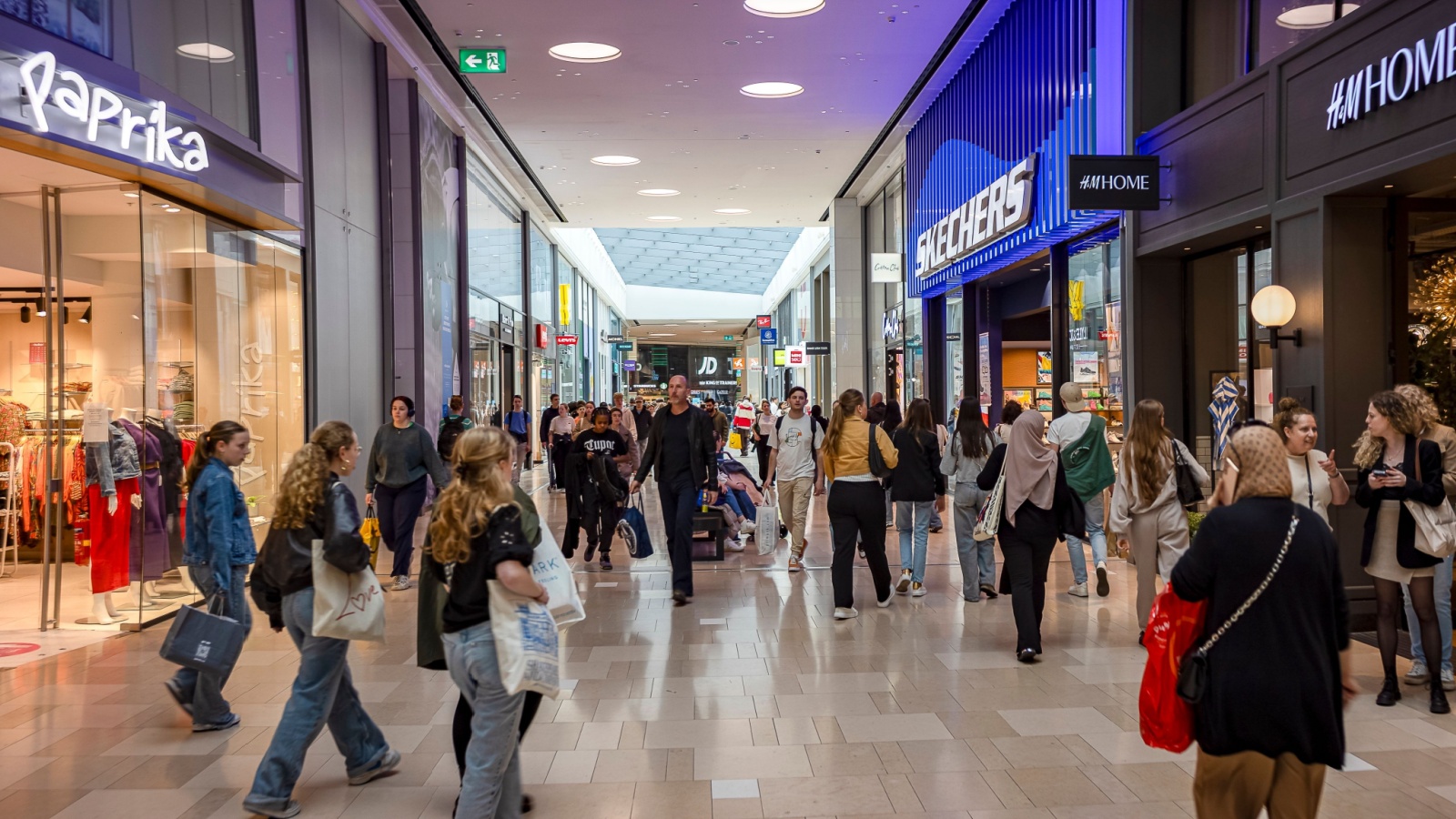
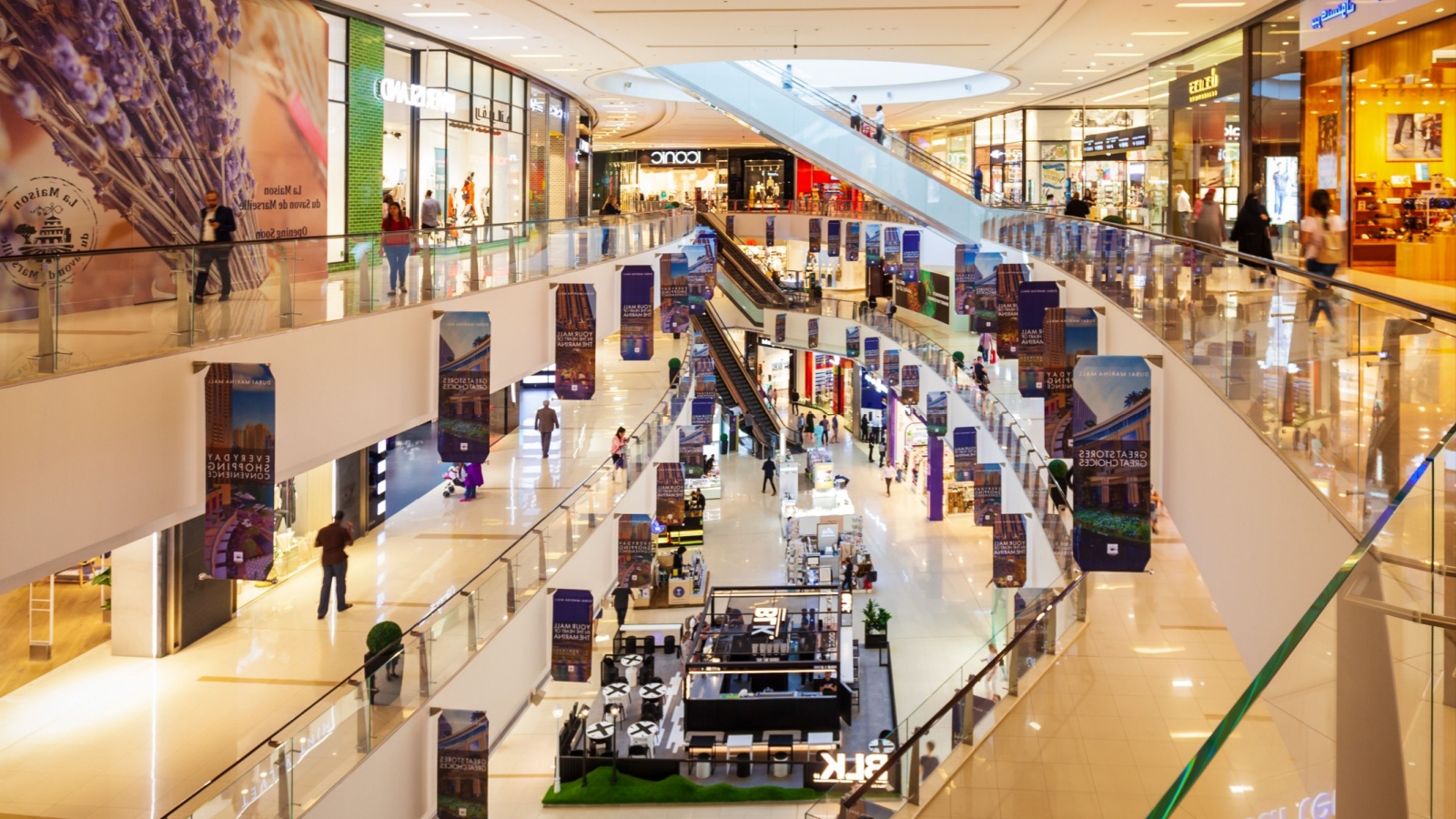
Malls are trying to give people reasons to visit that online shopping cannot copy. That may mean food halls, pop-up markets, fitness studios, children’s play areas, immersive entertainment, medical clinics, community events, or seasonal installations. The old formula of apparel stores plus a food court is giving way to a broader mix of services and experiences.
This shift can make malls busier at different times of day. A parent may visit for a child’s activity instead of a clothing purchase. Office workers may come for lunch and errands. Teens may gather for entertainment rather than traditional shopping. For landlords, the goal is to create repeat visits and longer dwell time. For shoppers, malls may feel less like pure retail destinations and more like neighbourhood hubs with shopping attached.
More Inventory Gaps and Substitutions
Even when stores look full, shoppers may notice gaps in specific sizes, colours, flavours, or brands. Supply chain disruption, cautious ordering, tariff uncertainty, and tighter inventory management can all affect what appears on shelves. Retailers do not want excess stock sitting unsold, so many are using data to keep leaner inventory and move products faster.
This can be frustrating when a staple item disappears for weeks or a favourite product is replaced by a store-brand alternative. It can also make online inventory tools more important. A shopper may check availability before driving to a big box store, only to find that the last unit was already sold or misplaced. The most successful retailers will be those that communicate substitutions clearly and make it easy to locate nearby alternatives.
19 Things Canadians Don’t Realize the CRA Can See About Their Online Income

Earning money online feels simple and informal for many Canadians. Freelancing, selling products, and digital services often start as side projects. The problem appears at tax time. Many people underestimate how much information the CRA can access. Online platforms, banks, and payment processors create detailed records automatically. These records do not disappear once money hits an account. Small gaps in reporting add up quickly.
Here are 19 things Canadians don’t realize the CRA can see about their online income.
