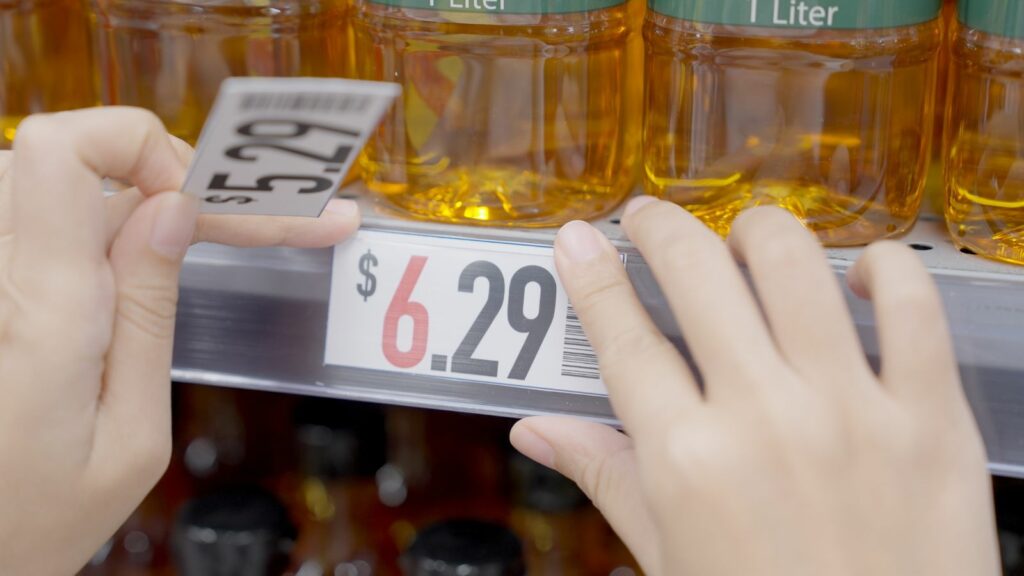
A bright red sale sticker can make a purchase feel like a win before the math has even started. In Canada, where grocery prices, household costs, delivery fees, and seasonal promotions often shift quickly, the real bargain is not always the item with the biggest percentage off. A lower shelf price can hide a smaller package, weaker return terms, extra checkout fees, or a cheaper alternative sitting nearby.
These 16 comparisons can help reveal whether a sale price is genuinely useful or simply well-packaged marketing. From unit prices and loyalty-member discounts to warranty coverage and environmental fees, the smartest shoppers look beyond the sticker and compare the details that determine the real cost.
The Original Regular Price
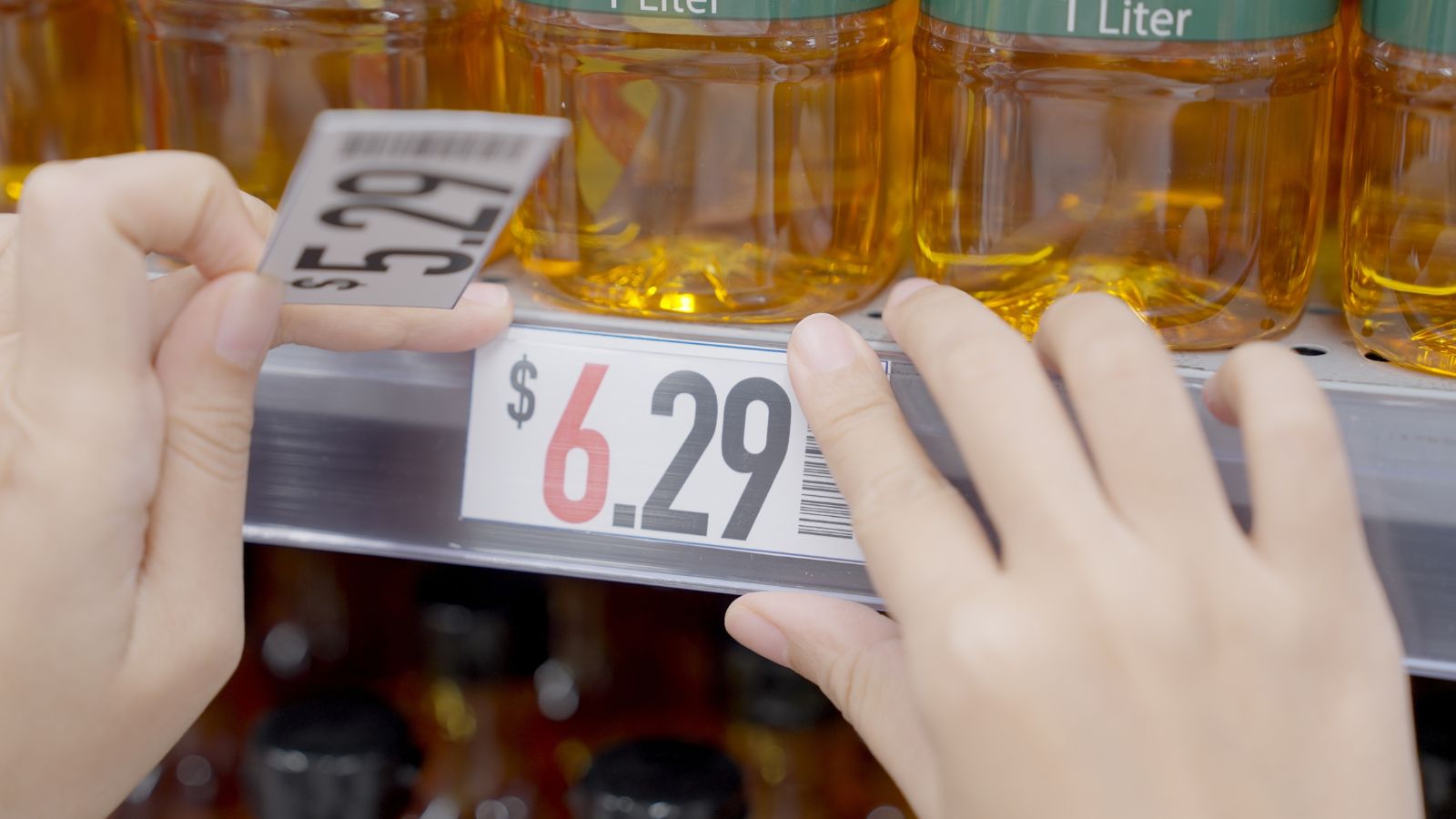
A sale sticker often depends on one powerful anchor: the “regular” price. If a sweater says $49.99 marked down from $89.99, the discount looks dramatic. The question is whether that higher price was actually a normal selling price or just a short-lived number used to make the sale look stronger. In Canada, false or inflated ordinary selling price claims can be treated as deceptive marketing, which is why shoppers should treat crossed-out prices as a starting point, not proof.
The practical comparison is simple: check the same item at other retailers, look at the brand’s own website, and review recent flyer prices where possible. A kitchen appliance advertised at 40% off may still be priced similarly across three stores. The sale sticker may be technically attractive, but the market price tells a fuller story. A real deal should look good after comparison, not only beside a conveniently high “was” price.
The Unit Price
The shelf price can be misleading when packages come in different sizes. A $4.99 bottle may seem cheaper than a $6.49 bottle until the price per 100 millilitres or per kilogram shows the bigger one is the better buy. Unit pricing is especially useful for cereal, detergent, pet food, rice, coffee, shampoo, and anything sold in multiple formats. In Canada, unit pricing appears in many stores, but it is not uniformly mandatory across the country outside Quebec.
This matters because sale stickers often highlight the total price while hiding the comparison that actually counts. A family buying yogurt, for example, may see a four-pack on sale and miss that a larger tub still costs less per serving. The best approach is to compare the unit price on the shelf label or calculate it quickly by dividing the price by the quantity. A sale is only stronger when the cost per usable unit also falls.
The Package Size
A familiar box can quietly shrink while the price stays the same or even rises. That is why a sale sticker should always be checked against the package weight, count, or volume. Statistics Canada has documented shrinkflation in grocery items, showing that package-size changes are not just a shopper’s imagination. A snack bag, cereal box, frozen entrée, or cleaning product may look unchanged from the front while carrying fewer grams than before.
The danger is that shoppers compare today’s sale price with a memory of the old package. A bag of chips at $3.49 may feel reasonable if it once contained 235 grams, but less appealing if the current bag is 200 grams. The sticker does not always show that shift. Comparing package size protects against paying a “sale” price for less product. It also helps explain why a cart can look the same while lasting fewer days at home.
The Final Checkout Price

The price on a sticker is not always the price that leaves the bank account. Online purchases can add mandatory service fees, delivery charges, handling fees, booking fees, or other costs near the end of checkout. Canada’s competition rules address drip pricing, where an advertised price is not attainable because fixed mandatory charges are added later. That makes the final payable amount the number worth comparing.
This is especially important for food delivery, event tickets, travel bookings, furniture delivery, and online marketplace orders. A $39 sale item can become $52 after shipping and fees, while a competing store selling it for $45 with free pickup may be cheaper overall. The lesson is not that every extra fee is improper; some are clearly disclosed and legitimate. The point is that the sale sticker should not win until the full checkout screen is compared against alternatives.
The Loyalty or App-Only Price
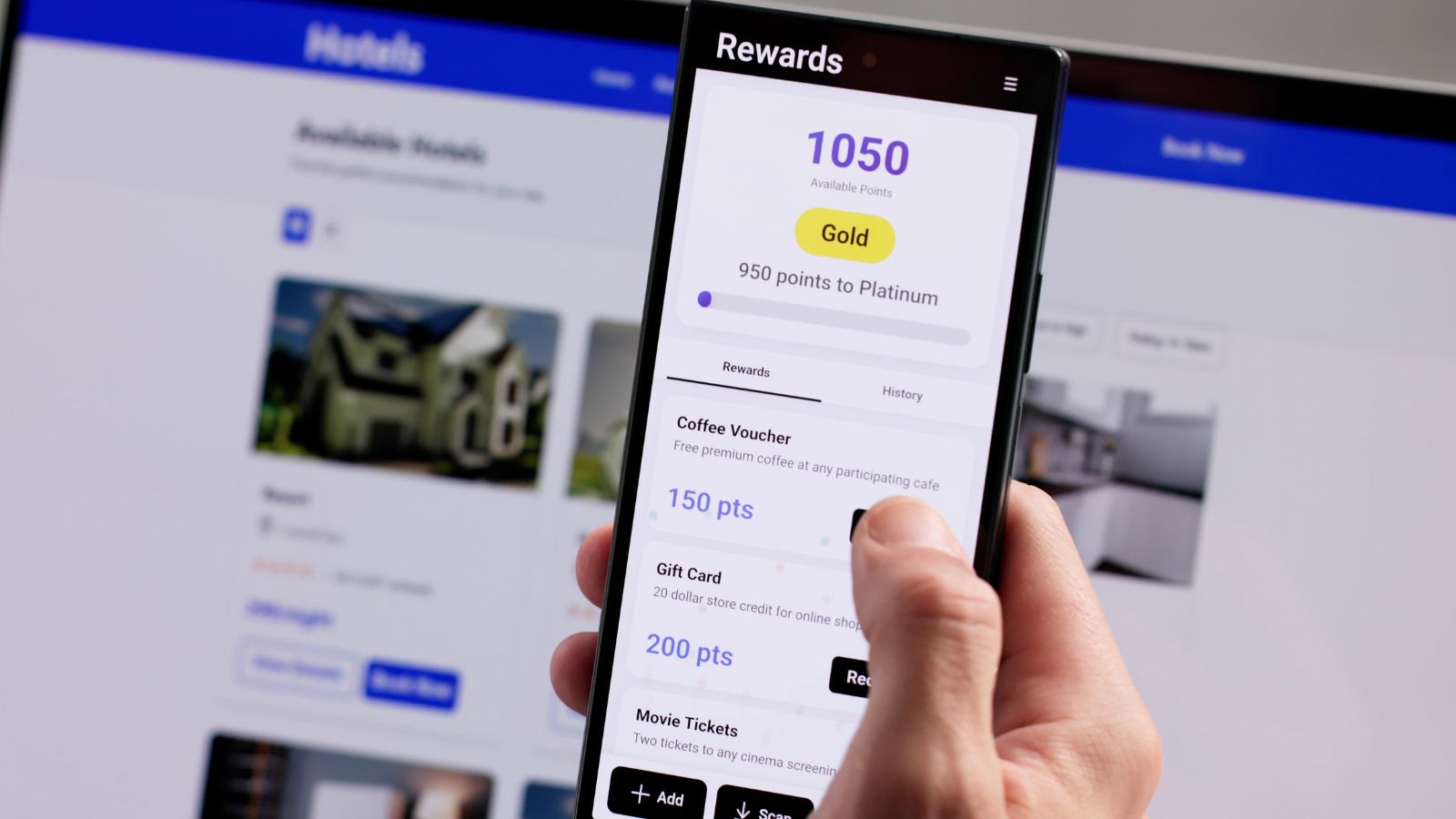
Many Canadian retailers now use loyalty cards, apps, digital coupons, and member pricing to separate the sticker price from the accessible price. A shelf tag may show a low sale amount, but the fine print may require scanning a card, loading an offer, buying through an app, or joining a program. For households juggling multiple store accounts, missing one step can turn a “deal” into the regular price at checkout.
The comparison should include both money and effort. If a grocer offers pasta sauce for $2.49 only after loading a digital coupon, shoppers should compare that with another store’s simple shelf price. App-only deals can be worthwhile, but they can also encourage extra purchases or data sharing for small savings. A human example is the parent who buys three promoted items, then realizes only one discount applied because the offer had a limit. The sticker looked clear; the conditions mattered more.
The Store Brand Alternative
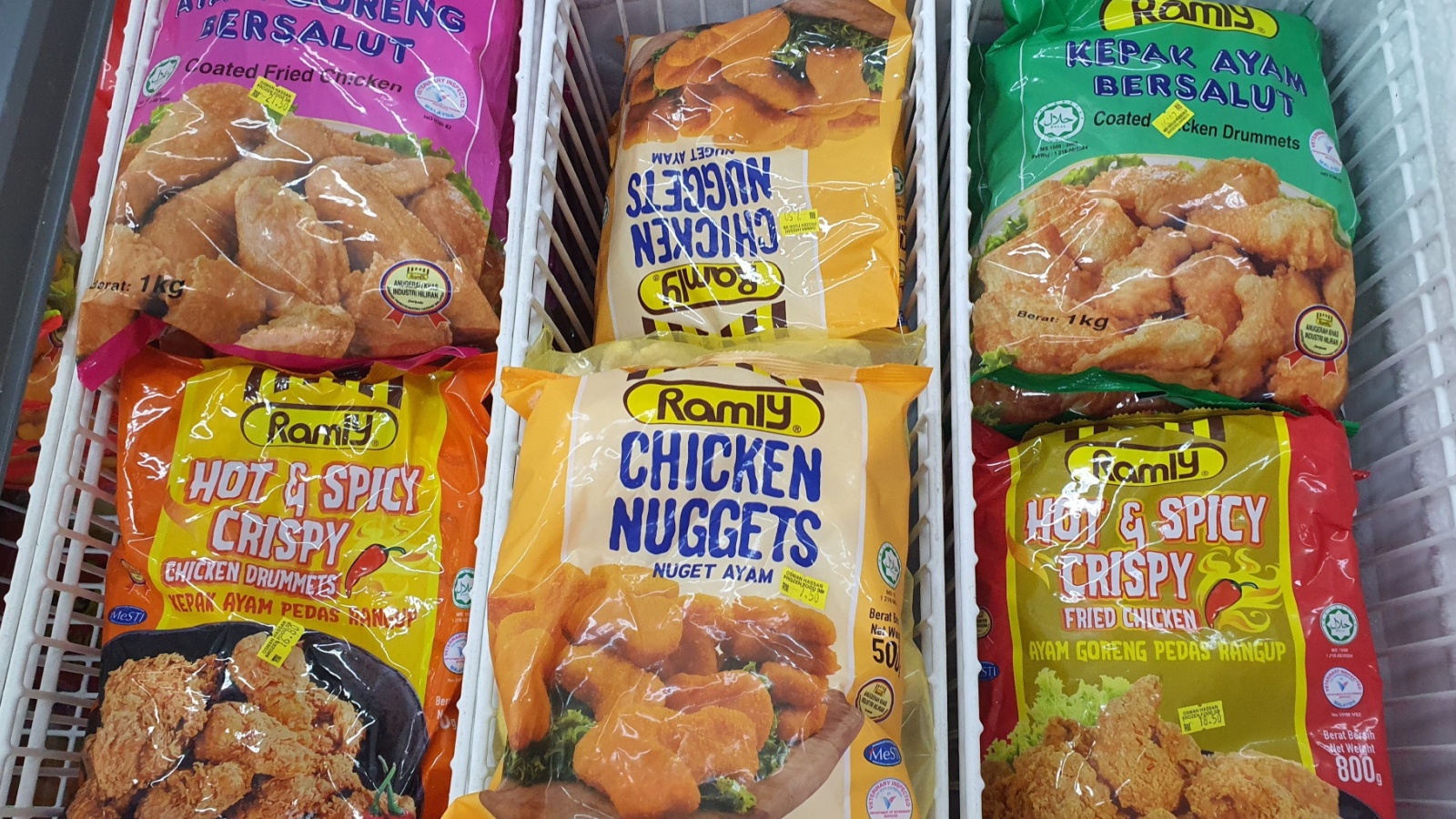
A national brand on sale can still cost more than the private-label version beside it. This is common in pantry goods, frozen foods, cleaning supplies, over-the-counter basics, batteries, paper products, and personal care items. A brand-name cereal at 25% off may still be more expensive per 100 grams than the store brand at regular price. The emotional pull comes from recognizing the package, not necessarily from better value.
The useful comparison is performance versus price. For some items, the brand difference may matter because of taste, ingredients, warranty, fit, or reliability. For others, the private-label option may be close enough that the sale sticker is mostly noise. A shopper choosing canned tomatoes, for instance, may find the sale brand costs $1.99 while the store brand is $1.49 every day. The better deal is not the loudest tag; it is the product that delivers the needed quality at the lowest realistic cost.
The Price at Competing Retailers
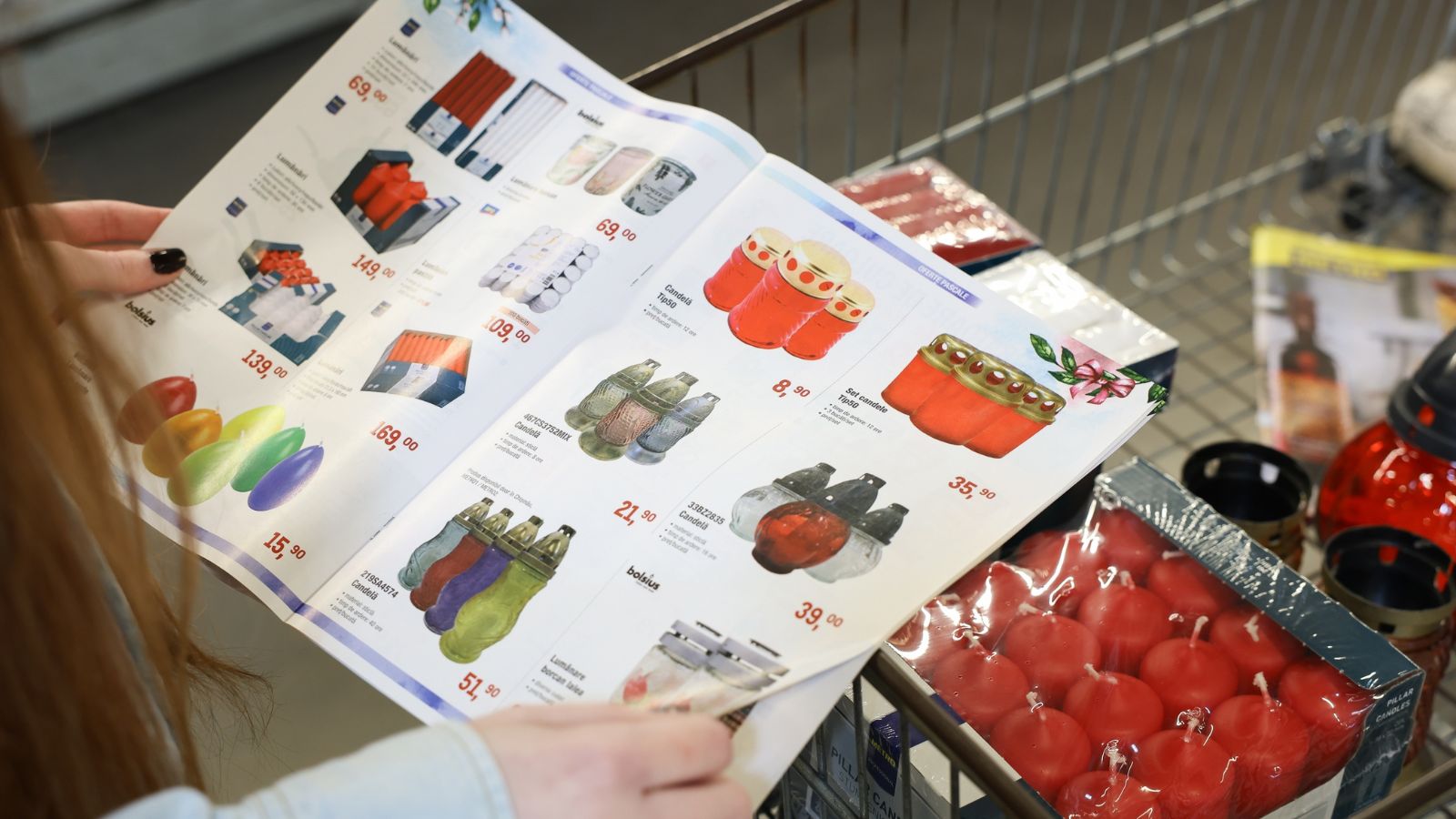
A sale sticker should be tested against the broader market. Canadian shoppers often compare grocery flyers, big-box websites, marketplace listings, warehouse clubs, and local stores, especially for electronics, appliances, furniture, baby products, tires, and household staples. Retail research has shown that many shoppers actively wait for sales and compare prices, which reflects how central price-checking has become in household budgeting.
The risk is assuming one retailer’s sale is automatically special. A television advertised at $699 after a $200 discount may also be $699 at two competitors without the dramatic markdown language. A vacuum may be cheaper online but easier to return locally. Comparing across stores also reveals whether the sale is a true low point or just a common promotional price. Even a quick search before buying can prevent the frustrating moment when the same item appears cheaper elsewhere the next day.
The Return and Exchange Rules

A sale is less valuable if the item cannot be returned. In Canada, many shoppers assume stores must offer refunds, but return policies are often set by the retailer unless specific legal issues apply, such as defective goods or misleading representations. Some sale items are exchange-only, store-credit-only, or final sale. Others have shorter return windows during clearance periods or holiday promotions.
This can turn a modest discount into a costly gamble. Clothing bought at 60% off may not be a bargain if the size is wrong and the tag says final sale. A small appliance may look attractive until the buyer learns it must be returned unopened. Comparing return terms matters most for gifts, shoes, electronics, furniture, mattresses, and anything purchased online without seeing it in person. A slightly higher price with a reliable return window can be better value than a deeper discount with no second chance.
The Warranty Coverage
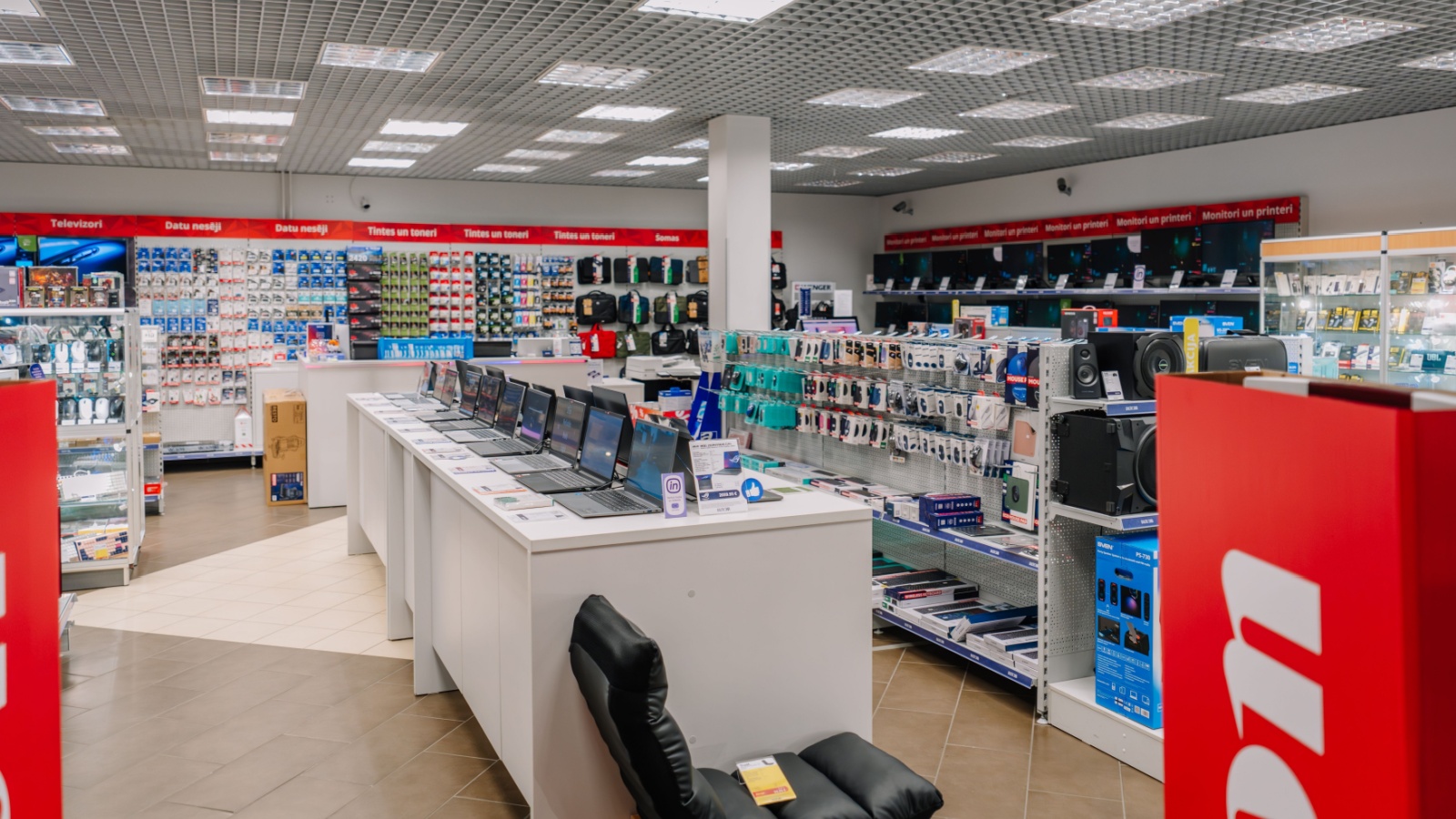
Sale stickers often focus on the purchase price, but warranty coverage determines what happens if the product fails. For electronics, appliances, tools, small kitchen machines, and fitness equipment, the difference between a manufacturer’s warranty, retailer warranty, extended warranty, and legal warranty can be significant. Government consumer guidance in Canada encourages shoppers to understand warranty terms before buying, especially for higher-cost goods.
The comparison should include duration, exclusions, repair process, shipping costs, and who handles the claim. A discounted coffee maker may be less appealing if warranty service requires mailing it away at the buyer’s expense. A sale appliance may be a floor model with reduced coverage or cosmetic exclusions. Extended warranties also deserve scrutiny because some protections may already exist through the manufacturer, the retailer, a credit card, or provincial consumer law. The sale price is only one part of the risk calculation.
The Financing Terms
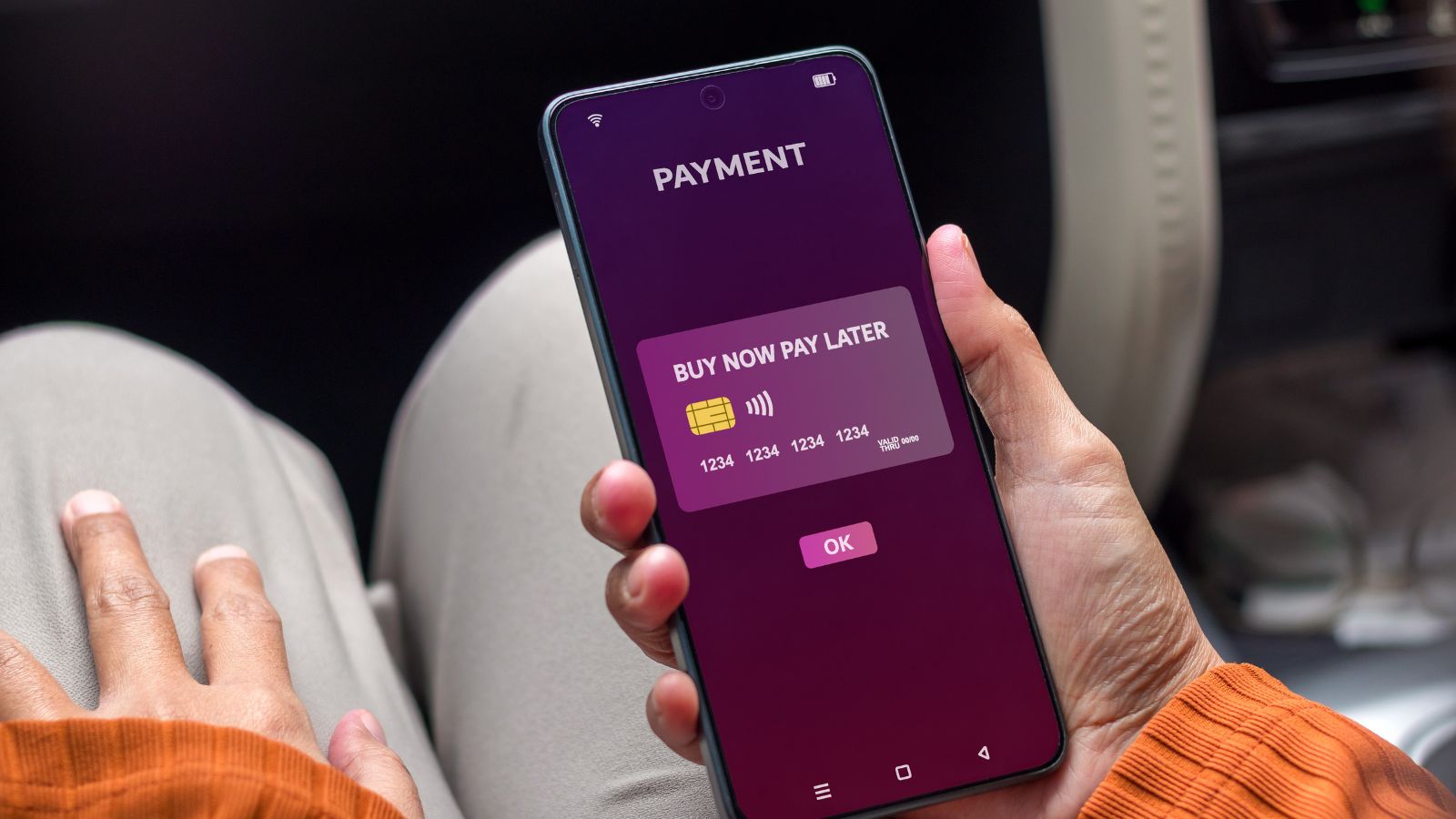
A sale can feel easier to justify when the checkout offers small instalments. Buy now, pay later plans and point-of-sale financing spread the cost over time, but they still turn a purchase into credit. Canadian consumer finance guidance notes that BNPL plans allow shoppers to finance purchases and repay them later, sometimes with fees or consequences for missed payments depending on the provider and terms.
The comparison should be between the sale price paid now and the total obligation created later. A $300 item split into four payments may feel lighter than one $300 charge, but it can still crowd a future grocery week, rent payment, or credit card bill. Financing can be useful for planned purchases, but it can also make an optional sale item feel artificially affordable. A strong test is whether the item would still seem worth buying if the full amount had to be paid today.
The Quantity Needed
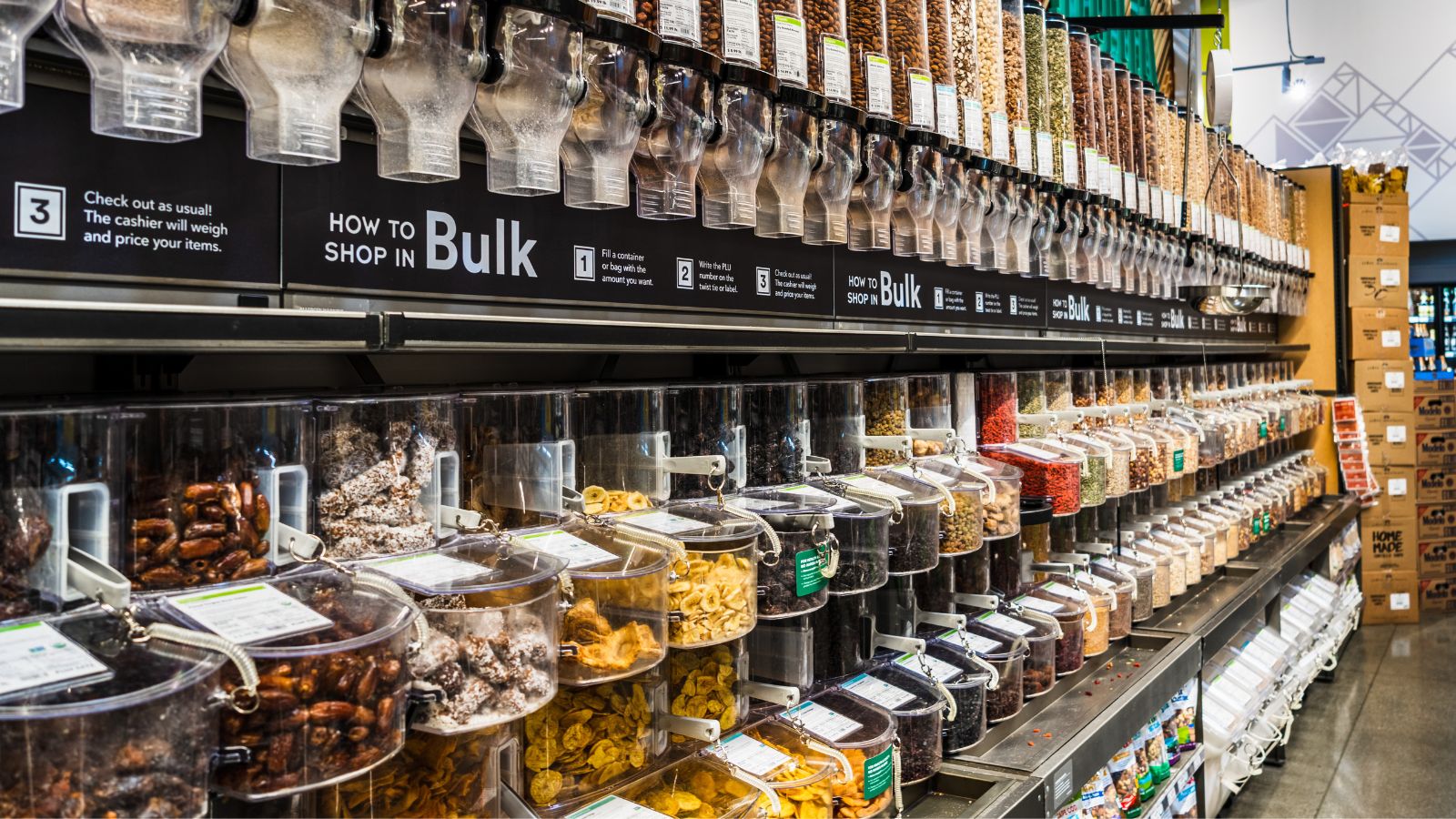
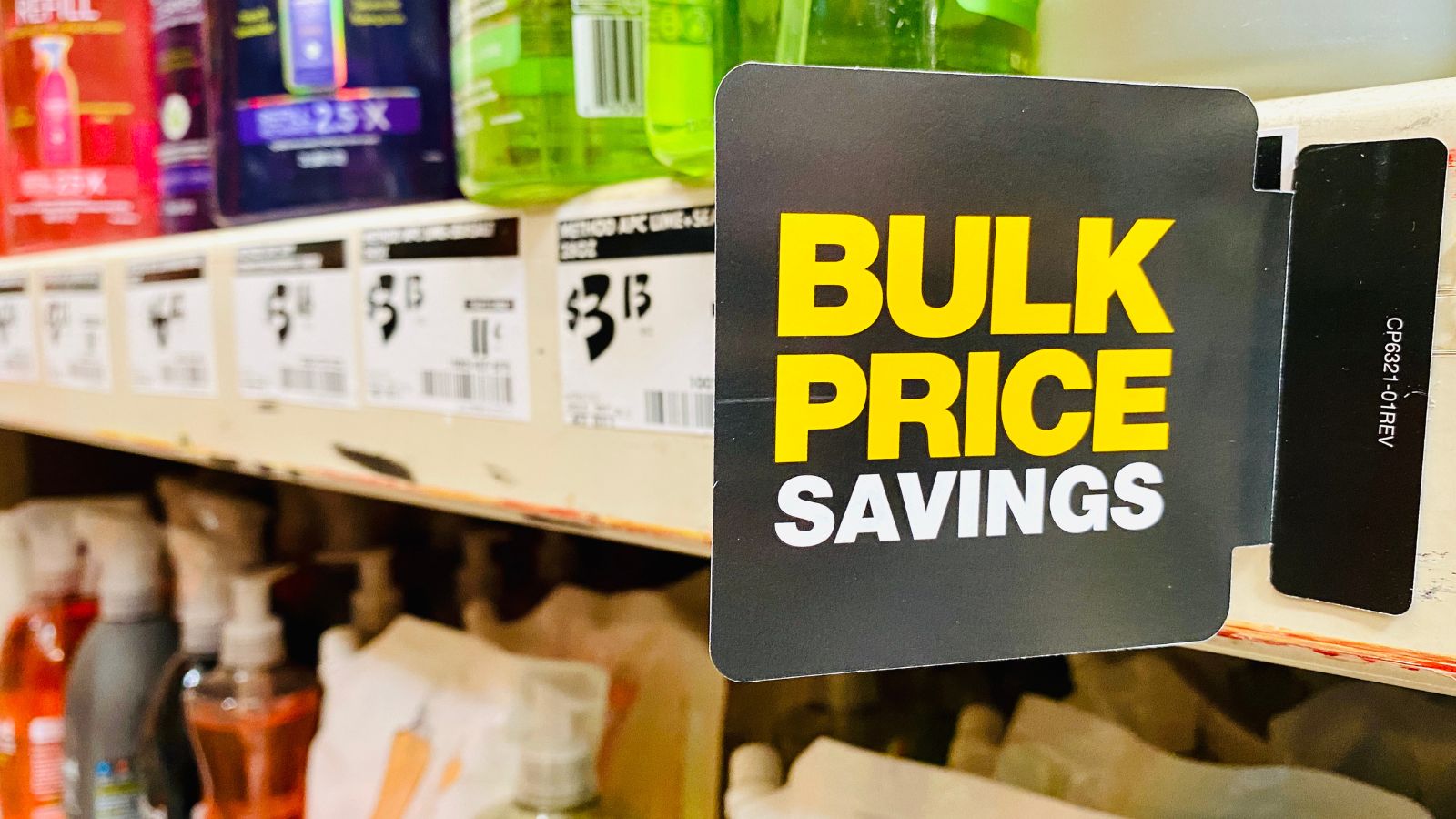
Bulk and multi-buy sale stickers can reward households that will actually use the product, but they can punish those who overbuy. “Buy two, save $3” or “three for $10” looks harmless until the extra food expires, the storage space disappears, or the second item was never needed. Canada’s household food waste numbers show that avoidable waste carries a real financial cost, especially when perishable food is bought because of a promotion.
The comparison is not just price per item; it is price per item likely to be used. A single person buying two large tubs of salad greens may lose money if half wilts. A family buying extra pasta, canned beans, or toilet paper may genuinely benefit because the product stores well. The best deals match consumption patterns. A sale sticker should answer one question honestly: will the household use the full quantity before it loses value?
The Expiry Date or Product Age

Some sale stickers are attached because the product is close to its best-before date, being discontinued, or nearing the end of a seasonal cycle. That can be perfectly reasonable when the discount matches the urgency. Bread, meat, yogurt, cosmetics, vitamins, batteries, paint, and seasonal outdoor items can all lose practical value over time. The price may be lower because the useful life is shorter.
This comparison is especially important when the purchase will sit in a cupboard, freezer, garage, or bathroom cabinet. A discounted sunscreen bottle is less useful if the expiry date arrives before summer is over. Clearance batteries may not last as long if they have been stored for years. Marked-down meat can be a good buy if cooked or frozen promptly, but not if meal plans are already full. The sale is strongest when the timeline of use fits the timeline of the product.
The Price-Match Conditions
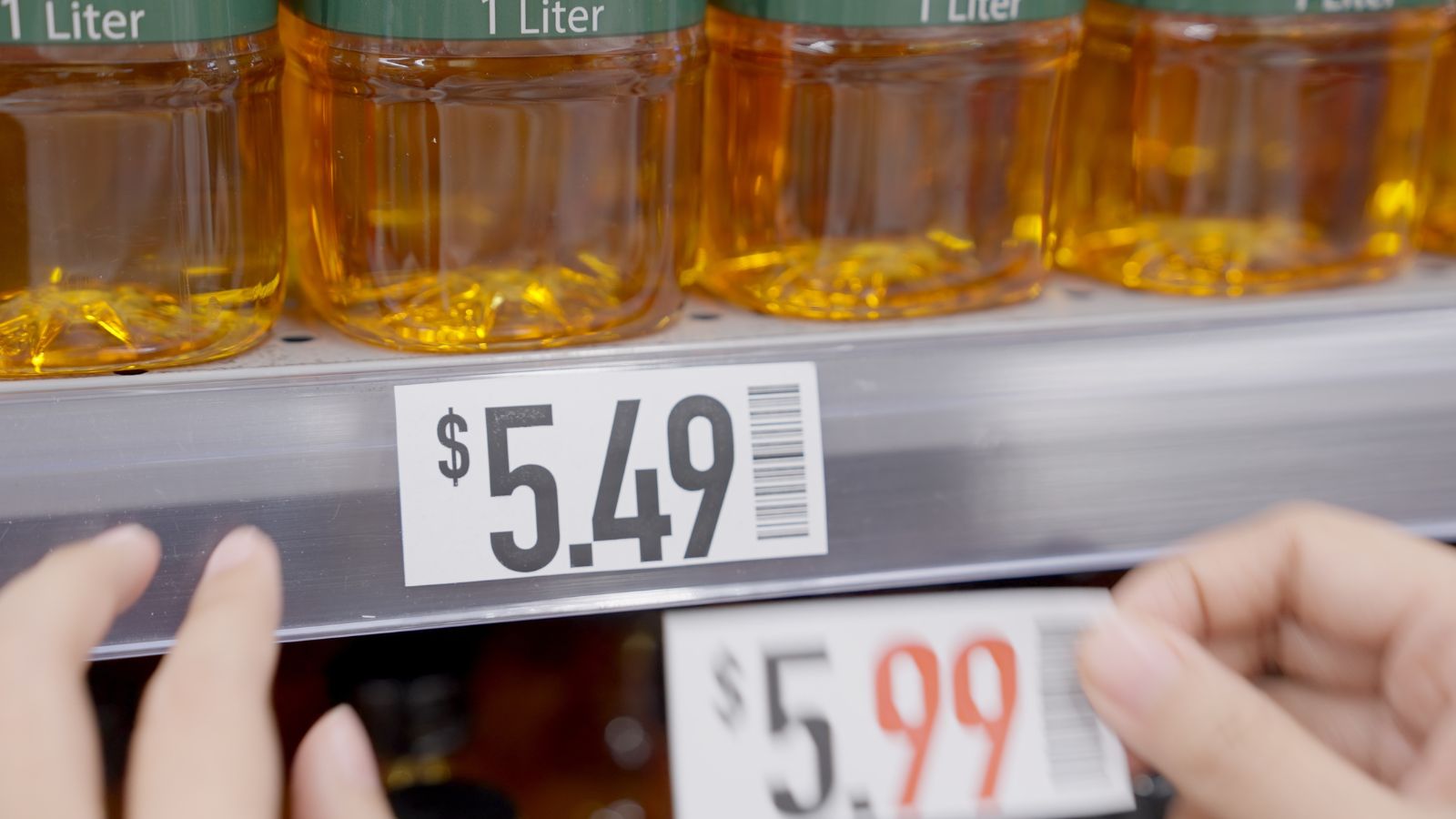
A sale sticker may look better when a retailer promises price matching, but the rules often contain exclusions. Some policies require the competitor to have the exact same item in stock, the same model number, the same colour, and a current advertised price. Clearance sales, liquidation events, marketplace sellers, membership prices, limited-time flash deals, pricing errors, and final-sale items may be excluded.
That means price matching is useful but not automatic. A shopper standing in a store with a competitor’s online price should check whether the product is sold directly by that competitor or by a third-party marketplace seller. The barcode, size, generation, and bundle contents also matter. A sale sticker can lose its advantage if the match is denied at checkout. Comparing the policy before relying on it avoids embarrassment and helps decide whether to buy immediately or order from the lower-priced retailer.
The Taxes, Deposits, and Environmental Fees

A sale sticker usually shows the pre-tax price, but the final cost can include GST/HST, provincial sales tax, deposits, recycling charges, or environmental handling fees depending on the product and province. Electronics, tires, batteries, paint, beverage containers, and certain household products may carry additional charges tied to recycling or stewardship systems. These fees may be small individually, but they matter when comparing similar products or buying several at once.
The most useful comparison is the all-in cost. A printer on sale for $79.99 may be cheaper than a $89.99 competitor before checkout, then closer in price after eco-fees, shipping, and tax. A discounted case of drinks may involve deposits that are refundable later but still increase the cash paid today. None of these charges necessarily mean the deal is bad. They simply show why the sticker price should not be treated as the final number.
The Ingredient or Material Quality
A lower sale price can hide a lower-quality formulation, ingredient change, or material downgrade. In food, this may mean less of a costly ingredient, more filler, or a different package format. In clothing, it may mean thinner fabric, weaker stitching, or a blend that pills faster. In furniture, it may mean particleboard where solid wood was expected. The label and specifications often reveal what the sticker does not.
The comparison should focus on what the buyer actually values. A sale winter coat is not a bargain if the insulation is too light for a Canadian commute. A discounted pasta sauce may be fine for a quick dinner, but less appealing if the ingredient list changed and the flavour no longer works for the household. Quality changes are harder to detect than price changes because the packaging may look familiar. Reading labels, checking model numbers, and comparing materials can prevent disappointment.
The Seasonal Timing

Some sales happen because a product is entering its best buying season; others happen because demand is fading. Patio furniture, snow shovels, winter tires, barbecues, school supplies, holiday décor, clothing, and travel accessories often move through predictable seasonal cycles. A sale sticker in the middle of peak demand may not be as strong as an end-of-season clearance price, while a deep discount at the wrong time may offer limited immediate use.
Timing also affects selection. Waiting for deeper markdowns can save money, but sizes, colours, and models may disappear. A winter jacket discounted in February may be useful for years if the fit is right; the same purchase in April may be cheaper but less urgent. The comparison is between savings and usefulness. A sale sticker should not only answer “How much is saved?” It should also answer “Will this be used soon enough to justify buying it now?”
19 Things Canadians Don’t Realize the CRA Can See About Their Online Income

Earning money online feels simple and informal for many Canadians. Freelancing, selling products, and digital services often start as side projects. The problem appears at tax time. Many people underestimate how much information the CRA can access. Online platforms, banks, and payment processors create detailed records automatically. These records do not disappear once money hits an account. Small gaps in reporting add up quickly.
Here are 19 things Canadians don’t realize the CRA can see about their online income.
