Canadian households have become expert bargain hunters, but not every money-saving habit still saves money. Between higher grocery bills, loyalty-program complexity, online shopping nudges, delivery fees, and “deal” formats that encourage larger baskets, everyday purchases can quietly stretch monthly budgets further than expected.
These 20 Canadian shopping habits show how small decisions at the store, on an app, or during a weekly grocery run can add up. None of them look reckless on their own. The problem is how often they repeat, especially when households are already managing food inflation, debt payments, and rising costs across essentials.
Chasing Weekly Flyer Deals Without a Meal Plan
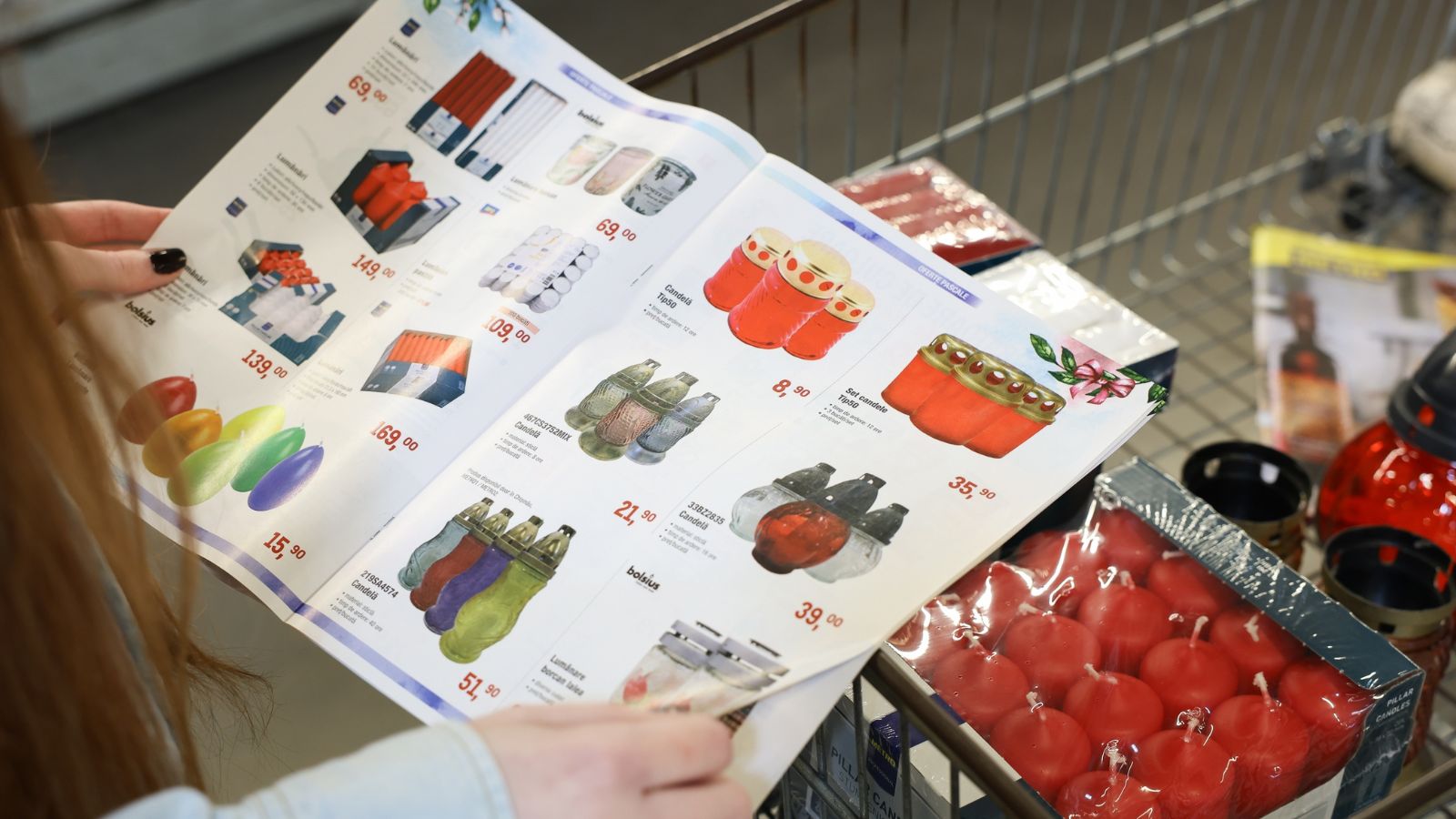
Flyers can make a shopping trip feel organized, but they often reward buying what is discounted rather than what will actually be used. A family might grab two discounted roasts, three bags of produce, and a pantry item because the price looks lower than usual, only to realize the week’s meals do not line up with those purchases. The “deal” becomes less useful when it creates extra trips for missing ingredients or leads to food sitting untouched.
This habit matters because food from stores is one of the biggest recurring household expenses in Canada. Even small mismatches between planned meals and sale-driven purchases can push spending higher over a month. A genuine bargain works best when it replaces something already needed, not when it adds an unplanned item to the cart. Flyers are helpful tools, but without a list and a realistic schedule, they can quietly turn grocery planning into grocery collecting.
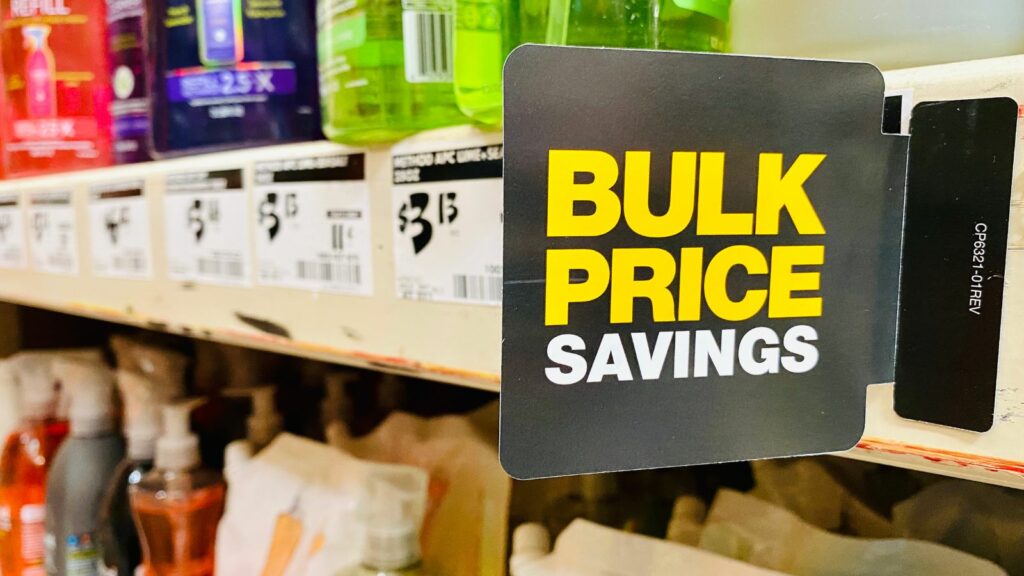
Buying Bulk Because the Unit Price Looks Lower
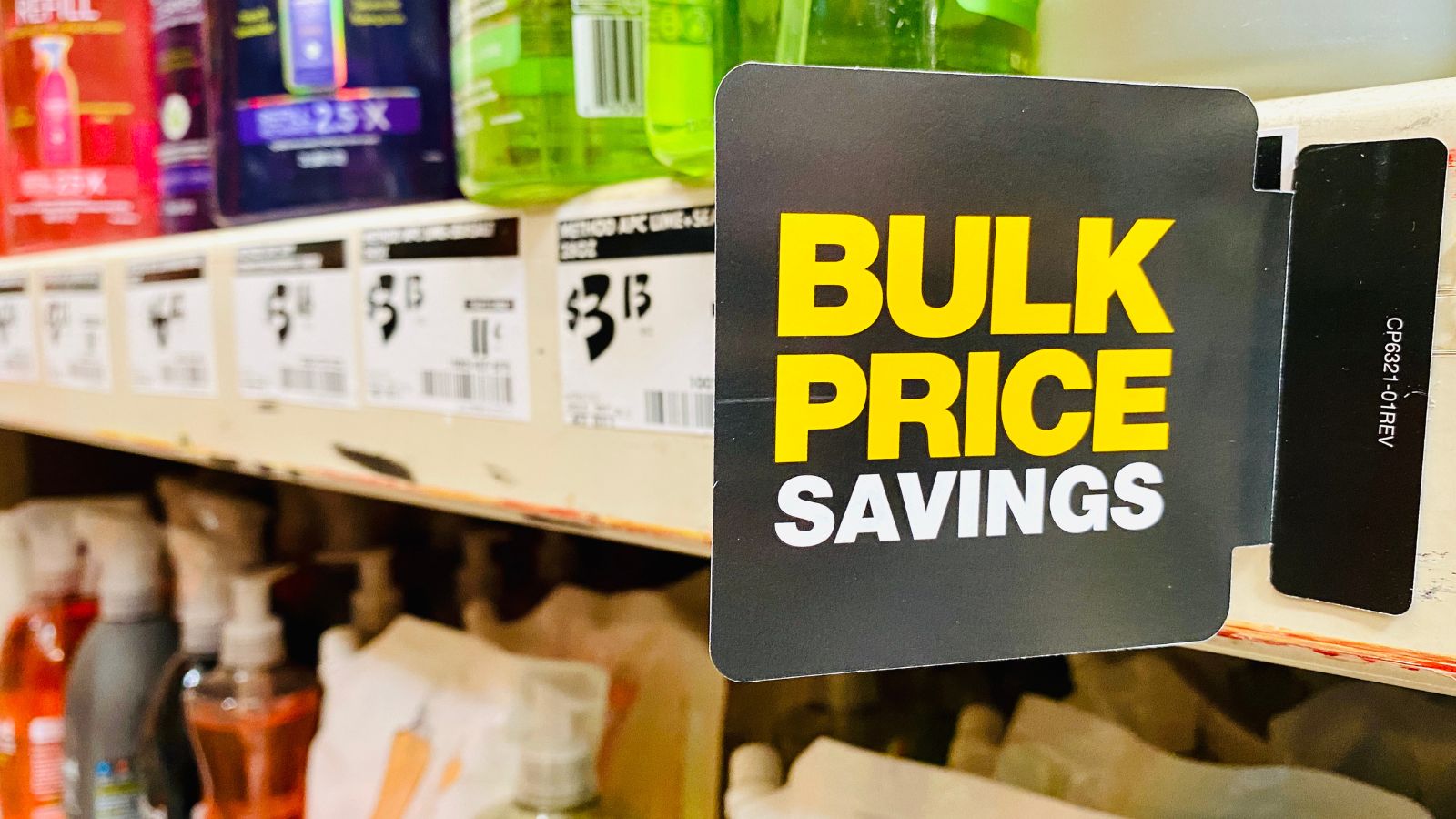
Bulk shopping can save money when households use every item before it expires, but the math changes quickly with fresh food, oversized snacks, and specialty items. A large tub of yogurt, a case of avocados, or a multipack of sauces may look cheaper per gram, yet the final cost is higher if half of it goes unused. The warehouse-cart effect is especially strong because big packages make purchases feel practical rather than indulgent.
The real budget leak often comes from storage limits and eating habits. Many Canadian homes do not have enough freezer, pantry, or fridge space to absorb every bulk purchase efficiently. Bulk buying works best for predictable staples such as rice, oats, toilet paper, detergent, and frozen basics. It becomes risky when shoppers buy unfamiliar products, short-dated foods, or oversized treats simply because the shelf tag promises a better unit price.
Treating Loyalty Points Like Free Money
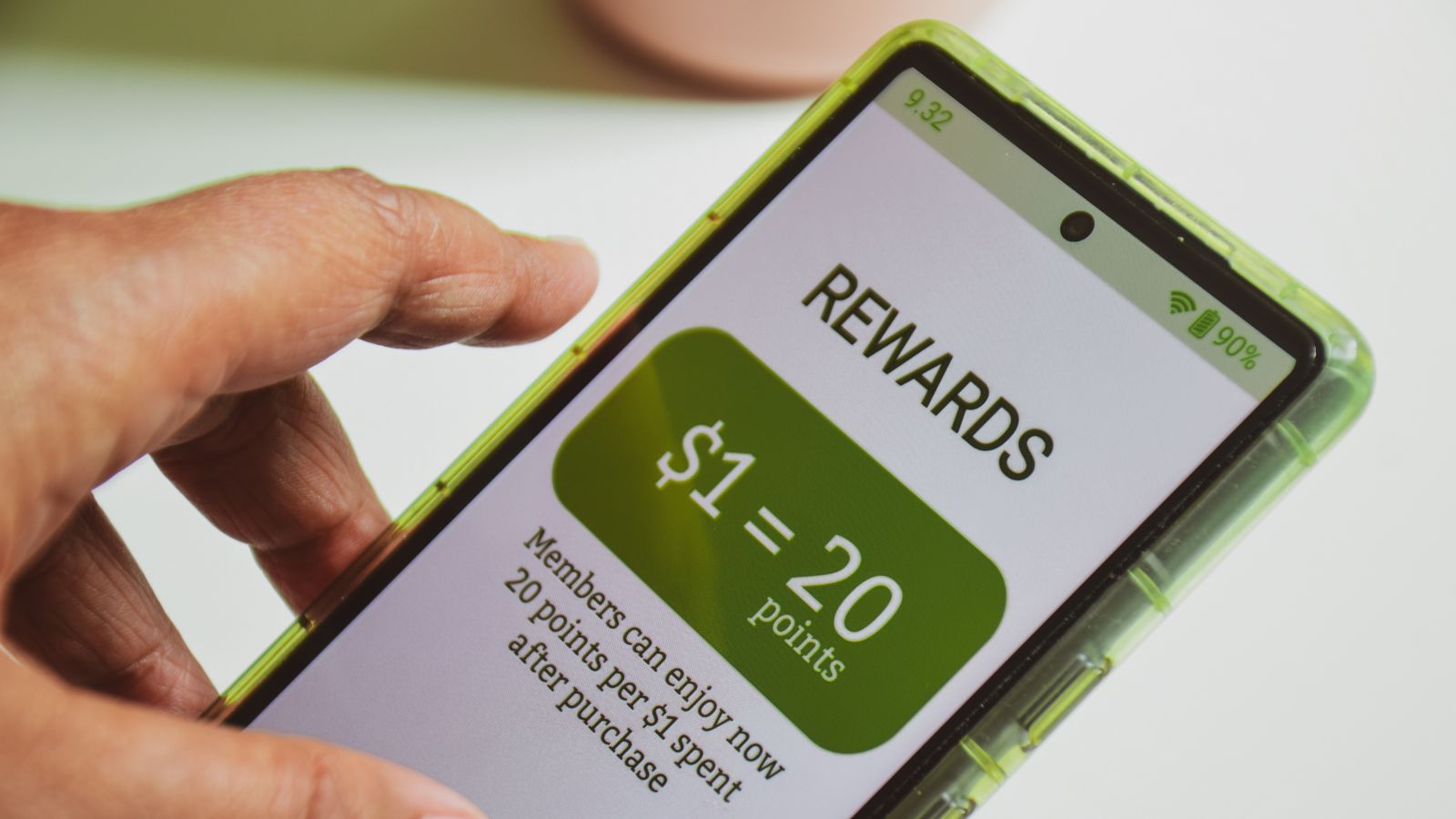
Loyalty programs can produce real savings, especially when points are redeemed strategically. The trap appears when shoppers treat points as a reason to spend more. A promotion offering thousands of bonus points for reaching a higher basket total can push a household to add extras that were not on the list. The reward feels immediate, while the extra spending blends into the grocery bill.
Canadian retailers increasingly use loyalty programs to shape shopping behaviour through personalized offers, member-only pricing, and app-based promotions. That can be useful, but it can also make comparing prices harder. A shopper may choose one store for points even when a competitor has a lower shelf price. The stronger habit is to calculate the cash value of the reward and compare it against the extra amount required to earn it.
Adding Extras to Reach Free Shipping

Free shipping thresholds are one of the most common online spending traps. A cart sitting at $42 can make a $50 free-shipping minimum look harmless, especially if delivery costs $8 or $10. The shopper adds candles, socks, pantry snacks, or beauty items to “save” the fee, but the final order still costs more than the original purchase plus shipping would have.
This habit is powerful because it feels rational in the moment. Online stores often display progress bars, countdowns, and suggested add-ons to make the threshold feel like a target. In Canada, where e-commerce is a normal part of retail spending, these small add-ons can accumulate across clothing, pet supplies, household goods, and grocery delivery. The better question is not whether shipping is free, but whether the total cart is lower than it would have been without chasing the threshold.
Assuming Bigger Grocery Stores Always Mean Better Prices
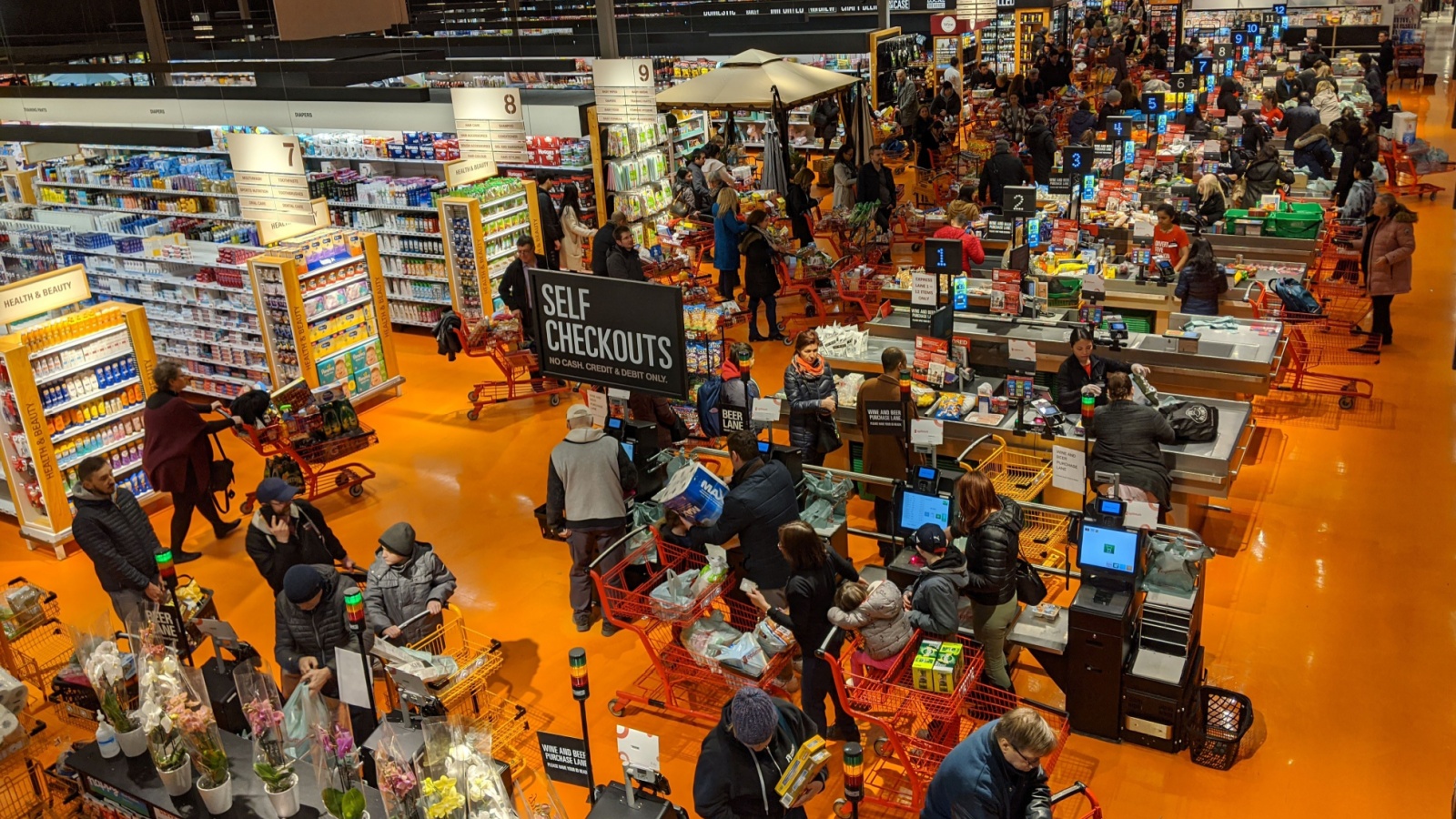
Large supermarkets offer convenience, selection, prepared foods, pharmacy counters, and loyalty programs in one place. That convenience can hide higher spending because shoppers often buy across more categories in a single visit. A quick stop for milk and bread can turn into a cart with bakery items, seasonal décor, toiletries, and ready-made dinners because everything is within reach.
Discount banners and smaller ethnic grocers can sometimes beat conventional supermarkets on basics, produce, spices, rice, legumes, and meat. The difference is not always dramatic on one item, but repeated weekly habits matter. Canadian shoppers who default to one familiar full-service store may miss savings available nearby. Price-checking a short list of household staples across two or three stores can reveal whether convenience is quietly costing more than expected.
Buying Prepared Foods Too Often
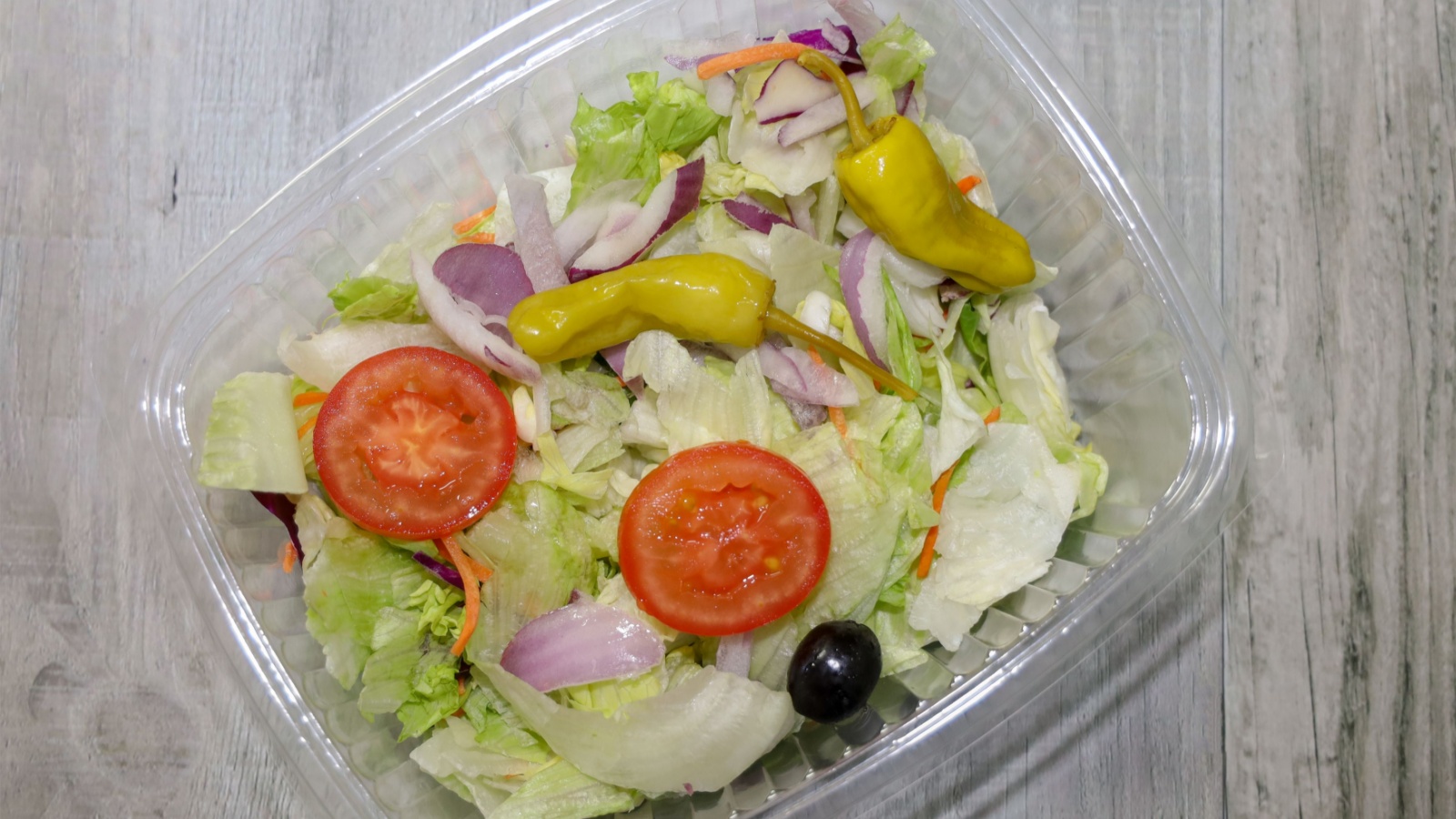
Prepared grocery meals can be cheaper than restaurant takeout, but they are still priced for convenience. Rotisserie chicken, packaged salads, sushi trays, heat-and-serve pasta, and deli sides can rescue a busy evening, yet they often cost far more than basic ingredients. The habit becomes expensive when prepared foods shift from occasional backup to weekly routine.
The appeal is understandable. Many households are managing long commutes, childcare, unpredictable work schedules, and limited energy after a full day. Still, grocery-prepared meals can blur the line between cooking and takeout spending. A practical compromise is to use prepared items as meal anchors rather than full meals: one rotisserie chicken with rice and frozen vegetables, for example, stretches further than buying multiple packaged sides and desserts.
Ignoring Unit Prices on Shrinking Packages
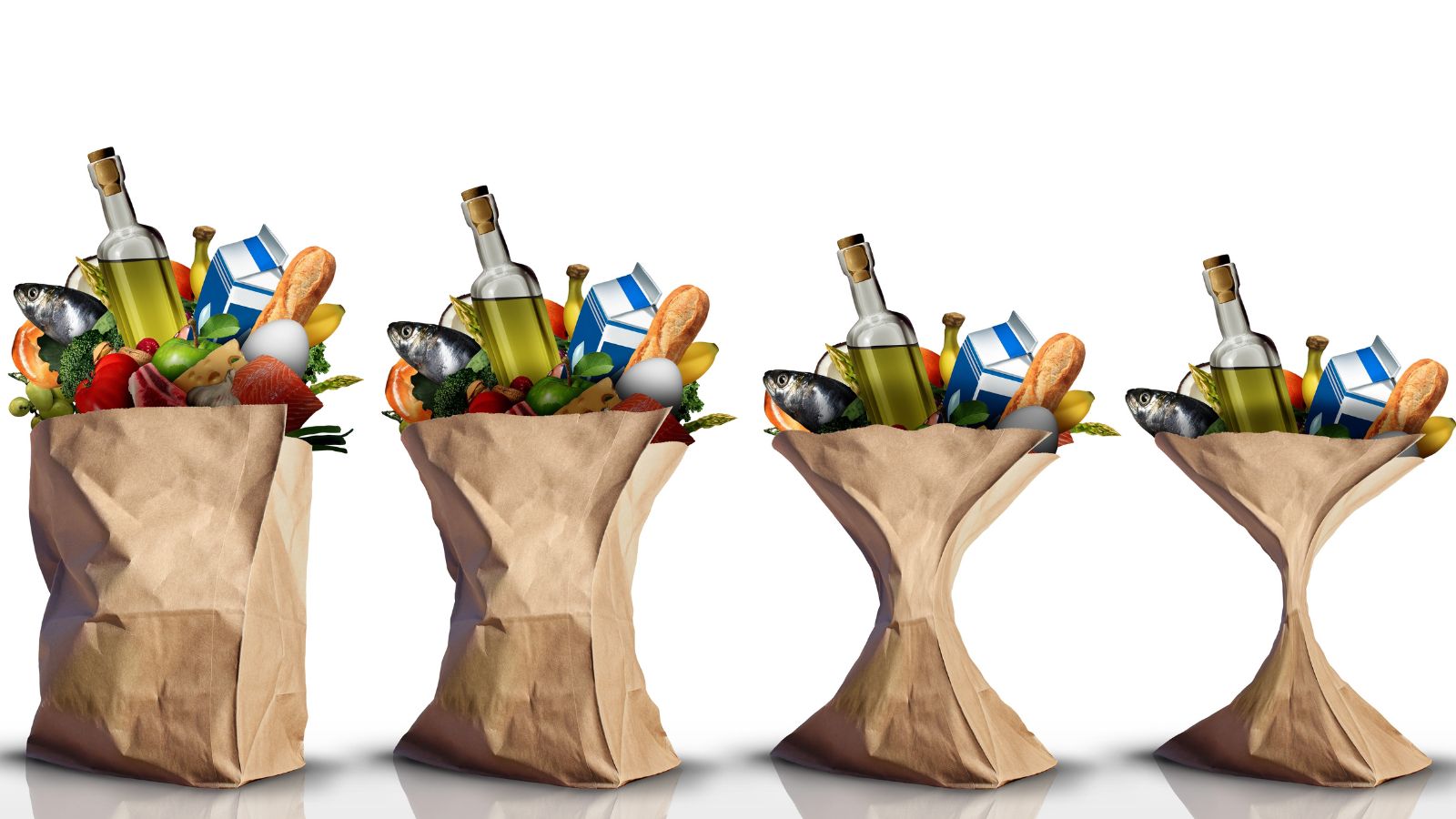
Shrinkflation makes familiar products harder to compare. A box of crackers, a tub of ice cream, or a bag of chips may keep the same brand look while quietly offering less product. When shoppers rely on memory, the shelf price can seem stable even as the cost per gram rises. This is especially noticeable in snacks, cereal, coffee, frozen foods, and household paper products.
Unit pricing helps cut through the confusion, but it takes a few extra seconds. Canadian shoppers comparing price per 100 grams, per litre, or per load can spot when a sale is not really a sale. The habit is especially useful when switching between name brands, private labels, and multipacks. A smaller package on promotion can still cost more per serving than a larger regular-priced alternative.
Buying Sale Items Without Checking the Regular Price Elsewhere
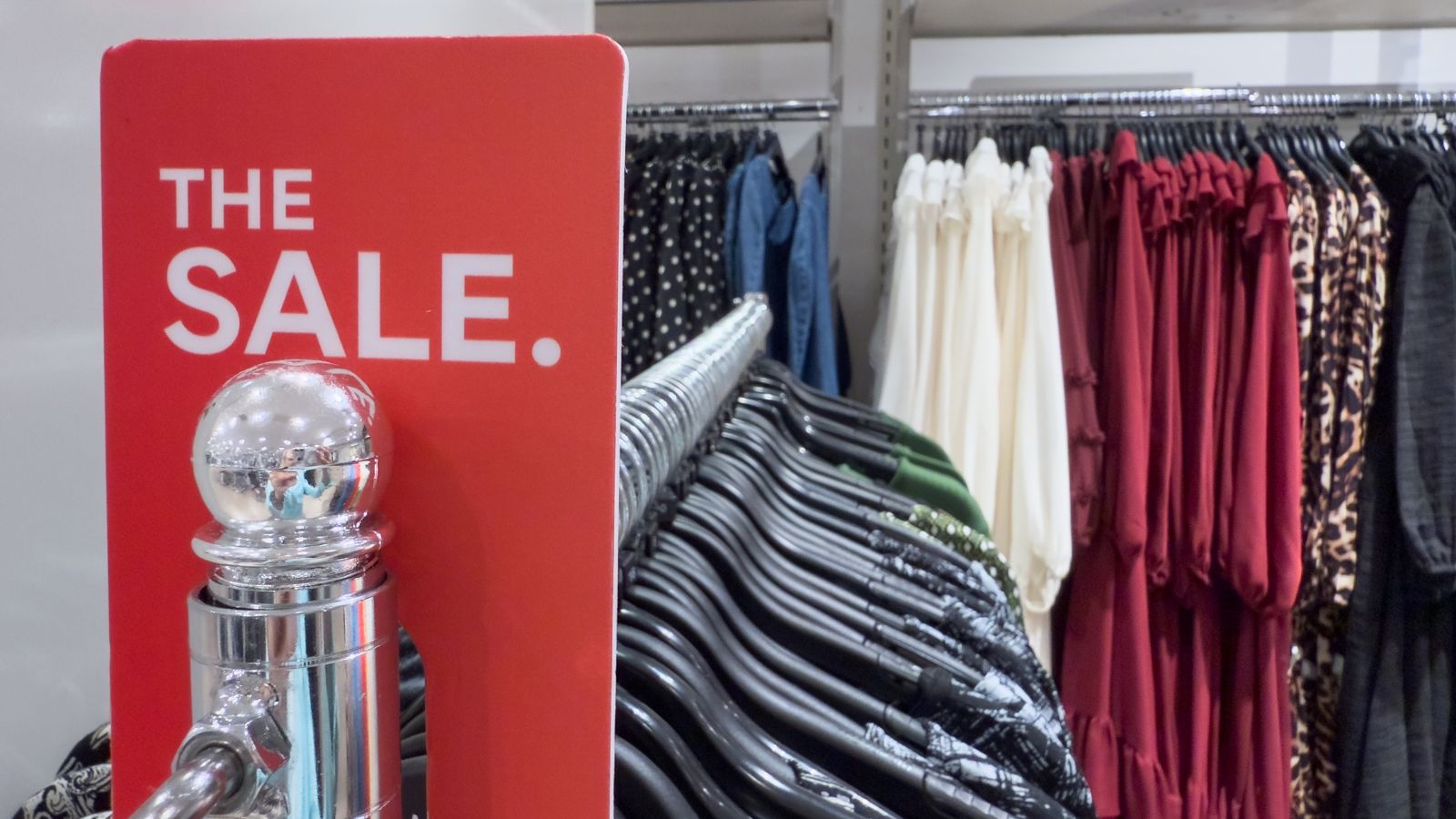
A red sale tag can create urgency, but it does not guarantee a competitive price. Some items are discounted from a higher regular price while another store sells the same product for less every day. This happens often with pantry staples, cleaning supplies, diapers, personal care items, and pet food, where price gaps between retailers can be significant.
The habit drains budgets because shoppers remember the discount percentage, not the final price. A detergent marked down by 25 percent may still be more expensive than a warehouse club, discount banner, or online subscription price. Keeping a simple “known good price” list for the ten most frequently bought items can help households recognize real deals. Without that benchmark, sale tags become persuasive decorations rather than useful information.
Shopping While Hungry or Rushed

Hungry shoppers tend to buy more immediate-gratification foods: bakery snacks, ready-to-eat meals, chips, drinks, desserts, and convenience items. Rushed shoppers make a different mistake. They skip comparison, grab familiar brands, forget what is already at home, and accept higher prices to finish quickly. Both patterns create baskets that feel normal at checkout but look wasteful later.
This habit is common because shopping rarely happens under perfect conditions. Many people stop after work, between errands, or with children in tow. The budget solution does not need to be extreme. A small snack before shopping, a short list grouped by store aisle, and a quick fridge photo before leaving home can prevent duplicate purchases. The goal is not perfect discipline; it is reducing the number of decisions made under pressure.
Letting App Offers Decide the Basket

Grocery and retail apps can be helpful, but personalized offers often steer shoppers toward specific products, larger quantities, or store-exclusive promotions. A shopper may buy a brand they would normally skip because the app offers points. Another may add a second package because the reward only applies after buying two. The app feels like a savings tool, but it is also a marketing channel.
The risk is that app-based discounts are scattered and time-limited, which encourages faster decisions. Instead of starting with household needs, shoppers start with offers. A better approach is to build the list first, then check the app for matching deals. When the process is reversed, the cart can fill with products that serve the promotion more than the household.
Paying With Credit Cards Without Tracking the Running Total

Credit cards can offer rewards, fraud protection, and convenience, but they can also make everyday purchases feel less immediate. Groceries, gas, pharmacy runs, clothing, coffee, and online orders all land in the same monthly statement. By the time the bill arrives, it can be difficult to remember which purchases were essential and which were avoidable.
This matters more when balances are carried month to month. Interest can erase the value of cash back or points quickly. Canadian households using credit cards for shopping can protect themselves by checking the running balance weekly, not only at statement time. Rewards work best when the balance is paid in full. Otherwise, a two-percent reward can sit beside interest charges that cost far more.
Using Buy Now, Pay Later for Everyday Wants
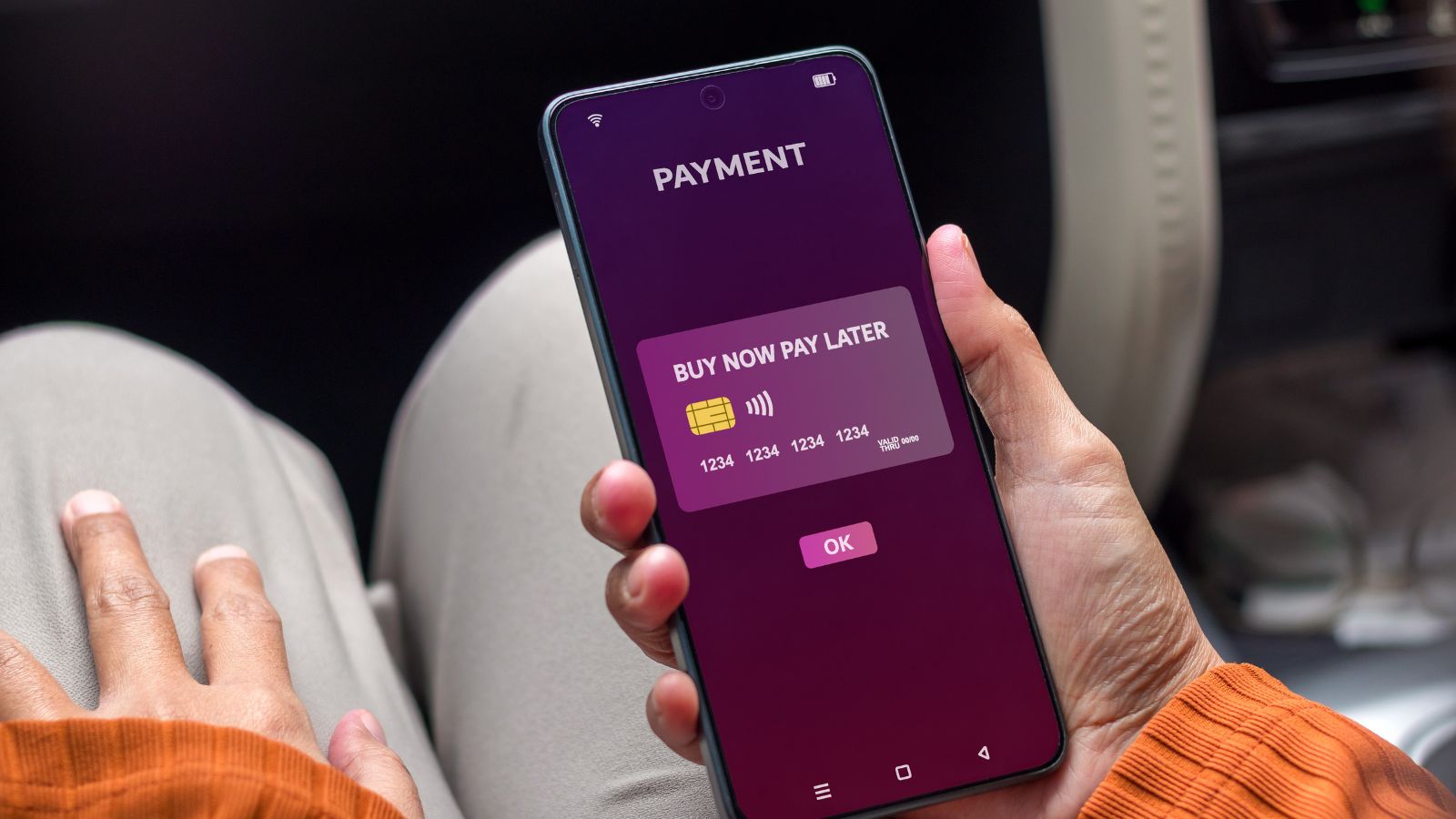
Buy now, pay later plans can be useful for timing a necessary purchase, but they become risky when used for clothes, cosmetics, electronics, home décor, or seasonal splurges. Splitting a $120 order into smaller payments makes it feel lighter, even though the household still owes the full amount. Multiple plans across different retailers can create a hidden payment schedule.
The drain is not always interest. It is the loss of budget visibility. A shopper may feel under budget at checkout because only the first payment is due, then face several automatic withdrawals later. In Canada, financial regulators have warned consumers to understand the terms, fees, missed-payment consequences, and debt implications of these plans. The safest habit is to treat split payments as debt, not as a discount.
Buying Seasonal Items Too Early at Full Price
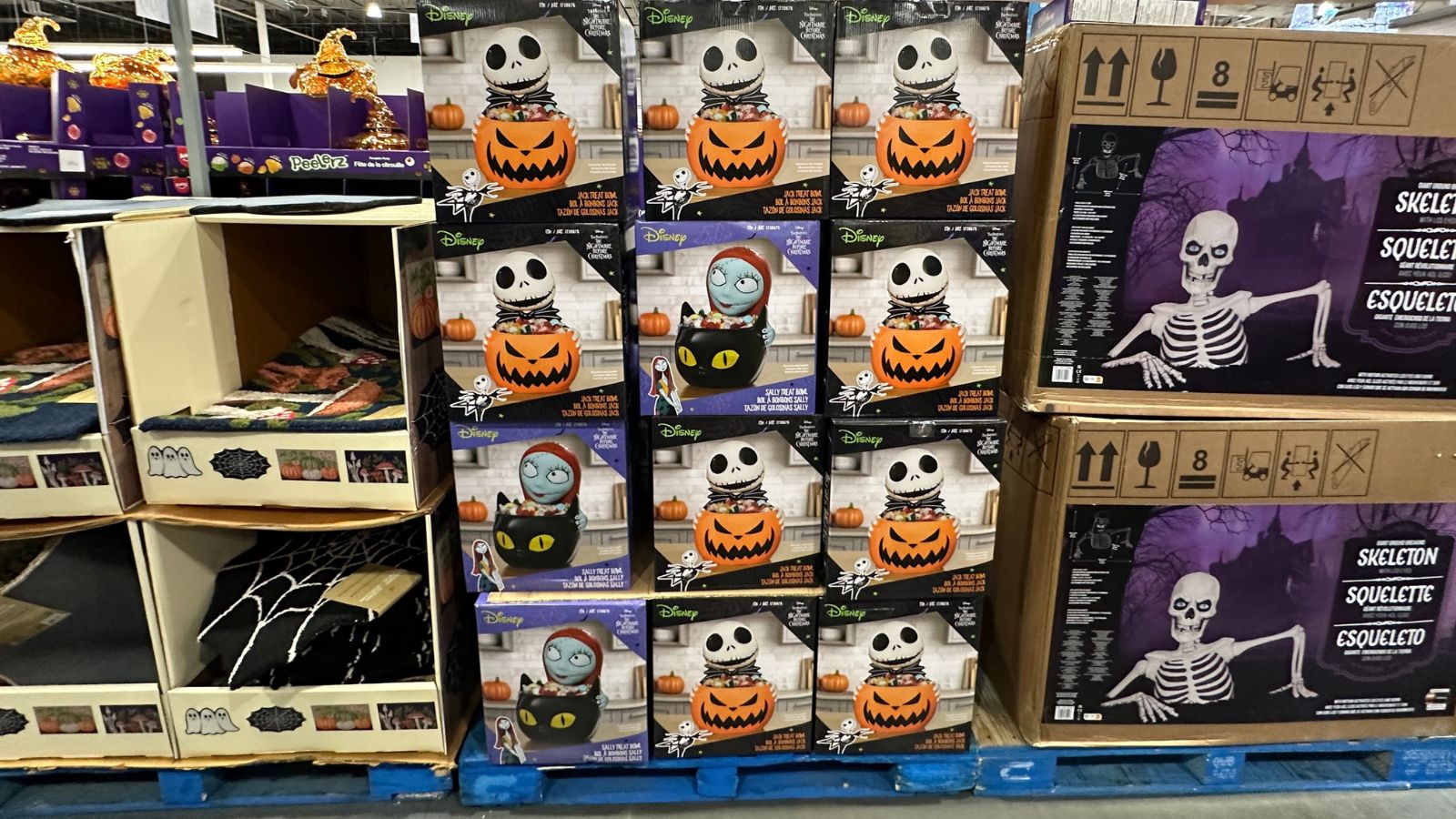
Retailers start seasonal displays early because anticipation sells. Patio furniture appears before steady warm weather, Halloween candy arrives weeks ahead of October, and holiday décor fills aisles long before December. Buying early can be practical for high-demand items, but it often means paying full price before markdowns begin.
This habit quietly affects households because seasonal shopping feels emotionally justified. A parent buys costumes early to avoid stress. A homeowner buys outdoor items during the first sunny weekend. A host grabs decorations while the selection is fresh. The budget-conscious move is to separate must-have items from flexible ones. Anything generic, decorative, or replaceable often drops in price later, especially after the season peaks.
Assuming Private Label Is Always the Cheapest Choice
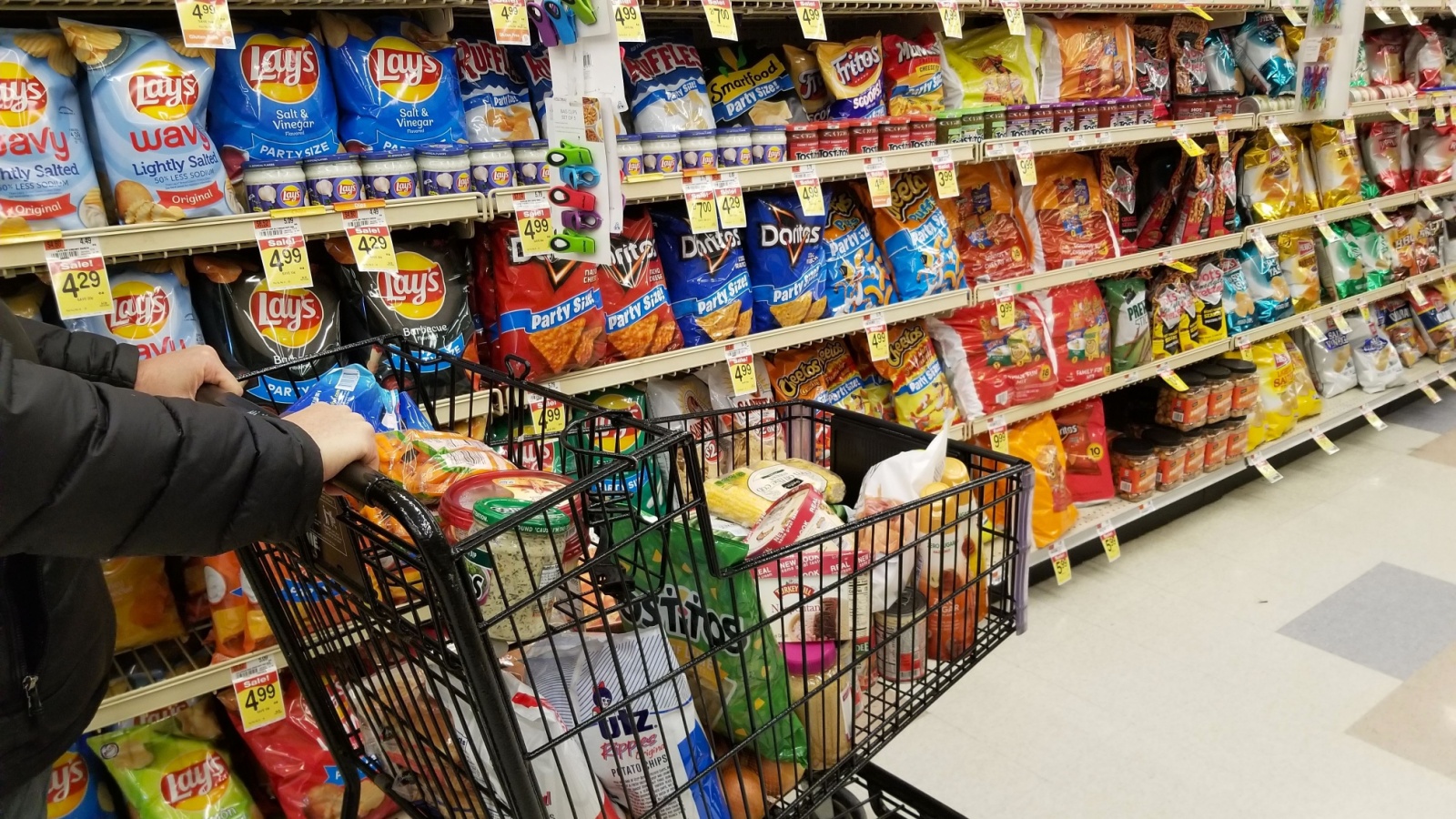
Private label products often offer strong value, and many Canadian shoppers have shifted toward them as grocery prices rise. But store brands are not automatically cheaper in every category. A national brand on sale, a larger package, or a competing retailer’s regular price can beat the private-label option. Blindly choosing store brands can reduce comparison shopping.
The habit becomes especially costly when premium private labels enter the cart. Many retailers now offer basic, mid-tier, and upscale store-brand lines. The premium versions may look affordable compared with specialty brands but still cost more than a simple alternative. Private label is a useful starting point, not a rule. Unit price, ingredients, package size, and actual household preference still matter.
Overbuying Fresh Produce With Good Intentions
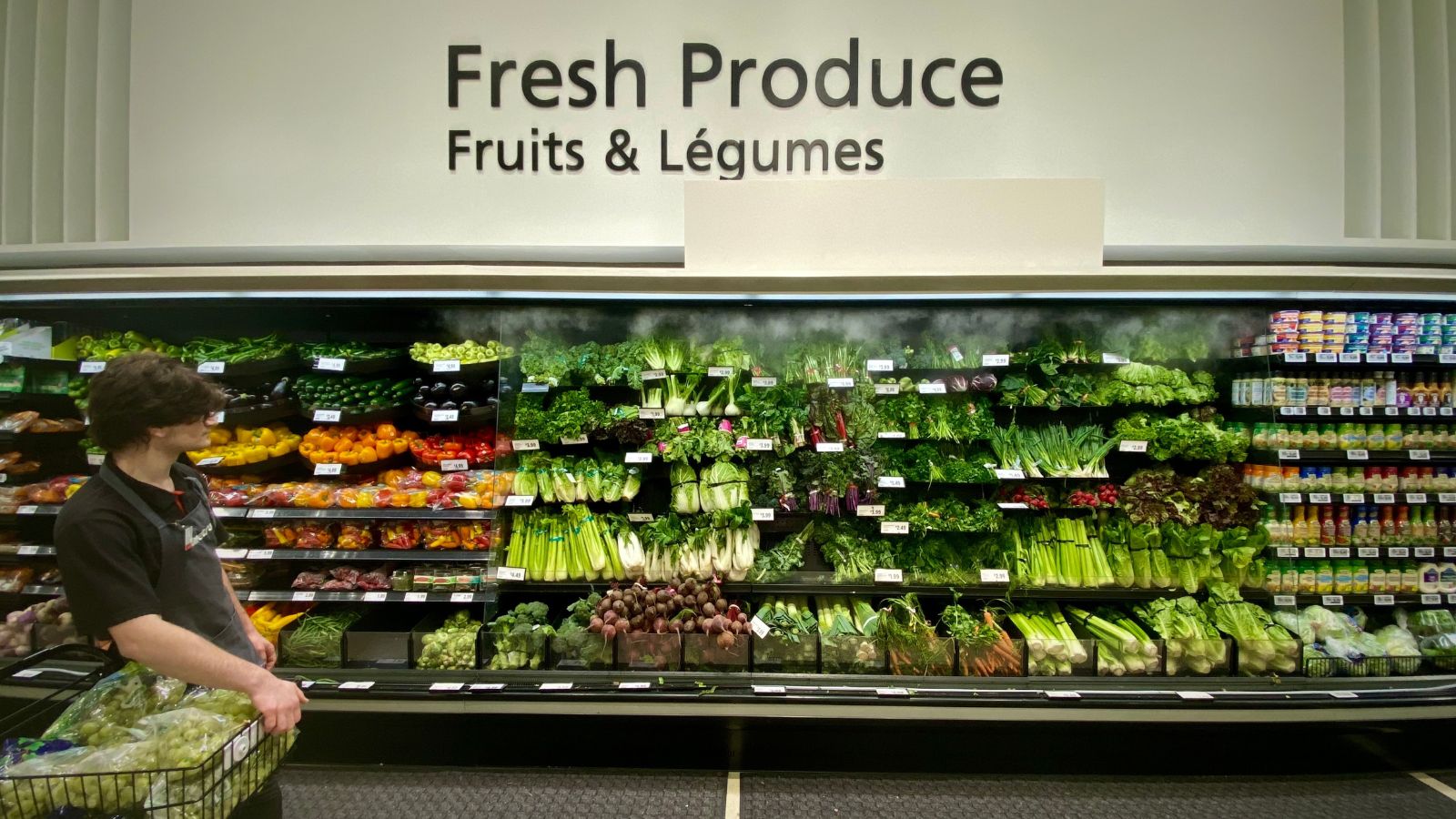
Fresh produce is one of the easiest categories to overbuy because it represents health, optimism, and good intentions. A cart full of berries, salad greens, herbs, peppers, and avocados can feel responsible. The trouble starts when the week becomes busier than expected and delicate items spoil before they are used.
Food waste is a major Canadian cost issue, and households feel it directly when produce ends up in the compost or garbage. The better habit is to buy fresh produce in layers: hardy items for later in the week, delicate items for the next two or three days, and frozen vegetables as backup. This approach keeps nutrition in the kitchen without forcing every meal to depend on perfect timing.
Buying Multipacks of Snacks and Drinks for “Savings”
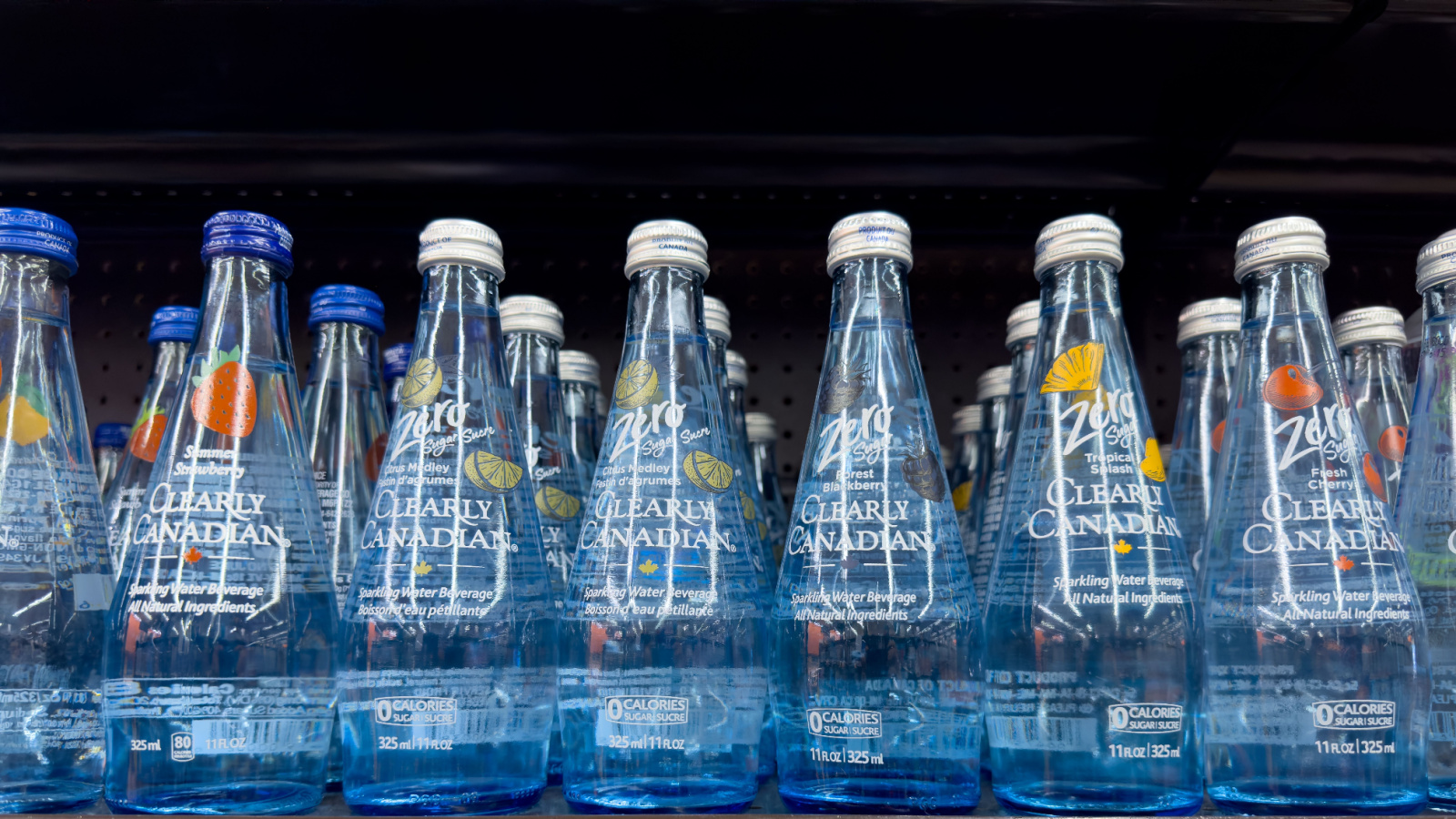
Multipacks can reduce unit costs, but they can also increase consumption. A case of sparkling water, a large box of granola bars, or a party-size snack pack may disappear faster simply because it is available. What was supposed to last two weeks lasts one, and the household buys it again sooner.
This habit is easy to overlook because snack spending is often fragmented. A few extra bars in lunchboxes, more juice boxes after school, or larger portions during TV time do not feel like shopping decisions. Yet the original purchase size shapes how quickly people consume. Multipacks are most useful when portions are planned and storage is controlled. Otherwise, the “cheaper per item” logic can turn into more items consumed.
Treating Dollar Stores as Automatically Budget-Friendly
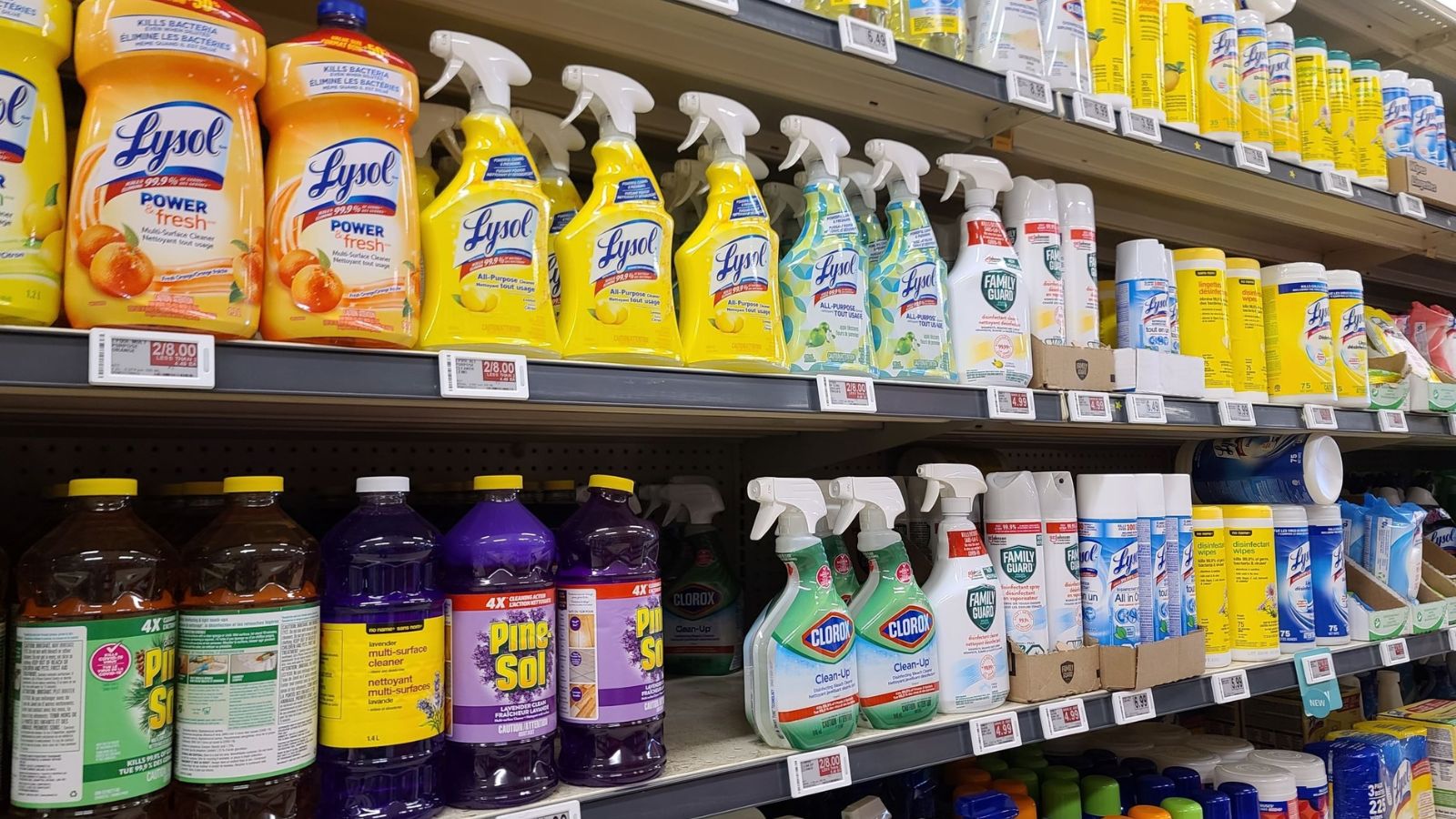
Dollar stores can be excellent for greeting cards, basic party supplies, some cleaning tools, and small household items. The danger is assuming everything there is cheaper. Smaller package sizes, lower durability, and impulse-friendly layouts can make the final basket surprisingly expensive. A shopper might enter for tape and leave with snacks, décor, kitchen gadgets, and toys.
The value depends heavily on category. Some pantry items or cleaning products may cost more per gram or per litre than supermarket or warehouse alternatives. Other items may break quickly and need replacement. Dollar stores work best with a strict list and unit-price awareness. Without those, the low individual prices make it easy to spend $40 or $50 on items that were never part of the budget.
Making Too Many Small Convenience Trips

A quick stop at the pharmacy, corner store, gas station, or small urban grocery can solve an immediate need, but frequent convenience trips add up. Prices are often higher, selection is narrower, and shoppers commonly add small extras at checkout. Milk becomes milk plus gum, a drink, batteries, and a snack.
The cost is not only the markup. It is the loss of planning. Running out of basics often leads to buying emergency-sized packages at higher prices instead of restocking during a regular shop. For Canadian households in dense neighbourhoods or commuter routines, convenience stores are tempting because they fit into daily movement. A small backup shelf at home—pasta, canned tomatoes, rice, frozen vegetables, soap, toothpaste—can reduce these expensive little rescues.
Buying Clothing Because the Discount Feels Too Good
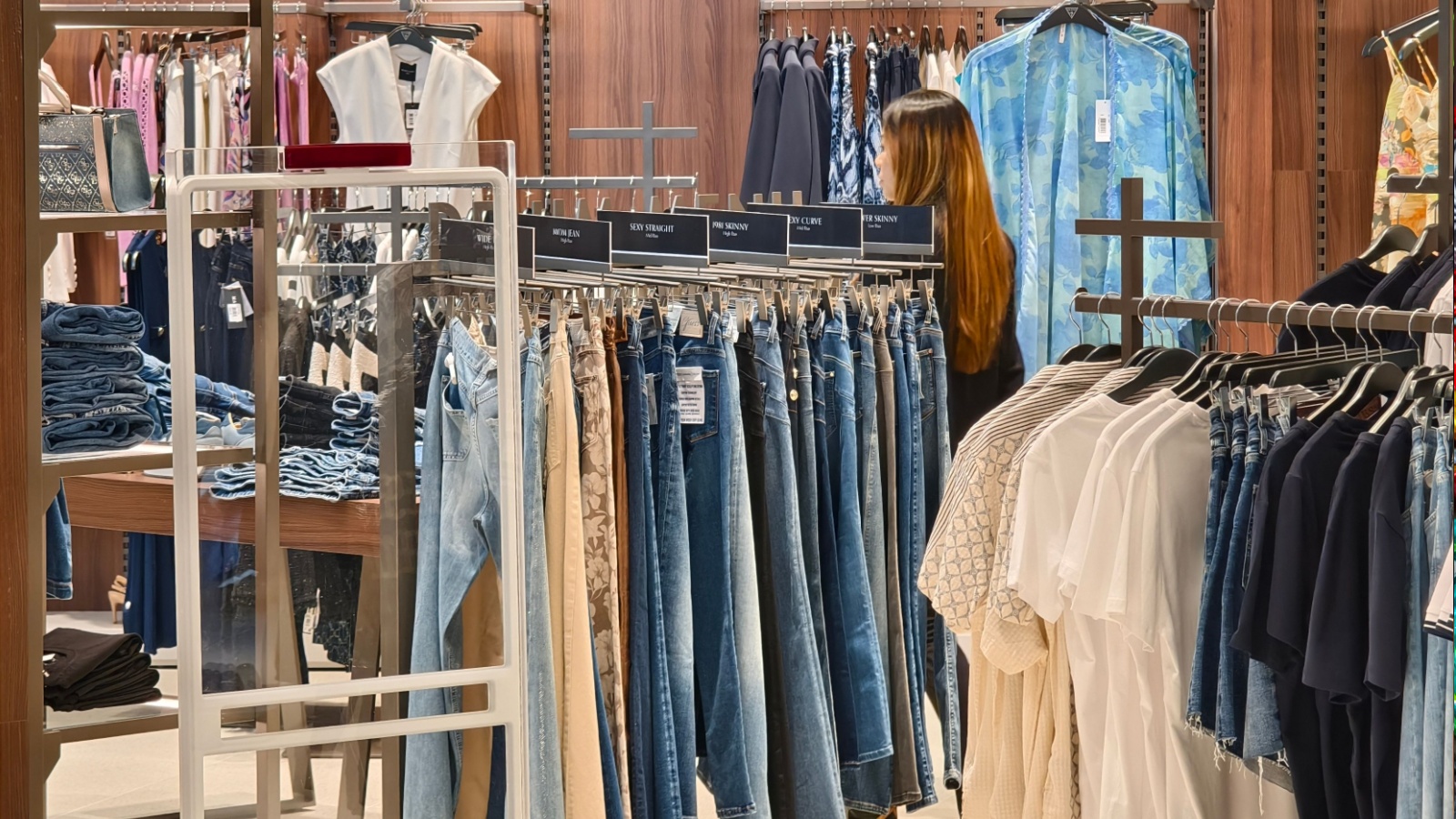
Clothing discounts can be dramatic, especially during end-of-season sales, outlet promotions, and online clearance events. A sweater marked down from $89 to $29 feels like a win, but it is only a saving if it fills a real wardrobe gap. Many households lose money on clothes that are almost right: slightly wrong fit, difficult colour, special-care fabric, or a style that only works for rare occasions.
This habit is especially common online, where returns may be delayed, forgotten, or discouraged by fees. The “deal” becomes clutter if the item stays unworn. A practical test is cost per wear. A $120 coat worn for years can be cheaper than five discounted tops that sit in a drawer. Discounts should reduce the cost of needed clothing, not create a reason to buy clothing without a plan.
Letting Return Policies Encourage Risky Purchases
Generous return policies can make shopping feel low-risk, but returns still take time, attention, and sometimes money. Items must be repackaged, receipts found, labels printed, or trips made back to the store. When life gets busy, the unwanted purchase remains at home and the budget absorbs it.
This habit is common with online apparel, home goods, electronics accessories, and children’s items. Shoppers order multiple sizes or colours intending to return most of them, then miss the window or decide the hassle is not worth it. A return policy is useful protection, but it should not replace careful buying. Checking measurements, reviews, materials, and total return costs before ordering can prevent money from getting trapped in “maybe” purchases.
19 Things Canadians Don’t Realize the CRA Can See About Their Online Income

Earning money online feels simple and informal for many Canadians. Freelancing, selling products, and digital services often start as side projects. The problem appears at tax time. Many people underestimate how much information the CRA can access. Online platforms, banks, and payment processors create detailed records automatically. These records do not disappear once money hits an account. Small gaps in reporting add up quickly.
Here are 19 things Canadians don’t realize the CRA can see about their online income.
