
Canadian grocery shoppers have become experts at reading between the lines of bright red sale tags. A discount that once felt generous can now feel like a small pause in a long climb, especially after years of food inflation, smaller package sizes, and changing loyalty programs. The frustration is not only about price; it is about trust, value, and the growing sense that a “deal” often requires extra math.
These 22 grocery store “deals” capture the discounts, bundles, and promotions that many Canadians increasingly question. Some still offer savings in the right circumstances, but others feel less convincing when unit prices, expiry dates, app requirements, and shrinking portions are taken into account.
Multi-Buy Offers That Force Bigger Spending

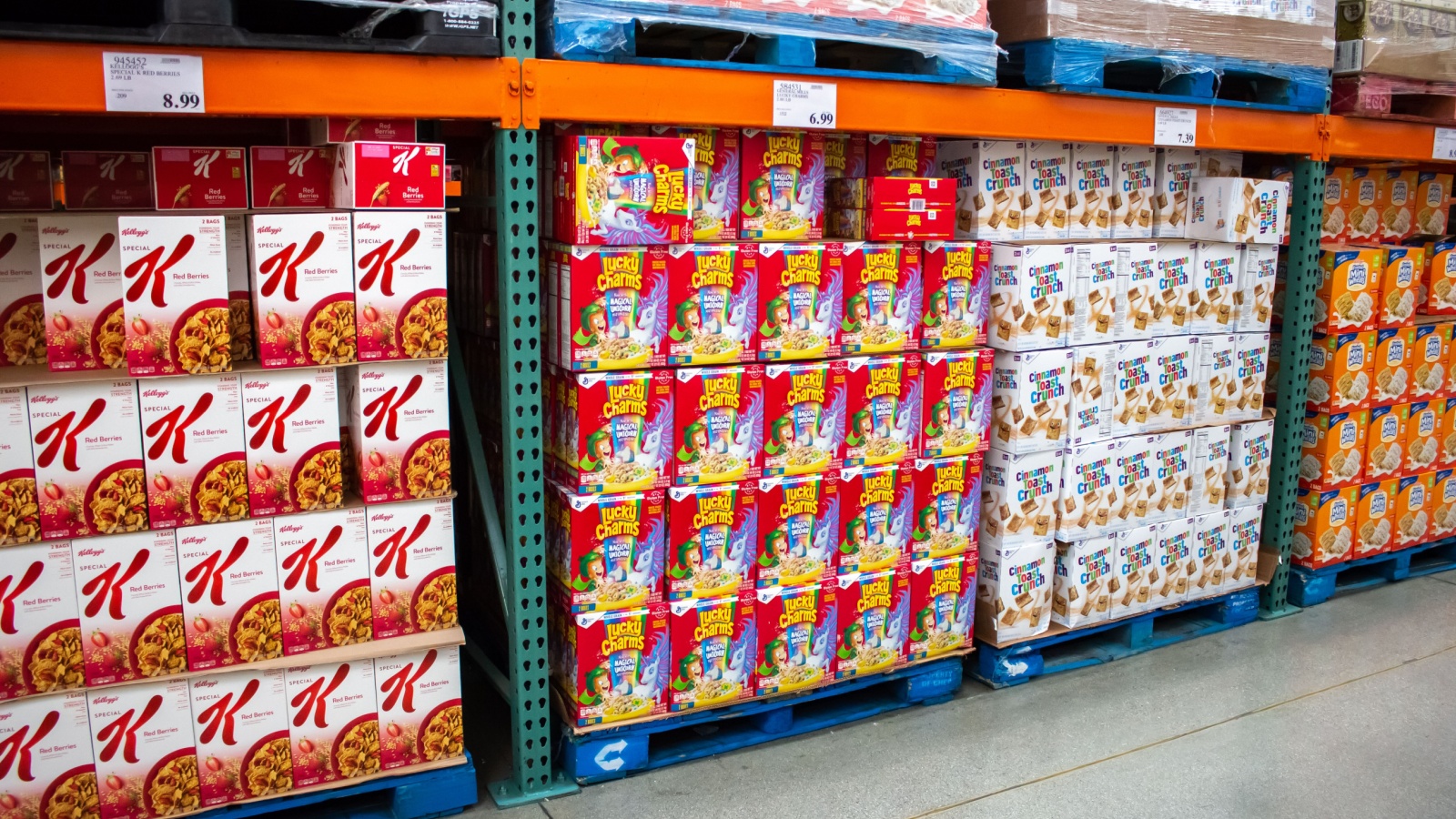
“Buy two for $7” can sound better than “$3.50 each,” but the emotional pull changes when a household only needs one item. Multi-buy offers often make shoppers spend more upfront, especially on snacks, condiments, cereal, drinks, and freezer items. For single people, seniors, students, and smaller households, the extra unit can become clutter rather than savings.
The frustration grows when the single-item price is noticeably higher than the multi-buy price. A shopper who only needs one jar of pasta sauce may feel punished for not buying two or three. This is where the deal stops feeling flexible and starts feeling like a push toward bigger baskets. In a period when Canadians are watching every receipt, promotions that require larger purchases can feel out of step with real household budgets.
“Member Price” Discounts Behind Loyalty Cards
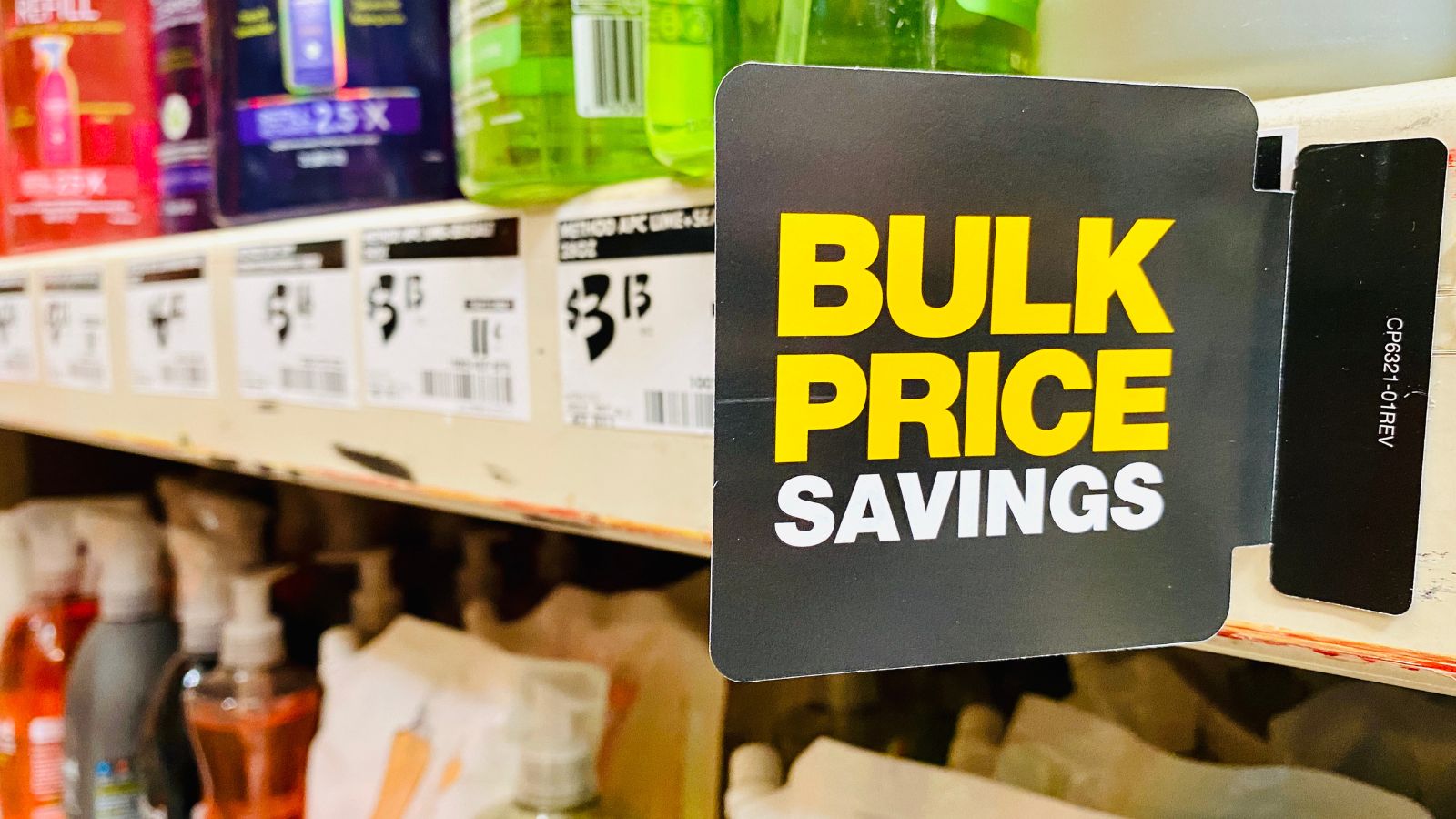
Member-only pricing once felt like a harmless perk. Now, some shoppers see it as a gate that must be unlocked before basic savings appear. A shelf tag might show a regular price, a loyalty price, and sometimes a digital-only offer, leaving the shopper to sort out which number actually applies at checkout.
This kind of deal can be especially irritating for people who do not want another app, card, password, or data-linked account. The savings may be real, but the experience can feel conditional. When staple foods like milk alternatives, frozen vegetables, or coffee carry better prices only for members, Canadians may wonder why the posted discount is not simply available to everyone. A deal feels weaker when participation becomes part of the cost.
Shrunk Packages With Familiar Sale Tags
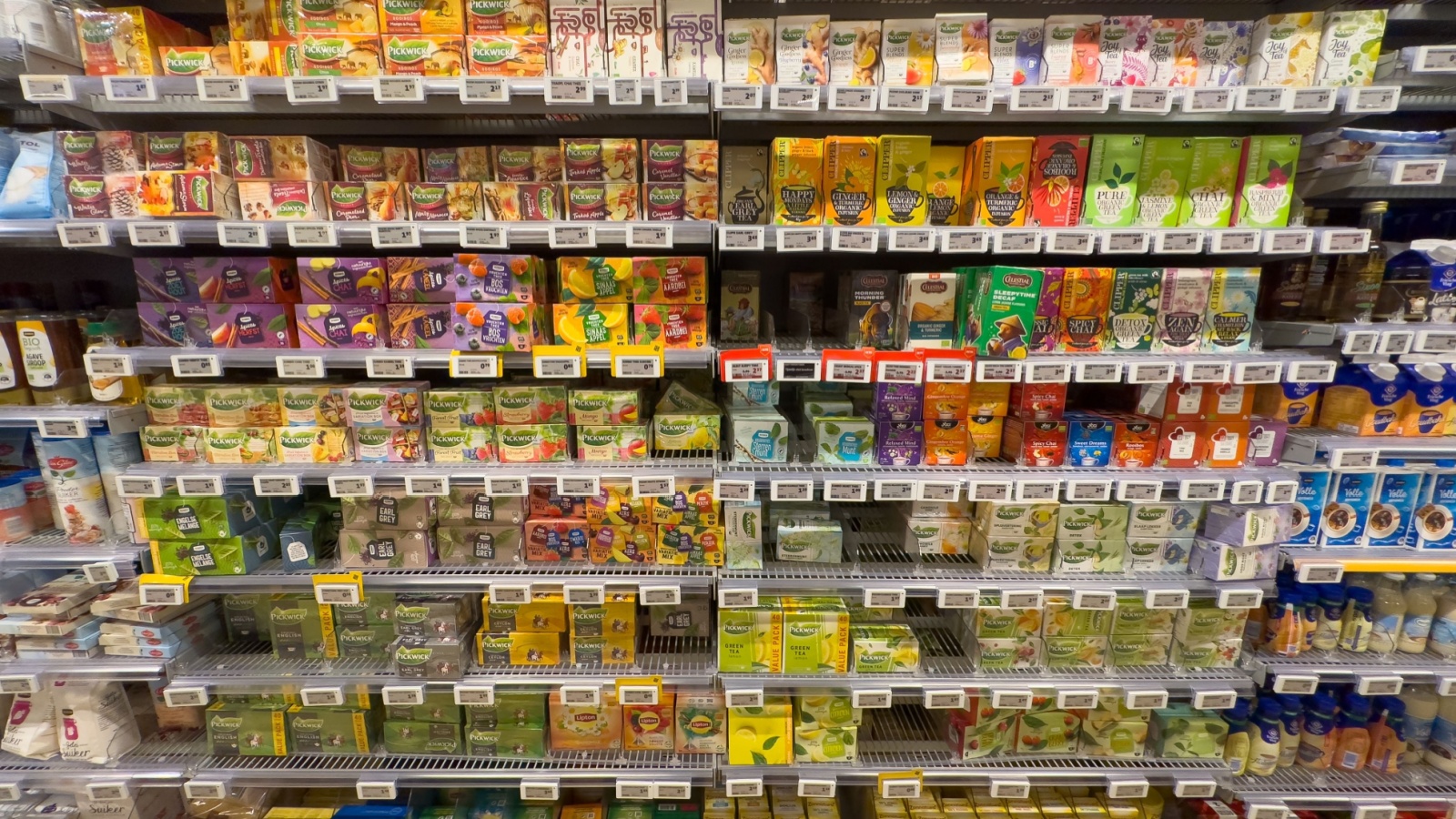
A sale on a favourite product can look appealing until the package feels lighter than remembered. Shrinkflation has made many Canadians more suspicious of familiar shelf tags, especially for crackers, cereal, chips, cookies, cheese, frozen foods, and pantry staples. The price may be lower than last week, but the amount inside may no longer match older expectations.
This is why a “save $1” label can feel hollow. A box that used to last through several lunches might now disappear faster, turning the sale into a smaller benefit than it appears. Shoppers increasingly compare grams, millilitres, and serving counts rather than trusting the front-of-pack design. The deal may still technically be a discount, but it feels less satisfying when the package has quietly changed.
Club Packs That Are Too Big for Real Life
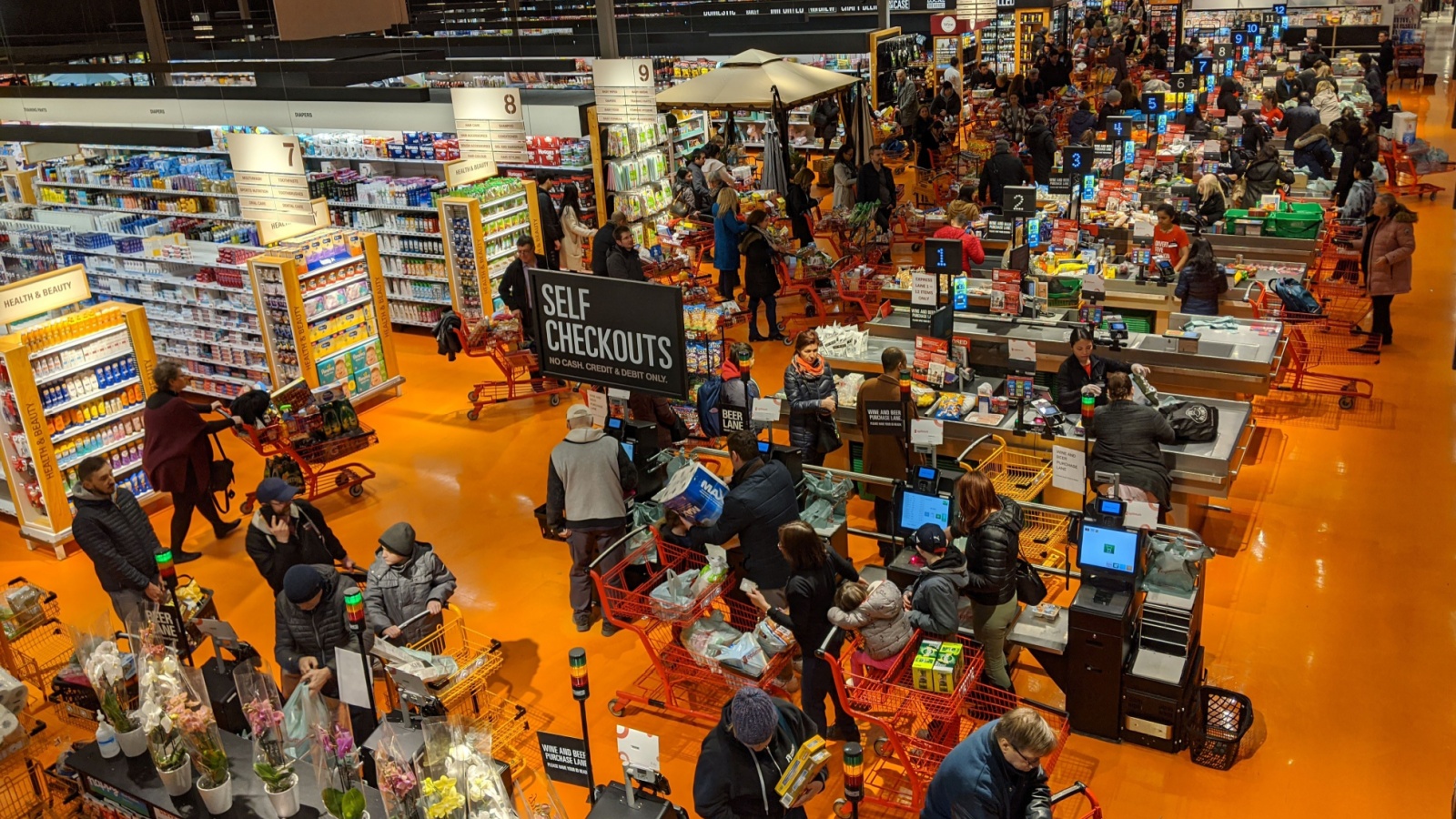
Large club packs can make sense for big families, shared households, and people with storage space. But not every bulk format is a bargain in practice. A giant tray of chicken, a huge bag of spinach, or a family-size tub of yogurt can lose value quickly if part of it spoils before it is used.
This is especially common with fresh foods, where the per-unit price can look good but the calendar works against the shopper. A smaller household may buy the larger size because the shelf tag looks smarter, then throw away wilted produce or expired dairy a few days later. The math changes when waste enters the picture. A true deal should save money after the food is eaten, not just look cheaper at the shelf.
“Limit 4” Deals That Create Urgency
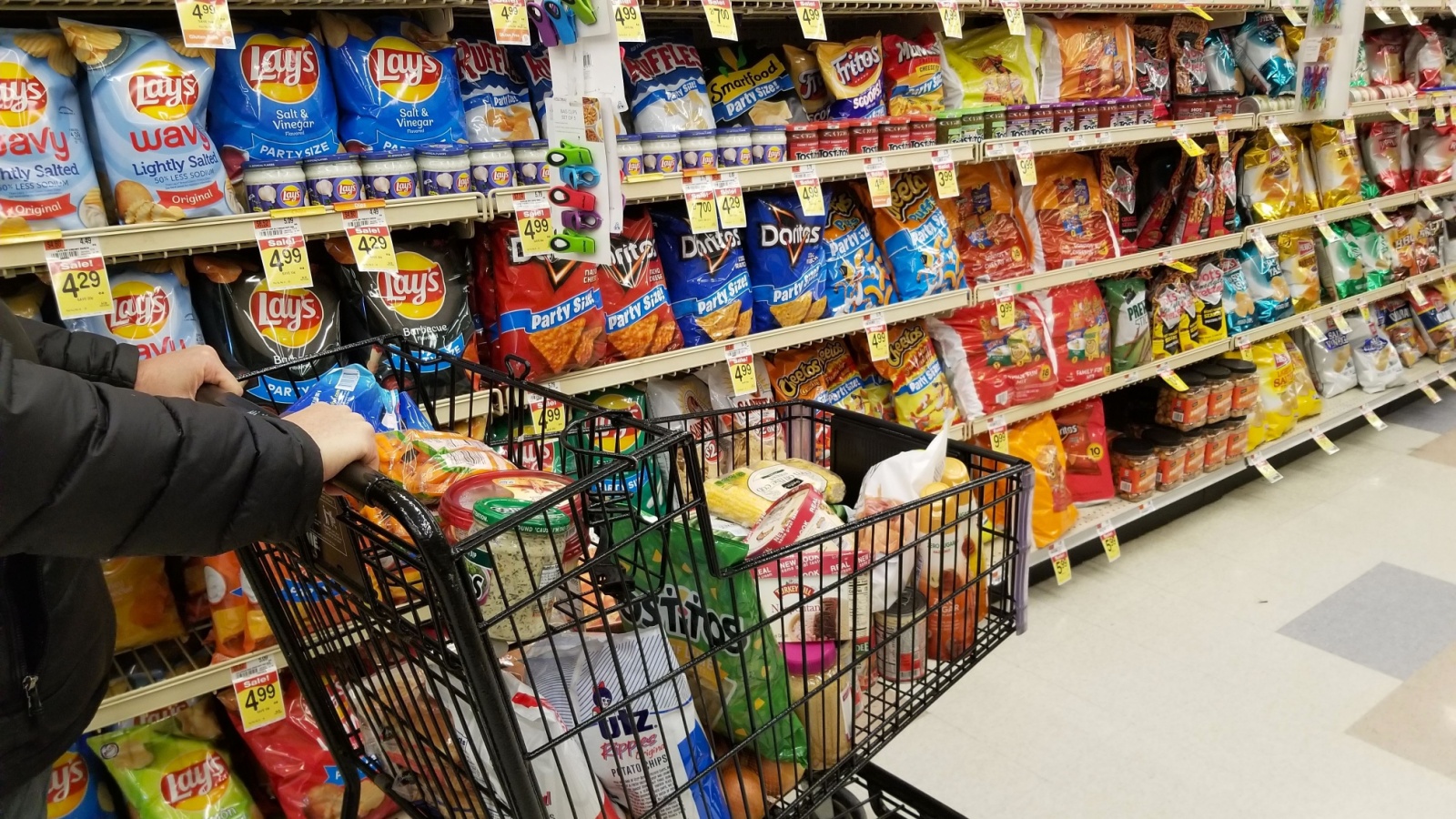
A “limit 4” sign can make a product seem scarce or unusually valuable, even when the discount is ordinary. The limit suggests that shoppers should act quickly, and that can turn a routine grocery trip into a small pressure test. Canned soup, butter, coffee, pasta sauce, and frozen entrées often appear in this kind of promotion.
The deal may be legitimate, but the presentation can nudge people to buy more than planned. A shopper may put four in the cart simply because four is allowed, not because four are needed. When budgets are tight, this urgency feels less like a favour and more like a tactic. Canadians who have become more disciplined about lists and meal plans may now treat “limit” signs as a reason to slow down rather than stock up automatically.
Loyalty Points That Require Complicated Spending Thresholds
Points events can be useful when they line up with an existing shopping list. The problem begins when a promotion requires spending $75, $100, or more to earn a reward. A household that planned a $48 trip may add extras just to hit the threshold, turning the reward into a reason to overspend.
The math is not always obvious in the aisle. A points offer might sound generous, but the value often depends on redemption rules, exclusions, and whether the extra items were needed. Some shoppers enjoy optimizing these programs, while others find them exhausting. When the “deal” requires mental accounting at the end of a long workday, it can feel less like savings and more like homework attached to groceries.
“Save More When You Buy More” Meat Promotions
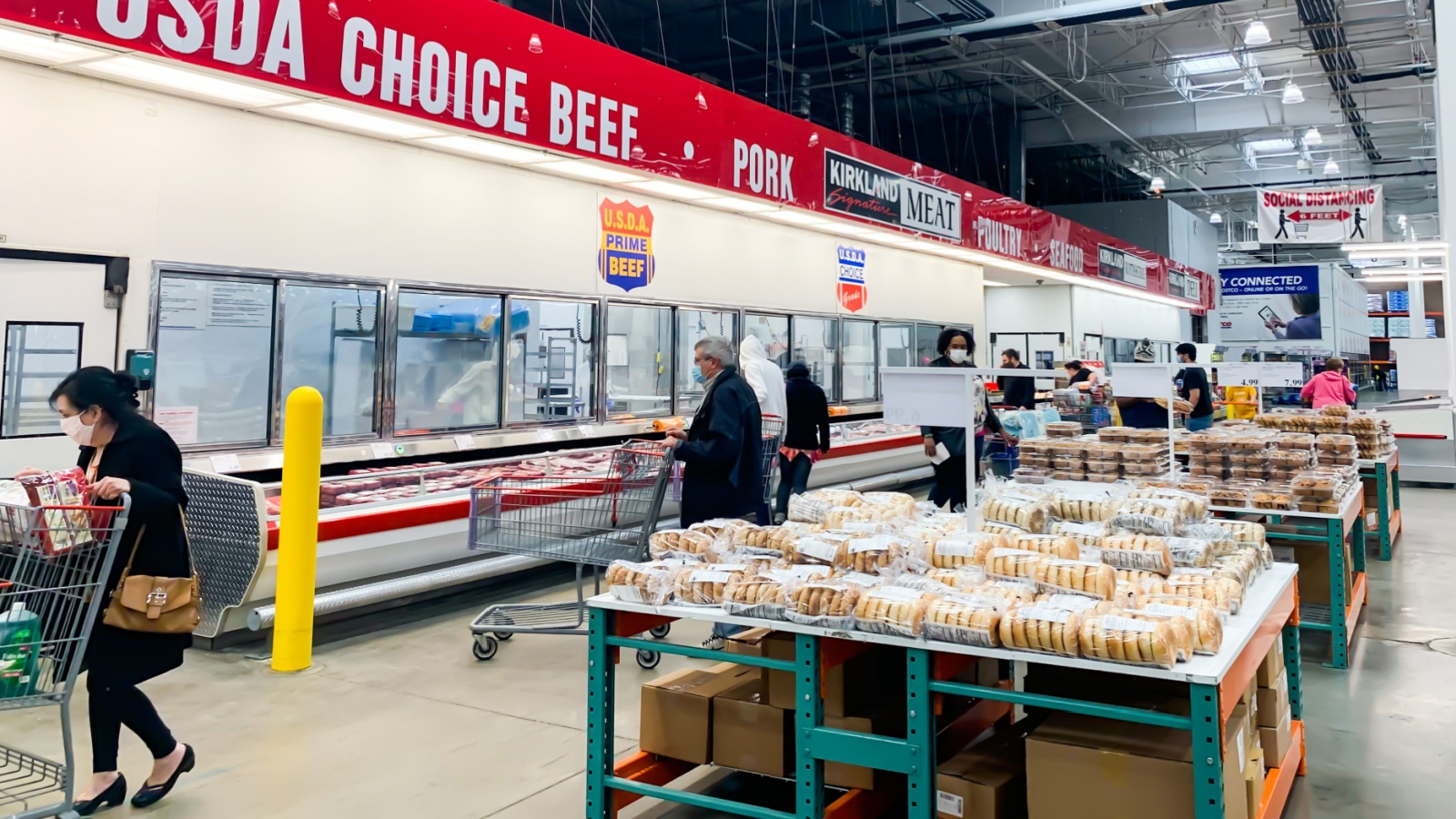
Meat promotions attract attention because beef, chicken, pork, and deli products take up a large share of many grocery bills. A flyer price on a family pack can look like relief, especially when meat prices have risen sharply in recent years. Yet these deals often favour households with freezer space, time to portion food, and enough cash to buy more at once.
For others, the offer is less helpful. A large pack of ground beef or chicken thighs may cost less per kilogram, but the total price can still be high at checkout. Some shoppers also worry about whether they will use it safely before freezer burn or spoilage sets in. A meat deal feels weaker when it demands planning, storage, and upfront money that not every household has.
Produce Specials on Items That Spoil Quickly
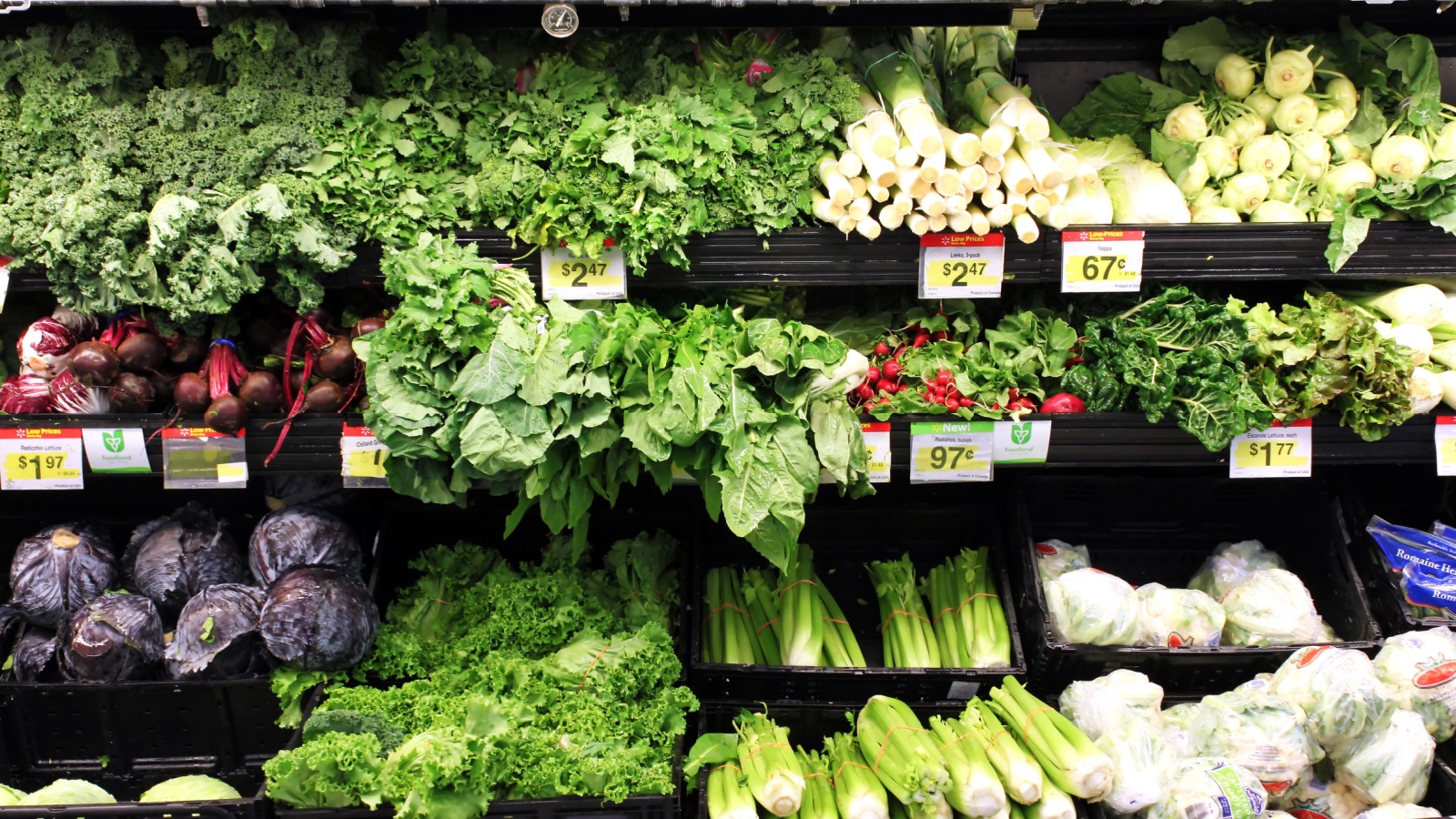
Fresh produce deals are welcome, but they can disappoint when the item is already near the end of its shelf life. Berries, lettuce, avocados, mushrooms, herbs, and bagged salads can look affordable for a day and then turn unusable almost overnight. The lower price may reflect quality that shoppers only discover at home.
This creates a particular kind of frustration because produce is tied to health, meal planning, and household routines. A parent buying discounted strawberries for school lunches may not feel like a winner if half the package has to be tossed by morning. The real value of produce depends on freshness as much as price. When a sale item requires immediate rescue, it can feel more like a gamble than a deal.
Frozen Food Discounts That Still Cost More Per Serving
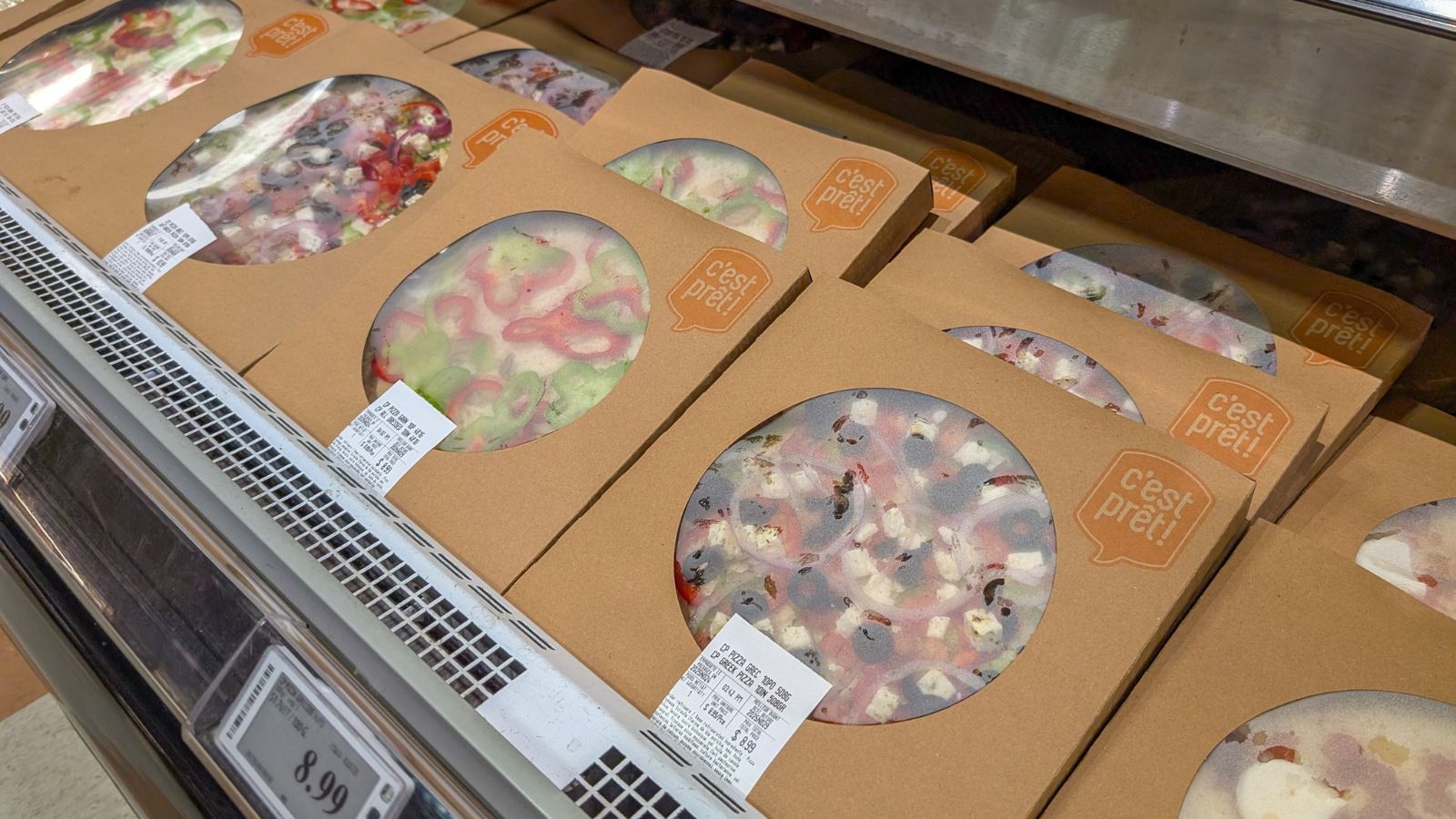
Frozen pizzas, entrées, vegetables, fries, and prepared meals often appear in flyers with bold discounts. These items can help busy households, but the deal may look less impressive when compared with portion size. A discounted frozen meal that serves one person may still cost more per serving than a simple homemade option.
The issue is not that convenience has no value. Many Canadians rely on frozen food to manage work schedules, caregiving, commuting, and unpredictable evenings. The irritation comes when the sale price no longer feels like an occasional bargain. If a frozen pizza is “on special” at a price that used to be regular, shoppers notice. The sale tag may still be bright, but the memory of older prices makes the deal harder to celebrate.
“Two-Day Sale” Events That Repeat Often

Short sale windows can make shoppers feel they must rearrange plans to get the best price. A two-day event on butter, eggs, coffee, or chicken may pull people into stores midweek, even if the rest of their groceries are not needed yet. That urgency can be useful for retailers, but inconvenient for households.
The deal starts to feel less special when similar events return frequently. Shoppers may wonder whether the short deadline is about genuine scarcity or simply driving traffic. For people without easy transportation, flexible work hours, or nearby stores, these flash-style grocery promotions can feel exclusionary. A discount that requires perfect timing is not as helpful as one that fits normal shopping routines.
App-Only Coupons That Are Easy to Miss

Digital coupons can offer real savings, but they also create a new failure point. A shopper may buy the right product, at the right store, during the right week, but miss the discount because the offer was not loaded properly in the app. That makes the receipt feel like a trapdoor.
The frustration is especially strong for older shoppers, people with limited data plans, or anyone who does not want to scroll through offers before buying milk and bread. Grocery shopping already involves comparing sizes, prices, and ingredients. Adding app navigation can make ordinary discounts feel less accessible. A deal that disappears unless a button was tapped beforehand does not feel as straightforward as the old paper flyer promise.
“Was/Now” Pricing That Raises Doubts
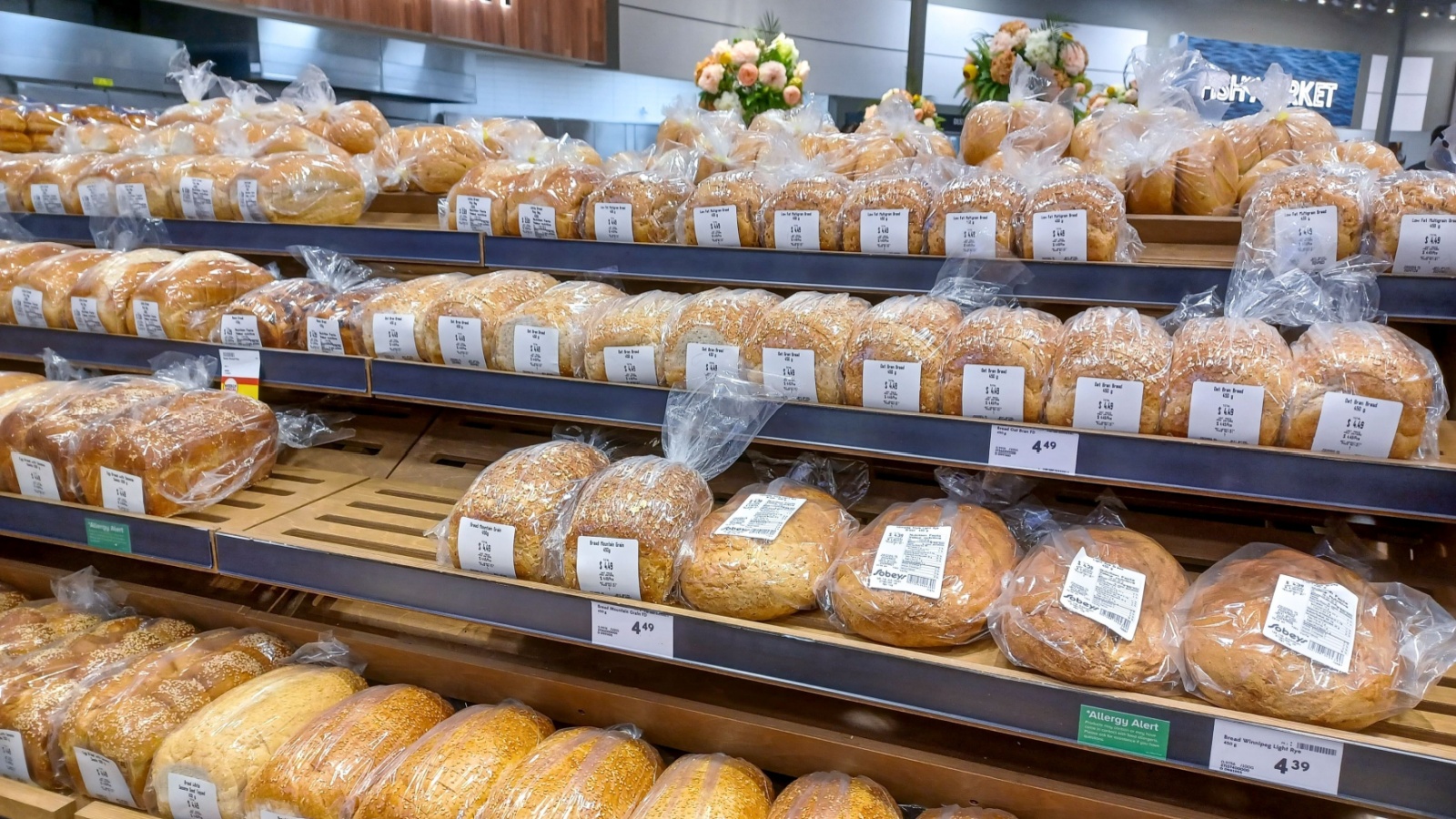
A “was $8.99, now $5.99” sign can be persuasive because it gives the shopper a comparison point. But shoppers have become more skeptical about what the “was” price represents. Was it last week’s regular price, a brief high price, or a number rarely paid by actual customers?
This matters because grocery prices have moved so much that memory has become part of the shopping experience. Canadians often remember when coffee, cereal, butter, or soup cost much less, so a discount from a newly elevated price can feel underwhelming. The sale may be technically accurate, but it does not always restore the sense of value. A deal based on a high anchor price can feel less like savings and more like damage control.
“Stock-Up” Pantry Deals That Tie Up Cash
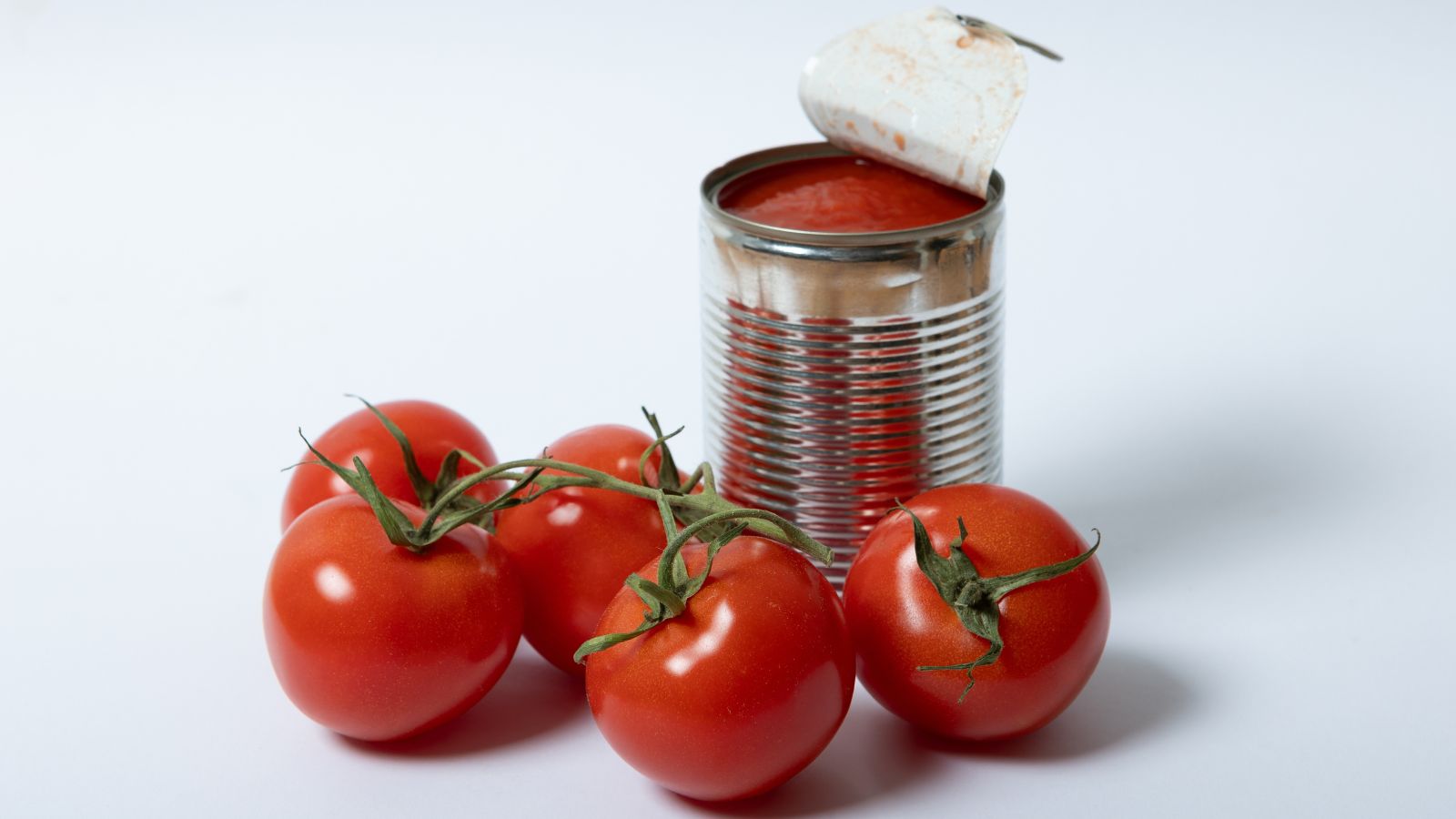
Pantry staples such as pasta, rice, canned tomatoes, beans, tuna, peanut butter, flour, and cooking oil often appear in stock-up promotions. These can be useful because shelf-stable foods last longer and help with meal planning. Still, buying several extras requires cash today for savings that may only show up months later.
That is a real trade-off for households living paycheque to paycheque. A pantry deal can be rational but still unrealistic if it pushes the weekly grocery bill beyond budget. Shoppers may also have limited cupboard space, especially in apartments and shared housing. A deal that assumes extra storage and extra cash can feel designed for households with more breathing room, not for those most in need of savings.
Private-Label Discounts That No Longer Feel Cheap
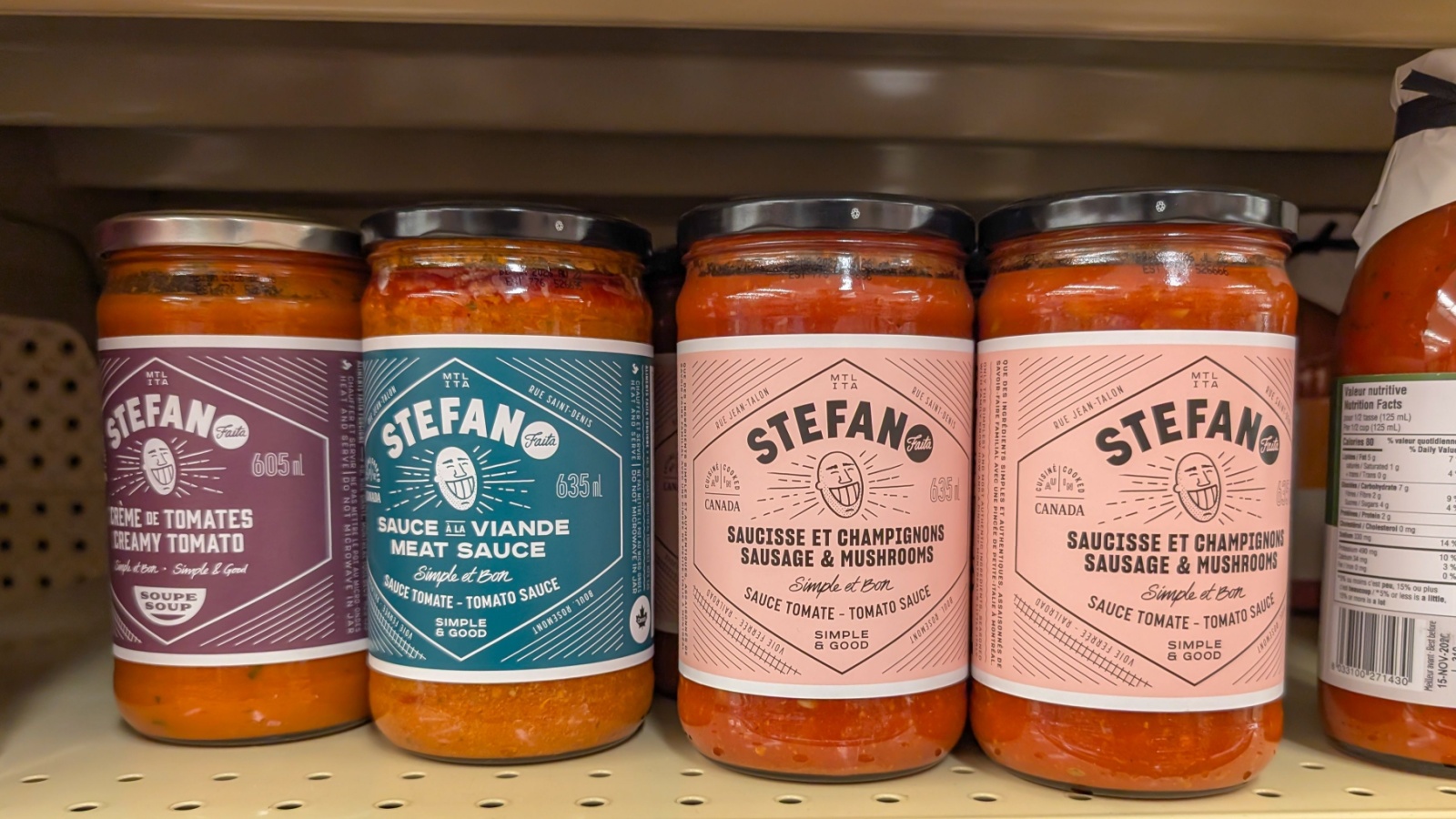
Store brands used to signal a clear bargain. Many still cost less than national brands, but the gap does not always feel as wide as shoppers expect. When a private-label pasta sauce, frozen entrée, or snack creeps close to the brand-name sale price, the value message becomes less convincing.
Retailers have also made private labels more premium, with specialty flavours, organic lines, and upscale packaging. That can improve quality, but it can also blur the original promise of affordability. Canadian shoppers may still reach for store brands, especially under grocery pressure, but they increasingly compare rather than assume. A private-label deal feels weaker when it behaves less like a budget option and more like another full-priced brand.
“Meal Deal” Combos That Do Not Match Household Needs
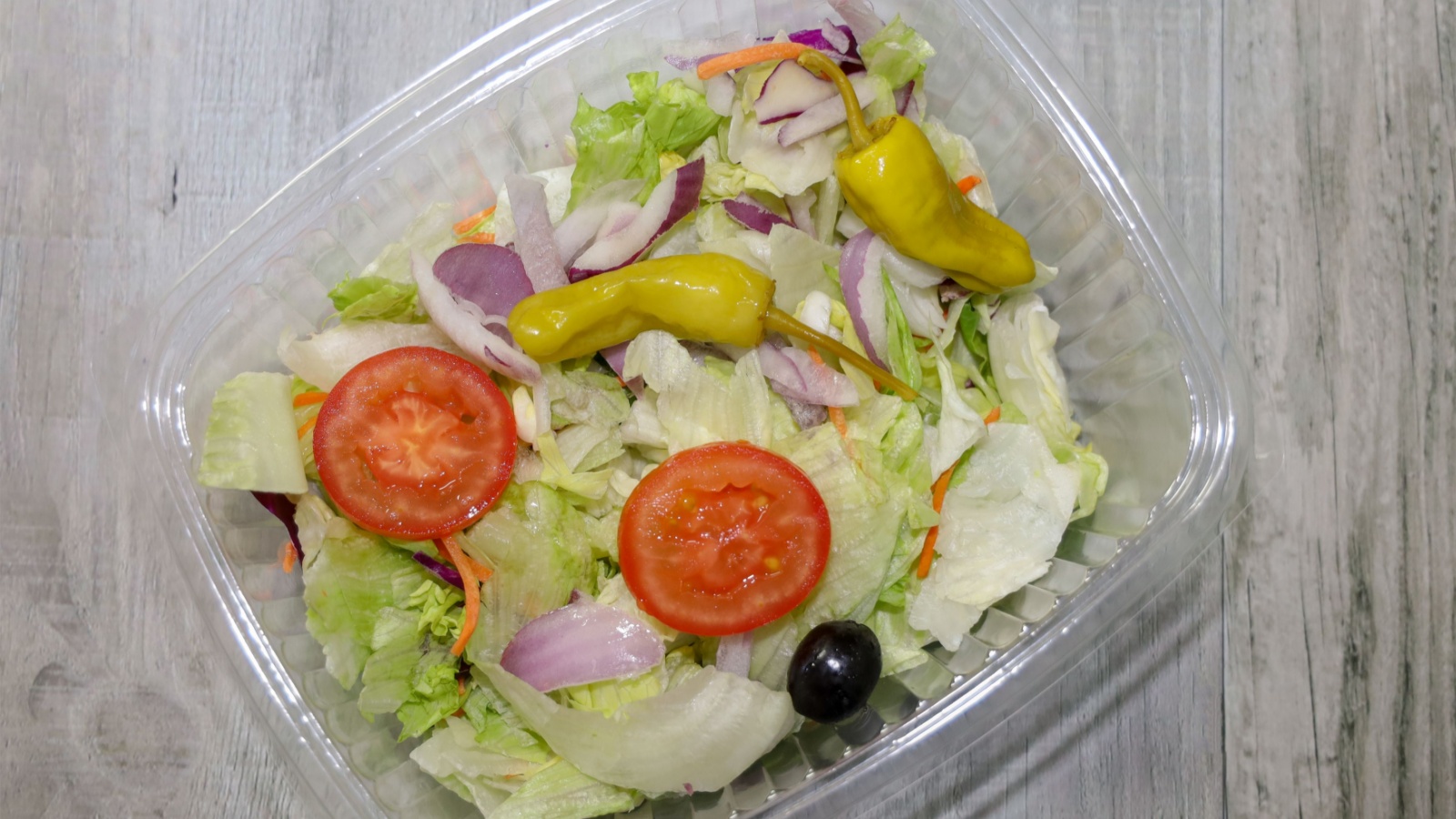
Prepared meal combos can look convenient: a rotisserie chicken with sides, a pizza-and-salad bundle, or a family dinner package near the deli counter. The price may be lower than buying each piece separately, but only if the household actually wants every item included.
These deals often work best for a narrow scenario: the right family size, the right tastes, the right evening, and the right portion needs. A couple may not need the full bundle, while a larger family may find it still leaves gaps. If the side dish is unwanted or the portions are too small, the value quickly weakens. Convenience matters, but a meal deal stops feeling like a deal when it solves only part of dinner.
Seasonal Produce “Deals” That Still Feel Expensive
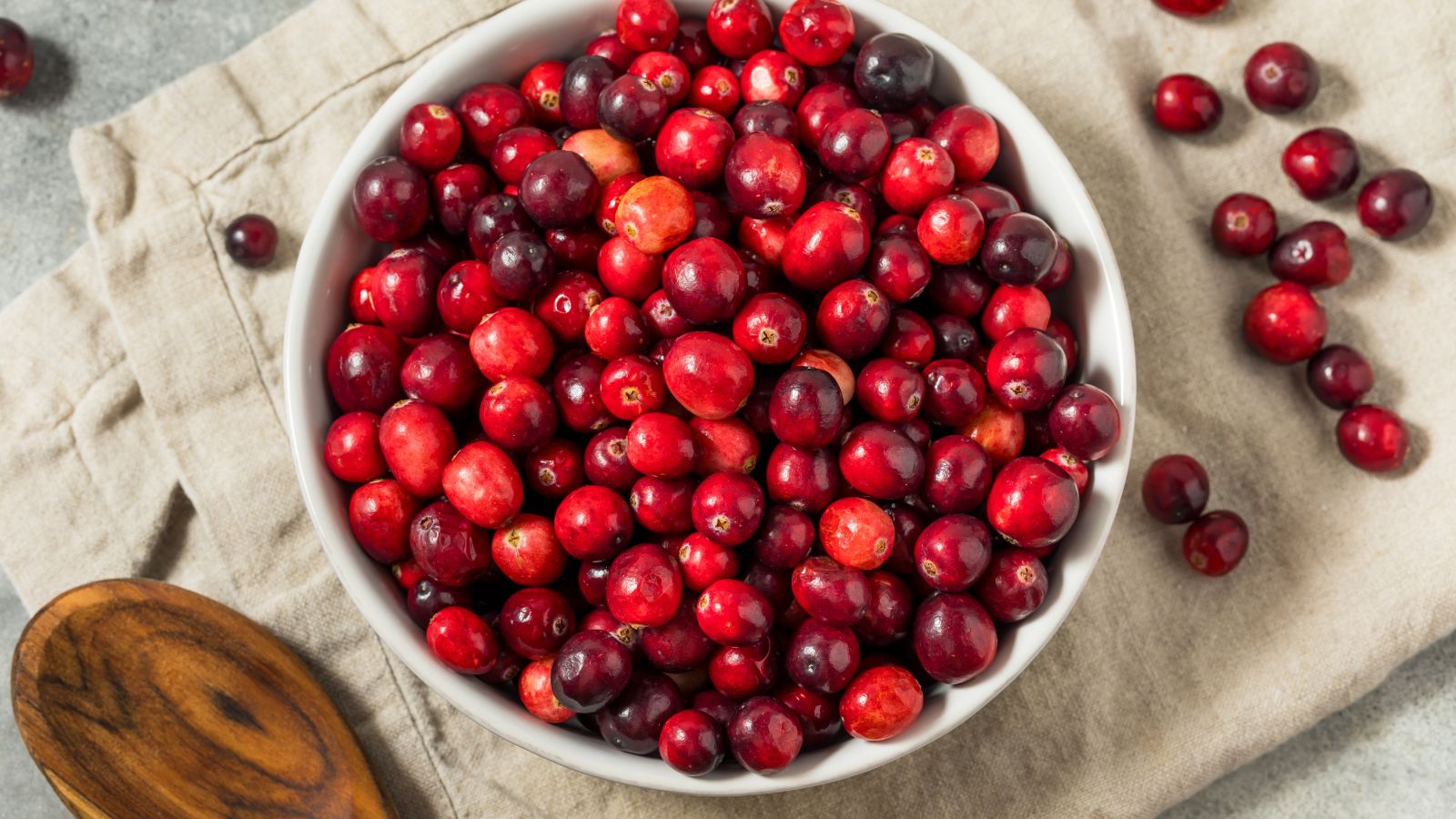
Canadians expect certain foods to feel cheaper in season, especially berries, corn, apples, squash, tomatoes, and leafy greens. When seasonal displays still carry high prices, the disappointment is sharper because shoppers associate abundance with affordability. A summer fruit feature or fall harvest table can look festive while still feeling costly.
Weather, transportation, labour, imports, and supply conditions can all affect prices, so higher costs are not always arbitrary. Still, the shopper’s emotional benchmark is powerful. If strawberries on promotion cost what premium fruit used to cost, the deal feels diminished. Seasonal grocery marketing works best when it matches what people remember: freshness, volume, and a sense of relief at the till.
Discounted Bakery Items Near Expiry
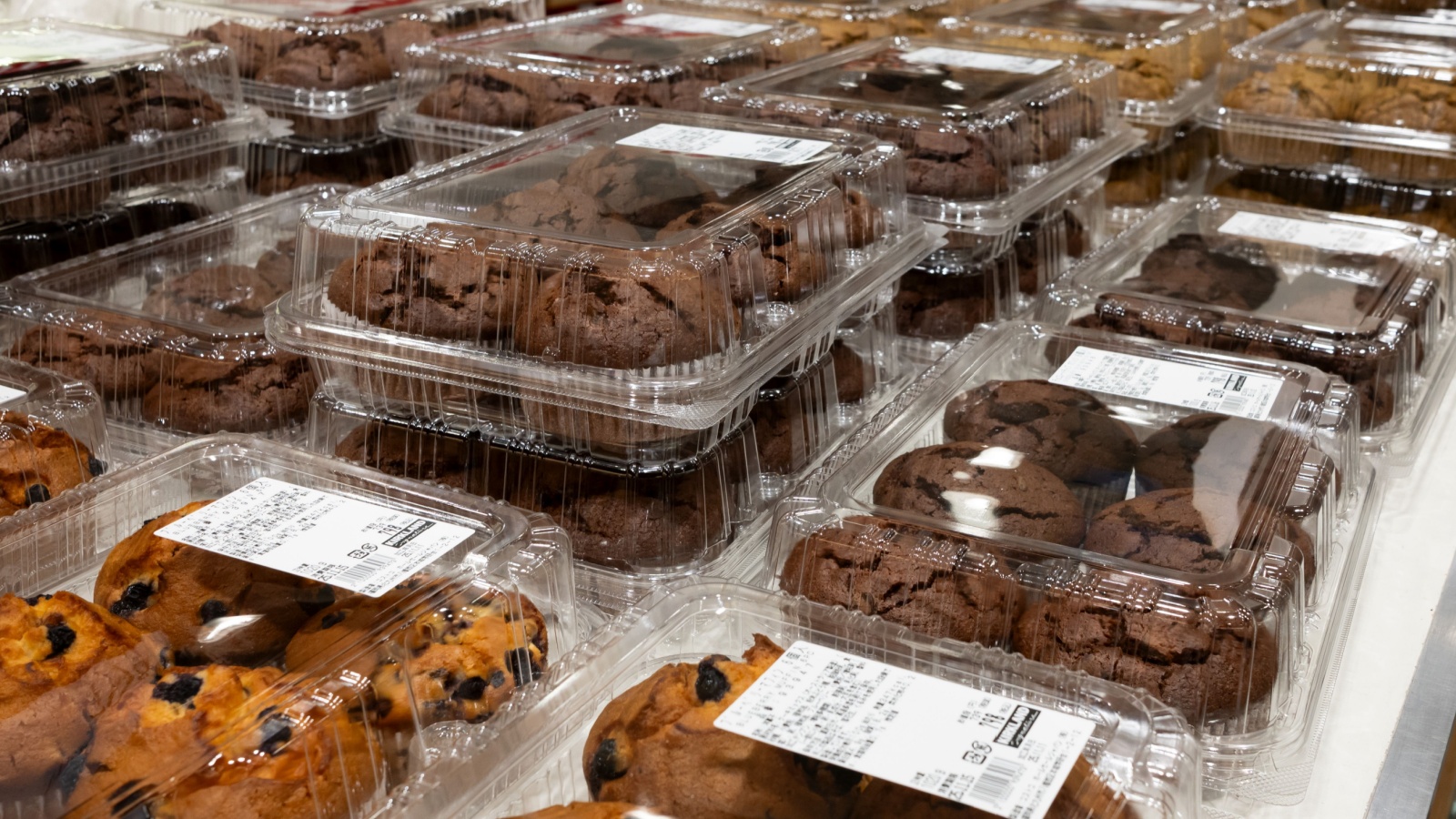
Reduced bakery racks can be helpful for households that use bread, buns, muffins, and pastries quickly. But the deal depends heavily on timing. A loaf marked down by 30 percent may not be useful if it becomes stale tomorrow or needs freezer space that is already full.
There is also a subtle difference between a smart markdown and a store passing urgency to the shopper. When near-expiry baked goods are still priced close to regular sale levels, the value feels thin. Many Canadians are willing to buy discounted food to reduce waste, but the price has to reflect the shortened life. A day-old deal should feel meaningfully cheaper, not merely decorated with a small sticker.
“Mix and Match” Promotions That Are Hard to Track
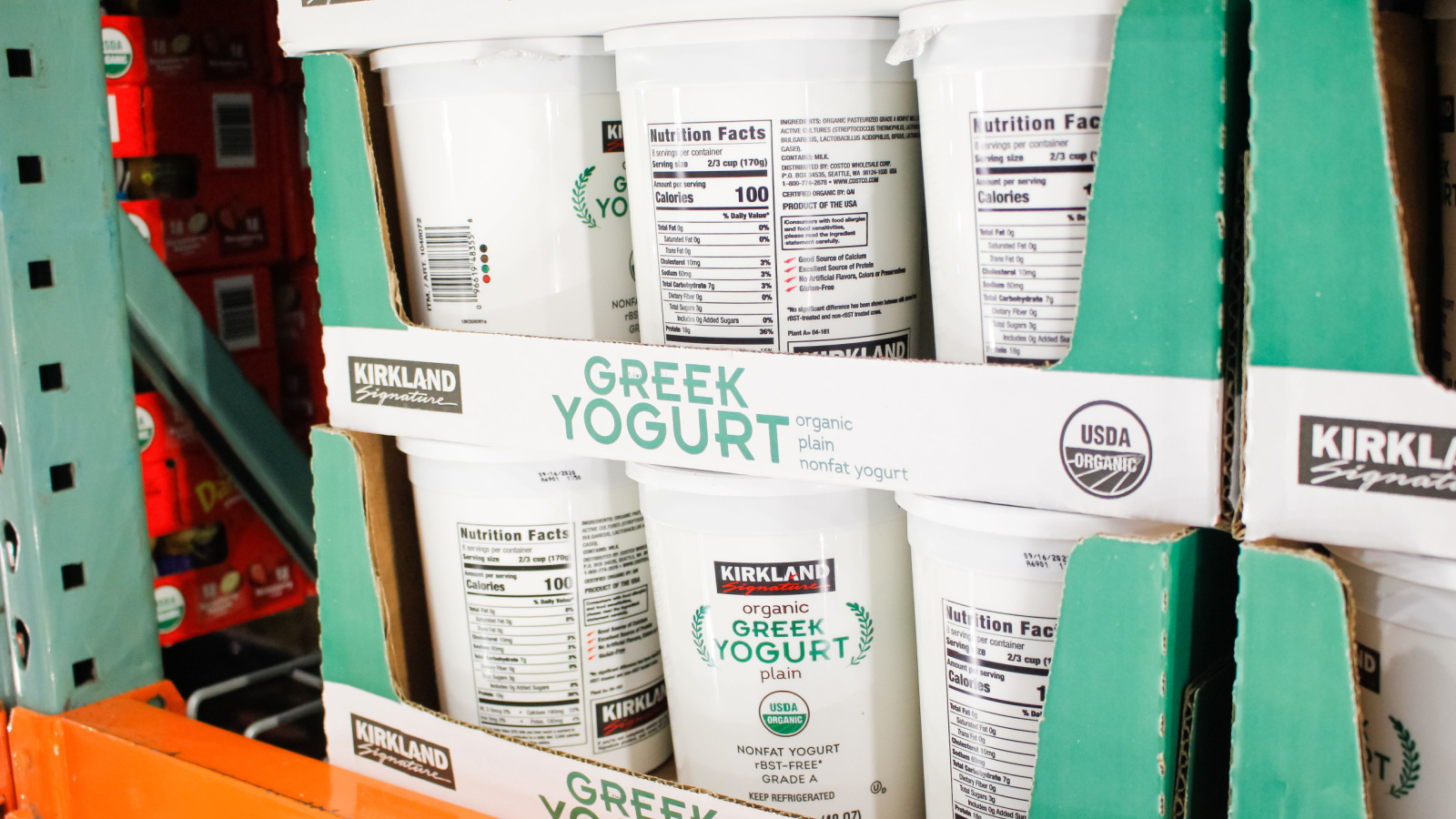
Mix-and-match promotions can cover yogurt, crackers, drinks, canned goods, or cleaning products. The shelf sign may say “any 4 for $12,” but the eligible items may be scattered across shelves with different sizes, flavours, and exclusions. This makes the deal harder to use confidently.
The problem often appears at checkout, when one item fails to qualify and the expected discount disappears. A shopper may not notice until after paying, especially during a large trip. These promotions can be useful when clearly marked, but they become frustrating when they require detective work. A grocery deal should not depend on memorizing fine print while navigating a crowded aisle. The more complicated the promotion, the less generous it feels.
“Rollback” Prices That Do Not Roll Back Far Enough
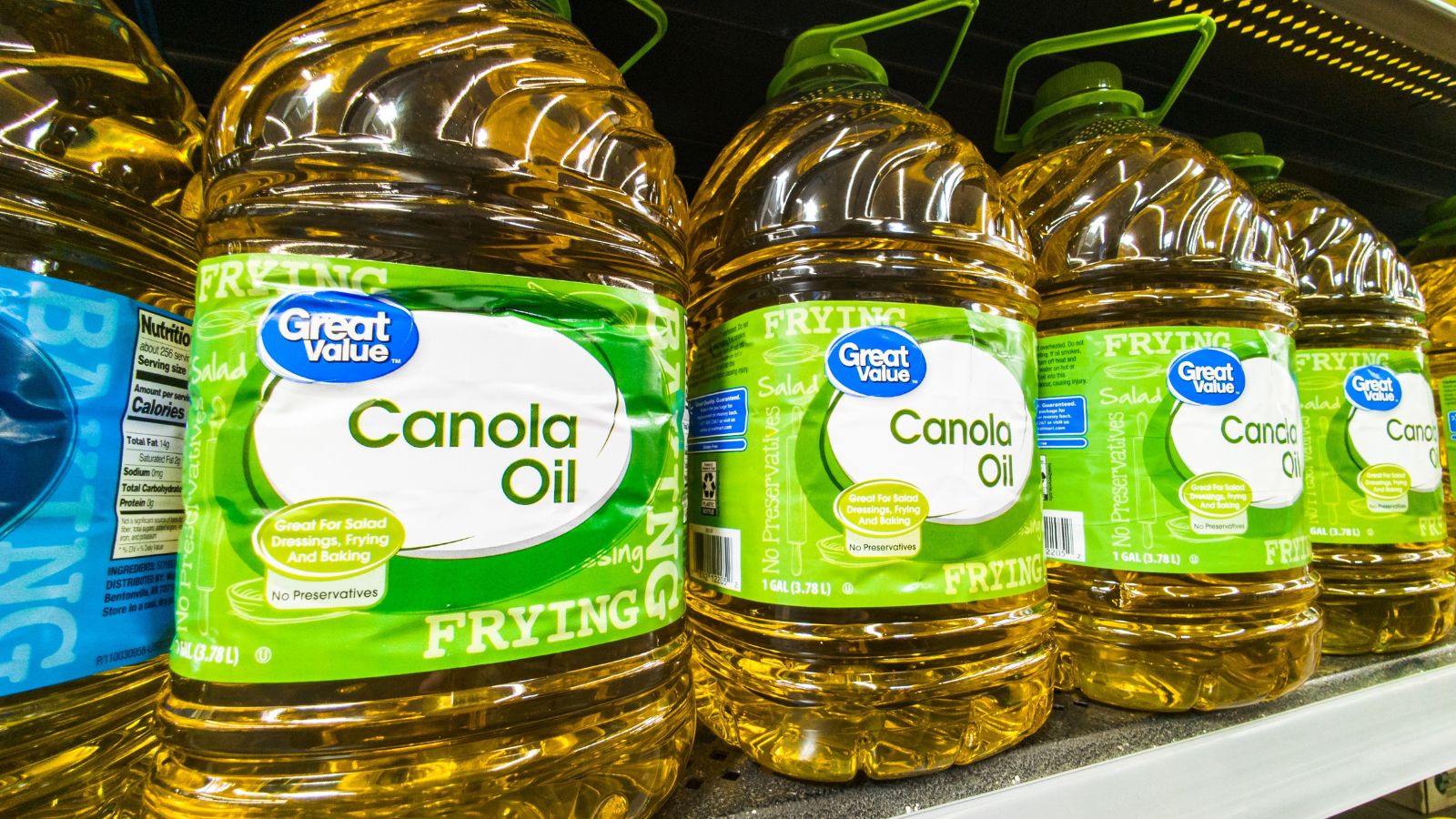
Rollback-style pricing suggests a meaningful return to a lower price. But after several years of inflation, many rollbacks still leave products well above what shoppers remember paying. A cereal box, jar of coffee, block of cheese, or cooking oil bottle may be cheaper than last month, yet still far from pre-inflation expectations.
This gap between official discount and lived memory is one reason Canadians react skeptically to sale language. The price may have moved down, but not enough to restore confidence. A rollback feels strongest when the shopper sees clear relief. When it simply trims a high price into a slightly less high price, the emotional response is muted. The tag says savings; the household budget may say otherwise.
Checkout Coupons That Arrive Too Late
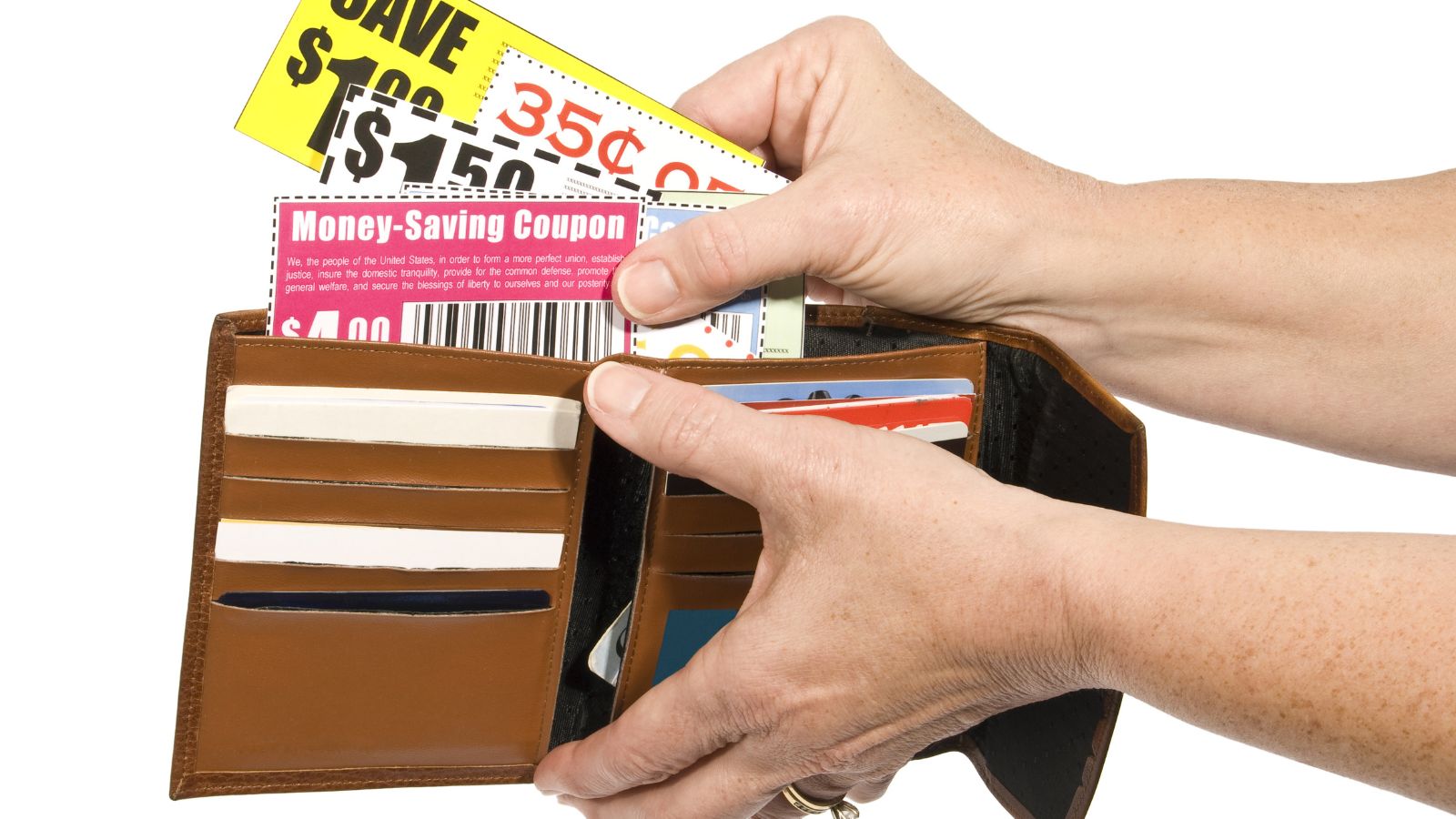
Printed checkout coupons can feel oddly timed. A shopper may receive a discount for something just purchased, or for a future trip that must happen within a short window. The offer may be useful, but it is not helping the bill that was just paid.
These coupons also encourage return visits, which can lead to more spending. A person who comes back to redeem $3 off may add extra items and leave with a larger bill than planned. For disciplined shoppers, the coupon becomes useful only if it fits a normal purchase cycle. Otherwise, it feels like delayed savings with strings attached. A deal that depends on another trip can be less valuable than a smaller discount applied immediately.
Buy-One-Get-One Deals on Unneeded Items
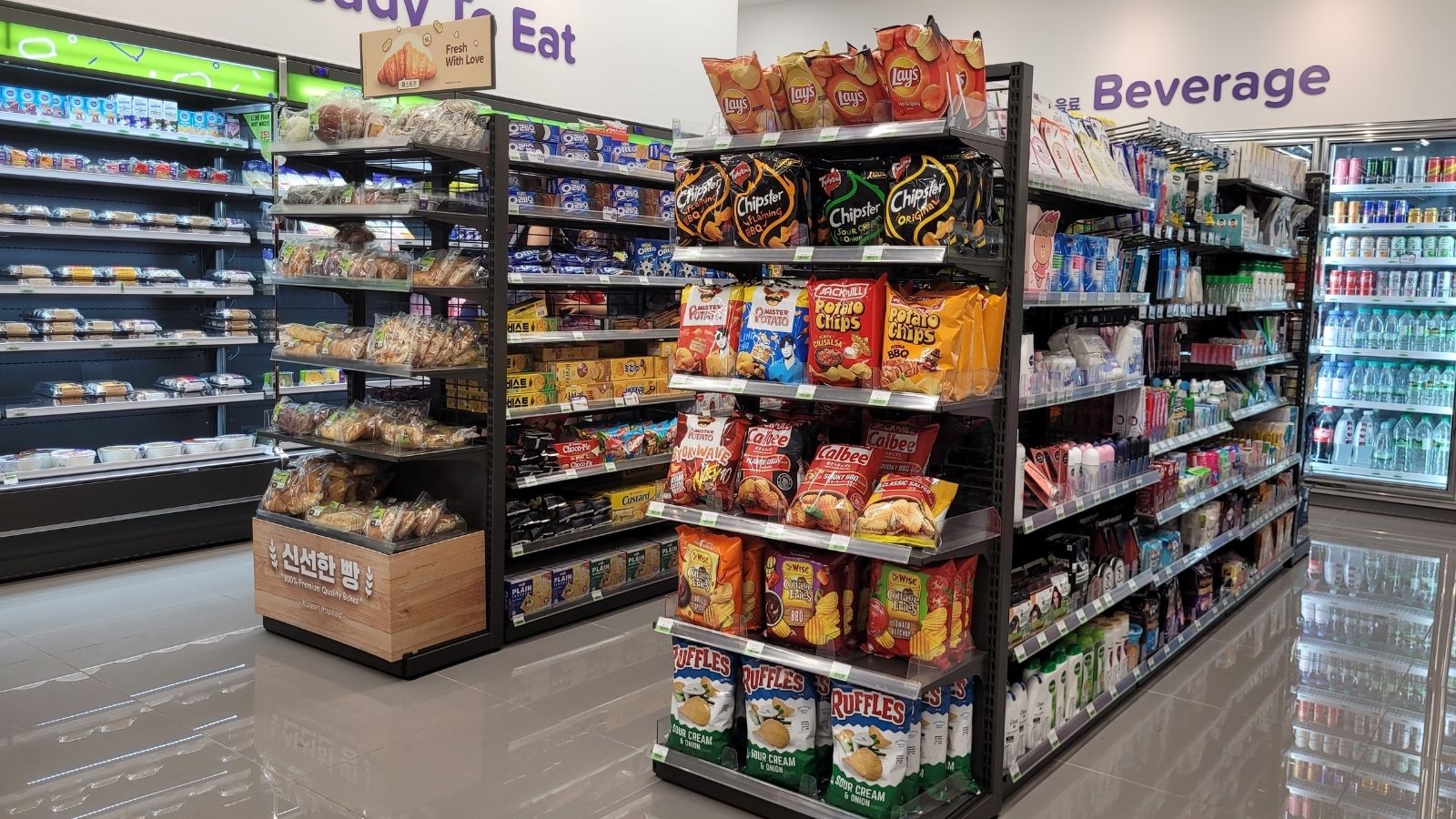
Buy-one-get-one offers still have strong appeal, especially when they involve household favourites. But BOGO deals can be weak when the item is not a staple, has a short shelf life, or was not on the list. The second item may feel free, but the first purchase still has to make sense.
This is common with snacks, desserts, specialty drinks, sauces, and seasonal products. A household may buy because the offer feels too good to ignore, then realize the item was never part of the meal plan. The deal is only valuable if it replaces something that would have been bought anyway. Otherwise, the promotion has succeeded at creating a purchase, not necessarily saving the shopper money.
Flyer Deals That Require Visiting Multiple Stores
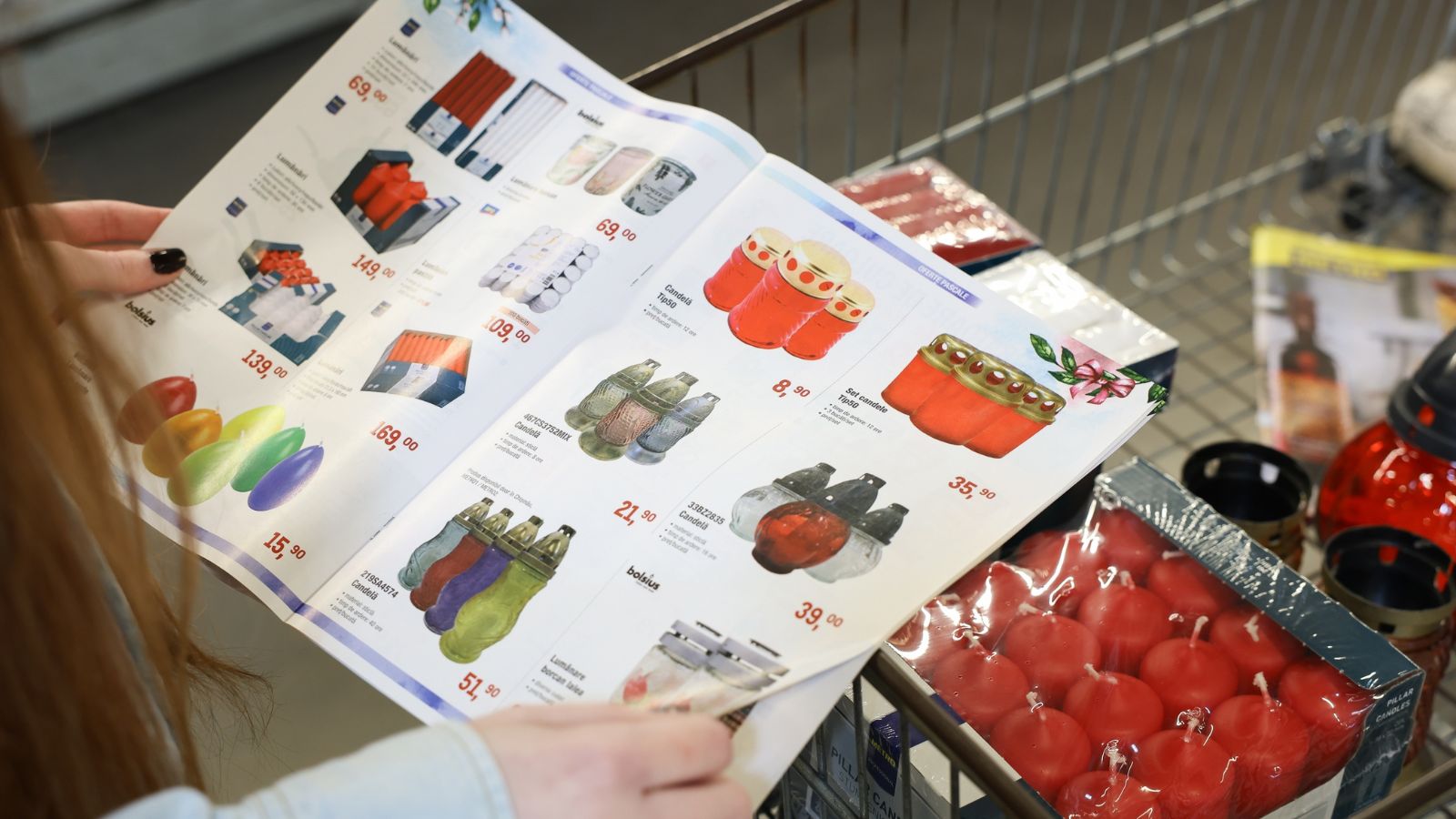
Flyers remain important for Canadian shoppers, especially those trying to plan around rising food costs. The challenge is that the best deals are often spread across several chains. Butter may be cheaper at one store, produce at another, pantry staples somewhere else, and meat at a fourth location.
For shoppers with time, transportation, and nearby stores, cherry-picking can work. For many others, the savings shrink once fuel, transit fares, parking, weather, and time are considered. A deal that requires three stops after work may not feel like a deal at all. Canadians are increasingly weighing the full cost of grocery hunting, not just the price printed in a flyer. Convenience, energy, and predictability now count too.
19 Things Canadians Don’t Realize the CRA Can See About Their Online Income

Earning money online feels simple and informal for many Canadians. Freelancing, selling products, and digital services often start as side projects. The problem appears at tax time. Many people underestimate how much information the CRA can access. Online platforms, banks, and payment processors create detailed records automatically. These records do not disappear once money hits an account. Small gaps in reporting add up quickly.
Here are 19 things Canadians don’t realize the CRA can see about their online income.
