
Canadian air travel is moving into 2026 with busier terminals, changing border technology, higher travel costs, and more pressure on passengers to manage details before reaching the gate. Even when flights run on time, the airport experience can still feel slower, more automated, and less forgiving than many travellers expect.
These 15 airport frustrations reflect the practical problems Canadian travellers are most likely to encounter in 2026, from security-line surprises and baggage delays to construction zones, U.S. preclearance waits, and tighter documentation habits. Preparation may not remove every hassle, but it can make the difference between a stressful departure and a manageable travel day.
Security Lines That Still Feel Unpredictable
Canadian airports have improved screening performance in recent years, but that does not mean every traveller will glide through security. Peak mornings, school breaks, long weekends, and weather-disrupted travel days can still create the kind of line that makes a carefully planned itinerary feel fragile. A family leaving Toronto or Vancouver at 6 a.m. may face a very different checkpoint experience than a solo traveller departing mid-afternoon.
The frustration often comes from the mismatch between averages and lived experience. A system can perform well overall while still producing pockets of congestion at the exact time many leisure travellers fly. Small details matter more than people expect: laptops buried deep in bags, liquids packed incorrectly, medication not separated, and passengers unfamiliar with screening rules can slow down entire lanes. In 2026, building in extra airport time remains less old-fashioned than it sounds.
Confusion Around Carry-On Rules and Personal Items
Carry-on travel has become a strategy for avoiding baggage fees and lost luggage, but it also creates tension at check-in counters and boarding gates. Canadian travellers may find that a bag accepted on one airline or aircraft type becomes a problem on another. Ultra-low-cost and basic fare structures have made the difference between a personal item, carry-on bag, and checked bag more important than ever.
This can be especially frustrating for occasional flyers who assume a small roller bag is always included. At the gate, the conversation is no longer just about whether a bag fits overhead. It may involve fare class, aircraft capacity, payment rules, and whether the flight is full. A traveller who boards late may discover that overhead bins are already crowded, even when their bag technically qualifies. In 2026, measuring bags before leaving home can prevent an expensive argument at the airport.
Higher Checked-Bag Fees Catching People Off Guard
Checked-bag fees have become one of the most visible airport irritations because they often appear after the fare has already seemed affordable. A Canadian traveller booking a low base fare may not feel the true cost until adding bags, seat selection, and taxes. For families, sports teams, students, and long-stay travellers, one checked suitcase per person can quickly turn a cheap flight into a far more expensive trip.
The irritation grows when passengers discover that fees vary by route, fare type, purchase date, and airline. A traveller flying within Canada may face a different baggage policy than someone connecting to the United States, Mexico, or the Caribbean. Some passengers also learn too late that paying at the airport can be less convenient and more stressful than handling baggage choices online. In 2026, the practical rule is simple: the fare is not the real fare until the bags are counted.
Airport Construction Making Curbside Access Messier
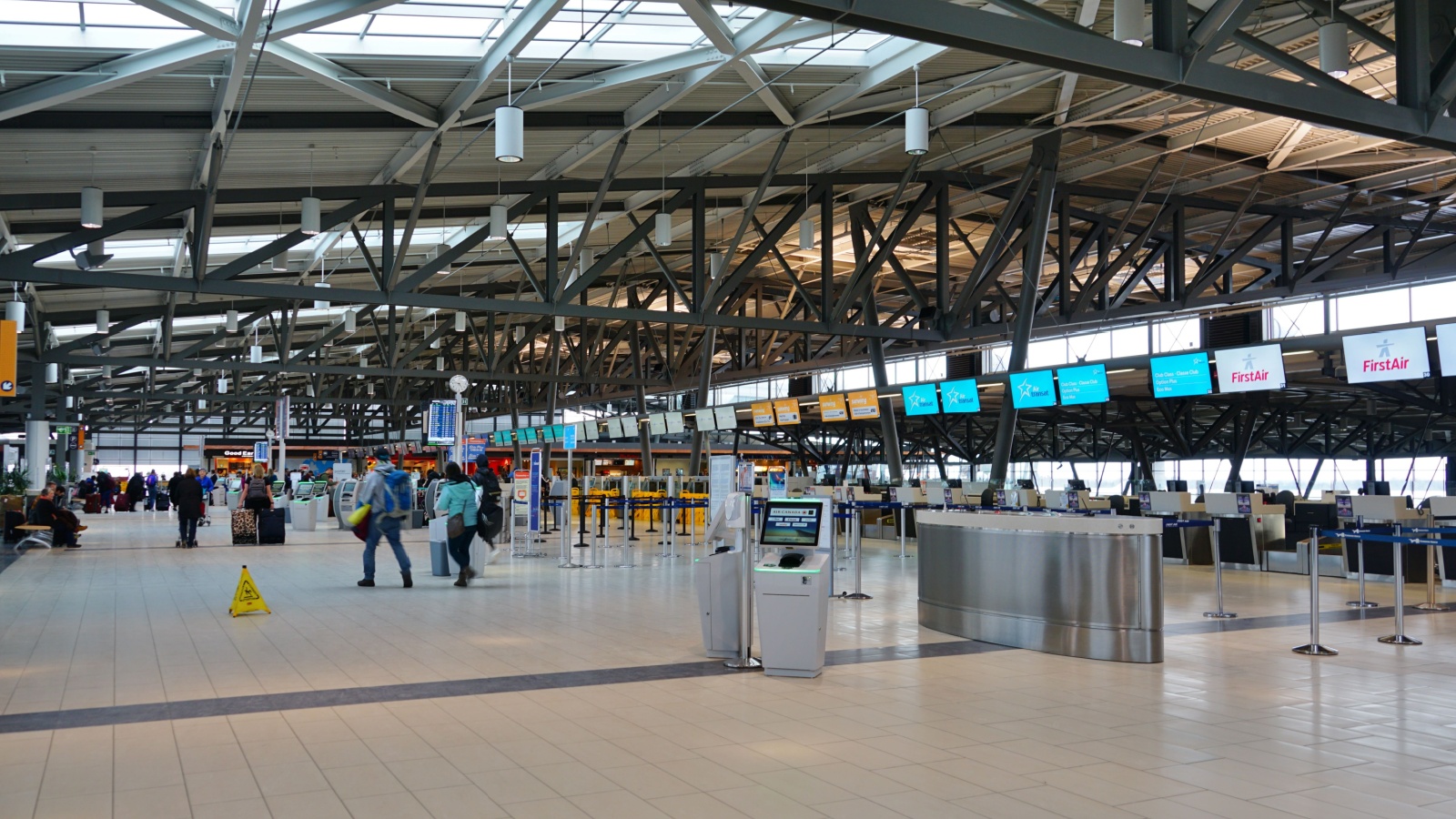
Major airports are trying to modernize for larger passenger volumes, but construction rarely feels convenient to the people dragging suitcases through it. Toronto Pearson has begun a major infrastructure modernization program, while Montréal-Trudeau has been dealing with roadwork, parking changes, and access challenges. These projects may improve future travel, but in 2026 they can still mean detours, closed lanes, temporary signage, and confused drivers circling the terminal.
The most frustrating moments often happen before passengers even enter the building. A ride-share driver may miss the correct entrance, a family member may be redirected to an alternate drop-off zone, or a traveller may have to walk farther than expected with heavy luggage. Construction also makes timing harder because a familiar airport routine can change from one trip to the next. For travellers, checking airport access alerts before departure can be as important as checking the flight status.
Parking Lots That Feel Full, Expensive, or Too Far Away
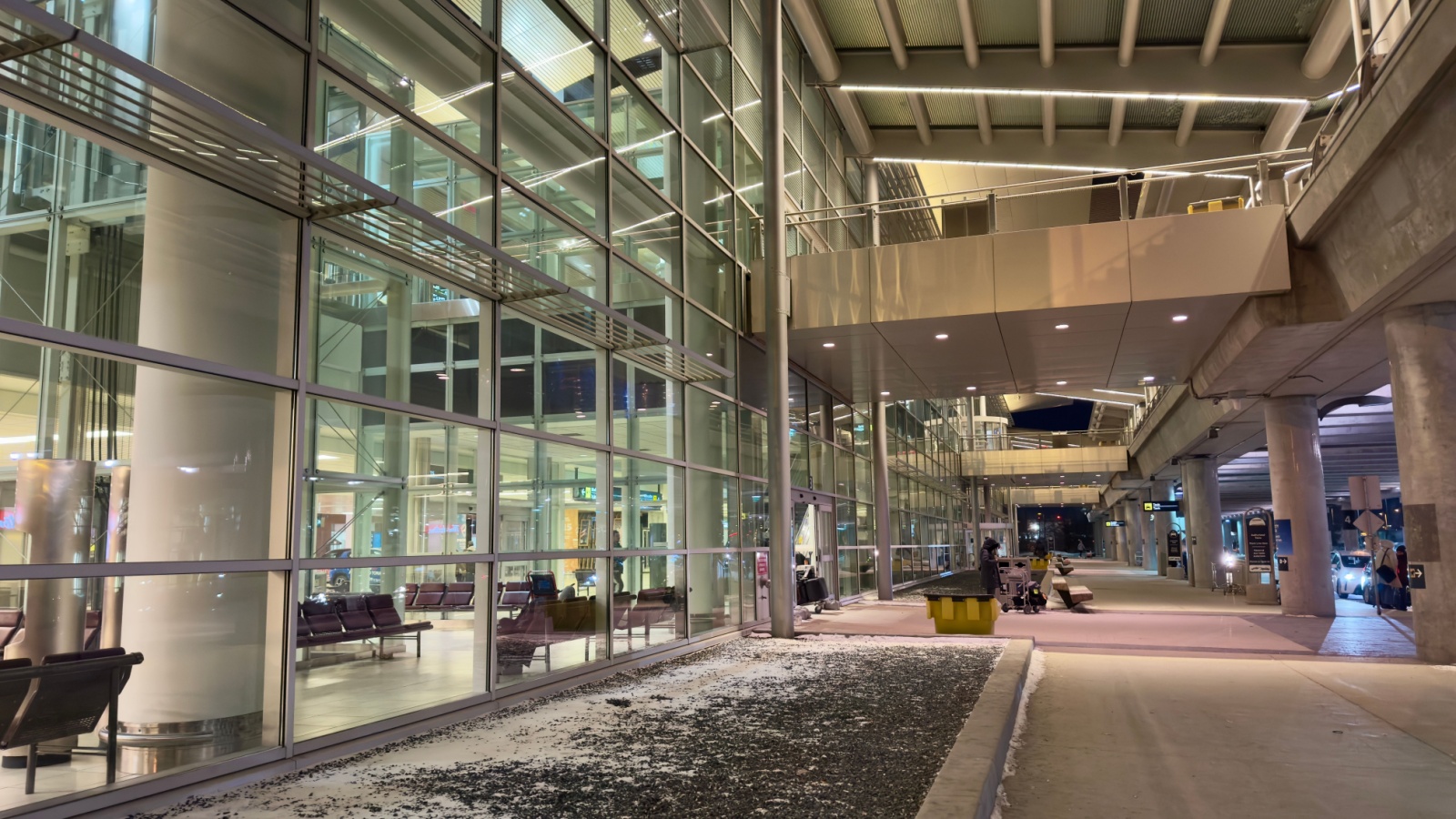
Airport parking is rarely the glamorous part of travel, but it can set the tone for the entire trip. At large Canadian airports, long-term lots, economy lots, and off-site parking can fill quickly during holiday periods and school breaks. Even when spaces are available, the cost can surprise travellers who focused mainly on airfare. A week-long trip can become noticeably more expensive once parking is added.
The frustration is not only the price. It is also the logistics: shuttle waits, unclear lot names, construction detours, payment machines, and the uneasy feeling of leaving a vehicle behind for several days. Montréal’s airport, for example, has had parking and access adjustments connected to redevelopment work. In 2026, passengers who drive to the airport should treat parking as a reservation-style decision, not an afterthought. Comparing airport lots, transit options, ride-share costs, and hotel park-and-fly rates can prevent last-minute stress.
U.S. Preclearance Lines Creating a Second Airport Wait
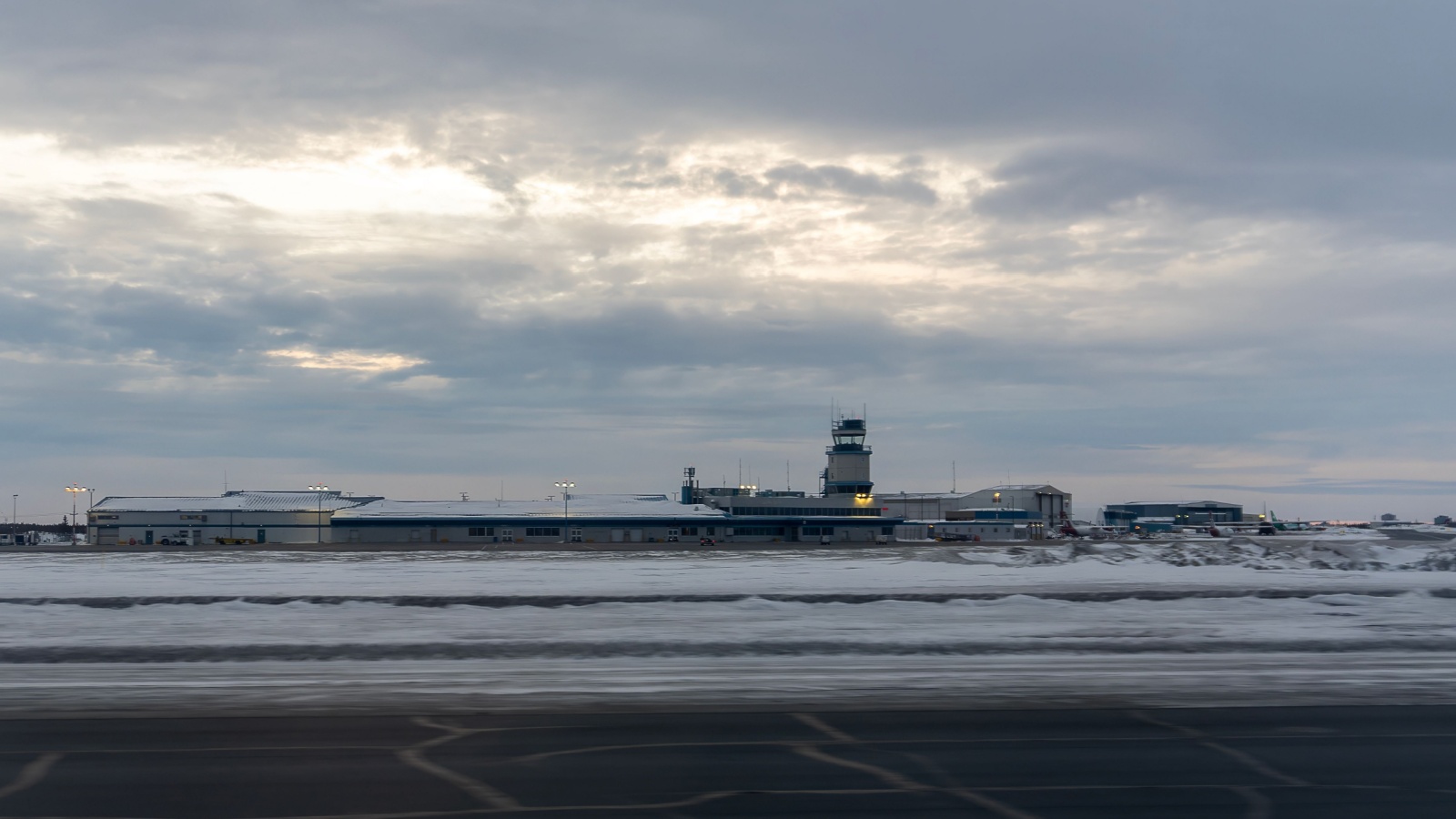
For many Canadians, flying to the United States means clearing U.S. customs before boarding. Preclearance can be convenient because travellers arrive in the U.S. like domestic passengers, but it can also create a second major line after airline check-in and security. At busy times, the U.S.-bound portion of the airport can feel like its own separate bottleneck.
The pain point is timing. A passenger may arrive early enough for a domestic flight but not early enough for a U.S. departure with preclearance. Families, first-time travellers, and people with complicated declarations can take longer at the inspection stage. Programs and apps may help some passengers move more efficiently, but they do not erase the need for extra buffer time. In 2026, a U.S.-bound itinerary from Canada should be treated differently from a simple domestic trip, especially when the flight leaves during morning business-travel peaks.
Digital Border Forms That Reward the Prepared
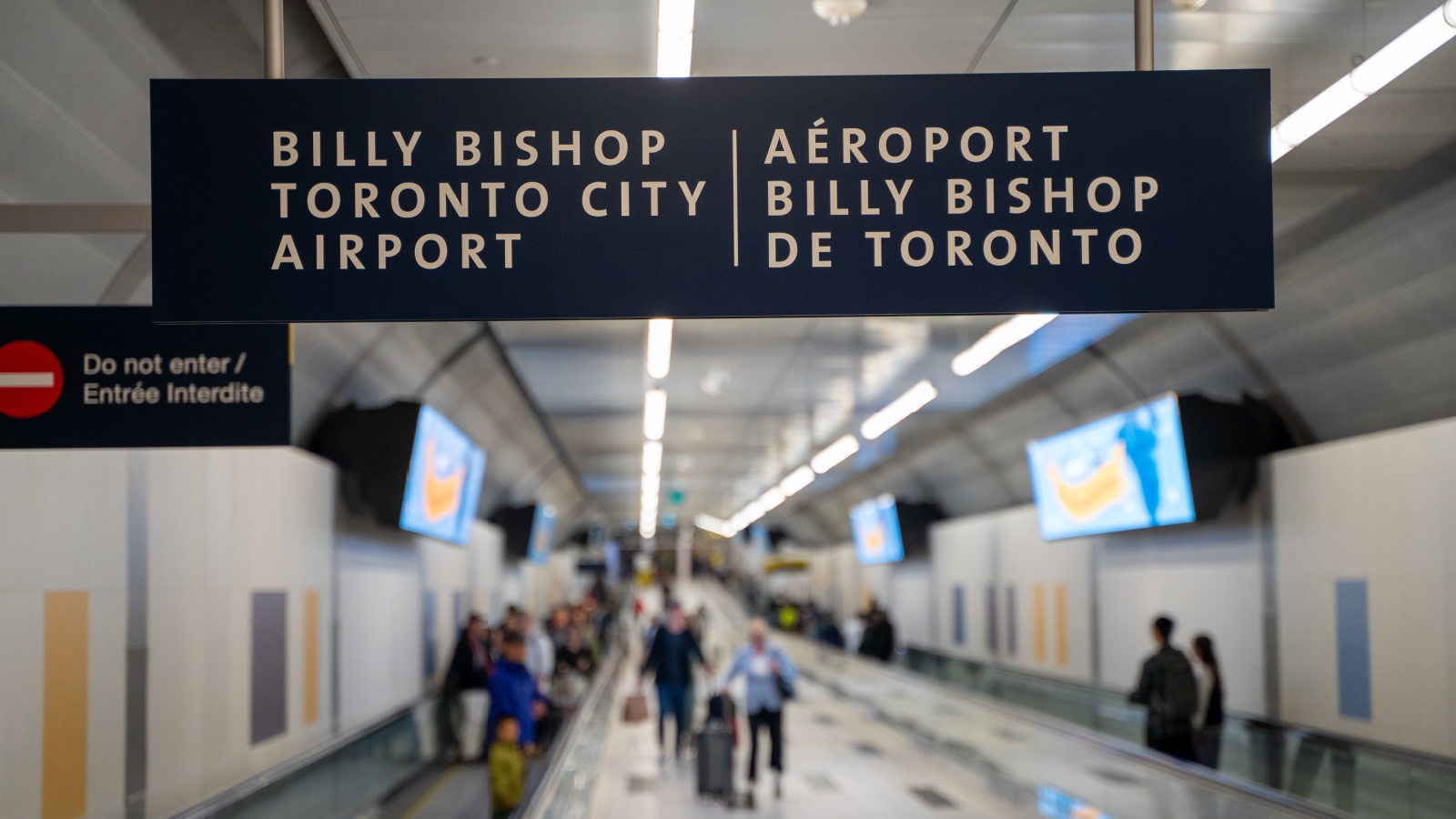
Airport border processing has become more digital, and that shift can be helpful or irritating depending on preparation. Canada’s Advance Declaration allows eligible travellers arriving at participating airports to submit customs and immigration information before landing. Used properly, it can reduce time spent at kiosks or eGates. Ignored until arrival, it becomes one more task in a crowded arrivals hall.
The frustration comes from passengers discovering digital options too late, struggling with a weak phone battery, or realizing their declaration expired after a delay. Older relatives, infrequent travellers, and people managing children may find airport kiosks less intuitive under pressure. The best-prepared travellers treat border forms like part of packing: completed before the trip reaches its most stressful stage. In 2026, keeping apps updated, phones charged, and travel details handy can make arrivals noticeably smoother.
European Biometric Border Checks Adding New Delays
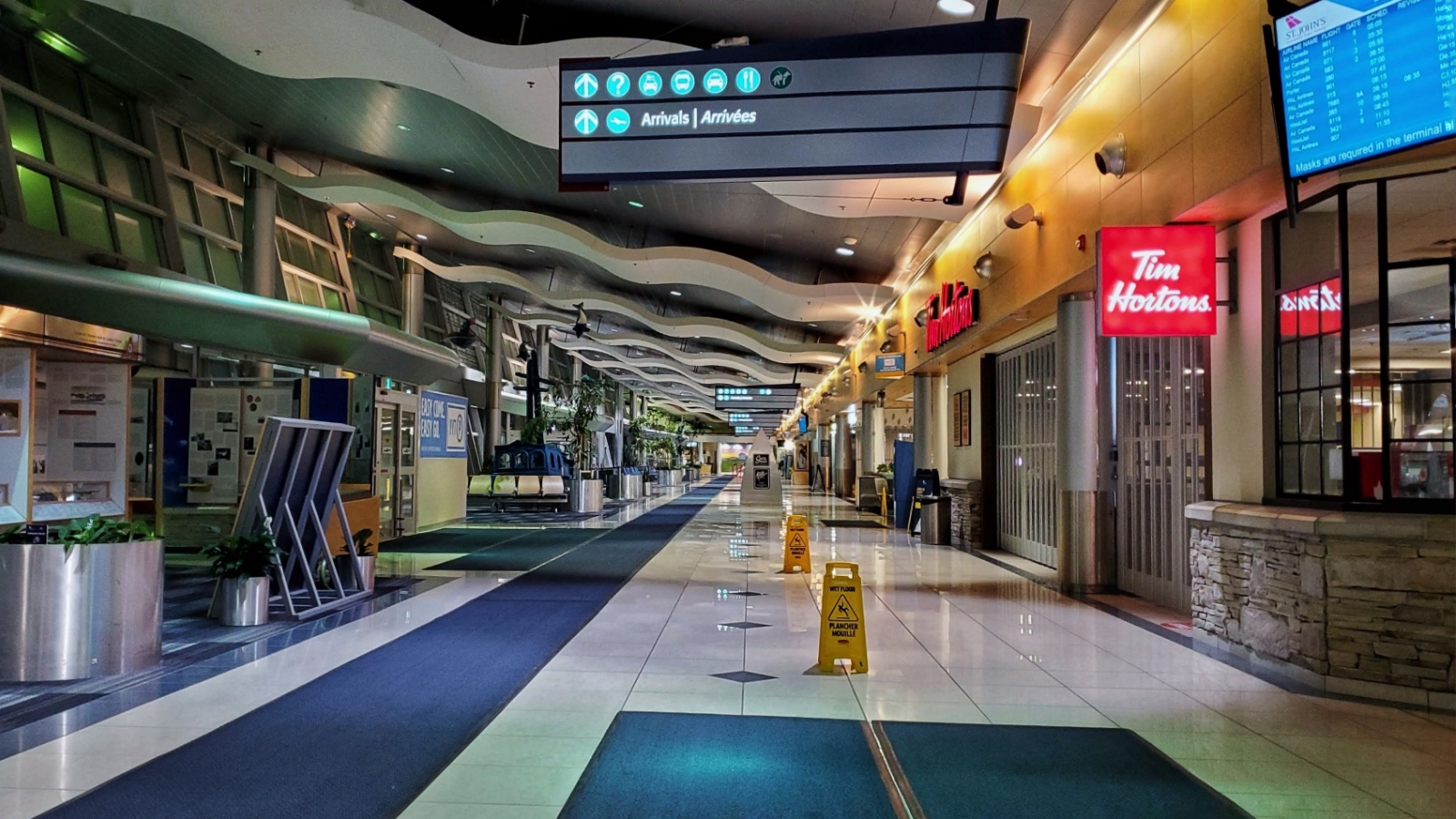
Canadians heading to Europe may face a different kind of airport frustration in 2026: biometric border processing. The European Entry/Exit System records details such as travel documents, entry and exit dates, facial images, and fingerprints for non-EU nationals making short stays in participating European countries. The goal is modernization and stronger border management, but travellers may experience longer queues where systems, staffing, or passenger volumes are under pressure.
This can be especially stressful on tight connections. A traveller landing in Europe before catching a regional flight may not have much room for a slow passport-control line. The issue is not that Canadians are suddenly barred from ordinary short visits; the familiar short-stay framework remains important. The bigger problem is process friction. In 2026, European itineraries with short layovers deserve a second look, especially at busy hubs and during summer travel.
Flight Delays That Leave Passengers Unsure of Their Rights

Few airport frustrations generate more confusion than a delayed or cancelled flight. Canadian air passenger rules set out obligations around communication, treatment, rebooking, refunds, and compensation in certain situations. Yet passengers often struggle to understand whether a disruption was within the airline’s control, required for safety, or caused by circumstances outside the airline’s control.
The human frustration is easy to picture: a gate screen changes from “on time” to “delayed,” then staff offer limited information while passengers refresh airline apps. Some travellers assume every delay means compensation, while others give up even when they may have options. In 2026, knowing the basics before travel can reduce helplessness. Keeping receipts, screenshots, boarding passes, delay messages, and written explanations can matter later if a claim becomes necessary.
Weather Disruptions Spreading Across Entire Networks
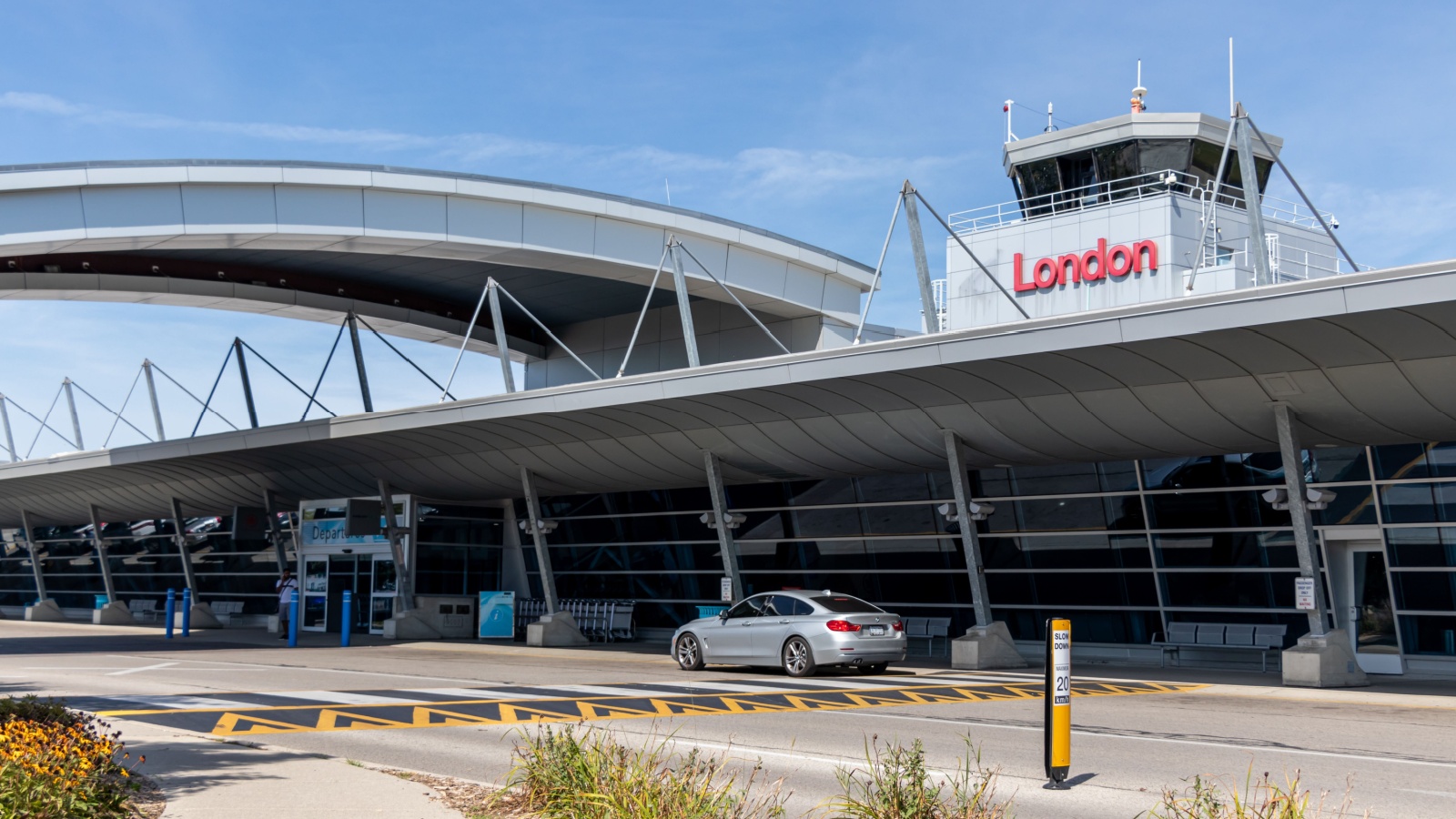
Canadian travellers know winter storms can disrupt airports, but weather frustration is no longer limited to snow at the departure city. Thunderstorms, wildfire smoke, freezing rain, high winds, and extreme heat can ripple through airline networks. A sunny day in Calgary does not guarantee a smooth departure if the aircraft is arriving late from a storm-hit hub.
This creates a special kind of airport stress because the problem may be invisible from the terminal window. Passengers see clear skies and wonder why boarding has not started. Airlines, meanwhile, may be repositioning crews, aircraft, and gates after earlier disruptions. In 2026, weather resilience matters even on routes that seem routine. Travellers with cruises, weddings, medical appointments, or once-a-day connections should consider earlier flights, longer layovers, and travel insurance that matches the real risks of disruption.
Baggage Delays Despite Better Tracking Technology
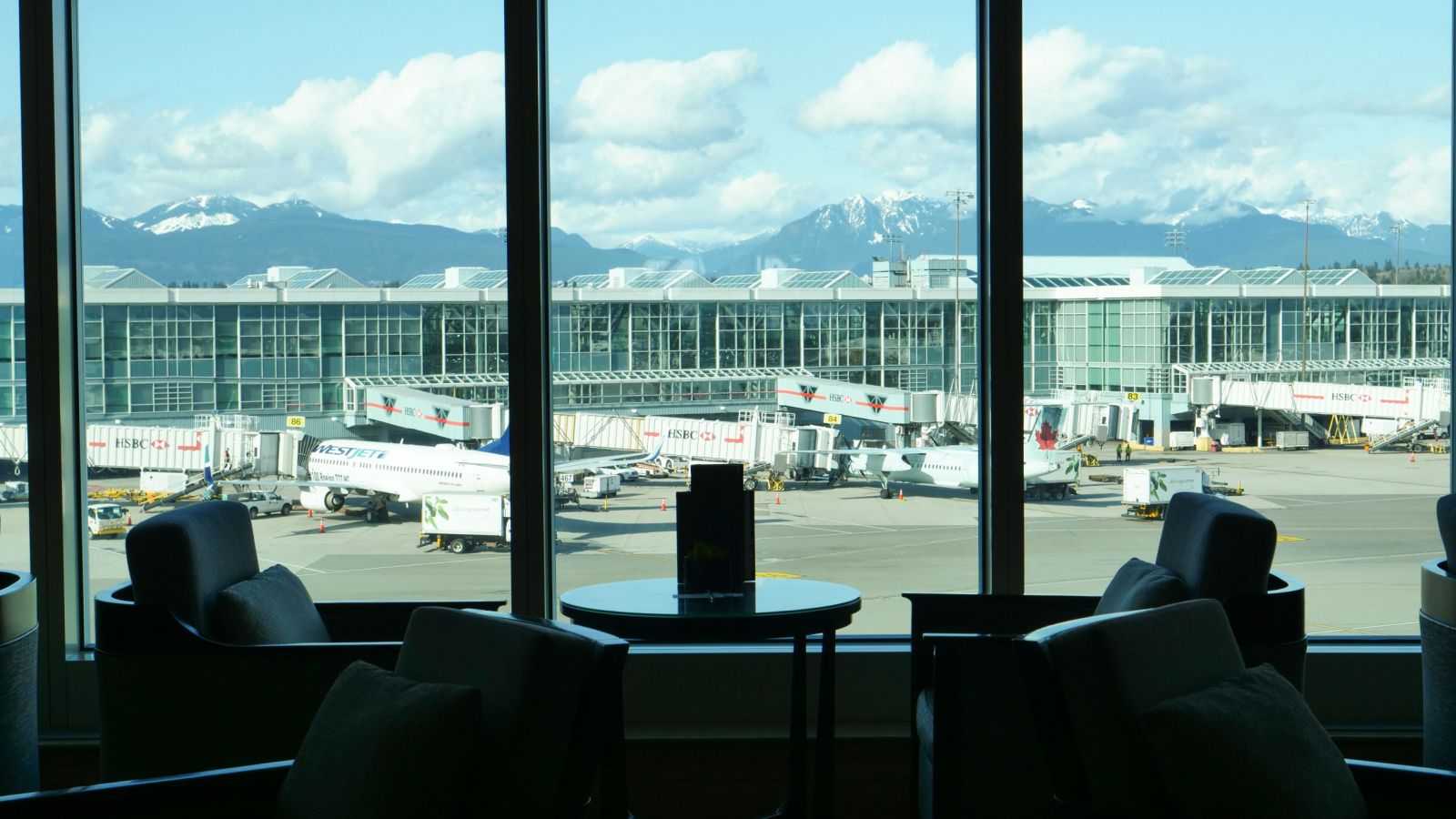
Baggage systems are becoming more automated, and global mishandled-bag rates have improved over the long term. Still, delayed luggage remains one of the airport frustrations travellers remember most vividly. The problem feels personal: a suitcase containing work clothes, medication, children’s items, or wedding outfits does not arrive when the passenger does.
The risk rises with tight connections, late aircraft, multiple airlines, manual re-tagging, and irregular operations. Tracking tools and airline apps can provide reassurance, but they can also create a new kind of anxiety when a bag appears stuck somewhere behind the scenes. In 2026, travellers should assume checked luggage may not always arrive on the same schedule they do. Packing essentials, one change of clothes, chargers, prescriptions, and important documents in a carry-on remains one of the simplest protections available.
Crowded Gates With Too Few Seats or Charging Spots
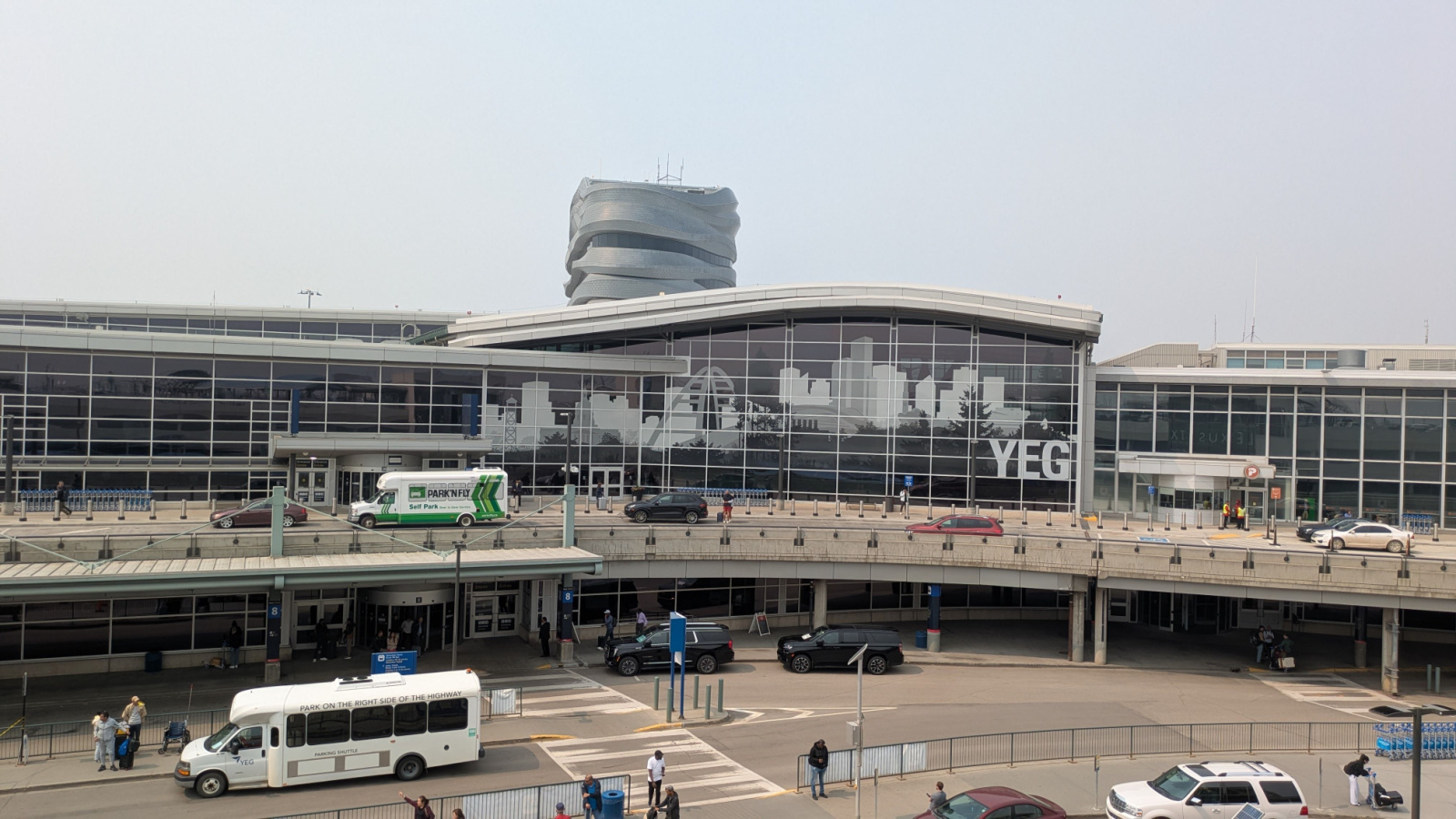
Modern airports often look sleek in promotional photos, but real gate areas can feel cramped when several flights board at once. Passengers may sit on floors, hover near outlets, or stand in long boarding clusters well before their zone is called. The frustration becomes sharper when a delayed flight keeps one group at the gate while another flight begins boarding nearby.
Charging access is a surprisingly important part of the 2026 airport experience. Phones now hold boarding passes, hotel confirmations, border apps, ride-share access, family messages, and payment tools. A low battery can turn a manageable delay into a scramble. Crowded gates also make announcements harder to hear and boarding zones harder to follow. Travellers who bring a charged power bank, download boarding passes, and keep headphones low during announcements are better prepared for the less comfortable side of modern terminals.
Food Prices That Make Delays Feel More Expensive
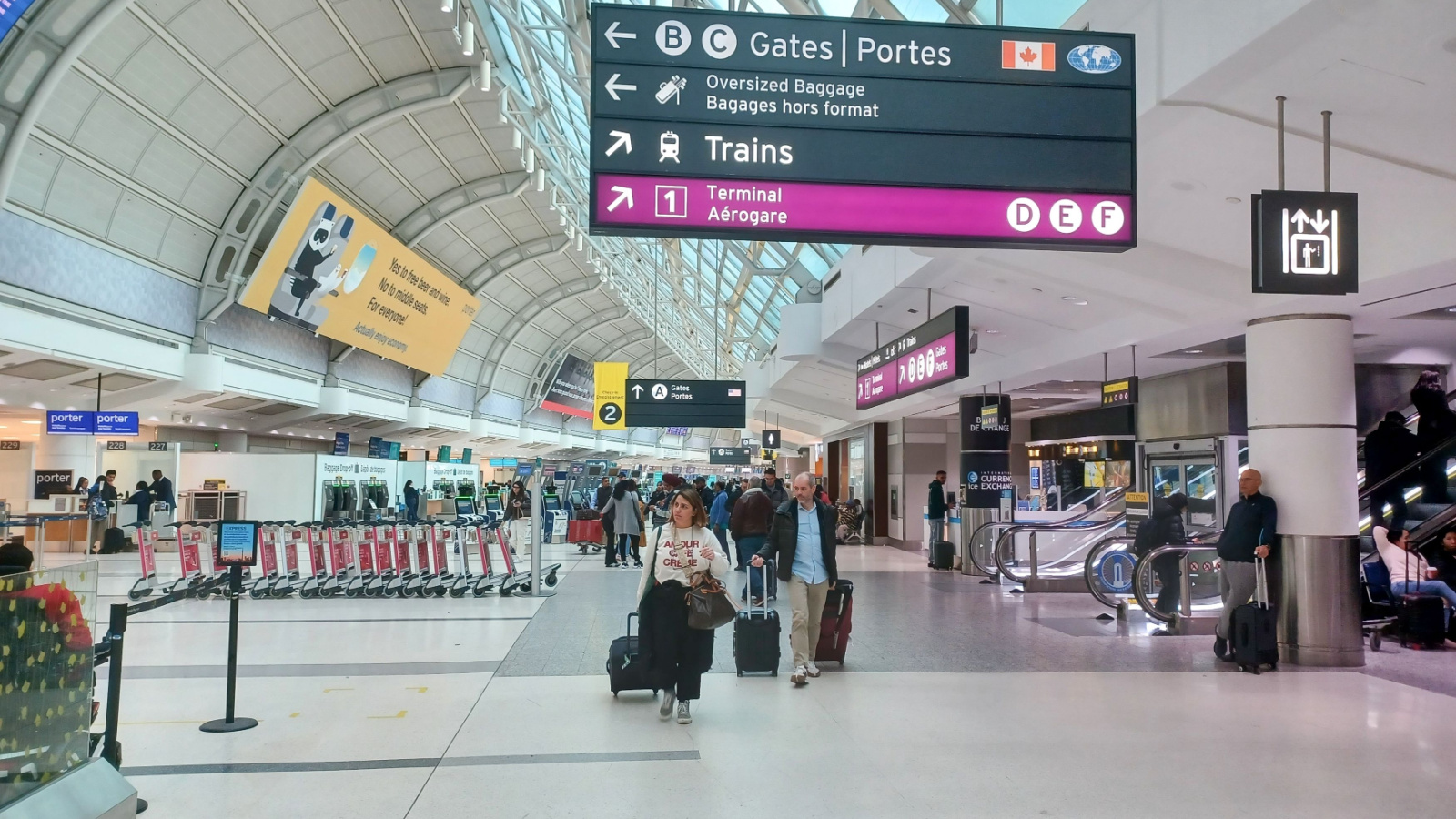
Airport food has always carried a premium, but longer dwell times make the cost more noticeable. A short wait may only mean coffee. A delay that stretches through lunch and dinner can turn into a surprisingly expensive part of the trip, especially for families. At major airports, even basic meals can feel costly once taxes, bottled drinks, and snacks are included.
The frustration is practical as much as emotional. Passengers often have fewer choices after security, and some late-night delays happen when restaurants are closed or operating with limited menus. Dietary restrictions can make options even narrower. In 2026, travellers should think about food the way they think about chargers and documents. Empty reusable water bottles, solid snacks that meet security rules, and a realistic meal plan can reduce both hunger and airport sticker shock.
App Notifications That Conflict With Airport Screens
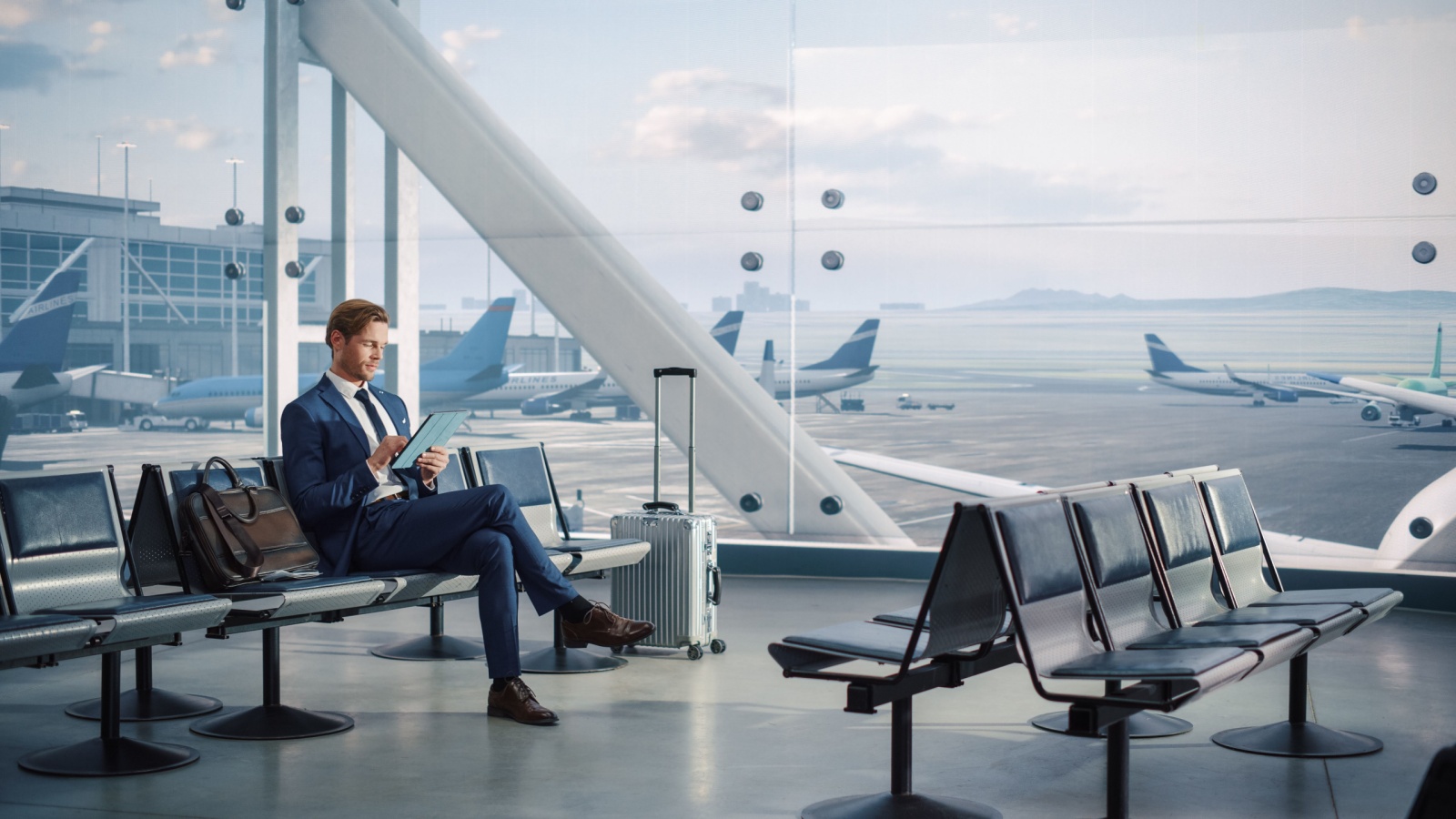
Airline apps, airport screens, text alerts, and gate announcements do not always update at the same speed. A passenger may receive a gate-change notification while the screen still shows the old gate, or see a delay in the app before staff have made an announcement. This creates a modern airport frustration: too much information, not all of it synchronized.
The problem is worse during irregular operations. Gates may change because of aircraft swaps, crew availability, maintenance, or weather-related reshuffling. Passengers who rely on only one information source can miss a change or rush unnecessarily. In 2026, the safest habit is to cross-check. Use the airline app, airport screens, and direct announcements together. When the information conflicts, asking staff early is better than waiting until the boarding crowd suddenly moves.
Tight Connections Becoming Riskier Than They Look
Online booking systems often present short connections as legal and efficient, but legal does not always mean comfortable. A 50-minute connection may look fine on paper until the first flight parks at a remote gate, the next flight leaves from another terminal, or passport control adds an unexpected delay. Canadian travellers connecting through large hubs in Canada, the U.S., or Europe may underestimate how much walking, screening, and border processing can be involved.
The frustration often appears after a small delay turns into a missed connection. A traveller may land only 20 minutes late but still lose the next flight because boarding closes early. In 2026, the smartest itinerary is not always the shortest one. Longer layovers can be worthwhile when travelling with children, mobility needs, checked bags, winter weather risk, or international border steps. A connection should be judged by airport reality, not just the booking engine.
19 Things Canadians Don’t Realize the CRA Can See About Their Online Income

Earning money online feels simple and informal for many Canadians. Freelancing, selling products, and digital services often start as side projects. The problem appears at tax time. Many people underestimate how much information the CRA can access. Online platforms, banks, and payment processors create detailed records automatically. These records do not disappear once money hits an account. Small gaps in reporting add up quickly.
Here are 19 things Canadians don’t realize the CRA can see about their online income.
