
Canadian grocery aisles are changing in ways that are easy to miss until a familiar package is suddenly harder to find. As retailers lean harder into private labels, national and regional brands may face tougher competition for eye-level placements, flyer space, and promotional displays. The shift is not only about cheaper substitutes; many store brands now compete on quality, packaging, health claims, and convenience.
Here are 17 Canadian brands that could feel more pressure as grocers, pharmacies, and mass retailers continue expanding their own-label products across food, household, and wellness categories.
Maple Leaf

Maple Leaf remains one of Canada’s most recognizable names in packaged meats, from bacon and hot dogs to deli slices and meal-ready protein. Its strength is familiarity: many households grew up seeing the red maple leaf logo in lunch bags, weekend breakfasts, and summer cookouts. But the same everyday nature that makes Maple Leaf dependable also makes it vulnerable to private-label competition.
Store-brand bacon, wieners, ham, and sliced meats have become easy comparisons for budget-conscious shoppers. When a private-label pack sits beside Maple Leaf at a noticeable discount, the decision can become less about brand loyalty and more about price per gram. Retailers also control refrigerated meat space closely because it is expensive, limited, and highly promotional. Maple Leaf’s challenge is to keep reminding shoppers why a trusted national brand deserves room in the cart when store brands promise similar convenience at lower prices.
Schneiders
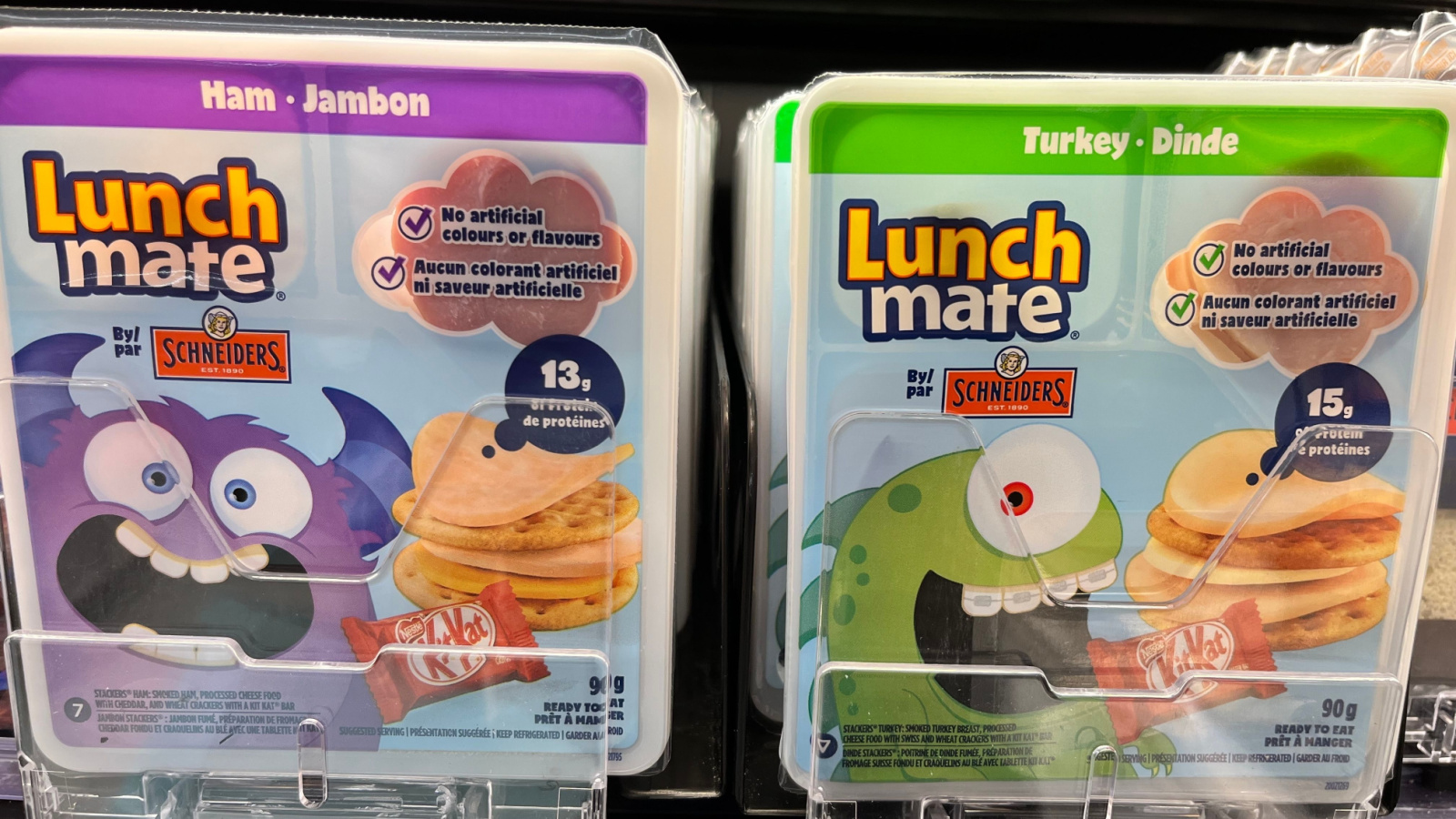
Schneiders carries a heritage advantage few deli brands can match, with roots going back to late-19th-century Ontario. For many Canadians, the brand signals premium deli meats, sausages, pepperettes, and charcuterie-style products. That tradition gives Schneiders a stronger emotional position than a generic cold-cut label, especially when shoppers are building a holiday board or buying for guests.
Still, premium meat is exactly the kind of category where retailers can use private labels to capture more margin. A grocer can place its own sliced turkey, salami, or smoked sausage next to Schneiders and invite shoppers to trade down without leaving the category. The risk is not that Schneiders disappears, but that fewer flavours, sizes, or seasonal items get displayed. When retailers simplify assortment, familiar premium brands may keep a core lineup while losing secondary shelf space to store-owned “premium” alternatives.
Saputo
Saputo is a major Canadian dairy name, connected to cheese, milk, cream, cultured products, and foodservice supply. In grocery stores, cheese is especially crowded: blocks, shreds, slices, snack formats, lactose-free options, and specialty varieties all compete for a limited refrigerated section. That makes Saputo’s branded products valuable, but also exposed.
Private-label dairy has already become a serious force in Canada, particularly in staples such as cheese, milk, yogurt, butter, and cream. Shoppers often see dairy as a commodity, especially when the product is going into lasagna, school lunches, or a weeknight casserole rather than being served on its own. If a store brand mozzarella or cheddar undercuts a national brand, the substitution feels low-risk. Saputo’s advantage lies in scale, quality control, and foodservice credibility, but shelf space may tilt toward store-owned dairy when retailers want stronger control over pricing.
Armstrong
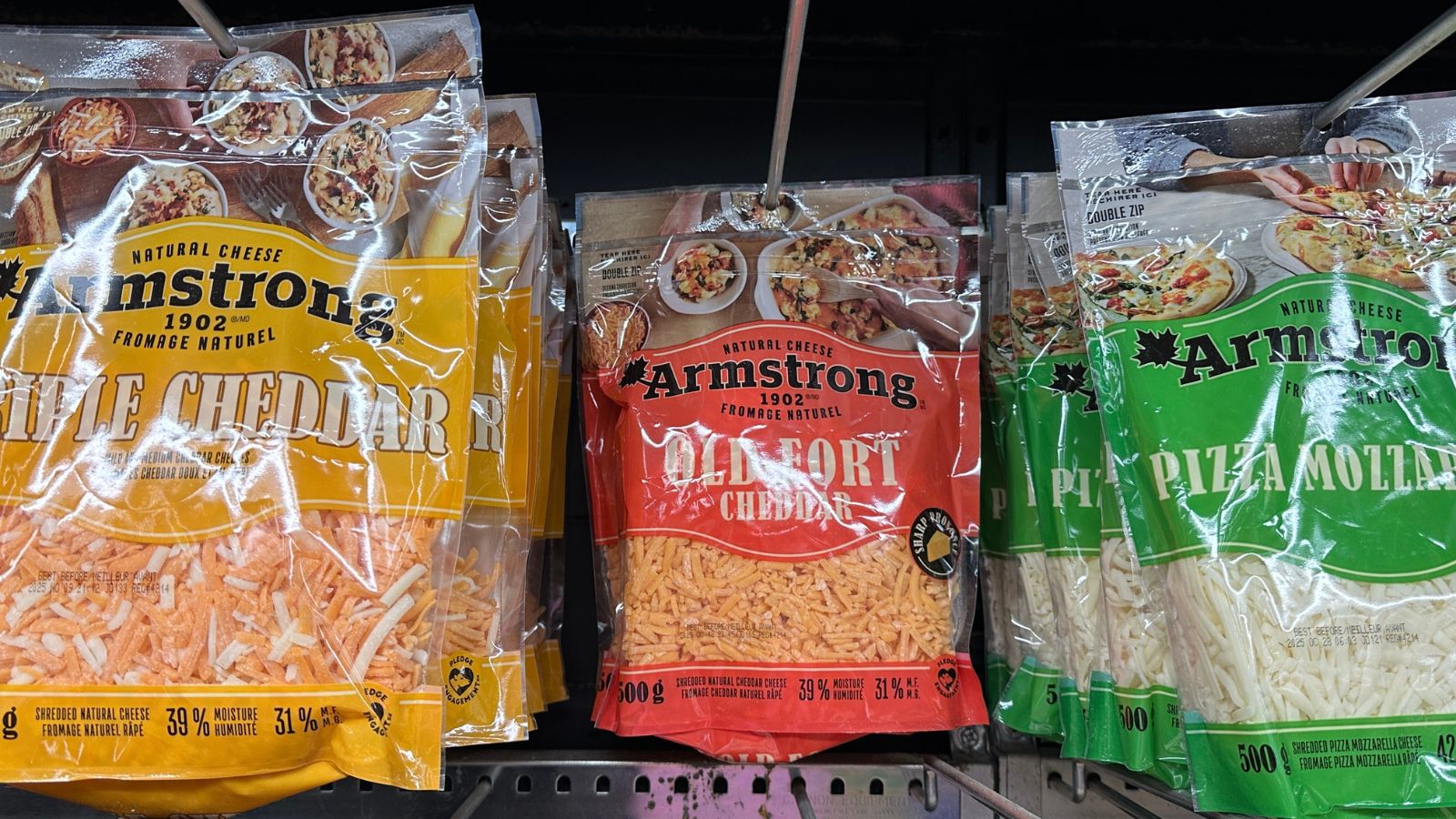
Armstrong has long been a familiar cheese brand in Canadian supermarkets, especially in blocks, slices, shreds, and snack cheese. Its appeal is practical rather than flashy: dependable cheddar for sandwiches, burgers, lunch boxes, and casseroles. That middle-of-the-fridge role gives Armstrong broad reach, but it also puts the brand directly in the path of private-label cheese.
Cheese is one of the easiest places for shoppers to compare price, weight, and fat percentage quickly. A private-label marble cheddar block, for example, may look similar enough to Armstrong for many households trying to stretch a grocery budget. Retailers also like dairy because it brings repeat traffic; shoppers buy cheese often, not once a year. If store brands keep improving texture, melt, and packaging, Armstrong may need stronger promotions, sharper product innovation, or more distinctive varieties to hold the same amount of space.
Gay Lea
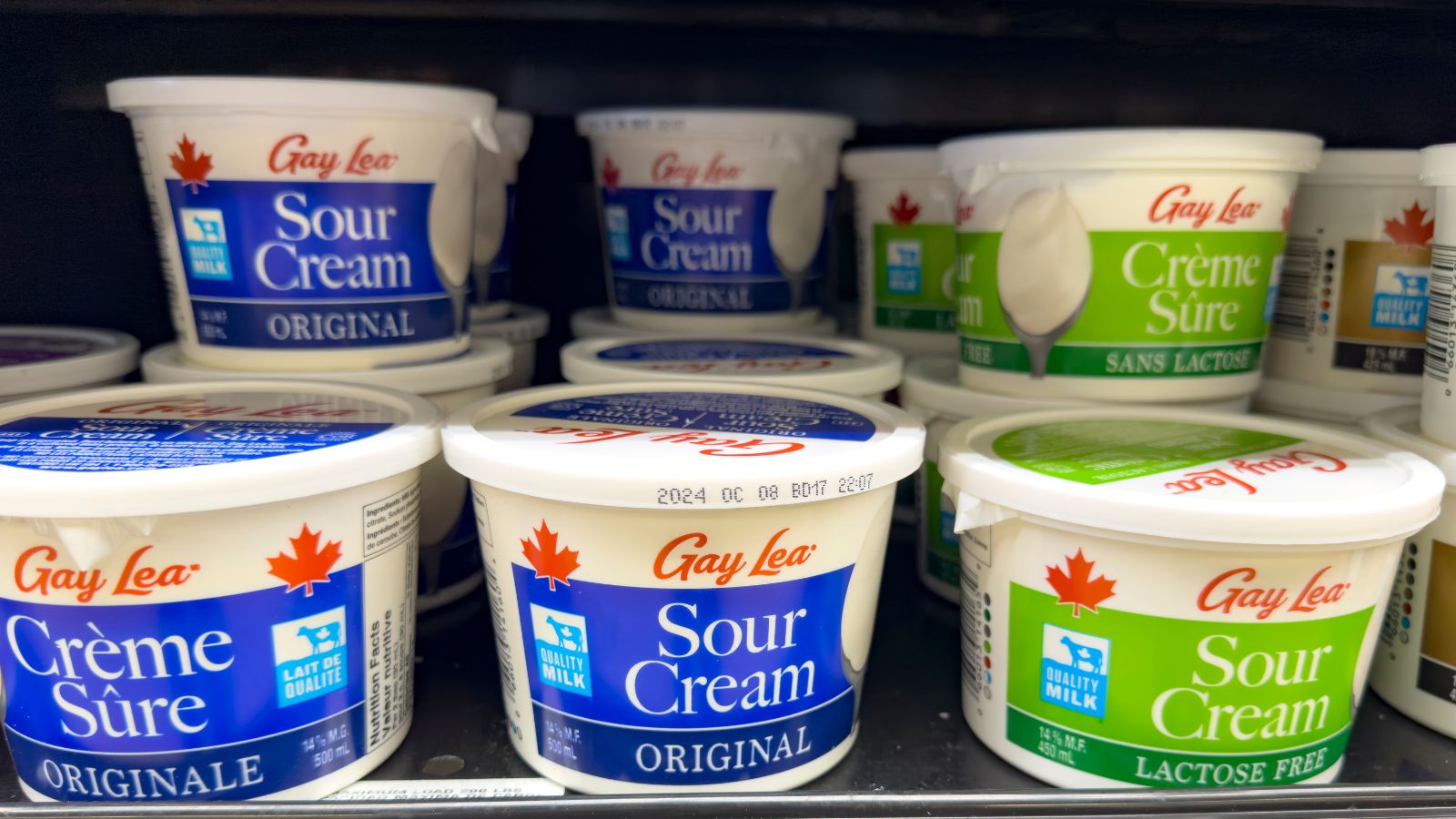
Gay Lea has a distinctly Canadian cooperative identity and a strong presence in butter, sour cream, cottage cheese, whipped cream, and related dairy products. That cooperative story can matter to shoppers who care about local agriculture and Canadian food systems. A tub of cottage cheese or a block of butter, however, is still a highly price-sensitive purchase for many families.
Private labels can be especially competitive in dairy basics because the product differences are not always obvious at first glance. Butter used for baking, sour cream used for tacos, or whipped cream used for dessert can easily become a store-brand purchase when the price gap is wide. Gay Lea’s best defence is its connection to Canadian farmers, product consistency, and specialty offerings such as lactose-free or higher-protein options. But in mainstream formats, the brand could face pressure if retailers devote more room to their own dairy lines.
Dempster’s
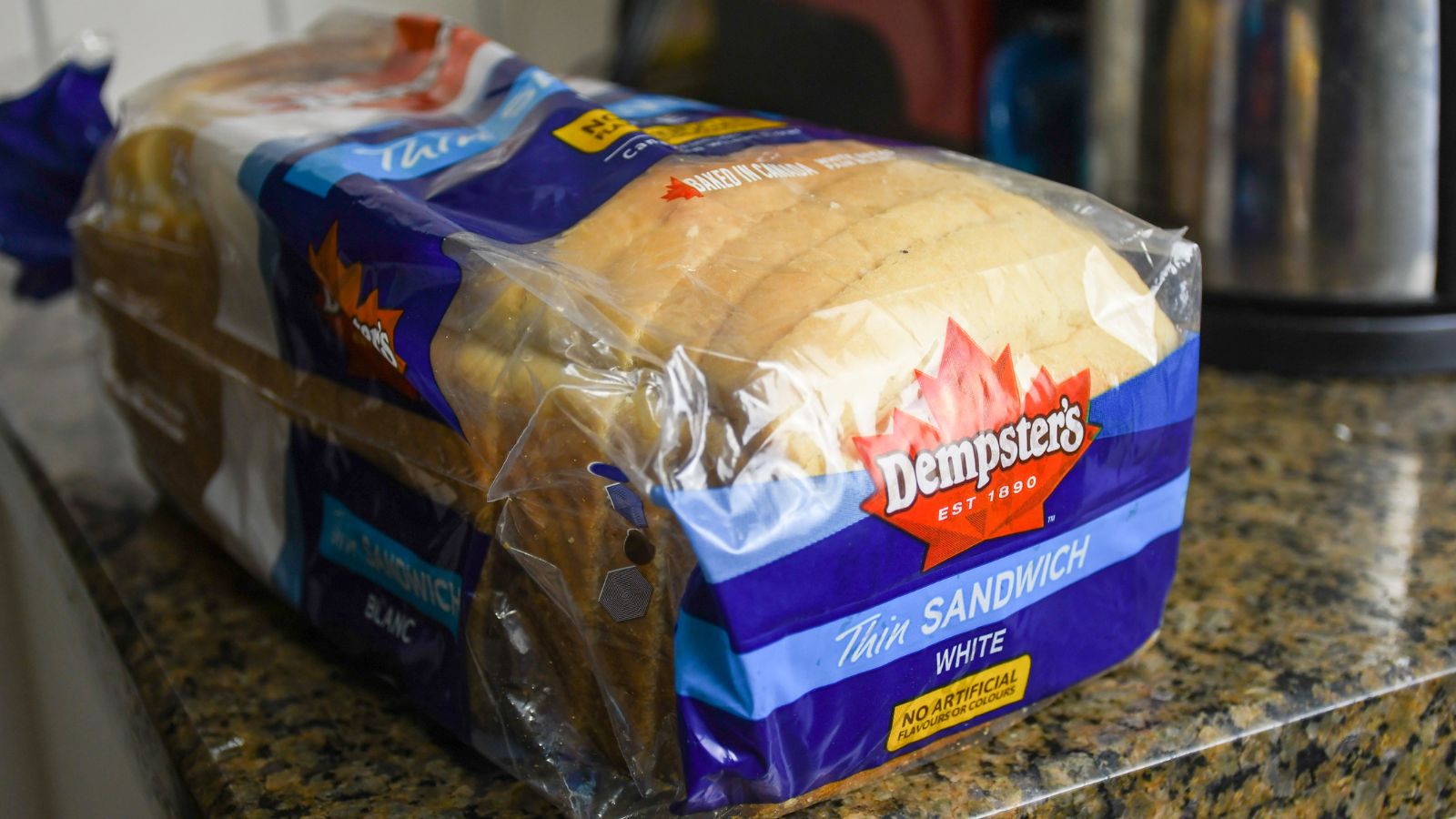
Dempster’s is one of the most familiar bread names in Canada, appearing in sandwiches, toast, hamburger buns, bagels, and English muffins. Bread is a high-frequency category: it gets bought often, used quickly, and compared constantly. That makes it valuable for retailers, but also highly exposed to private-label expansion.
Store-brand bread has improved significantly from the plain, bargain-loaf image of the past. Many retailers now offer whole wheat, multigrain, brioche-style buns, tortillas, and bakery-inspired options under their own labels. Dempster’s still benefits from brand trust, national distribution, and a broad lineup, but the bread aisle can only hold so many duplicate formats. If shoppers decide a store-brand loaf is “good enough” for school lunches or morning toast, Dempster’s could lose facings in slower-moving varieties while keeping its strongest core products.
Dare
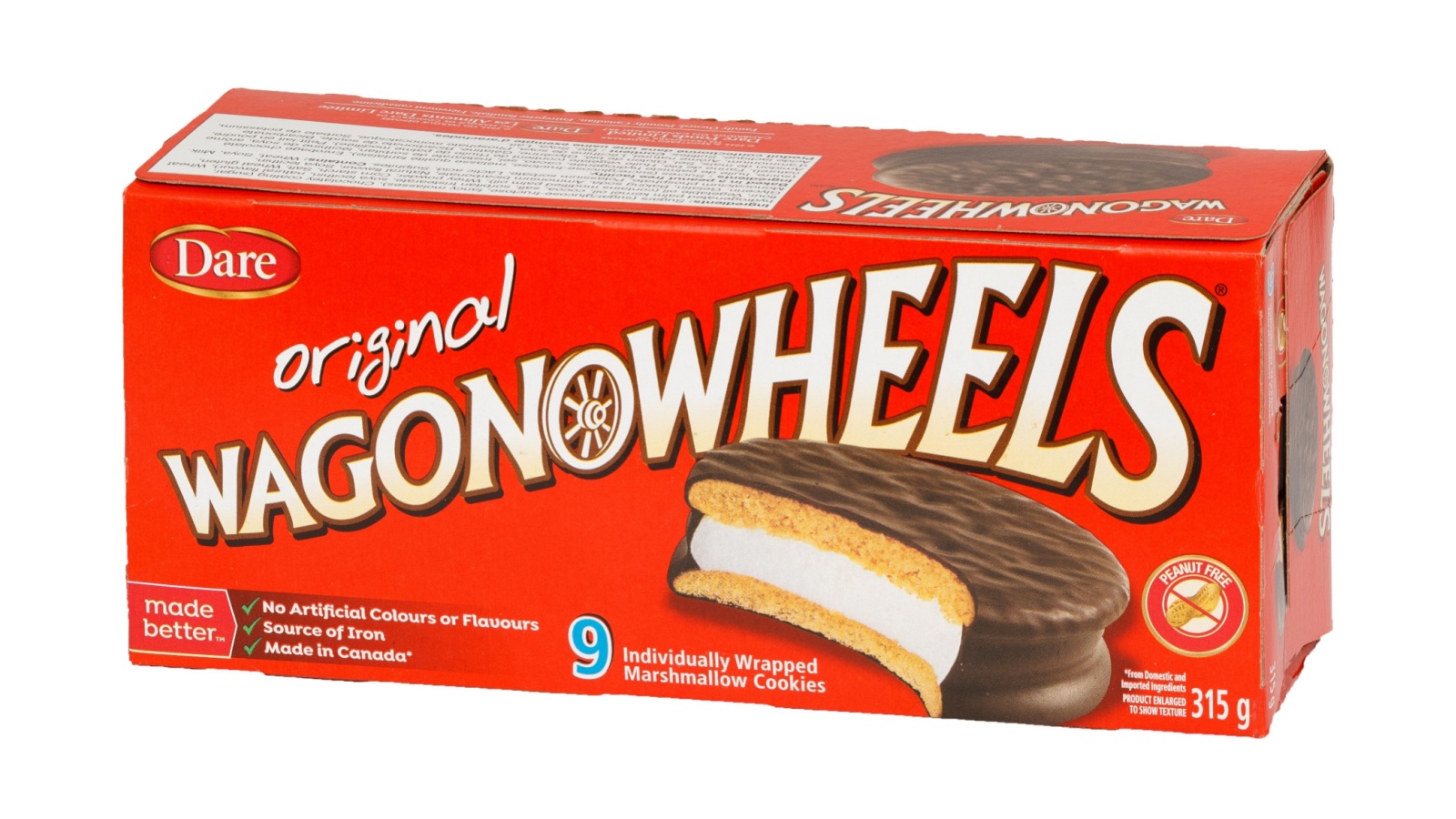
Dare has deep Canadian roots and a broad snack cupboard presence through crackers, cookies, and family-friendly treats. Products such as Breton crackers, Bear Paws, and classic cookies have become pantry regulars because they are familiar, portable, and easy to serve. The brand’s Canadian family-business story gives it a human dimension that many store brands cannot copy.
The risk comes from how aggressively private labels now compete in crackers and cookies. These categories are tailor-made for store-brand lookalikes: plain crackers, digestive-style biscuits, chocolate chip cookies, sandwich cookies, and lunch-box snacks. Shoppers may be willing to experiment because the cost of switching is low. Dare can still stand out through taste, allergy-aware production, and recognizable sub-brands, but retailers may favour their own snacks in flyer promotions or end-cap displays where impulse decisions happen quickly.
McCain
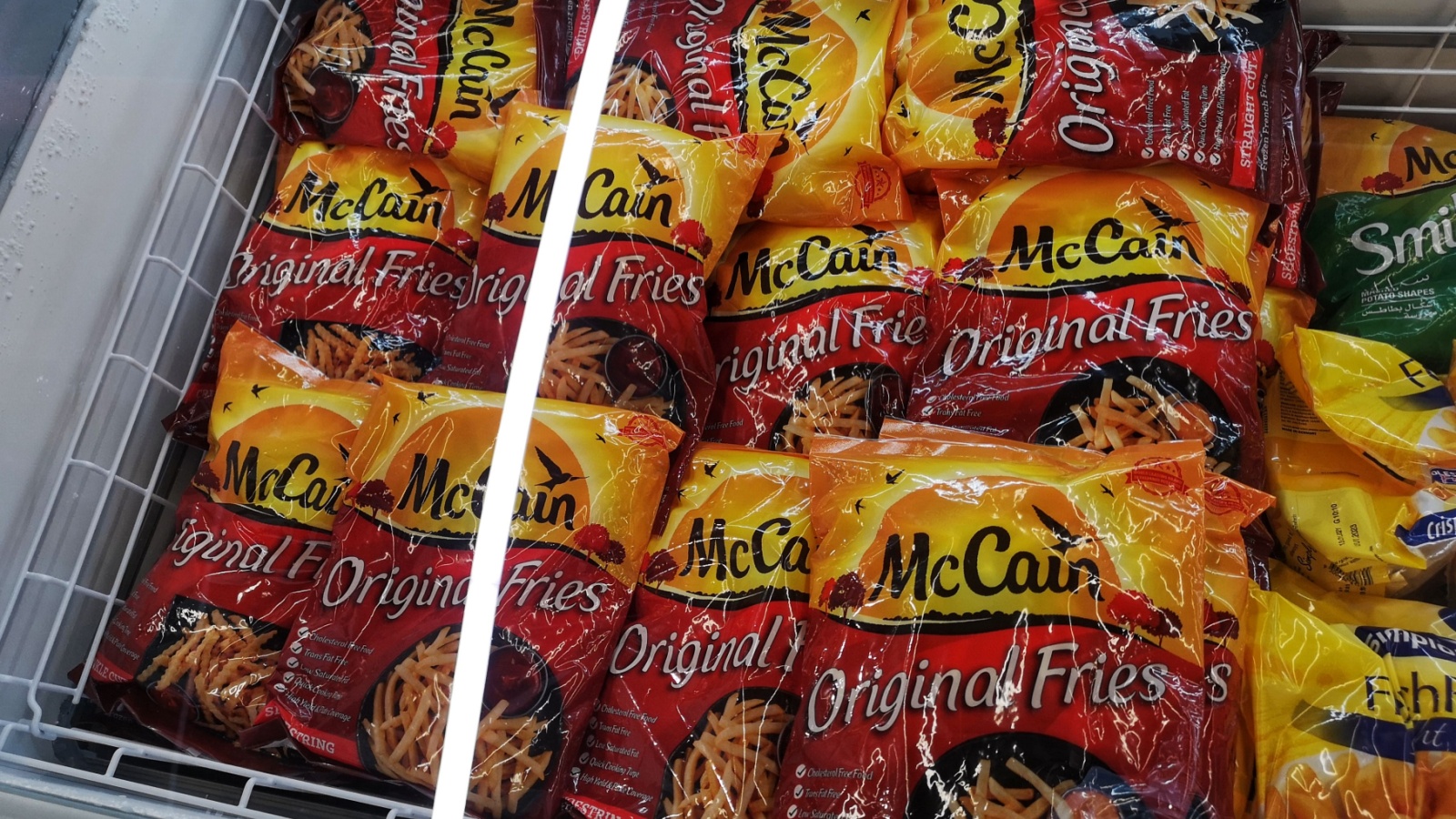
McCain is one of Canada’s biggest global food success stories, closely associated with frozen fries, potato products, appetizers, and quick family sides. Its products fit modern routines: air fryers, busy weeknights, game-day snacks, and easy meals. That convenience keeps McCain highly relevant, especially as frozen food continues to act as a budget buffer for households.
Private-label frozen potato products, however, can be extremely persuasive. A shopper comparing straight-cut fries, hash browns, wedges, or onion rings may focus on price, cooking time, and crispness rather than the name on the bag. Retailers also have strong incentives to expand frozen store brands because the freezer aisle supports repeat purchases and larger basket sizes. McCain’s challenge is to keep its innovation pipeline visible, particularly in seasoned, quick-crisp, and restaurant-style formats that feel harder for private labels to imitate.
Cavendish Farms
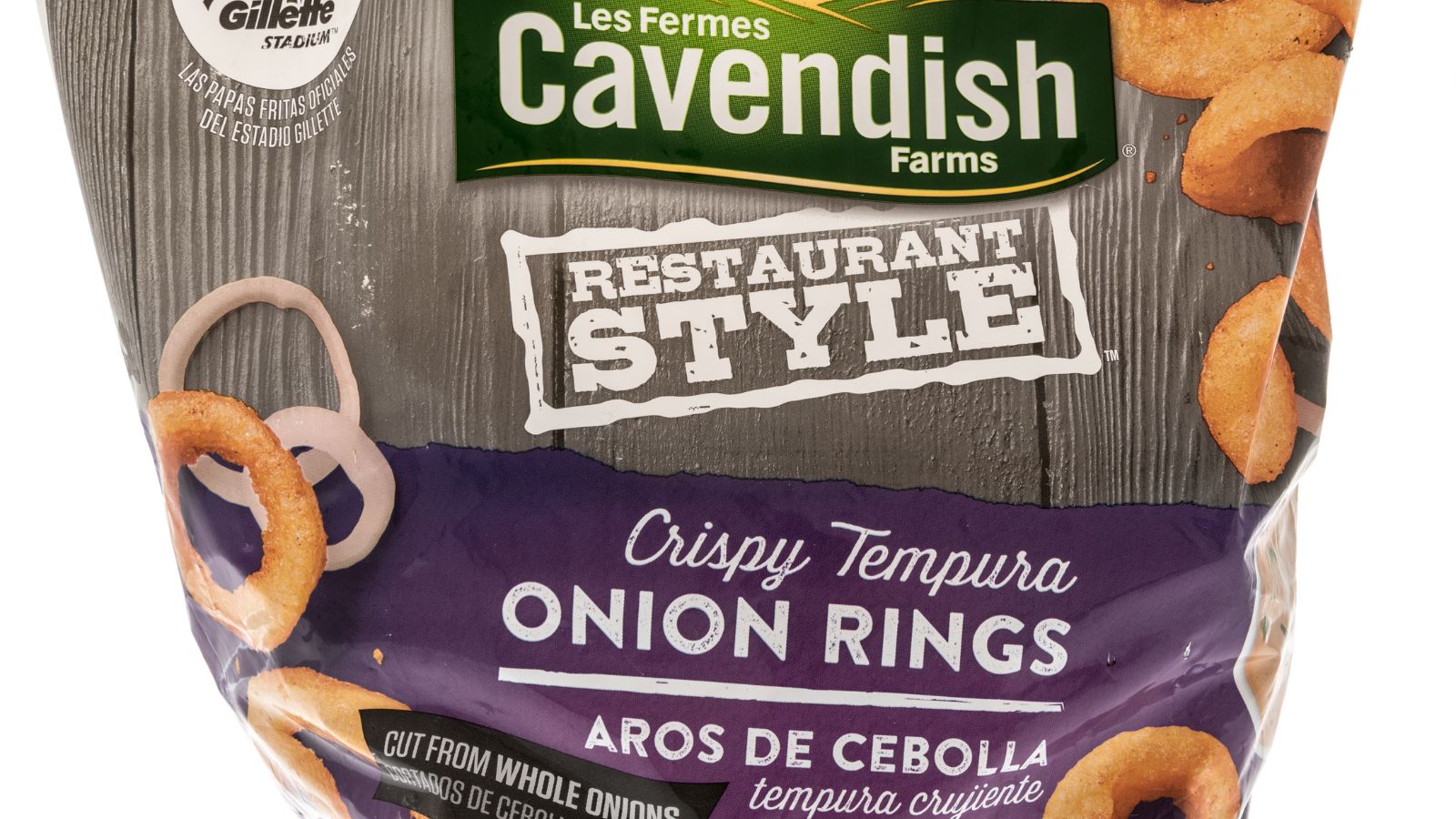
Cavendish Farms has a strong Canadian identity and a major role in frozen potato products, with roots tied to Atlantic Canada’s potato industry. Its fries, wedges, tots, and appetizer-style products compete in one of the most active parts of the freezer aisle. For shoppers, the brand often signals reliable texture and familiar comfort food.
Yet frozen potatoes are also a natural battleground for private labels. Store brands can offer classic cuts, family-size bags, and air-fryer-friendly formats at prices that appeal to households watching every grocery trip. Because many frozen potato products are served as sides rather than centrepieces, some shoppers may be more willing to switch. Cavendish Farms can lean on quality, regional identity, and product variety, but retailers pushing their own frozen lines may reserve more freezer doors for private-label basics and seasonal value packs.
High Liner
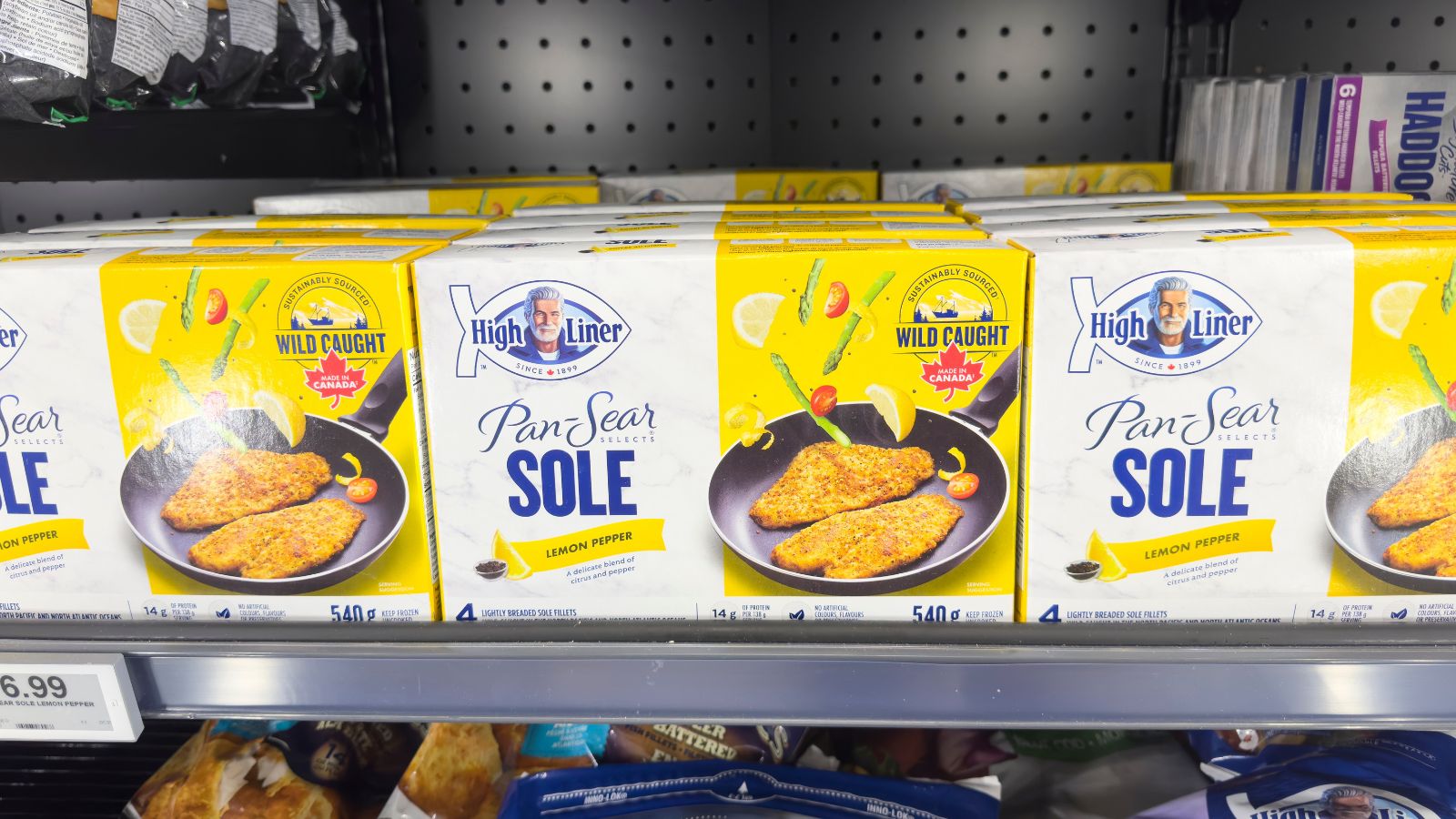
High Liner has a long Canadian seafood history and remains a recognized name in frozen fish. Its products matter because seafood can feel intimidating to prepare from scratch; breaded fillets, portions, and prepared seafood options make it easier for households to put fish on the table. Trust is a significant advantage in a category where freshness, sourcing, and texture matter.
Private labels are increasingly capable in frozen seafood, especially in breaded fish, fillets, shrimp, and meal-ready items. A store brand does not need to replace every High Liner product to affect shelf space; it only needs to win a few high-volume formats. Retailers may also use private-label seafood to support value messaging during periods of elevated food prices. High Liner’s brand recognition remains meaningful, but freezer-door competition could intensify as grocers add more own-label seafood choices.
Clover Leaf
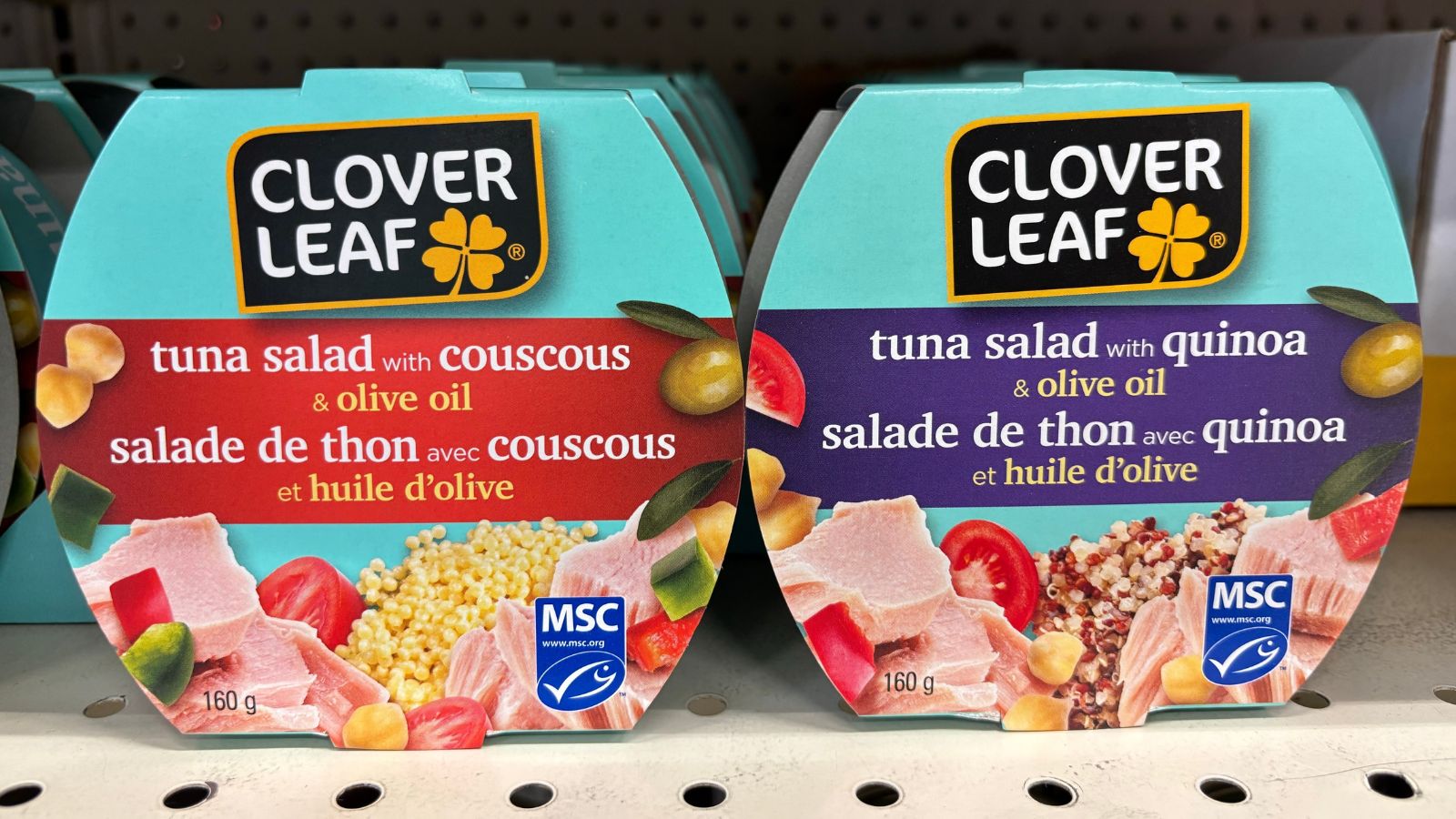
Clover Leaf is a major Canadian canned seafood staple, especially in tuna, salmon, sardines, and related shelf-stable products. The brand benefits from trust because canned seafood shoppers often care about consistency, smell, texture, and sourcing claims. A bad experience with canned fish can make shoppers cautious, which helps established brands.
Even so, shelf-stable seafood is highly vulnerable to private-label pressure. Canned tuna is easy to compare by weight, format, water or oil pack, and price. Store brands can sit directly beside Clover Leaf and offer a cheaper lunch protein, pantry backup, or salad ingredient. Since canned seafood has a long shelf life, retailers can use private-label multipacks and promotions to pull shoppers away from branded cans. Clover Leaf’s challenge is to make trust, sustainability messaging, and product variety feel worth paying for.
Nature’s Path
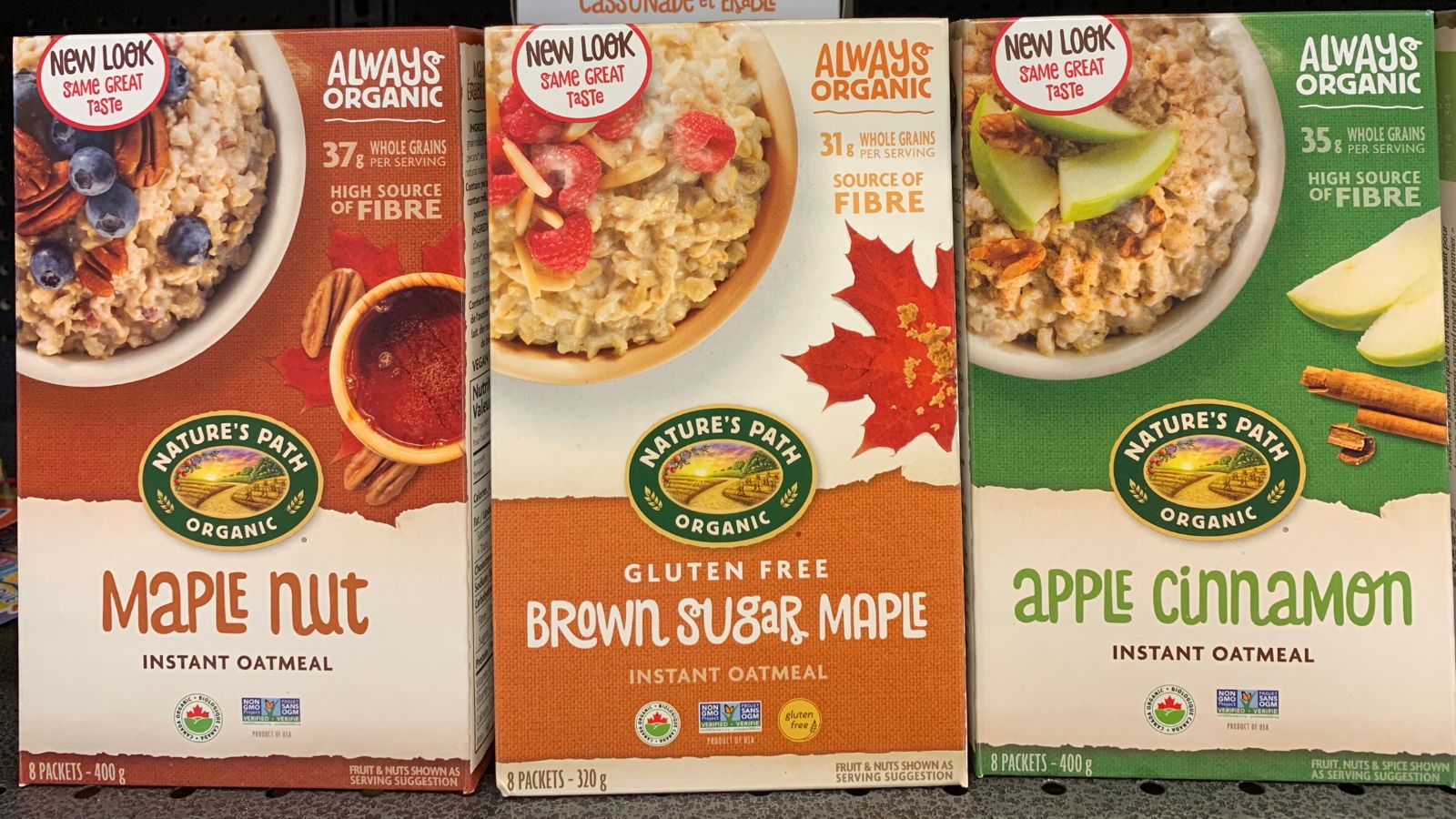
Nature’s Path occupies a different position from many mass-market cereal brands. Its identity is built around organic products, sustainability, better-for-you breakfast foods, and family ownership. In cereal, granola, oatmeal, and waffles, that positioning gives the brand a premium audience that may be less price-driven than the average shopper.
But private labels have moved into organic and natural categories too. Store brands now offer organic oats, granola, cereal, bars, and gluten-free products that once felt like specialty-brand territory. This creates a squeeze: Nature’s Path may still be trusted by committed organic shoppers, while occasional organic buyers may accept the store version if it costs less. The brand’s opportunity is to keep leading with values, ingredient transparency, and distinctive flavours. Its risk is losing casual buyers who view organic private labels as a cheaper way to make a similar choice.
MadeGood
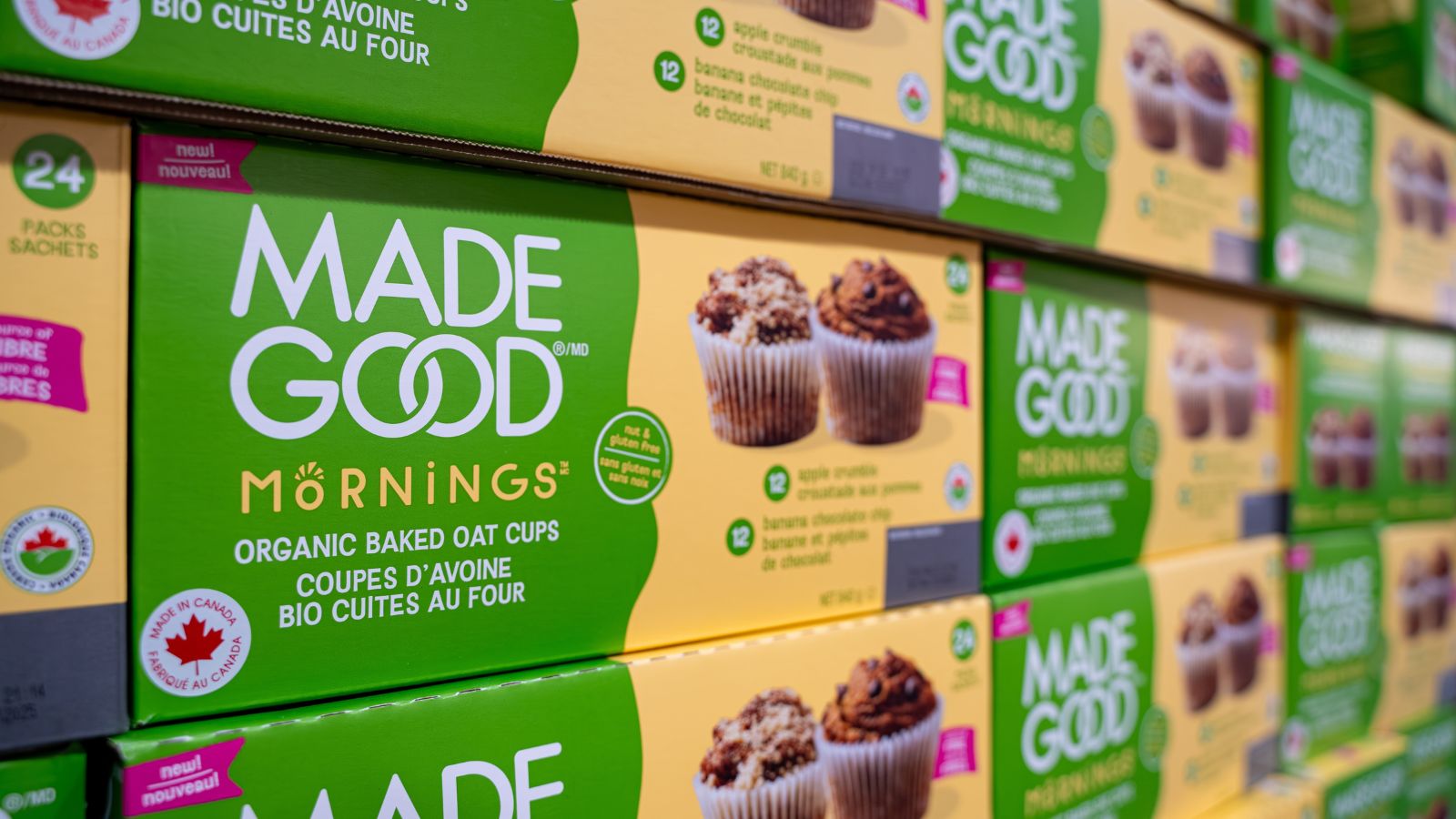
MadeGood became a standout in the school-snack and better-for-you treat space, with granola bars, minis, cookies, and allergy-friendly positioning. Its brand is especially relevant to parents navigating lunch policies, nut restrictions, and snacks that feel acceptable for both kids and adults. That practical trust has helped it grow beyond niche health-food shelves.
Private labels are now chasing the same territory. Grocers increasingly sell their own granola bars, fruit snacks, oat bites, and allergy-aware lunch-box items. When a store brand copies the format closely enough, parents may test it because school snacks disappear quickly and buying in bulk matters. MadeGood’s strength is its clear identity around organic, allergy-conscious, and purpose-led snacking. The shelf-space risk is that retailers may give their own snack boxes more promotional support, especially during back-to-school season when volume spikes.
Kicking Horse Coffee
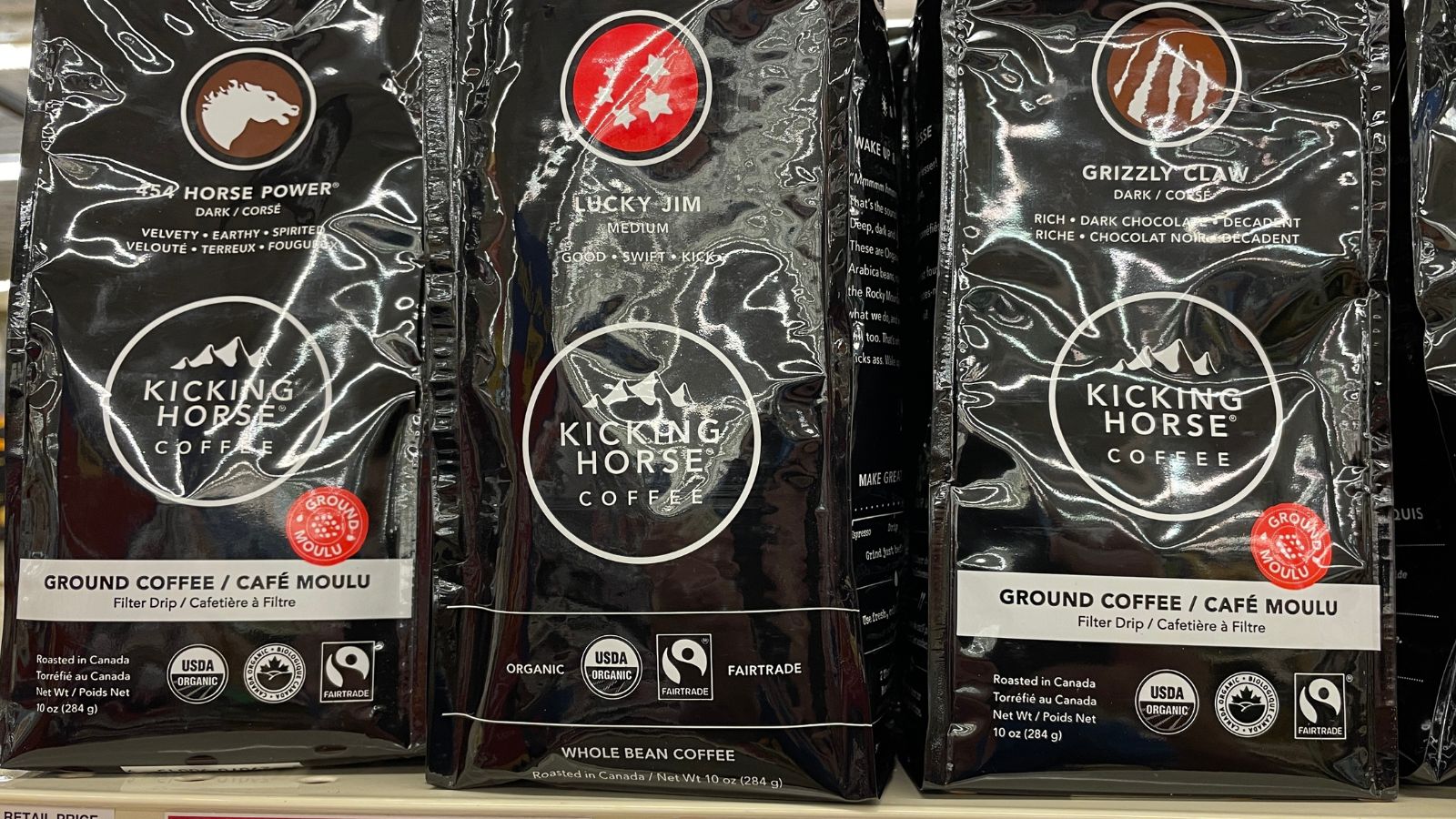
Kicking Horse Coffee built a loyal following through bold branding, organic and Fairtrade positioning, and a Canadian mountain-town image. Coffee is a category where personality matters: roast names, aroma, packaging, and ritual all shape loyalty. For many shoppers, Kicking Horse feels more distinctive than a basic supermarket coffee.
Still, coffee has become one of the most competitive private-label categories. Retailers now offer whole bean, ground, espresso, single-serve, organic, and premium-looking coffee under their own labels. With coffee prices sensitive to global supply and currency pressures, shoppers may experiment when the price gap widens. Kicking Horse can defend its shelf space through flavour identity, certifications, and brand attitude, but it may face pressure in mainstream roast formats where store brands can offer similar claims at a lower price.
Oasis
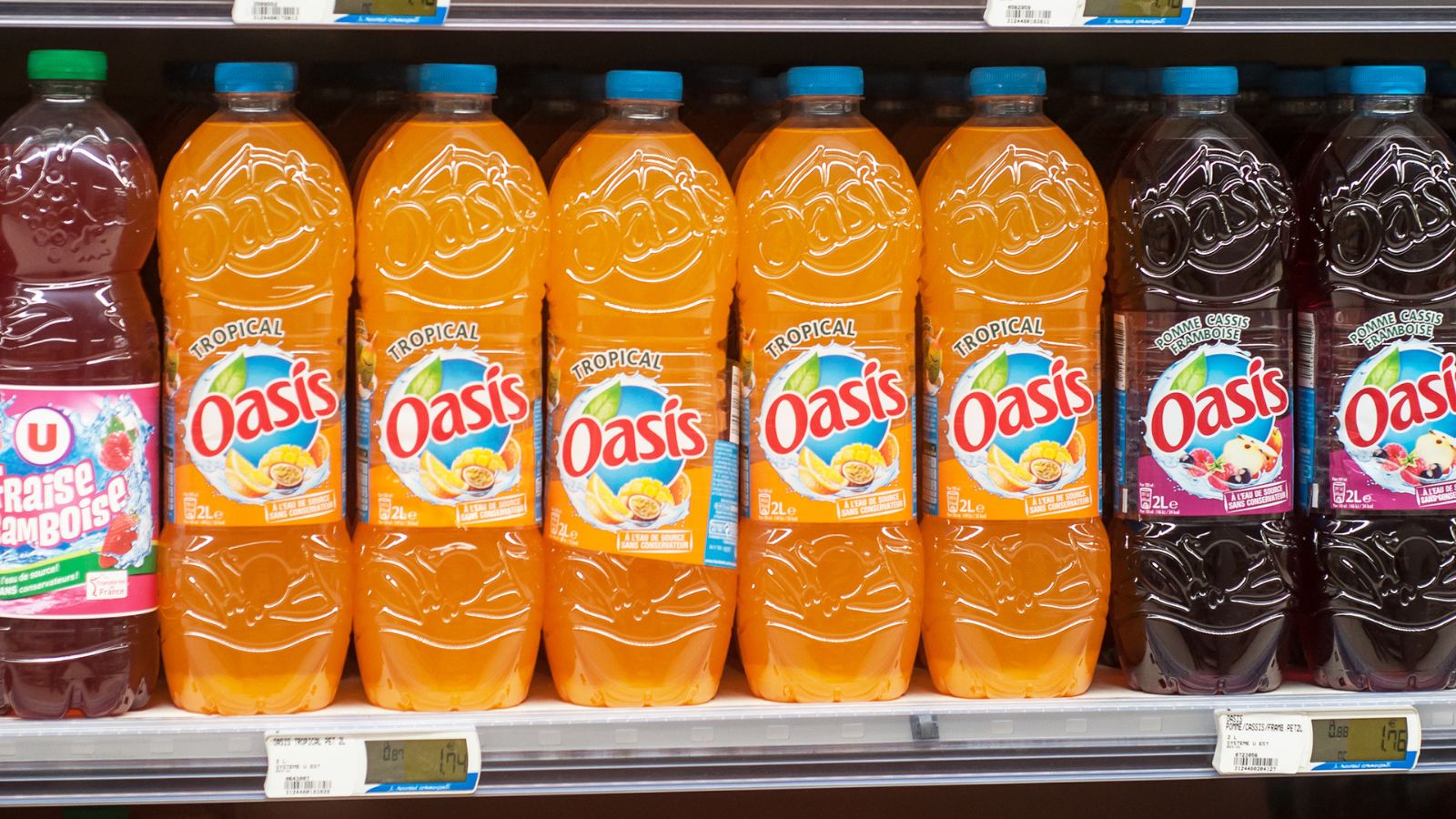
Oasis is a long-running Canadian juice brand associated with family breakfasts, school lunches, and refrigerated or shelf-stable fruit beverages. It benefits from broad flavour variety and a familiar presence in grocery stores. The brand’s challenge is that juice has become more complicated: shoppers are watching sugar, comparing formats, and weighing juice against water, sparkling drinks, and powdered or frozen options.
Private-label juice can compete directly on price and convenience. Apple juice, orange juice, fruit blends, and lunch-box formats are easy for retailers to reproduce under their own banners. When families are buying multiple cartons or boxes per week, small price differences add up quickly. Oasis still has brand recognition and a wide product range, but retailer-owned juice lines could gain more shelf space if shoppers treat the category as a basic beverage rather than a brand-led choice.
Club House
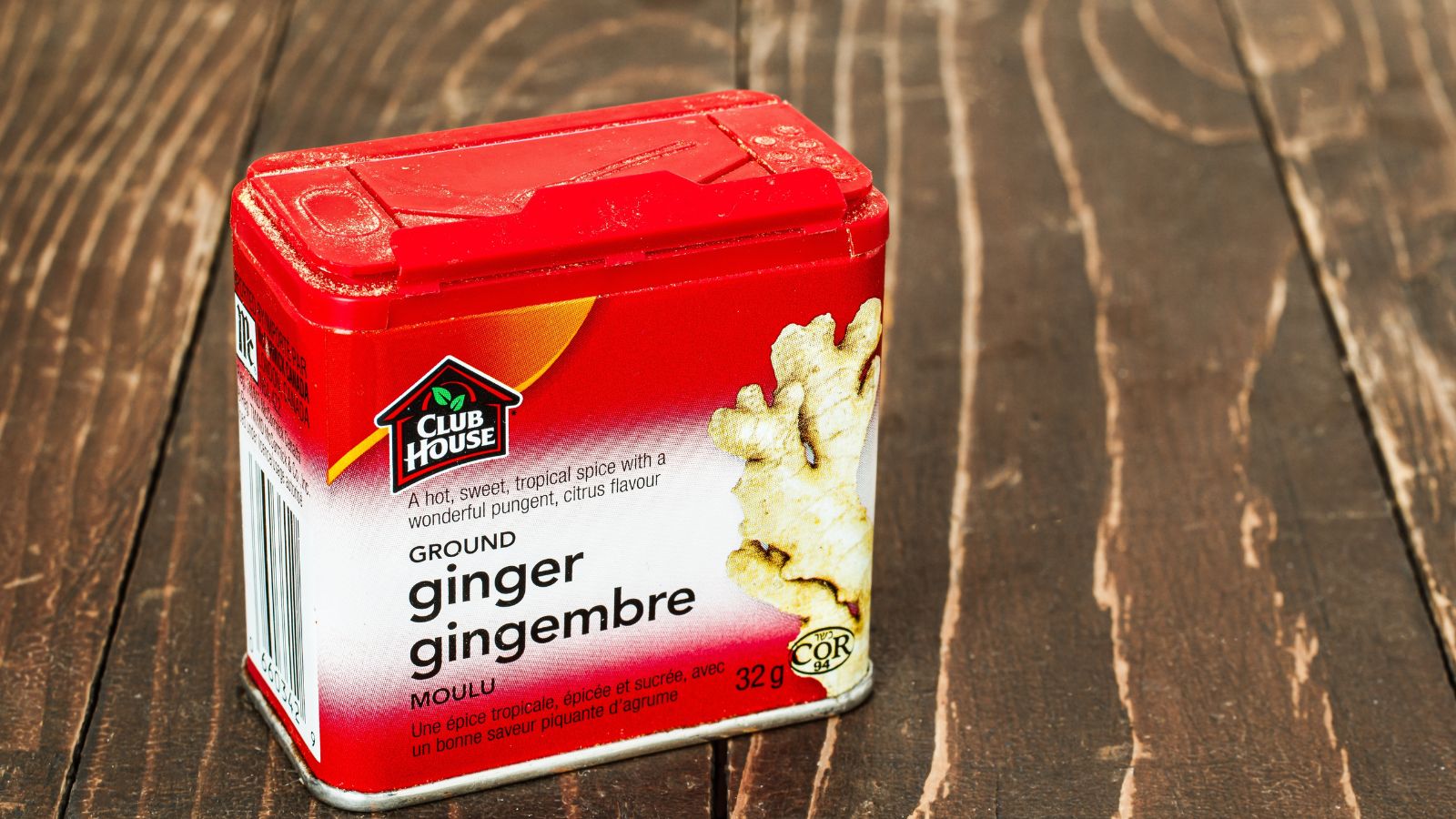
Club House has a long Canadian history in spices, seasonings, extracts, and dry sauce mixes. It remains a kitchen-cupboard staple because spices are small but important purchases: taco night, roast chicken, chili, baking, and holiday recipes often depend on familiar blends. A trusted spice brand can make cooking feel more predictable.
Private-label spices, however, are among the easiest products for retailers to expand. A jar of garlic powder, cinnamon, paprika, or Italian seasoning can look functionally similar across brands, and price differences are often noticeable. Retailers can also use private labels to offer larger formats or value refills. Club House’s advantage is breadth, freshness perception, and iconic blends, but its basic single-spice items could face tougher shelf competition as stores promote their own seasoning lines more aggressively.
Jamieson
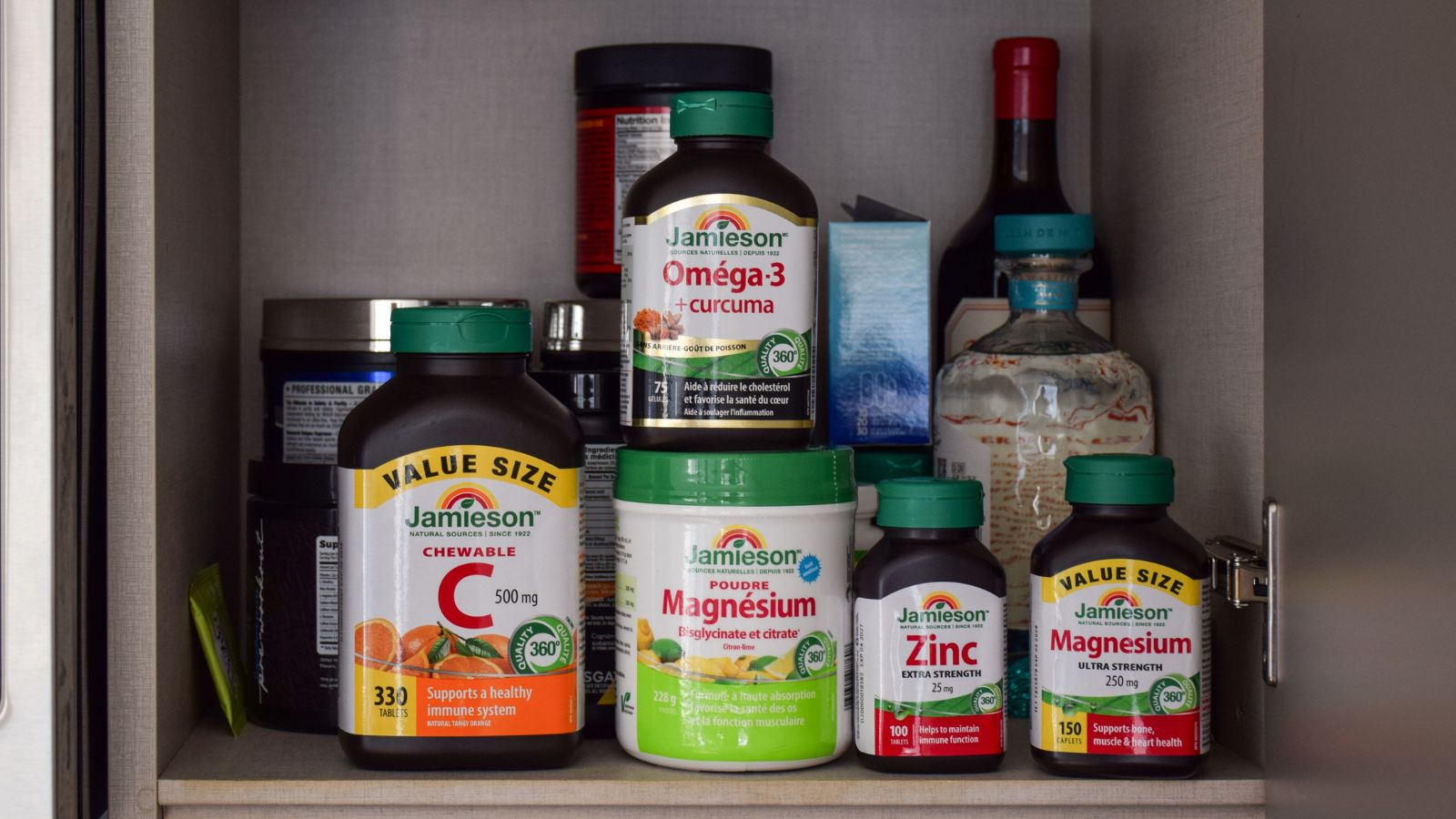
Jamieson is one of Canada’s best-known vitamin and supplement brands, with a heritage story dating back more than a century. It appears not only in grocery stores, but also in pharmacies and mass retailers, where wellness aisles have grown larger and more complex. Trust matters in vitamins because shoppers are buying something connected to health, not just taste or convenience.
That said, private-label vitamins are a major opportunity for pharmacies and big-box retailers. Store brands can offer vitamin D, magnesium, multivitamins, omega-3, probiotics, and other common supplements at lower prices, often placed right beside national brands. For routine supplements, many shoppers compare dosage, pill count, and price per unit. Jamieson’s brand equity is strong, but private-label wellness products could take more shelf space in basic categories where the label looks similar and the savings feel immediate.
19 Things Canadians Don’t Realize the CRA Can See About Their Online Income

Earning money online feels simple and informal for many Canadians. Freelancing, selling products, and digital services often start as side projects. The problem appears at tax time. Many people underestimate how much information the CRA can access. Online platforms, banks, and payment processors create detailed records automatically. These records do not disappear once money hits an account. Small gaps in reporting add up quickly.
Here are 19 things Canadians don’t realize the CRA can see about their online income.
