
Canadians are entering 2026 with budgets already stretched by higher living costs, changing rates, shifting fees, and a marketplace that feels less predictable than it did a few years ago. Even when inflation looks calmer on paper, everyday costs can still land unevenly across households, especially when groceries, housing, transportation, insurance, debt, and digital subscriptions all move at once.
These 21 Canadian consumer changes could hit wallets harder in 2026 because many are not dramatic one-time shocks. They are the quieter pressures that show up in smaller paycheques, higher renewals, pricier baskets, extra fees, and monthly bills that creep upward before families have time to adjust.
Bigger Payroll Deductions on Higher Earnings

For many employed Canadians, 2026 may bring a slightly different paycheque even before spending begins. Employment Insurance and Canada Pension Plan deductions are tied to annual maximums, and when those ceilings rise, workers earning above previous thresholds can see more withheld over the year. It may not feel dramatic on a single pay stub, but the cumulative effect matters for households already balancing rent, groceries, transportation, and debt payments.
The second CPP contribution tier, often called CPP2, is especially easy to miss because it applies to earnings above the first pensionable earnings ceiling. A mid-career worker who receives a raise may celebrate the higher salary, only to notice that some of the gain is absorbed by payroll deductions. The money supports future benefits, but the short-term cash-flow impact can be frustrating when monthly costs are rising at the same time.
Tax Changes That Make Refund Planning Trickier
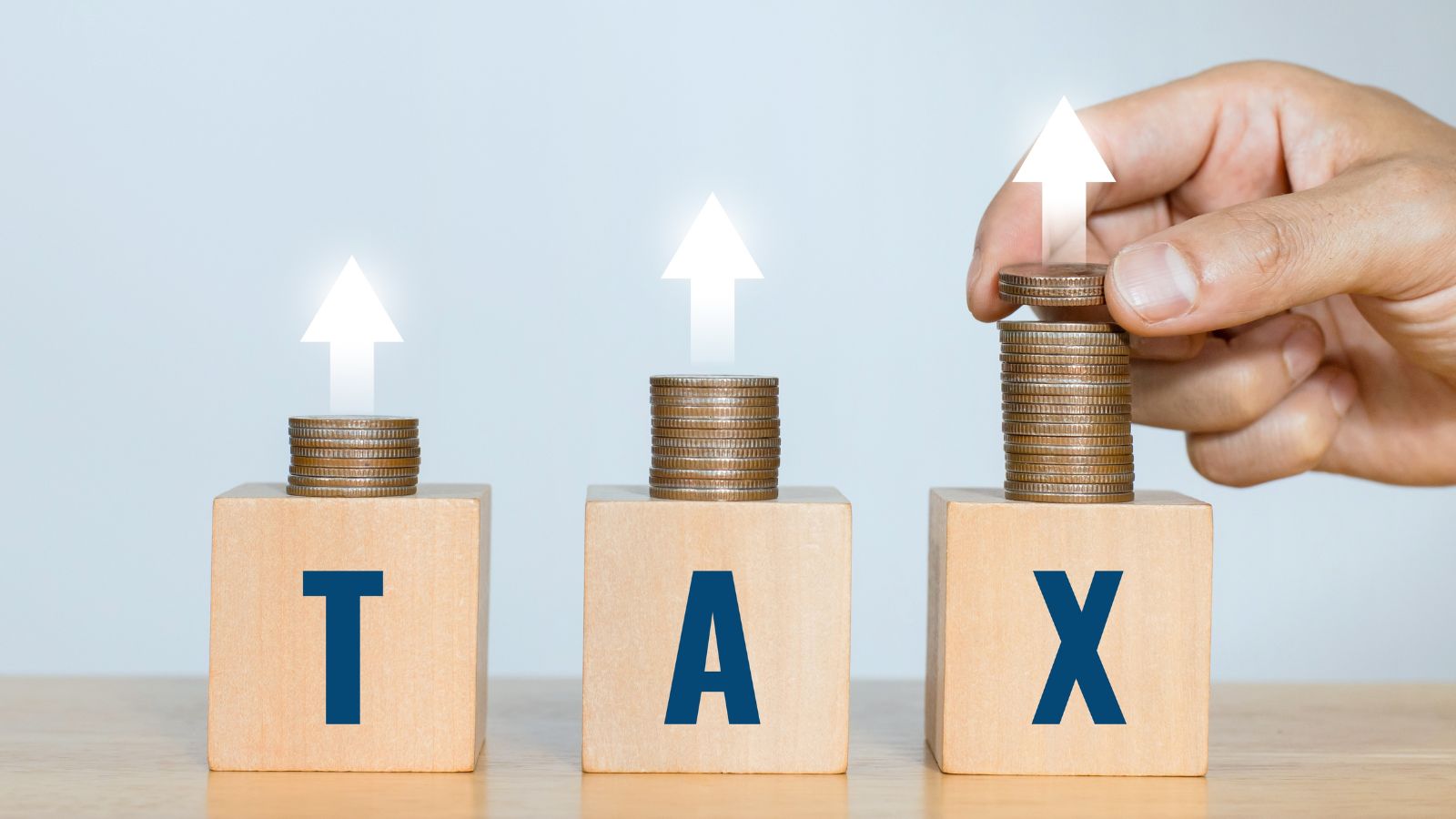
Federal and provincial tax brackets can shift from year to year, and 2026 planning may feel more complicated for households that rely on refunds, benefits, or predictable take-home pay. Canada’s federal lowest tax rate was reduced effective July 2025, but provincial rates, credits, deductions, and benefit thresholds still vary by jurisdiction. That means two families with similar incomes can experience very different outcomes depending on province, deductions, and household composition.
The practical risk is not only paying more tax; it is misreading what a raise, bonus, side gig, severance payment, or taxable benefit will actually be worth. A family expecting a large spring refund may be disappointed if withholding, credits, or taxable income changed. For consumers living close to the line, the timing of tax relief matters almost as much as the amount, because rent and credit-card bills do not wait for filing season.
Grocery Prices That Keep Moving Even When Inflation Slows

Grocery inflation can feel personal because it repeats every week. A family may cut back on steak, switch to store brands, or plan meals around flyers, yet still leave the checkout wondering why the total barely changed. In 2026, pressure could continue from weather disruptions, transportation costs, tariffs, packaging, wages, and supplier negotiations. Some staples may cool while others rise sharply, making the overall basket hard to predict.
The effect is often most visible in ordinary items: coffee, cereal, produce, meat, dairy alternatives, frozen foods, and school-lunch snacks. A household that used to shop casually may now compare unit prices, loyalty offers, and discount-store flyers as if managing a small procurement department. Even modest percentage increases hurt because groceries are unavoidable and frequent, leaving fewer places to hide from price changes.
Food Discounts That Become More Conditional

Canadian grocery shopping has become more strategic, but discounts are getting harder to read. A shelf tag may advertise a member price, multi-buy offer, digital coupon, app-only deal, or limited-time discount that only works with a loyalty account. The result is a checkout experience where the advertised savings may depend on buying three units, scanning an app, loading an offer, or choosing a specific package size.
This matters in 2026 because households may lean harder on promotions as food costs remain elevated. A parent buying yogurt, pasta sauce, and cereal may discover that the lowest visible price was conditional, while the single-item price was much higher. These systems reward shoppers with time, attention, storage space, and digital access. They can quietly penalize smaller households, seniors, renters with limited pantry space, and anyone who cannot afford bulk buying.
Rent Renewals That Still Hurt Despite a Softer Market
Canada’s rental market has shown signs of softening in some places, but that does not guarantee relief for every renter. CMHC expects average rents to rise at a moderate pace, especially for two-bedroom units, while higher-priced new supply can keep pressure on advertised rents. Incentives may appear in some cities, but renters who need a specific neighbourhood, school zone, commute, or accessible unit may still face painful choices.
The hidden cost is moving. Even when a new listing looks slightly cheaper, deposits, movers, utility transfers, furniture gaps, parking, storage, and missed work can erase the savings. A tenant staying put may face a guideline increase; a tenant moving may face market rent. For many Canadians, 2026 rent pressure will not be a single headline number but a decision between staying in an imperfect place or paying heavily to reset.
Mortgage Renewals That Reshape Monthly Budgets
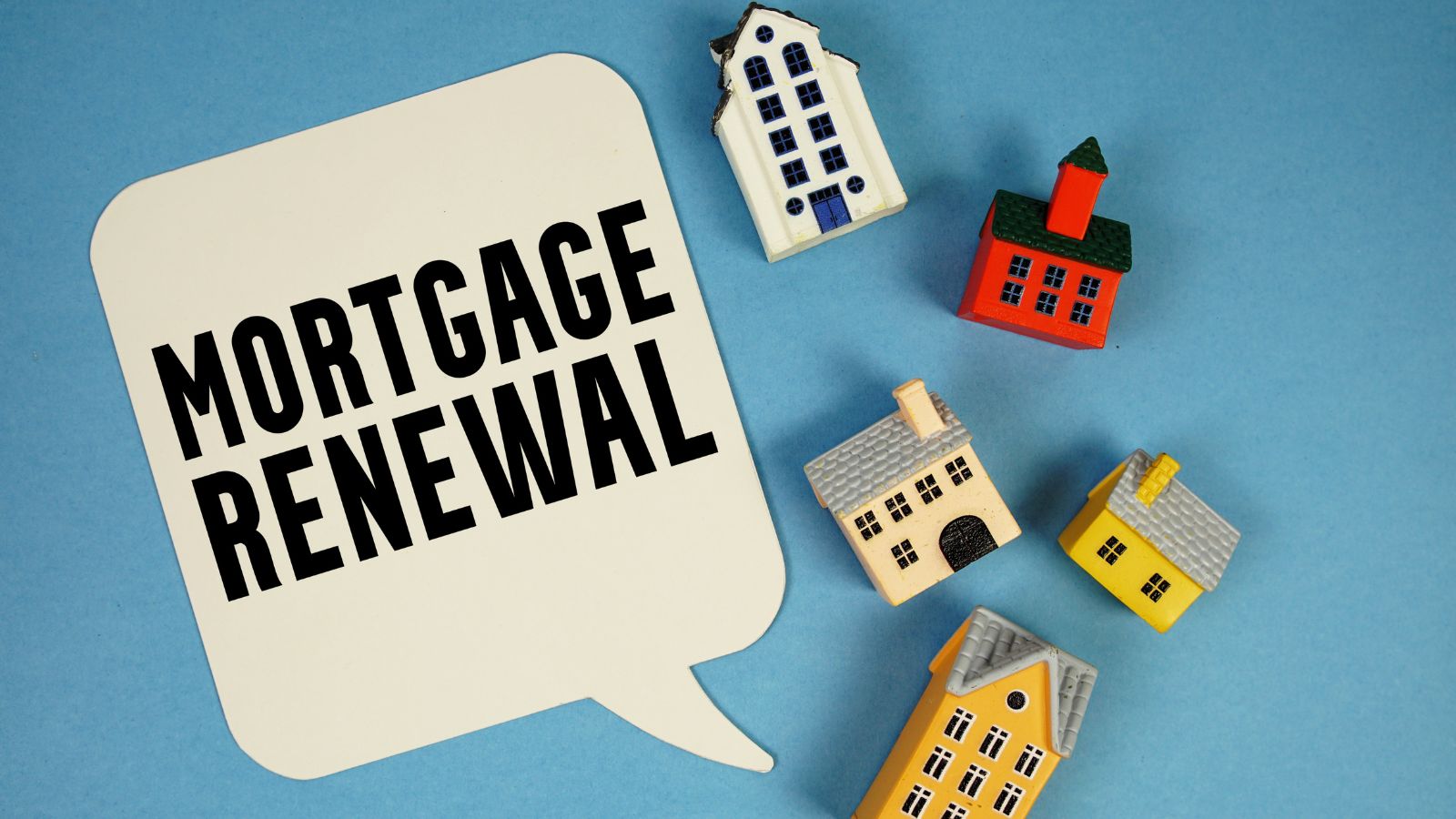
Mortgage renewals remain one of the biggest household budget events in Canada. Many borrowers who locked in low rates earlier in the decade have already renewed, but others are still adjusting to payments that reflect a different interest-rate world. Even if rates are lower than their peak, renewal payments can still be higher than what households built their budgets around.
The strain is especially sharp when the mortgage increase collides with child-care costs, car payments, property taxes, insurance, or credit-card balances. A homeowner may technically afford the renewal but lose the flexibility that once covered vacations, repairs, savings, and emergencies. In 2026, the danger is not only default. It is the slow disappearance of breathing room, where a household keeps paying the mortgage but cuts retirement contributions, maintenance, or basic quality-of-life spending.
Property Taxes and Local Fees That Add Up Quietly

Municipal budgets rarely generate the same national attention as grocery prices or mortgage rates, but property taxes, water charges, waste fees, transit levies, and stormwater charges can reshape household costs. Even cities that hold the headline property-tax rate steady may raise utility rates or user fees. Renters can feel the impact too, because landlords often factor rising ownership and operating costs into future rent decisions.
These increases can feel especially frustrating because they arrive in pieces. A homeowner may see one increase on the tax bill, another on water, another on waste collection, and another through condo or maintenance fees. Each line may appear reasonable in isolation, but together they can push annual housing costs hundreds of dollars higher. For fixed-income households, local fee creep can be just as disruptive as a larger national price shock.
Home Insurance Premiums Tied to Extreme Weather

Home insurance is becoming a larger budget concern as severe weather, flooding, wildfires, hail, and rebuilding costs affect the property and casualty market. Statistics Canada has documented how catastrophic weather claims and higher reinsurance costs put pressure on insurer profitability and consumer affordability. The result can be higher premiums, higher deductibles, new exclusions, or more detailed questions about roof age, basement flood risk, and wildfire exposure.
The human impact often appears at renewal. A homeowner who never filed a claim may still receive a higher bill because the broader risk pool changed. A family in a flood-prone area may discover that sewer backup or overland water coverage costs more than expected. In 2026, the insurance question will not simply be whether a home is covered, but whether the coverage is still affordable enough to keep.
Auto Insurance Pressures From Repairs, Parts, and Claims

Car insurance remains vulnerable to rising repair costs, vehicle technology, theft risk, parts shortages, and regional claims trends. Modern vehicles can be expensive to fix after even a minor collision because sensors, cameras, bumpers, windshields, and calibration work may be involved. Statistics Canada has linked premium pressures to repair costs, parts, vehicles themselves, coverage types, and provincial rules.
For drivers, this can make renewal season feel unpredictable. A careful commuter with no claims may still face an increase because the insurer’s broader claims costs changed. Families with teenage drivers, newer SUVs, urban parking, or theft-prone models can feel the hit more sharply. In 2026, shopping around may matter more, but switching insurers can also mean comparing deductibles, accident forgiveness, rental coverage, depreciation waivers, and exclusions—not just the monthly premium.
Gasoline Prices After the Carbon-Tax Effect Fades
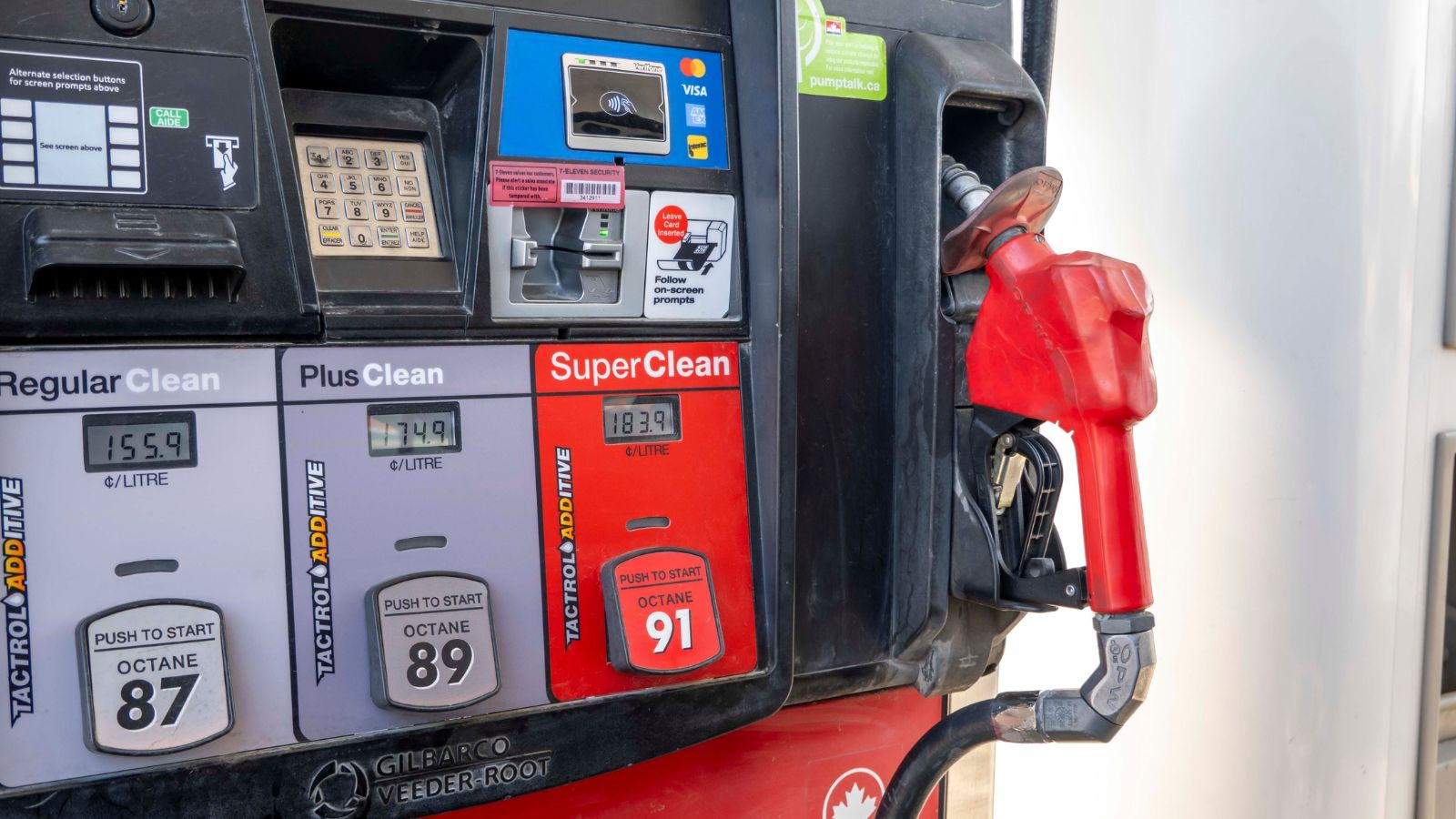
The removal of the federal consumer carbon tax lowered the level of consumer prices for a period, with gasoline playing a major role. But by April 2026, that year-over-year inflation effect no longer helps comparisons in the same way. That means households may notice fuel costs being driven more visibly by oil markets, refining margins, regional supply issues, taxes, and geopolitical shocks.
For commuters, delivery drivers, rural households, and families with older vehicles, fuel volatility can quickly disrupt a budget. A few cents per litre may not sound dramatic until it repeats across multiple fill-ups, school runs, hockey practices, and weekend errands. The danger in 2026 is assuming last year’s tax-related relief means fuel is permanently easier to manage. Gas prices can still climb for reasons completely outside a household’s control.
Electricity Bills Shaped by Infrastructure and Demand
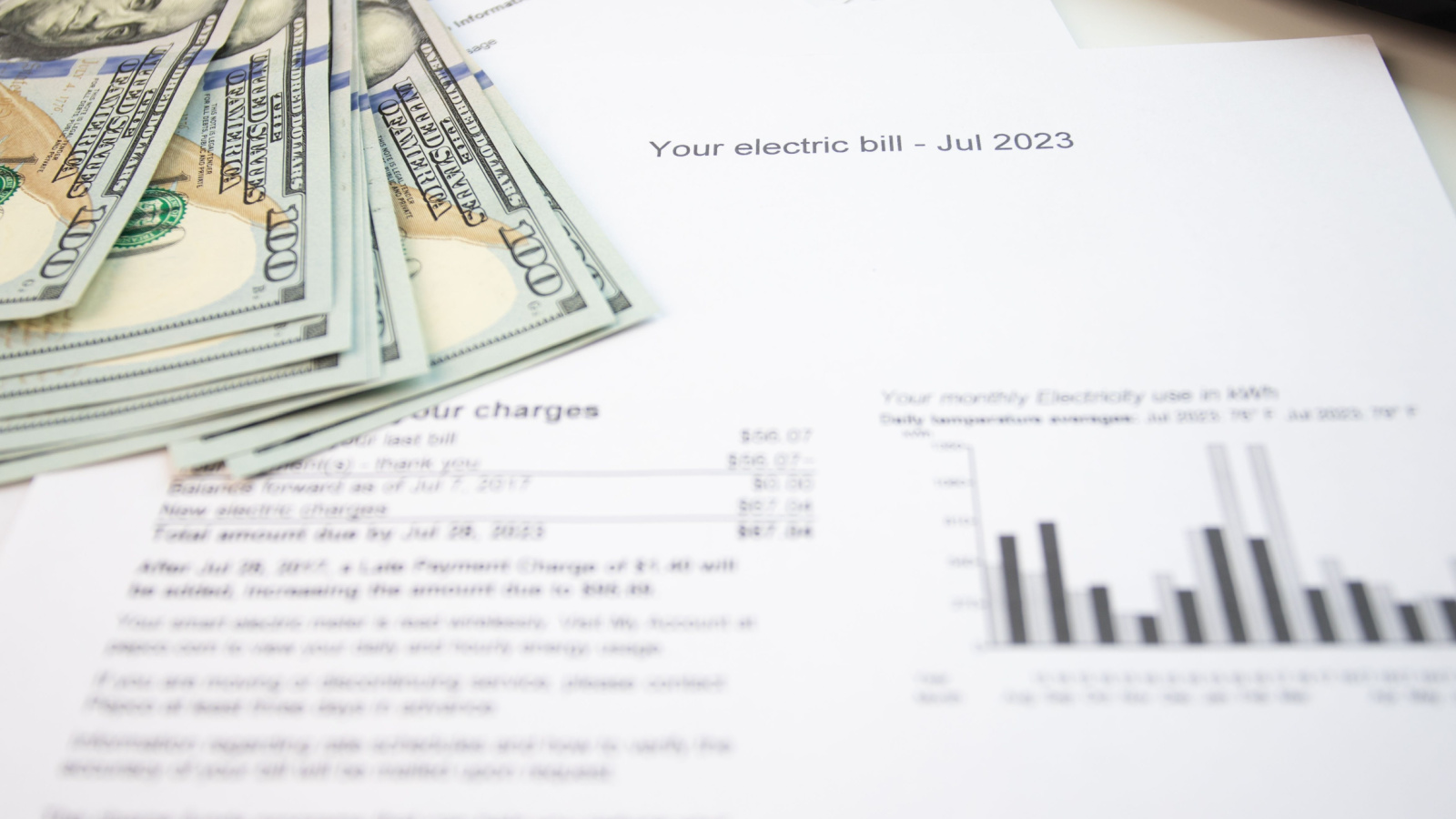
Electricity bills are becoming more important as Canadians add heat pumps, electric vehicles, induction stoves, air conditioning, home offices, and battery-powered devices. Even when energy efficiency improves, total household electricity use can rise. Utilities also face infrastructure spending needs, grid upgrades, extreme-weather resilience, and capacity planning, all of which can flow into bills through approved rates or riders.
The pressure may be uneven by province and household type. A condo dweller with utilities included may barely notice, while a detached-home owner with electric heating, an EV charger, and summer cooling may watch usage climb. In 2026, the wallet risk is not only the posted electricity rate. It is the combination of fixed charges, delivery fees, time-of-use pricing, seasonal demand, and the growing number of daily activities that now depend on the grid.
Heating Costs That Remain Weather-Dependent

The federal fuel charge was set to zero beginning in 2025, but home heating costs still depend on fuel prices, delivery charges, equipment efficiency, weather, and the condition of a home. A mild winter can make bills look manageable; a cold snap can quickly reverse that. Natural gas, heating oil, propane, and electricity each carry different risks, especially in older homes with poor insulation or aging furnaces.
This can create budgeting confusion in 2026. A household may assume heating is cheaper because a tax component disappeared, then face higher usage during a long cold spell or higher delivery charges on the bill. Renters may see the effect through utility-included rent adjustments or separate hydro and gas accounts. The most expensive heating problem is often not the rate itself, but inefficient housing that forces families to buy more energy than they expected.
Internet and Cellphone Plans With Bigger Data Habits

CRTC data shows that internet and mobile service price indexes have fallen over recent years, but Canadians are also choosing faster internet and larger mobile data plans. That creates a strange budget reality: the cost per unit may improve while the monthly household bill stays stubbornly high. More streaming, gaming, remote work, cloud backups, smart-home devices, and video calls can push families into higher tiers.
A household that once managed with basic internet may now feel locked into gigabit service because several people are online at once. A teenager’s data-heavy plan, a parent’s work-from-home needs, and a bundle discount can make switching feel complicated. In 2026, telecom bills may hit wallets not because every plan gets worse, but because household expectations keep rising and cheaper plans may no longer fit modern usage.
Streaming and Subscription Creep

Streaming once looked like the cheaper alternative to cable, but many households now juggle multiple services, premium tiers, sports add-ons, music platforms, cloud storage, news subscriptions, fitness apps, and delivery memberships. Price increases, password-sharing rules, ad-free upgrades, and bundled offerings can turn a handful of small charges into a serious monthly expense.
The problem is forgetfulness. A family may sign up for one service to watch a tournament, another for a children’s show, and another for a holiday movie, then forget to cancel. By 2026, more platforms are also using ads, premium tiers, and add-on fees to raise revenue without losing subscribers entirely. The most expensive subscription is often the one no one actively chose this month but everyone keeps paying for.
Airline Fees and Travel Add-Ons

Air travel costs increasingly depend on the details of the fare. A low base price can look attractive until seat selection, checked baggage, carry-on rules, itinerary changes, family seating, airport transfers, meals, and travel insurance are added. Air Canada and other carriers publish optional service and baggage charges, but consumers comparing fares across airlines may still struggle to see the true total at first glance.
For Canadian families, the math can shift quickly. A $49 fare difference may disappear when two checked bags, seat assignments, and cancellation flexibility enter the picture. Travel disruptions can also create extra hotel, meal, and transportation costs while passengers navigate complaint processes or compensation rules. In 2026, the wallet risk is less about people not travelling and more about underestimating how much the trip costs after the base fare.
Credit-Card Balances Becoming More Expensive to Carry

Credit cards can feel manageable when balances are paid in full. They become much more punishing when households carry debt at high interest rates while also dealing with rent, food, and transportation costs. Bank of Canada research has linked heavier reliance on credit-card debt and missed payments with greater near-term financial stress, including risks connected to more serious delinquencies.
The 2026 concern is that more households may use credit cards as a pressure valve. Groceries go on the card, gas goes on the card, a car repair goes on the card, and the minimum payment keeps the account current for a while. But interest can quietly consume future income. The danger is not one emergency purchase; it is using revolving credit to cover recurring costs, which means the same bills return next month with interest attached.
Consumer Insolvencies and Proposal Pressure

Consumer proposals and bankruptcies are not just financial statistics; they are signs of households running out of room. The Office of the Superintendent of Bankruptcy tracks insolvency filings, and consumer debt professionals have pointed to rising strain in recent years. A consumer proposal can help avoid bankruptcy, but it also affects credit history and future borrowing options.
In 2026, more Canadians may find themselves comparing unpleasant choices: consolidate debt, negotiate with creditors, sell a vehicle, delay bills, or speak with a licensed insolvency trustee. The human story is often ordinary—a job loss, divorce, illness, rent increase, or variable debt payment—not reckless spending. As costs keep shifting, even households that once felt stable may discover that a few bad months can turn manageable debt into a formal insolvency decision.
Tariffs and Trade Tensions Reaching Store Shelves
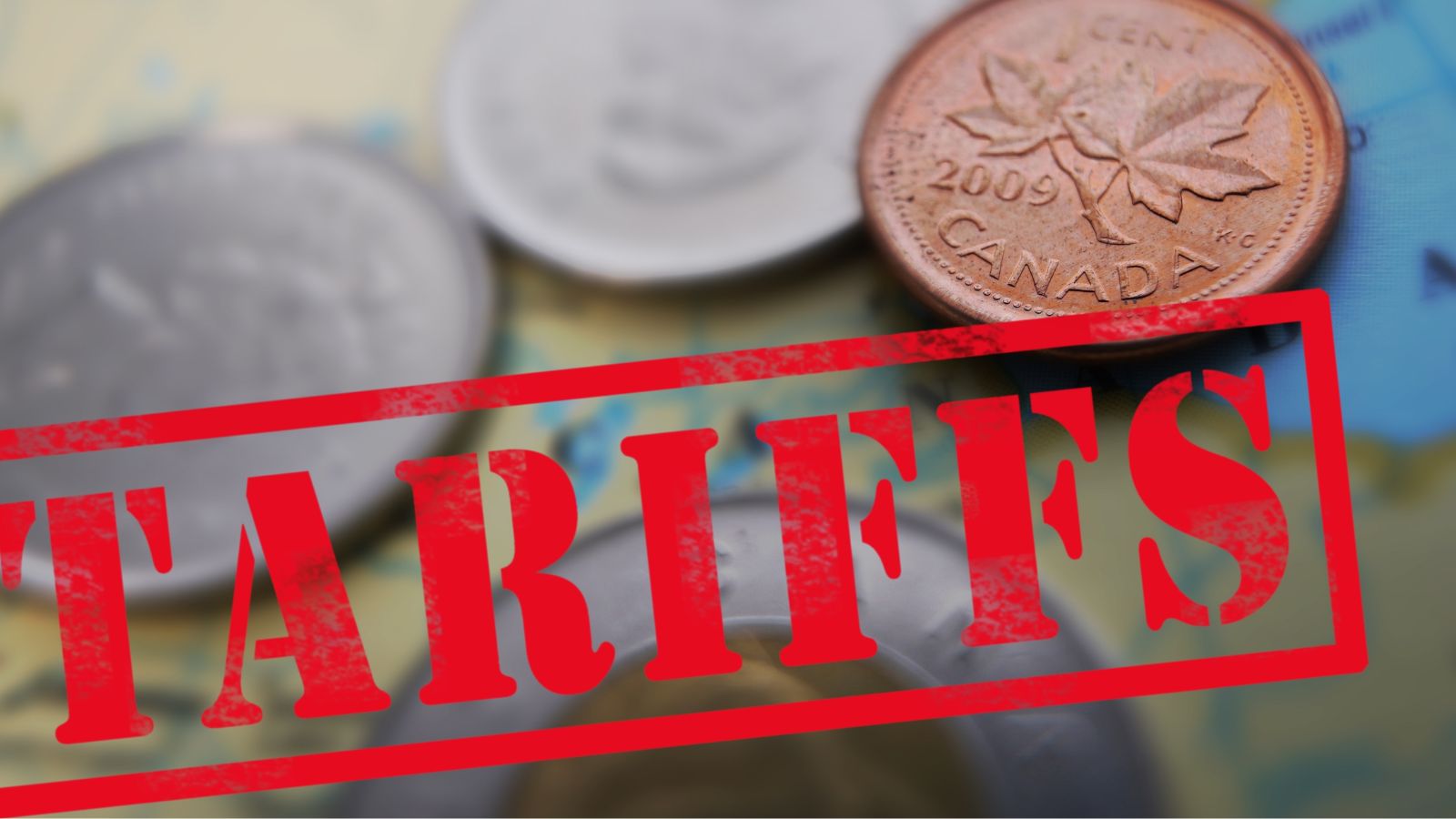
Trade disputes can sound distant until they affect the price of appliances, electronics, furniture, groceries, building materials, and household goods. Bank of Canada analysis of Canada’s 2025 counter-tariffs found that goods subject to tariffs rose more than comparable non-tariffed goods during the affected period. That matters for 2026 because trade uncertainty can influence retailer pricing, inventory decisions, and consumer confidence.
The effect may not always appear as a line called “tariff” on a receipt. Instead, shoppers may notice fewer promotions, higher regular prices, longer delivery times, or domestic substitutes that cost more than expected. A family replacing a dishwasher, laptop, sofa, or set of tires may feel the impact more than someone buying only small essentials. Tariffs hit hardest when they land on items that cannot be delayed.
Cross-Border Shopping and Parcel Costs

Canadians who shop online from foreign retailers already deal with exchange rates, duties, taxes, brokerage fees, shipping charges, and return costs. In 2026, cross-border shopping may feel even more complicated as customs rules, tariff schedules, carrier practices, and international trade tensions remain in focus. CBSA’s 2026 tariff materials remind consumers and businesses that importing goods is not simply a checkout-page decision.
The surprise often comes at delivery. A shopper may find a sweater, gadget, or replacement part at a great U.S. price, only to face currency conversion, shipping, duty, sales tax, and a courier brokerage fee. Returns can be costly or impractical. For consumers trying to save money, the lesson is uncomfortable: the cheapest listed price may not be the cheapest landed price, especially when the item crosses a border.
Grocery Code Changes That May Be Hard to Notice

Canada’s Grocery Code of Conduct is designed to improve fairness, transparency, and predictability between retailers and suppliers. It is not a simple consumer discount program, and experts have cautioned that shoppers may not notice an immediate checkout change. Still, the code could influence supplier-retailer relationships, product availability, promotional planning, and how disputes are handled behind the scenes.
For consumers, the risk is expecting fast price relief from a structural industry change. A shopper may hear “grocery code” and assume cheaper food is coming, while the real effects may be indirect and gradual. If the code improves supply-chain predictability, benefits could take time to show. In 2026, Canadians may still need to compare unit prices, watch shrinkflation, and check promotions carefully rather than assuming industry reforms will quickly lower the bill.
Vehicle Prices, Financing, and Repair Reality

Buying a vehicle in 2026 may remain expensive even if some used-car prices soften. The sticker price is only one part of the cost. Financing rates, loan terms, insurance, tires, fuel, maintenance, depreciation, dealer add-ons, and repairs can turn an affordable-looking monthly payment into a long-term burden. Longer loans can make vehicles feel reachable while keeping buyers underwater for years.
Modern vehicles also carry repair complexity. Cameras, sensors, driver-assistance systems, turbocharged engines, hybrid components, and large wheels can raise maintenance and collision costs. A family replacing an aging compact with a used SUV may focus on cargo space and monthly payment, then discover higher insurance, winter tire costs, fuel use, and brake bills. In 2026, the better question may not be “Can this be financed?” but “Can this be owned comfortably?”
19 Things Canadians Don’t Realize the CRA Can See About Their Online Income

Earning money online feels simple and informal for many Canadians. Freelancing, selling products, and digital services often start as side projects. The problem appears at tax time. Many people underestimate how much information the CRA can access. Online platforms, banks, and payment processors create detailed records automatically. These records do not disappear once money hits an account. Small gaps in reporting add up quickly.
Here are 19 things Canadians don’t realize the CRA can see about their online income.
