Grocery carts, bathroom cabinets, laundry rooms, and kitchen cupboards have become places where Canadians notice small changes first. A familiar box feels lighter. A trusted snack seems airier. A dependable household item runs out faster than it once did. These shifts are not always dramatic, but they can quietly change how shoppers judge value, quality, and reliability.
Here are 19 once-reliable Canadian products many shoppers now say feel worse, whether because of smaller formats, higher prices, changed ingredients, thinner materials, weaker durability, or packaging that makes comparison harder than it used to be.
Bread Loaves That Feel Lighter Than They Used To
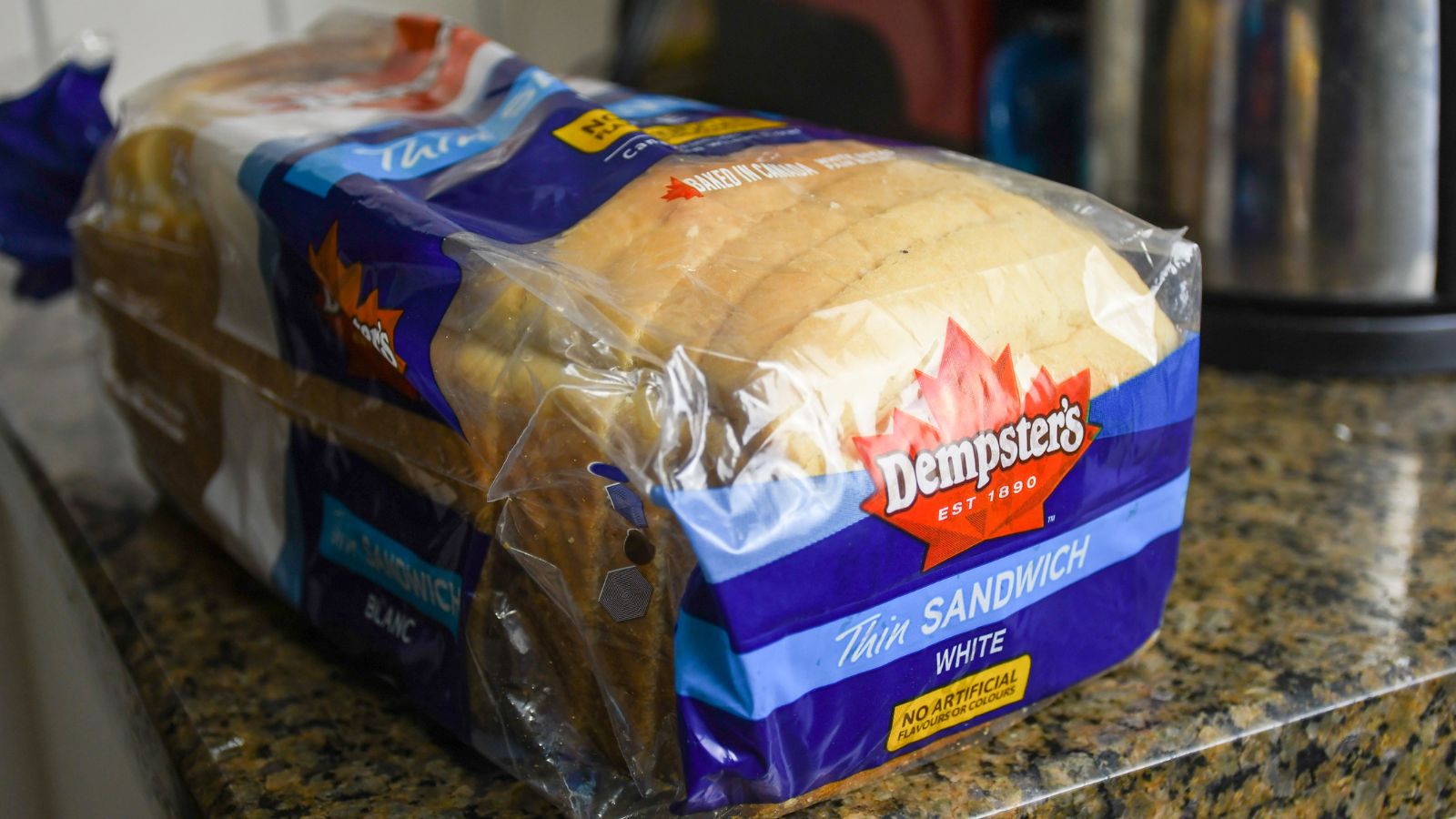
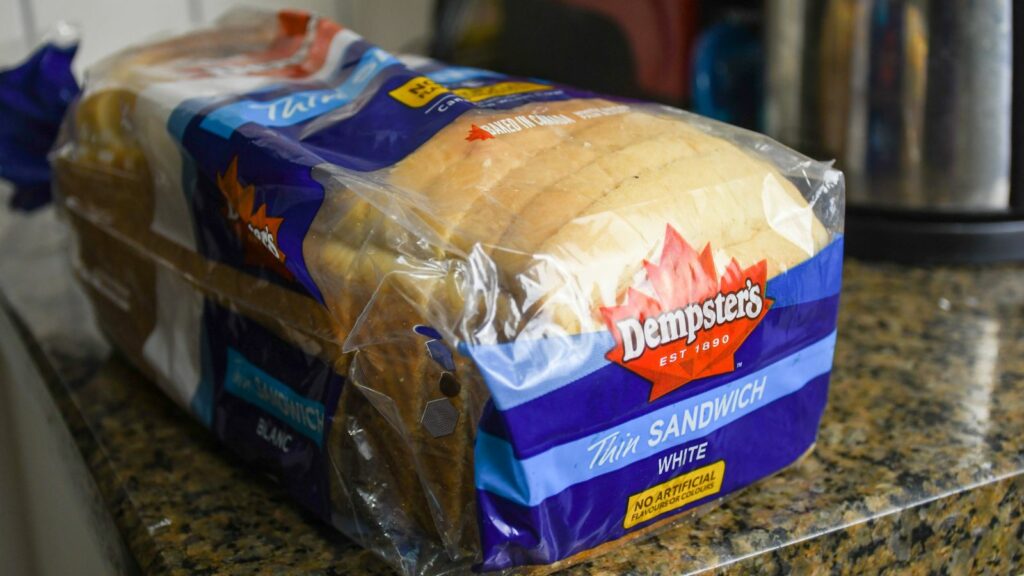
Bread has long been one of the most dependable staples in Canadian kitchens, but many shoppers now pause before tossing a familiar loaf into the cart. The price may be higher, the slices may feel smaller, or the loaf may seem to disappear faster during a school week. Even when the brand looks unchanged, the value can feel different once toast, sandwiches, and lunch bags are involved.
Part of the frustration comes from how ordinary bread feels. It is not a luxury purchase, so every change stands out. Bakery products have faced inflation pressures, and bread prices remain closely watched because they affect so many households. When a loaf seems less substantial while costing more, shoppers often read it as a decline in reliability rather than just another grocery increase.
Breakfast Cereal Boxes That Look Big but Empty Fast
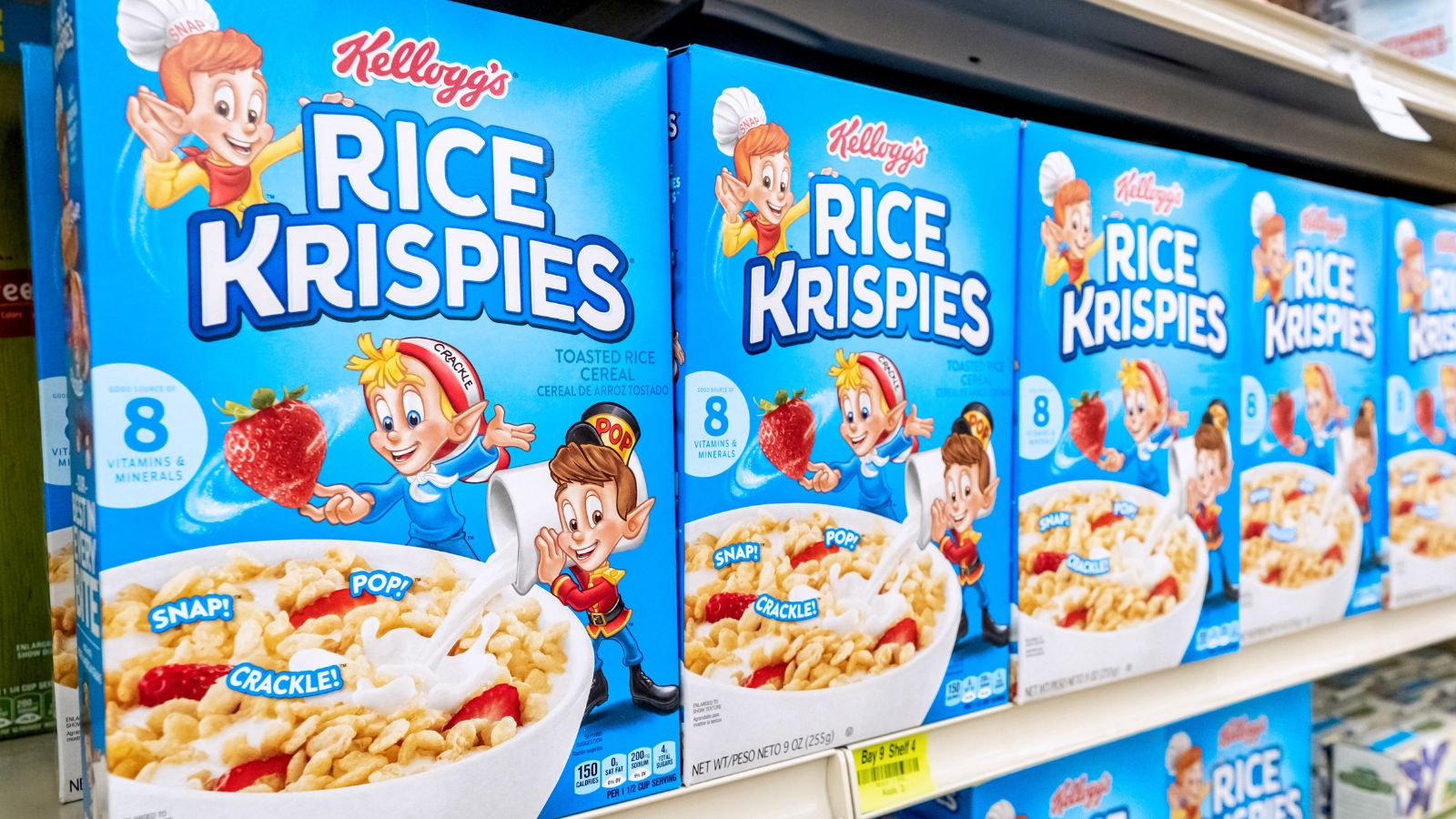
Cereal boxes still take up plenty of shelf space, but shoppers often complain that the bag inside looks slimmer or emptier than expected. A family-size box can feel like it lasts only a few mornings, especially in homes with children. The package may still look generous from the front, while the weight printed near the bottom tells a less comforting story.
Cereal has become a symbol of modern grocery frustration because it combines several shopper pain points: higher prices, large boxes, smaller contents, and unit pricing that can be hard to compare quickly. Since grain, sugar, packaging, and transportation costs all influence shelf prices, shoppers may understand why costs rise. What feels worse is when the familiar breakfast routine delivers fewer bowls per box.
Potato Chips That Seem Mostly Air
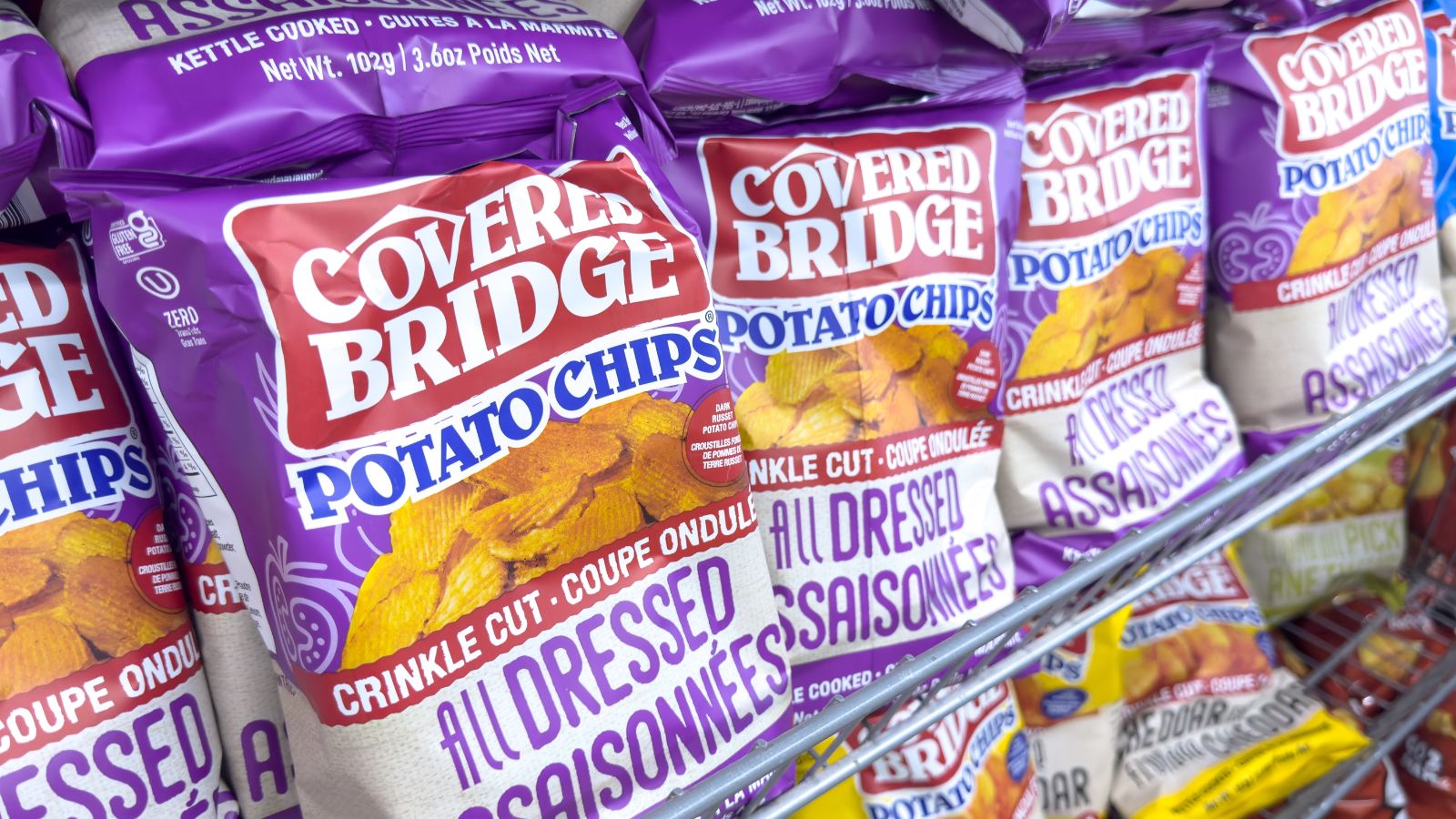
Potato chips have always had some empty space in the bag to protect fragile contents, but Canadian shoppers increasingly joke that the air feels like the main product. A bag that once handled a movie night can now seem barely enough for a few people. The disappointment is especially sharp because chips are often bought for sharing, not careful portioning.
The issue is not only package size. Snack prices can rise while weights change, creating a higher cost per gram that many shoppers notice only after comparing labels. Chips also sit in a category where promotions, “party size” labels, and bold packaging can blur value. When the bag opens with a dramatic puff and little payoff, trust in the product takes a hit.
Crackers That Break More Easily and Cost More
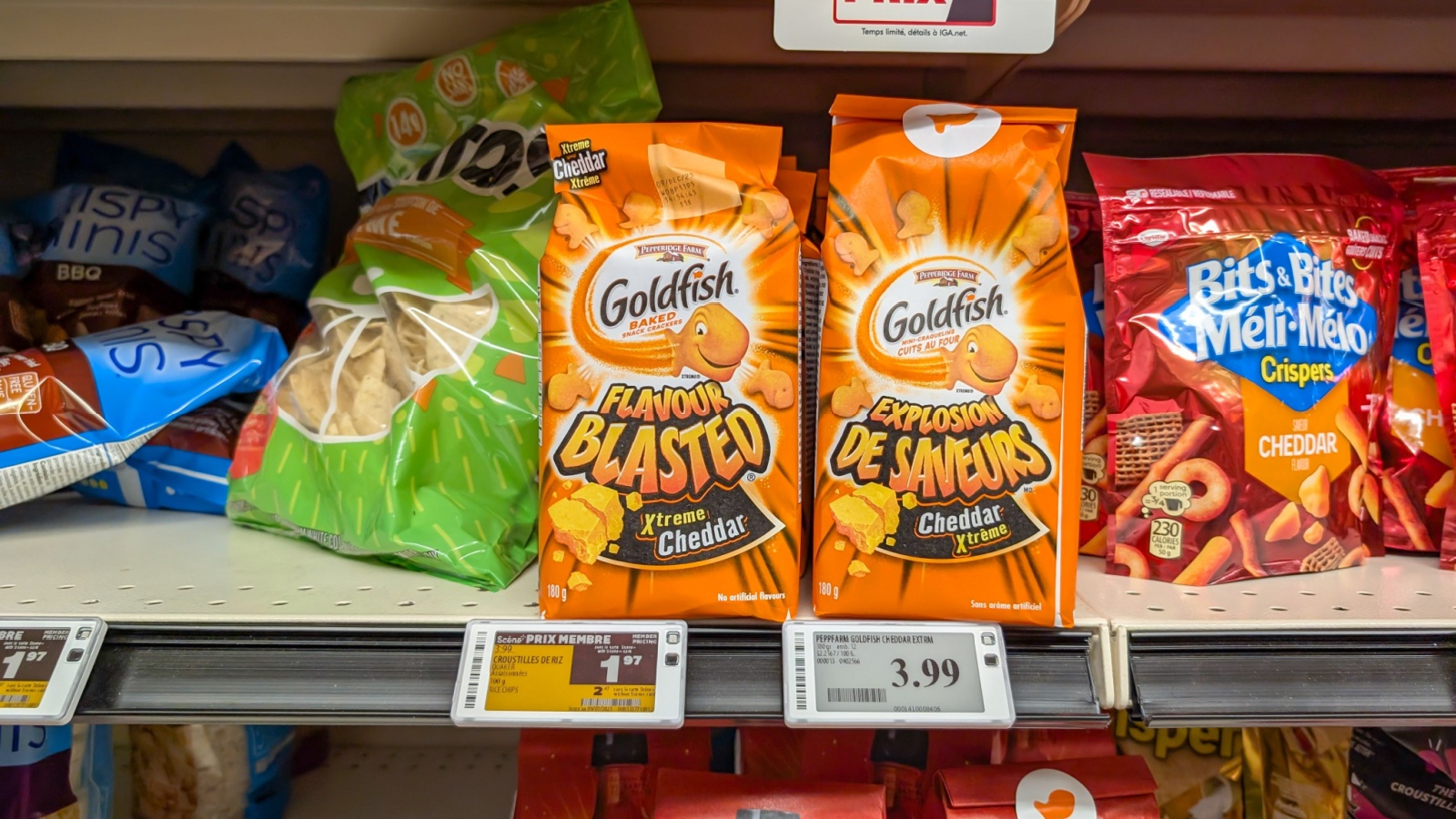
Crackers used to feel like one of the safer pantry buys: predictable, sturdy, and useful for lunches, soup, cheese boards, or quick snacks. Now some shoppers say familiar boxes contain thinner crackers, more broken pieces, or fewer sleeves than expected. Even small texture changes can make a product feel cheaper, especially when it once had a reputation for dependable crunch.
Because crackers are often compared by box size instead of weight, value can be tricky to judge in a hurry. A box may look similar on the shelf while the net quantity, number of sleeves, or cracker size changes over time. For families, the difference shows up quickly. A box that once lasted through the week may now vanish before the next grocery run.
Chocolate Bars That Feel More Like Treat-Sized Versions

Chocolate bars are emotional purchases as much as practical ones. People remember the size, snap, and richness of a favourite bar, so even a small change can feel obvious. Shoppers may not track grams every time, but they notice when a bar seems narrower, thinner, or less satisfying after the wrapper comes off.
Chocolate also faces pressures beyond ordinary inflation, including volatile cocoa prices and global supply challenges. That makes price increases easier to understand but does not remove the sense of loss when the treat itself feels reduced. For shoppers, the problem is not only paying more. It is paying more for a familiar indulgence that no longer feels as generous or dependable.
Coffee Tins and Bags That Do Not Stretch as Far
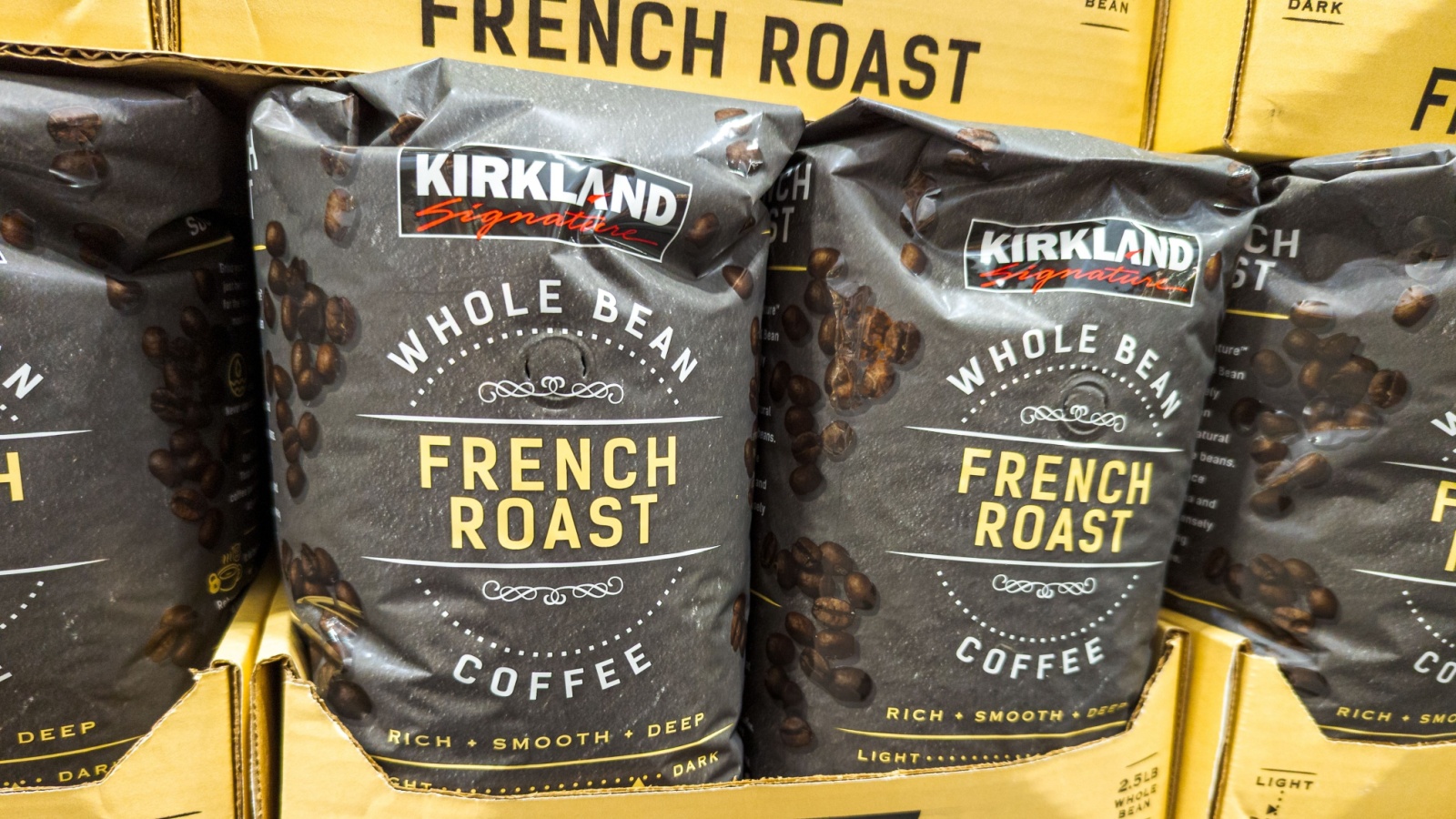
Coffee is one of those products where loyalty can run deep. Many households buy the same roast for years, measure it the same way each morning, and know roughly how long a bag or tin should last. When that rhythm changes, shoppers notice quickly. A container that used to carry a household through several weeks may now run short sooner.
Coffee prices have been pressured by weather, international supply conditions, currency movements, and shipping costs. Canadian shoppers may see those pressures reflected in higher shelf prices, smaller formats, or more frequent promotions that make regular pricing harder to read. Since coffee is part of a daily routine, even a subtle change can feel like a product becoming less reliable overnight.
Frozen Vegetables With More Stems, Ice, or Tiny Pieces
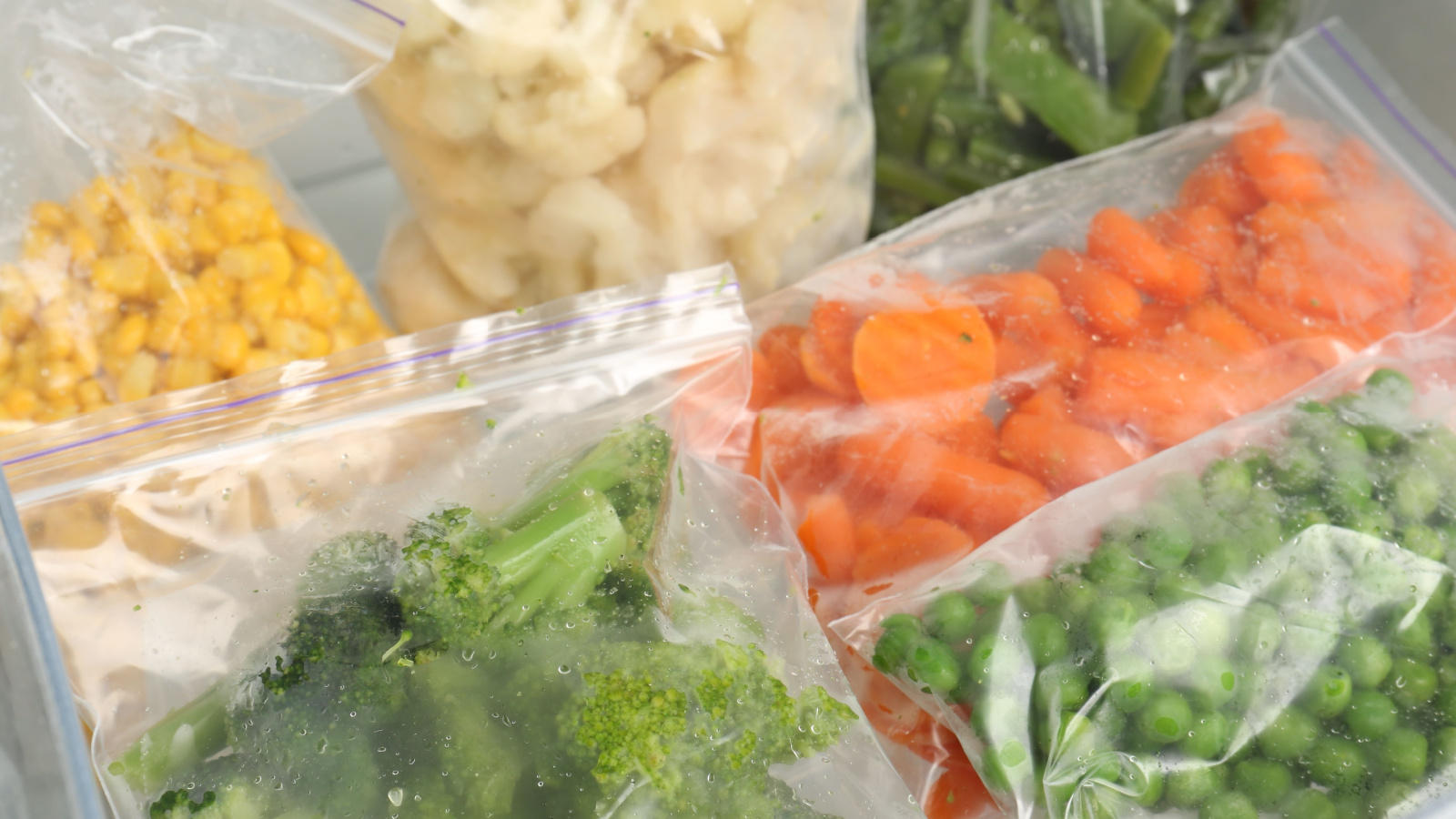
Frozen vegetables built their reputation on convenience and consistency. They were the backup plan for weeknight dinners, soups, stir-fries, and packed lunches. But some shoppers now say bags contain more icy clumps, uneven cuts, stems, or small fragments than they remember. Even when the weight is unchanged, the usable quality can feel lower.
Frozen produce is sensitive to harvest conditions, processing costs, transportation, and cold-chain reliability. Canadian households also rely on frozen vegetables when fresh produce prices spike or quality varies by season. That makes disappointment more noticeable. A bag of peas, broccoli, or mixed vegetables does not have to be perfect, but shoppers expect it to be practical. When too much of the bag feels like filler, confidence slips.
Ice Cream Containers That Cross the Line Into Frozen Dessert

Ice cream is a classic example of a product where wording matters. Some Canadian shoppers have noticed that familiar tubs may be smaller than they remember, while others pay closer attention to whether a product is labelled as ice cream or frozen dessert. Texture changes, icier scoops, and less creamy mouthfeel can make a once-favourite treat feel downgraded.
The frustration grows because frozen treats already use complicated formats: tubs, bars, multipacks, novelty sizes, and premium pints. A container can look familiar while the volume changes. In Canada, package size can also affect tax treatment for certain snack foods, making smaller formats more meaningful than they appear. When dessert feels less creamy and less generous, shoppers remember the old version.
Yogurt Cups and Multipacks That Feel Less Filling

Yogurt once felt like a dependable grocery staple for breakfasts, school lunches, and quick snacks. Today, some shoppers say single-serve cups feel smaller, multipacks disappear faster, or textures seem thinner than expected. A few grams less per cup may not sound dramatic, but across a household buying several packs a month, the difference becomes noticeable.
Dairy products are closely watched in Canada because they sit at the intersection of household budgets, supply management, nutrition habits, and grocery inflation. Shoppers may accept that milk, yogurt, cheese, and eggs cost more than they did a few years ago. What feels worse is when the familiar cup no longer feels like a complete snack, especially for families trying to manage lunch costs.
Cheese Blocks That Seem Smaller for the Price

Cheese is one of the grocery items Canadians often remember by size. Many shoppers still compare current blocks against older 500-gram formats and notice when 400 grams becomes the normal shelf presence. Because cheese is used in sandwiches, pasta, pizza, casseroles, and school lunches, smaller blocks change meal planning quickly.
Unlike an occasional treat, cheese is a workhorse ingredient. When it costs more and disappears faster, shoppers feel the change in several meals rather than one receipt. Unit pricing helps, but it does not fully erase the annoyance of a familiar block feeling less useful. For households stretching groceries, fewer slices or shreds per package can make a once-reliable staple feel less dependable.
Meat Packs That Require Closer Inspection
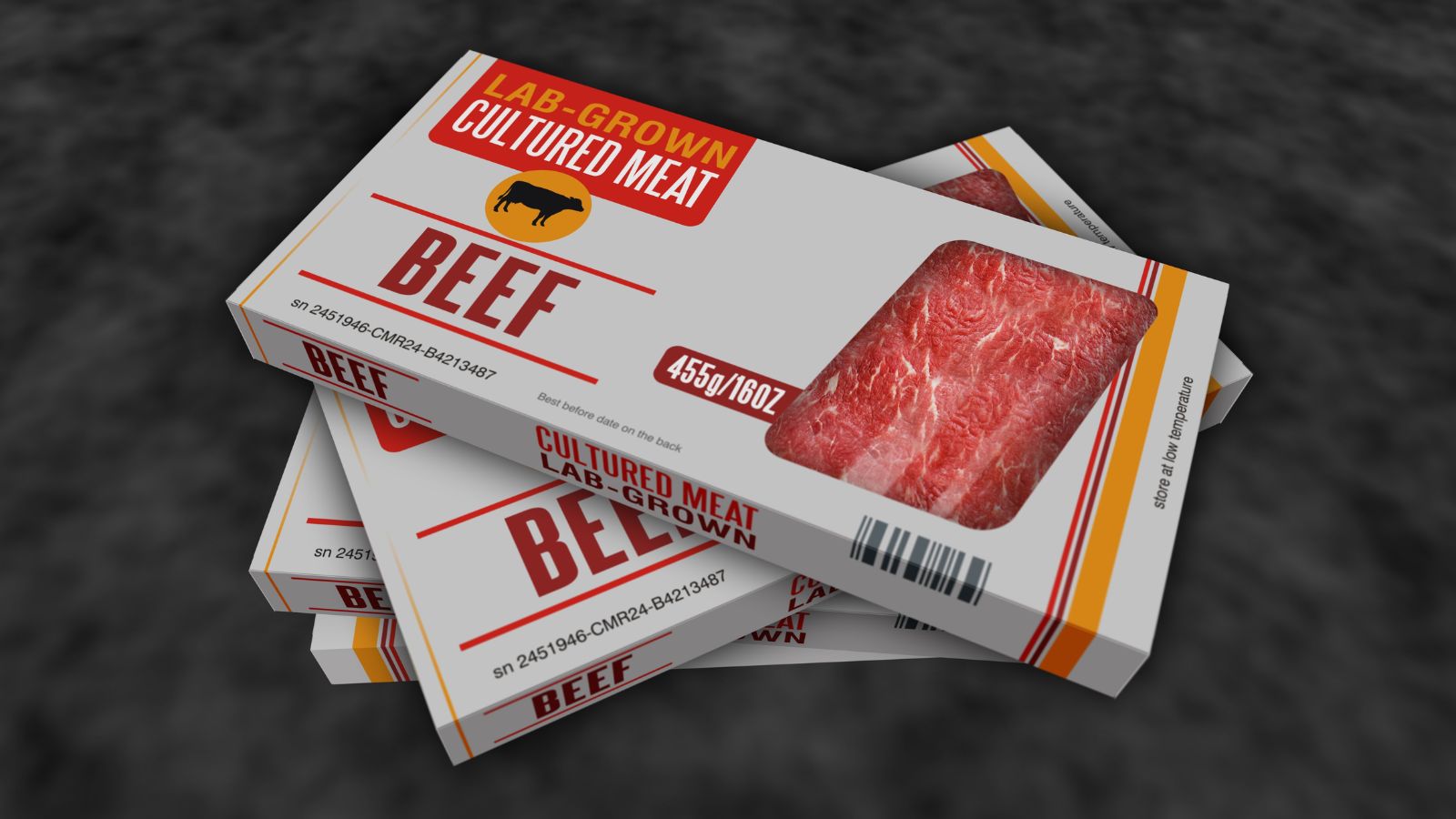
Packaged meat remains one of the biggest grocery decisions for Canadian households, and shoppers are paying closer attention to labels than ever. A tray of chicken, beef, or pork can look similar from week to week while the price per kilogram, package weight, or discount sticker tells a different story. When portions feel smaller, the whole dinner plan can change.
Meat prices have been one of the more painful grocery categories in recent years, with forecasts pointing to continued pressure. That makes trust especially important. Shoppers often look for clear best-before dates, accurate weights, visible quality, and fair markdowns. If a package seems padded by tray size, excess liquid, or confusing labels, the product feels worse even before it reaches the pan.
Toilet Paper Rolls That Run Out Too Quickly
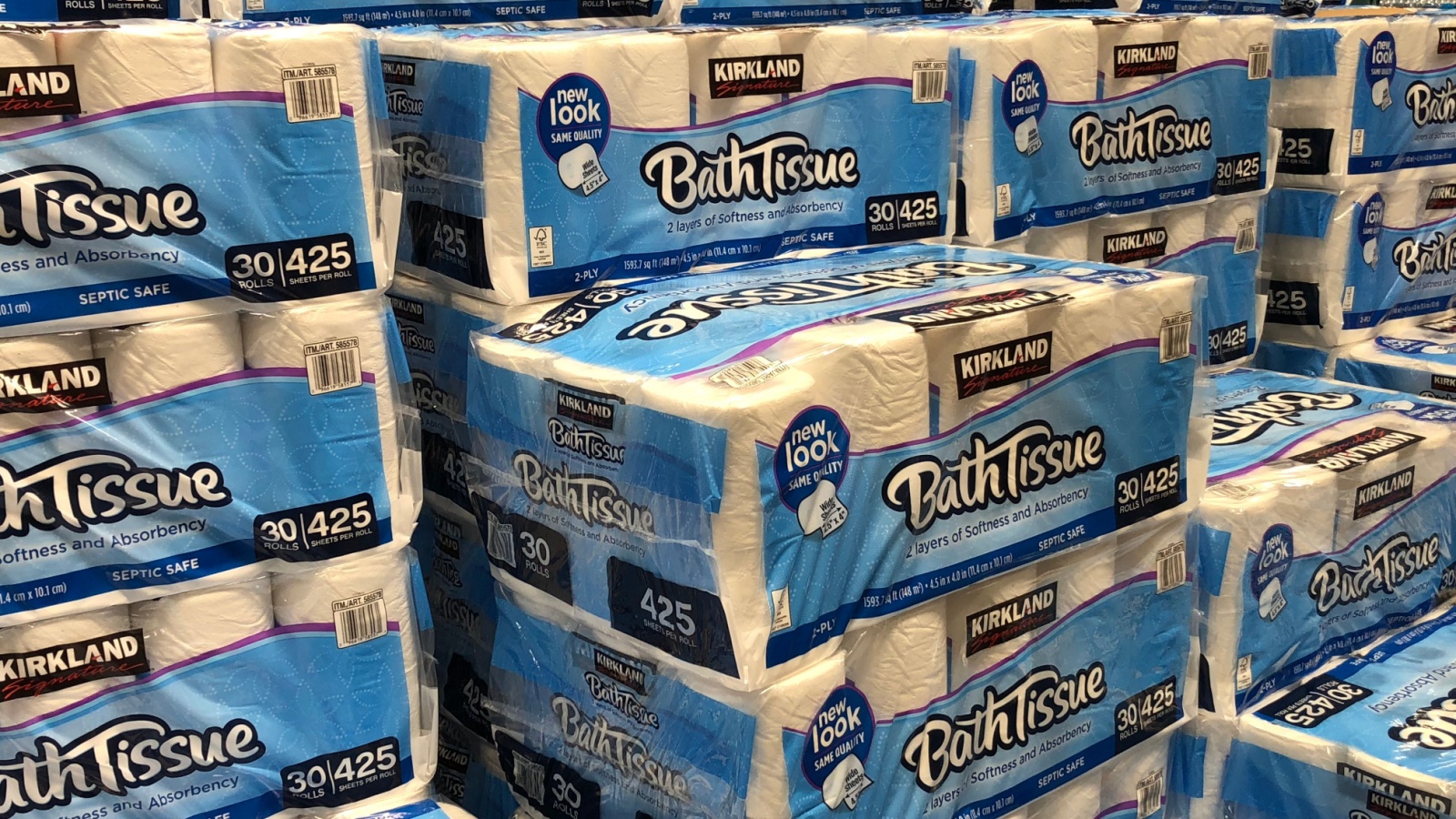
Toilet paper has become one of the most talked-about examples of shrinkflation because the change is felt at home rather than at checkout. Rolls may be marketed as double, mega, or ultra sizes, yet shoppers still notice when a package runs out faster. The language can make comparison difficult because sheet count, ply, roll width, and package count all affect value.
The frustration is partly psychological. Toilet paper is supposed to be boring and reliable. Nobody wants to calculate cost per 100 sheets in the aisle, yet that may be the only way to compare fairly. When rolls look big but need replacing sooner, shoppers feel tricked. A basic household product starts to seem like a math problem.
Paper Towels That Feel Thinner or Less Absorbent
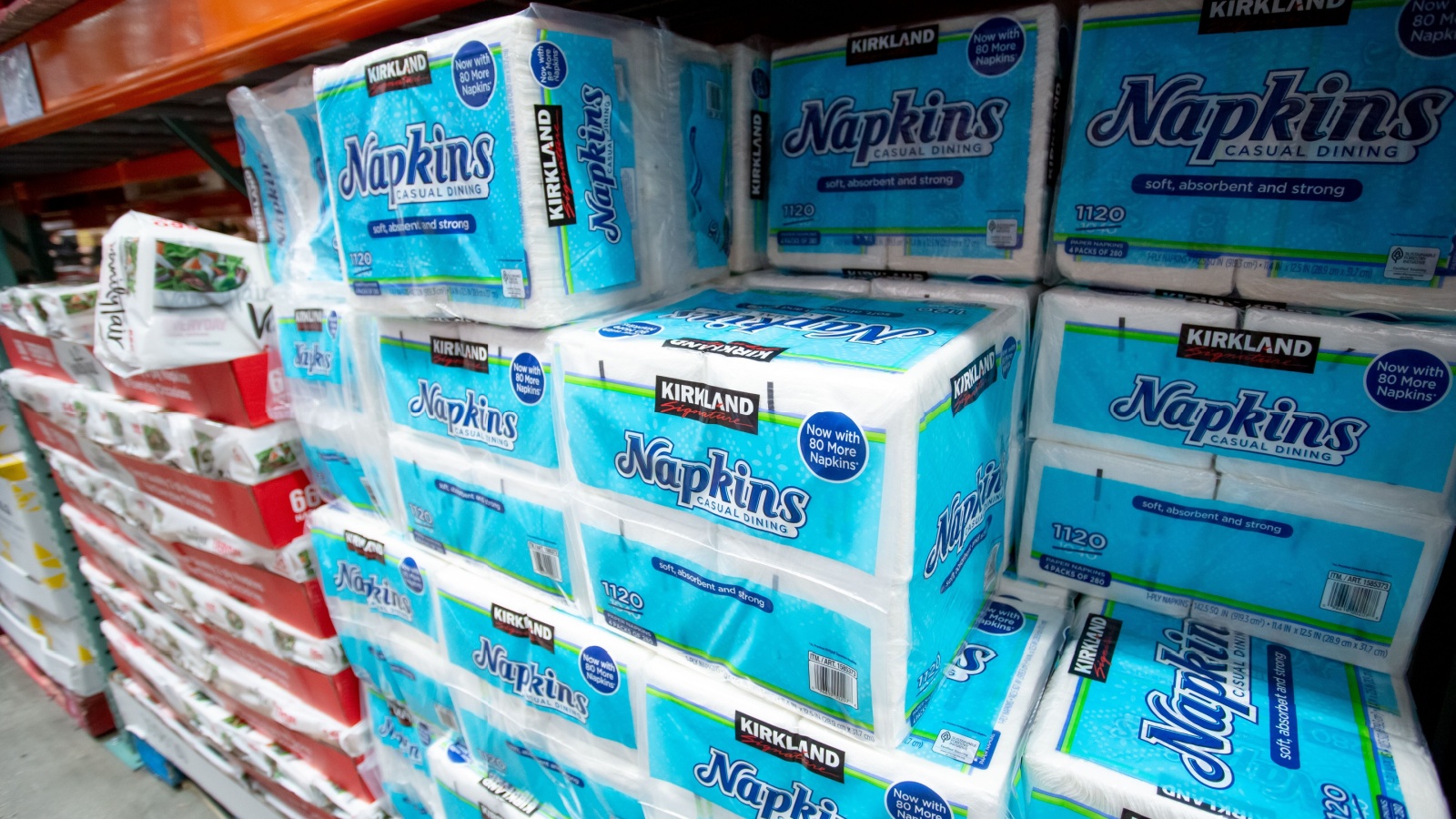
Paper towels used to be judged by a simple test: one sheet should handle a spill without falling apart. Now some shoppers say they need more sheets for the same mess, which makes the roll feel less valuable even if the package price looks competitive. Thinner sheets, smaller rolls, or weaker absorbency all change the real cost of cleanup.
This category is especially vulnerable to confusing comparisons. Rolls vary by sheet size, sheet count, ply, select-a-size formats, and branding language. A pack may promise strength or premium performance, but the kitchen counter tells the truth. When families use twice as much to wipe up the same spill, a once-reliable roll starts to feel like a downgrade.
Laundry Detergent That Needs a Bigger Pour
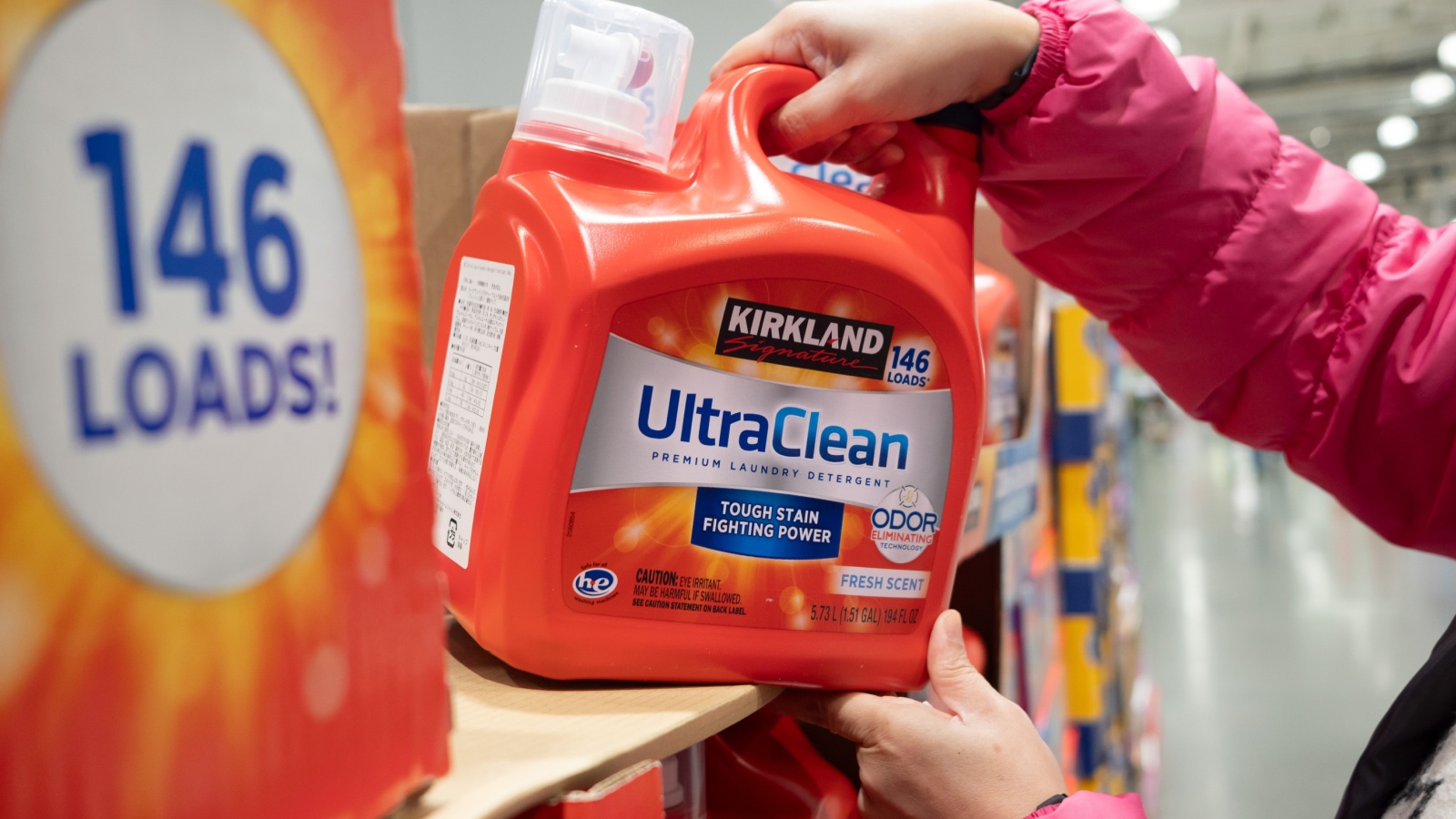
Laundry detergent is another product where shoppers judge performance by routine. If the same capful no longer handles gym clothes, work uniforms, baby laundry, or towels as well as before, people notice. Concentrated formulas can be efficient, but they also make it harder to compare value because bottle size alone does not reveal number of loads.
The label may advertise load counts, yet real use depends on water hardness, soil level, washer type, and how generously people pour. When a bottle looks smaller or the scent fades faster, shoppers may suspect reformulation or dilution even if the company has changed concentration. The result is the same at home: more product used, more often, for laundry that once felt easier.
Dish Soap That Does Not Cut Grease the Same Way
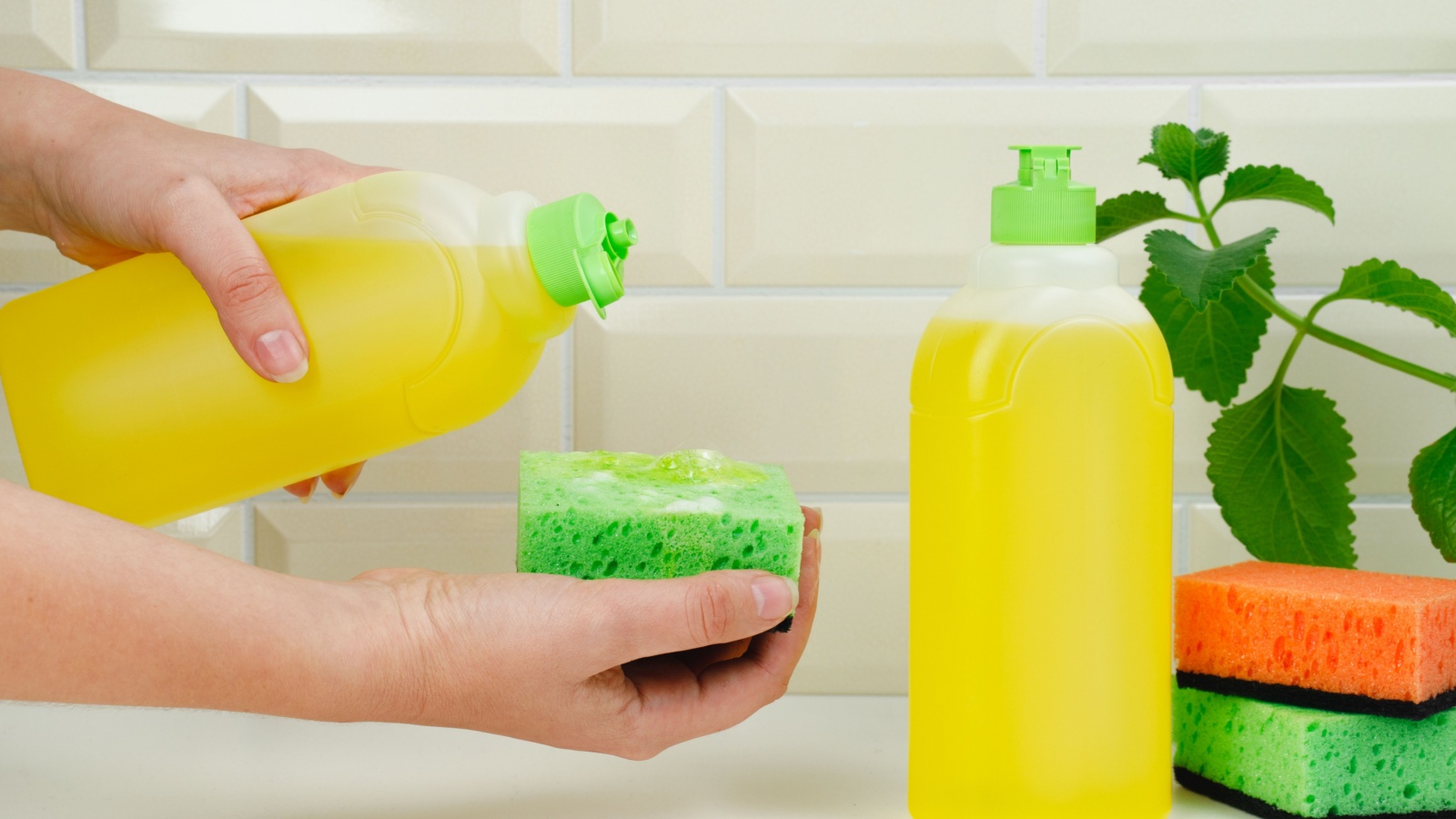
Dish soap earns loyalty through performance. A trusted bottle should clean pans, plastic containers, lunch boxes, and greasy plates without endless reapplication. Some shoppers now say familiar soaps feel thinner, less foamy, or less effective, which turns a small sink task into a more annoying chore. A bottle that needs extra squeezes effectively costs more than the shelf tag suggests.
Dish soap is also sold in many bottle shapes and sizes, making comparisons harder than they appear. A larger-looking bottle may not offer better value if the formula requires more product per wash. For budget-conscious households, the real question is how long the bottle lasts under normal use. When that answer changes, shoppers often blame the product before they blame inflation.
Garbage Bags That Tear at the Worst Time
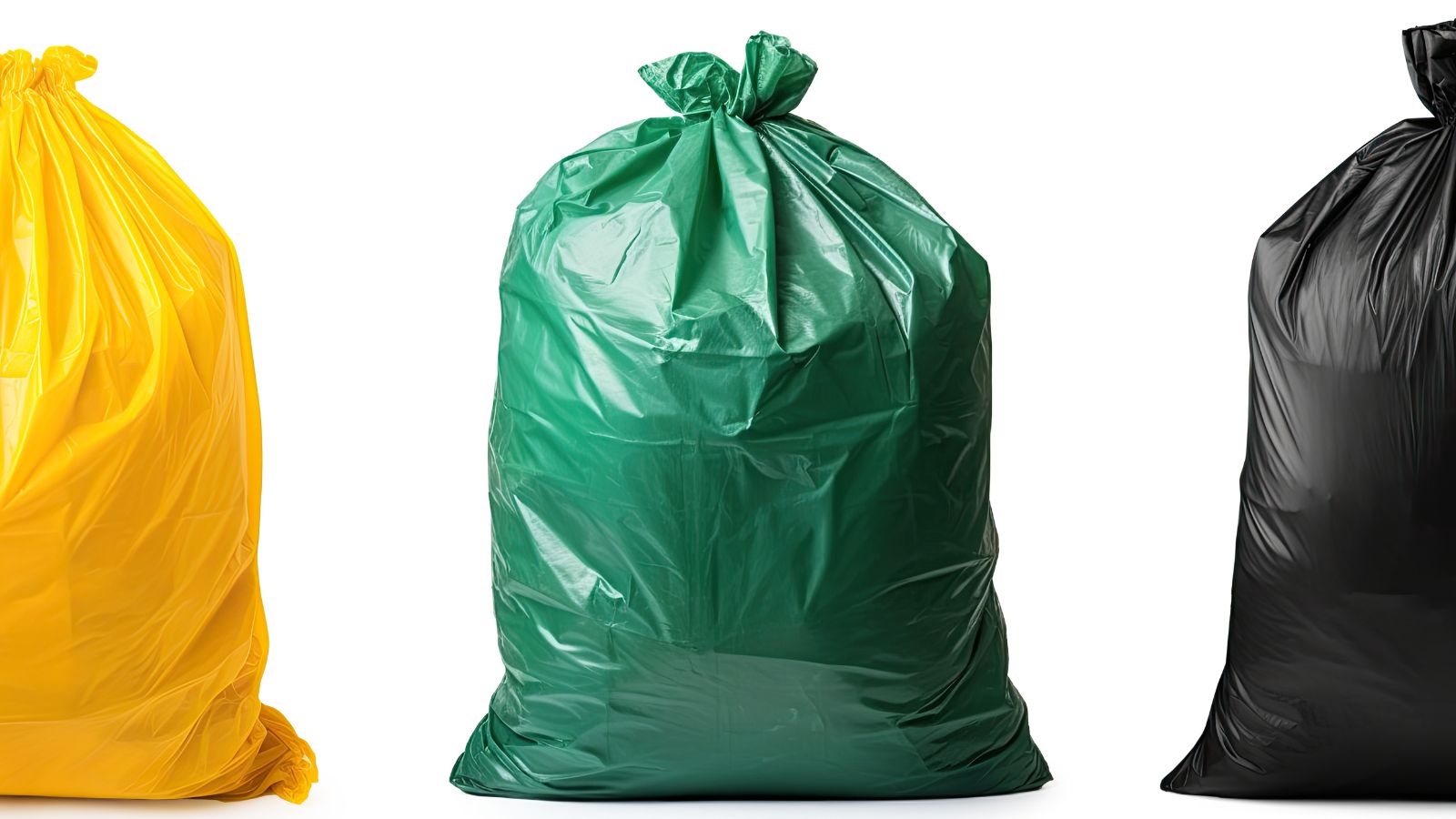
Garbage bags are rarely praised, but they are remembered when they fail. A bag that splits on the way to the bin, leaks under the sink, or cannot handle ordinary kitchen waste damages trust immediately. Shoppers may feel that some once-reliable bags have become thinner, stretchier in the wrong way, or less able to survive a normal weekly cleanup.
The difficulty is that bag quality is hard to judge in the store. Thickness, resin blend, drawstring strength, dimensions, and load capacity all matter, but packages often rely on broad claims like strong, heavy-duty, or flex. When a box costs more and the bags perform worse, the disappointment is practical and messy. It is the kind of downgrade people remember.
Cleaning Wipes That Dry Out or Feel Smaller

Disinfecting and multipurpose wipes became household essentials during the pandemic, and many Canadians kept them in regular rotation. Now some shoppers complain that containers dry out faster, sheets feel thinner, or each wipe covers less surface than expected. A product that once promised quick convenience can feel wasteful when several wipes are needed for a single counter.
Wipes are also sensitive to packaging. If the lid does not seal properly, the last third of the container can become less useful. Sheet size, liquid level, and texture all shape the experience, yet shoppers often buy based on tub count alone. When a familiar container no longer performs from first wipe to last, the product feels less reliable.
Batteries That Do Not Seem to Last as Long
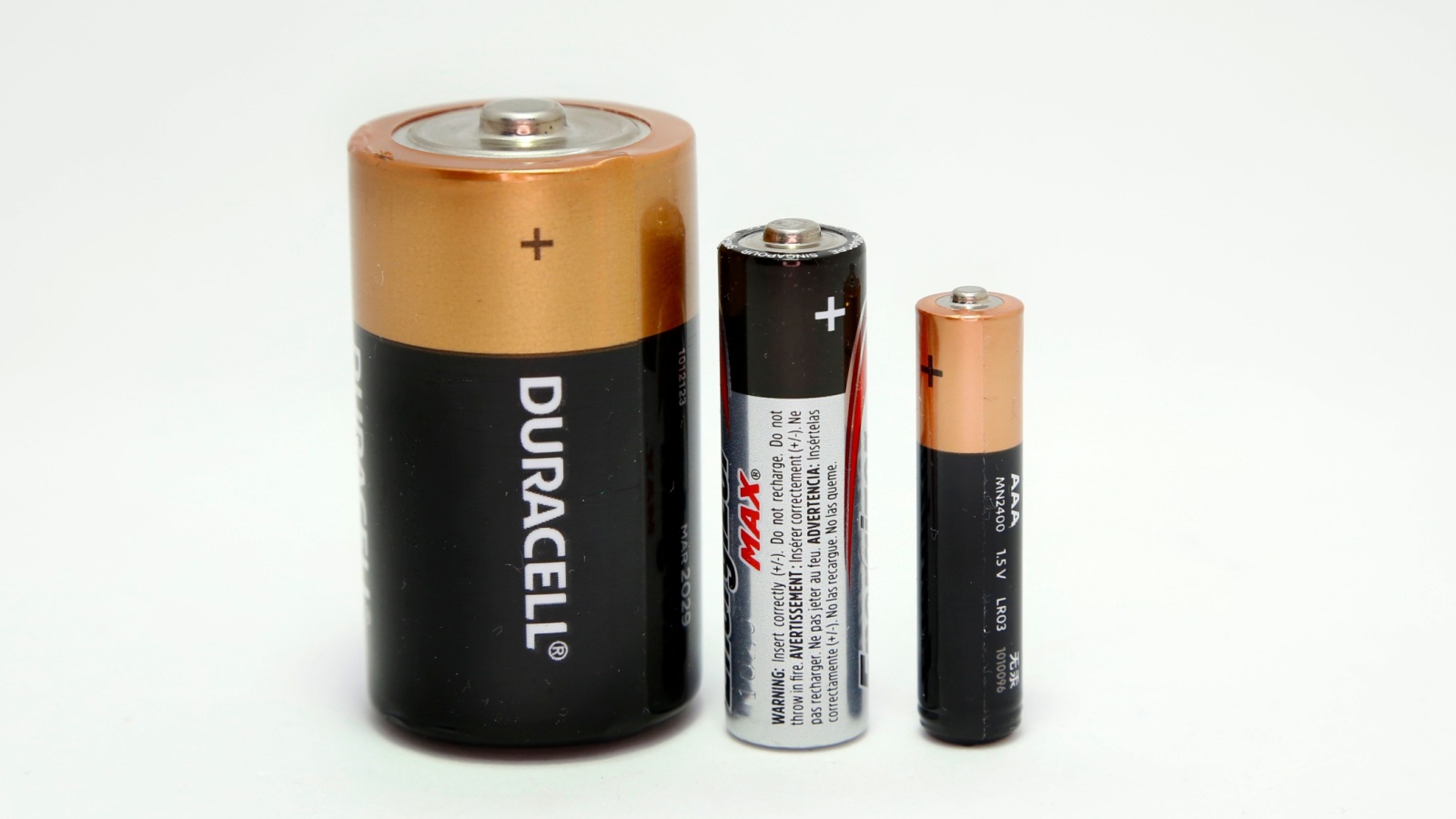
Batteries are easy to distrust because performance varies by device. A toy, remote, flashlight, game controller, or wireless mouse can drain power at different speeds. Still, many shoppers say some batteries do not seem to last the way they remember, especially when multipacks cost more and household gadgets keep multiplying.
Battery frustration also reflects a larger shift in consumer products. More everyday items now rely on replaceable or rechargeable power, from smart locks to kitchen scales. That means households notice battery performance more often. Shelf life, storage conditions, device energy demand, and battery chemistry all affect results. When a pack runs down quickly, shoppers may see it as another familiar product losing its dependable edge.
Small Appliances That Feel Harder to Repair
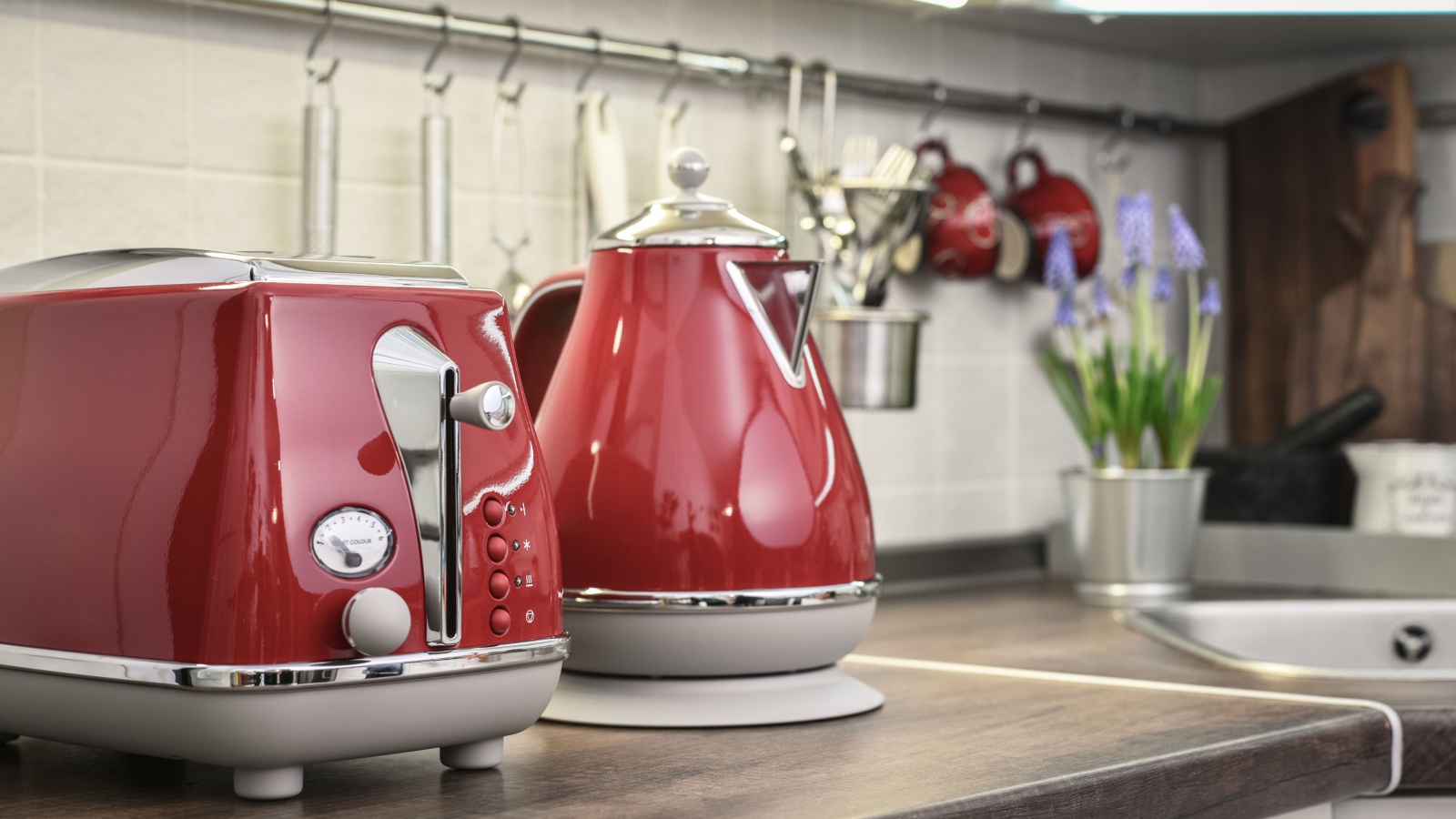
Toasters, kettles, coffee makers, vacuums, and microwaves once carried an expectation of years of steady service. Many shoppers now feel small appliances are more disposable, with plastic parts, sealed designs, limited repair access, or replacement costs that make fixing them impractical. A product can work well at first and still feel worse if it fails early.
This frustration is tied to the growing right-to-repair movement in Canada. Consumers and repair advocates argue that affordable parts, manuals, tools, and software access can extend product life and reduce waste. When a basic appliance breaks and repair costs approach the price of a new one, shoppers do not see convenience. They see a once-reliable category becoming less durable.
19 Things Canadians Don’t Realize the CRA Can See About Their Online Income

Earning money online feels simple and informal for many Canadians. Freelancing, selling products, and digital services often start as side projects. The problem appears at tax time. Many people underestimate how much information the CRA can access. Online platforms, banks, and payment processors create detailed records automatically. These records do not disappear once money hits an account. Small gaps in reporting add up quickly.
Here are 19 things Canadians don’t realize the CRA can see about their online income.
