
Summer airfare has a way of turning a simple getaway into a much bigger bill than expected. For many Canadian travellers, the problem is not only expensive tickets; it is the small booking decisions that quietly add fees, reduce flexibility, or create problems at the airport. This piece covers 14 flight booking mistakes that keep showing up before summer travel, from waiting too long to book to overlooking baggage rules, connection times, and passenger rights. A better fare is not always the cheapest number on the screen, and a smoother trip often starts before the confirmation email arrives.
Waiting Too Long and Hoping Prices Will Drop

Many Canadians still treat summer airfare like a clearance rack, assuming prices will fall if they hold out long enough. That gamble can backfire quickly during peak travel months, especially for popular routes to Europe, Atlantic Canada, the Caribbean, and major U.S. cities. Airlines adjust fares based on demand, seat inventory, fuel costs, and route capacity, so the cheapest seats often disappear well before departure.
The mistake becomes more expensive when families need multiple seats on the same flight. A couple may find two seats left at a low fare, while a family of four gets pushed into a higher fare bucket. A Toronto family heading to Vancouver, for example, may see the fare jump simply because there are not enough discounted seats left together. Waiting can still work on flexible routes, but summer travel rewards planning more than wishful thinking.
Assuming the Cheapest Fare Is the Best Deal

The lowest fare on a booking page can look like a win until the extras appear. Some basic fares now come with tighter rules around carry-ons, checked bags, seat selection, changes, cancellations, and boarding order. For Canadians flying with children, sports gear, or even just a standard roller bag, the cheapest ticket can become surprisingly close to a higher fare once add-ons are included.
This is where comparison shopping needs to go beyond the headline price. A $420 fare that includes a carry-on, seat selection, and reasonable flexibility may beat a $365 fare that charges for nearly everything after purchase. Many travellers only realize this after clicking through several screens or, worse, at the airport. The smarter habit is to compare the total trip cost, not just the first price shown.
Forgetting That Baggage Rules Can Change by Fare Type

Baggage rules used to feel predictable, but fare brands have made them more complicated. One economy ticket may include a standard carry-on, while another economy ticket on the same airline may not. Checked bag fees can also vary by route, purchase date, loyalty status, credit card benefits, and whether the bag is added online or at the airport.
This matters most before summer trips because travellers often pack more: hiking shoes, beach gear, wedding outfits, camping equipment, gifts, or kids’ supplies. A traveller flying from Calgary to Halifax for two weeks may not notice a restrictive baggage rule until the packing begins. By then, paying extra may be unavoidable. Reading the baggage section before booking sounds tedious, but it prevents the unpleasant discovery that a “deal” was built for someone travelling very light.
Ignoring Alternate Airports
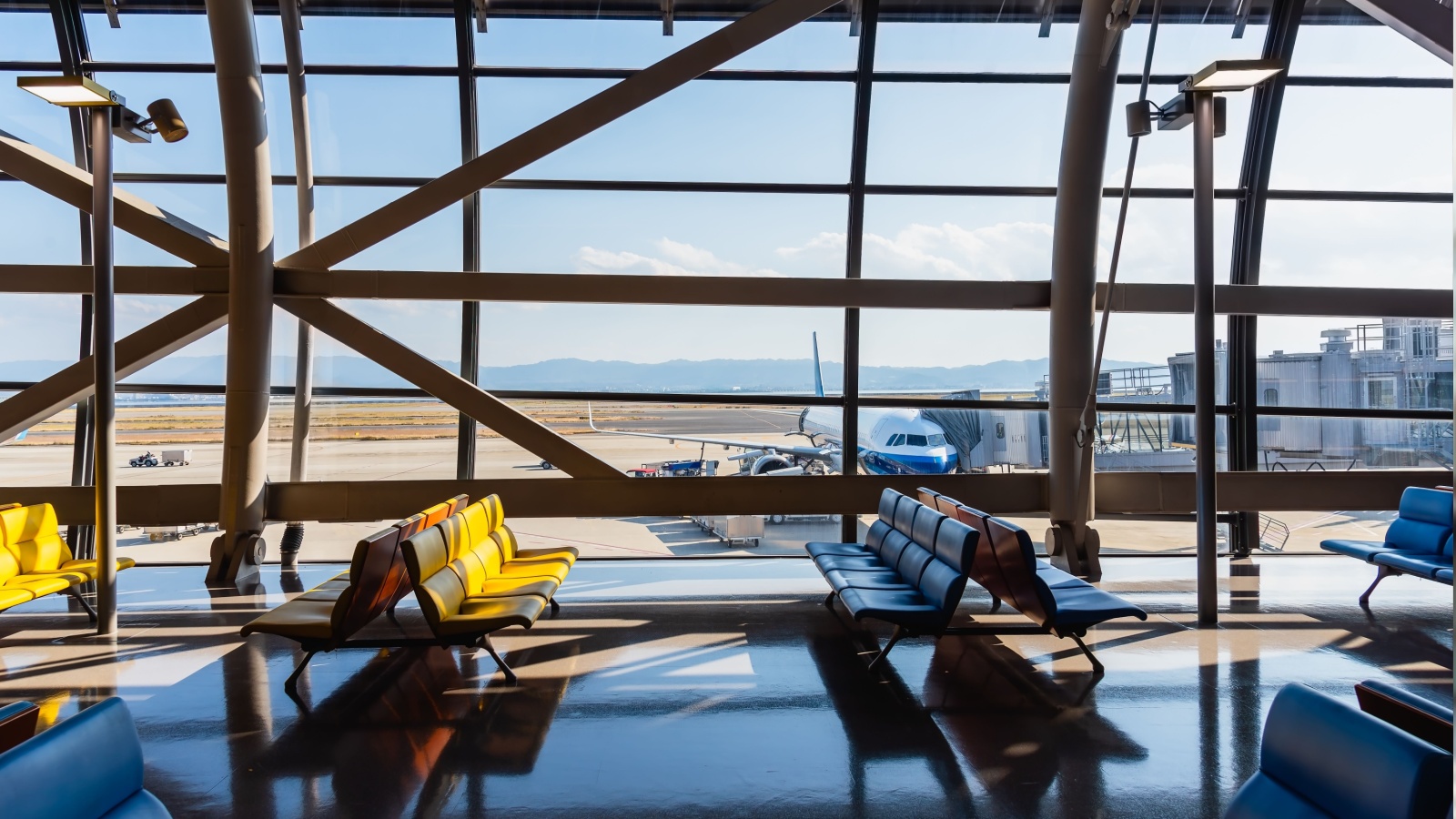
Canadians often search from the closest major airport and stop there. That habit can miss better fares, better schedules, or fewer stressful connections. In Southern Ontario, for example, Toronto Pearson, Billy Bishop, Hamilton, Buffalo, and sometimes Detroit can create very different price and timing combinations. In British Columbia, travellers may compare Vancouver, Abbotsford, Victoria, Bellingham, or Seattle depending on the destination.
Alternate airports are not always cheaper once parking, gas, hotels, border time, and ground transport are included. Still, they are worth checking before summer travel because airport demand can be uneven. A family leaving from Ottawa may find a Montreal departure saves enough to justify the drive, while another household may decide the early-morning commute destroys the savings. The mistake is not choosing the closest airport; it is failing to compare the full door-to-door cost.
Booking Tight Connections to Save a Few Dollars
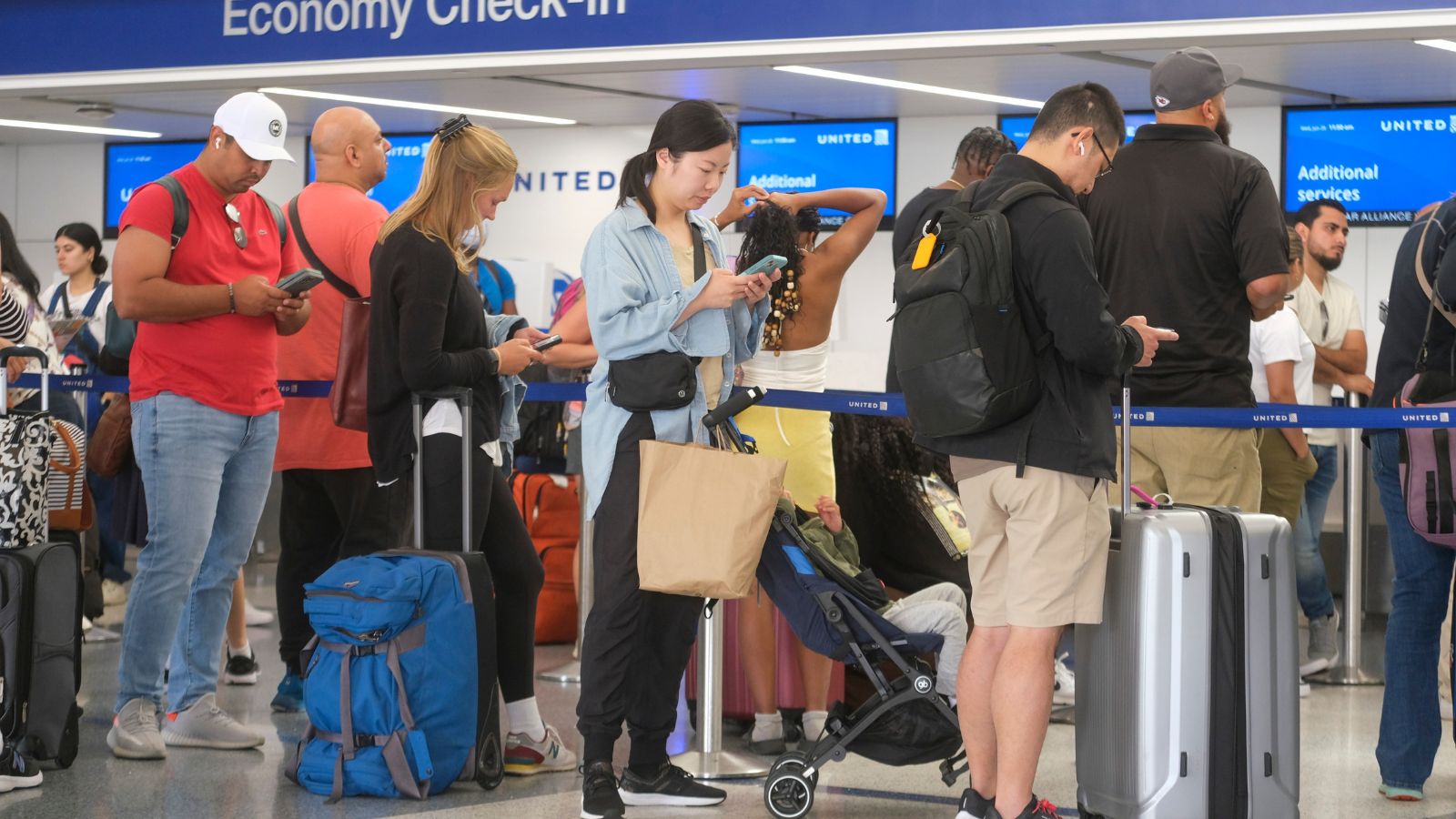
A short connection can make a fare look efficient, but summer travel often adds pressure: full flights, thunderstorms, crowded terminals, longer security lines, and checked baggage delays. A 45-minute connection may work perfectly on paper and still fail in real life if the first flight parks at a remote gate or a traveller must clear customs, change terminals, or recheck bags.
This is especially risky on separate tickets. If a Canadian traveller books one airline from Winnipeg to Toronto and a separate low-cost carrier from Toronto to Europe, the second airline may not be responsible if the first delay causes a missed departure. A slightly longer layover can feel boring, but it can also protect the entire trip. For summer travel, breathing room is not wasted time; it is insurance against ordinary airport friction.
Not Checking Change and Cancellation Rules
A flight can look affordable until plans shift. Summer travel often involves weddings, cruises, cottage rentals, school schedules, tournament dates, and family commitments. When one detail changes, a restrictive fare can become expensive fast. Some tickets may offer credits, some may charge change fees, and some may be nearly impossible to modify without losing most of the value.
The problem is that many travellers only read the rules after something goes wrong. A Vancouver couple booking a flight to Italy may assume they can adjust dates later, only to learn the cheaper fare has limited flexibility. Even when airlines advertise “no change fees,” fare differences may still apply, and those differences can be steep. Before booking, the key question is simple: what happens if this trip moves by one day?
Relying on Viral Booking Hacks Instead of Price Tracking

Social media keeps reviving the idea that flight prices drop by using incognito mode, clearing cookies, booking from a library computer, or waiting for a magic hour on Tuesday. These tricks are appealing because they make airfare feel beatable. In reality, airfare changes are usually tied to inventory, demand, route competition, fuel costs, and airline revenue systems rather than a single browser trick.
That does not mean travellers are powerless. Price alerts, flexible date calendars, nearby airport searches, and route tracking are more reliable tools. A traveller planning a July trip from Edmonton to Lisbon may gain more by watching date ranges for two weeks than by repeatedly clearing browser history. The mistake is spending energy on folklore while ignoring tools that show real fare movement across dates, airlines, and airports.
Forgetting to Compare One-Way, Round-Trip, and Multi-City Options

Many Canadians automatically search round-trip flights because that feels normal. Sometimes it is the best choice. Other times, two one-way tickets or a multi-city itinerary can create a better schedule, lower price, or easier route. This is especially true when flying into one city and returning from another, such as arriving in Paris and leaving from Amsterdam, or flying into Calgary and returning from Vancouver after a road trip.
The mistake is assuming the booking format must match the old vacation pattern. A multi-city search can reduce backtracking, save a hotel night, or avoid a long train ride. However, travellers should be careful when mixing airlines on separate tickets, since missed connections and baggage transfers may not be protected. The strongest approach is to compare formats, then judge the full cost in money, time, and risk.
Choosing Flights Without Checking Arrival Times

A cheap flight that lands late at night can create hidden costs. Transit may be limited, airport hotels may be expensive, rental car counters may close, and check-in rules at apartments or small hotels may be strict. For Canadians travelling with children or older relatives, a midnight arrival can also turn the first vacation day into a recovery day.
The same issue applies to early departures. A 6 a.m. flight may require a 3 a.m. wake-up, pricey airport parking, or a hotel near the terminal the night before. A Montreal traveller may save $80 on airfare and spend $220 on an airport hotel to make the timing manageable. Arrival and departure times are part of the real fare. The cheapest flight is not always cheaper when it creates another bill.
Overlooking Passport, Visa, and Name Details
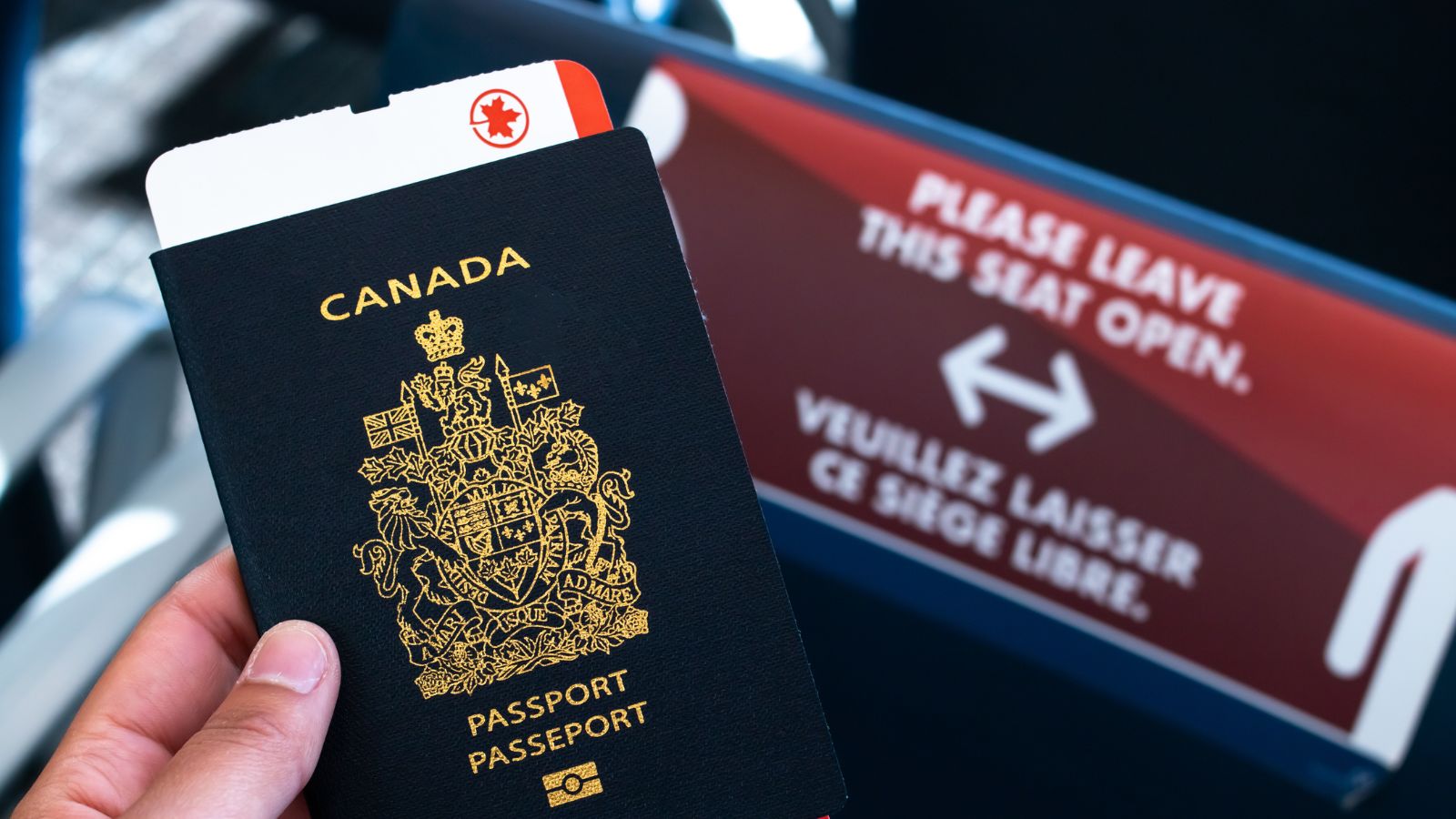
Booking quickly can lead to small errors with big consequences. A name that does not match a passport, an expired document, a missing middle name where required, or a passport that expires too soon for a destination can create stress long before boarding. Some countries also require visas, electronic travel authorizations, proof of onward travel, or specific passport validity windows.
This mistake often appears when someone books for a group. One family member may use a nickname, another may have a hyphenated surname, and a child’s passport may expire sooner than expected. Correcting a name after purchase may be possible, but it is rarely pleasant and can involve fees or rebooking. Before payment, travellers should check every passenger name against the travel document, not against habit, memory, or a loyalty account.
Not Reading Passenger Rights Before Problems Happen

Most travellers do not think about passenger rights until a delay, cancellation, denied boarding, or baggage issue happens. By then, they may be tired, rushed, and unsure what to ask for. Canada’s air passenger rules cover standards of treatment, refunds, rebooking, compensation in certain circumstances, and baggage claims, but the details depend on the situation and the reason for the disruption.
Knowing the basics before booking can shape better decisions. For example, travellers may keep receipts, save airline messages, take screenshots, and avoid accepting vague explanations without written confirmation. A family stuck overnight after a cancelled flight is in a stronger position when documentation is organized. Passenger rights will not prevent every disruption, but they can prevent travellers from leaving money, meals, hotel coverage, or formal complaint options on the table.
Booking Through Third Parties Without Understanding Support Limits
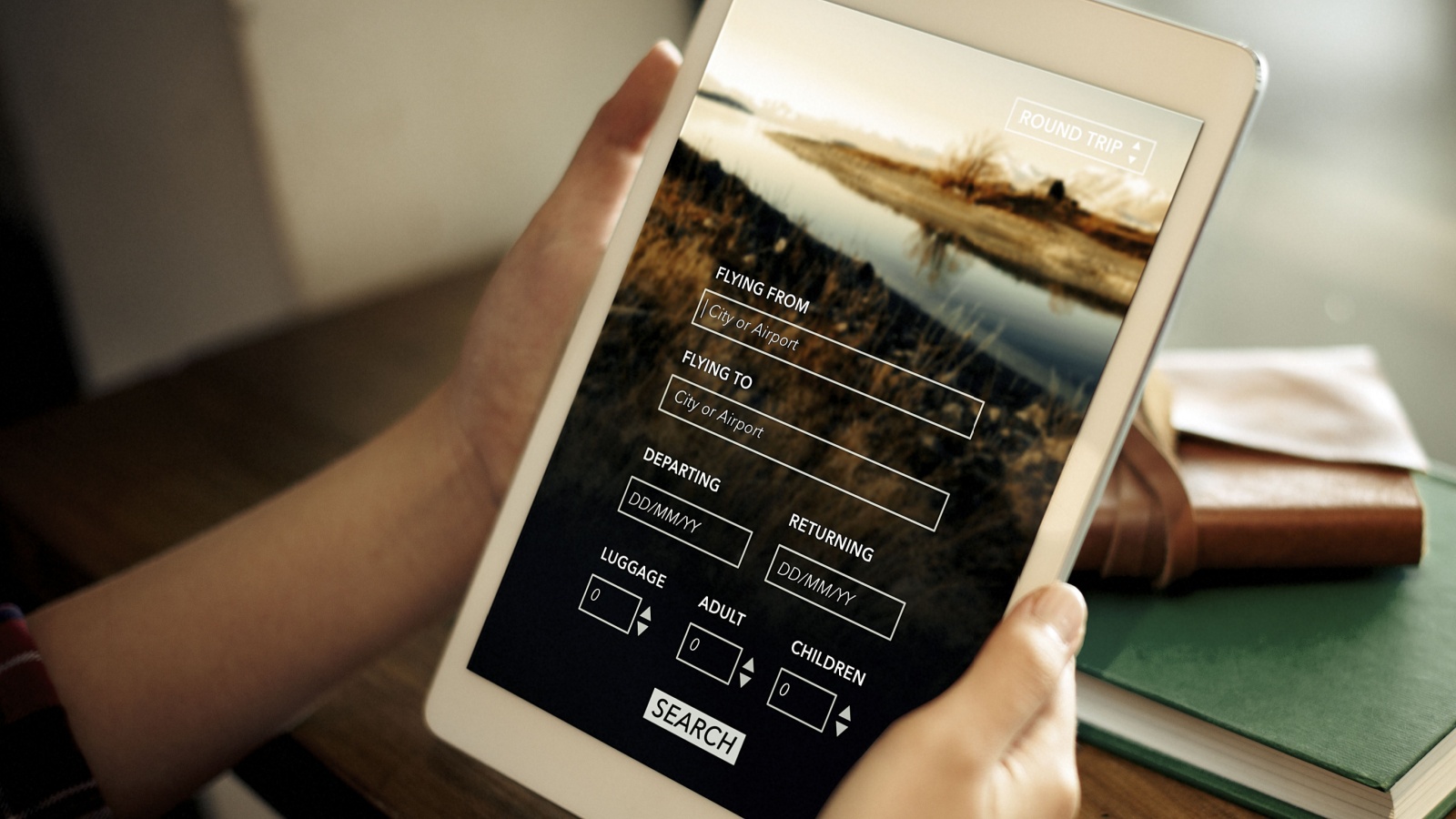
Online travel agencies and discount booking sites can be useful, but they add another layer between the traveller and the airline. When everything goes smoothly, that may not matter. When a flight is cancelled, rescheduled, or mispriced, support can become confusing because the airline may point to the agency, while the agency may need airline approval before making changes.
This is not a warning to avoid third parties completely. It is a reminder to understand who controls the ticket. A traveller booking a complex summer itinerary from Regina to Athens may prefer direct airline support if a connection changes. Another traveller booking a simple domestic fare may decide the third-party savings are worth it. The mistake is not using an agency; it is assuming support will feel identical to booking directly with the airline.
Missing the Real Cost of Seat Selection
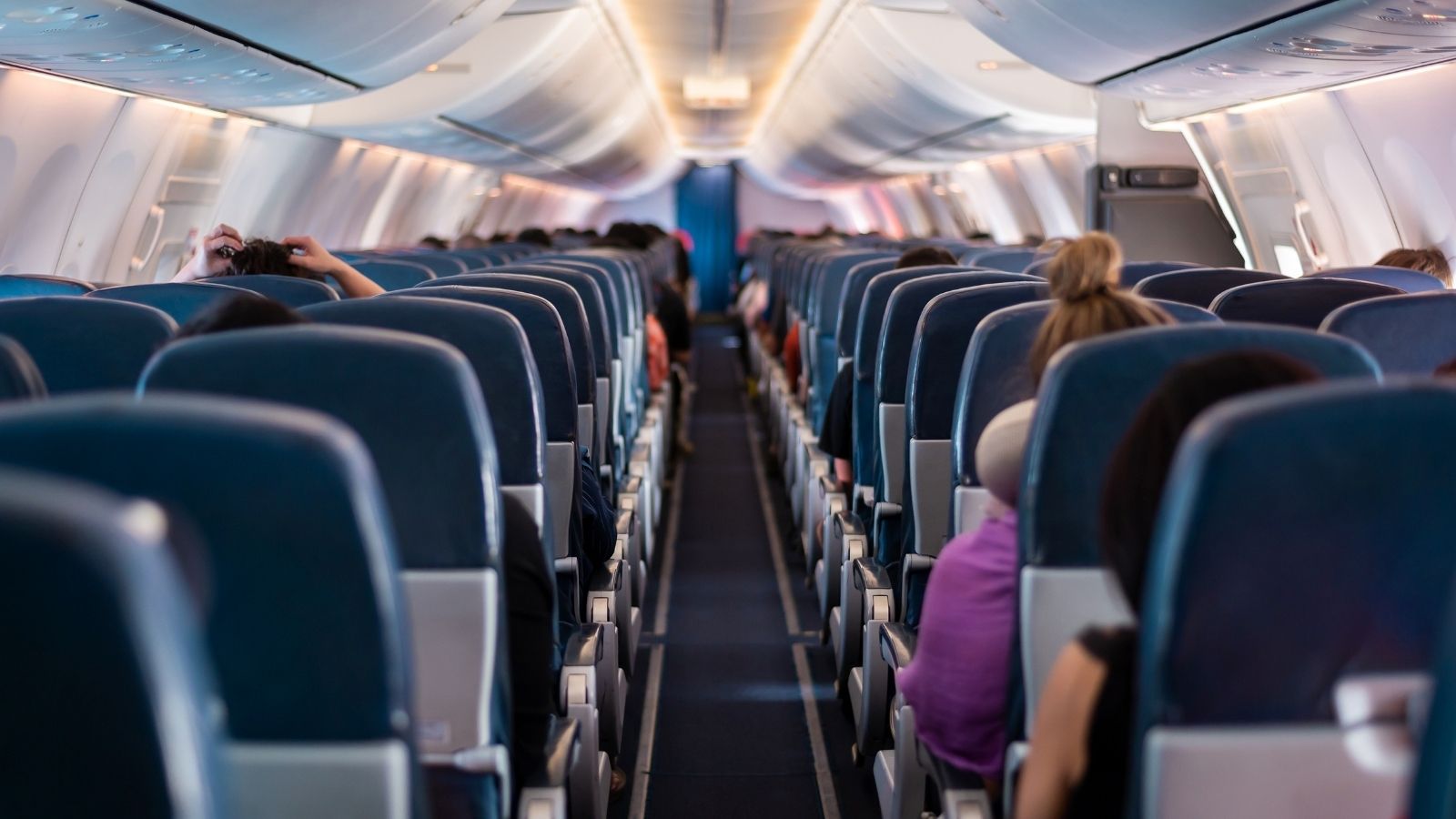
Seat selection can look optional until the trip involves children, anxious flyers, medical needs, tight connections, or overnight flights. Some fares charge extra to choose seats in advance, and families may be surprised when “free” seats are scattered throughout the cabin. Airlines may try to seat young children near accompanying adults, but relying on last-minute fixes can still create stress.
For summer travel, seat choice is often part comfort and part logistics. A window seat may help a child sleep, an aisle seat may matter for someone with mobility concerns, and seats near the front may help with a short connection. Paying for seats is frustrating, but discovering the cost after booking is worse. Travellers comparing fares should include seat fees in the total, especially when sitting together is not negotiable.
Forgetting Airport Timing, Security Rules, and Peak-Season Crowds
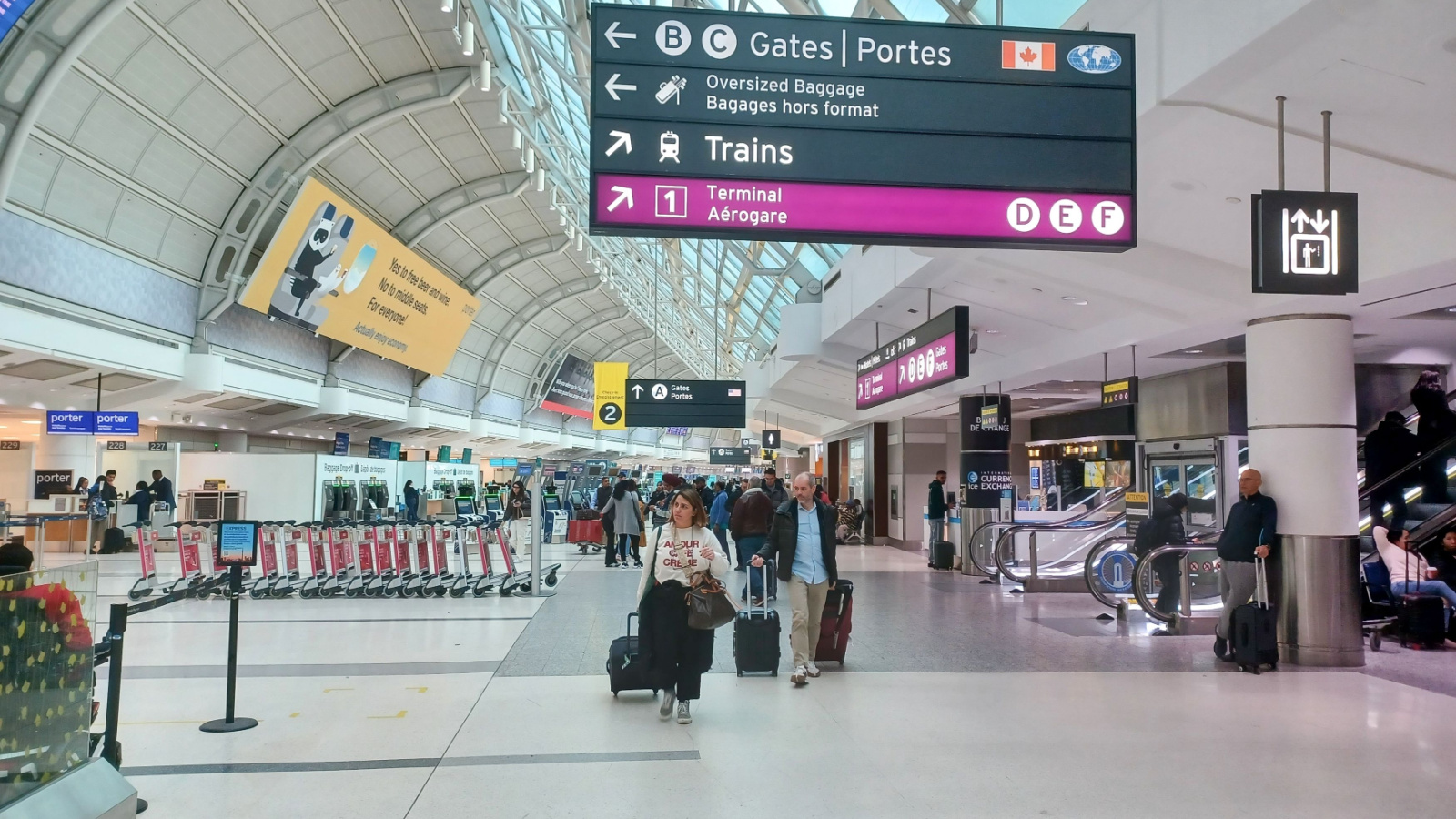
Booking the flight is only the first step. Summer airports can bring long check-in lines, full parking lots, security delays, crowded lounges, and slower baggage drops. Canadian airport guidance commonly recommends arriving earlier for domestic, U.S., and international departures, especially during busy periods. Travellers who book flights without considering the airport process may build a schedule that is too tight before the plane even leaves.
Security rules also affect packing. Liquids, gels, and aerosols in carry-on bags must meet size and bag requirements, and some items allowed in checked baggage are not allowed in carry-on. A traveller who books a basic fare without a carry-on and then packs sunscreen, toiletries, or sports items poorly may face delays or extra costs. The smoother trip starts with the booking, but it depends on planning the airport day too.
19 Things Canadians Don’t Realize the CRA Can See About Their Online Income

Earning money online feels simple and informal for many Canadians. Freelancing, selling products, and digital services often start as side projects. The problem appears at tax time. Many people underestimate how much information the CRA can access. Online platforms, banks, and payment processors create detailed records automatically. These records do not disappear once money hits an account. Small gaps in reporting add up quickly.
Here are 19 things Canadians don’t realize the CRA can see about their online income.
