Grocery bills have become one of the clearest places where Canadian households feel price pressure, especially when routine items creep up a few dollars at a time. A cart that once felt predictable can now shift sharply depending on season, brand, package size, and whether a sale is actually worthwhile.
These 25 grocery items are not bad buys on their own. Many are staples, comfort foods, or convenient shortcuts. The catch is that paying full price for them can quietly drain a food budget when cheaper timing, store brands, bulk formats, or frozen alternatives often deliver similar value.
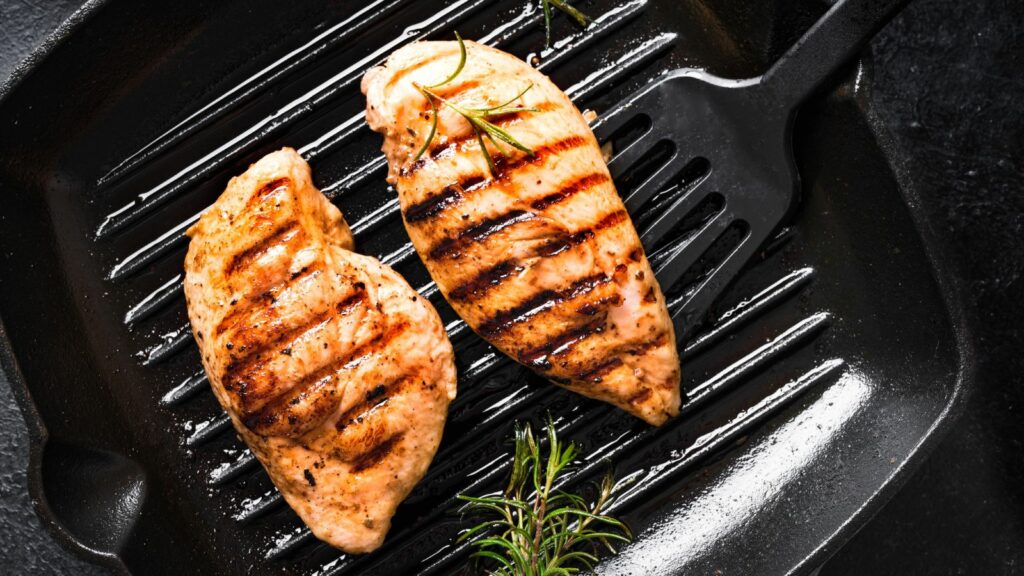
Boneless Chicken Breasts
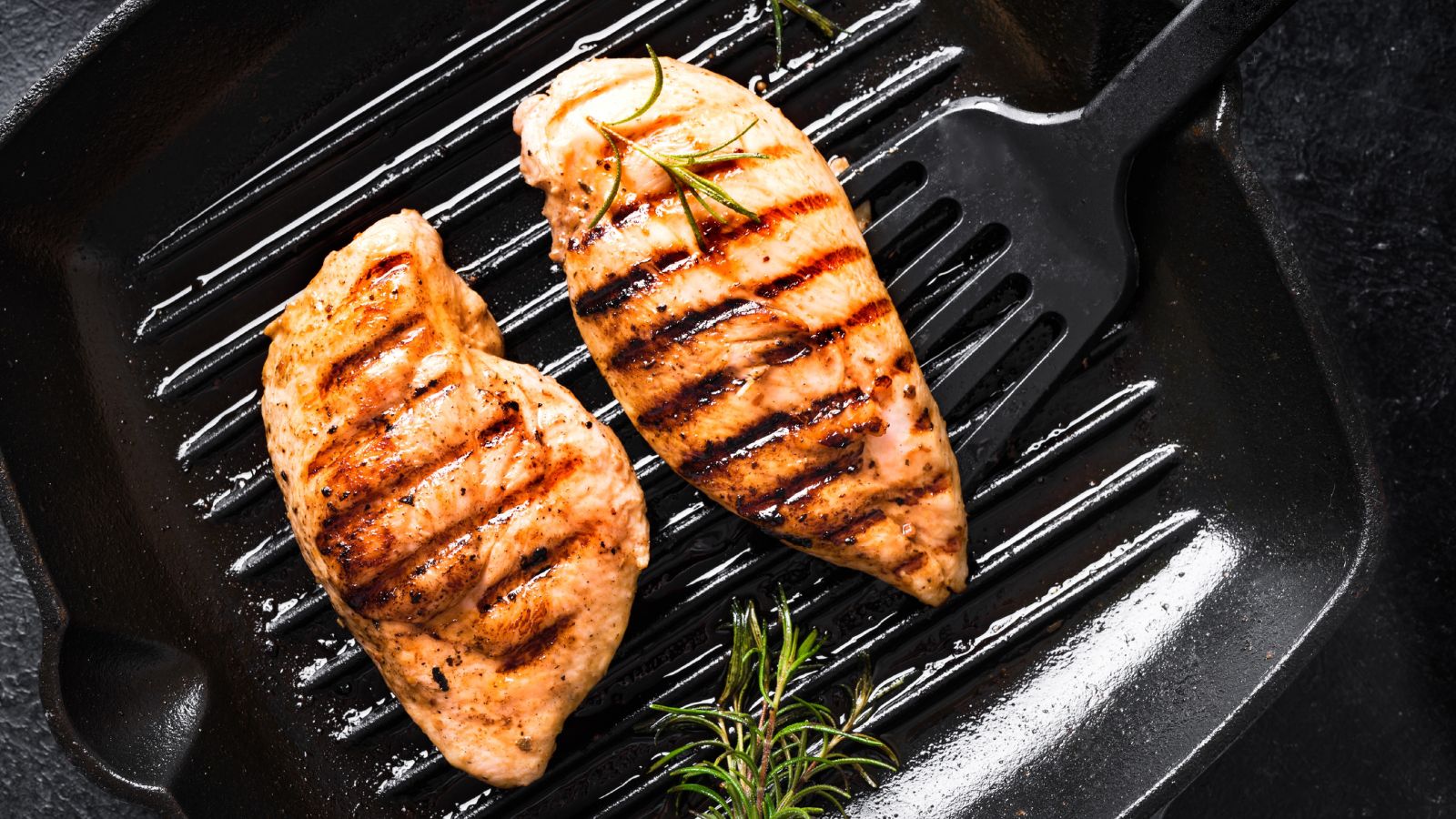
Boneless chicken breasts remain one of the most convenient proteins in Canadian kitchens, but convenience often carries a premium. They are easy to portion, quick to cook, and familiar enough for everything from stir-fries to lunch prep. That demand keeps them visible in flyers, yet regular shelf prices can feel steep when compared with thighs, drumsticks, whole chickens, or family packs sold on rotation.
A practical household example is the Sunday meal-prep shopper who grabs two trays without checking the flyer, then sees the same cut discounted two days later. Chicken freezes well when wrapped properly, which makes full-price buying less necessary. Watching for multi-pack deals, buying club-size trays, or swapping in thighs for saucy recipes can protect the budget without making dinner feel like a downgrade.
Ground Beef
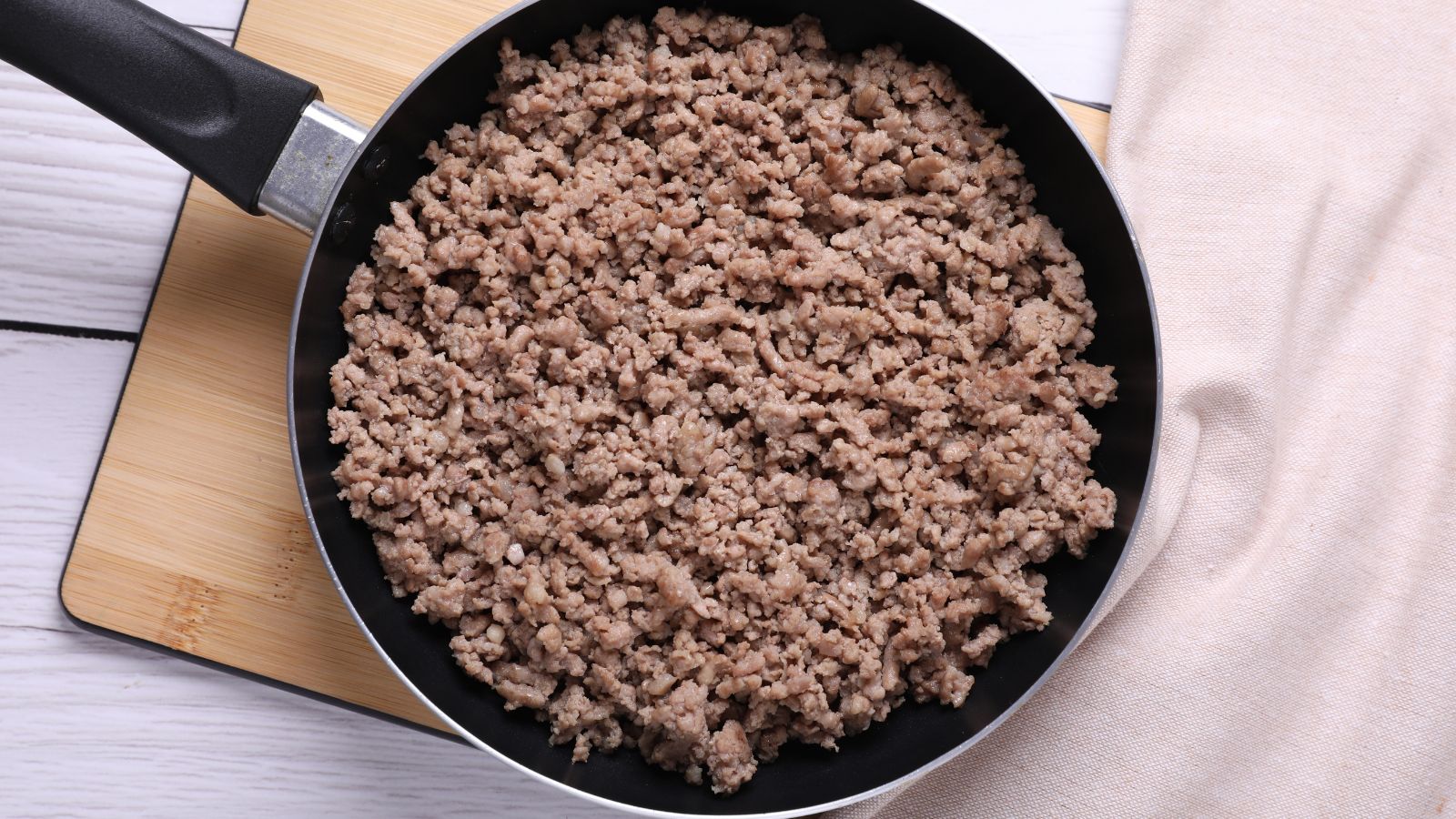
Ground beef is the backbone of tacos, pasta sauce, burgers, chili, and casseroles, which makes it easy to buy out of habit. The problem is that it often moves through sharp promotional cycles. A family planning spaghetti, shepherd’s pie, and homemade burgers in the same week can spend far more by buying small packages at regular price than by waiting for a larger sale pack and freezing portions.
Lean and extra-lean labels also deserve attention. In dishes where fat is drained or where beans, lentils, vegetables, or oats can stretch the mixture, the most expensive option may not change the final meal much. Canadians who compare per-kilogram pricing often find that the best value appears in bulk packs, short-dated markdowns, or freezer-ready bundles rather than tidy one-meal trays.
Bacon

Bacon has become one of those items many shoppers only notice when the package lands in the cart. The format looks familiar, but package sizes and shelf prices can vary enough to make full-price bacon a poor impulse buy. A weekend breakfast may feel incomplete without it, yet the same item frequently appears in flyer cycles, especially around holidays, long weekends, and brunch-heavy seasons.
The other issue is shrink and yield. Bacon loses fat during cooking, so the usable portion is smaller than the package weight suggests. For recipes where bacon is mainly a flavour accent, such as soup, baked beans, or pasta, shoppers can often use less, buy ends and pieces, or wait for a two-for deal. Paying full price for a premium pack just to crumble it into a dish rarely makes sense.
Breakfast Cereal
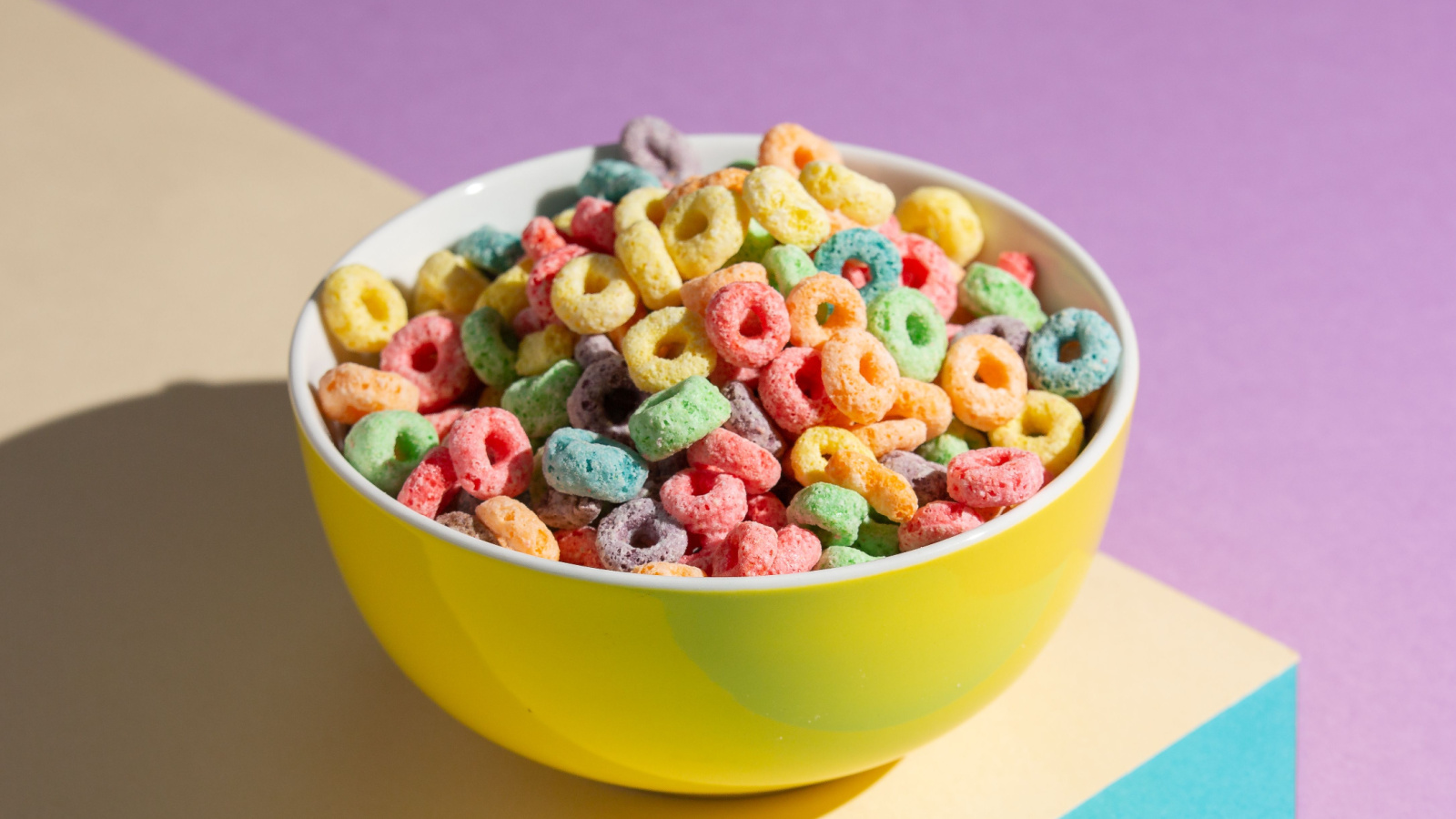
Breakfast cereal is one of the easiest grocery items to overpay for because brand loyalty and family preferences run deep. A familiar box can slide into the cart automatically, even when the price has climbed or the package has become smaller. For households with children, the pressure is even stronger because certain flavours, characters, or textures can become non-negotiable for weekday mornings.
The better strategy is to treat cereal like a rotating sale item rather than a fixed weekly purchase. Store brands, large-format boxes, and multi-buy promotions can change the real cost per serving dramatically. It also helps to compare unit prices instead of box prices, because tall packaging can disguise less product. When cereal is not on sale, oatmeal, toast, eggs, or yogurt with fruit may deliver better value.
Granola and Protein Bars
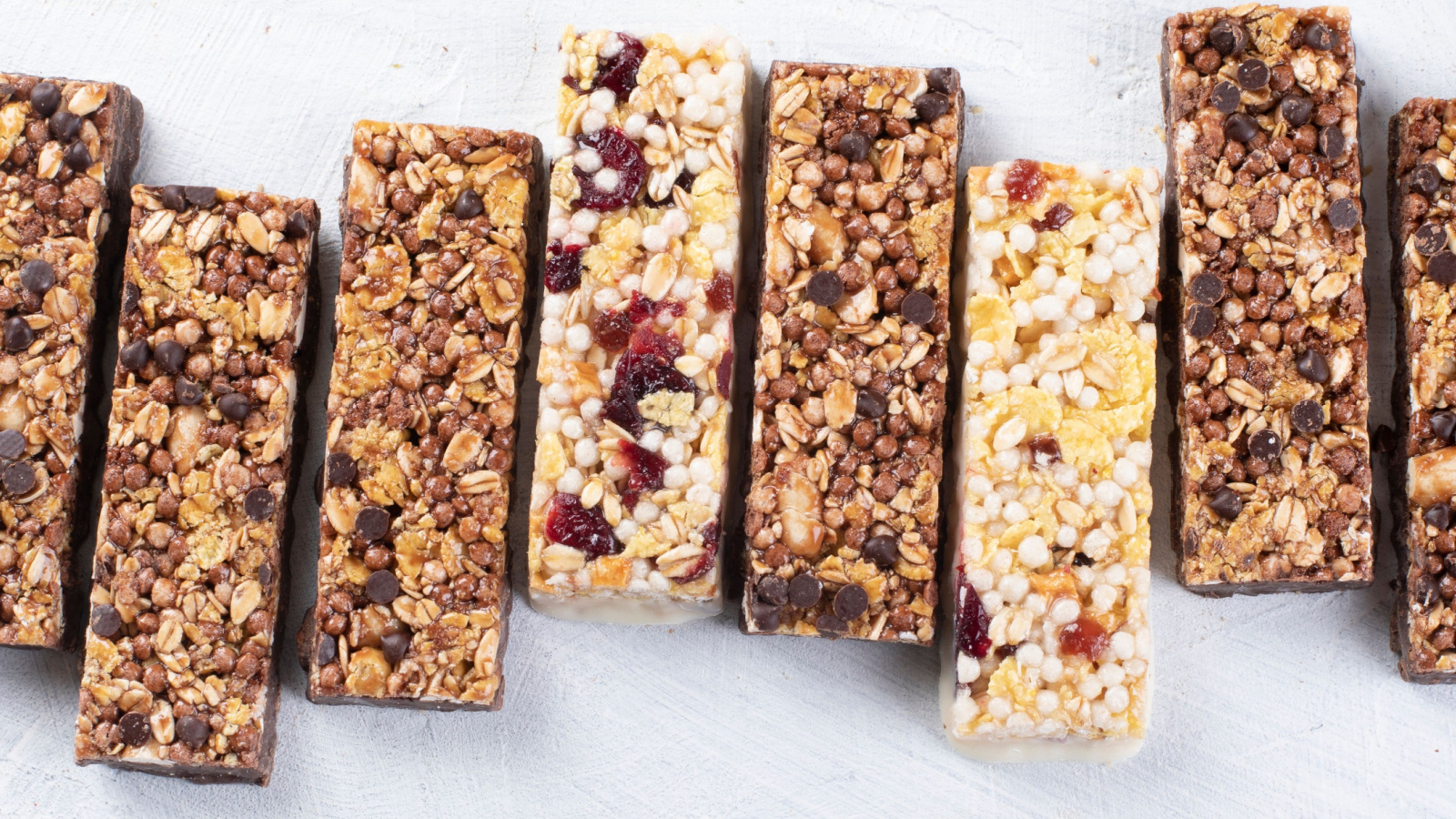
Granola bars and protein bars sell convenience more than ingredients. They are lunchbox fillers, gym-bag backups, car snacks, and emergency desk food, which makes them useful but often overpriced at full shelf cost. A single box can disappear in two school days, especially in a busy household, leaving shoppers to buy repeatedly without realizing how much the habit adds up.
The price gap becomes clearer when comparing bars with bulk oats, peanut butter, dried fruit, or homemade snack bites. Not every family has time to bake weekly, but even alternating between sale-priced bars and lower-cost snacks can help. Protein claims also deserve scrutiny. Some bars are closer to candy than a balanced snack, making the full-price premium hard to justify unless the nutrition panel truly supports the need.
Shredded Cheese
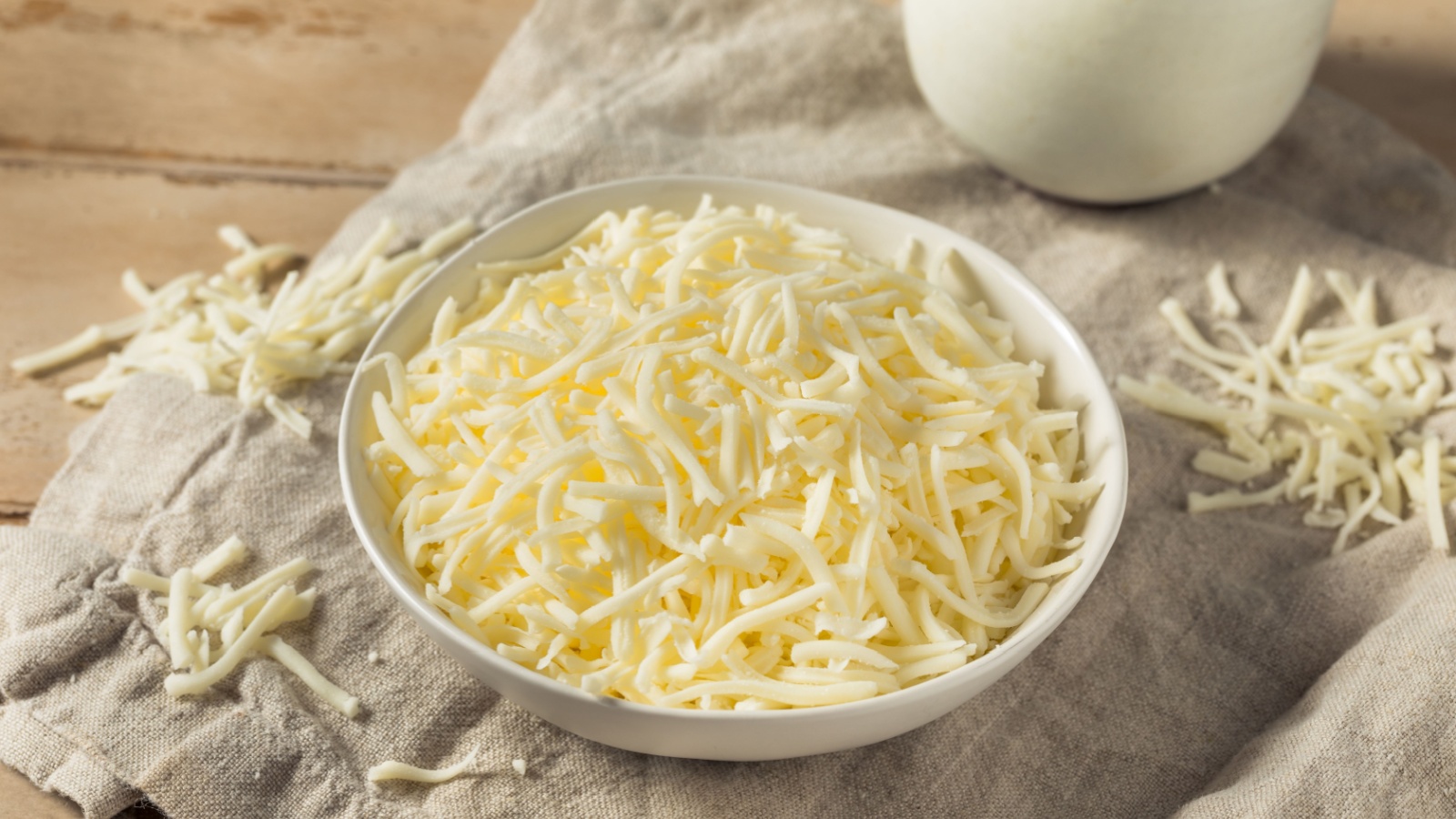
Shredded cheese is convenient, but Canadians often pay for the grater to do work that takes less than a minute at home. It melts into quesadillas, casseroles, pizza, and nachos with no effort, which is why it is tempting at full price. Still, block cheese frequently provides better value by weight, especially when it goes on sale and can be shredded or sliced as needed.
There is also a freshness advantage to buying blocks. Pre-shredded cheese may include anti-caking ingredients that affect texture in sauces or melted dishes. A household making macaroni and cheese, tacos, and omelettes can stretch a large sale block across several meals. For busy weeks, shredding part of a block in advance gives the same convenience without locking the household into premium pricing.
Butter
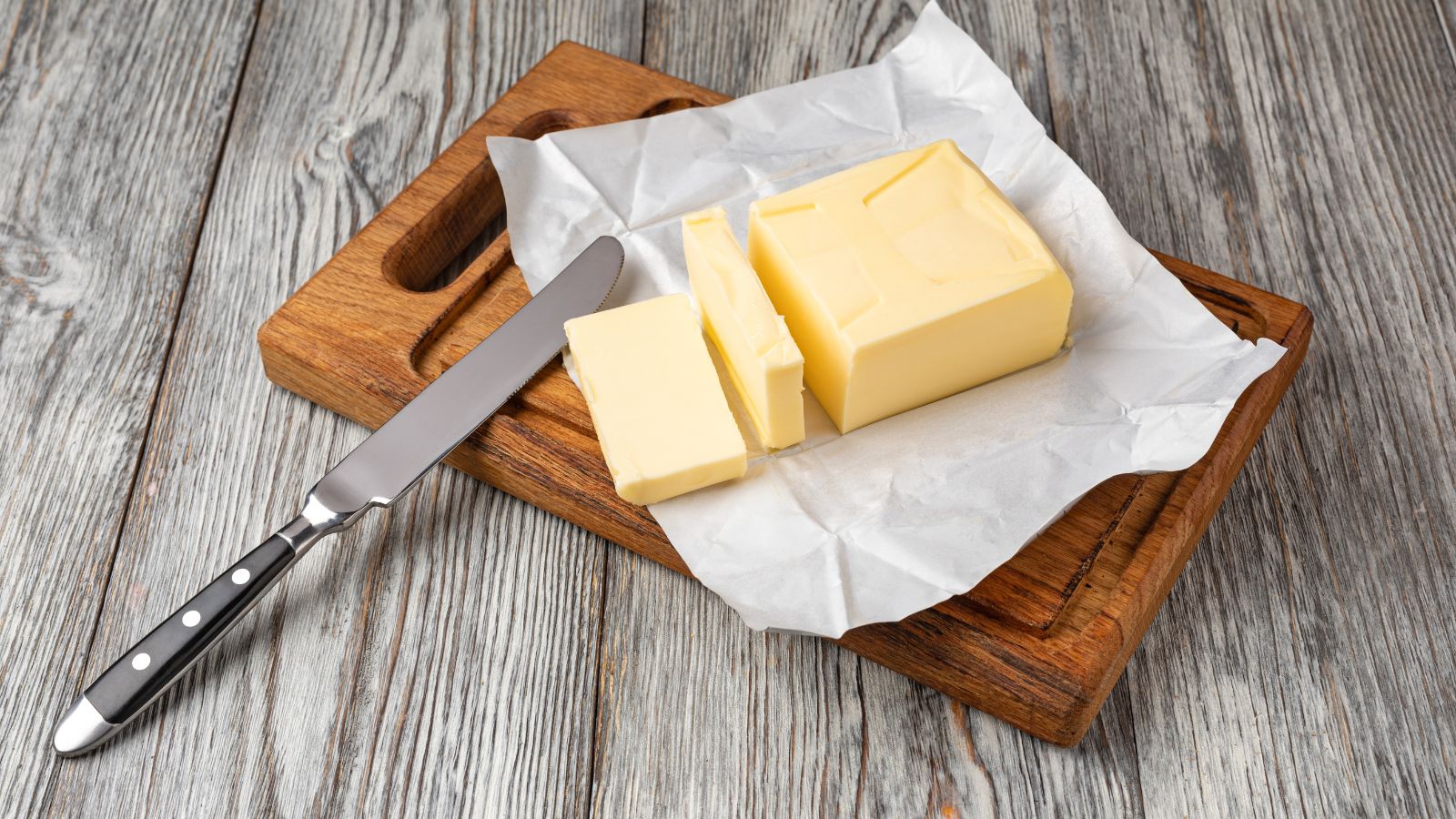
Butter is one of those staples where sale timing matters. Baking, cooking, toast, sauces, and holiday meals all depend on it, but regular prices can feel punishing when multiple pounds are needed at once. Canadian shoppers who bake at Christmas, prepare school snacks, or cook from scratch often notice that one or two full-price blocks can quickly push a grocery total higher.
Because butter freezes well, it is a strong candidate for stocking up during discounts. The key is not to buy beyond realistic use, but to avoid emergency full-price purchases before a baking project. Margarine or oil may work in some recipes, but butter has specific flavour and texture roles. That makes waiting for sales, using loyalty offers, and storing extra blocks a practical way to reduce costs without compromising results.
Yogurt Multipacks
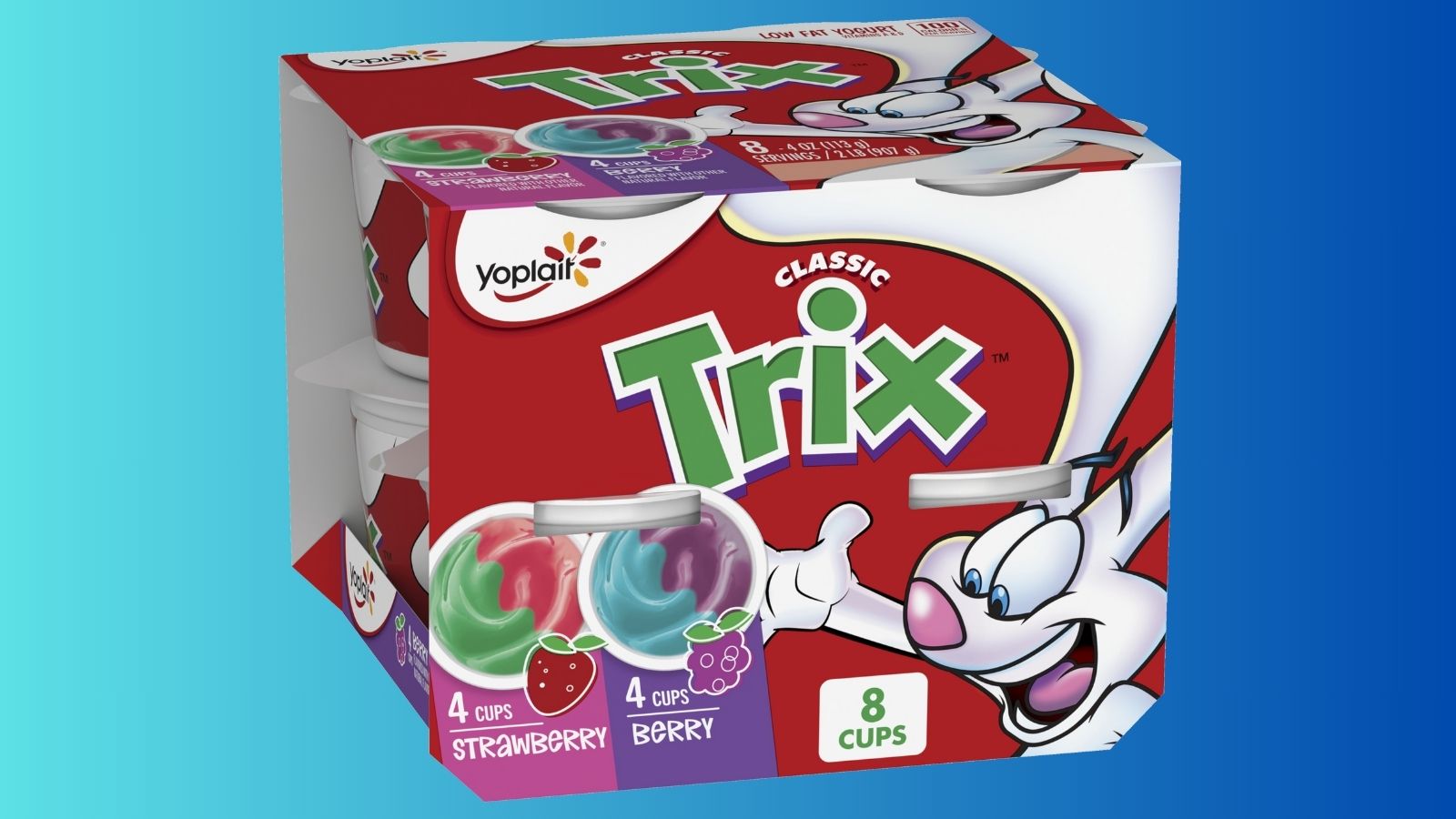
Yogurt cups and drinkable yogurt are convenient, portion-controlled, and easy to pack, but full-price multipacks can be deceptively expensive. A parent grabbing them for lunches may see a quick solution, while the unit price tells a different story. Individual packaging adds cost, and popular flavours often cost more than plain tubs that can be portioned at home.
The smarter comparison is between price per 100 grams, sugar content, and how the yogurt will actually be used. A large tub of plain or vanilla yogurt can become breakfast bowls, smoothies, dips, and lunch portions with fruit or granola added separately. For households that still prefer cups, waiting for sales or loyalty offers can make a meaningful difference because yogurt is frequently promoted and has predictable expiry windows.
Eggs
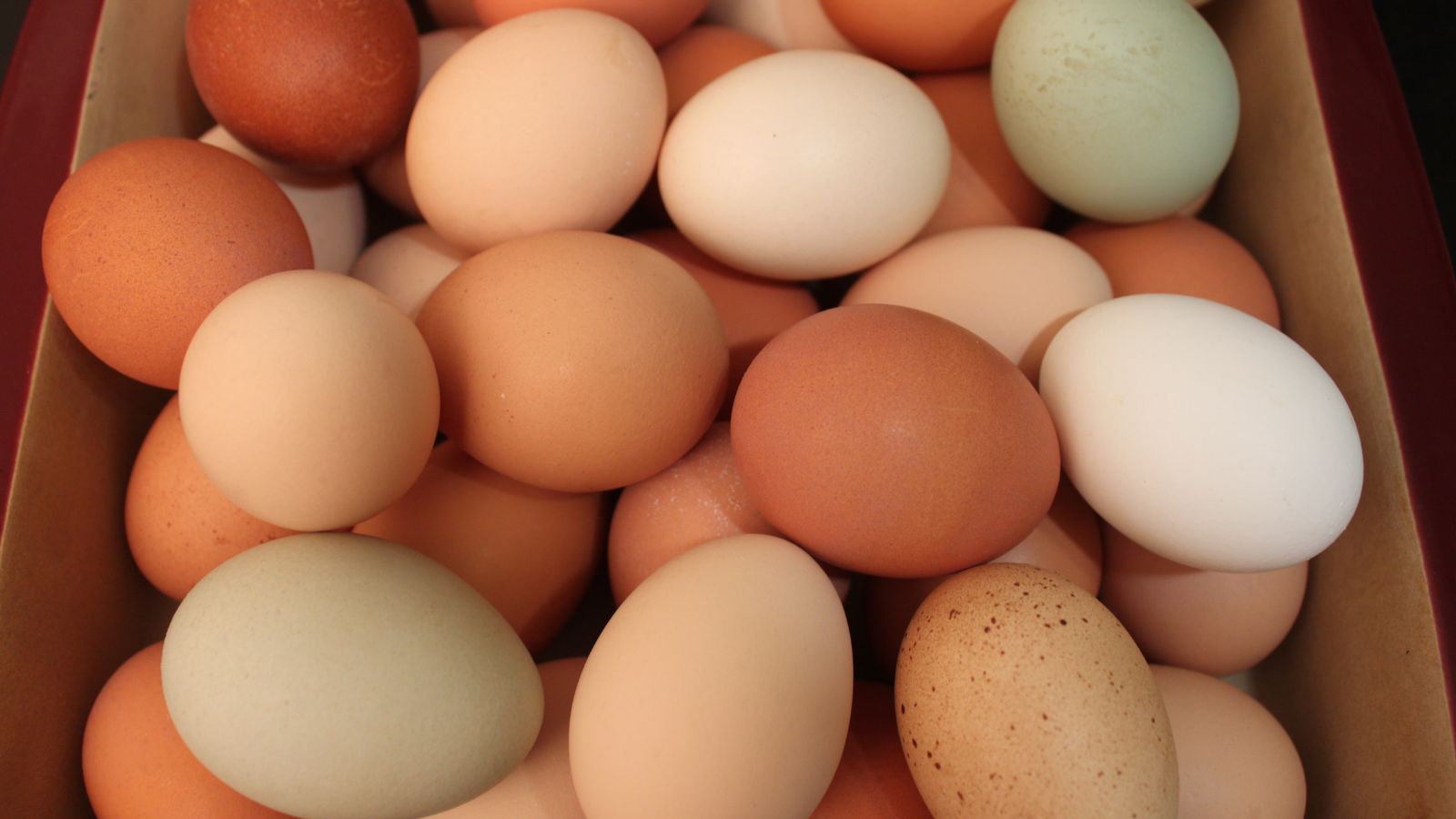
Eggs are one of Canada’s most useful proteins, but they are not immune to price swings. They work for breakfast, baking, fried rice, salads, sandwiches, and quick dinners, so households often buy them automatically. Paying full price becomes questionable when larger formats, store brands, or weekly specials can lower the per-egg cost without changing the meal plan.
The important detail is use rate. A household that bakes and cooks eggs often may benefit from 18-packs or 30-packs when discounted. A smaller household may save more by buying a standard dozen on sale and avoiding waste. Eggs also highlight the value of checking multiple stores, because price differences can be noticeable between discount banners, warehouse clubs, and conventional grocers.
Fresh Berries
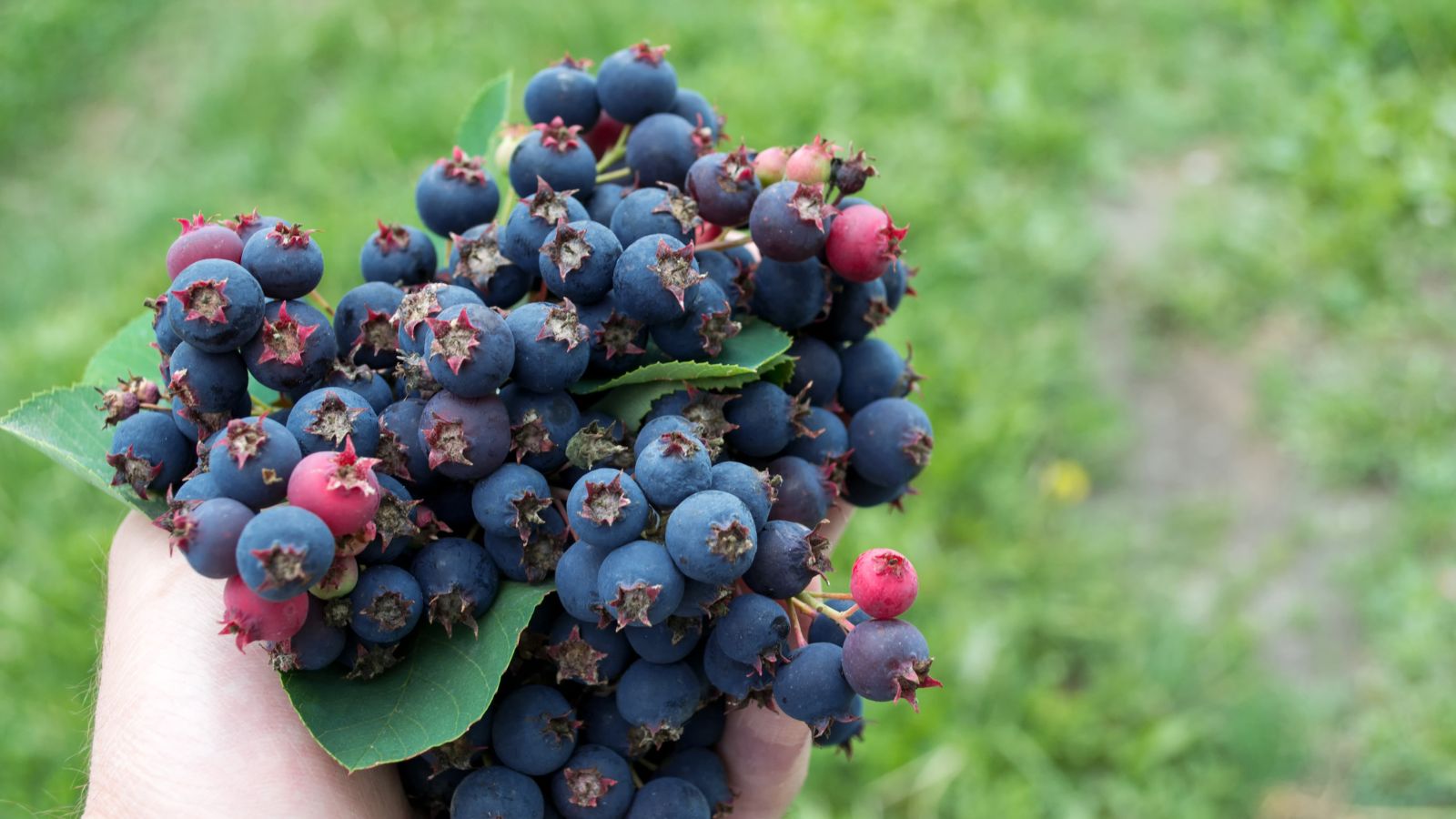
Fresh berries are nutritious, colourful, and easy to love, but they are also among the most frustrating full-price purchases when quality is uneven. A clamshell of strawberries, raspberries, or blueberries can look good at the store and soften quickly at home. Because many berries are seasonal or imported for part of the year, prices can jump when supply tightens.
Buying them at full price makes the most sense when they are in peak season and will be eaten quickly. Outside that window, frozen berries often provide better value for smoothies, oatmeal, baking, sauces, and yogurt bowls. A shopper planning weekday breakfasts can avoid disappointment by buying one fresh container for snacking and using frozen berries for everything else. It preserves the treat while reducing the risk of throwing money into the compost bin.
Bagged Salad Kits
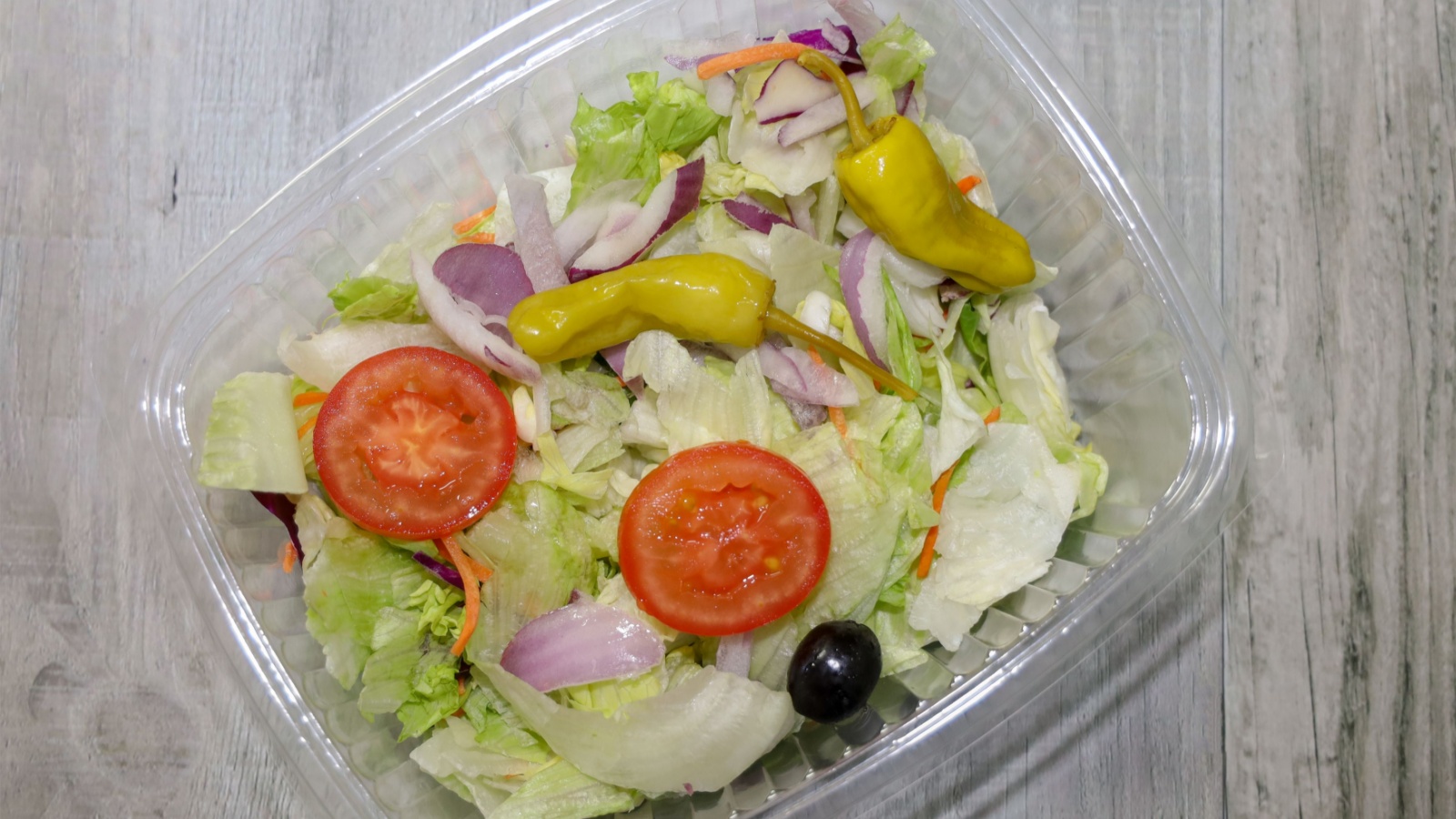
Bagged salad kits promise speed: greens, dressing, toppings, and sometimes cheese in one tidy package. They can rescue a rushed dinner, but the full-price cost is often high for what is mostly chopped vegetables and small condiment packets. The value drops further when the greens wilt before the kit is opened, a common issue in households that shop with good intentions but cook unpredictably.
A more budget-conscious approach is to buy kits only when they are discounted and likely to be used within a day or two. Otherwise, whole romaine, cabbage, carrots, cucumbers, and a bottle of dressing can produce more servings for less. Cabbage-based slaws are especially useful because they last longer. The goal is not to reject convenience, but to avoid paying premium prices for a salad that may not survive the week.
Cucumbers
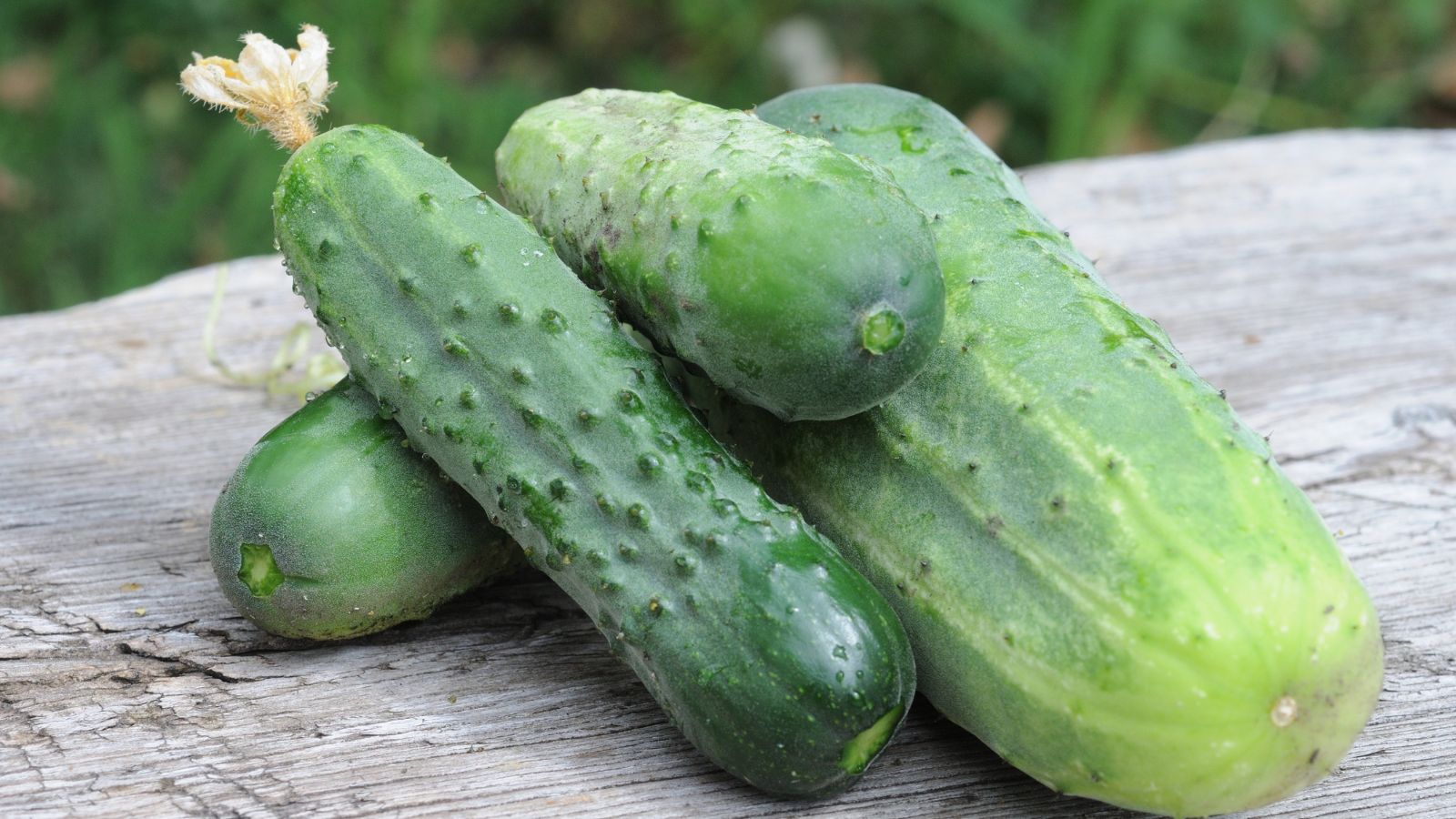
Cucumbers can look like a small purchase, but they are a good example of produce that can become expensive during supply disruptions or off-season periods. They are popular for lunches, salads, snacks, and wraps, so shoppers may buy them without checking whether the price has jumped. When a household eats several per week, the difference between sale and full price adds up quickly.
The best buying decision depends on intended use. If cucumbers are central to a fresh salad or lunchbox snack, one or two may be worth buying. If they are only a side ingredient, celery, carrots, cabbage, or frozen vegetables may offer better value during expensive weeks. Mini cucumbers also need unit-price comparison because their convenience packaging can cost more than standard field or English cucumbers.
Bell Peppers
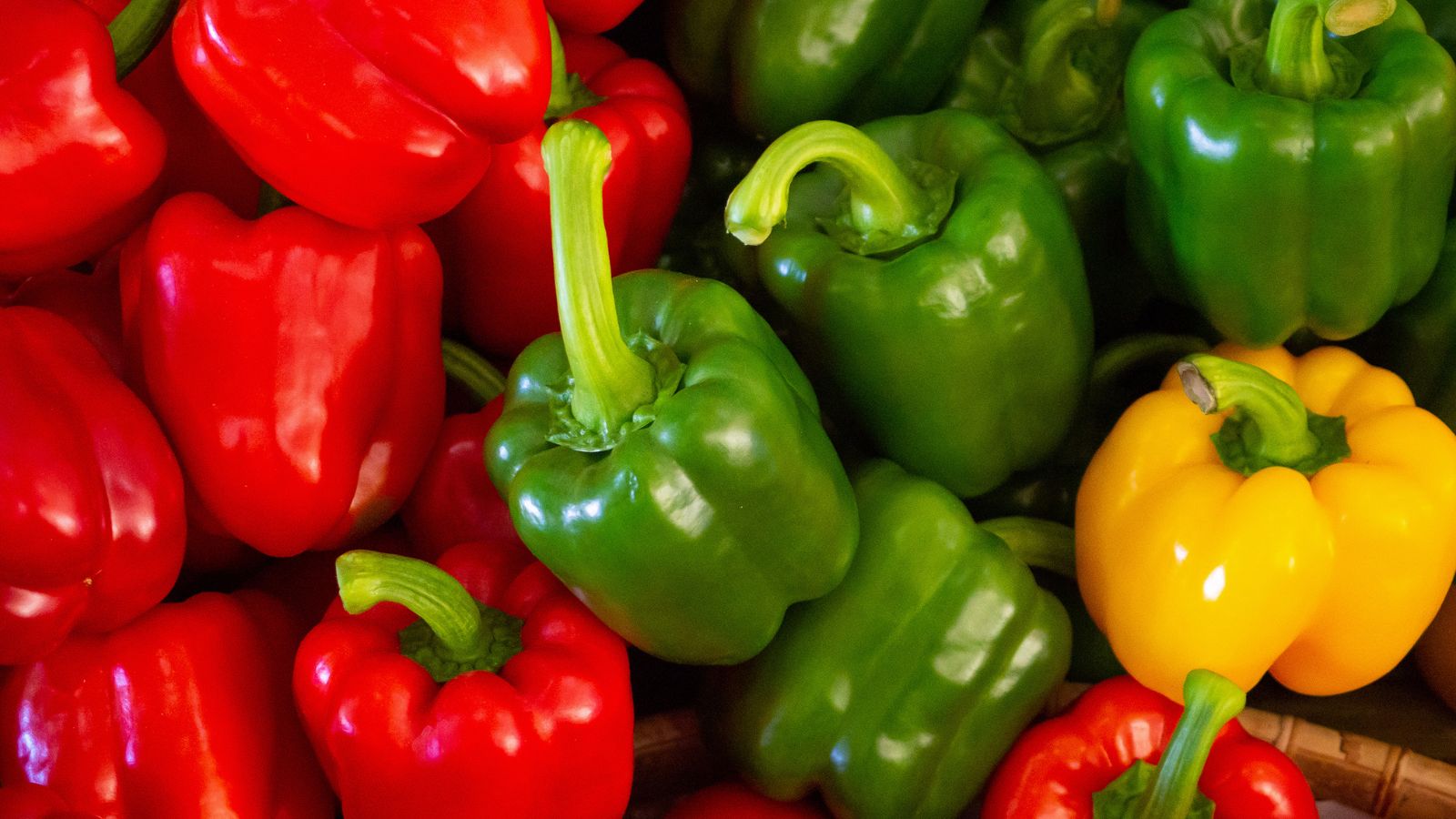
Bell peppers add colour, crunch, and sweetness to meals, but they can be surprisingly costly at regular price. Red, yellow, and orange peppers often cost more than green ones, and multi-packs do not always beat loose pricing. A shopper making fajitas may grab a three-pack for convenience, only to discover the per-pound price is higher than buying individual peppers.
Sales are worth waiting for because peppers freeze well when sliced. They will not return to crisp raw texture after freezing, but they work beautifully in stir-fries, omelettes, soups, pasta sauces, and sheet-pan meals. When full-price peppers are unavoidable, choosing green peppers for cooked dishes and saving colourful varieties for raw uses can balance flavour with cost.
Avocados
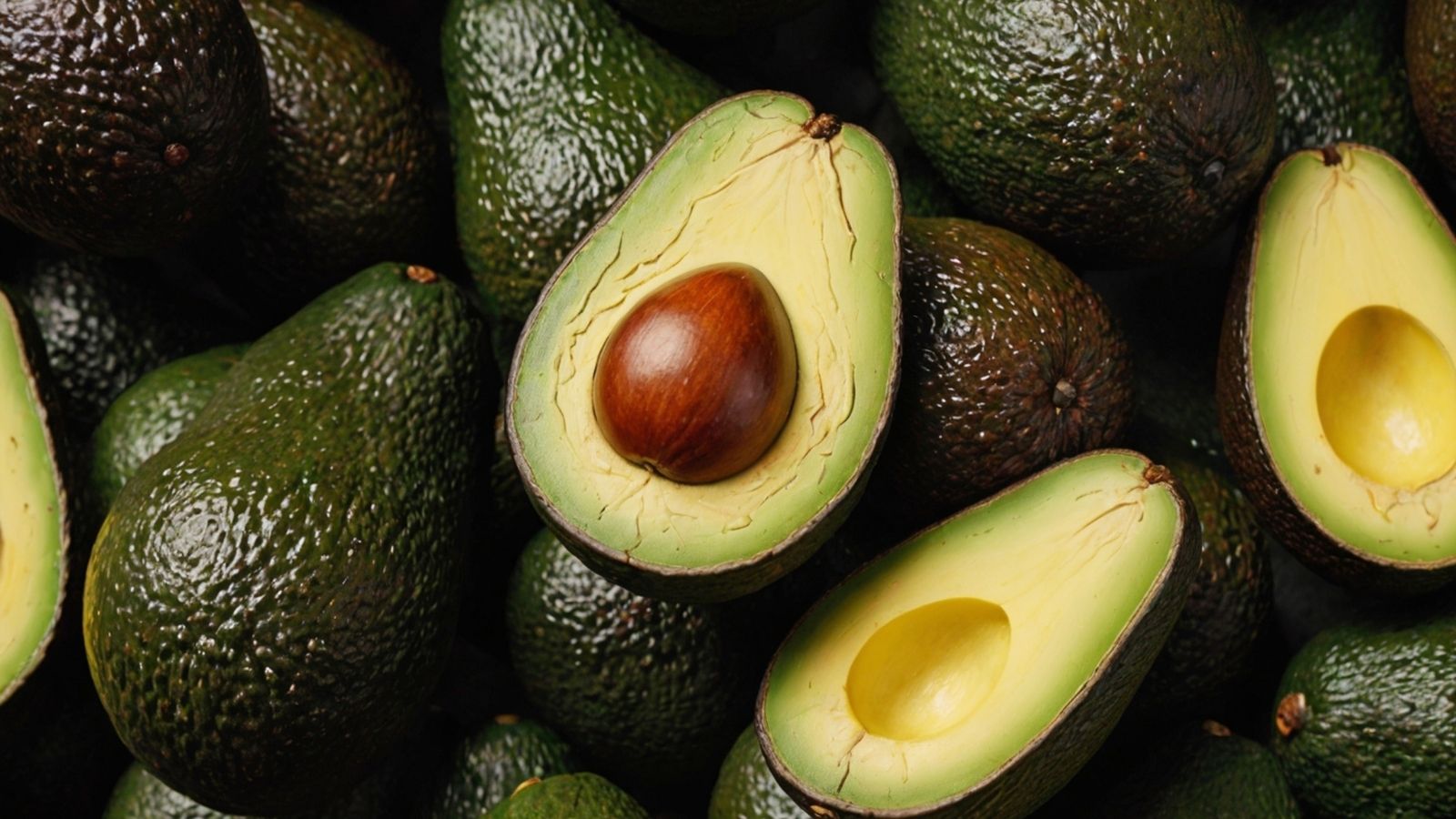
Avocados are a modern grocery staple for toast, salads, bowls, and dips, but full-price buying can be risky because ripeness is difficult to time. A bag that seems like a deal can become waste if several ripen at once. Individual avocados can also feel expensive when they are not on promotion, especially if one turns brown before being used.
The value improves when shoppers buy according to a specific plan rather than vague healthy intentions. One avocado for a next-day lunch is different from a full bag with no menu attached. Frozen avocado can work in smoothies, while hummus, eggs, cheese, or beans may provide cheaper richness in sandwiches and bowls. For guacamole, waiting for a sale before game nights or gatherings can save money without changing the menu.
Apples
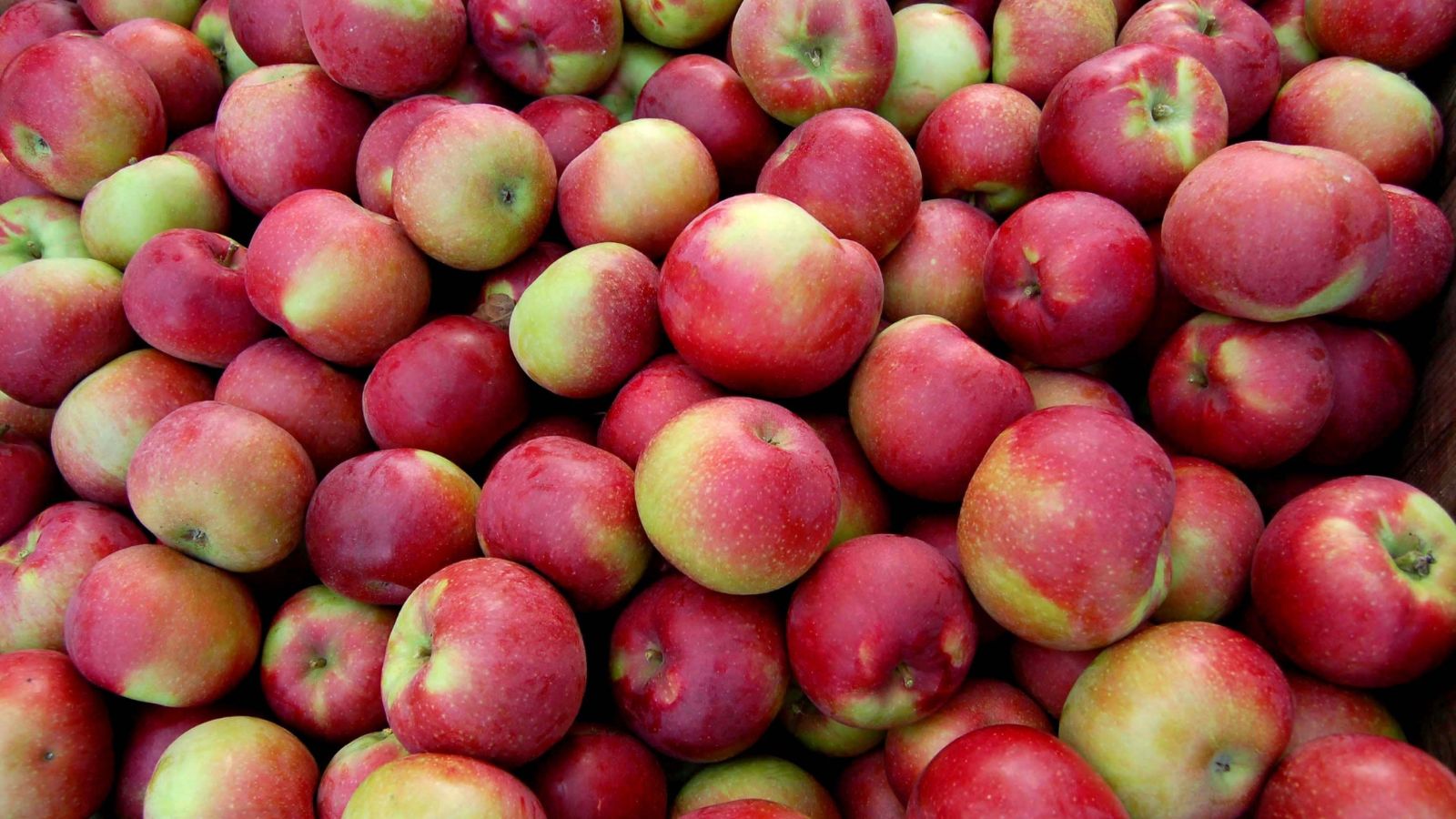
Apples are a Canadian lunchbox classic, yet full-price apples can vary widely depending on variety, season, and packaging. Premium varieties often command higher prices, while bagged apples may offer better value for baking, slicing, or school snacks. The mistake is assuming all apples serve the same purpose and paying premium prices when a lower-cost variety would do.
A family making apple crisp does not usually need the most expensive display fruit. Slightly smaller bagged apples, local seasonal apples, or value varieties can work well in baking and sauces. For fresh eating, buying fewer premium apples and using cheaper ones for cooked recipes can stretch the budget. Apples store relatively well, so sale buying is safer than it is for delicate berries or leafy greens.
Orange Juice

Orange juice is often treated as a breakfast staple, but full-price cartons and jugs can be expensive, particularly when weather, crop issues, and import costs affect supply. It also disappears quickly in households where several people pour large glasses. The carton may seem routine, but the cost per serving can rival more filling breakfast items.
Thinking twice does not mean eliminating it entirely. It means buying when on sale, comparing frozen concentrate, checking private-label options, and treating juice as a planned item rather than an automatic one. Whole oranges may offer fibre and better satiety, while water, tea, or milk may serve daily routines more economically. Juice makes sense as an occasional breakfast extra; it is less compelling as a full-price habit.
Coffee
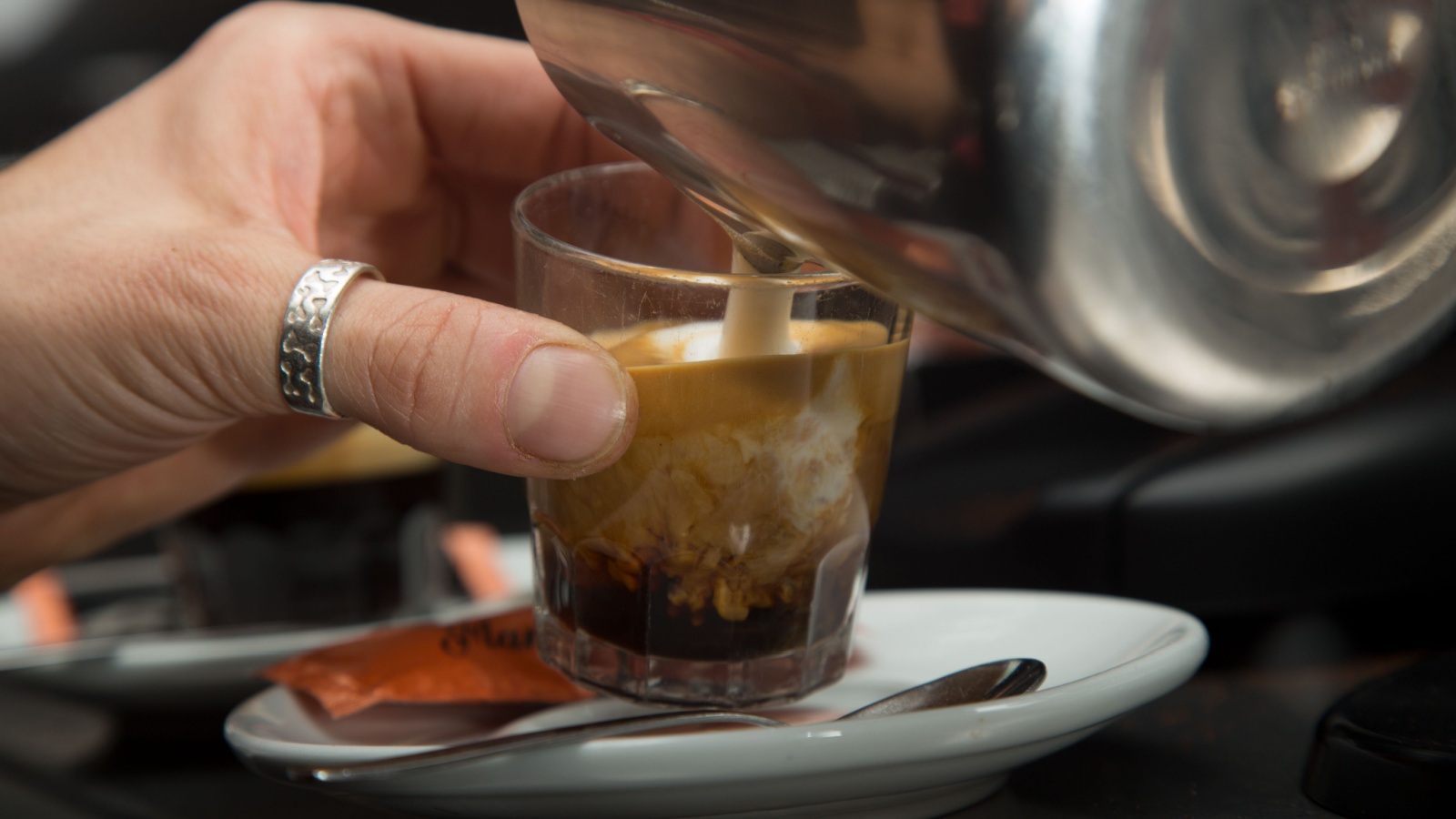
Coffee is one of the most emotionally protected grocery purchases. Many Canadians have a favourite roast, and switching brands can feel like a small daily sacrifice. Still, full-price coffee can be a major budget leak because it is purchased repeatedly and often comes in formats with very different costs per cup. Pods usually cost more per serving than ground coffee or whole beans.
A household does not have to abandon its preferred brand to save money. Coffee often goes on sale, and unopened bags can be stored for later use. Bulk beans, warehouse formats, and store-brand roasts can also be tested gradually. For pod users, reusable pods or sale-only buying can reduce the premium. The real mistake is buying a small package at full price every time the canister runs low.
Name-Brand Pasta Sauce
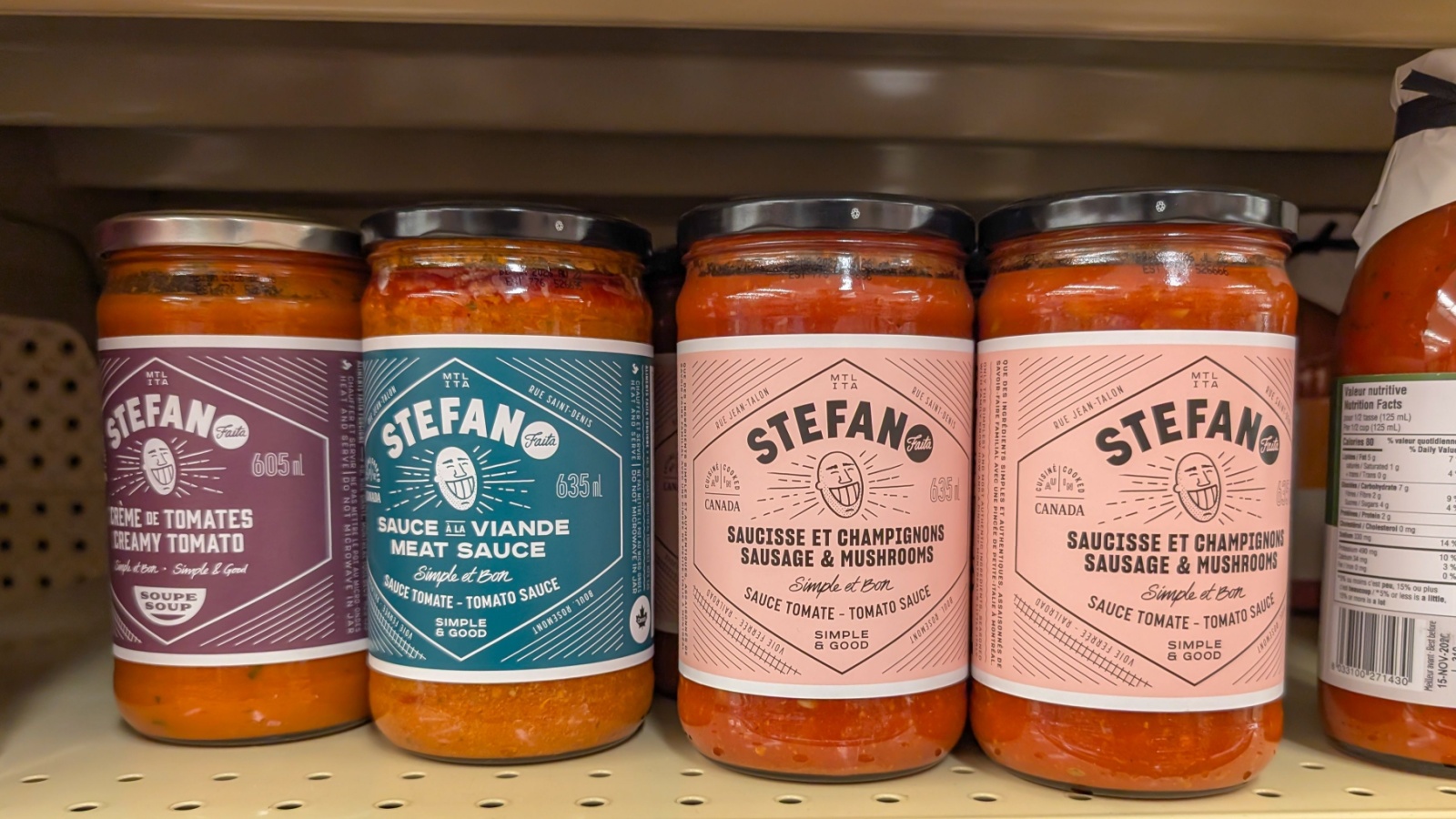
Jarred pasta sauce is useful, but name-brand versions are often heavily promoted, which makes full price unnecessary. A jar can turn dried pasta, frozen meatballs, or leftover vegetables into dinner in minutes. That convenience has real value, especially on tired weeknights, but many households buy the same brand automatically without comparing store labels or waiting for a multi-buy sale.
The ingredient list often reveals that simpler sauces are not dramatically different: tomatoes, oil, herbs, salt, and sugar. Store brands can be perfectly acceptable, especially when the sauce is being stretched with onions, garlic, vegetables, ground meat, lentils, or extra seasoning. Keeping a few sale-priced jars in the pantry prevents the expensive last-minute purchase that happens when dinner plans fall apart.
Canned Soup
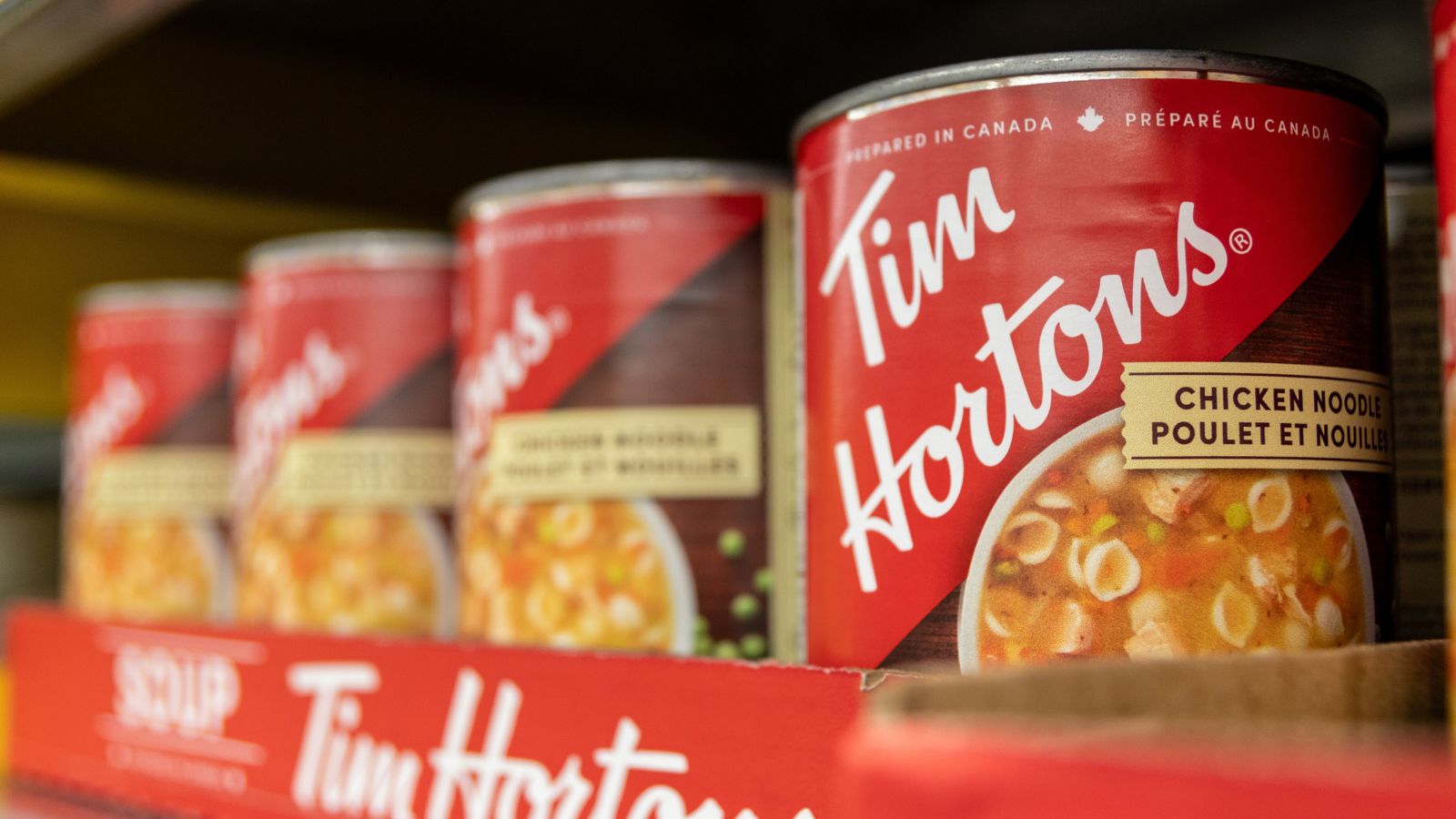
Canned soup is a pantry safety net, especially during cold weather, busy workweeks, or sick days. Yet full-price cans can be a poor deal when many varieties cycle through promotions. A single can may not even feed one adult comfortably unless paired with bread, salad, rice, or leftovers, so the price per meal can be higher than it first appears.
The best approach is to stock a few favourites only when discounted. Shoppers should also compare condensed, ready-to-serve, low-sodium, and family-size formats because the cheapest can is not always the cheapest serving. For households with freezer space, homemade soup made from sale vegetables, beans, lentils, or leftover chicken can cost less and produce multiple lunches. Canned soup earns its place; full price is the part worth questioning.
Frozen Pizza
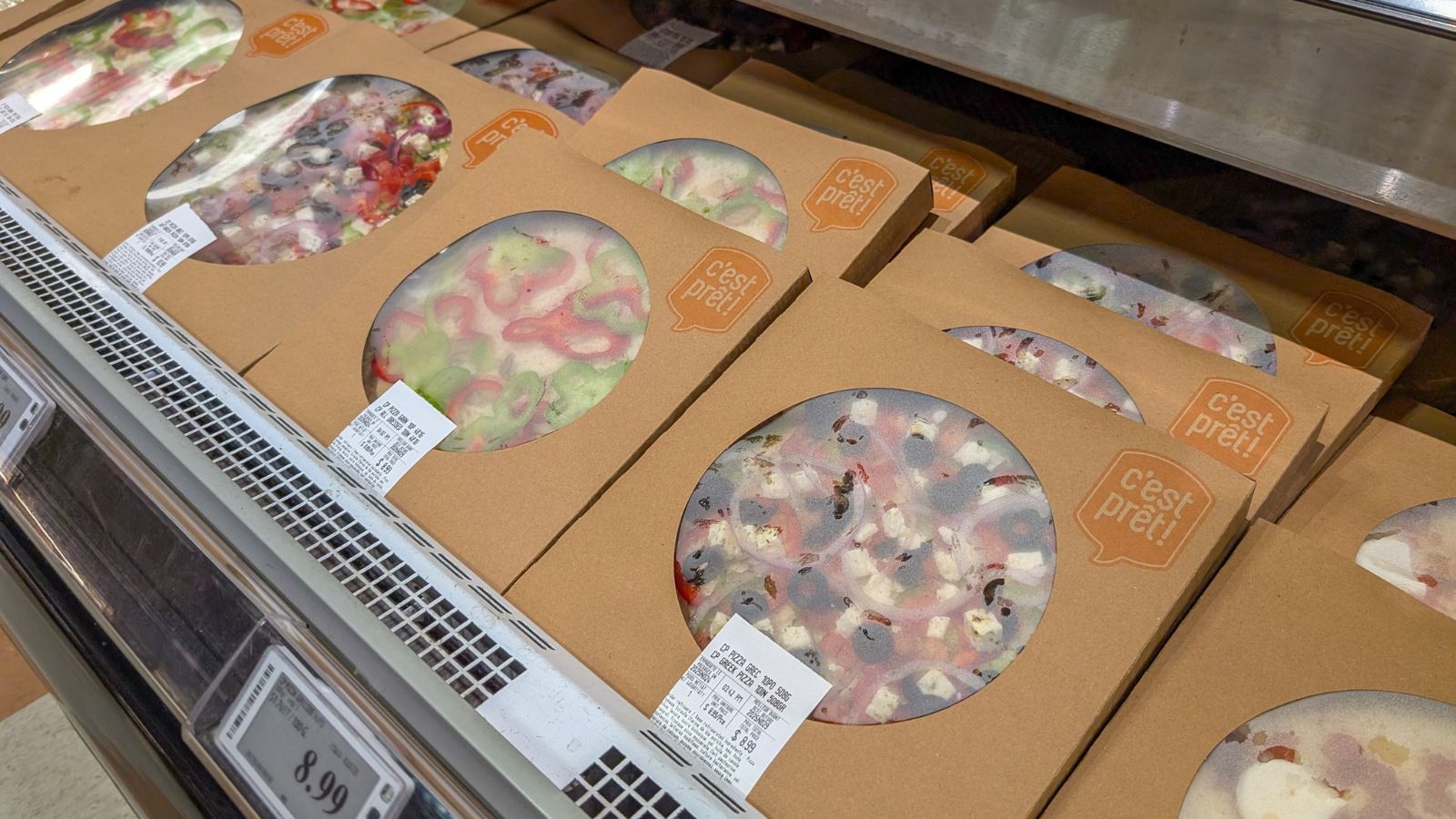
Frozen pizza is cheaper than delivery, but that does not automatically make it a bargain at full price. Many Canadians keep one in the freezer for late nights, teenagers, or low-energy Fridays. The problem is that frozen pizza is one of the most promotion-driven grocery items, and regular prices can sit uncomfortably close to takeout specials or homemade alternatives.
Sale buying changes the equation. Two discounted frozen pizzas can be useful for emergency meals, especially when topped with extra vegetables, leftover chicken, or a side salad. At full price, however, shoppers should compare size, toppings, and grams rather than trusting the box. A flatbread, tortillas, naan, or homemade dough with sale cheese and sauce can often deliver more food for less.
Ice Cream

Ice cream is a classic treat, but full-price tubs can be disappointing when container sizes, premium branding, and frequent promotions collide. Many shoppers have noticed that frozen desserts come in different formats and sizes, making price comparison harder than it should be. A familiar-looking tub may not contain as much as expected, and premium flavours can cost significantly more per serving.
The best defence is to buy treats on purpose, not on impulse. Ice cream freezes well, so sale buying is practical if freezer space allows. Checking whether a product is labelled ice cream or frozen dessert can also matter to shoppers who care about ingredients and texture. For families, portioning cones or bars bought on promotion may control both cost and speed of consumption.
Potato Chips
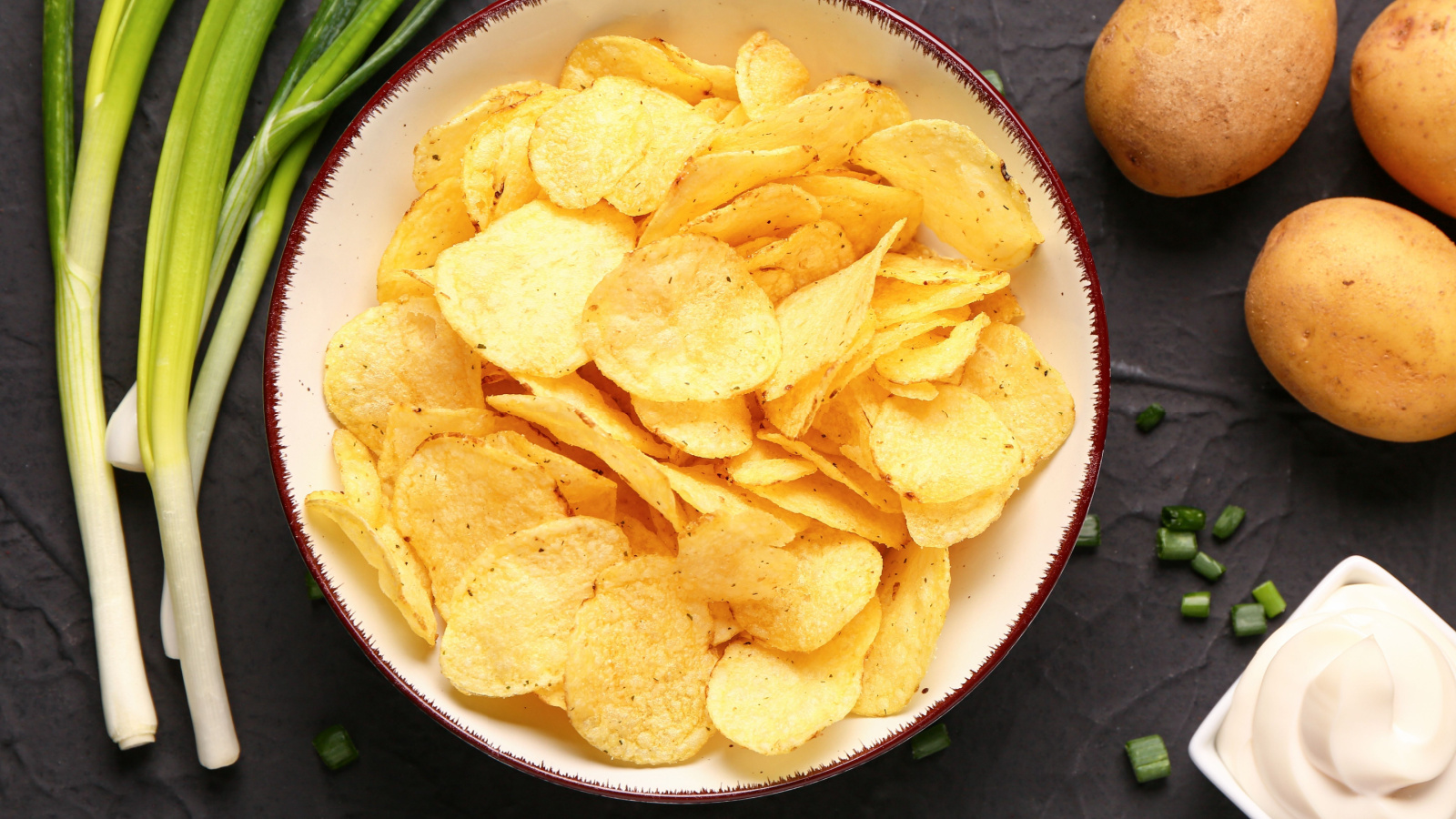
Potato chips are one of the clearest examples of a grocery item that should almost never be bought at full price. Bags are promoted constantly, especially around sports events, holidays, summer weekends, and back-to-school periods. Yet the regular price can look normal because chips occupy such a familiar place in Canadian snack aisles.
The other issue is air, package size, and speed of consumption. A large bag can disappear during one movie night, making the cost feel small until the habit repeats weekly. Shoppers can wait for multi-buy deals, compare store brands, or rotate popcorn, pretzels, crackers, and homemade snacks. Chips are not a necessity, but they are not the enemy either. The real budget mistake is paying peak price for a product that is almost always on rotation.
Crackers
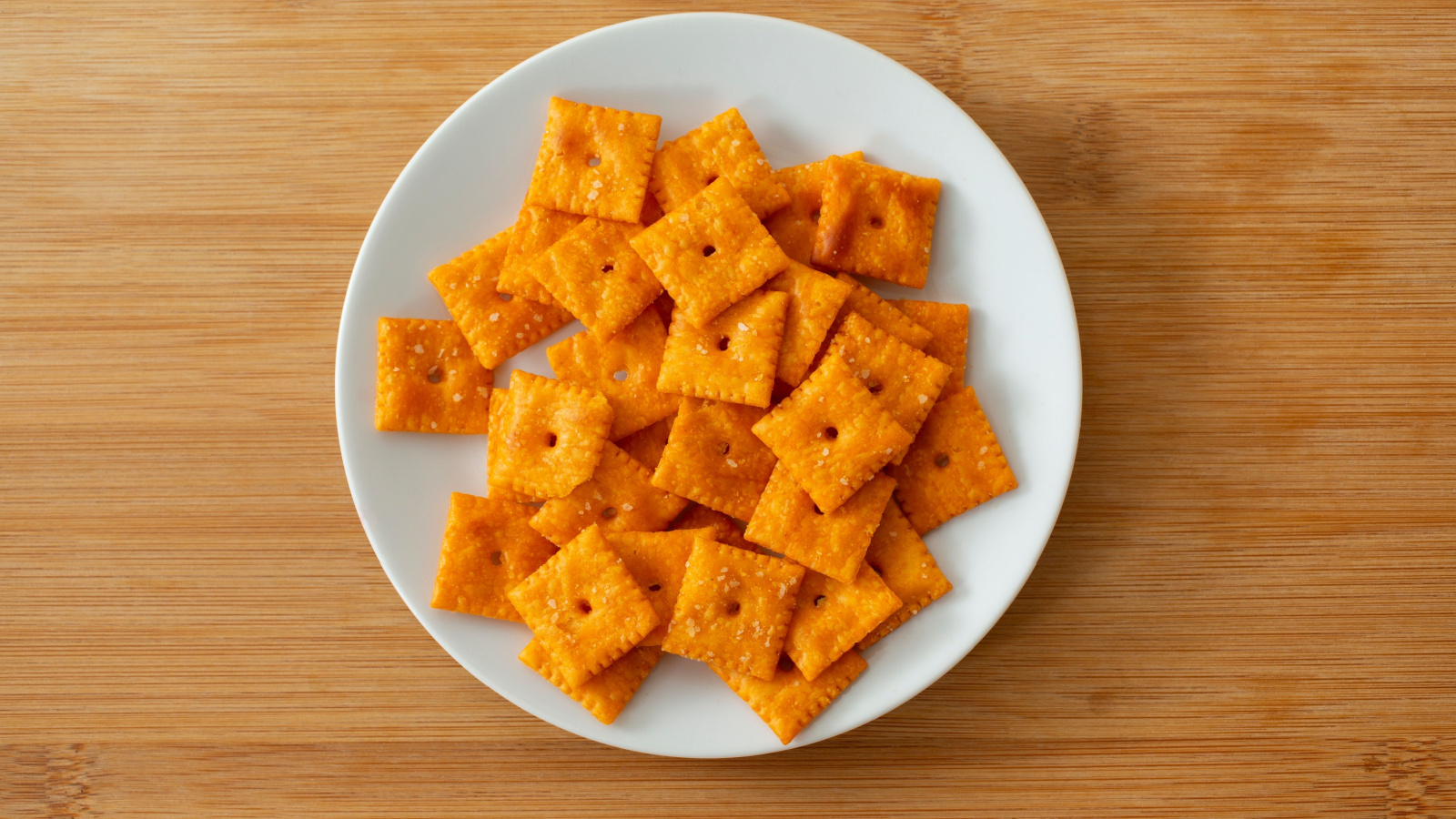
Crackers often seem inexpensive until the household goes through several boxes a week. They support lunches, cheese boards, soups, snacks, and children’s plates, which makes them easy to underestimate. Full-price crackers can be especially costly when marketed as premium, artisanal, high-fibre, gluten-free, or lunchbox-friendly.
Unit pricing is essential because boxes vary widely in weight. A sale on a smaller box may still be worse than a larger store-brand option. For entertaining, premium crackers may be worth buying for a specific board, but everyday lunches usually do not need the fanciest label. Keeping a sale-priced backup box in the pantry also prevents last-minute full-price purchases before school mornings or unexpected guests.
Laundry-Size Boxes of Snack Packs
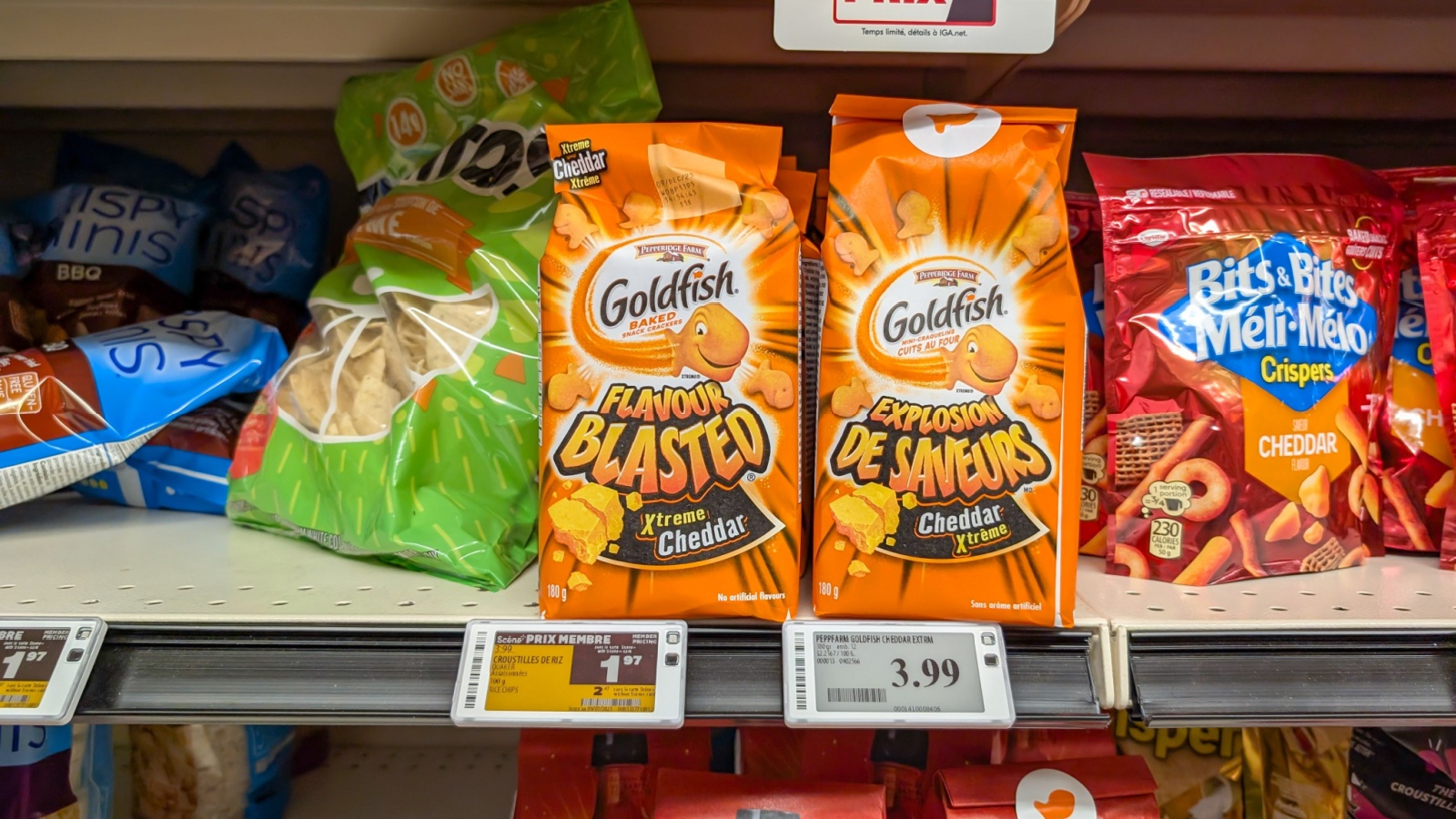
Individually portioned snack packs, from cookies to crackers to mini treats, solve a real problem: speed. They make lunches easier, prevent arguments about portions, and help busy households get out the door. The trade-off is that packaging and convenience often raise the cost compared with larger bags or boxes portioned at home.
Full price is hardest to justify when the snacks are not nutritionally meaningful or when children go through them quickly after school. A practical compromise is to buy snack packs during strong promotions and use reusable containers for everyday crackers, cereal, popcorn, pretzels, or fruit. The convenience can be reserved for field trips, sports practices, travel days, and rushed mornings instead of becoming the default full-price lunchbox solution.
Bottled Water

Bottled water can be necessary in emergencies, road trips, boil-water advisories, or situations where safe refill options are limited. For routine grocery shopping, however, full-price cases are usually worth reconsidering. They are heavy to carry, take storage space, and create recurring costs for something many households can access from the tap with a reusable bottle.
The smarter purchase depends on context. Keeping one emergency case at home may be reasonable, especially in areas prone to storms or service interruptions. Buying cases every week at full price is different. Filters, refillable bottles, and chilled pitchers often cost less over time. When bottled water is needed for events or travel, waiting for sales or buying larger formats can reduce the premium without sacrificing convenience.
19 Things Canadians Don’t Realize the CRA Can See About Their Online Income

Earning money online feels simple and informal for many Canadians. Freelancing, selling products, and digital services often start as side projects. The problem appears at tax time. Many people underestimate how much information the CRA can access. Online platforms, banks, and payment processors create detailed records automatically. These records do not disappear once money hits an account. Small gaps in reporting add up quickly.
Here are 19 things Canadians don’t realize the CRA can see about their online income.
