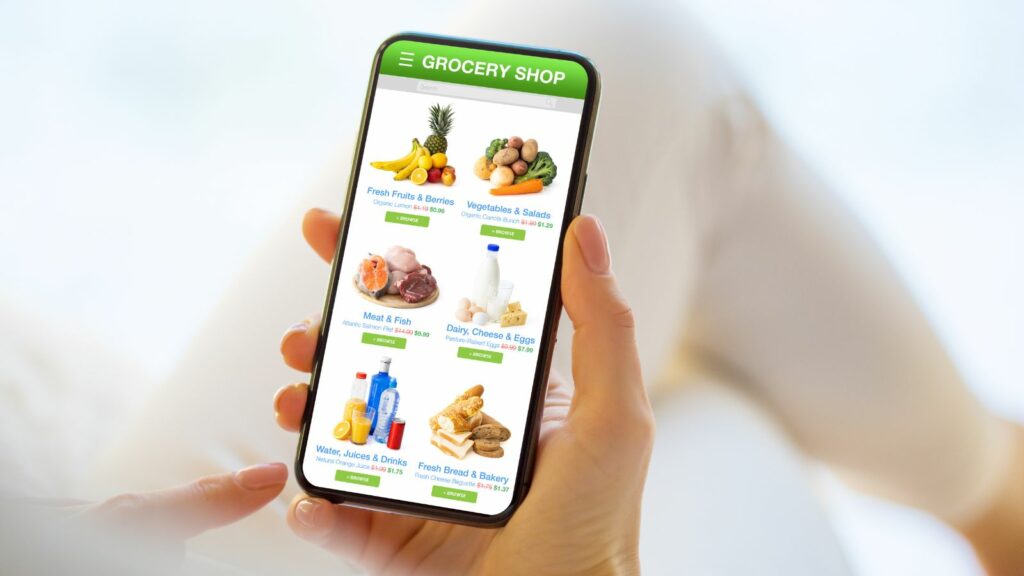
Canadian shoppers are entering 2026 with sharper instincts, but retail pricing has become harder to read at a glance. A shelf label, sale sticker, app-only offer, or checkout subtotal can now hide details that matter: package size, unit cost, loyalty rules, recycling fees, deposits, delivery charges, and limited-time conditions.
These 17 price tags deserve closer attention because the lowest-looking number is not always the best value. In grocery aisles, malls, gas stations, travel sites, telecom plans, and online carts, the real cost often sits in the smaller print. A careful read can separate a genuine deal from a price that only looks friendly until the bill is totaled.
Unit Price Labels on Groceries
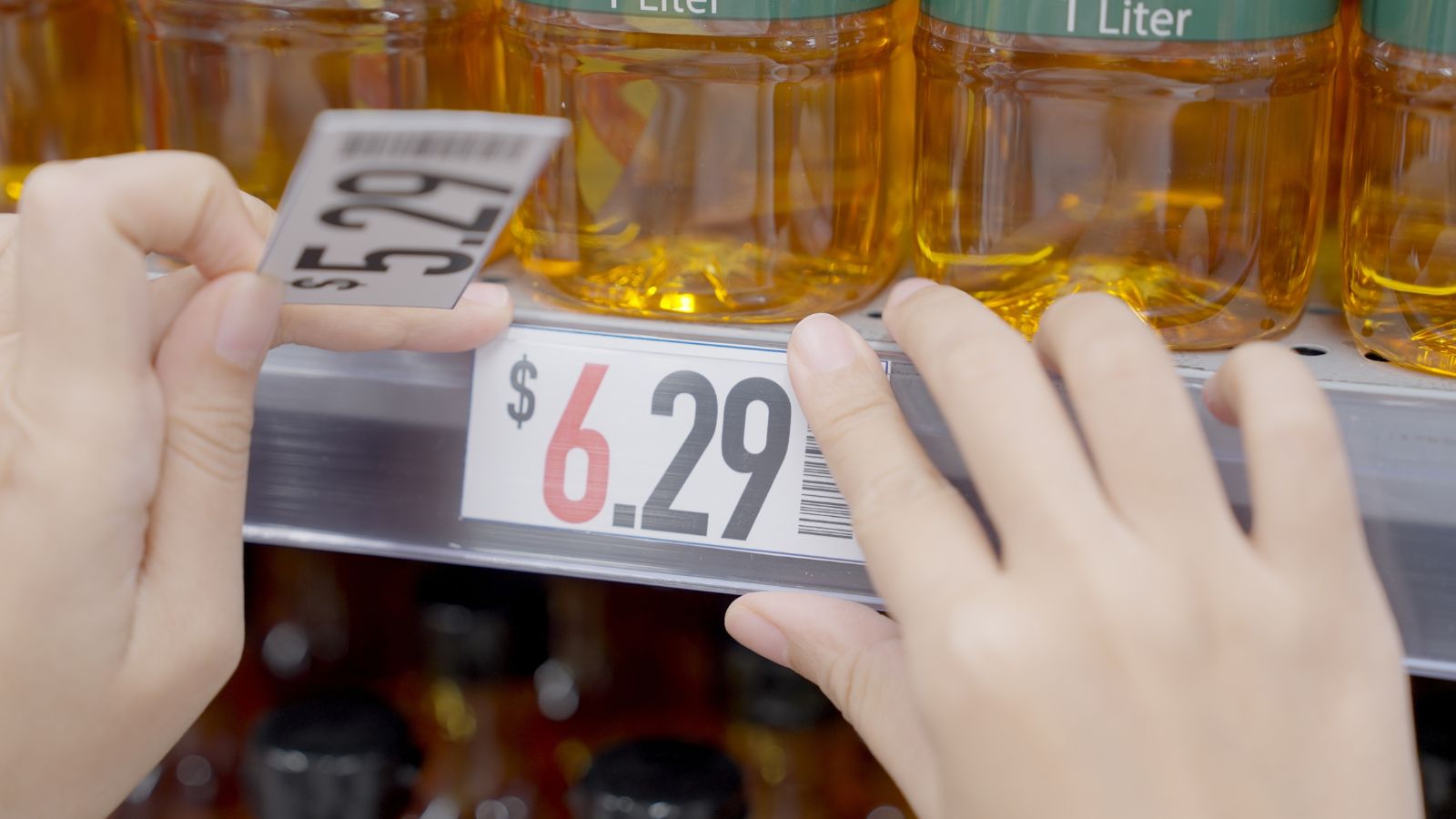
The front-facing price on a grocery shelf can be misleading when packages are different sizes. A family-size box of cereal may look cheaper than two smaller boxes, but the unit price per 100 grams can tell a different story. In 2026, with grocery bills still under pressure, the smaller unit-cost line is often the most useful number on the tag.
Canadian shoppers have become more aware of unit pricing because it makes comparisons fairer across brands, package sizes, and formats. A 750-gram tub, a 900-gram tub, and a “value pack” are not easy to compare mentally in a busy aisle. Checking the unit price can reveal whether the larger pack is truly a deal or simply taking up more cart space.
“Sale” Tags With a Regular Price Beside Them

A bright red sale tag can create a quick sense of urgency, especially when the original price is crossed out. But the question shoppers should ask is whether the regular price was genuinely used for a meaningful period. A sweater marked “$49.99, regularly $89.99” feels like a bargain only if that higher price reflects real selling history.
Canadian competition rules treat ordinary selling price claims seriously because inflated reference prices can make discounts appear larger than they are. In practical terms, shoppers should be cautious when the same item seems permanently “on sale.” A furniture set, appliance, or winter coat that is always discounted may not be discounted at all; the sale price may simply be the normal market price wearing a promotional costume.
Multi-Buy Tags That Require More Than One Item
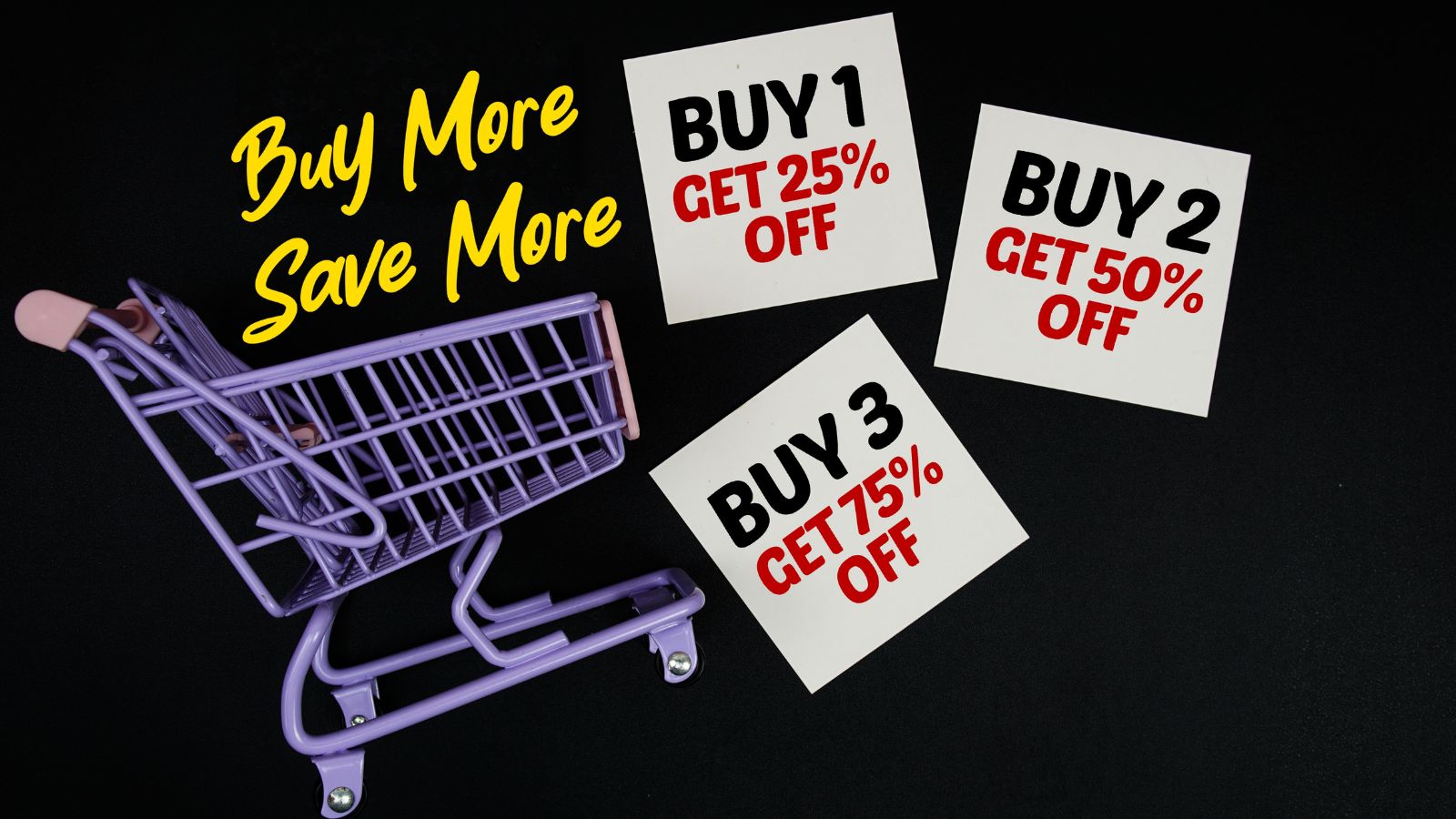
“Two for $7” and “Buy three, save $2” promotions can be useful, but they deserve a pause before the item goes in the cart. Some stores still give the same per-item price when only one is purchased, while others require the exact quantity to unlock the discount. The difference can matter when a shopper only needs one container of yogurt or one bottle of detergent.
Multi-buy pricing also encourages households to buy more than they can use. A deal on salad kits, berries, or bakery items can turn into waste if the extras spoil. The smarter move is to look for the single-item price, compare the unit cost, and decide whether the larger purchase fits a real household need rather than the rhythm of a promotion.
Loyalty-Member Prices

Member-only prices have become a regular feature in Canadian grocery, pharmacy, and big-box retail. A shelf tag might show a large discount in bold print, while the non-member price sits nearby in smaller type. For shoppers who already use the program, the savings can be real. For everyone else, the shelf can feel like it has two different realities.
The important detail is whether the discount requires a card, an app, a digital coupon, or a specific account status. A shopper may assume the lower price applies automatically, only to see a different total at checkout. Loyalty pricing can also trade savings for data, since programs often track purchases. The tag should be read not only for price, but for the condition attached to receiving it.
Shrinkflation-Disguised Package Prices
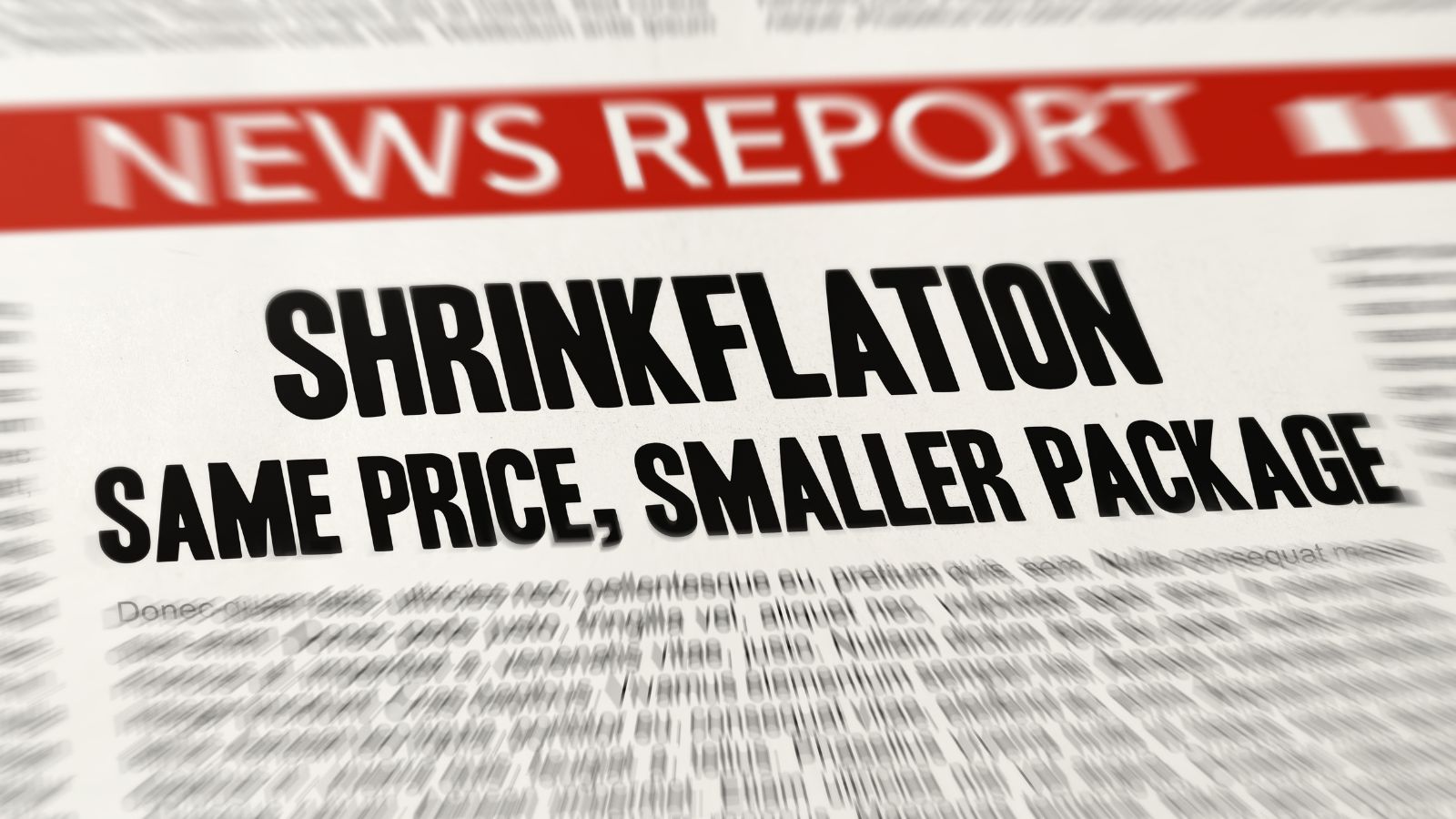
A familiar package can keep the same shelf price while quietly getting smaller. A bag of chips, box of crackers, tub of ice cream, or bottle of juice may look nearly identical to last year’s version, but the net weight can tell another story. That is why the price tag and the package label should be read together.
Shrinkflation is frustrating because it targets habit. People tend to recognize the brand and the package colour faster than they notice the grams or millilitres. A product that was 500 grams and is now 450 grams may still sit at the same price point, making the real increase less obvious. The most reliable defence is checking the unit price and the net quantity, especially on repeat purchases.
“Limit” Tags on Promotional Items

A sign that says “Limit 4” can make a deal feel scarce, even when stock is plentiful. Limits may be practical, especially during high-demand promotions, but they can also nudge shoppers into buying the maximum. In 2026, when many households are trying to stretch grocery and household budgets, quantity limits should not be mistaken for proof of exceptional value.
A limit tag deserves the same value check as any other promotion. If canned soup is limited to six, the useful question is whether the per-can price beats other brands, store brands, or pantry alternatives. A purchase limit can create a subtle fear of missing out. Reading the full tag helps shoppers decide whether the deal is genuinely strong or simply framed to feel urgent.
Clearance Tags With Final-Sale Conditions

Clearance prices can produce excellent savings, especially on seasonal goods, discontinued products, and open-box items. But the smaller print matters. A tag may say final sale, no returns, missing accessories, damaged packaging, limited warranty, or online support only. A marked-down blender or pair of boots can become expensive if it cannot be returned after a defect appears.
Canadian shoppers should be especially cautious with electronics, appliances, furniture, and clothing bought from clearance racks. A small scratch may be acceptable, but a missing charger, odd size, or strict return exclusion can erase the benefit. Clearance tags reward careful inspection. The best deals are not just lower priced; they are lower priced with enough remaining usefulness to justify the risk.
Checkout Scanner Prices
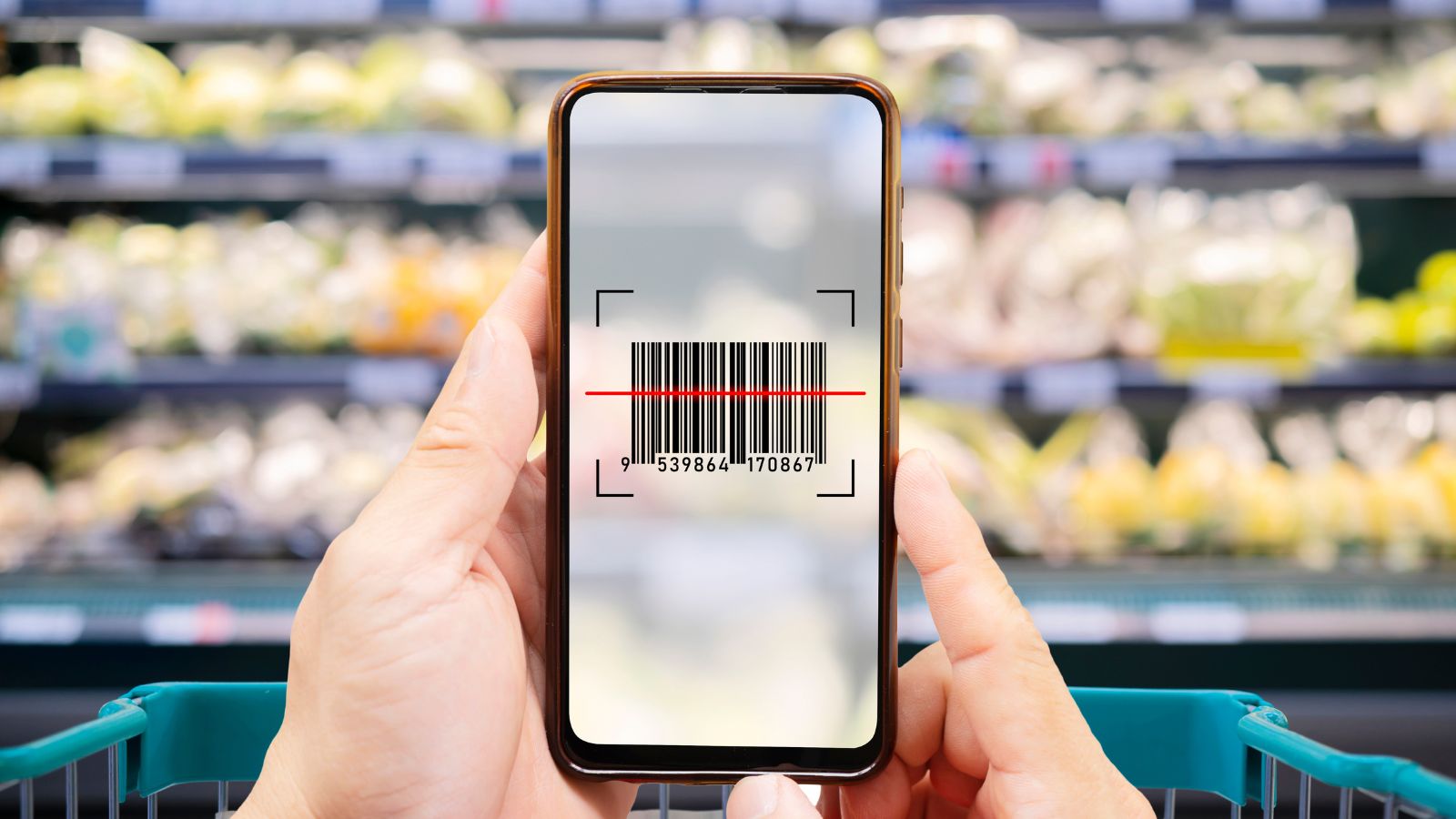
A shelf tag is only helpful if the checkout system agrees with it. Scanner errors can happen when promotions change, shelf labels are missed, or sale periods expire in the system before signs are removed. A shopper buying twenty items may not notice a $1.50 difference on one product, but small errors add up across repeated trips.
Many major Canadian retailers participate in the Scanner Price Accuracy Code, which provides a remedy when eligible scanned items ring in higher than the displayed price. The practical habit is simple: watch the screen, keep the receipt, and check higher-priced items before leaving the store. A checkout correction is much easier to request while still at the register than after the bags are already in the car.
Online Cart Prices Before Checkout
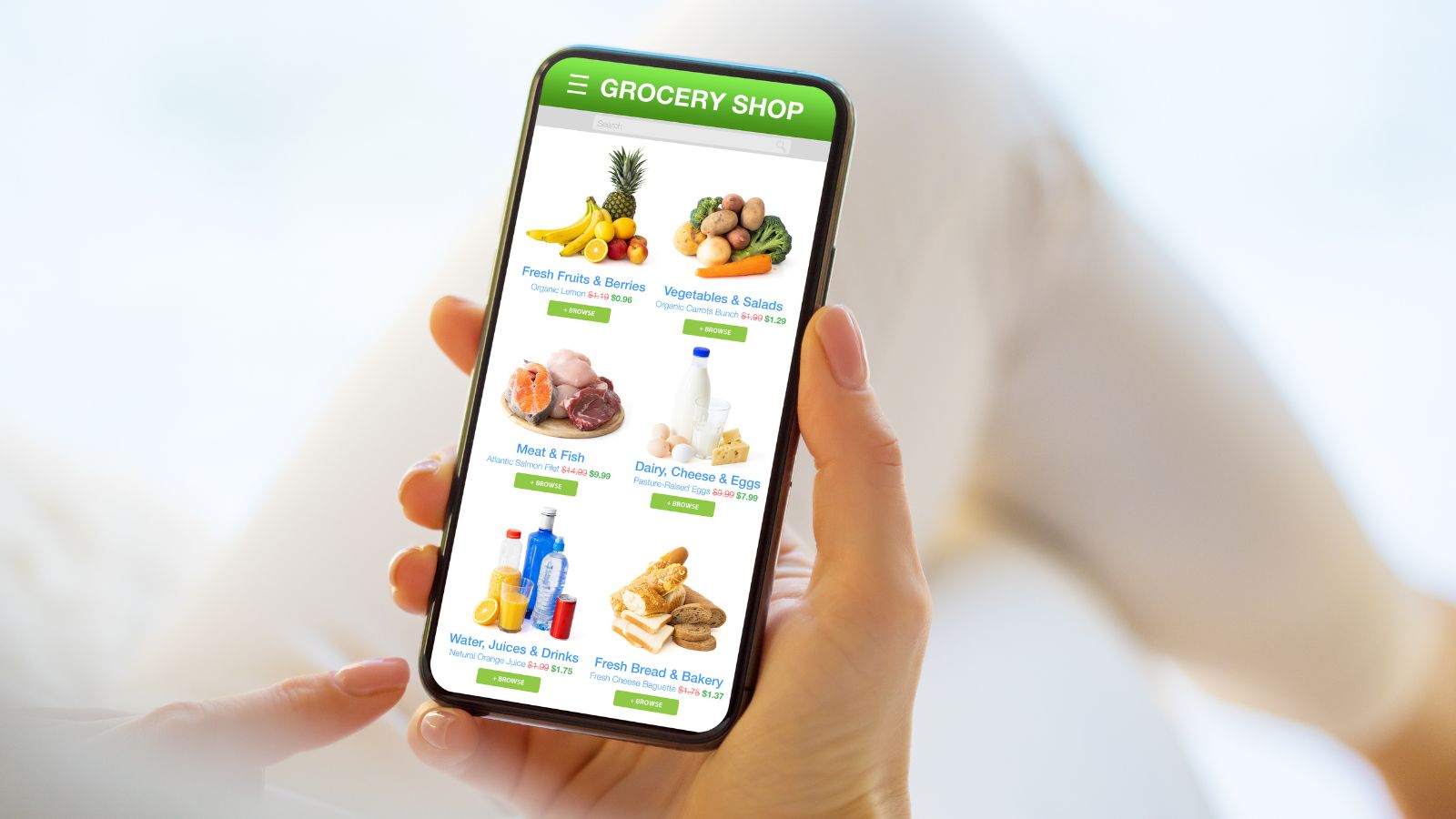
Online shopping often begins with a clean product price and ends with a more complicated total. Delivery fees, service charges, marketplace seller fees, recycling charges, and minimum-order rules may appear later in the process. A $39.99 item can become far less attractive once shipping and handling are added.
This matters because shoppers often compare the first number they see, not the final payable amount. The better comparison is the full landed cost: item price, delivery, tax, required fees, and return cost if the product does not work out. Online carts should be reviewed before payment, especially when buying bulky household goods, low-cost electronics, imported items, or marketplace products from third-party sellers.
Subscription Introductory Prices

An introductory price can look harmless: $1 for the first month, 50 percent off for three months, or a discounted annual plan. The real price tag is the renewal amount. Streaming services, software subscriptions, meal kits, fitness apps, and delivery memberships often rely on a low entry price followed by a higher recurring charge.
The most important details are the renewal date, cancellation process, billing frequency, and whether taxes are included. A subscription that starts at $4.99 can renew at several times that amount, and annual billing can create a larger surprise than monthly billing. Shoppers should read the tag as a timeline, not a single number. The first payment is only the beginning of the price.
Telecom Plan Prices

Wireless and internet plans often promote a monthly price, but the conditions behind that number matter. A plan may include a temporary bill credit, automatic payment discount, limited-time device financing, activation charge, or price that rises after a promotional period. The advertised monthly amount can be accurate and still incomplete for household budgeting.
The clearest document is usually the contract summary, where providers must explain key prices and terms. Shoppers should look for whether taxes are included, how long discounts last, what happens after the term, and whether overage or roaming charges apply. A plan that looks cheaper for the first year may become less competitive once credits expire or device payments are added.
Airfare Price Tags

Airfare advertising in Canada is supposed to present prices clearly, including mandatory charges, but the first fare shown still may not represent the trip a traveller actually intends to take. Seat selection, checked bags, carry-on rules, cancellation flexibility, and itinerary changes can turn a low fare into a higher travel cost.
The base fare is only one part of the decision. A traveller flying with a child, sports equipment, winter luggage, or a tight connection may need options that are not included in the cheapest fare class. Reading the fare rules before booking can prevent a bad surprise at the airport. The lowest price tag is useful only if it matches the trip’s practical needs.
Delivery-App Menu Prices
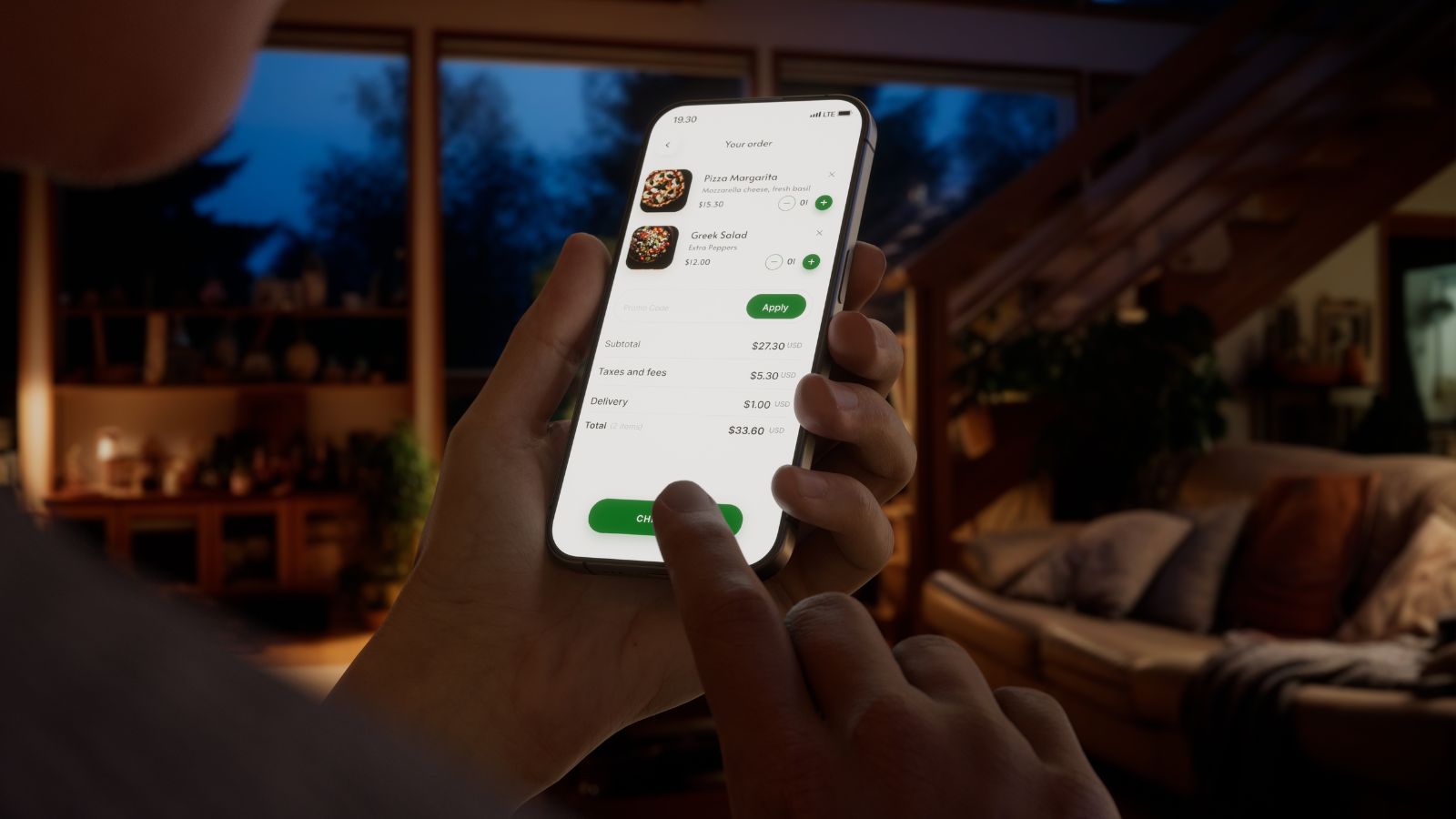
Food delivery platforms can make a meal look affordable until the final checkout screen. Menu prices may differ from in-restaurant prices, and the total can include delivery fees, service fees, small-order fees, taxes, and a tip. A $14 entrée can become a much larger bill once every layer is added.
Canadian regulators have paid attention to drip pricing because it can make consumers focus on an early low number rather than the final cost. For shoppers, the simple rule is to compare the total before tapping order. Pickup, direct ordering, or a restaurant’s own delivery option may cost less. The menu price is only the opening line; the checkout total tells the real story.
Eco Fees on Electronics and Batteries
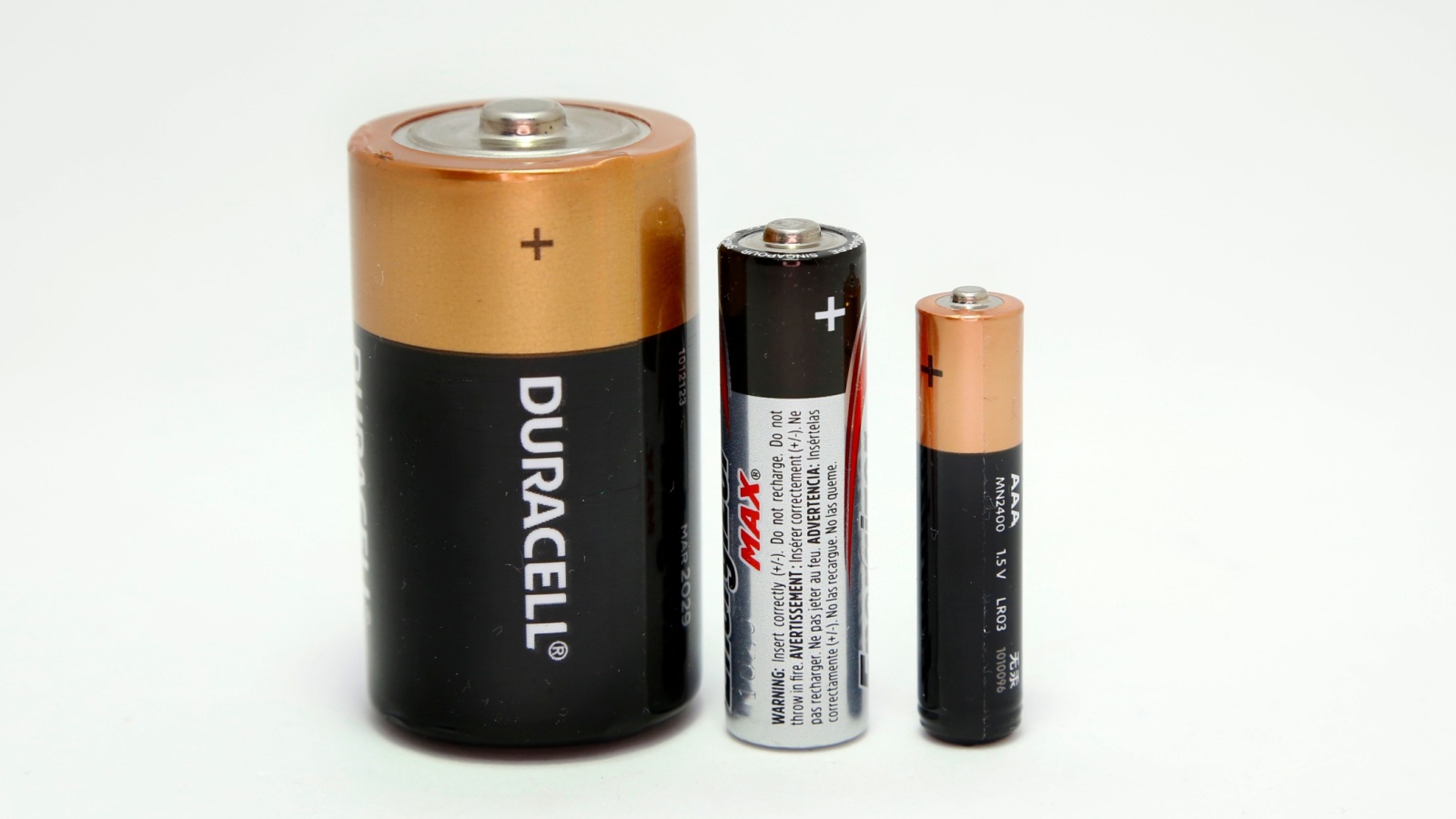
Electronics, batteries, lighting products, and some small appliances can carry environmental handling fees depending on the province and product category. These fees may appear separately at checkout or be built into the displayed price. Either way, shoppers should understand that the shelf price may not be the final product-related cost.
Eco fees help fund recycling and responsible handling of end-of-life products, but they can still surprise people buying lower-cost items. A discounted monitor, printer, power tool battery, or television may look cheaper than expected until the environmental fee appears. The fee is usually modest compared with the product, but it belongs in the comparison, especially when choosing between retailers or buying multiple items at once.
Beverage Deposit Tags

A case of sparkling water, soft drinks, juice, or beer may have a shelf price that does not fully reflect what will be paid at checkout. In many provinces, beverage containers carry deposits, container recycling fees, or both. Deposits are often refundable when containers are returned properly, but the cash outlay happens at purchase.
This is easy to overlook when comparing beverages by case price. A lower shelf price may not mean a lower checkout total if deposits and fees differ by container type, size, or province. Families buying several cases for a holiday weekend can see a noticeable difference. The tag should be read alongside the receipt, and refundable deposits should be treated as money to recover, not just another forgotten charge.
Tire Price Tags

Tire shopping is rarely as simple as the price printed beside each tire. Installation, balancing, valve stems, tire recycling fees, storage, alignment checks, and seasonal changeover charges can shift the total sharply. A set of four tires advertised at an attractive price can become much more expensive once the service package is included.
Canadian provinces use tire stewardship systems to manage end-of-life tires, and fees can vary by jurisdiction and tire type. Shoppers should ask for the out-the-door price before comparing stores. A tire quote should include the tire itself, mandatory or standard fees, labour, taxes, and any warranty or road-hazard coverage. The useful price tag is the full vehicle-ready cost, not the single-tire teaser.
“Was/Now” Tags on Big-Ticket Items

Big-ticket purchases such as mattresses, appliances, furniture, and televisions often use “was/now” pricing. These tags can be persuasive because the savings appear large in dollar terms. A $900 discount looks impressive, but the more important question is whether the “was” price was a real ordinary price or simply an anchor.
For expensive items, shoppers should compare across retailers, check model numbers carefully, and look for older versions with similar names. A television with one letter different in the model code may not be the same product. A mattress sold under store-specific branding can be difficult to compare. The tag should start the research, not end it. A large claimed discount is strongest when the current price is competitive elsewhere too.
19 Things Canadians Don’t Realize the CRA Can See About Their Online Income

Earning money online feels simple and informal for many Canadians. Freelancing, selling products, and digital services often start as side projects. The problem appears at tax time. Many people underestimate how much information the CRA can access. Online platforms, banks, and payment processors create detailed records automatically. These records do not disappear once money hits an account. Small gaps in reporting add up quickly.
Here are 19 things Canadians don’t realize the CRA can see about their online income.
