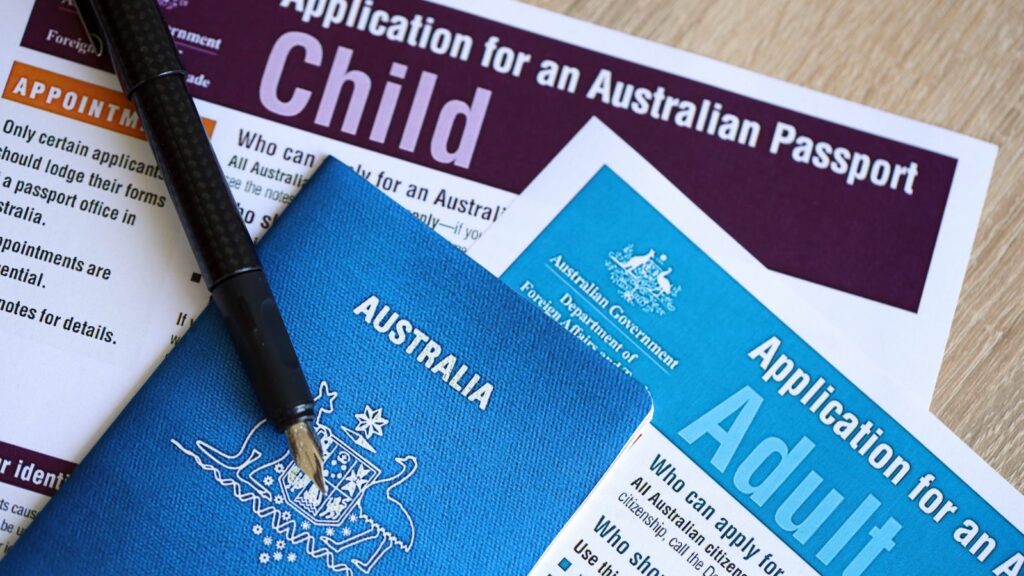
March Break and summer travel can turn small oversights into expensive, stressful delays, especially when children, passports, border rules, medications, and packed airports are involved. Canadian families often focus on flights, hotels, and activities, but the rules around documents, security screening, customs, health preparation, and airline obligations can matter just as much.
These 15 travel rules highlight the practical details that can shape a smoother family trip, whether the plan involves a sunny resort, a U.S. road trip, a European visit, or a domestic flight across Canada. The goal is simple: fewer surprises at the airport, fewer questions at the border, and more confidence before peak travel season begins.
Check Every Passport Well Before the Trip
A valid passport is not always enough for international travel. Some destinations require a passport to remain valid for months after the planned departure date from that country, which can catch families off guard when a child’s passport is close to expiring. Children’s passports also have shorter validity periods than adult passports, so a document that felt “new” a few school years ago may already be nearing its end.
This rule becomes especially important before March Break, when appointment slots and processing timelines can tighten. A family heading to Europe, for example, may discover that Schengen-area rules require extra validity beyond the trip dates. The safest approach is to check every destination’s entry and exit requirements before booking non-refundable plans, not the night before packing begins.
Carry Consent Letters When Children Travel Without Both Parents
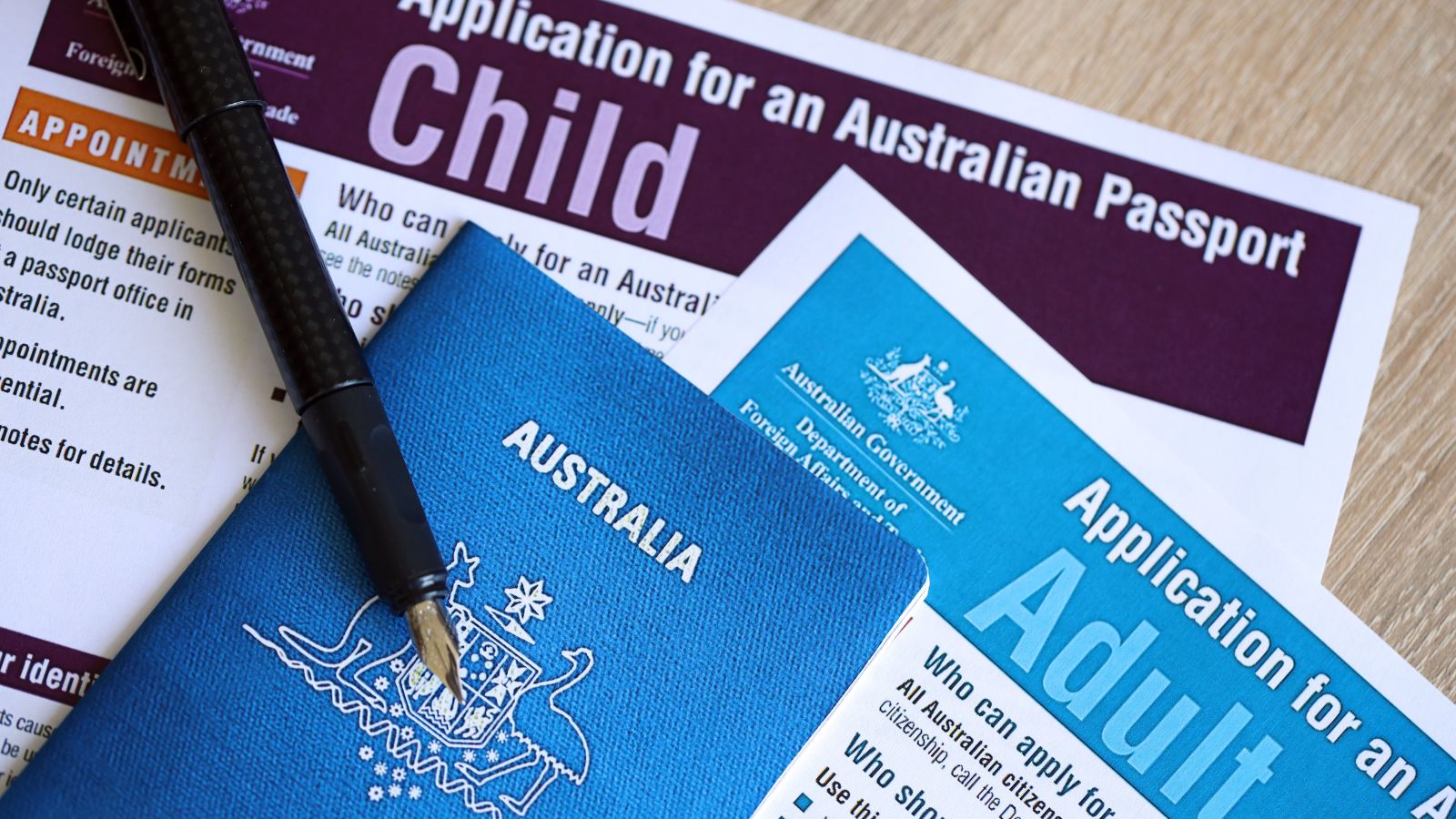
A child travelling internationally with only one parent, a grandparent, a coach, or another adult may be asked for proof that the trip is authorized. A consent letter is not a substitute for custody documents or passports, but it can help border officials understand that the child has permission to travel. Families dealing with separation, shared custody, or blended households should treat this as a serious preparation step.
The letter should clearly identify the child, the travelling adult, the non-travelling parent or guardian, and the travel details. Border officers are trained to watch for missing children, so extra questions should not be taken personally. A notarized consent letter can add credibility and may prevent a vacation from starting with a long delay at the counter or border booth.
Make Sure Names Match Across Tickets and Identification
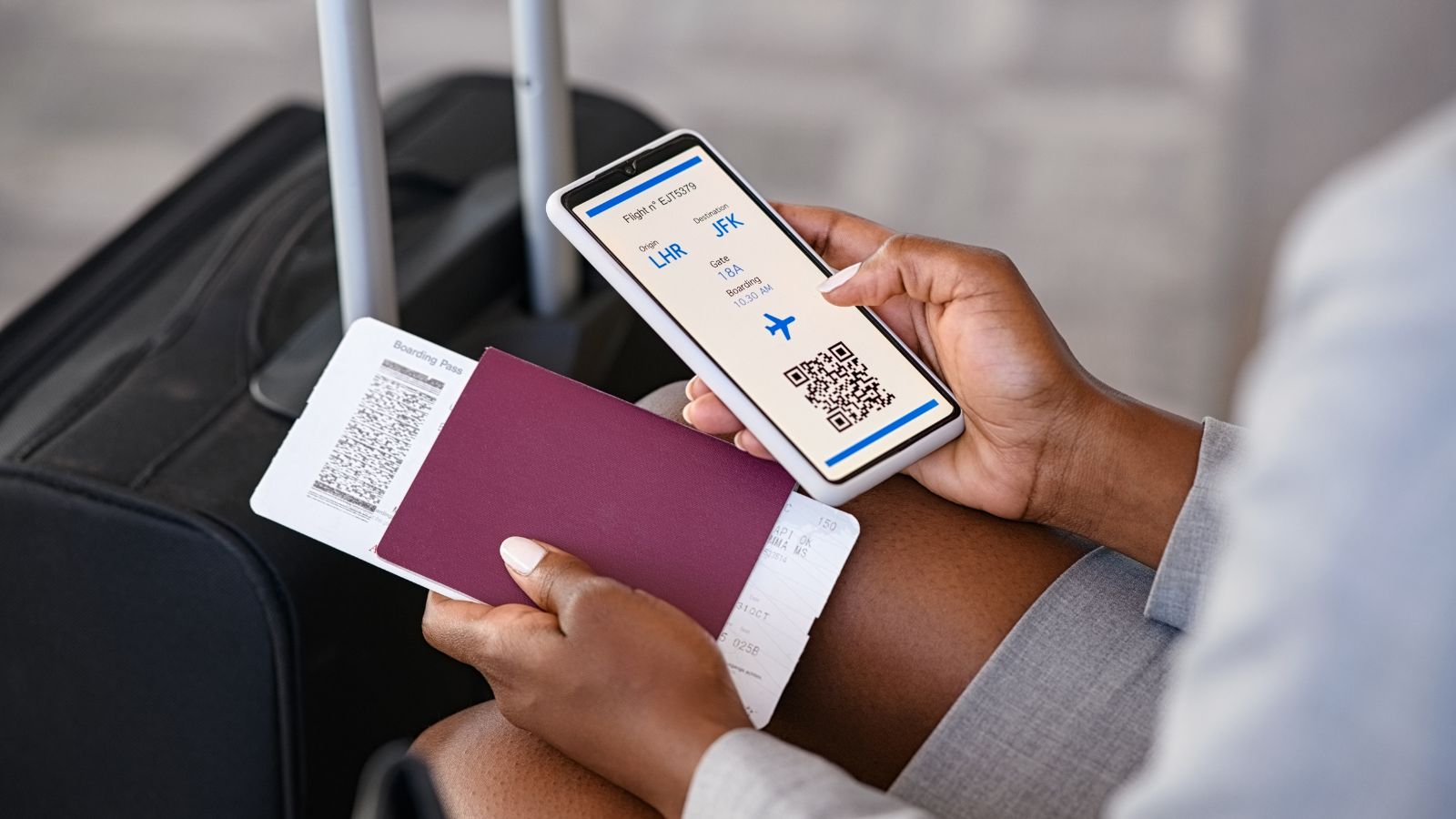
Airline tickets, passports, and identification documents should use the same name format. A small difference, such as a missing middle name, a hyphenated surname written differently, or a nickname used during booking, can create problems during check-in or boarding. This is especially common when families book quickly through third-party sites or use saved passenger profiles from older trips.
For domestic flights within Canada, passengers need valid government-issued identification that meets federal requirements, and the name on the ID must match the name on the boarding pass. For international trips, the passport becomes the key document. Parents should double-check spelling immediately after booking, because fixing a name close to departure can involve airline fees, long hold times, or reissued tickets.
Know the Rules for Sitting Near Children on Flights
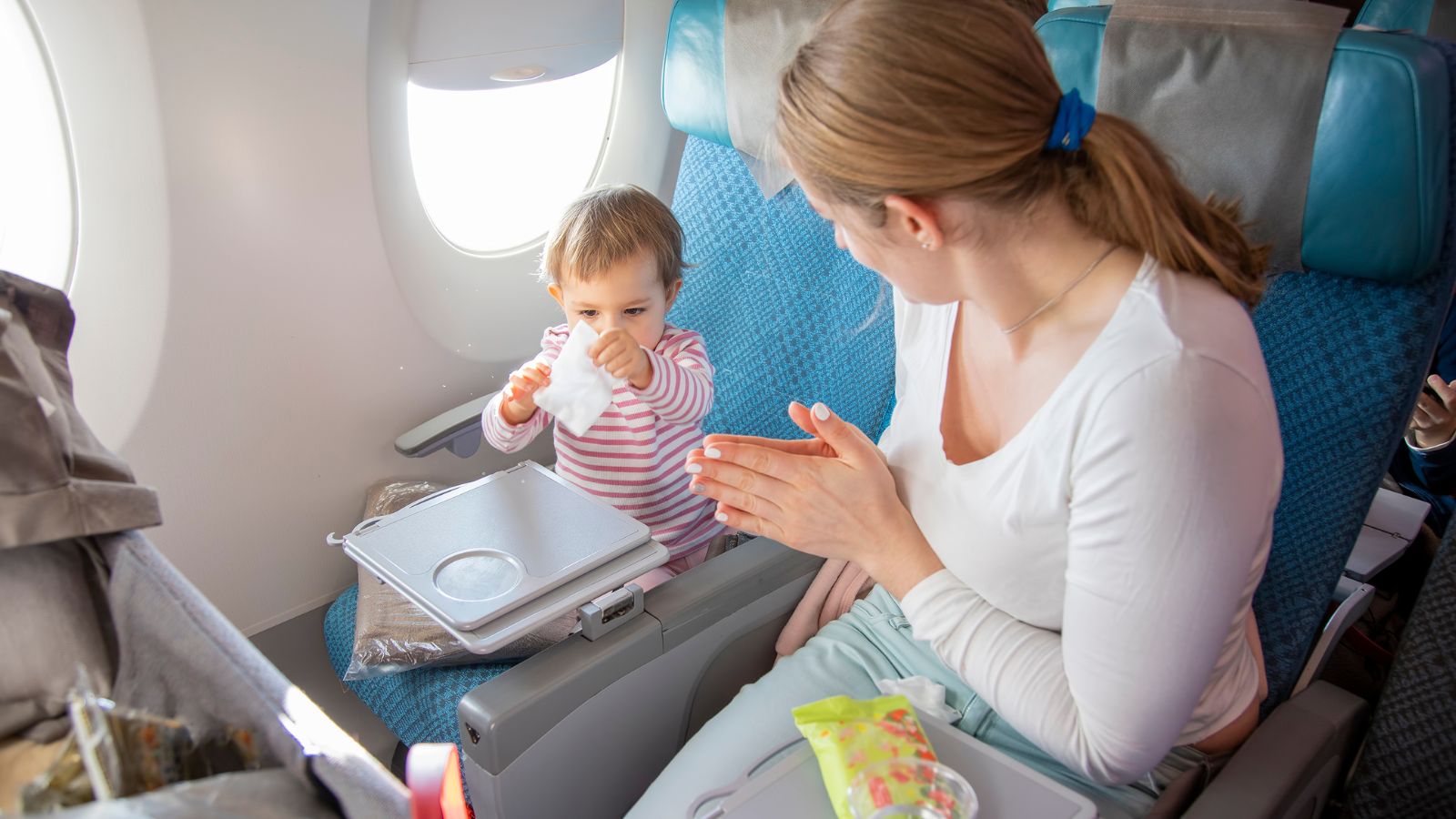
Canadian air passenger rules require airlines to help seat children under 14 close to their accompanying parent, guardian, or tutor at no extra charge. The exact seating standard depends on the child’s age. Younger children must be seated closer than older children, and airlines are expected to make arrangements at the earliest opportunity.
This does not mean families should ignore seat selection entirely. Aircraft swaps, basic fares, and last-minute bookings can still make seating more stressful than expected. A parent travelling with two children during March Break may find the flight nearly full before check-in opens. The rule gives families important protection, but confirming seats early and contacting the airline when something looks wrong remains a practical safeguard.
Understand Liquids, Formula, Baby Food, and Security Screening
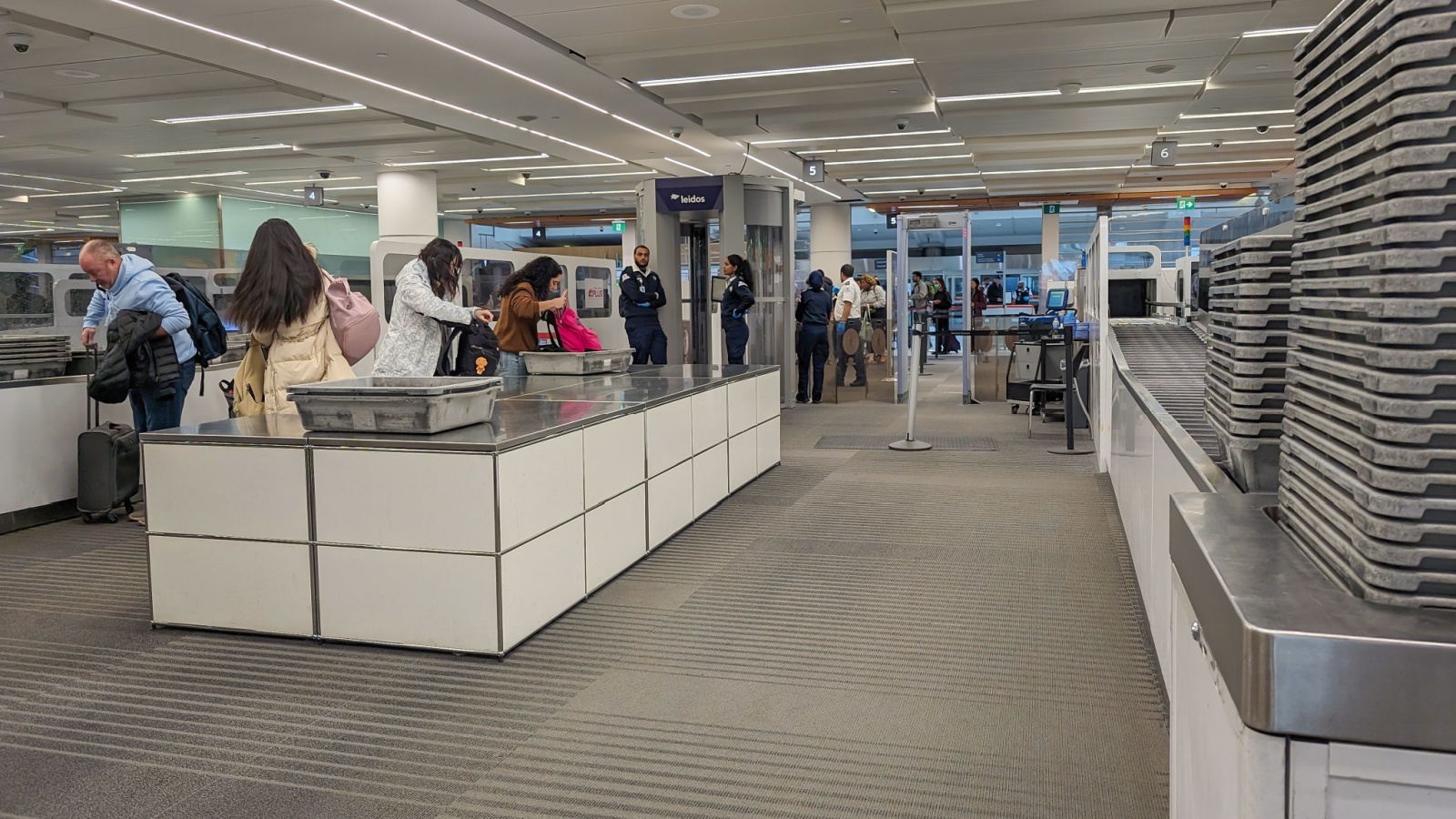
Airport security rules can feel different when travelling with babies or toddlers. Standard liquids, aerosols, and gels in carry-on bags are generally limited to small containers, but baby formula, breast milk, juice, water, and baby food may be allowed in larger amounts when travelling with an infant under two. These items still need to be presented for inspection.
Families should pack these items so they can be removed quickly at the screening point. A diaper bag buried under jackets, tablets, and snacks can slow everyone down, especially during peak school-break hours. Strollers, infant carriers, and car seats may also need inspection. A calm, organized approach at security can turn a potentially chaotic family moment into a manageable pause.
Bring the Right Car Seat or Child Restraint for the Trip
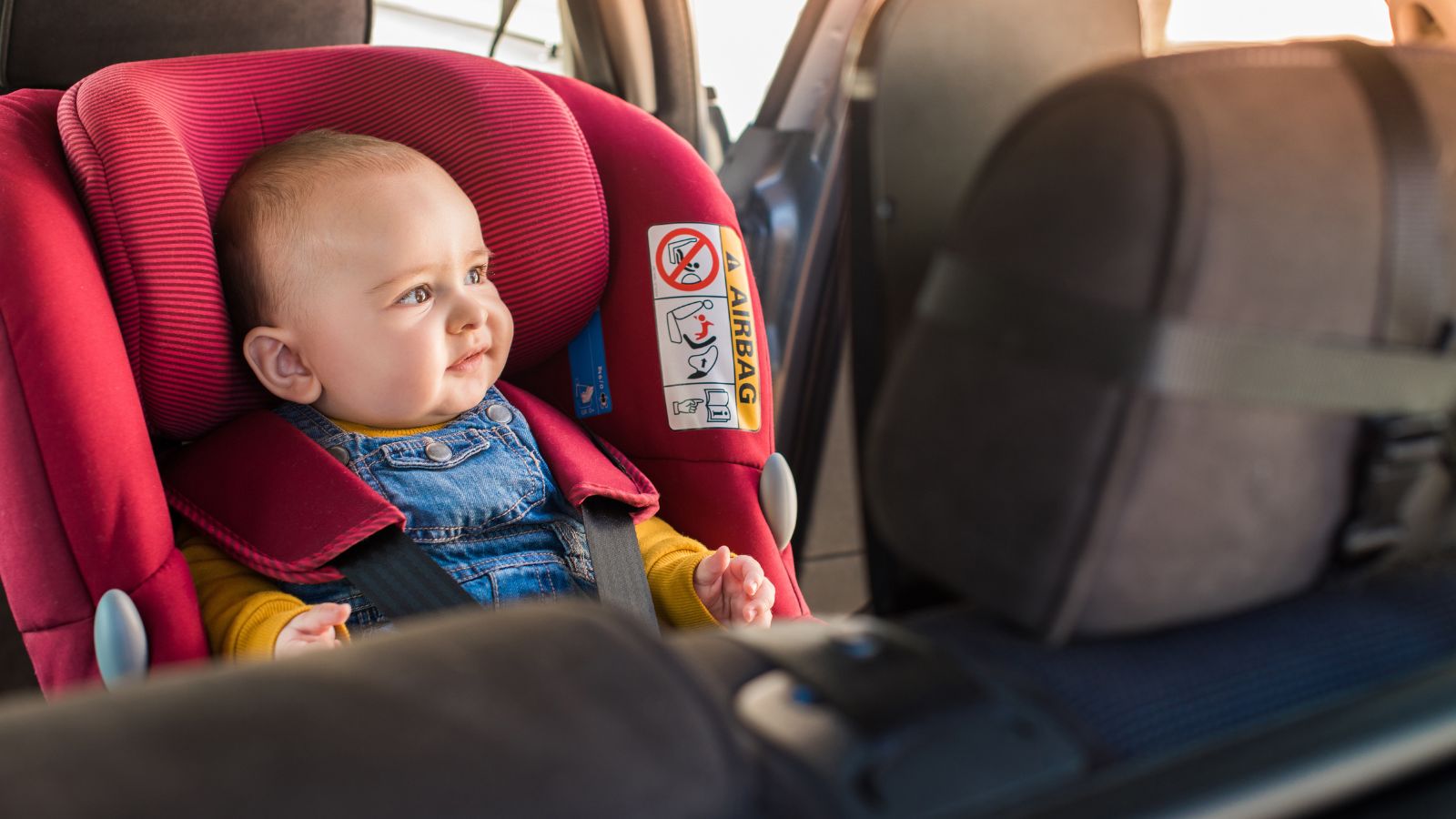
A car seat that works in the family vehicle may not automatically be practical on an aircraft or in a rental car. Transport Canada guidance says child restraint systems used on aircraft must be installed according to instructions and approved conditions, and not every seat position or belt type is suitable. Tether straps used in vehicles, for instance, are not used the same way on aircraft.
The issue continues after landing. Families renting vehicles in another province, territory, or country should check child restraint laws before arrival. A booster seat that fits one province’s requirements may not satisfy another jurisdiction’s age, weight, or height rules. Bringing a familiar, compliant seat can be easier than relying on rental stock of uncertain availability and condition.
Review Destination Entry Rules, Not Just Canadian Rules
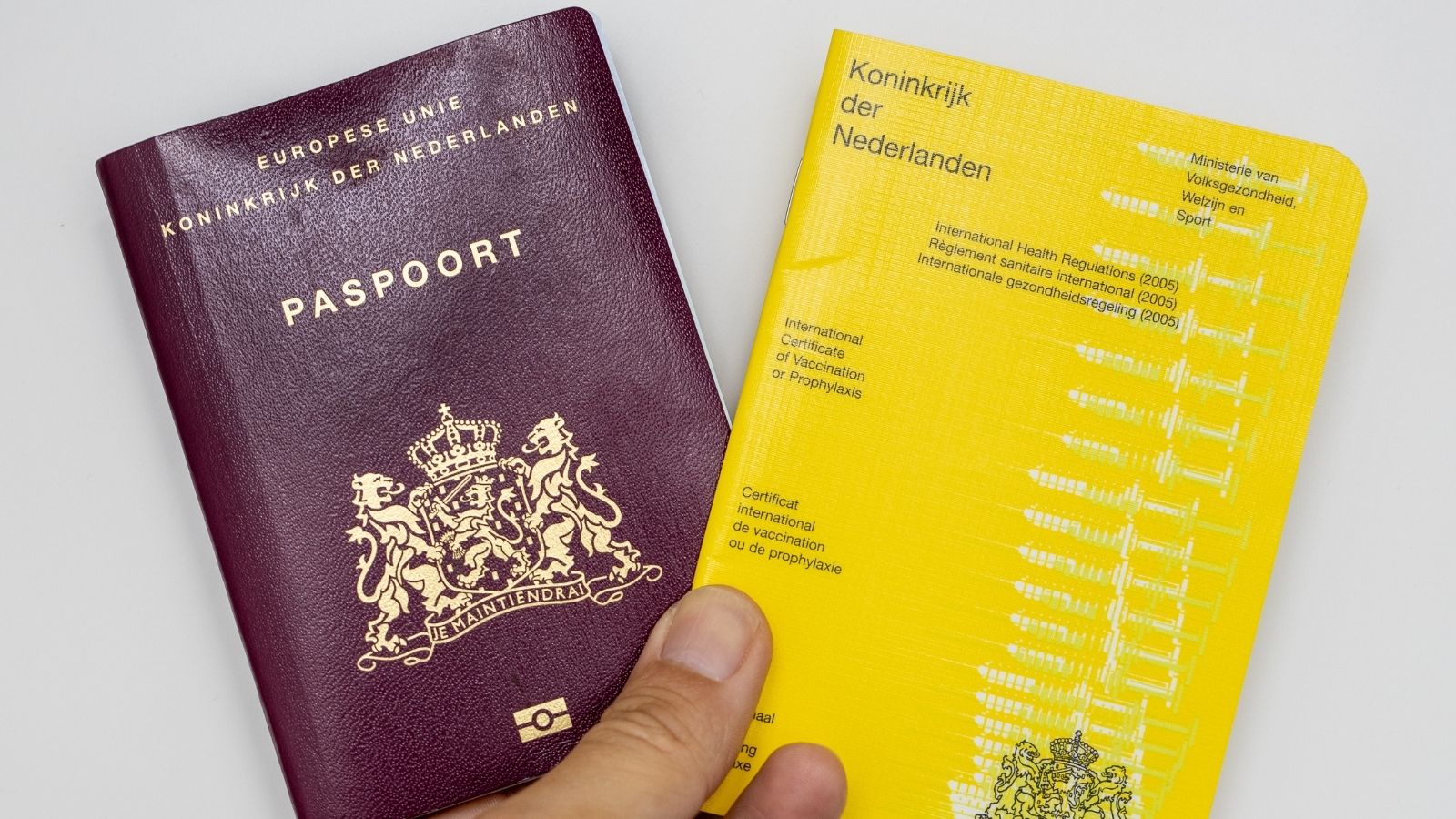
Canadian travel documents get families out of Canada, but destination rules determine whether everyone is admitted on arrival. Some countries require visas, electronic travel authorizations, vaccination proof, onward tickets, blank passport pages, or specific rules for children travelling with one parent. These requirements can change, so relying on an old family trip as a guide can be risky.
This matters for common family destinations as much as faraway ones. A sun destination may have different passport validity rules than the United States, while a European itinerary may involve Schengen-area timing limits. Families connecting through a third country should also check transit rules. The best habit is to verify every stop on the itinerary, including layovers, before payment deadlines pass.
Buy Travel Insurance That Actually Covers the Family’s Risks
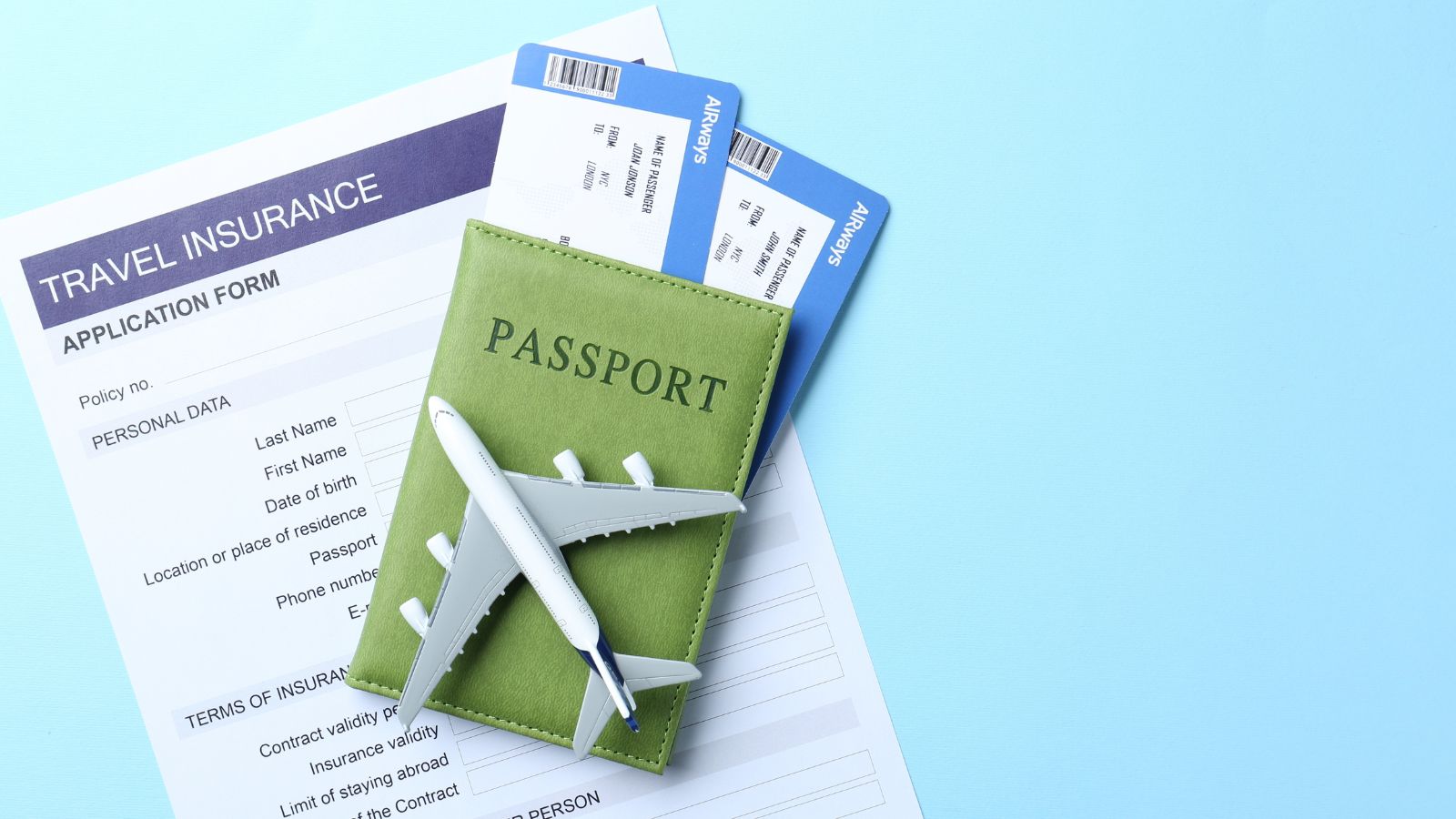
Provincial and territorial health plans may cover little or none of the cost of medical care outside Canada, and they generally do not pay foreign hospitals directly. That matters when a child breaks an arm at a resort, an asthma attack requires urgent care, or a parent needs medical evacuation after an accident. Medical bills abroad can become a major financial shock.
Families should look beyond the words “travel insurance included” and read the certificate. Credit card coverage may have age limits, trip length limits, exclusions for pre-existing conditions, or requirements that the full fare be paid with the card. A strong policy should match the destination, activities, health history, and length of travel, not just the cheapest available option.
Check Vaccines and Travel Health Advice Early

Travel health planning is not only for remote destinations. Measles has remained a concern for international travellers, and Canadian public health guidance recommends that families be up to date on routine vaccinations before travel. In some situations, infants between six months and under one year may be advised to receive an early measles-containing vaccine before travel to areas where measles is a concern.
The timing matters because vaccines may need days or weeks to take effect, and some destinations may require more than one health preparation step. A family planning March Break travel in February should not leave health questions until packing week. A pharmacist, travel clinic, or health care provider can help review routine vaccines, destination-specific risks, and medications before departure.
Keep Medications in Original Packaging and Carry Documentation

Prescription and over-the-counter medications can create complications at borders if they are loose in a pill organizer or separated from labels. Families should carry medications in original packaging when possible, along with copies of prescriptions or a health care provider’s note for important medicines, injectables, or controlled substances. The traveller’s name on the medication should match the travel documents.
This rule matters for common family needs such as ADHD medication, allergy treatments, insulin, inhalers, and EpiPens. Some medications legal in Canada may be restricted elsewhere, even during a layover. Keeping medication in carry-on baggage also protects against lost checked luggage. A delayed suitcase should not mean a child misses required doses during the first two days of vacation.
Pack a Practical Travel Health Kit
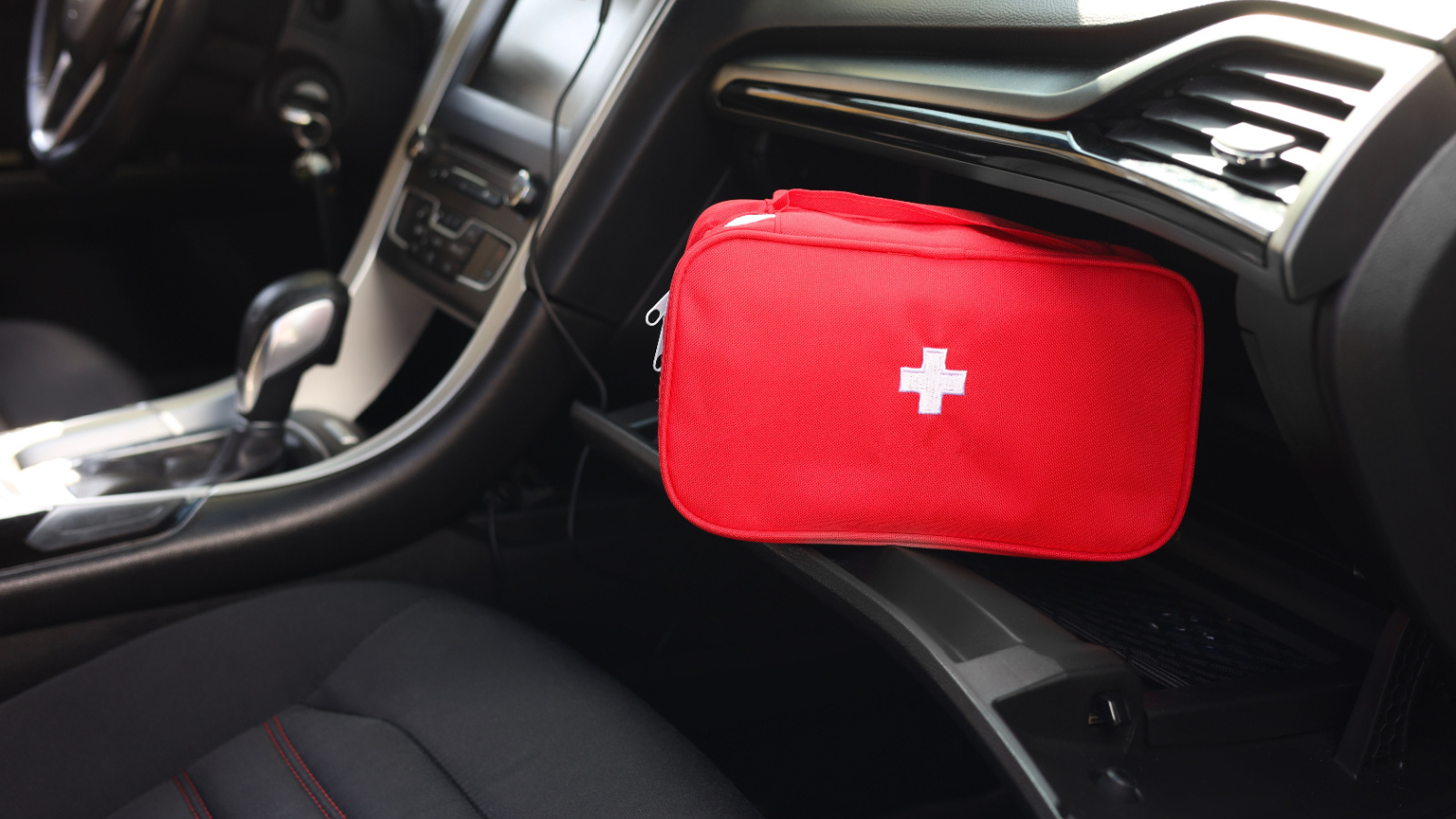
A family travel health kit does not need to look like a clinic, but it should cover predictable problems. Basic first aid supplies, fever and pain medication, allergy medication, motion sickness options, oral rehydration products, sunscreen, insect repellent, and copies of important medical information can make a trip easier. Supplies that are simple to buy in Canada may be hard to find quickly in another country.
This is especially useful during resort stays, road trips, cruises, and rural visits where pharmacies may not be nearby. A child with a mild fever at midnight or a parent with stomach trouble before a transfer day can turn a small issue into a logistical mess. Packing familiar, age-appropriate products also avoids guessing at foreign labels or dosage instructions.
Declare Food, Plants, Animal Products, and Gifts When Returning

Returning to Canada comes with customs responsibilities that many families underestimate. Food, plant, animal, and related products must be declared, even when they seem harmless. A beach snack, specialty cheese, dried meat, seeds, shells, or handmade wooden item may be restricted or require inspection because of pest, disease, or agricultural risks.
Families should also track purchases and gifts. Personal exemptions depend on how long travellers were outside Canada, and same-day cross-border shoppers do not receive the same treatment as families away for longer. Receipts are helpful when children buy souvenirs or relatives send gifts home. Declaring items honestly is usually simpler than explaining an undeclared bag of food at secondary inspection.
Do Not Cross the Border With Cannabis Products

Cannabis may be legal for adults in Canada, but that does not make it legal to carry across an international border. The rule applies when leaving Canada and when returning, and it includes edible cannabis, extracts, topicals, and products containing CBD. Medical authorization in Canada does not automatically permit international transport.
This can surprise families because cannabis products may look like ordinary gummies, oils, creams, or wellness items. A toiletry pouch or snack bag packed without much thought can create serious border trouble. The safest rule is straightforward: leave cannabis products at home before any international trip. For families crossing into the United States, the issue is even more sensitive because cannabis remains illegal under U.S. federal law.
Use Advance Declaration Where It Is Available
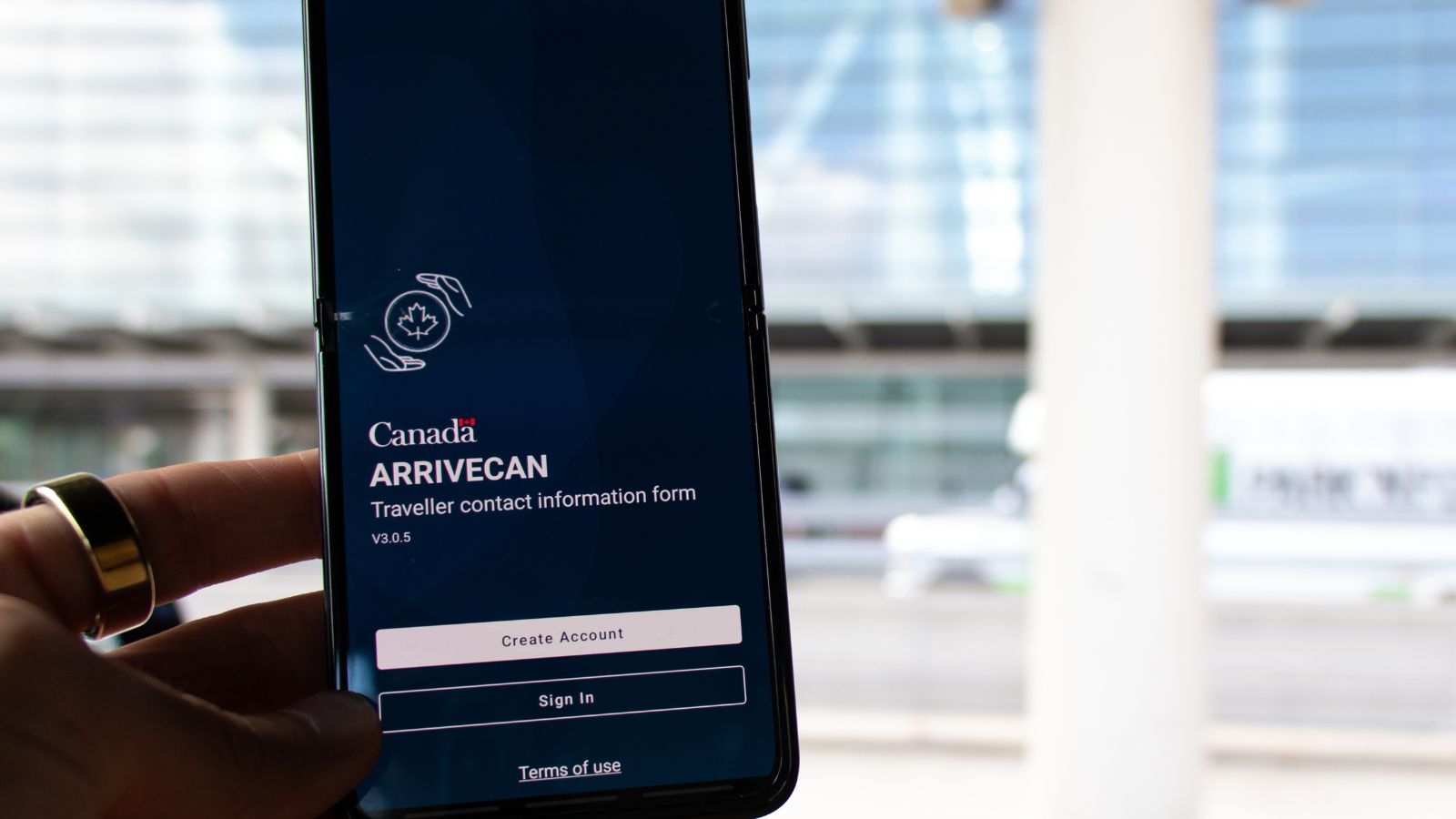
Families flying back into participating Canadian airports can use Advance Declaration through ArriveCAN to submit customs and immigration information before arrival. This optional tool can be completed within the allowed pre-arrival window and may reduce time spent at airport kiosks or eGates, especially when multiple family members are travelling together.
The benefit is not just speed. Completing the declaration calmly before landing can reduce mistakes caused by tired children, tight connections, and crowded arrivals halls. Families still need to answer truthfully and keep receipts or documents available, but the process can feel less rushed. For March Break and summer returns, when airport lines can swell, a few minutes saved at the right moment can matter.
Register Canadian Travellers Abroad for Longer or Higher-Risk Trips

The Registration of Canadians Abroad service allows the Government of Canada to contact Canadians during emergencies abroad or urgent situations at home. It is free and can be useful for families travelling during hurricane season, visiting regions with civil unrest, taking cruises, or staying abroad for extended periods. It also helps officials share updates when travel advisories change.
For a simple weekend trip, many families may never think about registration. But for a summer trip involving several countries, remote areas, or elderly relatives back home, it can add another layer of preparedness. Travel plans can change quickly because of wildfires, storms, strikes, airport disruptions, or political unrest. Registration gives families one more channel for official information when normal travel routines break down.
19 Things Canadians Don’t Realize the CRA Can See About Their Online Income

Earning money online feels simple and informal for many Canadians. Freelancing, selling products, and digital services often start as side projects. The problem appears at tax time. Many people underestimate how much information the CRA can access. Online platforms, banks, and payment processors create detailed records automatically. These records do not disappear once money hits an account. Small gaps in reporting add up quickly.
Here are 19 things Canadians don’t realize the CRA can see about their online income.
