Grocery checkout has become one of the clearest places where Canada’s affordability pressure shows up. A cart that looked manageable in the aisle can feel very different once discounts, points, taxes, package sizes, substitutions, and surprise scanning issues meet the register. For many households, the frustration is not only that food costs more, but that the final total can feel harder to predict.
These 22 Canadian grocery complaints keep appearing at checkout because they touch everyday routines: feeding children, stretching paycheques, comparing flyers, watching loyalty offers, and deciding whether a deal is really a deal. Some concerns come from inflation, some from store technology, and others from the complicated way modern grocery pricing is displayed. Together, they explain why a simple grocery run can now feel like a small financial audit.
Shelf Prices That Do Not Match the Register
Few checkout moments frustrate shoppers more than seeing an item scan higher than the price posted on the shelf. A customer may have chosen a box of cereal because the tag said it was on sale, only to watch the regular price appear at the register. That small gap can feel minor on one item, but it becomes irritating when several items are involved.
Canada has a Scanner Price Accuracy Code used by many participating retailers, and Quebec has its own consumer-protection rules. Still, the burden often falls on the shopper to notice the difference before leaving. In a long line, with children waiting or frozen food warming in the cart, many people do not challenge a two-dollar error. That is why this complaint keeps returning: shoppers feel accuracy should be automatic, not a test of attention at the till.
Sale Tags That Expire Before Shoppers Notice

Sale signage can be easy to miss when the deal has ended but the tag remains in place. A customer may see a bright “two for” sign, plan meals around it, and then discover at checkout that the offer ended the previous day. The disappointment is not always about the amount of money; it is about trusting the price cues in the store.
This complaint is especially common when flyers change weekly and shelf tags lag behind. Grocery chains move thousands of prices across departments, and errors can happen during overnight updates or busy weekends. From a shopper’s point of view, however, the store controls the signs. When checkout becomes the first place a customer learns the deal is gone, the experience feels unfair, even if staff correct it after being asked.
Loyalty Prices That Feel Like a Penalty

More Canadian grocery deals now depend on scanning an app, card, or membership number. That creates a checkout split between shoppers who receive the advertised loyalty price and those who pay more because they forgot a card, do not use the app, or do not want to share data. What once looked like a simple discount can feel like a penalty for not joining.
The frustration grows when the shelf price highlights the loyalty deal more clearly than the regular price. A shopper may choose a product thinking it costs one amount, only to learn at checkout that the lower price requires enrollment. Loyalty programs can offer real savings, but the emotional reaction at the register is often negative when a family feels the best grocery prices are locked behind a data-for-discounts exchange.
Shrinking Packages With Familiar Prices

Shrinkflation is one of the quietest checkout complaints because the register may not show anything obviously wrong. The price scans correctly, but the package contains less than it used to. A bag of chips, a box of crackers, or a tub of yogurt may look familiar from a distance while the net weight has changed.
For shoppers, the anger comes later when the product runs out faster at home. Families that buy the same staples every week notice when lunch snacks no longer last until Friday or when a cereal box seems emptier than expected. Unit pricing can reveal the real cost, but not every shopper has time to compare grams, litres, and serving sizes in the aisle. At checkout, the complaint becomes simple: the total stayed high while the cart somehow holds less food.
Unit Prices That Are Hard to Compare
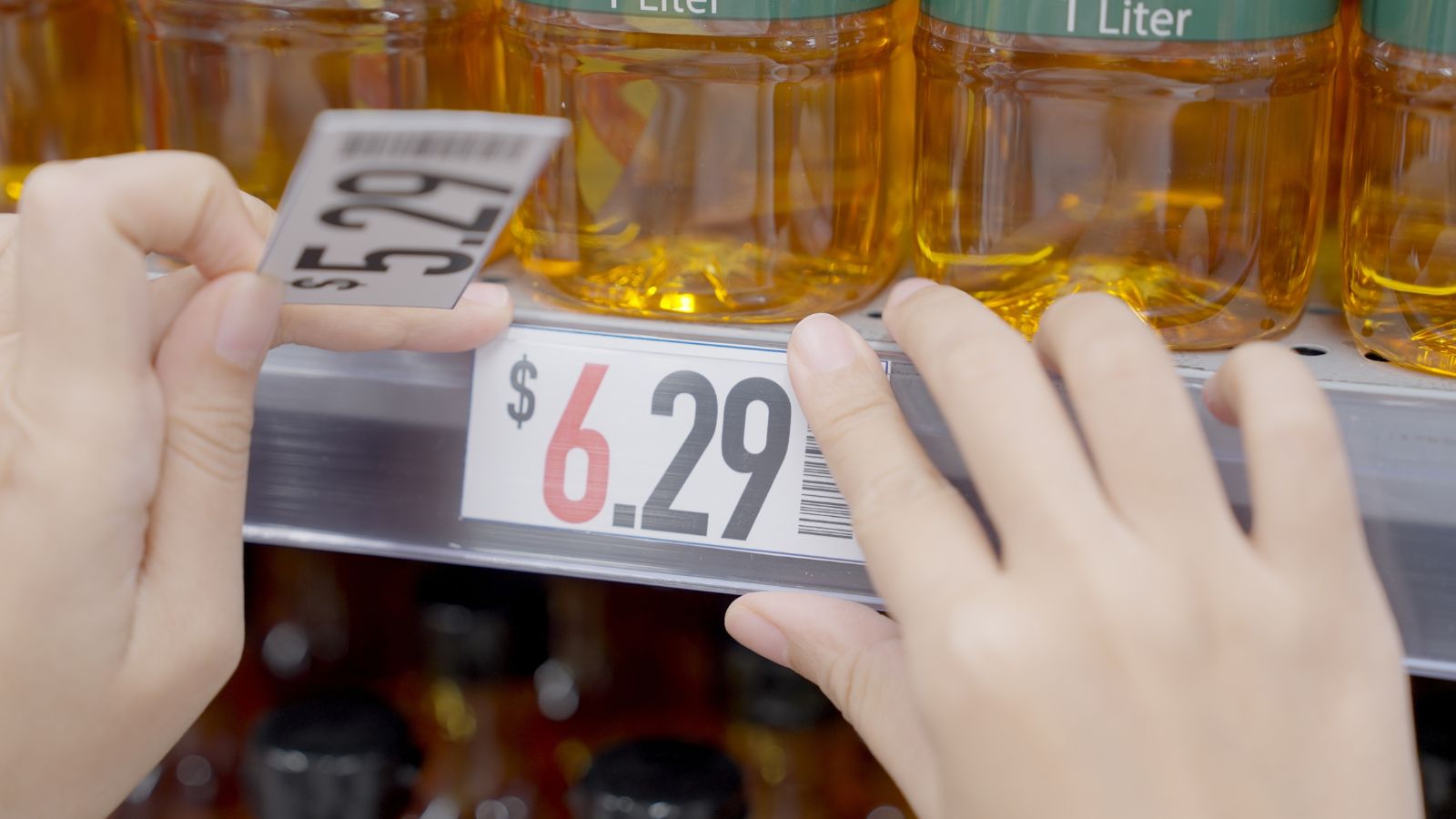
Unit pricing is meant to help shoppers compare value, but it can be confusing when one product is priced per 100 grams, another per kilogram, and another by count. At checkout, the problem becomes visible when the “better deal” turns out not to be better after all. A bulk pack may cost more per serving than a smaller package on sale.
This issue matters because many Canadians are trying to stretch grocery budgets by comparing more carefully. The challenge is that grocery math happens in real time, often while navigating crowded aisles and changing promotions. Even careful shoppers can make mistakes when sizes, formats, and sale conditions vary. By the time the receipt prints, a family may realize the cart was optimized around prices that were harder to understand than they should have been.
Multi-Buy Deals That Push Bigger Spending
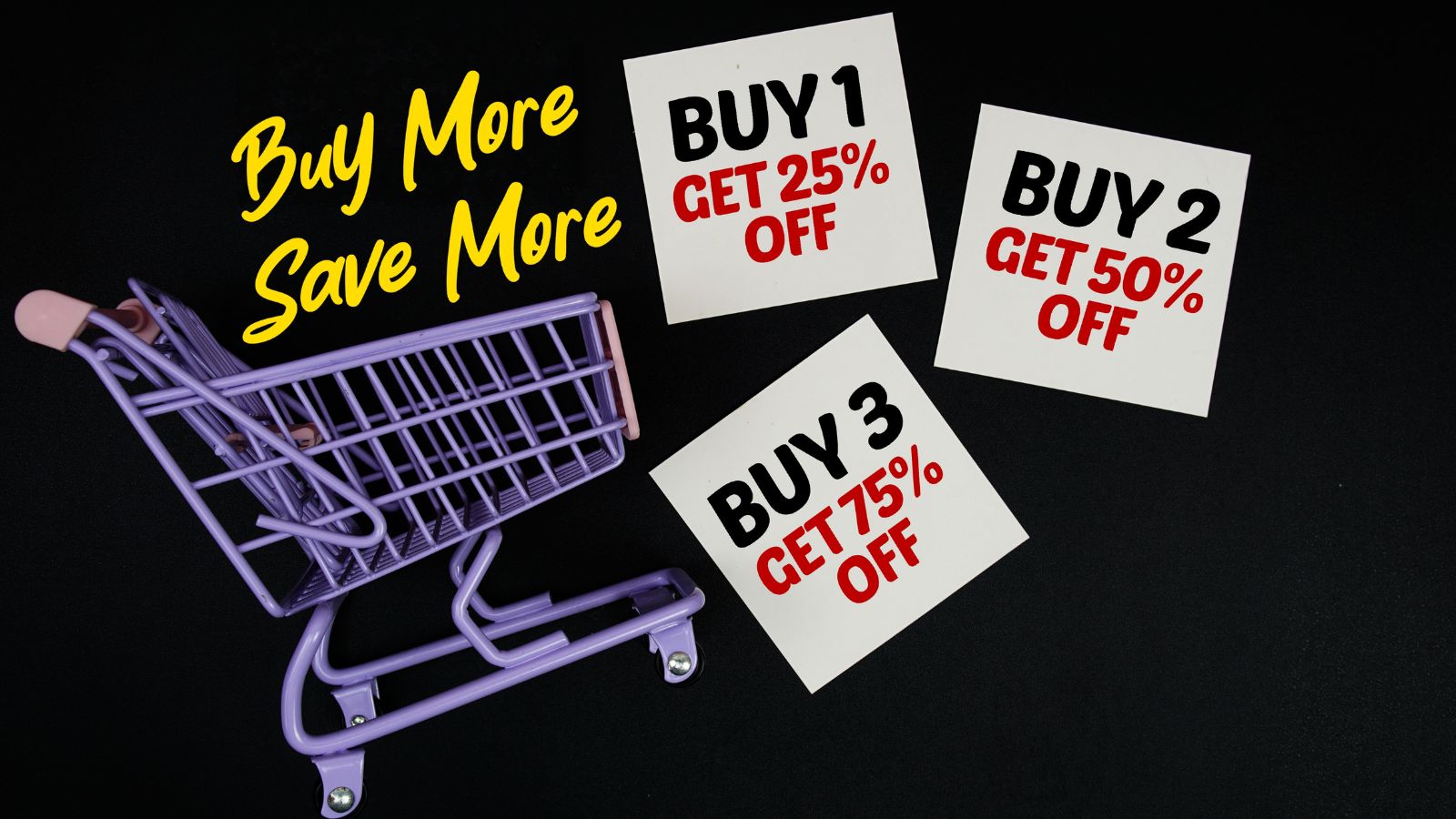
“Buy two,” “buy three,” and “save when you buy multiples” deals can be useful for households that need the quantity. They can also annoy shoppers who only wanted one item. At checkout, the single item may scan at a higher price than expected because the discount only applies after buying the required number.
This complaint is common with snacks, beverages, pantry items, and household basics. For people living alone, seniors, students, or small families, multi-buy pricing can feel like a nudge to spend more than planned. It may also increase waste when fresh products are involved. A deal that looks affordable on the shelf can become less helpful when it requires extra storage space, extra cash upfront, or a risk that food spoils before it is used.
“Member-Only” Digital Coupons That Do Not Apply

Digital coupons create another checkout stress point. Shoppers may clip an offer in an app, load it to a loyalty account, and still watch the discount fail to appear. Sometimes the issue is a product size mismatch, a brand variation, a purchase minimum, or a coupon that takes time to activate. Whatever the reason, the register becomes the place where the promised savings disappear.
The human frustration is easy to understand. A parent may have selected a more expensive product only because the coupon made it competitive. If the discount does not apply, the shopper must either hold up the line to dispute it or accept the higher price. Digital offers can be convenient, but they add a layer of complexity that makes checkout feel less transparent than a simple shelf discount.
Produce Prices That Change With Weight
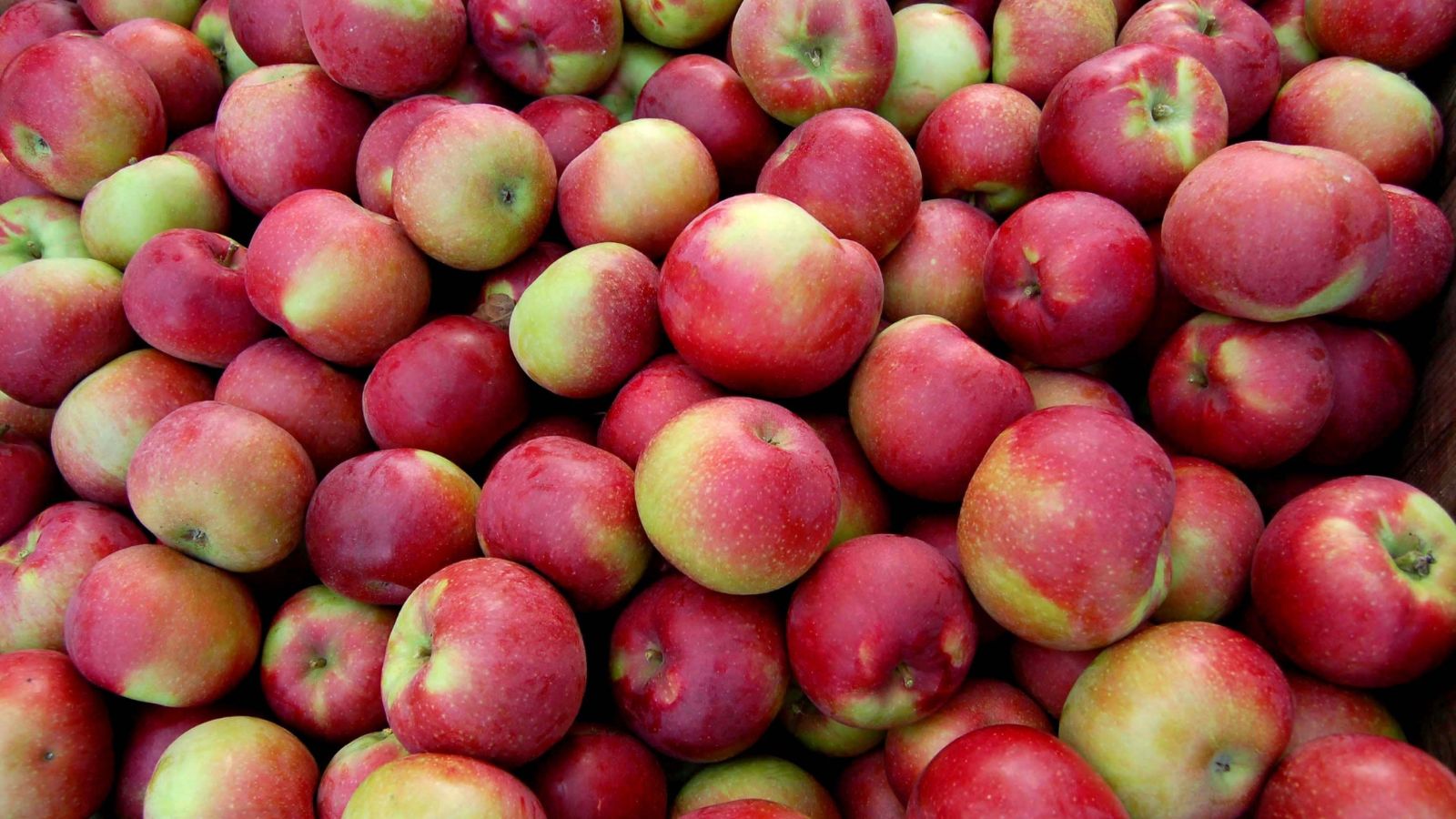
Fresh produce often creates sticker shock because the shelf price is usually shown by weight. A shopper may estimate that a bag of grapes, apples, or cherries will cost a certain amount, then see a much higher total once the item is weighed. This can be especially frustrating when the product is sold loose but packaged in a way that makes weight harder to judge.
The complaint is not that produce should be weightless; it is that checkout can reveal the true cost too late. In many stores, scales are available in the produce section, but not everyone uses them. Families trying to eat more fresh food may feel punished when healthier choices become unpredictable at the till. A few heavy items can change the final bill quickly, turning a routine grocery run into an unwelcome surprise.
Meat Prices That Jump From Sticker to Total
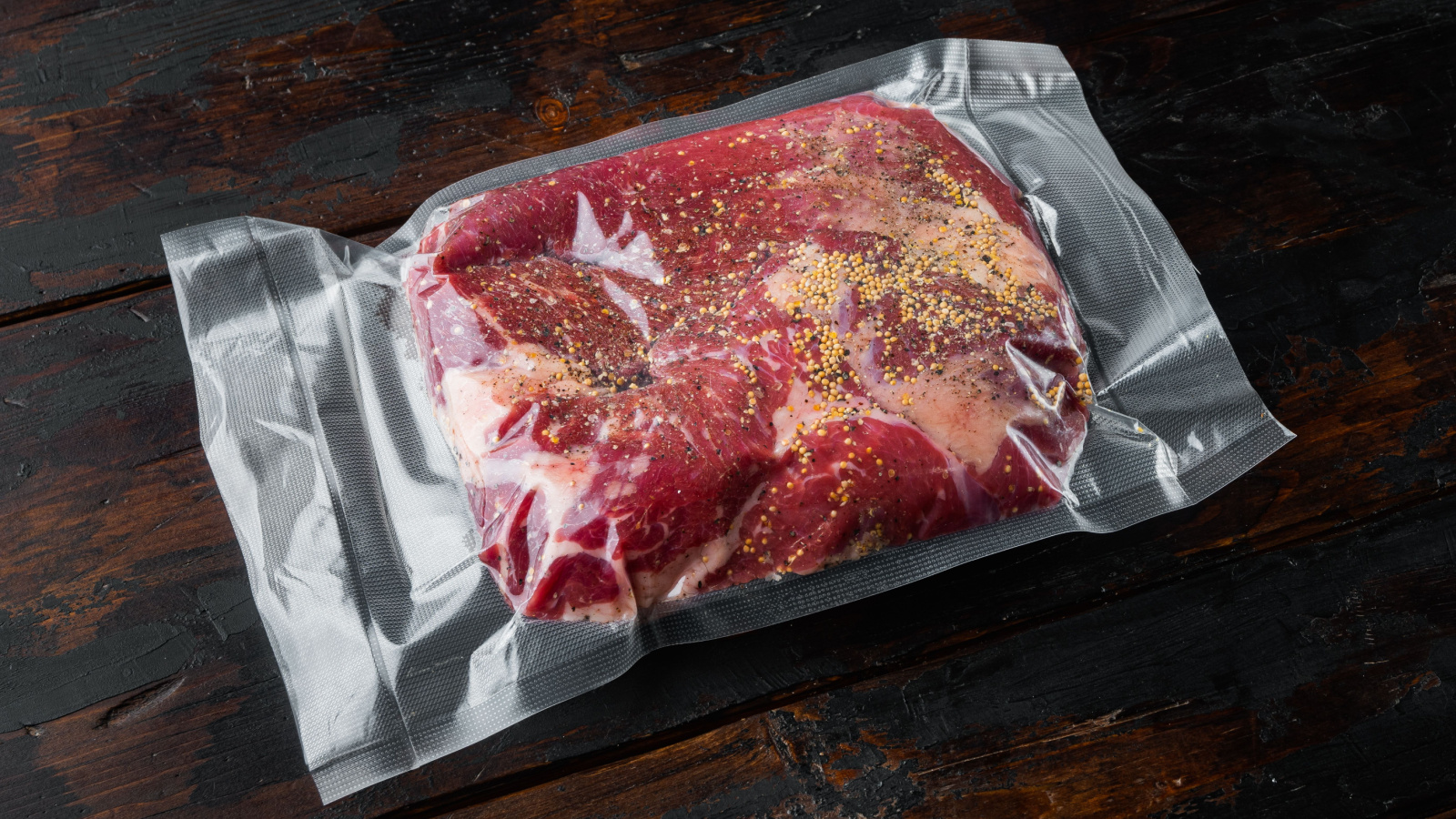
Meat is one of the departments where checkout anxiety often starts before the register. Packages may show a price per kilogram, a total package price, a discount sticker, and sometimes a loyalty offer. When the cashier scans the item, shoppers expect the final price to reflect all of those details. If it does not, the error feels significant because meat is often one of the most expensive items in the cart.
Canadian food price reports have repeatedly identified meat as a category under pressure. That makes any checkout discrepancy feel sharper. A household buying chicken, beef, or pork for several meals may have budgeted carefully around the package stickers. When the total does not align, the shopper is not just correcting a label; they are protecting the week’s meal plan.
Clearance Stickers That Do Not Scan Properly
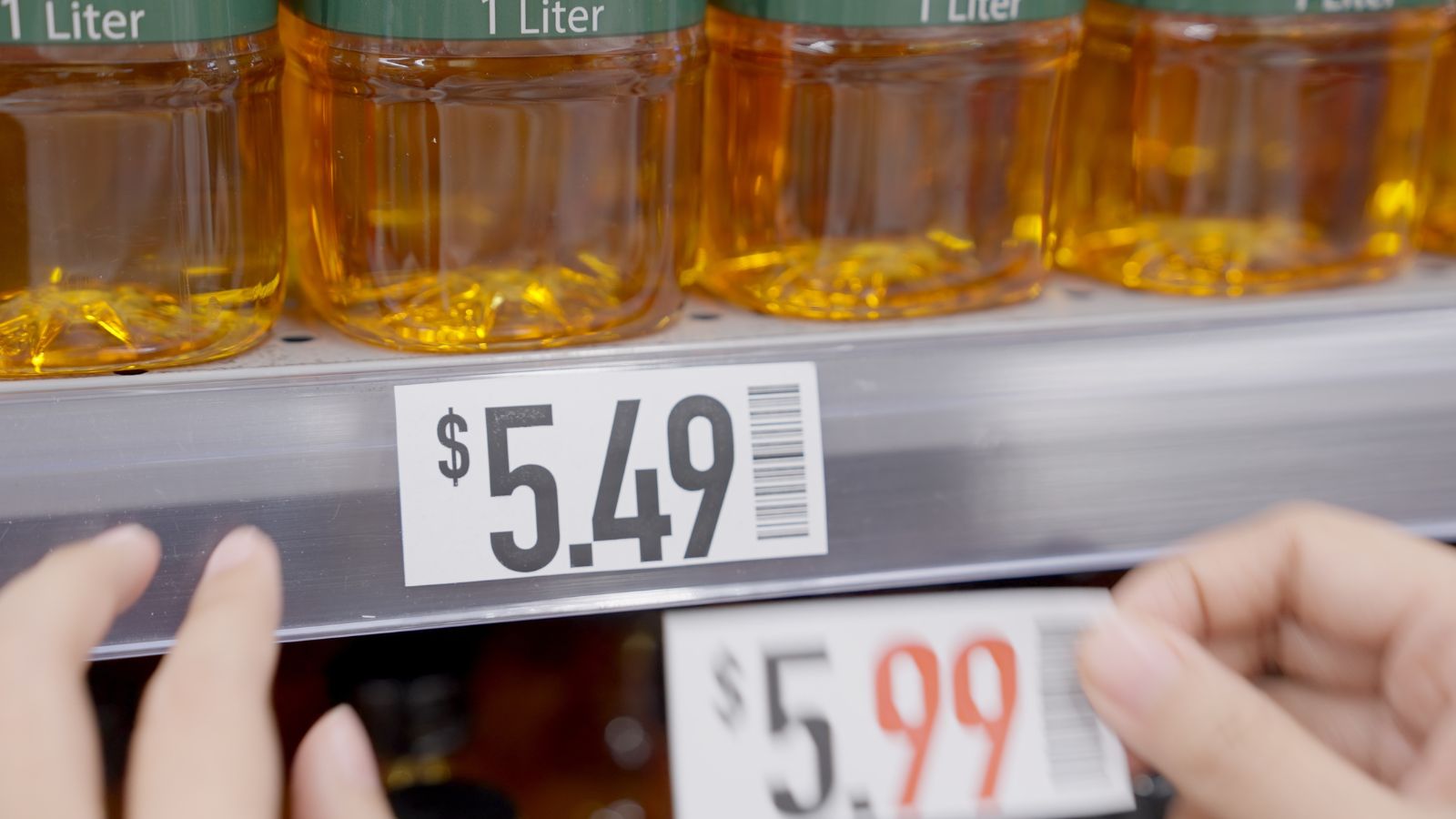
Reduced-price stickers on near-date items can be a lifeline for shoppers trying to lower grocery bills. The problem appears when a cashier or self-checkout machine scans the original barcode and misses the discount sticker. A product marked 30% or 50% off may ring through at full price unless someone catches it.
This issue is especially frustrating because clearance shopping often involves deliberate trade-offs. The customer accepts a shorter shelf life in exchange for savings. When the discount does not apply, that bargain disappears. It can also be awkward to challenge because the sticker may need manual entry or staff approval. For shoppers already watching every dollar, a missed markdown feels less like a minor glitch and more like the store failing to honour the deal.
Best-Before Confusion on Discounted Food
Many shoppers rely on marked-down products close to their best-before dates, but confusion around date labels can create checkout concerns. Some customers worry that a discounted item is unsafe, while others complain that perfectly usable food is being removed or wasted too quickly. The meaning of best-before dates is often misunderstood, especially compared with true expiration dates.
In Canada, best-before dates generally refer to quality and freshness, not always safety, while expiration dates apply to specific products that should not be sold past that date. At checkout, the complaint usually comes down to trust. Shoppers want clear labels, fair markdowns, and confidence that discounted food is still appropriate to buy. When the rules feel unclear, people either overpay for newer items or avoid savings they might safely use.
Bag Fees and Reusable Bag Frustrations

Since single-use plastic checkout bags have largely disappeared from Canadian grocery stores, many shoppers have adjusted to reusable bags. The complaint now appears when someone forgets bags and must buy another reusable one, adding clutter at home and a surprise cost at checkout. The environmental goal may be understood, but the daily inconvenience remains real.
This frustration is strongest during unplanned grocery stops. A commuter picking up milk and vegetables after work may not have bags in the car or backpack. At the register, the choice becomes juggling groceries loose or buying yet another bag. Over time, households can accumulate a pile of reusable bags while still occasionally paying for more. The checkout complaint is less about the policy itself and more about how easy it is to be caught unprepared.
Self-Checkout Machines That Create More Work
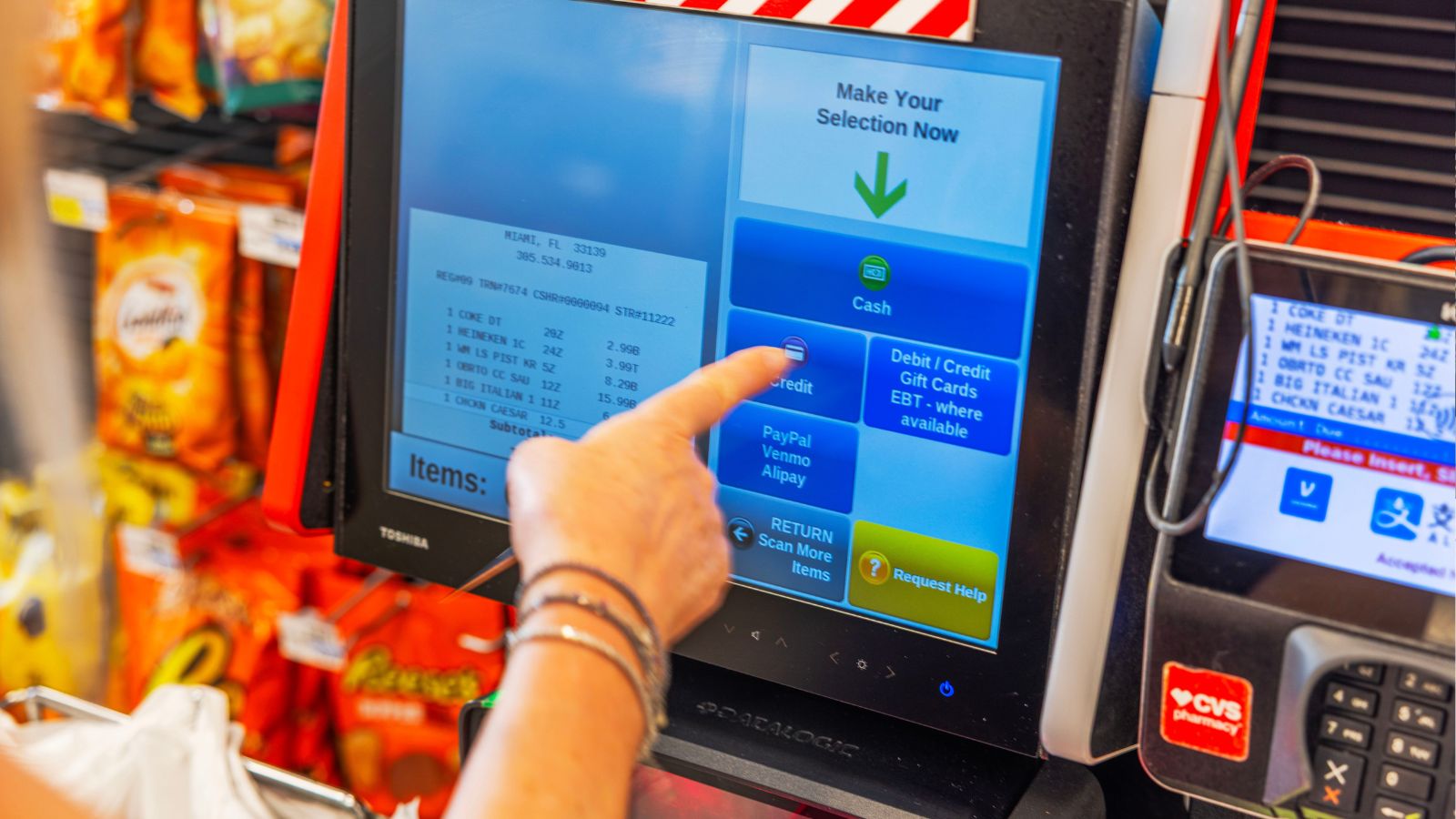
Self-checkout can be convenient for a few items, but many shoppers complain that it shifts work onto customers without making the experience easier. Scanning produce codes, waiting for age verification, dealing with bagging-area alerts, and calling staff for overrides can turn a short grocery trip into a technical exercise.
The irritation grows when stores reduce staffed lanes while self-checkout lines grow. Customers may feel they are doing unpaid labour while still paying rising prices. For older shoppers, people with disabilities, parents managing children, or anyone buying a full cart, self-checkout can be less accessible than a cashier. The technology was meant to speed things up, but at the register it often becomes a symbol of grocery shopping feeling less service-oriented than it used to.
Receipt Checks That Make Shoppers Feel Suspected
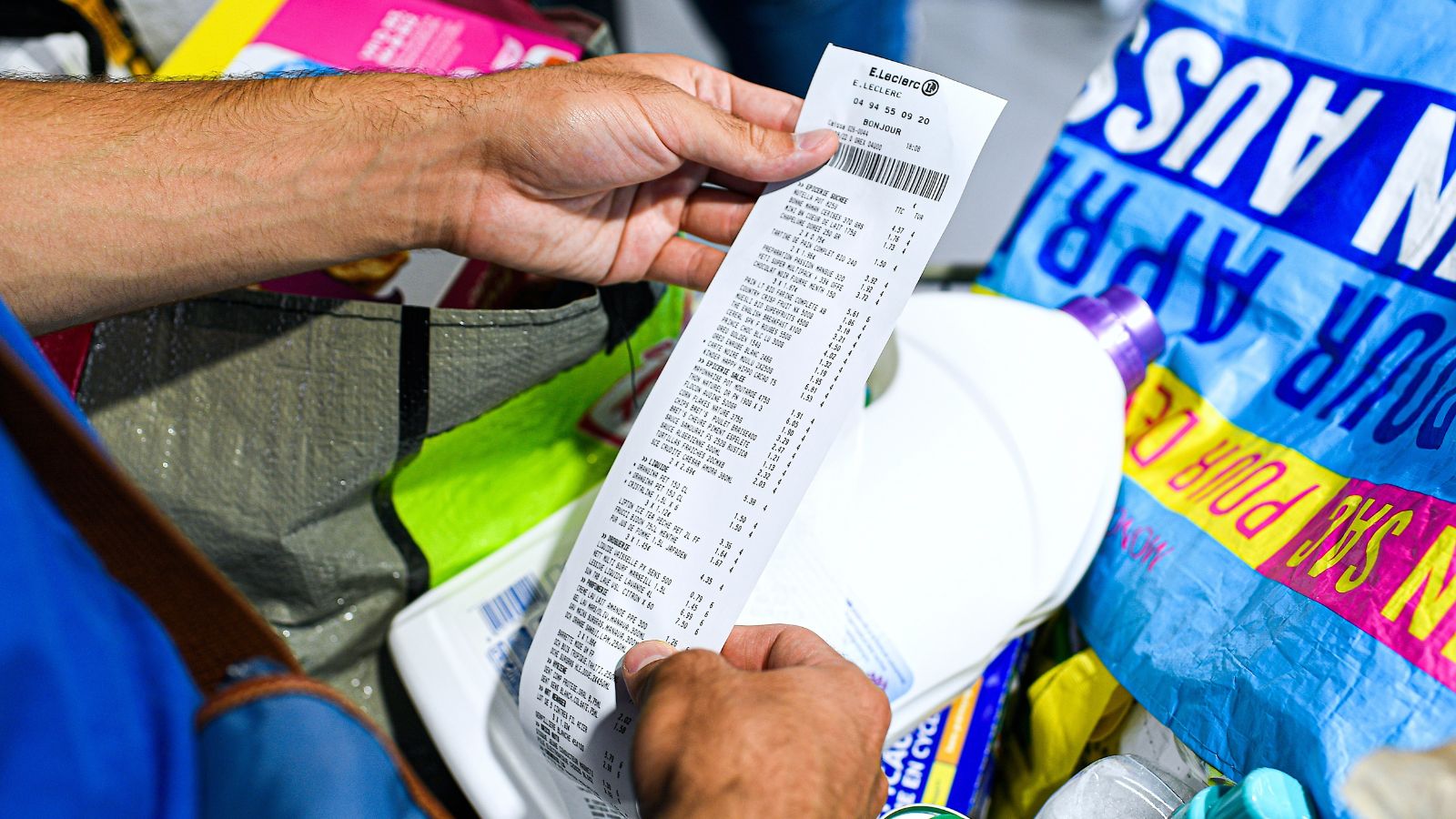
Some stores have tested or used anti-theft measures around self-checkout, including receipt checks or exit controls. These practices can make honest shoppers feel as if they are being treated with suspicion after paying. The emotional impact is stronger when the store has encouraged customers to use self-checkout in the first place.
Retail theft is a real concern for grocers, and stores are trying to protect inventory. Still, checkout is a sensitive moment. A shopper who has scanned, bagged, paid, and collected a receipt may not expect another step before leaving. If alarms sound or staff ask questions in a crowded area, embarrassment can follow. The complaint is not only about delay; it is about dignity. People want security systems that do not make ordinary customers feel accused.
Long Lines Despite More Checkout Technology
Many Canadian stores have added self-checkout machines, express lanes, app-linked offers, and digital payment systems. Yet shoppers still complain about long lines, especially after work, on weekends, or before holidays. The contradiction is hard to miss: more technology does not always mean faster checkout.
The problem often comes from staffing, store layout, and bottlenecks at price checks or overrides. A single employee supervising multiple self-checkout machines can quickly become overwhelmed. Meanwhile, traditional lanes may be closed or limited. For shoppers with melting frozen food or a bus to catch, the wait feels costly. Checkout lines are where the promise of modern retail meets the reality of labour scheduling, and customers notice when convenience does not materialize.
Points Programs That Feel Less Rewarding

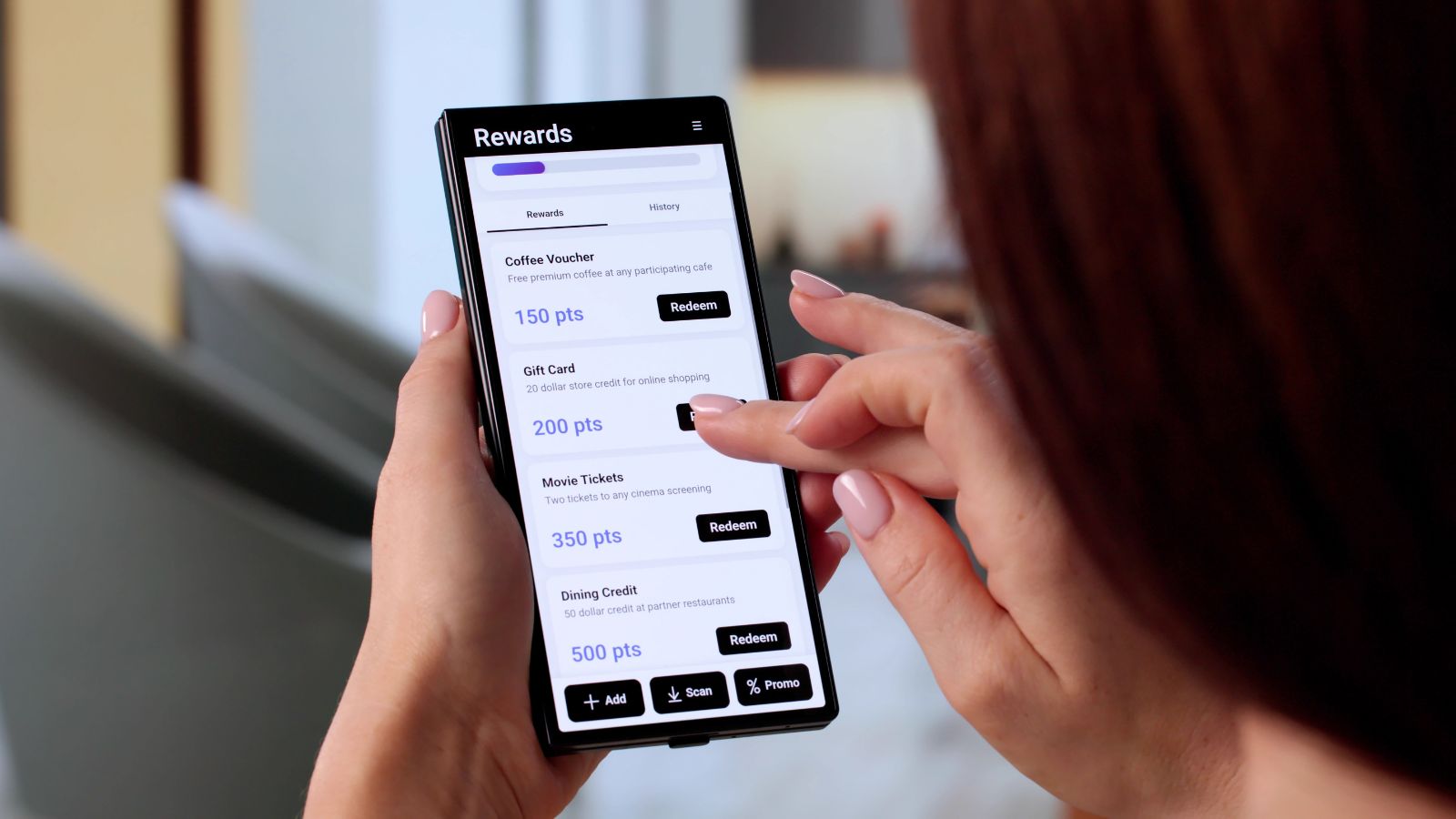
Loyalty points once felt like a small bonus for regular shopping. Increasingly, some Canadians complain that points are harder to earn, harder to redeem, or less valuable against rising grocery bills. At checkout, the disappointment appears when a large purchase earns fewer rewards than expected or when redemption rules limit how points can be used.
This matters because shoppers often build routines around loyalty systems. A family may choose one chain over another because points help cover holiday groceries or household staples. When the perceived value changes, the relationship feels less rewarding. Even if the program rules are clearly stated, the checkout moment is where expectations meet reality. A receipt showing fewer points than hoped can make a shopper question whether loyalty is still worth it.
Discounts That Require Perfect Timing

Many grocery deals are tied to specific days, limited hours, app refreshes, or weekend flyer cycles. Shoppers who arrive one day too early or too late may miss the lower price entirely. At checkout, that timing issue becomes visible when the expected discount is absent from the receipt.
This complaint reflects how much grocery shopping now rewards planning. People compare flyers, wait for points events, and schedule trips around promotions. But not every household has that flexibility. Shift workers, caregivers, seniors, and parents may shop when life allows, not when the best deal is active. When affordability depends on timing, checkout can feel like a penalty for having an unpredictable schedule. The lower price existed, but not at the moment the shopper could reach the store.
Private-Label Swaps That Do Not Always Feel Cheaper
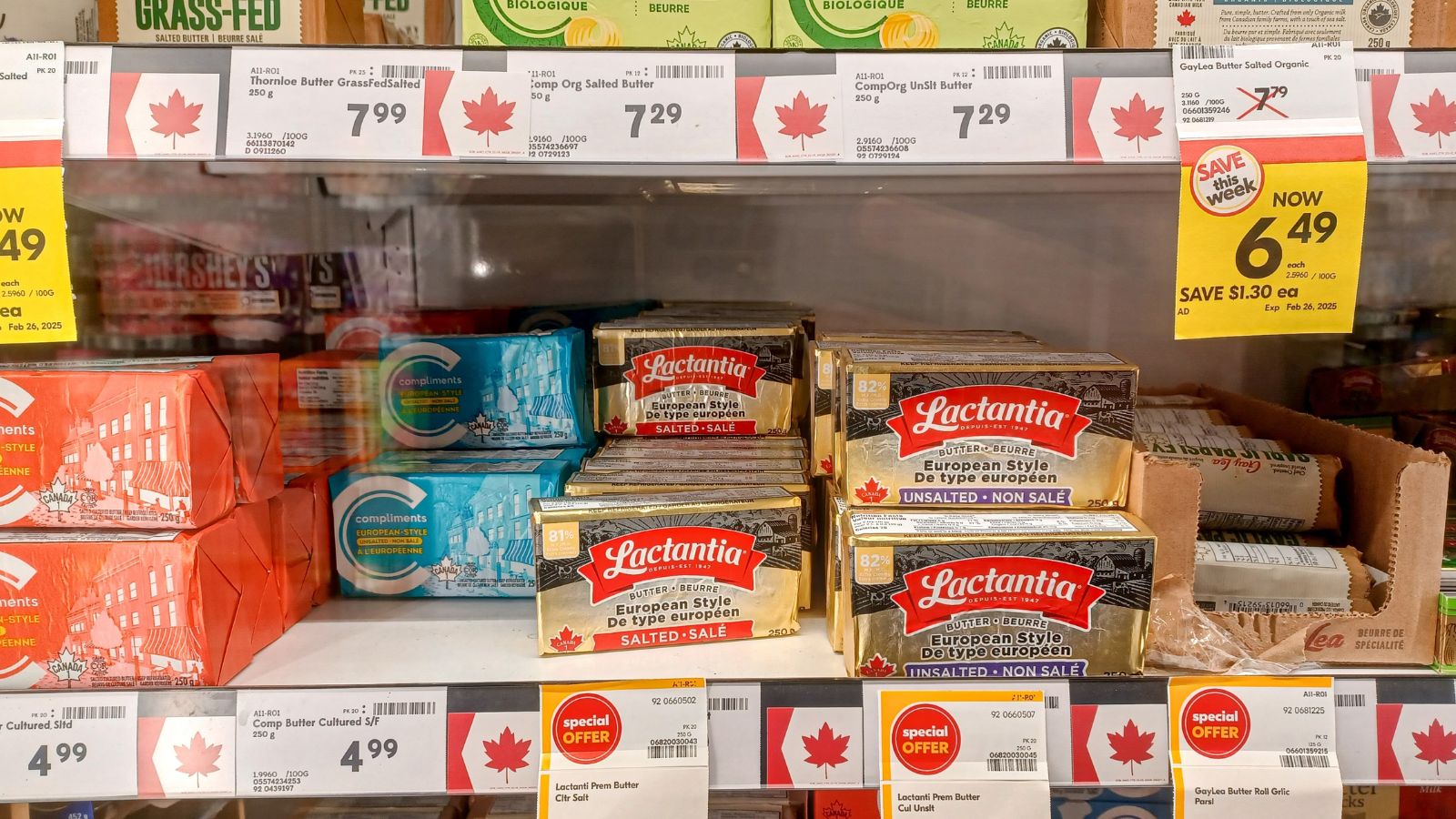
Store brands can offer good value, and many shoppers now rely on them. The complaint appears when private-label products rise in price, shrink in size, or sit beside national brands with confusing price gaps. At checkout, customers may realize the cheaper-looking option did not save as much as expected.
Private-label growth also changes the feel of grocery aisles. When national brands disappear or become less prominent, shoppers may feel they have fewer choices. Some families are happy to switch, while others prefer a familiar product for taste, allergies, or children’s lunches. The checkout concern is practical: store brands are often marketed as the budget-friendly path, so shoppers become frustrated when the final receipt does not reflect meaningful savings.
Out-of-Stock Sale Items That Force Costlier Substitutes
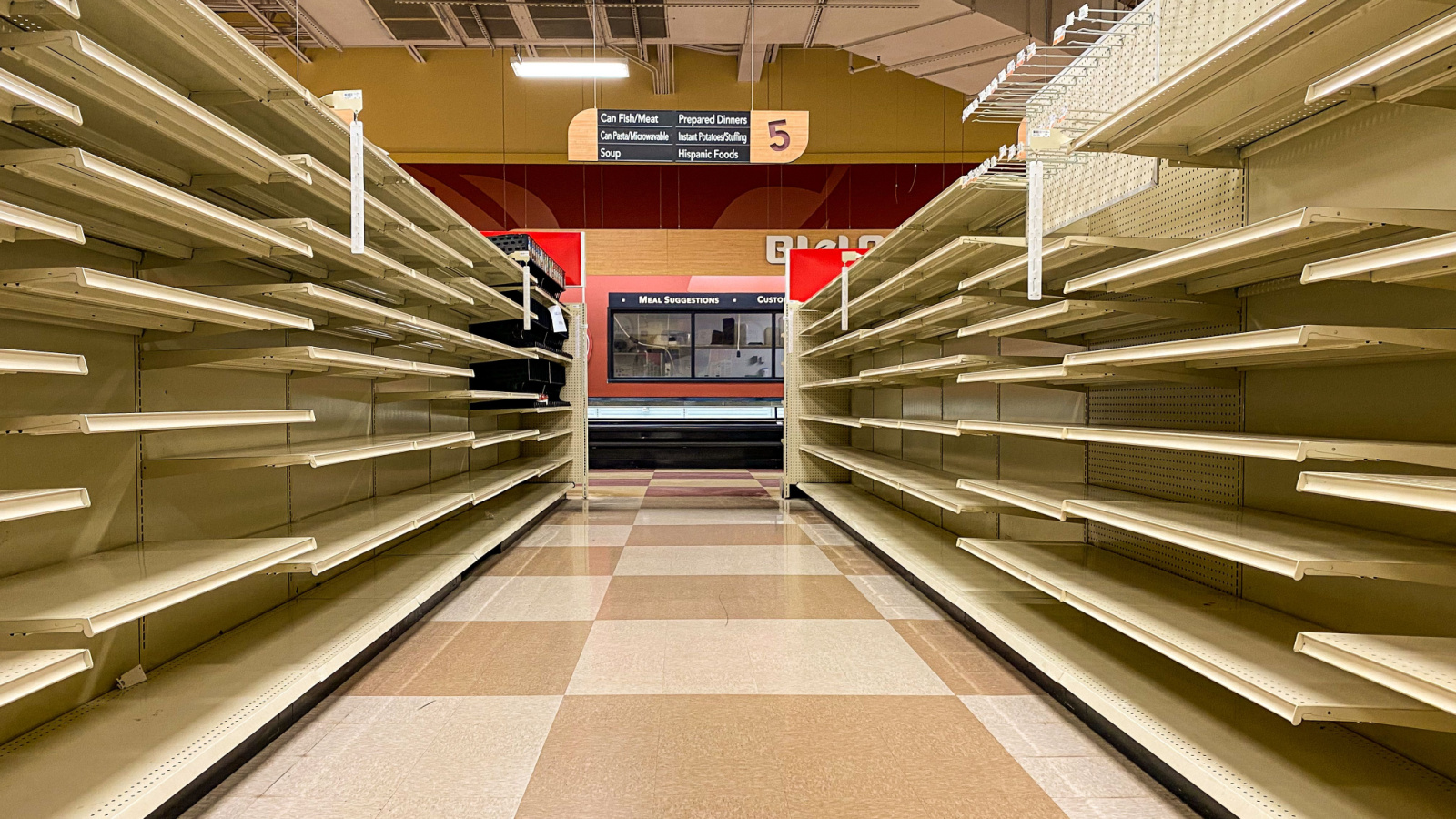
A flyer deal can draw shoppers into the store, but the advertised item may be gone by the time they arrive. The checkout complaint comes when the cart ends up filled with more expensive substitutes. A family may have planned around discounted pasta sauce, eggs, or chicken, only to buy a higher-priced alternative because shelves were empty.
This problem feels especially unfair when the sale item is a staple rather than a luxury. Shoppers invest time travelling to the store, navigating aisles, and adjusting meal plans. If the key deal is unavailable, the trip can feel like a bait-and-switch even when the shortage is caused by demand or supply issues. Rain checks are less common than many customers expect, and substitutions do not always match the advertised value.
Taxes and Deposits That Surprise at the Till

Most basic groceries in Canada are zero-rated for GST/HST, but not every item in a grocery cart is treated the same way. Prepared foods, hot meals, snack foods, beverages, household goods, and bottle deposits can change the final total. At checkout, shoppers may be surprised when a cart of “groceries” includes taxable or deposit-bearing items.
The confusion comes from mixed baskets. A customer buying bread, fruit, paper towels, rotisserie chicken, pop, and cleaning supplies may not mentally separate tax categories while shopping. The receipt does, and the total can be higher than the shelf-price math suggested. This complaint is not necessarily about the tax rules themselves; it is about how invisible they feel until payment. Clearer shelf cues could reduce that last-second surprise.
Northern and Remote Price Shock

For many shoppers in northern and remote communities, checkout complaints are not about a few cents on a scanned item. They are about the overall price of food in places where transportation, limited competition, weather, and supply challenges can push costs far above what southern urban shoppers see. The register total can be staggering for basics like milk, produce, and pantry staples.
This issue has a different emotional weight because alternatives are limited. In a large city, shoppers may compare chains, discount stores, warehouse clubs, and ethnic grocers. In remote areas, choice can be narrow, travel can be expensive, and stock can be inconsistent. Checkout becomes a reminder that geography affects affordability. A grocery complaint in these communities is often tied to food security, not just bargain hunting.
Checkout Totals That Keep Outrunning Paycheques
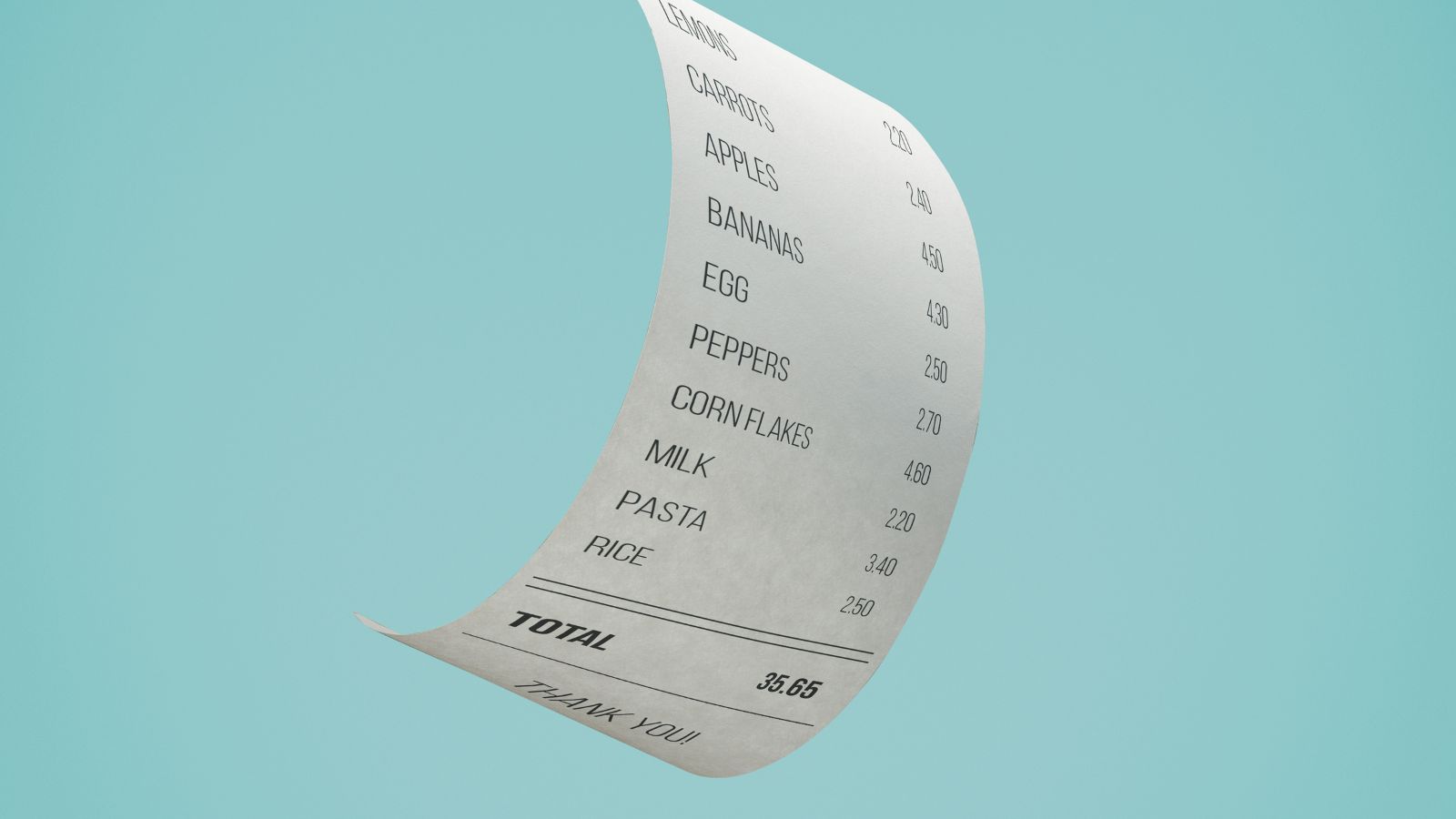
The broadest complaint is also the simplest: the final grocery total keeps feeling too high. Even when shoppers buy fewer treats, switch brands, clip coupons, and avoid waste, the receipt can still land above expectations. This is why checkout has become such a powerful symbol of the cost-of-living squeeze in Canada.
Food inflation has eased at times from its worst peaks, but prices remain much higher than they were several years ago. That distinction matters. A slower rate of increase does not mean groceries are cheap again; it means they may be getting expensive more slowly. For households facing rent, mortgages, utilities, debt payments, and transportation costs, the grocery register is where economic pressure becomes immediate. The complaint persists because the receipt is personal proof of a national affordability problem.
19 Things Canadians Don’t Realize the CRA Can See About Their Online Income

Earning money online feels simple and informal for many Canadians. Freelancing, selling products, and digital services often start as side projects. The problem appears at tax time. Many people underestimate how much information the CRA can access. Online platforms, banks, and payment processors create detailed records automatically. These records do not disappear once money hits an account. Small gaps in reporting add up quickly.
Here are 19 things Canadians don’t realize the CRA can see about their online income.
