Canadian air travel is already a delicate balance of tight connections, rising fees, crowded terminals, and changing rules. In 2026, that balance may feel even harder to manage as airlines, airports, regulators, and foreign border systems continue reshaping the way trips are booked, priced, screened, and protected.
These 19 airport and airline changes could frustrate Canadians because many of them add one more step, one more fee, or one more uncertainty to a journey that already demands patience. Some changes are meant to improve security, efficiency, or airline finances. Others reflect bigger pressures, including passenger growth, aircraft shortages, route shifts, and delayed complaint systems. The result is a travel experience that can feel more modern on paper, but more complicated at the gate.
Cheapest Fares May Keep Shrinking the Carry-On Allowance
The lowest advertised fare is becoming less like a complete ticket and more like the starting point for a trip. Air Canada changed its Basic fare rules for many North America and sun-destination routes in 2025, removing the standard carry-on allowance and leaving passengers with only a personal item unless they qualify for an exception. WestJet’s UltraBasic fare also limits travellers to one personal item on most routes, with carry-on access restricted by route type and fare conditions.
For Canadians used to short domestic trips with a small roller bag, this can feel like a quiet downgrade. A weekend flight from Toronto to Halifax or Calgary to Vancouver may look affordable at first, but the price changes when a checked bag or higher fare class is needed. The frustration is not only the fee; it is the mental arithmetic required before booking. A family of four can discover that the bargain fare is only a bargain if everyone can pack like a minimalist.
Gate-Checked Bags Could Become a More Expensive Mistake
Airlines are increasingly pushing passengers to decide on baggage before reaching the gate. Air Canada’s Economy Basic reminder says bags that should have been checked before security can cost more if they are checked at the gate. WestJet’s fee structure also shows different baggage prices depending on whether bags are prepaid, added during self-serve check-in, or handled at the airport. In practice, hesitation can become expensive.
This change may frustrate occasional travellers most. Someone who flies once or twice a year may not realize that a bag accepted on one airline or fare may be rejected on another. The scene is familiar: a passenger reaches boarding with a small suitcase, an agent points to the fare rules, and the boarding line stalls while payment is processed. The system rewards advance planning, but it can feel unforgiving when the difference between “personal item” and “carry-on” is only a few centimetres.
Seat Selection Fees May Make Basic Tickets Feel Less Basic
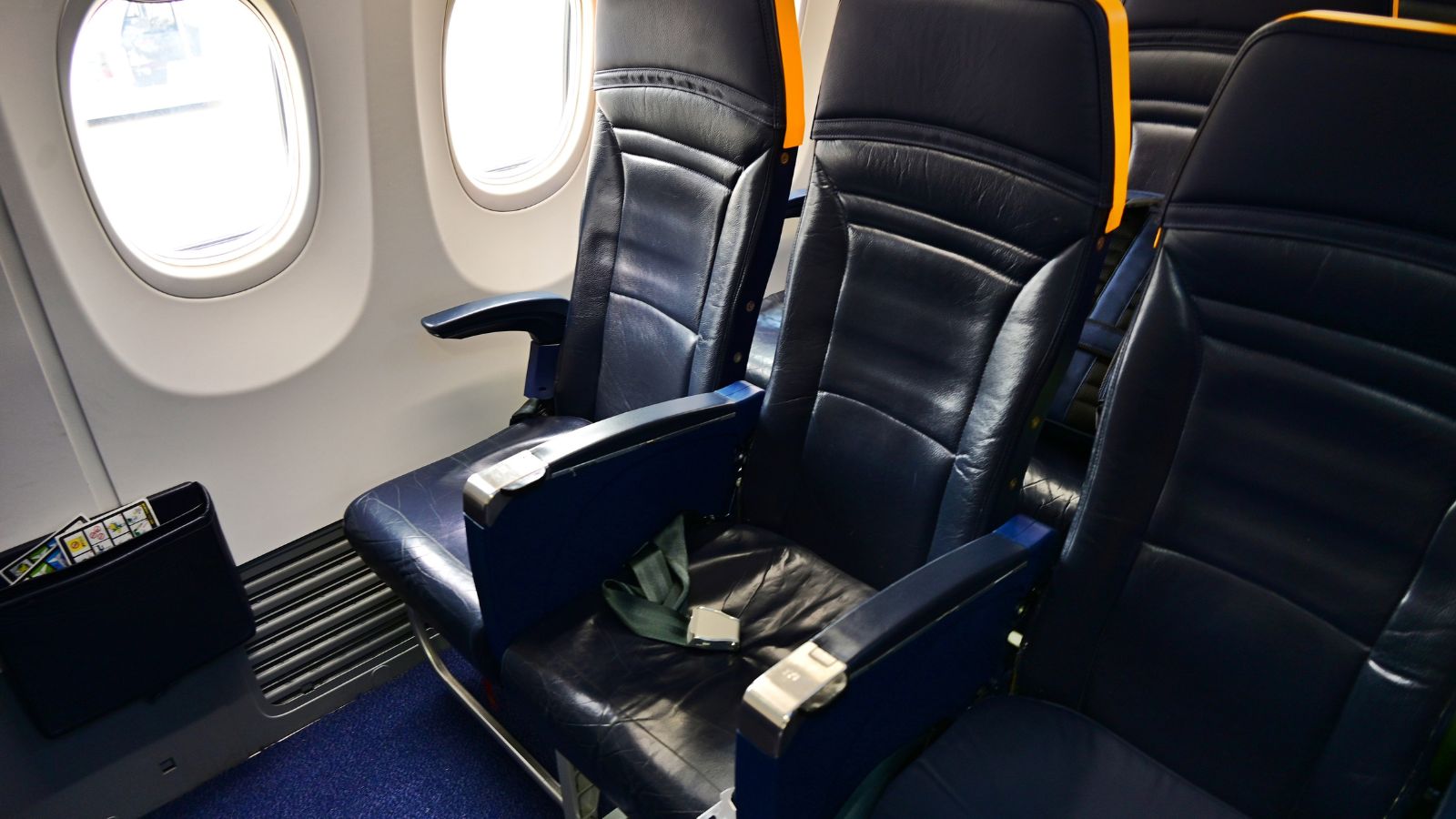
Seat selection has become another pressure point for travellers trying to keep costs predictable. Air Canada lists paid standard seat selection for Basic fares, and preferred seats can cost substantially more depending on route and seat type. The airline still provides complimentary seat assignment at check-in for Basic customers, but changing that assigned seat can require payment. For travellers who care about where they sit, the cheap fare can quickly lose its simplicity.
This is especially irritating for families, anxious flyers, taller passengers, and people with tight connections who prefer an aisle seat near the front. A couple booking a quick trip to Montreal may assume sitting together is straightforward, only to find that choosing seats early adds another line item. Even when the airline assigns seats later, uncertainty becomes part of the purchase. The ticket may technically include transportation, but comfort and predictability increasingly feel like upgrades.
Cabin Redesigns Could Make Economy Feel More Segmented
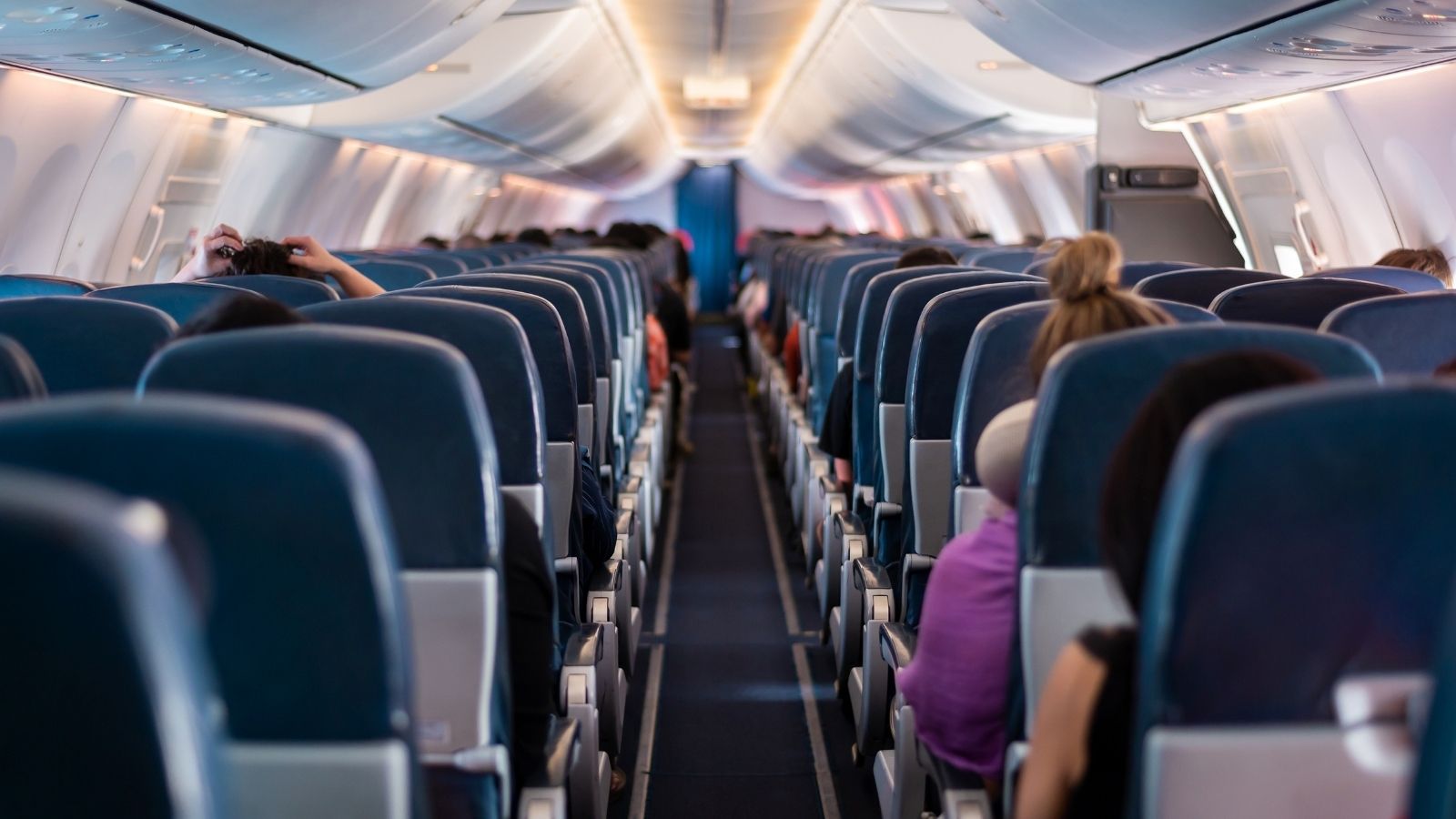
Cabin layouts are becoming more carefully divided by willingness to pay. WestJet announced cabin updates with Premium, Extended Comfort, and modernized Economy seating, while Air Canada Rouge is shifting aircraft and cabin products as part of a broader fleet transformation. These changes can bring newer seats, better technology, and more options, but they can also make standard economy feel like the section where trade-offs are most visible.
The frustration comes from comparison. A passenger walking through the aircraft sees larger headrests, more legroom, earlier bin access, and better recline closer to the front, then reaches a tighter standard seat farther back. Even when the base fare remains competitive, the journey can feel more tiered than before. Airlines call this optionality, and some travellers appreciate paying only for what matters. Others experience it as a constant reminder that the old baseline has been broken into smaller paid pieces.
Verified Traveller Lanes Could Create a Two-Tier Security Experience
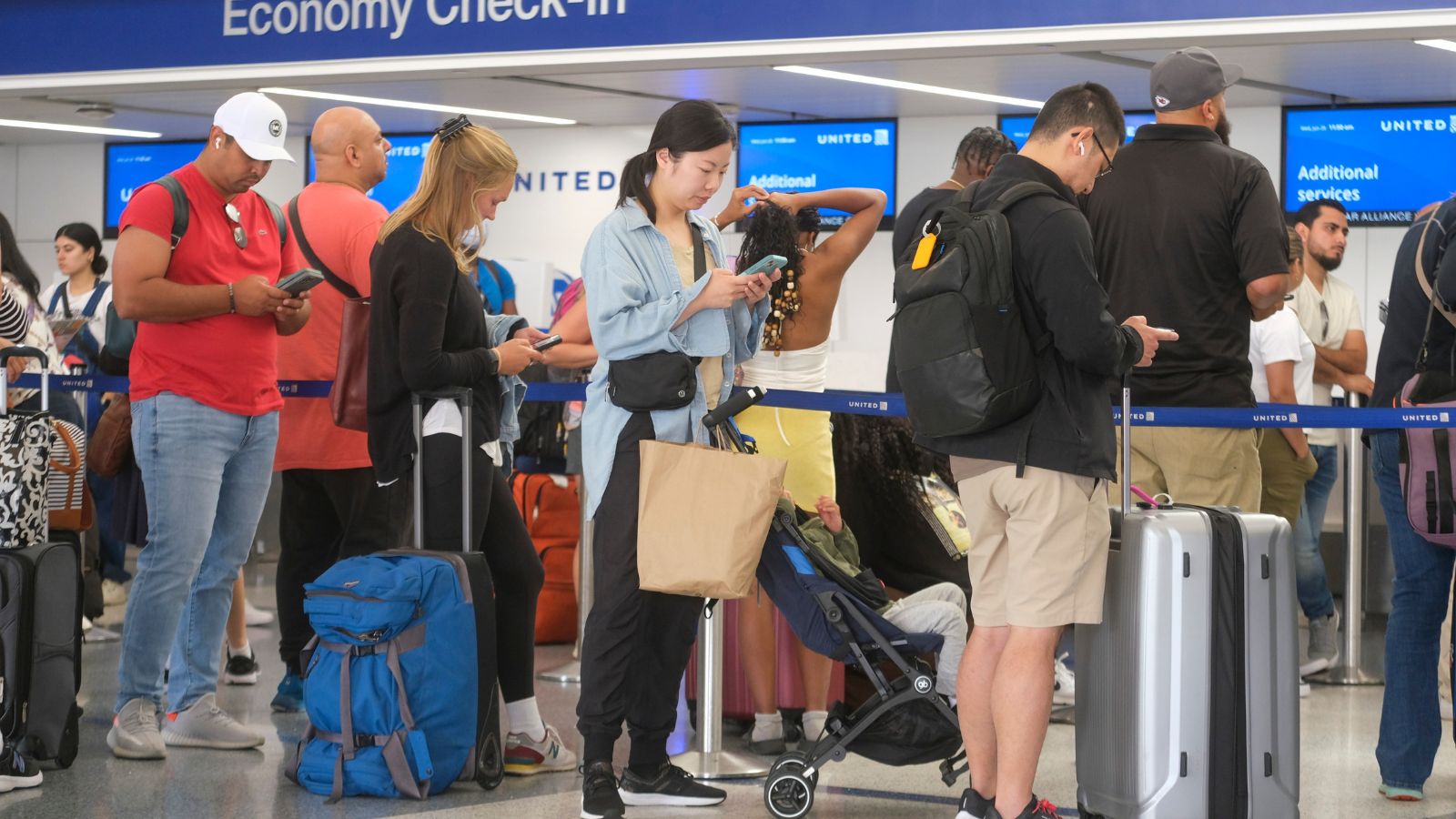
Canada’s Verified Traveller program gives eligible passengers access to faster screening experiences at selected airports. CATSA says verified travellers include people who have undergone extensive background checks and hold special photo identification, including NEXUS members and certain uniformed or credentialed groups. At some checkpoints, the benefits can include a dedicated lane and fewer steps when preparing belongings for screening.
For travellers who are not eligible, the system may feel like another airport shortcut reserved for others. A parent travelling with children, a student flying once a year, or a newcomer without NEXUS may watch a separate line move faster while the regular queue crawls. The program is designed to improve flow and reward pre-screened travellers, but the visible divide can still irritate passengers during peak periods. Airports increasingly operate like loyalty ecosystems, and even security can feel stratified.
Security Rules May Vary by Scanner, Not by Airport
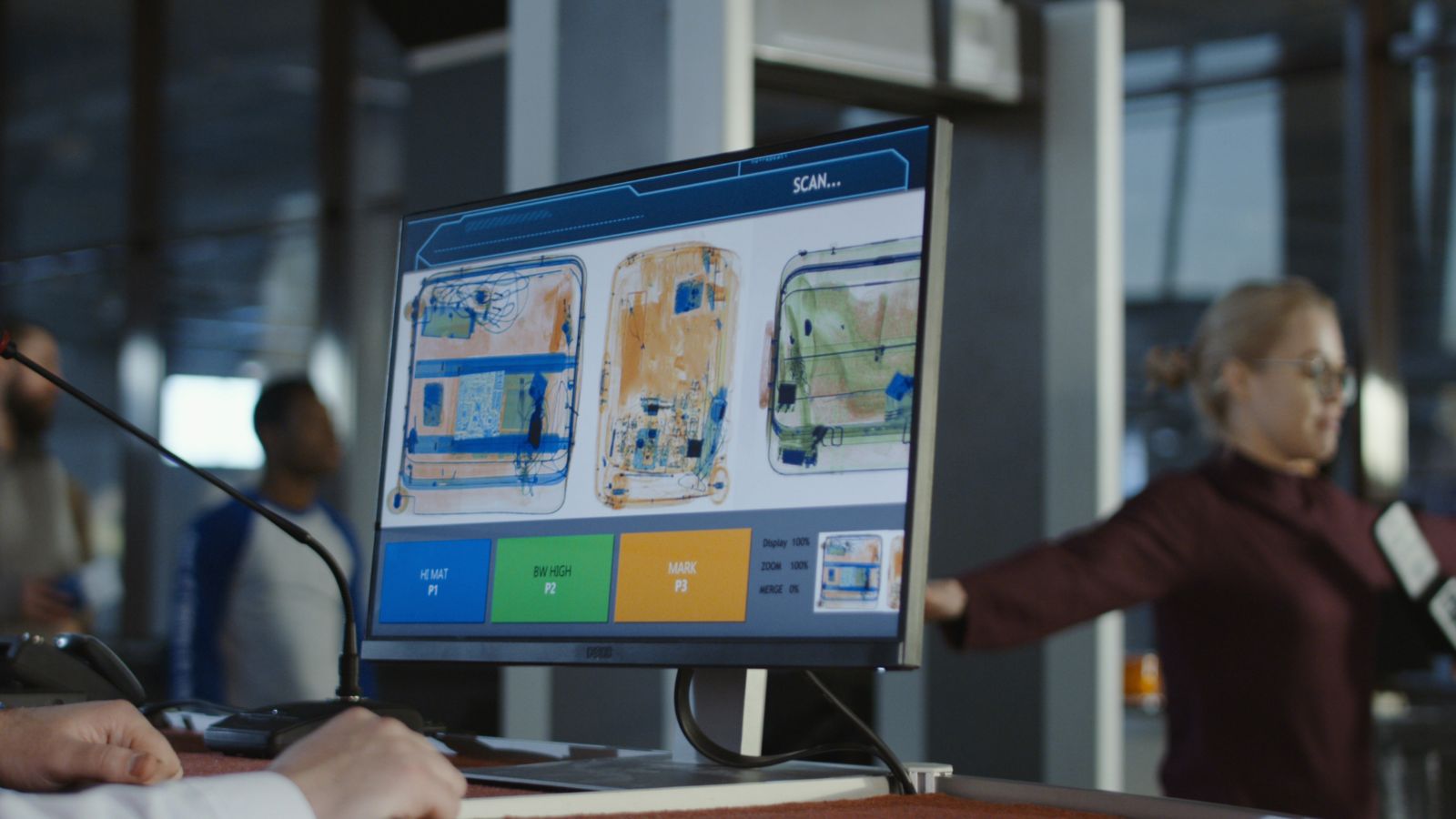
CATSA is rolling out CT X-ray technology that allows passengers at equipped screening lines to leave large electronics and permitted liquids of 100 millilitres or less inside carry-on bags. At lines without CT signage, passengers still need to remove laptops and liquids for separate screening. This means the experience can differ not only between airports, but between lanes at the same airport.
That inconsistency can frustrate even prepared travellers. One trip may feel smooth because the laptop stays packed, while the next requires the traditional bin routine. A passenger who follows the person ahead may get corrected by a screening officer because that lane uses different equipment. The technology is meant to improve detection and eventually speed things up, but partial rollout creates a transition period where old habits and new procedures collide. In airports, uncertainty often feels like delay before the delay even happens.
Passenger Growth Could Stretch Screening Lines Again
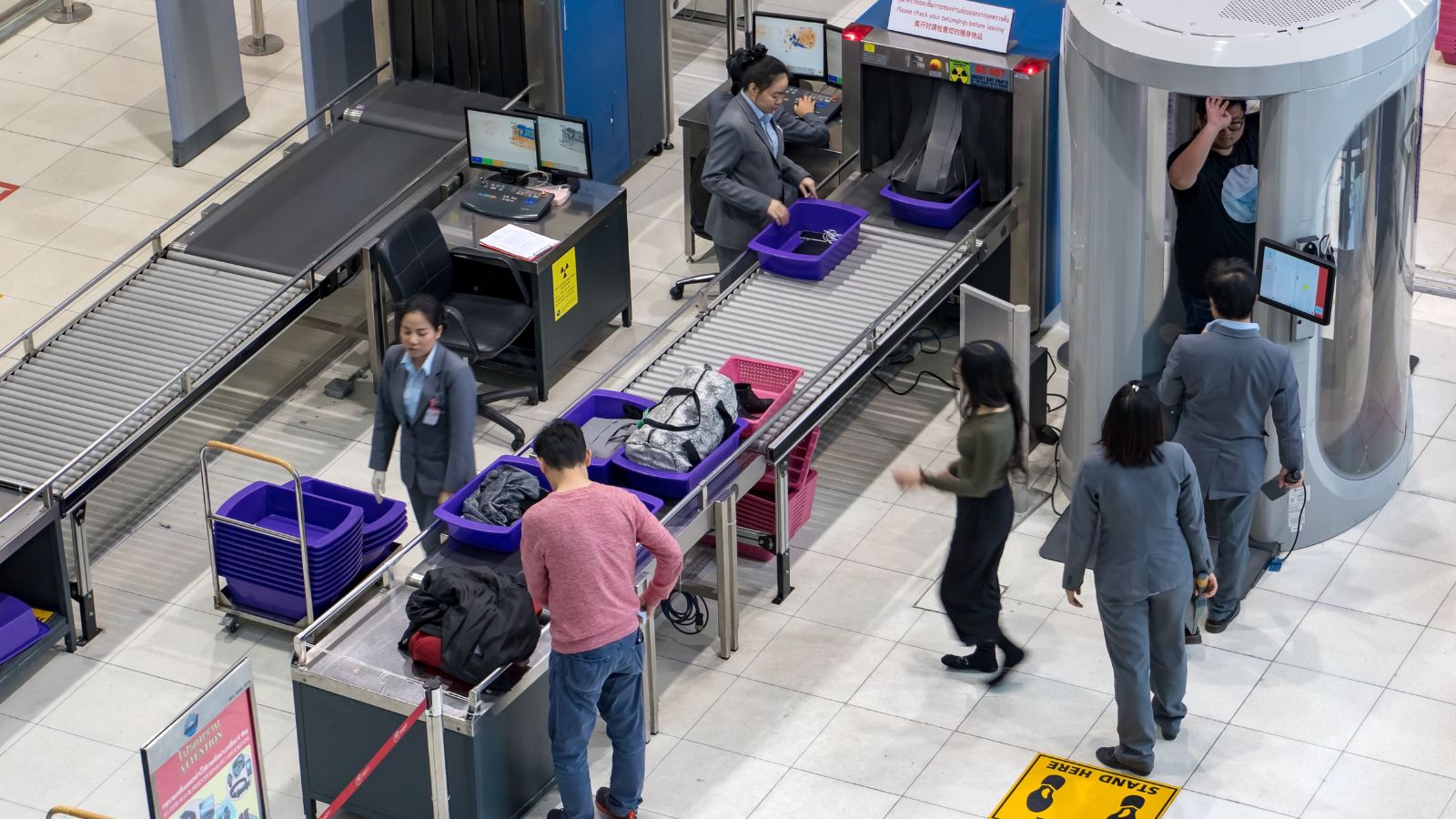
Passenger screening volumes are expected to keep rising. CATSA’s corporate plan projected 74.4 million screened passengers in 2025–26, rising to 77.9 million in 2026–27 and 86.3 million by 2029–30. Major airports are already operating at large volumes: Toronto Pearson handled 47.3 million passengers in 2025, while Vancouver International Airport reported more than 26.9 million travellers and a record year.
More passengers do not automatically mean chaos, but they do reduce the margin for error. A short staffing issue, a weather delay, a broken kiosk, or a peak holiday rush can have a bigger effect when terminals are already busy. Canadians may notice this most during early-morning domestic banks, March break, summer weekends, and holiday travel. Airports are investing in technology and infrastructure, yet travellers often judge the system by one simple measure: how long it takes to get from curb to gate.
Airport Improvement Fees May Feel Harder to Ignore

Airport improvement fees are not new, but they remain one of the charges that can make Canadian airfare feel higher than expected. Air Canada’s airport fee documents show that many Canadian airports include these fees in the additional charges portion of a ticket, and a newer Airport Improvement Fee Deposit structure took effect at certain airports in December 2025. For travellers comparing base fares, these charges can blur the real cost of flying.
The irritation is that airport fees are usually invisible until checkout. A fare that looked manageable in a search result may rise once taxes, security charges, improvement fees, baggage, and seat selection are added. Airports argue that fees support infrastructure and service improvements, and Canada’s airports have invested billions in facilities over time. Passengers, however, may still feel squeezed when construction hoarding, crowded gates, and higher charges appear together on the same trip.
Passenger Rights Changes May Still Be Confusing

Canada has been working on amendments to the Air Passenger Protection Regulations after legislative changes aimed at strengthening passenger rights. The proposed changes would simplify disruption categories and require compensation unless an exceptional circumstance applies. However, consultations and implementation timelines have created uncertainty, leaving many travellers unsure which version of the rules applies to their situation in 2026.
This can be deeply frustrating after a cancellation or long delay. Passengers want a simple answer: does the airline owe compensation, a refund, meals, rebooking, or nothing? Instead, they may face terms like “within the carrier’s control,” “required for safety,” and “exceptional circumstances.” Even if reforms eventually make the system clearer, transition periods tend to produce confusion. A traveller stranded overnight does not want a legal lesson; they want a hotel room, a new flight, and a clear explanation.
Complaint Backlogs Could Keep Delaying Closure

The Canadian Transportation Agency reported that it closed more than 33,000 complaints in 2024–25, a significant increase from earlier processing levels. Yet the agency also said it received more than 46,000 complaints that year and had 84,398 complaints waiting to be processed as of March 31, 2025. In 2026, the federal government highlighted a plan to eliminate the air passenger complaint backlog.
For Canadians, the problem is emotional as much as administrative. A cancelled family vacation, a missed funeral connection, or a denied boarding dispute can linger for months or years if compensation is contested. Even a traveller with a strong case may feel powerless while waiting in a queue of unresolved complaints. The backlog weakens confidence because passenger rights only feel real when they are enforceable within a reasonable time. Until the system catches up, frustration will keep outlasting the trip itself.
Europe’s Entry/Exit System Could Slow Airport Borders
Canadians travelling to Europe in 2026 may face longer processing under the European Union’s Entry/Exit System. The Government of Canada says the system is gradually replacing manual passport stamping and full implementation was expected by April 10, 2026. It digitally records entries and exits for short-stay travellers, using biometric and passport data at participating European borders.
This change may cause the most stress on tight connections. A Canadian landing in Paris, Lisbon, Amsterdam, or Rome may need extra time for biometric registration, especially on the first trip after implementation. Border systems are intended to improve security and track the 90-day limit in a 180-day period, but new technology often creates uneven queues at first. For travellers used to a quick stamp and a brisk walk to baggage claim, the new process can feel like Europe added a checkpoint just when everyone was trying to move faster.
ETIAS Could Add One More Pre-Trip Task for Europe
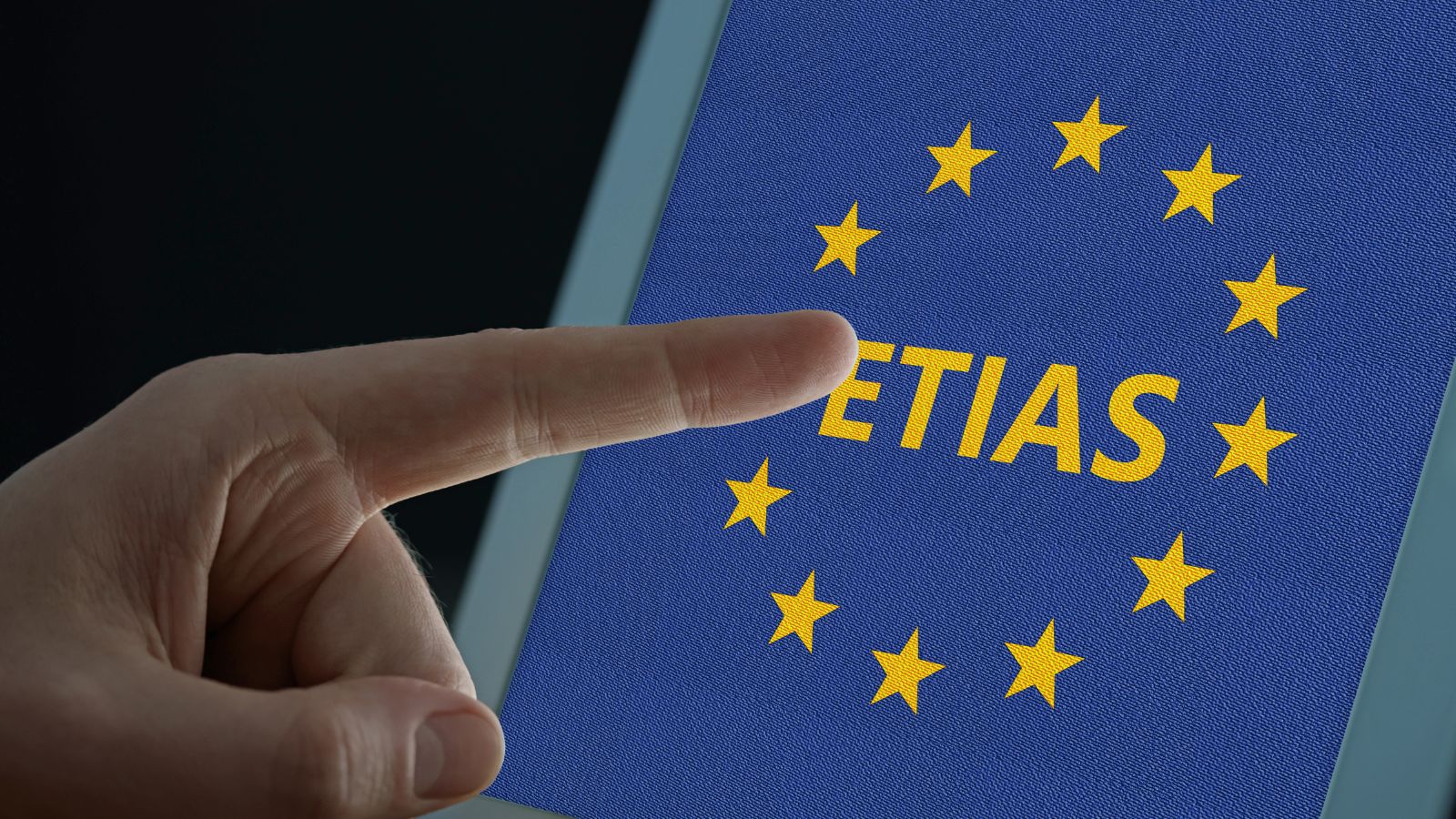
ETIAS, the European Travel Information and Authorisation System, is expected to begin operations in the last quarter of 2026. It will apply to visa-exempt travellers entering 30 European countries for short stays, including Canadians. It is not a traditional visa, but it does require an online application and approval before travel once the system becomes mandatory.
This could frustrate Canadians because Europe has long felt relatively straightforward for short visits. A traveller planning a fall trip to Portugal or France may suddenly need to remember another digital authorization, similar in spirit to systems already used by other countries. The fee may be modest compared with airfare, but the risk is forgetfulness. A missed authorization can turn into airport panic, denied boarding, or last-minute scrambling on a phone. The trip may still be easy, but it will be less spontaneous.
Cross-Border Travel Patterns Could Keep Shifting
Canadian travel to and from the United States has shown signs of softness, while some overseas travel has remained stronger. Statistics Canada reported that screened transborder traffic to the United States fell year over year in April 2026, marking the 15th consecutive month of declines. Industry reporting has also pointed to Canadian airlines adjusting route strategies as demand patterns change.
For passengers, route shifts can be annoying even when they make business sense. A once-convenient U.S. leisure flight may become seasonal, less frequent, or more expensive, while airlines redirect aircraft toward Europe, the Caribbean, Mexico, or other international markets. Travellers in smaller cities may feel this first because fewer frequencies mean fewer backup options after a cancellation. The frustration is not only losing a route; it is losing flexibility. A trip that once required one nonstop flight may become a connection through Toronto, Calgary, Vancouver, or Montreal.
Aircraft Delivery Delays Could Keep Schedules Fragile
Airlines continue to face aircraft supply constraints. IATA’s 2026 outlook pointed to limited aircraft availability and labour shortages as factors affecting passenger growth. Reuters also reported that supply chain issues and aircraft or engine shortages are grounding aircraft globally, forcing airlines to manage capacity carefully. When fewer aircraft are available than planned, schedules become harder to protect.
Canadian travellers may experience this as aircraft swaps, fewer backup planes, or sudden frequency changes. A route planned with a larger aircraft may operate with a smaller one, making rebooking harder if something goes wrong. A mechanical issue can ripple longer when spare aircraft are scarce. Most passengers never see the aircraft planning behind their trip; they only see the result at the gate. In 2026, the industry’s supply problem may continue showing up as passenger inconvenience.
More Self-Service Could Mean Less Human Help

Airports and airlines continue pushing passengers toward apps, kiosks, self-serve bag drops, digital boarding passes, and automated updates. These tools can make travel faster when everything works. They can also leave passengers feeling abandoned when a passport scan fails, a bag tag will not print, or a flight change needs human judgment. The more automated the airport becomes, the more visible the service gap feels during irregular operations.
This change can hit older travellers, infrequent flyers, and families managing multiple passports especially hard. A grandparent who expects a counter agent may instead face a row of kiosks and a roaming employee helping several people at once. A phone battery issue can become a travel problem. Self-service is efficient for airlines and airports, but it shifts work onto passengers. In 2026, many Canadians may find that the “faster” airport is faster mainly for people who already know the system.
Mobile Alerts May Replace Clear Explanations
Airlines increasingly communicate disruptions through app notifications, texts, emails, and automated rebooking tools. This can be useful when a gate changes or a delay is minor. It becomes frustrating when a serious disruption arrives as a short message with limited context. A traveller may receive “flight cancelled” before any staff at the airport can explain why, what compensation applies, or whether a hotel is available.
The human problem is that digital speed does not always equal clarity. During bad weather, crew shortages, or aircraft swaps, passengers often need reassurance and practical instructions. A generic notification may tell them to check the app, while the app tells them to see an agent, and the agent line stretches across the terminal. Airlines prefer digital channels because they reduce pressure on call centres and counters. Travellers prefer answers that match the disruption’s seriousness. That gap can make modern communication feel oddly impersonal.
More Premium Options Could Make Standard Travel Feel Downgraded
Airlines are expanding paid comfort categories because travellers are willing to pay for extra legroom, early boarding, better seats, lounge access, and flexible fares. WestJet’s cabin structure and Air Canada’s seat and fare options reflect a broader industry trend toward more detailed segmentation. This gives passengers more choice, but it also changes what “regular economy” feels like.
The frustration is psychological. When more benefits move into paid tiers, standard travellers may feel that the basic experience is being narrowed. Early bin access, seat choice, flexibility, and comfort become things to compare and purchase rather than assumed parts of flying. A passenger who books the cheapest fare may still arrive safely, but with fewer conveniences and more restrictions. Airlines call this customization. Many Canadians may call it being charged extra to rebuild the trip they thought they had already bought.
Airport Construction and Modernization Could Bring Short-Term Hassles
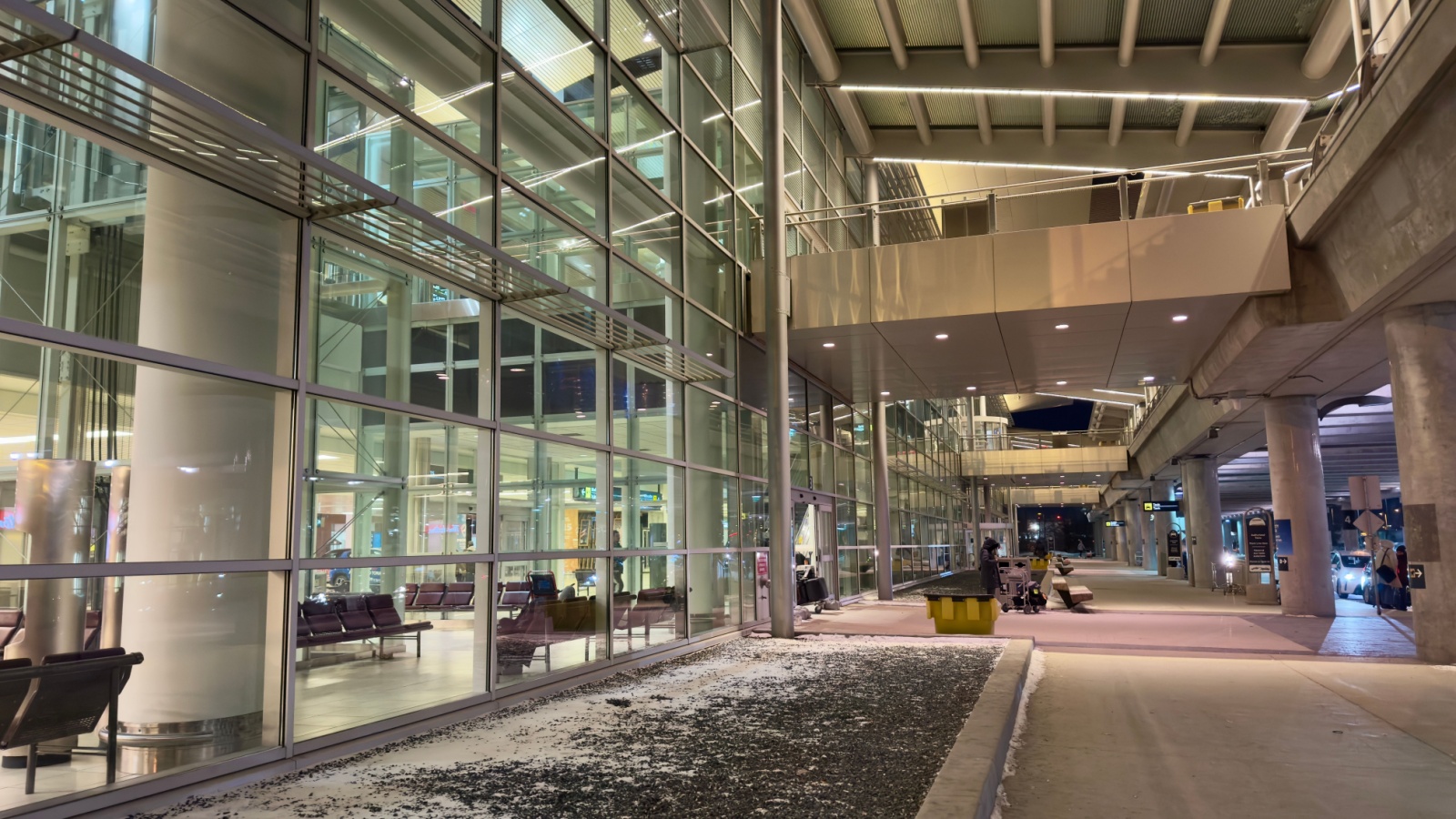
Canadian airports continue investing in infrastructure to handle growth, improve security, and modernize facilities. Canada’s airports say they have invested more than $25 billion in infrastructure since 1992. These upgrades are often necessary, especially as passenger volumes rise and screening technology changes. Still, construction rarely feels convenient to the person dragging luggage through a temporary corridor.
The frustration comes from paying fees while navigating disruption. A traveller may encounter detours, closed washrooms, relocated rideshare zones, temporary food options, or longer walks to gates. The promise is a better airport later, but the experience today can feel patched together. Airport modernization is one of those changes that sounds positive in a press release and exhausting at 5:30 a.m. before a winter flight. Canadians may support better terminals while still resenting the maze required to get through them.
Global Fuel and Geopolitical Pressures Could Keep Fares Unpredictable

Airline pricing in 2026 is being shaped by forces far beyond the booking screen. IATA’s global outlook projected continued passenger growth but also noted supply constraints, while recent industry reporting has highlighted fuel-price shocks, route detours, and airspace disruptions tied to geopolitical conflict. Fuel is one of the largest airline cost categories, and longer routings or volatile oil prices can affect fares and schedules.
Canadians may feel this through sudden price jumps, fewer cheap seats, or longer flight times on some international routes. A family comparing summer fares may find that prices move sharply within days, especially on routes with limited competition. Airlines often hedge fuel and adjust networks gradually, so the impact is not always immediate or obvious. Still, global instability has a way of appearing in ordinary travel plans. A vacation fare can carry the shadow of aircraft shortages, fuel markets, and closed airspace thousands of kilometres away.
19 Things Canadians Don’t Realize the CRA Can See About Their Online Income

Earning money online feels simple and informal for many Canadians. Freelancing, selling products, and digital services often start as side projects. The problem appears at tax time. Many people underestimate how much information the CRA can access. Online platforms, banks, and payment processors create detailed records automatically. These records do not disappear once money hits an account. Small gaps in reporting add up quickly.
Here are 19 things Canadians don’t realize the CRA can see about their online income.
