Canadians have become skilled at stretching grocery budgets, but small habits at the store can still turn a manageable bill into a frustrating one. With food prices forecast to keep rising in 2026 and many households already feeling the weight of higher meat, produce, and pantry costs, everyday shopping routines matter more than they used to.
These 24 grocery store habits are easy to overlook because they often feel normal: grabbing familiar brands, trusting sale tags, shopping while rushed, or letting produce spoil in the crisper. Breaking them before prices climb again can make grocery spending more deliberate, less wasteful, and better suited to the way Canadian households actually eat.
Shopping Without a Plan
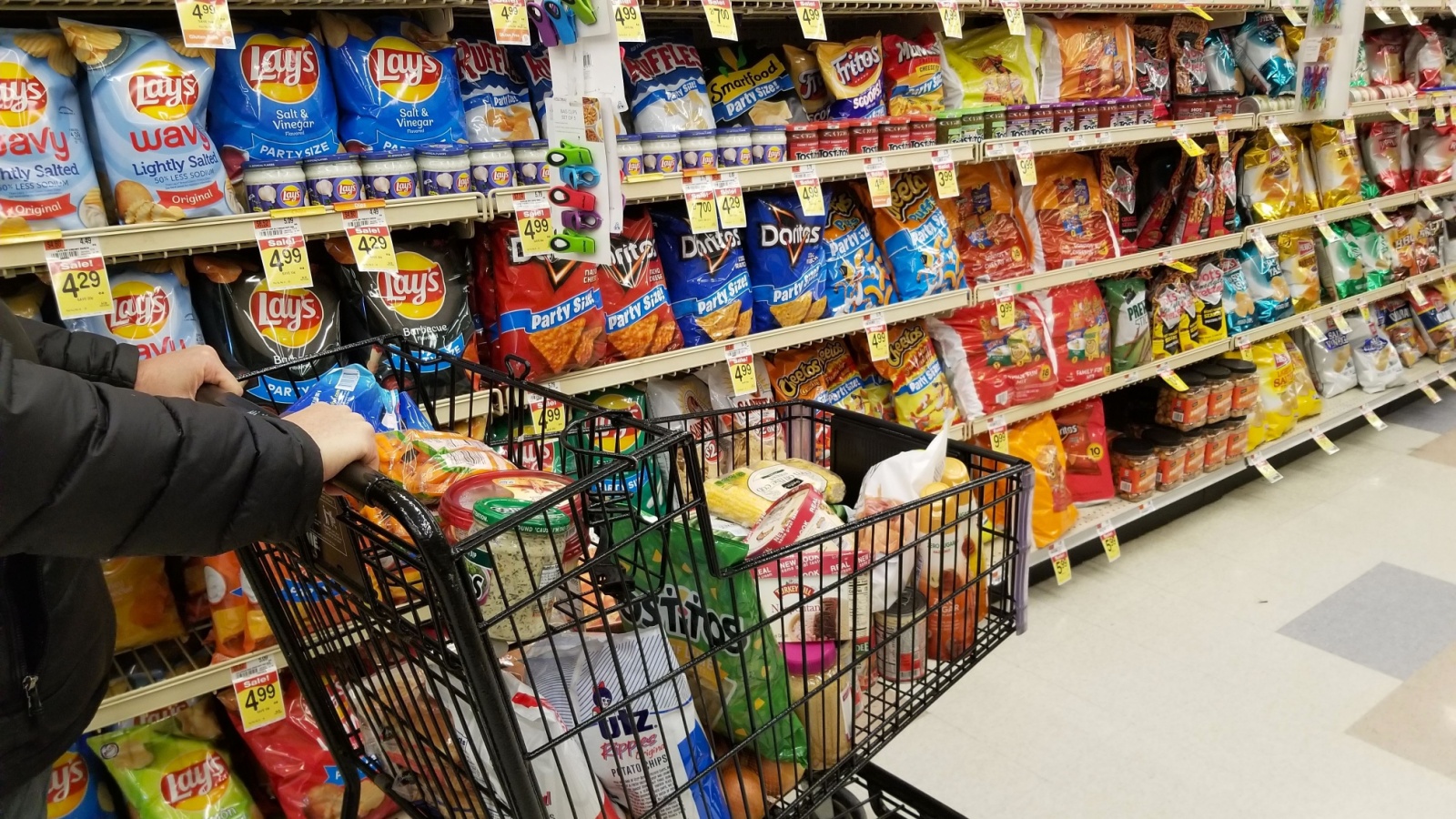
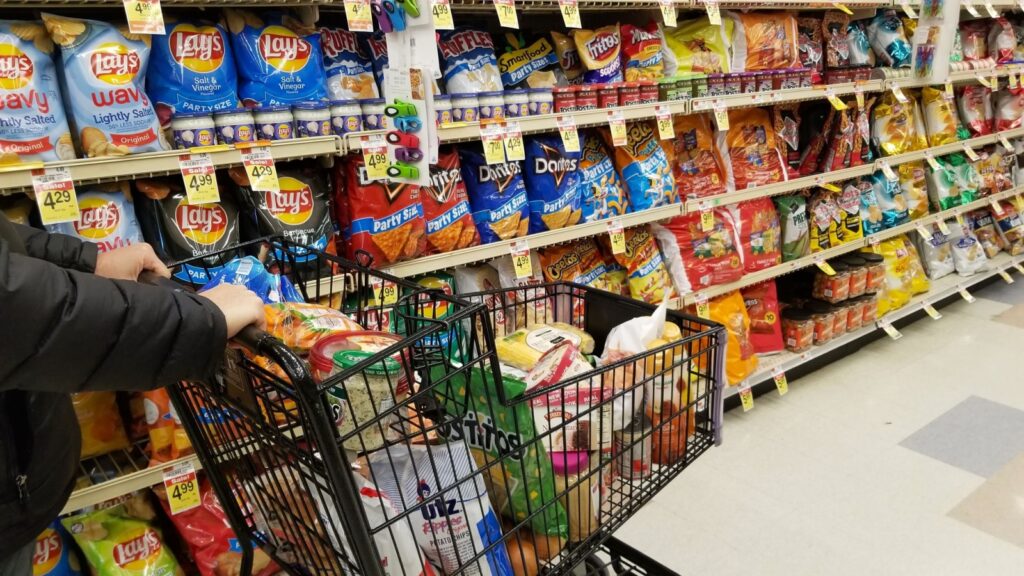
Walking into a grocery store without a plan is one of the easiest ways to overspend. The layout is designed to encourage browsing, and browsing often leads to extra snacks, duplicate pantry items, and “just in case” purchases that never become meals. A shopper who only needs milk, eggs, and vegetables can leave with bakery treats, prepared foods, and another jar of sauce already sitting at home.
A simple plan does not need to be rigid. Checking the fridge, freezer, and cupboards before leaving can prevent buying a third bag of carrots or another block of cheese. In a year when Canadian food prices are forecast to rise again, even small planning habits can make the difference between a controlled grocery run and a bill that feels oddly high.
Ignoring Unit Prices

The shelf price is the number most shoppers notice first, but the unit price often tells the real story. A large box of cereal, a club-size bottle of detergent, or a multi-pack of yogurt may look cheaper because the package is bigger. Once the price per 100 grams, litre, or unit is compared, the smaller package may sometimes be the better deal.
This habit matters because grocery promotions can be visually persuasive. Bright sale tags, end-cap displays, and “family size” labels can make value feel obvious when it is not. Canadians trying to control costs should get used to reading the smaller unit-price line, especially on cereal, pasta, cheese, coffee, frozen food, and cleaning products sold in grocery aisles.
Assuming Bigger Packages Are Always Better
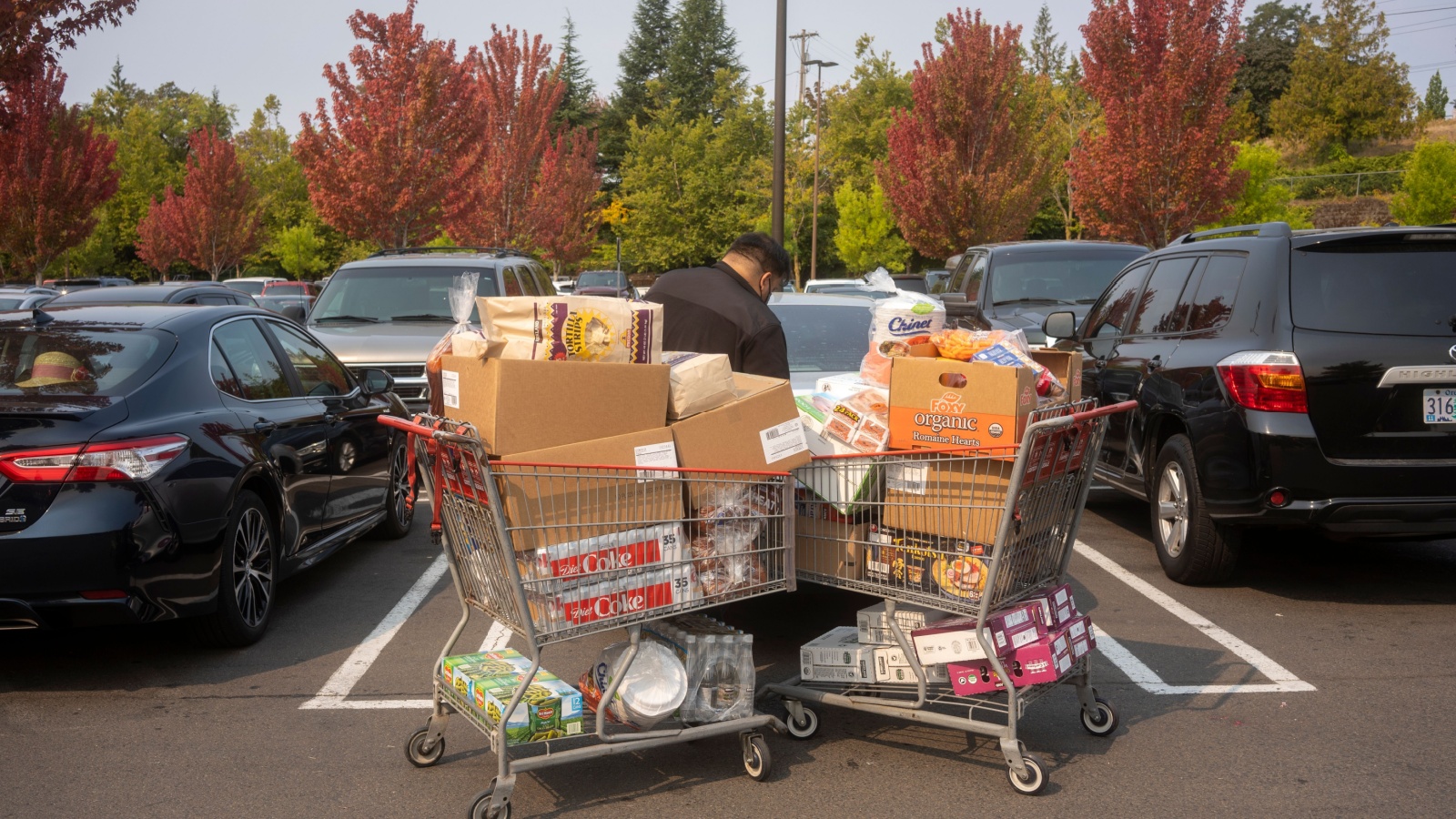
Bulk buying can save money, but only when the food actually gets used. A large tub of salad greens is not a bargain if half of it wilts before anyone eats it. The same applies to berries, yogurt, hummus, deli meat, and bakery items. The price per unit may be lower, but spoilage can erase the savings quickly.
Canadian households already waste a significant amount of edible food each year, and oversized purchases are one reason. A family that cooks nightly may benefit from bulk rice, oats, or frozen vegetables. A single person with limited freezer space may not. The better habit is to match package size to real eating patterns, not to the store’s suggestion of value.
Treating Sale Tags as Automatic Savings
A sale tag can lower a bill, but it can also encourage buying something unnecessary. “Two for $7” feels better than one regular-priced item, even when only one is needed. Some shoppers buy the second item because the sign suggests they must, even though many stores still allow single-item pricing unless the tag clearly says otherwise.
The smarter habit is to pause before every promotion and ask whether the item was already on the list. Sale pricing helps most when it applies to staples: canned tomatoes, pasta, rice, frozen fruit, beans, coffee, flour, or household basics. It helps less when it creates a new craving or pushes perishable food into an already full fridge.
Buying Produce Without a Use-By Plan
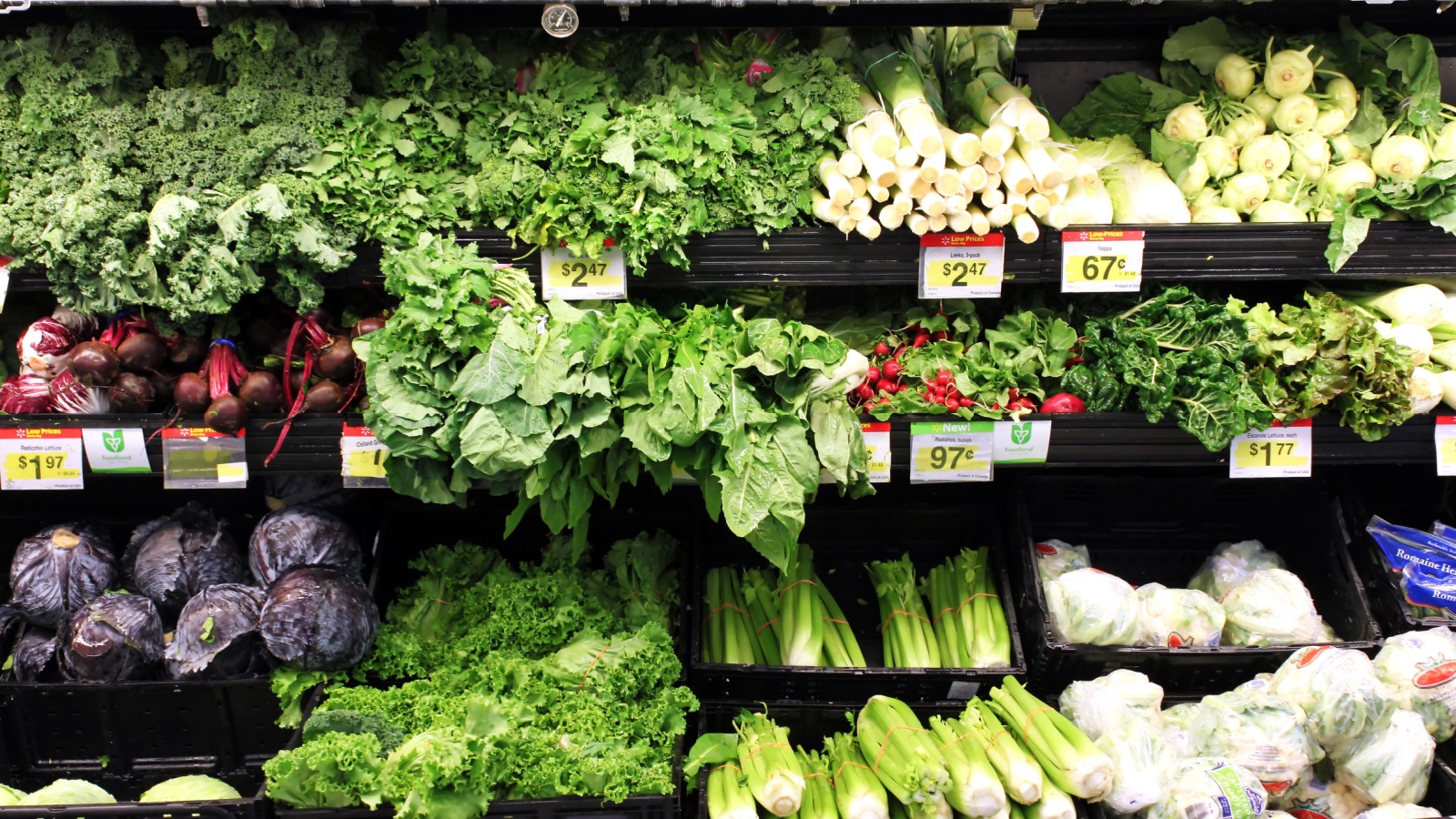
Fresh produce is often where good intentions go to die. A cart full of kale, peppers, grapes, and avocados can feel like a healthy reset on Sunday, then become a waste problem by Thursday. Fresh vegetables have also seen notable price pressure in Canada, so wasting them hurts more than it did a few years ago.
A better approach is to buy produce with specific meals in mind. Spinach can be planned for omelettes and pasta. Carrots can cover soup, snacks, and stir-fry. Bananas can be frozen for baking before they spoil. Flexible produce, such as cabbage, potatoes, onions, apples, and frozen vegetables, often gives better value because it lasts longer and works in more meals.
Overlooking Frozen Fruits and Vegetables
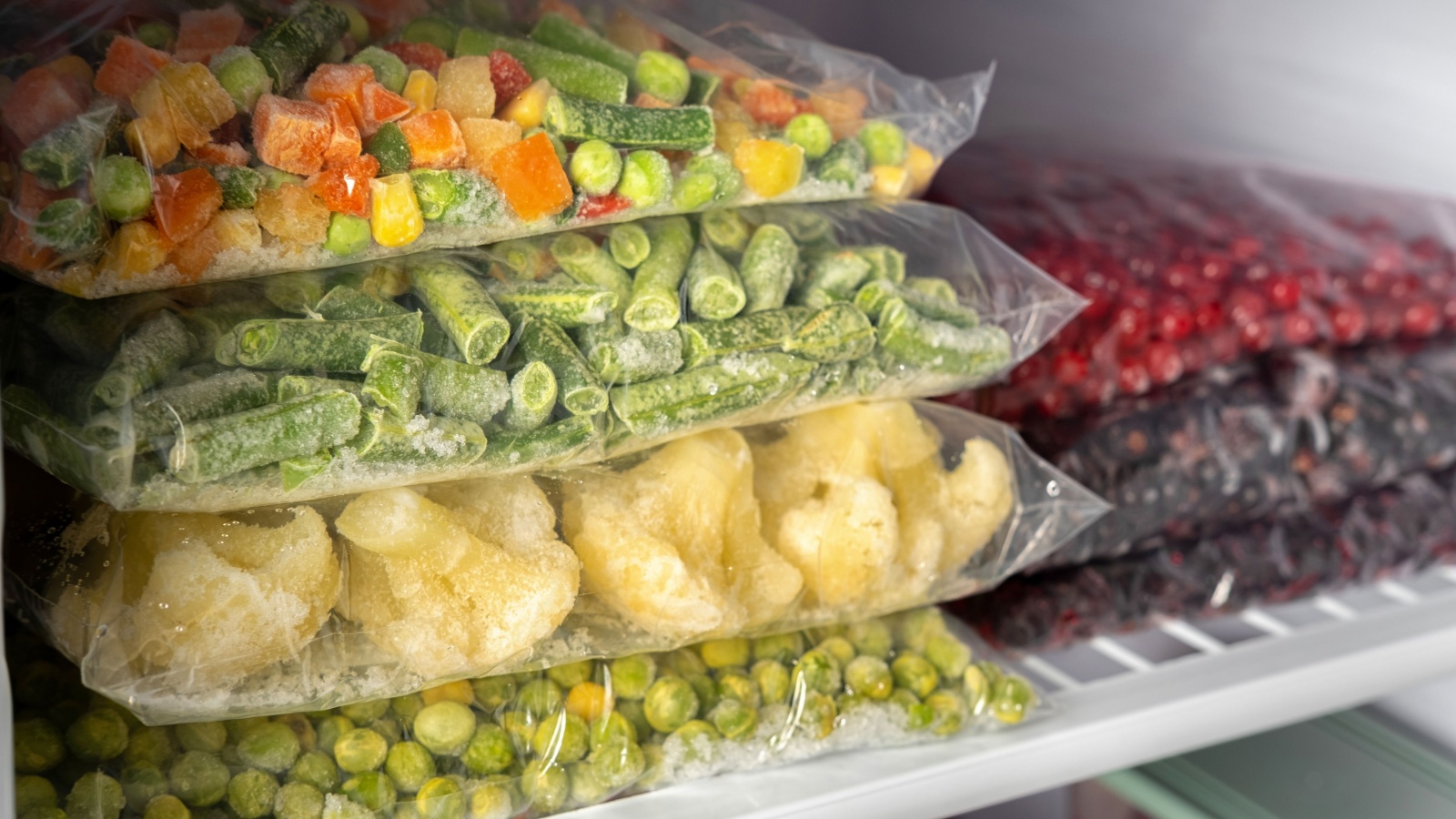
Some shoppers still treat frozen produce as a backup option, but it can be a budget tool. Frozen berries, peas, spinach, corn, broccoli, and mixed vegetables can reduce waste because they are portioned as needed. They also help when fresh produce prices jump due to weather, transportation costs, or seasonal supply issues.
Frozen does not mean inferior for everyday cooking. Smoothies, soups, curries, fried rice, pasta sauces, and casseroles often work perfectly with frozen ingredients. For Canadian households dealing with long winters and fluctuating produce costs, keeping a few frozen options on hand can prevent expensive midweek trips and reduce the temptation to order takeout when the fridge looks empty.
Shopping While Hungry
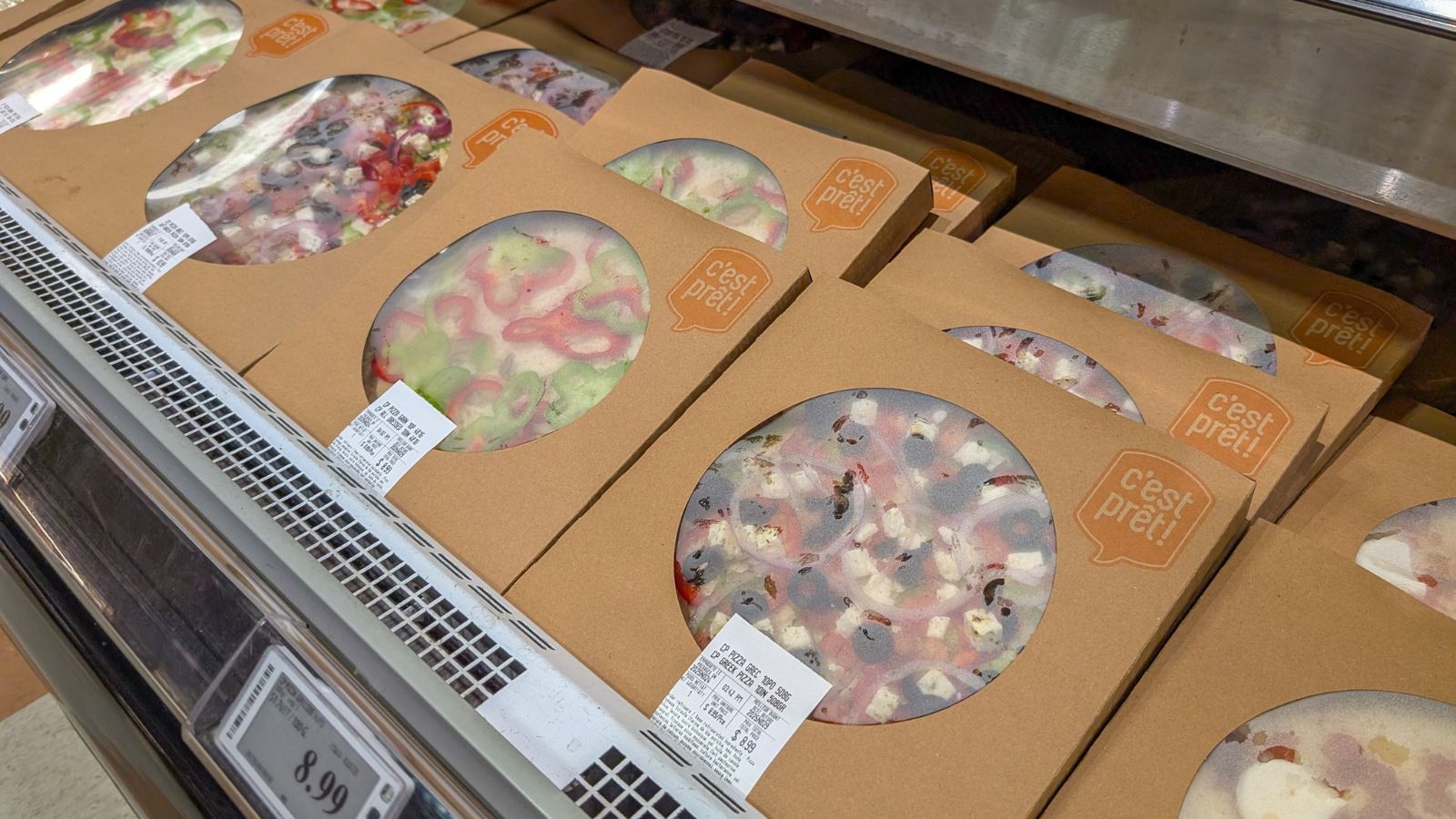
Shopping hungry is not just a cliché. Hunger changes decisions. A person who planned to buy ingredients for soup may suddenly decide that chips, pastries, frozen pizza, and prepared chicken are all urgent. Grocery stores place ready-to-eat items, bakery smells, and snack displays where they can catch tired shoppers at exactly the wrong moment.
This habit is especially costly when prices are already high. Prepared foods and impulse snacks often carry a higher cost per serving than basic ingredients. Eating a small snack before shopping, carrying water, or shopping after a meal can make the cart look more like the list. It is a simple behavioural fix that can quietly protect the grocery budget.
Staying Loyal to One Store

Loyalty can be convenient, but it can also be expensive. Canada’s grocery market is highly concentrated, and prices can vary meaningfully between full-service supermarkets, discount banners, independent stores, warehouse clubs, ethnic grocers, farmers’ markets, and online options. A household that shops only one familiar store may miss cheaper staples nearby.
Breaking this habit does not require visiting five stores every week. Instead, shoppers can identify which store is best for which category. One may be cheapest for produce, another for pantry staples, and another for pharmacy or household items. Even rotating stores once or twice a month can reveal patterns and prevent a single retailer from setting the entire household budget.
Forgetting to Check the Pantry First

Duplicate buying is one of the quietest forms of grocery waste. It happens when a shopper buys another bag of flour, another bottle of oil, or another can of chickpeas because the pantry inventory is unclear. Later, older items get pushed behind newer ones, expire in quality, or become clutter that makes meal planning harder.
A quick pantry check before shopping can uncover meals already half-built. Pasta plus canned tomatoes, rice plus frozen vegetables, oats plus peanut butter, or lentils plus spices can become low-cost meals without adding much to the cart. This habit matters most when food prices rise because using what is already paid for is the cheapest grocery strategy available.
Letting Loyalty Points Drive the Cart

Loyalty programs can be useful, but they should not decide what goes into the cart. Bonus-point offers often encourage shoppers to spend more, buy larger packages, or choose specific brands. A shopper may earn points on a product but still spend more than they would have by choosing a cheaper alternative or skipping the item entirely.
The better habit is to treat points as a rebate, not a reason to buy. If the product is already needed and the price is competitive, the points are a bonus. If the offer requires buying three items, upgrading to a premium brand, or reaching a spending threshold with extras, the “reward” can become a disguised expense.
Ignoring Store Brands
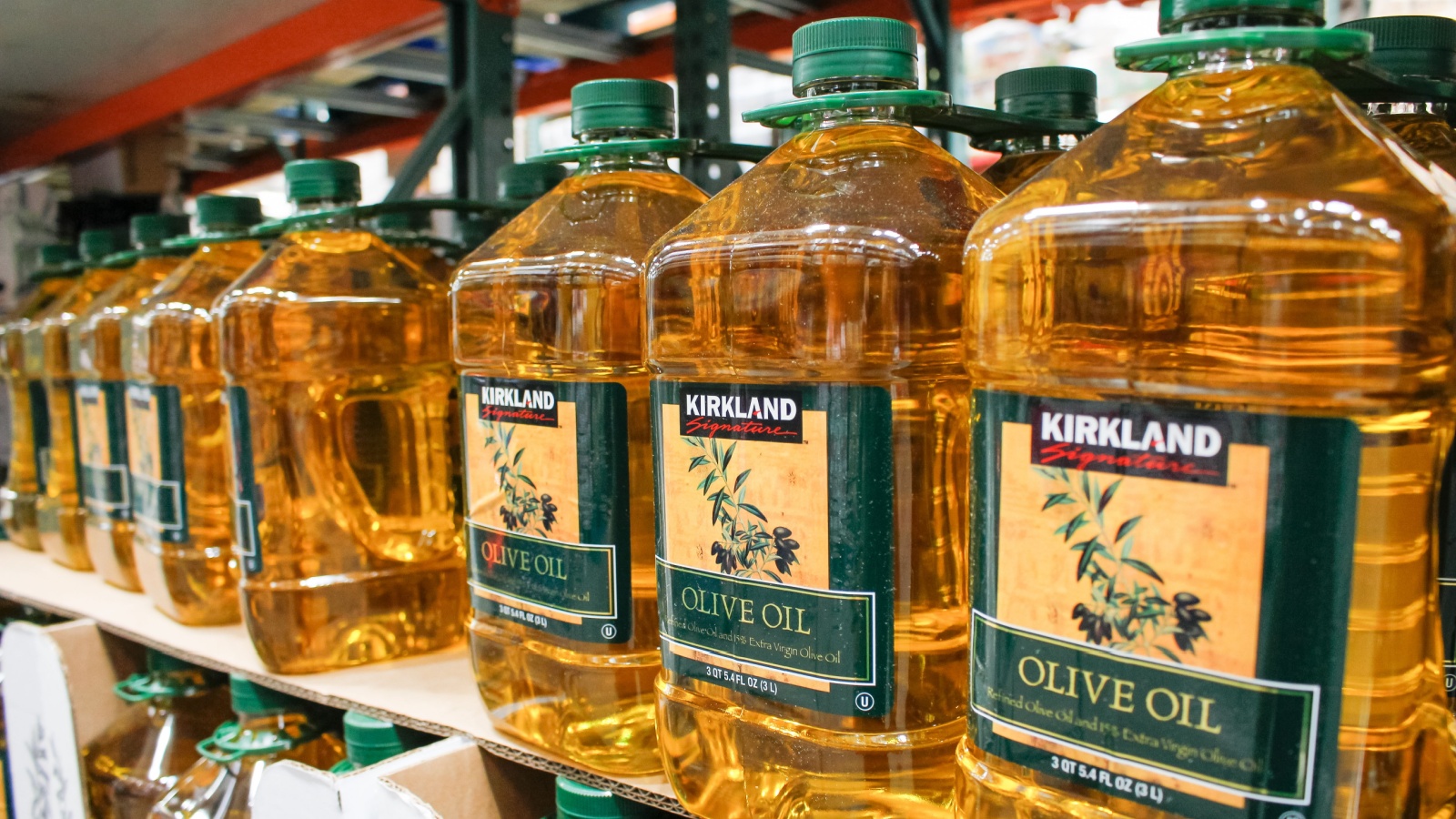
Store brands have changed a lot from the plain-label products many shoppers remember. In many categories, private-label pasta, canned goods, frozen vegetables, dairy products, snacks, baking supplies, and cleaning products can be noticeably cheaper than national brands. The quality difference is often small enough that households may not notice after the first switch.
This does not mean every store-brand product is automatically better. Some people genuinely prefer a specific coffee, cereal, sauce, or detergent. The habit worth breaking is refusing to test alternatives at all. Swapping just a few routine items can create recurring savings, especially in categories where the ingredient list is simple and brand loyalty is mostly habit.
Buying Meat the Same Way Every Week
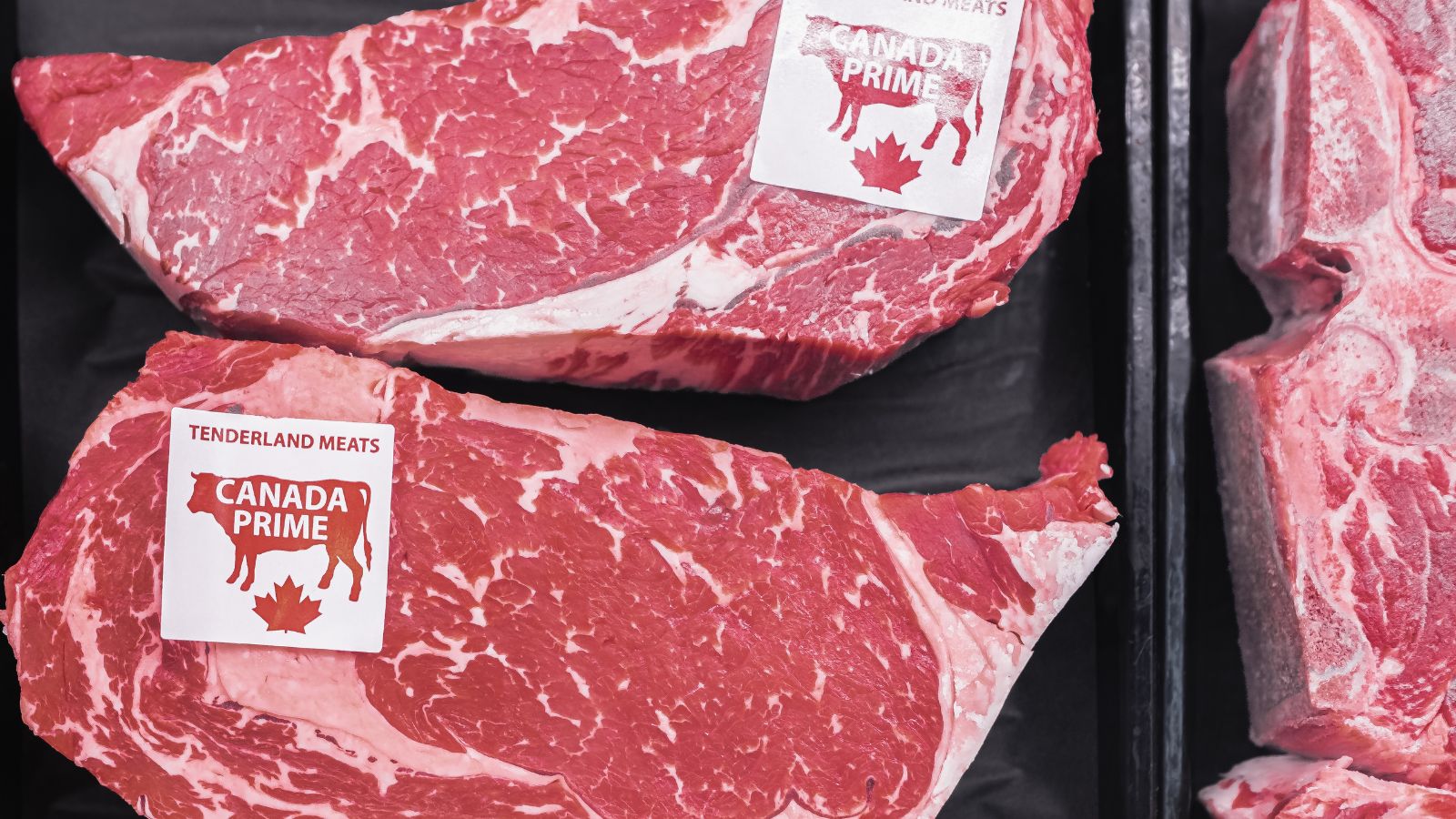
Meat is one of the categories where Canadian shoppers have felt strong price pressure. Buying the same cuts every week can keep costs high, especially if the routine depends on boneless chicken breasts, premium steaks, deli meats, or individually portioned convenience packs. Familiarity can become expensive when prices shift.
A more flexible habit is to plan around what is on sale and stretch meat further. Ground meat can be mixed with lentils, mushrooms, oats, or beans. Roasts can become multiple meals. Bone-in cuts can be cheaper and more flavourful. Eggs, tofu, beans, lentils, and canned fish can also help reduce dependence on the priciest protein choices.
Avoiding Plant-Based Proteins
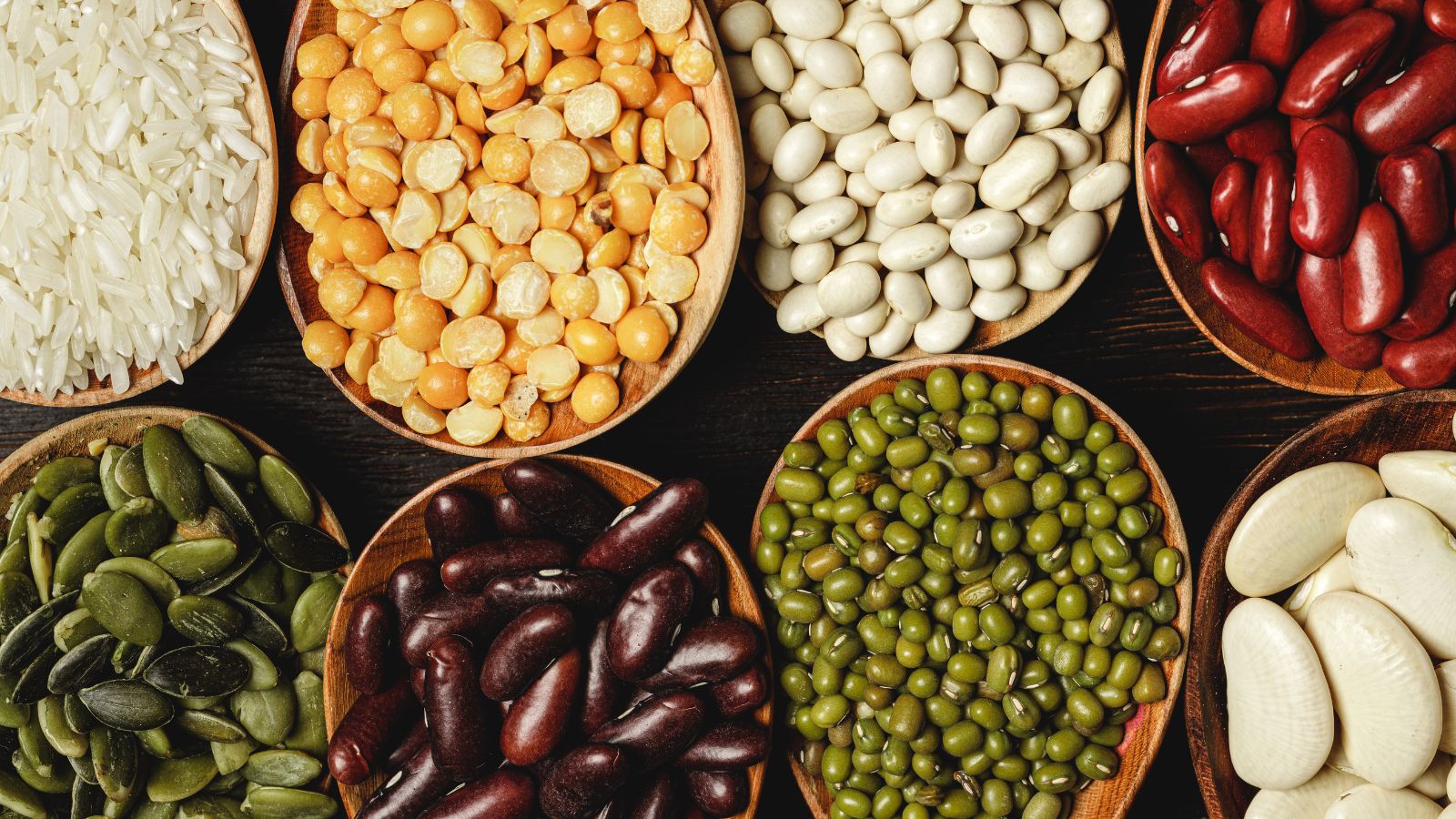
Some households skip beans, lentils, chickpeas, tofu, and split peas because they seem unfamiliar or less satisfying than meat. That can be a missed opportunity. Canada’s food guidance includes plant-based proteins as part of healthy eating, and many of these foods have long shelf lives, strong nutrition, and lower cost per serving than many animal proteins.
The key is not to force a complete diet overhaul. A pot of chili can use half meat and half beans. Lentils can thicken soup. Chickpeas can become curry or salad. Tofu can go into stir-fry. These small substitutions can lower the average cost of meals while keeping them filling, especially when paired with rice, potatoes, pasta, or whole grains.
Paying Extra for Pre-Cut Convenience
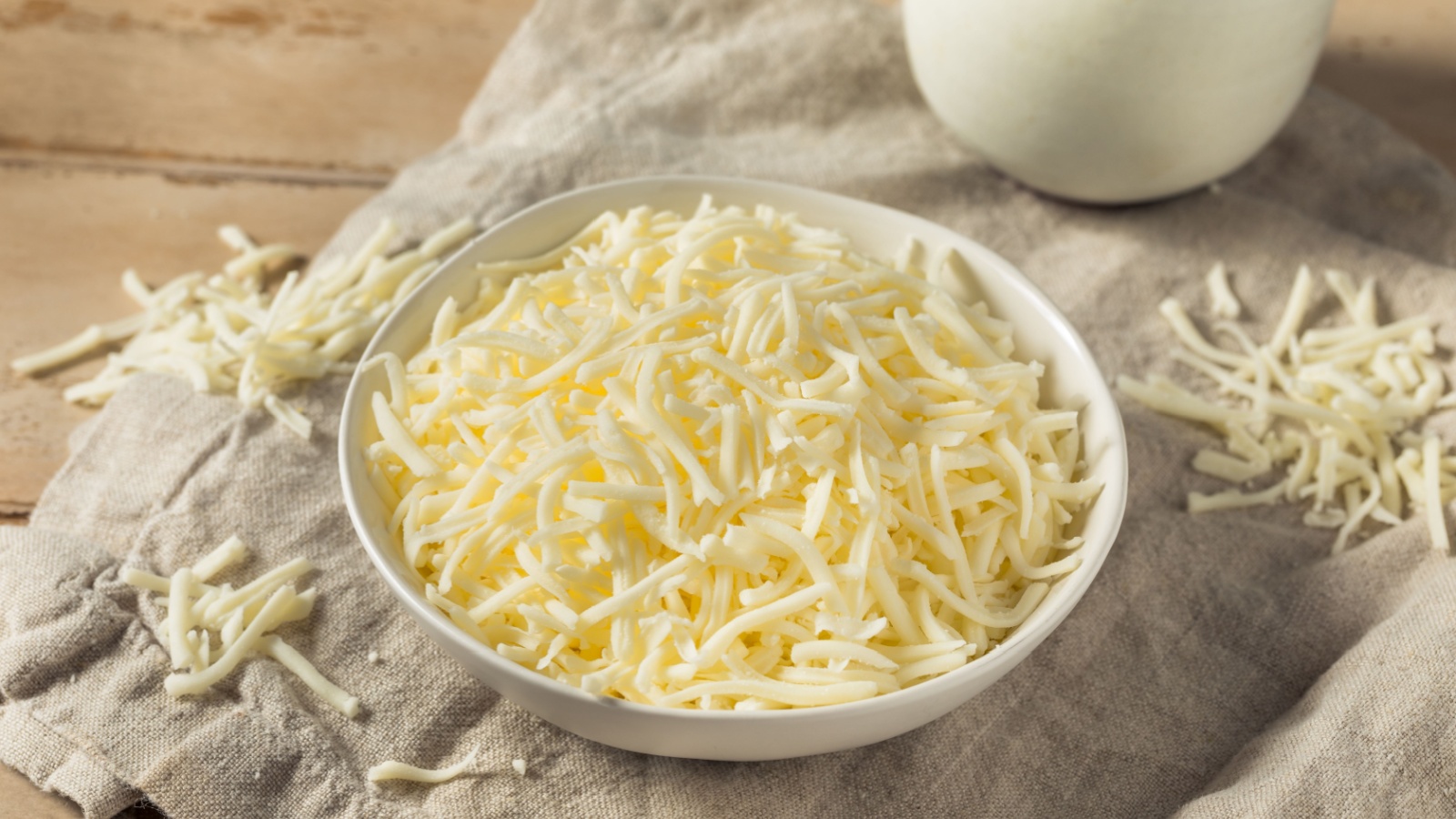
Pre-cut fruit, shredded cheese, chopped vegetables, peeled garlic, and ready-made salad kits save time, but the convenience often comes at a premium. They can also spoil faster once cut or opened. For busy households, some convenience items may be worth it, especially if they prevent takeout. The problem is buying them automatically.
A better habit is to choose convenience strategically. Pre-washed greens may make weekday lunches happen. But pre-sliced apples, chopped onions, or grated cheese may not be worth the markup if a few minutes of prep would do. When prices climb, the question becomes practical: does this item save enough time, reduce waste, or prevent restaurant spending to justify its cost?
Skipping the Clearance Rack
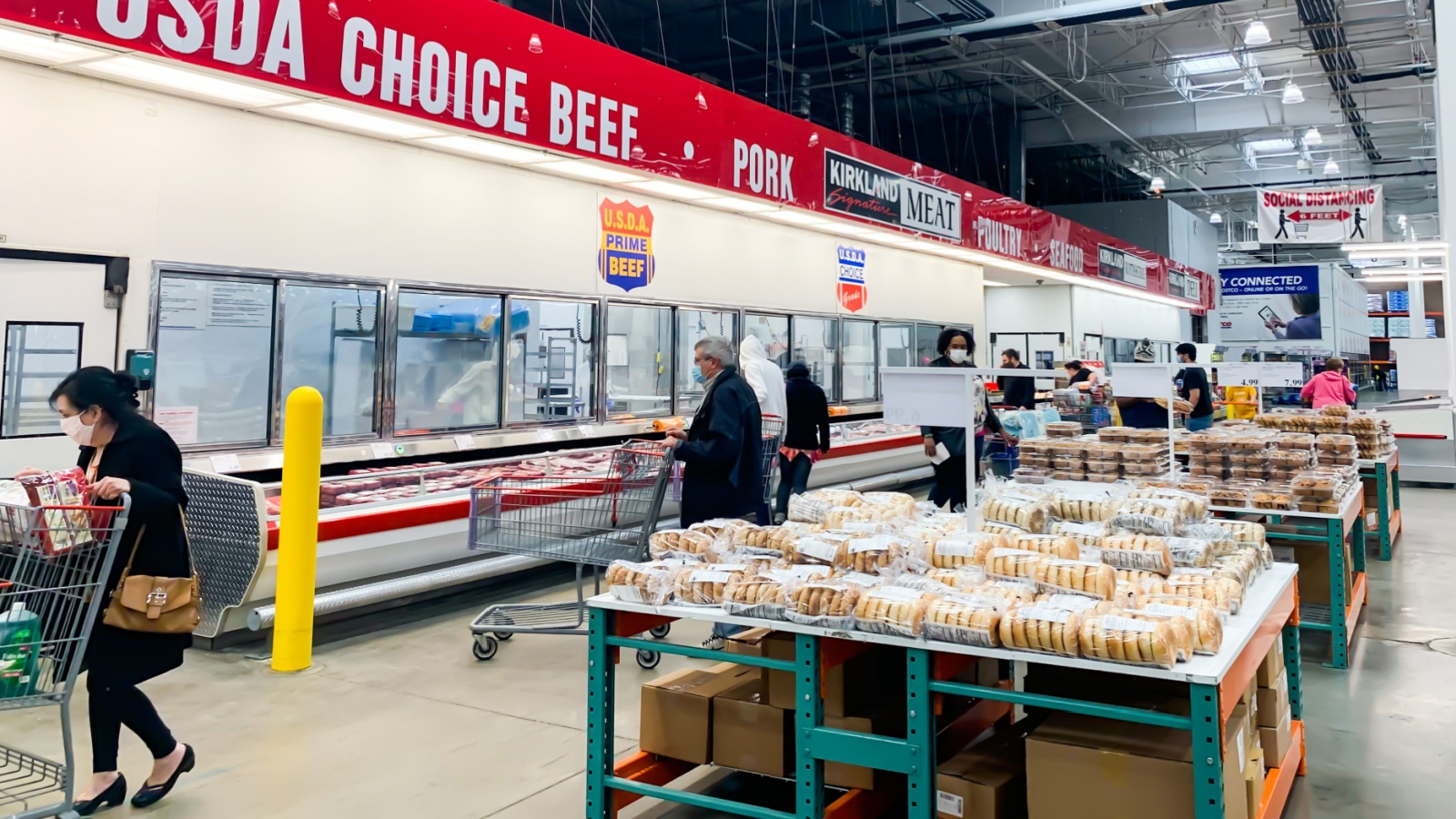
Many grocery stores mark down meat, bakery items, dairy, produce, and packaged foods close to their best-before date. Some shoppers avoid these sections because they assume the food is unsafe or poor quality. In Canada, best-before dates are generally about freshness and quality, not safety, for many foods when properly stored and handled.
Clearance shopping works best with a plan. Discounted bread can be frozen. Marked-down meat can be cooked or frozen the same day. Ripe bananas can become muffins. Yogurt close to its date can be used in smoothies or baking. The habit to break is dismissing markdowns without checking whether they fit a meal plan and safe storage timeline.
Misunderstanding Best-Before Dates

Confusing best-before dates with expiry dates can lead to unnecessary waste. Many foods can still be eaten after a best-before date has passed, although taste, texture, or nutritional quality may decline. This distinction matters because throwing away safe food is the same as throwing away money already spent.
Canadians should still use judgment. Food that smells off, shows mould, has damaged packaging, or was stored improperly should not be eaten just to save money. But dry pasta, crackers, canned goods, cereal, and some refrigerated products may not need to be discarded the moment a date passes. Understanding labels can keep edible food out of the garbage.
Buying Too Many “Aspirational” Foods

Aspirational groceries are the foods bought for the life a person imagines, not the week they actually have. They include ambitious salad ingredients, specialty grains, fresh herbs, unusual sauces, and vegetables that require more prep than the household realistically has time for. The intention is good, but the result can be an expensive compost bin.
Breaking this habit means being honest without being defeatist. If weeknights are rushed, buy vegetables that can be roasted quickly or eaten raw. If lunches often get skipped, choose simple grab-and-go options. If fresh herbs usually wilt, try dried herbs or freeze extras. A practical grocery cart beats an ideal one that never turns into meals.
Treating Takeout Substitutes as Groceries
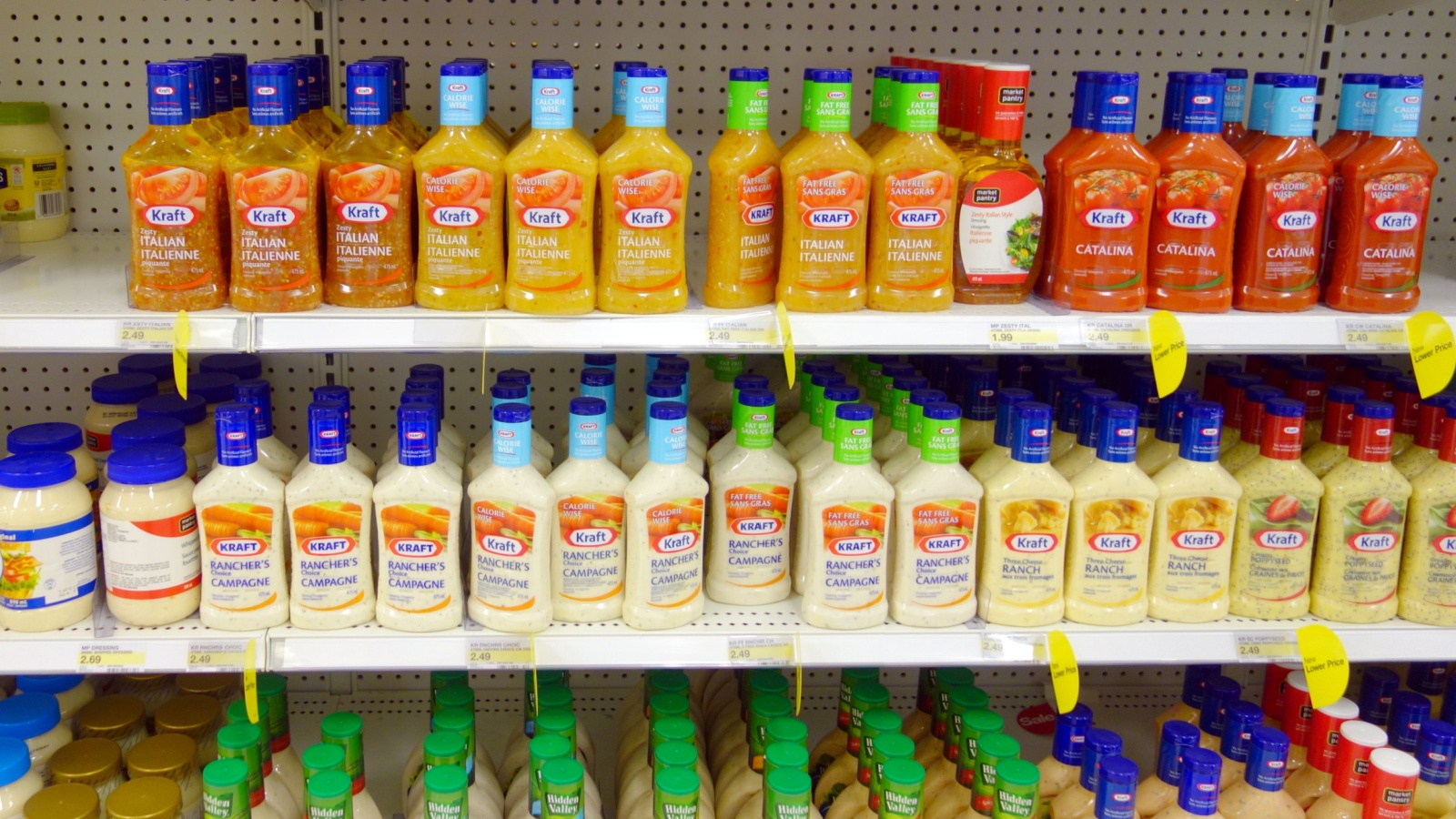
Frozen appetizers, premium pizzas, bottled drinks, bakery desserts, and prepared entrées can make a grocery trip feel cheaper than restaurant food. Sometimes they are. But when these items fill the cart regularly, the grocery bill starts to resemble a takeout budget in disguise. Convenience foods can be useful, but they should not quietly dominate the receipt.
A realistic approach is to keep one or two emergency meals on hand rather than buying a week of near-restaurant substitutes. Frozen dumplings, a pizza, or a prepared lasagna can save a busy night. The habit to break is letting every stressful evening become a premium grocery shortcut, especially when basic pantry meals could do the job for less.
Failing to Freeze Food in Time
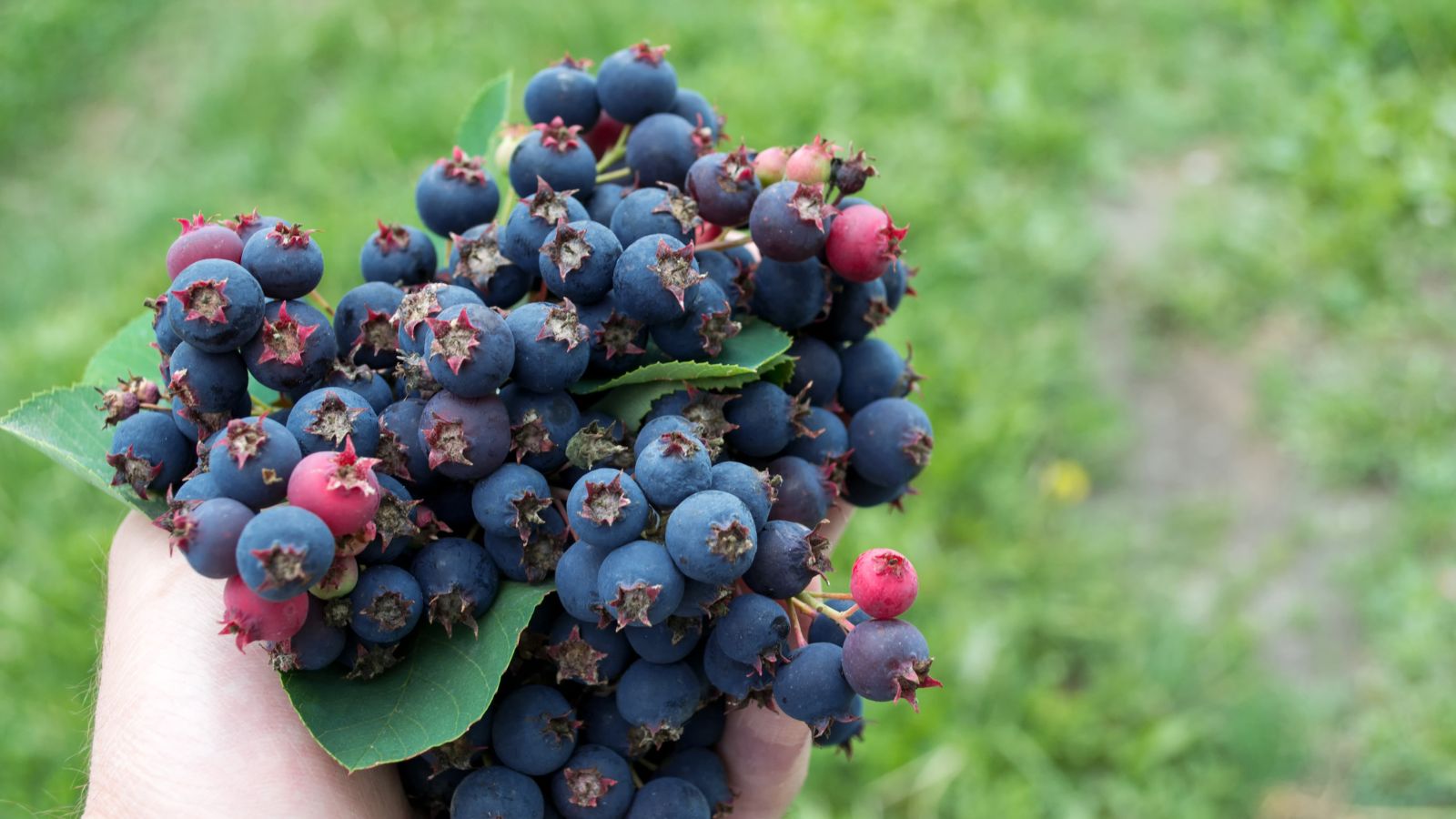
The freezer is one of the best inflation-fighting tools in the kitchen, but only if food reaches it before it spoils. Bread, meat, grated cheese, berries, herbs, cooked rice, soups, sauces, and leftovers can often be frozen successfully. Waiting until food is already questionable limits what can be saved.
A good habit is to freeze food early, not as a last resort. If a family buys a large pack of chicken, portioning and freezing some the same day prevents waste. If bread will not be finished in three days, half can go straight into the freezer. This turns bulk buying and sale shopping into real savings instead of wishful thinking.
Shopping Too Often
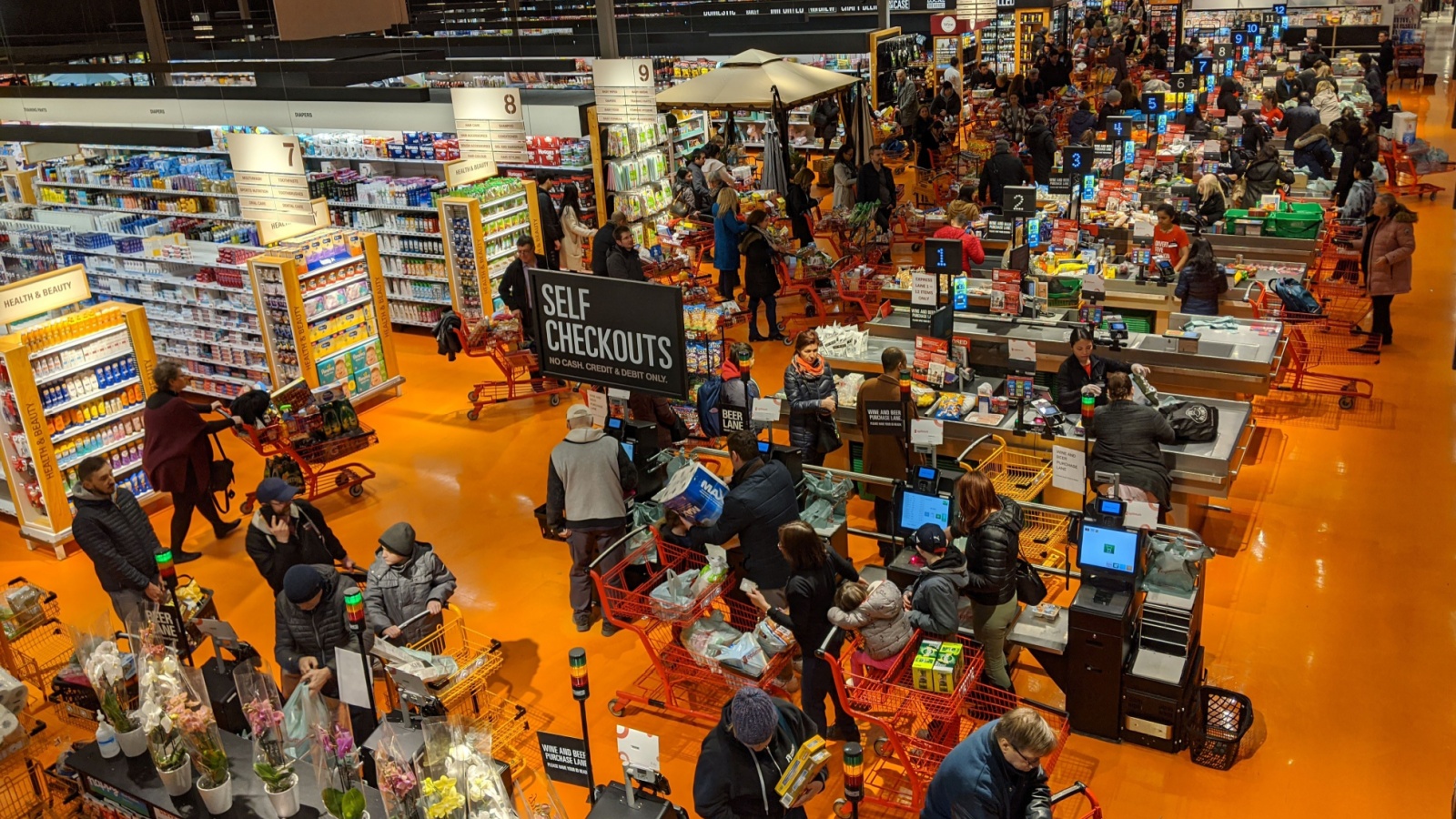
Frequent grocery trips create more chances for impulse purchases. A household may go in for one missing ingredient and leave with snacks, drinks, flowers, and a prepared meal. Small top-up trips can also hide the real weekly grocery total because each receipt feels manageable on its own.
Shopping less often encourages better planning. It does not mean never buying fresh produce midweek, but it does mean reducing casual trips that become expensive. A main weekly shop plus one intentional top-up can work better than wandering into the store every other day. When prices climb, fewer unplanned visits usually means fewer unplanned purchases.
Ignoring Seasonal Patterns

Buying out-of-season produce can be expensive, especially in a country with long winters and major reliance on imported fruits and vegetables. Strawberries, asparagus, cherries, cucumbers, peppers, and lettuce can swing sharply depending on weather, transportation, and supply. A habit of buying the same fresh items year-round can make a grocery bill harder to control.
Seasonal flexibility helps. In colder months, cabbage, carrots, onions, squash, potatoes, apples, frozen berries, and frozen greens can offer better value. In summer, local produce may become more attractive. The goal is not to eliminate favourite foods, but to stop treating every item as equally affordable in every month.
Forgetting About Price Matching

Price matching is not available everywhere, and store policies change, but where it exists, it can reduce the need to drive across town for a few deals. Some Canadian grocery shoppers still ignore it because it feels awkward or time-consuming. Used selectively, it can be worth the small effort on higher-priced staples.
The best approach is to price-match only obvious savings. Meat, diapers, coffee, butter, laundry detergent, and pantry staples can justify the effort more than a few cents on one can. Keeping flyers or apps ready before checkout prevents delays. The habit to break is leaving easy, policy-approved savings unused while prices keep moving upward.
Buying Snacks Without Portion Awareness
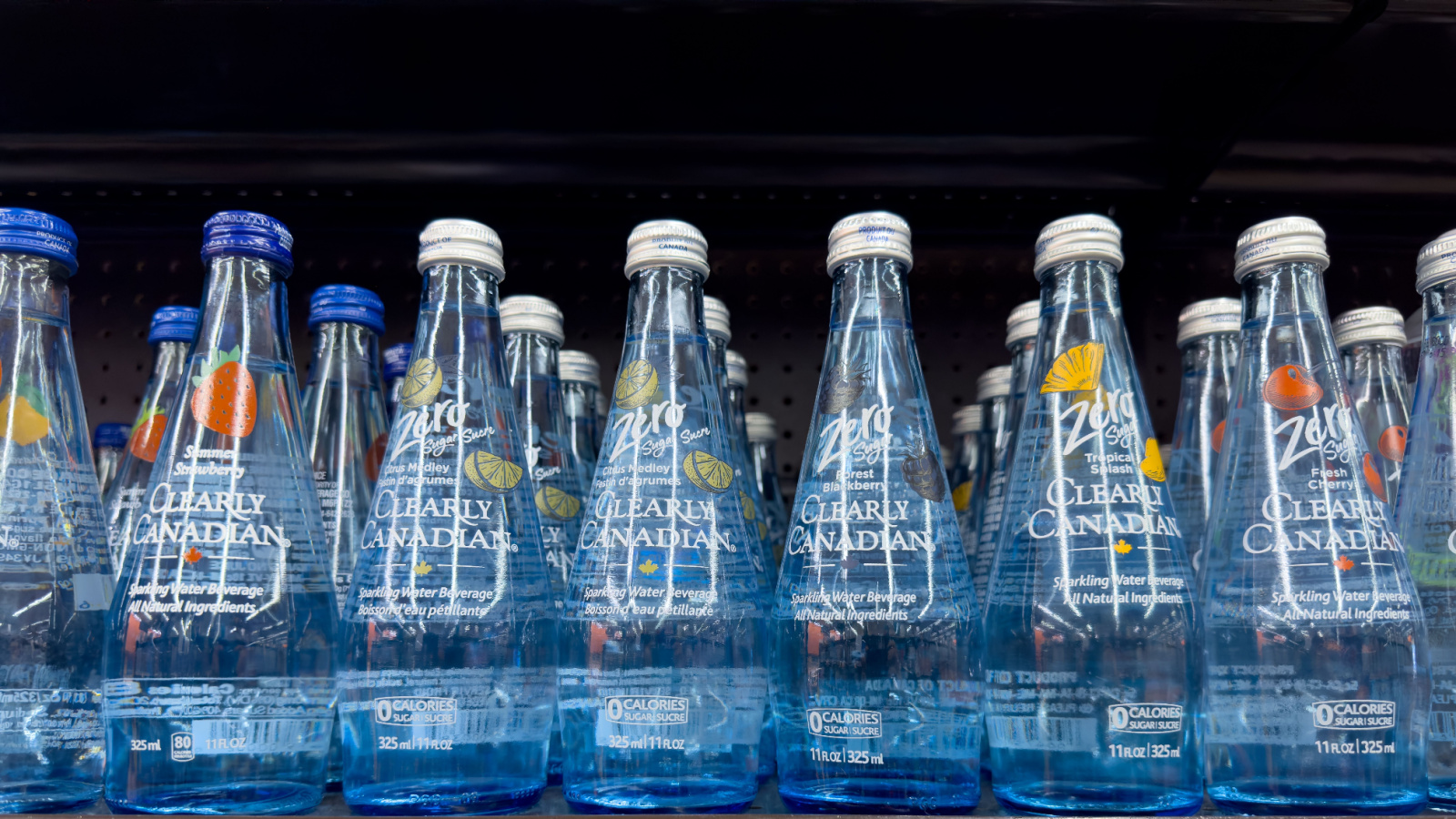
Snack foods can quietly inflate grocery bills because they disappear quickly and often deliver fewer meals per dollar than staples. Chips, granola bars, crackers, cookies, sparkling drinks, and single-serve packs are convenient, but repeated purchases add up. A household may feel disciplined about dinner ingredients while overspending in the snack aisle.
This does not mean snacks must vanish. It means buying them with portion reality in mind. Large bags may be cheaper per gram but can disappear faster if portions are uncontrolled. Single-serve packs can be useful for lunches but expensive for home use. Popcorn kernels, fruit, yogurt, homemade muffins, hummus, or cheese and crackers can sometimes stretch further.
Not Reading the Receipt
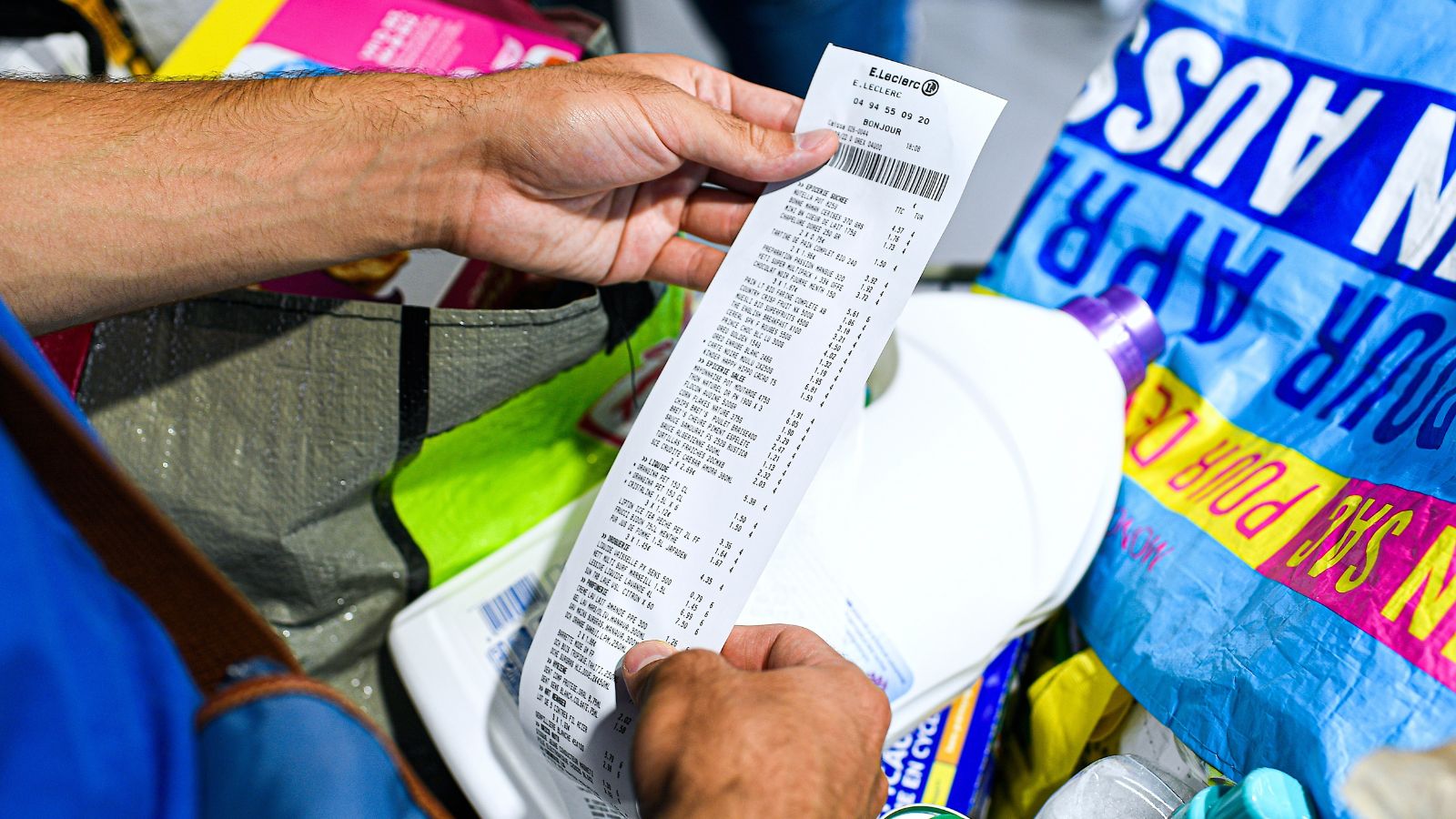
Checkout errors, missed discounts, loyalty offers that fail to apply, and price differences between shelf tags and scanners can happen. Many shoppers leave without checking the receipt because the store is busy or the total already feels painful. That habit can cost money, especially on multi-buy deals, markdowns, and digital offers.
A quick receipt scan near the exit can catch problems while they are easier to fix. Look for sale items, weighed produce, clearance stickers, coupons, and loyalty redemptions. Even a few corrected errors over a year can matter. More importantly, receipts reveal spending patterns: the snacks, convenience foods, and duplicate items that quietly push totals higher.
Wasting Leftovers
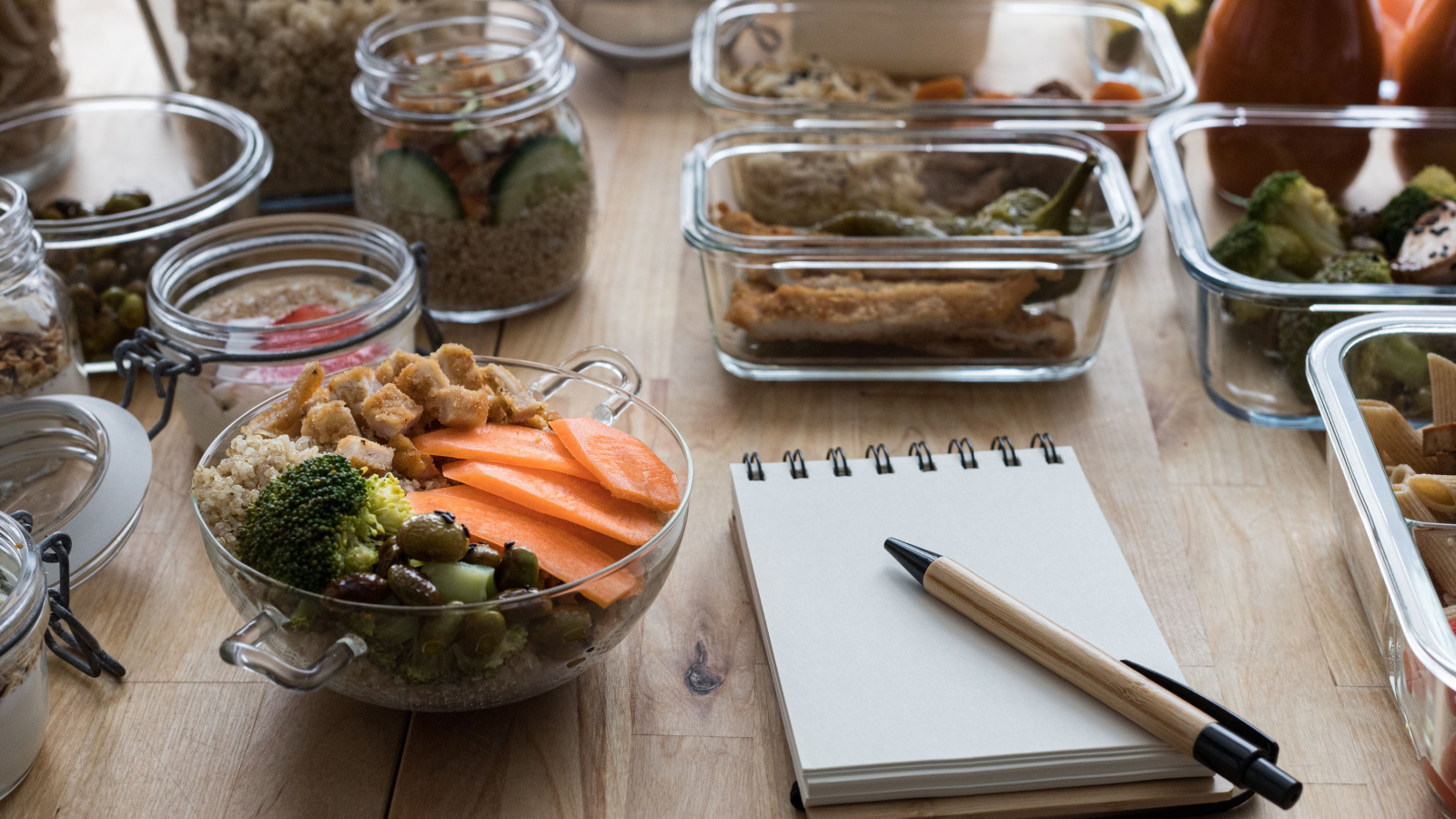
Leftovers can be a budget advantage or a fridge problem. The difference is whether they have a plan. A container of rice, roasted chicken, cooked vegetables, or pasta sauce can become lunch, soup, fried rice, wraps, or a second dinner. Without a plan, it becomes something discovered too late at the back of the fridge.
Canadian food-waste estimates show that edible food waste carries a major household cost. Leftovers are part of that story because they are already paid for, cooked, and close to becoming a free meal. Labelling containers, using clear storage, and scheduling a “leftover night” can turn scraps into savings instead of guilt.
Shopping Like Prices Are Still Normal
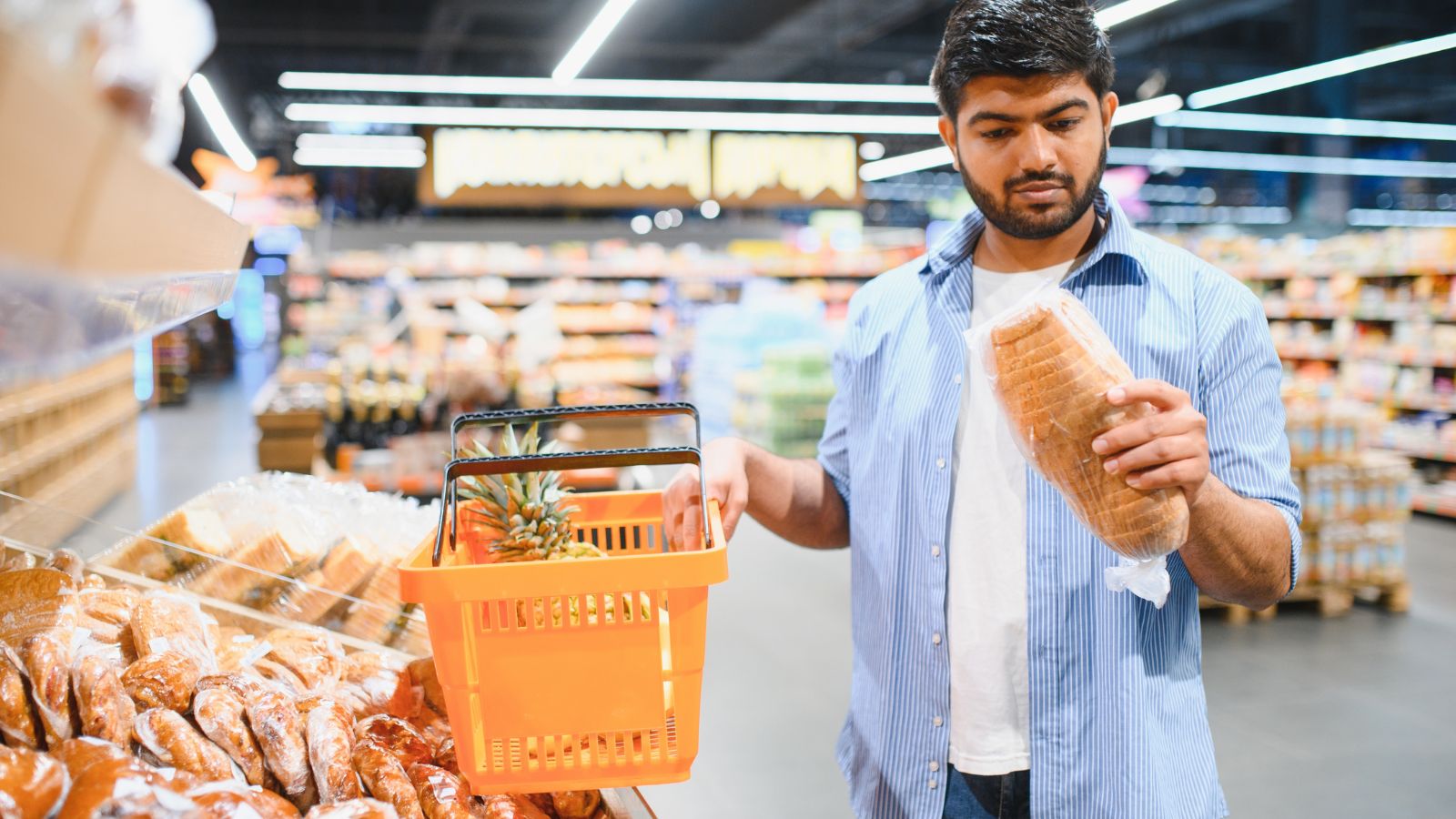
The biggest habit to break is shopping on autopilot. Grocery routines formed when prices were lower may no longer fit 2026 realities. A cart that once felt reasonable may now need more store-brand swaps, more freezer planning, fewer impulse snacks, and more flexible meal choices. Pretending nothing has changed can make every receipt feel like a surprise.
A better approach is to update the routine before the next price climb feels worse. That might mean comparing stores, cooking more with lentils, freezing bread, buying fewer prepared foods, or checking unit prices every time. None of these changes solves food inflation alone. Together, they give Canadian households more control over one of the most emotional bills in the budget.
19 Things Canadians Don’t Realize the CRA Can See About Their Online Income

Earning money online feels simple and informal for many Canadians. Freelancing, selling products, and digital services often start as side projects. The problem appears at tax time. Many people underestimate how much information the CRA can access. Online platforms, banks, and payment processors create detailed records automatically. These records do not disappear once money hits an account. Small gaps in reporting add up quickly.
Here are 19 things Canadians don’t realize the CRA can see about their online income.
