A familiar logo can carry years of habit, nostalgia, and trust. In Canada, certain brands became part of daily life through coffee runs, mall trips, grocery shops, road trips, home repairs, and holiday traditions. But price pressure, ownership changes, digital shifts, store closures, menu updates, and changing expectations have made some names feel different than they once did.
These 17 familiar Canadian brands still matter to shoppers, but many no longer land the same way they did in earlier decades. The change is not always about one dramatic decision. Often, it is a slow accumulation of smaller moments: a higher bill, a thinner selection, a less personal store visit, a loyalty program that feels harder to read, or a brand identity that seems less rooted in the community that made it famous.
Tim Hortons

Tim Hortons remains one of Canada’s most recognizable names, but many shoppers feel the emotional contract has changed. The brand once stood for simple coffee, doughnuts, and a dependable small-town gathering place. Today, the menu is broader, the ordering experience is more digital, and locations can feel more like fast-service food hubs than the neighbourhood coffee stops many Canadians remember. Even changes meant to modernize the chain can make longtime customers compare today’s visit with an older memory of fresh doughnuts, ceramic mugs, and slower mornings.
The tension comes from how iconic the brand still is. When a company is tied so tightly to national identity, even ordinary menu tweaks or ownership debates feel bigger. Recent public discussion around Tim Hortons has focused on whether it still feels distinctly Canadian, especially after its corporate structure changed years ago. For some shoppers, the disappointment is not only about coffee quality or wait times. It is about a brand that once felt local now feeling polished, standardized, and harder to separate from any other large quick-service chain.
Canadian Tire

Canadian Tire still has a special place in Canadian shopping culture, especially for drivers, homeowners, campers, and bargain hunters. The weekly flyer, the seasonal aisles, and Canadian Tire Money built a sense of ritual that few retailers could match. But some shoppers say the modern version feels more complex. Online ordering, marketplace-style inventory, app-based offers, and Triangle Rewards have made the brand more data-driven and personalized, which can be useful but also less straightforward than the old paper-money charm.
The company has been investing heavily in loyalty, retail technology, and owned brands, and those changes show how competitive the market has become. A shopper looking for snow brushes, garden soil, hockey tape, or a frying pan may still find what they need, but the experience can feel more like navigating promotions than wandering a familiar hardware-general store hybrid. Canadian Tire’s strength is that it has adapted without disappearing. Its challenge is that the more sophisticated it becomes, the more some customers miss the scruffier, simpler, unmistakably Canadian version they grew up with.
Hudson’s Bay
Hudson’s Bay carried more historical weight than almost any retail name in Canada. Its stripes, downtown department stores, gift registries, and holiday windows made it feel like part of the country’s commercial memory. That is why its decline hit many shoppers emotionally. The brand did not merely change a logo or refresh a floor plan; it represented a fading department-store era where browsing cosmetics, coats, linens, and housewares under one roof felt normal.
Recent closures and liquidation news turned nostalgia into something more final. For longtime shoppers, the disappointment was often practical as well as sentimental. Stores that once felt grand could seem understocked, tired, or too large for modern shopping patterns. Online retail, discount competitors, luxury repositioning, and reduced mall traffic all weakened the old formula. The Bay’s story shows how a brand can remain deeply familiar while the actual shopping experience becomes increasingly disconnected from the memory that kept people attached.
Loblaws
Loblaws has long been part of Canadian grocery routines, but recent years have made grocery brands harder for shoppers to love. Food prices became a daily stress point, and large grocers faced intense scrutiny as households compared receipts, loyalty discounts, private-label prices, and profit reports. Loblaws’ size made it a natural focus for frustration, especially because many Canadians shop across its banners whether they realize it or not.
The brand still offers convenience, scale, and familiar private labels, but trust has become more fragile. Shoppers may appreciate PC Optimum points or No Name products while still feeling that the grocery trip has become more transactional and tense. A routine stop for bread, milk, produce, and pharmacy items can now feel like a small financial audit. For some customers, Loblaws does not feel different because the stores vanished or the shelves changed dramatically. It feels different because grocery shopping itself became emotionally loaded, and the country’s largest food retailer sits at the centre of that pressure.
Shoppers Drug Mart

Shoppers Drug Mart used to feel like a convenient neighbourhood pharmacy with snacks, cosmetics, greeting cards, and late-night essentials. It still fills that role for millions of Canadians, but the experience has shifted. The stores often feel more like a hybrid of pharmacy, beauty retailer, convenience store, loyalty engine, and health-service provider. That broader role can be helpful, especially in communities where quick access matters, but it also changes what shoppers expect from a pharmacy visit.
Public attention around pharmacy billing practices and medication-review programs has made some customers more sensitive to the business side of healthcare retail. Even where individual pharmacists provide careful service, the larger chain can feel more corporate than personal. Prices on everyday goods can also surprise shoppers who remember Shoppers as a quick, easy stop rather than a place requiring careful comparison. The brand’s challenge is balancing convenience and healthcare trust while operating inside a highly commercial retail model that many customers now scrutinize more closely.
Roots
Roots still evokes cabins, campfires, leather goods, sweatshirts, and a relaxed Canadian outdoors feeling. For many shoppers, the brand’s emotional appeal is tied to childhood hoodies, school trips, cottage weekends, or gifts from relatives. But apparel retail has become much more crowded, and the meaning of casual Canadian style has changed. Athleisure brands, fast-fashion competitors, resale platforms, and direct-to-consumer labels all compete for the same closet space.
The company has been working through store changes, product updates, and renewed marketing efforts, which can make the brand feel both familiar and unsettled. Some shoppers still love the quality of a classic Roots piece, while others feel the stores no longer have the same cultural pull they once did. The shift is subtle: Roots has not lost its identity, but its identity competes in a world where every clothing brand tells an outdoor, comfort, or lifestyle story. What once felt distinctive can now feel like one option among many.
Lululemon

Lululemon began as a Vancouver-born athletic brand with a strong community feel, especially around yoga, running, and studio culture. Over time, it became a global premium powerhouse. That success changed the way some Canadian shoppers relate to it. The stores are still sleek, the products still command high prices, and the brand still has devoted fans, but shoppers increasingly compare it with newer competitors and ask whether the premium still feels as special.
Part of the shift comes from scale. A niche brand can feel intimate; a global brand must chase growth, new categories, and broader audiences. When shoppers see more markdowns, more casualwear, or more familiar designs, the brand may feel less like a discovery and more like a large apparel company managing trends. Lululemon remains influential, but its challenge is maintaining the performance credibility and design freshness that made people justify the price in the first place.
Aritzia

Aritzia has become one of Canada’s biggest fashion success stories, especially among shoppers who want polished basics, tailored trousers, coats, and “everyday luxury” styling. Its rise has been impressive, with strong sales growth and major U.S. expansion. But growth can change the feel of a brand. Aritzia once seemed like a stylish Canadian insider secret; today it is a highly visible international retailer with viral products, crowded stores, and fast-moving online demand.
Some shoppers say the brand feels less personal as it gets bigger. Popular items can sell out quickly, prices can feel steep, and customer-service expectations rise when a brand positions itself above mainstream fashion. The boutique atmosphere remains part of the appeal, but the scale of demand can make the experience feel less exclusive. For longtime Canadian customers, the change is not that Aritzia lost its look. It is that a brand once associated with discovery now feels like a major machine built around constant momentum.
Canada Goose

Canada Goose once had a practical image rooted in extreme cold, northern work, and serious winter gear. Over time, it became a global luxury symbol, with parkas appearing in major cities far beyond the coldest parts of Canada. That transformation brought growth, prestige, and visibility, but it also changed how some shoppers see the brand. A jacket that once felt like rugged protection can now feel like a status purchase.
The company has expanded into new categories, seasonal collections, and international markets, which makes business sense for a premium brand trying to grow beyond parkas. But for shoppers who remember Canada Goose as a cold-weather specialist, the fashion shift can feel different. High prices, luxury positioning, and broader product lines invite tougher questions about value. The brand still carries strong Canadian associations, but its identity now sits somewhere between Arctic heritage, global fashion, and premium lifestyle retail.
MEC

MEC’s change feels especially personal to longtime outdoor enthusiasts. Mountain Equipment Co-op once represented member ownership, practical gear, environmental values, and advice from people who seemed to live the activities they sold. The co-op structure gave shoppers a sense of belonging that was unusual in retail. When MEC moved away from that model, many customers felt that more than a store had changed.
Recent ownership shifts and turnaround efforts show how difficult outdoor retail has become. The brand still sells tents, packs, outerwear, climbing gear, and paddling supplies, but it competes with online specialists, global outdoor labels, and discount alternatives. For some shoppers, MEC stores still offer expert help and dependable gear. For others, the emotional difference remains hard to ignore. The old feeling was not only about products. It was about being part of a community with shared values, and that is difficult to rebuild once trust has been shaken.
Indigo

Indigo remains Canada’s dominant bookstore chain, and many shoppers still value the simple pleasure of browsing books in person. But the stores have changed over time, with more gifts, décor, stationery, toys, wellness items, and lifestyle merchandise surrounding the book tables. For some customers, that makes Indigo more useful. For others, it can feel like the bookstore identity has been diluted.
The brand also faced a major cybersecurity incident in 2023 that disrupted its website, payment systems, and operations, reminding shoppers how vulnerable even familiar retailers can be. At the same time, bookstores must compete with online sellers, e-books, audiobooks, and changing mall traffic. Indigo’s challenge is not only surviving as a bookseller but preserving the calm, discovery-driven atmosphere that made people linger. When a store visit feels more like shopping a lifestyle boutique than getting lost in books, longtime customers notice the difference.
Dollarama

Dollarama’s appeal has grown as Canadian households search for value, especially on household basics, snacks, party supplies, cleaning products, and seasonal goods. But the brand does not feel exactly like the old “dollar store” idea anymore. Multi-price shelves, larger packages, imported goods, and a wider assortment have made it more useful, but also more complicated. Shoppers still find bargains, yet they may need to compare sizes and unit prices more carefully than before.
The company’s strong sales show how much Canadians rely on discount retail during tight economic periods. That success also changes expectations. When a store becomes part of routine grocery and household budgeting, small price increases are more noticeable. Dollarama still feels practical, but the thrill of nearly everything being surprisingly cheap has softened. For many shoppers, it has become less of a treasure-hunt novelty and more of a necessary stop in a higher-cost economy.
Second Cup

Second Cup once felt like a serious Canadian coffeehouse alternative, with a more relaxed atmosphere than fast-food coffee counters and a stronger café identity than many mall chains. In some neighbourhoods, it was the place for studying, meeting friends, or lingering over a flavoured latte. But the coffee market changed dramatically. Independent cafés, premium roasters, Starbucks, Tim Hortons, convenience coffee, and at-home espresso all squeezed the space Second Cup once occupied.
Ownership changes and repositioning efforts have kept the brand alive, but some shoppers see it as less culturally visible than it once was. A café brand depends heavily on atmosphere, consistency, and local relevance. When locations feel uneven or less common, the emotional habit fades. Second Cup’s challenge is that nostalgia alone is not enough in a market where customers have become more particular about beans, design, food options, mobile ordering, and the overall café experience.
Swiss Chalet
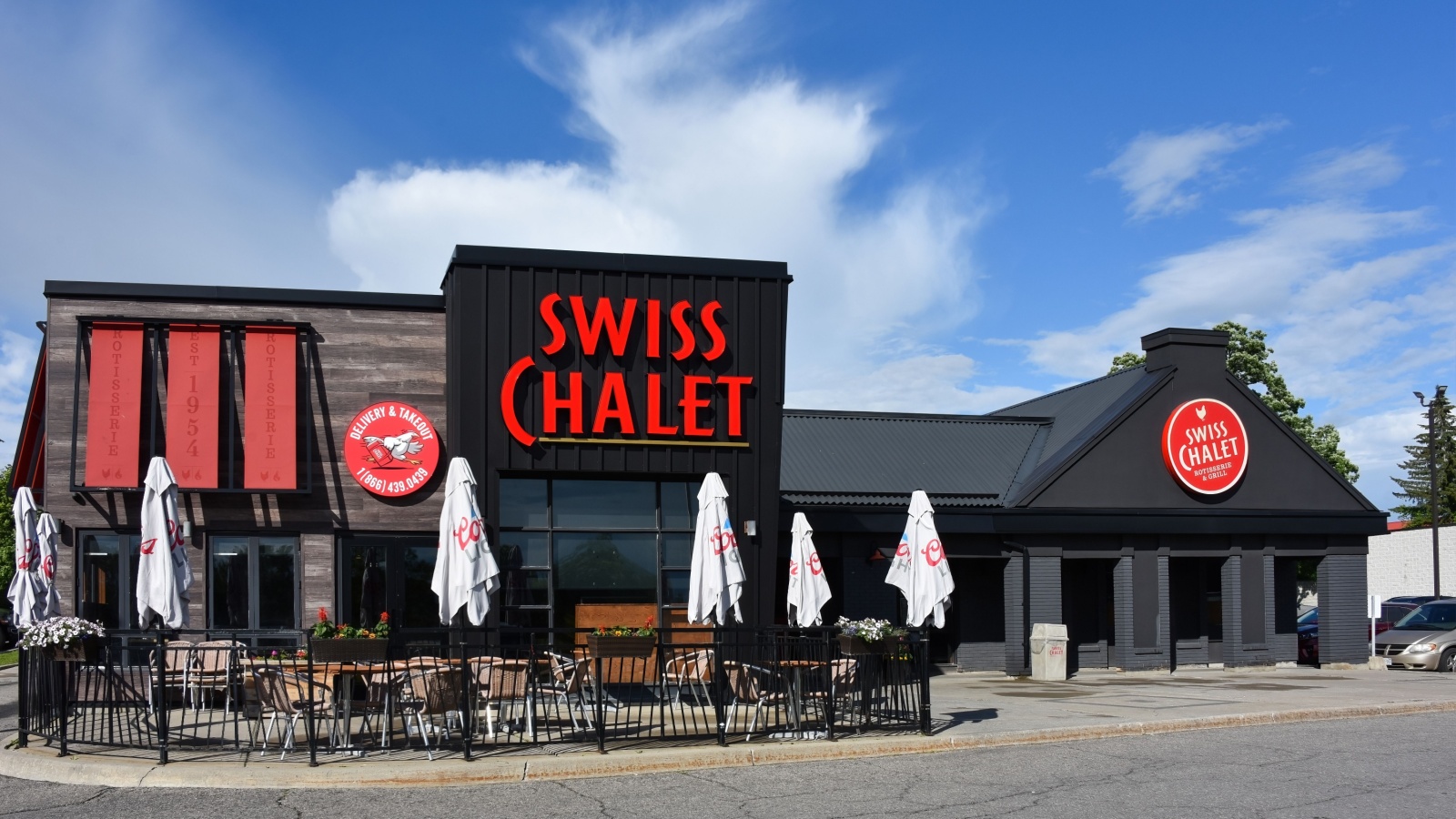
Swiss Chalet has deep roots in Canadian family dining, especially for rotisserie chicken, chalet sauce, fries, and predictable sit-down meals. For many families, it was a birthday dinner, post-hockey stop, or Sunday takeout tradition. But full-service dining has become more expensive, and many customers now compare restaurant meals against delivery fees, grocery costs, and faster casual options. A brand built on comfort can feel vulnerable when comfort starts to cost noticeably more.
The restaurant is still familiar, but the setting that supported it has changed. Families dine out less often when budgets tighten, and younger diners have a wider range of global, fast-casual, and delivery-first choices. Swiss Chalet’s identity depends on consistency, which can be both a strength and a weakness. Longtime fans want the meal to taste like memory. Newer shoppers may see the same formula and wonder whether it feels fresh enough for today’s price.
Harvey’s
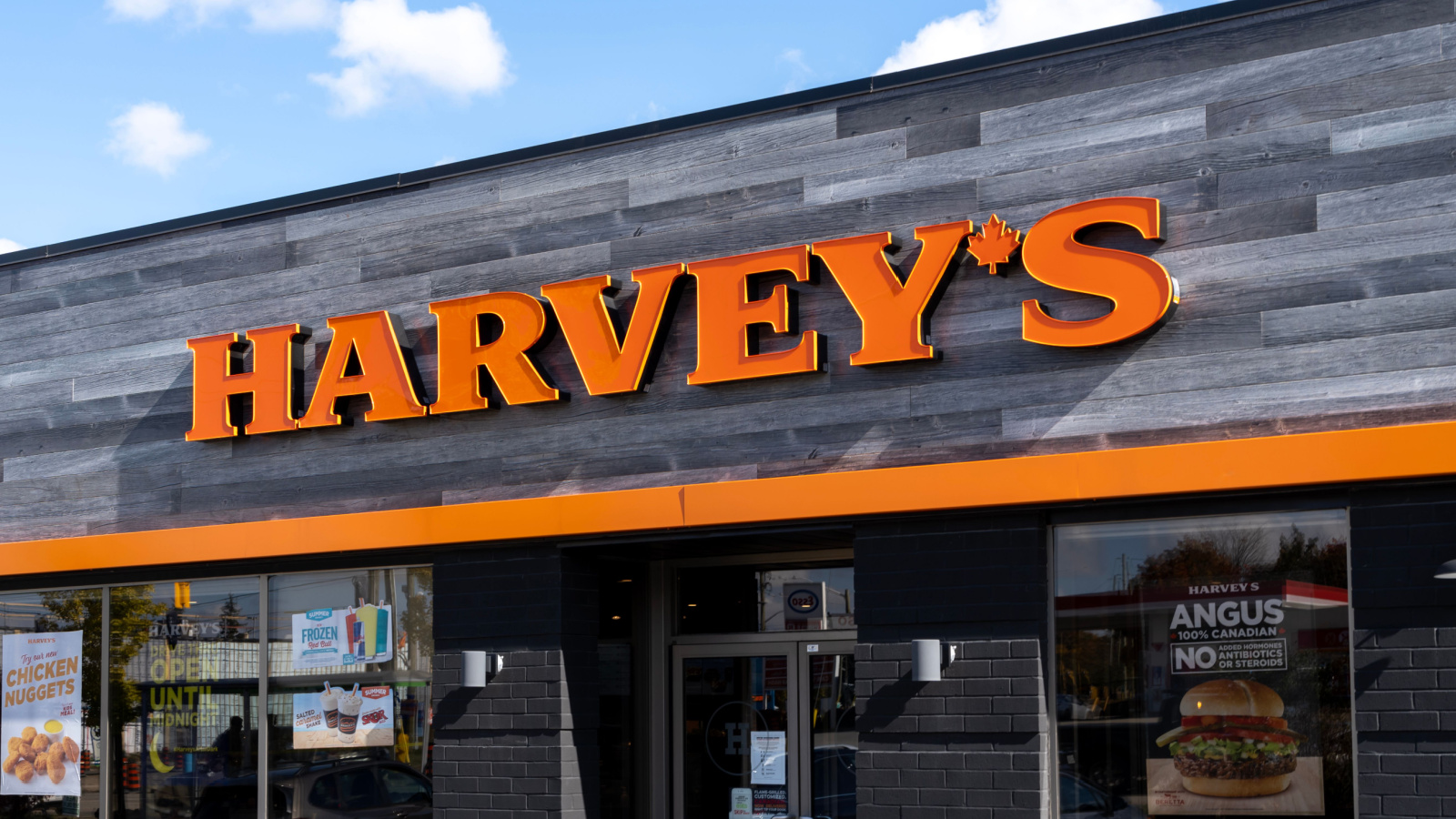
Harvey’s built its identity around flame-grilled burgers and the ability to customize toppings in front of the customer. That made it stand apart from other fast-food chains, especially before customization became common across the industry. For many Canadians, the appeal was practical and personal: a burger made “their way,” with pickles, hot peppers, sauces, and vegetables chosen on the spot.
Today, the quick-service market is much more crowded. Smash burgers, premium burger shops, chicken chains, delivery apps, and value menus all compete for attention. Harvey’s still has a clear Canadian identity, but some shoppers feel the experience is less distinctive than it once was because customization is no longer rare. Rising restaurant prices also make customers judge every fast-food meal more carefully. The brand’s challenge is keeping its made-for-you promise feeling fresh, not merely familiar, in a market full of bolder burger concepts and aggressive promotions.
RONA

RONA has gone through a complicated identity journey. For many Canadians, especially in Quebec, it represented a homegrown hardware and renovation brand. Then came the Lowe’s era, followed by the sale of the Canadian business and the conversion of Lowe’s locations to RONA+ banners. For shoppers, those changes can make the brand feel both restored and confusing. The familiar name returned more visibly, but the store formats and ownership history are not simple.
Home improvement retail depends on trust, local knowledge, and confidence that advice will match the project. When banners change, customers may wonder whether the product mix, service model, and pricing have changed too. RONA’s renewed presence gives it a chance to reconnect with shoppers who prefer a Canadian-rooted hardware identity. Still, the brand has to overcome years of rebranding noise and prove that the name on the sign matches the experience people remember.
Zellers
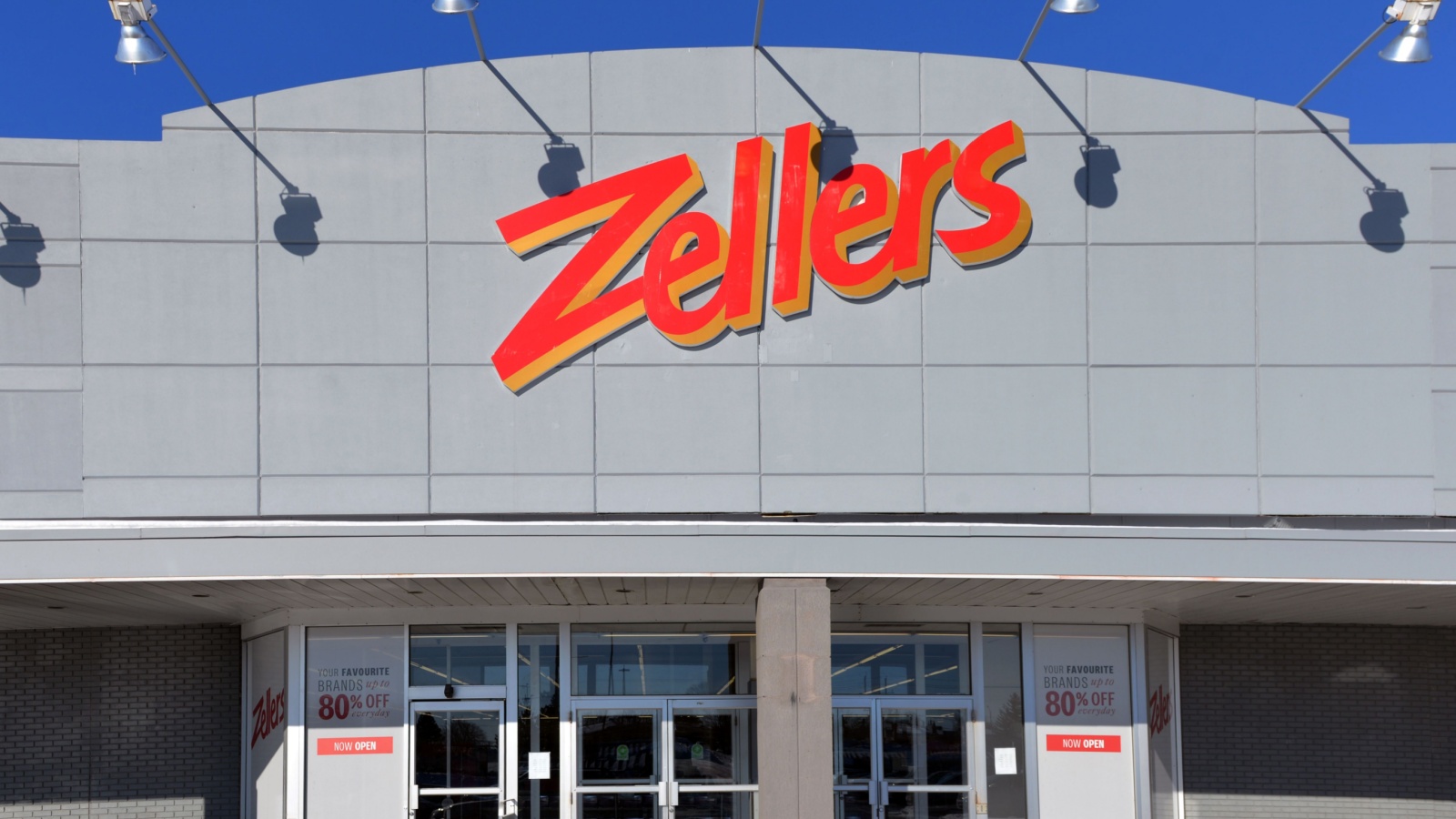
Zellers is one of the strongest examples of nostalgia carrying a brand farther than the modern store experience can easily support. Many Canadians remember it as a practical discount department store with family shopping trips, the restaurant, Zeddy, and everyday basics. Its revival inside Hudson’s Bay stores generated curiosity because people wanted to revisit a piece of retail memory.
But nostalgia creates a high bar. A revived Zellers cannot fully recreate the old chain, especially when it appears as a smaller store-within-a-store or a different product concept. Shoppers expecting the full discount-department-store experience may find something more limited and modernized. That does not mean the revival has no value. It shows how powerful familiar names can be. But it also shows the risk: when a brand returns mainly through memory, customers judge it against the version that exists in their childhood, not only the version on today’s shelves.
19 Things Canadians Don’t Realize the CRA Can See About Their Online Income

Earning money online feels simple and informal for many Canadians. Freelancing, selling products, and digital services often start as side projects. The problem appears at tax time. Many people underestimate how much information the CRA can access. Online platforms, banks, and payment processors create detailed records automatically. These records do not disappear once money hits an account. Small gaps in reporting add up quickly.
Here are 19 things Canadians don’t realize the CRA can see about their online income.
