
A cheap fare can feel like a win until a buried clause turns it into a costly lesson. For Canadian travellers, the smallest lines in a booking, insurance policy, rental agreement, or airline email often decide whether a delay becomes a refund, a medical emergency becomes a covered claim, or a “deal” becomes a pile of fees.
These 15 fine-print details are easy to skim past because they rarely look urgent at checkout. Yet they can shape everything from baggage claims and passport validity to roaming bills, cancellation penalties, and family seating. Reading them before payment can prevent the kind of travel surprise that only appears after the credit card has already been charged.
Non-Refundable Booking Rules

The word “non-refundable” looks simple, but it can hide several layers of restriction. A hotel room, tour, cruise, or low-cost airfare may not allow money back even when plans change for understandable reasons, such as illness, weather disruptions, or a family emergency. Some bookings offer a credit instead of a refund, but that credit may expire quickly, exclude peak dates, or require the same traveller name. A Canadian family booking a spring break package might assume cancellation insurance solves the problem, only to discover the supplier’s penalty schedule controls how much can actually be claimed.
This is why the cancellation section matters before checkout, not after trouble appears. Some travel products become more restrictive as the departure date approaches, with partial penalties turning into full forfeiture. Others require cancellation through the original seller rather than the airline, hotel, or cruise company directly. The fine print should clearly show who must be contacted, by what deadline, and whether taxes, fees, upgrades, deposits, and add-ons are treated differently from the base fare.
Travel Insurance Exclusions

Travel insurance can be valuable, but it is not a blank cheque. Policies usually separate emergency medical insurance, trip cancellation, trip interruption, baggage coverage, and other benefits, each with its own conditions. A traveller may have strong medical coverage but weak cancellation protection, or a generous trip interruption benefit that only applies after departure. The policy wording may also exclude foreseeable events, certain high-risk activities, alcohol-related incidents, or claims tied to destinations under serious travel advisories.
The most important line is often not the benefit amount but the exclusion list. A $5 million emergency medical limit sounds reassuring, but coverage can still be denied if the claim falls outside the policy’s definitions. A traveller going hiking, scuba diving, skiing, or riding a scooter abroad should check whether those activities are covered as standard or require an upgrade. The same applies to connecting flights, cruises, tours, and prepaid excursions. Good coverage is only useful when the situation matches the policy wording.
Pre-Existing Medical Condition Clauses

Pre-existing condition clauses are among the most misunderstood parts of travel insurance. Many policies do not simply ask whether a traveller has a condition; they ask whether that condition was “stable” for a defined period before departure. That stability period may involve medication changes, new symptoms, tests, referrals, hospital visits, or adjustments in treatment. Someone who feels healthy after a minor prescription change may still fail the policy’s stability test.
This can matter enormously for older travellers, snowbirds, and anyone managing chronic conditions such as heart disease, diabetes, asthma, or blood pressure issues. A claim may be reviewed after the emergency, using medical records to determine whether the condition met the insurer’s definition. The fine print should be read alongside any health questionnaire, because incomplete or inaccurate answers can affect coverage. When in doubt, travellers should ask the insurer for written clarification before departure rather than relying on verbal reassurance from a sales call.
Government Travel Advisory Limits

Government travel advisories can affect both safety decisions and insurance coverage. Canada’s travel advice uses levels such as “take normal security precautions,” “exercise a high degree of caution,” “avoid non-essential travel,” and “avoid all travel.” Fine print in insurance policies may treat those advisory levels differently, especially when an advisory is already in place before the traveller leaves Canada. A destination that looks affordable may carry insurance limits that are not obvious from the booking page.
The timing matters. Some policies may cover cancellations if a serious advisory is issued after insurance is purchased, while others may exclude claims when the warning existed before purchase or departure. This can affect medical emergencies, evacuation, cancellation, and interruption claims. Regional advisories also deserve attention because the warning may apply to only part of a country. A traveller heading to a resort, cruise port, border region, or remote area should check whether the policy responds to national advisories, regional advisories, or both.
Airline Delay and Cancellation Rights

Canadian air passenger rights are more specific than many travellers realize. When flights are delayed or cancelled, the available remedy depends on the cause, the length of the delay, the airline’s control over the disruption, and whether the itinerary is domestic or international. Fine print in airline emails may describe rebooking, refunds, standards of treatment, or compensation, but the wording can be dense during a stressful airport delay.
Travellers should pay close attention to whether an airline classifies the disruption as within its control, within its control but required for safety, or outside its control. That classification can affect compensation. Still, passengers may have rights to information, assistance, rebooking, or refunds depending on the facts. Receipts for meals, hotels, transportation, and communications should be kept because some claims require proof. A delay that seems like only an inconvenience at the gate can become a formal claim if the rules and deadlines are followed.
Baggage Claim Deadlines

Lost, damaged, or delayed baggage comes with deadlines that are easy to miss while dealing with jet lag and replacement shopping. For damaged baggage, travellers may need to report the issue quickly after receiving the bag. For delayed baggage on international flights, written claims commonly have a 21-day window after the bag is received. Waiting until the vacation is over can weaken or destroy a claim.
The fine print also affects what can be reimbursed. Airlines and insurers may require receipts for necessary replacement items, proof of checked baggage fees, baggage tags, and written reports filed at the airport. Expensive items such as cameras, jewelry, medication, electronics, or documents may be excluded or limited if packed in checked luggage. A traveller whose suitcase arrives three days late for a wedding may be reimbursed for reasonable essentials, but not necessarily for every replacement purchase. Documentation is the difference between frustration and a payable claim.
Basic Economy Restrictions

Basic economy fares often look attractive because the first price is low, but the restrictions can be severe. The fine print may limit changes, refunds, seat selection, carry-on baggage, checked baggage, boarding priority, loyalty point earnings, or upgrade eligibility. A fare that saves $60 can cost more if it forces paid seat selection, baggage fees, or a complete loss of value after a schedule change.
These restrictions can matter most for families, business travellers, and anyone booking months ahead. A parent may assume seats can be chosen later, while a business traveller may assume a meeting change can be handled with a fee. In many cases, the cheapest fare is designed for travellers with firm plans and minimal luggage. The smarter comparison is not base fare versus base fare, but total trip cost after bags, seats, flexibility, and possible changes are included.
Family Seating Conditions

Travelling with children adds another fine-print issue: seating. Canadian rules require airlines to take steps to seat children under 14 near an accompanying adult at no extra cost, with distance depending on the child’s age. That protection is important, but it does not always mean families get their preferred seats, extra-legroom seats, or a full row together. The airline may assign standard seats that satisfy the rule without matching what the family had imagined.
This distinction matters at checkout, where paid seat maps can create pressure to spend more. A family may pay early to reduce uncertainty, but the fine print should explain what is guaranteed without payment and what costs extra. Aircraft swaps, schedule changes, and late bookings can also complicate seating. Parents should keep booking records together, check assignments early, and contact the airline before departure if seats appear separated. The goal is not just comfort; it is avoiding a stressful negotiation at the gate.
Passport Validity and Entry Rules

A valid Canadian passport is essential for international travel, but “valid” does not always mean valid until the return flight. Some destinations require a passport to remain valid for a period after arrival or departure, often several months. Airlines may deny boarding if documents do not meet destination rules, even when the passport has not technically expired. This is one of the most painful fine-print mistakes because it can end a trip before it starts.
Entry rules can also include visas, electronic travel authorizations, proof of onward travel, vaccination documentation, blank passport pages, or special rules for dual citizens. A traveller connecting through another country may need to meet transit requirements even without leaving the airport. Families should check every destination and connection, not just the final resort or city. The fine print on airline and government travel pages is less exciting than planning restaurants, but it can decide whether the boarding pass is useful.
Consent Letters for Children
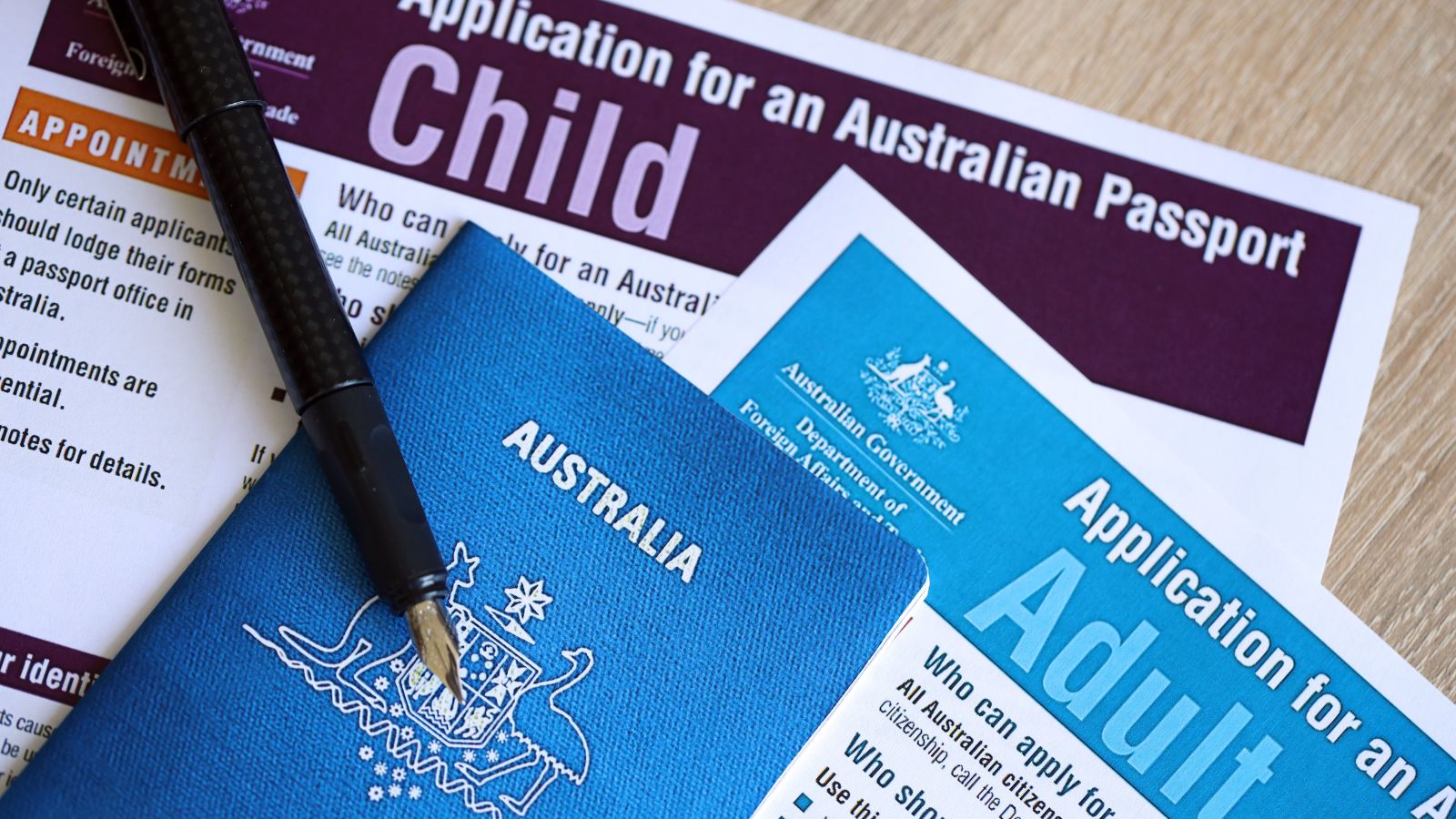
When children travel outside Canada without one or both parents or legal guardians, a consent letter can prevent delays and uncomfortable questioning. Canadian guidance recommends that children carry a signed consent letter in these situations. Border officials or airlines may ask for proof that the child has permission to travel, especially during custody arrangements, school trips, visits with relatives, or travel with only one parent.
The fine print here is not usually in a booking contract but in the documents required around the trip. A strong consent letter should include travel dates, destination, the accompanying adult’s details, contact information for the non-travelling parent or guardian, and signatures. Some families also carry copies of birth certificates, custody orders, or adoption documents where relevant. The absence of a consent letter does not automatically mean travel is impossible, but it can create delays when the clock is already running at the airport.
Resort Fees and Mandatory Add-Ons

A hotel rate can look reasonable until resort fees, destination fees, cleaning fees, facility charges, or service fees appear late in the booking process. This practice is often called drip pricing, where the advertised price does not show the true total cost upfront. For travellers comparing several hotels or vacation rentals, late-added mandatory fees make it harder to judge which option is genuinely cheaper.
The fine print should reveal whether fees are optional or unavoidable. A “resort fee” may be charged even if the guest never uses the pool, gym, Wi-Fi, towels, local calls, or beach chairs supposedly covered by it. Vacation rentals may add cleaning, platform, host, or administrative charges. The safest comparison is the final payable total, including taxes and mandatory fees, before entering payment details. A bargain that only appears cheap on the search results page is not really a bargain.
Credit Card Travel Insurance Conditions

Many Canadian credit cards include travel insurance benefits, but coverage usually depends on strict conditions. The card may need to be used for the full fare, a minimum portion of the trip, taxes and fees, or the entire rental car booking. Coverage may also apply only to the cardholder, spouse, dependent children, or travelling companions who meet specific definitions. Assuming “my card has insurance” is risky without checking the certificate.
Rental car coverage is a common example. Some cards require the renter to decline the rental company’s collision damage waiver, use the eligible card to pay, and stay within limits on rental length, vehicle type, and country. Luxury vehicles, trucks, motorcycles, off-road use, and certain destinations may be excluded. Travel medical coverage can also vary by age and trip length. The fine print is not just legal formality; it is the actual checklist for activating the benefit.
Roaming and Mobile Data Charges

Mobile roaming fees can build quickly outside Canada, especially when phones use data in the background. Email syncing, app updates, photo backups, maps, messaging, and location services can trigger charges even when the traveller is not actively browsing. Some plans charge a flat daily roaming fee, while others use pay-per-use rates or add-on packages with limits. The difference can be significant over a week-long trip.
The fine print should explain what counts as roaming, when a daily fee is triggered, whether cruise ships and airplanes are excluded, and what happens after the data cap is reached. Cruise roaming is especially easy to overlook because ship networks can differ from ordinary land-based roaming. Travellers who rely on Wi-Fi should still disable cellular data roaming and understand Wi-Fi calling rules. A few minutes of convenience can turn into one of the least memorable souvenirs of a vacation.
Chargeback and Refund Procedures

When a paid travel service is not provided, a credit card dispute or chargeback may be possible, but the process usually has steps. Card issuers commonly expect the customer to try resolving the problem with the merchant first and keep evidence of the request. Deadlines, documentation, and the reason for the dispute matter. A cancelled tour, closed hotel, bankrupt supplier, or duplicate charge may be treated differently from buyer’s remorse.
Fine print matters because travel sellers may offer vouchers, credits, or rebooking options instead of cash. Accepting one option may affect later recourse. Provincial consumer protection rules and travel compensation funds may also apply in specific circumstances, but they do not cover every disappointment, quality complaint, or voluntary cancellation. A traveller who paid by credit card should keep receipts, cancellation emails, screenshots, terms and conditions, and proof of communication. The paperwork may feel excessive until it becomes the only path to recovery.
Travel Agency and Package Protections

Booking through a travel agency or packaged holiday provider can offer protections, but those protections have boundaries. In Ontario, for example, TICO-registered businesses operate under rules that can help when paid travel services are not provided. However, compensation funds and consumer protections generally do not turn every non-refundable payment into a refundable one. They may exclude items such as insurance, goodwill vouchers, replacement travel, or complaints about the quality of services already delivered.
The fine print should identify who is selling the travel, who is supplying it, whether the seller is registered under a provincial regime, and what happens if part of the package changes. This is especially important for cruises, destination weddings, multi-city tours, and all-inclusive packages with several suppliers. A traveller may think the agency, airline, hotel, and tour operator are one unit, but legally they may have separate obligations. Knowing which party is responsible can save weeks of misdirected emails.
Vacation Rental and Travel Scam Terms

Fine print can also reveal whether a booking is legitimate. Scam listings often pressure travellers to pay outside recognized platforms, use wire transfers, gift cards, cryptocurrency, or payment apps, or communicate away from the official booking channel. The deal may use copied photos, vague addresses, unusually low prices, or urgent language. A traveller searching for a cottage, condo, or beach rental may be tempted by a perfect listing during peak season, exactly when scammers know inventory is tight.
The safest terms keep payment and communication inside the official platform and provide a clear cancellation policy, host identity, address details, and review history. Fraud warnings from consumer agencies repeatedly emphasize that unusual payment methods are a major red flag because money can be difficult or impossible to recover. Fine print should not be treated as boring legal clutter. It can show whether the traveller is protected by a platform’s dispute process or simply sending money into the dark.
19 Things Canadians Don’t Realize the CRA Can See About Their Online Income

Earning money online feels simple and informal for many Canadians. Freelancing, selling products, and digital services often start as side projects. The problem appears at tax time. Many people underestimate how much information the CRA can access. Online platforms, banks, and payment processors create detailed records automatically. These records do not disappear once money hits an account. Small gaps in reporting add up quickly.
Here are 19 things Canadians don’t realize the CRA can see about their online income.
