
Canadian shoppers are not imagining the squeeze at the checkout. Many everyday products have become so familiar that they still land in carts almost automatically, even when the price tag looks a little harder to justify than it did a few years ago. Groceries, household staples, personal-care goods, and small comforts all carry a kind of routine loyalty.
This look at 23 Canadian products highlights the items people often keep buying out of habit as prices climb. Some are tied to breakfast routines, school lunches, family dinners, cleaning rituals, or brand comfort. Others survive because switching feels inconvenient, risky, or barely worth the effort. Together, they show how inflation changes spending long before it changes behaviour.
Name-Brand Breakfast Cereal
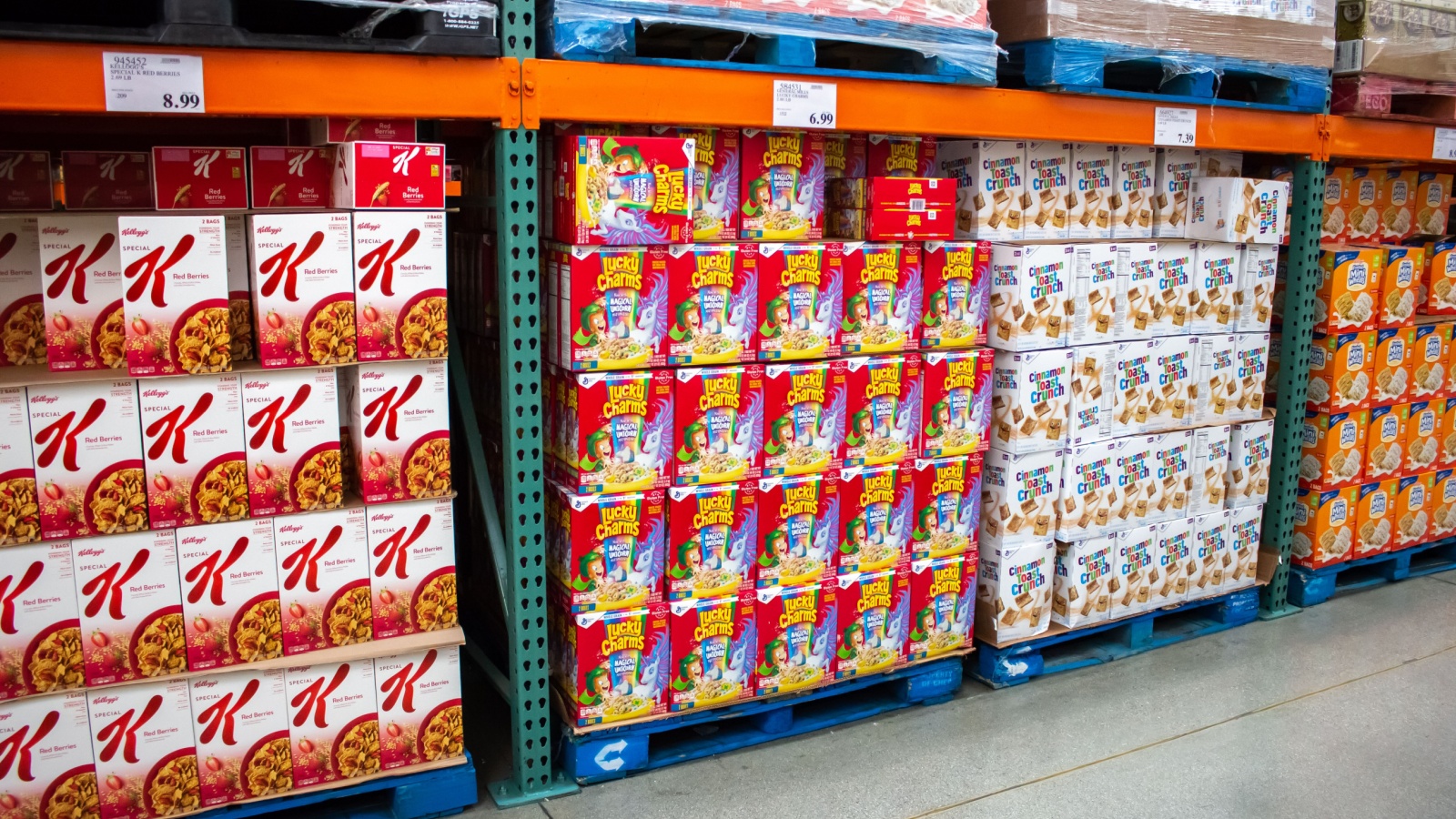
Breakfast cereal remains one of those products Canadians buy almost on autopilot. A familiar box can feel like a reliable start to the morning, especially in households with children who have strong opinions about taste, texture, or cartoon mascots. Even when the price rises, many families still reach for the same brand because mornings are rushed and breakfast is not the moment most people want to test a cheaper substitute. The routine matters almost as much as the food itself.
The habit becomes expensive because cereal often competes more on brand recognition than basic nutrition. A family that buys the same sweetened flakes, granola clusters, or oat squares every week may notice the shelf price rising but keep buying because the product is predictable. Store brands and bulk bags can sometimes offer similar ingredients for less, yet the familiar box still wins in many carts. In a climate where food prices have outpaced many household budgets, cereal shows how small loyalties can become recurring costs.
Bagged Bread
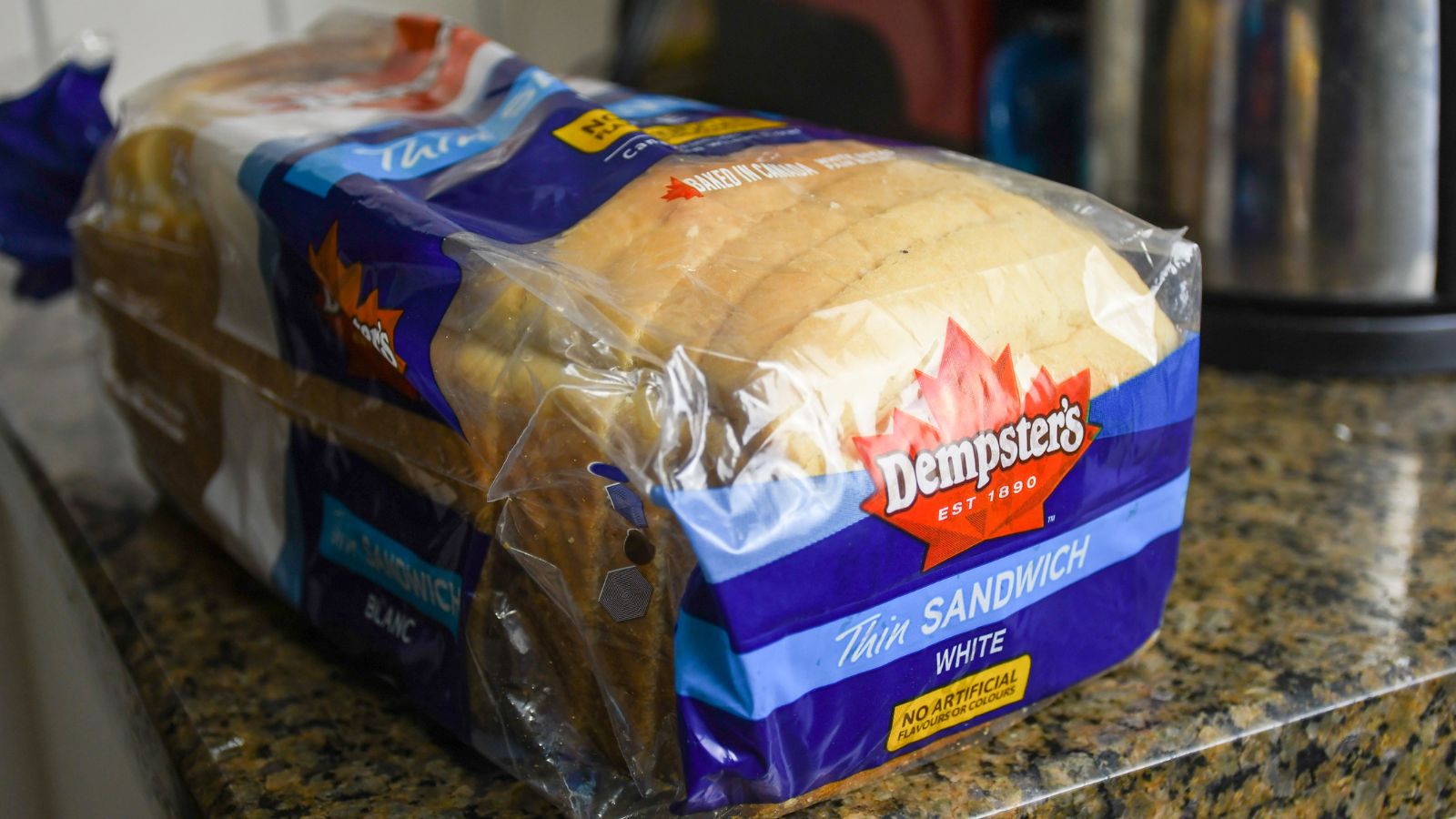
Packaged bread is one of the most automatic grocery purchases in Canada. It goes into school lunches, toast, grilled cheese, quick dinners, and freezer backups. Many shoppers do not compare bread prices closely because the item feels essential and relatively simple. The same loaf bought for years may still appear affordable compared with meat or produce, but repeated weekly purchases add up quickly when prices rise across bakery and cereal products.
Habit also plays a major role because households often prefer a specific softness, slice thickness, brand, or “whole grain” claim. Some shoppers avoid switching because cheaper loaves may feel too dry, too small, or less filling. Others stick with a brand tied to childhood or family routines. Yet bakery items are exactly the kind of product where unit pricing matters. A loaf that looks cheaper at the shelf may contain fewer slices, smaller slices, or a lighter package. Bread feels basic, but it is one of the clearest examples of routine spending hiding in plain sight.
Milk

Milk has a special place in Canadian kitchens because it is both a staple and a habit. It goes into coffee, cereal, baking, children’s meals, protein shakes, and quick breakfasts. Many households buy the same size and fat percentage every week without much thought. Even people who complain about dairy prices often keep milk in the fridge because running out creates immediate inconvenience. It is one of those products that feels less like a choice and more like household infrastructure.
The price sensitivity around milk is complicated by Canada’s regulated dairy system and by the role milk plays in daily routines. Some families have shifted to buying larger bags, watching expiry dates more closely, or replacing part of their use with plant-based drinks when those are on sale. Still, the default purchase remains strong. For many shoppers, the question is not whether milk is expensive; it is whether the household can realistically function without it. That makes milk one of the most resilient habit-driven purchases in the country.
Cheese Blocks
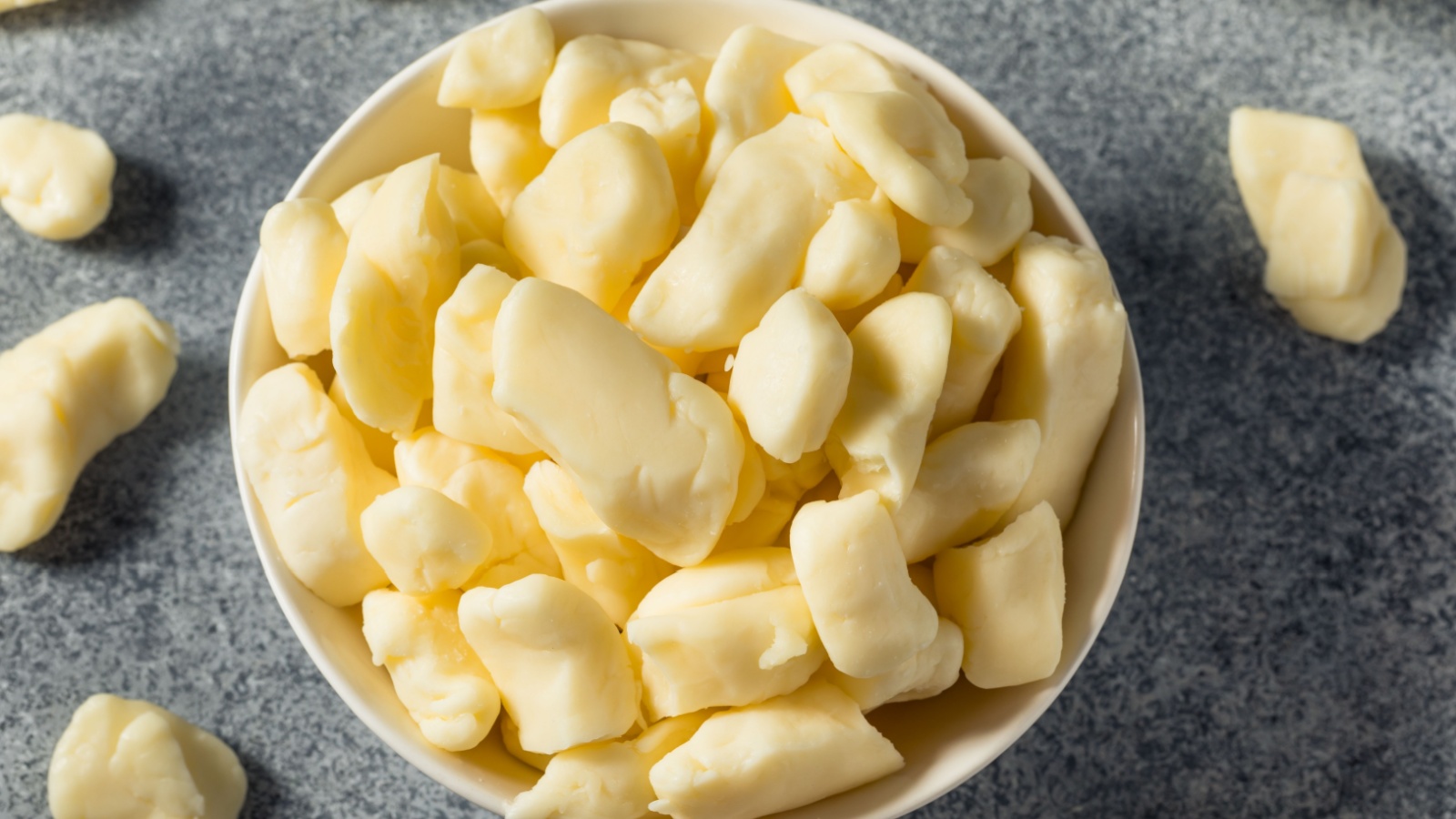
Cheese blocks keep surviving price increases because they stretch across so many meals. A brick of cheddar or mozzarella can become sandwiches, omelettes, pasta topping, pizza night, snack plates, or packed lunches. Canadians often wait for promotions, but many still buy cheese regularly even when the regular price feels steep. It is treated as both a staple and a small comfort, which makes it harder to cut than more obvious treats.
The habit is reinforced by the idea that cheese is versatile enough to justify the cost. A shopper may skip a specialty item but still buy a block of old cheddar because it makes leftovers more appealing and helps quick meals feel finished. The trade-off is that cheese can quietly become a high-cost recurring item, especially when shredded, sliced, or snack-format versions enter the cart. Loyalty to a favourite brand or texture adds another layer. Even as prices climb, many households keep cheese in rotation because it solves too many meal problems to abandon easily.
Butter

Butter is one of the grocery products people often defend emotionally. Margarine, spreads, and oils may cost less, but many home cooks still prefer butter for toast, baking, pancakes, sauces, and holiday recipes. It carries a sense of quality that can survive a higher price tag. In many Canadian households, butter is not simply a fat; it is part of how familiar foods are supposed to taste.
This loyalty becomes especially noticeable when baking season arrives. A family may grumble about the price but still buy butter for shortbread, banana bread, or birthday cakes because substitutes can change flavour and texture. The price pressure has encouraged some people to stock up during sales or freeze extra blocks, but the product itself remains difficult to replace. Butter is a classic habit purchase because it is tied to taste memory. Even shoppers trying to control grocery bills may decide that this is one item where compromise feels too visible.
Coffee
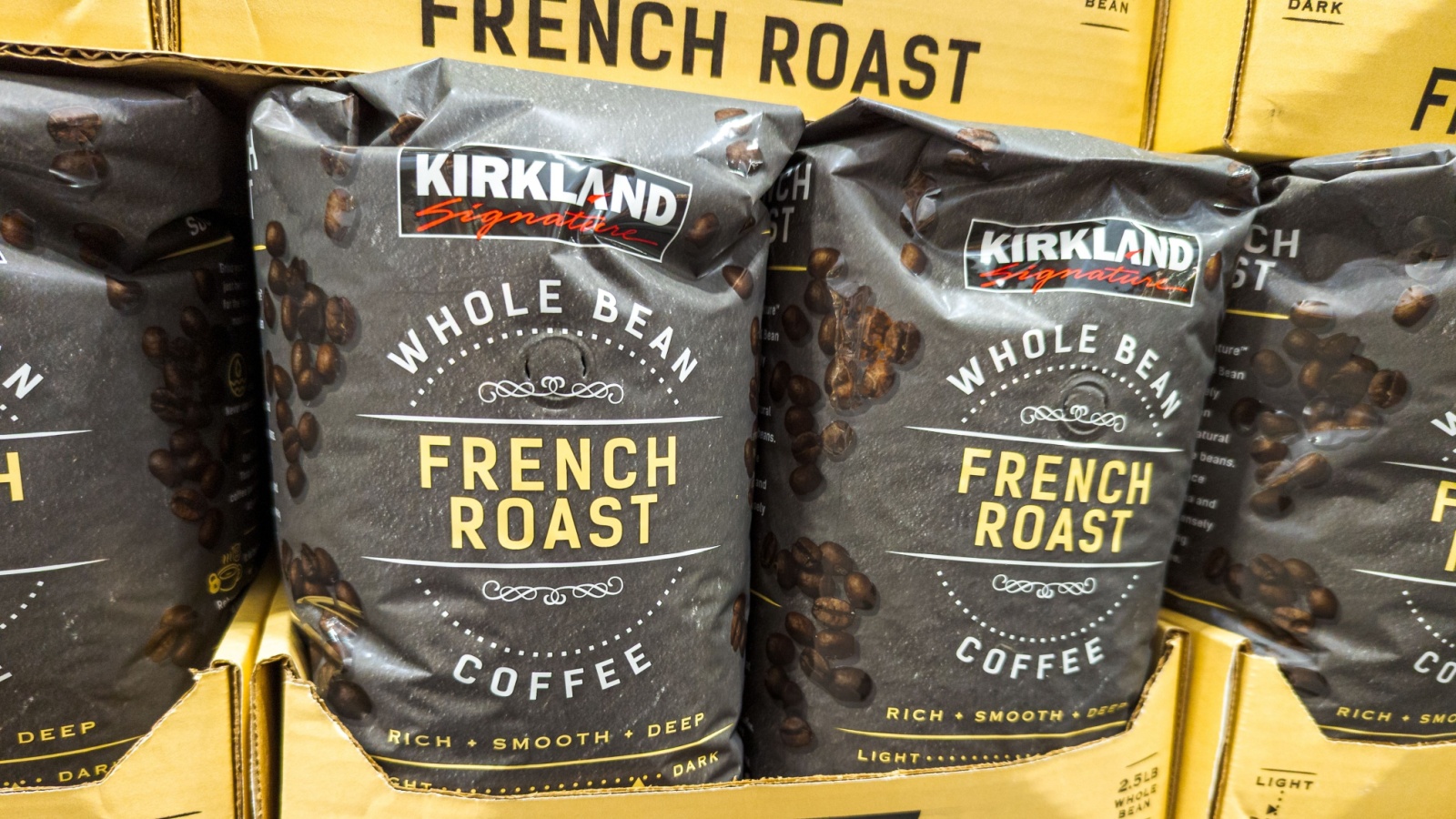
Coffee may be the strongest habit purchase on the list. For many Canadians, the day does not properly begin until a favourite roast, pod, instant brand, or café-style blend is ready. Even sharp price increases often do not break the routine because coffee is tied to energy, comfort, work, commuting, and identity. People may switch from takeout cups to home brewing, but they often remain loyal to a preferred brand once it becomes part of the morning rhythm.
Coffee also shows how global supply issues can land directly in Canadian kitchens. Weather problems in producing regions, commodity swings, and packaging costs can all show up in the price of a bag or tin. Still, many shoppers rationalize the expense because making coffee at home feels cheaper than buying it outside. That logic is often true, but it can hide the fact that premium beans, single-serve pods, and flavoured blends have become meaningful budget items. Coffee proves that some habits survive because they feel necessary.
Eggs
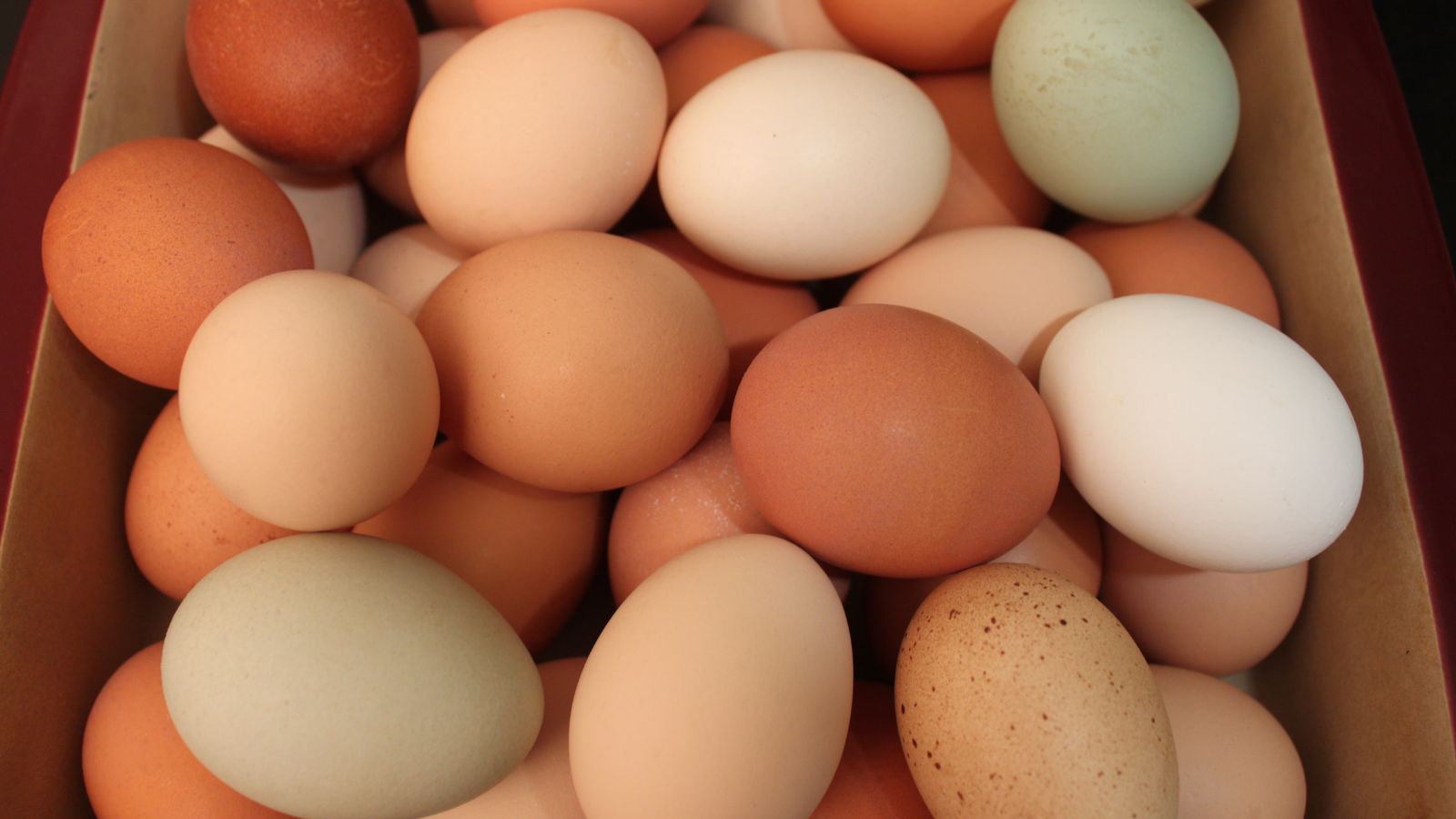
Eggs remain a powerful routine purchase because they are quick, flexible, and familiar. They work for breakfast, baking, fried rice, salads, sandwiches, and simple dinners when there is not much else in the fridge. Canadians may notice higher prices, but many still buy eggs because the alternatives are not always as convenient. A carton can rescue several meals, which makes the price easier to accept even when it has climbed.
The habit is also reinforced by the perception that eggs are still a relatively affordable protein compared with meat. That may be true in many shopping baskets, but it does not mean eggs are immune to budget pressure. Households that once bought specialty cartons, larger packs, or brand-specific eggs may begin trading down while still keeping eggs on the list. The product rarely disappears entirely; it just changes form. Eggs show how a staple can remain non-negotiable even as consumers become more selective about size, label, and price.
Chicken Breasts

Boneless, skinless chicken breasts are a default protein for many Canadian households. They are familiar, easy to cook, freezer-friendly, and widely used in meal plans. Stir-fries, wraps, salads, casseroles, pasta dishes, and sheet-pan dinners all start with the same package. Even when the price per kilogram rises, shoppers often reach for chicken breasts because they feel lean, simple, and less risky than unfamiliar cuts.
The habit becomes costly because convenience is built into the format. Whole chickens, thighs, drumsticks, or value packs can be cheaper, but they require different cooking habits and sometimes more trimming or planning. Many people pay for the ease of opening a tray and cooking quickly after work. That convenience has real value, but it can turn chicken breasts into a premium version of an everyday staple. As prices climb, the smartest adjustment is often not abandoning chicken altogether but rotating in cheaper cuts and watching unit prices carefully.
Ground Beef
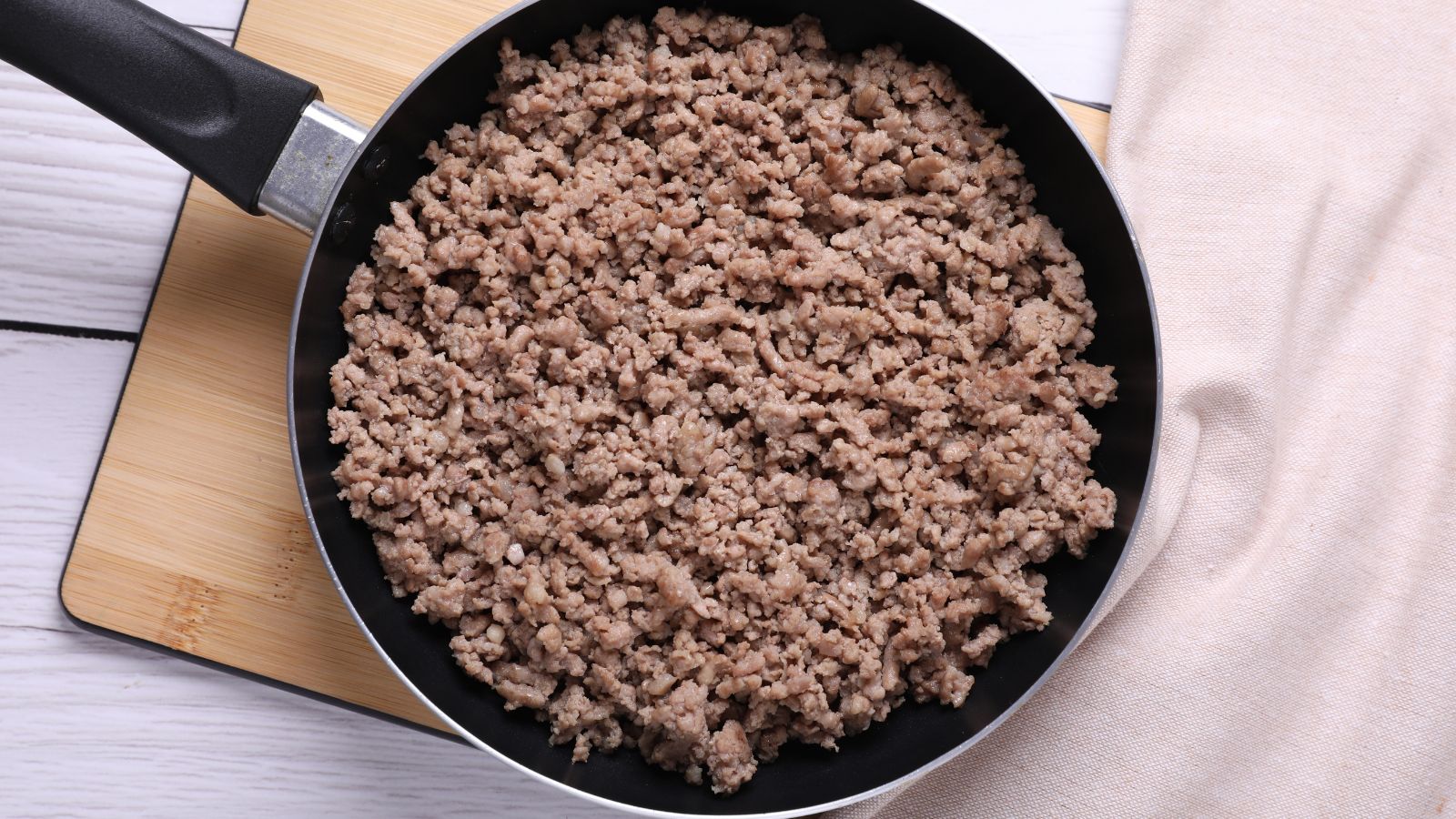
Ground beef has long been a weeknight workhorse in Canada. It becomes burgers, tacos, chili, pasta sauce, shepherd’s pie, meatballs, and casseroles. Even when beef prices rise, the familiarity of ground beef keeps it moving through grocery carts. Many families know exactly how to stretch it with beans, rice, pasta, potatoes, or vegetables, which makes the product feel practical despite the higher shelf price.
The challenge is that beef has faced some of the most visible price pressure among common proteins. Shoppers may respond by buying smaller packages, choosing medium instead of lean, waiting for club-pack promotions, or mixing beef with lentils or pork. Yet the basic habit remains strong because ground beef is linked to easy recipes people already know. It is not just the meat being purchased; it is the certainty of dinner. That certainty can be worth a lot on a busy weeknight, even when the bill suggests it deserves a second look.
Deli Meat

Deli meat is a habit product because it solves lunch quickly. Turkey slices, ham, roast beef, salami, and bologna can turn bread and cheese into a packed lunch in minutes. Parents, students, shift workers, and office employees often rely on it because it requires no cooking and little planning. Even when the per-gram price is high, shoppers may keep buying it because the alternative is preparing more meals from scratch.
The cost can be easy to underestimate because deli meat is often bought in smaller packages. A pack may not look expensive beside a larger meat tray, but the unit price can be much higher than cooking and slicing meat at home. Pre-portioned, resealable, or brand-name formats add even more convenience cost. Deli meat also benefits from routine: the same sandwich combination can appear in lunch bags for years. As prices climb, this is one product where habit often disguises a premium paid for speed.
Yogurt Cups
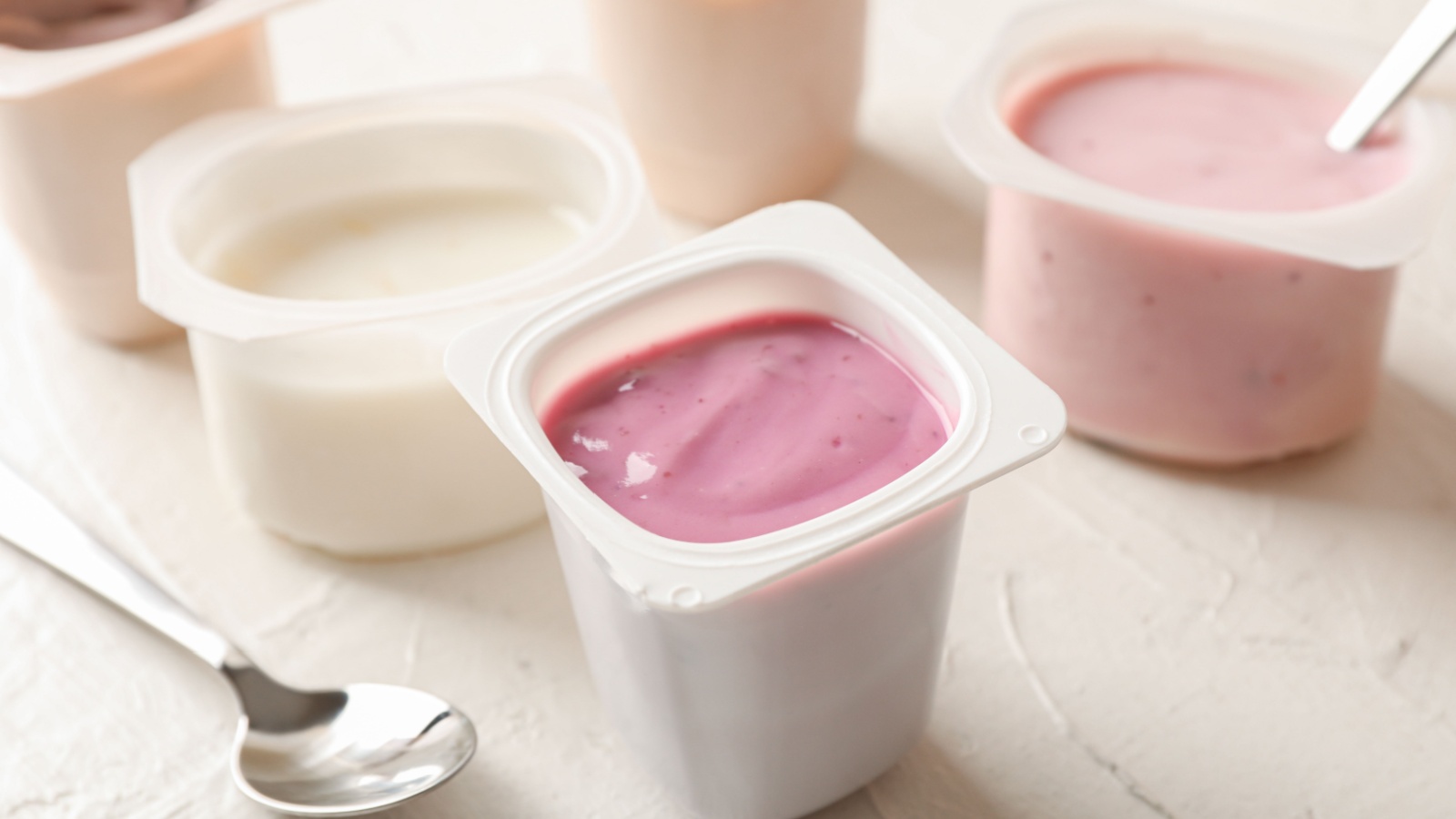
Single-serve yogurt cups remain popular because they are tidy, portable, and familiar. They fit neatly into lunch bags, office fridges, gym routines, and children’s snacks. Even when larger tubs are cheaper by volume, many Canadians still buy individual cups because they reduce mess and decision-making. A favourite flavour or brand can become part of the weekly grocery rhythm, especially when it is marketed as high-protein, probiotic, low-sugar, or school-friendly.
The convenience premium can be significant. Multi-packs often make shoppers feel like they are buying in bulk, but the cost per serving can still be higher than portioning yogurt from a large tub. Packaging also plays a role: small cups create the feeling of control, freshness, and easy tracking. For busy households, that matters. Still, when food budgets tighten, yogurt cups are worth reconsidering. The habit is understandable, but it is one of the easiest products to replace with a lower-cost format without changing the food itself very much.
Potato Chips
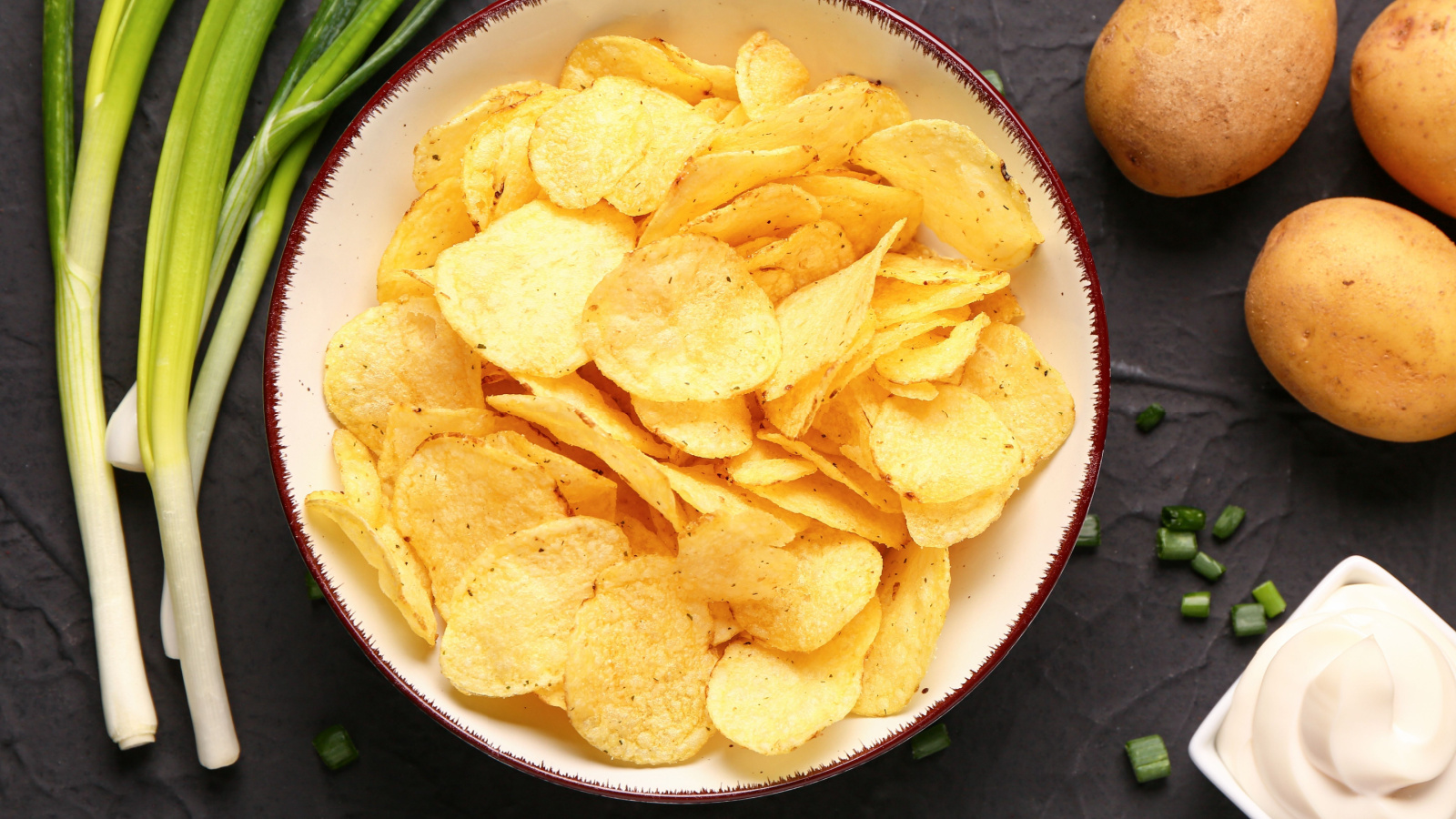
Potato chips are a classic comfort purchase that survives price increases because they are tied to routine pleasures. Movie nights, hockey games, road trips, barbecues, and casual gatherings often seem incomplete without a familiar bag. Many Canadians know chips are not essential, yet they still buy them because the emotional payoff is immediate. A preferred flavour can feel oddly personal, and promotions can make shoppers feel they are getting a deal even when bag sizes have changed.
Chips are also one of the products where shrinkflation is especially noticeable to consumers. A bag may look similar on the shelf while holding less product, and air-filled packaging can make the change feel even more frustrating. Despite that, chips remain hard to abandon because they occupy the low-cost treat category. People may not buy a restaurant meal, but they may still buy a snack bag for the weekend. That makes chips a small indulgence with surprising staying power.
Soft Drinks

Soft drinks are another product people often buy out of habit rather than need. A case of cola, ginger ale, root beer, or flavoured soda can be part of family dinners, pizza nights, parties, or weekend routines. Even when prices rise, brand loyalty remains strong because taste differences are obvious to regular drinkers. Many shoppers who would switch pasta or canned tomatoes without much concern hesitate when it comes to their preferred pop.
The pricing can also encourage stock-up behaviour. Multi-buy promotions, loyalty points, and limited-time discounts make consumers feel rewarded for buying more than planned. A household may not need two cases, but the sale sign makes it seem sensible. The problem is that promotions can normalize higher regular prices between deals. Soft drinks are a revealing habit purchase because they are discretionary but emotionally sticky. As prices climb, many Canadians may buy less often, but the favourite brand still has a strong pull.
Bottled Water

Bottled water is a habit purchase that often survives despite Canada’s widespread access to tap water in many communities. People buy it for road trips, sports, work sites, emergency storage, cottage weekends, or because they prefer the taste of a specific brand. In some households, cases of bottled water are treated like a grocery staple rather than an occasional convenience item. Once that pattern begins, it can remain surprisingly hard to break.
The cost looks modest one case at a time, but repeated purchases can add up over a year. The habit is often less about water itself and more about portability. A bottle is ready to grab, fits in a bag, and requires no washing. Reusable bottles and filters can reduce the recurring cost, but they require a change in routine. Bottled water shows how convenience can turn an inexpensive basic need into a branded product people keep buying even while questioning the price.
Frozen Pizza
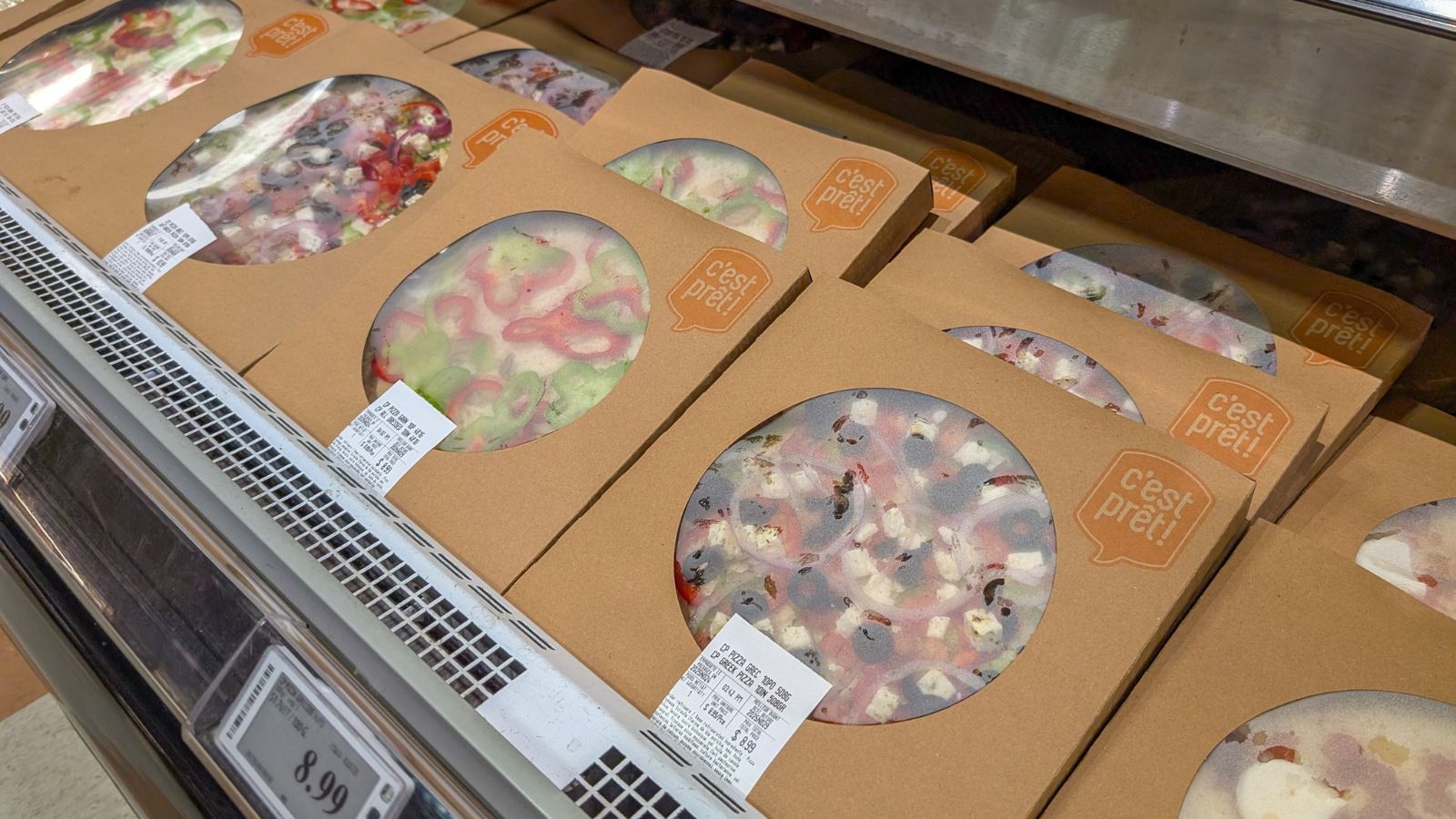
Frozen pizza remains a trusted backup meal in many Canadian freezers. It is cheaper than delivery, faster than cooking from scratch, and familiar enough to satisfy adults and kids on busy nights. Even as prices rise, shoppers often justify keeping one or two on hand because frozen pizza prevents a more expensive takeout order. That logic can be reasonable, but it also keeps the product moving even when the sale price is no longer as attractive as it once seemed.
The habit is strengthened by brand and topping preferences. Thin crust, rising crust, stuffed crust, gluten-free, cauliflower crust, and premium toppings all create reasons to stay loyal. A shopper may believe they are buying an emergency dinner, but the product often becomes part of the regular meal rotation. Compared with basic ingredients, frozen pizza carries a convenience premium, yet the convenience is exactly why people keep buying it. In a tighter grocery environment, it is a product worth comparing by weight, topping quality, and actual serving size.
Canned Soup
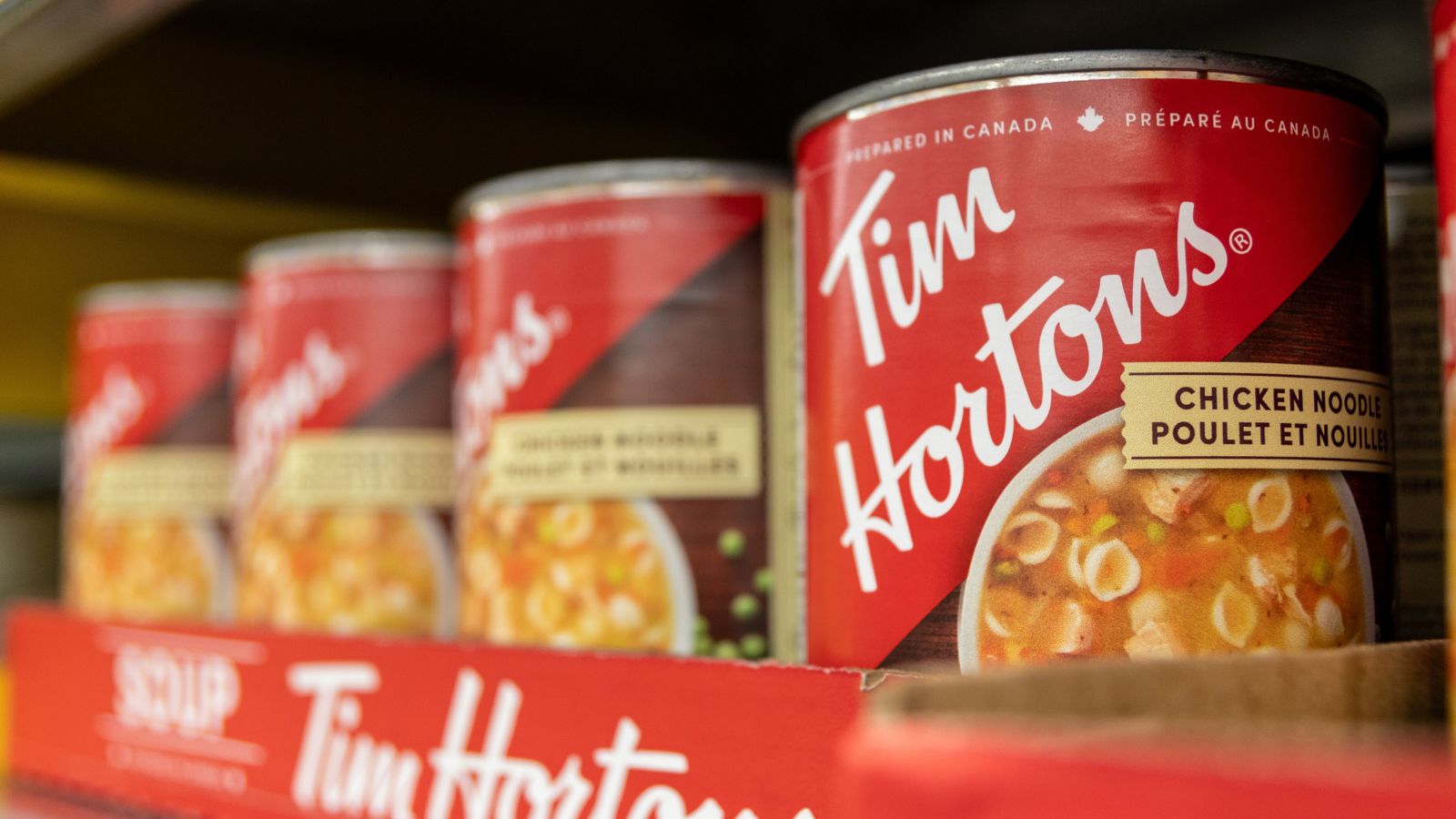
Canned soup has a long shelf life, low effort, and deep nostalgia value. Many Canadians keep a few cans in the pantry for sick days, quick lunches, stormy weather, or simple dinners with toast. Tomato, chicken noodle, mushroom, pea, and vegetable soups feel dependable because they have been around for generations. Even when the price rises, shoppers may not scrutinize the purchase because the can feels inexpensive compared with fresh meal ingredients.
The habit can become more expensive when people buy brand-name condensed or ready-to-serve varieties without comparing unit prices. Sodium-reduced, organic, chunky, or premium lines can cost much more than basic versions. Canned soup also benefits from pantry psychology: it feels practical to have backups, so consumers may keep buying even when several cans are already at home. In a period of higher grocery prices, this is where inventory matters. The cheapest can is the one already sitting in the cupboard, waiting to be used.
Peanut Butter

Peanut butter is a Canadian pantry fixture because it is filling, familiar, and useful across meals and snacks. It goes on toast, sandwiches, crackers, apples, oatmeal, smoothies, and baking recipes. Many households buy the same brand for years because texture and taste differences are easy to notice. Smooth versus crunchy, sweetened versus natural, and brand-specific flavour all create loyalty that can outlast price increases.
The price pressure can be subtle because a jar lasts longer than many fresh foods. That makes it easier to accept a higher shelf price, especially when peanut butter is seen as an affordable protein source. However, brand-name jars, smaller formats, and specialty natural versions can vary widely in value. Some shoppers also stick with childhood brands because switching feels like changing a household identity. Peanut butter is practical, but it is also emotional. That combination makes it one of the products Canadians often keep buying almost without debate.
Pasta Sauce
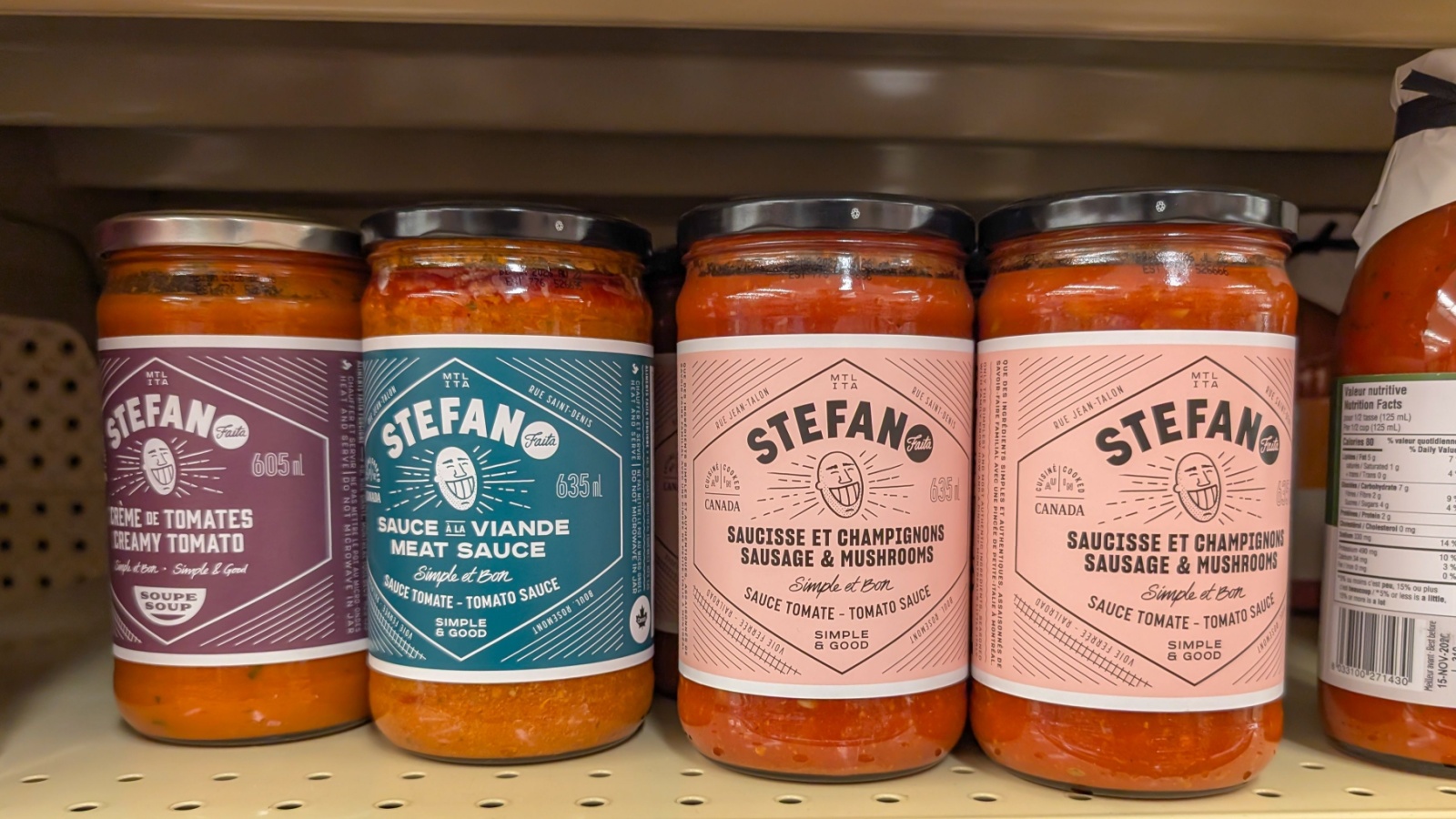
Jarred pasta sauce is one of the strongest convenience habits in the grocery aisle. A jar can turn pasta into dinner in the time it takes to boil water, which makes it valuable on nights when energy is low. Even when prices rise, many shoppers keep buying the same brand because sauce is a flavour anchor. A disappointing jar can ruin an otherwise cheap meal, so familiarity often wins over experimentation.
The cost difference between basic, premium, organic, and imported sauces can be large. A household that buys one jar a week may not think much about a dollar or two, but over months it becomes noticeable. Store-brand sauces, canned tomatoes, and homemade batches can reduce costs, yet they require a willingness to adjust taste expectations or cooking habits. Jarred sauce survives because it offers certainty. It is not just tomato and seasoning; it is the promise that dinner will be easy and acceptable to everyone at the table.
Laundry Detergent

Laundry detergent is a product people often buy by brand memory. Once a household trusts a detergent not to irritate skin, fade clothes, or leave odours behind, switching can feel risky. Scent, format, and machine compatibility all matter. Pods, liquid, powder, cold-water formulas, baby-friendly options, and “free and clear” versions give shoppers plenty of choices, but many still grab the familiar container without comparing cost per load.
The habit can be expensive because detergent pricing is not always easy to read. A large jug may look like better value while delivering fewer loads than expected, and pods can cost more for the convenience of pre-measured doses. Promotions also encourage stockpiling, which may be sensible if the price is truly low but wasteful if people overuse the product. Laundry detergent remains a strong habit purchase because clean clothes feel non-negotiable. Still, measuring carefully and comparing loads can reveal savings without changing the weekly routine very much.
Paper Towels
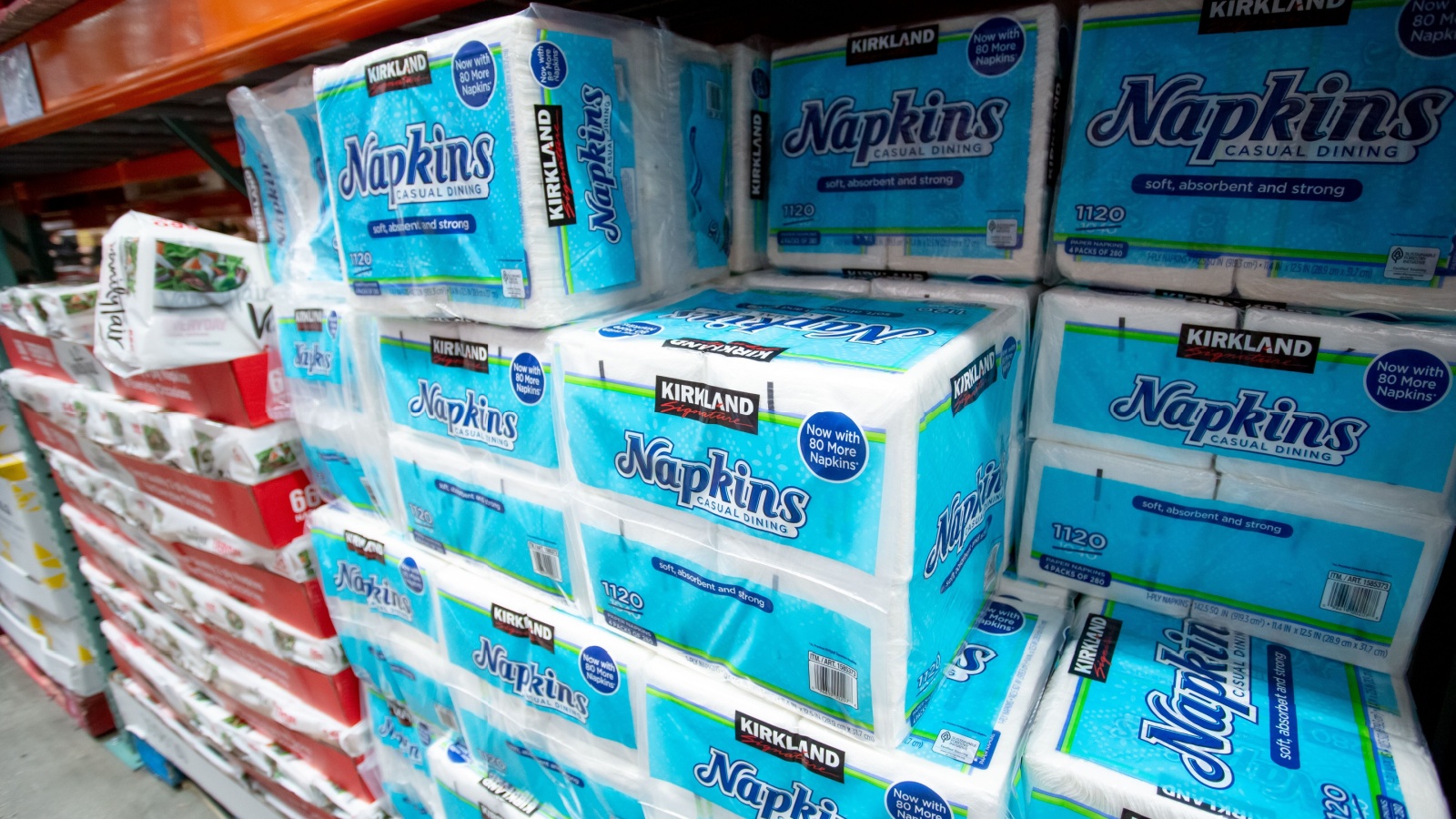
Paper towels are a convenience product that many households treat like a necessity. Spills, pet messes, lunch prep, window streaks, and kitchen cleanup all make them feel indispensable. Even when the price rises, shoppers often keep buying the same brand because strength and absorbency matter. A cheaper roll that tears or soaks through can feel like a false economy, so brand loyalty can be surprisingly durable.
The challenge is that paper towels disappear quickly because they are easy to use without thinking. A roll near the sink can replace cloths, napkins, and rags simply because it is convenient. Multi-roll packs may reduce the unit price, but they can also encourage faster use because the household feels well stocked. Reusable cloths can cut costs, yet they require washing and a small change in habit. Paper towels show how a product can feel minor at checkout while quietly becoming a recurring household expense.
Shampoo and Conditioner

Shampoo and conditioner are personal products people rarely switch casually. Hair type, scent, texture, scalp sensitivity, colour treatment, curls, dryness, and styling routines all influence loyalty. Once someone finds a brand that works, higher prices may be tolerated because the perceived risk of a bad substitute feels personal. Unlike pantry staples, hair products are tied to appearance and confidence, so the decision is not purely mathematical.
The habit becomes expensive when shoppers stay with salon-style, specialty, or heavily marketed formulas without checking how much they actually use. Larger bottles can be better value, but premium claims can quickly lift the price. Some households also buy separate products for different family members, multiplying the cost. Store brands and simpler formulas may work for many people, but trial and error can be frustrating. Shampoo and conditioner survive price increases because they sit at the intersection of routine, identity, and fear of wasting money on the wrong alternative.
Toothpaste

Toothpaste is one of the most automatic purchases in a Canadian household. People often buy the same brand and variety for years: whitening, sensitivity, enamel repair, tartar control, cavity protection, or children’s flavours. Because it is tied to health and daily hygiene, shoppers may hesitate to trade down even when prices rise. The product feels small and essential, so it rarely receives the same scrutiny as meat, dairy, or produce.
The aisle can be surprisingly complex, with multiple tube sizes and near-identical claims. A sale price may not be the best deal if the tube is smaller, and premium versions can cost significantly more than basic fluoride toothpaste. Still, brand trust is powerful. A family that has avoided sensitivity or dentist complaints may stick with the same product out of caution. Toothpaste proves that habit spending is not always irrational; sometimes people are paying for confidence. The key is making sure that confidence is based on need rather than packaging.
Pet Food
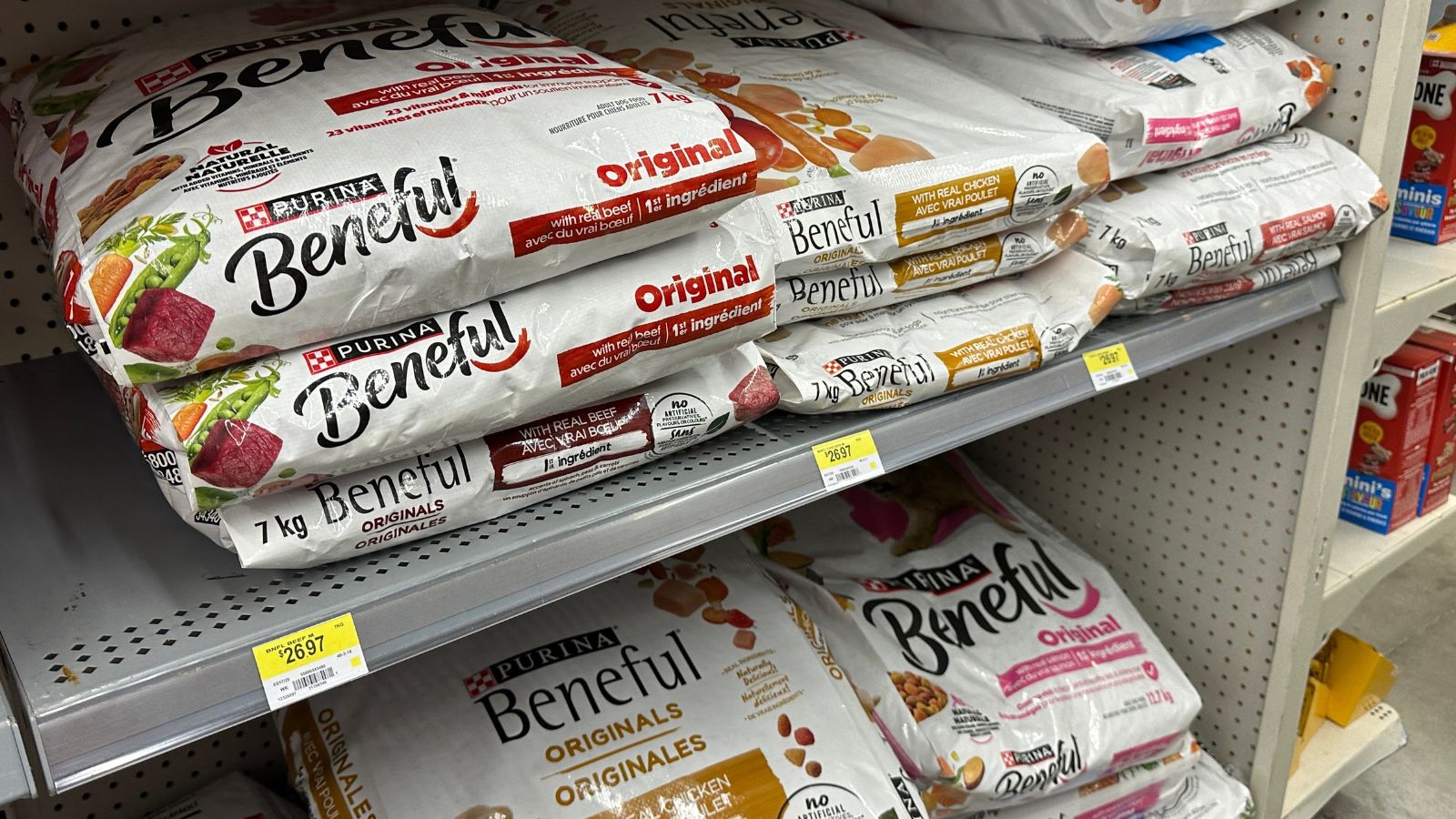
Pet food is one of the hardest habit purchases to change because pets are family members. Once a dog or cat tolerates a particular food well, many owners are reluctant to switch. Digestive issues, allergies, picky eating, age, breed size, and veterinary advice all make the decision feel higher-stakes than a normal grocery swap. Even as prices climb, many Canadians continue buying the same kibble, wet food, treats, or specialty diet because changing feels risky.
The cost pressure can be significant because pet food is purchased repeatedly and often in large bags or multi-packs. Premium branding, grain-free claims, breed-specific formulas, and subscription-style purchasing can all increase spending. Some owners respond by watching flyers, joining loyalty programs, or buying larger bags when storage allows. But the core habit remains strong: keeping a pet comfortable outweighs the appeal of saving a few dollars. Pet food is a powerful reminder that inflation affects emotional spending too, not just practical household basics.
19 Things Canadians Don’t Realize the CRA Can See About Their Online Income

Earning money online feels simple and informal for many Canadians. Freelancing, selling products, and digital services often start as side projects. The problem appears at tax time. Many people underestimate how much information the CRA can access. Online platforms, banks, and payment processors create detailed records automatically. These records do not disappear once money hits an account. Small gaps in reporting add up quickly.
Here are 19 things Canadians don’t realize the CRA can see about their online income.
