
Canadian housing used to be wrapped in practical optimism: save steadily, buy modestly, build equity, and eventually settle into a place that felt secure. That story has not disappeared, but it has become much harder to defend against today’s costs, interest-rate realities, supply shortages, and shifting family expectations.
Across the country, many once-reasonable housing dreams now require heavier compromises than they did a generation ago. These 20 housing dreams show how Canadian households are rethinking what stability, ownership, space, and location really mean when the math no longer feels as forgiving.
Owning a Detached House in a Major City

For decades, the detached house was treated as the clearest symbol of making it in Canada: a yard, a driveway, maybe a basement suite someday. In cities such as Toronto and Vancouver, that dream has become increasingly difficult to defend for middle-income buyers. Even when prices soften, the combination of mortgage costs, property taxes, insurance, repairs, and utilities can push ownership far beyond what a typical household can comfortably carry.
The emotional pull remains strong because detached homes offer privacy and long-term flexibility. A family may imagine backyard birthdays, room for aging parents, or space for children to grow. But the financial trade-off is sharper now. When ownership costs consume a large share of income, the dream can quietly become a lifestyle squeeze, leaving less room for savings, travel, childcare, retirement planning, or even basic repairs.
Buying Before Renting Gets “Too Expensive”

Many Canadians once believed buying quickly was the safest way to escape rising rents. That logic still has appeal, especially in cities where rent increases have been painful. But buying too early can now create a different kind of pressure. Higher mortgage rates, closing costs, land transfer taxes, condo fees, maintenance, and renewal risk mean a rushed purchase can be more expensive than a stable rental arrangement.
The choice is no longer as simple as “rent is throwing money away.” In some markets, renting can preserve mobility and reduce financial risk while buyers rebuild savings. A renter who waits may miss some equity growth, but a buyer who stretches too far can end up house-poor. The dream of escaping rent through ownership is harder to defend when the purchase only swaps one affordability problem for several new ones.
Counting on a Starter Home as the First Step
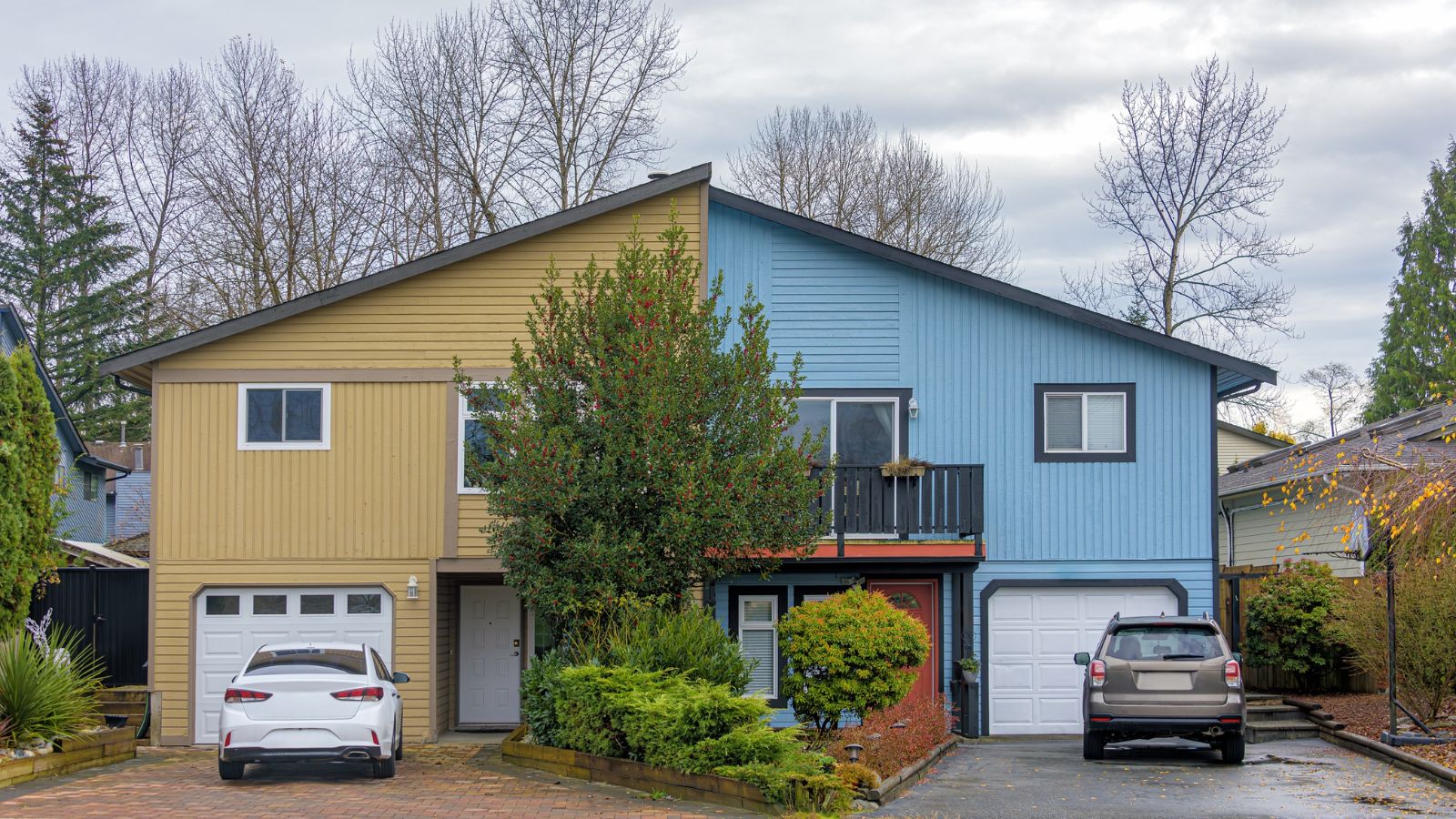
The starter home used to be the entry point: small, imperfect, affordable enough, and meant to be traded up later. In many Canadian markets, that rung has moved higher. Modest townhouses, older condos, and smaller homes have often absorbed intense demand from first-time buyers, downsizers, investors, and newcomers, making “starter” feel like a misleading label.
This changes the life planning of younger households. A couple may save for years only to discover that the entry-level home still requires a large down payment, a long commute, or major compromises on size. The dream is not gone, but it is less reliable as a ladder. If the first rung already requires maximum borrowing, there may be little flexibility left for family changes, repairs, job loss, or future upgrades.
Moving to the Suburbs for Affordability

Suburban life once promised more house for less money. That promise has weakened as demand spread outward from expensive city cores. In many regions, homes outside major downtowns are still cheaper than central properties, but the savings can shrink quickly after transportation, second vehicles, longer commutes, daycare logistics, and rising municipal costs are included.
The suburban dream remains deeply appealing because it offers space and a calmer rhythm. Yet the affordability argument has become more complicated. A household that saves on the purchase price may spend more time on highways, more money on fuel or transit, and more energy coordinating daily life. When suburban prices rise faster than wages, “moving farther out” can become less of a solution and more of a different version of the same pressure.
Treating Home Equity as a Guaranteed Retirement Plan

Many Canadians grew up watching real estate create wealth. Parents or grandparents bought homes at prices that now seem almost unreal, then retired with substantial equity. That experience shaped a powerful belief: buy a home, hold it long enough, and retirement security will follow. Today, that dream is harder to defend because entry costs are higher and future gains are less certain.
Home equity can still matter, but it is not the same as liquid savings. Selling may require downsizing in the same expensive market, moving away from family, or renting at uncertain prices. A homeowner may also carry debt longer than expected because of larger mortgages or renewal shocks. When retirement depends too heavily on one property, the dream can become vulnerable to market cycles, maintenance costs, and health-related housing needs.
Assuming Condo Ownership Is the Easy Alternative

Condos often look like the practical answer to detached-home unaffordability. They can offer lower purchase prices, central locations, and less direct maintenance. But the full cost picture can surprise buyers. Condo fees, special assessments, insurance changes, reserve-fund needs, parking charges, and restrictions on renovations or rentals can make the “easy alternative” feel more complex than expected.
The appeal is still real, especially for singles, couples, newcomers, and downsizers who want location without a large property. But the dream is harder to defend when buyers focus only on the mortgage payment. A cheaper unit can become costly if the building needs major repairs or if fees rise faster than income. Condo ownership requires reading documents carefully, understanding building finances, and accepting that shared ownership means shared risk.
Planning Around a Basement Suite

The basement suite has become a common affordability strategy: buy a house, rent part of it, and use the income to manage payments. In high-cost regions, this dream can make ownership feel possible. Yet it also brings responsibilities that many households underestimate. Landlord rules, zoning, safety standards, repairs, tenant turnover, privacy concerns, and tax reporting all matter.
A family may picture the suite as a reliable monthly cushion, but reality can be uneven. A vacancy, damaged appliance, conflict with tenants, or required upgrade can quickly affect the budget. Basement income can still be useful, especially where legal secondary suites are supported, but it is not free money. The dream becomes harder to defend when the home only works financially if every rental assumption goes perfectly.
Waiting for Prices to Crash Back to “Normal”

Some buyers continue to hope for a dramatic reset that restores older affordability conditions. Price declines have occurred in several markets since the pandemic peak, and slower sales have changed the tone in some regions. But a broad return to earlier price-to-income relationships is not something households can confidently plan around, especially while supply shortages, construction costs, and population patterns continue to shape demand.
Waiting can be sensible when finances are not ready. It becomes risky when the entire plan depends on a crash that may not arrive or may coincide with weaker job security, tighter lending, or higher borrowing costs. The dream of a clean reset is emotionally understandable. Still, housing markets rarely correct in ways that perfectly benefit patient buyers without creating new complications elsewhere.
Believing a Bigger Home Will Solve Family Stress

More space can genuinely improve daily life. A quiet office, a second bathroom, or bedrooms for children can reduce household tension. But the dream that a bigger home will automatically fix family stress is harder to defend when the upgrade brings a heavier mortgage, longer commute, higher utilities, and more maintenance. Space can help, but debt pressure can create its own strain.
Many families learn this during the first year after moving. The house feels better, but the budget becomes tighter. Weekends fill with repairs, yard work, and trips to home-improvement stores. A bigger property can support a growing household, yet it should not be treated as a cure-all. When the added space comes at the expense of sleep, savings, and flexibility, the trade-off deserves a colder look.
Moving Away From Family to Afford a Home

Relocating to a cheaper city or province has become an increasingly common housing strategy. Remote work made the dream feel more realistic for some households, and smaller communities can offer lower prices and a better quality of space. But affordability on paper can overlook emotional and practical costs, especially when the move creates distance from grandparents, siblings, childcare help, familiar doctors, or established social networks.
A home may be larger, but daily support may be smaller. Parents who once relied on relatives for school pickups may suddenly need paid childcare. Adult children may find it harder to support aging parents. Newcomers to a community may spend years rebuilding friendships and professional ties. The dream is harder to defend when the purchase is affordable only because it separates people from the relationships that helped make life manageable.
Expecting Interest Rates to Rescue Affordability

Lower interest rates can improve monthly payments, and many buyers watch rate announcements closely. But the dream that rate cuts alone will solve housing affordability is harder to defend. When borrowing becomes cheaper, demand can recover, and prices may stabilize or rise. At the same time, mortgage renewals can still push payments higher for households leaving very low pandemic-era rates.
For buyers, the rate conversation can become distracting. A slightly lower payment does not erase high prices, closing costs, stress tests, or the need for emergency savings. A household that qualifies only under ideal rate conditions may have little protection if life changes. Interest rates matter, but they are only one part of the equation. Affordability depends on income, price, debt, supply, taxes, insurance, and personal resilience.
Treating Renovations as an Easy Equity Builder

Renovation shows make upgrading look smooth: buy a tired property, modernize it, and build value. In Canada’s current housing environment, that dream has become harder to defend. Labour shortages, material costs, permit delays, contractor availability, and surprise structural issues can turn a simple plan into a major financial commitment. Even cosmetic projects can cost more than expected.
Renovations can still improve comfort and resale potential, but they are not guaranteed profit machines. A kitchen upgrade may make daily life better without returning every dollar. A basement renovation may run into moisture, electrical, ceiling-height, or code issues. Buyers who rely on renovation gains to justify an expensive purchase can end up stretched twice: once by the mortgage and again by the project. The safer dream is improvement with contingency, not instant equity.
Assuming New Builds Mean Fewer Problems

A brand-new home can feel like the safest choice: modern systems, fresh finishes, warranties, and no previous owner’s shortcuts. But new builds have their own risks. Delays, price adjustments, incomplete communities, construction defects, development charges, landscaping costs, and limited transit or services can complicate the dream. In fast-growing areas, the house may be ready before the neighbourhood fully is.
This matters for buyers who picture immediate ease. A family may move in and discover that schools are crowded, parks are unfinished, buses are limited, or nearby shopping is still years away. New construction can still be a strong choice, especially when built well and priced fairly. But “new” does not automatically mean low-stress. The dream is harder to defend when buyers ignore the difference between a finished house and a finished community.
Expecting Homeownership to Feel More Stable Than Renting

Ownership is often associated with security: no landlord selling the property, no sudden eviction for owner use, and more control over the space. That stability is real in many ways. However, ownership now comes with its own uncertainty. Mortgage renewals, rising insurance premiums, repairs, taxes, and special assessments can change costs faster than some households expect.
A renter may face insecurity from leases and rent increases, while an owner may face insecurity from debt and maintenance. The comparison is no longer one-sided. A homeowner with a large variable payment or a looming renewal can feel less stable than a renter with manageable costs and savings. The dream of ownership as automatic peace of mind is harder to defend when the financial obligations can shift so dramatically over time.
Buying Near Transit Without Checking the Full Cost

Transit-oriented living is a smart dream in theory. Being near reliable transit can reduce car dependence, improve access to work, and support denser housing. But homes near strong transit often command a premium. Buyers may pay more upfront, face higher condo fees in newer towers, or discover that the transit service is crowded, incomplete, or less convenient than the sales pitch implied.
The idea remains important, especially as commuting costs rise. Still, the math deserves care. A household should compare the price premium against actual savings from owning fewer vehicles, paying less for parking, or shortening commutes. A station nearby is valuable only if it connects well to real destinations. The dream is harder to defend when “near transit” becomes a marketing phrase rather than a daily advantage.
Counting on Short-Term Rentals to Carry the Mortgage

Some buyers have viewed short-term rentals as a way to afford a second property, cottage, condo, or laneway unit. The income potential can look attractive, especially in tourist areas. But the dream has become harder to defend as more governments tighten rules, restrict non-primary-residence rentals, require licences, or respond to concerns about housing supply.
Even where short-term rentals remain legal, income can vary by season, regulation, platform fees, cleaning costs, insurance, reviews, and competition. A few strong summer weekends do not guarantee year-round cash flow. There is also reputational risk in communities where residents are frustrated by housing scarcity. Short-term rental income may still work for some owners, but it is less defensible as the foundation of a mortgage plan.
Believing a Cottage Is Still a Simple Escape

The Canadian cottage dream carries deep emotional weight: lakeside mornings, family traditions, and a retreat from city pressure. But cottages have become more expensive and more complicated. Higher purchase prices in many recreational markets, insurance concerns, septic systems, road access, wildfire and flood risk, maintenance, and short seasonal windows all add pressure.
A cottage can still be a source of joy, but it is rarely simple. Owners may spend much of the weekend repairing docks, dealing with pests, cutting brush, winterizing pipes, or coordinating family schedules. Climate-related risk also makes some locations harder to insure or maintain. The dream is harder to defend when the property becomes another job, especially if the main home is already consuming a large share of household income.
Expecting Government Programs to Close the Gap

Government programs can help some buyers and renters, especially through tax credits, savings accounts, rental construction loans, and affordability initiatives. Yet the dream that public programs alone will close the housing gap is harder to defend. Canada’s supply shortage is large, and building enough homes requires land, labour, infrastructure, financing, approvals, and time.
Programs can soften the edges, but they rarely erase the underlying math for a household facing high prices and limited inventory. A first-time buyer incentive or savings tool may help with part of the down payment while leaving mortgage qualification unchanged. Rental programs can support new supply, but not instantly. The practical lesson is not cynicism; it is realism. Policy matters, but families still need plans that work without assuming a government fix will arrive in time.
Designing Life Around a Forever Home

The forever home dream is powerful because it promises an end to housing uncertainty. People imagine one final purchase, long roots, familiar neighbours, and a place that adapts through every stage of life. But today, a forever home can be harder to defend because life changes faster than housing plans. Jobs shift, families blend, health needs change, and affordability pressures may make flexibility more valuable than permanence.
A forever home can also become physically or financially mismatched. Stairs may become difficult. Bedrooms may sit empty. Maintenance can become expensive. Property taxes and utilities may rise after retirement. The dream is not wrong, but it may need updating. A more defensible version focuses on adaptable housing, walkable services, manageable costs, and the ability to change course without feeling like the plan failed.
Assuming Housing Sacrifice Is Always Worth It

Canadians have long accepted sacrifice for housing: smaller vacations, older cars, extra jobs, delayed children, or living with parents longer. Some sacrifice can be strategic. But the dream becomes harder to defend when housing absorbs so much that the rest of life shrinks. A home should support stability, not consume every ounce of financial and emotional energy.
This is where the national conversation has shifted. Housing is not only about ownership rates or average prices; it affects family formation, mobility, mental health, retirement, and community life. A household may still choose to stretch for a home, and that choice can be valid. But it deserves honesty. When the sacrifices become permanent rather than temporary, the dream may need to be redesigned around security, not status.
19 Things Canadians Don’t Realize the CRA Can See About Their Online Income

Earning money online feels simple and informal for many Canadians. Freelancing, selling products, and digital services often start as side projects. The problem appears at tax time. Many people underestimate how much information the CRA can access. Online platforms, banks, and payment processors create detailed records automatically. These records do not disappear once money hits an account. Small gaps in reporting add up quickly.
Here are 19 things Canadians don’t realize the CRA can see about their online income.
