
Canadian families once treated “doing better” as a fairly predictable ladder: a little more space, a dependable vehicle, a few activities for the kids, an occasional trip, and enough room in the budget to plan ahead. That ladder now feels less sturdy. Rising shelter costs, grocery pressure, debt payments, and uncertainty around work and interest rates have changed what many households consider realistic.
These 18 ways Canadian families are quietly downsizing their expectations show how the adjustment often happens in small, almost invisible decisions. A postponed renovation, a simpler birthday, one fewer activity, or a smaller home may not look dramatic on its own. Together, they reveal a broader shift in how families define comfort, stability, and progress.
Trading the Bigger Home Dream for “Enough Space”

For many Canadian families, the old dream of moving from a starter home into a larger detached house has become harder to justify. Instead of picturing extra bedrooms, finished basements, and a backyard big enough for every season, households are recalibrating around what can actually be maintained. A townhouse, condo, basement suite, or smaller detached home may now represent success rather than compromise, especially when mortgage payments, utilities, property taxes, and insurance are all considered together.
The emotional shift is subtle but real. Parents who once imagined a playroom may turn a dining corner into a homework station. Teens may share rooms longer than expected. Grandparents may stay nearby rather than in a separate guest room. The goal becomes avoiding financial strain, not maximizing square footage. In high-cost markets such as Toronto, Vancouver, and parts of Southern Ontario, “enough space” has quietly replaced “dream home” as the more practical family milestone.
Renting Longer Than Originally Planned

Renting used to feel temporary for many households saving for a down payment. Now, more families are treating it as a longer stage of life, not a waiting room before ownership. A couple with young children may stay in the same rental because moving would mean a major rent jump, a longer commute, or leaving a school catchment area. Even when the monthly rent is high, the cost of buying can feel even further out of reach.
This change affects expectations around permanence. Families may invest in removable shelves, better storage bins, or renter-friendly décor, even while knowing the landlord controls major decisions. Children grow up in homes their parents do not own, and stability becomes tied to lease terms rather than equity. In markets where vacancy rates have been tight and rent growth has tested budgets, many households are learning to build a sense of home without assuming ownership is the next immediate step.
Having Fewer Children, or Waiting Longer

Family size is one of the most personal expectations being quietly reconsidered. Some couples still want children but delay the decision until housing, child care, debt, or career stability feels less uncertain. Others decide that one child is financially and emotionally realistic, even if they once imagined two or three. The conversation often happens at kitchen tables rather than in public, shaped by monthly budgets, daycare wait-lists, and the cost of larger housing.
This does not mean families value children less. It often means the opposite: parents want to provide well, and the numbers feel unforgiving. A second bedroom, a larger vehicle, after-school care, dental expenses, sports fees, and future education savings can all enter the calculation. Canada’s fertility rate has reached record lows, and behind that statistic are countless private decisions where hope, caution, and affordability meet.
Replacing Big Vacations With Shorter Local Breaks

A week away used to be a common reward after a demanding year. For more families, the vacation expectation has shrunk into long weekends, regional road trips, camping, or staying with relatives. Flights, hotels, restaurant meals, travel insurance, passports, and activity costs can push a family getaway into a much larger financial decision than it first appears. Even domestic travel can become expensive once school holiday pricing enters the picture.
The new version of rest is often closer to home. A family in Alberta may choose a provincial park instead of a flight to Vancouver Island. A household in Ontario may turn a cottage weekend into a day trip to a beach or conservation area. Parents may still want memories, photos, and a break from routine, but the shape of the getaway changes. The expectation shifts from “where should the family go?” to “what can feel restorative without creating debt?”
Scaling Back Kids’ Activities

Children’s activities remain important, but many families are becoming more selective. Hockey, dance, gymnastics, martial arts, swimming lessons, tutoring, music, and travel sports can all carry registration fees, equipment costs, uniforms, transportation, snacks, tournament weekends, and time off work. A family may still sign up for something meaningful, but the old “try everything” approach becomes harder to sustain.
This downsizing is often emotionally difficult because parents do not want children to feel the budget tightening. Instead of saying no outright, families may rotate activities by season, choose community programs over private clubs, or ask children to pick one priority. A child who once did soccer and piano may now choose between them. The expectation changes from enrichment in every direction to a more deliberate question: which activity brings the most joy, confidence, or connection for the cost?
Keeping Older Vehicles on the Road

A newer family vehicle once felt like a safety-and-comfort upgrade, especially when children, car seats, strollers, and winter driving were involved. Today, many households are stretching the life of older vehicles because replacement costs, financing rates, insurance, repairs, tires, and fuel all compete with other essentials. The decision is not simply about the sticker price. Families are weighing the total cost of ownership more carefully than before.
That may mean repairing a ten-year-old SUV instead of trading it in, sharing one vehicle between two adults, or delaying the jump to a larger model. Some families become experts in maintenance schedules, used tire deals, and independent mechanics. Others reduce driving by combining errands or leaning more on transit where possible. The expectation of upgrading every few years has faded. Reliability, affordability, and avoiding a new monthly payment have become the real luxuries.
Making Grocery Lists Less Aspirational

Grocery shopping has become one of the clearest places where families shrink expectations without saying much about it. Premium snacks, brand-name cereal, fresh berries outside peak season, individually packed lunches, and convenience foods are often the first to be reconsidered. Families may still eat well, but meal planning becomes more strategic. Flyers, loyalty points, price matching, bulk cooking, and freezer meals take on new importance.
The emotional side shows up in small moments. A parent may swap fresh salmon for canned tuna, choose frozen vegetables, or stretch meat across two meals. Children may notice fewer treats in the pantry, even when the household remains careful not to frame it as hardship. The new grocery expectation is less about abundance and more about efficiency. If the cart covers breakfasts, lunches, dinners, and school snacks without blowing the budget, that feels like a win.
Treating Restaurants as Special Occasions Again

For some families, eating out has moved back into the category of an occasional treat rather than a casual weekly habit. Restaurant prices, delivery fees, tips, taxes, and service charges can turn a quick meal into a surprisingly large expense. A family of four ordering burgers, drinks, and dessert may face a bill that rivals several home-cooked dinners. That changes the meaning of convenience.
The adjustment can be practical rather than joyless. Pizza night becomes homemade. Takeout becomes a birthday choice. Coffee shop visits become less automatic. Families may still value restaurants for celebrations, relief on busy nights, or time with relatives, but the frequency changes. Children who grew used to drive-through stops after practice may hear “there’s food at home” more often. The expectation shifts from convenience on demand to carefully chosen moments that feel worth the money.
Postponing Renovations and Home Projects

Renovations once carried a sense of momentum: finish the basement, update the kitchen, replace the deck, redo the bathroom. Now, many families are sorting home projects into “urgent,” “later,” and “maybe never.” Higher material costs, labour shortages in some trades, financing pressure, and uncertainty about future expenses make cosmetic upgrades harder to defend. A dated but functional kitchen may stay exactly as it is.
The result is a more patient version of home improvement. Families patch, repaint, refinish, and repair rather than replace. A parent may watch renovation videos, collect ideas, and still decide the money belongs in an emergency fund. Safety-related repairs, such as roofs, furnaces, plumbing, and electrical work, tend to take priority over style. The expectation changes from creating a dream home quickly to keeping a home safe, livable, and financially manageable.
Buying Less Clothing, and Expecting It to Last

Clothing has become another quiet place where expectations shrink. Families are buying fewer seasonal outfits, waiting for sales, relying on hand-me-downs, and choosing basics that can survive school, work, laundry, and Canadian weather. Children’s growth spurts make clothing especially frustrating because boots, coats, snow pants, and sports gear can be outgrown before they feel fully used.
This shift is not always negative. Some households are becoming more practical and less trend-driven. A good winter coat matters more than three cheaper ones. Parents may use consignment stores, neighbourhood groups, and clothing swaps to manage costs without sacrificing dignity. Teenagers may still feel pressure from brands and social media, but families increasingly talk about value, durability, and priorities. The expectation becomes having what is needed, not constantly refreshing what is wanted.
Reconsidering the “Everyone Gets Their Own Room” Standard

Separate bedrooms have long represented privacy and stability for many families, but that expectation is getting harder to maintain. Smaller homes, higher rents, and multigenerational living arrangements can make shared rooms more common. Siblings who might once have had separate spaces may share longer, while a home office may double as a guest room, storage room, or nursery.
Families often adapt with creativity. Bunk beds, curtains, shelves, headphones, and staggered routines can help create a sense of personal space inside a shared room. Still, the adjustment can be sensitive, especially for teenagers. Parents may feel guilty, even when the decision is financially sensible. The broader expectation changes from every person having a dedicated room to everyone having some form of privacy, routine, and respect within limited square footage.
Delaying Retirement Contributions to Cover Today

Long-term savings are often the first thing families quietly reduce when monthly costs rise. Registered Retirement Savings Plan contributions, Tax-Free Savings Account deposits, and education savings may be paused or scaled back, not because families dismiss the future, but because the present keeps demanding cash. A higher grocery bill or mortgage renewal can immediately crowd out money meant for decades ahead.
This creates a difficult trade-off. Parents know that delaying savings can have consequences, yet they also know unpaid bills create problems now. Some households contribute smaller amounts automatically, while others focus on high-interest debt before returning to investing. The expectation of steady upward financial progress becomes less certain. Instead, many families move in cycles: save when possible, pause when necessary, and hope the lost time can be made up later.
Normalizing Side Income and Extra Work

A second income stream once sounded optional or entrepreneurial. For many families, it now feels like part of staying afloat. Parents may freelance, drive delivery shifts, sell unused items, rent a room, tutor, take seasonal work, or accept overtime. The extra money might cover camp fees, car repairs, holiday gifts, or debt payments rather than luxury purchases. The language has changed too: “side hustle” often means “budget patch.”
This expectation can be exhausting. Extra work may reduce family time, sleep, and the margin needed for caregiving. A parent answering emails after bedtime or taking weekend shifts may appear ambitious from the outside, while privately trying to close a monthly gap. Families are not only downsizing spending; they are expanding effort. The goal is often modest: avoid falling behind, keep routines intact, and preserve a sense of normal life for the children.
Choosing Smaller Celebrations
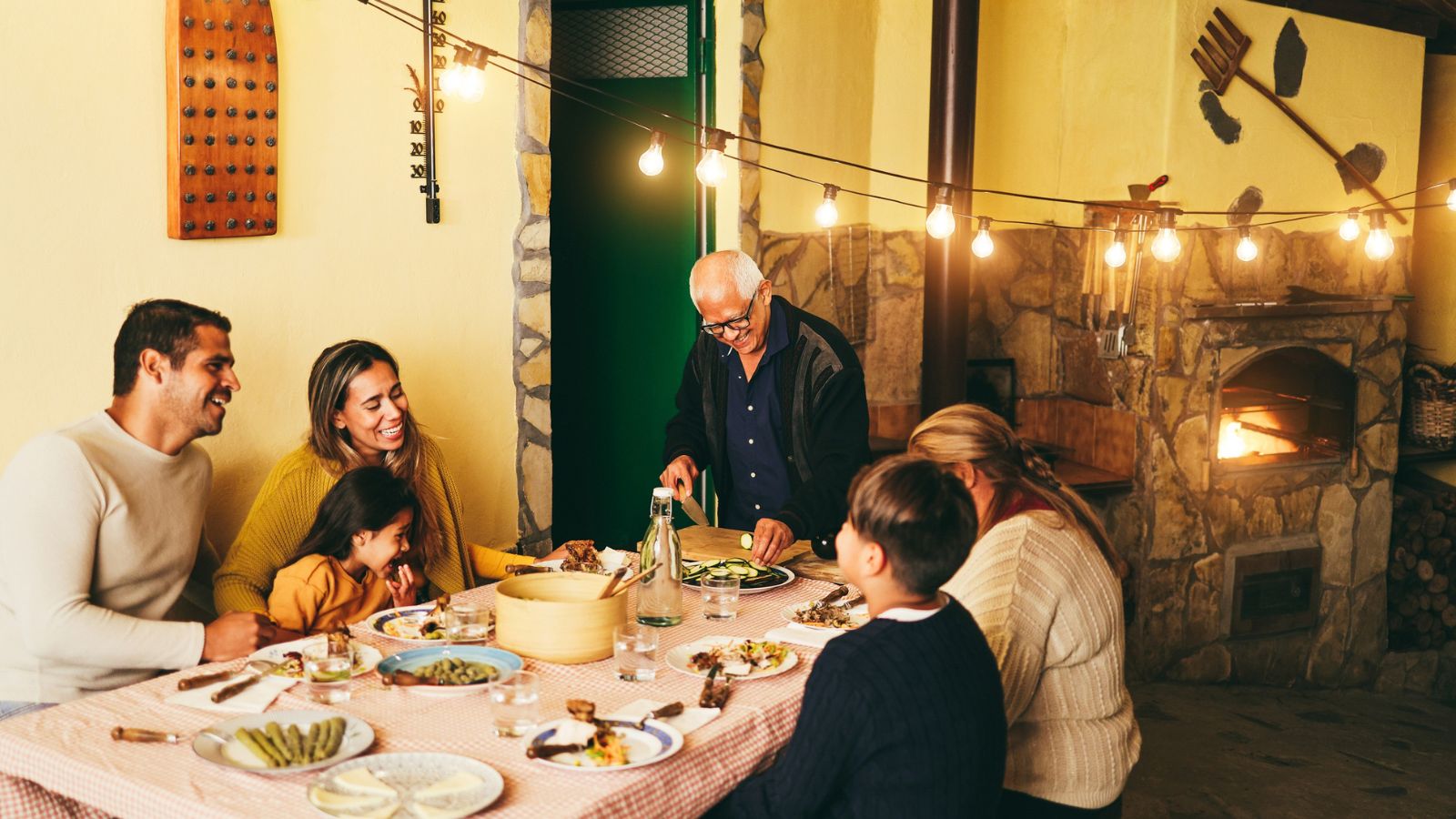
Birthdays, holidays, graduations, and family milestones still matter, but many households are trimming the scale. A restaurant dinner may become a home-cooked meal. A rented party room may become cupcakes at the park. Holiday gift lists may get shorter, with more emphasis on one meaningful present than a pile under the tree. The celebration remains, but the performance around it changes.
This can actually make some gatherings feel warmer. Families may lean into potlucks, homemade cakes, thrifted decorations, and shared experiences. Still, the downsizing can carry quiet sadness when parents compare today’s budget to what they imagined offering. Children may not remember the price tag, but adults often do. The expectation shifts from making every occasion impressive to making it sincere, affordable, and free of financial regret the next morning.
Accepting Longer Commutes for Lower Housing Costs

Some families are trading time for affordability. Moving farther from major employment centres can lower housing costs, but it often stretches commutes, increases fuel use, and complicates school or child care routines. A household may choose a smaller city, outer suburb, or rural community because staying near work would require too much rent or mortgage debt. The compromise shows up every weekday.
The expectation being downsized here is convenience. Parents may wake earlier, coordinate pickups more tightly, or lose evening time to traffic and transit transfers. Remote and hybrid work can soften the impact for some, but not every job allows it. The family may gain a backyard or an extra bedroom while losing hours together. Affordability becomes less about one price and more about the hidden cost of distance, fatigue, and schedule pressure.
Treating Debt Freedom as the New Status Symbol

For previous generations, status may have been expressed through a larger house, newer vehicle, vacations, or visible upgrades. Increasingly, many Canadian families are redefining success as owing less. Paying down credit cards, avoiding buy-now-pay-later balances, choosing used items, and saying no to financing can feel more empowering than buying something new. Financial calm becomes the aspiration.
This is a quieter kind of ambition. It may not show up in social media photos, but it changes how families sleep at night. A parent who declines a costly trip or delays a furniture purchase may be choosing breathing room over appearances. With consumer debt elevated and interest costs still meaningful for many households, carrying fewer obligations can feel like protection. The expectation shifts from looking comfortable to actually being less financially exposed.
Lowering Expectations Around Help From Institutions

Many families are becoming less confident that systems around them will move quickly enough to solve affordability pressure. Government benefits, child care programs, housing supply, interest rate relief, wage growth, and grocery competition all matter, but households still have to make decisions before policy changes reach their bank accounts. The result is a practical, sometimes weary form of self-reliance.
That does not mean families ignore available support. They may apply for credits, rebates, subsidized child care, dental benefits, or community programs. But expectations are tempered by paperwork, eligibility rules, wait-lists, and uneven access across provinces and cities. A family may qualify for one form of help while missing another by a narrow income margin. The expectation changes from assuming help will arrive to planning as if it may be limited, delayed, or partial.
Redefining Success as Stability, Not Upward Motion

The deepest downsizing may be psychological. Many Canadian families are no longer measuring progress by constant improvement. Instead, success may mean keeping housing secure, staying current on bills, feeding everyone well enough, maintaining one reliable vehicle, and having a small emergency cushion. That is a major shift from a culture that often treated each year as a step upward.
This version of stability can be dignified, but it is also revealing. Families are becoming more realistic because they have to be. The quiet recalibration shows up in smaller homes, simpler meals, delayed purchases, fewer activities, and more careful plans. Yet it also shows resilience: parents protecting children from stress, couples renegotiating priorities, and households finding pride in steadiness. Expectations may be smaller, but the work behind them is anything but.
22 Things Canadians Do to Their Cars in Spring That Mechanics Hate

Spring brings relief to many Canadian drivers after months of snow, freezing temperatures, and icy roads that put serious strain on vehicles. As temperatures rise across the country, drivers begin washing cars, switching tires, and preparing vehicles for warmer weather and upcoming road trips. However, mechanics across Canada notice the same mistakes every spring when drivers attempt to recover from winter damage. Road salt, potholes, and harsh winter driving conditions often leave vehicles with hidden problems that drivers ignore. Some spring habits even create new mechanical issues that could have been avoided with proper maintenance. Here are 22 things Canadians do to their cars in spring that mechanics hate.
